Table of Contents
Introduction
Electric transfer carts are common material handling equipment in industrial plants, used for transporting steel parts, molds, machinery, and other heavy loads between different working areas. Correct operation methods are important for keeping the cart running smoothly and avoiding unnecessary equipment problems.
In this article, we will explain how to use a transfer cart in daily operation, including pre-use checks, loading methods, running procedures, safety requirements, and basic maintenance. These points are based on common factory working conditions and can help operators understand the equipment better.
What Is an Electric Transfer Cart?
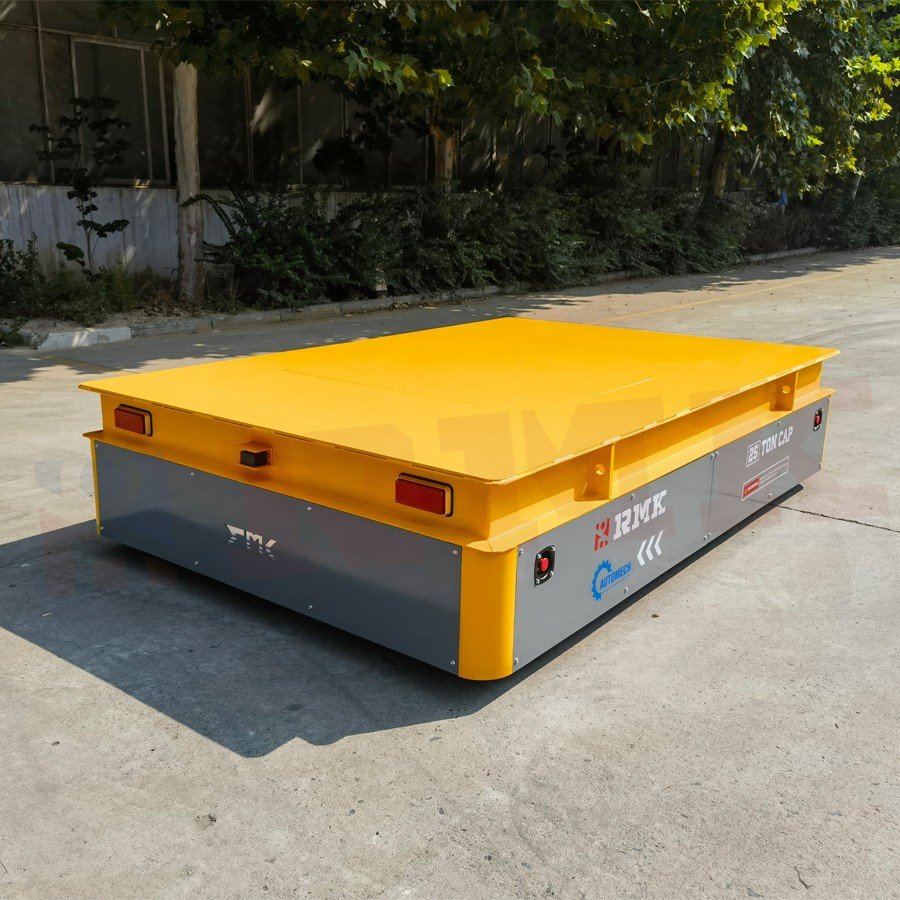
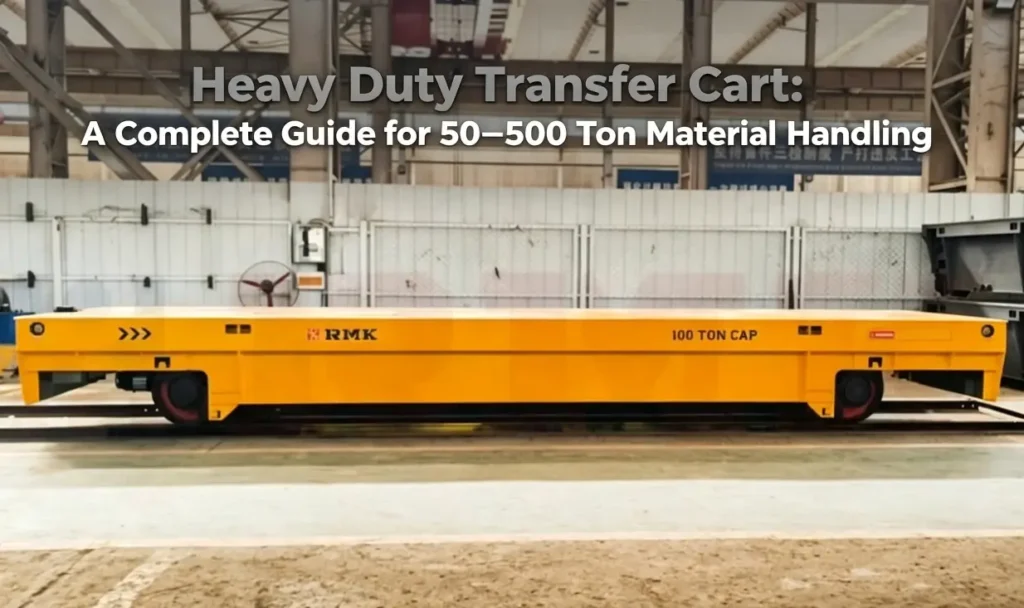
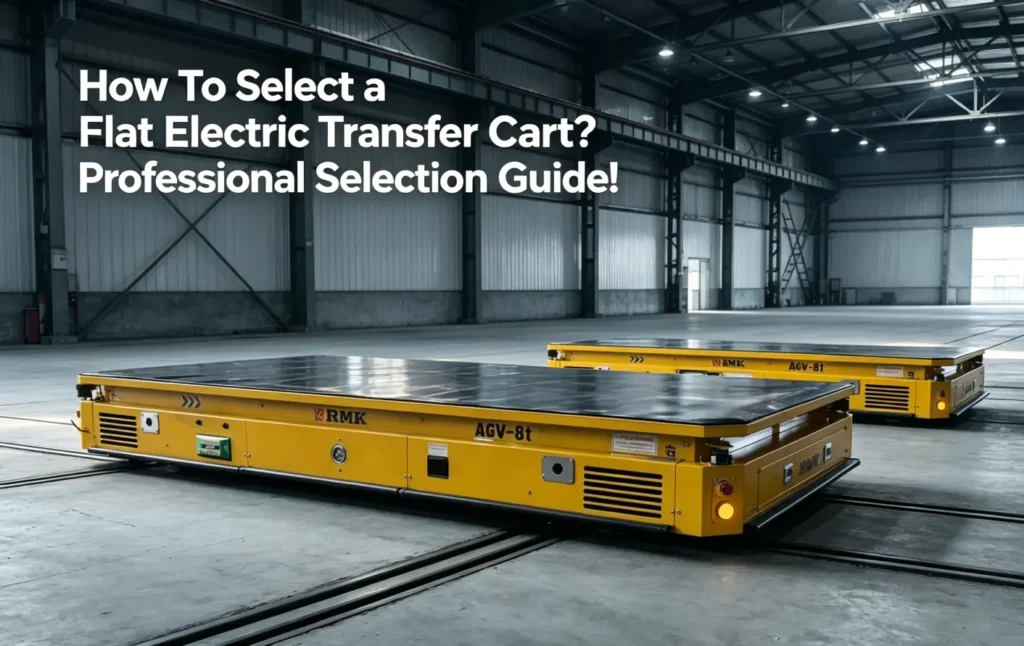
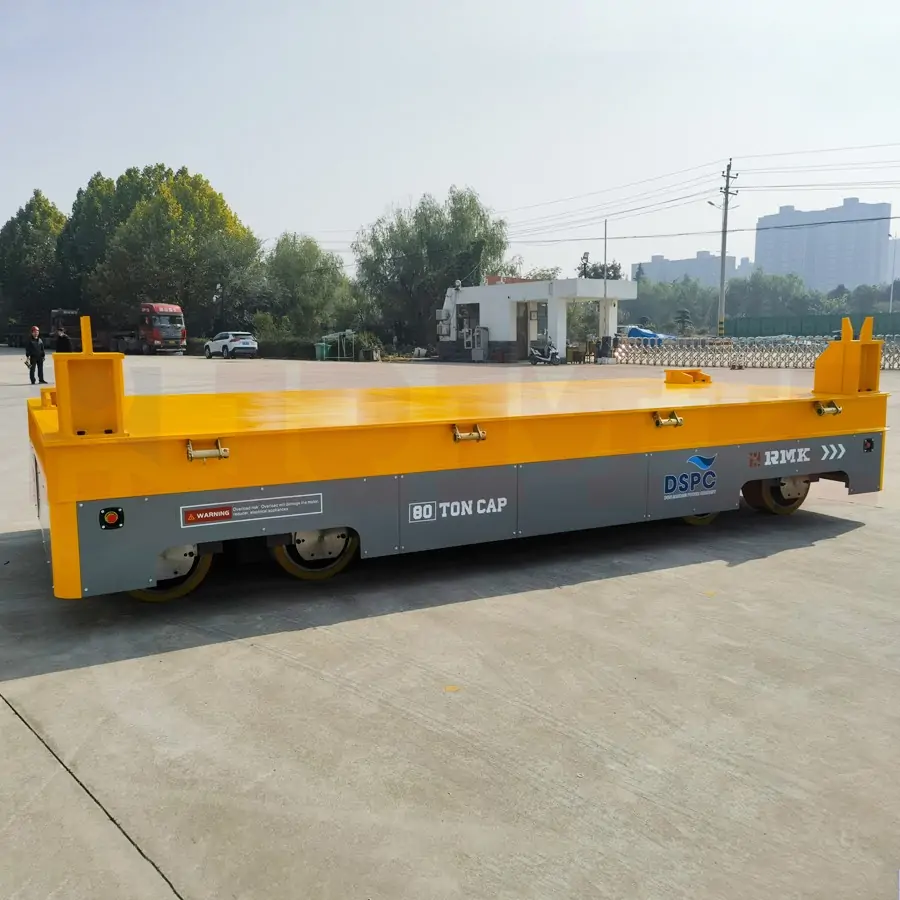
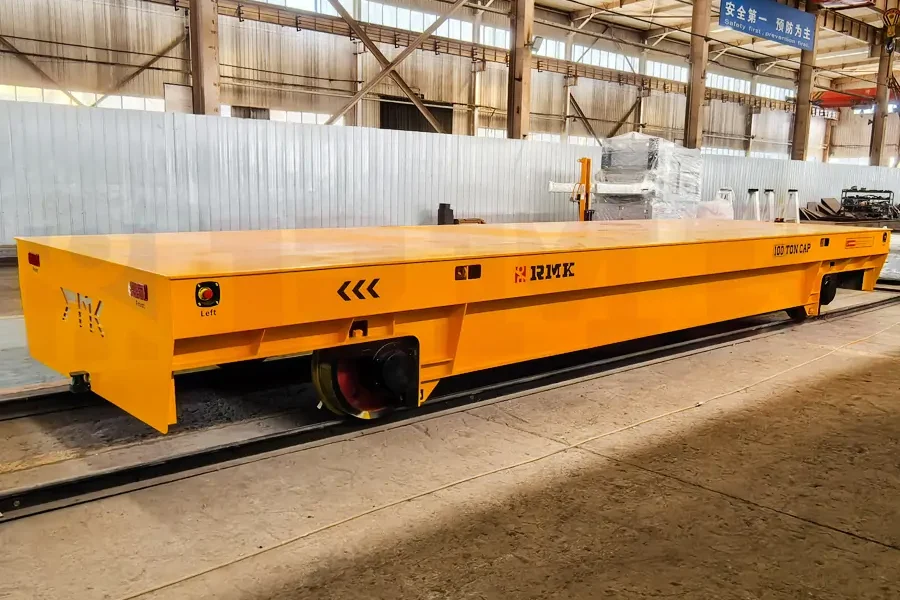
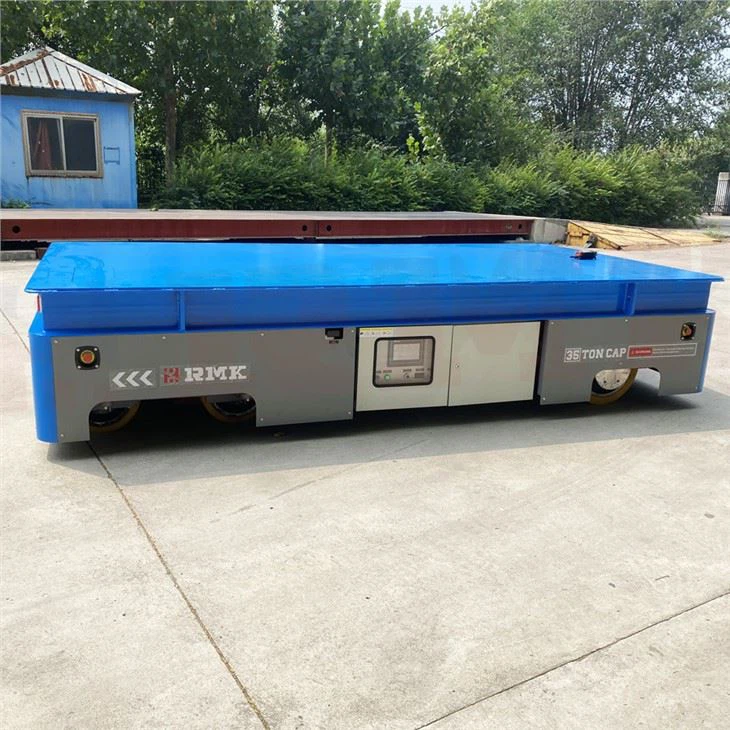
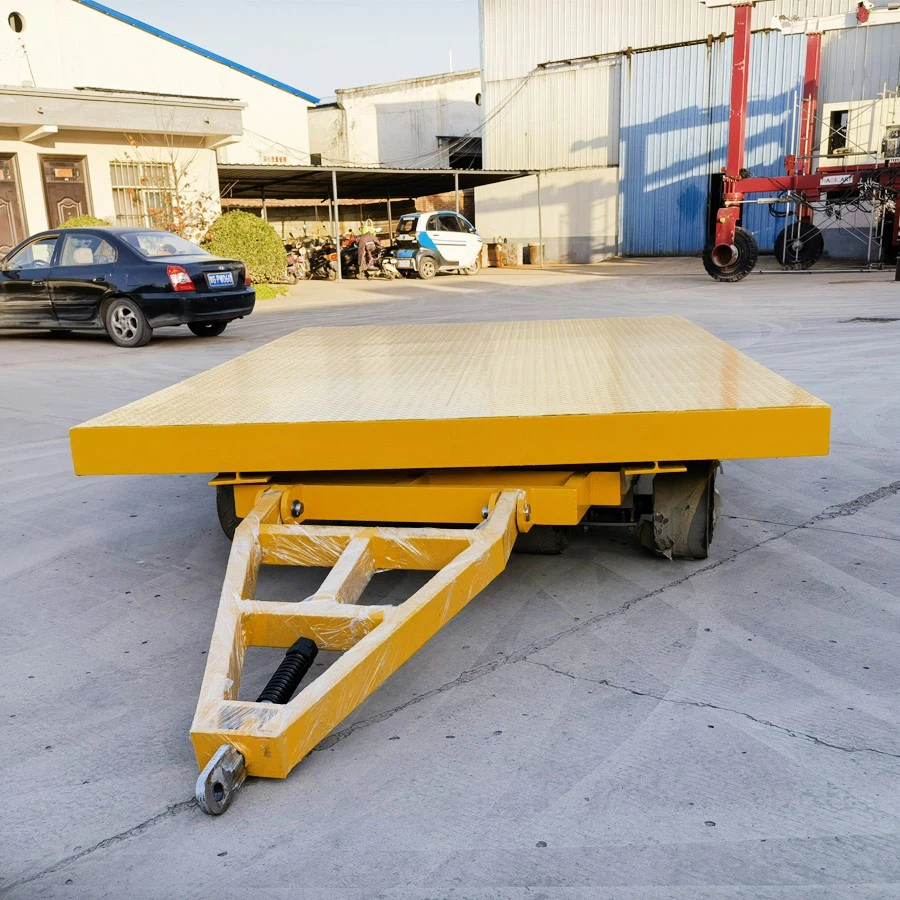
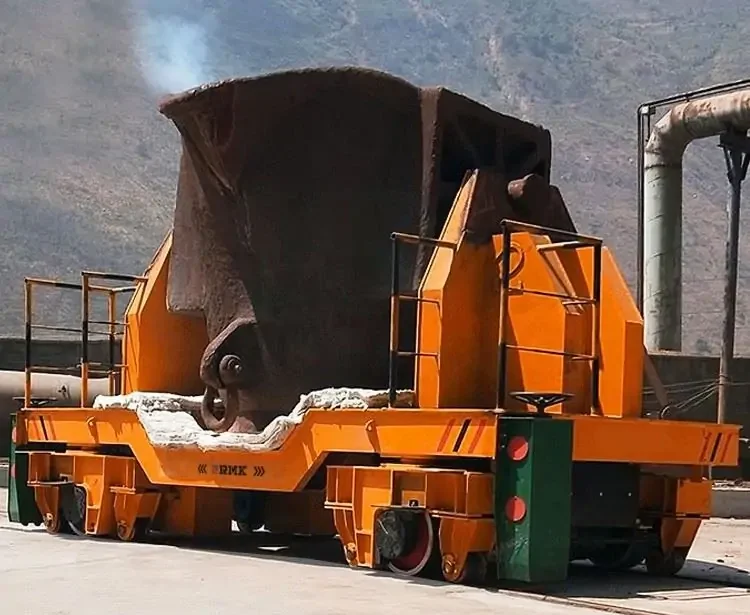
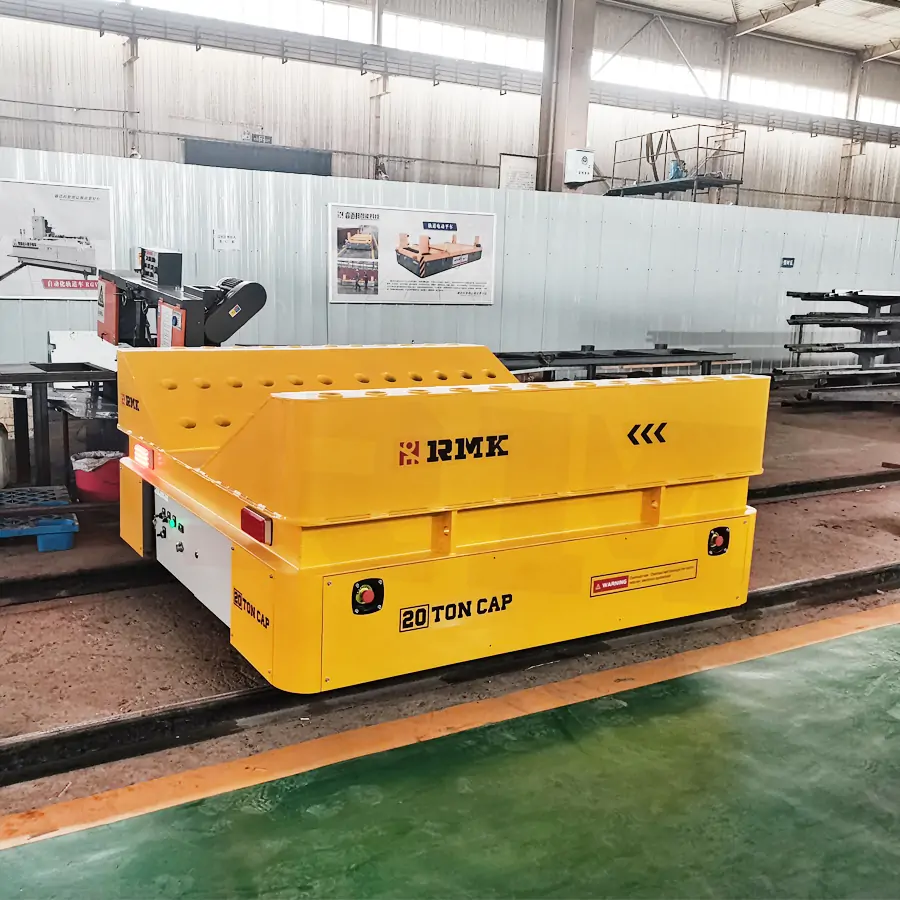
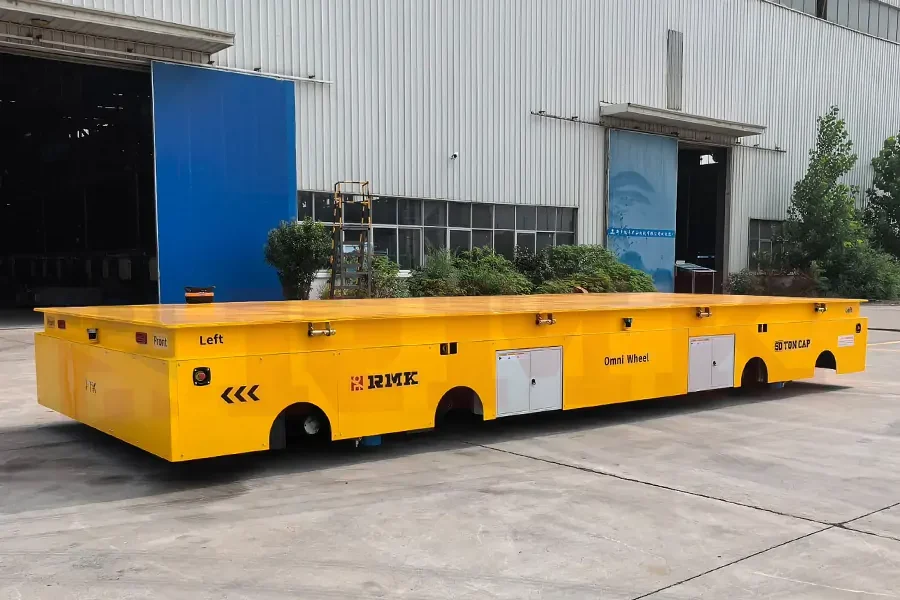
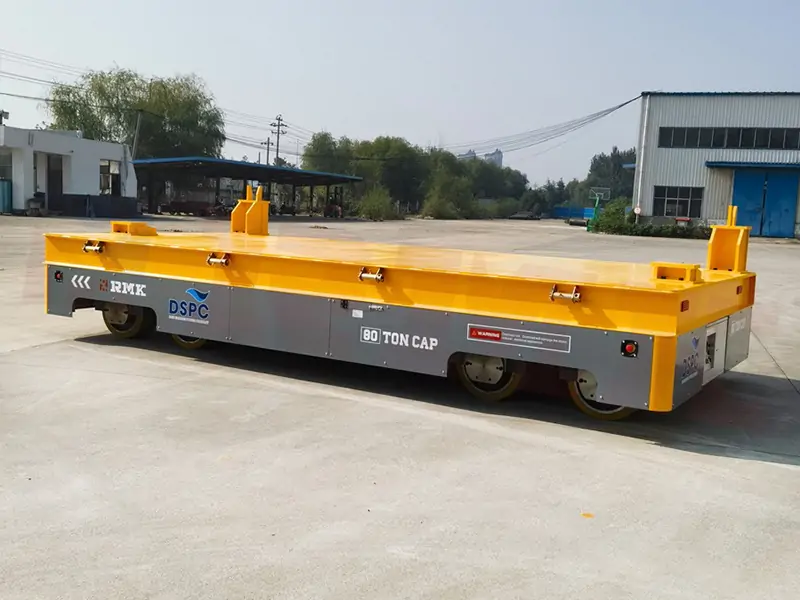
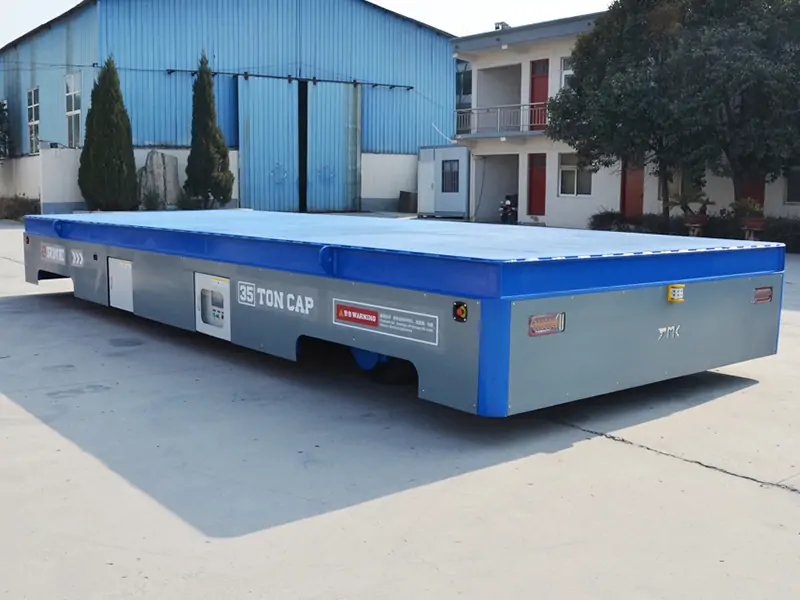
An electric transfer cart, also known as an electric transfer trolley, battery-powered material cart, or industrial electric bogie, is a heavy-duty battery-powered transfer cart used for the horizontal transport of materials within a factory. It moves materials such as steel parts, molds, equipment components, and finished products between different working areas through rail or trackless movement.
The cart consists of a steel frame, drive motor, reducer, wheels, power system, and control unit. Common models have a load capacity of 5–500 tons, with power options including battery, cable reel, busbar, and rail power according to different working conditions.
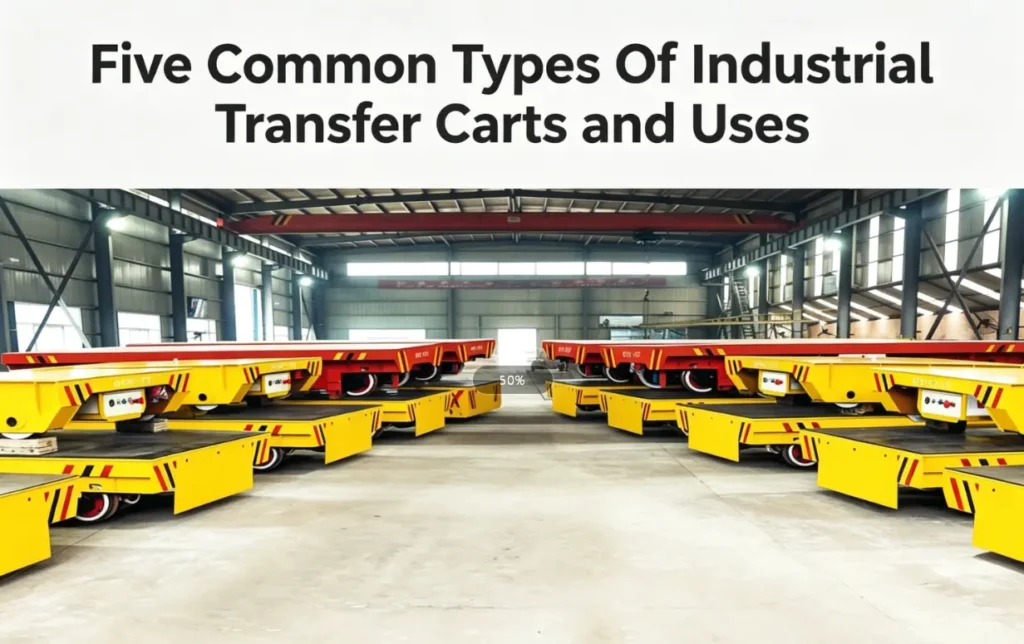
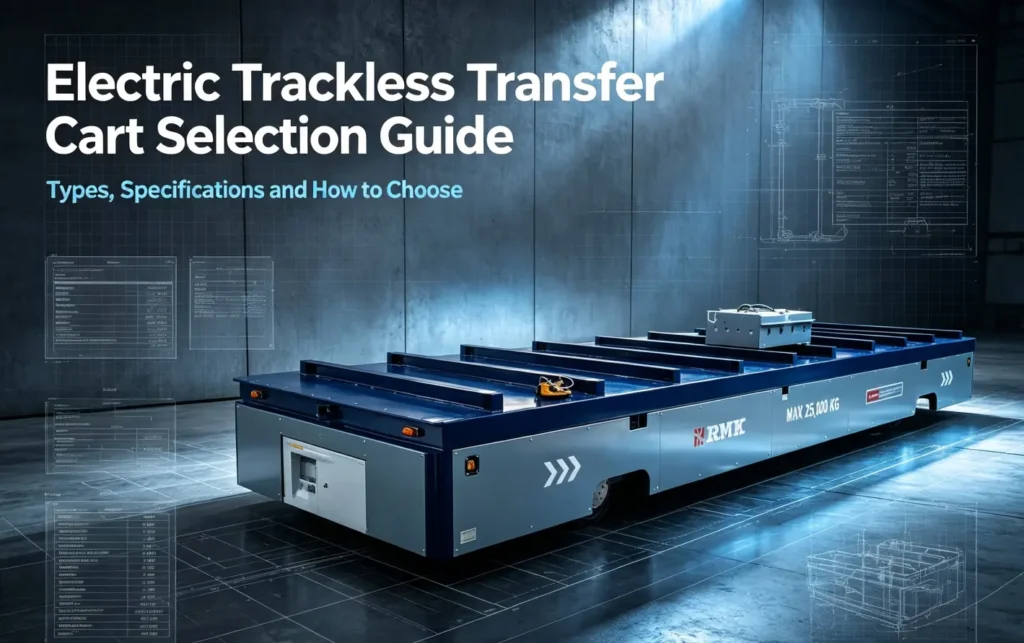
Electric transfer carts are widely used in steel plants, foundries, automotive factories, and machinery workshops. They are available in rail type and trackless type, with customized platform sizes and functions for different material handling needs.
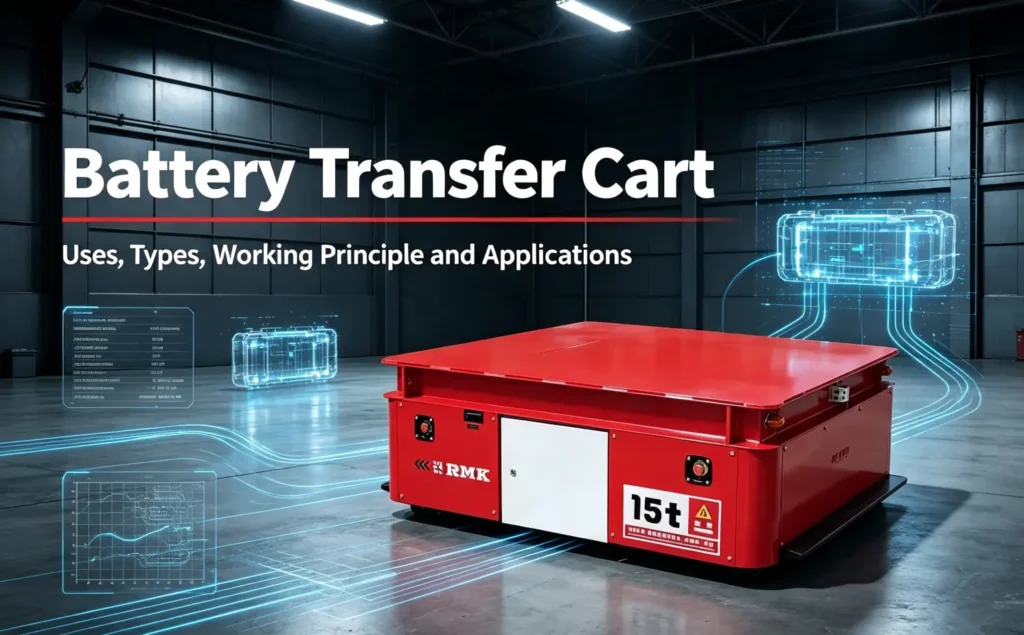
For more details, see: What Is an Electric Transfer Cart?
Working Principles
Electric transfer carts run using electric power to drive the wheels and move materials on the ground. Batteries, cable reels, or rail power systems supply electricity to the motor, and the motor transfers power through the reducer to rotate the wheels. The operator controls the cart’s movement, speed, and stopping during transportation.
The cart uses a flat platform to carry materials directly, which is suitable for transporting heavy parts, steel structures, molds, and other industrial loads. The control system manages basic functions such as forward movement, reverse movement, braking, and travel limits to support regular factory handling work.
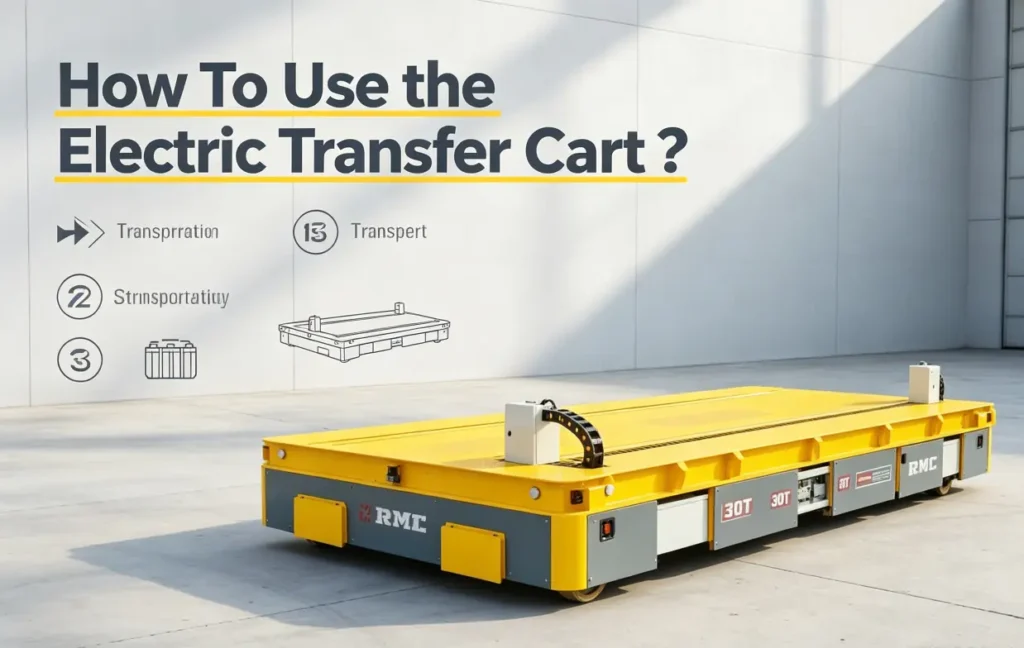
For details on how to use the Electric Transfer Cart, see: How to Use the Electric Transfer Cart?
Operation Steps
Following the correct operation steps helps operators use an electric transfer cart safely during daily material transportation.
- · Check the Cart Before Use: Inspect the power supply, control system, wheels, and safety devices before operation.
- · Load Materials Correctly: Place the cargo evenly on the platform and keep the load within the rated capacity.
- · Start the Transfer Cart: Turn on the power and check that the control system and drive system work normally.
- · Operate the Cart Movement: Control the running direction and speed according to the transportation route and working conditions.
- · Stop at the Required Position: Stop the cart at the designated location and apply the brake before unloading.
- · Unload and Check After Operation: Remove the materials and inspect the cart for any abnormal conditions before the next use.
Regular operation checks and proper handling methods help keep the electric transfer cart in good working condition.
Safety Rules for Operating Electric Transfer Cart
1. Operators must receive professional training and operate the cart with valid authorization; no unmanned operation or random start is allowed.
2. Strictly follow the rated load limit; overloading and eccentric loading are prohibited to prevent structural damage and safety accidents.
3. Keep the running track and ground clean and unobstructed; forbid passing through personnel-intensive areas and crossing obstacle barriers during operation.
4. Do not adjust, maintain, or repair the equipment when the cart is powered on; cut off the power supply completely before daily inspection and maintenance.
5. Press the emergency stop button immediately in case of abnormal noise, jitter, or sudden failure, and resume operation only after troubleshooting.
6. No personnel are allowed to stand, walk, or stack sundries on the cart platform while running.
7. Turn off the power and park the cart in the designated area after daily operation, and do not park the equipment in passages or working zones at will.
Common Problems During Operation
Electric Transfer Cart Cannot Start
Possible Cause: Power supply failure, low battery, or control system fault.
Solution: Check the power connection, battery status, and control components.
Cart Runs Slowly
Possible Cause: Insufficient power, motor issue, or excessive load.
Solution: Check the battery level, motor condition, and confirm the load is within the rated capacity.
Abnormal Noise During Operation
Possible Cause: Wheel wear, reducer problem, or loose mechanical parts.
Solution: Inspect the wheels, reducer, and fasteners, then repair or replace damaged parts.
Cart Stops Suddenly
Possible Cause: Emergency stop activation, sensor fault, or electrical problem.
Solution: Check safety devices, sensors, and electrical connections.
Cargo Moves During Transportation
Possible Cause: Uneven loading or improper cargo fixing.
Solution: Place materials evenly and use suitable fixing methods when necessary.
Maintenance Tips for Electric Transfer Cart
Regular maintenance keeps the electric transfer cart running smoothly and helps reduce failures during daily operation.
- Wheel Axles and Bearings — Check wheel wear, axle condition, and bearing lubrication regularly. Add grease or oil according to the working frequency and replace damaged parts when necessary.
- Motor and Reducer — Inspect the motor, reducer, gears, and bearings during regular maintenance. Keep the lubrication system in good condition to avoid abnormal noise and running problems.
- Electrical System — Check the control panel, wiring, sensors, and electrical connections regularly. Keep electrical components clean and replace damaged parts in time.
- Battery System — For battery-powered transfer carts, check battery charging condition, connections, and liquid level. Avoid overcharging or deep discharge to extend battery service life.
- Cart Body and Structure — Clean dust and material residue from the cart surface. Check the steel frame, welding points, and protective coating for damage or corrosion.
- Daily Operation — Avoid overloading, sudden acceleration, and frequent emergency stops during operation. Proper use reduces wear on the drive system and mechanical parts.
- Regular Inspection — Carry out a full inspection according to the working frequency, including mechanical parts, electrical components, and safety devices. Replace worn parts to keep the cart in normal working condition.
Checking key components and following proper maintenance procedures can extend the service life of the electric transfer cart.
For maintenance details and schedules, see this article: Battery-Powered Transfer Cart Maintenance Guide: Daily Inspection and Battery Care
Electric Transfer Cart Operation Checklist
Check the electric transfer cart condition, cargo loading, and safety parts before operation to avoid problems during material transportation.
| Check Category | Check Item | Operation Requirements |
|---|---|---|
| Before Operation | Electrical System | Check power supply, cables, and electrical components for damage or loose connections. |
| Before Operation | Cart Structure | Check the frame, platform, and fasteners for cracks or looseness. |
| Before Operation | Wheels | Check wheel wear and confirm there are no abnormal conditions affecting movement. |
| Before Operation | Test Run | Run the cart without load before handling materials. |
| Load Handling | Load Position | Place cargo at the center of the platform and keep the load within rated capacity. |
| Load Handling | Material Placement | Keep materials stable and avoid overloading, over-width, or over-length loading. |
| Operation | Start and Direction Change | Stop the cart completely before changing the running direction. |
| Operation | Running Condition | Check for abnormal noise, vibration, or other unusual conditions during movement. |
| Safety Check | Safety Devices | Confirm emergency stop, limit switches, alarms, and protection devices work properly. |
| Battery Maintenance | Battery Status | Check battery level and charge the cart in time when power is low. |
| After Operation | Equipment Inspection | Check the cart condition after use and report any abnormal issues. |
Daily checks help operators find equipment issues in time and maintain normal operation of the electric transfer cart.
Conclusion
Electric transfer carts provide a reliable solution for moving heavy materials inside factories, and proper operation, regular inspection, and maintenance are important for keeping the equipment in good condition. Understanding the working process, operation steps, safety points, and maintenance methods helps users use the cart more effectively.
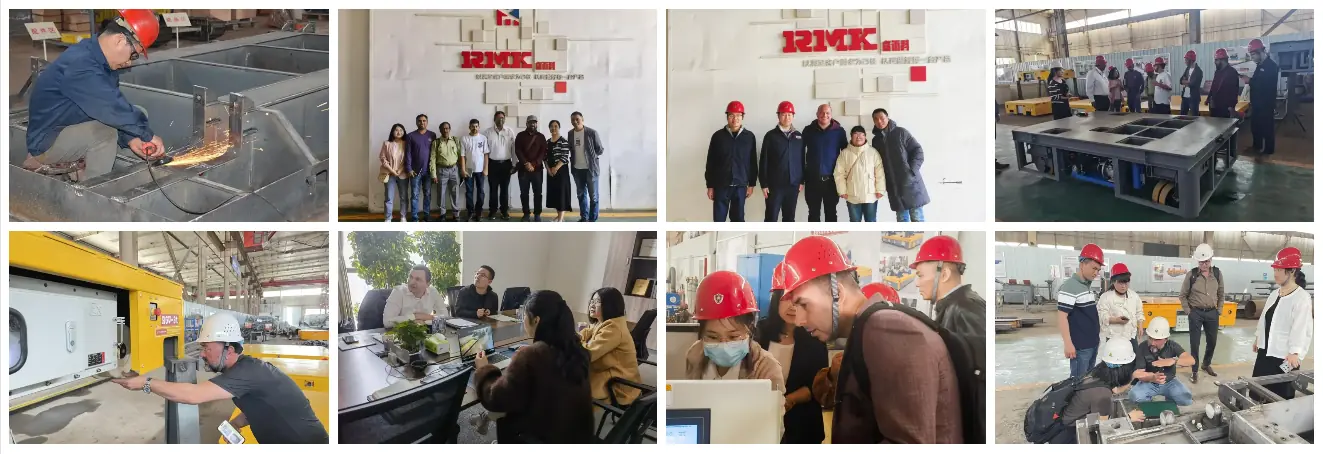
REMARKABLE provides customized electric transfer carts based on different load capacities, platform sizes, power supply methods, and working environments. With export experience, professional production capability, and after-sales support, REMARKABLE supplies transfer cart solutions for customers in different industries worldwide. Contact us for more information about electric transfer carts and customized handling solutions.
Email: transfercart@rmkzn.com
Phone: +86-18637369355
FAQ
How do you operate an electric transfer cart?
Operate the cart by checking the equipment condition, loading materials correctly, starting the power system, and controlling the running direction and speed according to the working route.
What should be checked before using a transfer cart?
Check the power supply, control system, wheels, drive components, safety devices, and cargo loading condition before operation.
Can one person operate an electric transfer cart?
Yes. Most electric transfer carts can be operated by one trained operator through a remote control, pendant controller, or control panel.
What safety precautions are required?
Operators should avoid overloading, keep the travel path clear, check safety devices before use, and stop the cart immediately if abnormal conditions occur.
How often should an electric transfer cart be maintained?
Maintenance frequency depends on working conditions and usage time. Regular checks of wheels, motor, reducer, electrical parts, and battery system are recommended.
What causes an electric transfer cart to stop working?
Common causes include power failure, low battery, electrical faults, motor problems, control system issues, or overloaded operation.
Can electric transfer carts work outdoors?
Yes. Electric transfer carts can be designed for outdoor use with suitable power systems, protective components, and weather-resistant configurations.
What load capacity can electric transfer carts handle?
Electric transfer carts usually handle loads from 5 tons to 500 tons, and the capacity can be customized according to material weight and transportation requirements.