Table of Contents
Introduction
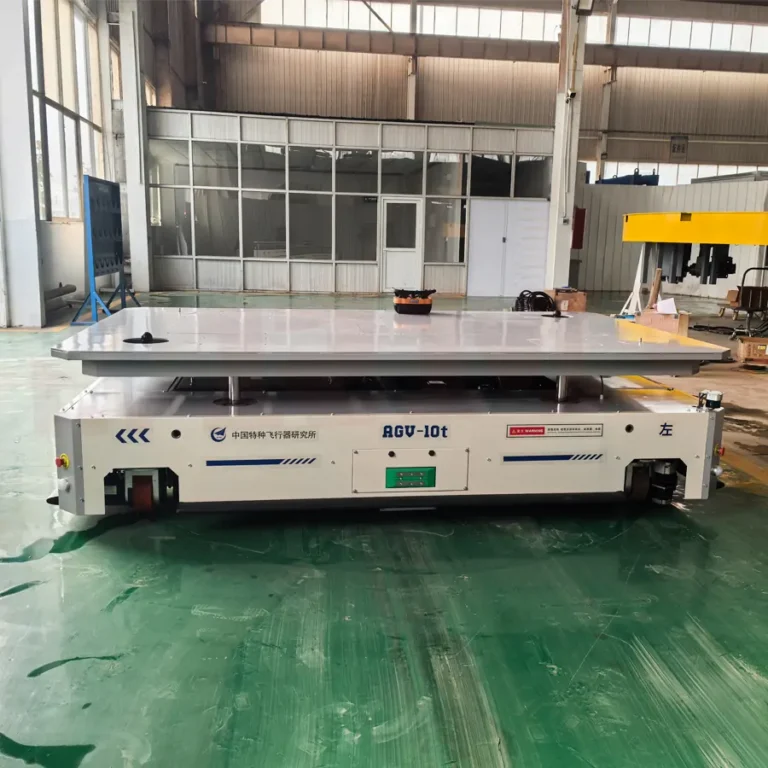
An Omnidirectional Transfer Cart is a heavy-duty material handling vehicle designed to move loads in multiple directions, including forward, backward, sideways, and 360° rotation. Compared with traditional transfer carts, it provides more flexible movement in limited spaces and is widely used for transporting large and heavy components in factories, workshops, and industrial production areas.
In this article, we will introduce what an Omnidirectional Transfer Cart is, how its movement system works, its main features, applications, and key factors to consider when selecting a suitable model. Through our experience in industrial material handling solutions, we will explain the structure and advantages of this equipment to help users better understand its application value.
What Is an Omnidirectional Transfer Cart?
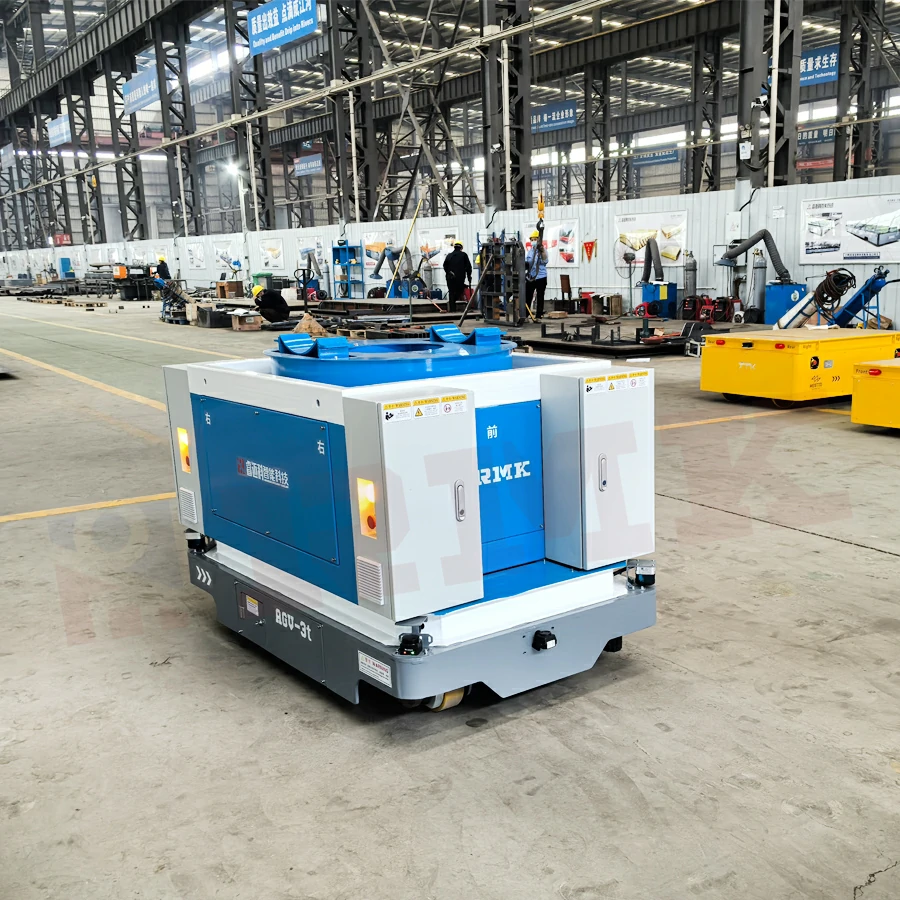
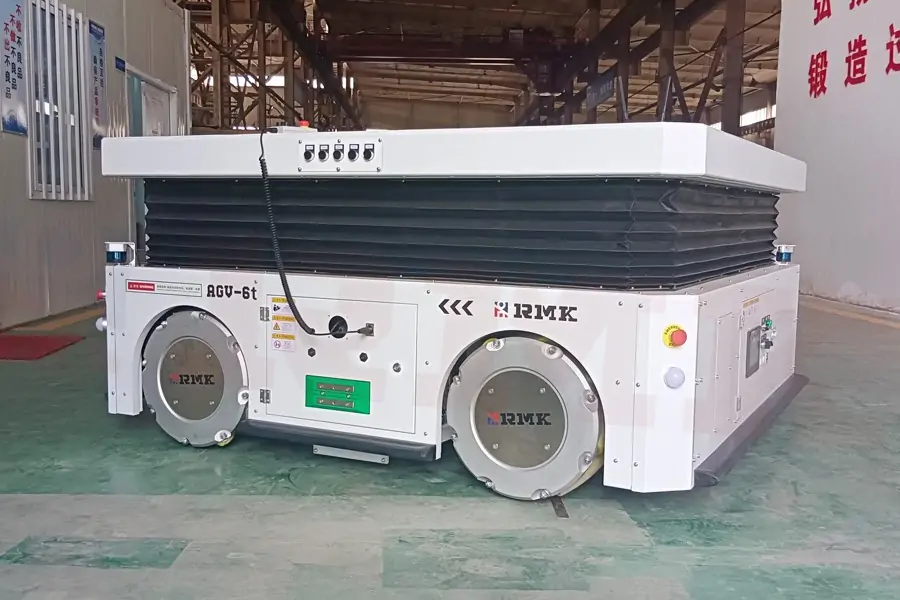
An Omnidirectional Transfer Cart is an electric material handling vehicle that moves in multiple directions on a flat surface. It uses Mecanum wheels or steering wheels with independent wheel control to move forward, backward, sideways, diagonally, and rotate 360° without fixed rails.
The cart includes a steel frame, drive system, power supply, and control system. For Mecanum wheel models, rollers installed at a 45° angle create different movement directions through wheel speed adjustment. Load capacities usually range from 1–150 tons, with positioning accuracy up to ±5 mm. It is used for aerospace components, heavy machinery, molds, and other large workpiece transportation.
The control system uses PLC or motion controllers with wireless remote control or navigation devices. Compared with traditional rail transfer carts, an Omnidirectional Transfer Cart does not need fixed tracks and fits production areas with limited operating space.
How omnidirectional carts work.
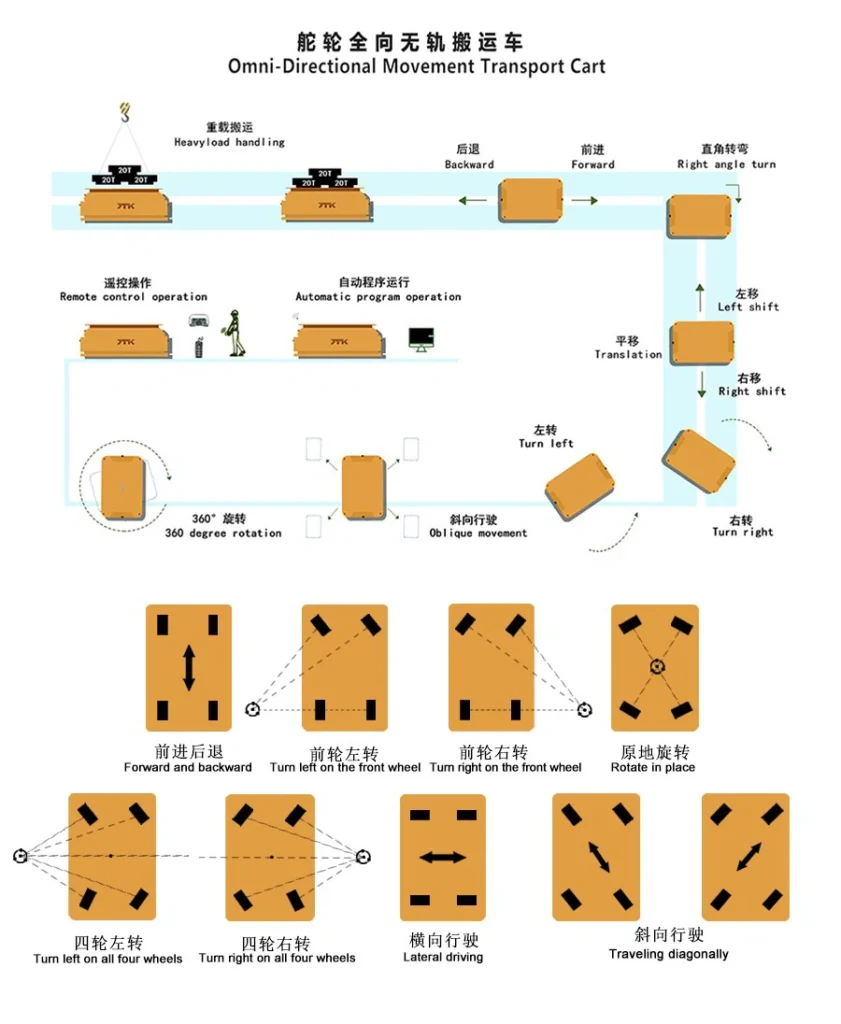
From the above, we have learned what an omnidirectional mover cart is. Now let’s take a look at how it works. Its working principle can be divided into three parts: the core component AGV Drive Unit, the control system, and custom accessories.
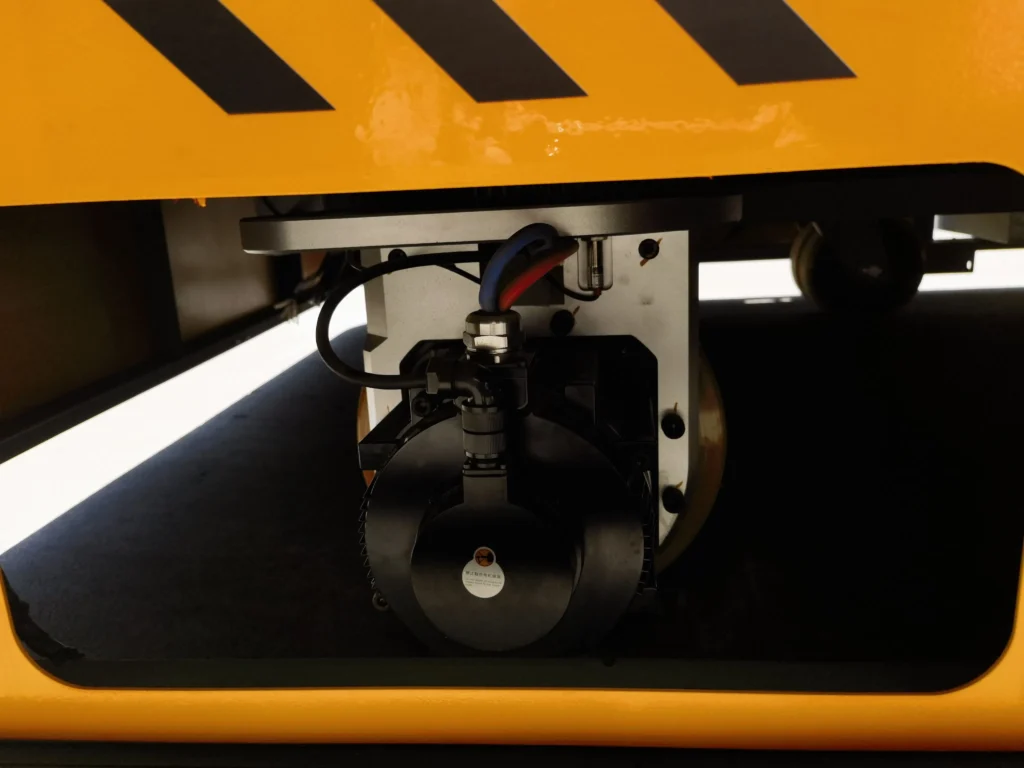
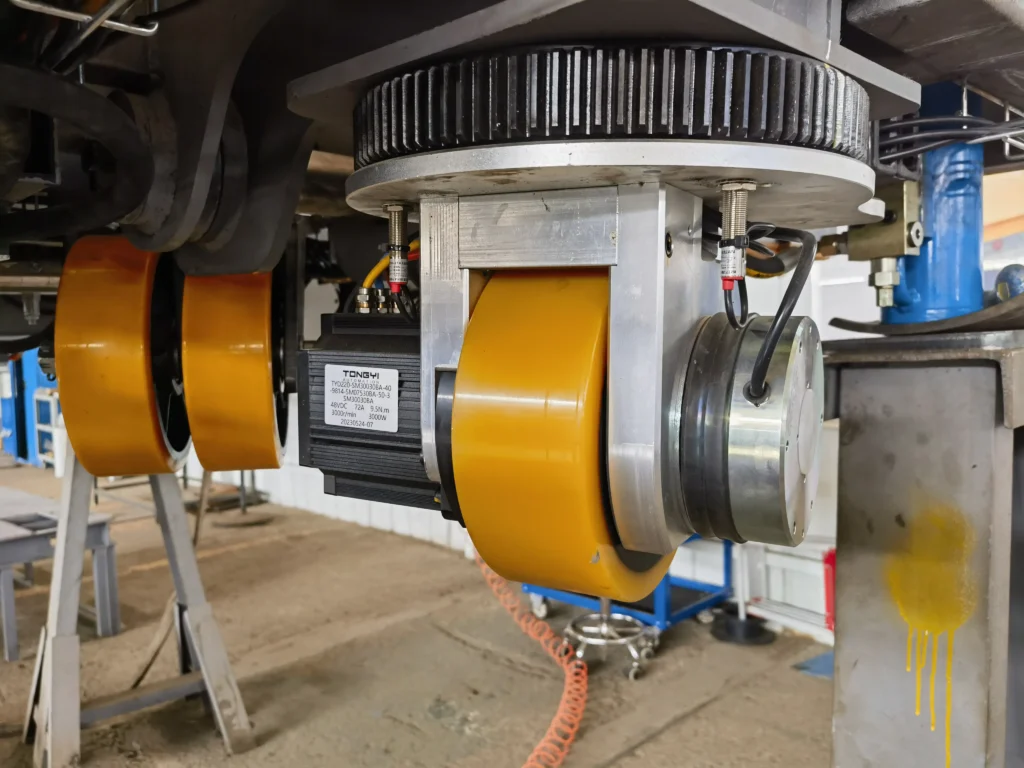
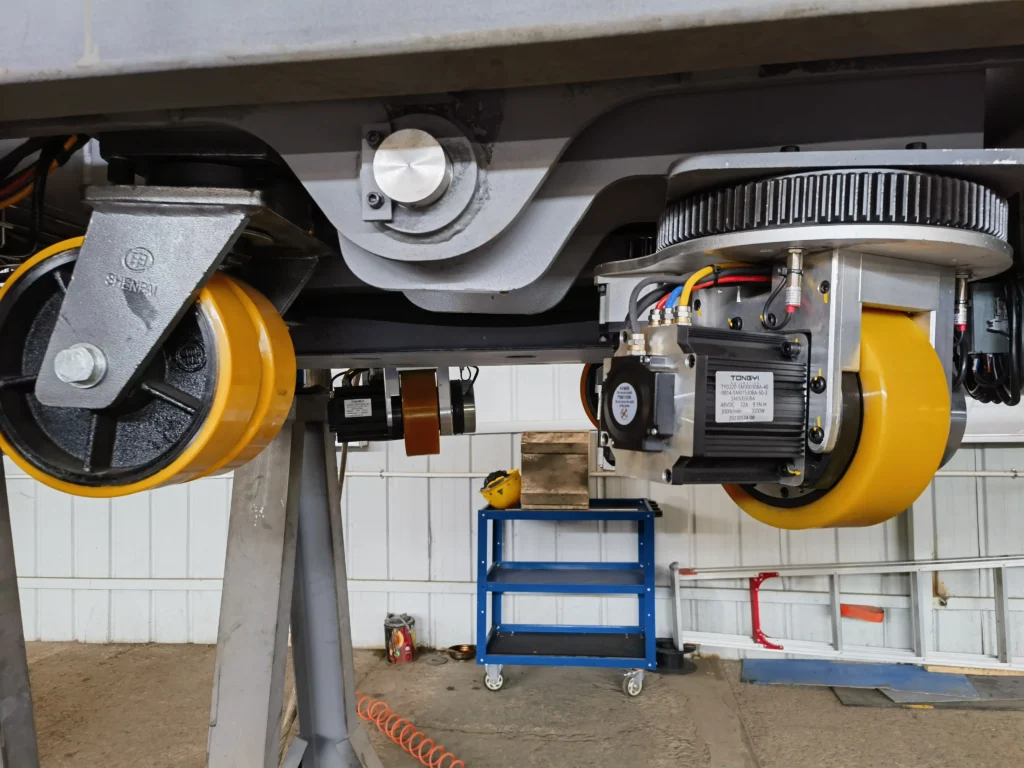
Core Component: AGV Drive Unit
This is a component that is currently the most economical and efficient option available. It primarily integrates two motors: a drive motor (responsible for rotating the wheels) and a steering servo motor (responsible for changing the direction of the wheels).
Its primary operating principle
- The steering servo motor can precisely control the wheels to point in any angle within a plane.
- The drive motor then controls the wheels to move forward, backward, or stop in that direction.
- By coordinating the direction and speed of all AGV Drive Units, the forces generated by all wheels can be directed toward the same direction, working together to move the platform, thereby achieving the material handling and transfer functions of an omnidirectional mover cart.
Control system:
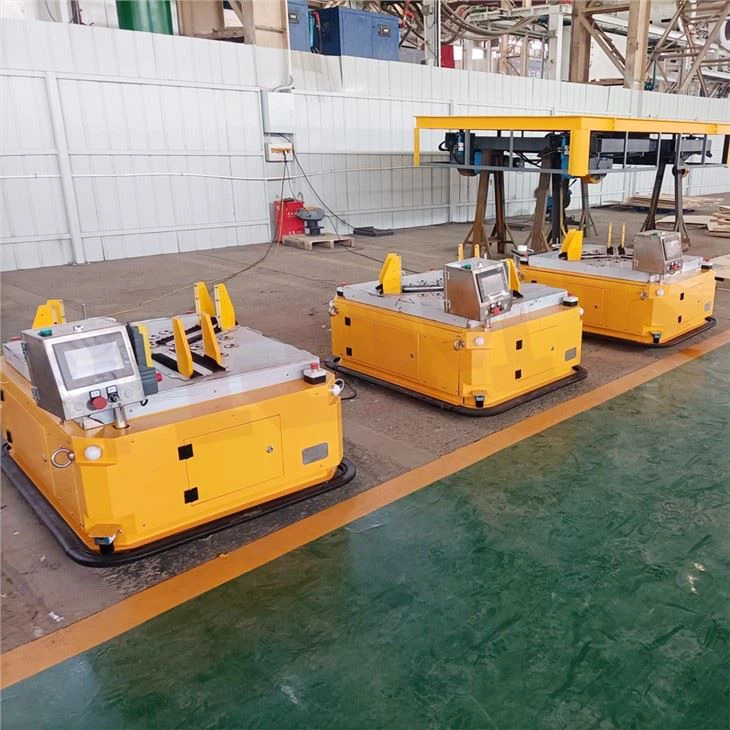
Since each AGV Drive Unit is an independent system, the number of AGV Drive Units equipped on each omnidirectional mover cart varies depending on the load and type of cargo being transported. Typically, there are 4–12 AGV Drive Units, with custom production based on customer scenario requirements.
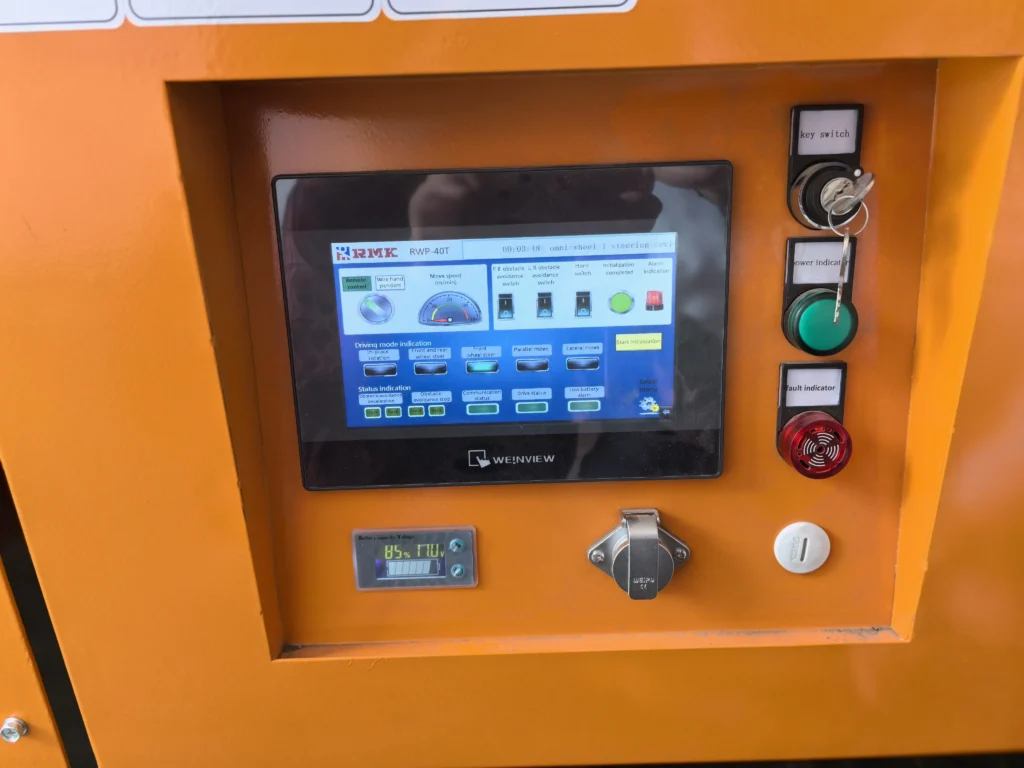
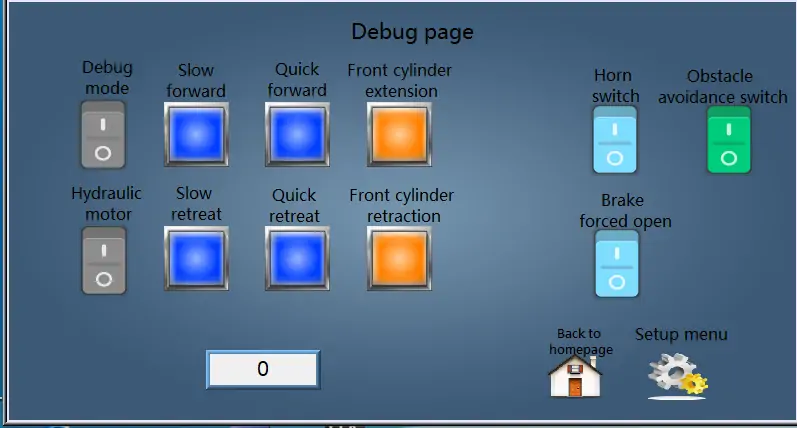
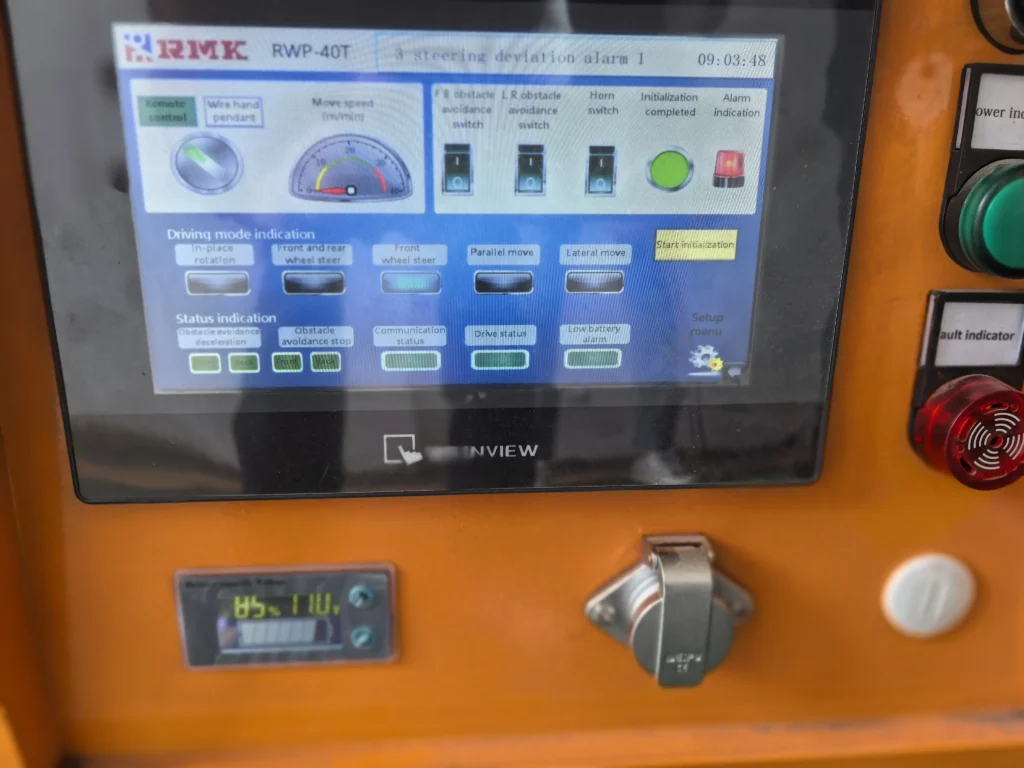
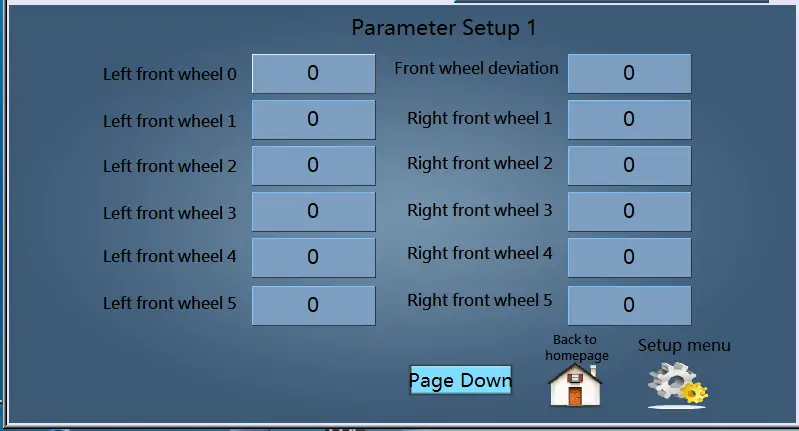
The control system is an embedded computer or high-performance microcontroller. Its primary function is to unify the direction of all AGV Drive Units. It issues commands to them, enabling them to collaborate and complete tasks.
Steps:
- Input commands:
- Remote control signals: The operator issues commands such as “move forward,” “move left,” or “rotate clockwise” via a remote control.
- Navigation system: The vehicle uses laser radar, visual sensors, or QR codes to perceive its own position and map, autonomously plans a path, and calculates the movement commands required to achieve that path.
- Algorithm calculation: Upon receiving a directional command, the control system uses an inverse kinematics algorithm to calculate the speed and direction each wheel should have.
- Motor execution: The “brain” sends the calculated commands to the motor drivers of each wheel, which precisely control the speed and steering angle of each motor.
Advantages
- Multi-Directional Movement: Moves forward, backward, sideways, diagonally, and rotates in place without changing direction.
- Flexible Operation in Limited Space: Fits narrow workshops and areas with complex transportation routes.
- No Fixed Track Required: Runs directly on the factory floor without installing rails.
- Heavy Load Handling: Supports large loads from several tons to hundreds of tons for industrial transportation.
- High Positioning Accuracy: Provides precise movement control for assembly and production applications.
- Customizable Design: Can be configured with different sizes, power systems, control methods, and functions based on working conditions.
Omnidirectional Transfer Cart vs Trackless Transfer Cart
Omnidirectional Transfer Cart and Trackless Transfer Cart are both electric material handling vehicles. The main differences are movement ability, structure, application range, and operating cost.
| Comparison | Omnidirectional Transfer Cart | Trackless Transfer Cart |
|---|---|---|
| Movement Mode | Supports forward, backward, sideways, diagonal movement, crab movement, and 360° rotation | Supports forward, backward, and normal turning only |
| Turning Radius | Zero turning radius, suitable for narrow spaces | Requires larger turning space |
| Drive System | Uses Mecanum wheels or steering wheels with independent drive and steering control | Usually uses differential drive or simple steering systems |
| Positioning Accuracy | Can be equipped with navigation systems, accuracy can reach ±0.1 mm | Mainly depends on manual operation, accuracy is lower |
| Load Capacity | 1–300 tons, suitable for heavy-duty transportation | Mainly used for light and medium loads |
| Structure | Includes frame, drive unit, power system, control system, and safety system | Simple structure with lower manufacturing and maintenance costs |
| Movement Flexibility | Moves without rotating the vehicle body and handles complex routes | Mainly used for straight-line transportation |
| Cost | Higher cost due to advanced drive and control systems | Lower cost with mature structure and simple maintenance |
| Application Environment | Suitable for narrow workshops, complex routes, and high-precision positioning tasks | Suitable for open areas and simple transportation routes |
| Typical Applications | Mold handling, transformer transportation, steel plants, shipyards, automated production lines | Outdoor yards, factory areas, and long-distance material transfer |
| Working Efficiency | Reduces turning and repositioning time; can reduce secondary lifting operations by about 30% in some applications | Takes more time for turning and route adjustment in limited spaces |
An Omnidirectional Transfer Cart is suitable for applications requiring flexible movement, limited working space, and precise positioning. A Trackless Transfer Cart is a practical choice for basic transportation tasks with simple routes and lower cost requirements.
For more details, read the article: Omnidirectional Transfer Cart vs. Trackless Transfer Cart: Key Differences
Custom accessories:
Now that we understand their basic workflow, many existing solutions may not fully meet our needs. We offer additional customization services.
Omnidirectional Mover Carts Customization Options
| Customization Category | Specific Options | Common Configurations |
|---|---|---|
| Dimensions & Load | Platform Size, Load Capacity | Custom L/W/H, Rated Load |
| Body Material | Main Structure Material | Stainless Steel, Carbon Steel, Aluminum Alloy, Engineering Plastics |
| Core Functions | Lifting System, Fixing Devices | Hydraulic Lifting, Guardrails, Tie-downs, Custom Jigs |
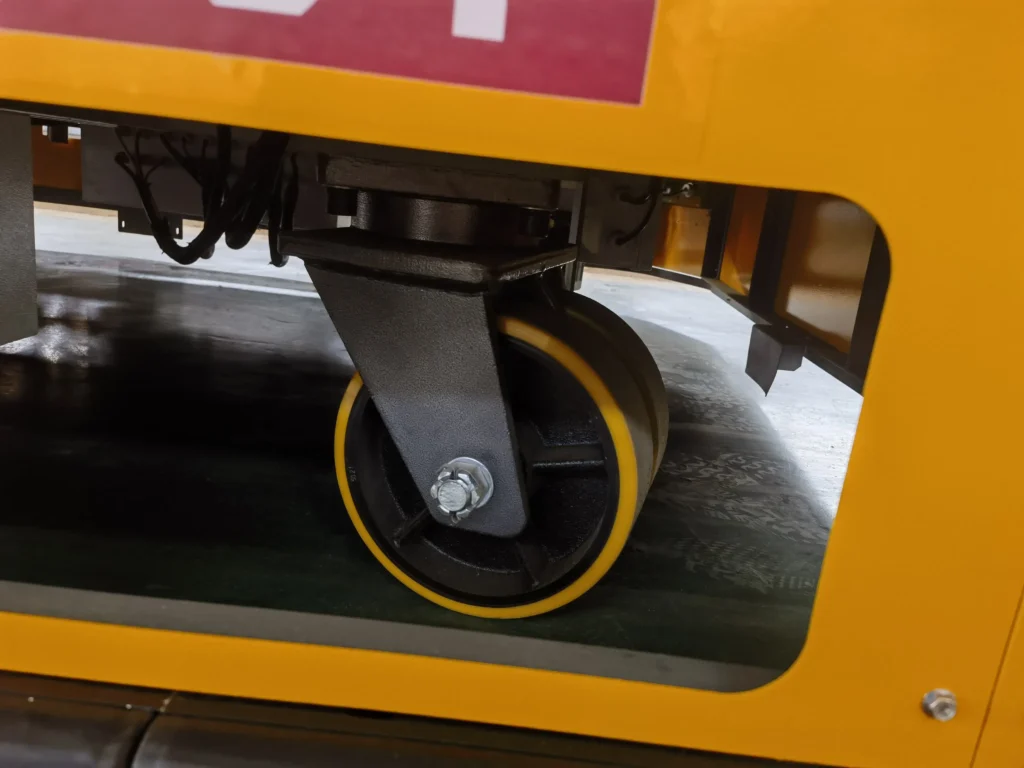
| Running System | Wheel Type & Layout | PU Wheels, Nylon Wheels, Swivel Casters, Rigid Casters, Brakes |
| Safety & Marking | Safety Features, Appearance | Bumpers, Warning Lights, LOGOS, Colors, ID Numbers |
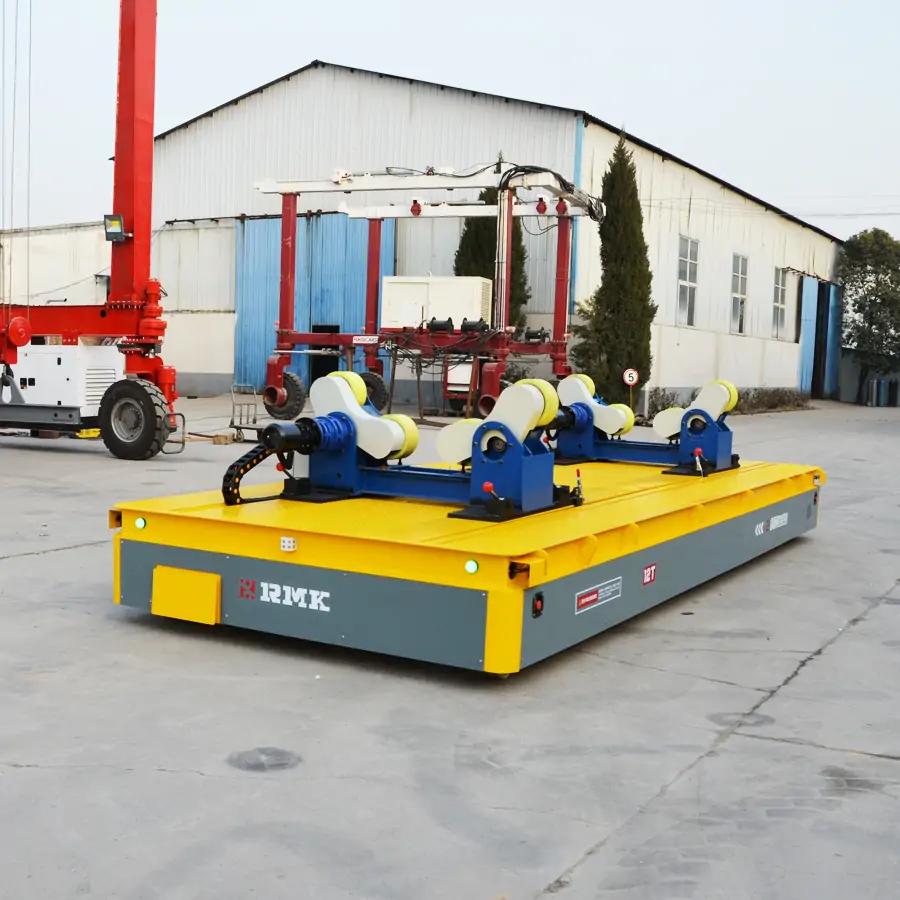
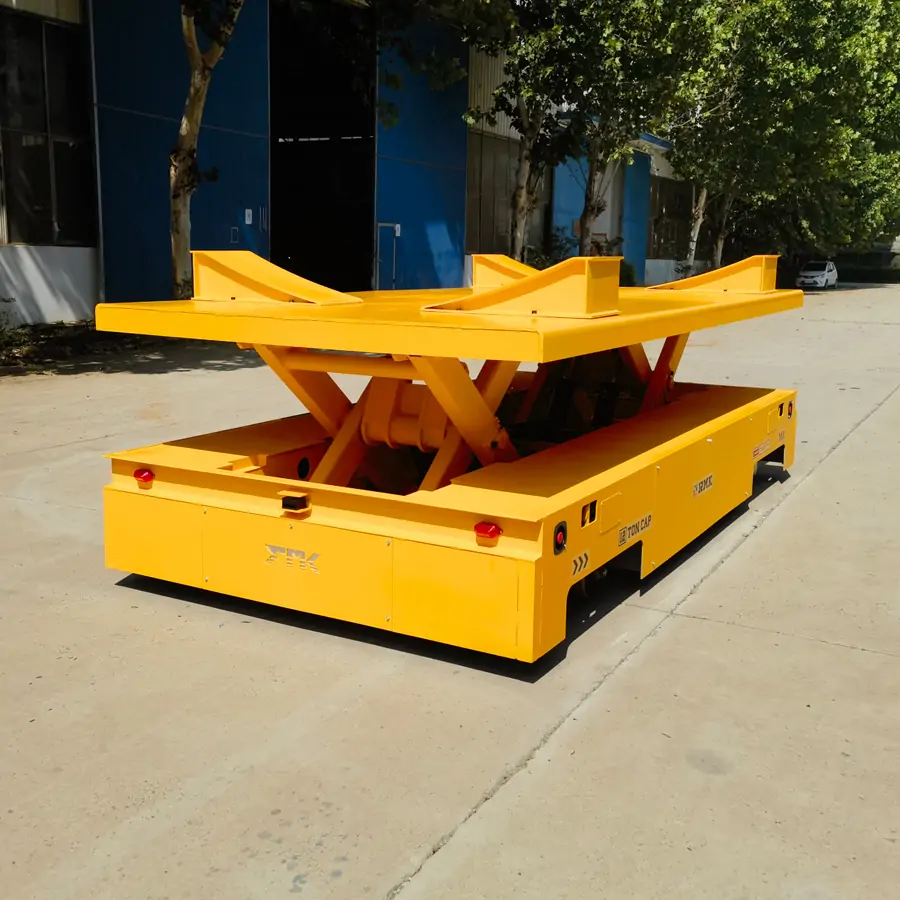
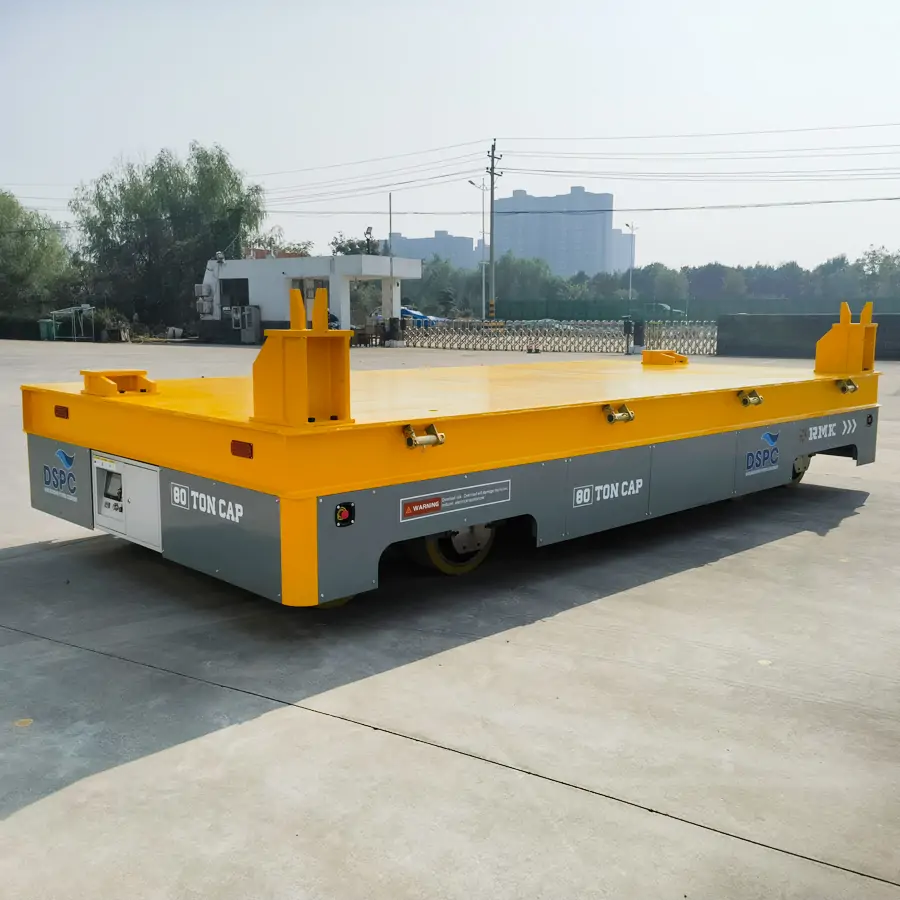
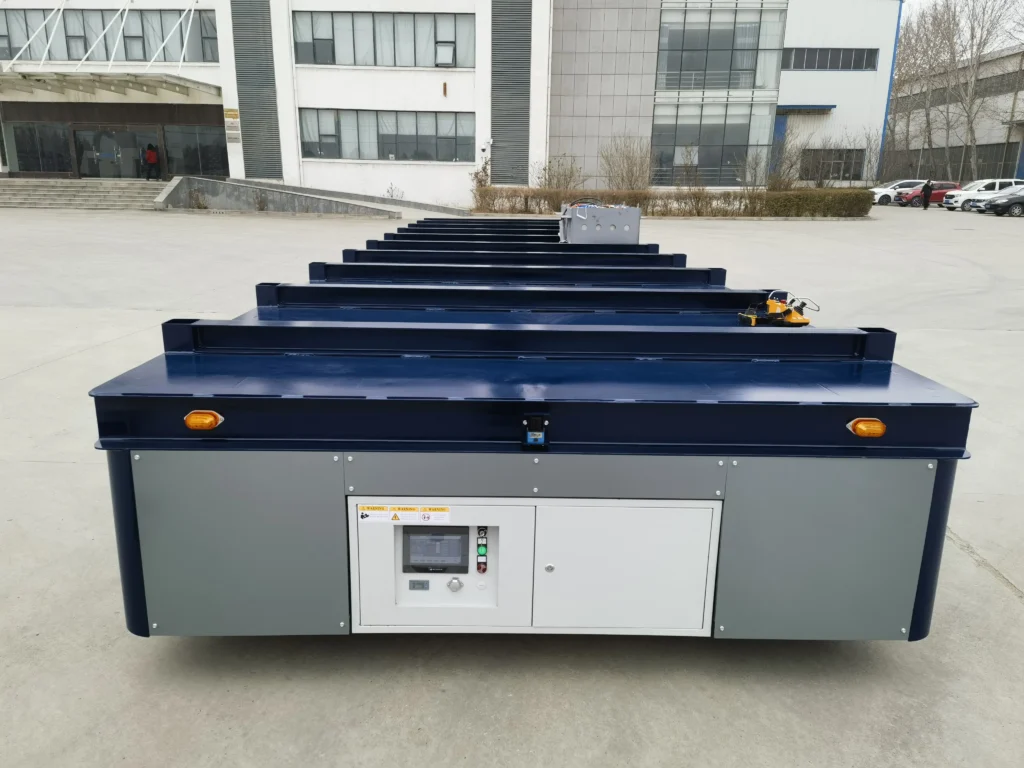
The above are our commonly customized options. If you have any other customization needs, please feel free to contact us. We will have professional designers provide you with more tailored solutions.
After understanding the working principle of omnidirectional mover carts, let’s explore their types and application scenarios.
Types and applications of omnidirectional mover carts
Explosion-proof omnidirectional mover cart: A specialized vehicle designed for hazardous environments with flammable or explosive gases or dust, eliminating any potential energy sources that could trigger an explosion. Commonly used in petrochemical plants, aerospace facilities, military ammunition depots, and pharmaceutical factories.
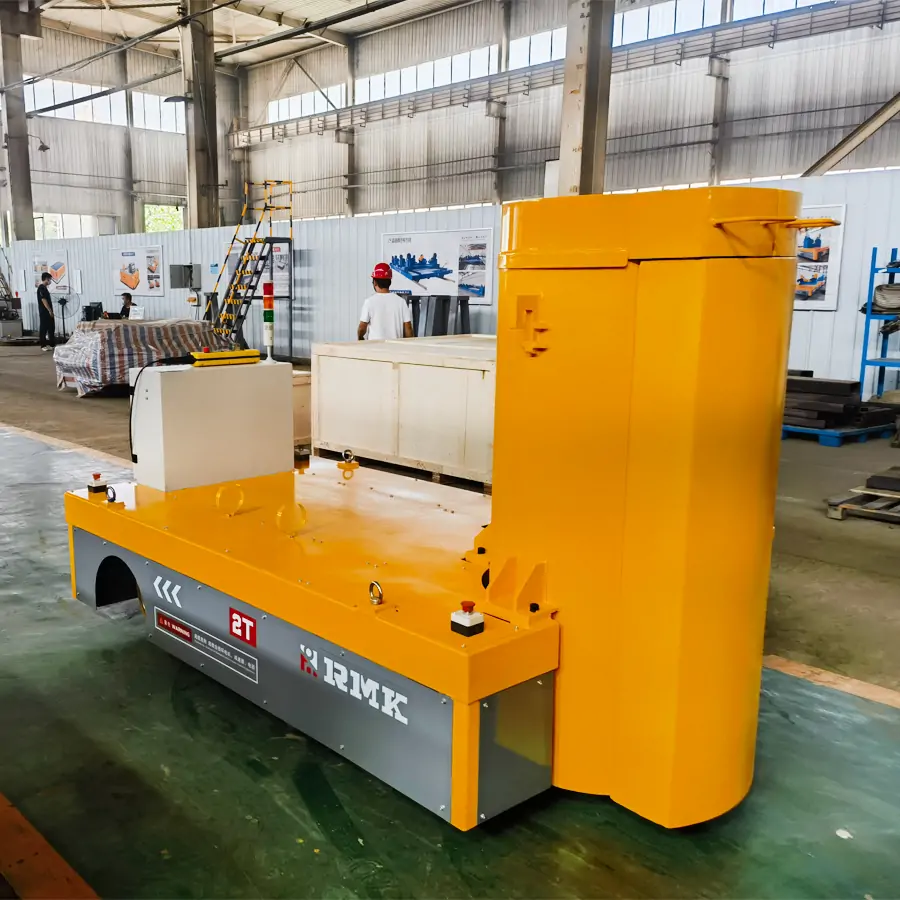
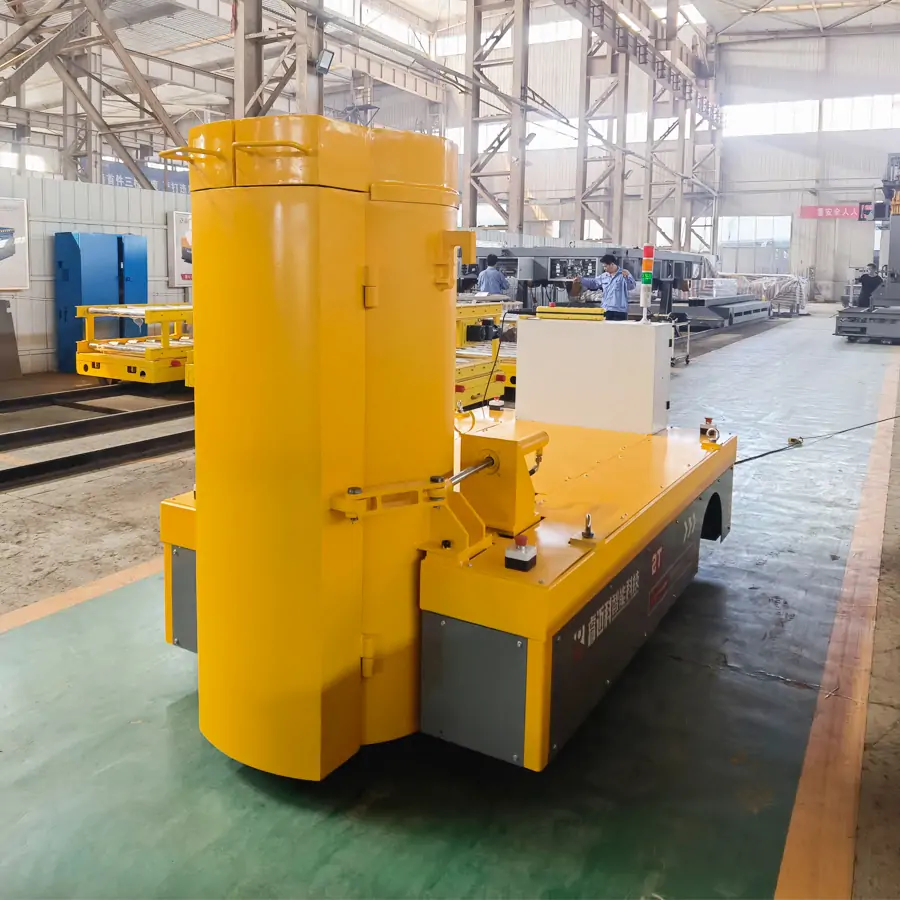
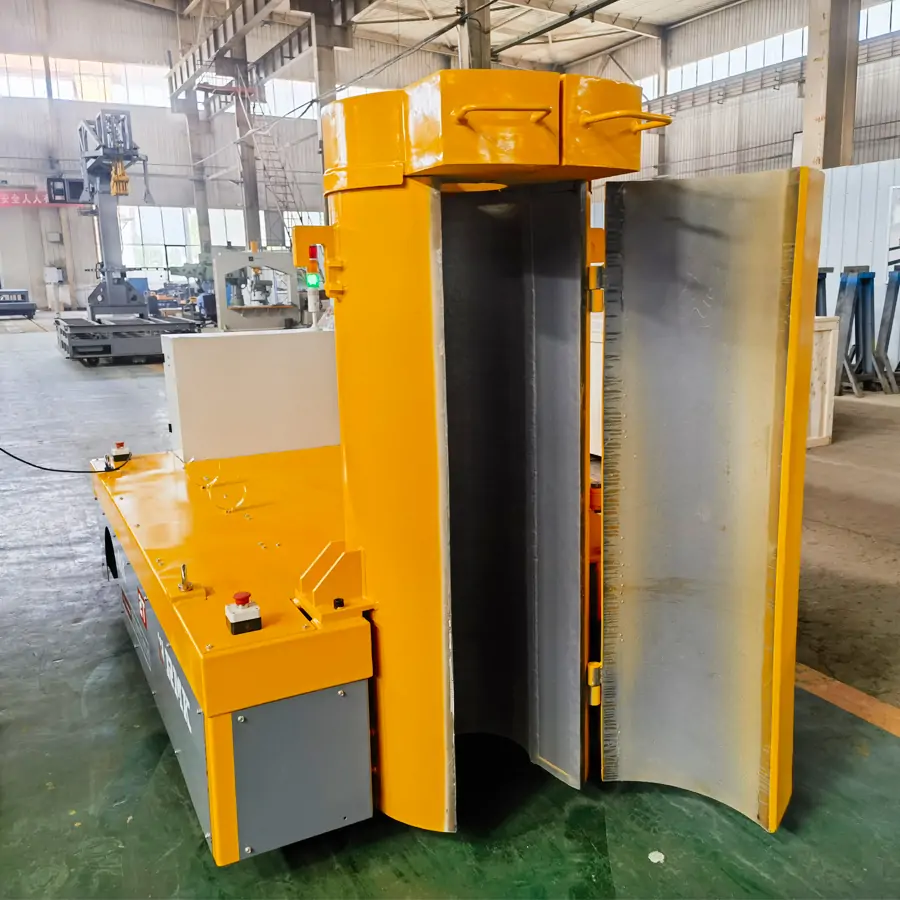
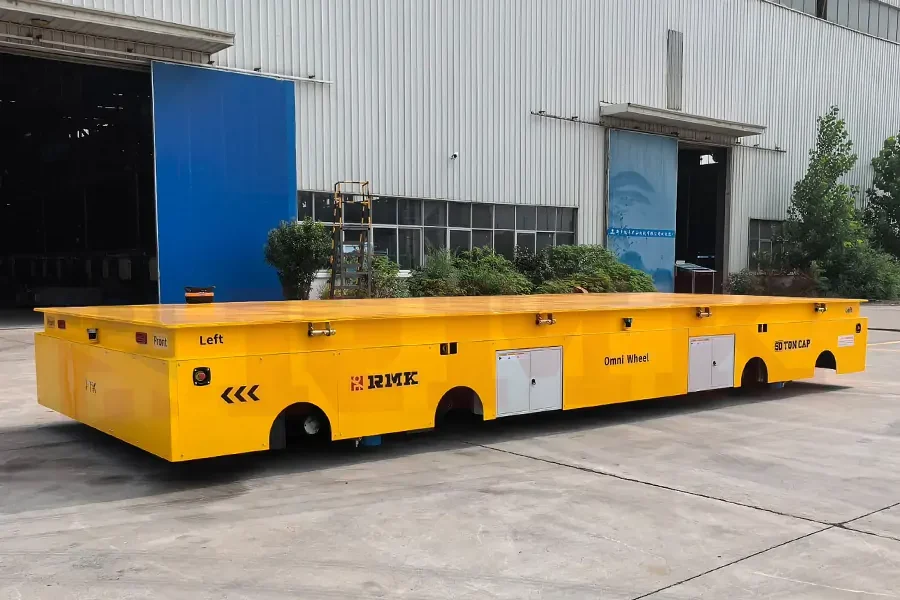
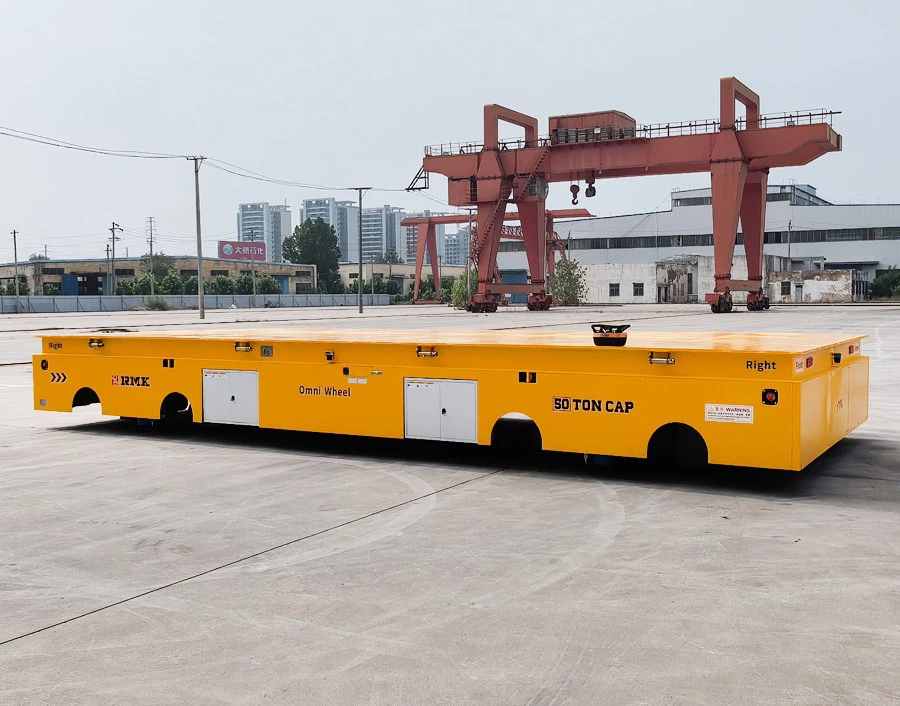
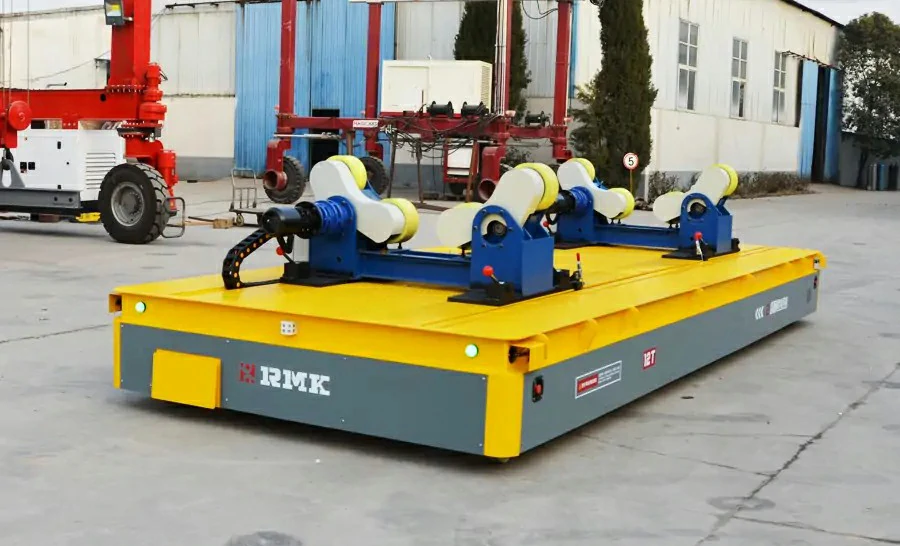
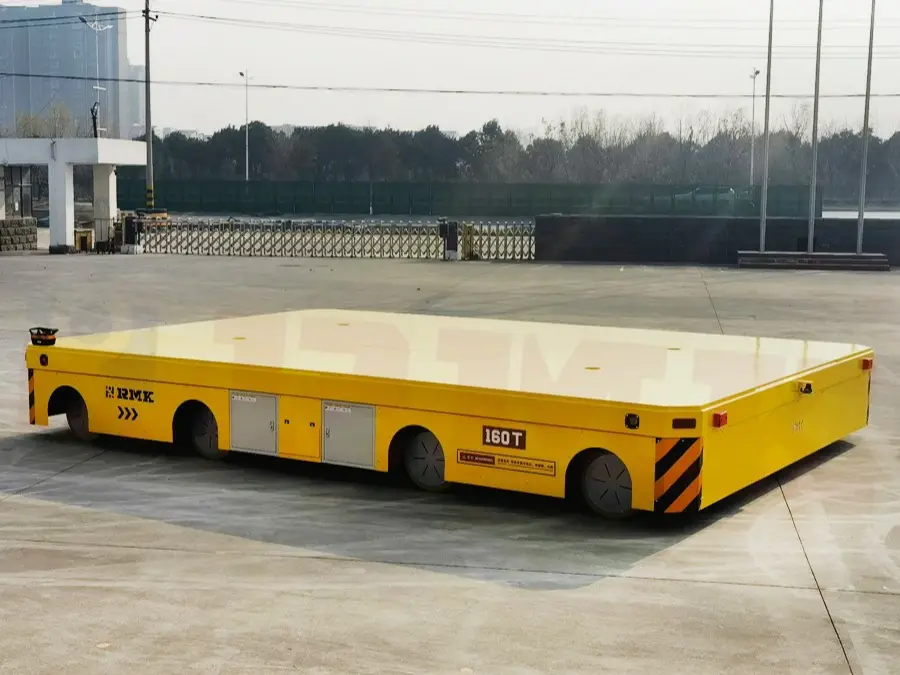
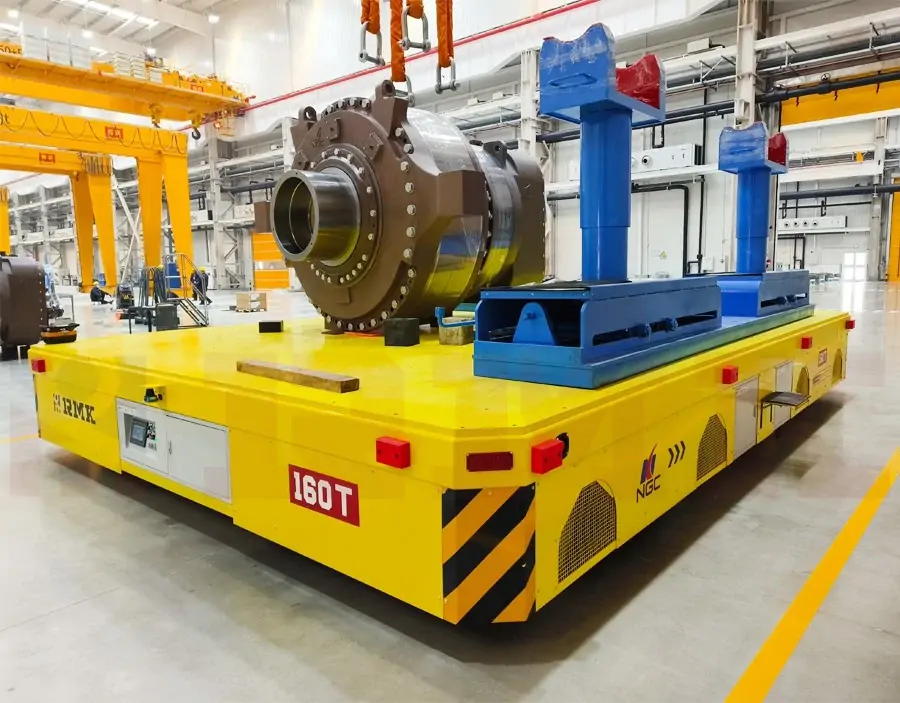
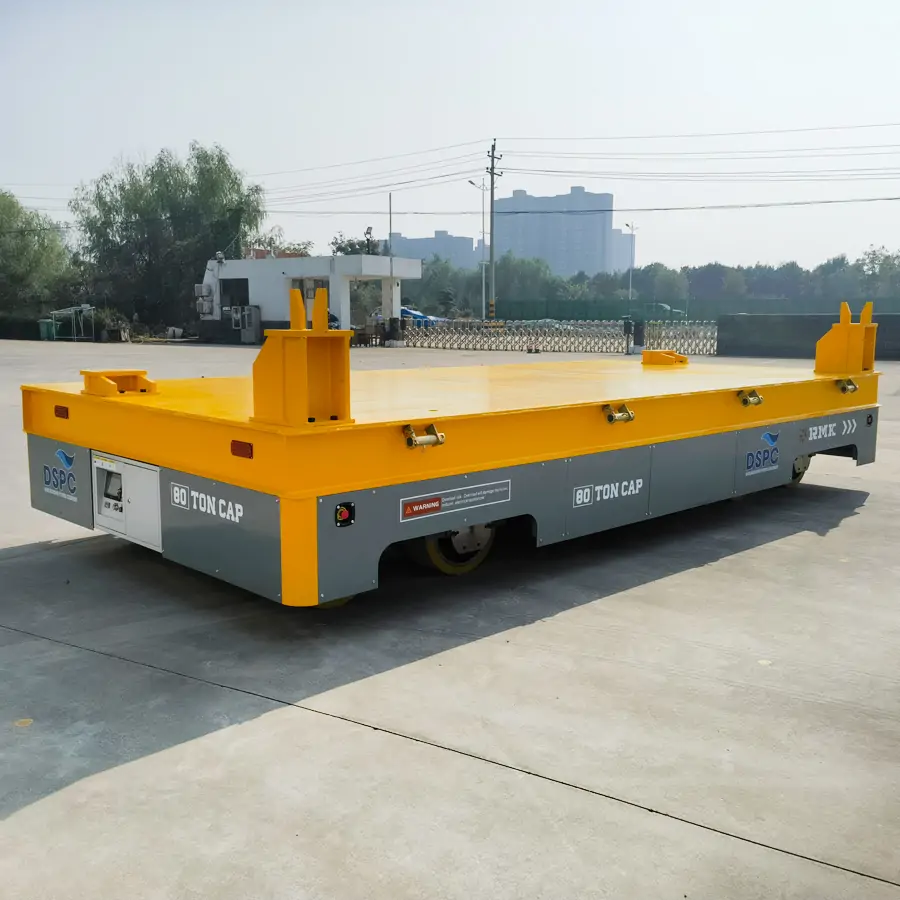
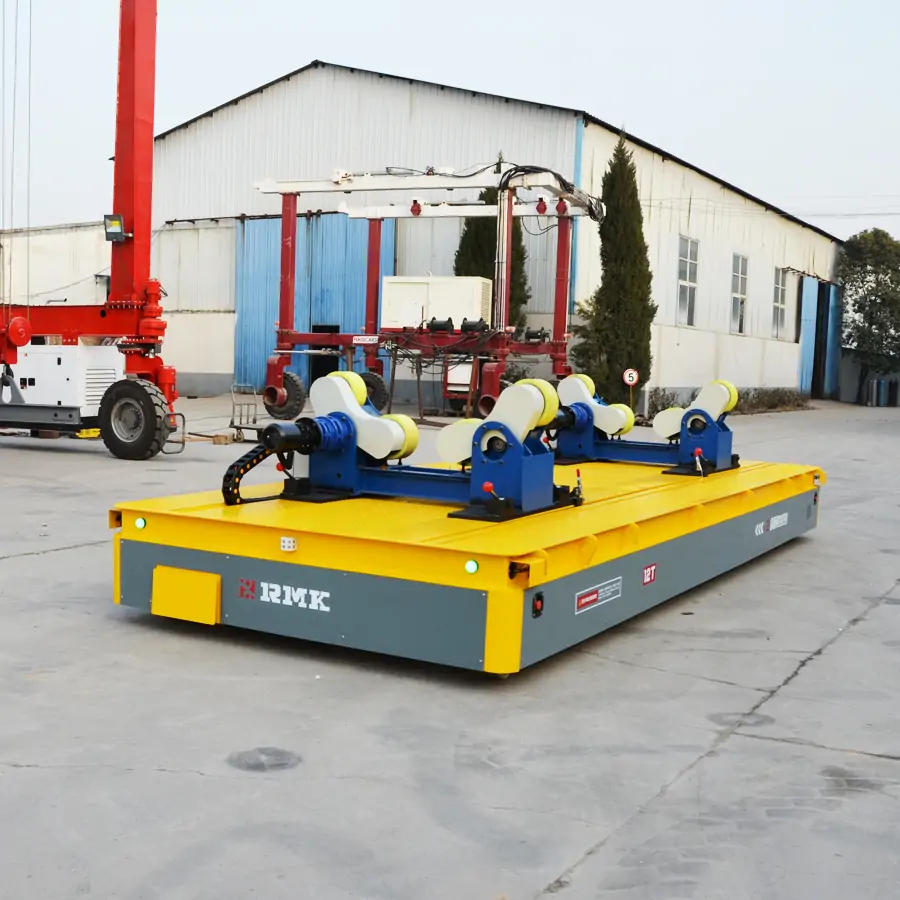
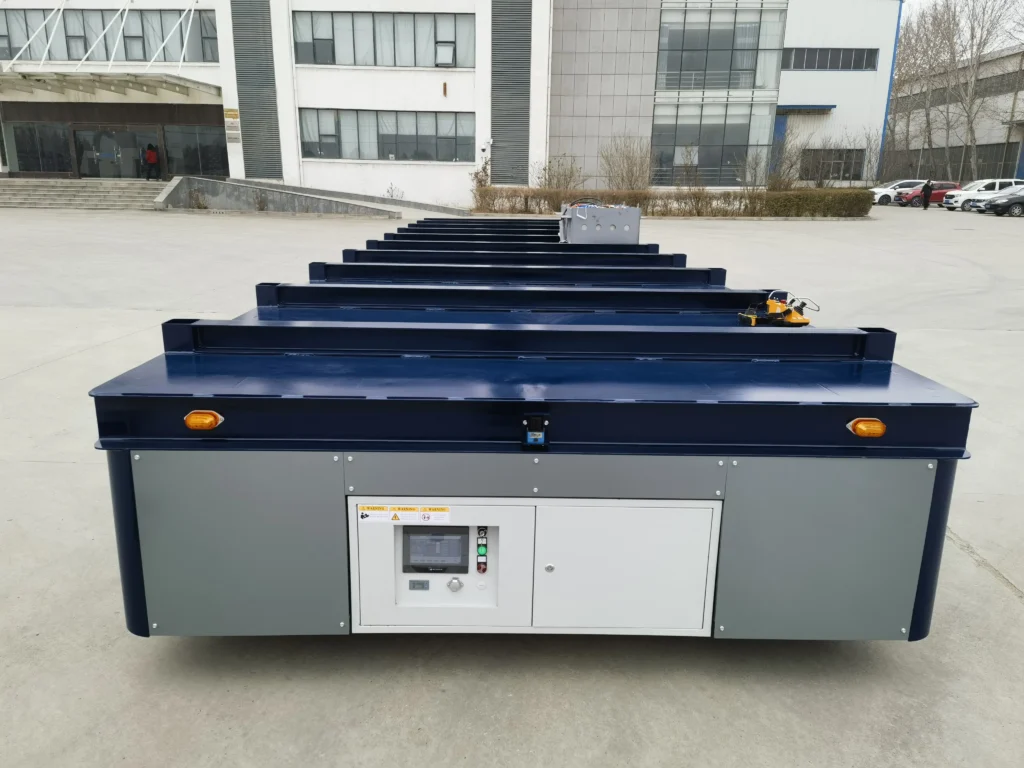
Heavy-duty omnidirectional mover cart: Engineering vehicles used for transporting loads weighing 10–500 tons. Their key features include multi-wheel configurations (8 wheels, 12 wheels, or more) with distributed drive systems, high-strength vehicle structures, and high-torque motors to achieve exceptional load-bearing capacity and precise control. They are commonly used in heavy equipment manufacturing, aerospace, shipbuilding, and the power industry.
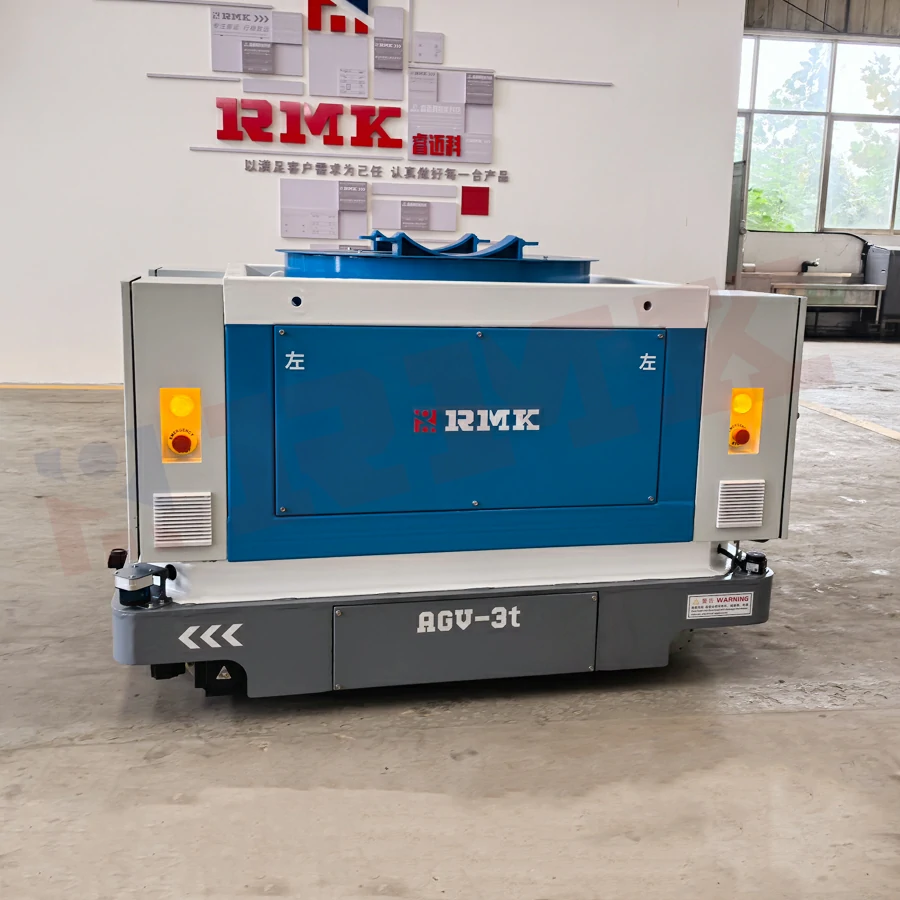
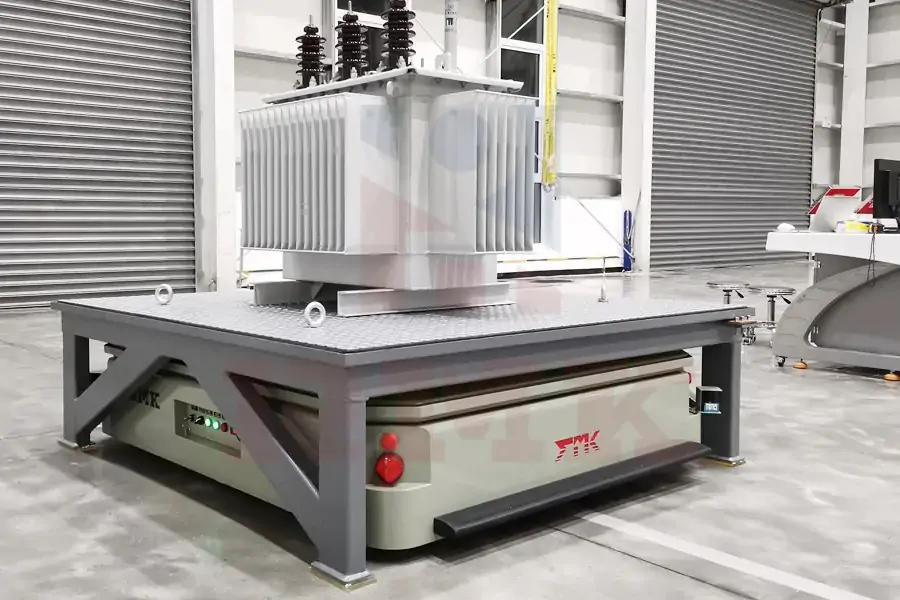
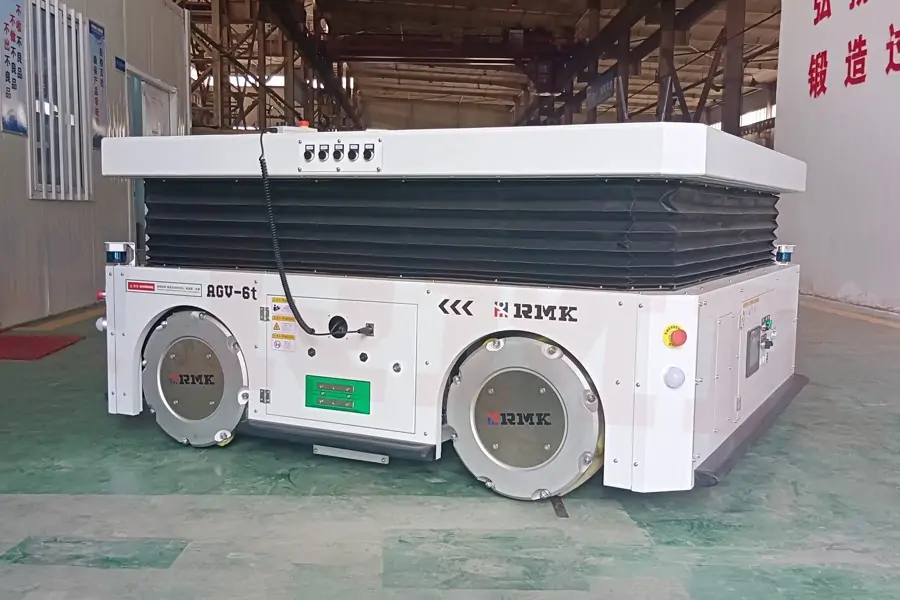
Logistics and warehousing AGV/AMR: Intelligent robots integrating navigation (such as laser SLAM, vision, and QR codes), sensing, and scheduling systems to achieve fully automated material handling and information management. Commonly used in e-commerce and retail warehousing, smart factories, and automotive assembly.
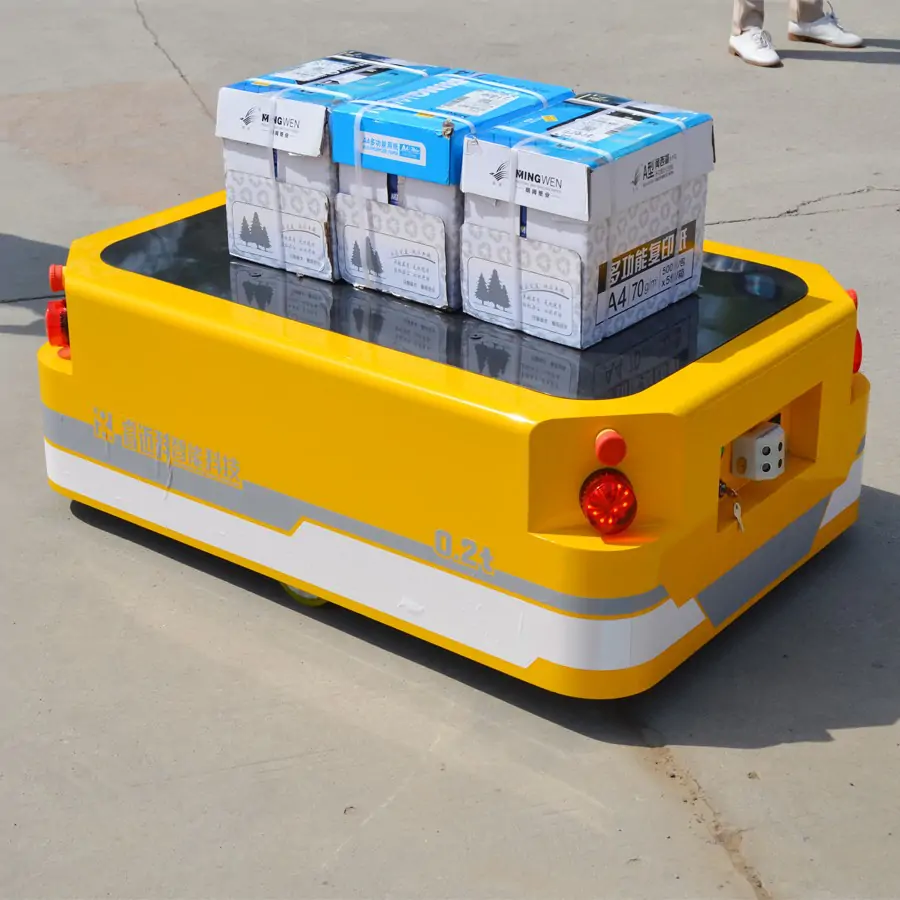
Cold chain omnidirectional mover cart: A vehicle type specially designed for low-temperature refrigeration environments, with batteries, electronic components, tires, and lubrication systems made of low-temperature resistant materials and technologies to ensure stable and reliable operation in extreme environments. Commonly used in the semiconductor industry, panel display industry, precision instrument assembly, and aerospace.
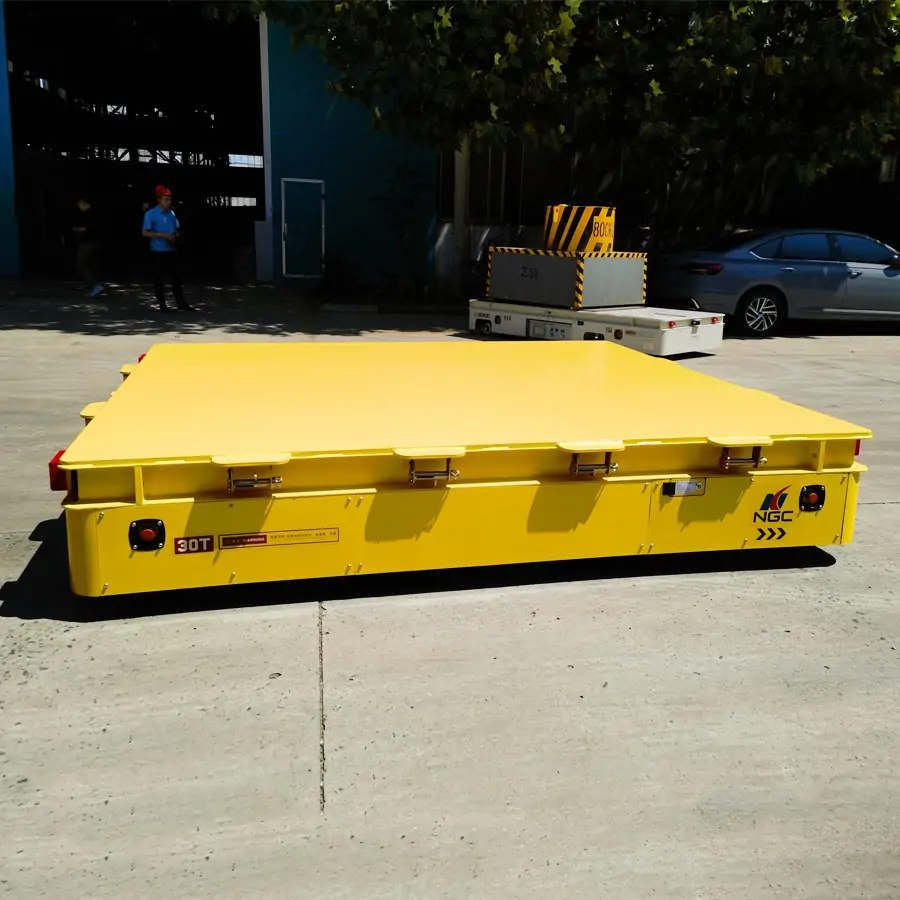
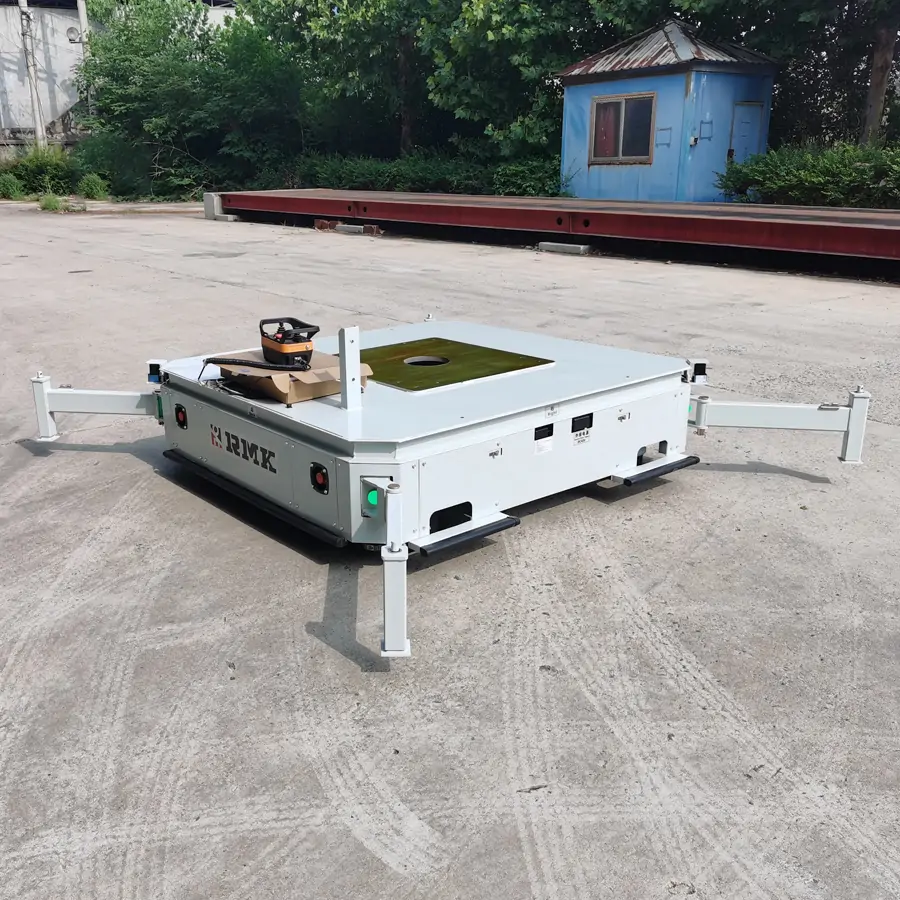
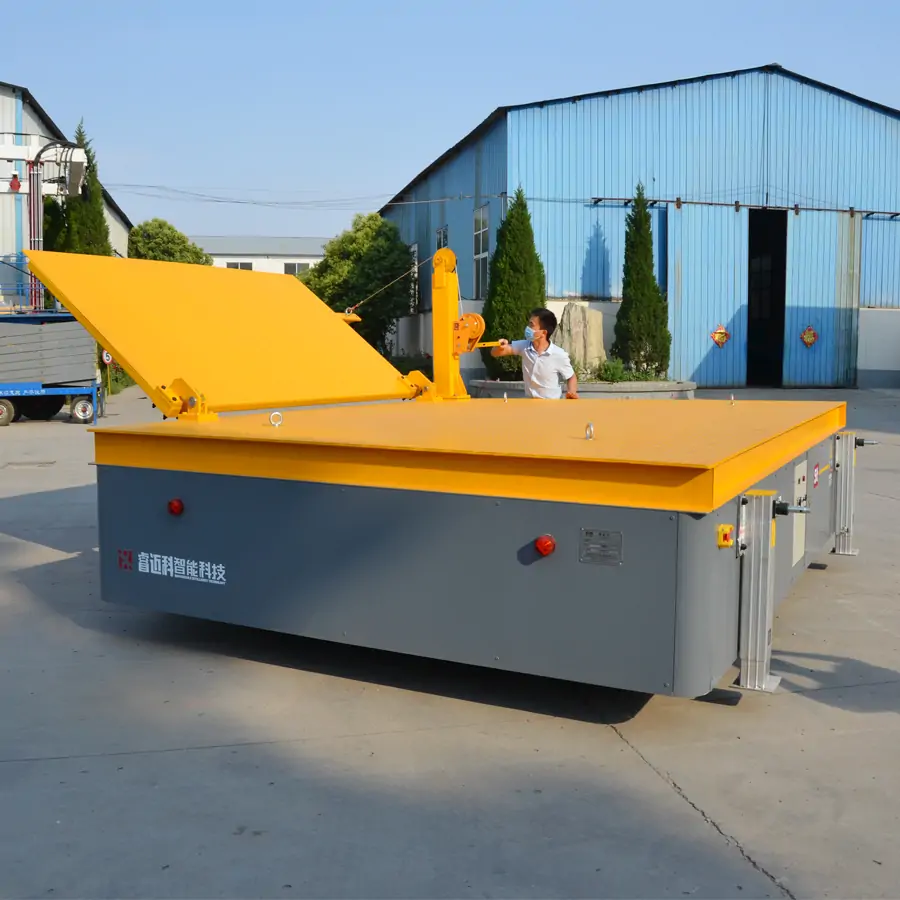
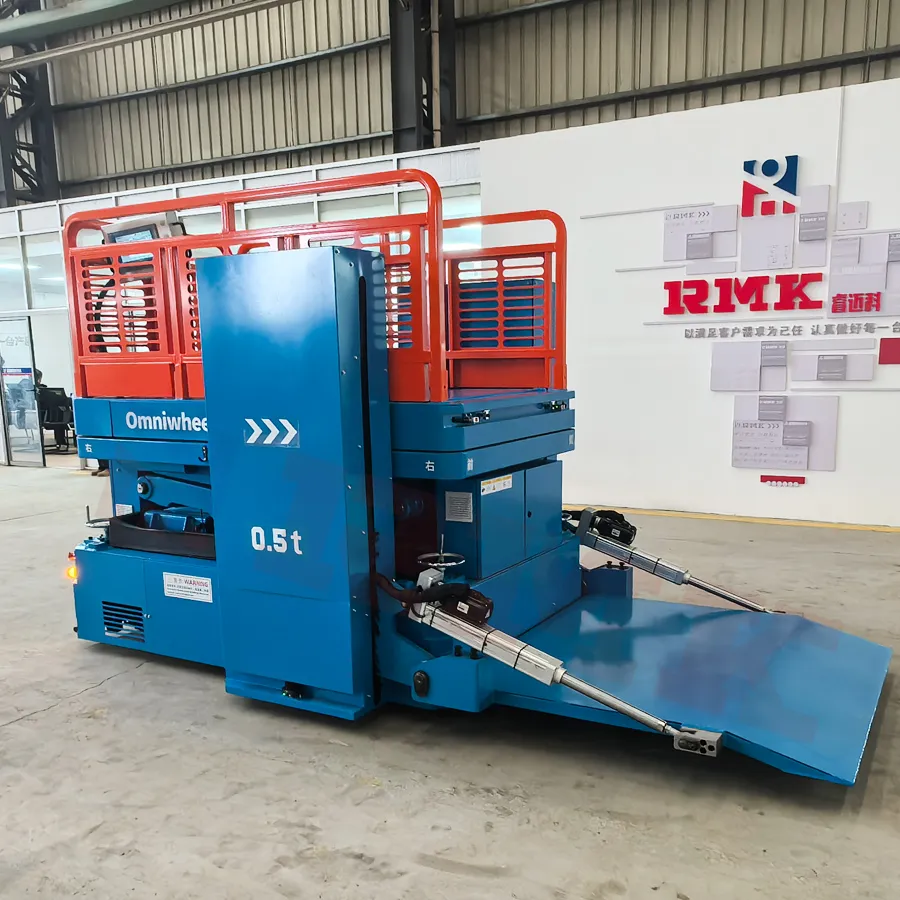
Non-standard customized omnidirectional platform: This is not a standard product category but a highly customized solution developed based on the standard omnidirectional mobile platform, deeply integrating modules such as robotic arms, vision systems, and specialized tooling according to the customer’s unique production processes and requirements.
How to Choose an Omnidirectional Transfer Cart?
The selection of an Omnidirectional Transfer Cart depends on load, working space, movement requirements, and operating conditions.
- Load Capacity: Choose the cart according to the weight of the transported materials. Heavy-duty models can handle loads from several tons to hundreds of tons.
- Working Space: Consider workshop size, aisle width, and turning area. Omnidirectional movement is suitable for narrow spaces and complex routes.
- Wheel and Drive System: Select Mecanum wheels for multi-directional movement or steering wheels for heavy loads and flexible control.
- Power Supply: Choose battery power, cable power, or other customized solutions based on operation time and working environment.
- Control System: Select wireless remote control for manual operation or PLC and navigation systems for automated handling.
- Working Conditions: Check floor conditions, temperature, dust, and load requirements to select a suitable cart design.
The selection of an Omnidirectional Transfer Cart should be based on load capacity, workspace, movement needs, and operating conditions.
Why Choose REMARKABLE Omnidirectional Transfer Cart?
REMARKABLE focuses on the design and manufacturing of Omnidirectional Transfer Carts for heavy-duty material handling applications. With experience in industrial transfer equipment, we provide customized products, technical support, and after-sales service for different working conditions.
Customized Transfer Solutions — REMARKABLE designs transfer carts based on load capacity, platform size, movement requirements, power supply, and control methods to match different factory layouts and handling processes.
Professional Manufacturing Capability — The carts are manufactured with high-strength frames, reliable drive systems, and industrial control components for heavy-load transportation in demanding environments.
Complete Technical Support — Our team provides support from project design and equipment selection to installation guidance and operation training, helping customers choose suitable transfer solutions.
Reliable After-Sales Service — REMARKABLE provides spare parts support, maintenance guidance, and technical assistance throughout the equipment service life.
Wide Industrial Applications — REMARKABLE Omnidirectional Transfer Carts are used in steel plants, shipyards, aerospace manufacturing, wind power equipment, heavy machinery, and automated production lines.
An Omnidirectional Transfer Cart provides flexible movement and precise positioning for heavy material handling. REMARKABLE offers customized transfer solutions with technical support and after-sales service. Contact us for a suitable solution for your project.
Email: transfercart@rmkzn.com
Phone: +86-18637369355
FAQ
What is an omnidirectional transfer cart?
An Omnidirectional Transfer Cart is an electric material handling vehicle that can move forward, backward, sideways, diagonally, and rotate in place. It uses Mecanum wheels or steering wheels to transport heavy loads in limited spaces.
How does an omnidirectional transfer cart move sideways?
The cart uses independently controlled drive wheels. For Mecanum wheel models, the angled rollers generate lateral movement by changing the speed and direction of each wheel.
What is the difference between an omnidirectional transfer cart and a trackless transfer cart?
An Omnidirectional Transfer Cart can move in multiple directions and rotate within a small area, while a standard trackless transfer cart mainly moves forward, backward, and turns along a larger radius.
How much load can an omnidirectional transfer cart carry?
The load capacity depends on the design and application requirements. Typical models range from 1 ton to 300 tons.
What industries use omnidirectional transfer carts?
They are used in aerospace, shipbuilding, steel manufacturing, wind power, automotive production, heavy machinery, and mold handling industries.
Can an omnidirectional transfer cart be customized?
Yes. The cart can be customized in load capacity, platform size, power supply, control system, movement mode, and additional functions according to working conditions.
What power supply options are available?
Common power options include lithium batteries, lead-acid batteries, cable power, and other customized power systems for different operating environments.
How long does an omnidirectional transfer cart last?
Service life depends on operating conditions, load frequency, maintenance, and component quality. With regular maintenance, an industrial transfer cart can usually operate reliably for many years.