
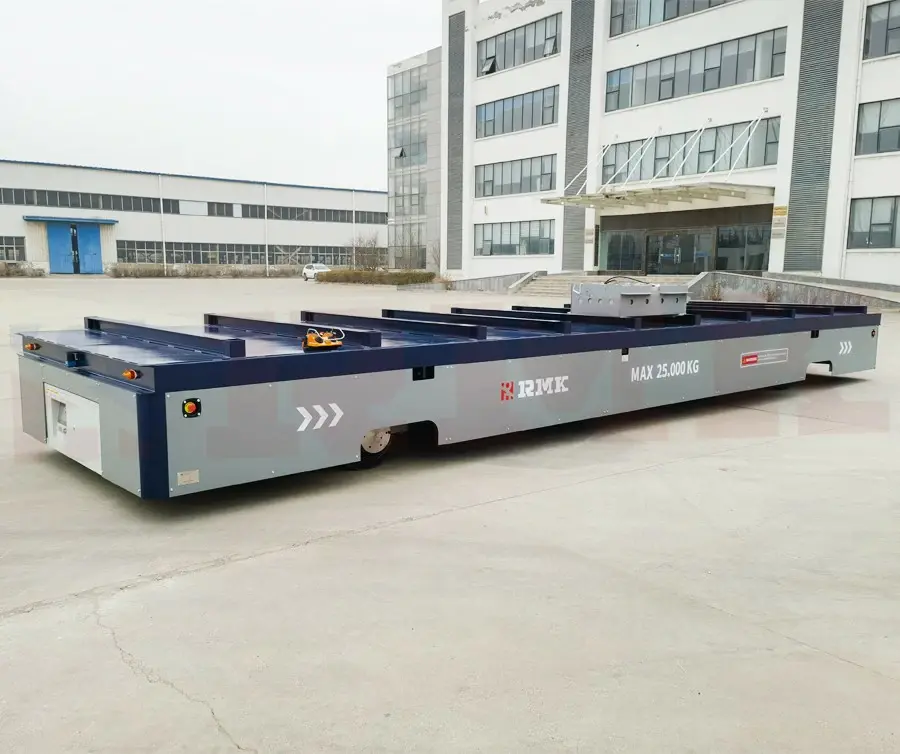
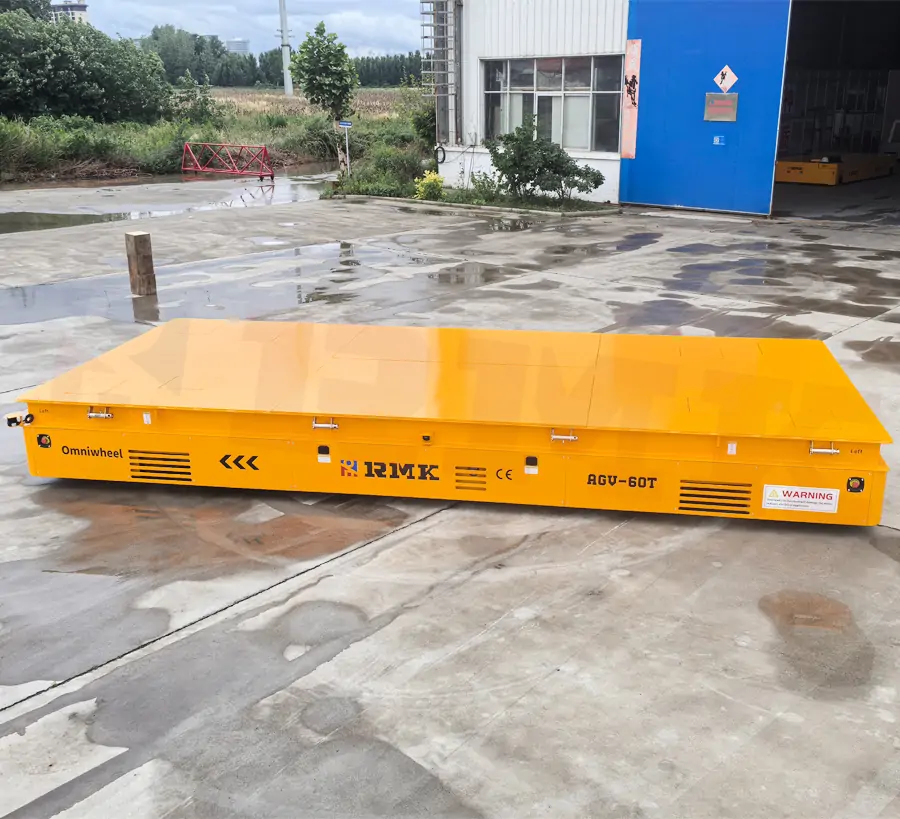
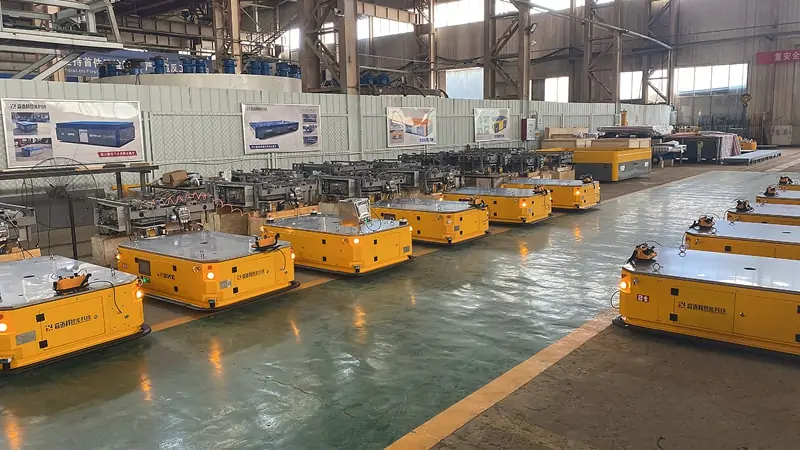
A trackless transfer cart is a self-propelled material-handling vehicle specifically designed to transport heavy loads without the need for fixed tracks. Powered by batteries or other electrical systems, it can travel freely on flat industrial surfaces, offering flexible mobility, stable performance, and high load-carrying capacity. It shuttles through workshops, warehouses, ports, and manufacturing plants, where it is commonly used to transport molds, steel coils, equipment, steel structures, and other heavy materials. Trackless transfer vehicles can be customized according to specific load requirements, operating environments, and material-handling applications.
Types of Trackless Transfer Carts
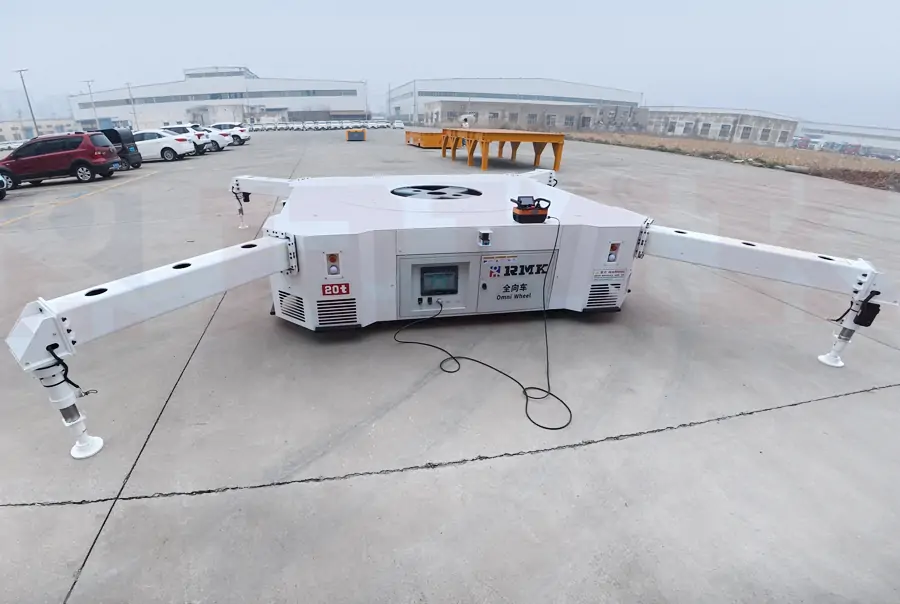
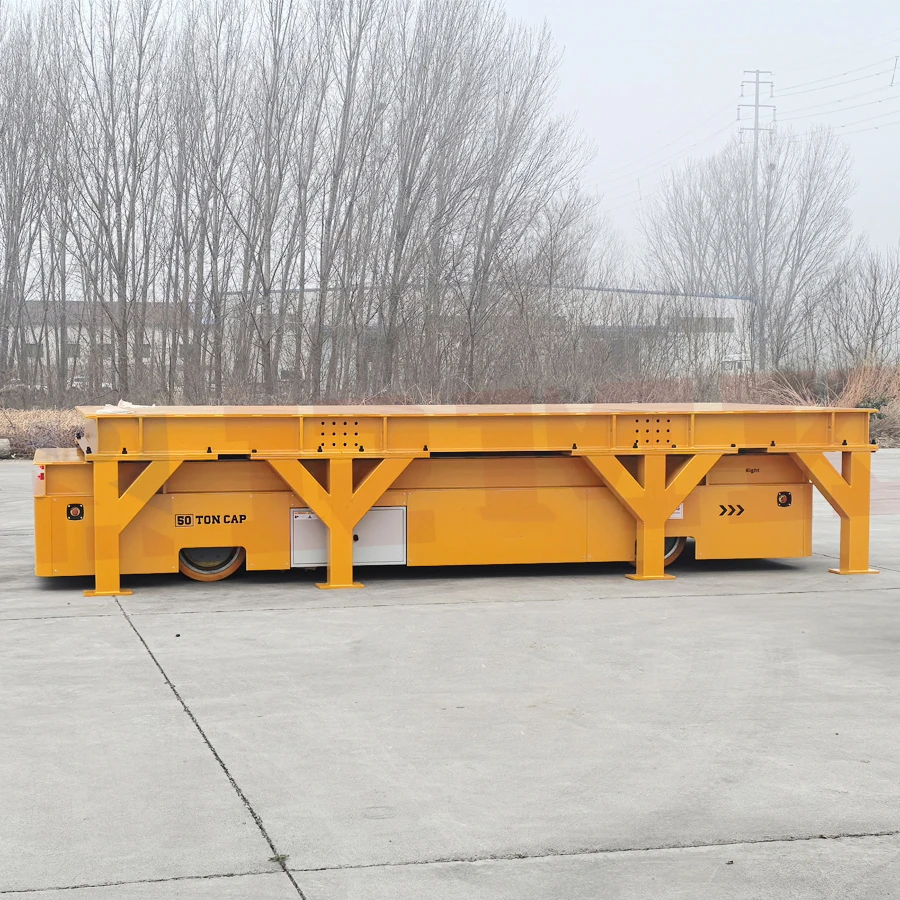
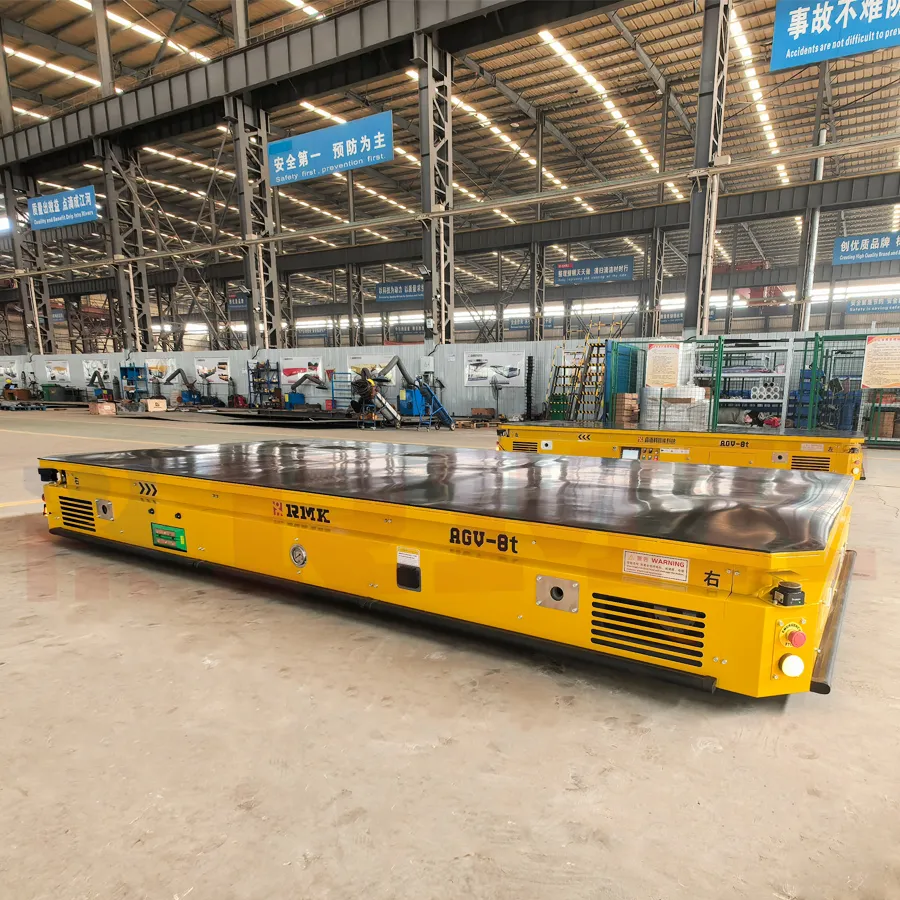
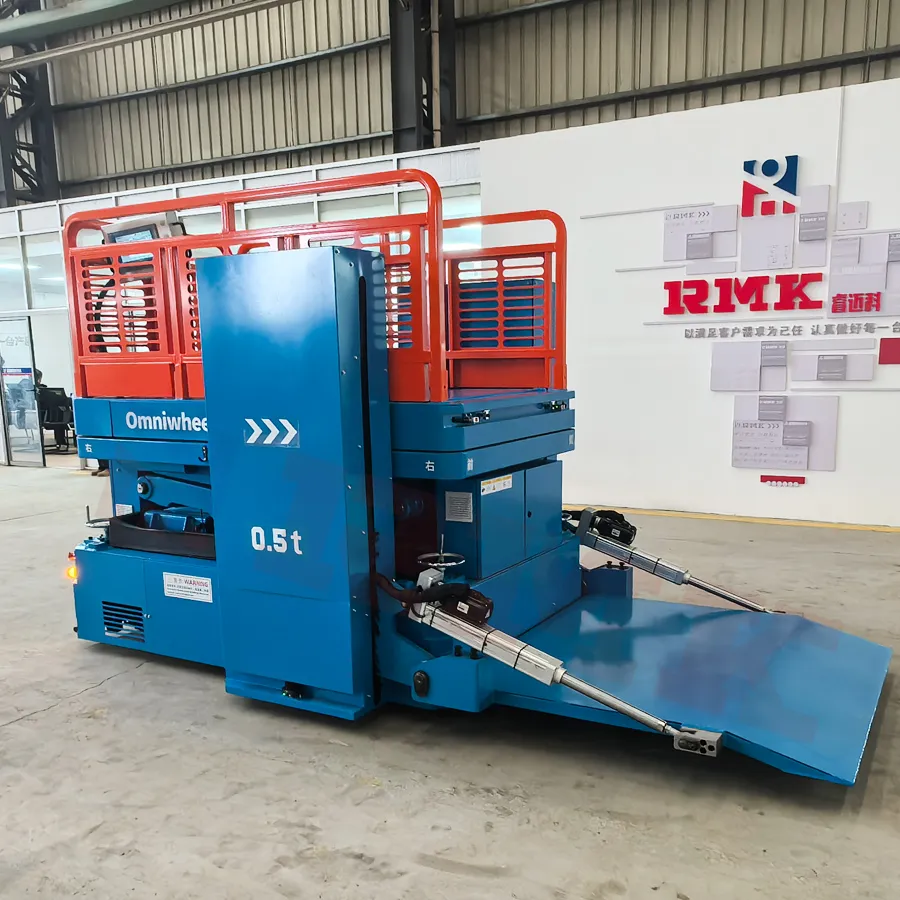
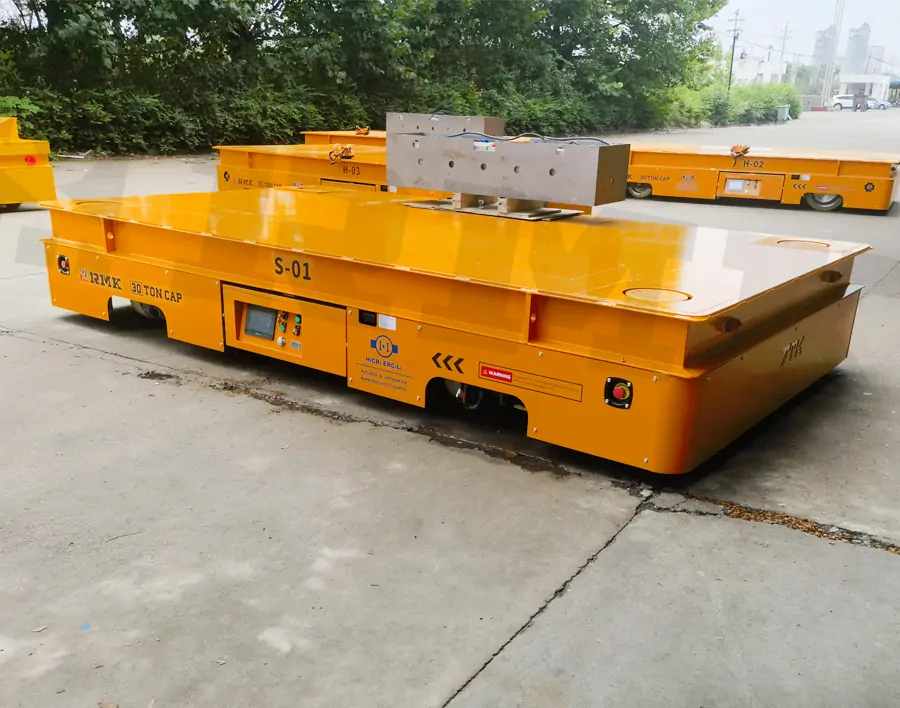
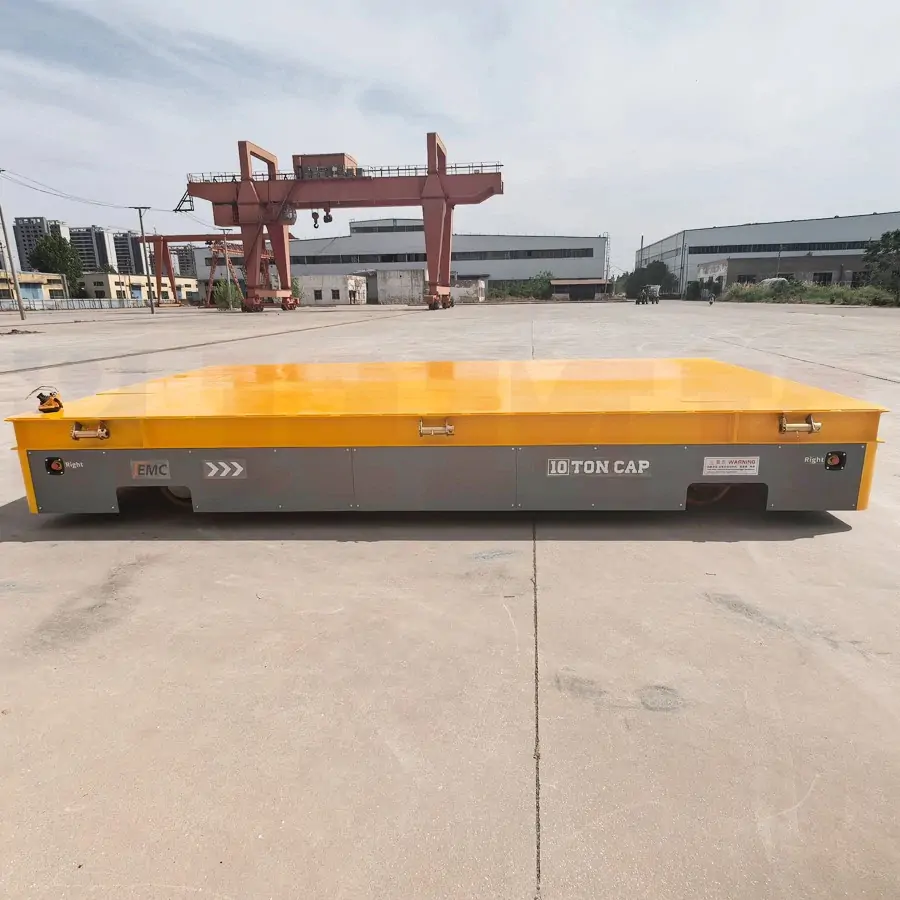
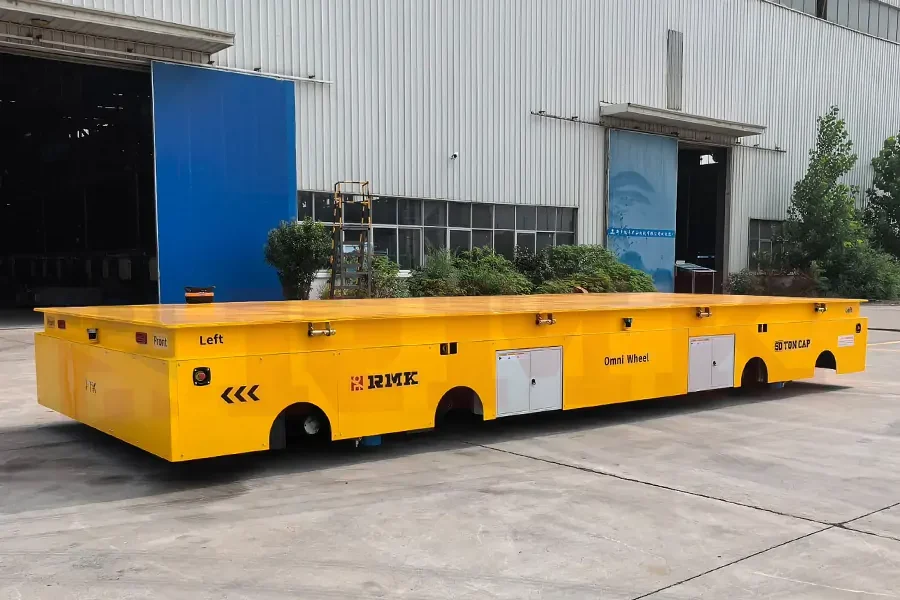
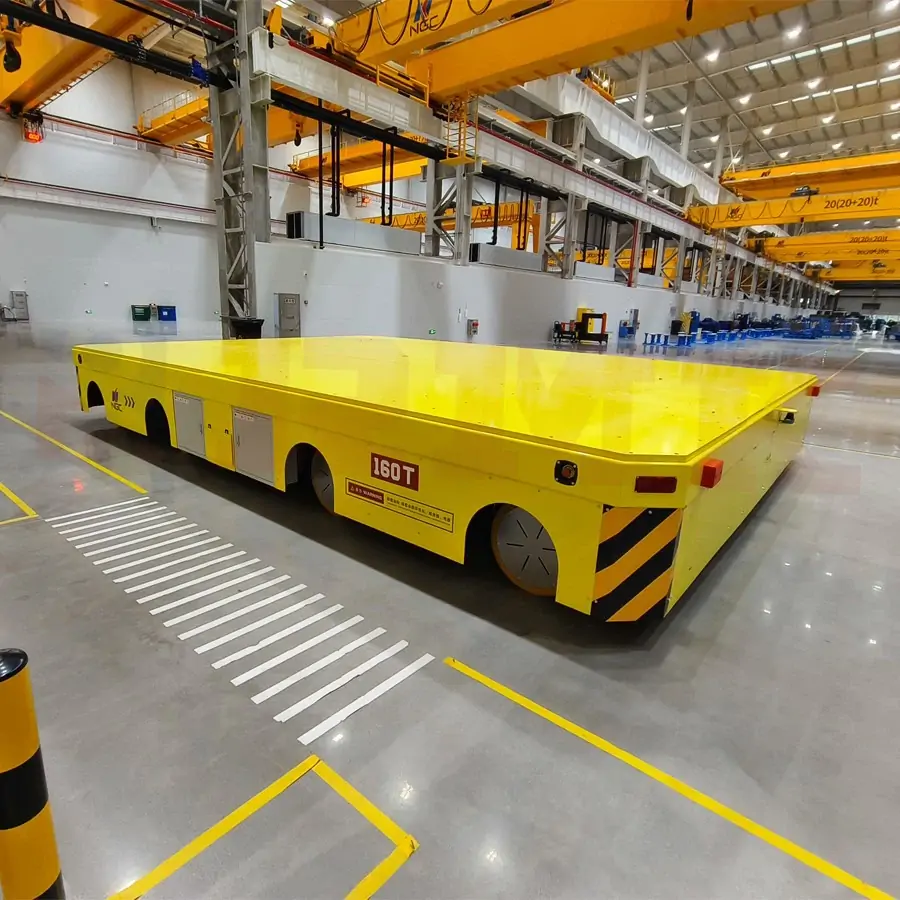
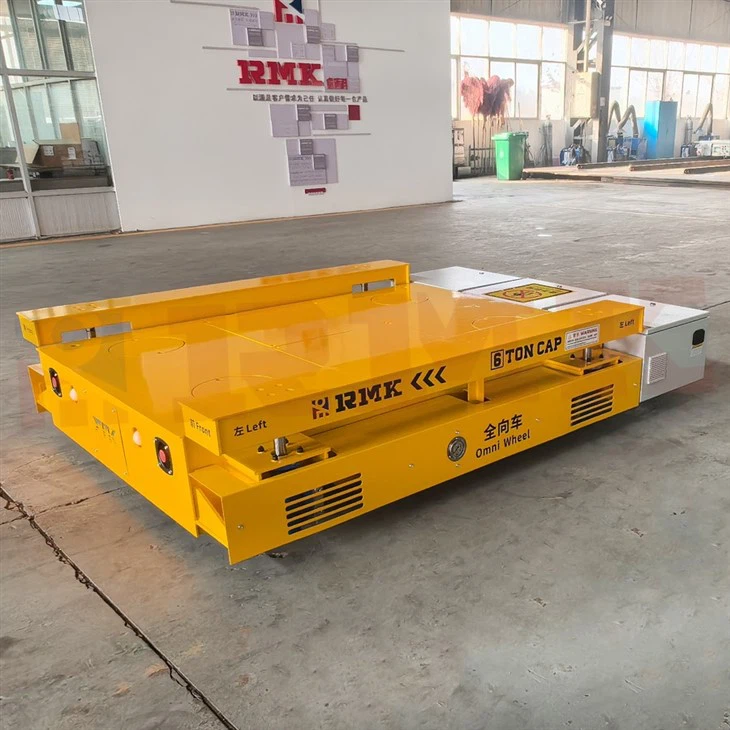
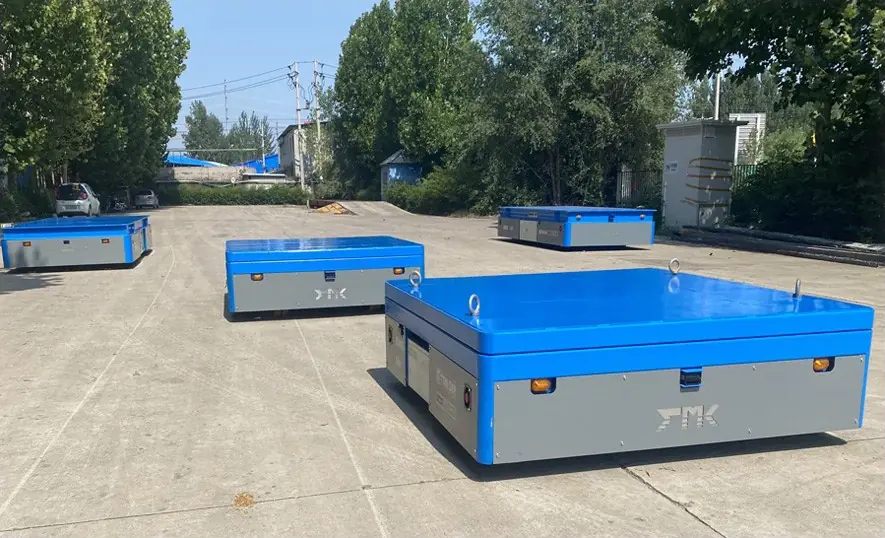
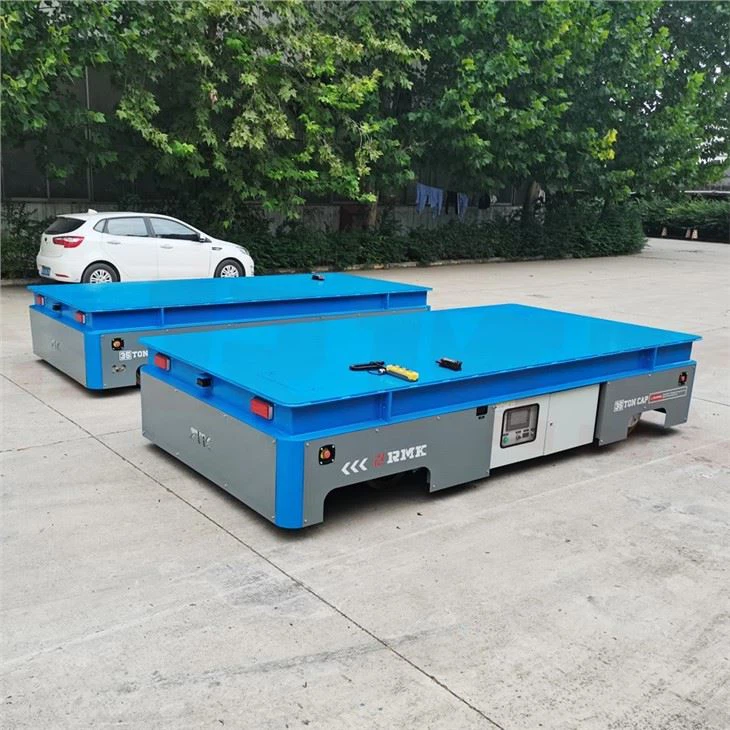
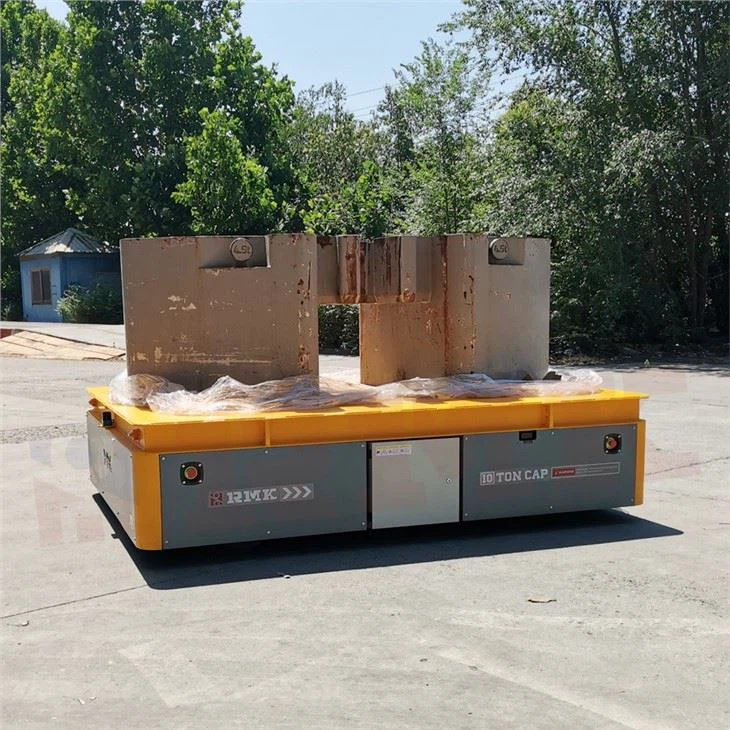
Read articles about trackless transfer Carts
- What is a Trackless Transfer Cart
- How Does a Trackless Transfer Cart Work?
- Omnidirectional Transfer Cart vs Trackless Transfer Cart: Key Differences
- The Difference Between a Trackless Transfer Cart and a Rail Transfer Trolley
- Types of Electric Trackless Transfer Cart, and How to Select
- Reason for Automatic Direction Shift When Trackless Transfer Cart Travels in a Straight Line
Working Principle
Trackless transport carts are powered by batteries, cables, or diesel engines, and the drive motor drives the wheels to move freely. The direction can be adjusted through the steering wheel, differential system, or universal wheel, and flexible steering and precise positioning can be performed. It is controlled manually, remotely, or automatically (such as AGV), and combined with sensors to achieve obstacle avoidance, path planning, and load monitoring.

Parts
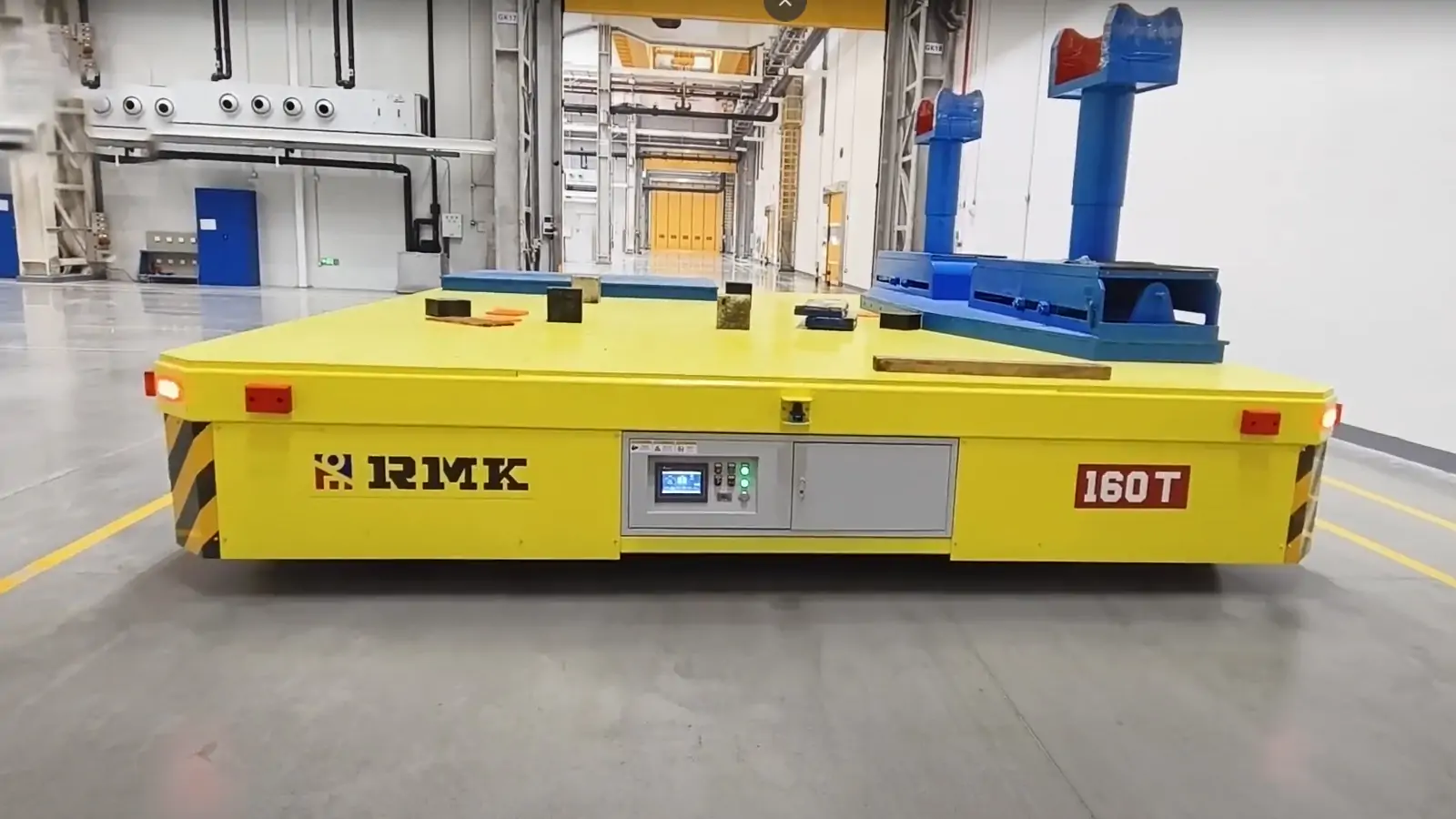
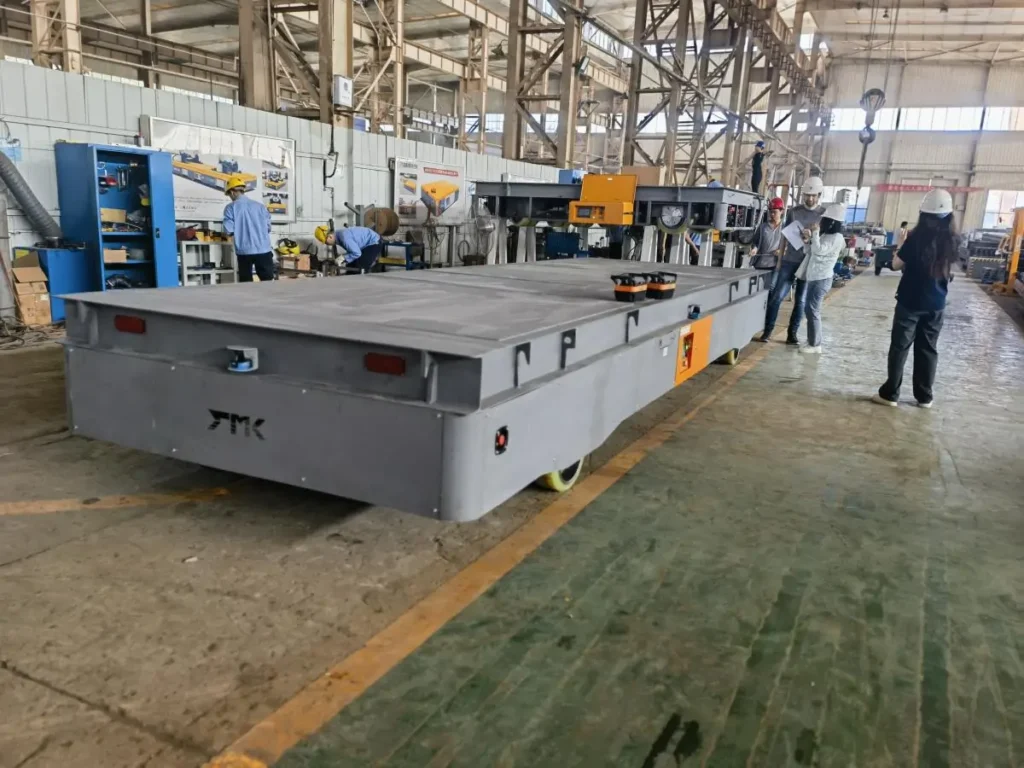
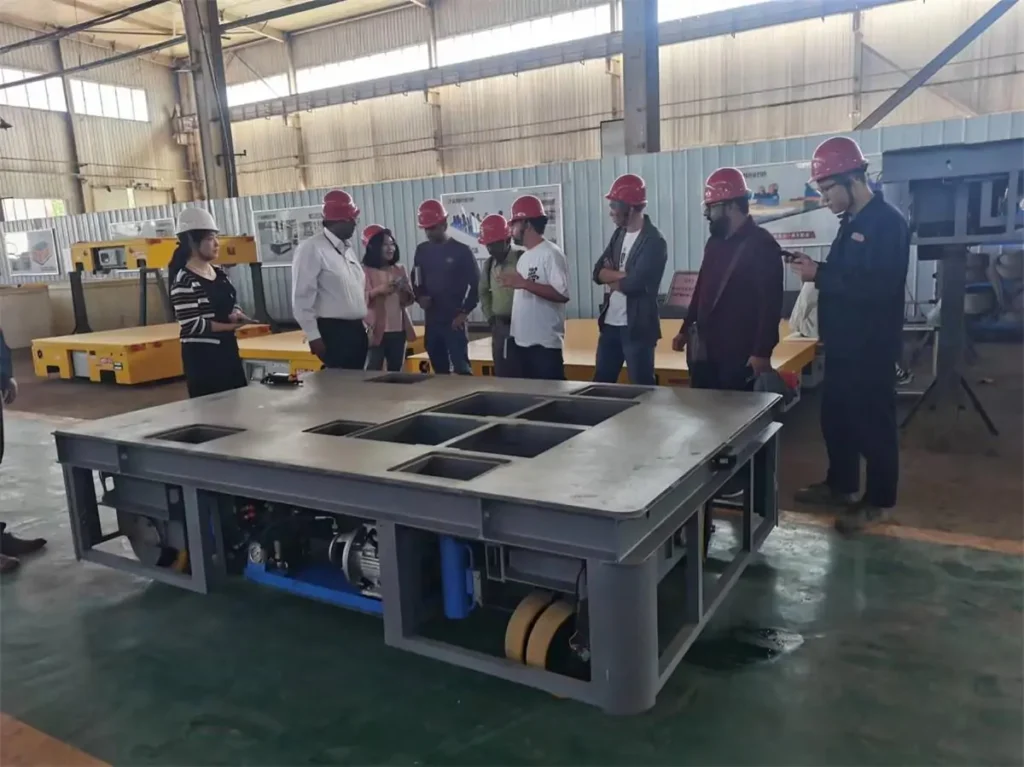
The Trackless Transfer Cart is mainly composed of the body frame, drive system, control system, steering system, power supply system, safety device, and other parts. The following are the detailed structural features:
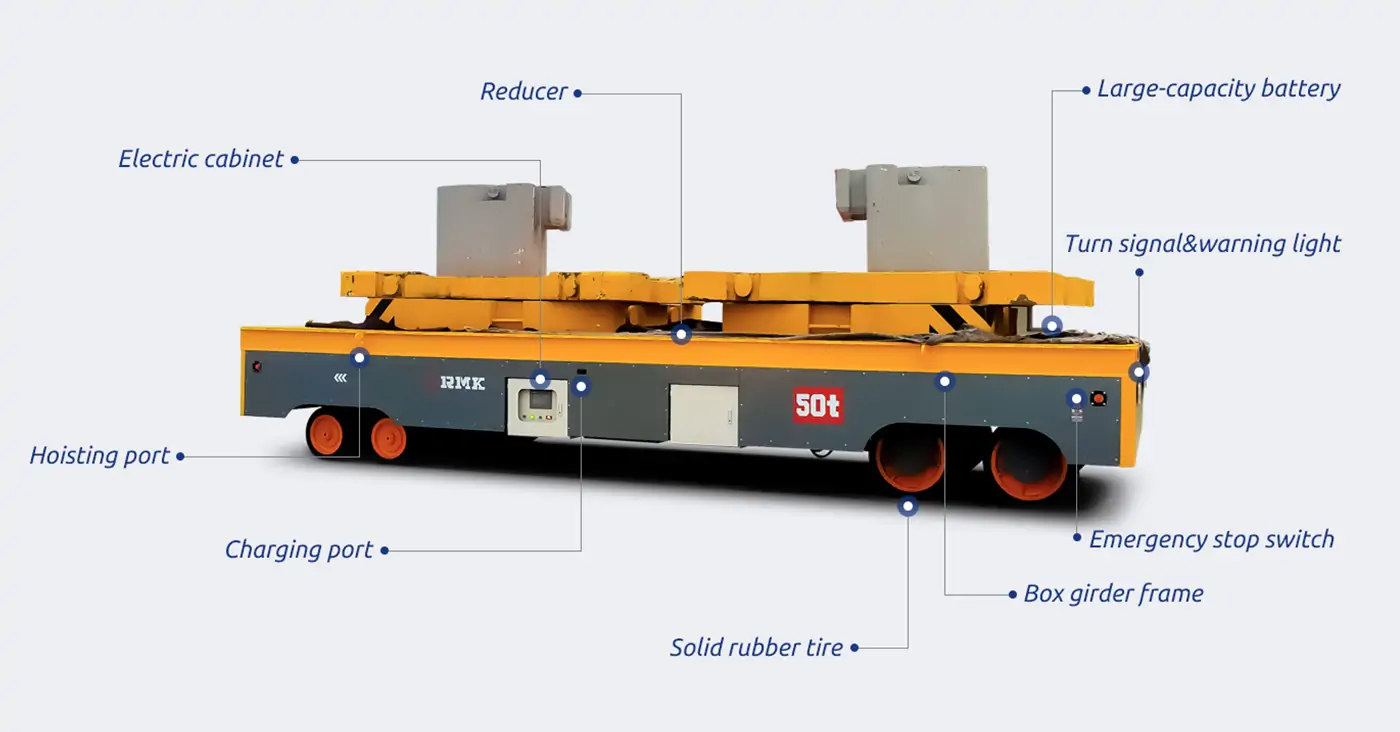
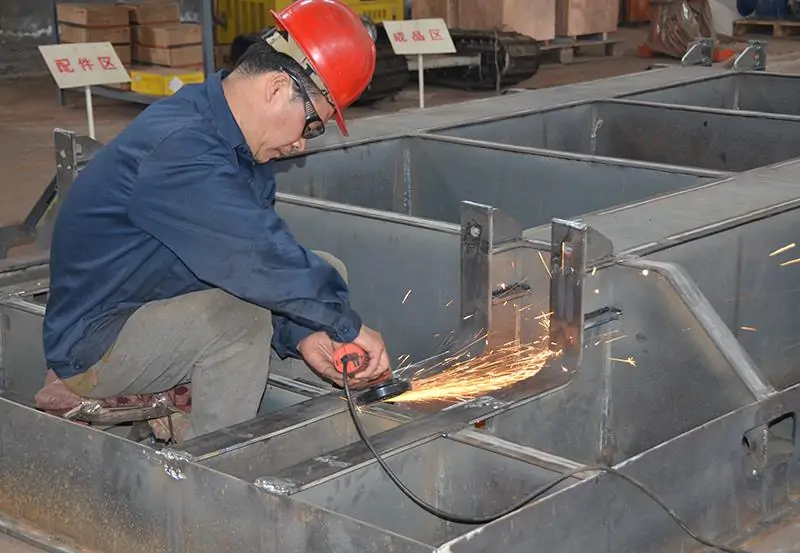
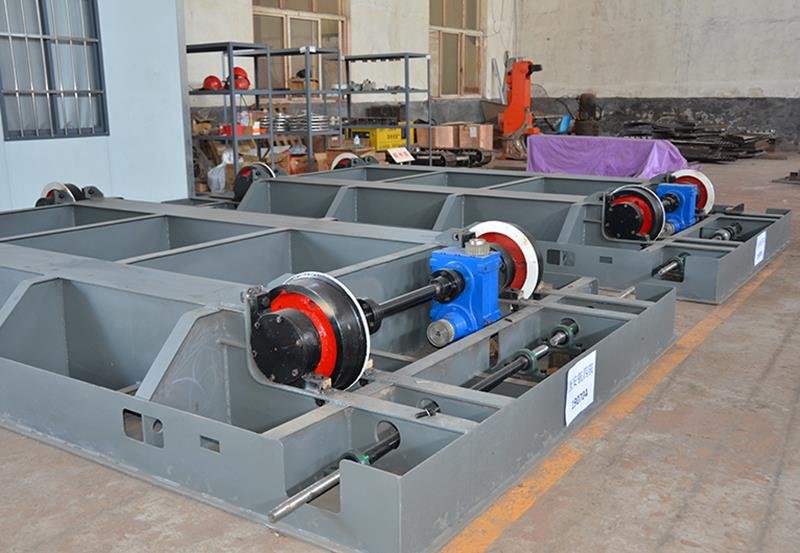
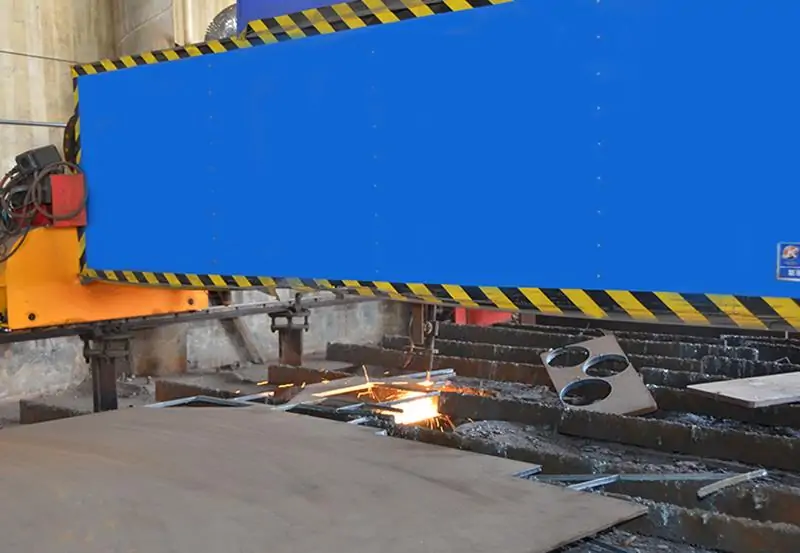
Body Frame: Adopting a box beam/I-beam frame, with a load range of 5~100+ tons, equipped with a vibration-damping device, it can transport heavy materials stably.
Flexible drive and steering: electric (battery/cable) or diesel drive, supporting single/four-wheel drive modes; with multiple steering modes (including front-wheel steering, differential steering, and universal wheel), it can be adapted to narrow spaces or long-distance transportation.
Intelligent control system: manual driving, wireless remote control, or AGV automatic navigation (laser/magnetic stripe), integrated PLC, sensors (obstacle avoidance/weighing) to realize precise operation.
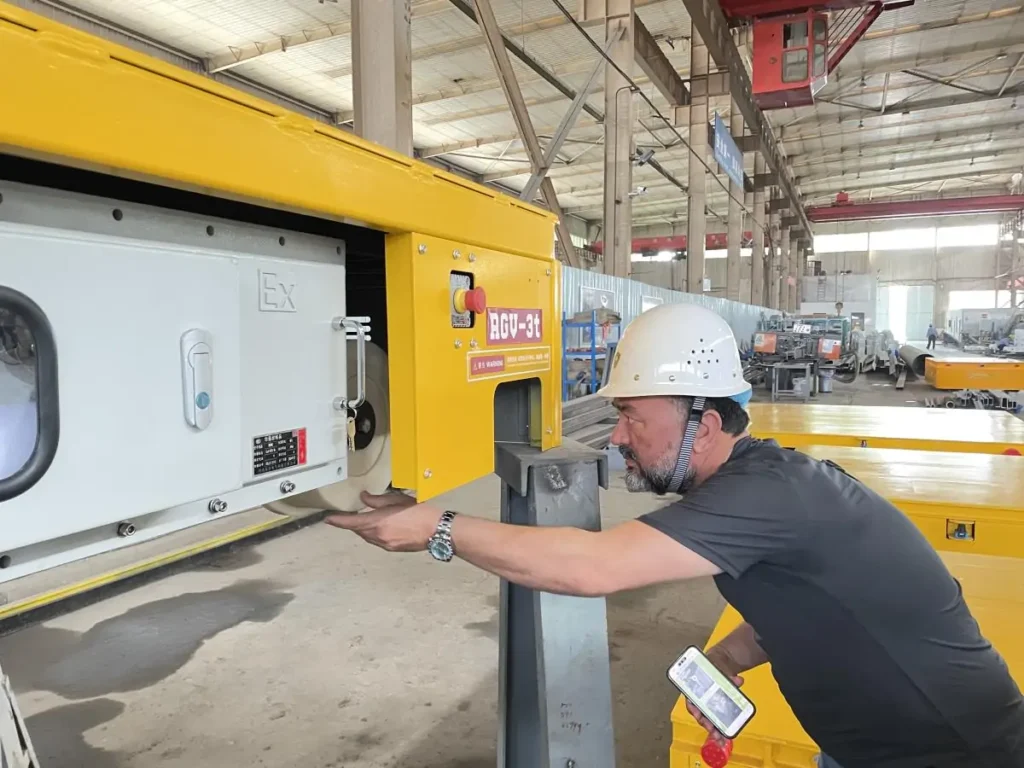
Multi-functional working platform: standard with flat loading table, optional hydraulic lifting (mold handling), rotary table (angle adjustment), or explosion-proof design (chemical/oil depot).
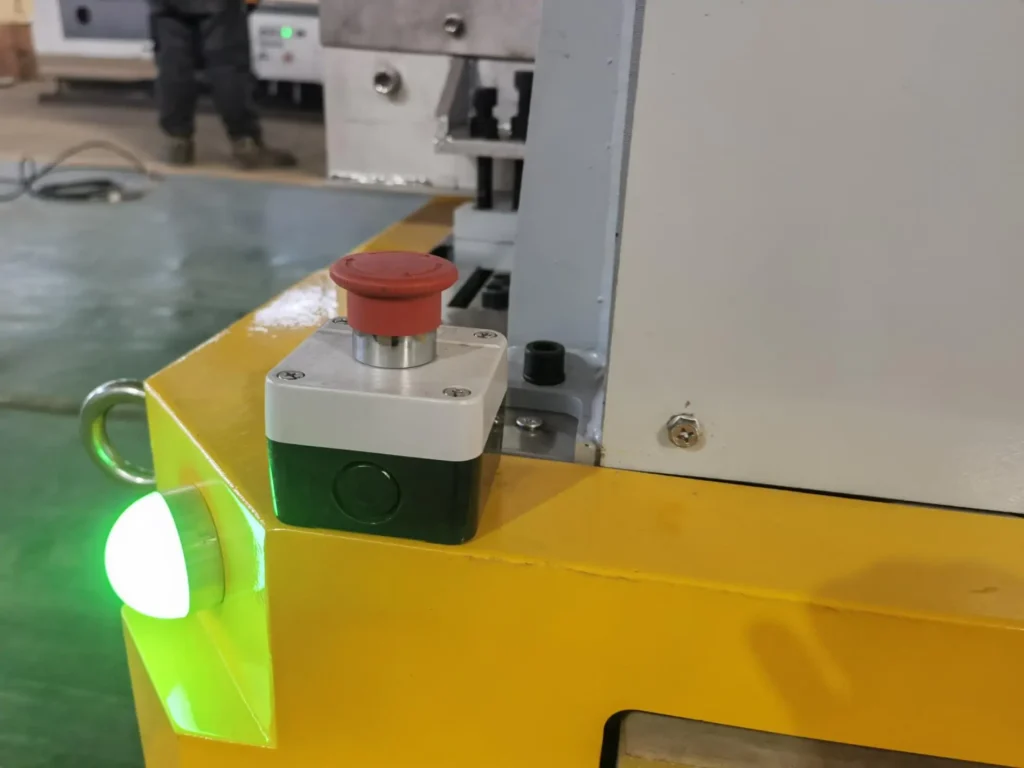
Safety and extended configuration: standard with emergency stop button, anti-collision alarm, optional weighing system, LED lighting, automatic charging, etc., to meet the needs of different scenarios (clean workshop, outdoor, intelligent factory).
Specifications
| Parameter | Specification Range |
|---|---|
| Load Capacity | 1–500 Ton (Custom Up To 800 Ton) |
| Platform Size | Customized According To Load And Material Dimensions |
| Power Supply | Battery Powered / Lithium Battery / Diesel-Hybrid |
| Travel Speed | 0–40 m/min (Variable Speed Control) |
| Driving Mode | Dual Motor Drive / Multi-Wheel Drive |
| Steering Type | Differential Steering / Hydraulic Steering / 360° Rotation |
| Turning Radius | Zero Radius Turning Available |
| Wheel Type | Polyurethane Wheel / Solid Rubber Tire |
| Ground Clearance | 150–250 mm |
| Climbing Ability | 3–5% Grade (Custom Available) |
| Control Method | Pendant Control / Wireless Remote / PLC Control |
| Navigation Option | Magnetic Guidance / Laser Navigation / AGV System |
| Operating Time | 6–12 Hours Per Charge |
| Operating Temperature | -20°C To +60°C |
| Protection Rating | IP54–IP65 |
| Safety Features | Emergency Stop, Alarm System, Anti-Collision Sensor, Electromagnetic Brake |
| Optional Functions | Lifting, Rotating, Tilting, Automatic Positioning, Custom Fixtures |
| Applicable Environment | Workshop, Warehouse, Steel Plant, Port, Outdoor Yard |
| Certification | CE / ISO9001 / SGS |
All specifications can be customized according to load requirements, floor conditions, travel routes, operating environments, and material handling applications.
Customization Options
Special Functions – Lift, Rotate, Tilt, Automatic Docking
Load Capacity – 1 to 800 tons
Platform Dimensions – Custom length, width, and deck structure
Battery Configuration – Lead-Acid or Lithium Battery
Steering System – Differential, Hydraulic, or Omni-Directional
Control System – Remote Control, PLC, or AGV Navigation
Platform Structure – Flat Deck, V-Type Coil Support, Mold Frame
Safety Configuration – Anti-Collision, Explosion-Proof, Positioning System
For more information on customization options and the scope of customization for transfer carts, see the article: “Custom Transfer Cart: Complete Guide to Design and Customization”
Advantages
Trackless design
No need to lay tracks, relying on tires to move freely, adapting to a variety of ground and complex paths.
Flexible driving mode
Optional battery (lithium/lead-acid), cable power supply, or diesel drive to meet the range and power requirements of different scenarios.
Intelligent control system
Support manual driving, wireless remote control, or AGV automatic navigation (laser/magnetic stripe), and precise control of driving and positioning.
Multi-functional loading platform
Standard flat structure, optional hydraulic lifting, rotary table, or explosion-proof configuration, suitable for mold and heavy equipment handling.
High load-bearing and stability
The frame is made of high-strength steel, with a load range of 5~100 tons, equipped with a shock-absorbing device to ensure smooth transportation.
Multiple safety protection devices
Integrated emergency stop button, anti-collision sensors, sound and light alarms, etc., to ensure the safety of human and machine operation.
Application
Trackless transport carts are used to move materials in manufacturing plants, warehouses, ports, and other industrial facilities where laying tracks is not feasible.
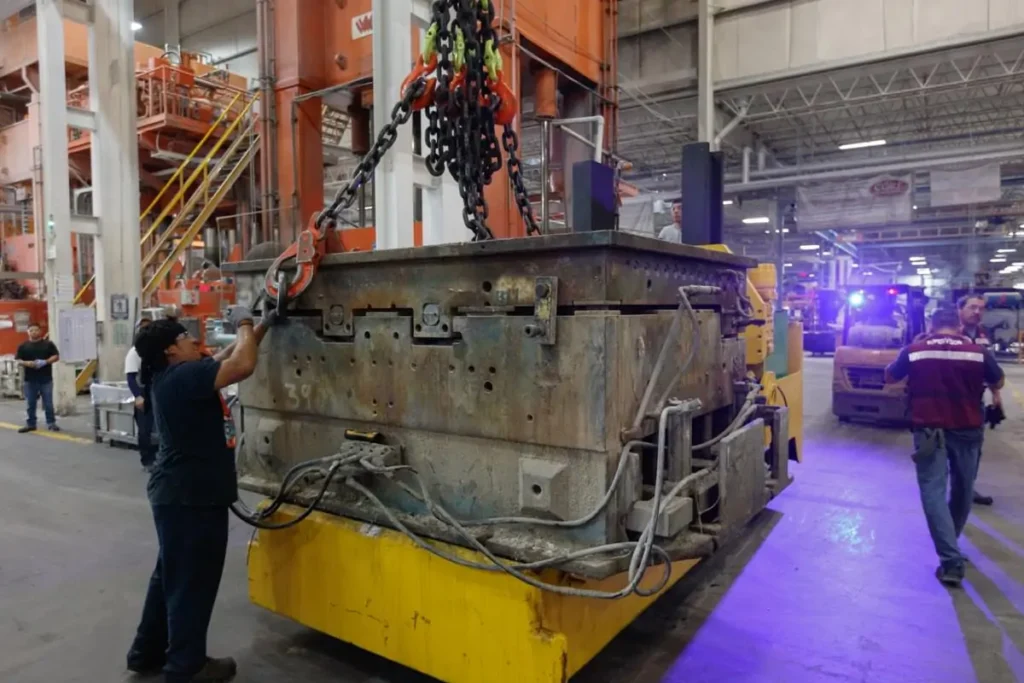
Mold and Die Handling
Transport molds, dies, and tooling equipment between storage areas, machining centers, and production lines.
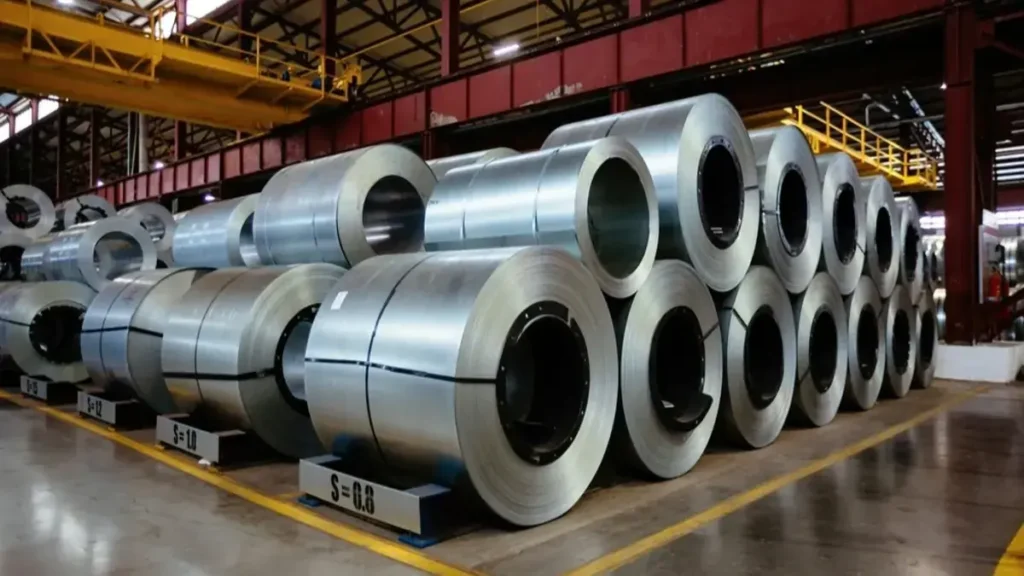
Steel and Metal Processing
Move steel coils, steel plates, pipes, and fabricated metal components within workshops and manufacturing plants.
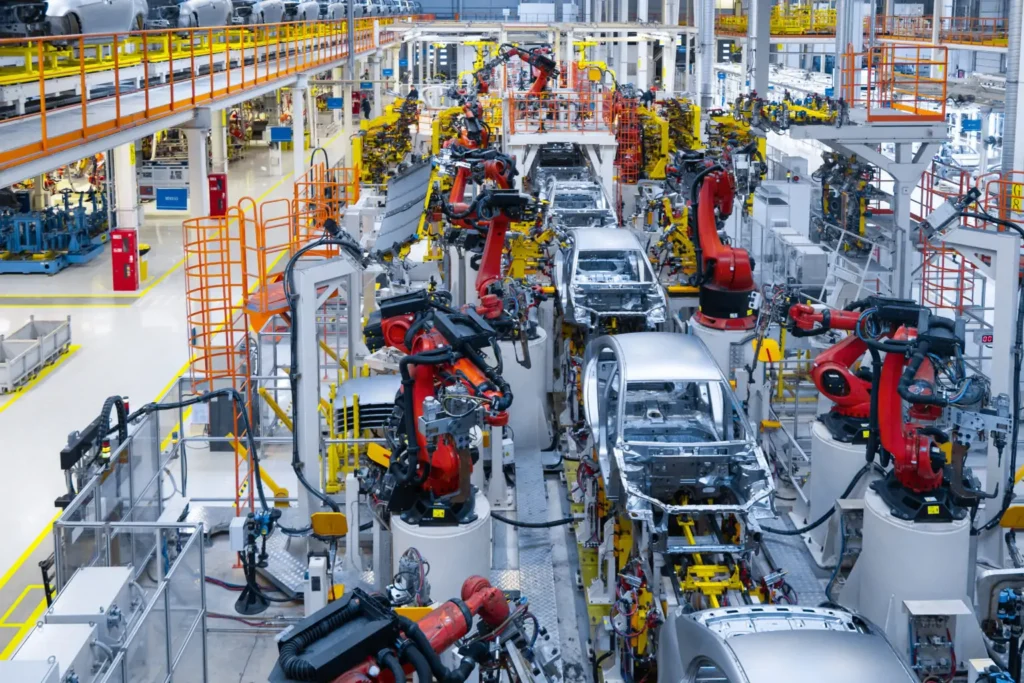
Automotive Manufacturing
Handle vehicle parts, battery packs, chassis components, and assembly materials throughout production processes.
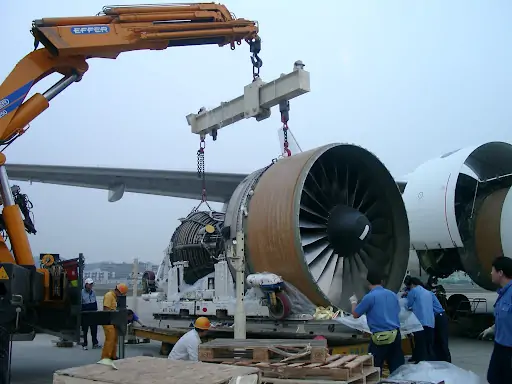
Heavy Equipment Manufacturing
Transfer large machinery parts, structural components, and assembled equipment during fabrication and assembly.
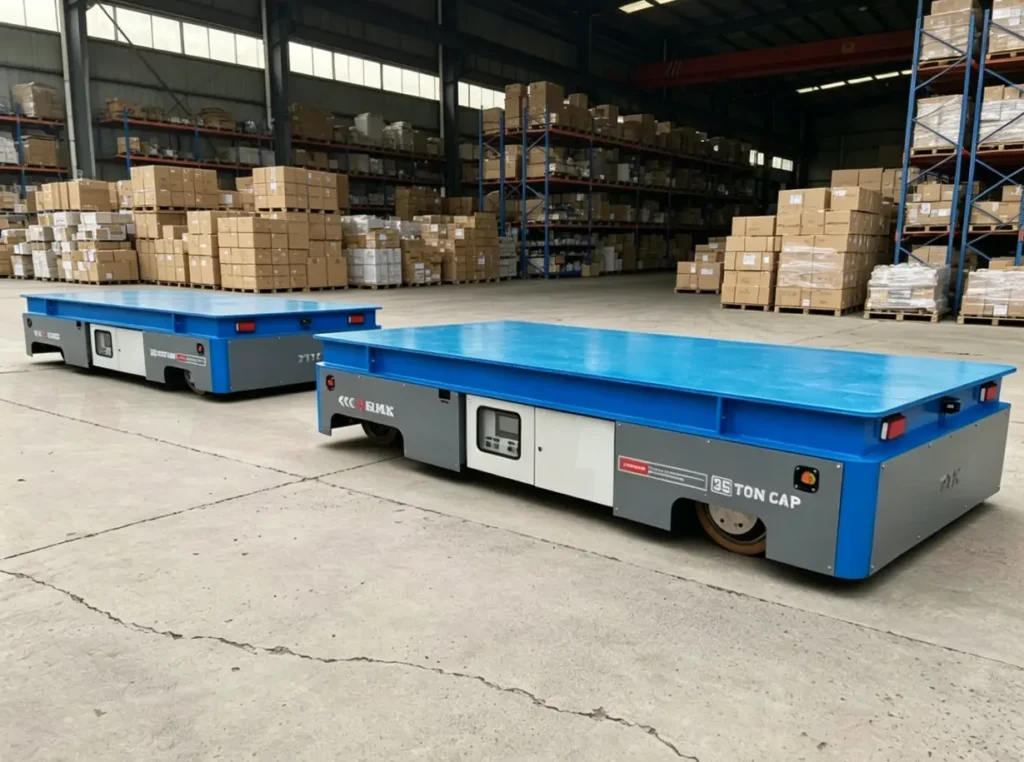
Warehousing and Logistics
Move pallets, heavy goods, and bulk materials between warehouses, workshops, and shipping areas.
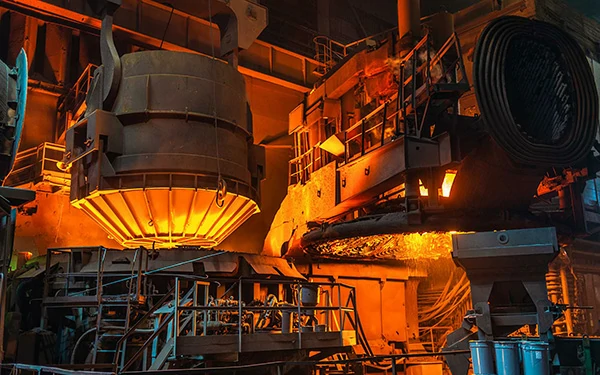
Foundries and Metallurgical Plants
Transport castings, furnace components, and high-temperature materials in demanding industrial environments.
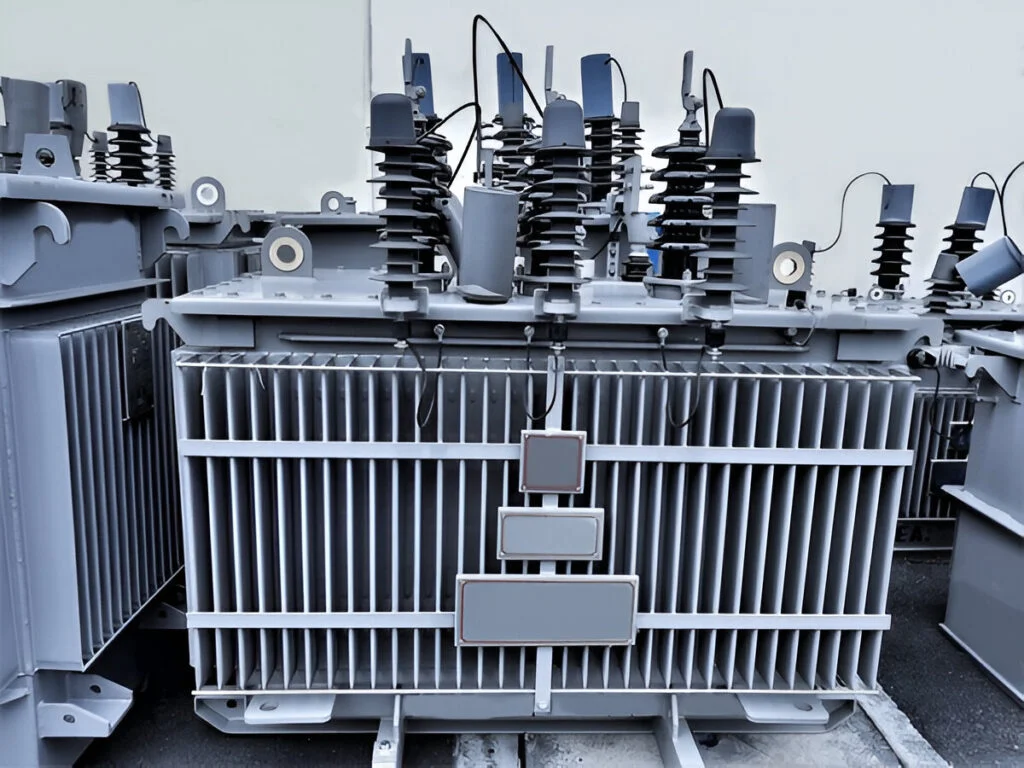
Energy and Power Industry
Handle transformers, generators, wind power components, and other heavy equipment used in energy projects.
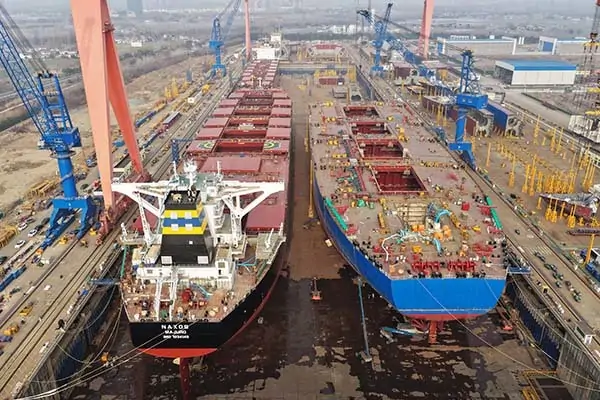
Shipbuilding Industry
Move steel sections, marine equipment, and oversized structures within shipyards and fabrication facilities.
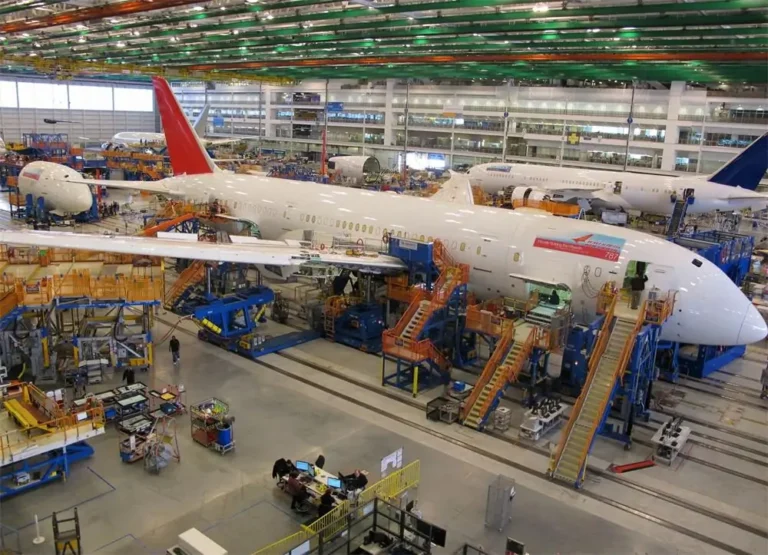
Aerospace Industry
Transport aircraft components, tooling systems, and precision equipment that require stable handling.
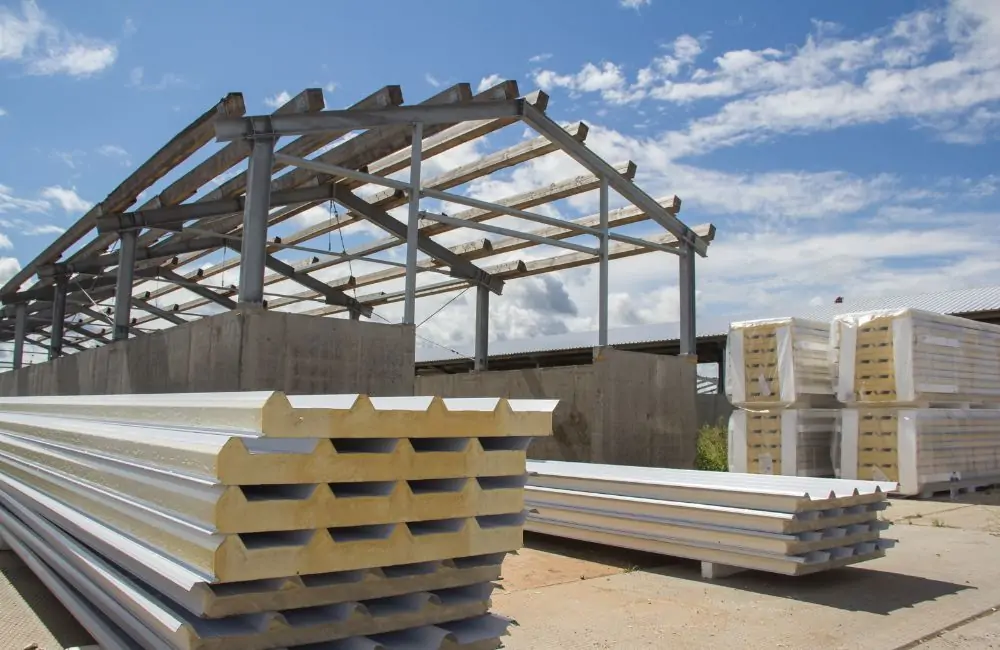
Construction and Infrastructure Projects
Move precast concrete components, steel structures, and heavy construction materials on project sites.
Trackless transfer carts can be customized for different load capacities, travel routes, floor conditions, and operating environments.
Cases Show
More Case Studies: REMARKABLE Project
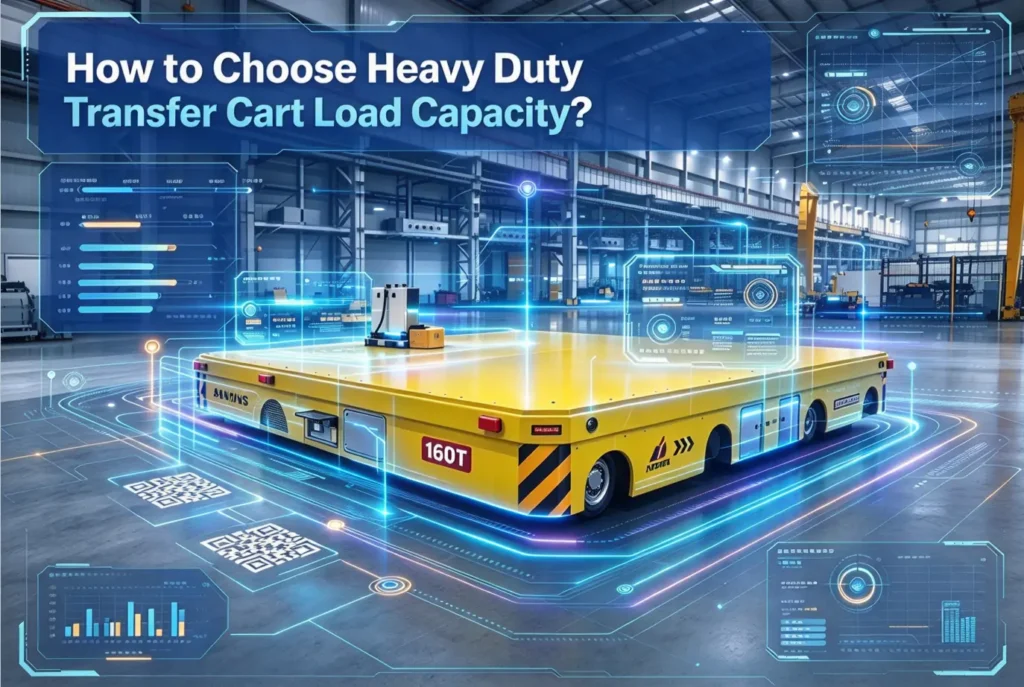
How to Choose a Trackless Transfer Cart?
Selecting the right trackless transfer cart requires evaluating load requirements, operating conditions, and transportation routes.
Determine Load Capacity
Select the load capacity according to the maximum weight of the materials being transported.
Confirm Platform Size
The platform size should match the dimensions of the load and provide sufficient handling space.
Select the Power Supply
Choose a battery-powered system based on operating time, travel distance, and production requirements.
Evaluate Steering Type
Select differential steering, hydraulic steering, or 360° rotation according to available space and maneuverability requirements.
Consider Operating Conditions
Floor conditions, travel routes, and working environments affect wheel selection and equipment configuration.
Choose the Control Method
Remote control, pendant control, PLC systems, and AGV navigation are available for different levels of automation.
Review Safety Features
Key safety features include emergency stop devices, warning alarms, anti-collision systems, and overload protection.
Identify Special Functions
Functions such as lifting, rotating, tilting, and automatic positioning can improve handling efficiency.
Assess Customization Capability
Choose a manufacturer that can customize the transfer cart based on load requirements, operating conditions, and application needs.
The right trackless transfer cart should match your load capacity, travel route, working environment, and production requirements.
Why Choose REMARKABLE Trackless Transfer Carts?
- Extensive Manufacturing Experience: Experienced engineering and production teams support projects across various industries and applications.
- Custom-Built Solutions: Customized configurations are available for load capacity, platform size, power supply, steering systems, and special functions.
- Wide Range of Capacities: Trackless transfer carts are available for light-duty transportation and heavy-duty material handling applications.
- Reliable Quality: High-strength steel structures and quality components support long-term operation in demanding industrial environments.
- Advanced Safety Features: Available with emergency stop systems, warning alarms, anti-collision devices, and other safety configurations.
- Professional Technical Support: Technical assistance is available throughout equipment selection, design, installation, and operation.
- Global Project Experience: Trackless transfer cart solutions have been supplied for manufacturing, steel processing, warehousing, energy, and heavy industry applications.
- Responsive Service: Fast response and dedicated support help customers reduce downtime and maintain efficient operations.
Trackless Transfer Cart Manufacturer and Supplier
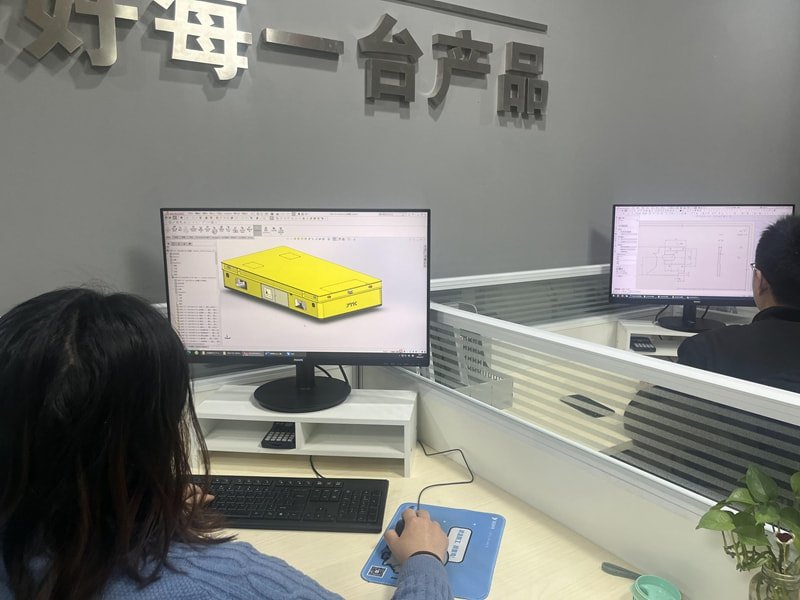
As a leading trackless transfer cart manufacturer, Remarkable specializes in designing and producing high-performance, customized transfer solutions for industrial applications. Our carts feature no-track flexibility, intelligent control systems, and heavy-duty load capacities (5-100+ tons) to meet diverse material handling needs. Contact us for high-quality transport solutions!
FAQS
What is a trackless transfer cart?
A trackless transfer cart is a battery-powered material handling vehicle that transports heavy loads without requiring fixed rails. It can move freely on factory floors, warehouses, ports, and industrial facilities, making it suitable for flexible transportation routes.
What is the difference between a trackless transfer cart and a rail transfer cart?
A trackless transfer cart operates directly on the floor and can travel in multiple directions without rails. A rail transfer cart runs on fixed tracks and is typically used for heavy-load transportation along predetermined routes.
What is the load capacity of a trackless transfer cart?
Trackless transfer carts are commonly available in capacities ranging from 1 ton to 500 tons. Heavy-duty models can be customized for larger loads depending on application requirements.
What power source does a trackless transfer cart use?
Most trackless transfer carts use rechargeable batteries, including lead-acid and lithium battery systems. The power solution is selected based on operating time, travel distance, and working conditions.
Where are trackless transfer carts used?
Trackless transfer carts are widely used in steel plants, mold manufacturing, automotive factories, warehouses, shipyards, foundries, and heavy equipment production facilities.
Can a trackless transfer cart operate outdoors?
Yes. Trackless transfer carts can be designed for indoor and outdoor operation. Outdoor models are equipped with suitable wheels, weather-resistant components, and higher protection ratings for harsh environments.
Can a trackless transfer cart be customized?
Yes. Load capacity, platform size, power supply, steering system, control method, safety features, and special functions can all be customized according to project requirements.
What safety features are available on a trackless transfer cart?
Common safety features include emergency stop buttons, warning lights, audible alarms, anti-collision sensors, overload protection, and automatic braking systems.
How do I choose the right trackless transfer cart?
Key factors include load capacity, platform size, travel route, operating environment, steering requirements, power supply, and any special handling functions required for the application.
How much does a trackless transfer cart cost?
The cost depends on load capacity, platform dimensions, battery system, steering configuration, automation level, and optional features. Customized solutions are typically quoted according to project specifications.
Related Articles
Related Products
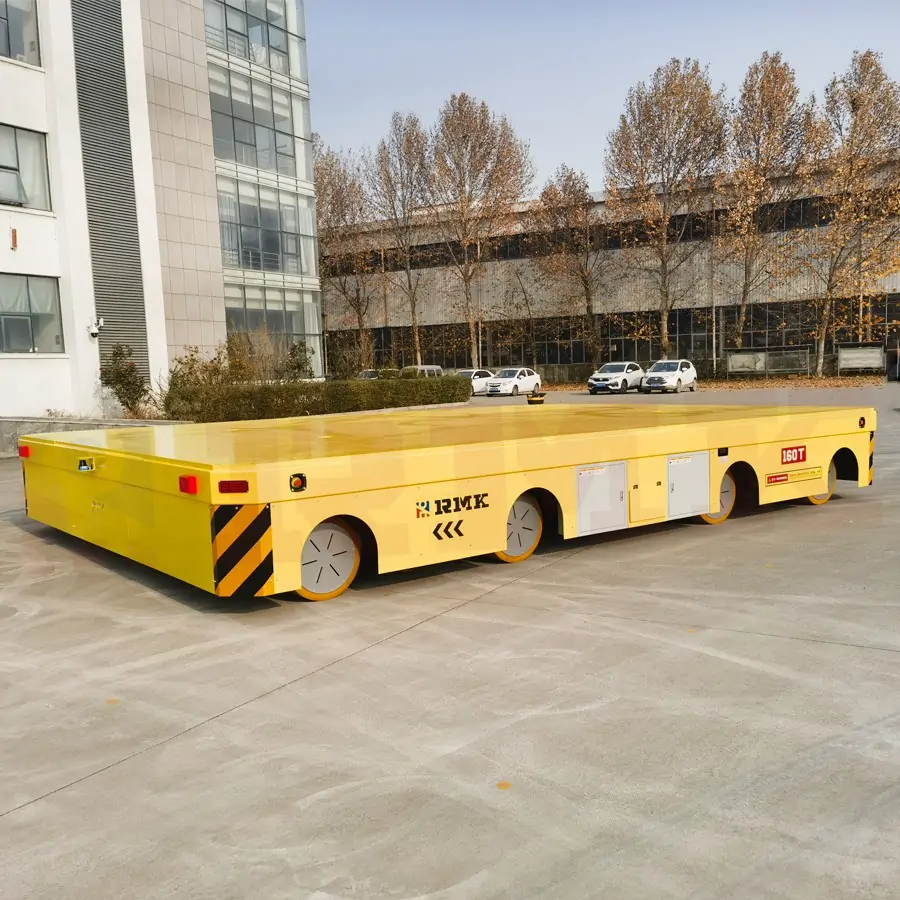
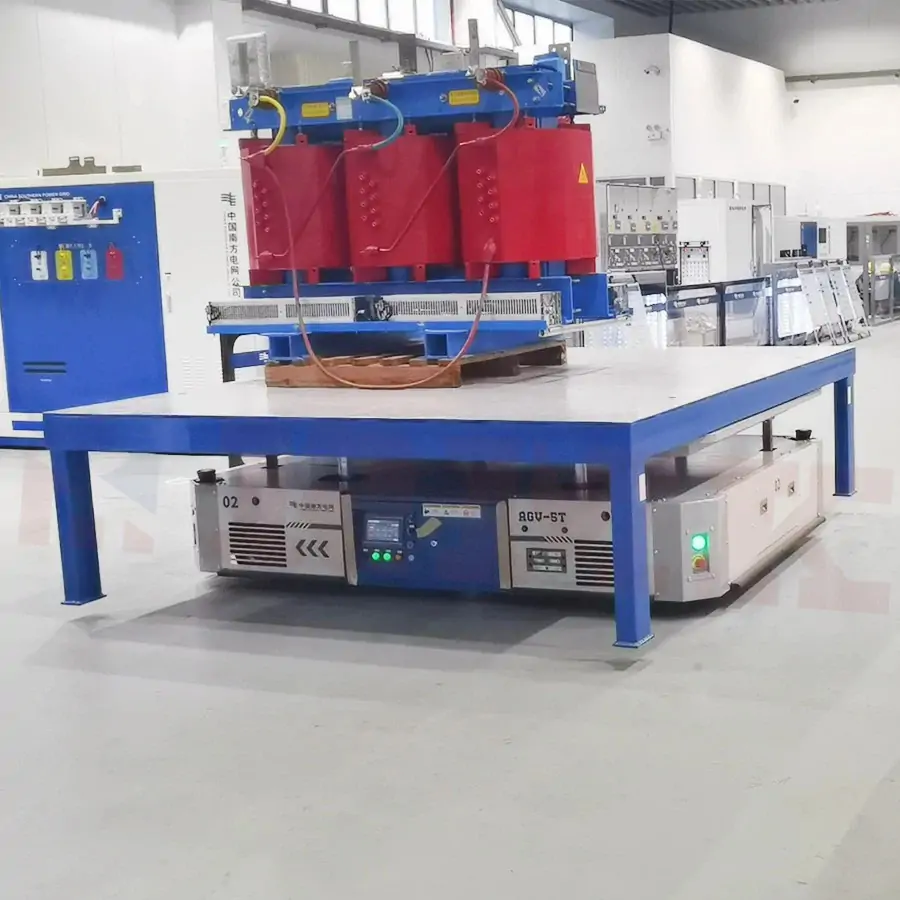
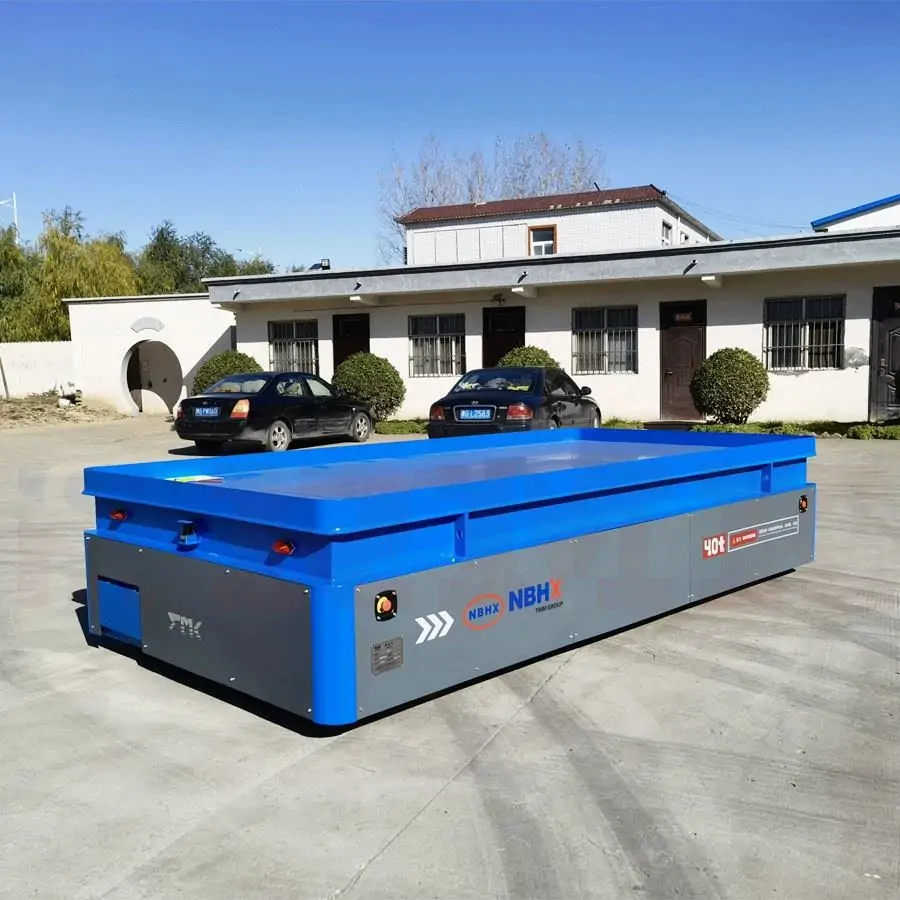

Customized Intelligent Material Handling Solutions
To ensure that a customized transfer cart fits your needs perfectly, please provide the following details:
- Load Capacity: _____ tons (1~500 ton)
- Table Size: _____ × _____ mm/m (e.g., 1500×3000)
- Power Options:
- ☐ Lead-acid ☐ Lithium-ion ☐ Other: _____
- ☐ Cable: _____V/_____A
- ☐ Standard 380V/50Hz/3-phase
- Cargo Details:
- Type: _____ (e.g., steel coils, machinery)
- Special Needs: _____ (e.g., anti-slip, corrosion-proof)
- Optional Features:
- ☐ Emergency stop ☐ Anti-collision sensors
- ☐ Rail guides ☐ Lifting mechanism ☐ Remote control