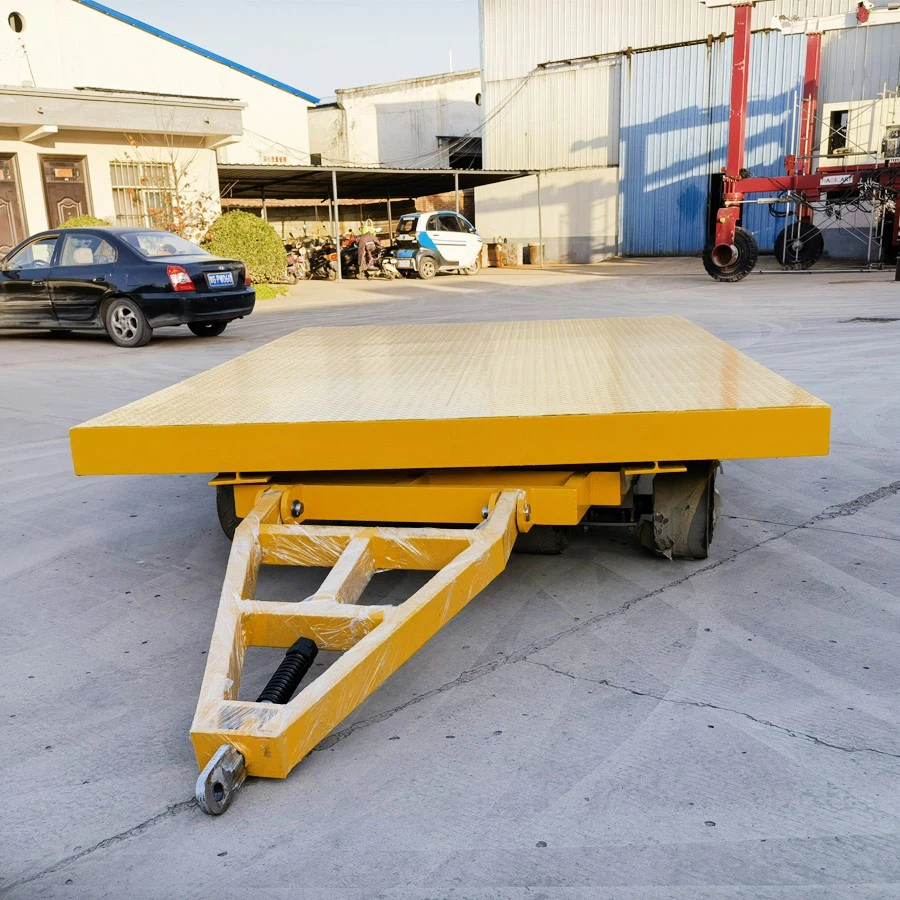
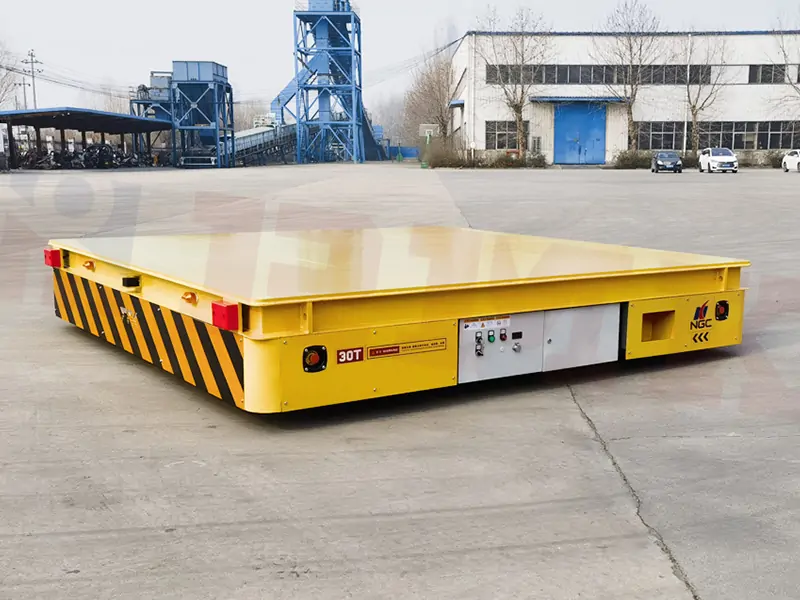
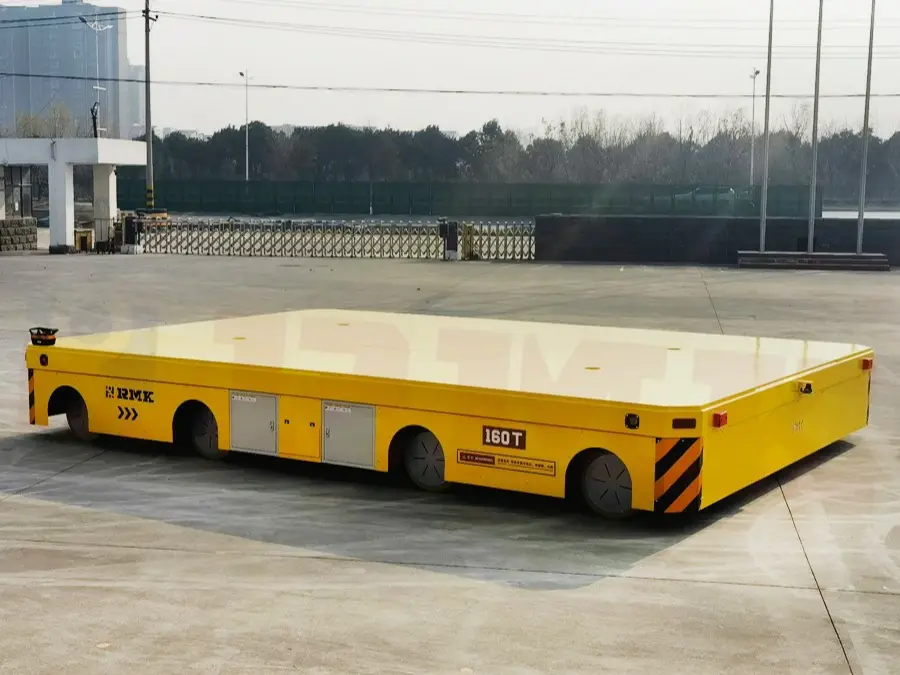
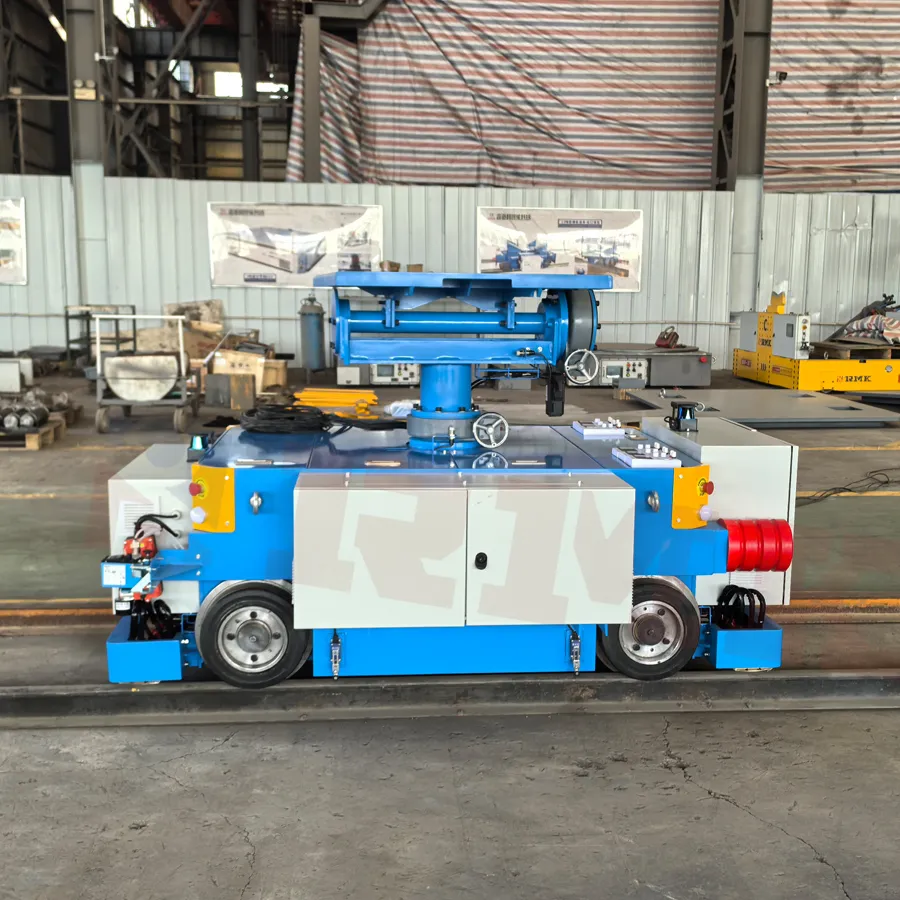
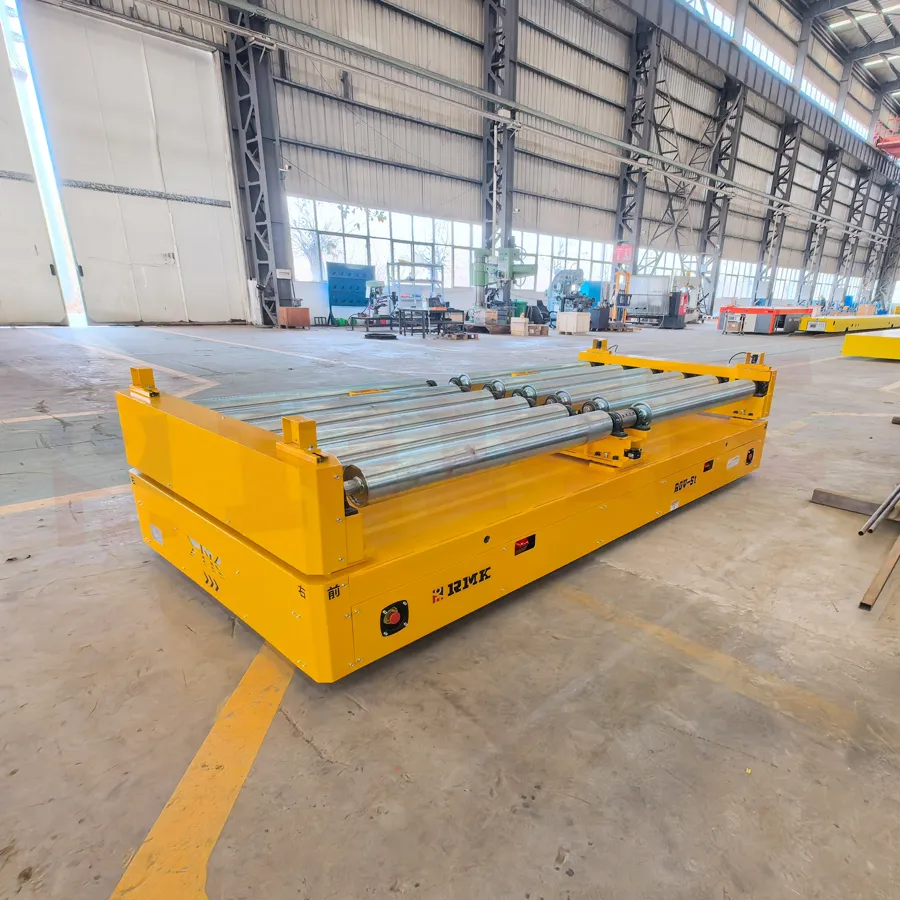
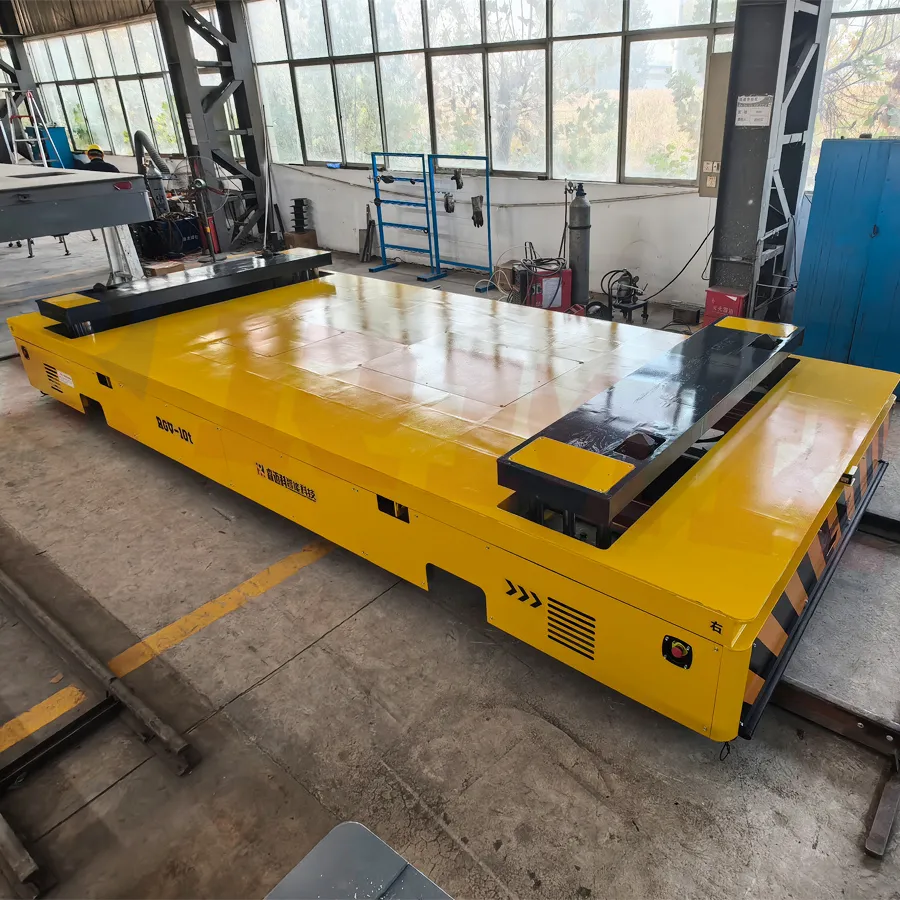
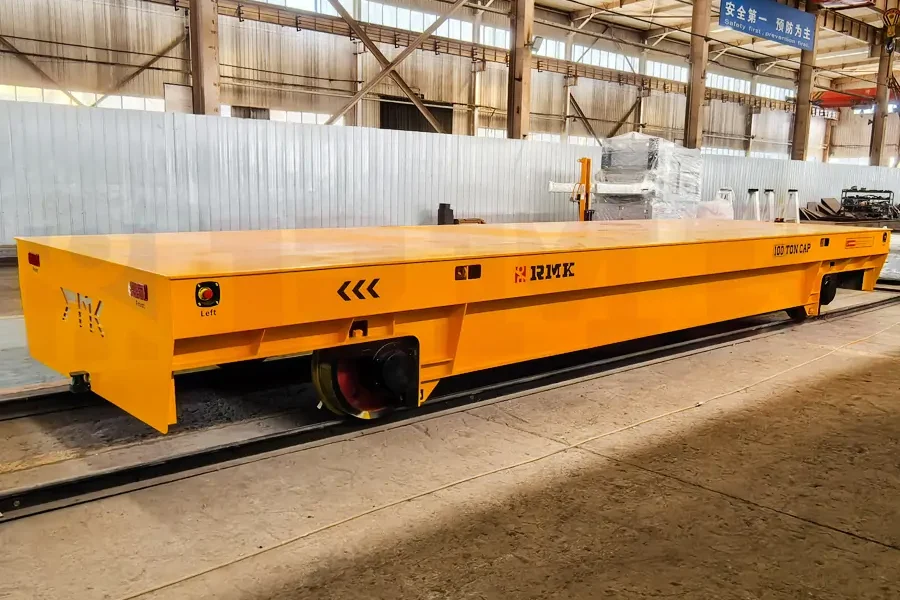
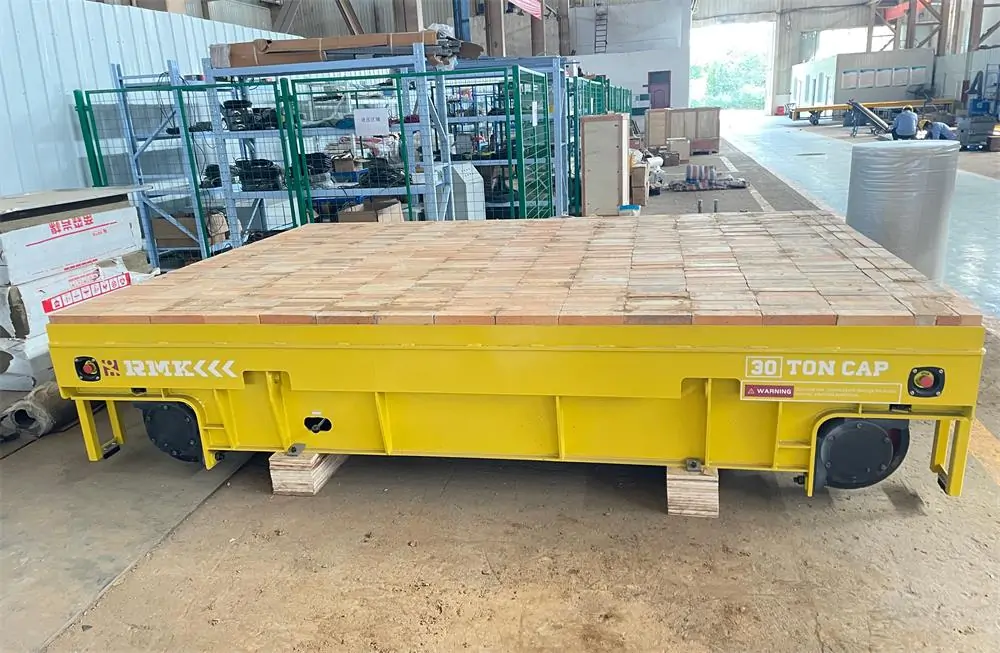
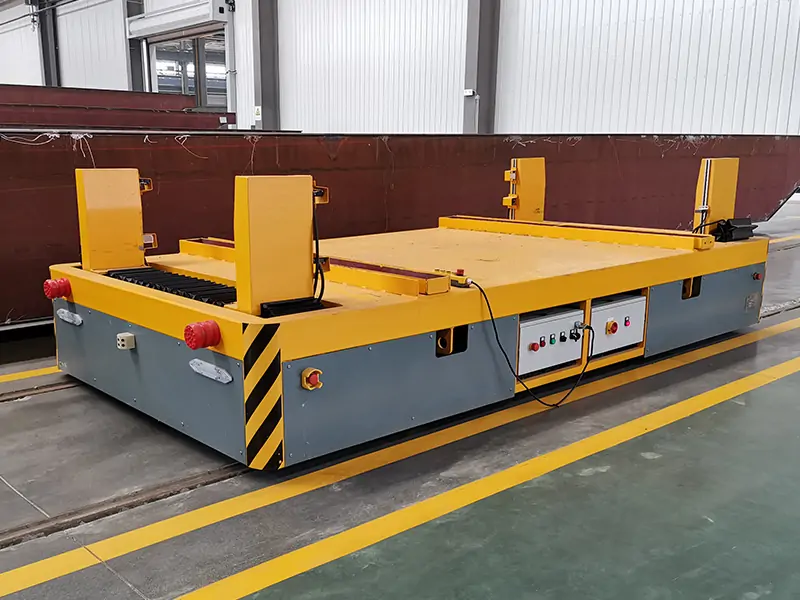
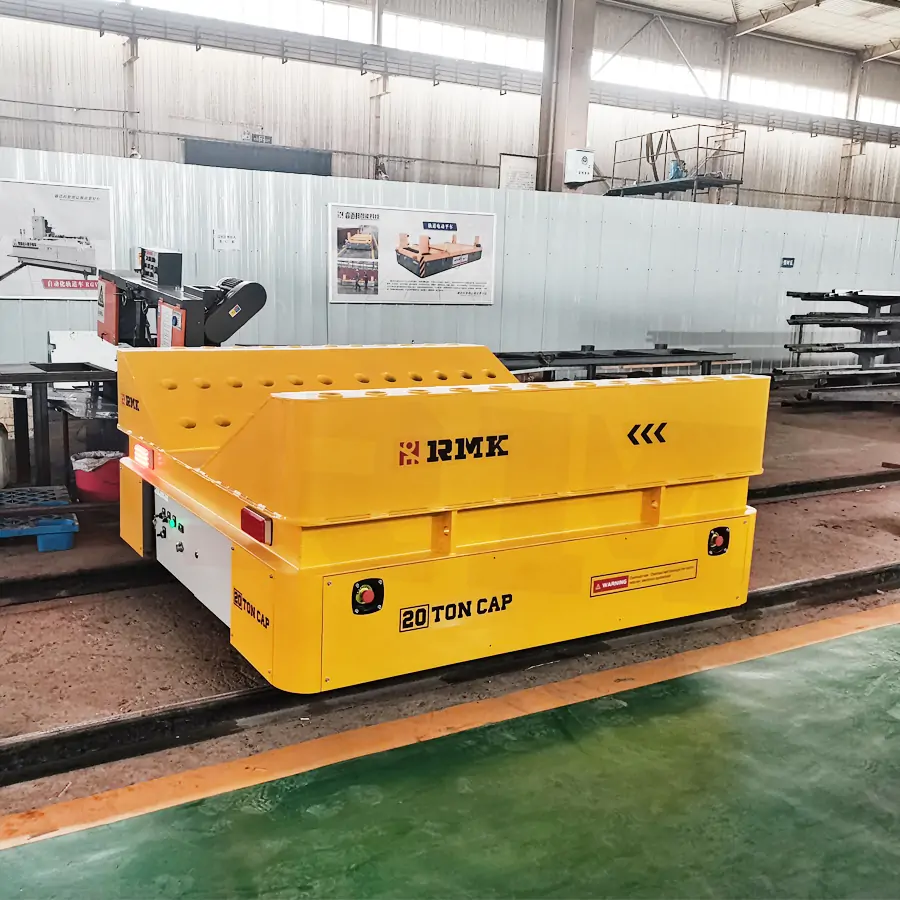
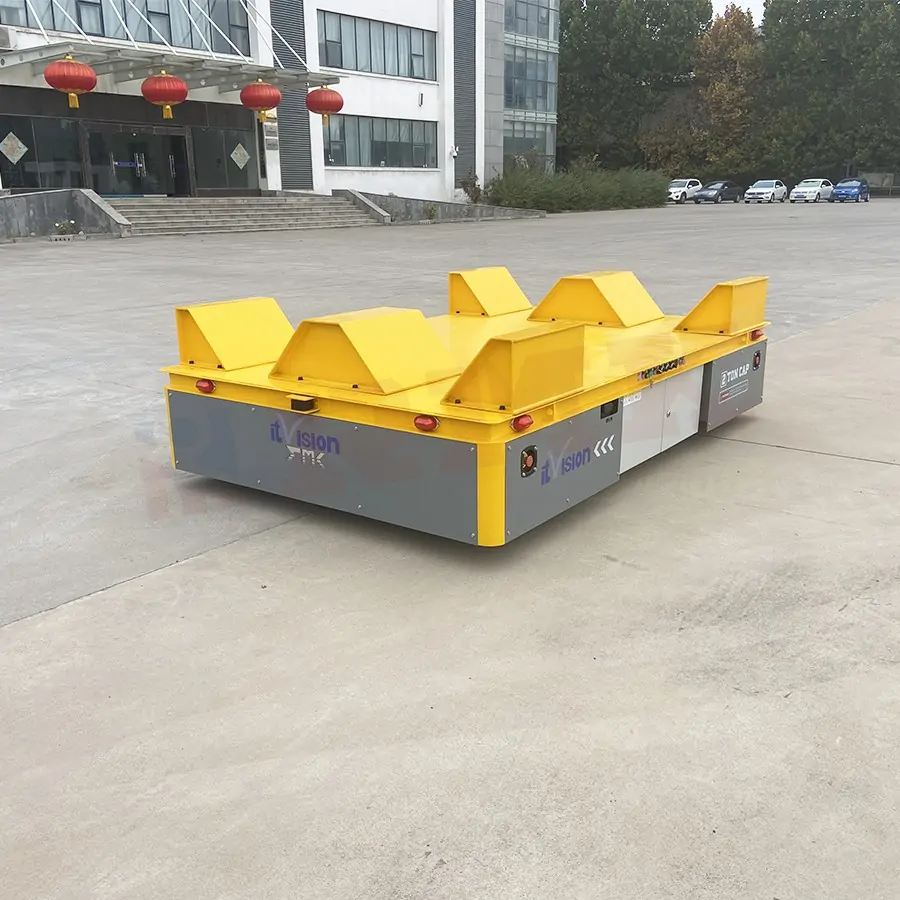
In modern manufacturing and intelligent logistics, rail transfer cars serve as efficient, safe heavy-duty handling equipment. With their high load capacity, safety, stability, and customizable flexibility, they are widely used across industries such as steel, mold making, equipment manufacturing, automotive, and warehousing logistics.
However, with numerous types available, each suited for different scenarios, how should one select the Rail Transfer Cart best suited for their specific operational conditions? Let’s first understand the types and characteristics of rail transfer cars.

Main Types and Characteristics of Rail Transfer Cars
Rail transfer cars are primarily classified based on their power supply methods and operational characteristics. Common types are as follows:
| Type | Power Supply Method | Features | Typical Scenarios |
| Battery-Powered Rail Transfer Car (KPX Type) | Built-in battery independent power supply | No external cables required, flexible operation, capable of cross-area travel | Workshop interiors, enclosed spaces, or locations with complex track layouts |
| Low-Voltage Rail-Powered Transfer Cart (KPD Type) | Electrified track (typically 36V/48V) | Continuous power supply, stable operation, extended lifespan | Continuous production lines, long-distance, high-frequency transport |
| Cable Reel Transfer Cart (KPJ Type) | Power supplied via retractable cable reel | Simple structure, easy maintenance, low cost | Medium-to-short distance transport, fixed routes |
| Sliding Contact Rail Powered Transfer trolley(KPC Type) | Power is collected via a sliding contact rail and a collector | High current capacity, smooth operation, stable power supply | Heavy-duty industries like steel, metallurgy, and shipbuilding |
| Trackless Electric Flatbed (BWP Type) | Battery and rubber wheel drive | No tracks required, 360° steering, flexible operation | Material transfer between warehouses/workshops or space-constrained areas |
Further reading can be found in the following articles: How Do Rail Transfer Carts Work?
Summary Recommendations:
- For fixed production lines with frequent transport, choose low-voltage rail-powered models.
- For cross-area or flexible operation, select battery-powered or trackless electric models.
- For heavy loads and long power supply distances, conductor rail models offer greater cost-effectiveness and stability.


If you want to learn about the main features of rail transfer carts, you may refer to the article: What is Rail Transfer Trolley? After learning about the types and characteristics of rail transfer cars, let’s explore the factors that influence their selection.
Factors for Selecting Rail Transfer Cars
The selection of rail transfer cars should integrate specific operational conditions with long-term cost considerations. The following five aspects form the core basis for model selection:
Load Capacity and Material Characteristics:
- Rail transfer trolleys typically have rated capacities ranging from 5 to 200 tons.
- When selecting a model, ensure: Rated capacity ≥ Actual load weight × 1.2 (safety factor)
- Material shape and center of gravity balance—e.g., steel coils require groove supports, while mold transport necessitates flatbed structures.
Operating Route and Environmental Conditions:
- For extended routes or cross-workshop operations, prioritize battery-powered models.
- In high-temperature, dusty, or explosion-proof environments, select specialized protective models.
- Factories requiring curved or intersecting routes should plan the track layout.
Operating Frequency and Duration:
- For high-intensity, continuous operation, choose track-powered models (low-voltage or conductor rail).
- For intermittent use and flexible scenarios, recommend battery-powered models.
- For frequent start-stop operations, add variable frequency control systems for soft starts and energy-efficient operation.
Control Methods and Intelligence Level:
- Handle Control: Economical and practical
- Wireless Remote Control: Safe operation from a distance
- PLC Automatic Control: Interoperates with production lines for unmanned transport.
- Intelligent solutions support path planning, automatic parking, obstacle detection, and integration with AGV systems, robots, and warehousing systems for smart logistics management.
Safety and Maintenance:
Rail transfer cars incorporate safety features, including audible/visual alarms, emergency stop devices, collision buffers, limit switches, and motor protections against overload, overheating, and short circuits. Additionally, the structural integrity of the cart and precision of track installation significantly impact operational lifespan. It is recommended to select professional manufacturers offering installation guidance and comprehensive after-sales service capabilities.

When selecting a rail transfer car, it is essential not only to consider these factors but also to choose the appropriate type based on industry requirements and specific operational needs.
Selecting Rail Transfer Cars Based on Industry Requirements
Different industrial sectors have distinct demands for rail transfer carts. Below are reference solutions for typical industries:
| Industry | Recommended Type | Advantages |
|---|---|---|
| Steel & Metallurgy | Conductor Rail Powered or Low-Voltage Rail Type | Suitable for high-temperature, heavy-load environments, continuous operation |
| Mold Manufacturing | Battery-Powered or Cable Reel Type | Smooth operation, precise positioning, high safety |
| Automotive Manufacturing | Low-voltage rail type or PLC intelligent control type | Integrates into production lines for automated transfer |
| Equipment Manufacturing | Battery-powered type or Dual-drive power structure | Suitable for transferring large equipment between workstations |
| Warehousing & Logistics | Trackless electric flatbed cart | Highly maneuverable, no tracks required, easy steering |
When selecting rail transfer cars for specific applications, factors such as type, corporate circumstances, and unique characteristics must be considered alongside the manufacturer’s capabilities.


Recommendations for Selecting Rail Transfer Car Manufacturers
Rail transfer cars are custom-built equipment. When selecting a manufacturer, prioritize those with proven engineering experience, focusing on the following key aspects:
- Manufacturing Experience and Case Studies: Demonstrated track record of mature engineering projects and successful implementations.
- Technical Solution Capabilities: Ability to provide rail layout planning and non-standard customization based on specific operational conditions.
- Core Component Quality: Motors, gearboxes, and electrical control systems should utilize branded components.
- After-Sales Support: Offers installation commissioning, operator training, and long-term maintenance.
Manufacturers with proven engineering experience and comprehensive after-sales systems significantly reduce future maintenance and retrofitting costs for enterprises.

Conclusion:
The above outlines our recommendations for selecting rail transfer cars. For specific model recommendations and quotations, please contact us. We will recommend the most cost-effective material handling solution tailored to your requirements and budget.