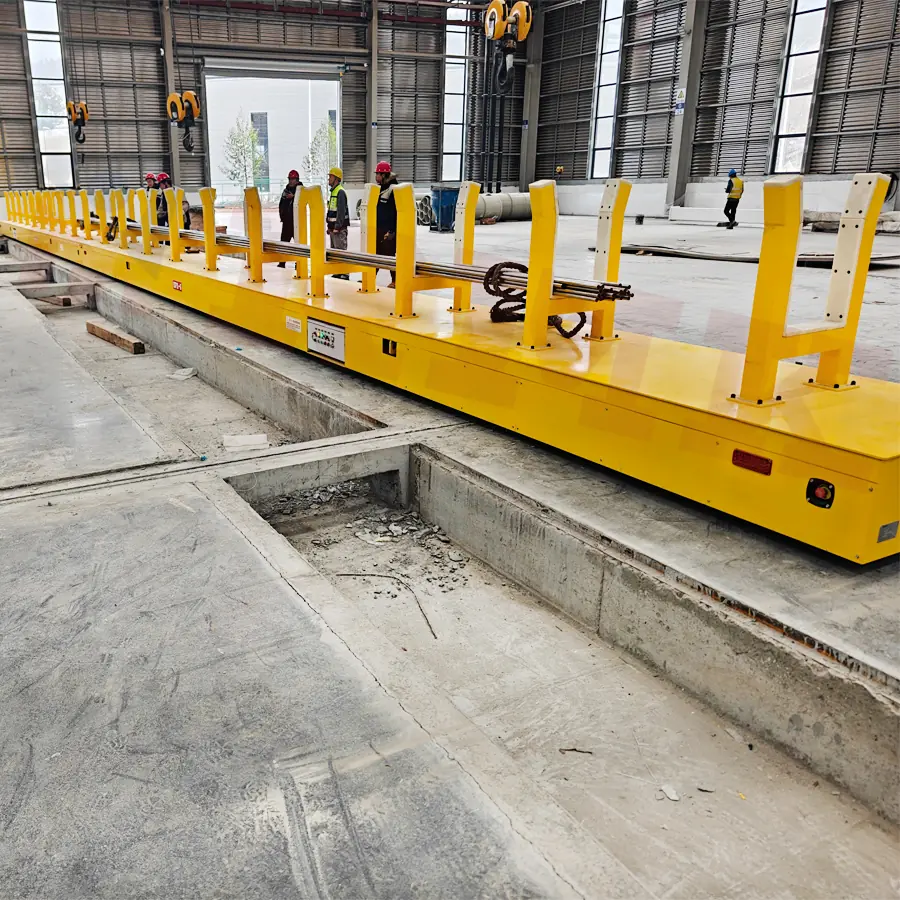
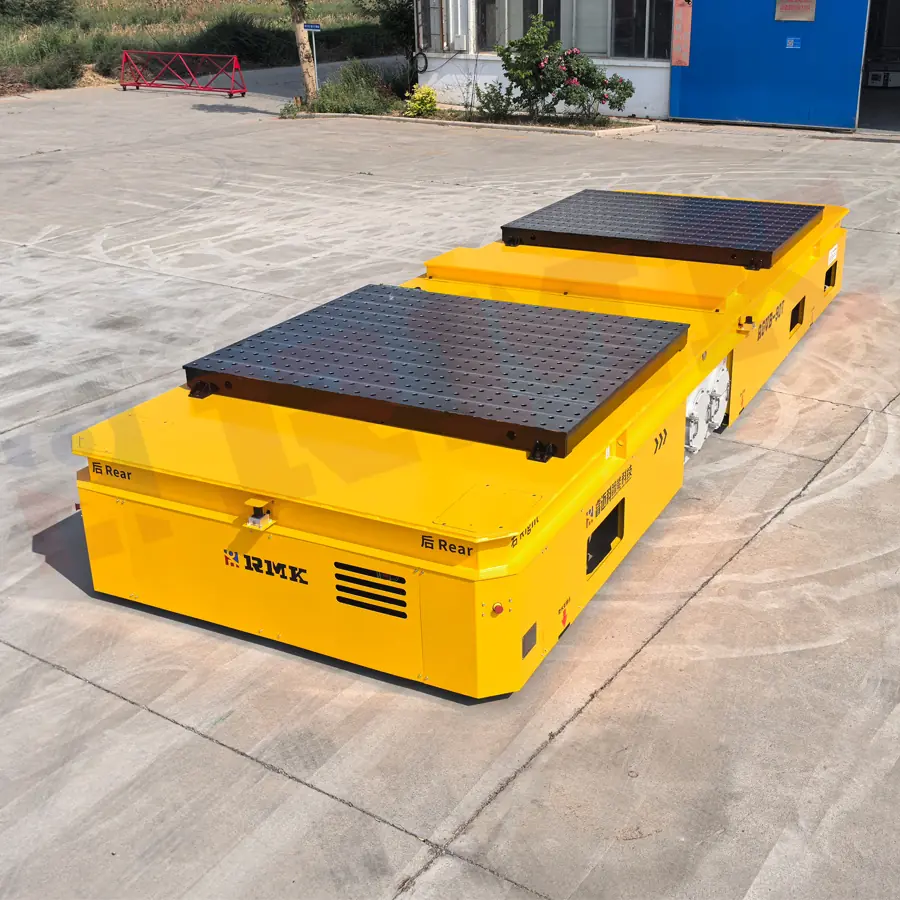
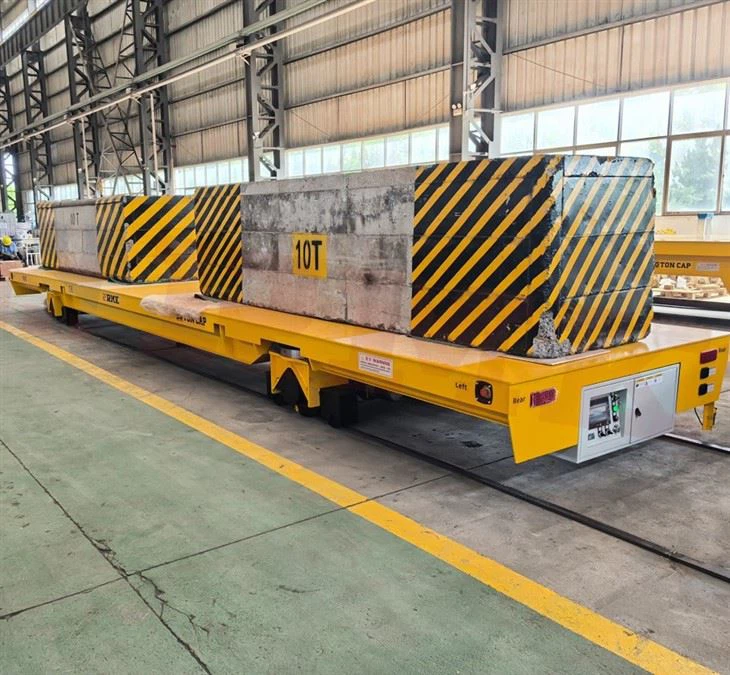
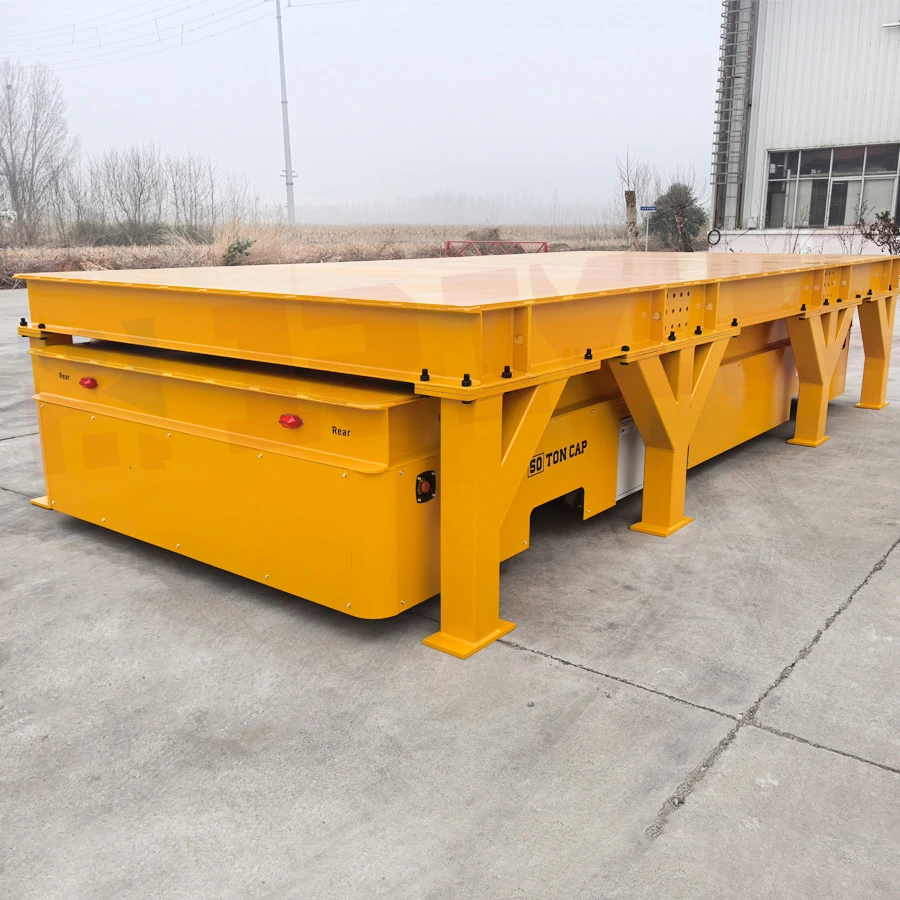
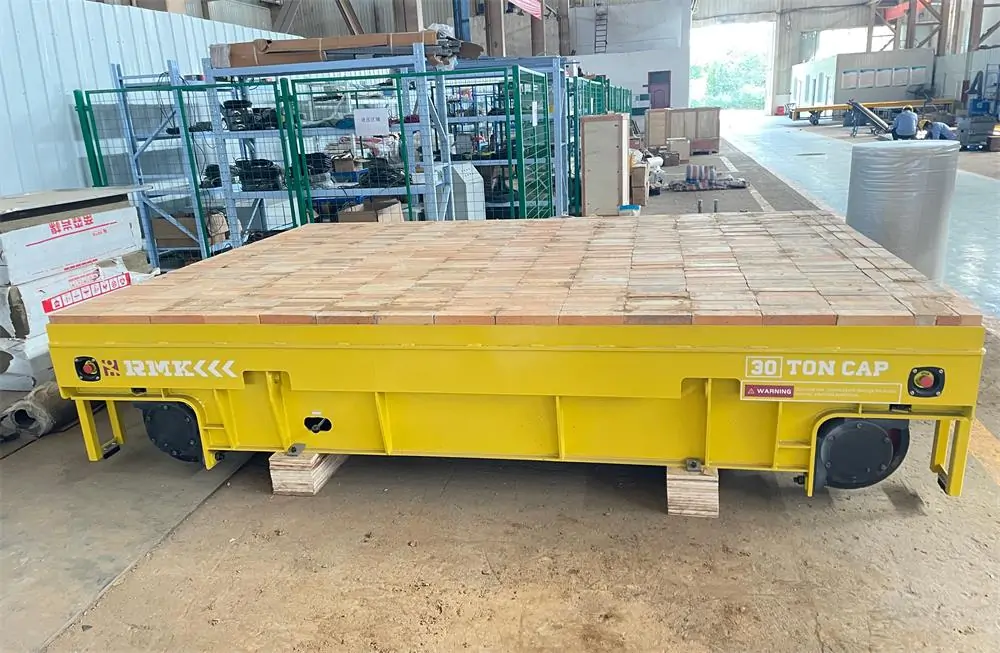
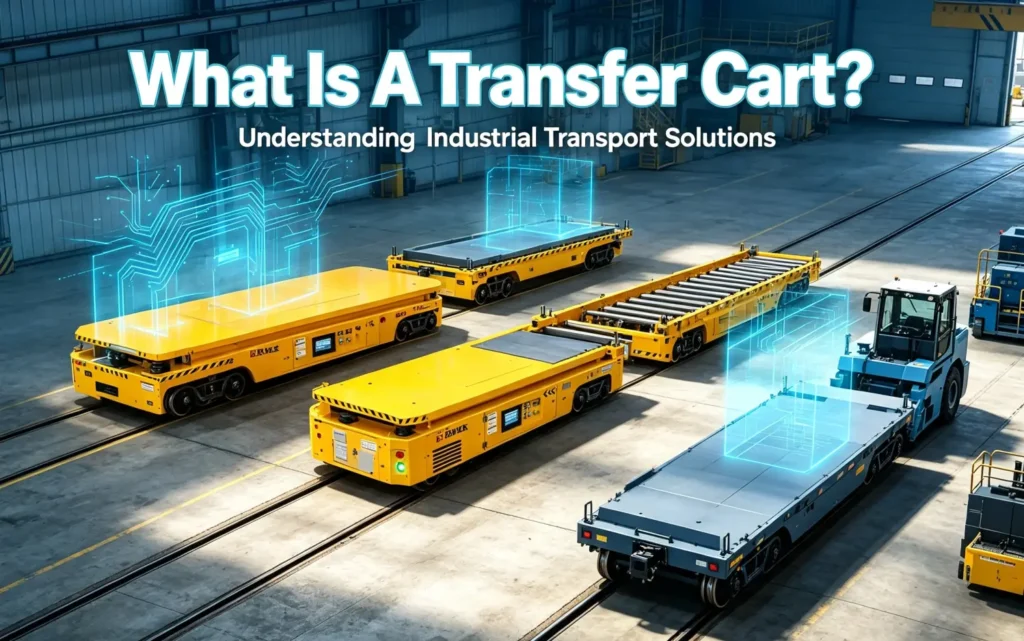
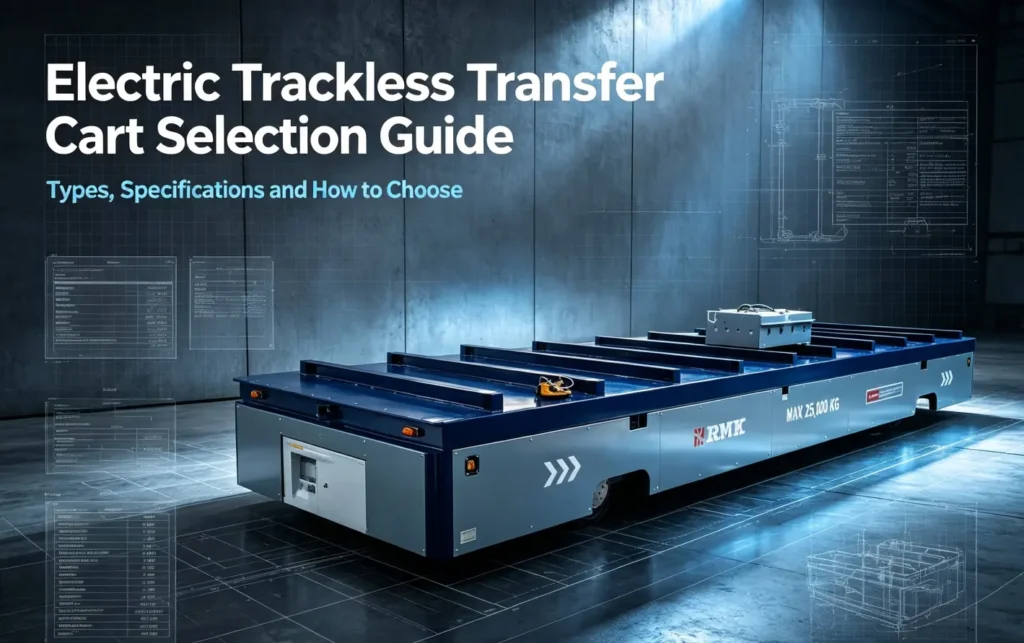
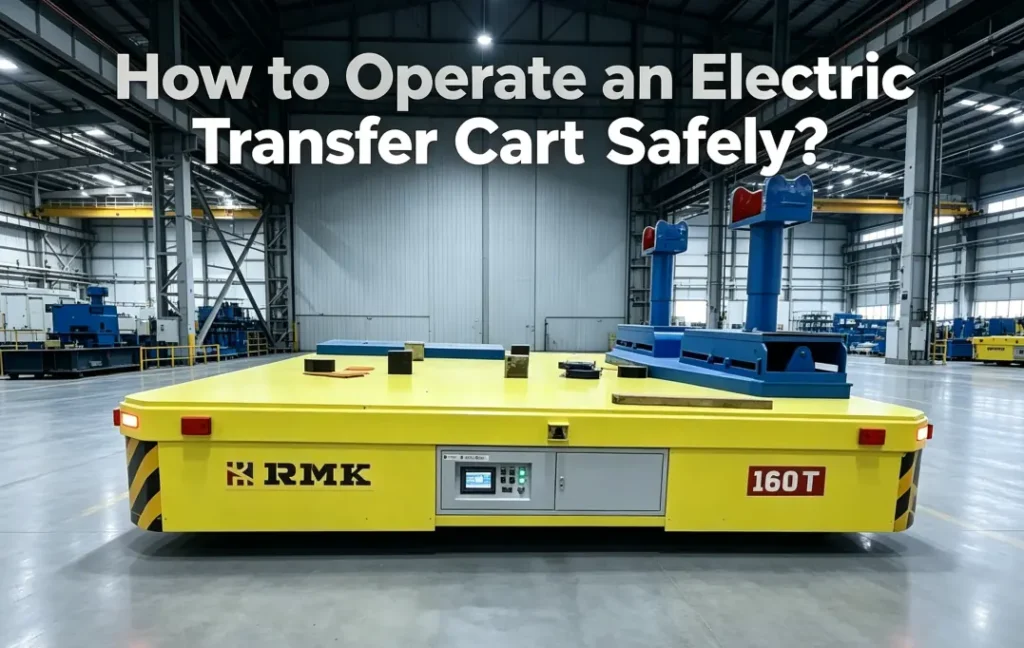
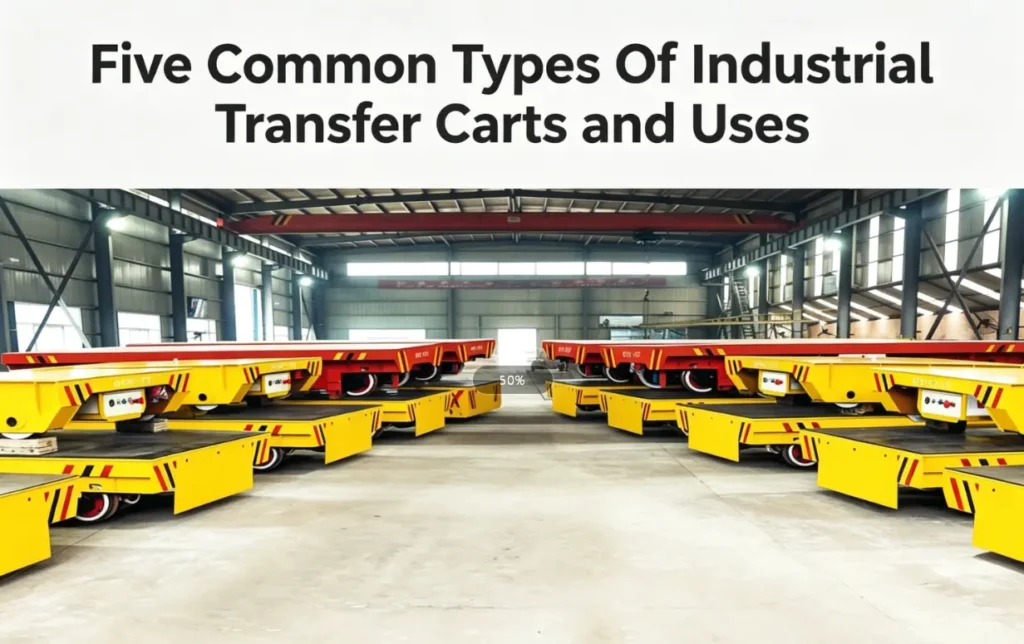
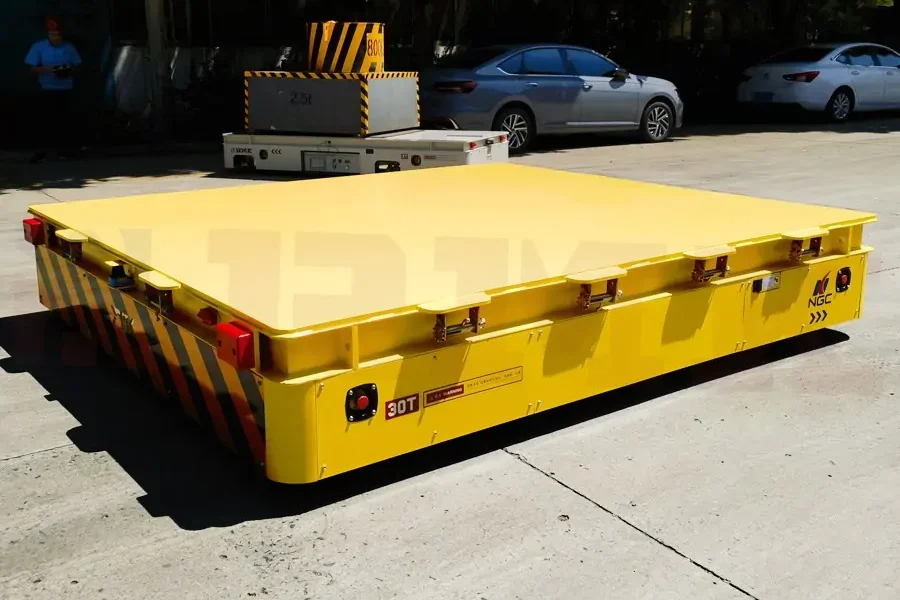
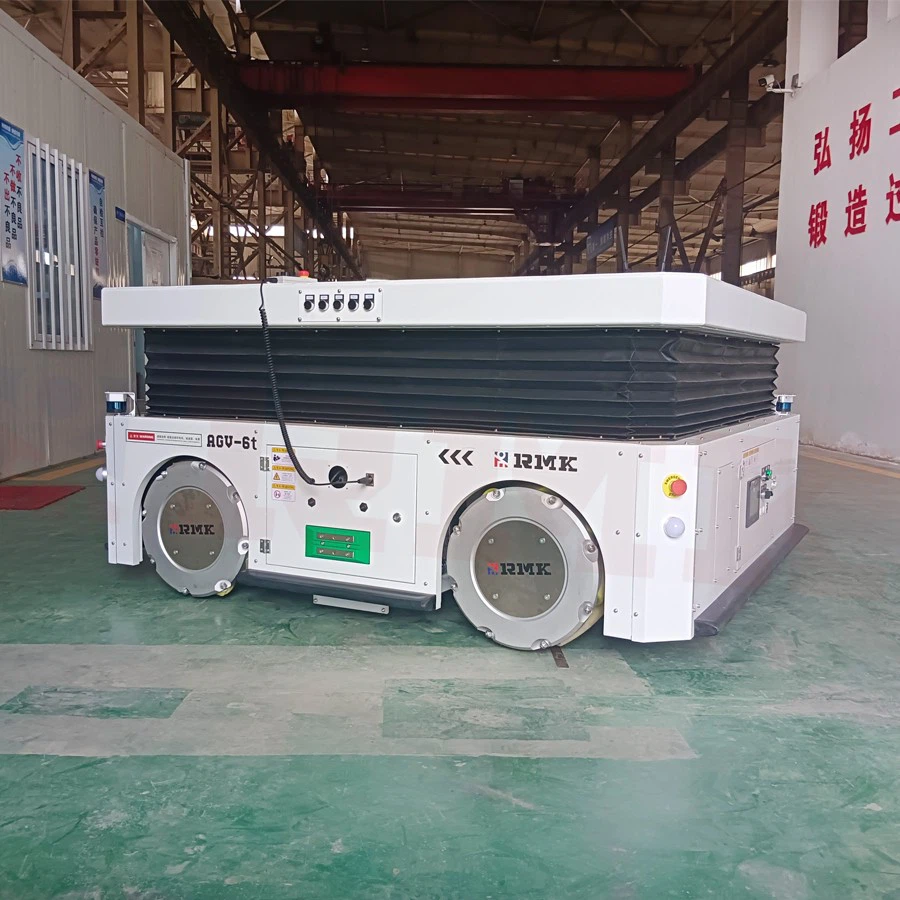
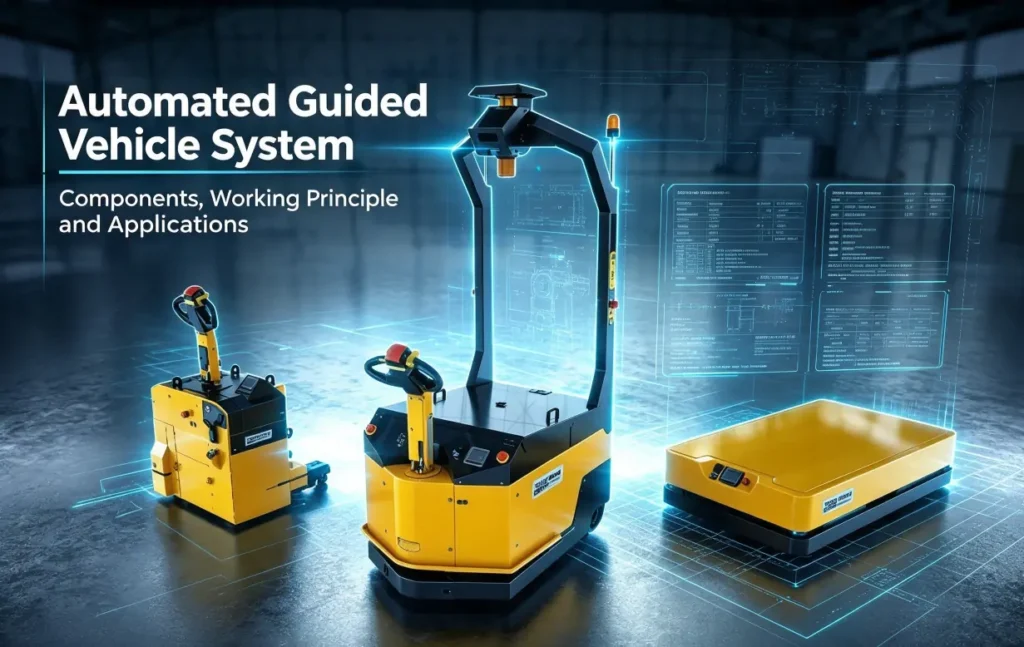
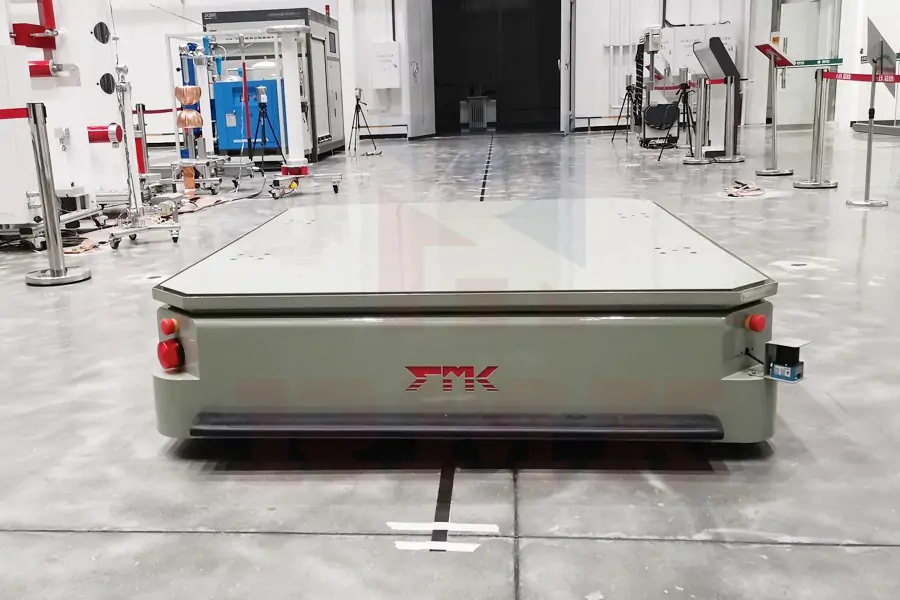
A Hydraulic Transfer Cart is a heavy-duty material handling vehicle with both transfer and lifting functions. It uses a motorized platform for horizontal movement and a hydraulic system to raise or lower the platform to the required working height. The equipment is used for material transfer, machine loading, production line docking, assembly operations, and mold handling, where lifting and positioning are required.
Hydraulic transfer carts are available in rail-mounted and trackless designs. Load capacities generally range from 1 ton to 300 tons, with custom options for platform size, lifting height, drive system, and control method. They are used in manufacturing plants, steel processing facilities, metallurgical workshops, warehouses, heavy equipment factories, and construction sites for transporting steel coils, pipes, billets, molds, machinery, and other heavy industrial materials.
Type of Hydraulic Transfer Carts
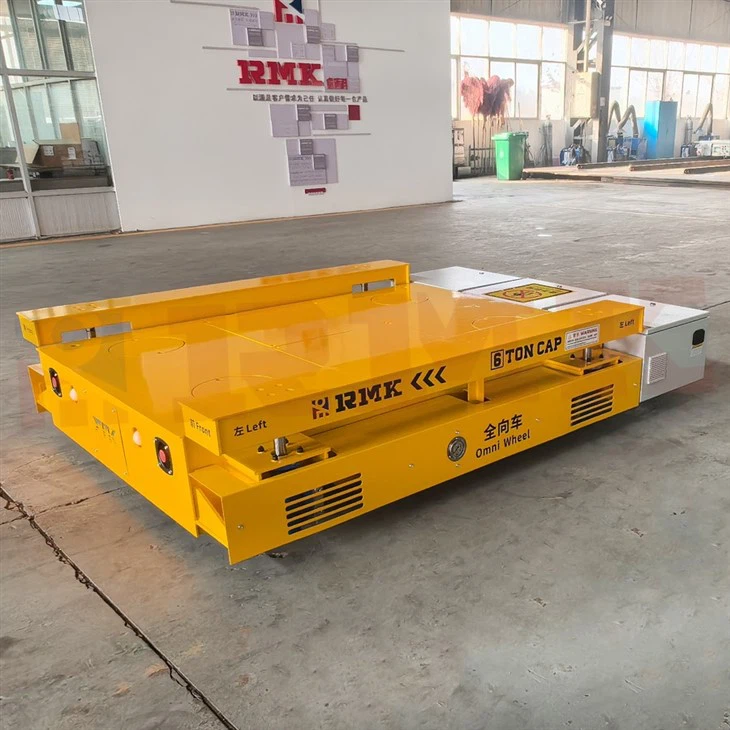
6 ton Hydraulic lift transfer cart
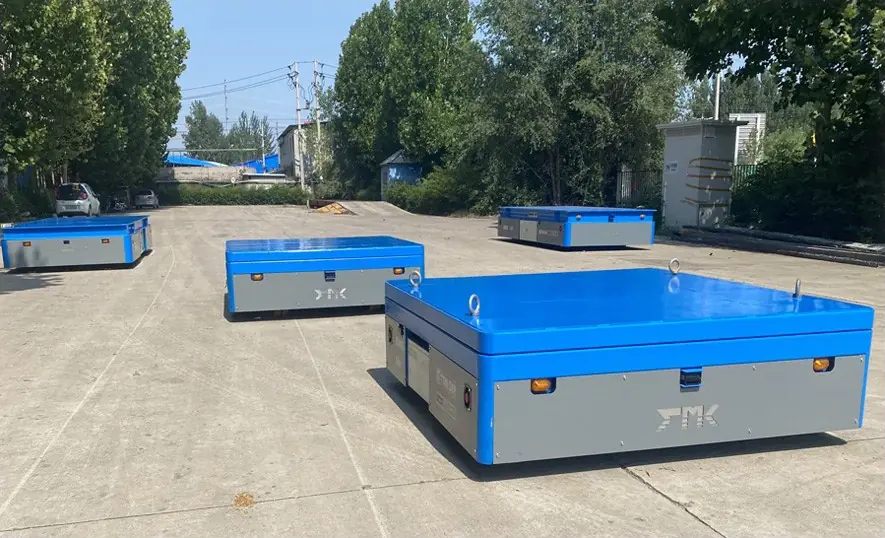
20-ton Explosion-Proof Hydraulic Transfer Cart
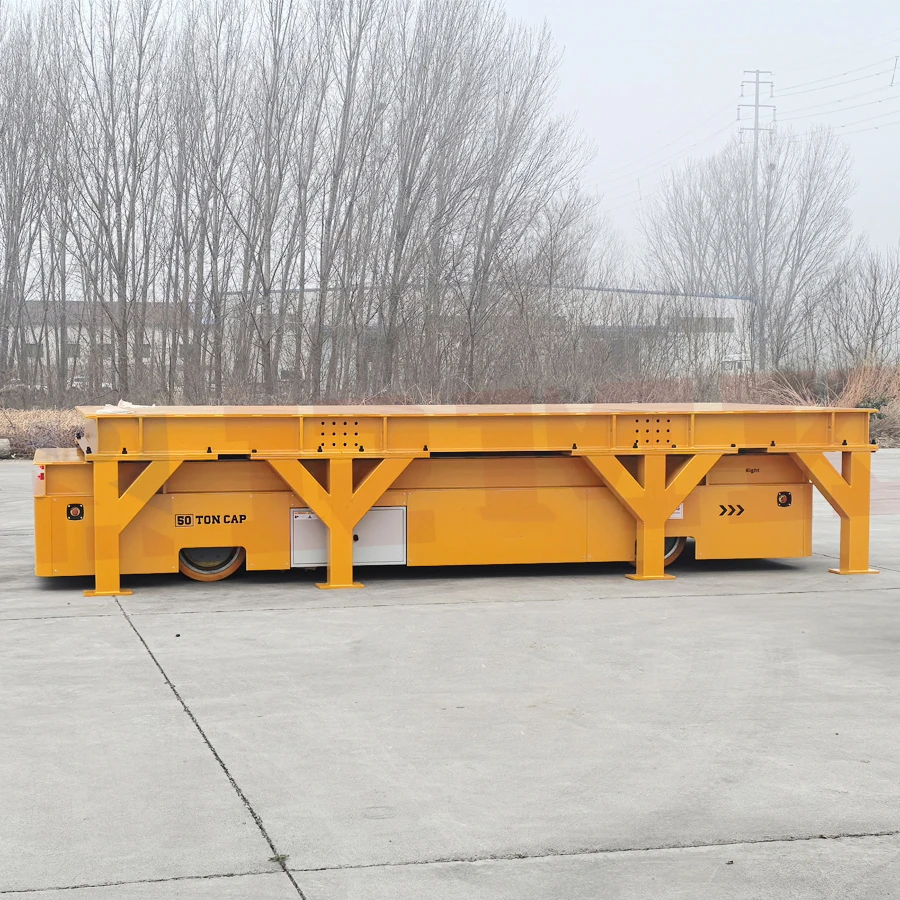
50 Tons Pallet Hydraulic Lifting Transfer Car
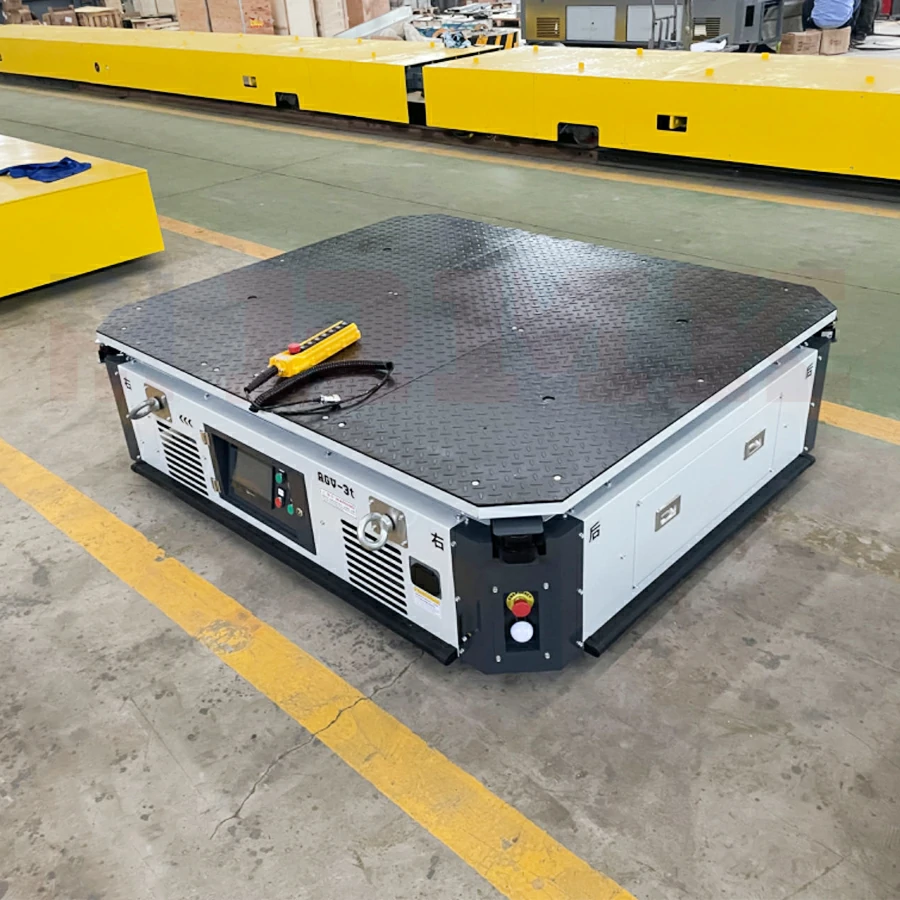
3 Ton Lifting AGV Transfer Cart
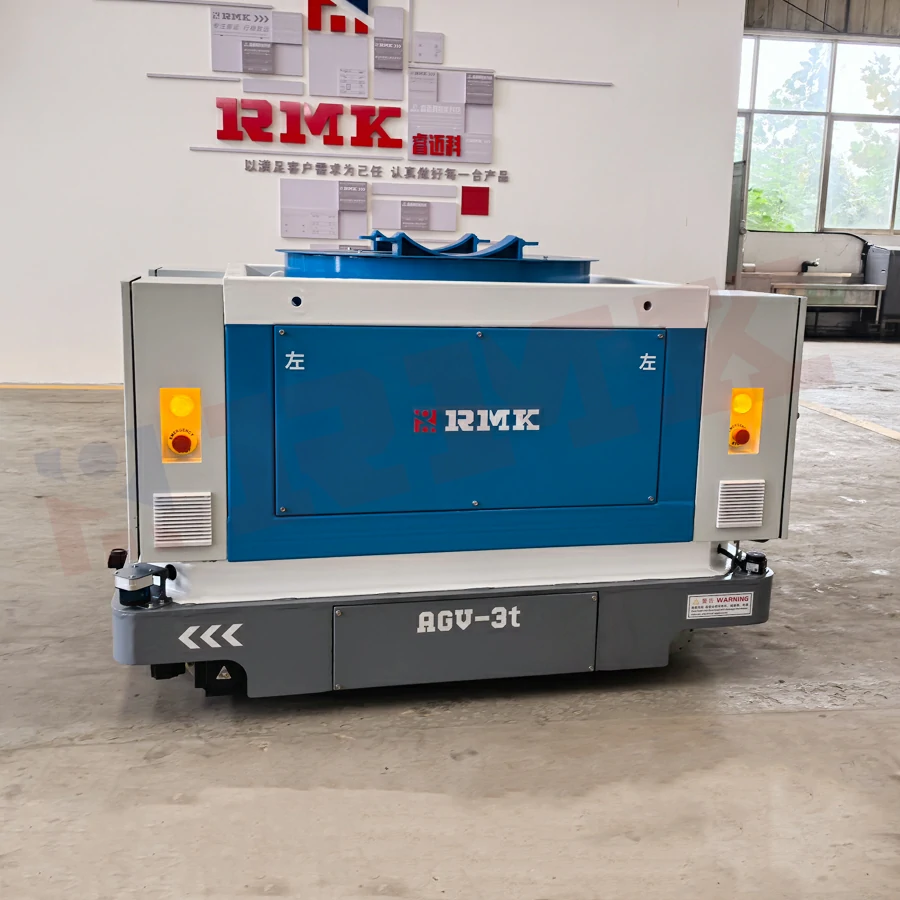
Multi-Functional AGV Transfer Car for Hydraulic Engineering
Related Articles on Hydraulic Transfer Carts
- What is a Hydraulic Lifting Transfer Cart?
- How Does a Hydraulic Transfer Cart Work?
- What is a Scissor Transfer Cart?
Working Principle
The working principle of a hydraulic transfer cart consists of two systems: the travel drive system and the hydraulic lifting system. The travel drive system moves the cart to the required position, while the hydraulic lifting system raises and lowers the platform for loading, unloading, or equipment docking. According to different operating requirements, hydraulic transfer carts are available in rail-mounted and trackless configurations. Each design uses a different drive method while sharing the same hydraulic lifting principle.
Rail Hydraulic Transfer Cart Working Principle
The rail hydraulic transfer cart runs on fixed steel rails. Power is supplied through conductor rails or a cable reel system. The electrical control system supplies power to the drive motor. The motor transmits torque through a reducer to the steel wheels, driving the cart forward, backward, starting, and stopping on the rail. Steel wheels running on steel rails provide low rolling resistance and high load capacity for long-distance transport.
The hydraulic lifting system consists of an electric motor, hydraulic pump, oil tank, hydraulic cylinders, and control valves. Pressurized hydraulic oil enters the cylinders to extend the piston rods and raise the platform. Hydraulic valves control oil flow for lifting, lowering, and positioning. Platform dimensions, lifting height, and support structure are selected according to the workpiece.
Trackless Hydraulic Transfer Cart Working Principle
The trackless hydraulic transfer cart uses a lead-acid battery or a lithium battery as the power source. The battery supplies power to the electrical control system and drive motors. Drive motors power the wheels for forward, reverse, turning, lateral movement, or 360° steering, depending on the steering configuration. Steering systems include differential steering, hydraulic steering, and multi-wheel steering.
The hydraulic lifting system includes an electric motor, hydraulic pump, oil tank, hydraulic cylinders, and hydraulic valves. Hydraulic pressure drives the cylinders to lift or lower the platform through a scissor mechanism or direct lifting structure. Hydraulic valves control lifting speed and platform position. Travel and lifting functions are operated with a wireless remote control or pendant controller.
Specification
The specifications of a Hydraulic Transfer Cart vary according to the model, load capacity, drive system, and application requirements.
| Parameter | Specification |
|---|---|
| Cart Type | Rail Hydraulic Transfer Cart / Trackless Hydraulic Transfer Cart |
| Load Capacity | 2–300 tons (Customizable) |
| Platform Length | 2,000–10,000 mm (Customizable) |
| Platform Width | 1,500–3,000 mm (Customizable) |
| Platform Height | 450–1,200 mm |
| Travel Speed | 0–20 m/min or 0–25 m/min (Variable Speed) |
| Power Supply | Battery, Conductor Rail, Cable Reel |
| Battery Type | Lead-acid Battery / Lithium Battery |
| Control Method | Wireless Remote Control / Pendant Control / PLC (Optional) |
| Lifting System | Hydraulic Scissor Lift / Hydraulic Direct Lift |
| Wheel Type | Steel Wheel / Polyurethane Wheel (Trackless) |
| Wheel Diameter | Φ270–Φ600 mm |
| Rail Gauge | 1,200 mm / 1,435 mm / 1,800 mm / 2,000 mm (Rail Type) |
| Steering Type | Differential Steering / Hydraulic Steering / Multi-wheel Steering (Trackless) |
| Safety Devices | Emergency Stop, Electromagnetic Brake, Warning Light, Obstacle Detection (Optional) |
| Working Environment | Indoor / Outdoor / High Temperature / Explosion-proof (Optional) |
REMARKABLE manufactures hydraulic transfer carts for a wide range of industrial material handling applications. Load capacity, platform dimensions, lifting height, travel system, power supply, and control method can all be customized to match plant layout and production requirements. Contact the REMARKABLE team for technical consultation, custom design, and a quotation based on your project specifications.
Advantages
Integrated Transport and Lifting
Combines horizontal transfer and hydraulic lifting in one system for material transport, loading, unloading, and workstation positioning.
High Load Capacity
Supports load capacities from 1 ton to 300 tons or more for handling molds, steel coils, machinery, and other heavy materials.
Stable Hydraulic Lifting
Hydraulic cylinders provide smooth lifting and lowering with stable platform movement for precision positioning.
Multiple Travel Configurations
Available in rail-mounted and trackless designs to suit fixed production lines or flexible factory layouts.
Flexible Control Options
Supports wireless remote control and pendant control for convenient operation during transport and lifting.
Custom Engineering Design
Platform size, lifting height, load capacity, steering system, and power supply can be configured for different applications.
Industrial Safety Features
Optional emergency stop, overload protection, anti-collision sensors, warning lights, and limit switches improve operational safety.
Wide Industry Applications
Used in mold manufacturing, steel processing, heavy equipment production, automotive plants, warehouses, shipyards, and assembly workshops.
Applications
Hydraulic transfer carts are used for heavy material handling in manufacturing plants, warehouses, and production facilities. Different platform structures, load capacities, and travel systems can be selected to match specific materials and operating conditions.
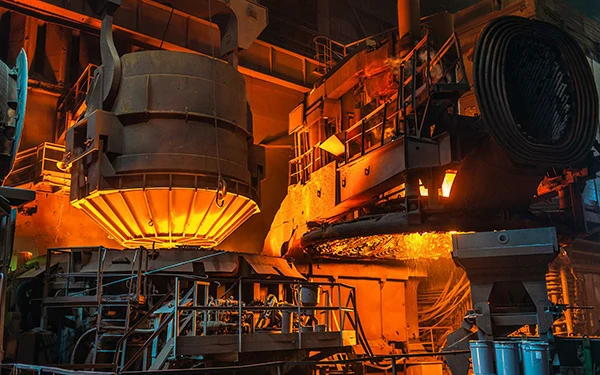
Steel and Metal Processing
Transfers steel coils, steel plates, pipes, and billets.
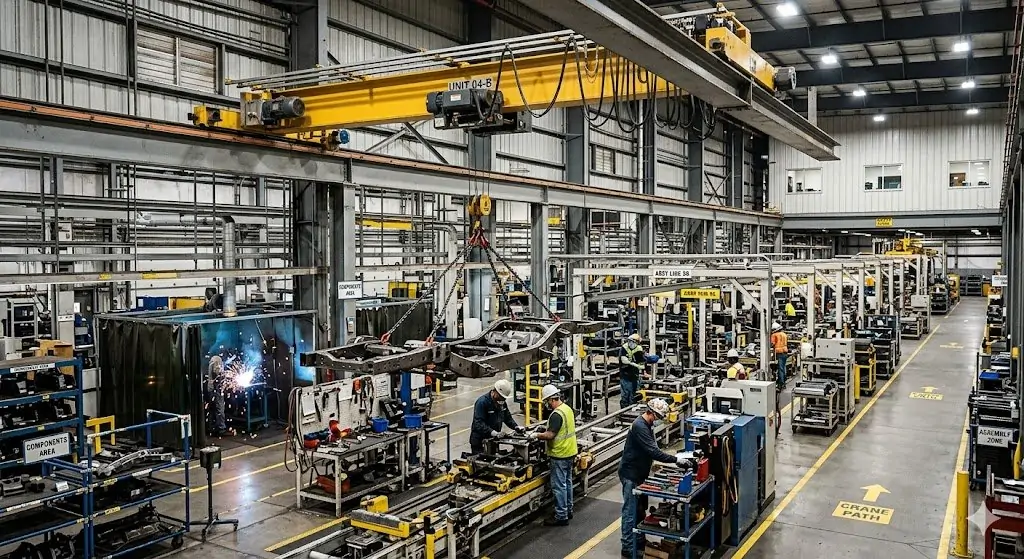
Mold and Machinery Manufacturing
Moves molds, castings, and heavy machine components.
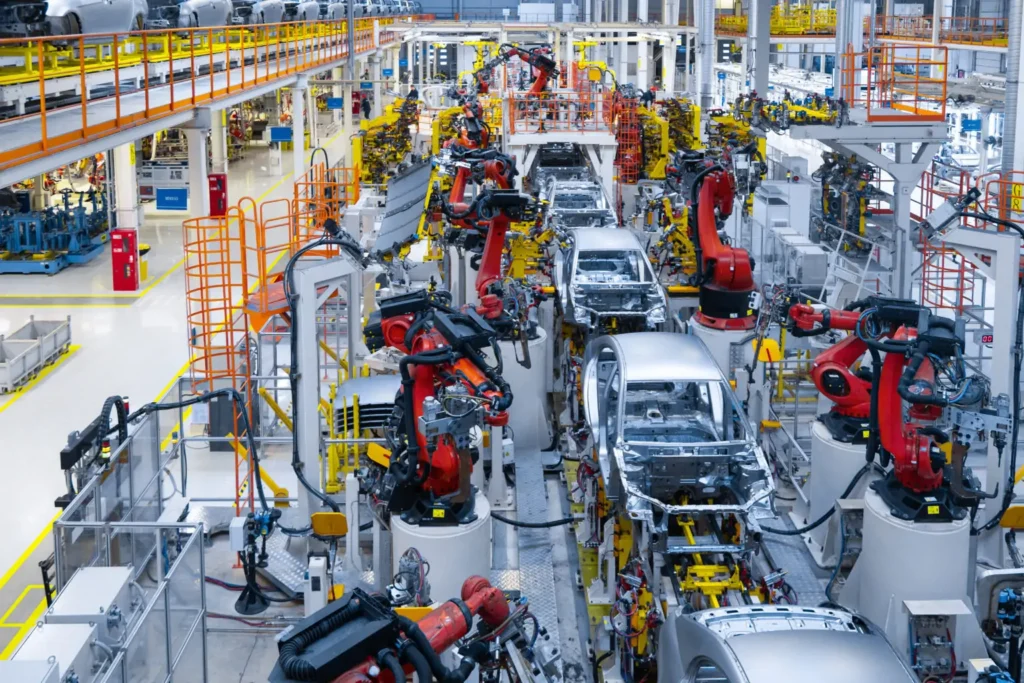
Automotive Manufacturing
Handles dies, vehicle parts, and production materials.
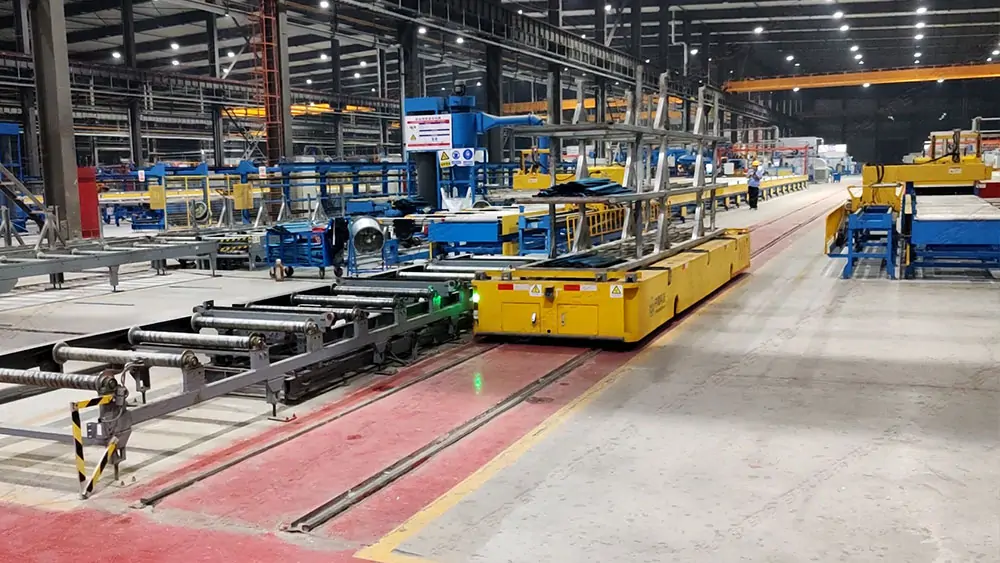
Warehousing and Logistics
Transfers heavy materials between storage and production areas.
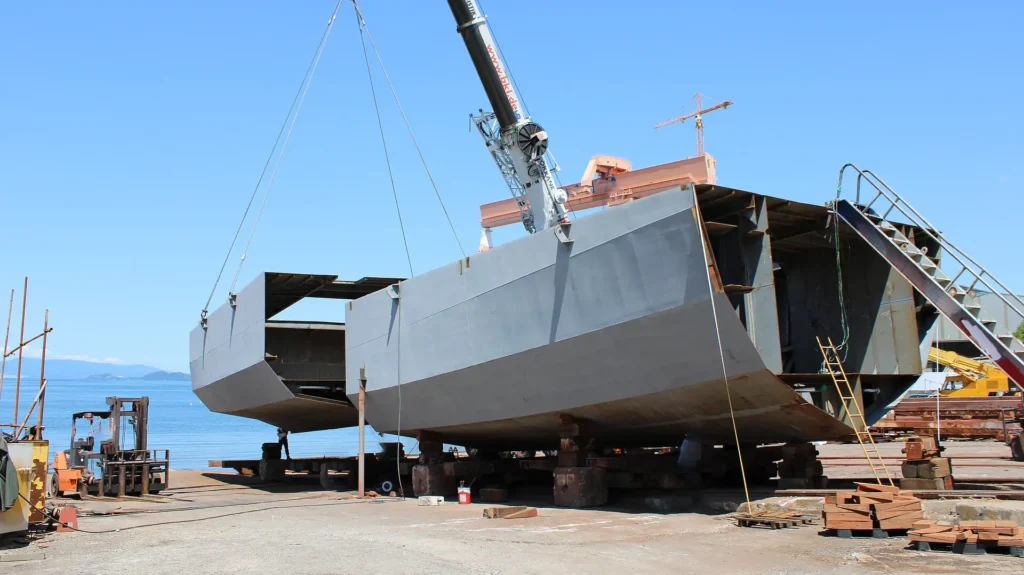
Shipbuilding and Heavy Equipment
Moves large structural parts and fabrication components.
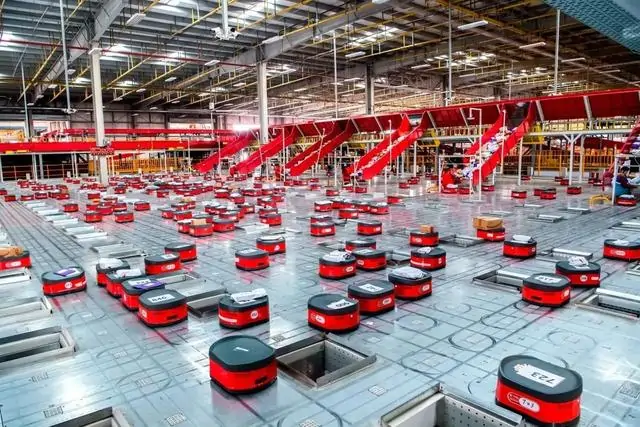
Automated Production Lines
Connects production stations for material transfer and loading operations.
REMARKABLE hydraulic transfer carts are available in rail-mounted and trackless designs for a wide range of industrial applications. Load capacity, platform size, lifting height, and control system can be customized to meet different material handling requirements.
Why Choose the REMARKABLE Hydraulic Transfer Cart?
REMARKABLE hydraulic transfer carts are designed for different load capacities, travel methods, and operating conditions. Standard and custom configurations are available to match material handling requirements across a wide range of industrial applications.
- Custom Load Capacity – Available from 2 to 300 tons to meet different material handling requirements.
- Rail & Trackless Designs – Select rail-mounted or trackless models based on plant layout and transport routes.
- Hydraulic Lifting System – Supports material loading, unloading, workstation docking, and height adjustment.
- Multiple Power Options – Battery, conductor rail, and cable reel power supplies are available.
- Custom Platform Design – Platform size, lifting height, and table structure can be customized for different materials.
- Heavy-Duty Steel Structure – Welded steel frame designed for continuous industrial operation and heavy loads.
- Safety Features – Optional emergency stop, overload protection, warning lights, and obstacle detection systems.
- Factory Customization – REMARKABLE provides engineering design, manufacturing, testing, and technical support.
Hydraulic Transfer Cart vs. Other Material Handling Equipment
Hydraulic transfer carts combine powered transport and hydraulic lifting in one machine. Rail-mounted and trackless models are available for different production layouts, load capacities, and transport requirements.
| Comparison | Hydraulic Transfer Cart | Forklift / Transfer Cart / AGV |
|---|---|---|
| Function | Horizontal transport and hydraulic lifting | Single transport or lifting function |
| Load Capacity | 1–300 tons, custom platform design | Generally below several dozen tons, with limited customization |
| Travel Method | Rail-mounted or trackless | Forklift, fixed rail, or AGV navigation |
| Power Supply | Battery, conductor rail, or cable reel | Engine, battery, or charging station |
| Control Method | Remote control, pendant control, PLC optional | Manual operation or automatic navigation |
| Applications | Steel coils, molds, machinery, heavy equipment | Warehousing, pallet handling, standard material transport |
| Safety Features | Hydraulic lifting, emergency stop, overload protection, obstacle detection | Safety configuration varies by equipment type |
Hydraulic transfer carts are suitable for heavy-duty materials that require both transport and lifting. With a maximum load capacity of 300 metric tons, they offer customizable platform designs and support both rail-guided and rail-free operation, making them ideal for applications in steel mills, mold manufacturing, heavy machinery, and automated production lines.
How to Choose the Right Hydraulic Transfer Cart?
Hydraulic transfer carts are designed for different load conditions, material types, and factory layouts. Selection depends on transport requirements, lifting needs, and operating environment.
- Load Capacity: Select the rated load according to the maximum weight of the material. Standard capacities range from 2 to 300 tons, with higher capacities available for custom projects.
- Material Type: Choose a platform structure based on the material being transported, such as flat platforms for machinery, V-shaped platforms for steel coils, or custom supports for special workpieces.
- Travel Method: Select a rail-mounted model for fixed transport routes or a trackless model for flexible movement in workshops and warehouses.
- Platform Size: Determine the platform length, width, and lifting height according to the dimensions of the workpiece and available operating space.
- Power Supply: Choose battery, conductor rail, or cable reel power according to travel distance, operating frequency, and factory infrastructure.
- Lifting System: Confirm the required lifting height, platform stroke, and lifting capacity to match loading, unloading, and equipment docking requirements.
- Control System: Select pendant control, wireless remote control, or PLC automation based on operating methods and production requirements.
- Safety Configuration: Consider emergency stop, overload protection, warning lights, anti-collision sensors, and limit switches based on the working environment.
- Operating Environment: Specify indoor or outdoor use, floor conditions, temperature, explosion-proof requirements, and other environmental factors before equipment design.
- Customization Requirements: Confirm platform structure, steering system, travel speed, wheel type, and other specifications according to the production process and plant layout.
A suitable hydraulic transfer cart is selected based on load capacity, platform design, travel method, power system, and safety configuration. REMARKABLE provides customized solutions to match different industrial material handling requirements.
For more information on customization options and the scope of customization for transfer carts, see the article: “Custom Transfer Cart: Complete Guide to Design and Customization”
Transfer carts have load capacities ranging from a few metric tons to over a thousand metric tons. How do you determine a transfer cart’s actual load capacity, and how do you calculate the final load capacity? For details, see: How Much Weight Can a Heavy-Duty Transfer Cart Carry?
Hydraulic Transfer Cart Manufacturer and Supplier
Hydraulic transfer carts are used for heavy material handling in steel plants, mold manufacturing, machinery production, warehouses, and other industrial environments. Different models are available based on load capacity, travel system, lifting requirements, and working conditions.
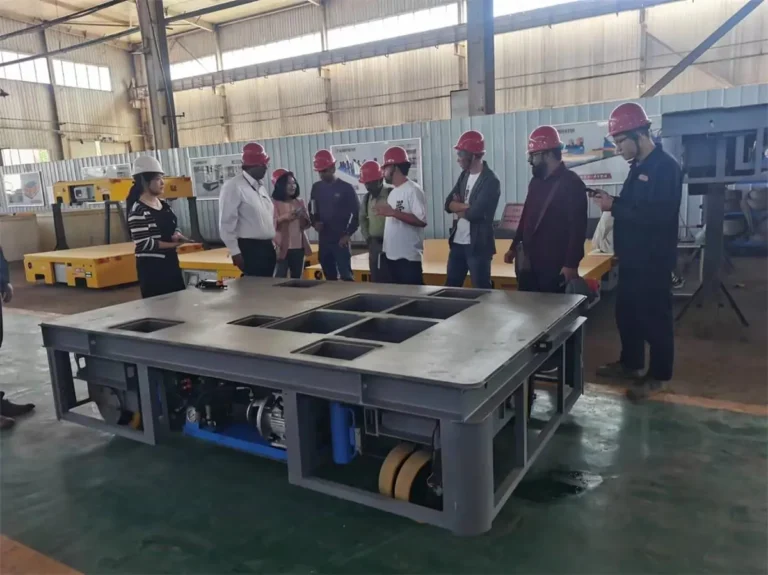
REMARKABLE provides rail-mounted and trackless hydraulic transfer carts with customized platform design, power systems, and safety configurations for different industrial applications. Each solution is designed according to specific production needs and material handling processes. For technical support, selection guidance, or customized solutions, please contact us for detailed specifications and quotations.
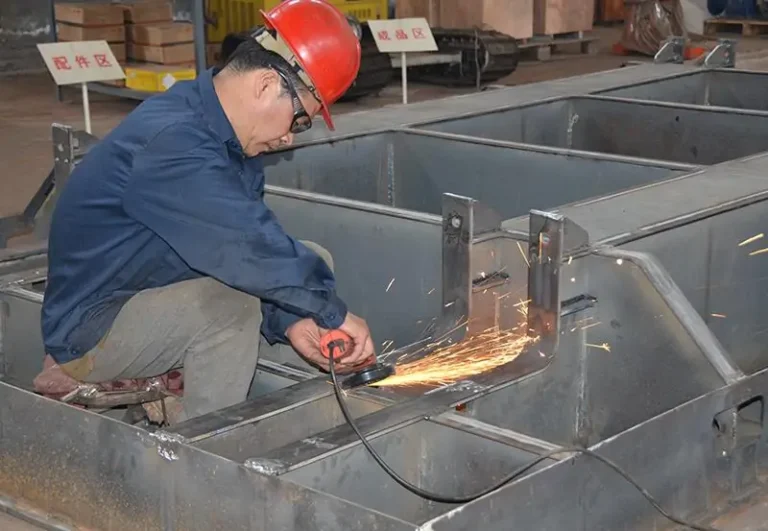

Customized Intelligent Material Handling Solutions
To ensure that a customized transfer cart fits your needs perfectly, please provide the following details:
- Load Capacity: _____ tons (1~500 ton)
- Table Size: _____ × _____ mm/m (e.g., 1500×3000)
- Power Options:
- ☐ Lead-acid ☐ Lithium-ion ☐ Other: _____
- ☐ Cable: _____V/_____A
- ☐ Standard 380V/50Hz/3-phase
- Cargo Details:
- Type: _____ (e.g., steel coils, machinery)
- Special Needs: _____ (e.g., anti-slip, corrosion-proof)
- Optional Features:
- ☐ Emergency stop ☐ Anti-collision sensors
- ☐ Rail guides ☐ Lifting mechanism ☐ Remote control
Get a Quote Now
FAQS
What is a hydraulic transfer cart used for?
It is used for transporting heavy materials such as molds, steel coils, and machinery in industrial factories.
What is the load capacity of a hydraulic transfer cart?
It typically ranges from 5 tons to over 100 tons, depending on customization.
Can hydraulic transfer carts be customized?
Yes, including table size, lifting height, power system, and control method.
What industries use hydraulic transfer carts?
Mold manufacturing, steel industry, automotive, shipbuilding, and warehouses.
Is the hydraulic system safe for heavy load transport?
Yes, it includes overload protection and stable lifting control.
What power options are available?
Battery-powered, cable-powered, or rail-powered systems.
How is it different from a rail transfer cart?
Hydraulic transfer carts include lifting functionality, while rail carts mainly transport horizontally.
Do you provide OEM/ODM service?
Yes, customized design and manufacturing are available.