
Table of Contents
Introduction
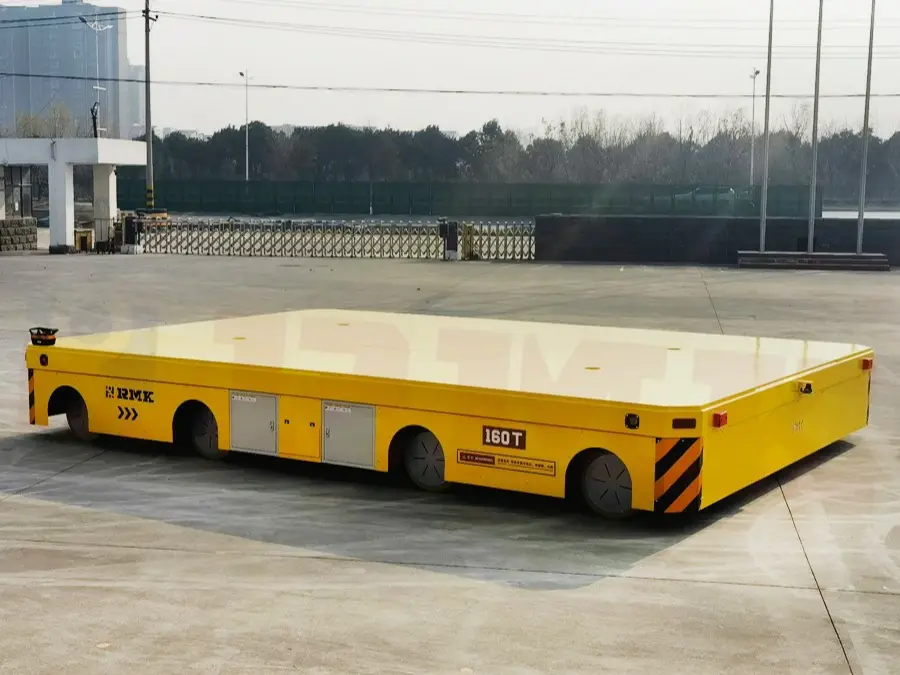
Heavy Duty Transfer Cart Cost is not fixed because each project has different load requirements, operating conditions, and equipment configurations. A small workshop transfer cart may have a lower cost, while a heavy duty model used in steel plants, shipyards, or heavy equipment manufacturing requires a higher investment due to larger capacity, stronger structures, and customized designs.
In this article, I will introduce how load capacity, transfer cart type, power supply, control system, and working environment affect the final price. Based on REMARKABLE’s experience in custom transfer cart manufacturing, we will also cover different solutions from 1–500 ton capacity, including rail transfer carts, trackless transfer carts, and AGV transfer carts, to help buyers understand the cost range before making a purchase decision.
How Much Does a Heavy Duty Transfer Cart Cost?
The cost of a Heavy Duty Transfer Cart depends on more than load capacity. Factors such as power supply, platform size, rail or trackless design, control system, and customization requirements all affect the final price. The following ranges are common market references. The actual quotation may vary based on equipment configuration and project requirements.
Small Heavy Duty Transfer Cart
This type of transfer cart usually uses a standard platform and basic power system, such as battery power or cable reel power. With fewer customized requirements, the cost is relatively stable.
- Capacity: 1–10 tons
- Applications: Workshop material handling, machine parts transfer, small mold transportation
- Price Range: USD 5,000–15,000
Medium Capacity Transfer Cart
Medium-capacity transfer carts require stronger structures, larger wheel assemblies, and higher-power drive systems. Power options, platform size, and control methods can have a clear impact on the final price.
- Capacity: 10–50 tons
- Applications: Machinery manufacturing, production lines, mold handling
- Price Range: USD 15,000–50,000
Large Heavy Duty Transfer Cart
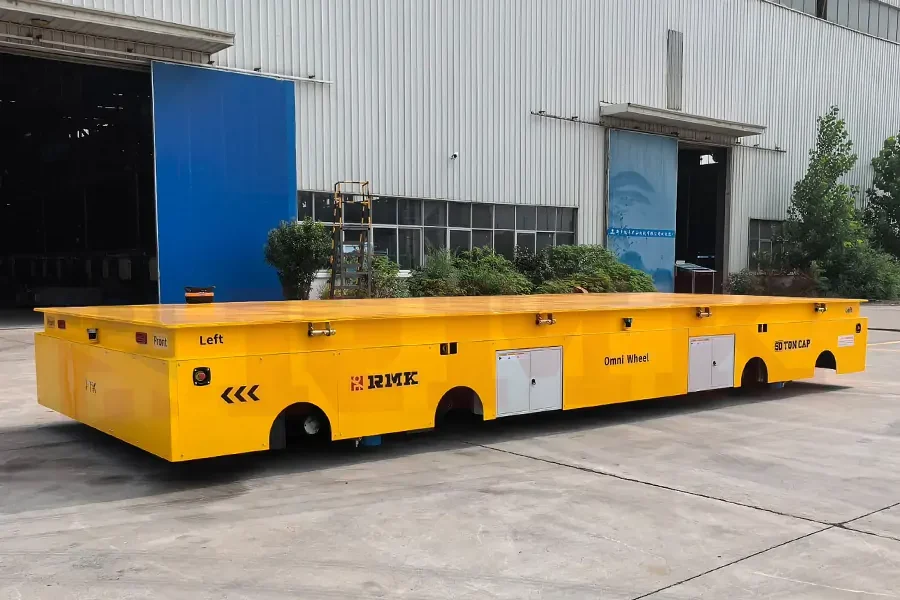
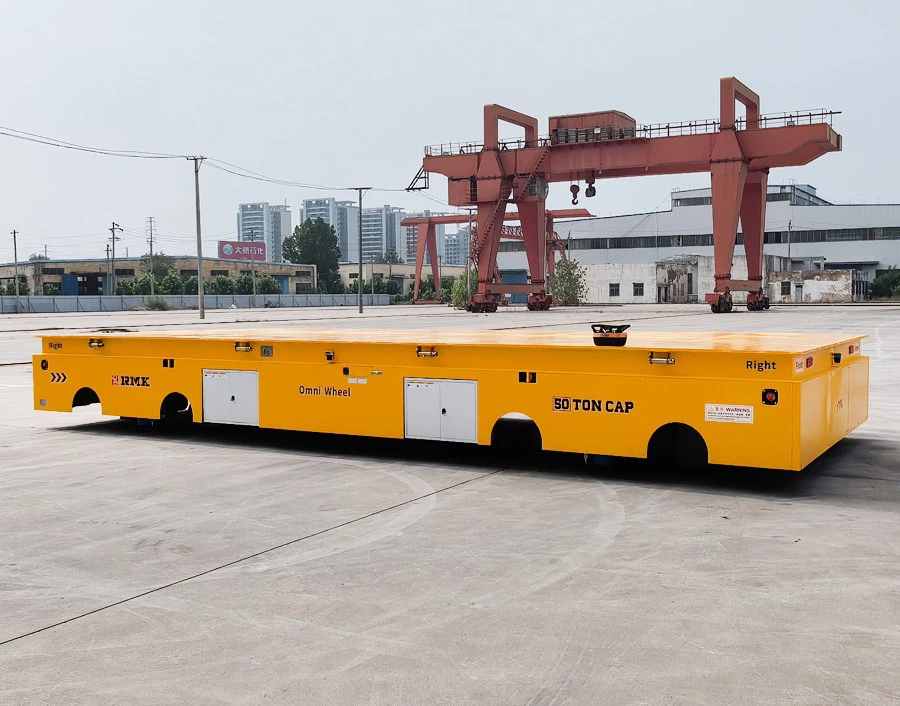
Large transfer carts are usually customized for specific projects. Platform dimensions, steering systems, synchronized operation, high-temperature protection, and special working conditions all affect the total cost.
- Capacity: 50–500 tons
- Applications: Steel plants, shipyards, heavy equipment manufacturing
- Price Range: USD 50,000+
These price ranges are for initial budgeting only. The final Heavy Duty Transfer Cart Cost depends on the actual application and equipment configuration. Before requesting a quotation, buyers should provide details such as load capacity, travel distance, working environment, power supply, and platform requirements to get an accurate solution.
Heavy Duty Transfer Cart Cost by Type
Heavy duty transfer cart cost also varies by cart type. Different transfer methods require different structures, power systems, and control configurations. Rail transfer carts, trackless transfer carts, and AGV transfer carts are designed for different working conditions, which leads to different investment levels.
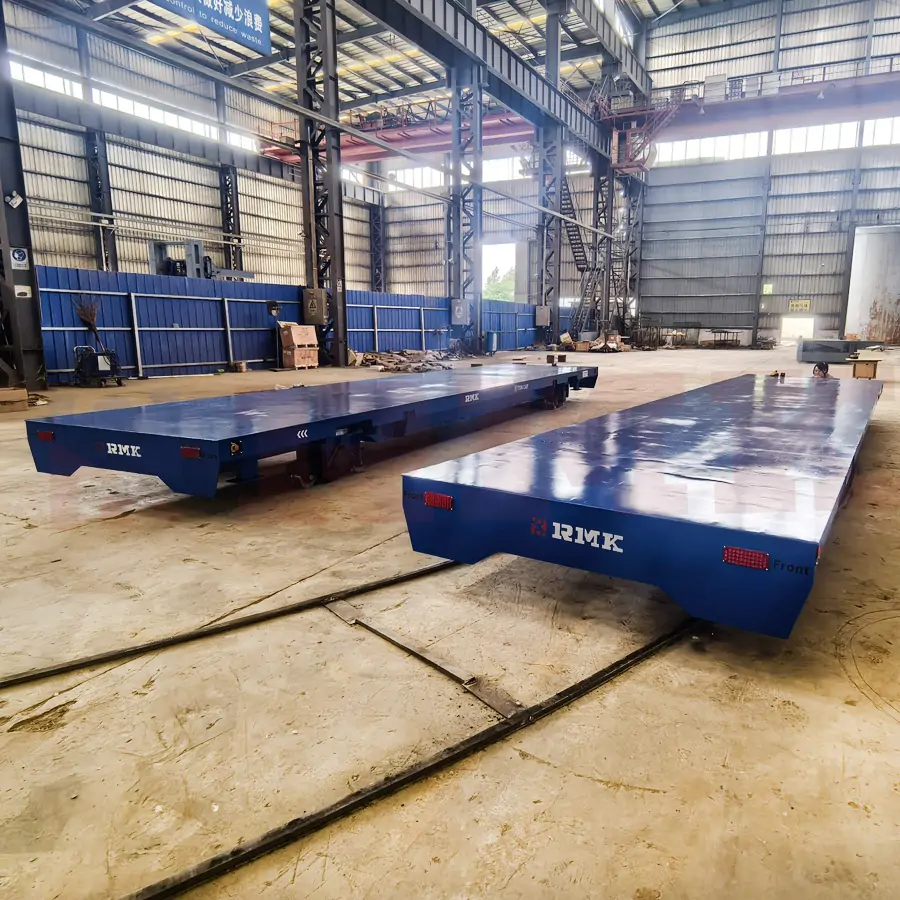
Rail Transfer Cart Cost
Capacity: 1–500 tons
Applications: Steel plants, workshops, warehouses, heavy equipment handling
Rail transfer carts usually run on fixed tracks and are suitable for stable transportation routes with high load requirements. The cost is mainly affected by load capacity, platform size, rail length, power supply method, and control system.
Trackless Transfer Cart Cost
Capacity: 2–300 tons
Applications: Large workshops, equipment assembly areas, flexible material handling
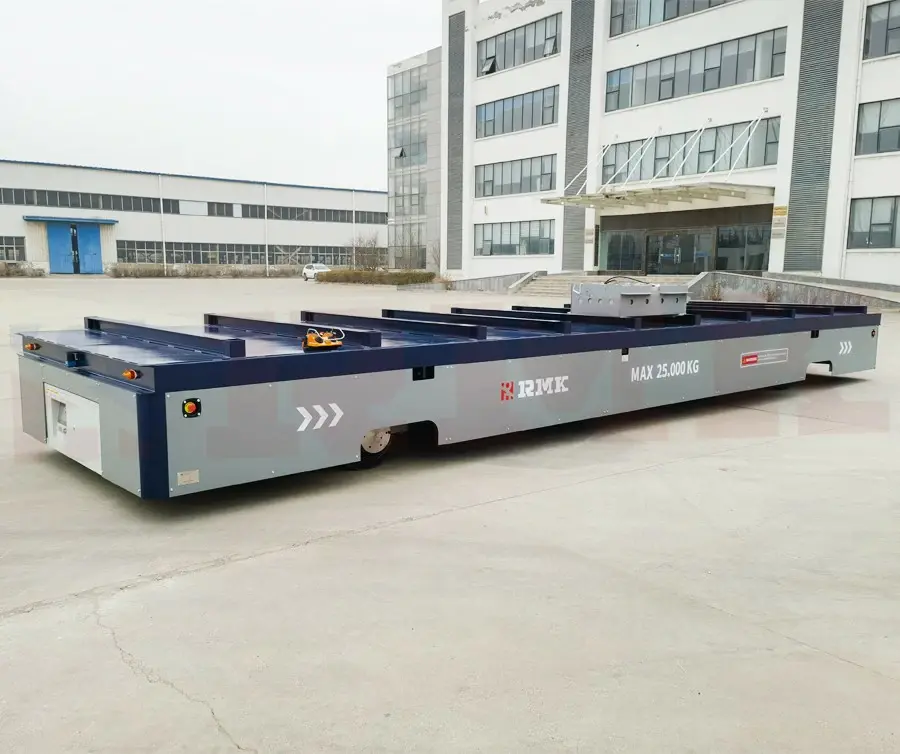
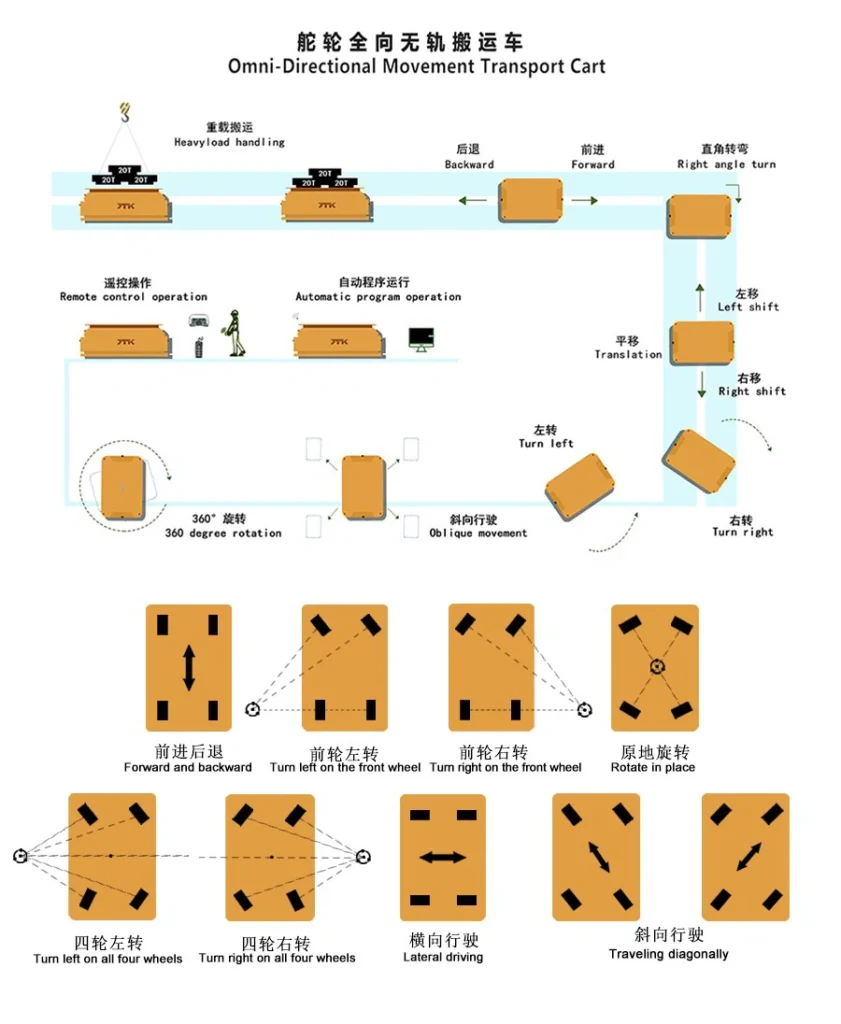
Trackless transfer carts do not require fixed rails and can move along different routes. The steering system, battery capacity, wheel design, and ground conditions are key factors that influence the price.
AGV Transfer Cart Cost
Capacity: 1–300 tons
Applications: Automated production lines, smart factories, precision material handling
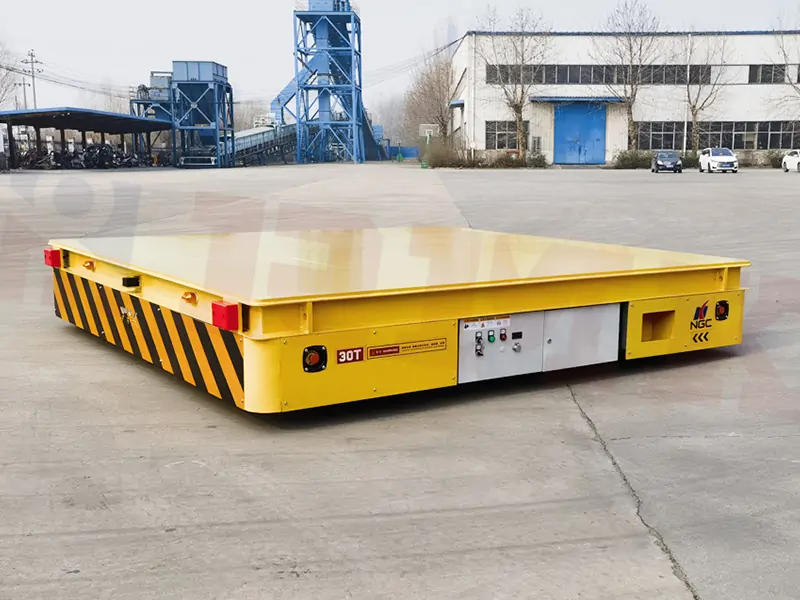
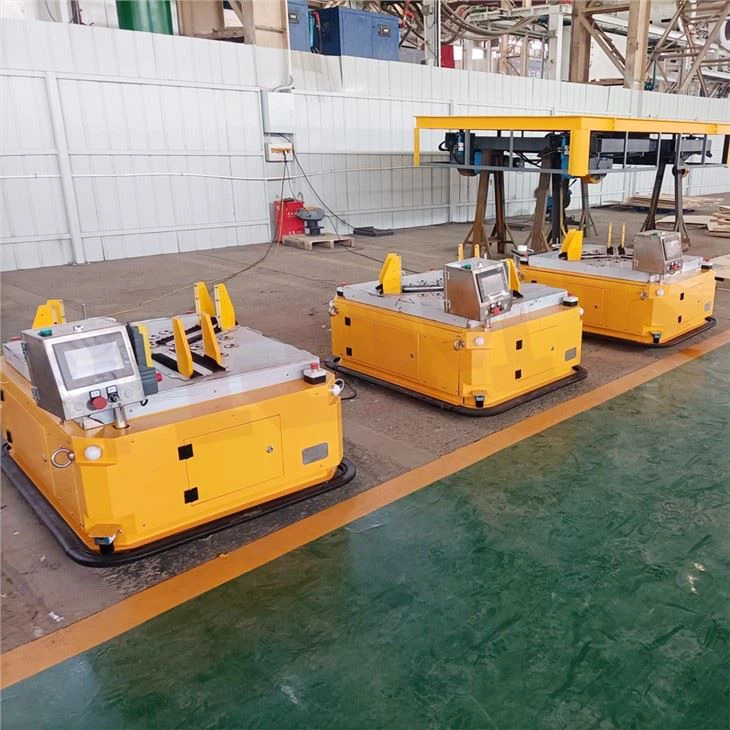
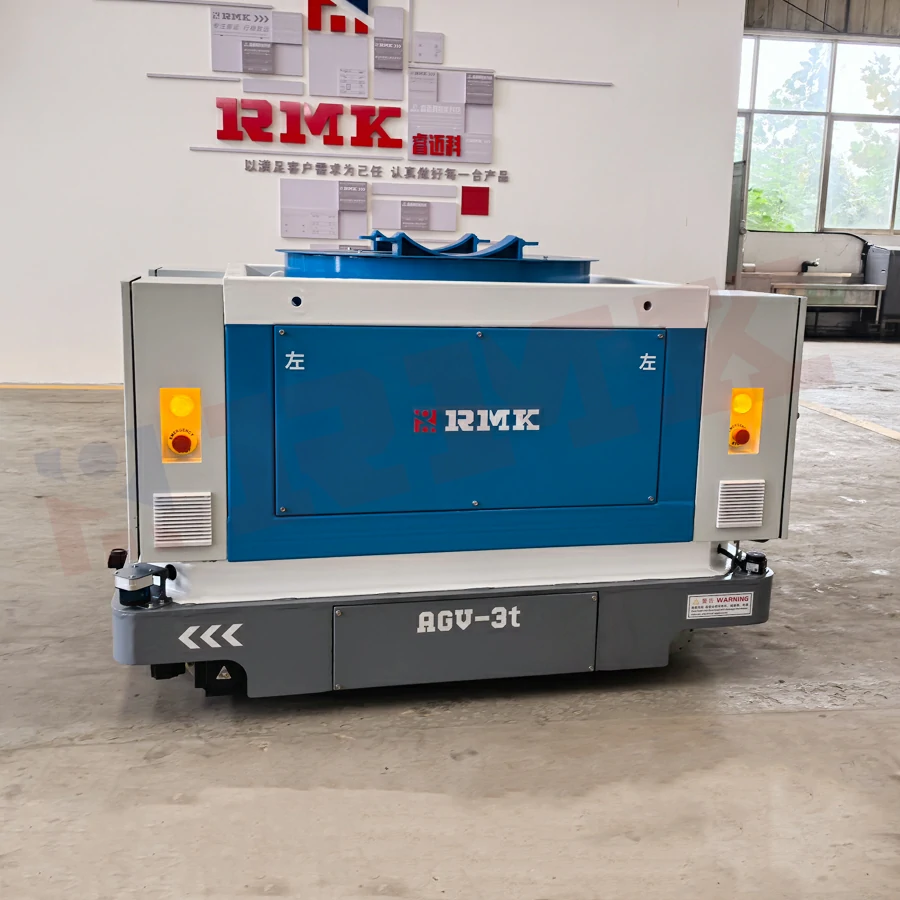
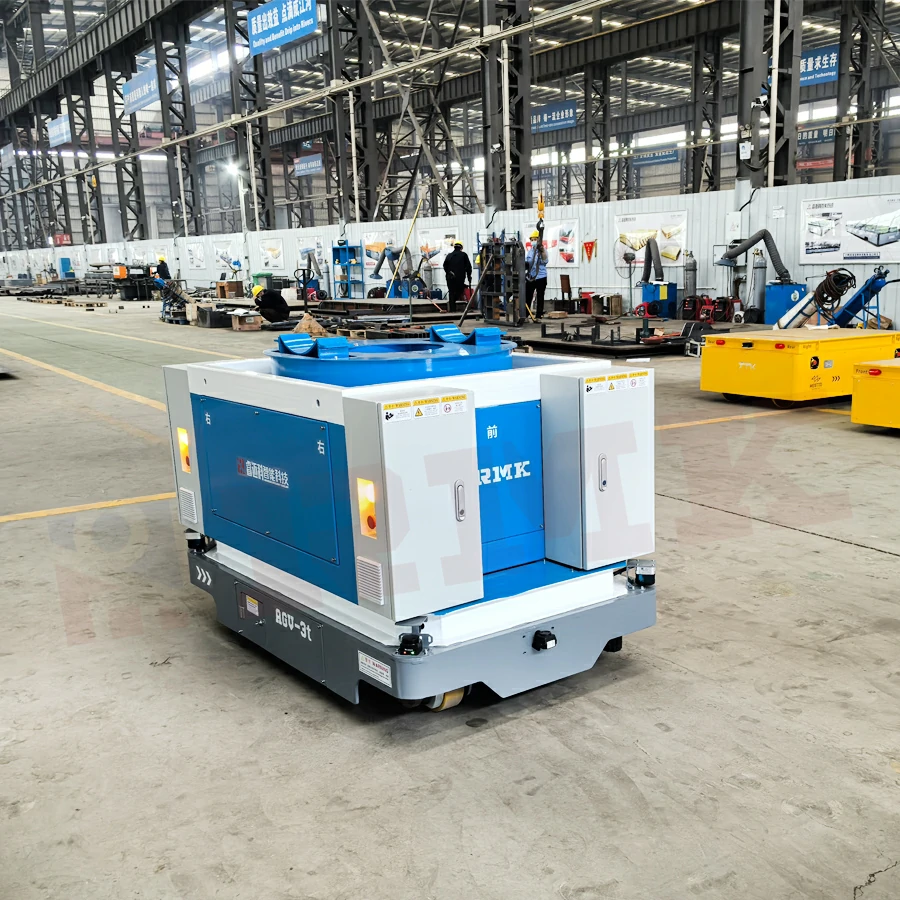
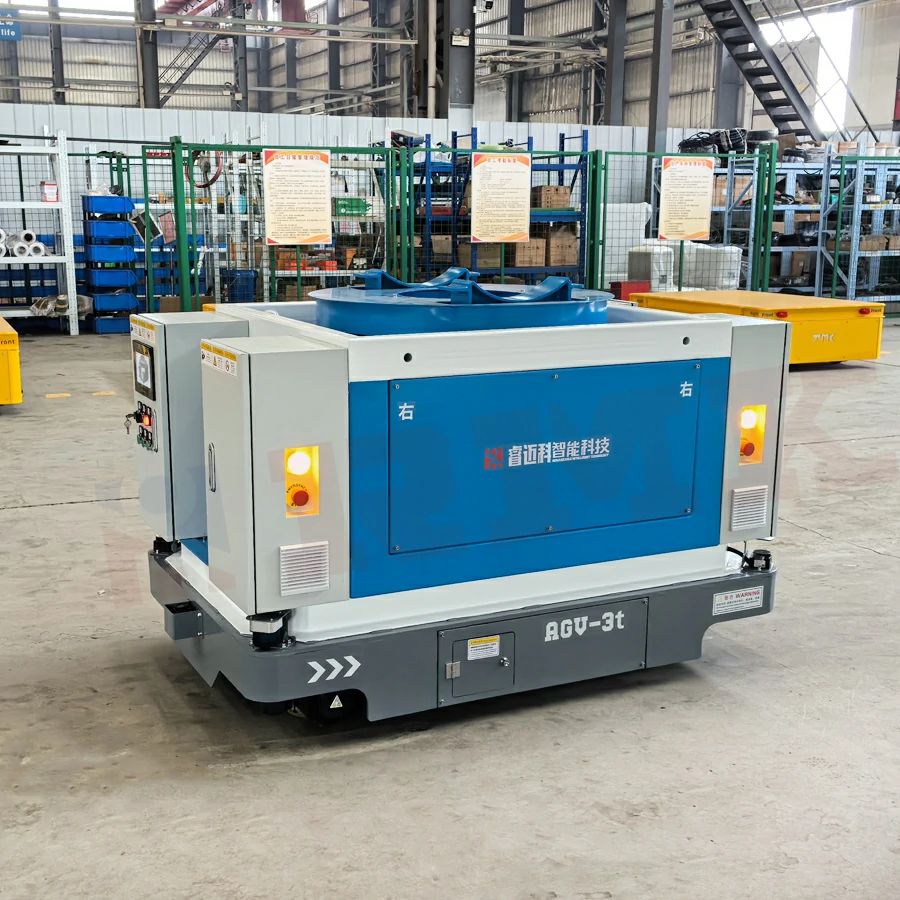
AGV transfer carts include automatic navigation and intelligent control systems, which increase the equipment cost compared with standard transfer carts. Navigation technology, sensors, PLC control, and integration requirements are the main pricing factors.
The right transfer cart type depends on the working environment, transportation route, load requirements, and automation level. REMARKABLE provides customized solutions from rail transfer carts to trackless and AGV transfer carts based on different industrial applications.
What Factors Affect Heavy Duty Transfer Cart Cost?
Heavy Duty Transfer Cart Cost is affected by several factors, including capacity, power supply, structure design, transfer method, and customization requirements. These factors work together, so transfer carts with the same load capacity may have different prices based on the actual configuration.
- 1. Load Capacity: Capacity is one of the main factors affecting the cost. A 1–10 ton transfer cart and a 50–500 ton model require different steel structures, wheel assemblies, and drive systems. Higher load capacity usually means a higher investment.
- 2. Power Supply: Common power options include battery power, low-voltage rail power, cable reel power, and cable trolley power. Each system has different installation and maintenance requirements. The selection depends on travel distance, operating frequency, and working conditions.
- 3. Platform Size and Structure: The cart dimensions and load characteristics directly affect the frame design. Oversized platforms, uneven loads, or high-center-of-gravity materials may require reinforced structures, which increases manufacturing costs.
- 4. Rail or Trackless Design: Rail transfer carts require fixed tracks and related installation work, while trackless transfer carts offer more flexible movement but need advanced steering and control systems. The two types have different cost structures depending on the application.
- 5. Customization Requirements: Customization options such as remote control, automatic operation, safety devices, high-temperature protection, and explosion-proof design can increase the total cost. Most heavy duty transfer carts are designed according to specific working conditions rather than standard models.
The final Heavy Duty Transfer Cart Cost depends on the combination of these factors. Providing details about load, travel conditions, power supply, and application requirements helps manufacturers offer a more accurate quotation.
Heavy Duty Transfer Cart Cost by Application
Heavy duty transfer cart cost also varies depending on the working environment and transportation requirements. Different industries require different load capacities, structures, power systems, and safety configurations.
Steel Plant Transfer Cart
Requirements: High load capacity, heavy steel handling, continuous operation
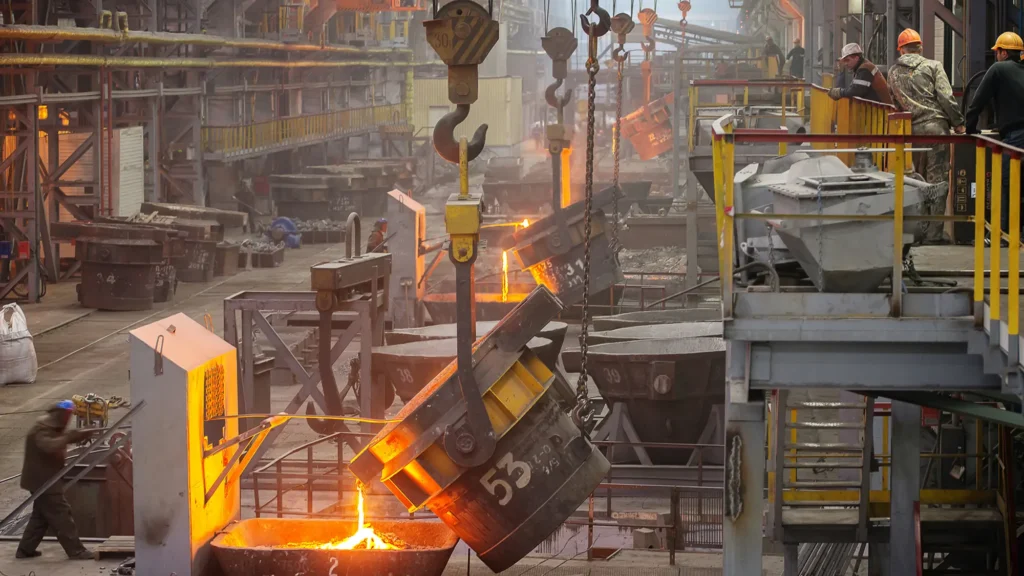
Steel plants often use heavy duty transfer carts for moving steel coils, ladles, and large components. These carts usually require strong structures, high-capacity drive systems, and protection against heat and dust, which increases the overall cost.
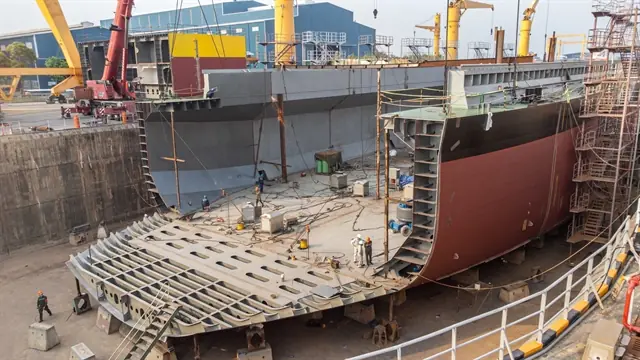
Shipyard Transfer Cart
Requirements: Large platform size, heavy load transportation, stable operation
Shipyards use transfer carts to move ship sections, steel structures, and large equipment. The cost is mainly affected by load capacity, platform dimensions, movement accuracy, and customized control systems.
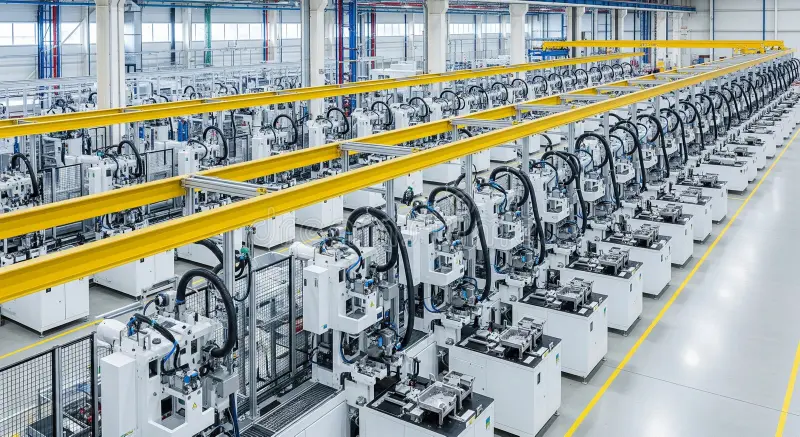
Machinery Manufacturing Transfer Cart
Requirements: Precision positioning, flexible handling, customized platforms
In machinery manufacturing, transfer carts are used for transporting molds, machine bases, and production components. The final price depends on the required capacity, positioning accuracy, and platform design.

Chemical Industry Transfer Cart
Requirements: Special protection, reliable operation, customized safety design
Chemical plants may require transfer carts with special protection features, such as explosion-proof configurations or designs for harsh environments. These requirements increase the equipment cost compared with standard models.
The application environment plays an important role in Heavy Duty Transfer Cart Cost. REMARKABLE designs transfer cart solutions based on load requirements, operating conditions, and transportation processes for different industrial applications.
What Is Included in a Heavy Duty Transfer Cart Quotation?
A Heavy Duty Transfer Cart quotation is based on the complete equipment configuration, not only the cart body. A professional quotation usually includes the following items:
- Cart Design and Structure: Includes the platform size, load capacity, frame structure, wheel system, and mechanical design based on the application requirements.
- Drive and Power System: Covers the motor, reducer, power supply method, battery system, cable reel, or rail power system according to the working environment.
- Power Supply System: Battery power, rail power, cable reel, or other power solutions based on the working environment.
- Control System: Includes control methods such as remote control, wired control, PLC control, or automatic operation systems.
- Safety Devices: May include warning lights, emergency stop buttons, obstacle detection, limit switches, and other safety features.
- Testing and Commissioning: Includes equipment testing before delivery, function checks, and commissioning support to match the customer’s operating conditions.
- After-Sales Support: Covers technical support, operation guidance, spare parts supply, and service support after delivery.
A detailed quotation helps buyers understand the equipment configuration and cost structure. Providing information such as load capacity, running distance, working environment, and operation requirements allows manufacturers to prepare a more accurate Heavy Duty Transfer Cart quotation.
How to Reduce Heavy Duty Transfer Cart Cost?
Reducing Heavy Duty Transfer Cart Cost starts with selecting the right equipment instead of simply choosing a lower price. Capacity, configuration, and application requirements all affect the total investment.
| Cost Control Method | Key Points |
|---|---|
| Select the Right Capacity | Match cart capacity with the actual load. Oversized capacity increases frame, wheel, and drive system costs. |
| Choose Suitable Power Supply | Select battery, rail power, or cable power based on operating conditions and project requirements. |
| Reduce Unnecessary Customization | Use standard configurations and add customized functions only when required. |
| Improve Equipment Utilization | Choose a suitable cart design to reduce handling time and operating costs. |
| Choose a Reliable Supplier | An experienced manufacturer helps optimize design, reduce repeated costs, and support future projects. |
Controlling Heavy Duty Transfer Cart Cost requires a balance between equipment configuration and operating needs. The right capacity, suitable functions, and efficient operation can reduce the total investment.
Conclusion
Heavy duty transfer cart cost is determined by more than load capacity. Power system, transportation conditions, control requirements, and customization all affect the final investment. REMARKABLE provides customized transfer cart solutions for different industrial applications, helping customers select suitable equipment based on actual operating requirements.
Contact us for a customized heavy duty transfer cart quotation based on your load capacity, working environment, and transport requirements.
Email: transfercart@rmkzn.com
Phone: +86-18637369355
Related Articles
FAQ
How much does a heavy duty transfer cart cost?
The cost of a heavy duty transfer cart usually ranges from several thousand to tens of thousands of dollars. The final price depends on load capacity, power supply, platform size, control system, and customization requirements.
How much does a 50-ton transfer cart cost?
A 50-ton transfer cart usually costs around USD 50,000 or more, depending on the design and configuration. Factors such as rail or trackless operation, battery capacity, platform dimensions, and working conditions affect the final quotation.
What is the most expensive part of a transfer cart?
The cost mainly comes from the drive system, power supply system, and customized structure. For automated transfer carts, control systems and navigation components can also increase the total cost.
Are trackless transfer carts more expensive than rail transfer carts?
Not always. Trackless transfer carts usually require more advanced steering and control systems, while rail transfer carts involve track installation costs. The better choice depends on the operating environment and transportation requirements.
Does transfer cart capacity affect the price?
Yes. Higher capacity requires stronger frames, larger wheels, and more powerful drive systems, which increases the manufacturing cost.
Can transfer carts be customized?
Yes. Transfer carts can be customized according to load capacity, platform size, power supply, control method, travel route, and working environment.
What information is needed for a transfer cart quotation?
Manufacturers usually need details such as load weight, cart dimensions, travel distance, operation frequency, power supply conditions, and working environment.
How long does a heavy duty transfer cart last?
The service life depends on operating conditions, maintenance, and usage frequency. Regular inspection and proper maintenance help extend the working life of the equipment.