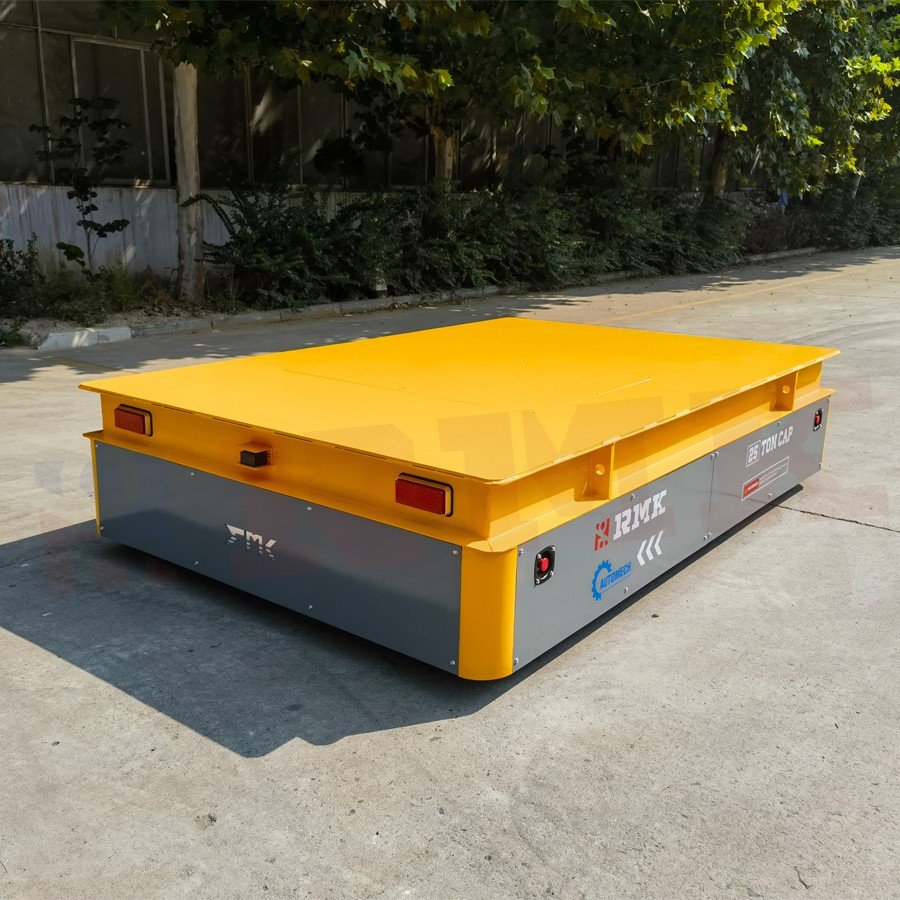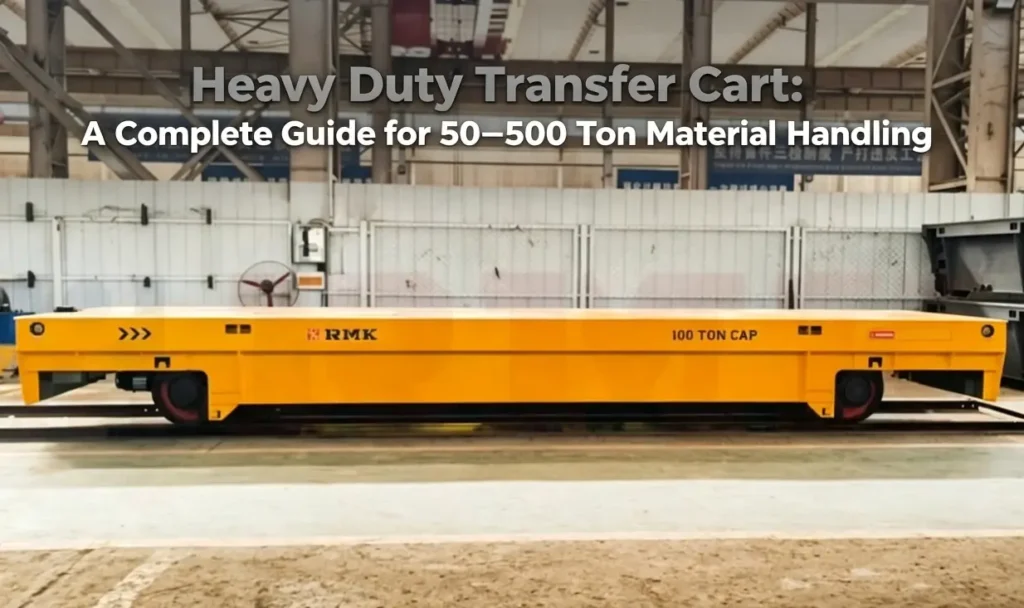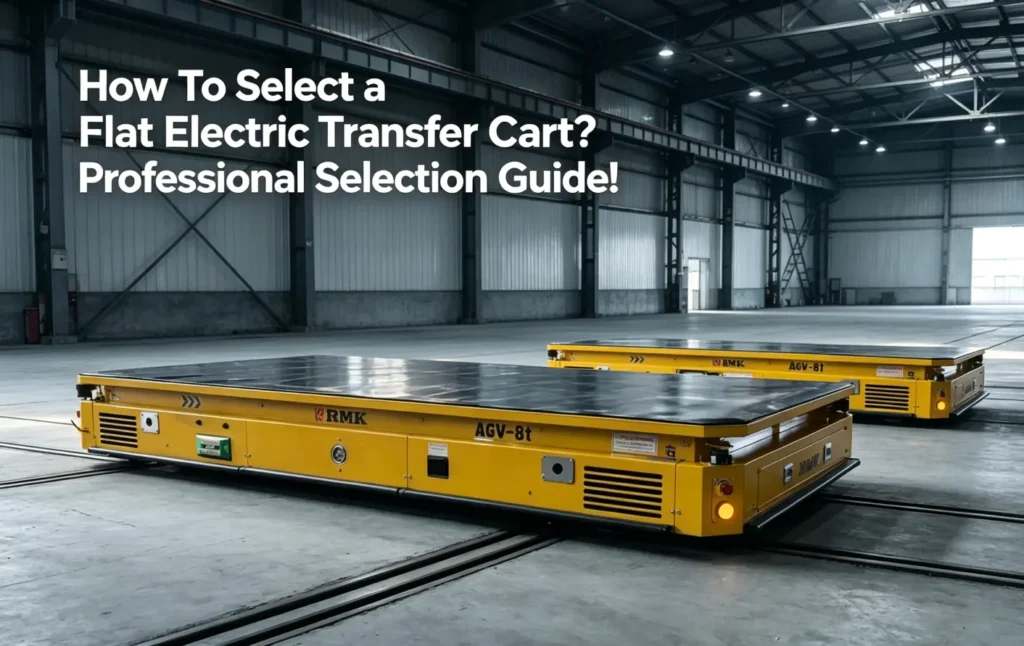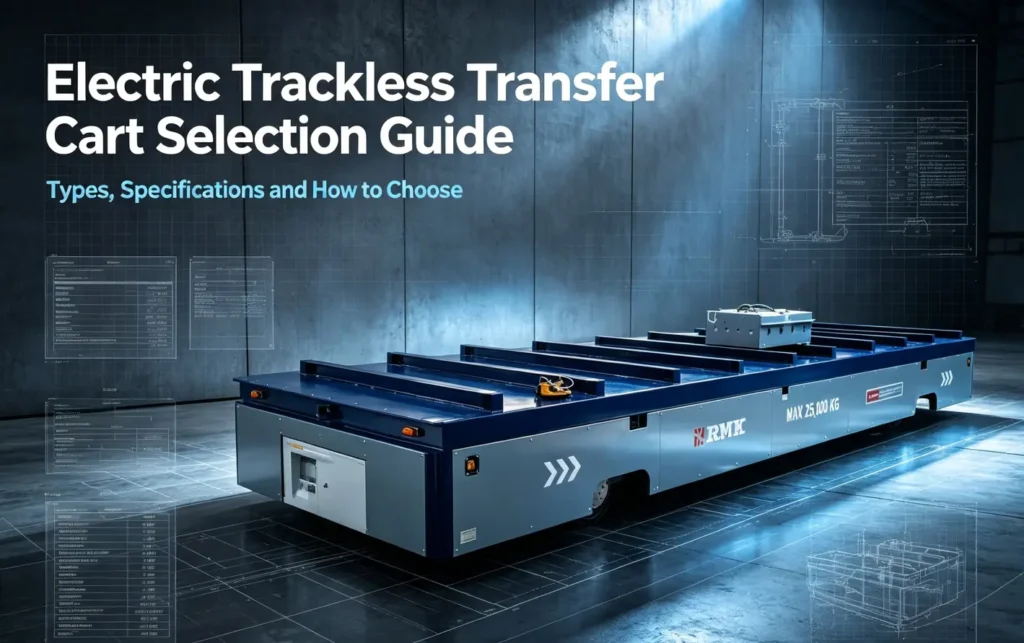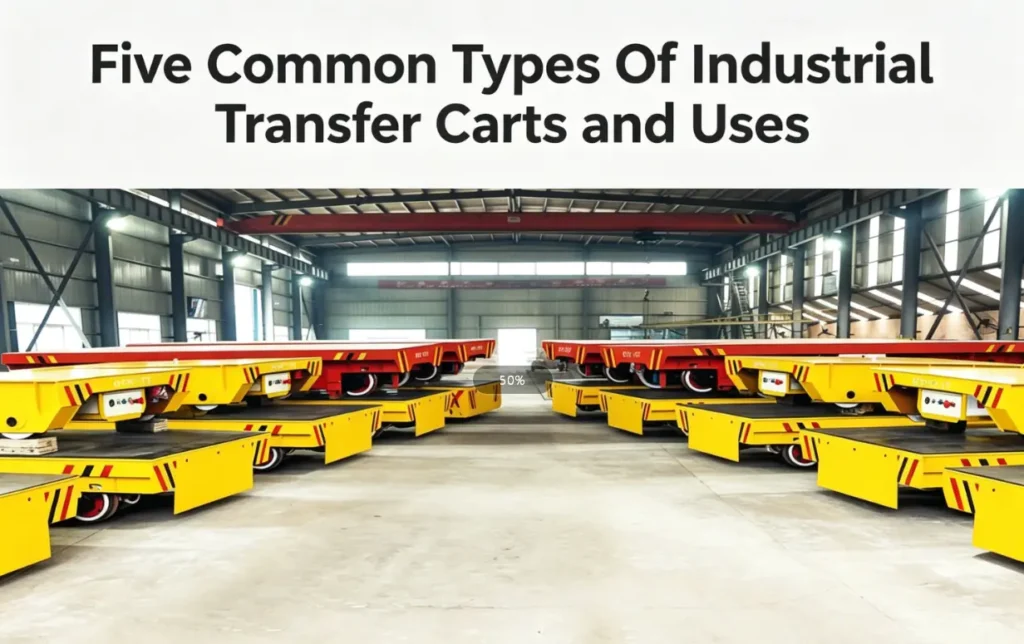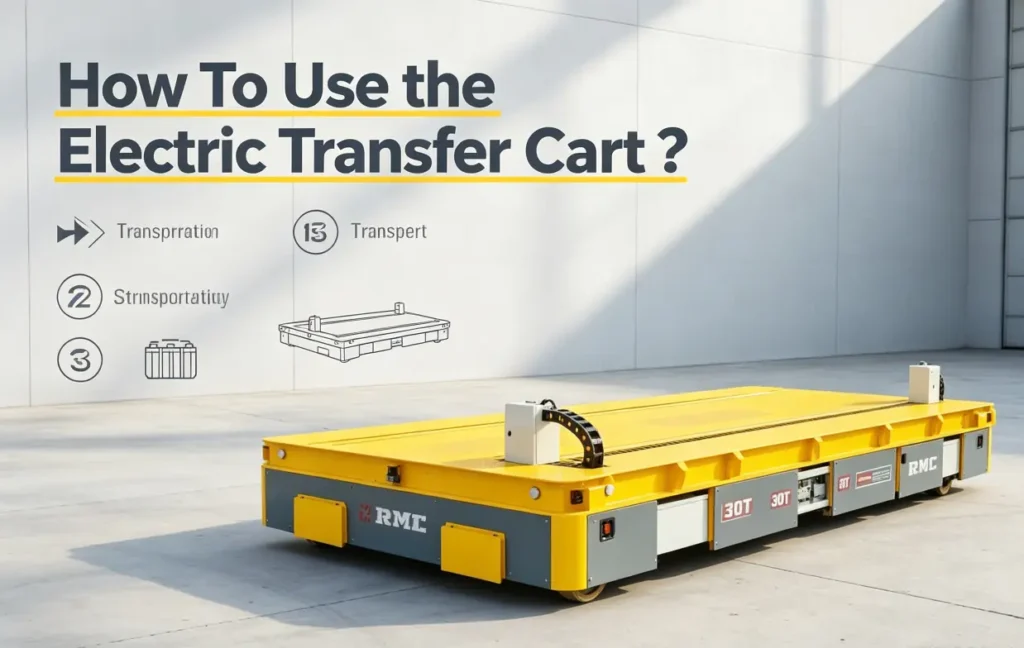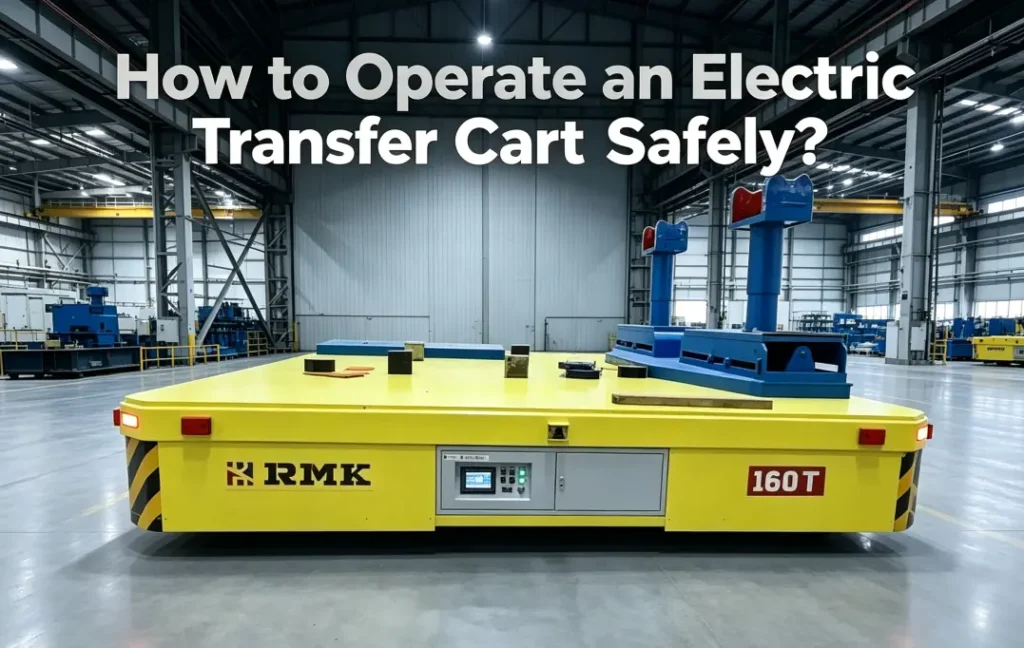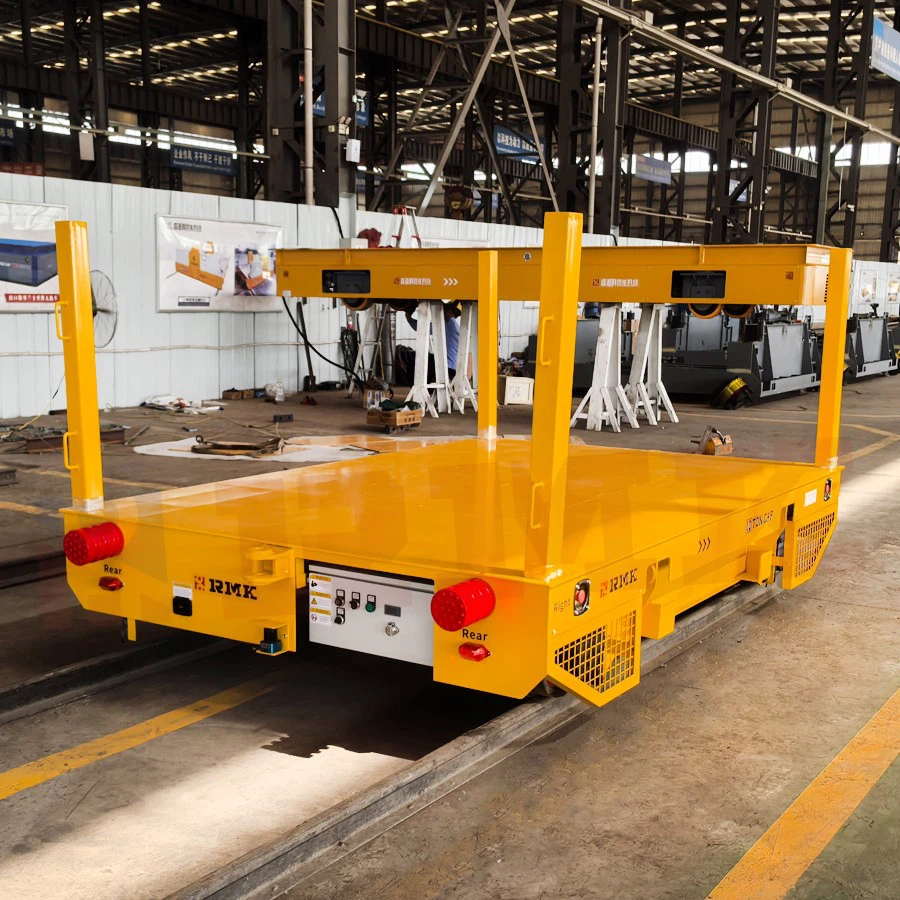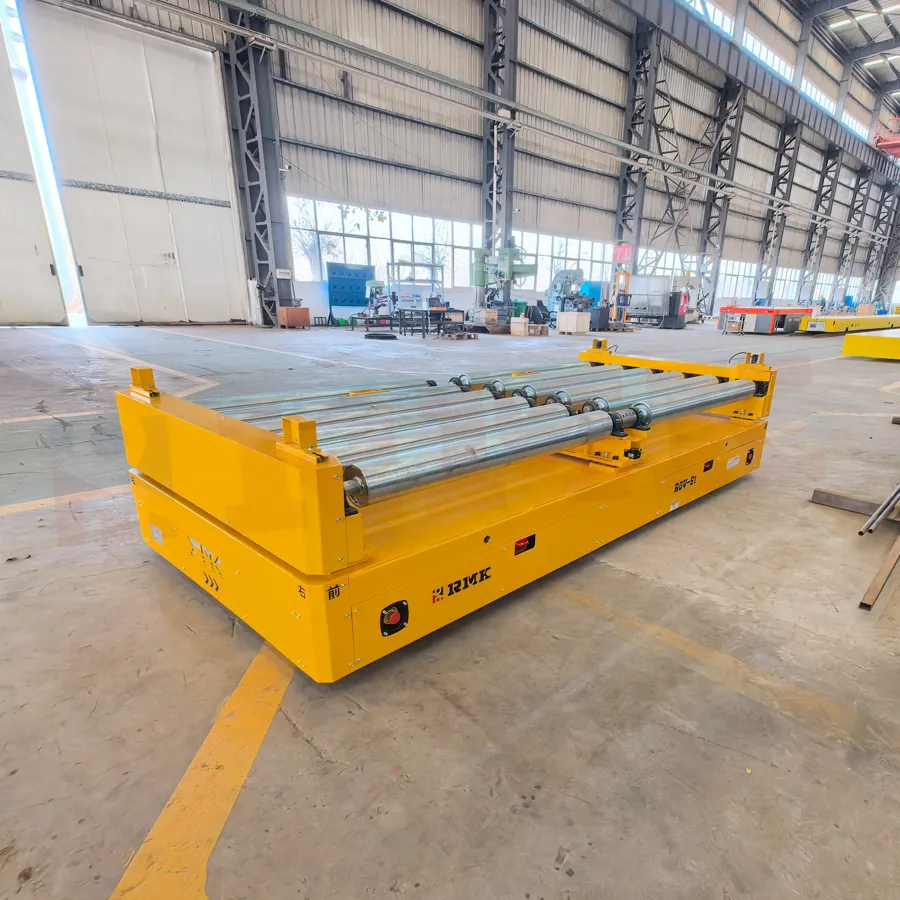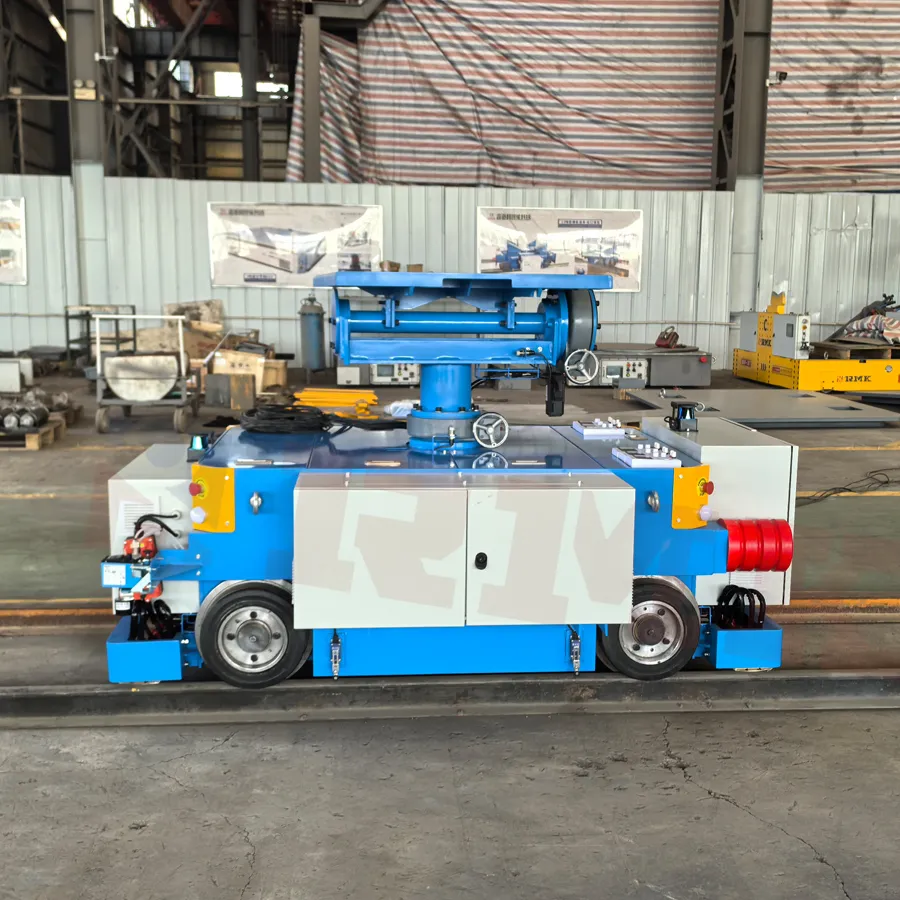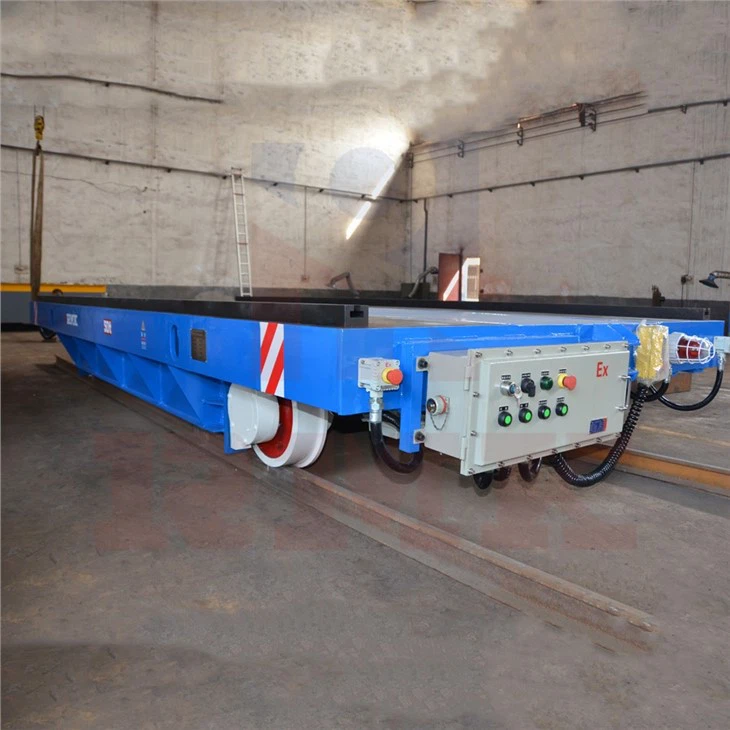
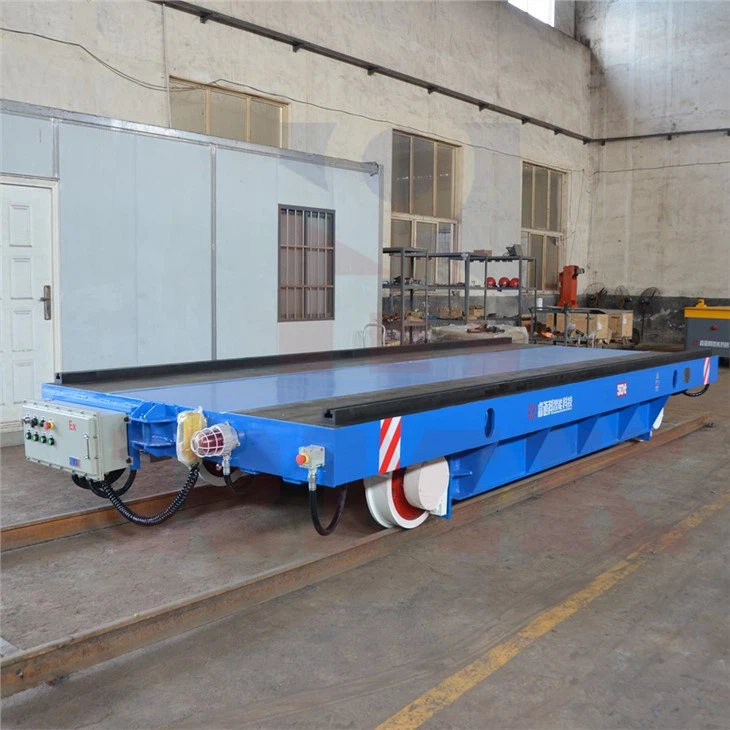
An explosion-proof rail transfer cart is designed to transport heavy materials along fixed tracks in industrial areas with potential explosion hazards. RMK supplies customized explosion-proof rail transfer carts for applications such as chemical processing, paint spraying, and other hazardous industrial operations.
The 50-ton configuration can be customized according to the required load capacity, platform dimensions, rail layout, travel speed, and operating environment. Explosion-proof motors, electrical components, control devices, and power supply systems must be selected to match the specified hazardous-area classification and project requirements.
- Rated Load Capacity: 50 tons
- Travel Type: Rail-mounted
- Power Supply: Confirmed according to the selected configuration
- Control Mode: Pendant or wireless remote control, subject to configuration
Product Overview
An explosion-proof rail transfer cart, also known as an explosion-proof rail trolley or explosion-proof track transfer cart, is an industrial transport vehicle designed to move heavy materials along fixed rails in areas where flammable gases, vapors, or combustible dust may create explosion hazards.
REMARKABLE explosion-proof rail transfer carts are used in chemical plants, oil and gas facilities, paint shops, and other industrial sites requiring explosion-protected material handling equipment. With a rail-mounted drive system, the cart transports materials between designated workstations, storage areas, and production lines. Load capacity, platform dimensions, travel speed, and power supply can be customized to suit the material being handled and the plant layout.
The cart can be equipped with explosion-protected motors, electrical components, control devices, and braking systems according to the specified hazardous-area classification. The applicable explosion-protection rating and certification requirements must be confirmed against the actual operating environment and project specifications.
Working Principle
An explosion-proof rail transfer cart transports materials along fixed rails in industrial areas where flammable gases, vapors, or combustible dust may be present. The drive, braking, and electrical control systems are selected according to the load requirements and hazardous-area classification.
- Power Transmission: The power supply drives the motor and transmission system, delivering torque to the wheels.
- Rail-Guided Movement: The wheel assembly follows the fixed track between loading, processing, and unloading stations.
- Travel Control: The control system regulates starting, acceleration, speed, direction, and stopping. Remote control or a wired pendant can be specified.
- Braking and Positioning: The braking system controls deceleration and holds the cart at designated positions within its rated operating conditions.
- Hazardous-Area Protection: Motors, electrical enclosures, switches, and other relevant components must comply with the protection requirements for the intended hazardous area.
The cart’s operating sequence and protection configuration are determined by the transfer route, load characteristics, site conditions, and applicable explosion-protection requirements.
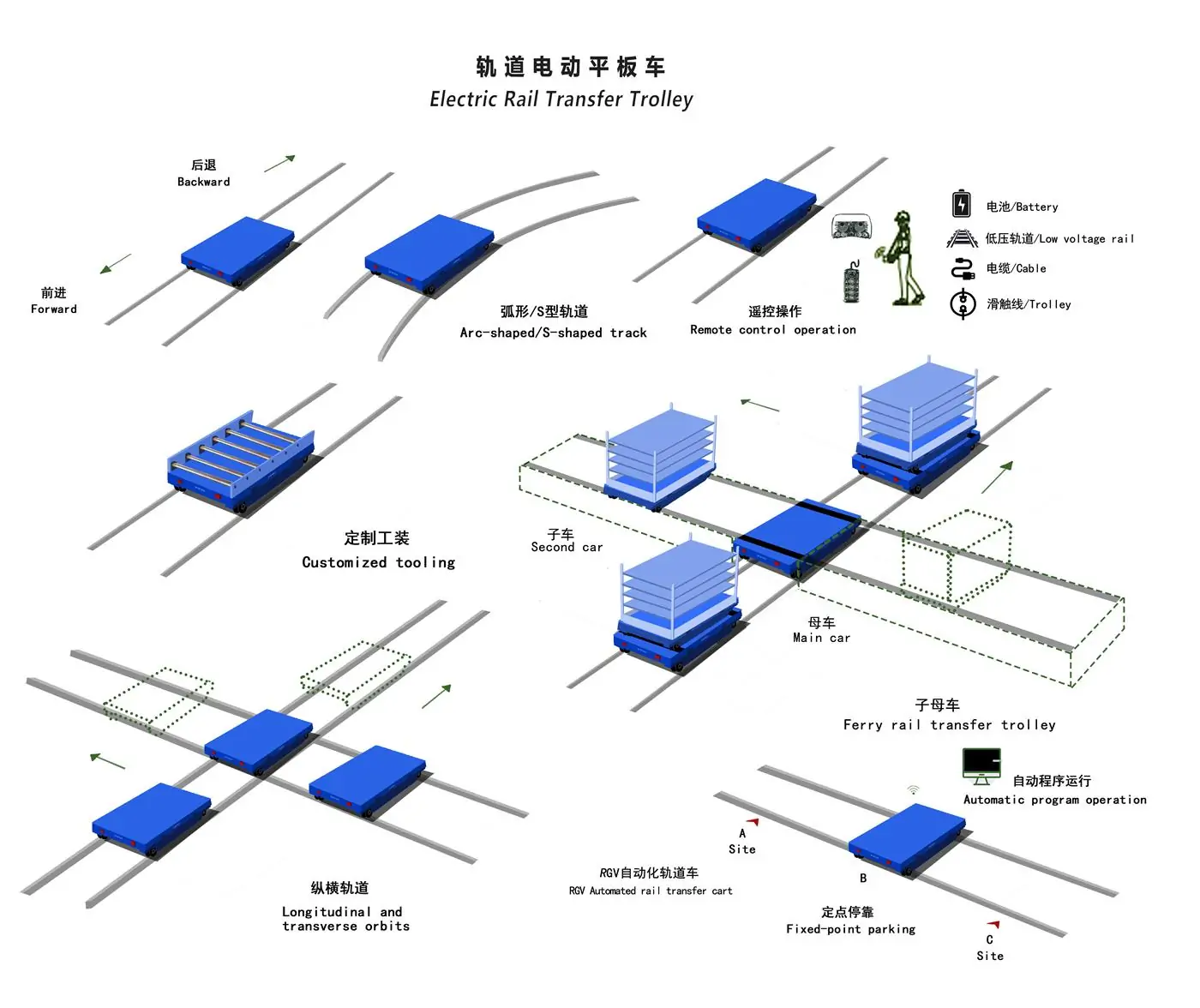
Parts of Explosion-Proof Rail Transfer Cart
Explosion-proof rail transfer carts consist of a load-bearing structure, rail-guided running gear, drive and control systems, braking devices, and explosion-protected electrical components. Component specifications depend on the rated load and the site’s hazardous-area classification.
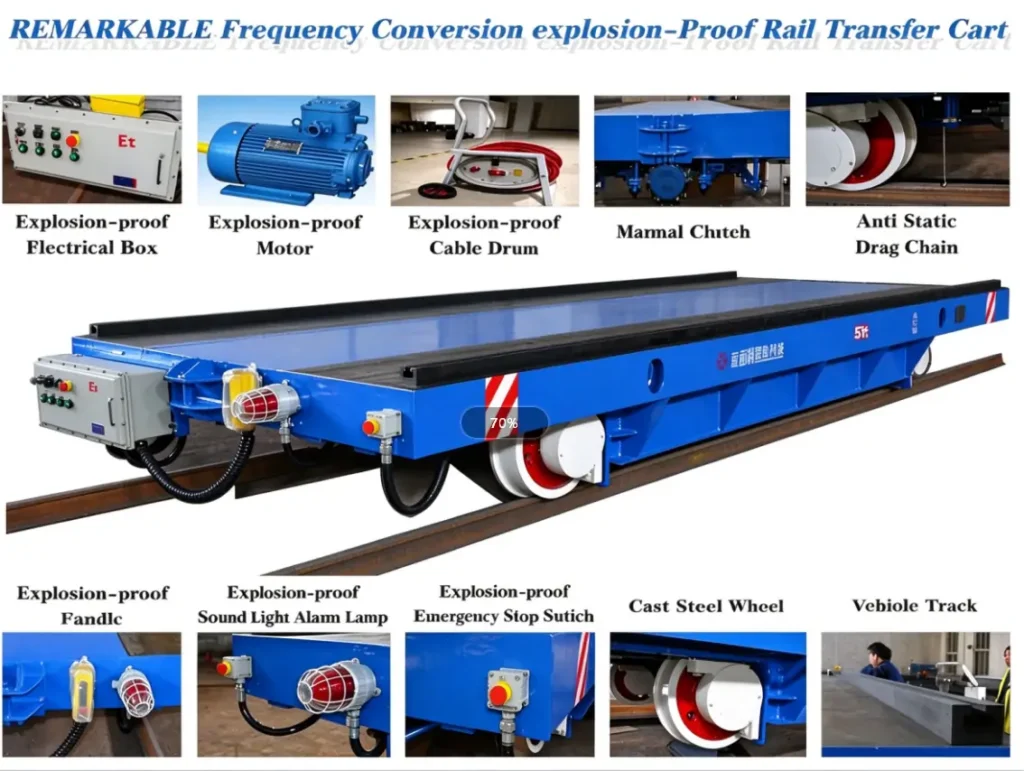
- Explosion-Protected Motor: Supplies driving torque for cart movement. The motor protection type and rating must match the specified hazardous environment.
- Wheels and Rail Assembly: Supports the cart and load, maintains rail alignment, and transfers wheel loads to the track and supporting foundation.
- Transmission System: Transfers motor output to the drive wheels. Gearbox ratio and drive arrangement are selected according to load, travel speed, and starting resistance.
- Electrical Control System: Manages travel direction, speed regulation, motor operation, and stopping. Enclosures, wiring, switches, and control devices require appropriate hazardous-area protection.
- Braking System: Provides controlled stopping and stationary holding. Brake capacity and release method must match the drive system and operating conditions.
- Load Platform and Frame: Carries molds, steel materials, or other industrial workpieces. Structural dimensions and load distribution are designed around rated capacity and center of gravity.
- Safety Devices: May include emergency-stop circuits, travel limit switches, audible and visual alarms, and obstacle detection, depending on the selected configuration.
- Power Supply: Uses the specified battery or approved power arrangement. Power connectors, charging arrangements, and electrical protection must be suitable for the intended installation and hazardous-area requirements.
The final component list, protection ratings, and certification scope must be confirmed against the selected model, technical documentation, and site classification.
50 Ton Explosion-Proof Rail Transfer Cart Specifications
| Parameter | Reference Specification |
|---|---|
| Rated Load Capacity | 50 tons |
| Platform Dimensions (L × W) | 4,000–8,000 × 2,000–3,500 mm, customizable |
| Rail Gauge | 1,000–2,000 mm, customizable |
| Travel Speed | 0–20 m/min, adjustable |
| Power Supply | Battery-powered, low-voltage rail-powered, or cable-powered, subject to project configuration |
| Drive System | Electric drive with explosion-protected motor and project-specific electrical components |
| Control Mode | Wired pendant control or wireless remote control, subject to hazardous-area requirements |
| Braking System | Electromagnetic or other compatible electric braking system, subject to drive configuration |
| Explosion-Proof Protection | Protection rating, gas or dust group, temperature class, and hazardous-area suitability specified according to project requirements |
| Safety Devices | Emergency stop, audible and visual alarms, and travel limit protection; other devices subject to configuration |
Reference Table for Tonnage and Dimensions
| Rated load (t) | 6 ton | 10 ton | 16 ton | 25 ton | 40 ton | 63 ton | 100 ton | 160 ton | 200 ton |
|---|---|---|---|---|---|---|---|---|---|
| Table Size (mm) | |||||||||
| – Length | 3600 | 3600 | 4000 | 4500 | 5000 | 5600 | 6300 | 8000 | 8200 |
| – Width | 2000 | 2000 | 2200 | 2200 | 2500 | 2500 | 2800 | 2800 | 3000 |
| – Height | 550 | 550 | 600 | 650 | 700 | 850 | 900 | 1100 | 1250 |
| Speed (m/min) | 30 | 30 | 30 | 30 | 25 | 25 | 20 | 20 | 18 |
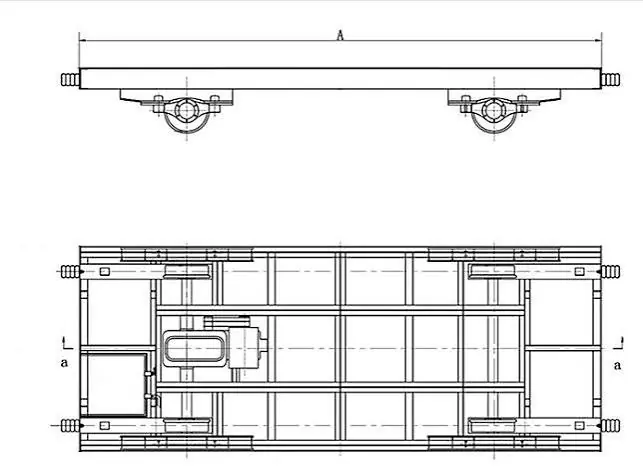
| Wheelbase A (mm) | 2000 | 2200 | 2200 | 2500 | 2800 | 3200 | 3600 | 5000 | 5000 |
| Track medial distance C (mm) | 1435 | 1435 | 1435 | 1435 | 1435 | 1435 | 1650 | 2000 | 2000 |
| Wheel diameter (mm) | 400 | 400 | 400 | 500 | 500 | 600 | 700 | 700 | 700 |
| Bottom clearance (mm) | 50 | 50 | 50 | 60 | 60 | 60 | 60 | 70 | 70 |
| Minimum turning radius (m) | 30 | 35 | 50 | 55 | 60 | 80 | 100 | 100 | – |
| Recommended track model | 24kg/m | 38kg/m | 43kg/m | QU80 | QU100 | / | |||
| Number of wheels | 4 | 8 | / | ||||||
| Maximum wheel pressure (t) | 1.91 | 3.21 | 4.87 | 7.5 | 11.5 | 16.9 | 27.6 | 22.8 | 28.5 |
| Reference weight (t) | 3.4 | 3.72 | 4.2 | 6 | 8.5 | 11.4 | 15.2 | 25.5 | 31.5 |
Note: Dimensions, rail gauge, speed, power supply, and control options are preliminary engineering references, not verified specifications for a standard 50-ton model. Final parameters depend on the operating environment, rail layout, load dimensions, duty cycle, and applicable explosion-protection requirements.
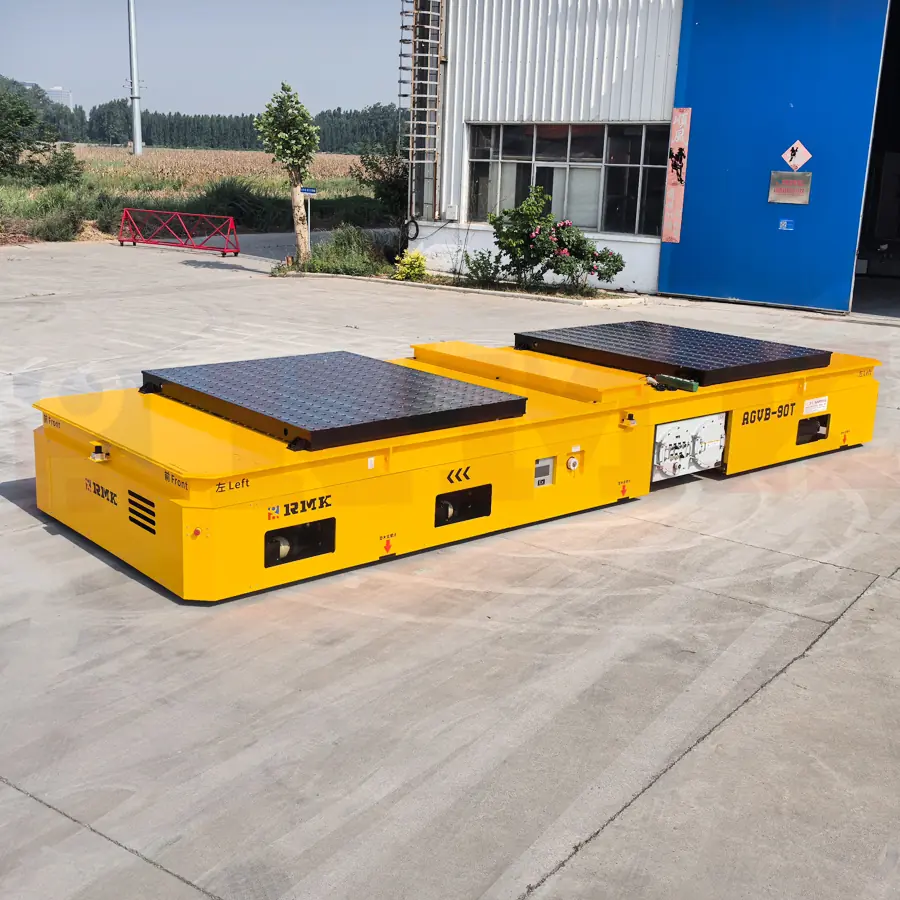
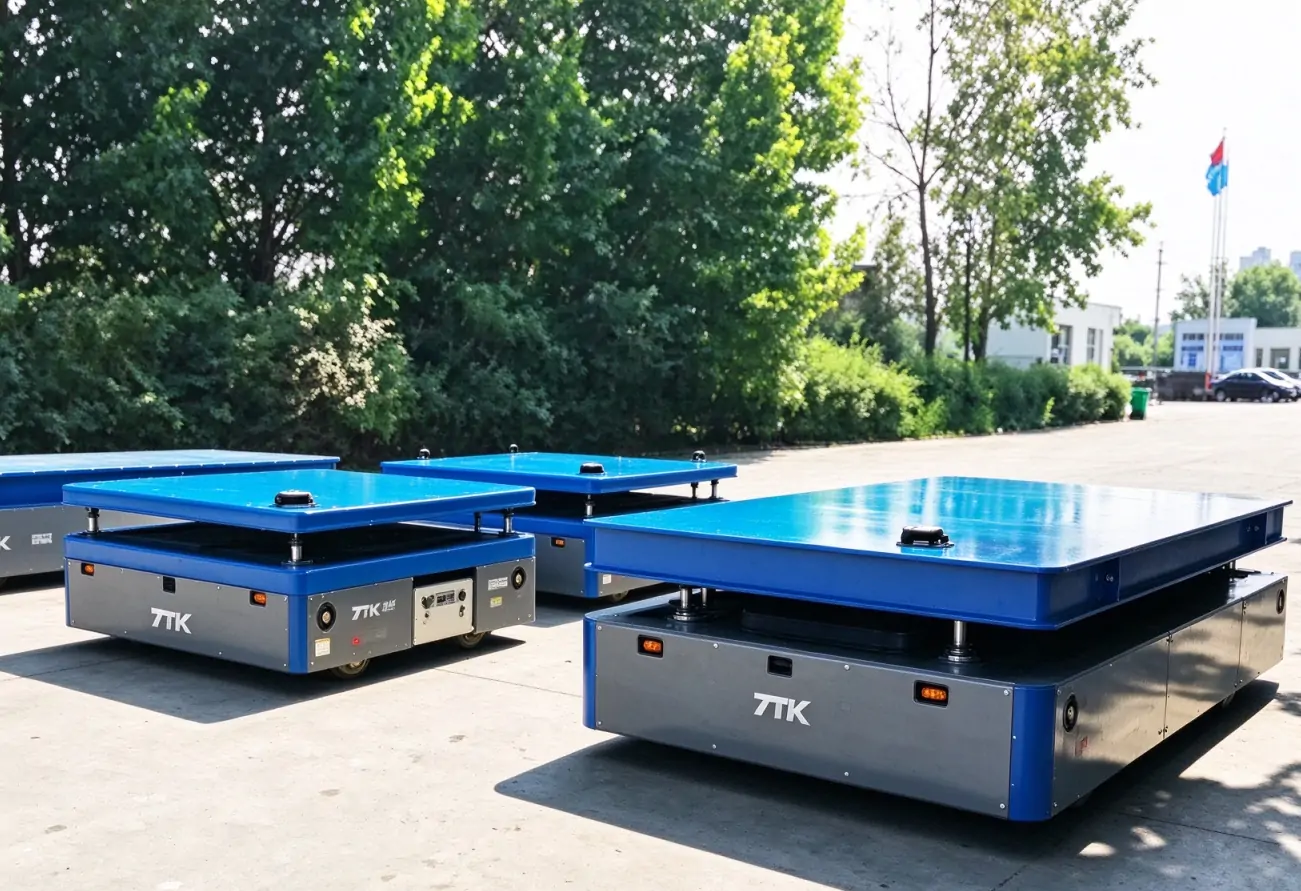
Related Explosion-Proof Products
Advantages
Specialized Frequency Conversion Motor Design
Adopts a high-performance frequency conversion motor with wide speed regulation capability, which can adapt to harsh working conditions such as high dust, humidity, and high temperature, with stable operation and low energy consumption.
Multiple power supply options
Supports battery, cable, low-voltage rail, and bus power supply to flexibly adapt to different operating environments and ensure the continuous and efficient operation of the equipment.
Multiple explosion-proof device configurations
Equipped with explosion-proof motors, electrical boxes, switches, and other key components, in line with international explosion-proof standards, applicable to flammable, explosive, and other high-risk places.
Manual Clutch Emergency Design
The manual clutch device is installed on both sides of the reducer, which can quickly switch to the powerless mode in case of failure, ensuring convenient maintenance and production continuity.
Wide range of different industry applications
It is suitable for metallurgy, chemical industry, mining, military industry, and other heavy industry scenarios, to meet the diversified needs of high-intensity, high-load operations.
Customized design according to needs
Supports personalized customization of table structure, guide rail, lifting system, etc., to accurately match customer-specific process and logistics requirements.
Applications
The cart’s explosion-protection configuration must match the site’s hazardous-area classification and the specific gas, vapor, or dust hazards.

Paint and Coating Workshops
Transporting metal parts, workpieces, and materials in areas where flammable paint vapors or solvents may be present.

Chemical Processing Plants
Moving chemical containers, raw materials, and production equipment within classified hazardous areas.

Oil and Gas Facilities
Handling heavy components and materials in designated hazardous zones at refineries, processing plants, and related facilities.

Petrochemical Plants
Transferring equipment, containers, and industrial materials between production and storage areas with explosion-protection requirements.
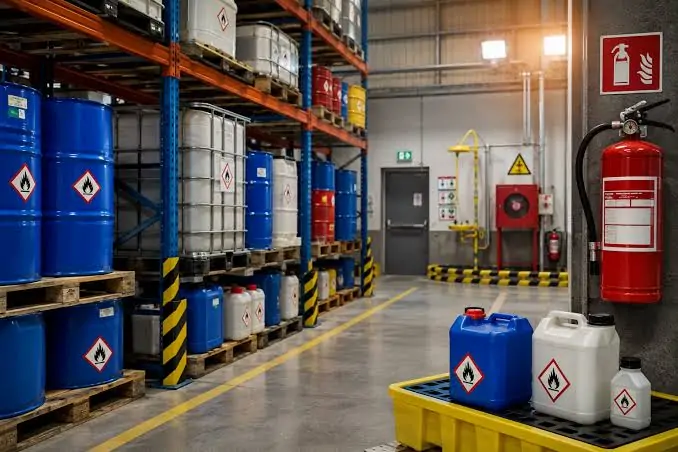
Flammable Material Warehouses
Moving drums, packaged materials, and other heavy loads in storage areas where combustible gases or vapors may occur.
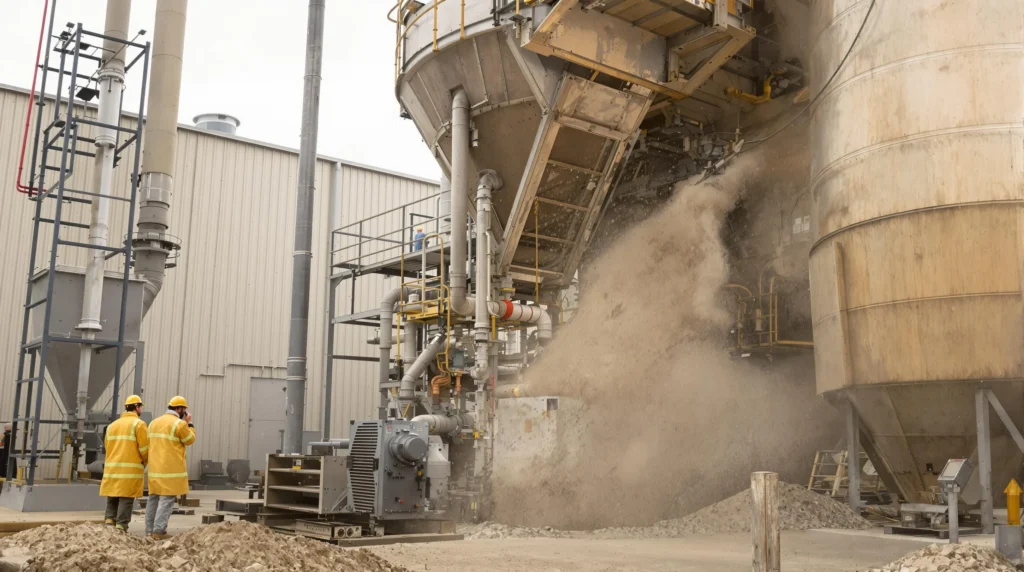
Dust-Prone Industrial Facilities
Transporting materials in classified areas where combustible dust, such as metal or chemical dust, presents an explosion hazard.
Cases
How to Select an Explosion-Proof Rail Transfer Cart
Selecting an explosion-proof rail transfer cart requires a clear assessment of the hazardous area, load requirements, travel route, operating frequency, and site conditions. Confirm the technical requirements before specifying the cart model and explosion-protection configuration.
- Hazardous Area Classification
Identify the hazardous area classification, including gas or dust hazards, zone or division, temperature class, and required explosion-protection rating. Verify compatibility with the applicable site standards. - Material Weight and Dimensions
Specify the maximum load weight, overall dimensions, and center of gravity. Select the rated capacity and platform size according to the actual workpiece and loading method. - Travel Route and Rail Gauge
Provide the rail layout, gauge, travel distance, turning points, and loading and unloading positions. Confirm track conditions and available clearance along the route. - Operating Frequency
Define the number of trips per shift, operating hours, travel speed, and required cycle time. These factors determine the drive configuration, motor rating, and duty requirements. - Working Environment
Assess ambient temperature, humidity, dust, corrosive substances, floor conditions, and indoor or outdoor operation. Specify suitable electrical protection, materials, and environmental ratings.
Confirm these details with the manufacturer before ordering. RMK can customize explosion-proof rail transfer carts according to load capacity, track layout, operating conditions, and project-specific explosion-protection requirements.
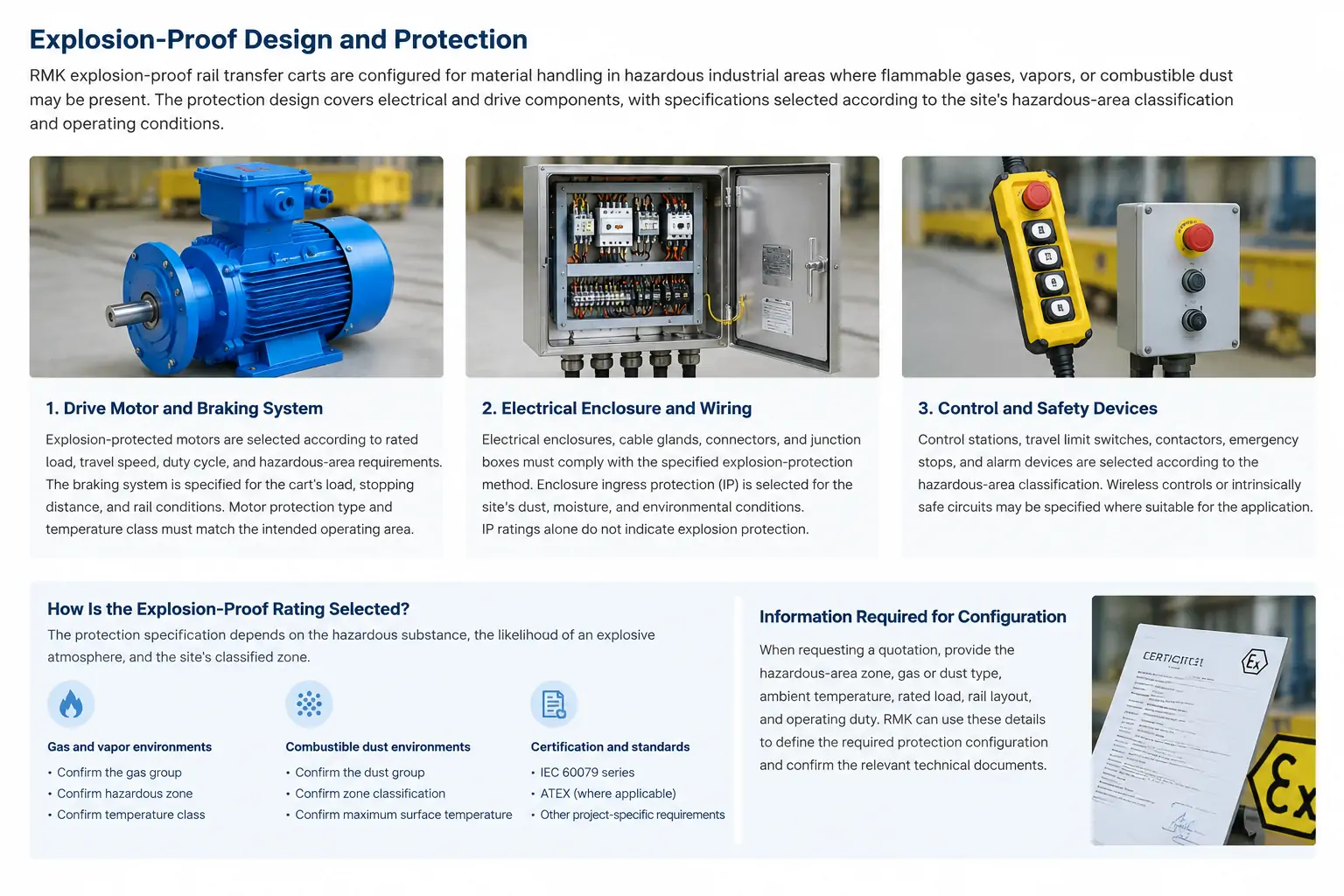
Explosion-Proof Design and Technical Requirements
RMK explosion-proof rail transfer carts can be customized for hazardous industrial environments where flammable gases, vapors, or combustible dust may be present. The explosion-protection design must match the site’s hazardous-area classification, operating conditions, and project standards.
- Hazardous Area Classification: Specify the applicable gas or dust zone and material classification.
- Explosion-Proof Rating: Confirm the explosion-protection marking, gas or dust group, equipment protection level, and temperature class.
- Certified Components: Identify the explosion-protected motors, electrical enclosures, switches, controllers, and other components in the selected configuration.
- Applicable Standards and Certifications: Confirm project requirements for ATEX, IECEx, and IEC 60079, where applicable, and verify the available certificates and test reports.
- Operating Conditions: Specify the permitted ambient temperature, humidity, dust exposure, and other environmental limits.
Explosion-protection ratings and certification coverage depend on the selected configuration. Verify the applicable certificates, component markings, and operating limits before ordering.
Customization Options
RMK customizes explosion-proof rail transfer carts according to load requirements, plant layout, rail conditions, and hazardous-area specifications.
- Load Capacity: Rated load based on workpiece weight and handling requirements.
- Platform Dimensions: Length, width, height, and platform structure.
- Rail System: Rail gauge, track layout, and travel distance.
- Power Supply: Configuration selected for the operating environment and project requirements.
- Explosion-Proof Configuration: Motors, electrical components, control devices, and protection ratings specified for the applicable hazardous area.
- Safety Devices: Braking systems, travel limit switches, emergency stops, and other devices according to the project configuration.
RMK confirms the technical specifications against the site conditions and required explosion-protection standards before production. Provide your load details, rail layout, and hazardous-area classification for a project-specific quotation.
For information on customization options and methods, see the article: Custom Transfer Cart: Complete Guide to Design and Customization
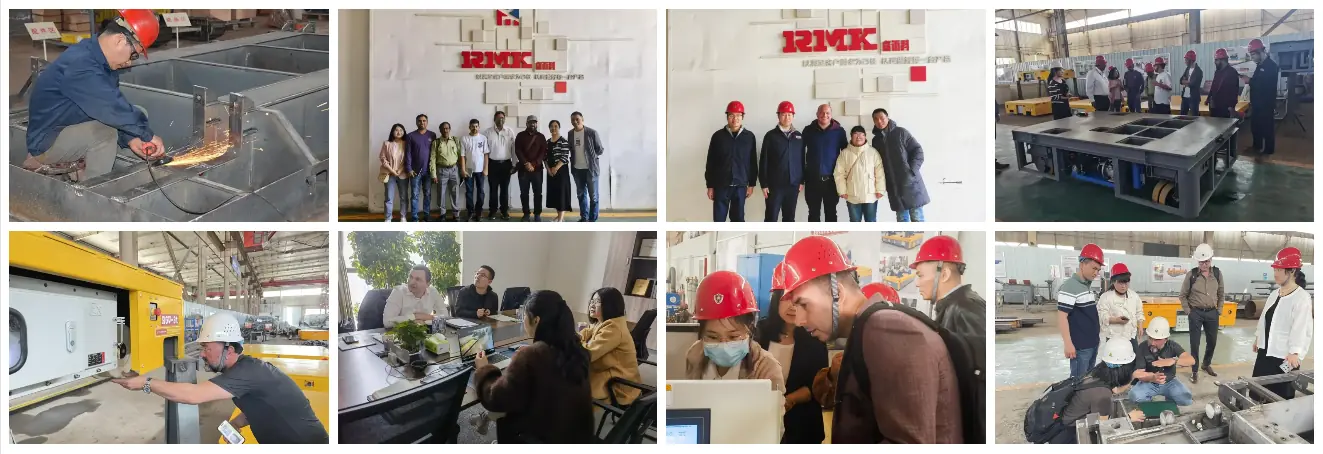
Manufacturer and Supplier of Explosion-Proof Rail Transfer Carts
REMARKABLE manufactures explosion-proof rail transfer carts for industrial material handling projects. Load capacity, platform dimensions, rail gauge, drive system, power supply, and explosion-protection configuration can be specified according to the site layout, material requirements, and hazardous-area classification.
REMARKABLE supplies equipment for overseas projects, with technical documentation, equipment specifications, and relevant certification documents available according to the selected configuration and destination market. International standards and certifications, such as ATEX or IECEx, should be confirmed against the actual equipment and project requirements before ordering.
From technical confirmation and manufacturing to delivery, installation guidance, and after-sales support, REMARKABLE works with customers throughout the project. Contact us with your load capacity, operating environment, rail layout, and explosion-protection requirements to discuss a suitable transfer cart solution.
Customized Intelligent Material Handling Solutions
To ensure that a customized transfer cart fits your needs perfectly, please provide the following details:
- Load Capacity: _____ tons (1~500 ton)
- Table Size: _____ × _____ mm/m (e.g., 1500×3000)
- Power Options:
- ☐ Lead-acid ☐ Lithium-ion ☐ Other: _____
- ☐ Cable: _____V/_____A
- ☐ Standard 380V/50Hz/3-phase
- Cargo Details:
- Type: _____ (e.g., steel coils, machinery)
- Special Needs: _____ (e.g., anti-slip, corrosion-proof)
- Optional Features:
- ☐ Emergency stop ☐ Anti-collision sensors
- ☐ Rail guides ☐ Lifting mechanism ☐ Remote control
Get a Quote Now
FAQ
What explosion-proof ratings are available for an explosion-proof rail transfer cart?
Explosion-proof ratings depend on the hazardous-area classification, combustible materials, and operating conditions. Confirm the required protection marking, gas or dust group, temperature class, and applicable standards before selecting the cart.
Where are explosion-proof rail transfer carts used?
Explosion-proof rail transfer carts are used in chemical plants, oil and gas facilities, paint production areas, and other industrial sites where flammable gases, vapors, or combustible dust may be present. The equipment must match the site’s hazardous-area requirements.
What power supply options are available for an explosion-proof rail transfer cart?
Power supply options depend on the cart design and operating environment. Battery power, cable power, and other configurations may be available for specific projects. The selected power system and its electrical components must meet the required explosion-protection specifications.
What load capacity can an explosion-proof rail transfer cart handle?
The rated load capacity depends on the model and project requirements. RMK offers customized rail transfer carts for different material-handling loads. For a 50-ton model, confirm the rated capacity, platform dimensions, load distribution, and operating conditions during technical selection.
Can an explosion-proof rail transfer cart be customized?
Yes. Customization can cover rated load capacity, platform dimensions, rail gauge, travel speed, power supply, control mode, and explosion-protection configuration. Final specifications are determined by the material being transported, rail layout, operating cycle, and hazardous-area classification.
What certifications are required for an explosion-proof rail transfer cart?
Certification requirements depend on the installation country, hazardous-area classification, and applicable regulations. Buyers should confirm the required documentation and protection standards before ordering. ATEX, IECEx, or other certification claims should only be made when supported by the actual equipment documentation.
Can an explosion-proof rail transfer cart operate in both gas and dust hazardous areas?
Not automatically. Gas and dust hazards may require different protection markings and equipment configurations. The cart must be selected according to the specific hazardous-area classification, substance group, temperature requirements, and site conditions.
What information is needed to order a customized explosion-proof rail transfer cart?
Provide the required load capacity, workpiece dimensions, rail gauge, travel distance, operating speed, power supply requirements, control preferences, and hazardous-area classification. Include the applicable standards and certification requirements for the installation site so the manufacturer can determine a suitable configuration.