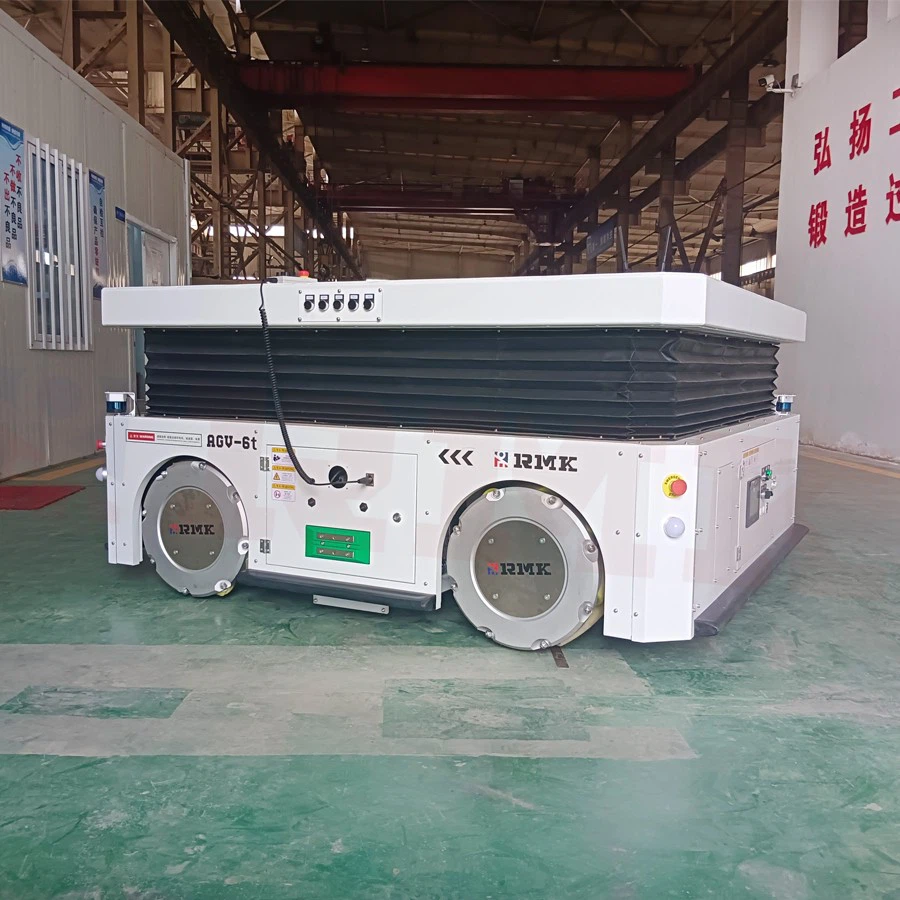
Introducción
A medida que los equipos industriales, las estructuras de acero,, moldes, y los componentes grandes continúan aumentando en tamaño y peso, el manejo de materiales pesados se está volviendo más complejo que nunca. Los fabricantes enfrentan escasez de mano de obra, requisitos de seguridad laboral más estrictos y una presión creciente para mejorar los niveles de automatización. Al mismo tiempo, los equipos de manejo tradicionales, como montacargas y grúas, a menudo tienen dificultades con cargas de dimensiones excesivas, transporte a larga distancia y diseños de producción flexibles. Plataforma Grande los Carros de Transferencia AGV proporcionan una solución eficiente para mover materiales pesados y voluminosos en fábricas modernas.
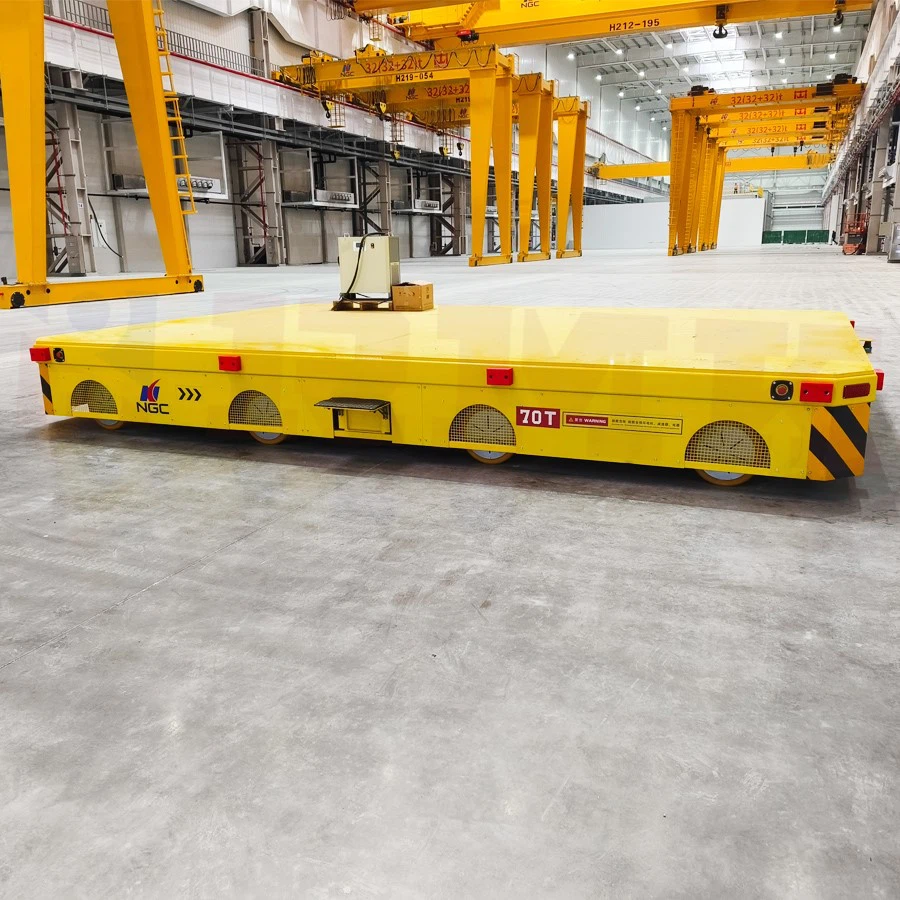
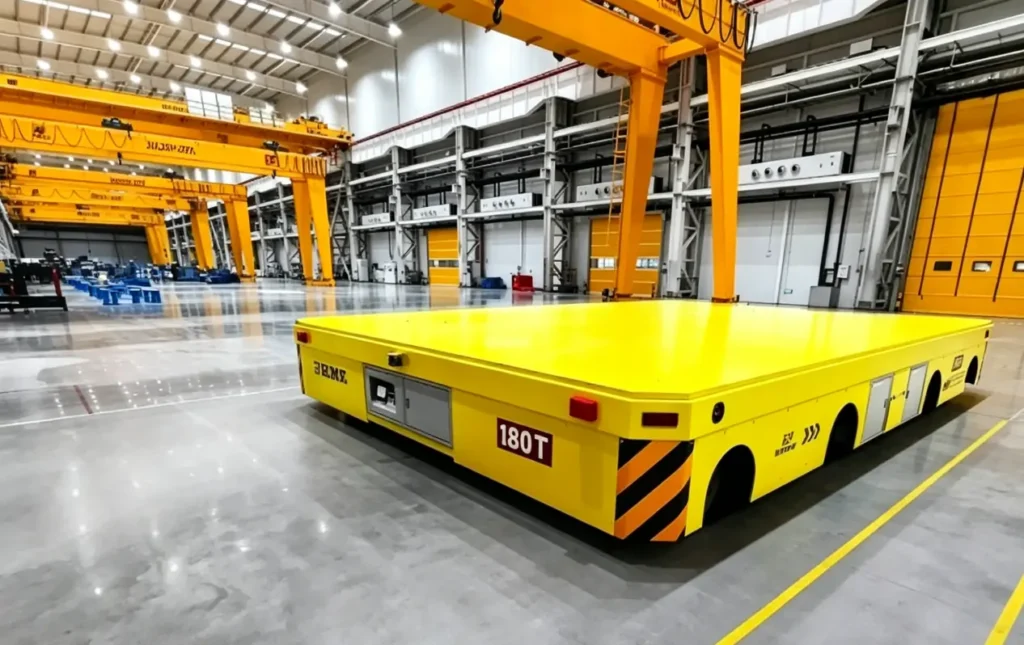
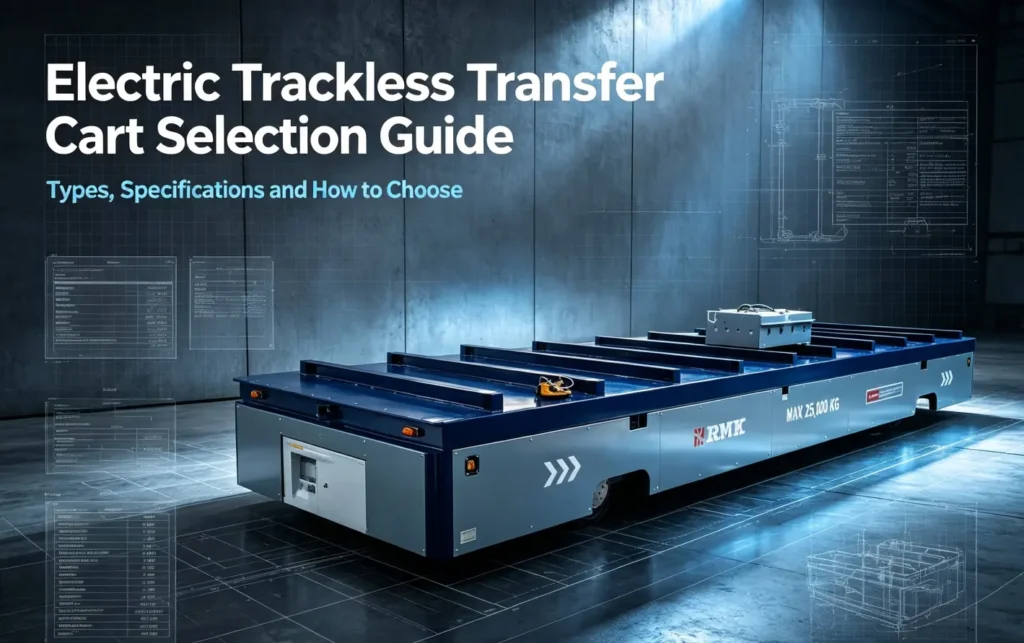
Este artículo explora sus principios de funcionamiento, ventajas clave, aplicaciones típicas, consideraciones técnicas y cómo seleccionar el sistema AGV adecuado para la manipulación de materiales pesados..
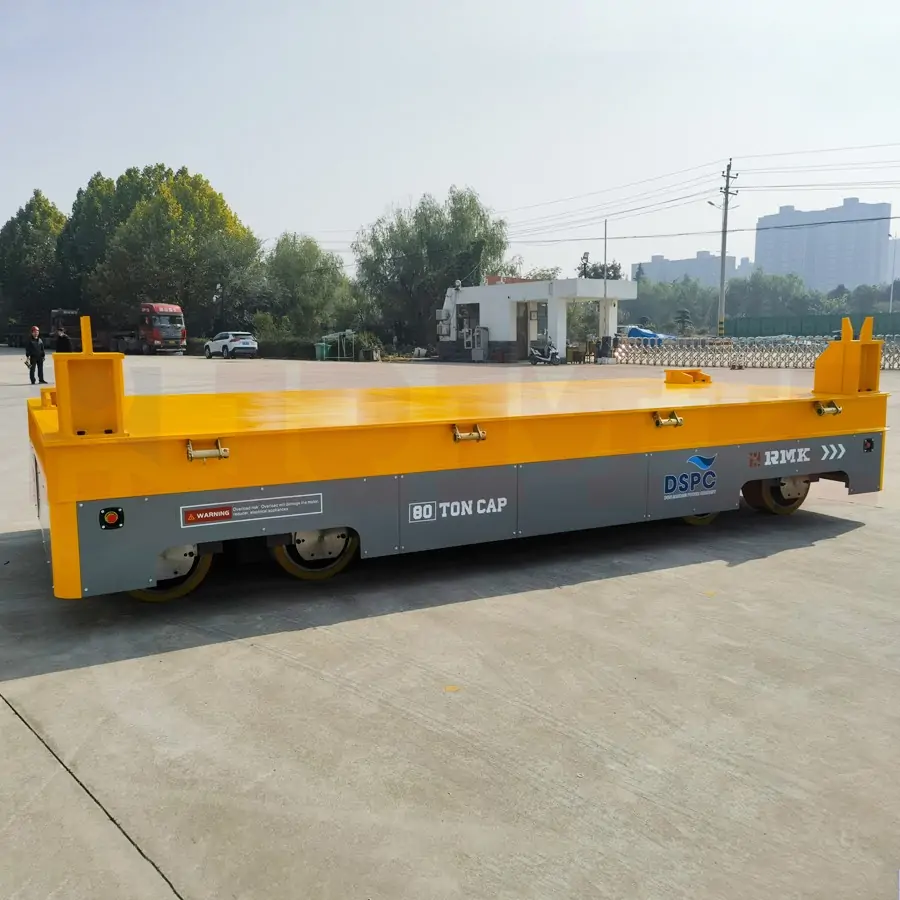
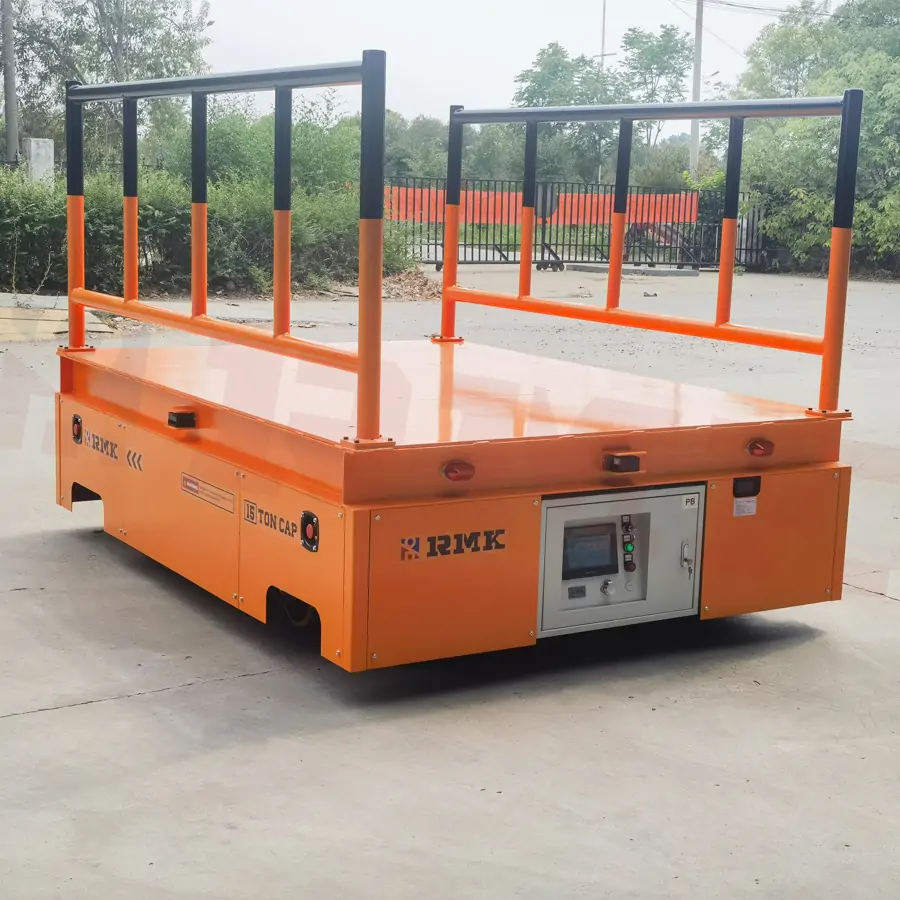
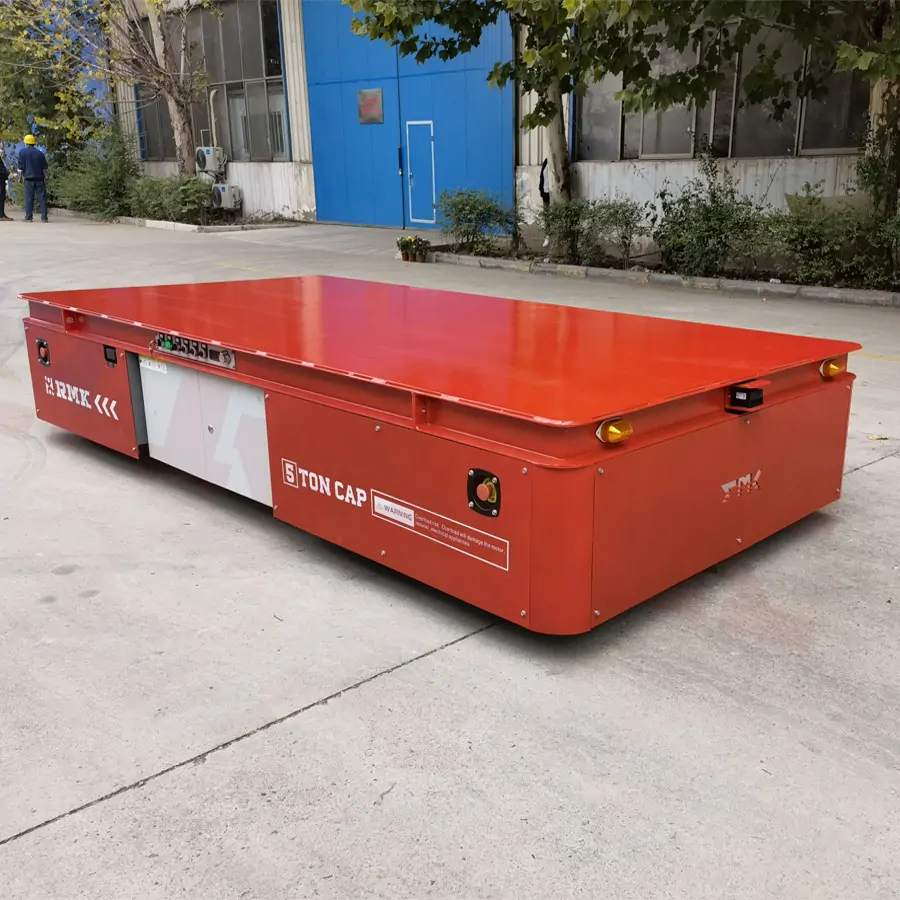
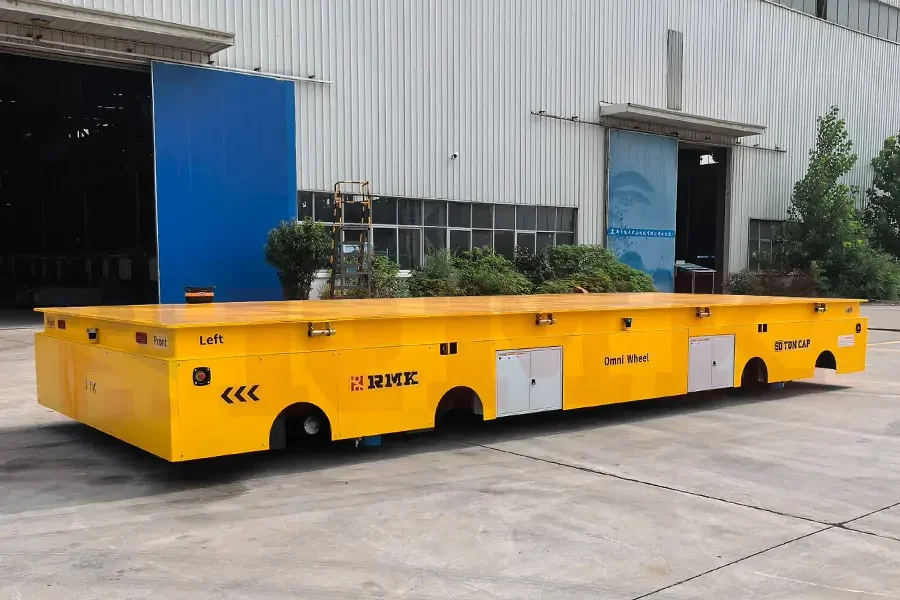
¿Qué es un carro de transferencia AGV de plataforma grande?
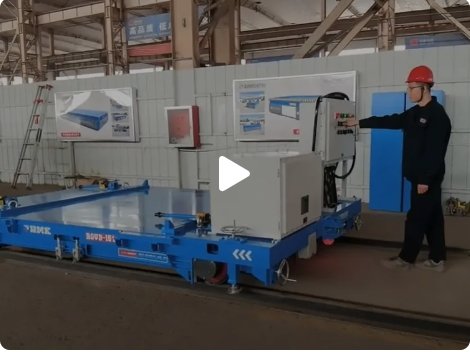
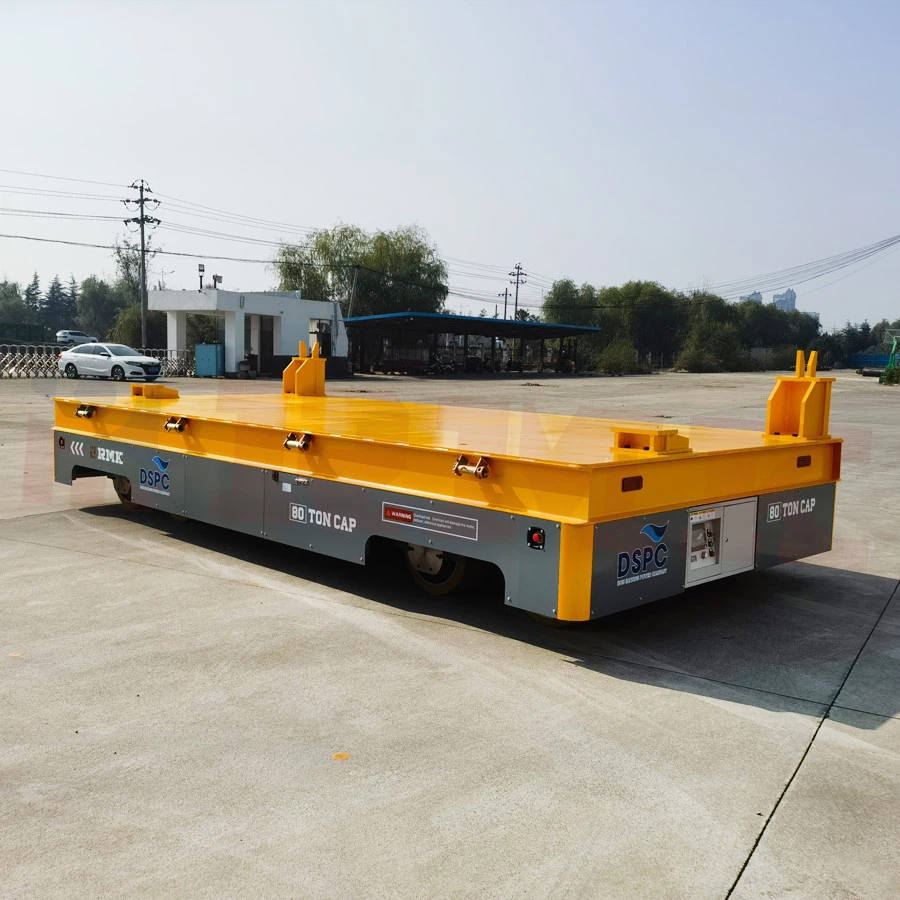
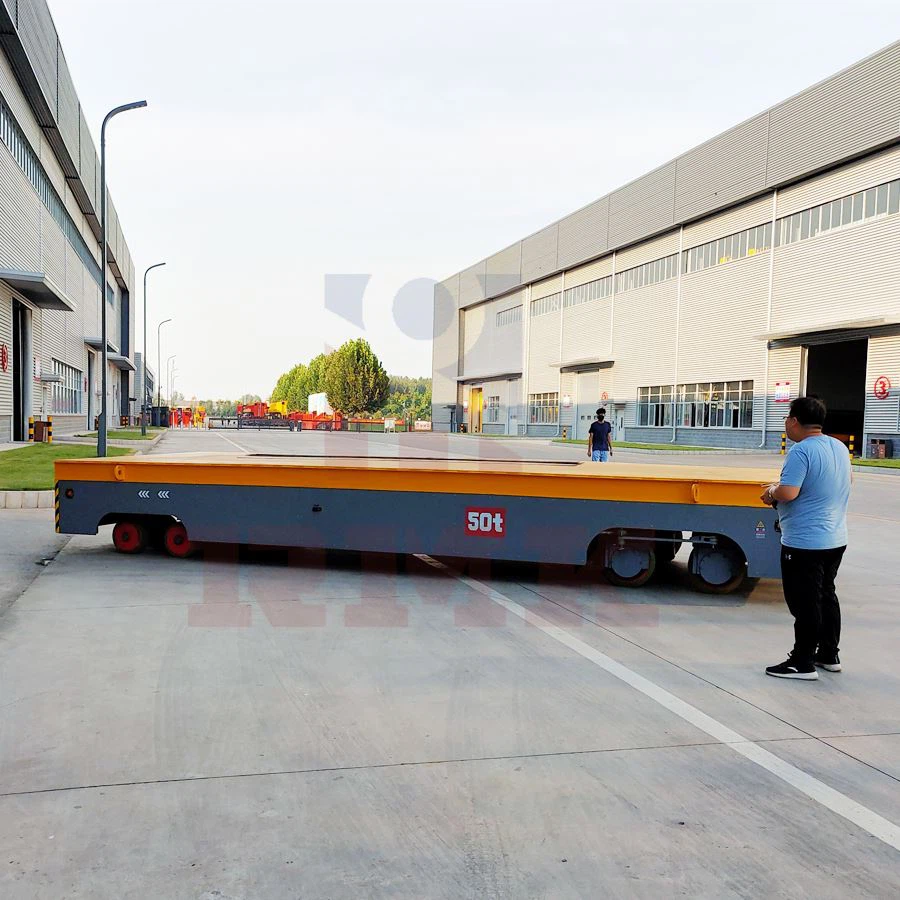
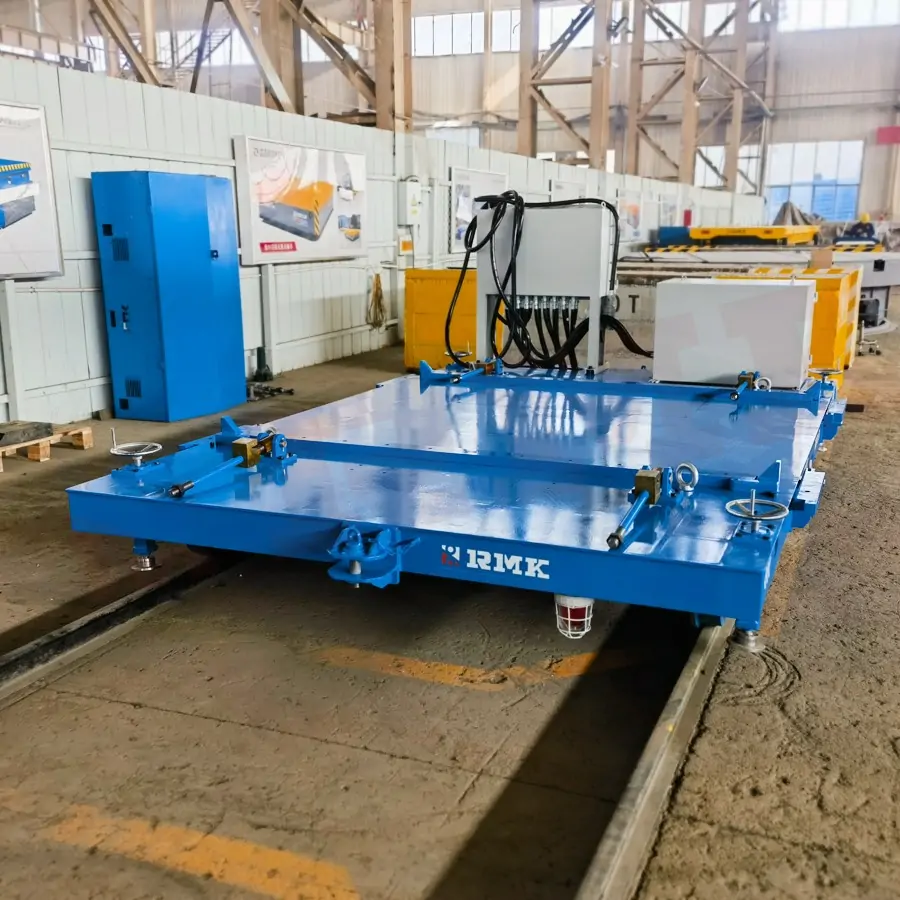
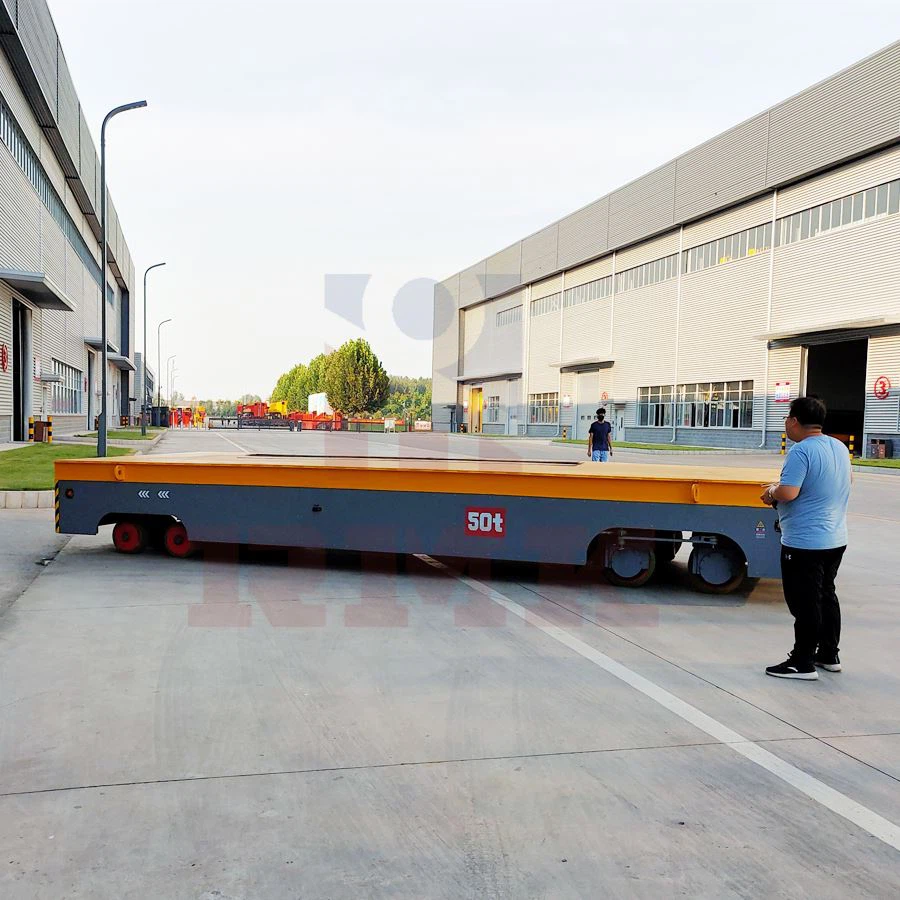
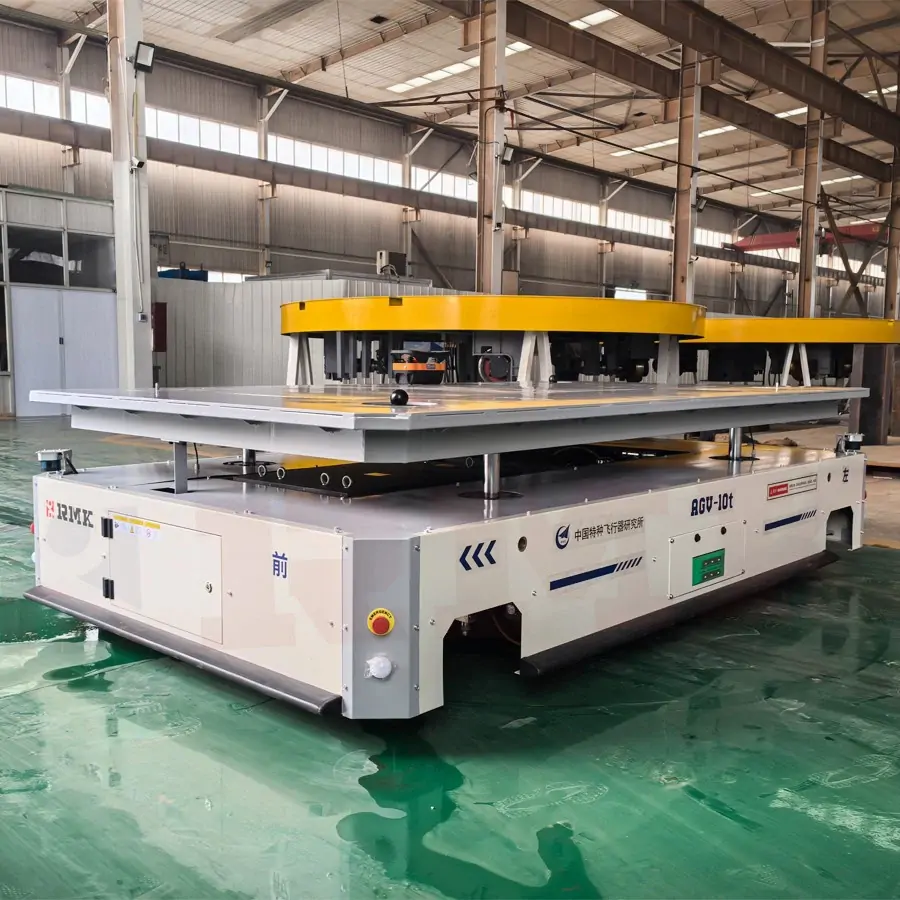
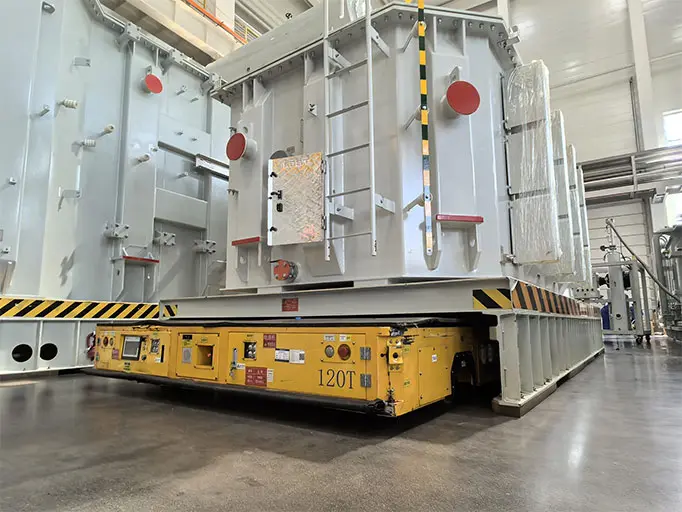
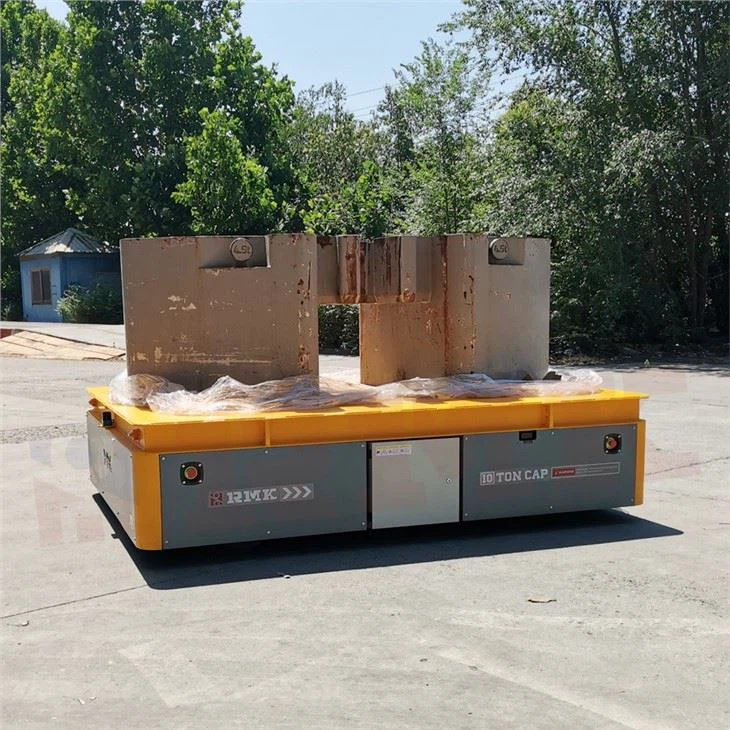
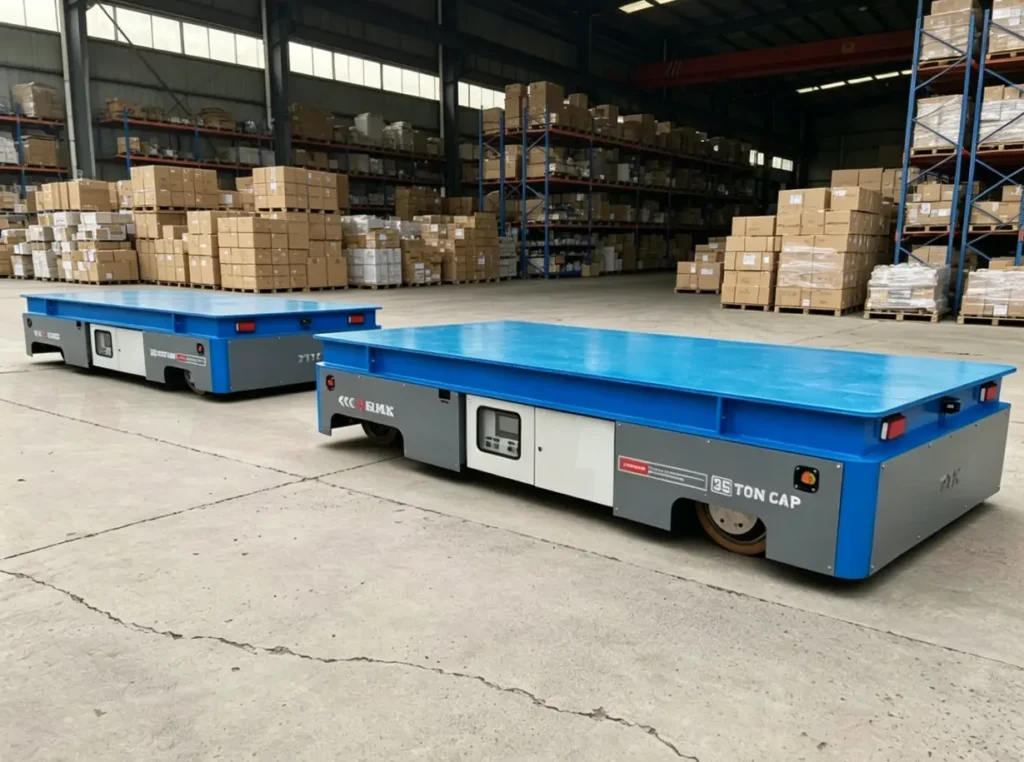
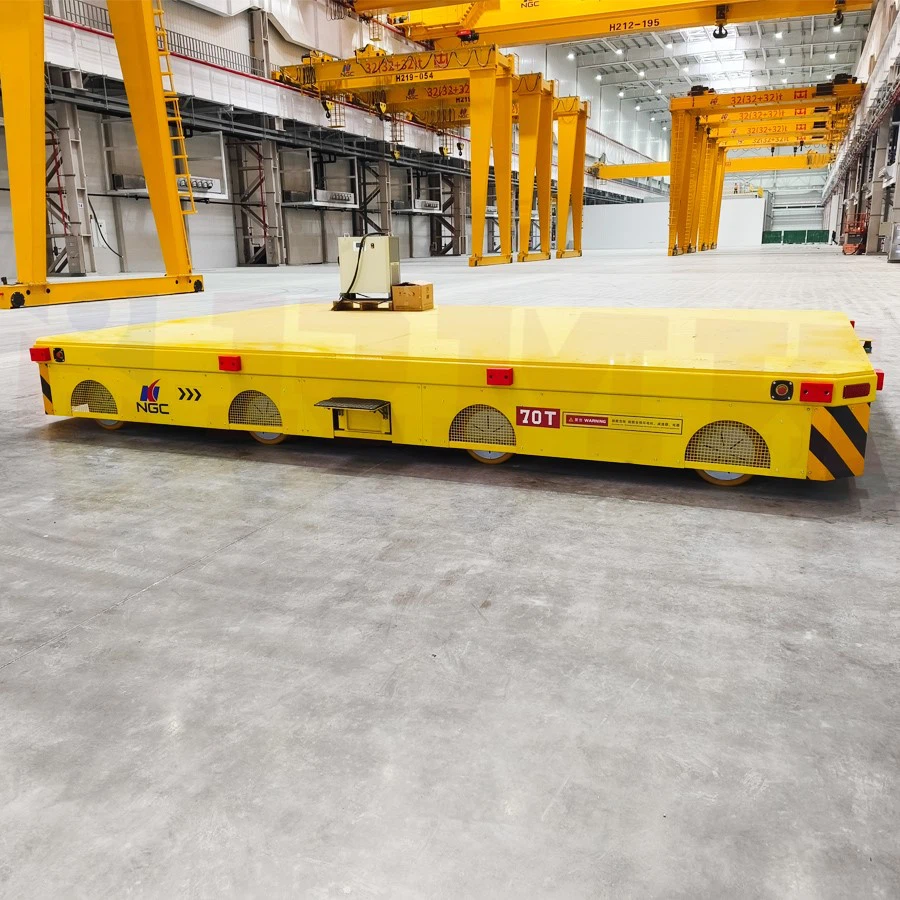
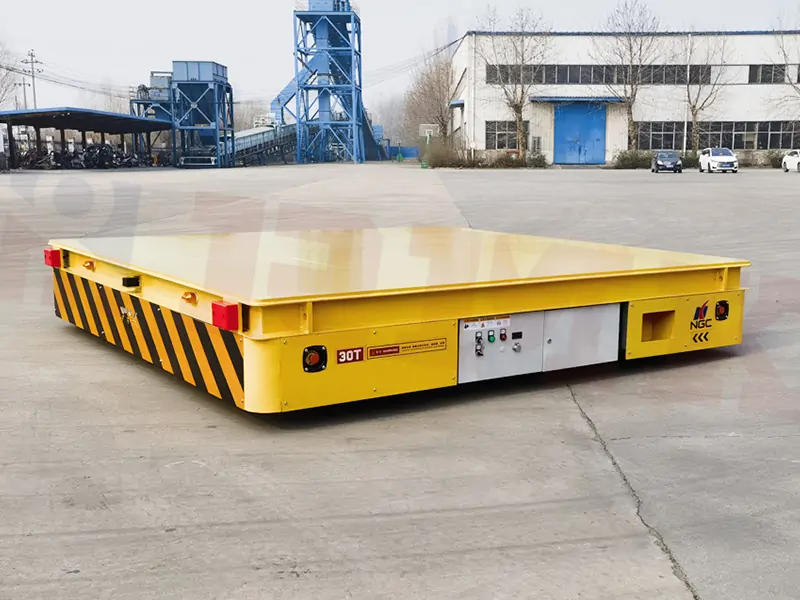
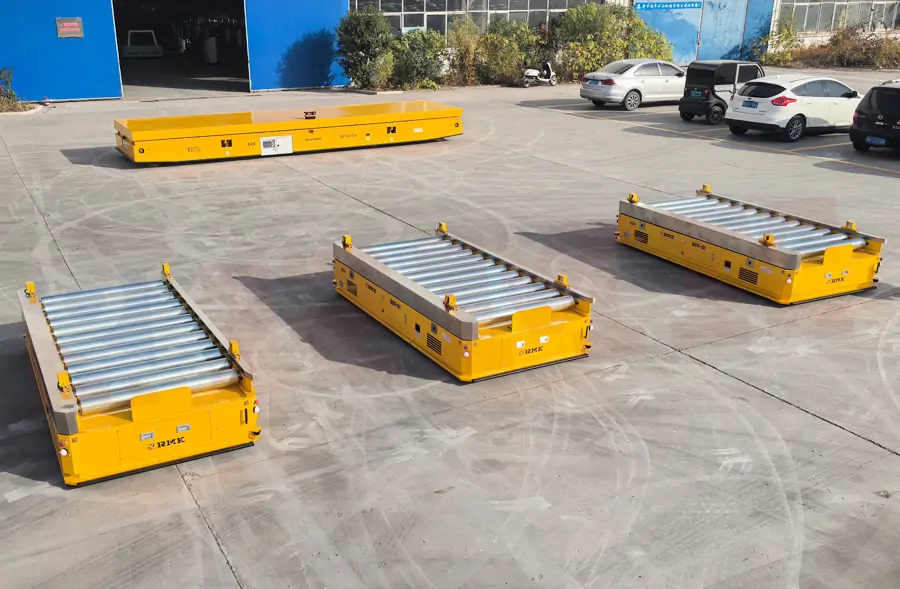
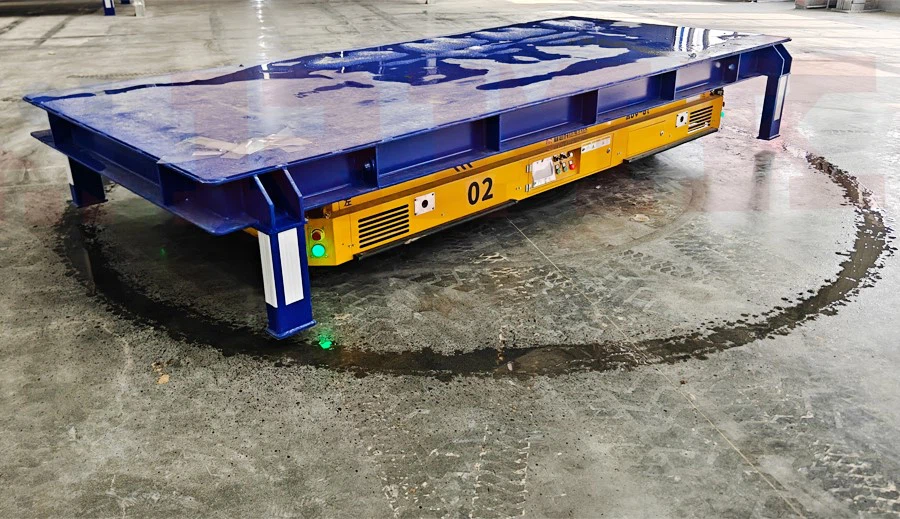
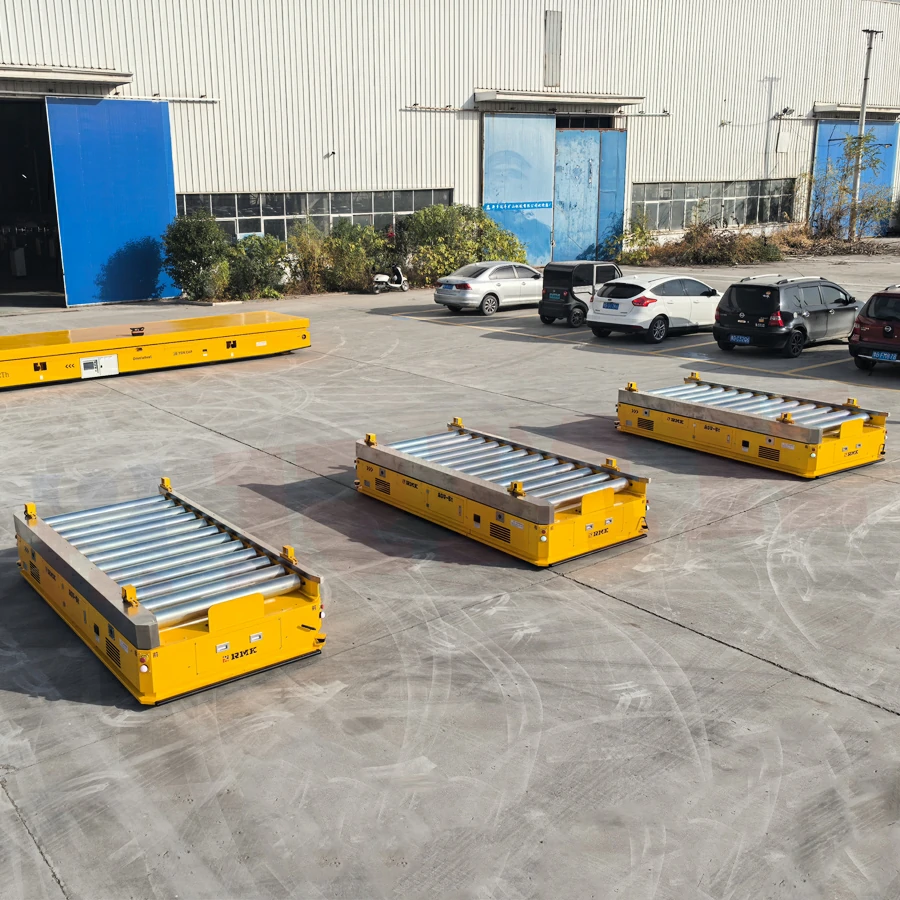
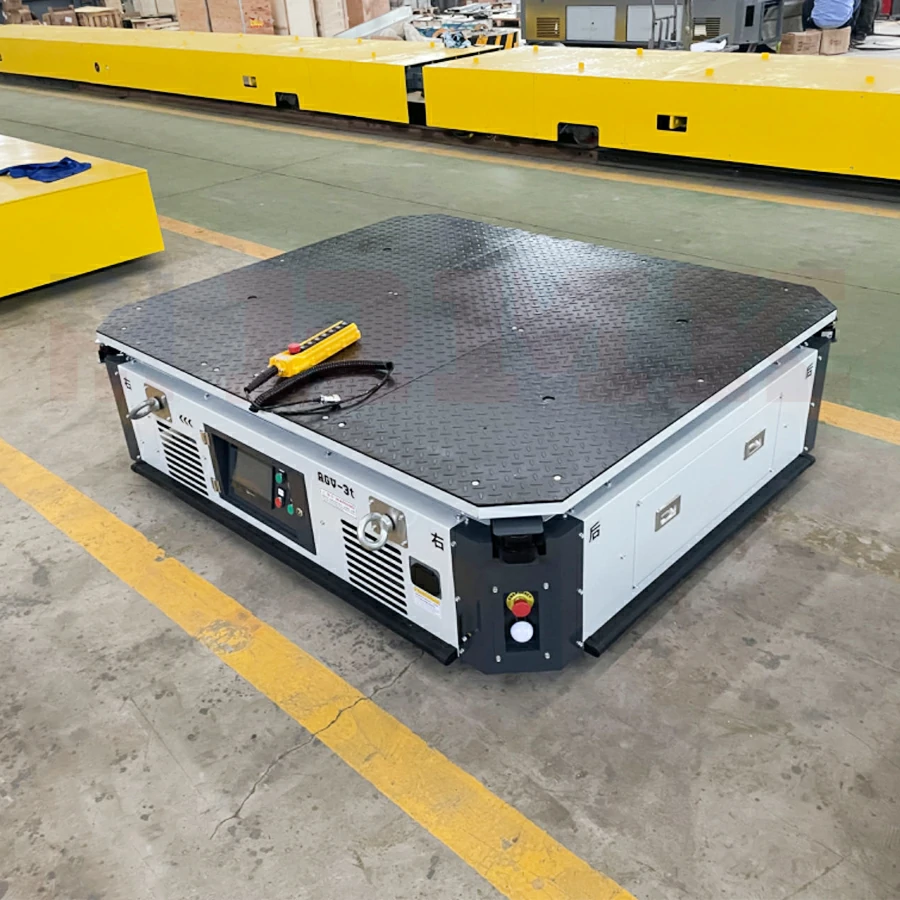
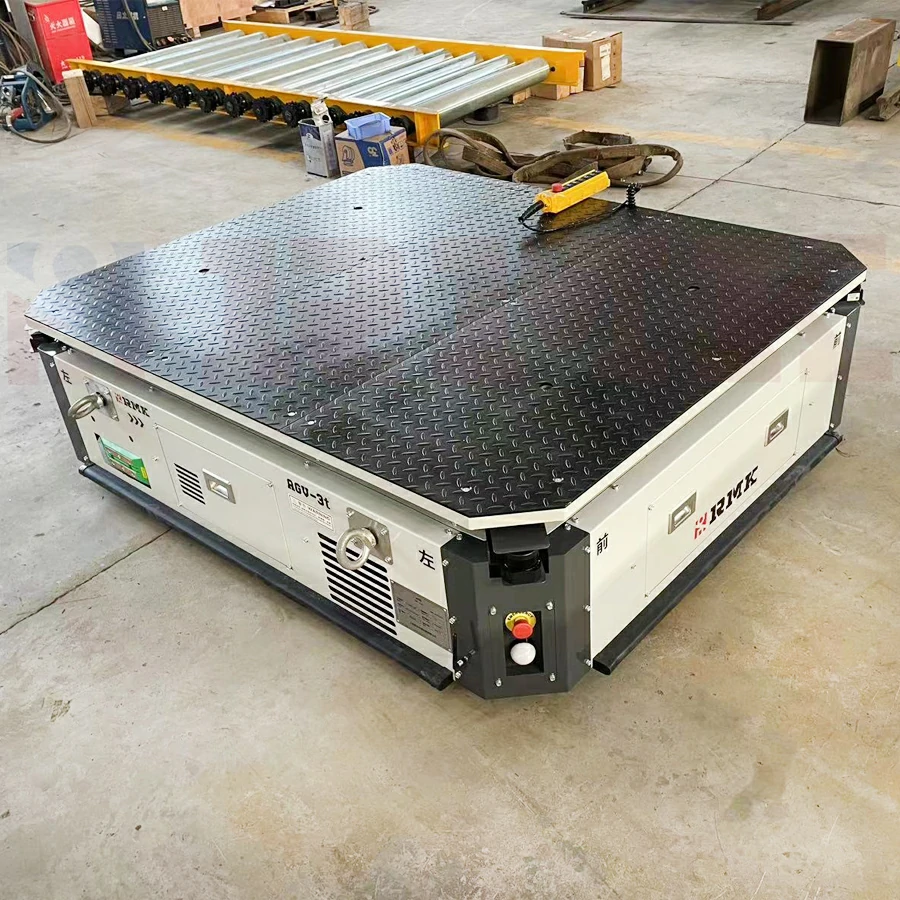
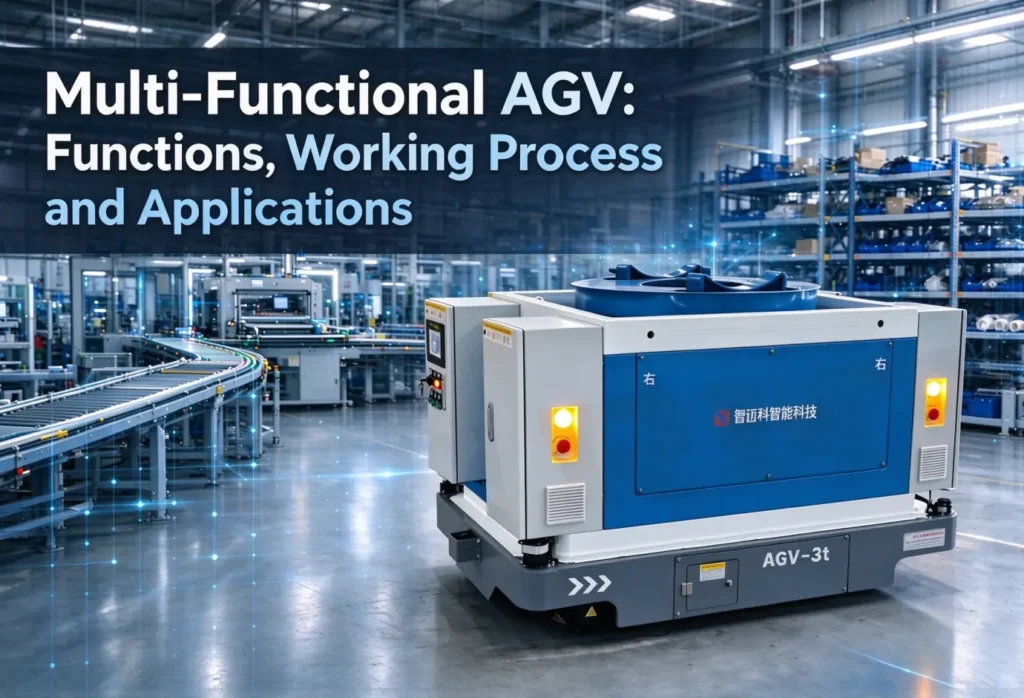
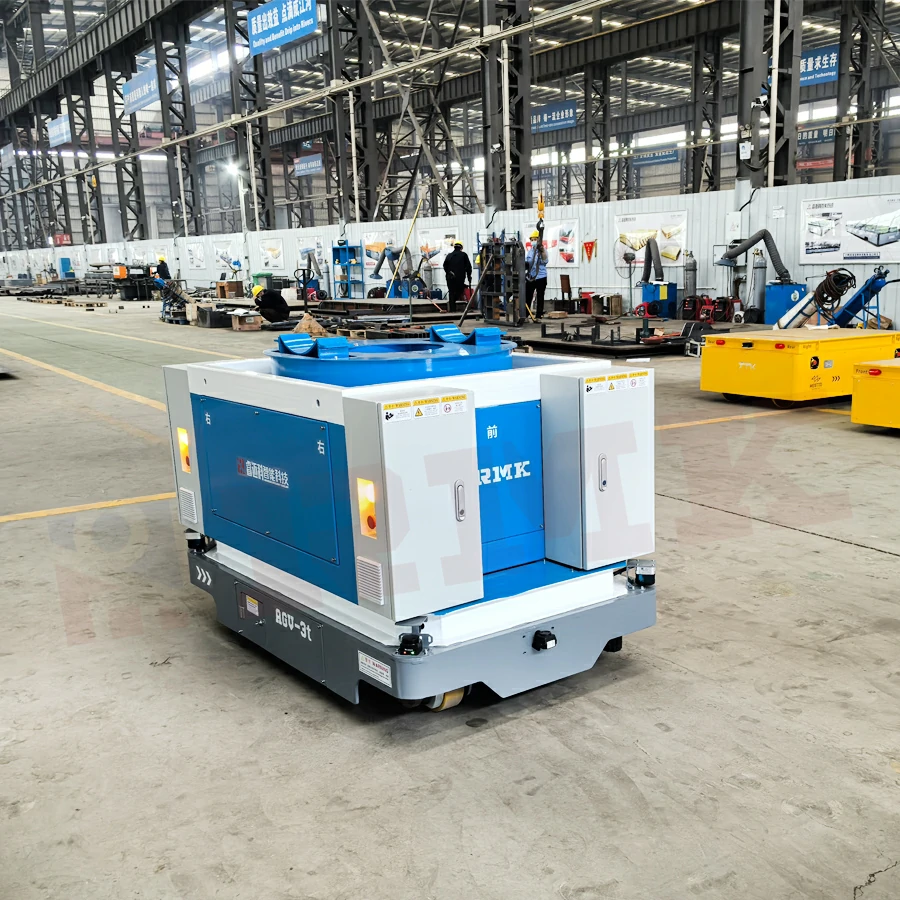
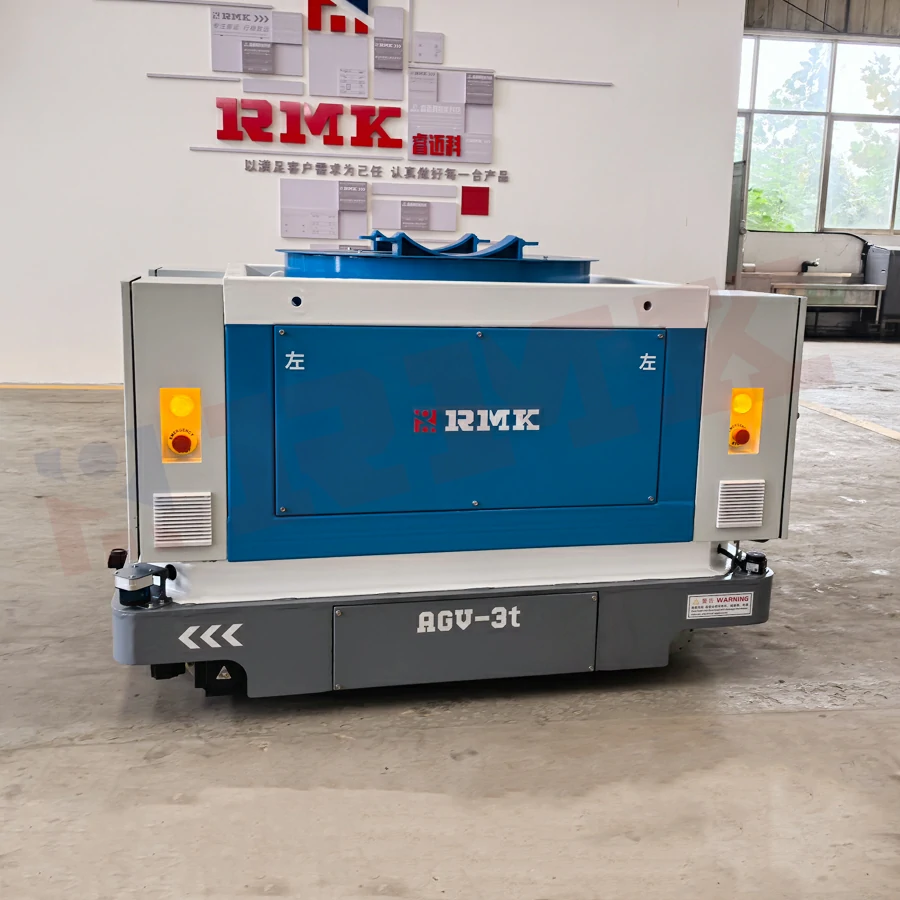
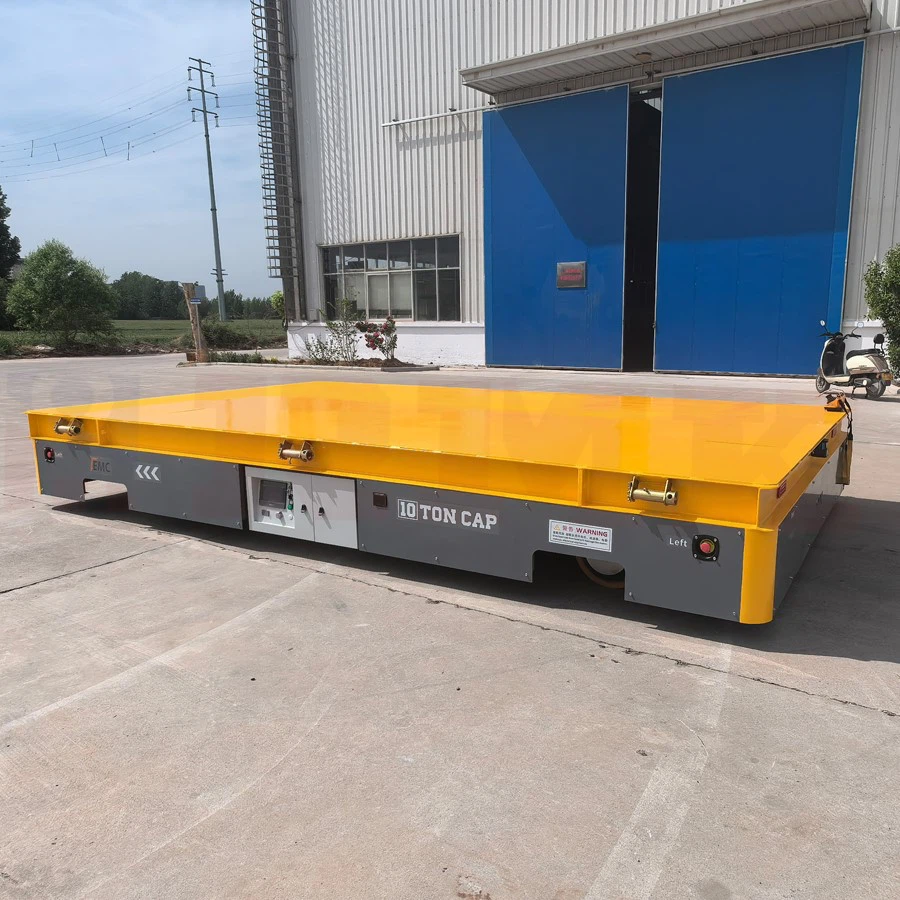
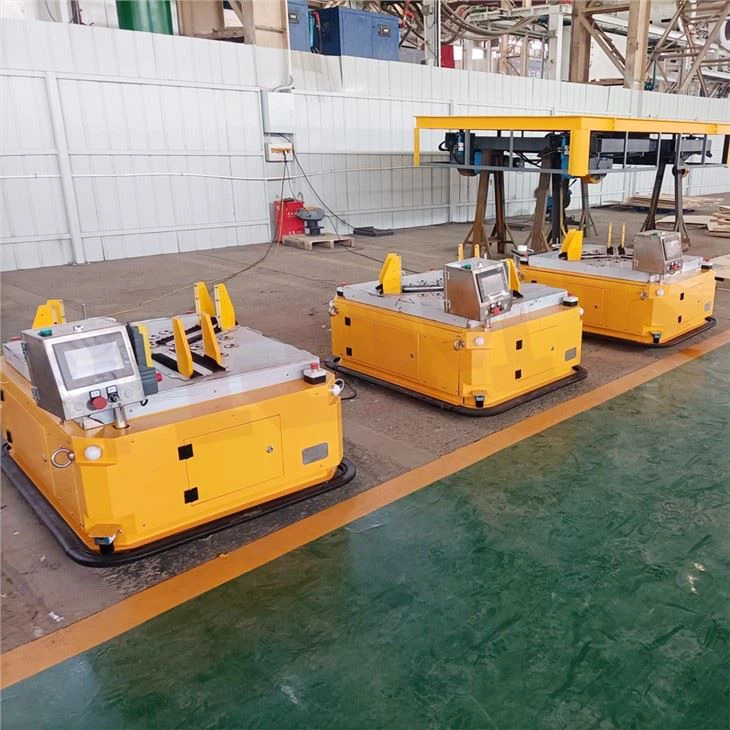
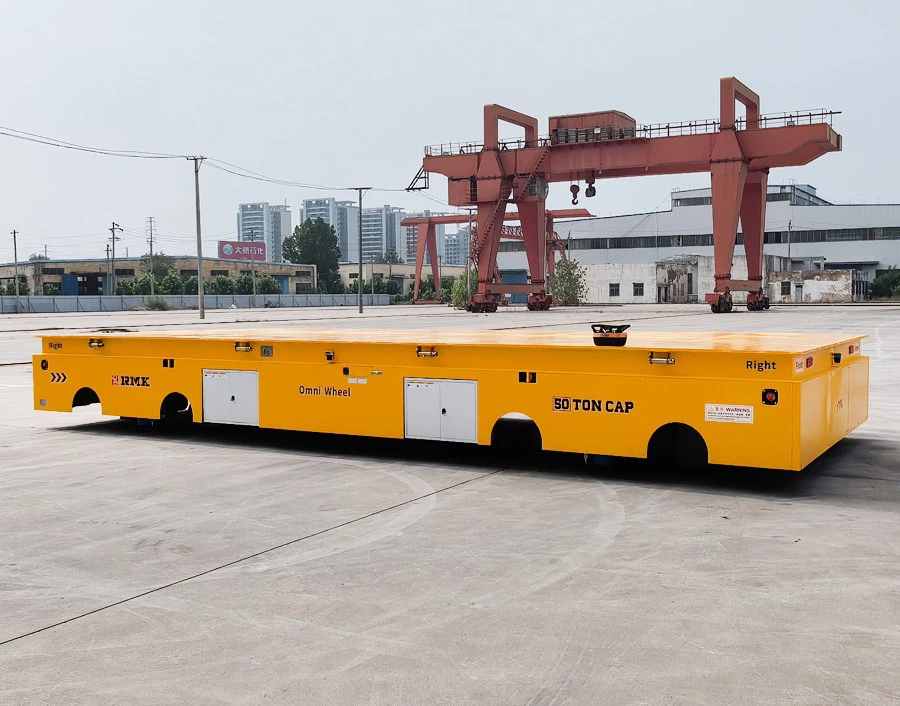
Un carro de transferencia AGV de plataforma grande es un vehículo guiado automatizado de servicio pesado diseñado para transportar materiales grandes y sobredimensionados dentro de instalaciones industriales. Equipado con una plataforma de carga grande, batería y navegación automática, puede mover equipos pesados, estructuras de acero, moldes, bobinas, contenedores y otras cargas de alta capacidad. Con capacidades de carga que generalmente van de 10 toneladas a más de 100 toneladas, se utiliza ampliamente en industrias manufactureras, siderúrgicas, energéticas y pesadas donde se requiere una manipulación de materiales estable, eficiente y continua..
Piezas
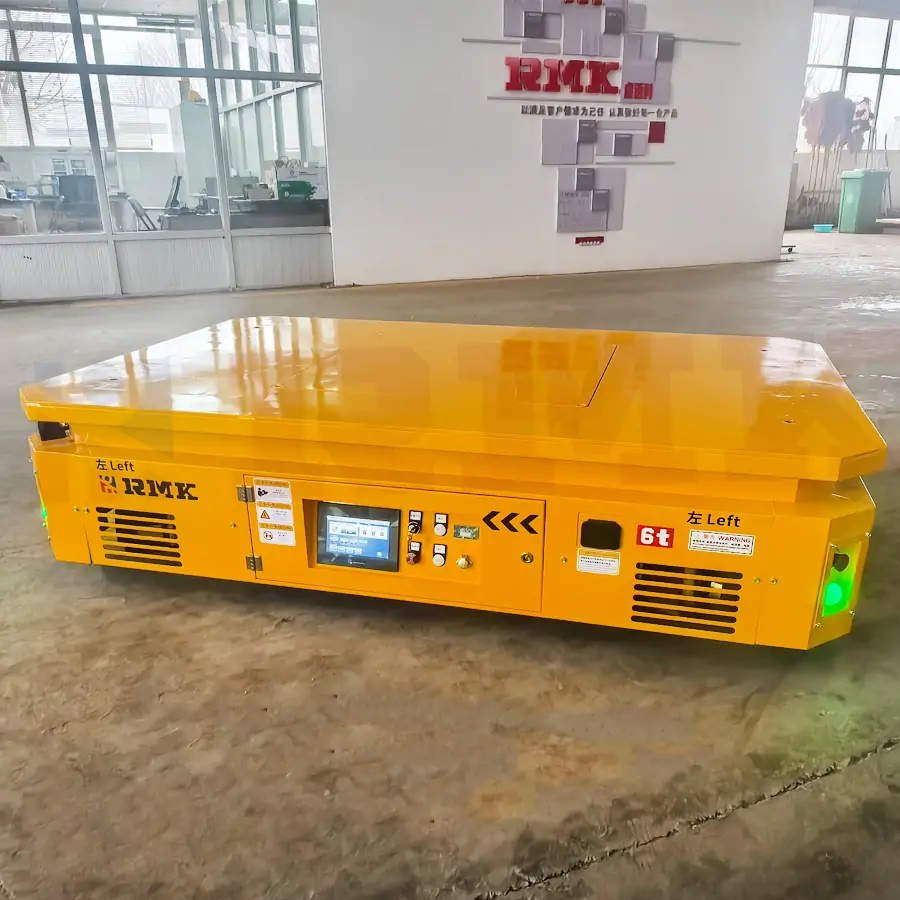
Un carro de transferencia AGV de plataforma grande se construye a partir de varios sistemas centrales que soportan la capacidad de carga, el movimiento del vehículo, el posicionamiento, la fuente de alimentación y la seguridad operativa en aplicaciones de manipulación de materiales pesados..
Estructura mecánica: consiste en el bastidor del vehículo, la plataforma de carga, las unidades de tracción y el mecanismo de dirección. La estructura de acero soldado proporciona la capacidad de carga requerida para aplicaciones de transporte de servicio pesado..
Sistema de navegación: incluye navegación láser, guiado magnético, navegación SLAM o tecnologías de navegación híbridas para la guía de ruta y el posicionamiento del vehículo..
Sistema de control: compuesto por el controlador a bordo y el sistema de despacho central para el control de desplazamiento, asignación de tareas, programación de rutas y operación de múltiples vehículos..
Sistema de alimentación: incluye un paquete de baterías de litio, sistema de gestión de baterías (BMS) y equipo de carga automática opcional para operaciones de producción continua..
Sistema de seguridad: incluye escáneres láser, sensores de detección de obstáculos, parachoques anticolisión, dispositivos de parada de emergencia y circuitos de control de seguridad para condiciones operativas industriales..
Para un artículo más detallado sobre los sistemas AGV y sus aplicaciones, consulte: Sistema de Vehículo de Guiado Automatizado: Componentes, Principio de Funcionamiento y Aplicaciones
Cómo funciona
El proceso operativo de un carro de transferencia AGV de plataforma grande cubre el despacho de tareas, la carga de materiales, el transporte, la descarga y la carga dentro de las operaciones de manipulación de materiales en fábricas y almacenes..
Asignación de tareas: el MES, WMS u otros sistemas de gestión generan una tarea de transporte y la envían al sistema de despacho AGV, incluyendo la ubicación de recogida, el destino y la información de la carga..
Despacho del vehículo: el sistema de despacho asigna un AGV disponible según la ubicación del vehículo, el estado operativo y el nivel de batería, y luego genera la ruta de desplazamiento..
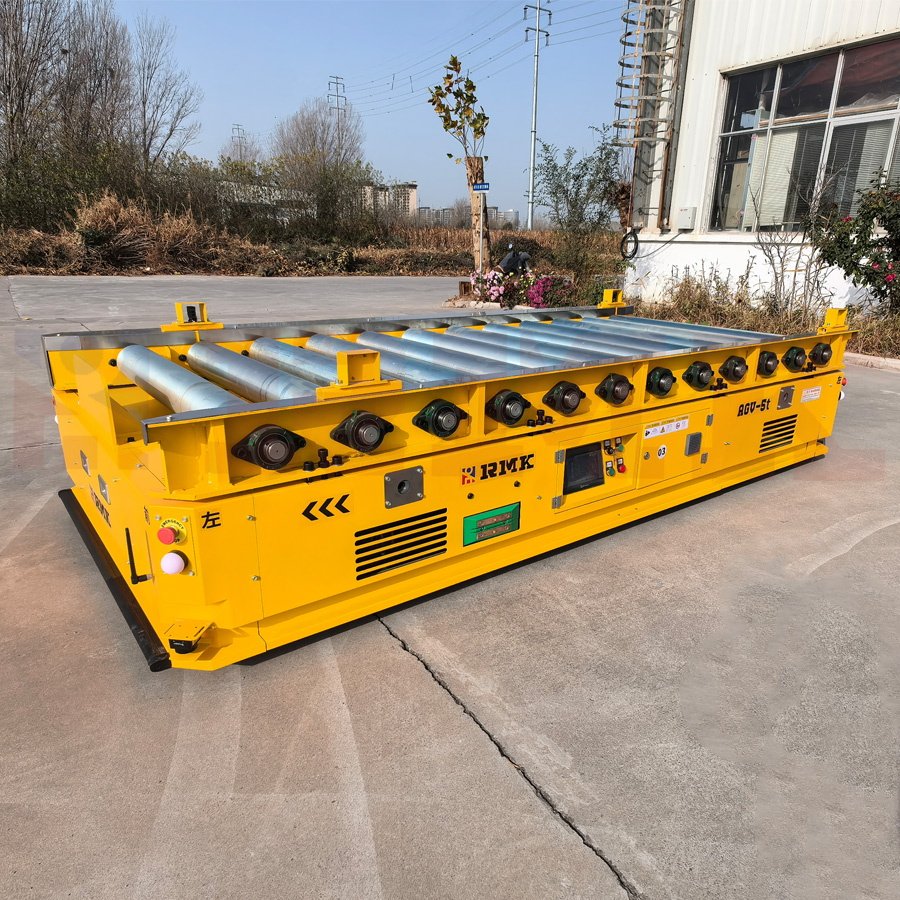
Recogida de carga: el AGV se desplaza a la estación de carga designada y se alinea con equipos como transportadores, plataformas elevadoras o estaciones de transferencia para la carga de materiales..
Transporte de materiales: después de la carga, el AGV transporta el material a lo largo de la ruta planificada hasta la estación de trabajo objetivo, el área de almacén o la línea de producción..
Entrega de carga: el AGV se posiciona en el punto de descarga y transfiere el material al equipo o ubicación de almacenamiento designado..
Finalización de la tarea: la información de transporte se devuelve al sistema de control y el AGV queda disponible para la siguiente asignación..
Carga y espera: cuando la capacidad de la batería alcanza el nivel preestablecido, el AGV se desplaza a la estación de carga. De lo contrario, permanece en espera para la siguiente tarea de transporte..
Combinando alta capacidad de carga, operación estable y transporte automatizado, los carros de transferencia AGV de plataforma grande se utilizan ampliamente para la manipulación de materiales pesados en una amplia gama de industrias. Obtenga más información: AGV de carga pesada: estructura, uso y mantenimiento
Video
Por qué los equipos tradicionales de manipulación de materiales tienen limitaciones
Los equipos tradicionales de manipulación de materiales siguen siendo ampliamente utilizados en instalaciones industriales, pero las limitaciones en flexibilidad, eficiencia y escalabilidad pueden crear desafíos para las operaciones modernas de fabricación y logística..
| Tipo de equipo | Limitaciones clave |
|---|---|
| Montacargas | Maniobrabilidad limitada en pasillos estrechos y áreas congestionadas. Rendimiento y seguridad dependientes del operador. Integración limitada del sistema con sistemas modernos de producción y gestión de almacenes.. |
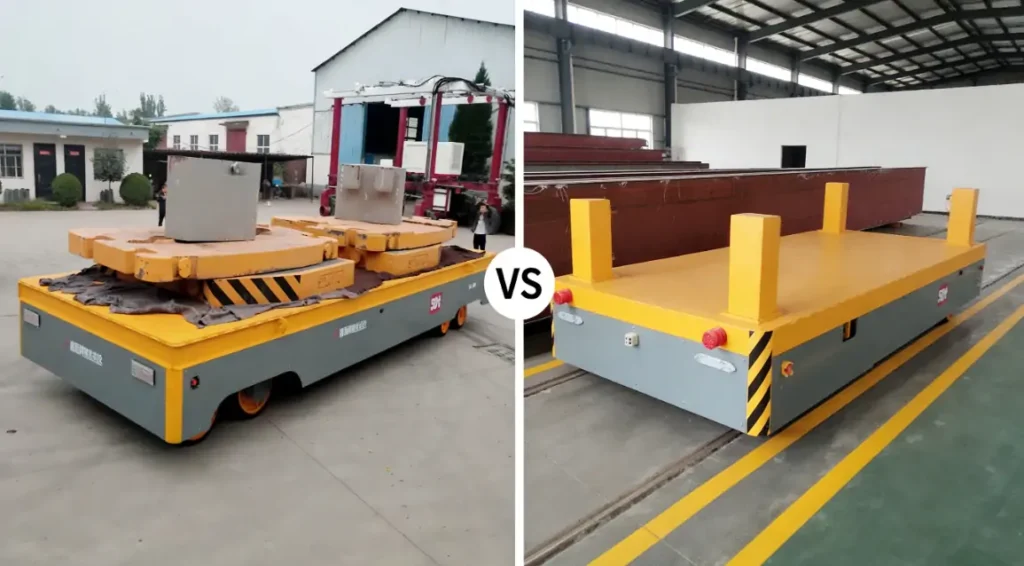
| Grúas puente | La operación intermitente puede ralentizar el flujo de materiales. Área de servicio fija restringida por la cobertura del carril. Se requieren pasos de manipulación adicionales para el transporte entre talleres.. |
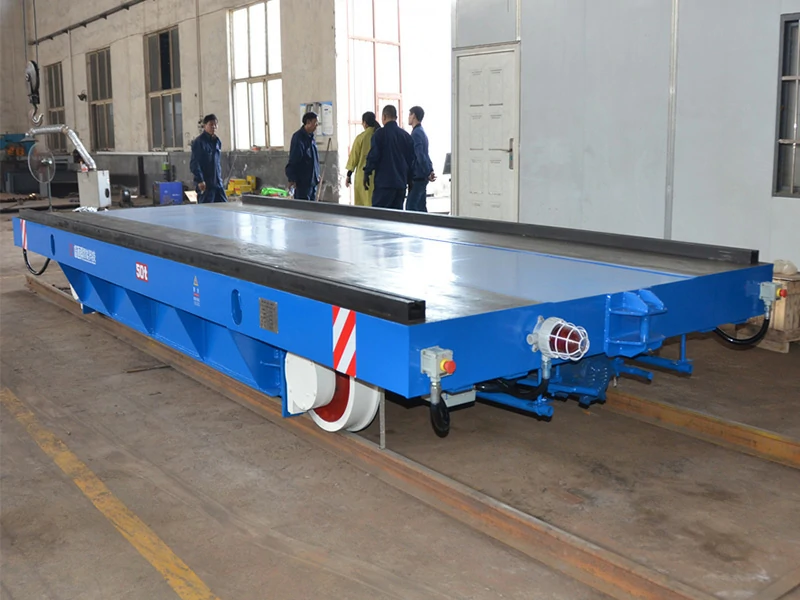
| Carros de transferencia sobre raíles | Las rutas de desplazamiento fijas requieren infraestructura de rieles instalada. Baja flexibilidad de diseño cuando cambian las líneas de producción. Los costos de instalación y expansión de rieles aumentan con el crecimiento de la instalación.. |
| Manipulación manual de materiales | Baja eficiencia de transporte para cargas pesadas o sobredimensionadas. Altos requisitos de mano de obra y costos operativos. Mayor riesgo de lesiones laborales y daños al producto. Trazabilidad de proceso limitada durante el movimiento de materiales.. |
Estas limitaciones han aumentado la demanda de soluciones de transporte automatizadas que puedan manejar cargas pesadas, admitir rutas flexibles y operar en entornos de producción complejos..
Ventajas
En comparación con montacargas, grúas y sistemas de transporte guiados por rieles, los carros de transferencia AGV de plataforma grande ofrecen una mayor flexibilidad para manejar materiales pesados y sobredimensionados en áreas de producción, almacenamiento y ensamblaje..
- Alta capacidad de carga: diseñado para transportar materiales pesados y sobredimensionados, con capacidades de carga que generalmente van de 10 toneladas a más de 100 toneladas..
- Movimiento flexible: disponible con sistemas de dirección de rueda o accionamiento omnidireccional, lo que permite la operación en pasillos estrechos y diseños de fábrica complejos..
- Posicionamiento preciso: proporciona un acoplamiento preciso con líneas de producción, estaciones de trabajo, almacenes y equipos automatizados..
- Transporte estable: Las estructuras de bastidor de servicio pesado y los sistemas de tracción multirueda garantizan el movimiento suave de cargas grandes y de alto valor.
- Seguridad mejorada: Reduce la manipulación manual y el tráfico de montacargas, al tiempo que incorpora detección de obstáculos, protección anticolisión y funciones de parada de emergencia.
- Mayor eficiencia en el manejo de materiales: Admite operaciones de transporte continuo y ayuda a reducir el tiempo de transferencia de materiales entre procesos de producción.
- Integración sencilla del sistema: Puede conectarse con MES, WMS, ERP, transportadores, elevadores y otros equipos de fábrica para un flujo de materiales coordinado.
- Diseño personalizable: La capacidad de carga, el tamaño de la plataforma, el método de navegación y la configuración del vehículo se pueden adaptar a los requisitos específicos de la aplicación.
Los carros de transferencia AGV de plataforma grande ofrecen una solución de transporte práctica para materiales pesados y sobredimensionados, combinando alta capacidad de carga, operación estable y movimiento flexible para una amplia gama de aplicaciones industriales.
Tecnologías de navegación utilizadas en AGV de plataforma grande
Hay diferentes sistemas de navegación disponibles para el carro de transferencia AGV de plataforma grande según la distribución de la fábrica, la precisión de posicionamiento y el nivel de automatización.
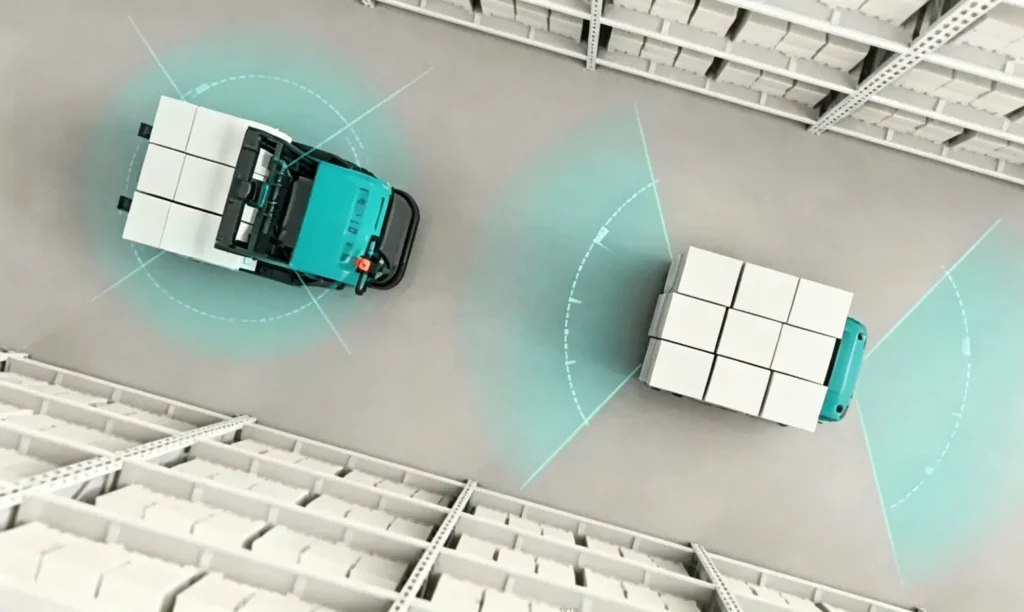
Navegación Laser SLAM 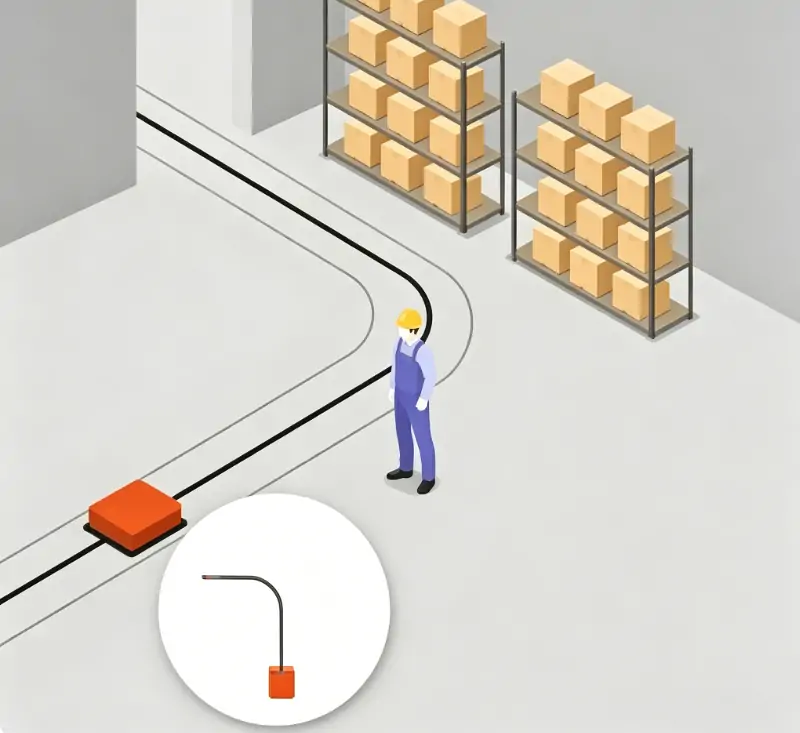
Navegación por Banda Magnética 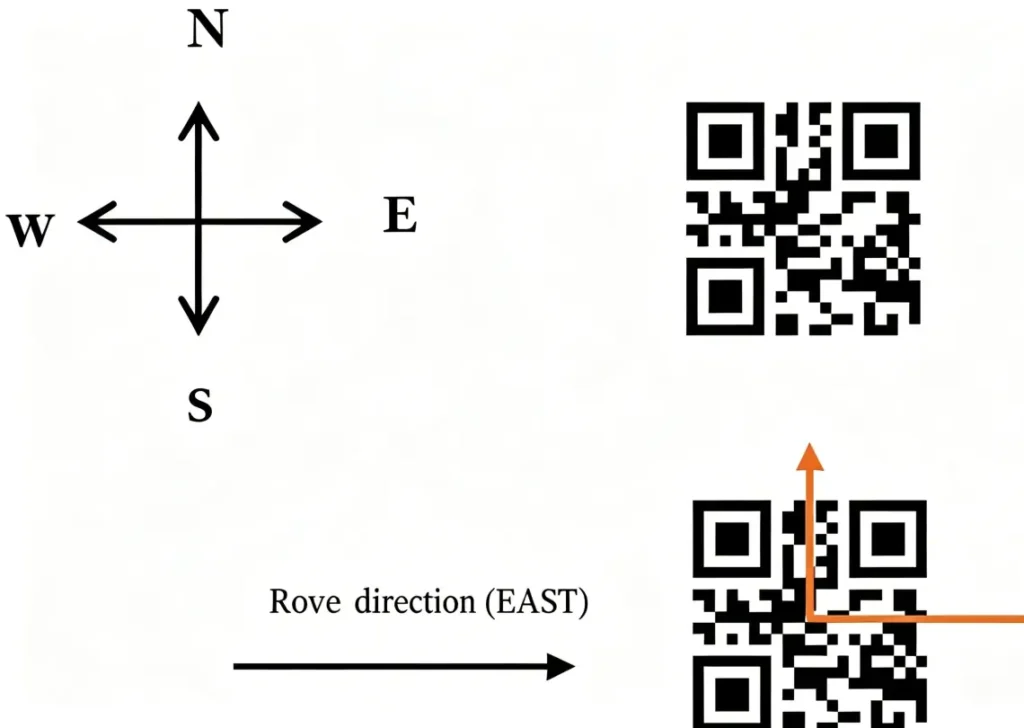
Navegación por Código QR
| Tipo de Navegación | Costo | Flexibilidad | Precisión | Mejor Caso de Uso |
| Banda Magnética | Bajo | Bajo | Medio | Línea de producción fija |
| Código QR | Medio | Medio | Alta | Rutas flexibles |
| Laser SLAM | Alta | Muy Alta | Muy Alta | Fábrica inteligente |
| Natural | Alta | Alta | Alta | Entorno complejo |
Hay múltiples opciones de navegación disponibles para diferentes distribuciones de fábrica. RMK utiliza principalmente navegación Laser SLAM, que permite operación sin marcadores, posicionamiento en tiempo real y ajuste flexible de rutas.
Aplicaciones comunes de los carros de transferencia AGV de plataforma grande
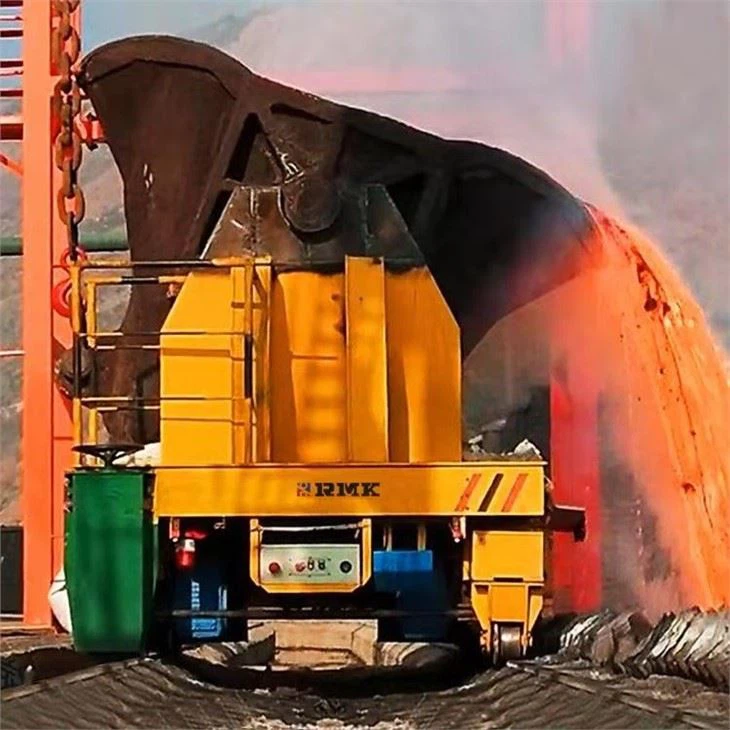
Los carros de transferencia AGV de plataforma grande se utilizan ampliamente en los sectores de la industria pesada y la manufactura donde se deben mover materiales grandes, pesados e irregulares entre las áreas de producción y almacenamiento.
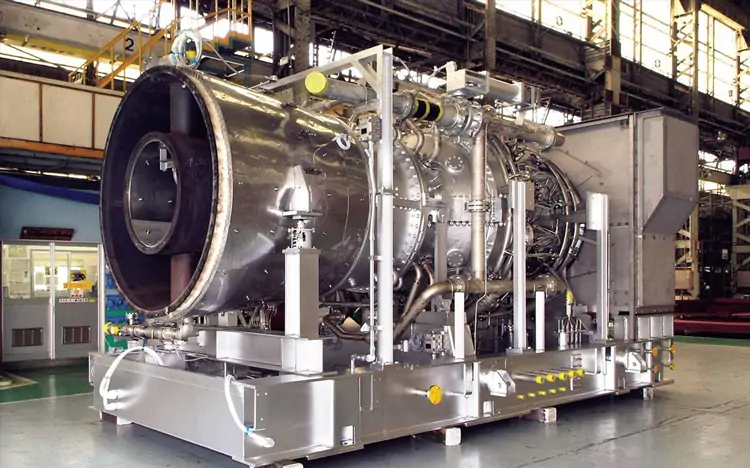
Fabricación de maquinaria pesada
Se utiliza para mover máquinas herramienta grandes, módulos y piezas estructurales entre las áreas de mecanizado y ensamblaje.
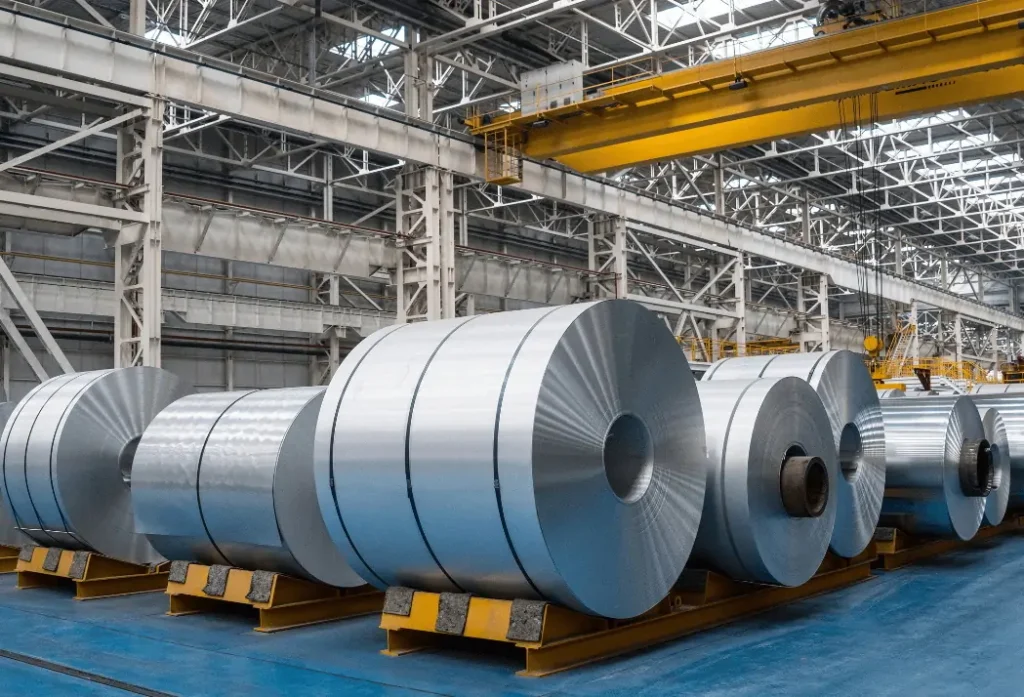
Procesamiento de acero y metales
Se utiliza para transportar bobinas de acero, placas, bastidores y estructuras soldadas en talleres y áreas de almacenamiento.
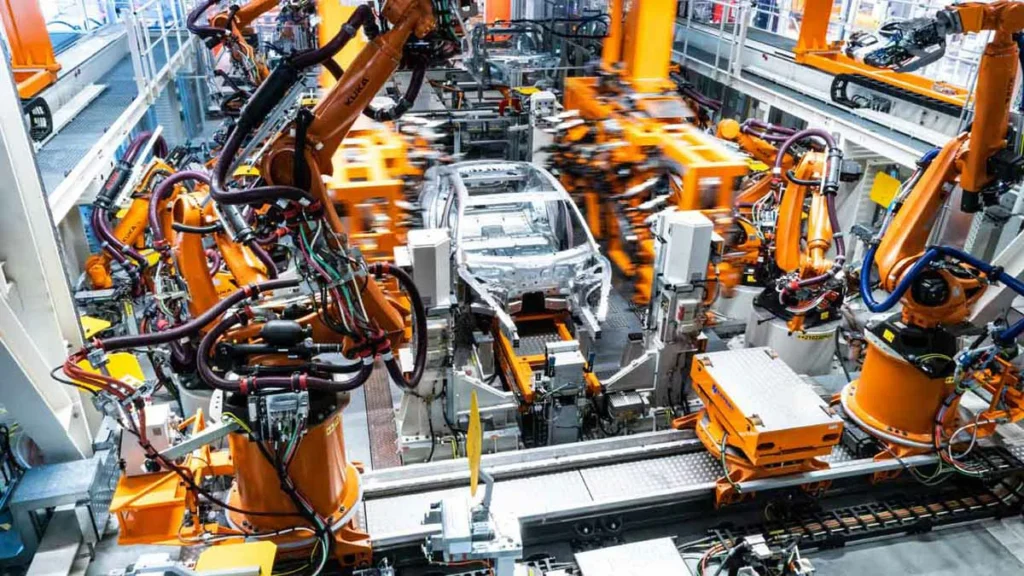
Industria automotriz y ferroviaria
Se utiliza para manipular carrocerías, chasis, moldes y componentes grandes a lo largo de las líneas de producción.
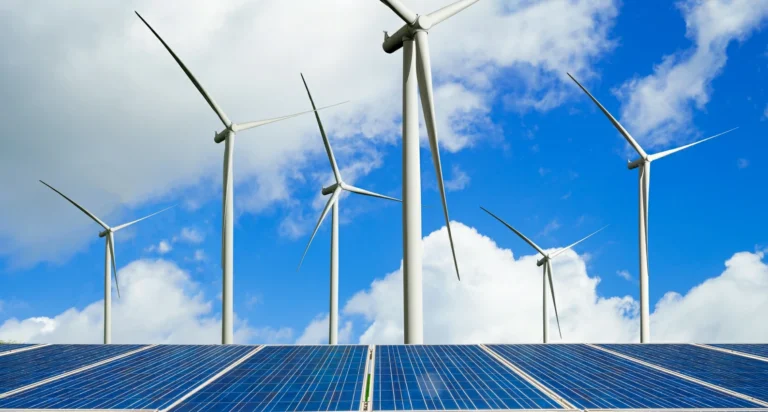
Industria de equipos energéticos
Se utiliza para transportar piezas de energía eólica, transformadores y contenedores de almacenamiento de energía.
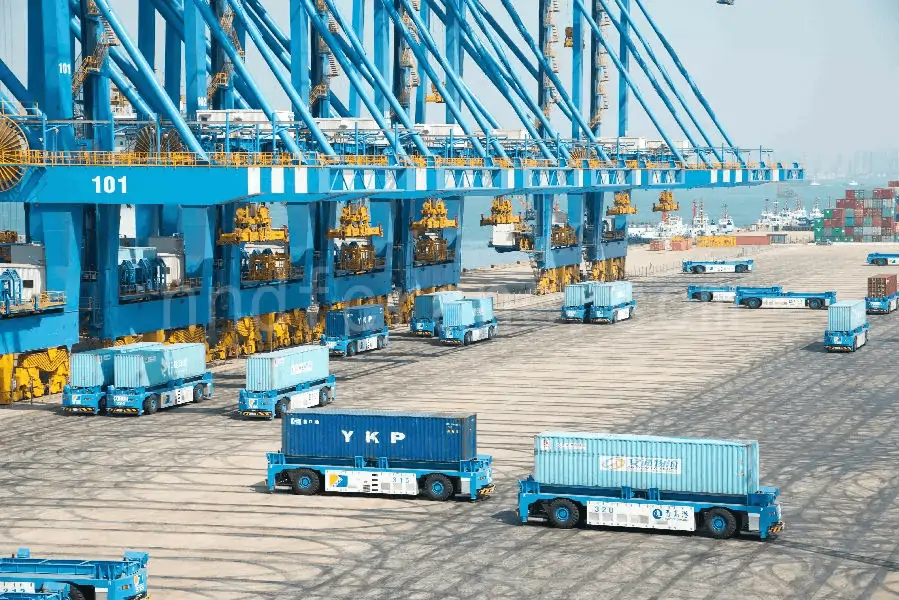
Puertos y logística
Se utiliza para mover contenedores y carga pesada dentro de patios y zonas de almacenamiento.
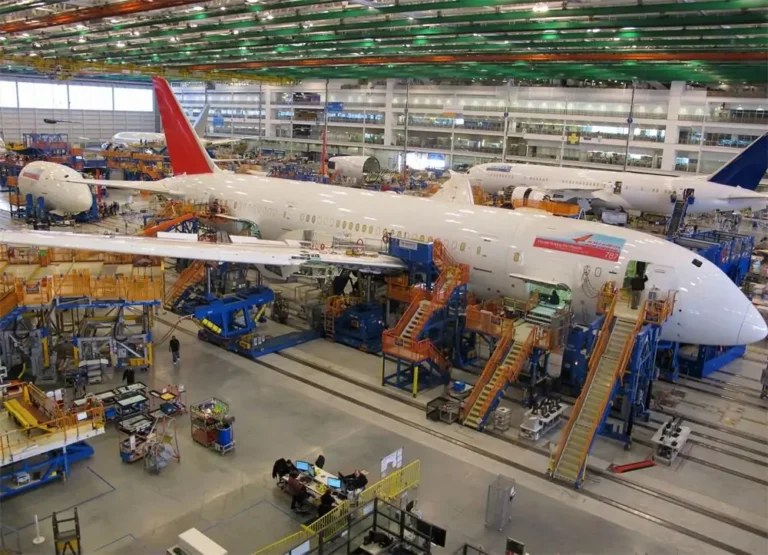
Aeroespacial y defensa
Se utiliza para transportar secciones de aeronaves y grandes conjuntos de precisión entre estaciones de producción.
Estas aplicaciones destacan el papel de los carros de transferencia AGV de plataforma grande en el apoyo al flujo eficiente de materiales en diferentes entornos industriales.
Para obtener más información sobre los carros de transferencia industriales de servicio pesado y sus aplicaciones, consulte el artículo: “Aplicaciones de los carros de transferencia de servicio pesado en el manejo de materiales industriales”
Carro de transferencia AGV de plataforma grande frente a otras soluciones de transporte
Los carros de transferencia AGV de plataforma grande se utilizan cada vez más en fábricas modernas como alternativa a montacargas, grúas y sistemas de rieles para el manejo de materiales pesados.
AGV frente a montacargas
Los montacargas dependen de la operación manual y la eficiencia varía según los operadores. La operación continua es limitada.
Los AGV de plataforma grande operan sin conductores, siguen rutas preestablecidas y admiten el uso en múltiples turnos con detección de obstáculos basada en sensores.
AGV frente a carro de transferencia sobre rieles
Los carros sobre rieles se desplazan sobre vías fijas y son difíciles de cambiar después de la instalación.
Los AGV de plataforma grande utilizan Laser SLAM y otros métodos de navegación, no requieren rieles y permiten el ajuste de rutas según los cambios en la distribución.
AGV frente a grúa puente
Las grúas puente se mueven a lo largo de trayectorias elevadas fijas y a menudo necesitan equipos adicionales para la manipulación en el suelo.
Los AGV operan en el piso y proporcionan transporte directo entre las áreas de producción, almacenamiento y ensamblaje.
AGV frente a tren de remolque
Los trenes de remolque se utilizan para el transporte por lotes a lo largo de rutas fijas.
Los AGV de plataforma grande manejan cargas pesadas individuales con enrutamiento flexible y posicionamiento preciso. Ambos se pueden utilizar dentro del mismo sistema.
En comparación con los equipos de manejo de materiales tradicionales, los carros de transferencia AGV de plataforma grande proporcionan una solución más flexible e integrada para las operaciones logísticas industriales.
Especificaciones técnicas a considerar antes de comprar
Capacidad de carga y tamaño del vehículo
- Defina los requisitos de carga máxima con al menos un margen del 20%
- Distinga entre carga nominal y carga máxima
- Asegúrese de que el tamaño del vehículo coincida con el ancho del pasillo y el radio de giro
- Haga coincidir el tamaño de la plataforma con las dimensiones máximas de la carga
Sistema de tracción y chasis
- La tracción con rueda directriz y la tracción diferencial son opciones comunes
- Los sistemas de rueda directriz admiten el movimiento omnidireccional
- La tracción diferencial tiene una estructura más simple pero direcciones de movimiento limitadas
- La selección de ruedas depende de la carga, la velocidad, la condición del piso y la pendiente
Navegación y posicionamiento
- Navegación magnética o por código QR: rutas fijas, operación estable
- Laser SLAM: sin marcadores en el suelo, enrutamiento flexible
- Navegación por visión o híbrida: mayor adaptabilidad para diseños cambiantes
- Precisión de posicionamiento típicamente dentro de ±5–10 mm
Batería y carga
- La batería de litio (especialmente el tipo LFP) se usa ampliamente
- Una carga debe soportar un turno completo (alrededor de 8 horas)
- La carga automática o el intercambio de baterías admiten la operación continua
Sistema de control y software
- Programación de múltiples vehículos para la asignación de tareas y control de tráfico
- Planificación de rutas en tiempo real para evitar congestiones
- Admite integración con sistemas WMS, MES o ERP a través de API
Sistema de seguridad
- Frenado mecánico para situaciones de emergencia y pérdida de potencia
- Estructura antivuelco para operación con carga y paradas repentinas
- Detección de obstáculos de 360°, incluidos objetos de baja altura
- Botones de parada de emergencia en múltiples lados
- Sistema de carga con protección eléctrica y baterías certificadas
Consideraciones sobre el proveedor y el ciclo de vida
- Prefiera proveedores con capacidad de I+D independiente
- Verifique patentes y capacidad de ingeniería
- Soporte postventa: tiempo de respuesta, piezas de repuesto, actualizaciones de software
- Evalúe el costo total de propiedad (TCO), no solo el costo de compra
La selección de un AGV requiere una evaluación clara de las especificaciones técnicas, incluida la capacidad de carga, el sistema de navegación, las funciones de control, las características de seguridad y los requisitos operativos a largo plazo.
¿Cuánto cuesta un carro de transferencia AGV de plataforma grande?
El costo de un carro de transferencia AGV de plataforma grande varía según la configuración técnica, los requisitos de carga y la complejidad del sistema. Una mayor capacidad de carga y un nivel de automatización avanzado generan una mayor inversión.
Capacidad de carga
Un tonelaje más alto requiere una estructura, un sistema de transmisión y componentes de control más resistentes.
Dimensiones de la plataforma
Las plataformas más grandes aumentan el uso de acero, la potencia de accionamiento y el costo de fabricación.
Tecnología de navegación
La navegación híbrida y SLAM láser cuesta más que los sistemas basados en códigos QR o magnéticos.
Sistema de batería
La capacidad de la batería y los sistemas de carga rápida o intercambio afectan el precio total.
Nivel de automatización
La programación de múltiples vehículos, la integración de sistemas y el despacho inteligente aumentan el costo.
Diseño personalizado
Las estructuras especiales, las cargas extremas o los entornos no estándar requieren ingeniería adicional.
Rango de precio estimado
| Rango de capacidad | Precio estimado |
| 5–20 toneladas | $15,000 – $50,000 |
| 20–50 toneladas | $50,000 – $120,000 |
| 50–100 toneladas | $120,000 – $250,000 |
| 100–300 toneladas+ | Cotización personalizada |
El precio de los AGV está impulsado principalmente por la capacidad de carga, el sistema de navegación y el nivel de personalización. Los requisitos industriales más altos conducen a una mayor configuración y costo.
Tendencias futuras en la tecnología AGV de servicio pesado
La tecnología AGV de servicio pesado avanza hacia niveles más altos de automatización, integración de sistemas y operación basada en datos en entornos industriales modernos.
Sistemas de gestión de flotas
Control centralizado de múltiples AGV, manejo de asignación de tareas y gestión de rutas, reduciendo la congestión y el funcionamiento en vacío.
Operación multi-AGV
Múltiples AGV operan en el mismo entorno, completando tareas de transporte mediante trabajo coordinado.
Integración con sistemas de fábrica
Conexión directa con líneas de producción, almacenes y equipos de transporte, soportando un flujo continuo de materiales.
Monitoreo con gemelo digital
Visualización del estado operativo del equipo a través de modelos virtuales, apoyando la planificación de mantenimiento y la optimización del diseño.
Sistemas de carga automática
Retorno automático a la carga cuando la batería está baja, sin necesidad de operación manual.
Conectividad con sistemas industriales
Conexión con sistemas MES, WMS y ERP, sincronización de datos y coordinación de la producción.
Estas tendencias muestran un cambio claro hacia sistemas de manejo de materiales más inteligentes y conectados que respaldan operaciones de fábrica eficientes y continuas.
Conclusión
Los carros de transferencia AGV de plataforma grande desempeñan un papel importante en el manejo de materiales pesados, ofreciendo transporte estable para cargas de gran tamaño y mejorando el flujo de trabajo en áreas de producción, almacenamiento y logística. Desde la selección del sistema hasta la aplicación y las tendencias tecnológicas futuras, las soluciones AGV continúan apoyando el cambio hacia operaciones de fábrica más organizadas y conectadas.
REMARCABLE se centra en el diseño y la fabricación de sistemas AGV de servicio pesado, respaldado por un equipo técnico con experiencia en ingeniería en automatización industrial y proyectos de manejo de materiales. La empresa sigue estrictos procesos de control de calidad y posee las certificaciones industriales pertinentes para garantizar la confiabilidad y el rendimiento del producto en entornos exigentes. Póngase en contacto con nosotros para soluciones industriales pesadas personalizadas.

Correo electrónico: transfercart@rmkzn.com
Teléfono: +86-18637369355