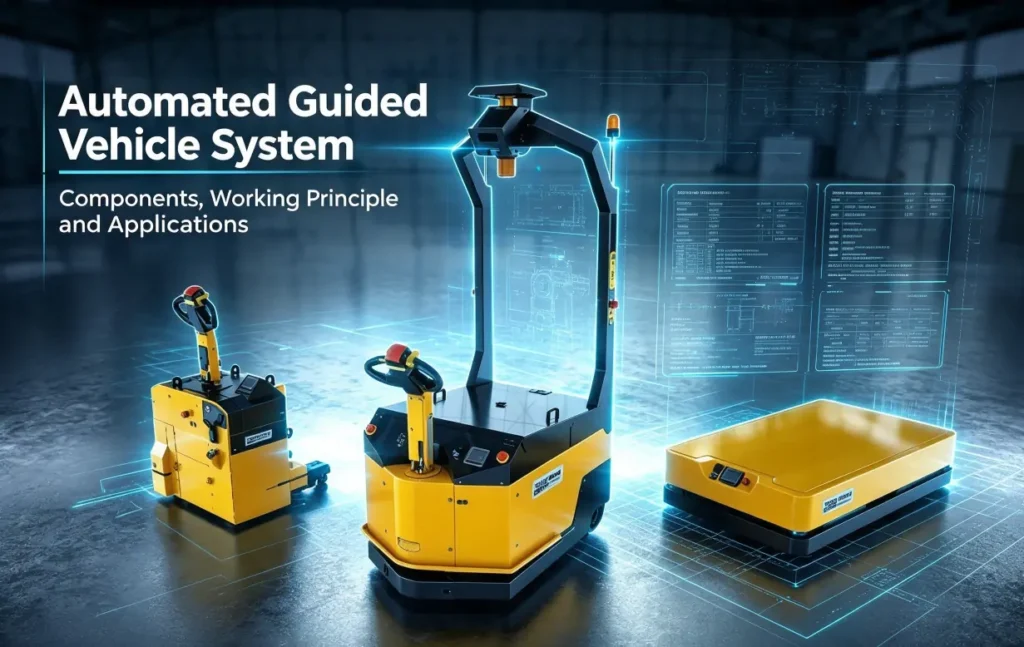
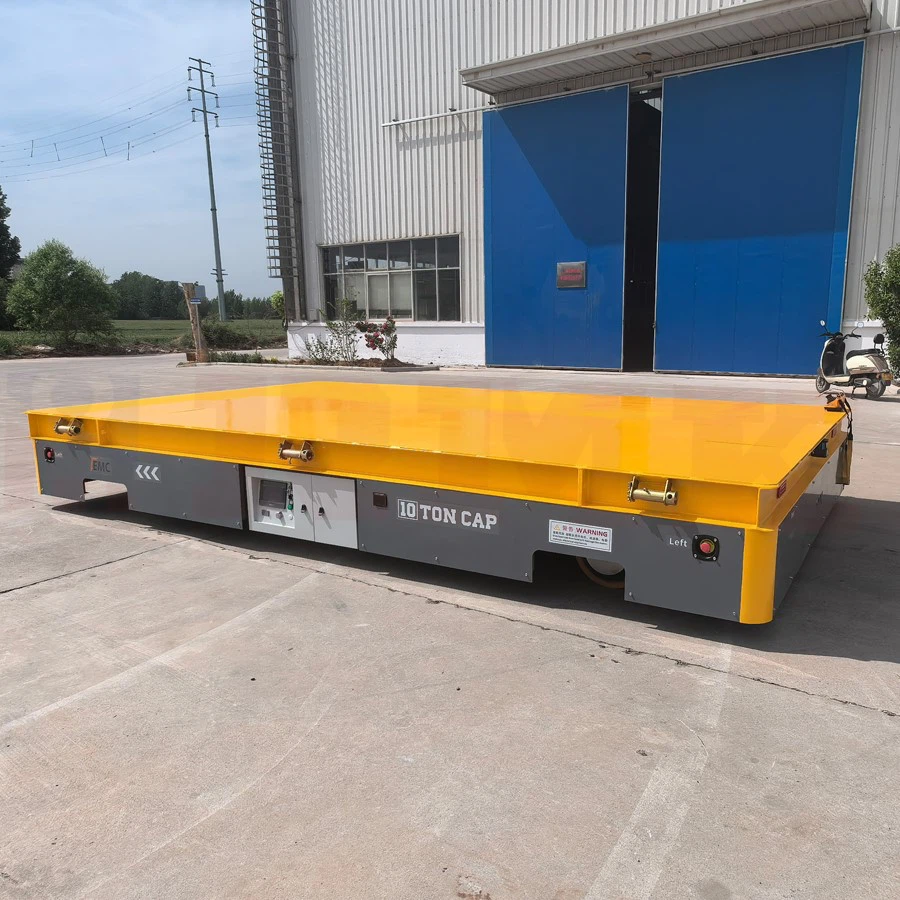
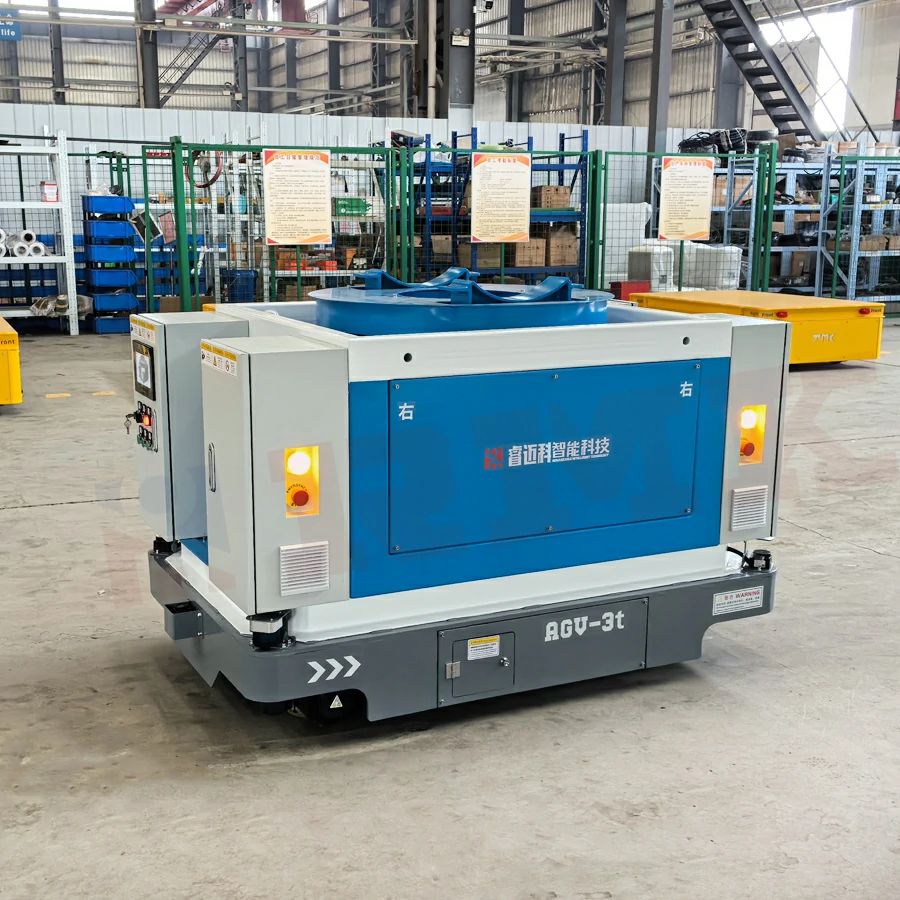
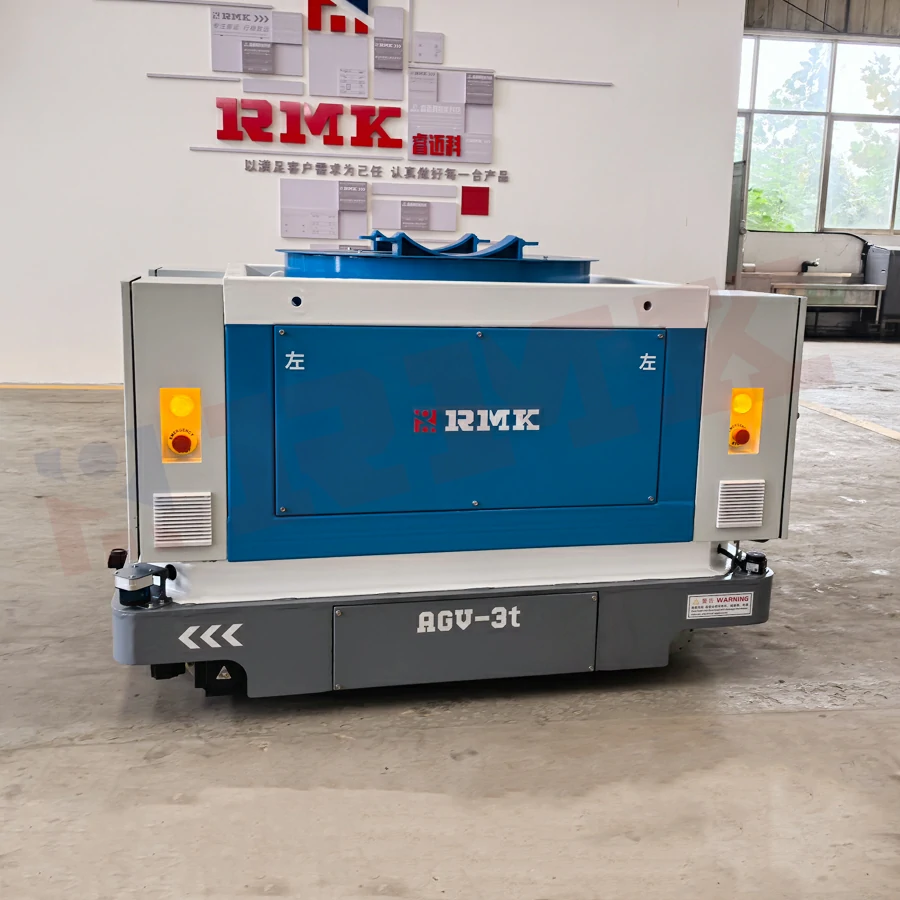
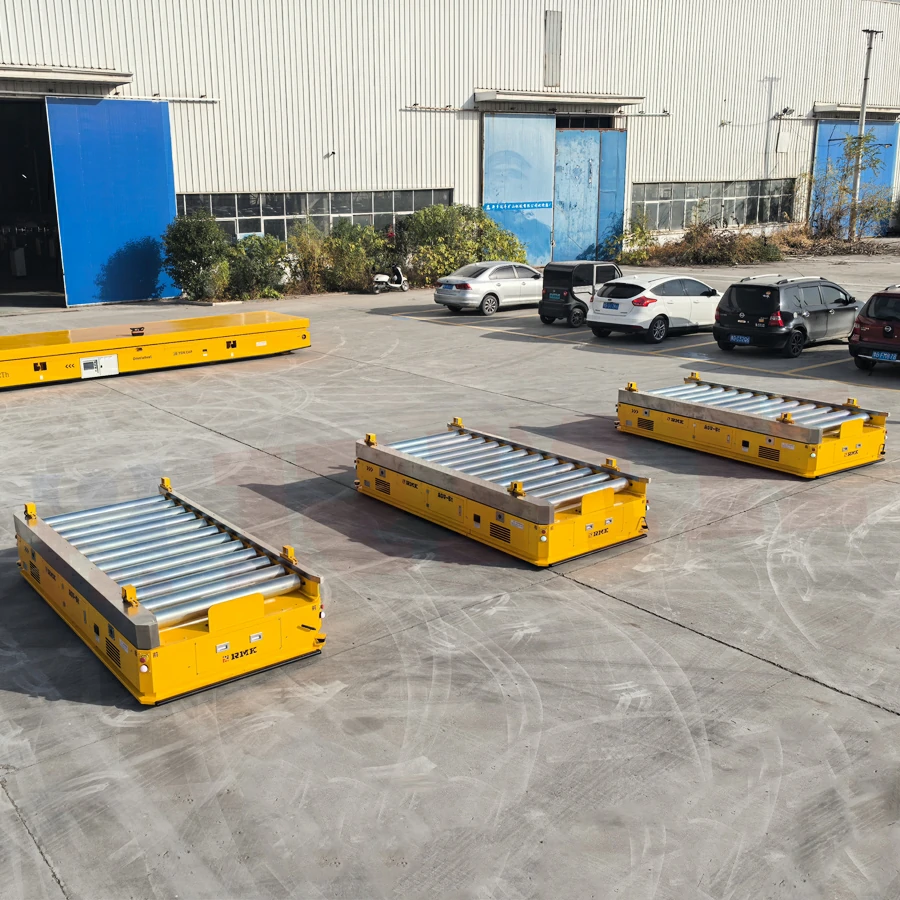
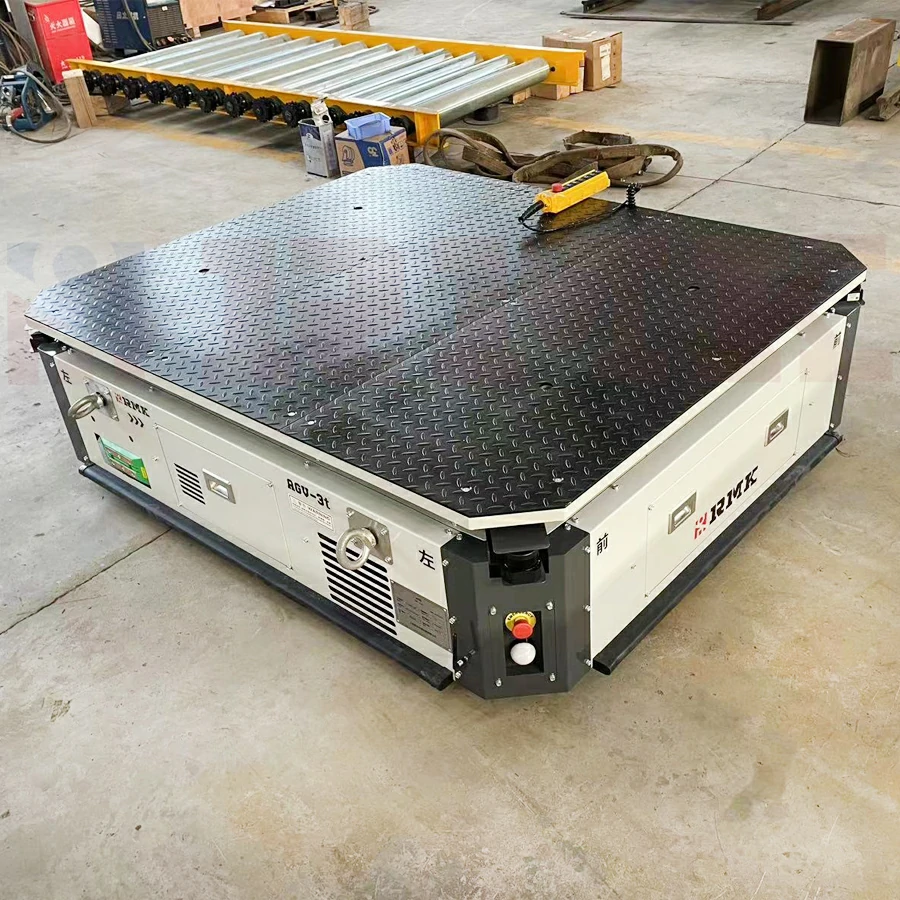
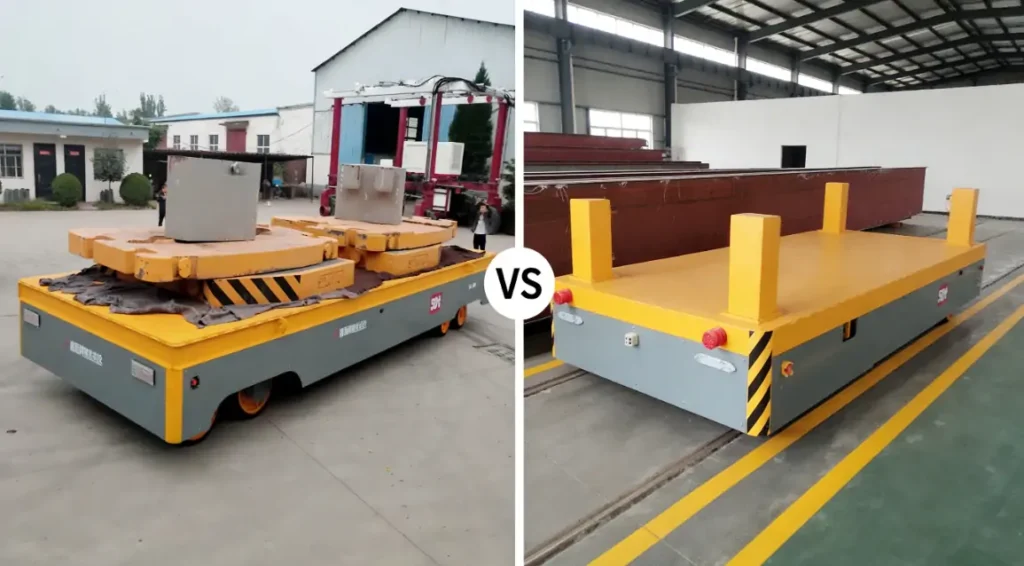
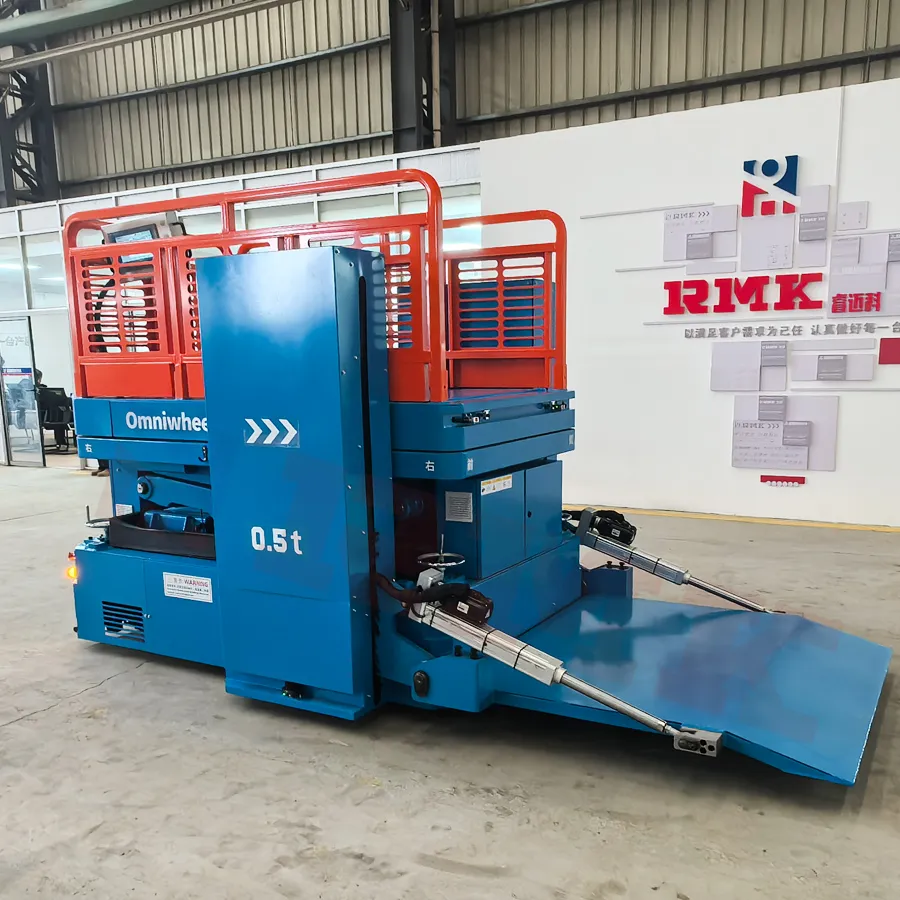
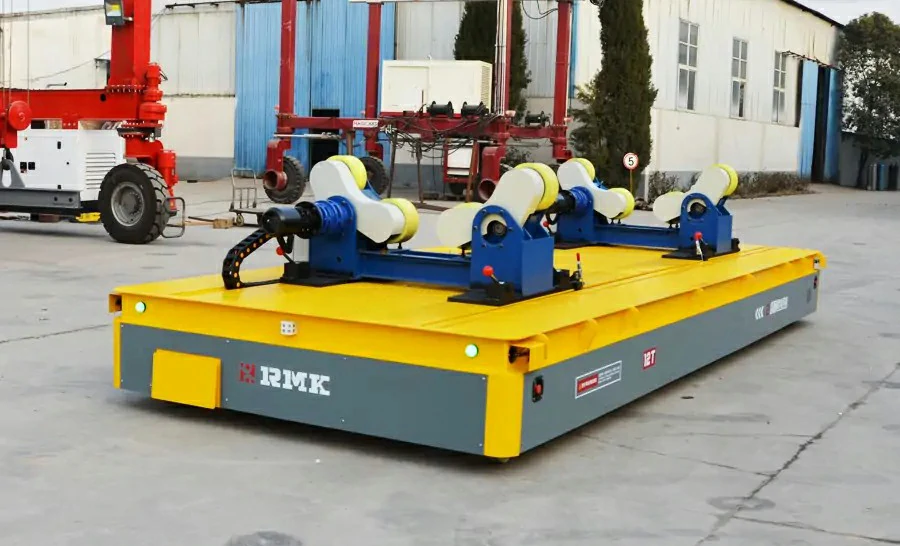
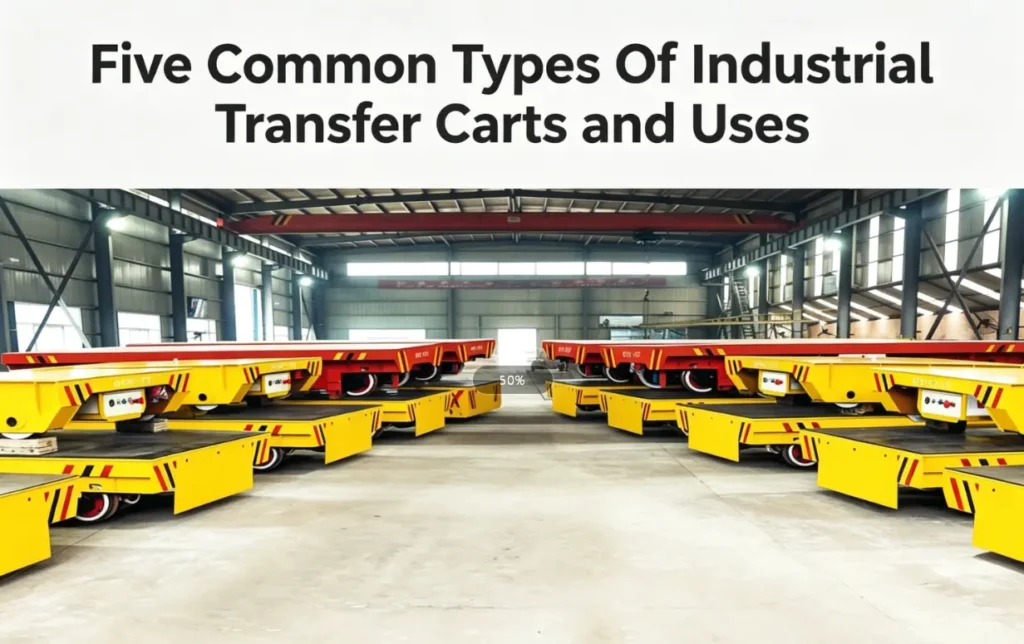
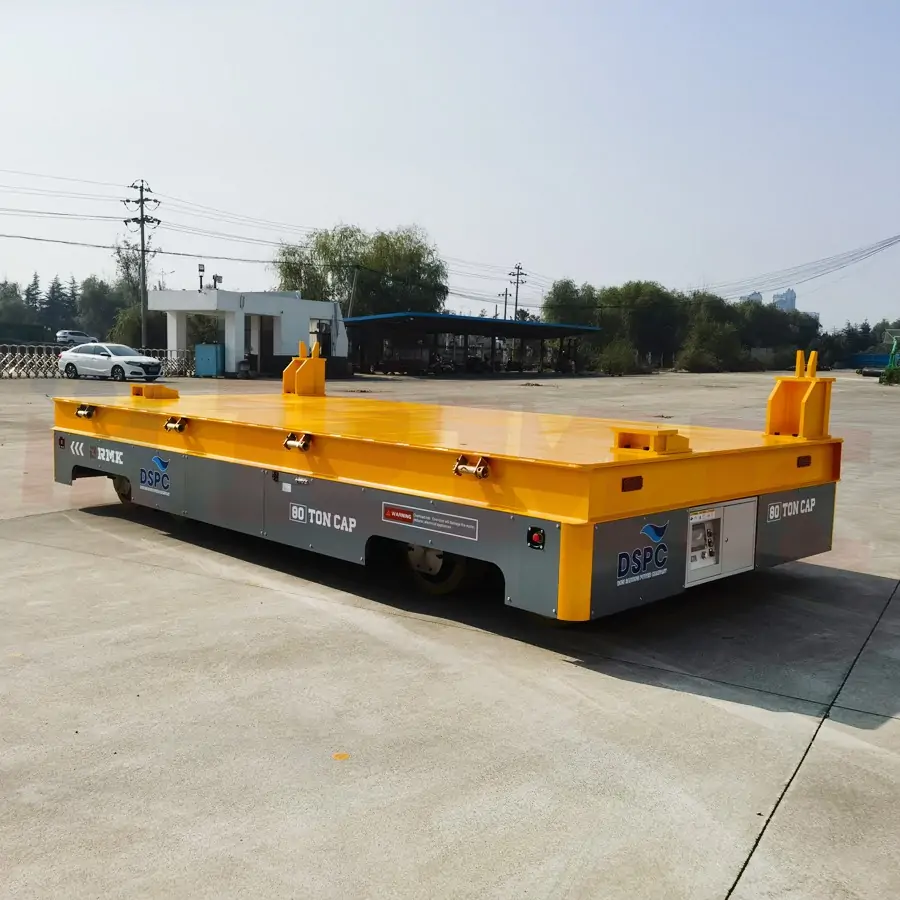
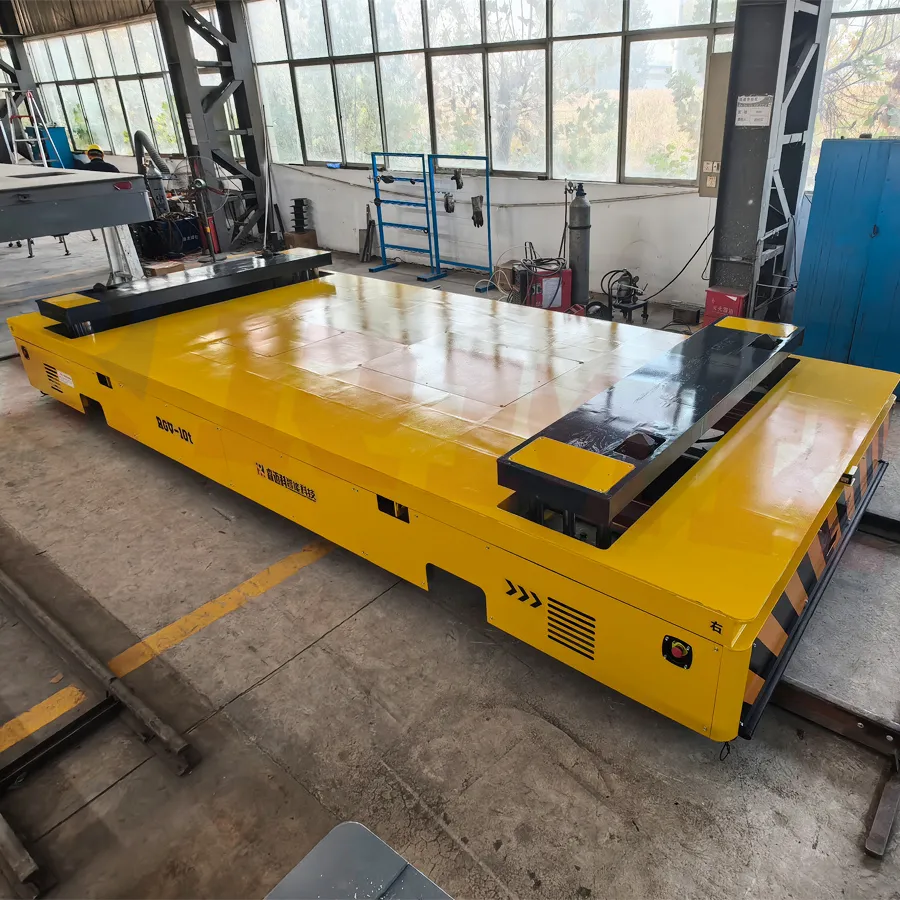
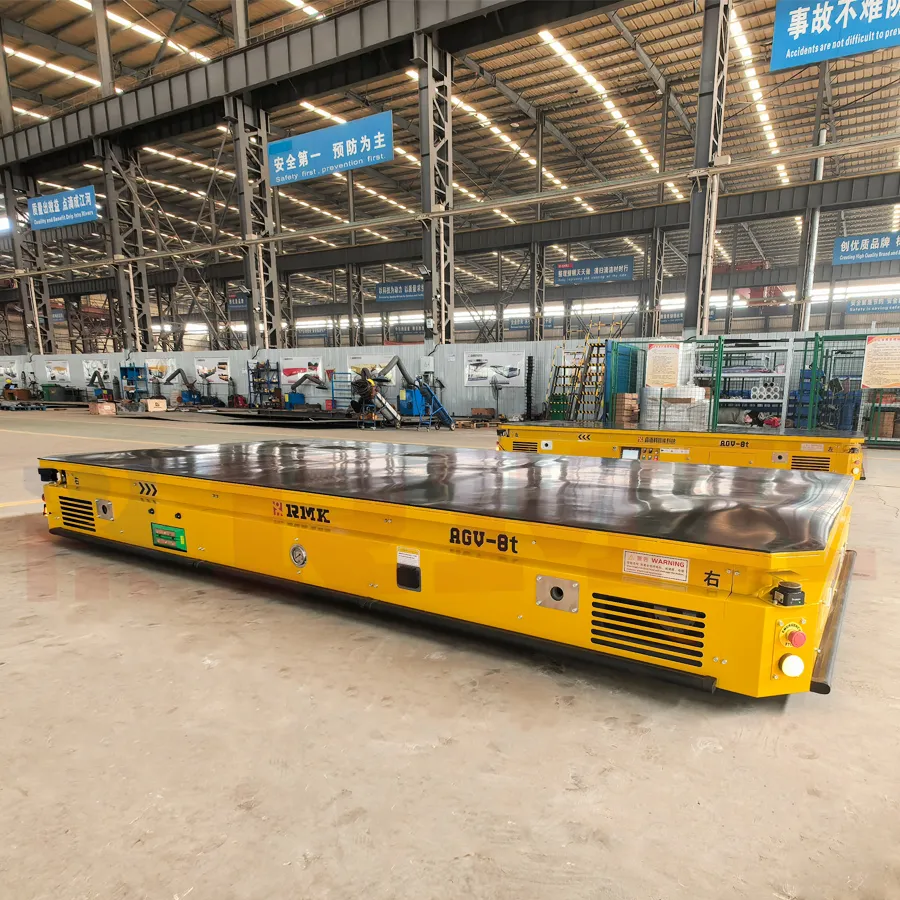
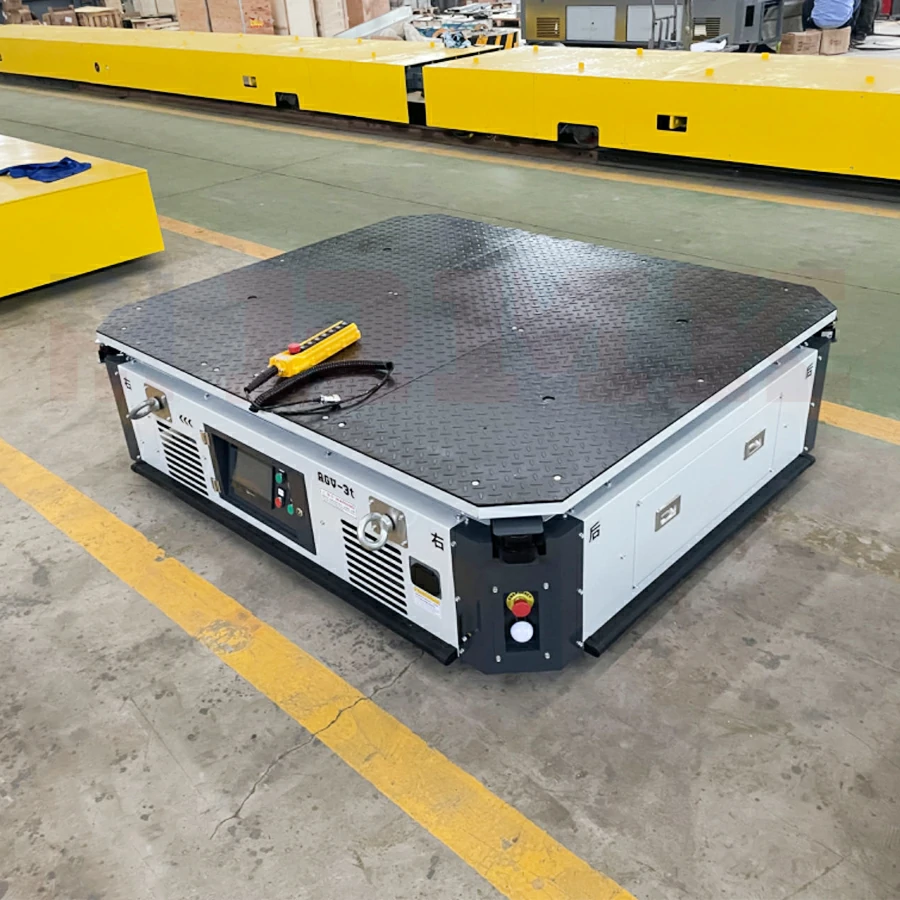
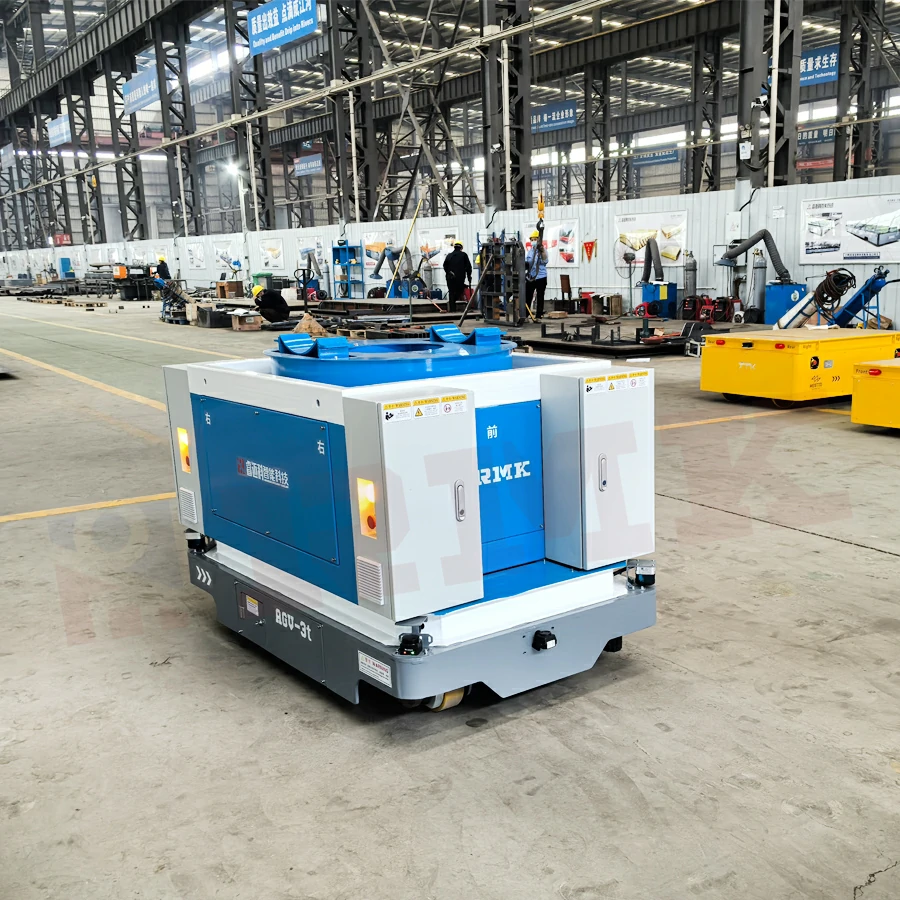
Con el avance del desarrollo de la era inteligente, muchas empresas están realizando la transición hacia modelos de fábrica automatizados e inteligentes. Entre los equipos de logística automatizada, los AGV (Vehículos de guiado automático) ofrecen flexibilidad, seguridad y eficiencia. Pueden manejar el transporte interno de fábrica, el almacenamiento y distribución, y la transferencia de materiales en talleres, lo que los convierte en una herramienta crucial para que las empresas mejoren la eficiencia de producción. Entonces, ¿por qué son populares los robots AGV? Este artículo explorará las razones detrás de la popularidad de los AGV desde dos perspectivas. Profundicemos en los detalles.
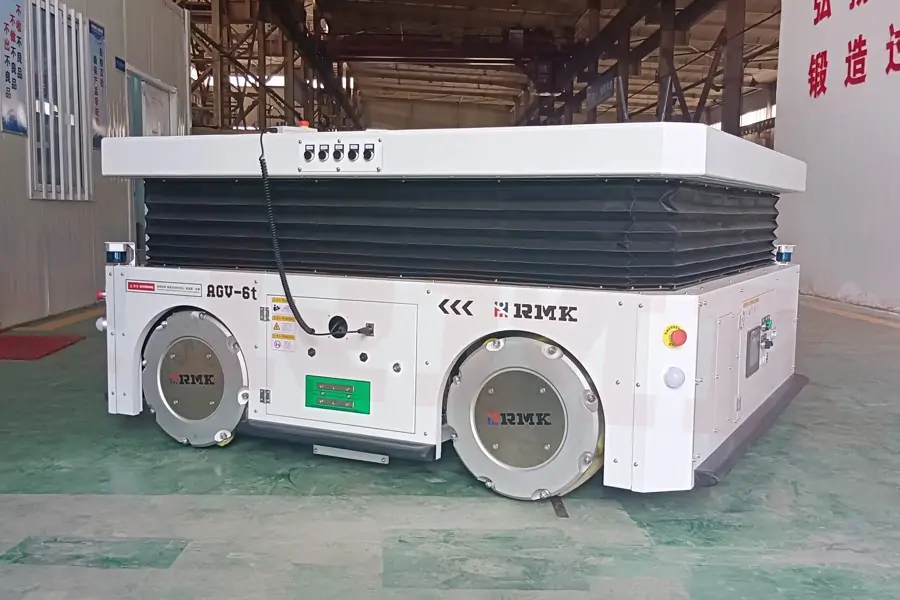
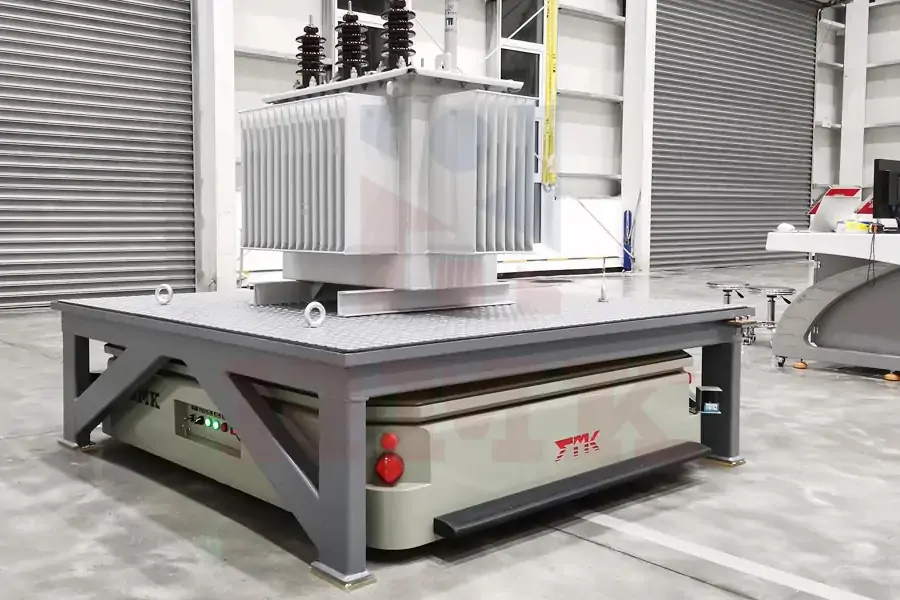
Las Ventajas del Robot AGV
Los vehículos guiados automatizados ofrecen múltiples beneficios, incluyendo una seguridad mejorada. A continuación, se presenta un análisis detallado de sus principales ventajas desde una perspectiva empresarial.
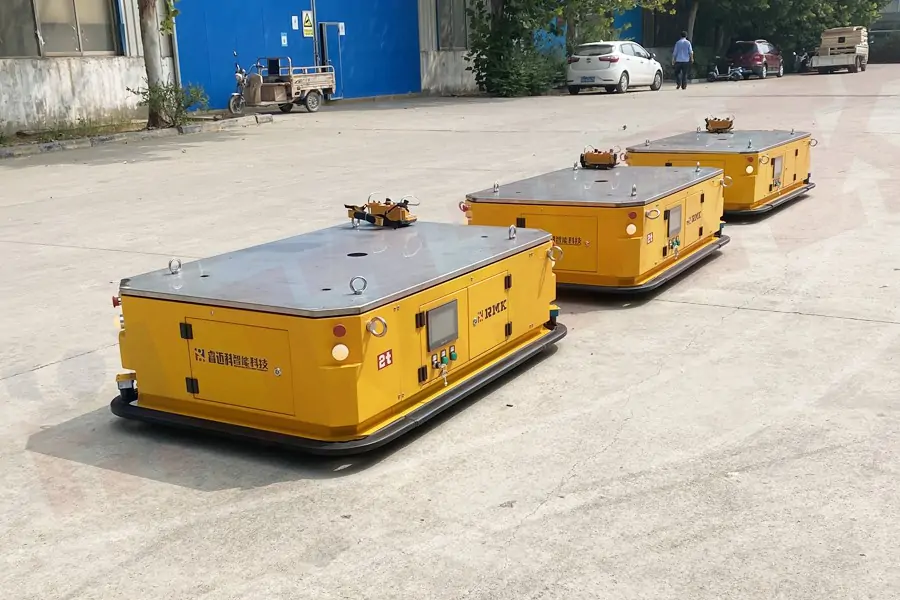
Aumento de la eficiencia de producción
La manipulación manual tradicional es propensa a problemas como la fatiga y la operación inconsistente, lo que puede interrumpir el progreso de la línea de producción. Los AGV, sin embargo, cuentan con capacidades precisas de posicionamiento y navegación, lo que permite una operación estable las 24 horas del día, los 7 días de la semana, sin verse afectados por factores humanos. Esto mejora significativamente la eficiencia logística interna del taller, logrando un flujo de materiales estable y de alta eficiencia.
Ventajas: Rutas Repetibles y Alta Precisión de Ejecución 2. Elimina los retrasos causados por la manipulación manual 3. Ideal para producción basada en cadencia y logística flexible
Reducción de Costes Laborales
A medida que los costes laborales aumentan y la contratación se vuelve cada vez más desafiante, más empresas están adoptando robots AGV para reemplazar las tareas repetitivas y de alta intensidad de manipulación de materiales.
Ventajas: Minimizar la intervención manual, eliminar los procesos de contratación y formación, y ahorrar en gastos laborales a largo plazo 2. Reducir los accidentes causados por la manipulación manual y disminuir los riesgos de lesiones al personal 3. Ideal para fábricas con múltiples turnos o talleres con uso intensivo de mano de obra
Alta seguridad
Los robots AGV pesados están equipados con dispositivos de seguridad, que incluyen LiDAR, sistemas de visión, sensores infrarrojos y sensores de evitación de obstáculos. Pueden detectar automáticamente obstáculos, evitar colisiones de forma proactiva, desacelerar automáticamente y detenerse con precisión. Sus rutas controlables los hacen más seguros que los métodos de transporte tradicionales, como las carretillas elevadoras.
Ventajas: Previene colisiones y errores humanos, reduciendo las tasas de accidentes. 2. La operación automatizada con un control simple y conveniente mejora los niveles generales de gestión de seguridad 3. Adecuado para fabricación de precisión, manipulación de materiales de alto valor y pasillos estrechos
Altamente flexible y ampliable
En comparación con los vehículos guiados por rieles tradicionales o los transportadores fijos, los robots AGV ofrecen una adaptabilidad superior. Los AGV de servicio pesado cuentan con sistemas de sensores avanzados y sistemas de gestión inteligentes, lo que los hace ideales para fábricas con cambios frecuentes de pedidos y ajustes en la línea de producción.
Ventajas: El suelo no requiere modificaciones importantes, y las rutas se pueden modificar rápidamente. 2. Admite personalización y expansión en sistemas de gestión de flotas de robots de servicio pesado. 3. Adaptable a entornos de fábrica y escenarios logísticos más complejos.
Entendemos que los propios AGV ofrecen ventajas como alta eficiencia y seguridad, lo que los hace populares entre las empresas. A continuación, examinemos qué aspectos de la demanda del mercado están impulsando el avance de los vehículos de transporte robóticos de servicio pesado.
El Crecimiento de la Demanda del Mercado Acelera la Adopción del Robot AGV
La creciente demanda del mercado está impulsando la adopción generalizada de robots AGV de servicio pesado. A medida que la era de la fabricación inteligente avanza rápidamente, industrias como la fabricación automotriz y el almacenamiento logístico están viendo una necesidad creciente de carros guiados automatizados.
Adopción Acelerada de la Fabricación Inteligente: Cuando las empresas avanzan en la automatización de fábricas inteligentes, los carros de transferencia AGV de carga pesada son la primera opción debido a su facilidad de implementación y su relación coste-beneficio favorable. Los AGV de servicio pesado ofrecen costes controlables, ciclos de implementación cortos e integración perfecta con sistemas MES, WMS y de almacén. Su fuerte aplicabilidad en múltiples industrias, incluyendo la automotriz, de embalaje, electrónica y procesamiento de metales, ha llevado a un aumento anual constante en las tasas de adopción.
Creciente Demanda Empresarial: A medida que las demandas del mercado se vuelven cada vez más volátiles, los sistemas logísticos de las fábricas deben adaptarse con flexibilidad. Los robots AGV se adaptan inherentemente a patrones de producción que cambian rápidamente, permitiendo transiciones frecuentes en la fábrica, manejando pedidos de lotes pequeños y alta frecuencia, y adaptándose a talleres que requieren una rápida ampliación de la capacidad. Muchas empresas buscan cada vez más AGV flexibles para la manipulación de materiales con el fin de actualizar sus modelos de producción.
Aumento de los Costes Laborales: Los gastos laborales continúan aumentando en regiones como Europa, América, Japón, Corea del Sur y China. Los fabricantes ya no pueden depender de mano de obra de bajo coste para mantener la competitividad. Los AGV pesados pueden reemplazar puestos de trabajo repetitivos, reducir los costes operativos a largo plazo y operar de manera efectiva en entornos de “tres altos y tres riesgos” (alta temperatura, alta carga, alta frecuencia y entornos peligrosos, propensos a la fatiga y propensos a errores), impulsando la expansión sostenida de la demanda del mercado de robots AGV.
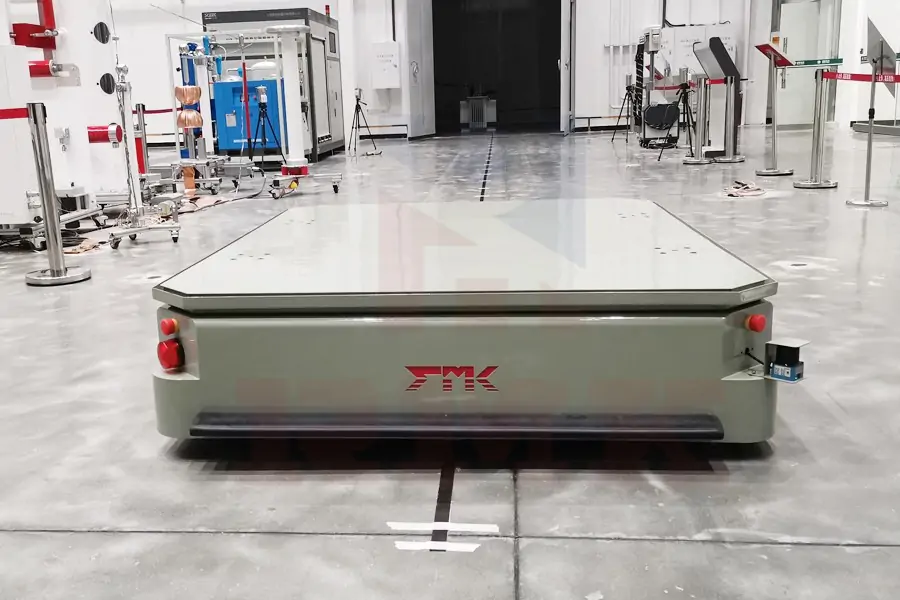 Robot AGV
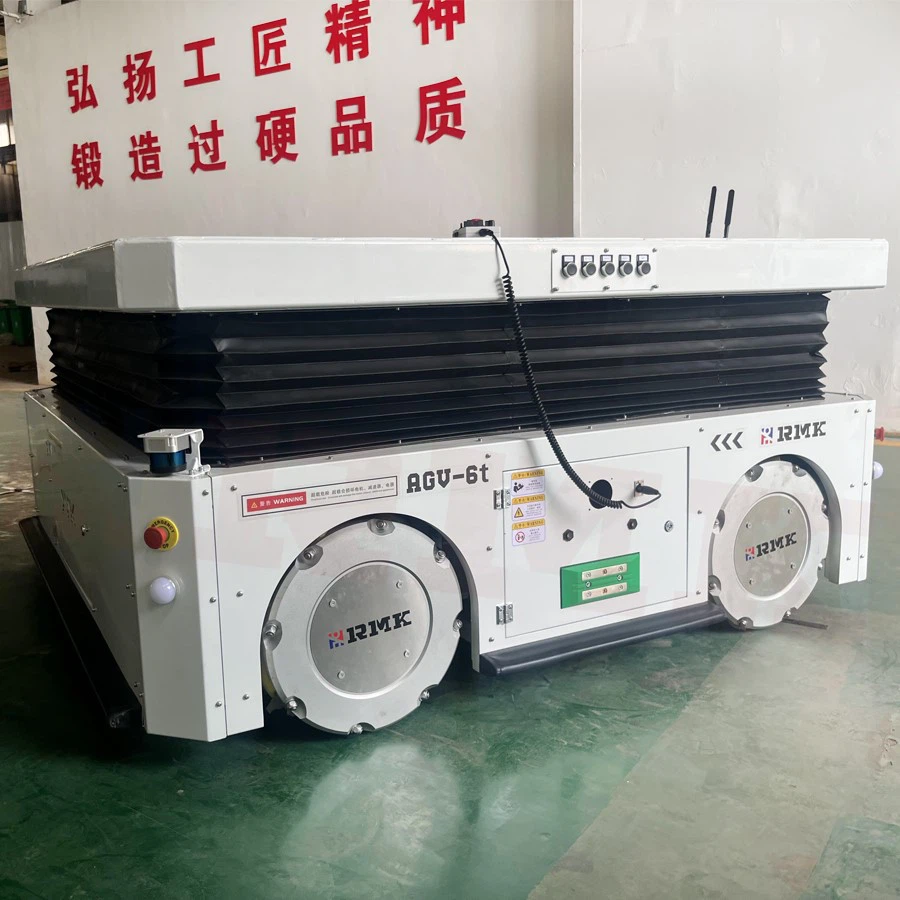 Autonomous-Mobile-Robots-AGV → Robots-móviles-autónomos-AGV
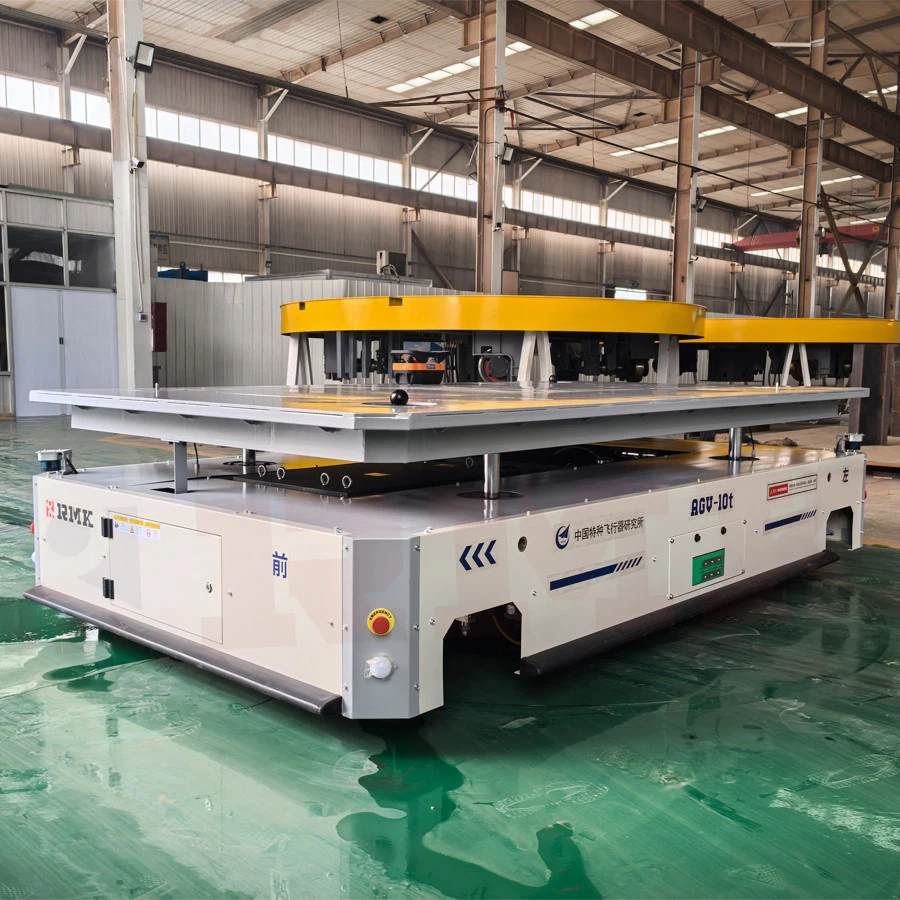 Vehículo-Guiado-Automáticamente-AGV
Impulsados por la demanda del mercado, reconocemos que muchas empresas buscan cada vez más vehículos guiados automatizados, alineándose con las tendencias contemporáneas de la industria. A continuación, presentamos brevemente a nuestro proveedor de carros de transferencia.
Fabricante Confiable de Carros de Transferencia con Robot AGV
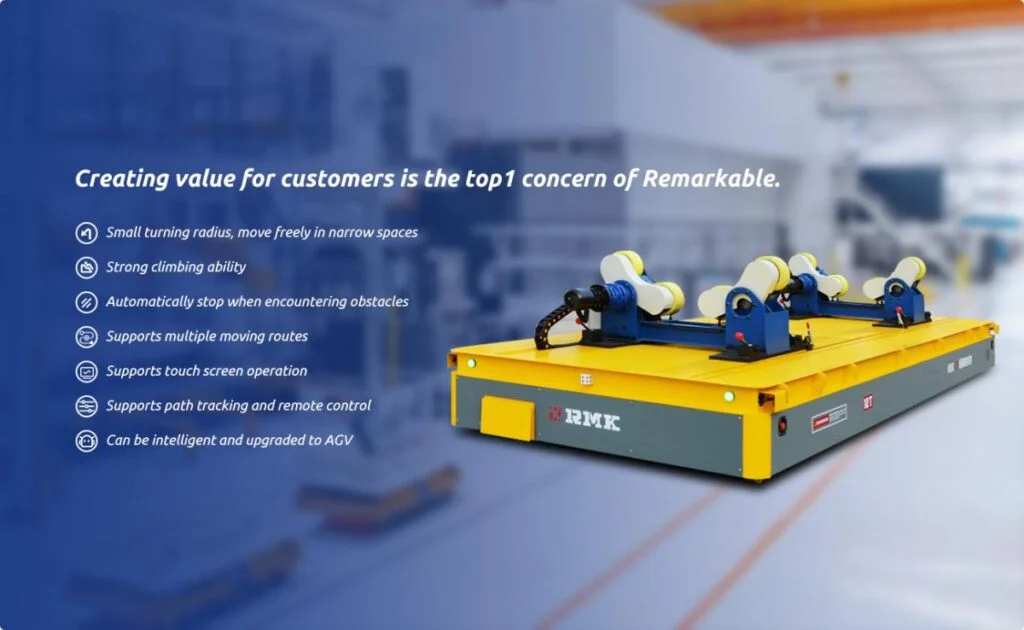
Como fabricante especializado en soluciones de carros de transferencia, REMARKABLE posee una amplia experiencia en personalización no estándar, manipulación logística de servicio pesado y actualizaciones de automatización de fábricas. Con sólidas capacidades de ingeniería, un sistema de producción integral y una amplia experiencia en la industria, ofrece soluciones personalizadas de manipulación de materiales con AGV adaptadas a la distribución de la fábrica, los ritmos de la línea de producción y las características del material. Esto permite a los clientes lograr operaciones logísticas más seguras, eficientes e inteligentes.
Conclusión:
A través de la discusión anterior, entendemos que los robots AGV se han convertido en equipos populares en la fabricación inteligente porque abordan tres grandes puntos críticos para las empresas: eficiencia, costo y seguridad. Simultáneamente, las tendencias del mercado están impulsando aún más el desarrollo de los AGV.
Si está interesado en nuestros carros de transferencia AGV, por favor Contacto. Le ayudaremos a personalizar una solución AGV o un carro de transferencia AGV de servicio pesado. Damos la bienvenida a sus consultas.