In the smelting and foundry industry, transporting ladles, iron pots, high-temperature alloys, moulds, and castings is a high-risk, high-intensity task. Due to high on-site temperatures, heavy material loads, and complex operating conditions, enterprises typically prioritise electric transfer rail trolleys when selecting transport equipment.
Electric transfer rail trolleys are heavy-duty transport equipment that operate along fixed tracks. Characterised by high load capacity and smooth operation, they withstand harsh environments involving high temperatures, dust, and intensive operations, making them a common handling solution in foundries. Below, we explore why these industries increasingly favour it.
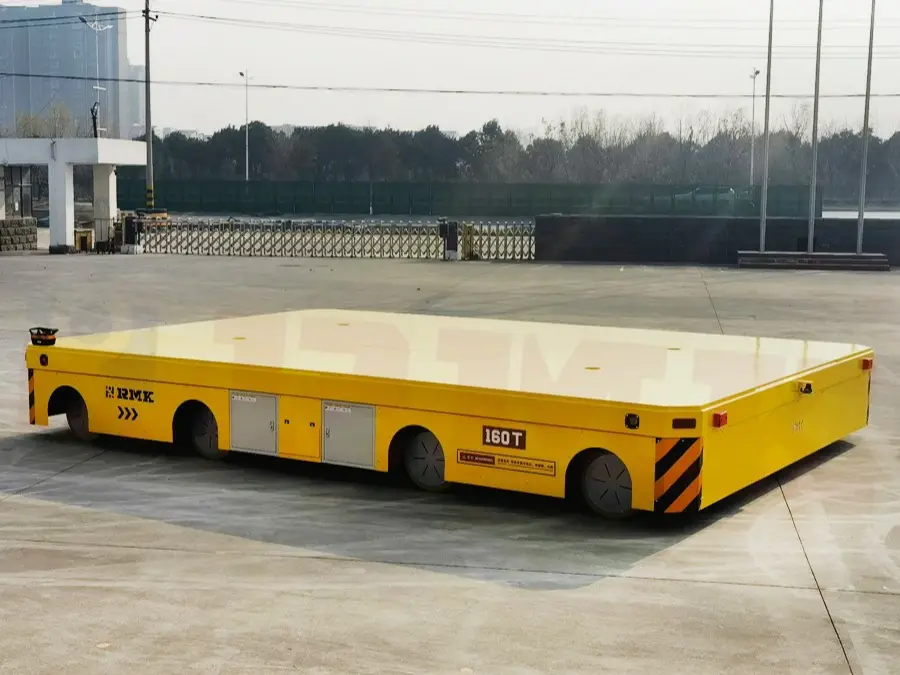
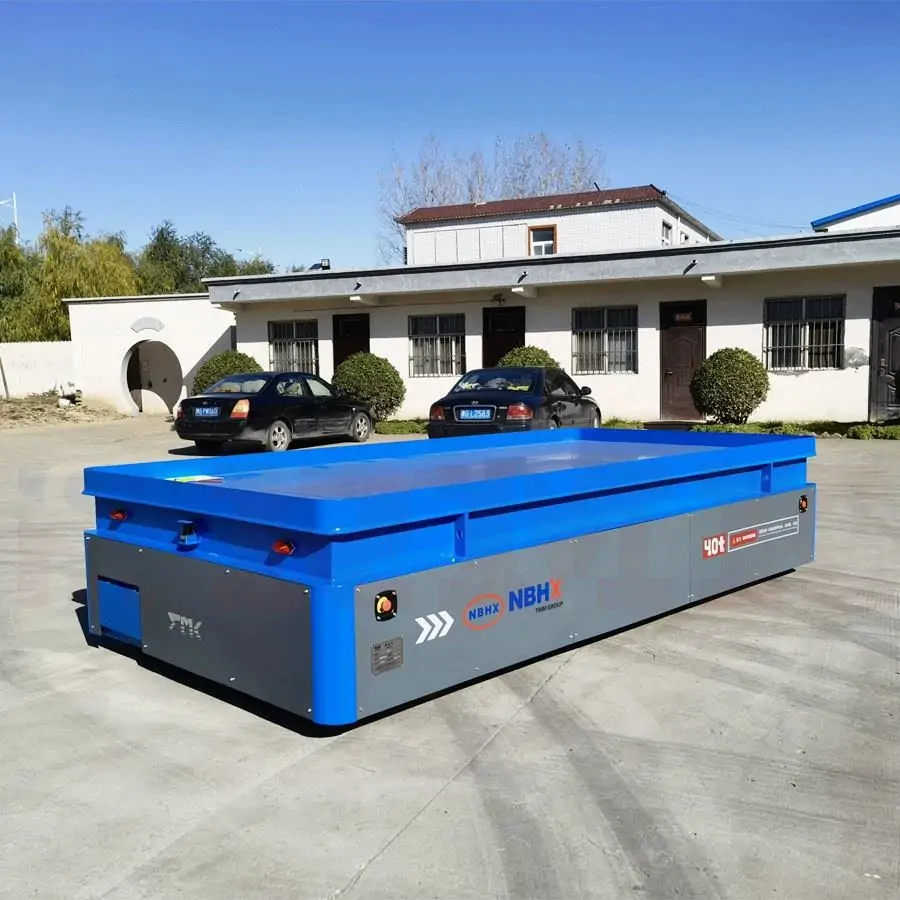
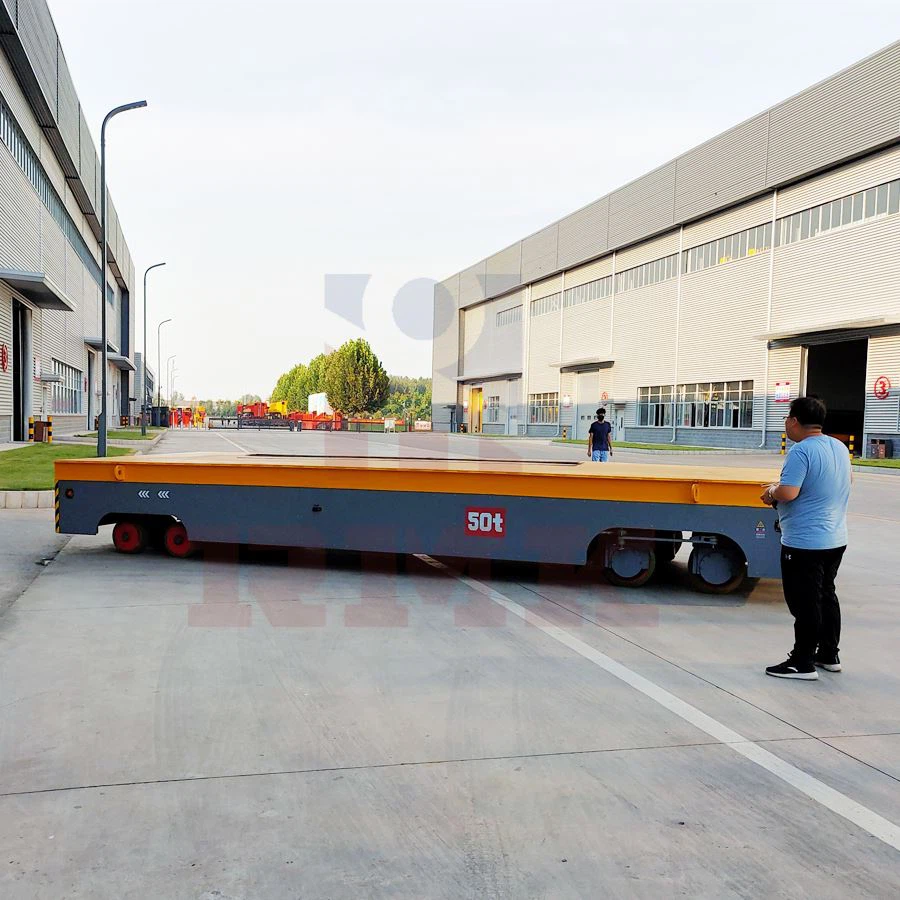
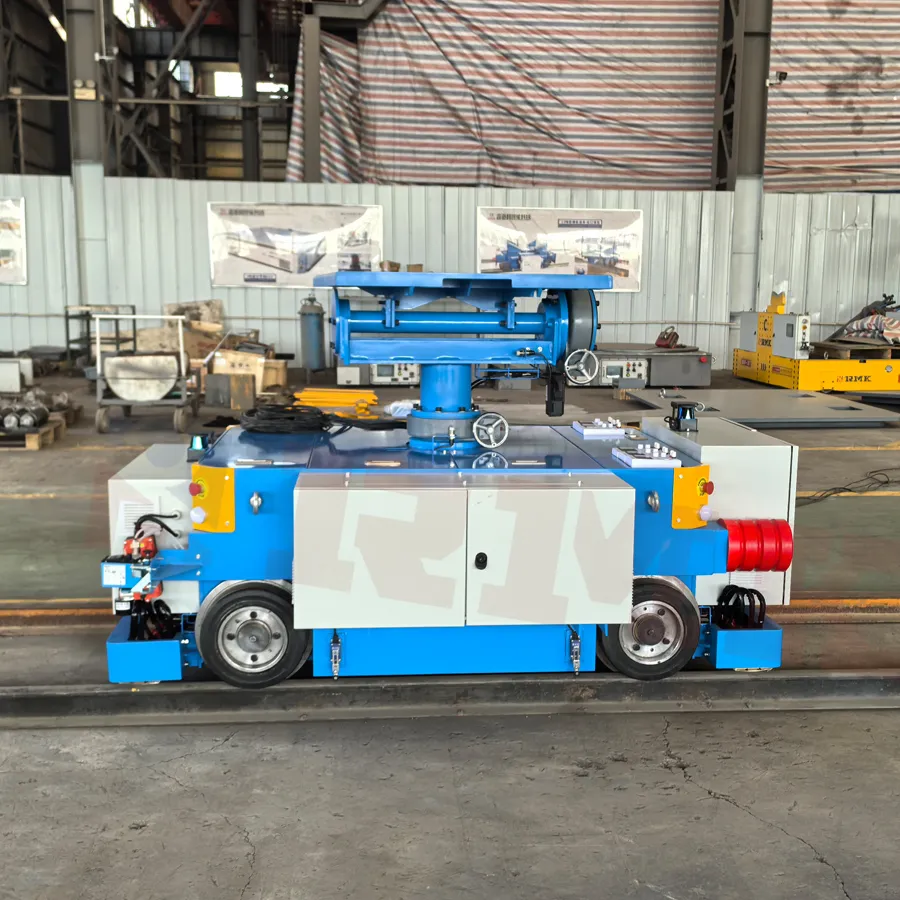
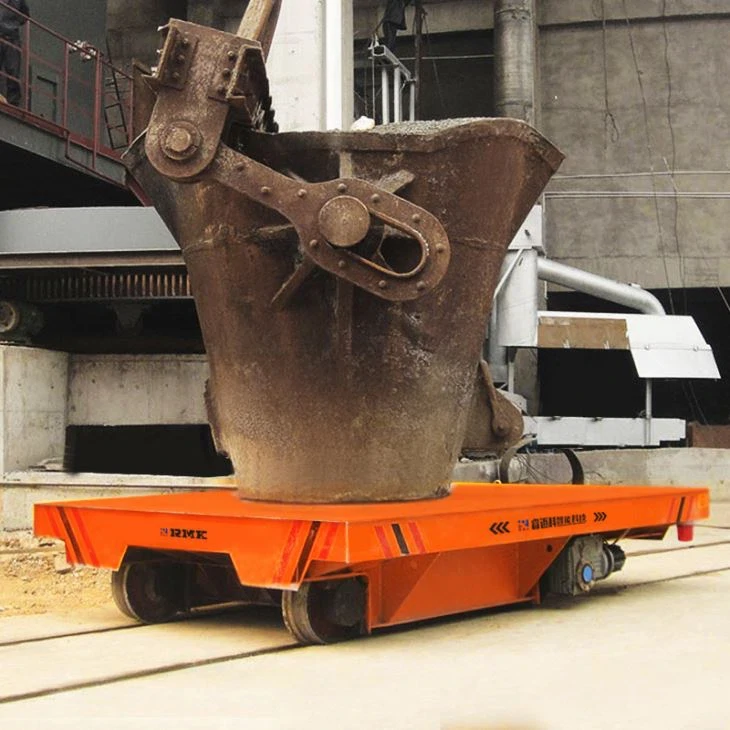
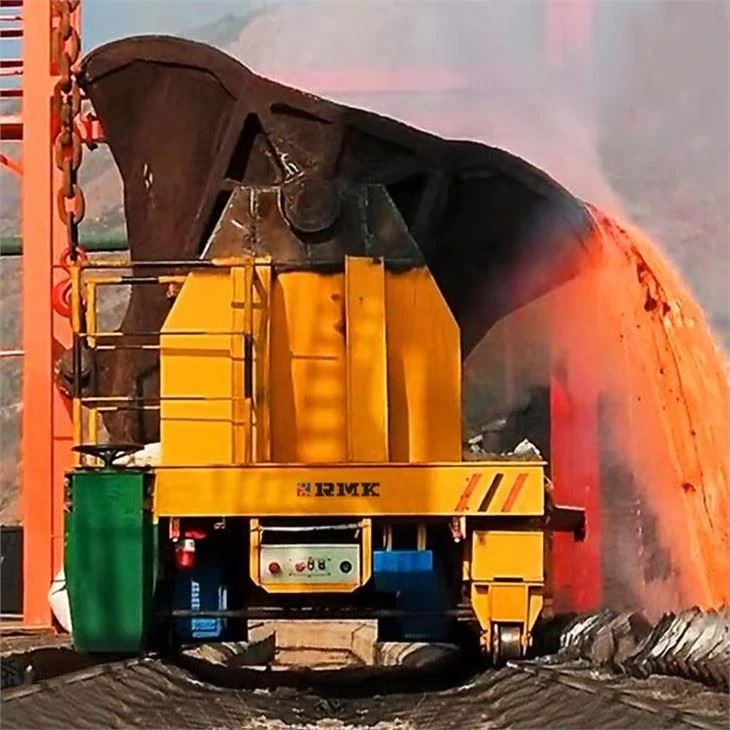
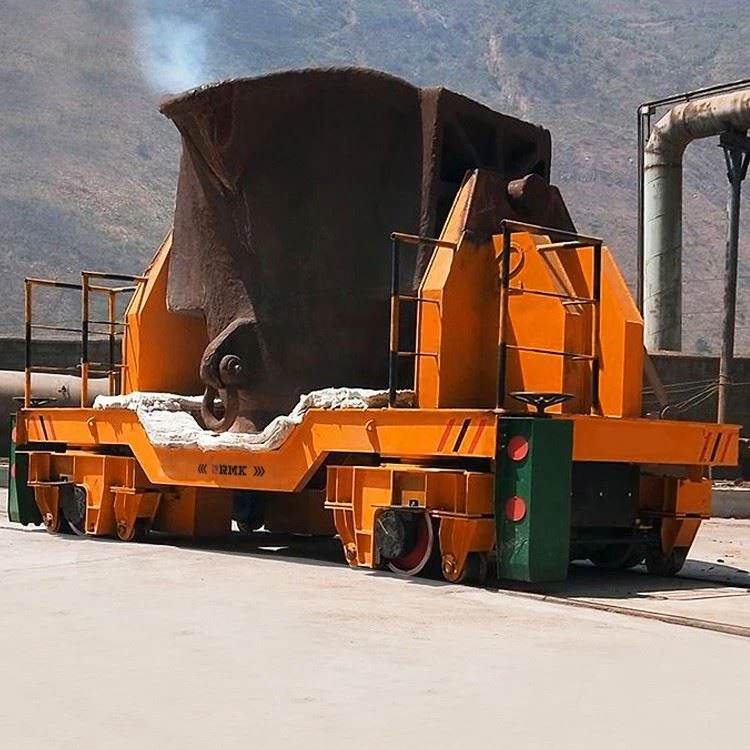 Foundry Electric Transfer Rail Trolley
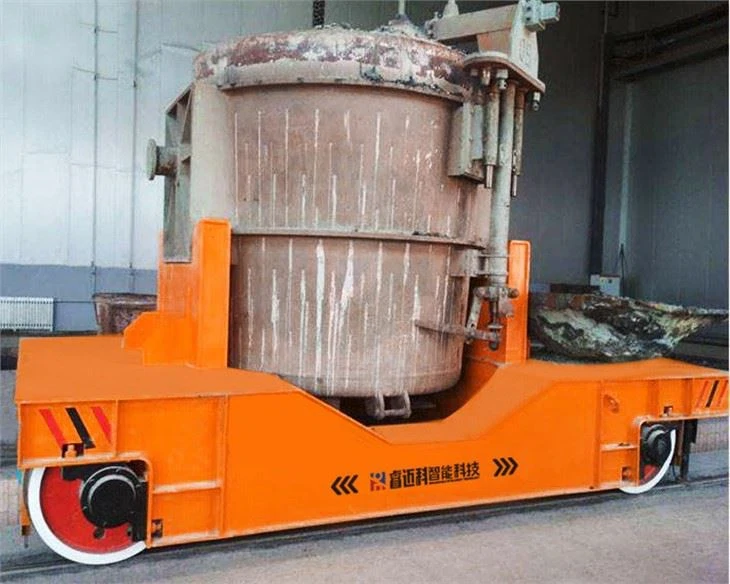 Foundry Electric Transfer Rail Trolley
Reasons Foundries Opt for Electric Transfer Rail Trolleys
The foundry industry operates under harsher conditions than typical industrial environments, demanding higher standards from transport equipment. The following four key reasons explain why rail trolleys have become the preferred choice in foundries.
Exceptional Load Capacity: Meeting Heavy-Duty Demands
Materials in foundries are highly dense and extremely heavy—steel ladles alone can weigh 50–300 tons. Conventional transport vehicles cannot handle such loads, and ladle transportation demands exceptional stability. Electric transfer rail trolleys perfectly meet the requirements for transporting ladles and castings.
Suitability:
- Rail tracks distribute concentrated loads evenly through their structural design, preventing vehicle deformation or ground collapse risks.
- Reinforced vehicle bodies with high fatigue resistance suit frequent round-trip operations, minimising damage and enhancing durability.
- Stable heavy-load operation with low vibration ensures molten steel transport without spillage or swaying, boosting safety.
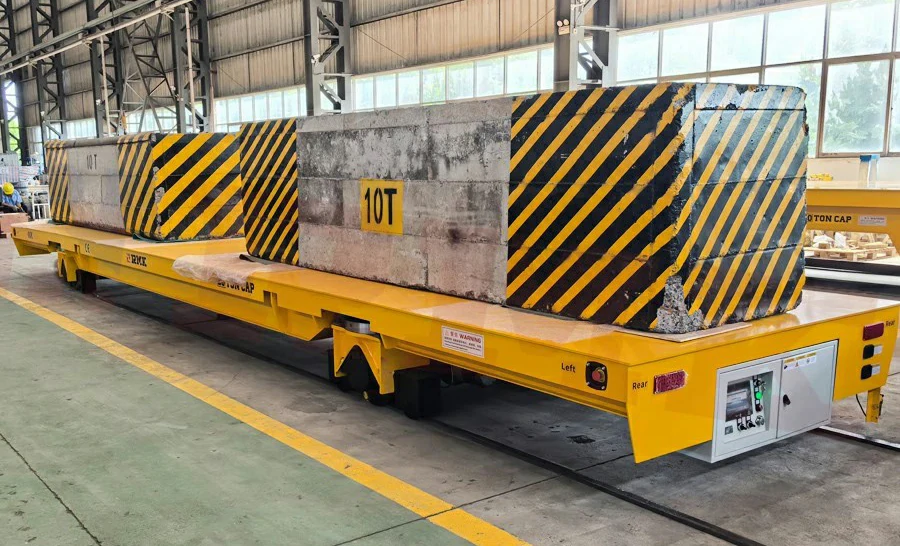
High-Temperature Resistance: Adapting to Extreme Foundry Environments
High temperatures and intense radiant heat in smelting workshops cause conventional tyres to soften, burst, or even ignite. Electric transfer rail trolleys withstand these extreme conditions.
Suitability:
- Track-laid design adapts to harsh indoor/outdoor conditions. Rubber-free tyre structure remains unaffected by thermal radiation and ground heat.
- Vehicles can be fitted with insulation panels and high-temperature-resistant electronic control systems, extending operational time near molten steel.
- Motors and gearboxes can be customised with high-temperature series components, significantly extending equipment lifespan.
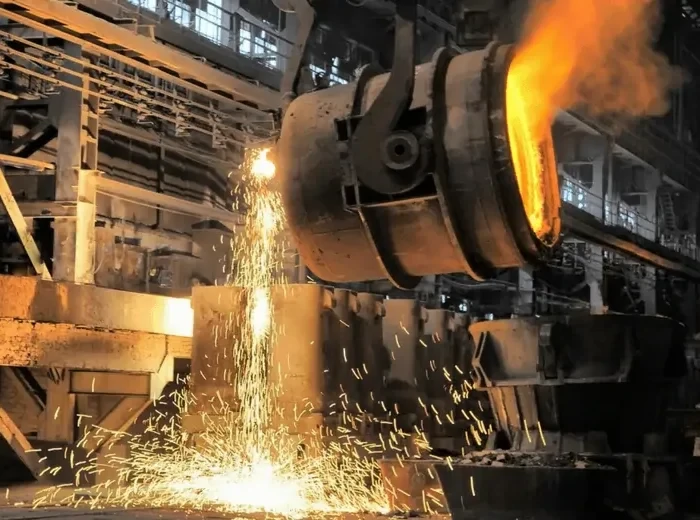 Foundry-Industry
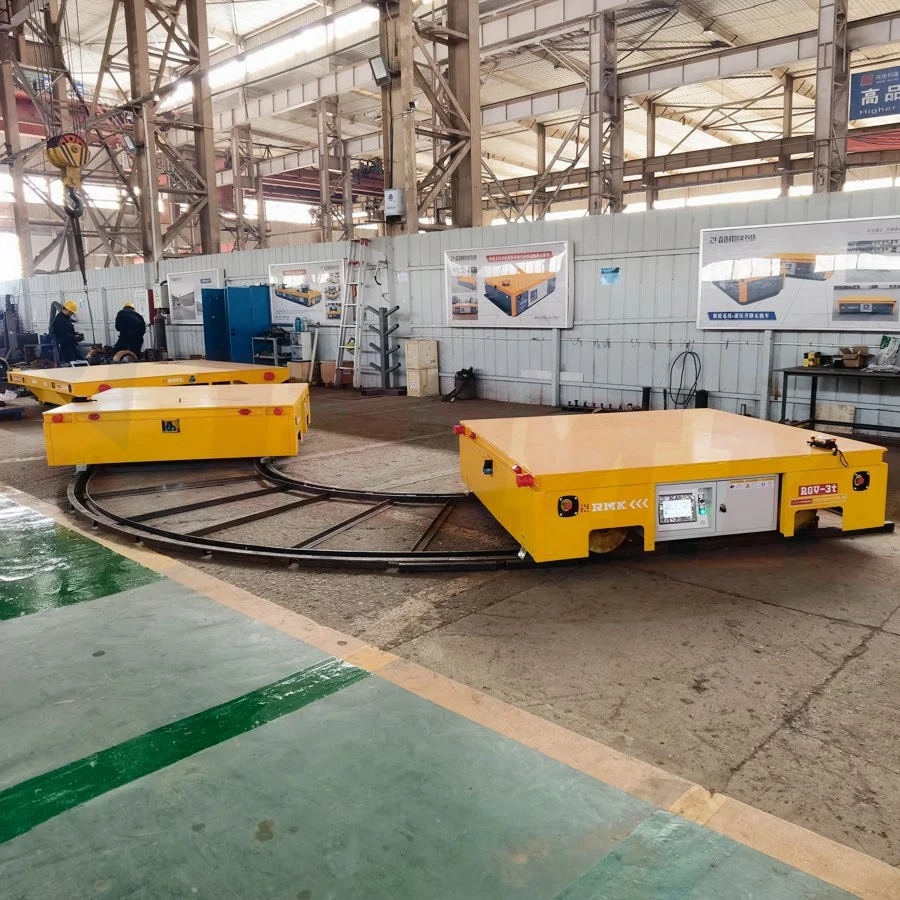
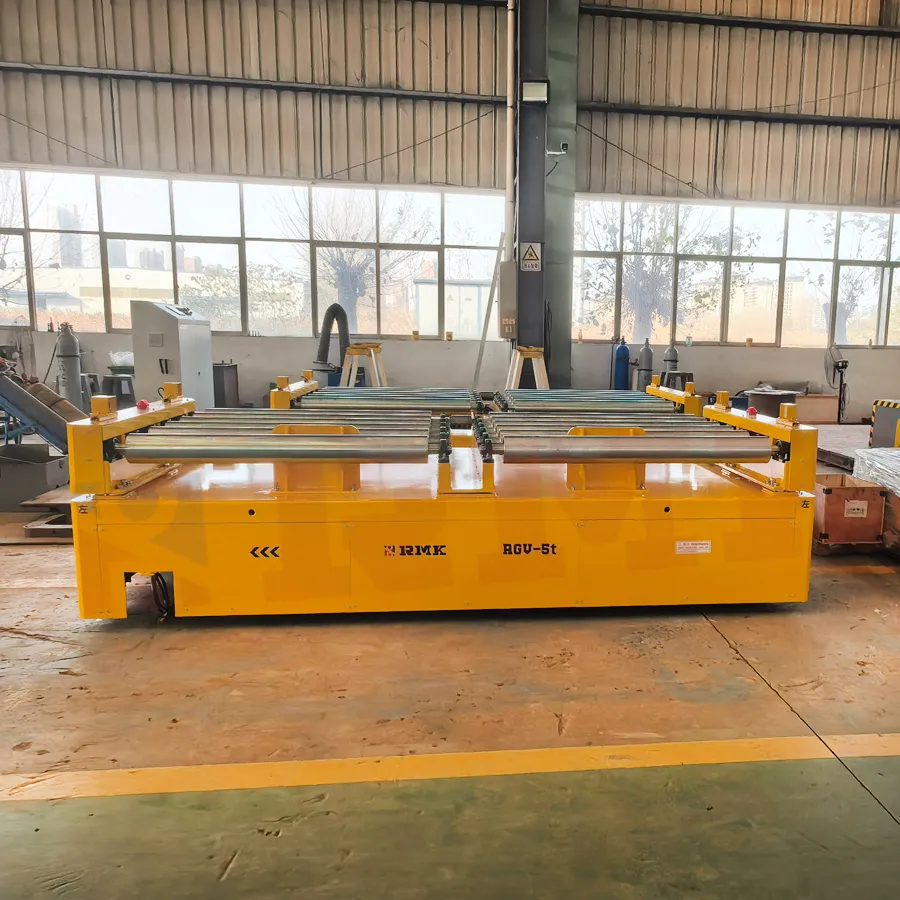
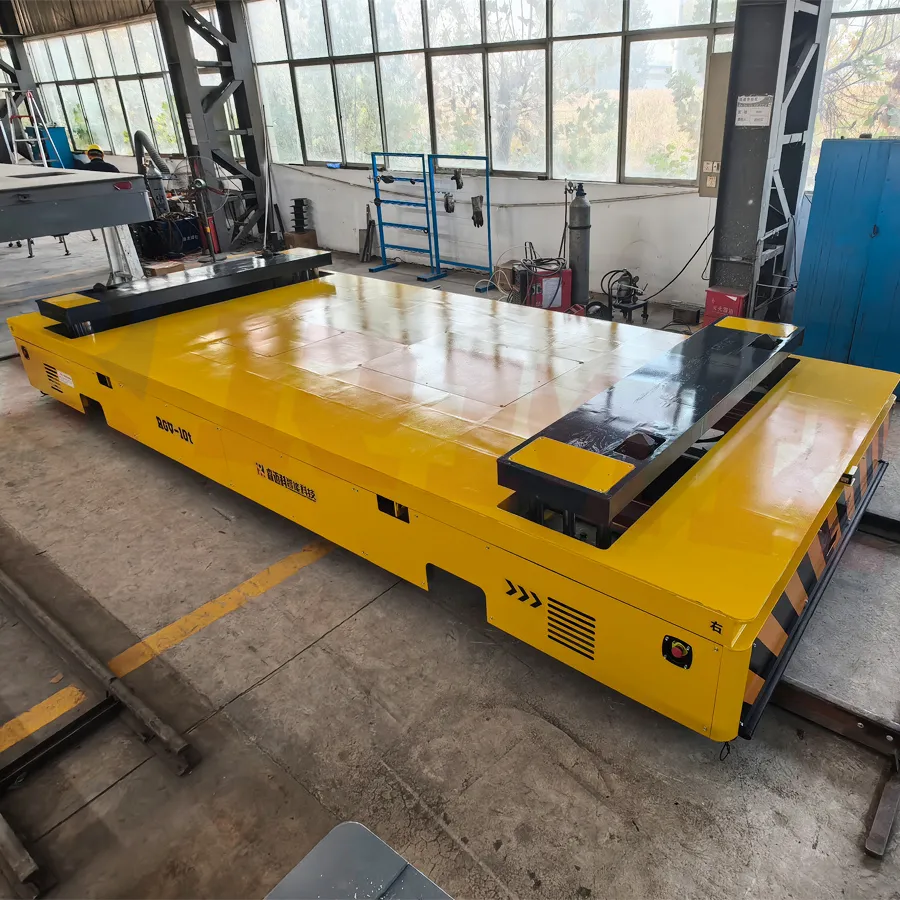
 Foundry Electric Transfer Rail Trolley
 Foundry Electric Transfer Rail Trolley
Fixed-Path Operation: Safe Transport, Simple Control
Narrow spaces, dense equipment, and intersecting foot traffic in smelting workshops pose significant transportation safety challenges. Within complex pathways and high-risk zones of smelting plants, electric transfer rail trolleys minimise instability caused by uneven surfaces or obstacles. Rail-guided paths offer superior controllability compared to trackless solutions.
Suitability:
- Fixed track layout eliminates deviation risks and minimises ground interference, substantially reducing collision incidents during ladle transport.
- Simple operation requires no complex driving skills, lowering human error and enhancing safety.
- Integrated safety systems, including collision avoidance, speed limiting, emergency stops, and audible/visual alarms, further mitigate risks.
High cost-effectiveness: Long service life with low maintenance costs.
The metallurgical industry demands high-load, fast-paced operations requiring durable equipment with controlled costs. While trackless electric flat cars have lower initial installation costs (no track laying required), long-term usage increases their overall expense. Track-based vehicles feature simpler structures without complex steering systems, enabling easier maintenance and extended service life.
Suitability:
- Steel-framed bodies withstand harsh environments and impacts, supporting high-frequency operations with extended service life.
- Minimal maintenance requirements reduce costs, eliminating frequent tyre, brake pad, or steering system replacements.
- Fixed rail infrastructure enables electric flatcars to maintain high speeds, boosting transport efficiency while delivering low overall costs over the years of operation.

Furthermore, in smelting and casting industries, materials often require precise delivery to designated locations to ensure smooth production flow. Electric rail-guided flat cars operate along fixed tracks, enabling accurate positioning at specified points to meet high-precision requirements.
Having learned the advantages of electric transfer rail trolley for heavy-duty material handling in smelting and casting, how do they compare to other transport equipment? Let’s briefly examine the alternatives.
Electric Transfer Rail Trolley vs. Trackless Transfer Cart
Below, we examine core metrics relevant to smelting environments to understand why the electric transfer rail trolley is the optimal choice.
| Item | Electric Transfer Rail Trolley | Trackless Transfer Cart | Forklifts/Tractors |
|---|---|---|---|
| Suitable Environment | High-temperature, heavy-load, continuous operation | Medium-load, relatively level ground | Light-load or medium-load scenarios |
| Load Capacity | Extremely high, up to 300t+ | Moderate, typically ≤80t | Low–moderate |
| High-Temperature | Resistance High, track-based with no tire structure | Moderate, tyres are susceptible to heat | Weak |
| Safety | High, fixed track reduces deviation | Moderate, requires skilled operation | Moderate–Low |
| Maintenance Cost | Low | Moderate | Moderate–High |
| Automation Capability | Easily integrates with automated rail systems | Resistance High, track-based with no tyre structure | Difficult to automate |
| Suitability for Smelting Industry | Highly recommended | Only suitable for general materials | Not recommended for ladle transport |
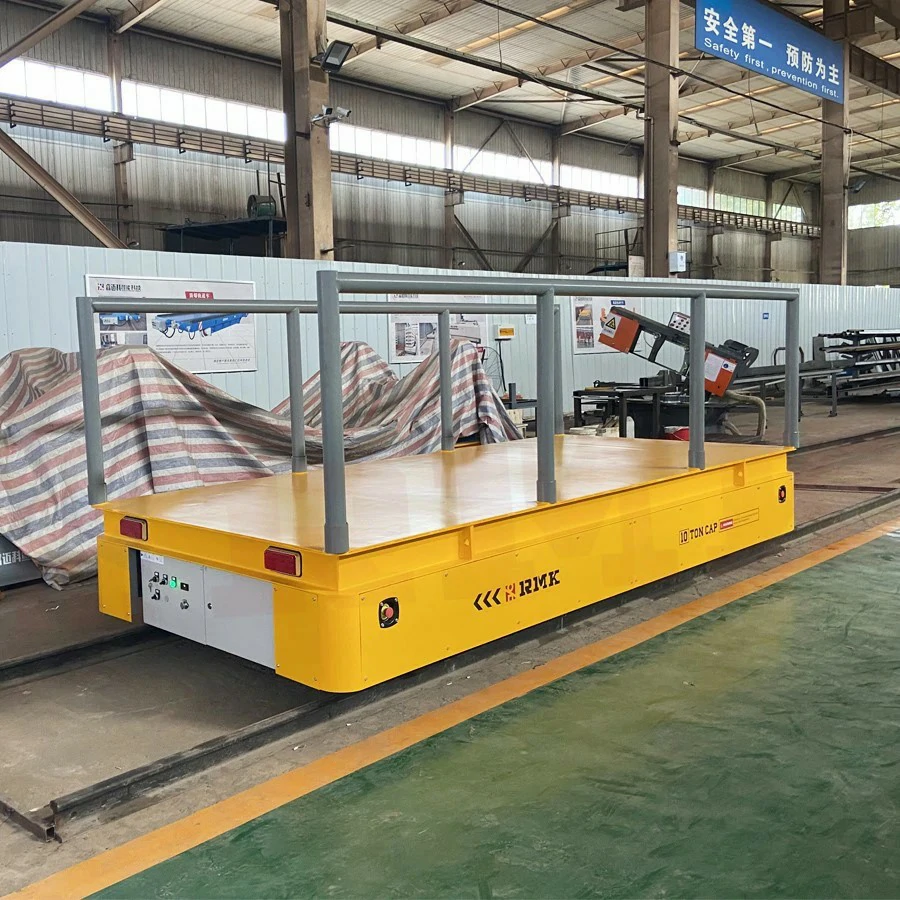
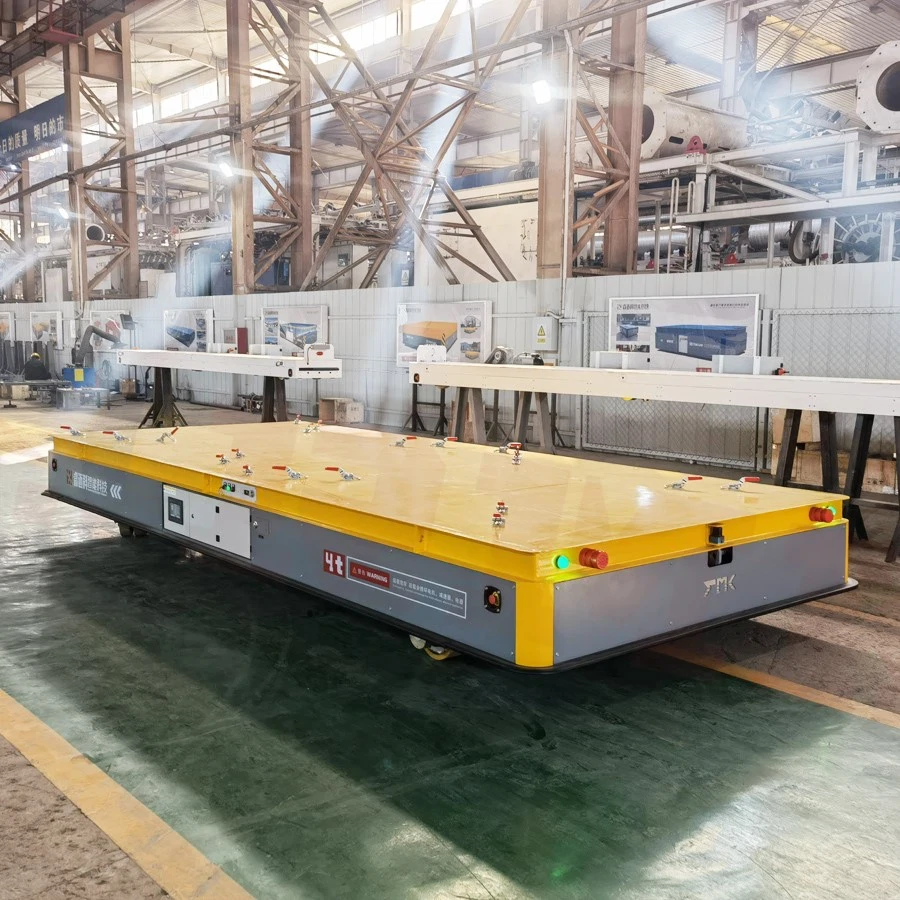
The smelting and casting industries favour electric transfer rail trolleys due to their unmatched advantages in heavy-load capacity, high-temperature resistance, safety, and stable operation. Compared to trackless vehicles and other transport equipment, rail-based systems better meet the extreme operational demands of ladle transport, enhancing safety and reducing operational risks.
Conclusion:
Through this article, we understand why the smelting and casting industries favour electric transfer rail carts. Rail transfer carts are the optimal choice for these sectors. If you’re interested in transfer carts, feel free to contact us anytime. As a professional electric transfer cart manufacturer with extensive experience, we’ll help solve your material handling challenges.