
Table of Contents
Introduction
Electric transfer carts are widely used in factories, steel plants, shipyards, and heavy equipment manufacturing for moving materials over short and long distances. The final investment cost depends on factors such as load capacity, power supply, platform design, and working conditions. Understanding these factors helps buyers choose the right transfer cart for their application.
In this guide, we will explain the main factors that affect electric transfer cart price, including different cart types, configuration options, application requirements, and long-term operating costs. Based on our experience in industrial material handling equipment, we will also share practical tips for selecting a suitable electric transfer cart and evaluating supplier quotations.
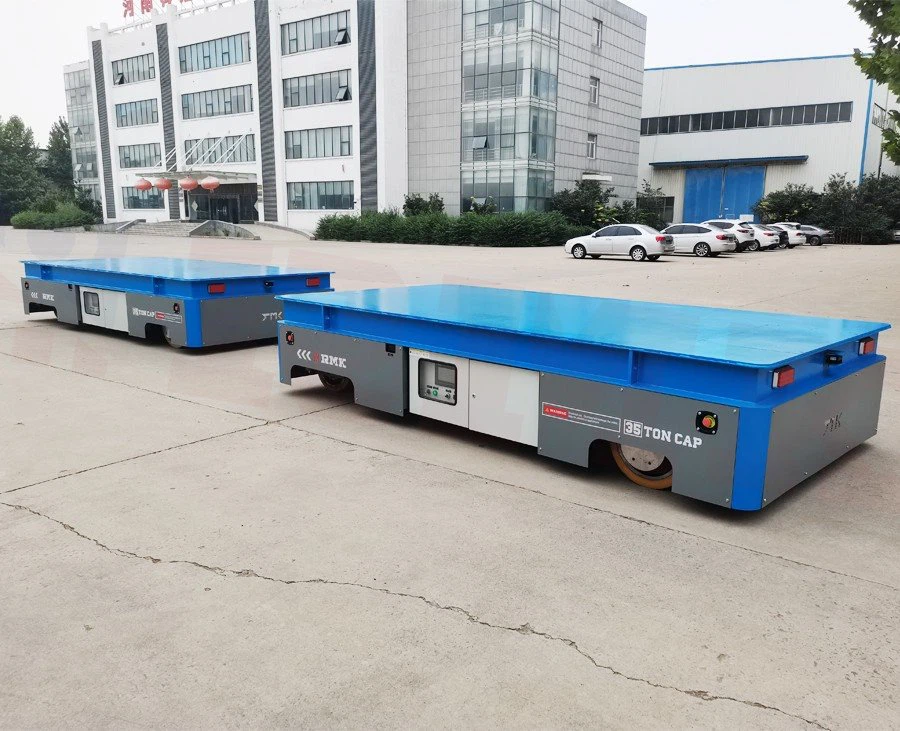
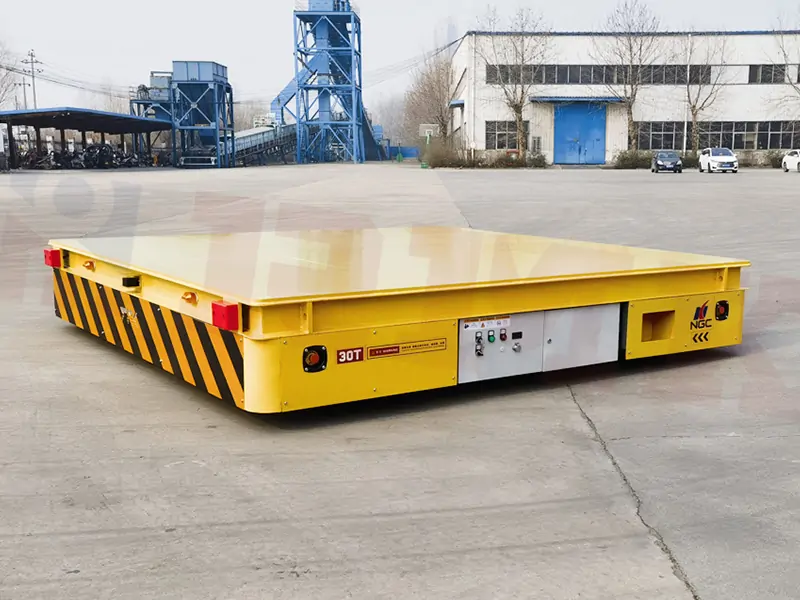
How Much Does an Electric Transfer Cart Cost?
The cost of an electric transfer cart varies depending on load capacity, cart size, power supply, control system, and customization requirements. Standard models for general factory transport usually cost less, while heavy-duty carts designed for steel plants, shipyards, or special working conditions require higher investment.
| Type | Price Range |
|---|---|
| Small Electric Transfer Cart | $5,000–$15,000 |
| Medium Load Transfer Cart | $15,000–$40,000 |
| Heavy Duty Electric Transfer Cart | $40,000+ |
The final quotation depends on the technical requirements of each project. Factors such as transport weight, running distance, operating environment, and additional functions can change the overall cost. For accurate pricing, manufacturers usually need details about the application and working conditions.
Video Showcase
What Factors Affect Electric Transfer Cart Price?
The price of an electric transfer cart depends on the cart structure, operating requirements, and selected configuration. Load capacity, power system, control method, and customization level all affect the final quotation.
Load Capacity
Load capacity is one of the main factors affecting price. A cart designed for light material handling requires smaller motors and a simpler frame, while heavy-duty models need stronger structures, larger drive systems, and higher-capacity electrical components.
Power Supply Type
The power system directly affects equipment cost and application flexibility.
- Suitable for flexible transport routes.
- Requires batteries, charging systems, and battery management components.
- Higher initial cost compared with simple cable-powered models.
- Designed for fixed transport routes.
- Provides a stable power supply for continuous operation.
- Suitable for heavy loads and long working hours.
- Equipped with automatic navigation and control systems.
- Higher cost due to sensors, software, and automation components.
Customization and Additional Features
Customized requirements can increase the transfer cart price. Common options include:
- Wireless remote control or PLC control system
- Lifting platform or special loading platform
- Explosion-proof or high-temperature design
- Customized dimensions and running speed
- Special wheels and rail systems
Transfer carts designed for steel plants, shipyards, or special environments usually require additional engineering.
Manufacturer and Component Quality
Different manufacturers may offer different prices for similar transfer carts. The difference usually comes from:
- Steel structure quality
- Motor and electrical component brands
- Manufacturing process
- Testing standards
- After-sales service
A reliable manufacturer with engineering experience and quality control systems may have a higher initial price but provides better equipment reliability.
Order Quantity and Project Requirements
The purchase quantity and project requirements also affect pricing.
- Bulk orders may receive better pricing.
- Custom-designed carts require additional engineering costs.
- Special applications may need extra testing and safety features.
Electric Transfer Cart Price Reference
| Capacity | Type | Approximate Price Range |
|---|---|---|
| 1–5 tons | Battery-powered transfer cart | $5,000–$15,000 |
| 20 tons | Battery-powered transfer cart | $10,000–$30,000 |
| 30 tons | Rail transfer cart | $15,000+ |
| 50 tons | Heavy-duty transfer cart | $20,000–$50,000 |
| 100 tons+ | Customized industrial transfer cart | $50,000+ |
The actual electric transfer cart price depends on the specific application. Providing information about load weight, transport distance, working environment, and required functions helps manufacturers prepare an accurate quotation.
Electric Transfer Cart Price Comparison by Application
Electric transfer cart prices vary depending on the working environment, load requirements, and customized functions. Different industries require different cart structures, power systems, and safety designs, which directly affect the final cost.
| Application | Typical Requirements | Price Range |
|---|---|---|
| Factory Material Handling | Standard load capacity, battery or rail power, simple control system | $5,000–$30,000 |
| Steel Plant Transportation | Heavy load capacity, heat-resistant design, reinforced structure | $20,000–$80,000+ |
| Shipyard Material Transfer | Large platform size, high load capacity, customized design | $50,000+ |
| Mold and Die Handling | Stable operation, precise positioning, customized platform | $10,000–$50,000 |
| Warehouse and Logistics | Frequent movement, flexible operation, wireless control | $5,000–$30,000 |
Factory Material Handling
Factory transfer carts are commonly used for moving molds, machine parts, steel materials, and production equipment. These applications usually require standard configurations, making them more affordable than heavy-duty models.
Main costs:
- Load capacity
- Running distance
- Battery or rail power supply
- Control method
Steel Plant Transportation
Steel plants require transfer carts that can handle heavy loads and harsh working conditions. These carts often use reinforced frames, high-power motors, and heat-resistant components.
Additional features that affect price:
- High-temperature protection
- Heavy-duty wheels
- Increased load capacity
- Special safety systems
Shipyard Material Transfer
Shipyards usually require large-capacity transfer carts for transporting steel structures, ship sections, and oversized components. Due to large platforms and customized designs, shipyard transfer carts generally have higher prices.
Common requirements:
- 50–500+ ton load capacity
- Large platform dimensions
- Long-distance transportation
- Customized control systems
Mold and Die Handling
Mold factories need stable and accurate transportation solutions for heavy molds. Electric transfer carts for this application often include customized platforms, positioning systems, and safety devices.
Price is affected by:
- Mold weight and size
- Positioning accuracy
- Lifting or rotating functions
Warehouse and Logistics Applications
Warehouse transfer carts focus on flexible movement and efficient material flow. Battery-powered models with wireless remote control are commonly selected.
The main cost factors:
- Operation frequency
- Travel distance
- Automation requirements
- Safety functions
The right electric transfer cart should be selected based on the actual working conditions rather than only the purchase price. Load capacity, operating environment, and future usage requirements all influence the total investment.
What Is Included in an Electric Transfer Cart Quotation?
An electric transfer cart quotation usually includes the cart configuration, technical specifications, optional features, and service terms. The final price depends on the required capacity, operating conditions, and customization details.
Standard Configuration
- Cart Structure – Steel frame, platform size and load capacity
- Drive System – Motor, reducer and wheel assembly
- Power Supply System – Battery, cable reel or rail power system
- Control System – Pendant control, wireless remote control or PLC control
- Electrical Components – Control cabinet, wiring and safety protection devices
Optional Features
- Hydraulic lifting platform
- Automatic charging system
- Positioning system
- Explosion-proof design
- High-temperature protection
- Customized platform dimensions
- Safety warning devices
Technical Information in the Quotation
- Rated load capacity
- Cart dimensions
- Running speed
- Travel distance
- Power supply type
- Operation method
- Working environment requirements
Service and Support
The quotation may also include:
- Installation guidance
- Operation training
- Warranty period
- Spare parts supply
- Technical support
Before comparing different electric transfer cart price offers, buyers should check whether the quotations include the same specifications and service items. A lower price with fewer configurations may not provide the same value as a complete solution.
For details on electric flat transfer cart models and a selection guide, see: How to Select a Flat Electric Transfer Cart? Professional Selection Guide!
For guidelines on the operation and safe use of electric transfer carts, see: How to Operate an Electric Transfer Cart Safely?
How to Choose a Cost-Effective Electric Transfer Cart?
The right electric transfer cart should match the actual working requirements, including the load, transport route, and operating environment. Before purchasing, understanding these factors helps avoid unsuitable equipment and unnecessary costs.
- Confirm Load Capacity: Select a transfer cart based on the maximum load weight to avoid insufficient capacity or unnecessary cost.
- Check Platform Size: Choose a suitable platform according to the material dimensions and transportation requirements.
- Select Power Supply Type: Choose battery, rail, or cable power based on the travel route and working conditions.
- Consider Working Environment: Add suitable protection features for conditions such as high temperature, dust, moisture, or outdoor operation.
- Choose the Right Control System: Select manual, remote, or automatic control based on operation requirements.
- Review Component Quality: Check the motor, battery, electrical parts, and frame quality to avoid frequent repairs.
- Compare Service Support: Consider warranty, spare parts supply, and technical support when evaluating suppliers.
Electric transfer cart selection should focus on performance, durability, and application needs rather than price alone. A properly configured cart can provide reliable operation and lower maintenance costs during daily use.
For more information on the types of electric trackless transfer carts and how to select one, see the article: Electric Trackless Transfer Cart Selection Guide: Types, Specifications, and How to Choose
Electric Transfer Cart Price vs Long-Term Operating Cost
The purchase price affects the initial investment, while operating costs determine the total cost during the service life of an electric transfer cart. A lower-priced cart may require higher maintenance or replacement costs if the configuration does not match the working conditions.
| Cost Factor | Initial Price Impact | Long-Term Cost Impact | Main Considerations |
| Cart Structure | Higher load capacity and larger platforms increase equipment cost | Strong structure reduces deformation and repair frequency | Choose frame design according to load weight and working environment |
| Motor and Drive System | High-quality motors increase purchase cost | Efficient motors reduce energy consumption and improve reliability | Check motor power, brand and working duty |
| Battery System | Battery-powered carts require additional battery investment | Battery replacement and charging frequency affect operating cost | Select battery type based on working hours and travel distance |
| Power Supply Method | Rail, cable or battery systems have different prices | A suitable power method reduces daily operating expenses | Match power supply with transport route |
| Maintenance Requirements | Better components may increase initial cost | Fewer failures reduce repair and downtime costs | Consider spare parts availability and maintenance frequency |
| Control System | Wireless or automatic control adds equipment cost | Automation can improve operation efficiency | Select control method based on production needs |
| Working Environment | Special designs increase quotation price | Proper protection reduces component damage | Consider temperature, dust, moisture, and outdoor conditions |
| Service Life | Durable materials may require higher investment | Longer service life lowers replacement costs | Evaluate overall equipment quality instead of purchase price only |
A reliable electric transfer cart may have a higher initial price but can reduce maintenance expenses, downtime losses, and replacement costs during long-term operation. When comparing suppliers, consider both the purchase cost and the total operating cost.
The electric transfer cart price is also affected by regular inspections and ongoing maintenance. For more details, see: Battery-Powered Transfer Cart Maintenance Guide: Daily Inspection and Battery Care
Conclusion
The price of an electric transfer cart depends on load capacity, power system, structure design, control method, and application requirements. A suitable cart should match the working conditions, not only the initial budget. Considering equipment quality, maintenance needs, and service support helps reduce long-term operating costs.
REMARKABLE provides electric transfer carts for industrial material handling applications, with experience in battery-powered transfer carts, rail transfer carts, and customized heavy-duty transport solutions. Our equipment is designed for different load requirements and working environments, with strict manufacturing processes, technical support, and after-sales service.
Whether you need a standard transfer cart or a customized solution, REMARKABLE can provide professional advice and equipment support based on your project requirements. Contact us to get a suitable electric transfer cart solution and quotation.
Email: transfercart@rmkzn.com
Phone: +86-18637369355
FAQ
How much does an electric transfer cart cost?
The price of an electric transfer cart usually ranges from several thousand to tens of thousands of dollars. The final cost depends on load capacity, power supply, cart size, control system, and customization requirements.
What factors affect electric transfer cart price?
Main factors include load capacity, platform dimensions, drive system, power type, control method, working environment, and additional functions. Heavy-duty and customized transfer carts usually require higher investment.
Is a battery-powered transfer cart more expensive?
A battery-powered transfer cart may have a higher initial cost because of the battery system and charging equipment. It provides flexible movement without fixed cables, making it suitable for various transport routes.
Can an electric transfer cart be customized?
Yes. Electric transfer carts can be customized according to load weight, platform size, running distance, power supply, control method, and special working conditions.
What is the lifespan of an electric transfer cart?
A properly maintained electric transfer cart can operate reliably for many years. Service life depends on equipment quality, working conditions, operating frequency and maintenance practices.
How do I reduce electric transfer cart operating costs?
Choose the right capacity, maintain key components regularly, use suitable spare parts, and select a power system that matches the working conditions. Proper maintenance also helps reduce downtime.
What load capacity can electric transfer carts handle?
Electric transfer carts are available from small-capacity models to heavy-duty units handling hundreds of tons. The required capacity depends on the material weight and transportation application.
Should I choose a standard or customized transfer cart?
Standard transfer carts are suitable for common material handling tasks, while customized models are better for special loads, large dimensions, or demanding working environments. The choice depends on actual operating needs.