
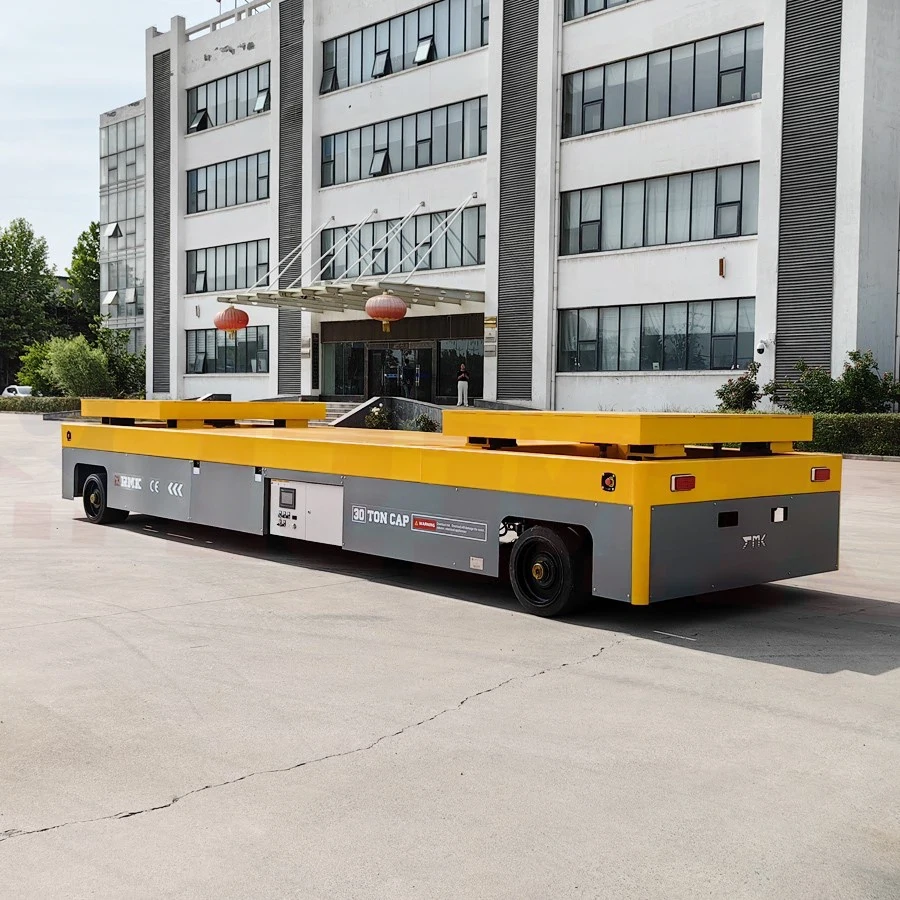
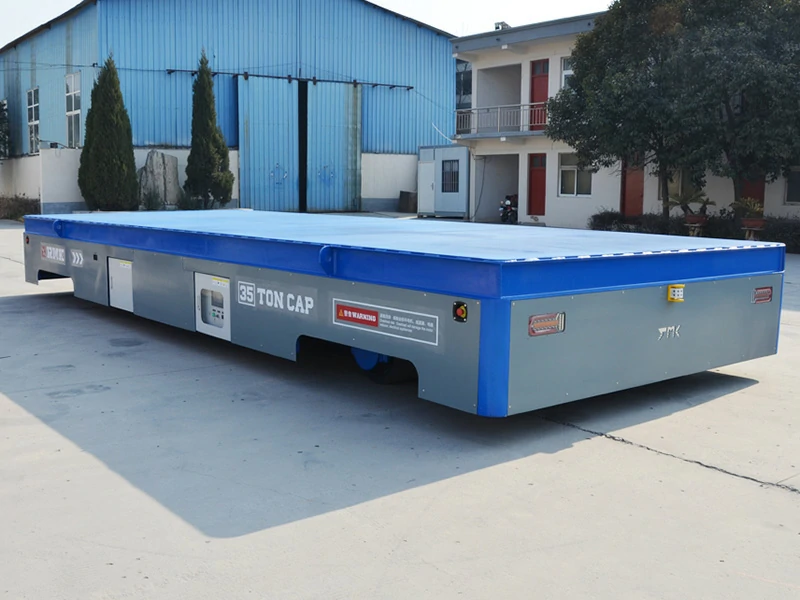
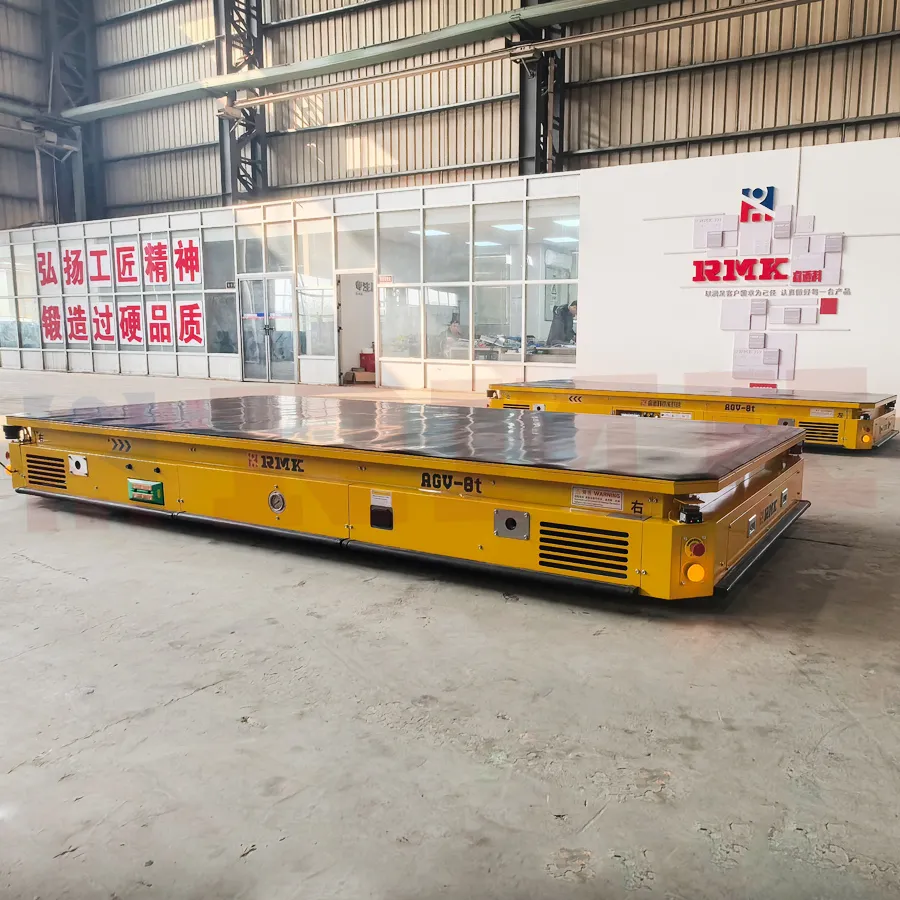
 trackless transfer cart
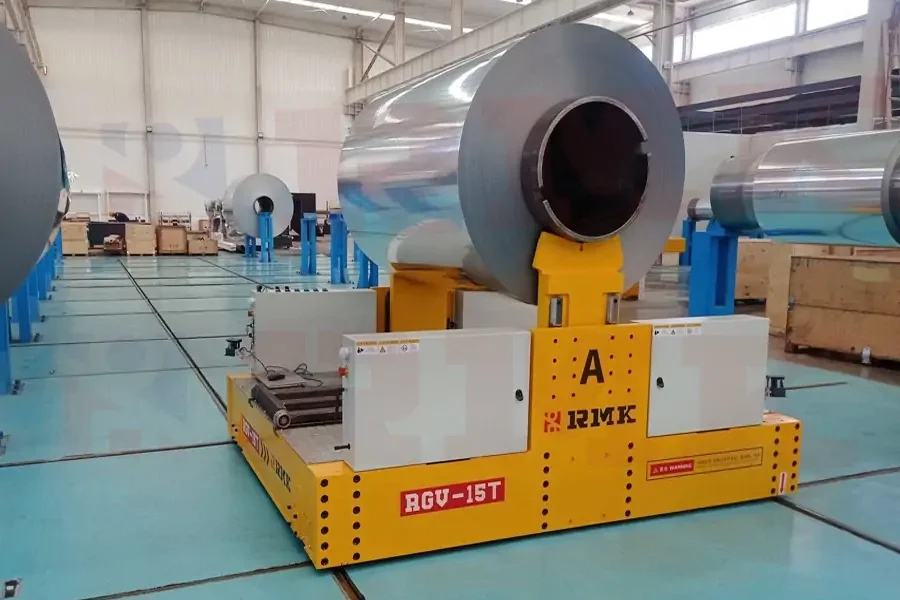
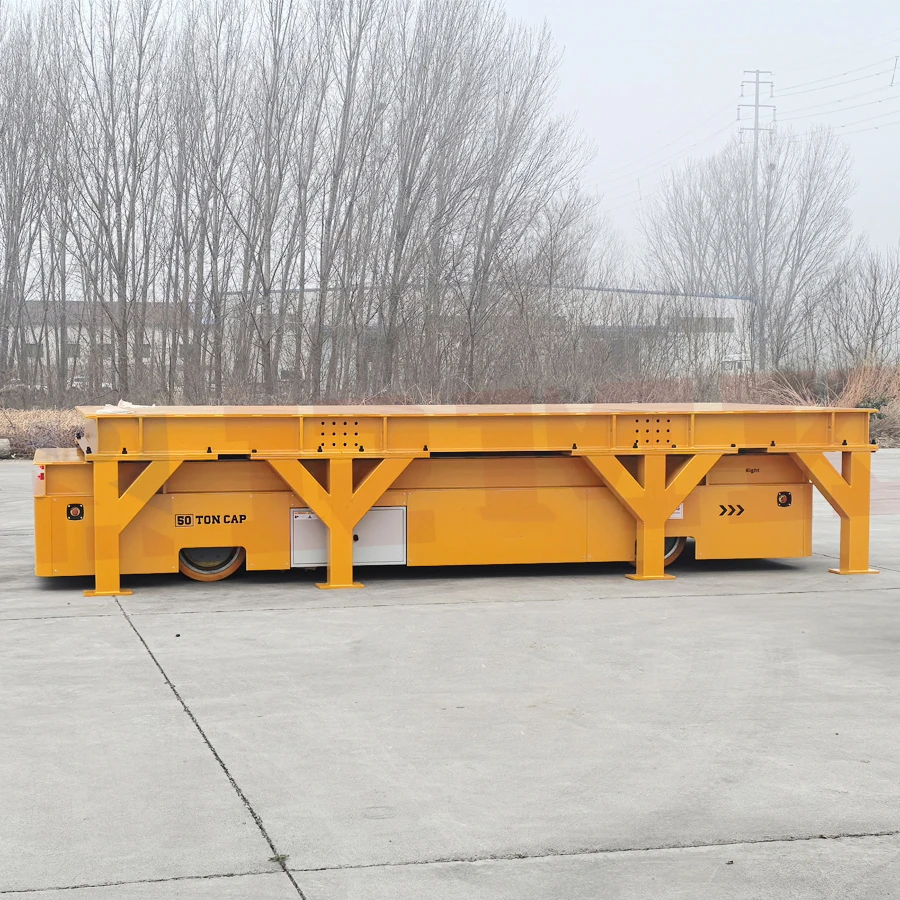
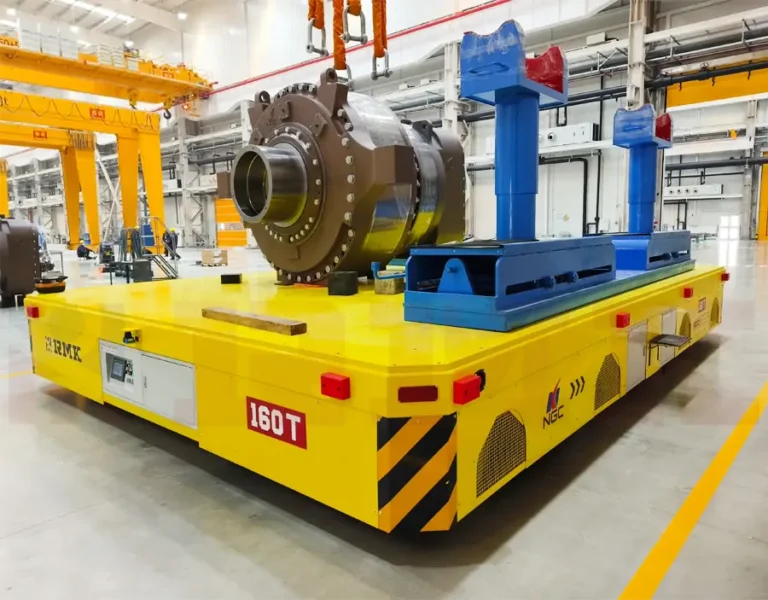
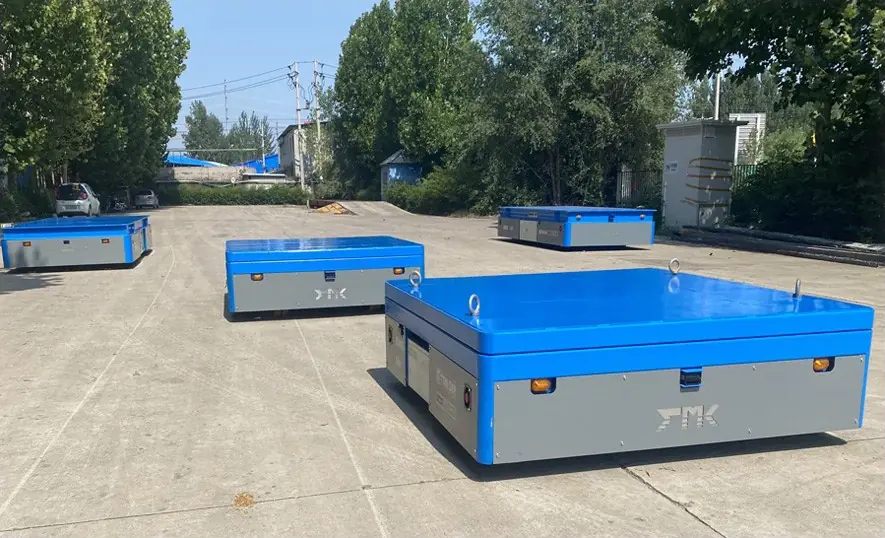
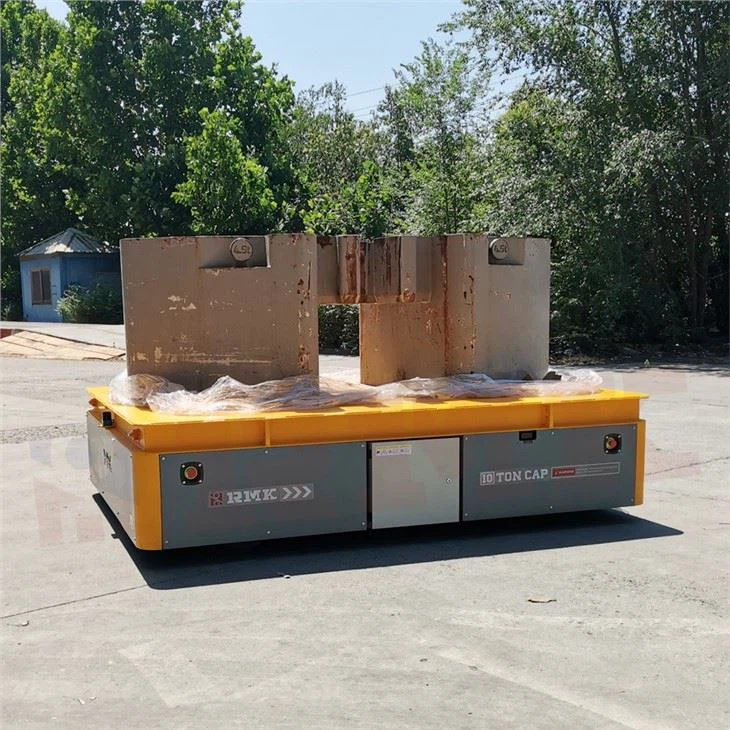
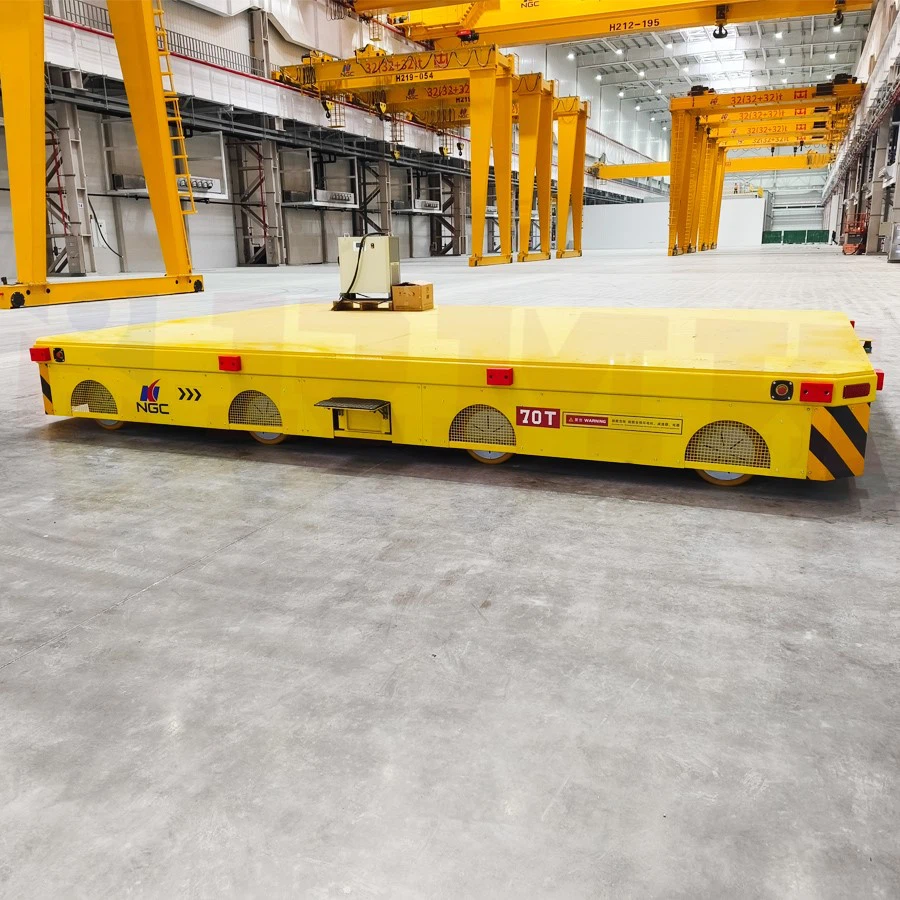
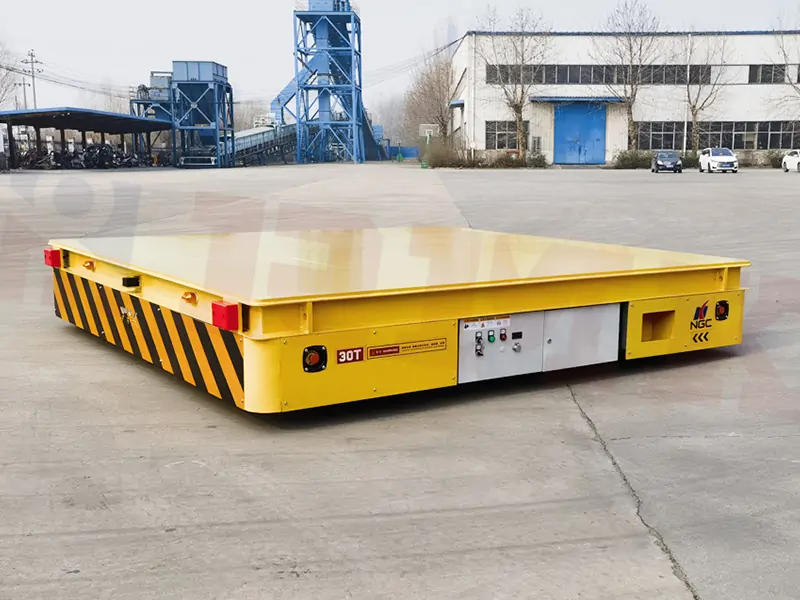
Heavy Duty Trackless Transfer Cart is designed to move heavy machinery, steel structures, molds, coils, and other large loads without fixed rails. Rubber-tired wheels and a flexible steering system allow the cart to operate across suitable factory floors, workshops, warehouses, and industrial yards.
REMARKABLE provides trackless transfer carts configured for different load weights, cargo dimensions, travel routes and floor conditions. Platform size, drive system, steering, battery capacity, travel speed, and control method can be customized for specific applications.
- Load Capacity: 1–500 tons
- Travel Speed: 0–30 m/min
- Travel Mode: Trackless / Rubber-Tired
- Control: Wireless Remote / Pendant / PLC
What Is a Heavy Duty Trackless Transfer Cart?
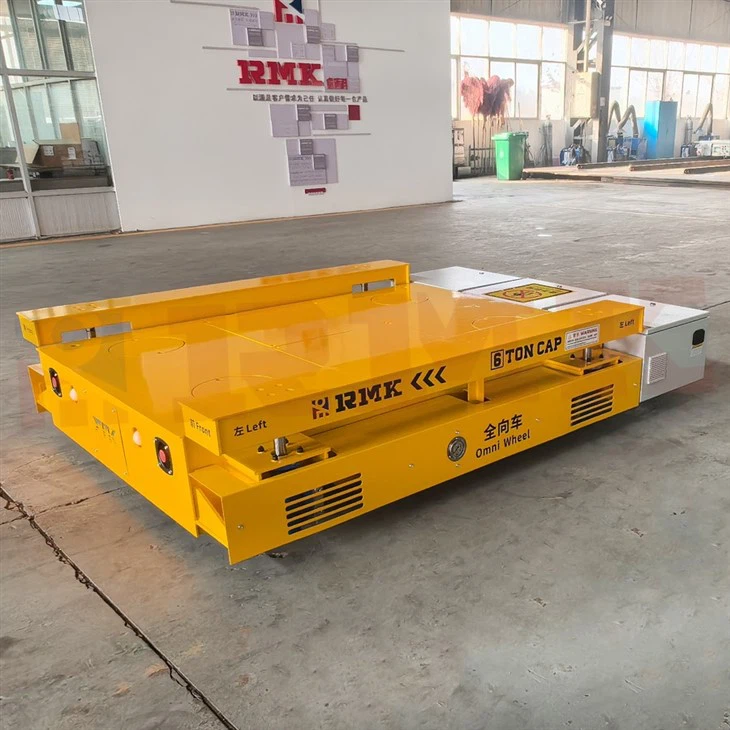
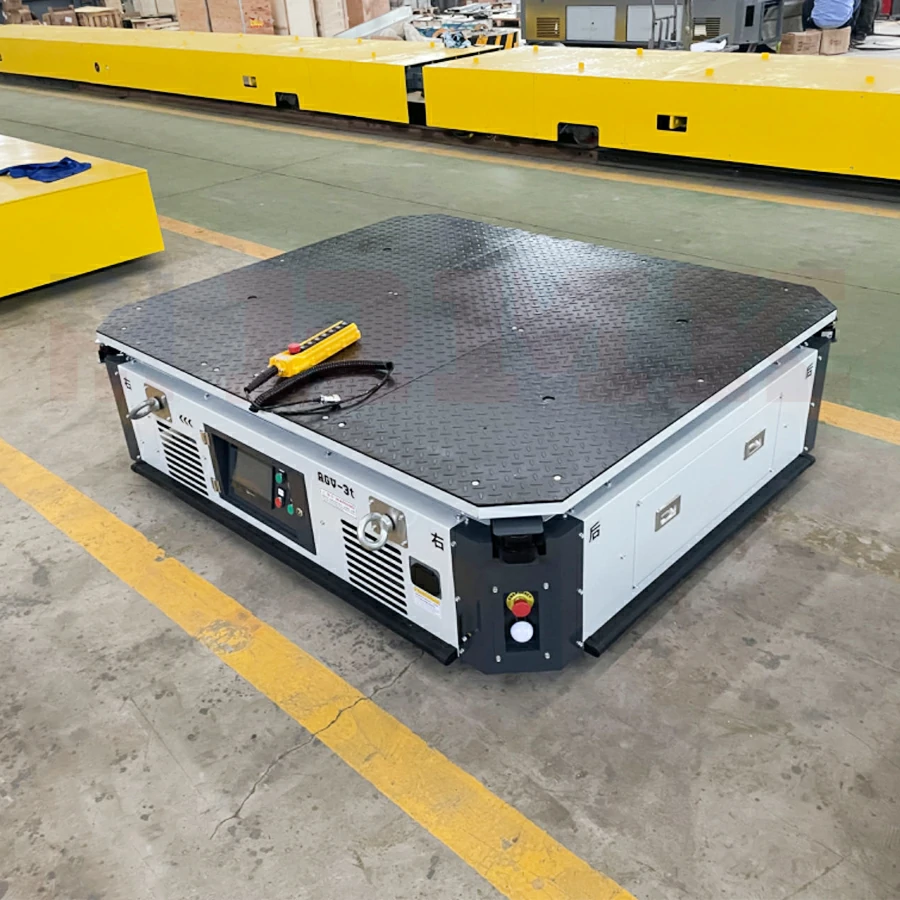
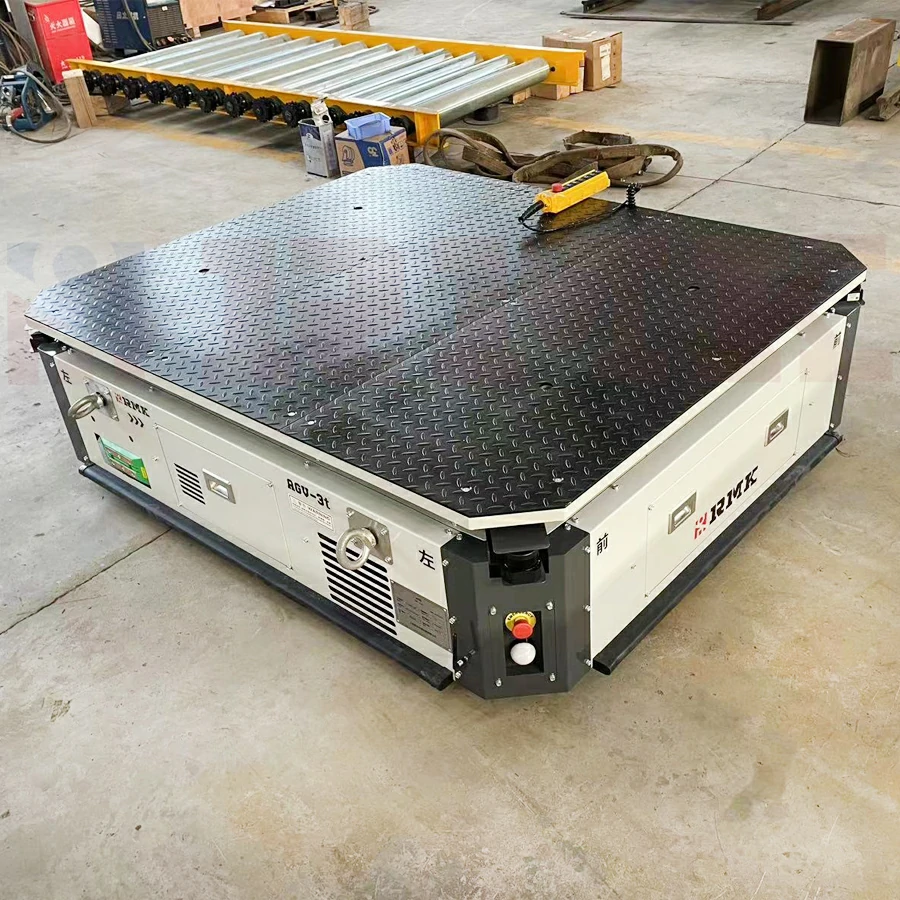
A Heavy Duty Trackless Transfer Cart is a wheel-mounted material handling vehicle designed to move heavy loads without fixed rails. It uses rubber or polyurethane wheels and a steering system for floor-level movement. It is also known as a steerable transfer cart, free-path transfer trolley, or rubber-wheeled electric flat car.
The onboard battery supplies power to the drive motors through a controller. Motor torque passes through the gear reducer to the drive wheels, while the steering system controls travel direction. The cart can move forward, reverse, and turn within the working area without a fixed rail path. Load capacities can range from 1 to 500 tons.
The cart frame is a welded steel structure designed for the rated load, with the load distributed through the axle and wheel assembly. Solid rubber or polyurethane wheels are available according to floor conditions and load requirements. Hydraulic or electric steering can be configured for different movement patterns. Typical applications include workshops, warehouses, steel plants, mold handling, and assembly lines where rail installation is impractical or travel routes change frequently.
For more details, see: “What Is a Trackless Transfer Cart?”
Specifications
| Parameter | Specification |
|---|---|
| Load Capacity | 1–500 tons |
| Platform Size | Customized according to load and cargo dimensions |
| Platform Structure | Steel platform; fixed or detachable design |
| Travel Mode | Trackless / Rubber-Tired |
| Travel Speed | 0–30 m/min |
| Drive Type | Single / Dual / Four-Wheel Drive |
| Steering Type | Hydraulic / Electric Steering |
| Turning | Standard Turning / 360° In-Place Rotation* |
| Power Supply | Battery / Cable Reel / Cable Drag Chain* |
| Battery Type | Lead-Acid / Maintenance-Free Lead-Acid / LiFePO₄* |
| Battery Voltage | 24–72 V* |
| Battery Capacity | 100–600 Ah* |
| Control Mode | Wireless Remote / Pendant / PLC |
| Wheel Type | Solid Rubber / Polyurethane / Cast Steel* |
| Gradeability | ≤5%* |
| Braking | Electromagnetic / Regenerative Braking |
| Positioning Accuracy | ±10 mm for automatic positioning* |
| Safety Features | Emergency Stop, Audible & Visual Alarm, Anti-Collision |
| Protection Rating | IP54 Standard; up to IP65* |
| Operating Temperature | -20°C to +45°C* |
| Optional Functions | Hydraulic Lift, V-Frame, Weighing, Positioning, Clamping |
Note: Specifications marked with * are configuration-dependent. REMARKABLE customizes Heavy Duty Trackless Transfer Carts according to load weight, cargo dimensions, travel route, floor conditions, operating cycle, and working environment. Special configurations are available for high-temperature, wet, cleanroom, and hazardous applications.
How Does a Trackless Transfer Cart Work?
A trackless transfer cart moves heavy loads over a plain floor surface without rails. The working principle is an onboard battery feeding a motor-driven, steerable wheel assembly that carries the platform and its load along a free route.
1. Power Supply: The onboard battery pack delivers DC power to the drive and control circuit. Voltage and capacity are matched to the rated load and the travel distance required per charge.
2. Drive and Steering: Electric motors convert the DC power into torque, which is transmitted to the wheels through a gear reducer. The steering axle — hydraulic or electric — turns the wheel set so the cart can follow straight, curved, or crab paths without any rail constraint.
3. Load Transport: The cart carries the load on its platform at a controlled speed, typically within 0–25 m/min. Because the wheels run directly on the floor, the frame and axle assembly are sized to keep floor pressure within acceptable limits.
4. Control: Operators manage starting, stopping, speed, and direction through a wireless remote or pendant. Semi-automatic and fully automatic versions use PLC control with encoder or laser positioning feedback, plus anti-collision detection for safe movement in shared working areas.
The workflow is simple and self-contained: Battery → Motor and Controller → Steerable Wheels → Free-Path Cart Movement → Load Handling. No rail installation is needed, and the route can be changed at any time by reprogramming or operator command, which is what distinguishes a trackless cart from a rail-guided transfer cart.
Learn how trackless transfer carts operate: Reason for Automatic Direction Shift When Trackless Transfer Cart Travels in a Straight Line
Advantages
No Fixed Rails
Operates directly on suitable floor surfaces without permanent rail installation, reducing restrictions on the travel route.
Flexible Travel
The cart can change direction, turn, and reverse within the working area, making it suitable for changing material handling routes.
Heavy Load Handling
Designed for moving heavy machinery, steel structures, molds, coils, and other large loads up to 500 tons.
Flexible Steering
Hydraulic or electric steering systems support different movement requirements, including tight turns and in-place rotation.
Lower Site Restrictions
Trackless operation avoids fixed rail alignment and allows better use of existing factory floors and open working areas.
Custom Configuration
Load capacity, platform size, wheels, drive system, steering, battery, control, and safety features can be configured for specific working conditions.
Applications
Heavy Duty Trackless Transfer Carts are used for moving heavy and oversized loads across factories, workshops, warehouses, shipyards, and industrial yards. They are suitable for sites where fixed rails are impractical or material handling routes change frequently.
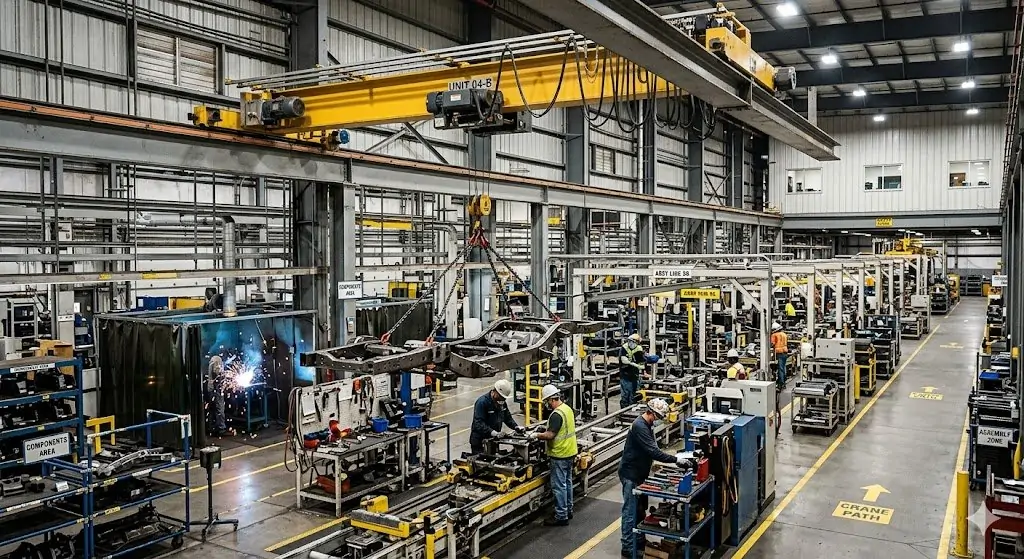
Machinery Manufacturing
Transport large machines, equipment frames, molds, and mechanical components.
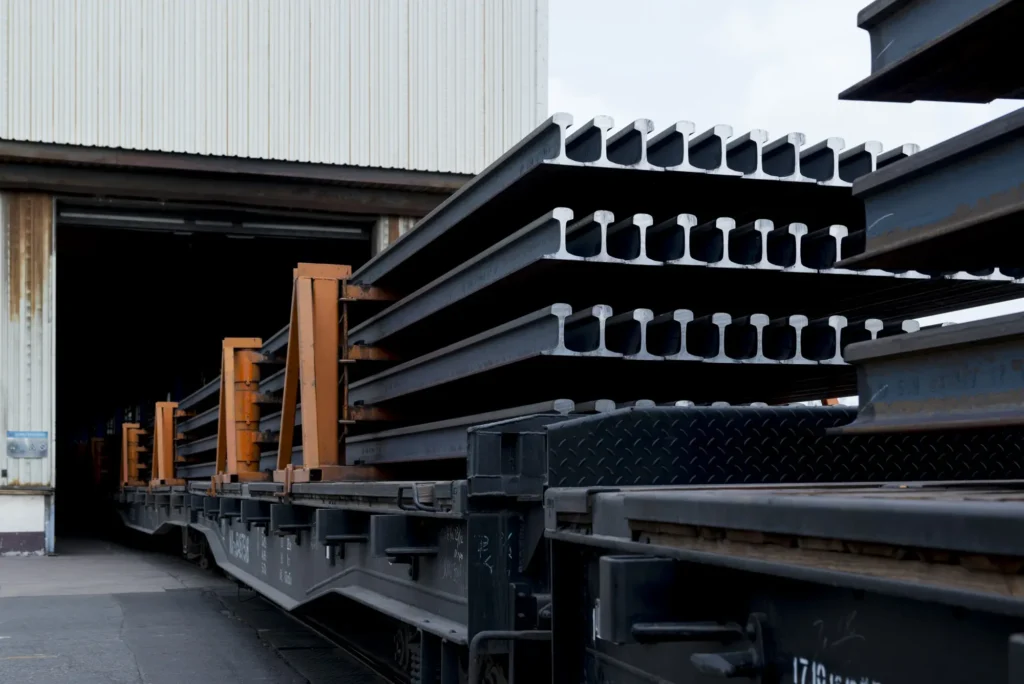
Steel Fabrication
Move steel beams, plates, pipes, fabricated structures, and heavy steel assemblies.
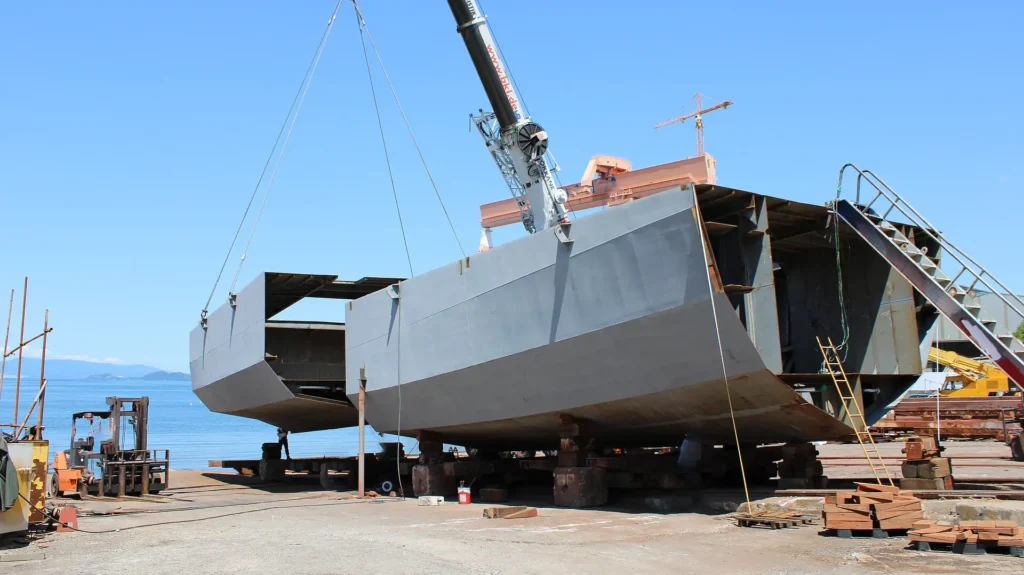
Shipyards
Handle ship sections, hull components, steel panels, and large marine structures.
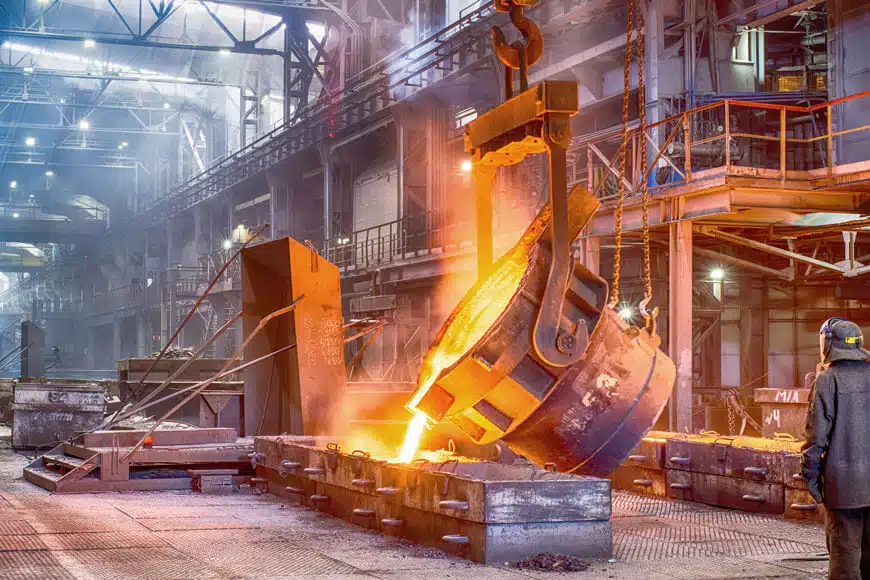
Foundries
Transport casting molds, castings, furnace components, and heavy production parts.
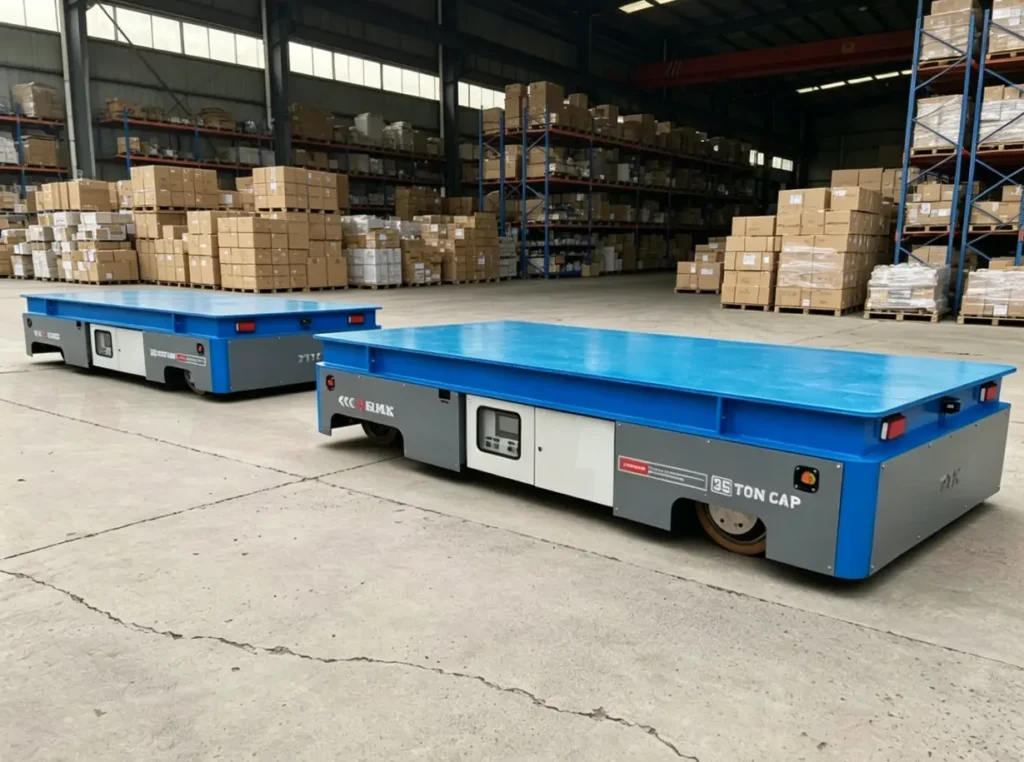
Industrial Warehouses
Move machinery, dies, molds, tanks, and oversized stored materials.
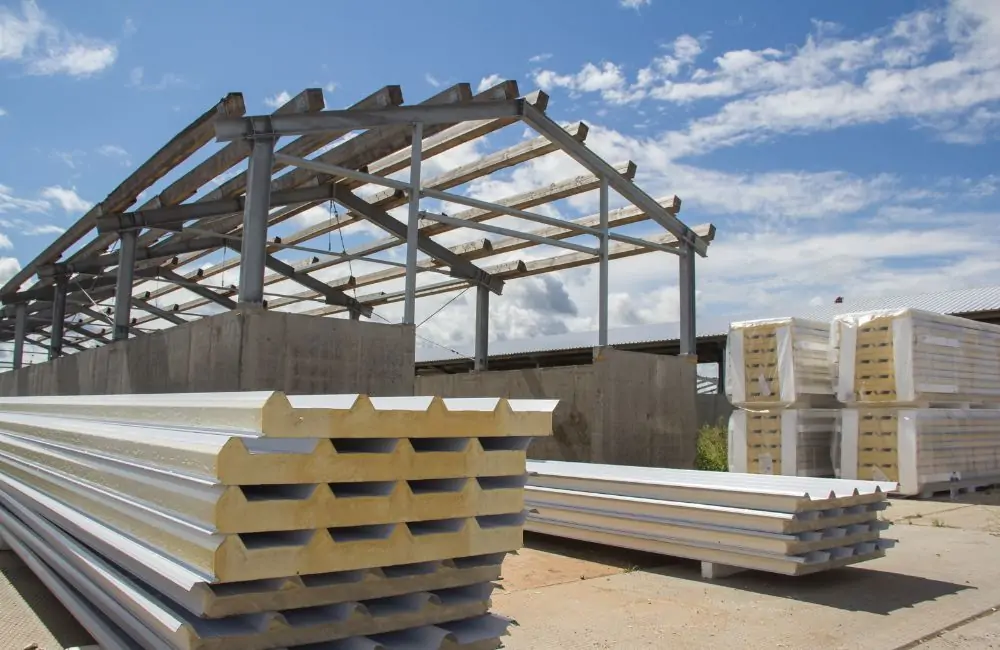
Construction Projects
Transport pressure vessels, structural sections, tanks, and prefabricated components.
Trackless Transfer Cart Power Options
Trackless Transfer Carts can use different power systems based on travel distance, route layout, and site conditions. Battery, cable reel and cable drag chain systems can be used for trackless operation.
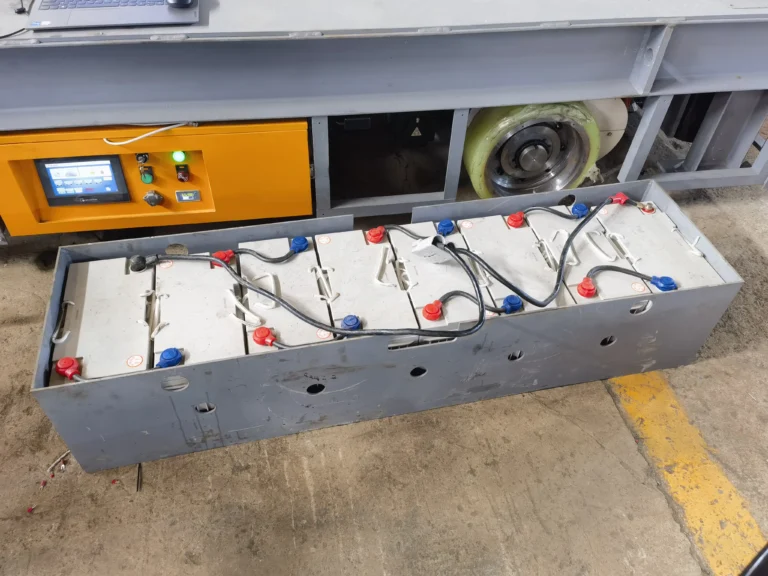
Battery Powered
Uses an onboard battery to drive the cart without a fixed power cable. It suits flexible routes, frequent direction changes and areas where cable installation is inconvenient.
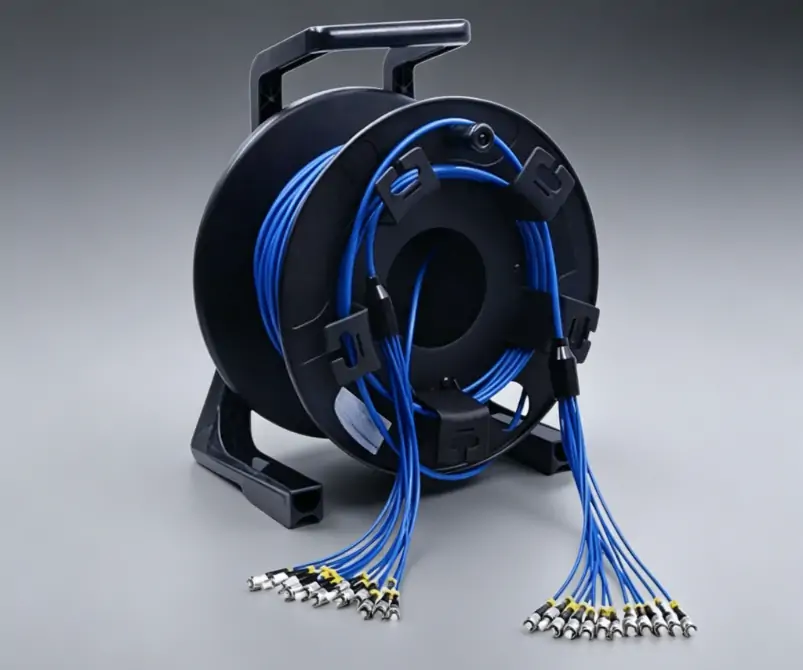
Cable Reel Powered
Uses a motorized cable reel to supply power while the cart travels. It suits fixed or semi-fixed routes where continuous power is required.
Low-Voltage Rail Powered
Low-voltage rail power uses conductive rails installed along the travel route. It is designed for rail transfer carts rather than trackless carts. See the Low-Voltage Rail Transfer Cart page for this power configuration.
Steering and Drive Options
The drive and steering configuration affects traction, turning radius, and route flexibility. Trackless transfer carts can be configured for different load weights, floor conditions, and travel requirements.
Drive Options
- Single-Wheel Drive
One drive wheel provides traction for the cart. It suits lighter loads and simple travel routes. - Dual-Wheel Drive
Two drive wheels share the traction load and provide balanced driving force. It suits medium and heavy-duty applications. - Four-Wheel Drive
All four wheels are driven for higher traction and stable movement. It suits heavy loads and demanding floor conditions.
Steering Options
- Hydraulic Steering
Hydraulic cylinders control the steering system for flexible movement. It supports curved travel, lateral movement and controlled positioning without fixed rails. - 360° Rotation
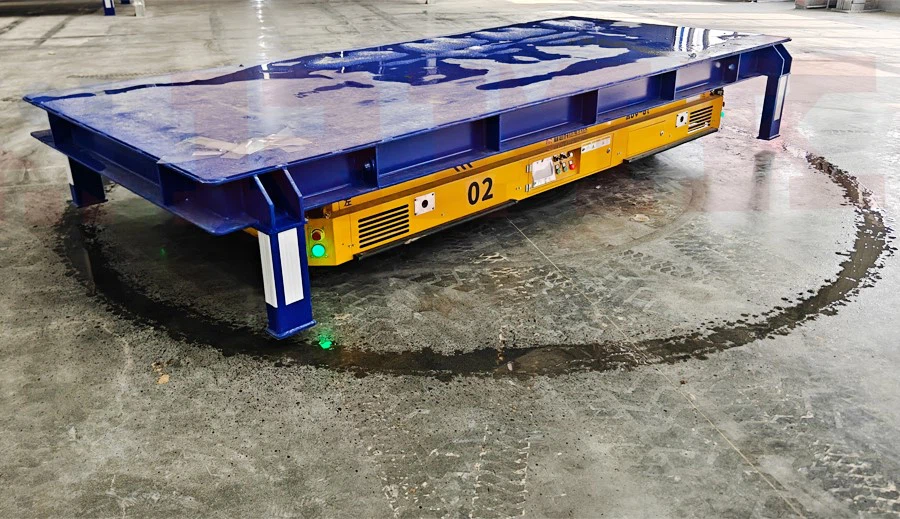
The wheel assembly can rotate around a vertical axis, allowing the cart to turn within a defined area. It suits confined workspaces where conventional turning space is limited.
Drive and steering selection depends on load weight, floor condition, travel route, and required turning space. REMARKABLE can configure the drive and steering system according to the working site.
How to Choose a Heavy Duty Trackless Transfer Cart?
Choosing a Heavy Duty Trackless Transfer Cart starts with the load, floor conditions, and travel route. The cart should be configured around the actual working conditions rather than load capacity alone.
- 1. Confirm the Load Capacity: Calculate the maximum load, including the weight of the workpiece, fixture, or tooling. Select the rated capacity based on the heaviest load to be transported.
- 2. Check the Load Dimensions: Measure the length, width, height, and center of gravity of the load. These dimensions determine the required platform size, wheel arrangement, and load distribution.
- 3. Check the Floor Conditions: Trackless carts run directly on the floor, so surface condition is important. Check floor flatness, load-bearing capacity, slope, joints, and debris before selecting the wheel and drive configuration.
- 4. Define the Travel Route: Consider travel distance, route width, turning areas, and whether the cart needs to change direction frequently. Flexible steering or 360° rotation can be selected for applications with limited turning space.
- 5. Select the Power System: Battery power suits flexible movement without a fixed cable. Cable reel and cable drag chain systems suit defined travel routes where continuous power is required.
- 6. Select the Drive and Control System: Single, dual, or four-wheel drive can be selected according to load and traction requirements. Wireless remote, pendant, or PLC control can be configured based on the required operating method.
- 7. Define Safety Requirements: Consider emergency stop, audible and visual alarms, anti-collision devices, obstacle detection, and automatic positioning based on the working environment.
- 8. Consider Special Working Conditions: High temperature, wet areas, cleanrooms, slopes, and hazardous environments may require special materials, protection levels, drive systems, or safety configurations.
REMARKABLE can configure the Heavy Duty Trackless Transfer Cart according to load weight, cargo dimensions, floor conditions, travel route, operating cycle and site requirements.
Projects
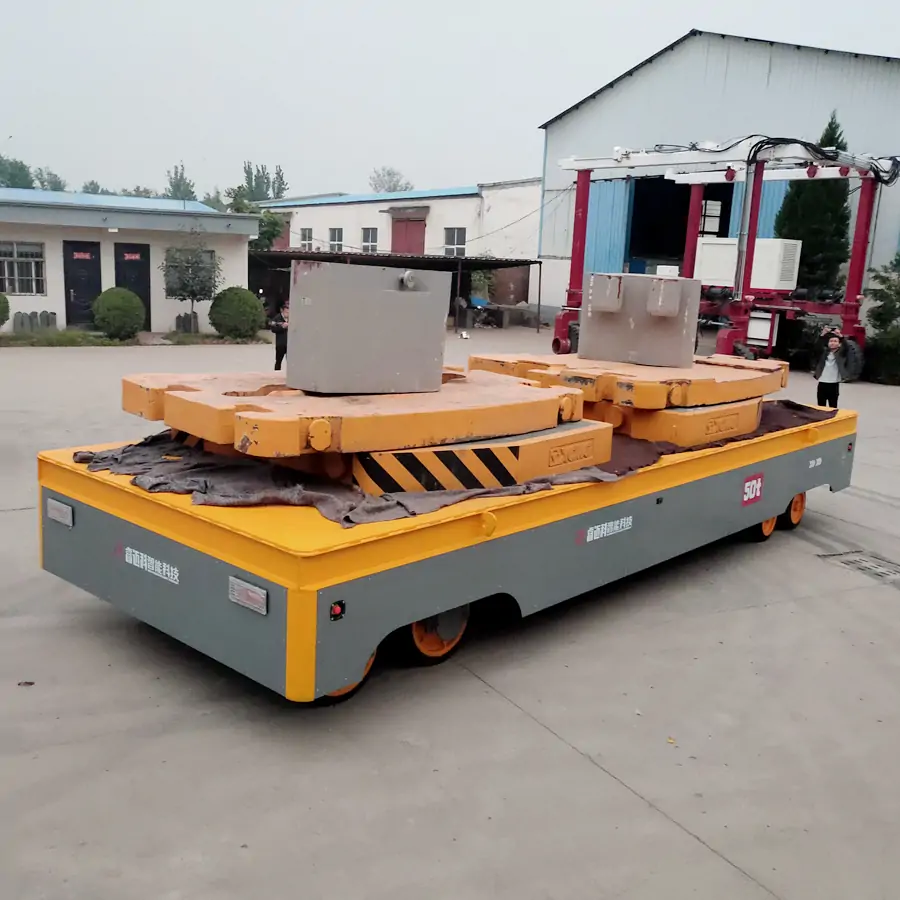
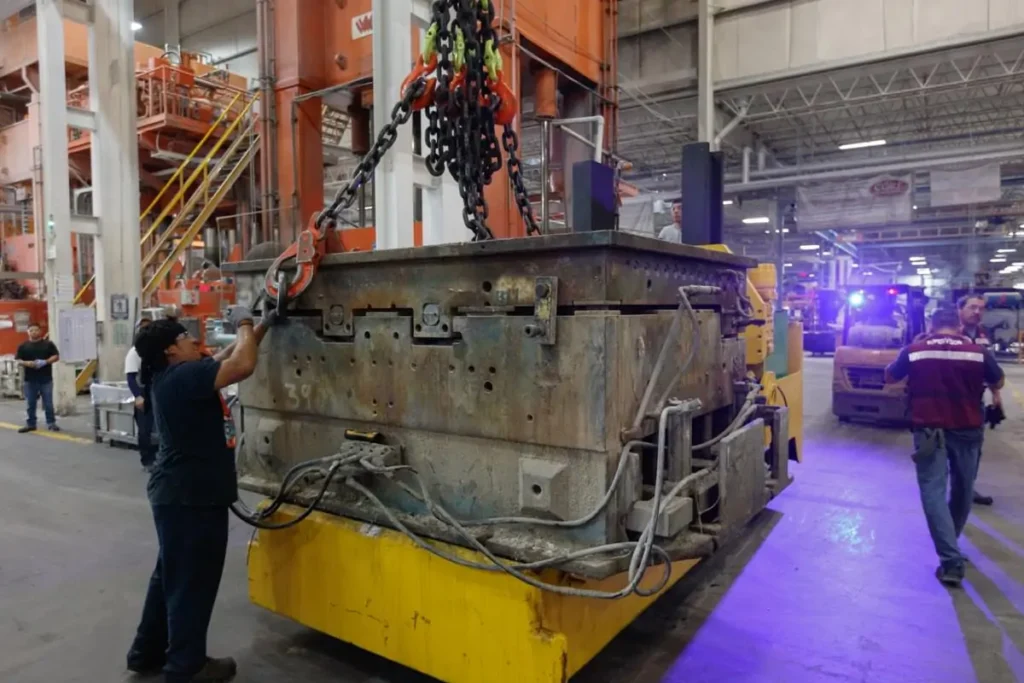
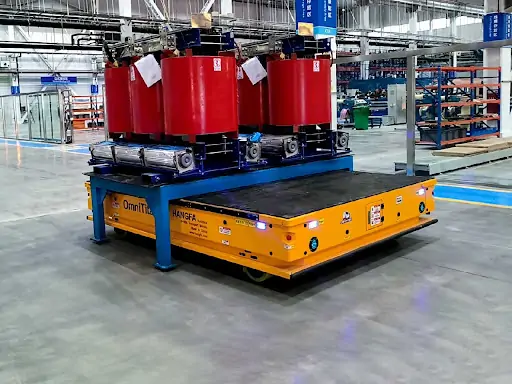
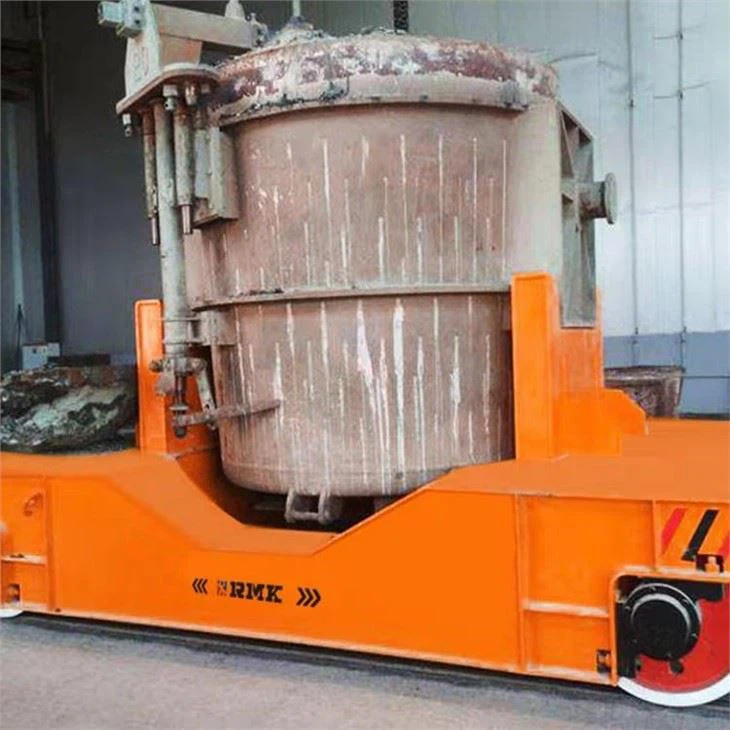
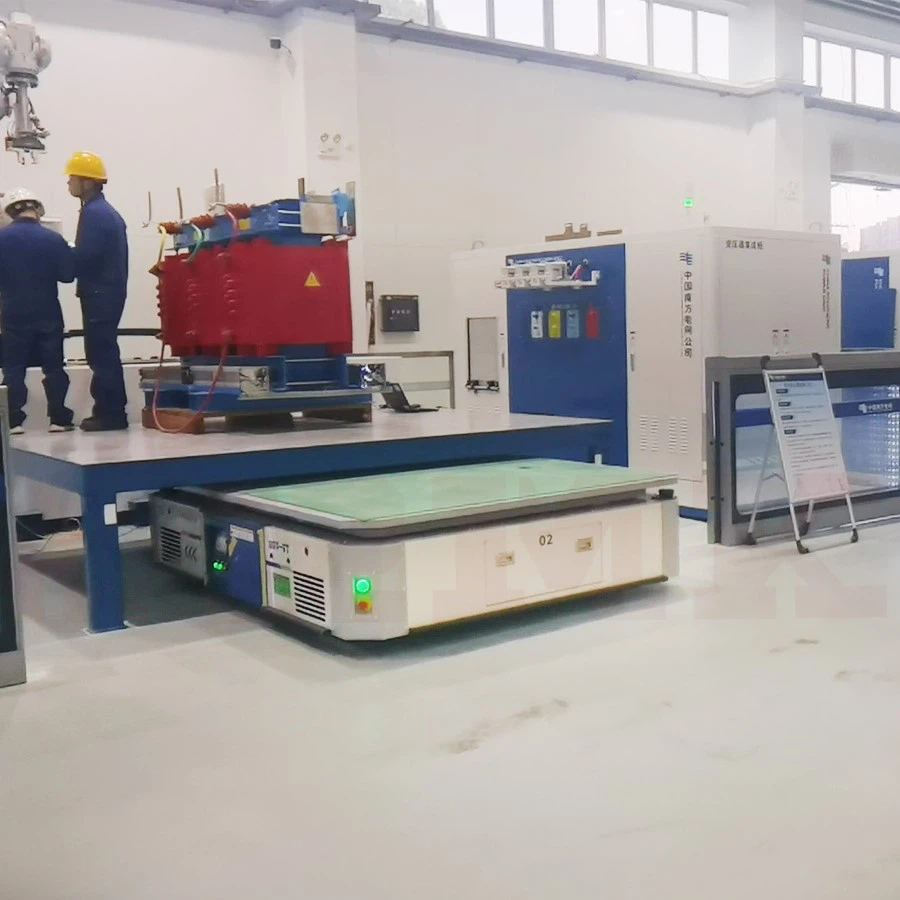
Heavy Duty Trackless Transfer Cart Customization
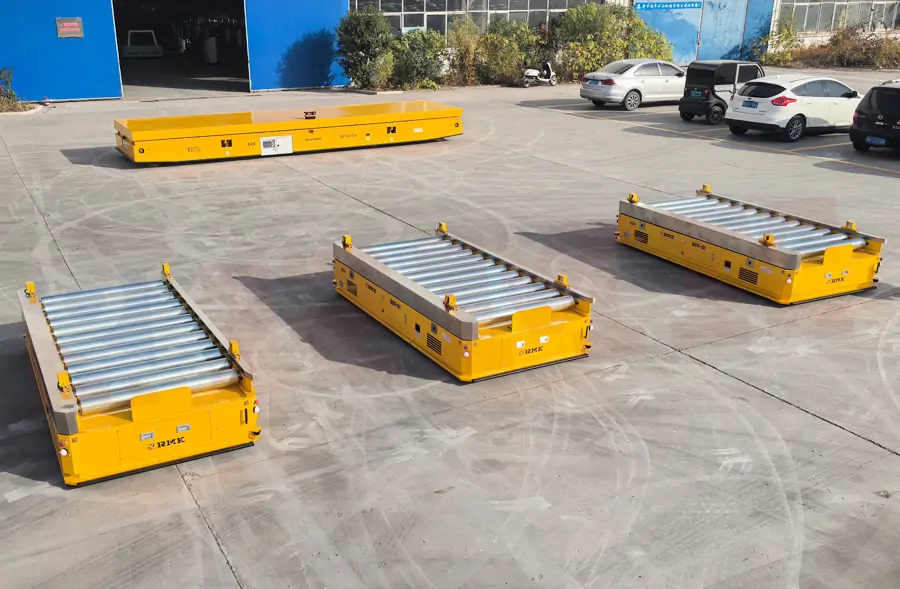
REMARKABLE provides customized Heavy Duty Trackless Transfer Carts for different load weights, cargo dimensions, floor conditions, and travel routes. The cart configuration can be adjusted to match the actual working site.
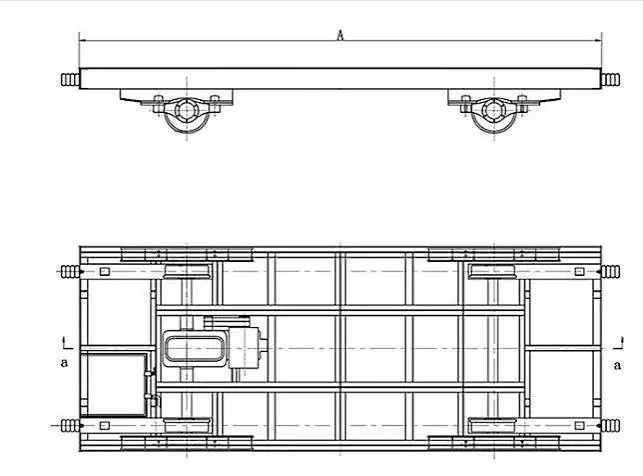
Customizable Configurations
- Load Capacity: 1–500 tons based on the required load.
- Platform Size: Customized to the cargo dimensions and load distribution.
- Drive System: Single, dual, or four-wheel drive.
- Steering System: Hydraulic or electric steering, with 360° rotation available for selected configurations.
- Power Supply: Battery, cable reel, or cable drag chain.
- Control System: Wireless remote, pendant or PLC automatic control.
- Safety System: Emergency stop, audible and visual alarms, anti-collision and obstacle detection.
- Optional Functions: Hydraulic lifting platform, V-frame, weighing, automatic positioning and clamping.
The final configuration is based on load weight, cargo size, travel distance, floor condition, turning requirements, operating cycle, and working environment. Special configurations can be developed for high-temperature, wet, cleanroom, slope, and hazardous applications.
For more information on customization, see the article: Custom Transfer Cart: Complete Guide to Design and Customization
Heavy Duty Trackless Transfer Cart Manufacturer and Supplier
Heavy Duty Trackless Transfer Cart provides a flexible solution for moving heavy and oversized loads without fixed rails. It suits factories, workshops, warehouses, shipyards, and other industrial sites where travel routes change, or rail installation is impractical.
REMARKABLE manufactures and supplies customized trackless transfer carts from 1 to 500 tons. Platform size, drive, steering, power supply, control, and safety systems can be configured around the load and working conditions. Contact us to discuss your trackless transfer cart requirements.
Related Articles
Customized Intelligent Material Handling Solutions
To ensure that a customized transfer cart fits your needs perfectly, please provide the following details:
- Load Capacity: _____ tons (1~500 ton)
- Table Size: _____ × _____ mm/m (e.g., 1500×3000)
- Power Options:
- ☐ Lead-acid ☐ Lithium-ion ☐ Other: _____
- ☐ Cable: _____V/_____A
- ☐ Standard 380V/50Hz/3-phase
- Cargo Details:
- Type: _____ (e.g., steel coils, machinery)
- Special Needs: _____ (e.g., anti-slip, corrosion-proof)
- Optional Features:
- ☐ Emergency stop ☐ Anti-collision sensors
- ☐ Rail guides ☐ Lifting mechanism ☐ Remote control
Get a Quote Now
FAQ
What is a Heavy Duty Trackless Transfer Cart?
A Heavy Duty Trackless Transfer Cart is an electric material handling vehicle for moving heavy loads without fixed rails. It uses rubber or polyurethane wheels, a drive system and steering system to travel across suitable industrial floors. Capacities can be customized from 1 to 500 tons.
How does a trackless transfer cart move without rails?
A trackless transfer cart uses onboard drive motors to power the wheels directly. The steering system controls the travel direction, allowing the cart to move forward, reverse and turn on suitable floor surfaces without rail guidance.
How much weight can a trackless transfer cart carry?
A trackless transfer cart can be designed for different load capacities according to the application. REMARKABLE provides Heavy Duty Trackless Transfer Carts from 1 to 500 tons. The rated capacity is selected according to load weight, dimensions, load distribution and floor conditions.
Can a trackless transfer cart turn freely?
Trackless transfer carts can change direction without fixed rails. Depending on the steering configuration, the cart can follow curved paths, make controlled turns or rotate within a defined area. A 360° rotation function is available for selected configurations and suitable working conditions.
What type of floor does a trackless transfer cart require?
A trackless transfer cart requires a suitable, level and load-bearing floor. Floor flatness, surface condition, slope, joints and debris should be considered before selection. Wheel type and drive configuration can be selected according to the actual floor and operating conditions.
What is the maximum speed of a trackless transfer cart?
The standard travel speed of a Heavy Duty Trackless Transfer Cart is up to 30 m/min. Actual speed depends on load capacity, floor condition, travel route, drive system and safety requirements. The speed can be configured according to the operating cycle.
Can a trackless transfer cart be customized?
Yes. Trackless transfer carts can be customized for load capacity, platform size, drive system, steering, power supply, control and safety features. REMARKABLE configures the cart according to cargo dimensions, floor conditions, travel route, operating cycle and other site requirements.
What is the difference between a trackless and rail transfer cart?
A trackless transfer cart travels directly on suitable floor surfaces and offers flexible routing and steering. A rail transfer cart follows fixed rails installed in the floor. Trackless models suit changing routes, while rail carts are suited to defined travel paths.