
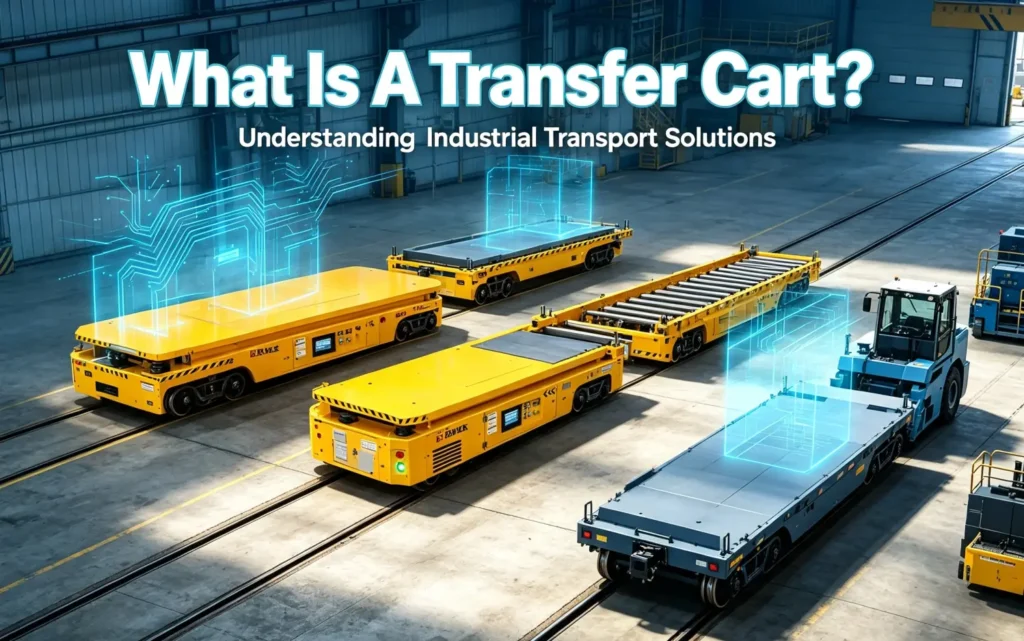
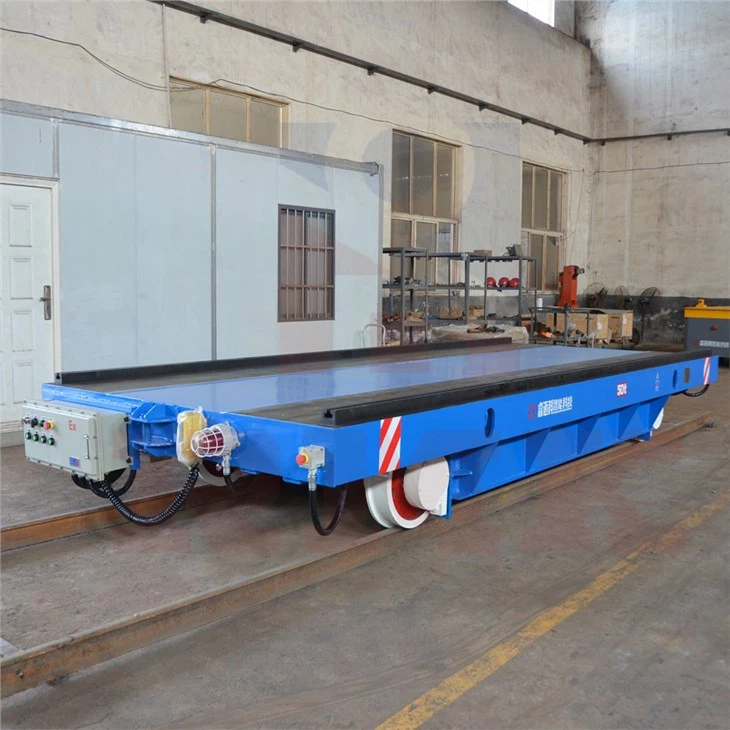
Ein Schienen-Transferwagen, auch als elektrischer Schienen-Transferwagen oder motorisierter Schienen-Transferwagen bezeichnet, ist ein schienengebundenes Materialtransportfahrzeug, das mit Strom betrieben wird. Es wird häufig zum Transport schwerer Materialien über Produktionslinien, Montagestationen oder Lagerbereiche hinweg eingesetzt. Es fährt auf Stahlschienen und kann je nach Anwendungsanforderungen mit Batterie, Kabeltrommel oder Niederspannungsschiene betrieben werden.
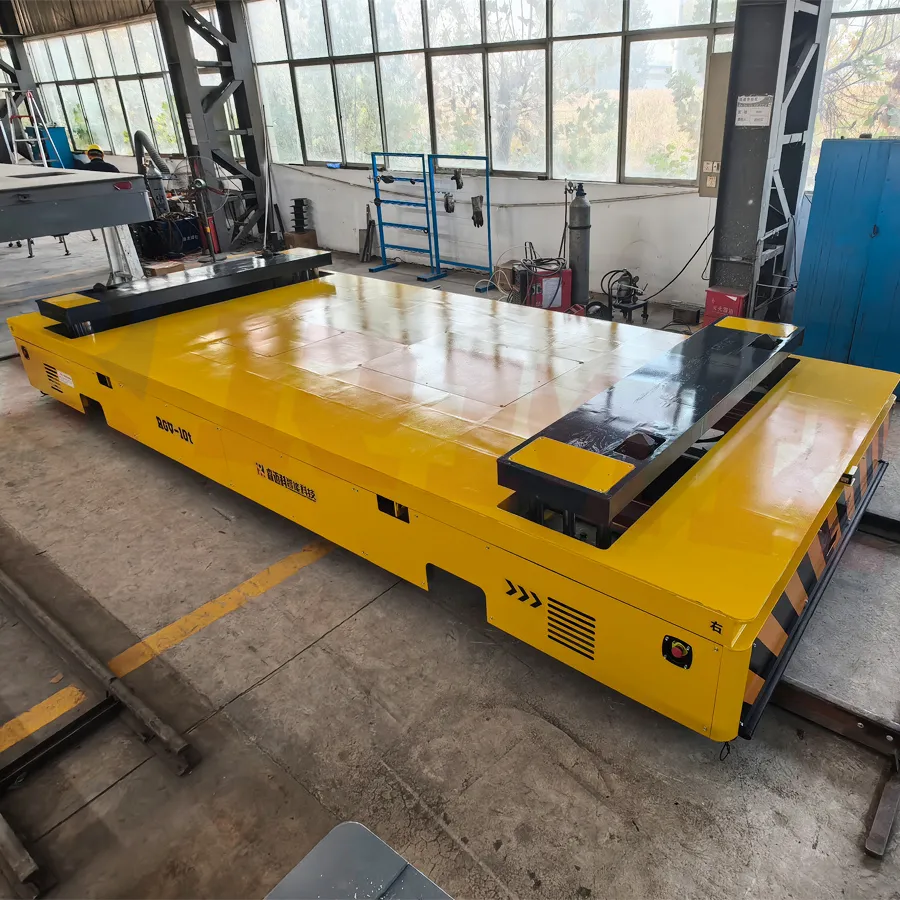
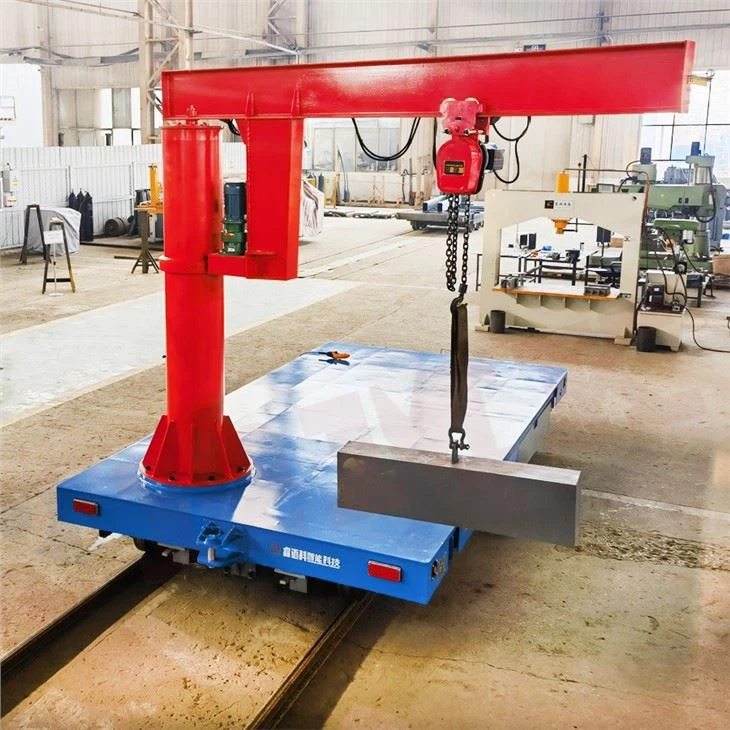
Schienengebundene Transferwagen sind in verschiedenen Konfigurationen erhältlich, mit unterschiedlichen Tragfähigkeiten, Leistungsanforderungen und Materialhandhabungsanwendungen, die auf verschiedene Szenarien zugeschnitten sind. Im Folgenden sind einige der am häufigsten in industriellen Umgebungen verwendeten Typen aufgeführt.
| Typ | Beschreibung |
|---|---|
| Batteriebetriebener Schienen-Transferwagen | Flexibler Betrieb ohne externe Stromversorgung. |
| Niederspannungs-Schienentransportwagen | Ideal für Schwerlast- und Dauerförderung. |
| Kabeltrommel-Schienentransportwagen | Geeignet für feste Strecken und lange Betriebszeiten. |
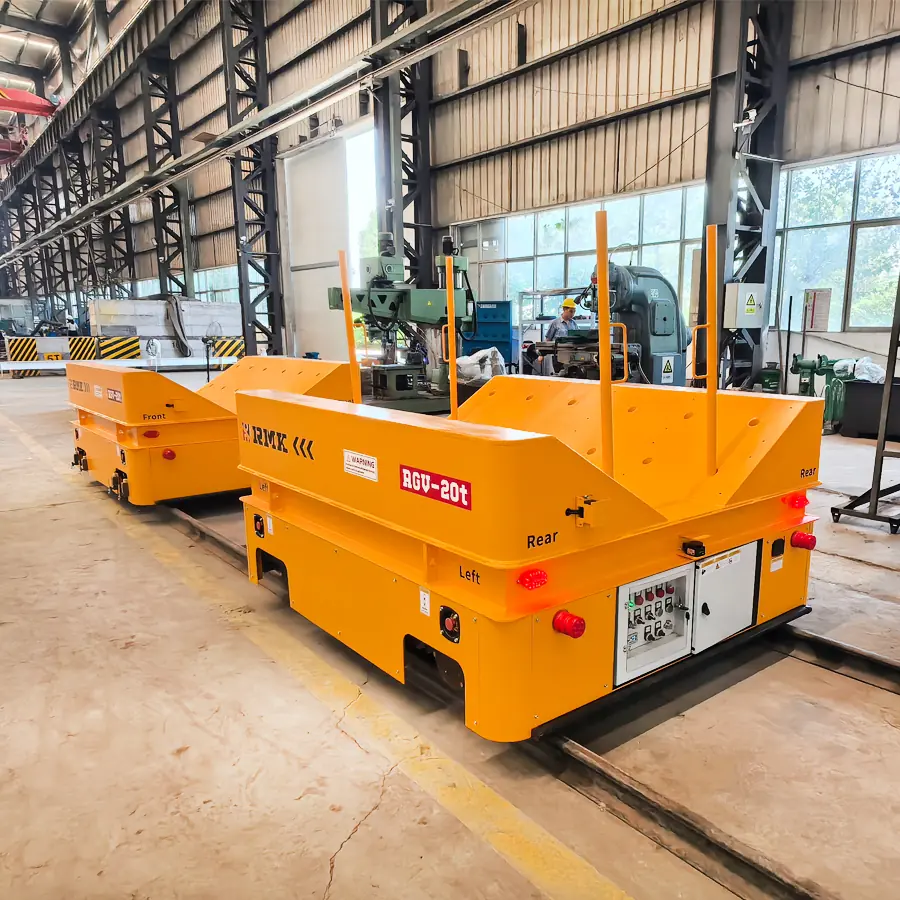
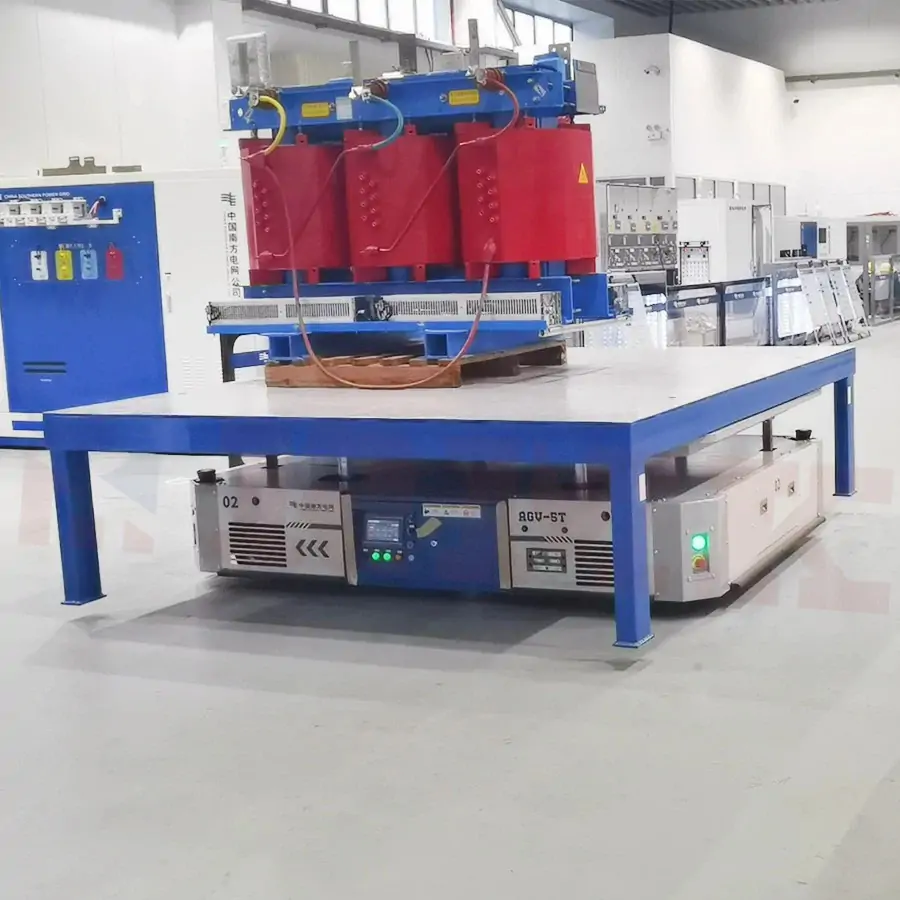
| RGV-Transferwagen | Automatisierte Materialhandhabung für intelligente Logistiksysteme. |
| Werkzeug-Transferwagen | Konzipiert für den Transport von Formen und Werkzeugen. |
| Pfannen-Transferwagen | Gebaut für den Transport von geschmolzenem Metall und Hochtemperaturanwendungen. |
| Automatisierter Schienen-Transferwagen | Schienengeführter Transferwagen, integriert mit PLC, AGV, MES oder WMS-Systemen für automatisierte Materialhandhabung. |
Artikel über Schienentransportwagen
- Was ist ein Schienen-Transferwagen?
- Wie funktionieren Schienenverschiebewagen?
- Wie wählt man einen Bahntransportwagen aus?
- Schienengeführter Transferwagen – System erklärt
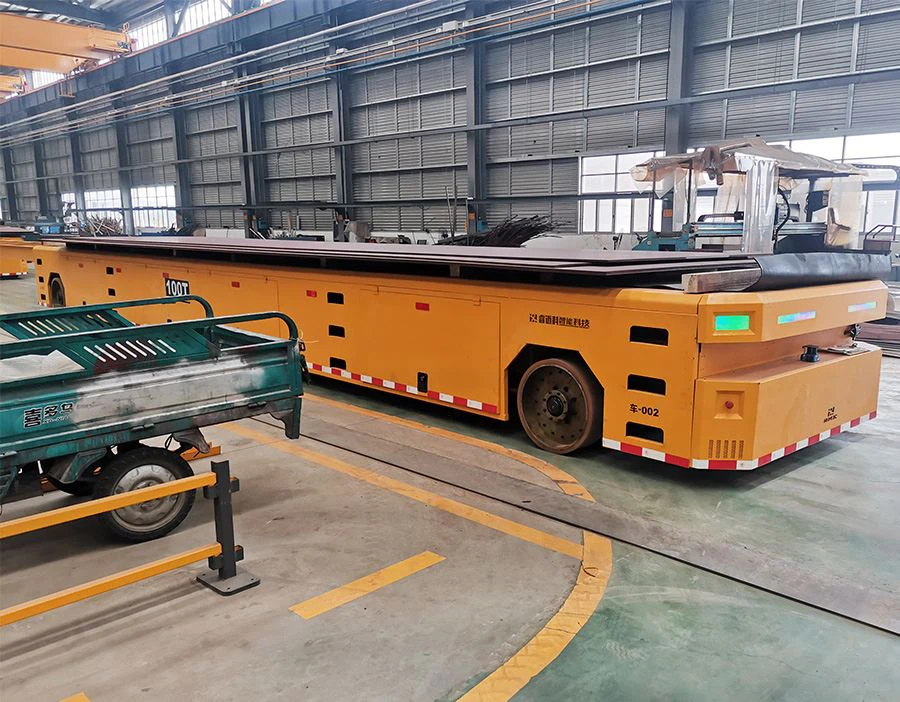
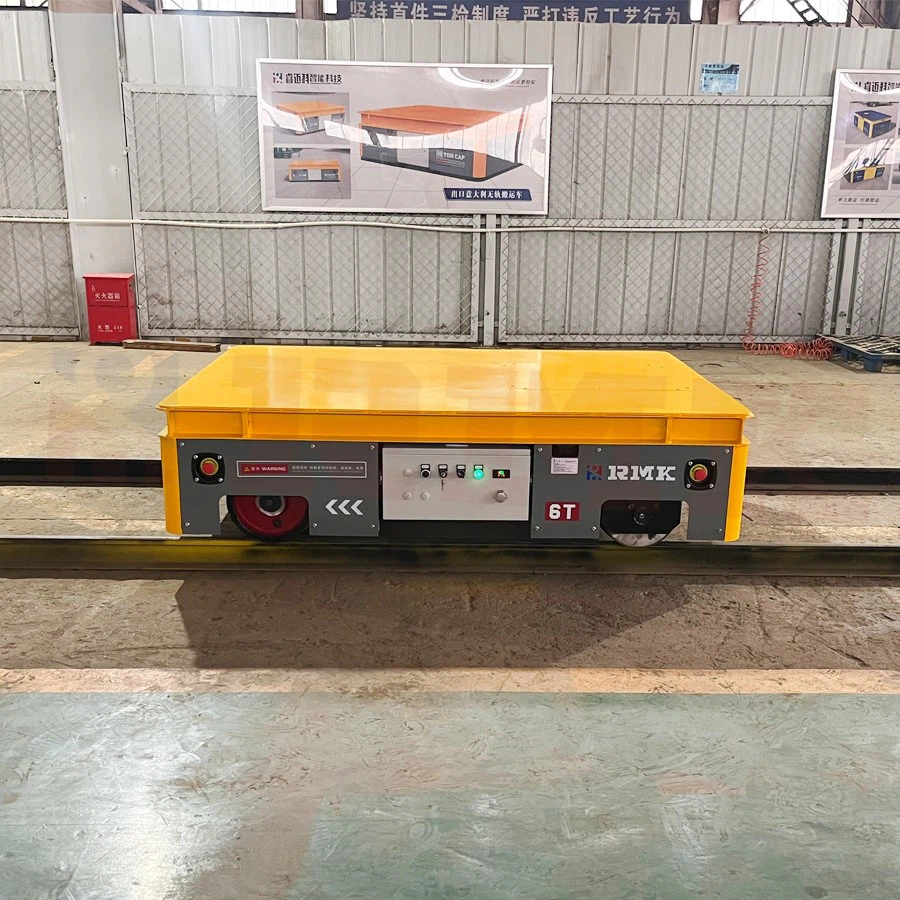
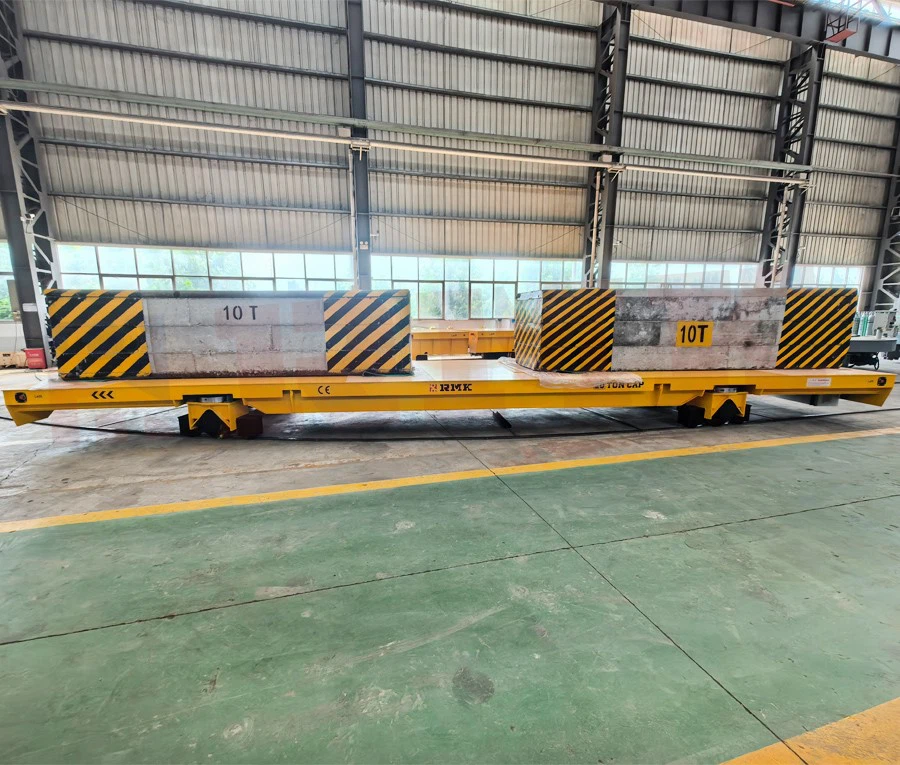
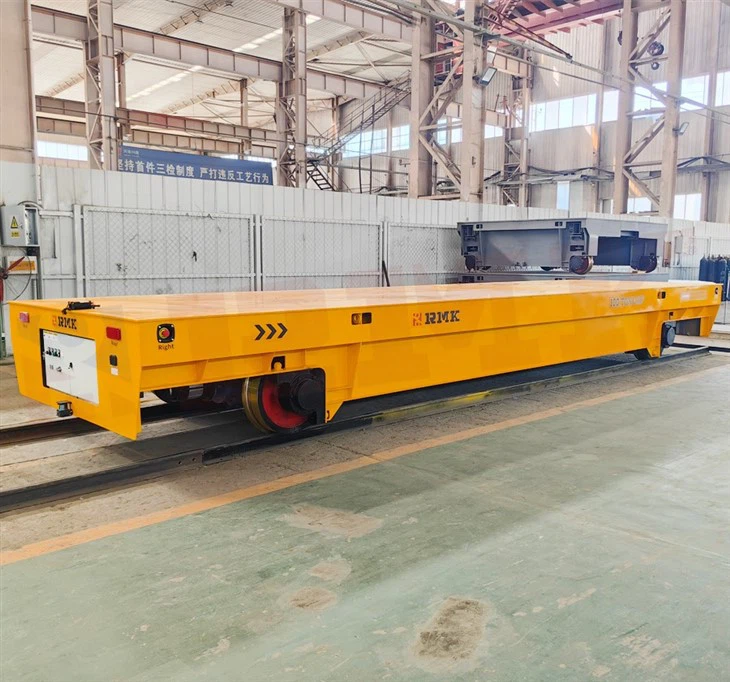
Arten von Schienen-Transferwagen
Arbeitsprinzip
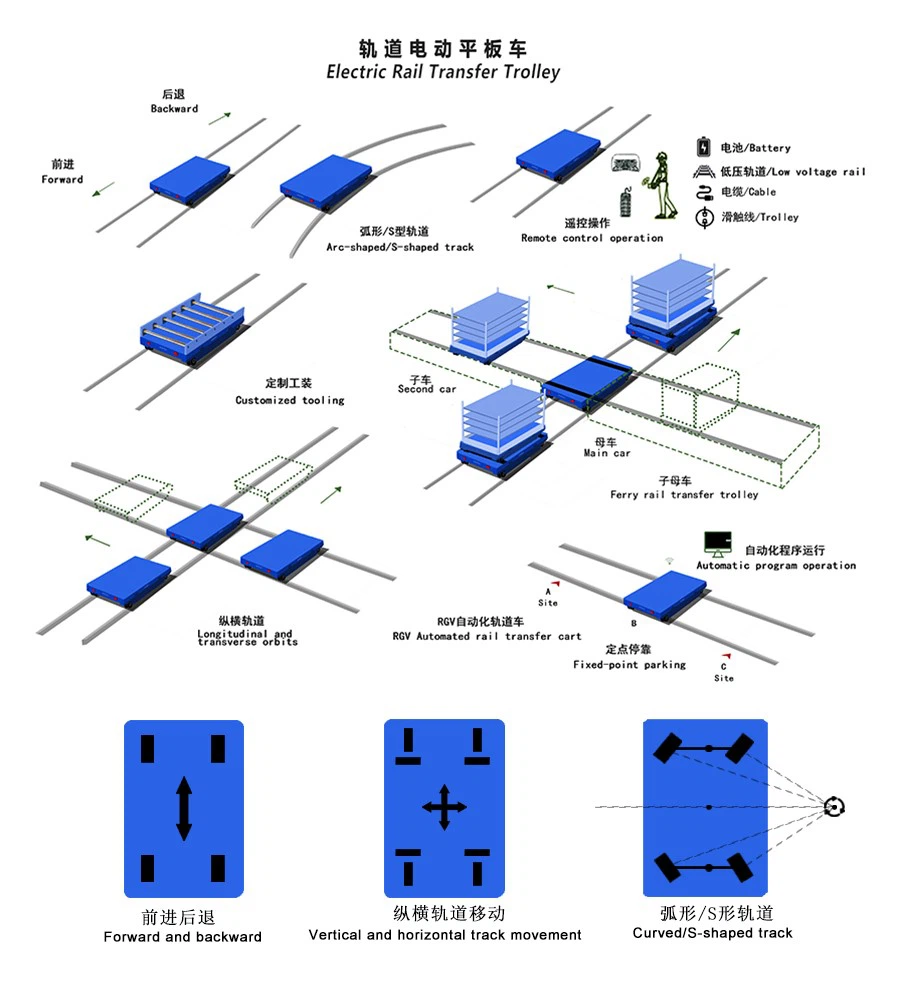
Ein Schienen-Transferwagen ist eine Art elektrisches Transportgerät, das auf einer vorgegebenen Spur fährt. Über den Motor werden die Antriebsräder auf der Spur bewegt, um den Kurzstreckentransport von Materialien oder Geräten zu realisieren. Das Kernarbeitsprinzip besteht darin, dass der Motor die Kraft über das Getriebe auf die Antriebsräder überträgt, den Wagenkörper gleichmäßig auf der Spur bewegt und durch das elektrische Steuerungssystem (z. B. Fernbedienung, Schleifleitung oder Batteriestromversorgung) Vorwärts-, Rückwärts-, Geschwindigkeitsregelung und präzises Anhalten ermöglicht. Einige High-End-Modelle sind mit automatischen Positionierungs- oder Kollisionsschutzvorrichtungen ausgestattet und eignen sich für Schwerlast- und häufige Transportanforderungen in Fabriken, Lagern, Häfen und anderen Szenen.
Lenkungsmodus
Teile
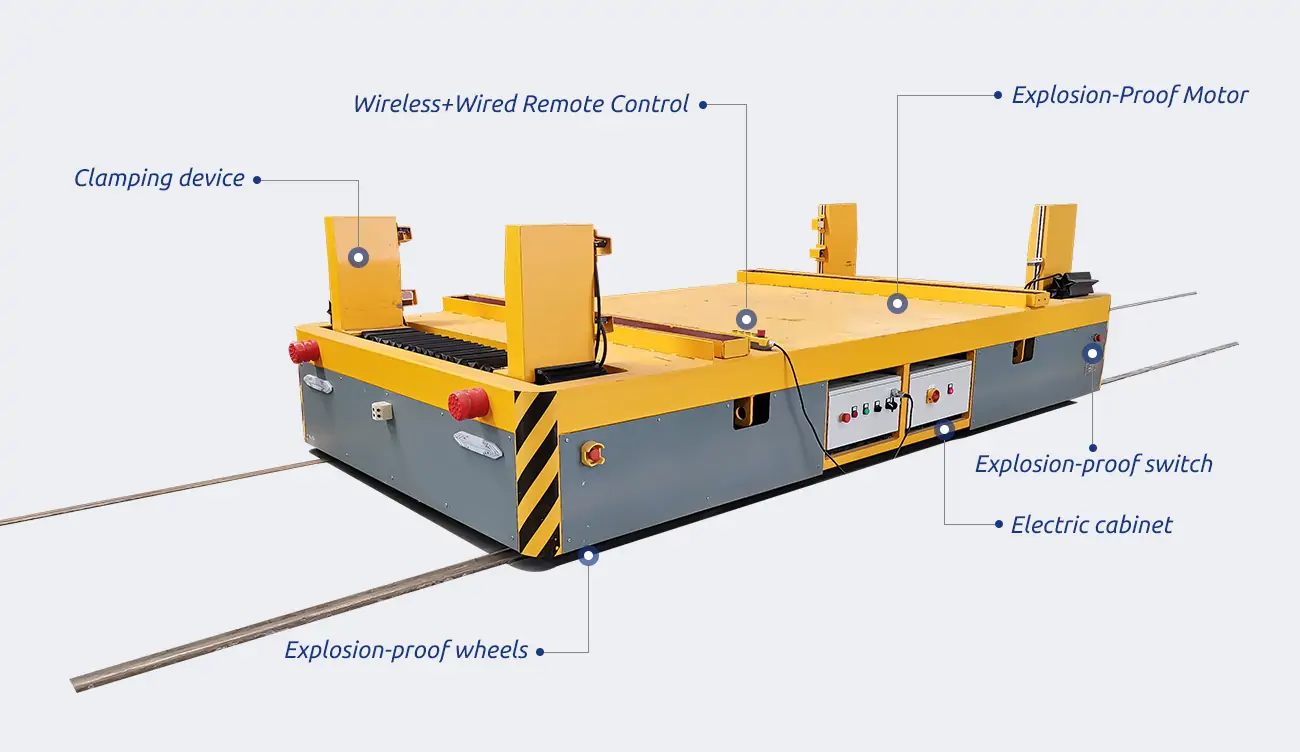
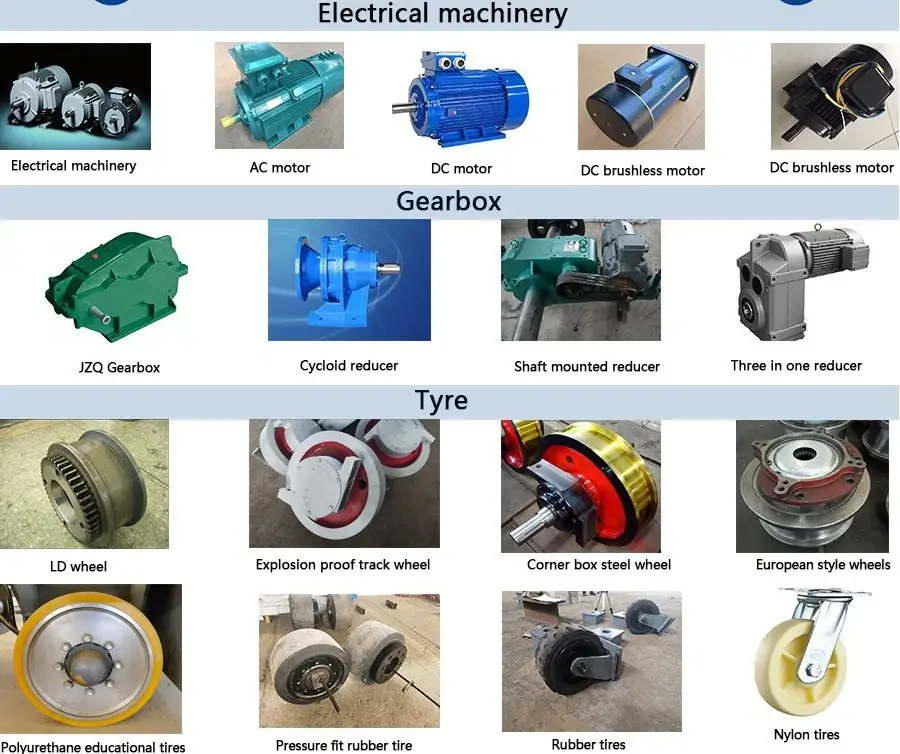
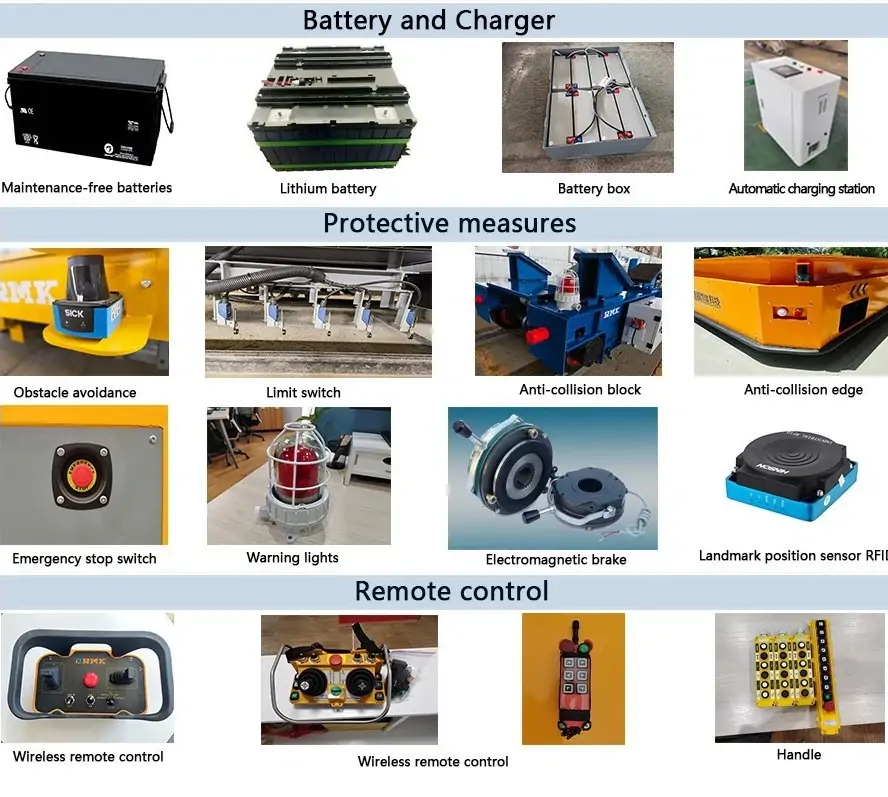
Stromversorgungsmodus des Schienen-Transferwagens
Je nach unterschiedlicher Einsatzumgebung und Fahrstrecke kann der Schienen-Transferwagen verschiedene Stromversorgungsmodi nutzen. Das Kernarbeitsprinzip ist wie folgt:
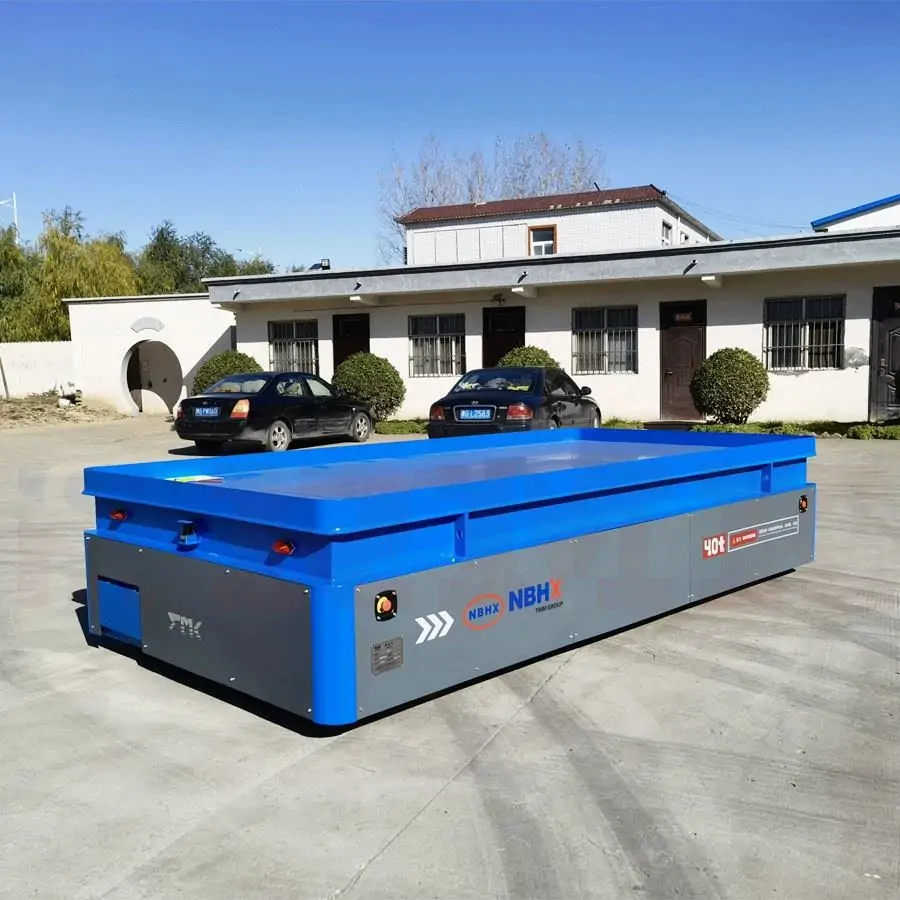
- Batteriestromversorgung: Der Wagenkörper ist mit einer leistungsstarken wiederaufladbaren Batterie ausgestattet, die den Transferwagen mit Gleichstrom versorgt. Dies bietet Eigenschaften wie keine Kabelbindung, flexible Kurvenfahrt und breite Standortanpassungsfähigkeit und eignet sich für komplexe Wege oder Szenen ohne Stromschienen.
- Kabeltrommel-Stromversorgung: Die externe Stromversorgung wird über die am Wagenkörper installierte Kabeltrommel in den Wagenkörper eingeführt, und das Kabel wird mit der Fahrt des Wagens automatisch ein- und ausgefahren. Dies eignet sich für Kurzstrecken-Geradeausfahrten.
- Niederspannungs-Schienenstromversorgung: Isolierte Stromschienen werden auf beiden Seiten oder in der Mitte der Schiene verlegt, und der Transferwagen bezieht den Strom direkt über den Stromabnehmer von der Schiene. Dies eignet sich für Langstrecken- und Hochfrequenzbetriebsszenarien mit guter Kontinuität und geringen Wartungskosten.
Spezifikationen
| Parameter | Spezifikationen |
|---|---|
| Tragfähigkeit | 1–500 Tonnen (kundenspezifisch bis zu 1000 Tonnen) |
| Plattformgröße | Angepasst an Last- und Materialabmessungen |
| Verwendet standardmäßige industrielle elektrische Komponenten. | Batteriebetrieben / Niederspannungsschiene / Kabeltrommel / Stromschiene |
| Fahrgeschwindigkeit | 0–30 m/min (Geschwindigkeit variabel) |
| Spurweite | Kundenspezifisch nach Gleisanordnung |
| Antriebsmodus | Einzelmotorantrieb / Doppelmotorantrieb |
| Kontrollmethode | Hängesteuerung / Funkfernsteuerung / SPS-Steuerung |
| Motor Typ | Gleichstrommotor / Wechselstrommotor |
| Radtyp | Stahlgussrad |
| Betriebstemperatur | -20°C bis +60°C |
| Schutzart | IP54–IP65 |
| Sicherheitsmerkmale | Not-Aus, Warnalarm, Endschalter, Kollisionsschutzsystem |
| Optionale Funktionen | Heben, Drehen, Kippen, automatische Positionierung |
| Anwendbare Umgebung | Werkstatt, Lager, Stahlwerk, Gießerei, Außenlager |
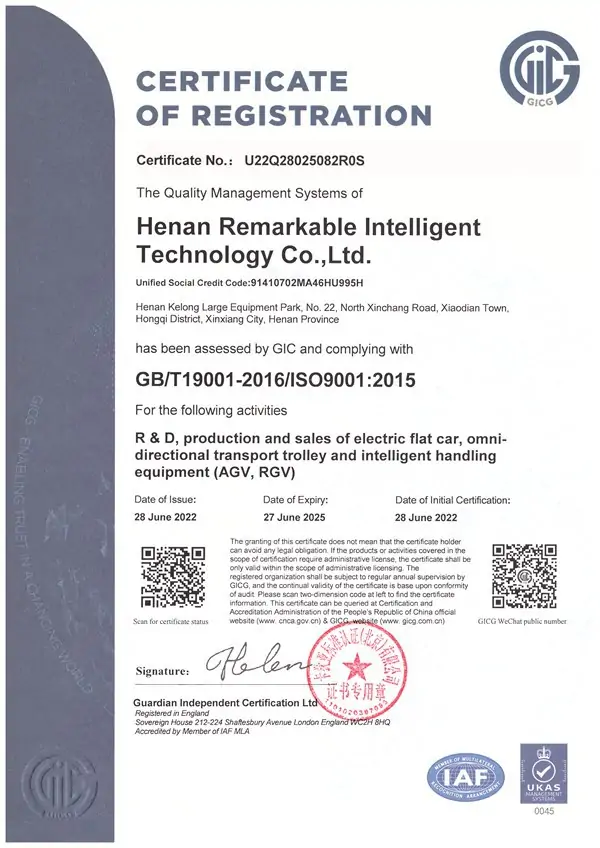
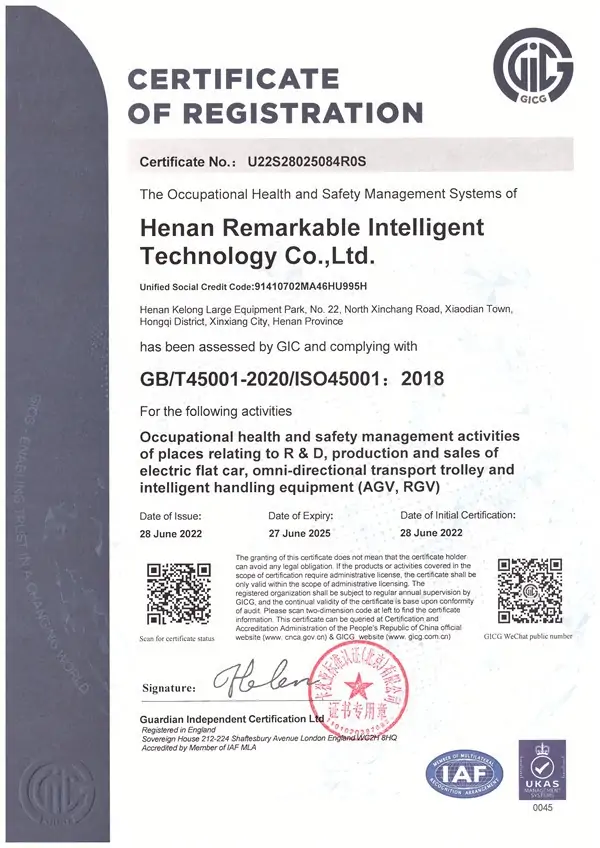
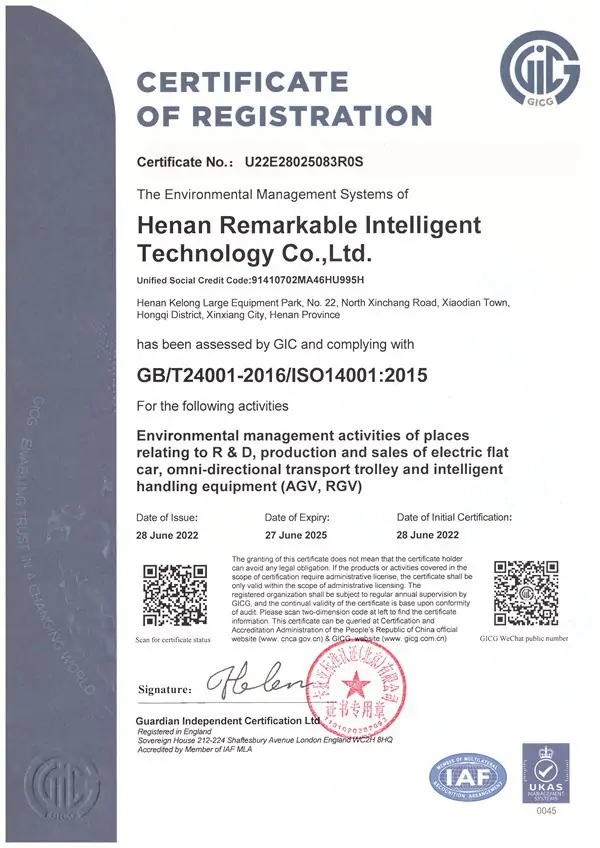
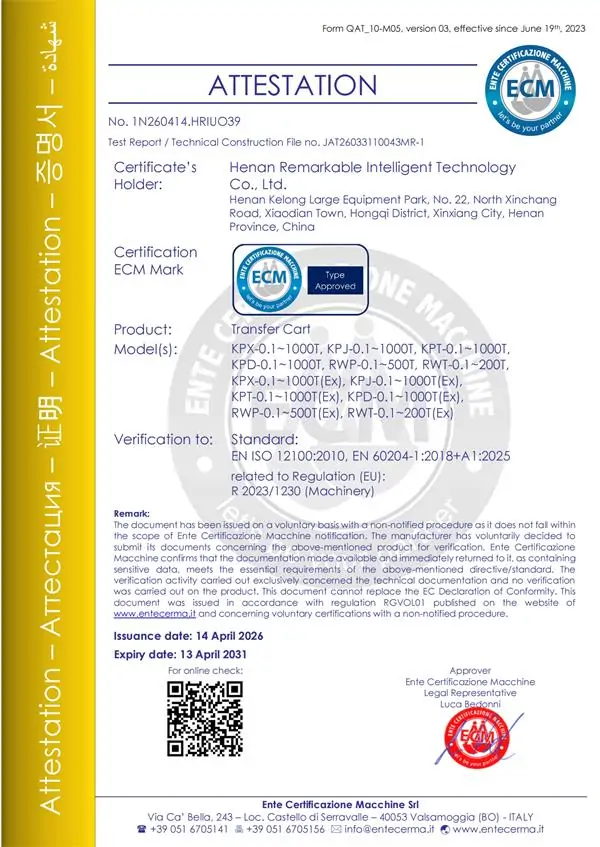
| Zertifizierung | CE / ISO9001 / SGS |
Anpassungsoptionen
- Tragfähigkeit – 1 bis 1000 Tonnen
- Plattformabmessungen – Kundenspezifische Länge, Breite und Deckstruktur
- Stromversorgungssystem – Batterie, Kabeltrommel, Stromschiene oder Niederspannungsschiene
- Spurweite – Kundenspezifisch angepasst an vorhandene Gleisanordnungen
- Steuerungssystem – Fernbedienung, PLC oder automatisierter Betrieb
- Plattformstruktur – Flaches Deck, V-Rahmen, Formträger oder kundenspezifische Vorrichtungen
- Sicherheitskonfiguration – Kollisionsschutzvorrichtungen, Überlastschutz und Positionierungssysteme
- Sonderfunktionen – Heben, Drehen, Kippen und automatisches Andocken
Alle Spezifikationen können kundenspezifisch angepasst werden, um spezifische Tragfähigkeiten, Fahrstrecken, Betriebsbedingungen und Materialhandhabungsanforderungen zu erfüllen.
Weitere Informationen zu Individualisierungsoptionen und dem Umfang der Individualisierung für Transportwagen finden Sie im Artikel: “Kundenspezifischer Transportwagen: Vollständiger Leitfaden zu Design und Individualisierung”
Vorteile
Hohe Tragfähigkeit
Geeignet für den Transport schwerer Materialien von wenigen Tonnen bis zu Hunderten von Tonnen.
Stabile Beförderung
Der schienengeführte Betrieb sorgt für eine gleichmäßige Fahrt und zuverlässige Lastenhandhabung.
Langstreckenfahrt
Ideal für den Materialtransport entlang fester Strecken innerhalb industrieller Anlagen.
Niedrige Betriebskosten
Elektrische Antriebssysteme bieten einen geringen Energieverbrauch und niedrige Wartungsanforderungen.
Verbesserte Sicherheit
Feste Fahrwege tragen zur Reduzierung von Betriebsrisiken und Verkehrskonflikten am Arbeitsplatz bei.
Flexible Stromversorgungsoptionen
Erhältlich mit Batterie-, Niederspannungsschienen-, Kabeltrommel- und Stromschienen-Stromversorgungssystemen.
Anpassbare Konfiguration
Tragfähigkeit, Plattformabmessungen und Funktionen können kundenspezifisch an Ihre Anforderungen angepasst werden.
Automatisierungskompatibel
Unterstützt die Integration mit PLC-, RGV-, MES- und automatisierten Produktionssystemen.
Anwendungen
- Stahlindustrie: Transport von Stahlcoils, Stahlplatten, Knüppeln und Stahlbauprodukten.
- Formen- und Werkzeughandhabung: Transport von Formen, Werkzeugen und Werkstattausrüstung zwischen Produktionsbereichen.
- Gießereien und Hüttenwerke: Handhabung von Gussstücken, Pfannen und Hochtemperaturmaterialien.
- Fertigungsanlagen: Transfer von Rohmaterialien, Komponenten und Fertigprodukten zwischen Arbeitsstationen.
- Lagerhaltung und Logistik: Transport von Schwergütern zwischen Lager-, Produktions- und Verladebereichen.
- Schwermaschinenbau: Transport von großen Maschinenteilen und montierten Anlagen.
- Automobilindustrie: Handhabung von Fahrzeugkomponenten, Batteriepaketen und Produktionsmaterialien.
- Energie- und Kraftwerksindustrie: Transport von Transformatoren, Generatoren und anderen schweren Geräten.
Wie wählt man einen Schienen-Transferwagen aus?
Die Auswahl des richtigen Schienen-Transferwagens erfordert die Bewertung der Lastanforderungen, Fahrstrecken, Betriebsbedingungen und Produktionsanforderungen.
Bestimmen Sie die Tragfähigkeit
Wählen Sie die Tragfähigkeit basierend auf dem maximalen Gewicht der zu transportierenden Materialien.
Fahrstrecke bestätigen
Bewerten Sie die Fahrstrecke, die Gleisanordnung und die Betriebshäufigkeit, um die am besten geeignete Konfiguration zu bestimmen.
Wählen Sie die Stromversorgung
Wählen Sie je nach Betriebsanforderungen zwischen Batterie-, Niederspannungs-Schienen-, Kabeltrommel- oder Stromschienensystemen.
Berücksichtigen Sie die Plattformgröße
Die Plattformabmessungen sollten der Größe und Gewichtsverteilung der Last entsprechen.
Bewerten Sie die Arbeitsumgebung
Berücksichtigen Sie Faktoren wie Innen- oder Außenbetrieb, Temperatur, Staub, Luftfeuchtigkeit und besondere Umgebungsanforderungen.
Wählen Sie die Steuerungsmethode
Für unterschiedliche Betriebsanforderungen stehen Fernbedienung, Hängebedienung und SPS-Systeme zur Verfügung.
Überprüfen Sie die Sicherheitsfunktionen
Not-Halt-Einrichtungen, Warnmelder, Endschalter und Antikollisionssysteme tragen zur Verbesserung der Betriebssicherheit bei.
Identifizieren Sie Sonderfunktionen
Funktionen wie Heben, Drehen, Kippen und automatische Positionierung können die Handhabungseffizienz verbessern.
Bewerten Sie die Anpassungsoptionen
Wählen Sie einen Schienentransportwagen, der an spezifische Lastkapazitäten, Schienenlayouts und Anwendungsanforderungen angepasst werden kann.
Der richtige Schienentransportwagen sollte Ihren Lastanforderungen, der Fahrstrecke, der Betriebsumgebung und dem Produktionsprozess entsprechen.
Hersteller & Lieferant von Schienentransportwagen
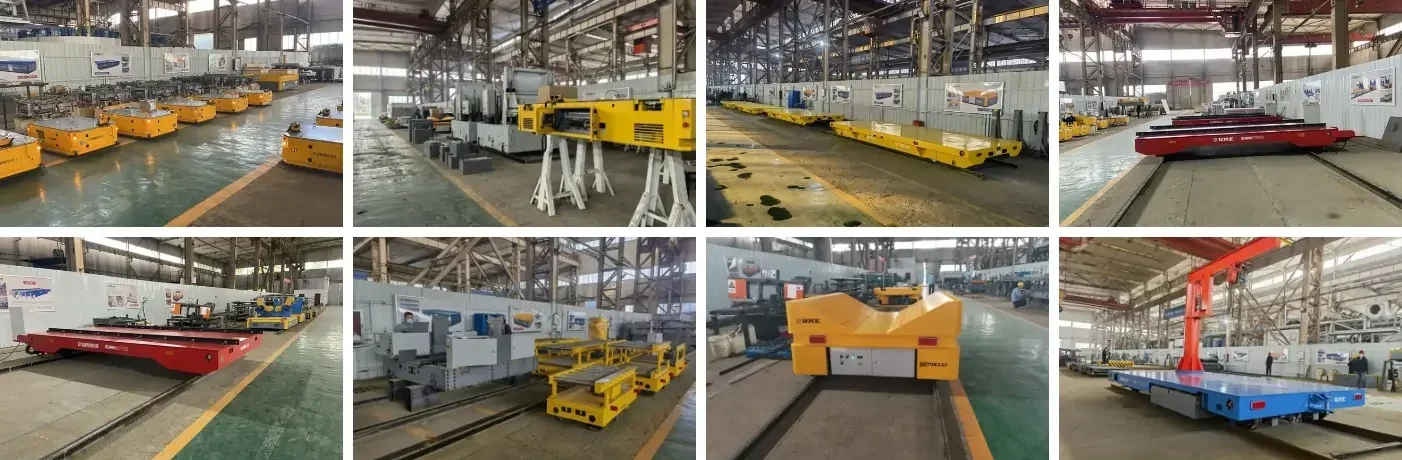
Als führender Hersteller von Schienentransportwagen in China, Bemerkenswert ist das Unternehmen auf die Bereitstellung schwerer, kundenspezifischer Schienentransportlösungen für die globale Industrie spezialisiert. Wir verfügen über fortschrittliche Fertigung, hauseigene Konstruktion und reaktionsschnellen Kundendienst. Remarkable bietet Zuverlässigkeit, Sicherheit und langfristigen Mehrwert. Kontaktieren Sie Remarkable noch heute für eine fachkundige Beratung und eine maßgeschneiderte Lösung. Wir helfen Ihnen, Ihren Produktionsfluss mit dem richtigen Transportwagen auf dem Schienensystem zu optimieren.
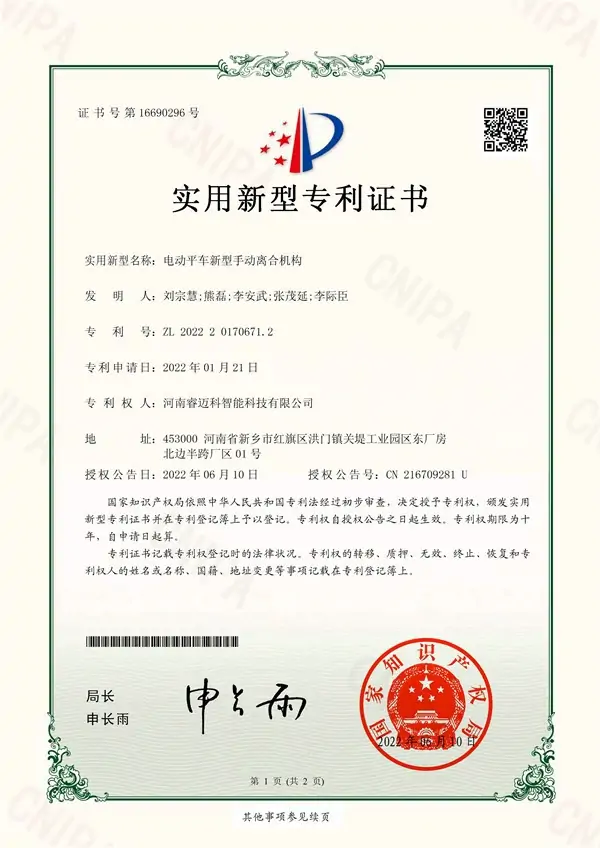
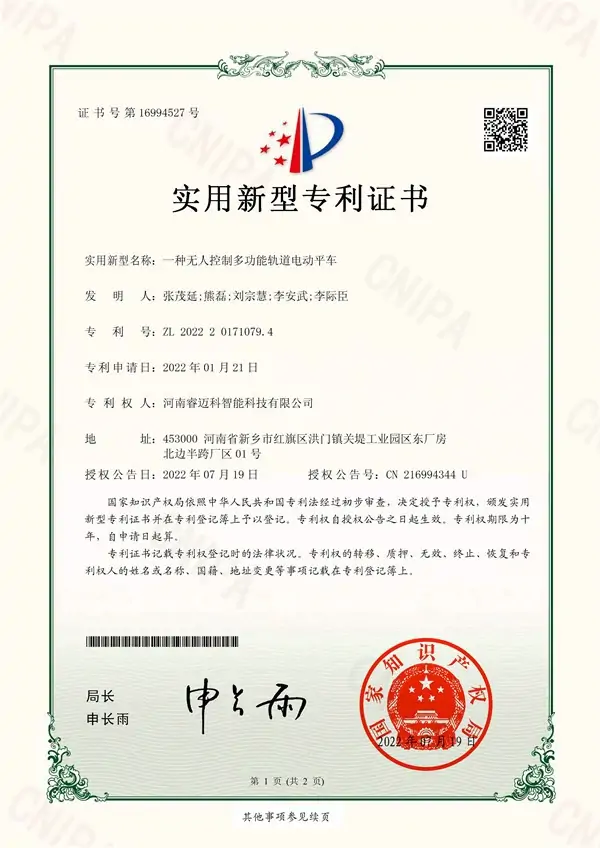
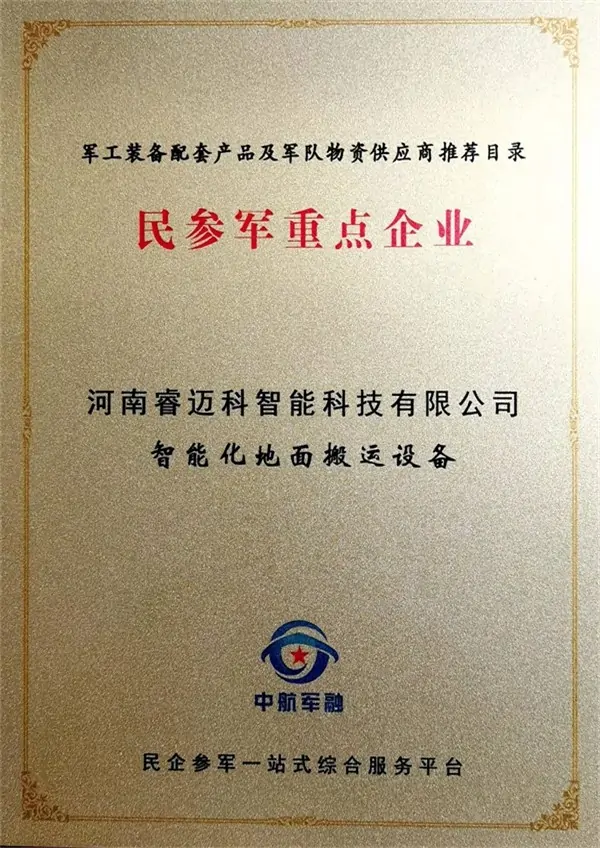
Zertifizierung
FAQS
Welche Stromversorgungsoptionen bieten Sie für Schienentransportwagen an?
Wir bieten vier Hauptantriebssysteme, die auf Ihre spezifische Fabrikumgebung zugeschnitten sind:
- Batteriebetrieben (KPX): Keine Kabeleinschränkungen, ideal für lange Strecken und werkstattübergreifende Routen.
- Niederspannungs-Schienenbetrieben (KPD): Bezieht Sicherheitsspannung (36V) aus den Schienen, am besten für kontinuierliche, schwere Automatisierung.
- Kabeltrommelbetrieben (KPJ): Kostengünstige Lösung für feste, gerade Strecken bis 200 m.
- Stromschienenbetrieben (KPC): Perfekt für hochfrequente Einsätze entlang fester Kanäle oder Oberleitungen.
Wie hoch ist die maximale Tragfähigkeit der RMK-Schienentransportwagen?
Unsere Standard- und kundenspezifischen Schienentransportwagen unterstützen eine Lastkapazität von 1 Tonne bis über 1.000 Tonnen. Jedes Modell ist mit einem strukturellen Sicherheitsfaktor von mindestens 1201TP3 ausgelegt.
Können Ihre Schienentransportwagen vollständig kundenspezifisch angepasst werden?
Ja. Wir bieten 100% maßgeschneiderte Lösungen an. Sie können die Tischgröße, Tragfähigkeit, Spurweite, Stromversorgungsmethode, Steuerungssystem (manuell/Fernbedienung/SPS) und spezielle Anbaugeräte wie V-Deck-Aufbauten, Hubplattformen oder Waagen vollständig anpassen.
Welche Sicherheitsfunktionen sind in Ihren Materialtransportwagen verbaut?
Sicherheit hat für uns höchste Priorität. RMK-Schienenwagen sind ausgestattet mit:
- Laser-/Infrarot-Hindernissensoren: Stoppt den Wagen automatisch, wenn ein Objekt oder eine Person im Bereich von 0,3 m bis 3 m erkannt wird.
- Ton- und Lichtalarme: Aktiv während des Betriebs, um Personal zu warnen.
- Not-Aus-Taster: An allen Seiten positioniert für sofortige Stromunterbrechung.
- Mechanische Puffer: Polyurethanpuffer zur Absorption von Stößen an den Schienenenden.
Bieten Sie Schwerlastwagen für gefährliche oder extreme Umgebungen an?
Ja. Wir konstruieren spezielle Wagen für raue Bedingungen:
- Explosionsgeschützte Wagen: Ausgelegt bis ExdⅡBT4 für Spritzkabinen, Sandstrahlräume oder Chemieanlagen.
- Hochtemperatur-Pfannenwagen: Ausgestattet mit Wärmedämmung (Schamottstein/Isolierwolle) für den sicheren Transport von geschmolzenem Stahl oder Gießereimaterialien.
Können RMK-Schienentransportwagen in automatisierte (AGV) Systeme integriert werden?
Ja. Wir können Standard-Schienenwagen aufrüsten zu Automatischen Schienengeführten Fahrzeugen (RGV). Durch die Integration von SPS-Steuerungen, drahtloser Kommunikation und Navigationspositionssensoren können die Wagen nahtlos mit Ihrem WMS/MES für den unbemannten Betrieb synchronisiert werden.
Warum RMK als Ihren Lieferanten für Schienentransportwagen wählen?
RMK zeichnet sich durch drei Kernwettbewerbsvorteile aus:
- Globale Konformität: Vollständig zertifiziert nach CE und ISO9001 mit erfolgreichen Exporten in die USA, nach Deutschland und in über 30 Länder.
- Premium-Antriebssystem: Ausgestattet mit schweren “Dreifach-Integrierten” Motor-Getriebe-Bremssystemen für geringe Geräuschentwicklung und lange Lebensdauer.
- Vollständiger Lebenszyklus-Support: Kostenlose Konstruktionszeichnungen, strenge QA-Prüfungen und eine umfassende 12-monatige Garantie.
Wie hoch ist die typische Lieferzeit für einen kundenspezifischen Schienentransportwagen?
Standard-Kundentransportwagen benötigen 30 bis 45 Arbeitstage. Für hochkomplexe, automatisierte oder extrem schwere Projekte (über 200 Tonnen) beträgt die Fertigungs- und Prüfzeit etwa 45 bis 60 Arbeitstage.
Verwandte Artikel
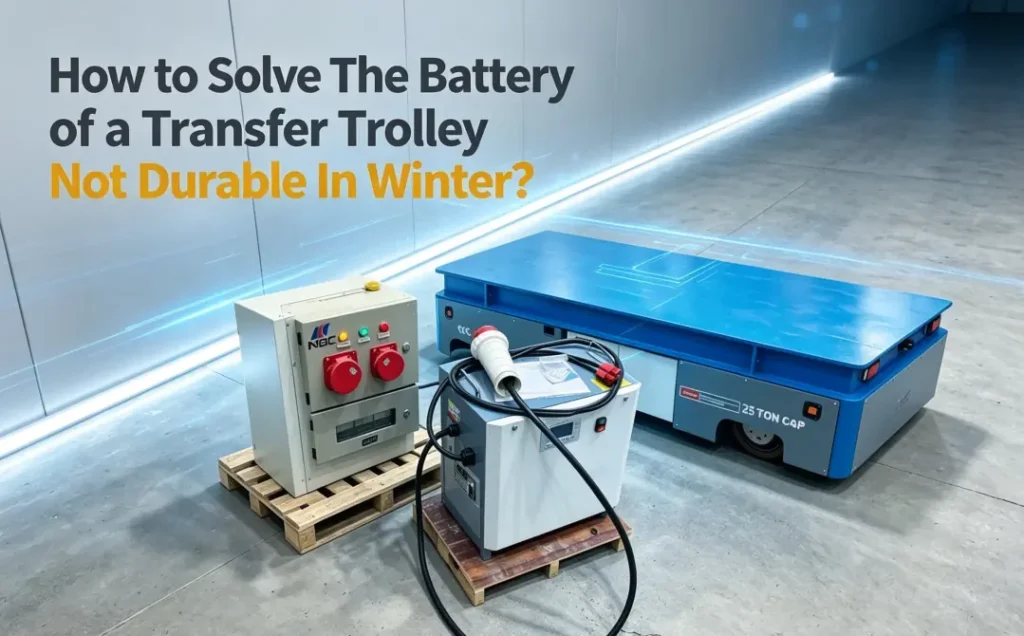
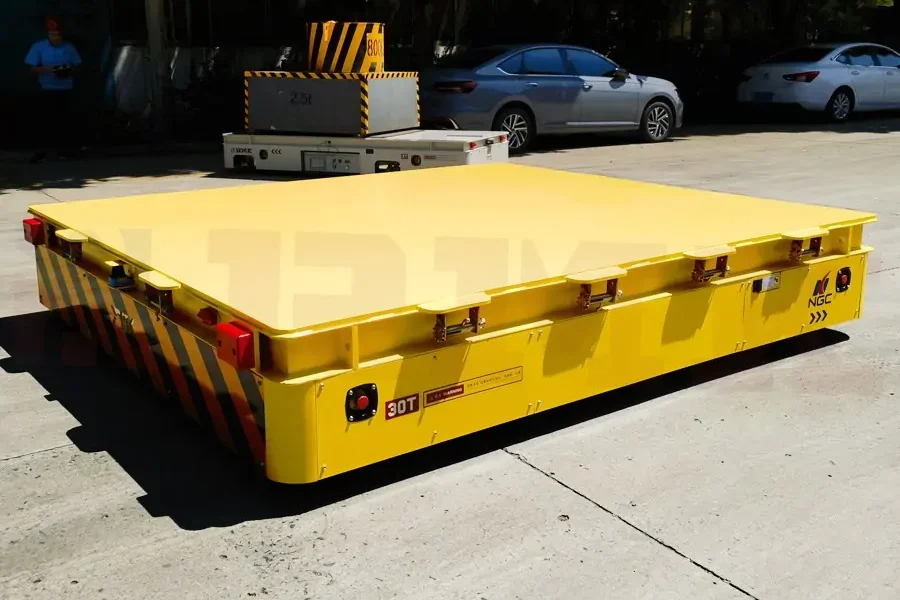
Verwandte Produkte
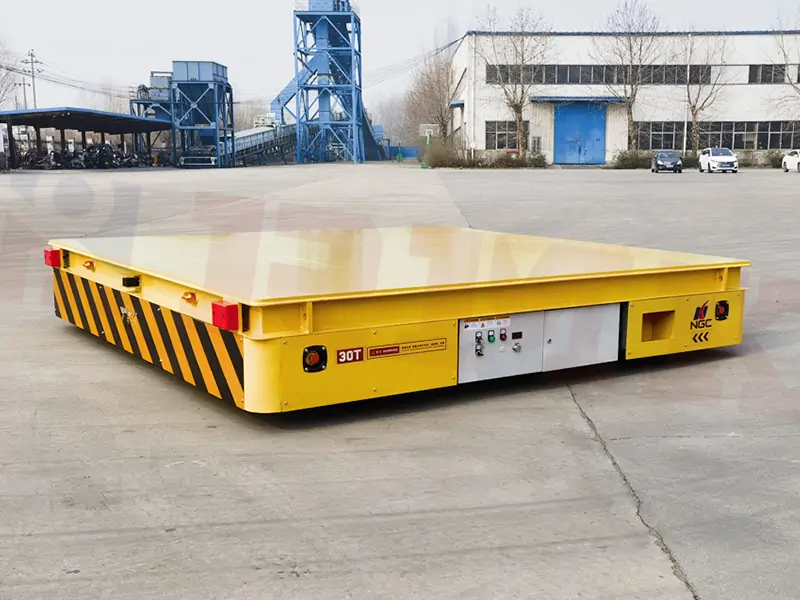

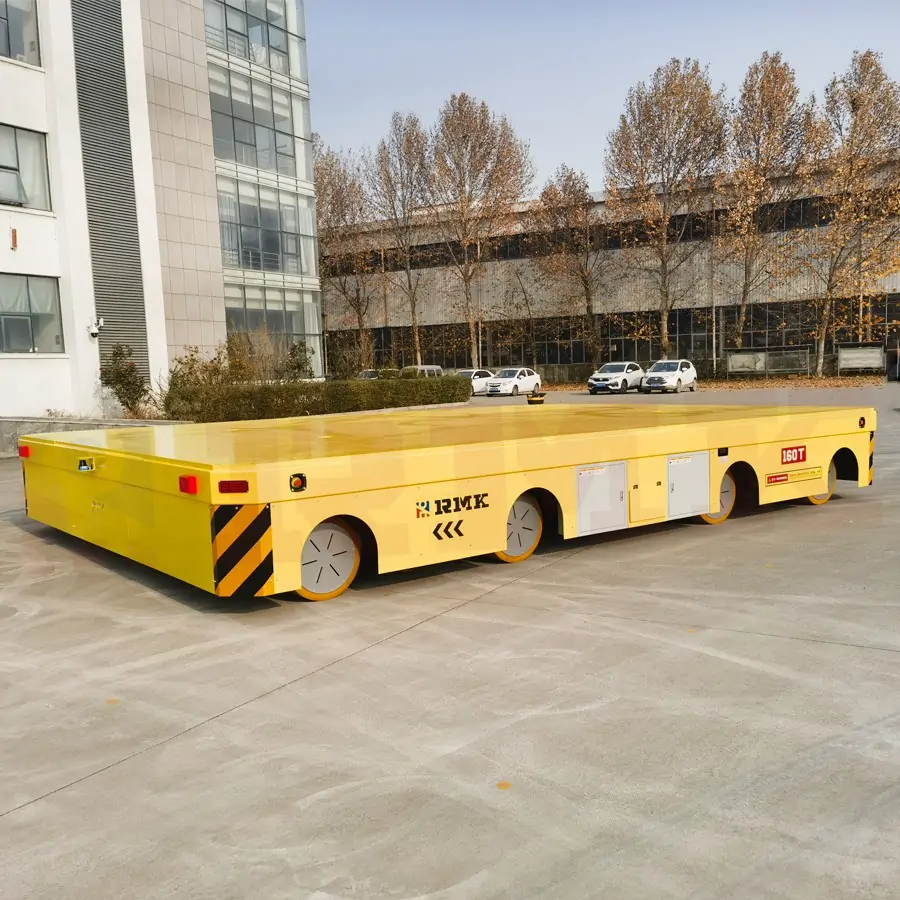
Maßgeschneiderte intelligente Materialtransportlösungen
Um sicherzustellen, dass ein maßgeschneiderter Transferwagen perfekt auf Ihre Bedürfnisse zugeschnitten ist, geben Sie bitte die folgenden Details an:
- Tragfähigkeit: _____ t (1~500 t)
- Tischgröße: _____ × _____ mm/m (z. B. 1500×3000)
- Strom-Optionen:
- ☐ Blei-Säure ☐ Lithium-Ionen ☐ Andere: _____
- ☐ Kabel: _____V/_____A
- ☐ Standard 380V/50Hz/3-Phasen
- Angaben zur Ladung:
- Art: _____ (z. B. Stahlspulen, Maschinen)
- Besondere Anforderungen: _____ (z. B. rutschfest, korrosionsbeständig)
- Optionale Merkmale:
- ☐ Not-Aus ☐ Antikollisionssensoren
- ☐ Schienenführungen ☐ Hebemechanismus ☐ Fernsteuerung