Inhaltsverzeichnis
Einleitung
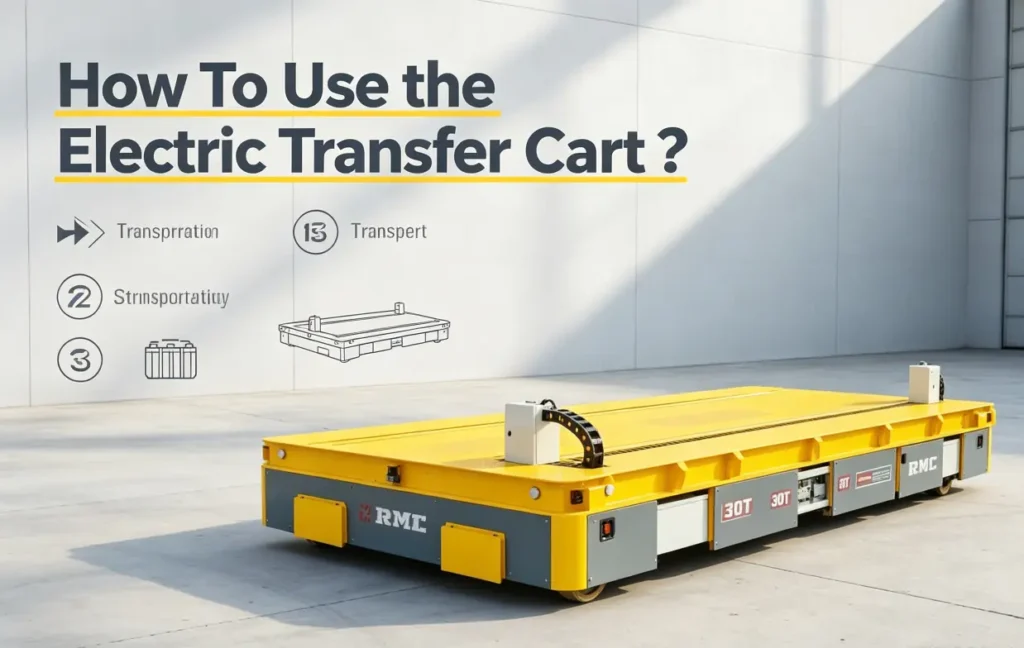
Betrieb eines Elektrischer Transferwagen korrekt ist wichtig für eine sichere und effiziente Materialhandhabung in Fabriken, Lagerhäusern und der Schwerindustrie. Dieser Leitfaden, „So bedienen Sie einen elektrischen Transferwagen“, erklärt den grundlegenden Betriebsablauf – von der Inspektion vor dem Betrieb und der Lastaufnahme über die Bewegungssteuerung bis hin zu Abschaltverfahren – und hilft Bedienern, die ordnungsgemäße Nutzung der Ausrüstung zu verstehen.
In diesem Artikel stelle ich das Funktionsprinzip, die Betriebsschritte, Sicherheitsvorkehrungen, häufige Probleme und Wartungstipps eines elektrischen Transferwagens vor. Ich behandle außerdem verschiedene Typen elektrischer Transferwagen sowie wichtige Faktoren, die bei der Auswahl des richtigen Modells für verschiedene industrielle Anwendungen zu berücksichtigen sind.
Was ist ein elektrischer Transportwagen?
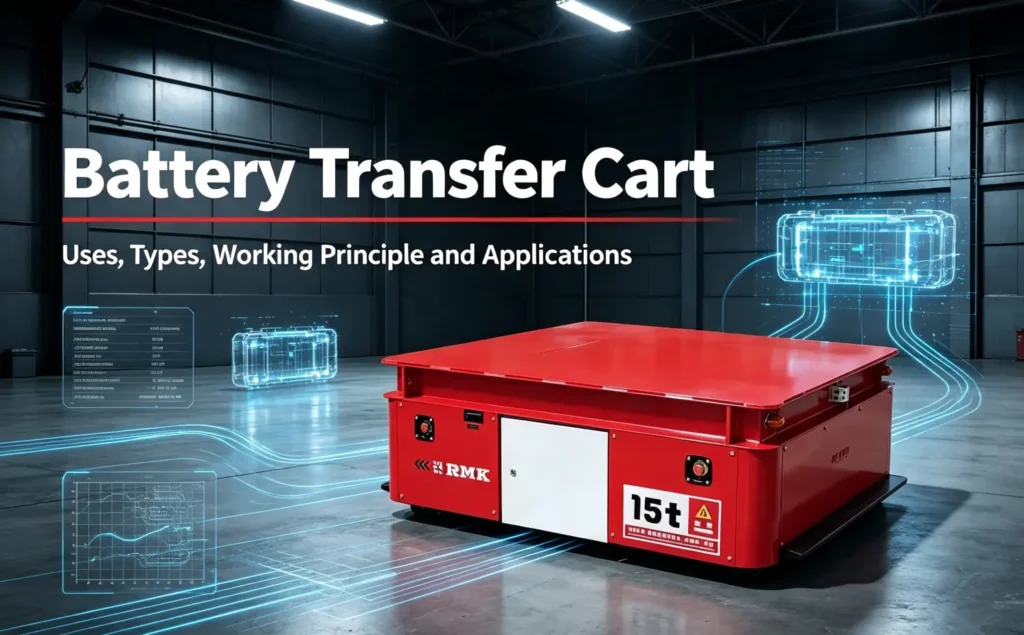
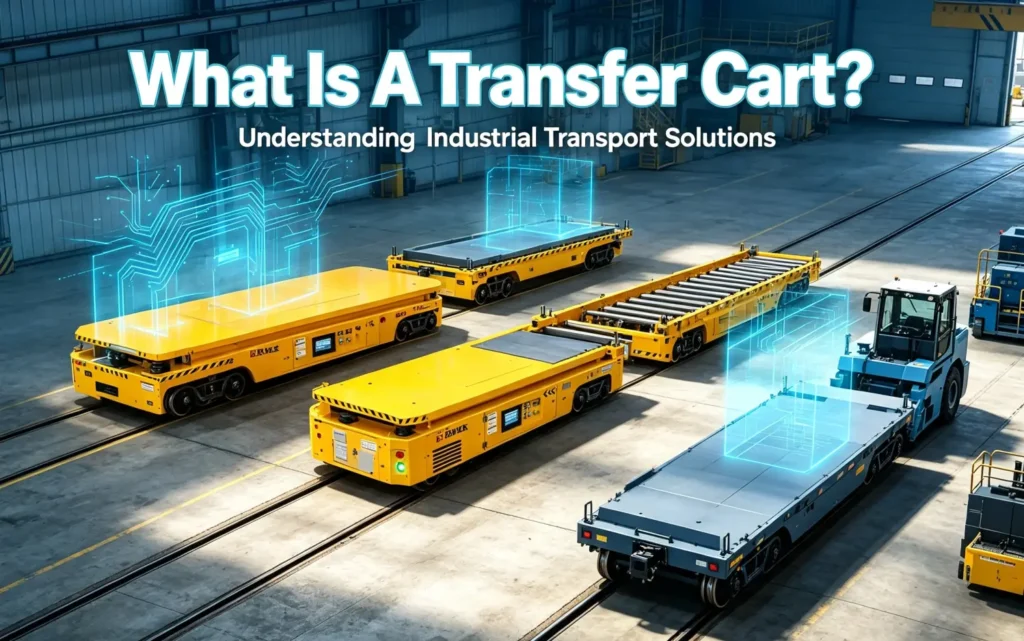
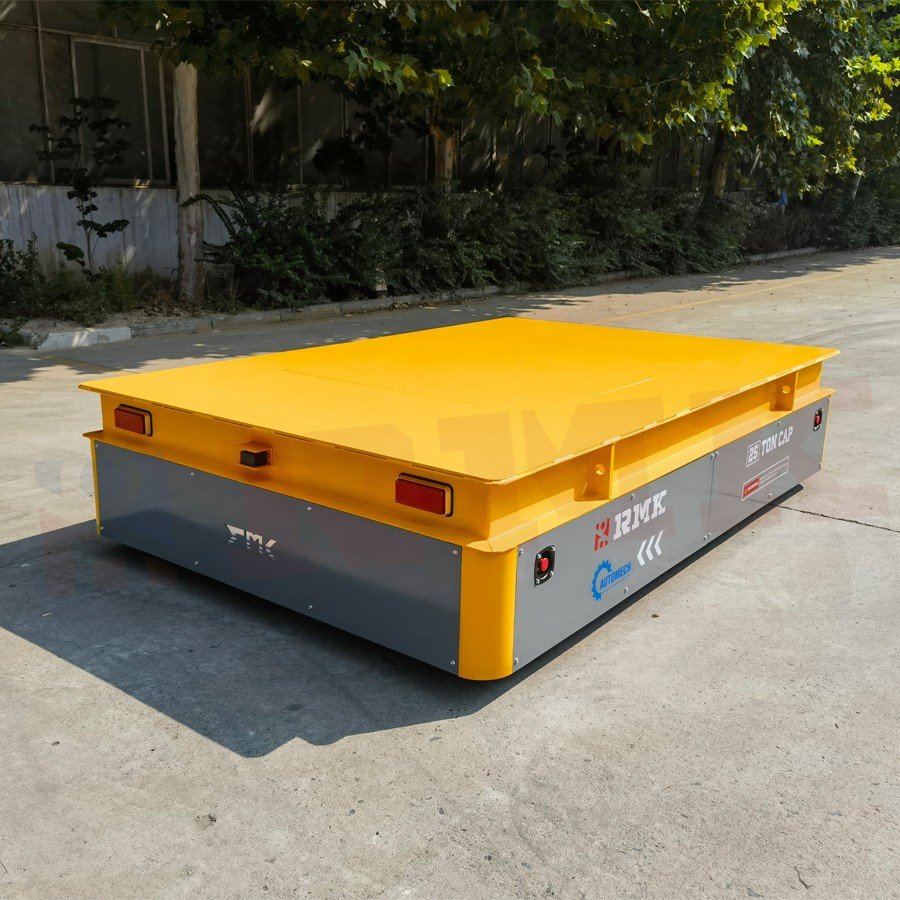
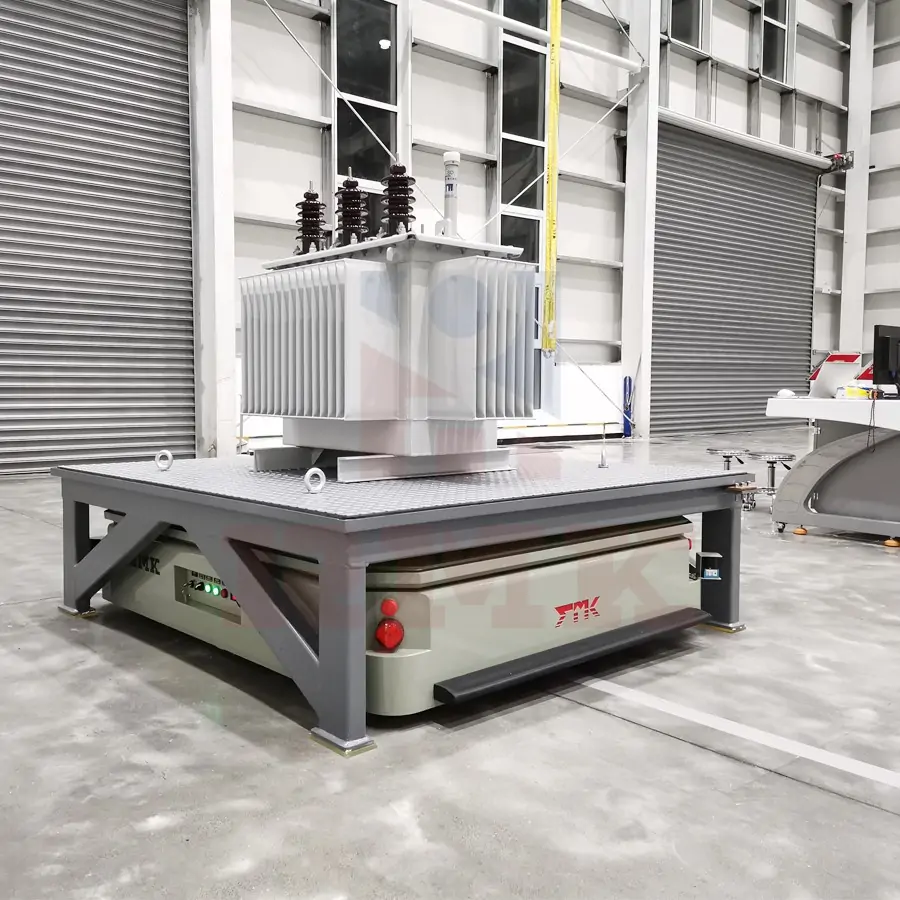
Ein elektrischer Transferwagen ist ein motorisiertes Materialtransportfahrzeug, das zum Bewegen schwerer Lasten in Fabriken, Stahlwerken, Lagerhäusern und Produktionsbereichen eingesetzt wird. Er läuft über ein elektrisches Antriebssystem mit Stromversorgungsoptionen wie Batteriepaketen, Kabeltrommeln und Schienenstromversorgung. Der Wagen bewegt sich entlang fester Routen und ersetzt manuelle Handhabungsmethoden wie Gabelstapler oder Zuggeräte.
Ein elektrischer Transferwagen besteht aus einer Stahlplattform, Schienenrädern, Motor, Getriebe und Steuerungssystem. Übliche Tragfähigkeiten reichen von 5 bis 500 Tonnen, mit Fahrgeschwindigkeiten von 10–30 m/min. Die schienengeführte Struktur ermöglicht stabile Bewegungen und präzise Positionierung für den Transport großer Komponenten zwischen verschiedenen Arbeitsstationen.
Moderne elektrische Transportwagen können Funkfernbedienung, stufenlose Geschwindigkeitsregelung und Sicherheitssensoren umfassen. Es ist ein batteriebetriebene Schwerlast-Transferwagen. Sie werden in der Schwerindustrie, Metallverarbeitung und automatisierten Produktionslinien für zuverlässigen Materialtransport weit verbreitet eingesetzt.
Weitere Informationen zu Batterie-Transferwagen finden Sie unter: Was ist ein elektrischer Transferwagen?
Wie funktioniert ein elektrischer Transferwagen?
Ein elektrischer Transferwagen nutzt ein elektrisches Antriebssystem, um schwere Materialien entlang einer festen Route zu bewegen. Die Stromversorgung sendet Elektrizität an den Motor, der Motor treibt das Untersetzungsgetriebe an, und das Getriebe überträgt das Drehmoment auf die Räder für die Bewegung des Wagens.
Elektrische Transferwagen verwenden unterschiedliche Stromversorgungsmethoden für verschiedene Anwendungen. Batteriebetriebene Modelle laufen mit Bordbatterien und eignen sich für flexible Materialhandhabung. Kabelbetriebene Modelle erhalten Strom über Kabeltrommeln für längere Betriebszyklen. Schienenbetriebene Modelle nutzen leitfähige Schienen zur Stromversorgung für feste Transportrouten.
Schritte zum Betrieb eines elektrischen Transferwagens
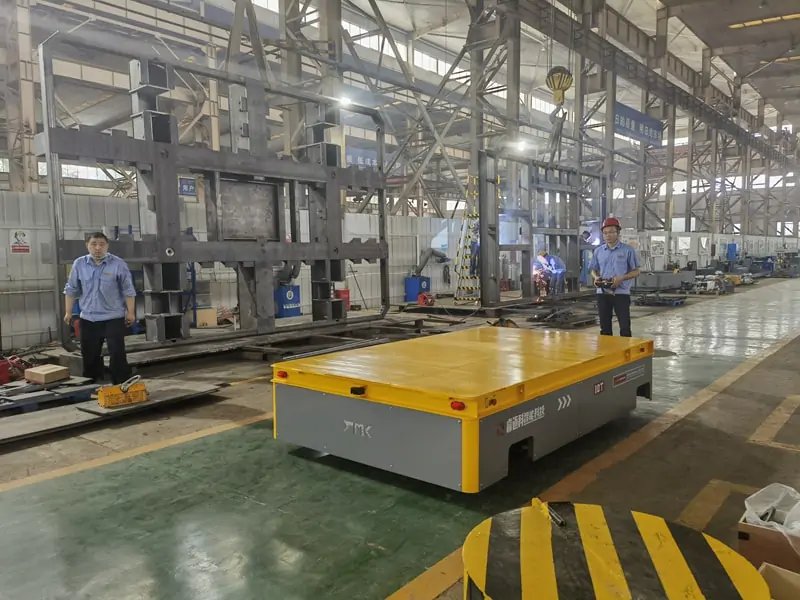
Der Betrieb eines elektrischen Transferwagens umfasst mehrere grundlegende Schritte, wie die Überprüfung des Wagenzustands, das Beladen von Materialien, das Starten des Systems, die Bewegungssteuerung und das Entladen an der Zielposition.
Transferwagen vor dem Betrieb prüfen
Prüfen Sie vor dem Start des elektrischen Transferwagens die Stromversorgung, den Batteriestand, das Bedienfeld, die Räder und den Not-Aus-Knopf. Stellen Sie sicher, dass die Batteriekapazität den Betriebsanforderungen entspricht. Bestätigen Sie, dass sich die Tasten in der richtigen Position befinden und die Not-Aus-Funktion freigegeben ist. Prüfen Sie die Schienenoberfläche auf Fremdkörper und kontrollieren Sie Wagenkörper, Schrauben und Verbindungen.
Materialien korrekt laden
Platzieren Sie Materialien gemäß der Nenntragfähigkeit des elektrischen Transferwagens auf der Plattform. Halten Sie schwere Lasten im mittleren Bereich der Plattform, um das Gleichgewicht während der Bewegung zu gewährleisten. Sichern Sie große oder schwere Komponenten mit Gurten, Klemmen oder Stützblöcken, um ein Verrutschen der Last während des Transports zu verhindern.
Elektrischen Transferwagen starten
Schalten Sie die Hauptstromversorgung ein und starten Sie den Wagen über das Bedienfeld oder die Fernbedienung. Lösen Sie vor dem Betrieb den Not-Aus-Knopf. Fahren Sie den Wagen eine kurze Strecke ohne Last und prüfen Sie Fahrtrichtung, Geschwindigkeitsregelung und Laufzustand. Setzen Sie den Betrieb bei ungewöhnlichen Geräuschen oder Vibrationen nicht fort.
Wagen während des Transports steuern
Steuern Sie den elektrischen Transferwagen mit der Fernbedienung oder dem Griff. Passen Sie die Fahrgeschwindigkeit an Last und Arbeitsumgebung an. Halten Sie während des Transports eine gleichmäßige Geschwindigkeit und verlangsamen Sie an Schienenstößen, Kurven und engen Bereichen. Vermeiden Sie plötzliches Beschleunigen, scharfe Kurven und häufiges Bremsen.
Anhalten und Materialien entladen
Bewegen Sie den Wagen zur Entladeposition und stoppen Sie ihn vollständig, bevor Sie Materialien entladen. Drehen Sie den Steuerschalter in die Stopp-Position und trennen Sie bei Bedarf die Stromversorgung. Entfernen Sie Sicherungswerkzeuge vor dem Entladen und verwenden Sie geeignete Hebeausrüstung für schwere Materialien.
Betriebs- und Wartungshinweise
Reinigen Sie die Wagenplattform nach der Verwendung und entfernen Sie Staub oder Materialrückstände. Prüfen Sie Räder, Lager, Getriebe und elektrische Teile bei regelmäßiger Wartung. Dokumentieren Sie Betriebsbedingungen, Lastinformationen und Geräteprobleme für Wartungsaufzeichnungen.
Sicherheitstipps bei der Verwendung eines elektrischen Transferwagens
- Nenntragfähigkeit: Betreiben Sie den Wagen innerhalb der angegebenen Tragfähigkeit, um Überlastschäden zu vermeiden.
- Freie Fahrbahn: Halten Sie die Fahrroute frei von Hindernissen, um Kollisionen während der Bewegung zu verhindern.
- Sicherheitsprüfung: Inspizieren Sie Not-Aus, Steuerungen und Sicherheitsvorrichtungen vor dem Betrieb.
- Gleichmäßiger Betrieb: Vermeiden Sie plötzliches Beschleunigen, scharfe Kurven und Notbremsungen mit schweren Lasten.
- Plattformsicherheit: Stehen oder fahren Sie während des Betriebs nicht auf der Wagenplattform.
- Abnormale Bedingungen: Stoppen Sie den Wagen bei ungewöhnlichen Geräuschen, Vibrationen oder Steuerungsfehlern.
- Elektrischer Schutz: Halten Sie elektrische Komponenten trocken und vor Wassereinwirkung geschützt.
- Regelmäßige Inspektion: Prüfen Sie mechanische und elektrische Teile regelmäßig, um den normalen Betrieb aufrechtzuerhalten.
Häufige Probleme während des Betriebs eines elektrischen Transferwagens
Elektrische Transferwagen können während des Langzeitbetriebs Probleme im Zusammenhang mit dem Stromversorgungssystem, mechanischen Teilen, Schienenbedingungen und Sicherheitsvorrichtungen aufweisen. Im Folgenden sind häufige Probleme und grundlegende Lösungen aufgeführt.
Probleme mit Stromversorgung und elektrischem System
Niedriger Batteriestand oder Spannungsabfall: Niedrige Batterieleistung, lose Anschlüsse oder schlechte elektrische Verbindungen können Startversagen oder schwache Bewegung verursachen. Prüfen Sie den Batteriezustand und ziehen oder reinigen Sie die Verbindungen bei Bedarf.
Motorüberhitzung: Motorüberhitzung wird in der Regel durch Überlastbetrieb, Lagerschäden oder ungeeignete Arbeitsbedingungen verursacht. Halten Sie die Last innerhalb der Nennkapazität und prüfen Sie den Motorzustand regelmäßig.
Steuerkreisstörungen: Lose Drähte, beschädigte Kabel oder schlechte Verbindungen können den Motorbetrieb beeinträchtigen. Überprüfen Sie die elektrischen Leitungen und stoppen Sie den Wagen, wenn ungewöhnliche Temperaturen oder elektrische Probleme festgestellt werden.
Probleme mit Mechanik und Antriebssystem
Ungewöhnliche Vibrationen: Ungleichmäßige Schienen, abgenutzte Räder, unausgeglichene Lasten oder beschädigte mechanische Teile können während des Betriebs Vibrationen verursachen. Überprüfen Sie den Schienenzustand, die Räder und die Lastplatzierung.
Lagerschäden: Abgenutzte Lager können das Laufgeräusch und die Betriebstemperatur erhöhen. Ersetzen Sie beschädigte Lager, um weitere mechanische Probleme zu vermeiden.
Verminderte Bremsleistung: Die Bremsleistung kann durch Verschleiß oder raue Arbeitsbedingungen nachlassen. Überprüfen Sie das Bremssystem und reduzieren Sie bei Bedarf die Fahrgeschwindigkeit.
Probleme mit Schienen und Arbeitsumgebung
Hindernisse auf der Schiene: Schmutz oder Fremdkörper auf der Schiene können die Bewegung beeinträchtigen und Sicherheitsrisiken verursachen. Reinigen Sie die Schienenoberfläche vor dem Betrieb.
Ungleichmäßige Schienenoberfläche: Schienenstöße, Verformungen oder ungleichmäßige Montage können Vibrationen und instabiles Laufen verursachen. Überprüfen und justieren Sie den Schienenzustand regelmäßig.
Sicherheits- und Betriebsprobleme
Plötzlicher Stromausfall: Wenn während des Betriebs die Stromversorgung ausfällt, bringen Sie den Steuerschalter in die Stopp-Position und starten Sie den Wagen nach der Stromwiederherstellung neu.
Ausfall von Sicherheitseinrichtungen: Not-Aus-Taster, Warnleuchten und Hindernissensoren müssen funktionsfähig bleiben. Überprüfen Sie die Sicherheitseinrichtungen regelmäßig, um Betriebsrisiken zu vermeiden.
Hinweise zur Verwendung und Wartung
Überladung vermeiden: Überladung erhöht die Motorlast, beschleunigt den Verschleiß von Rädern und Schienen und kann den Wagen beschädigen.
Regelmäßige Wartung: Prüfen Sie den Batteriezustand, schmieren Sie Getriebeteile, ziehen Sie Befestigungselemente nach und inspizieren Sie elektrische Komponenten gemäß dem Wartungsplan.
Bei Auftreten einer Störung schalten Sie zuerst die Stromversorgung aus und prüfen Sie das elektrische System, die mechanischen Teile und den Schienenzustand anhand der Symptome. Wenden Sie sich bei Bedarf an den Hersteller für technischen Support.
Richtlinien für den Betrieb und die sichere Verwendung elektrischer Transferwagen finden Sie unter: Wie bedient man einen elektrischen Transportwagen sicher?
Regelmäßige Inspektionen und Wartungen sind erforderlich, um den langfristigen Betrieb von elektrischen Transportwagen sicherzustellen. Weitere Details finden Sie unter: Wartungsleitfaden für batteriebetriebene Transportwagen: Tägliche Inspektion und Batteriepflege
Wartungstipps nach der Verwendung eines elektrischen Transferwagens
- Wagen ausschalten: — Parken Sie den Wagen im dafür vorgesehenen Bereich, schalten Sie die Hauptstromversorgung aus und führen Sie keine Reinigungs- oder Inspektionsarbeiten durch, während das System unter Spannung steht.
- Wagenbereich reinigen — Entfernen Sie Materialreste und Verunreinigungen von der Plattform und prüfen Sie die Schienenoberfläche, um den Fahrweg frei zu halten.
- Batterie warten — Laden Sie die Batterie nach Gebrauch auf, um Tiefentladung zu vermeiden, führen Sie alle 2 Monate einen Tiefentladungszyklus durch und prüfen Sie auf Leckage oder Beschädigung.
- Elektrische Komponenten prüfen — Inspizieren Sie bei regelmäßigen Kontrollen die Verdrahtungsverbindungen, Motorkabel und elektrischen Teile auf Lockerheit, Überhitzung oder Beschädigung.
- Mechanische Teile inspizieren — Prüfen Sie den Radverschleiß, die Schienenverbindungen und die Getriebekomponenten und ersetzen Sie beschädigte Teile bei Bedarf.
- Bewegliche Teile schmieren — Tragen Sie in regelmäßigen Abständen Schmiermittel auf laufende Lager und Kontakträder auf und prüfen Sie den Zustand der Getriebeteile.
- Bedienfeld reinigen — Reinigen Sie das elektronische Bedienfeld alle 2 Monate mit geeigneten Reinigungsmitteln, um Staub und Verunreinigungen zu entfernen.
- Betriebsdaten aufzeichnen — Erfassen Sie Betriebsstunden, Lastbedingungen und abnormale Probleme zur Unterstützung von Wartung und Fehlerdiagnose.
- Regelmäßige Inspektion durchführen — Prüfen Sie die Batteriespannung einmal jährlich und befolgen Sie den Wartungsplan des Herstellers, um die Lebensdauer des elektrischen Transferwagens zu verlängern, die typischerweise 5–10 Jahre beträgt.
Der Winter hat erhebliche Auswirkungen auf Batterien, daher sind die richtige Pflege und Wartung der Batterie des Batterie-Transferwagens entscheidend. Weitere Details finden Sie im Artikel: Wie lässt sich das Problem lösen, dass die Batterie des Transferwagens im Winter nicht lange hält?
Verschiedene Typen elektrischer Transferwagen
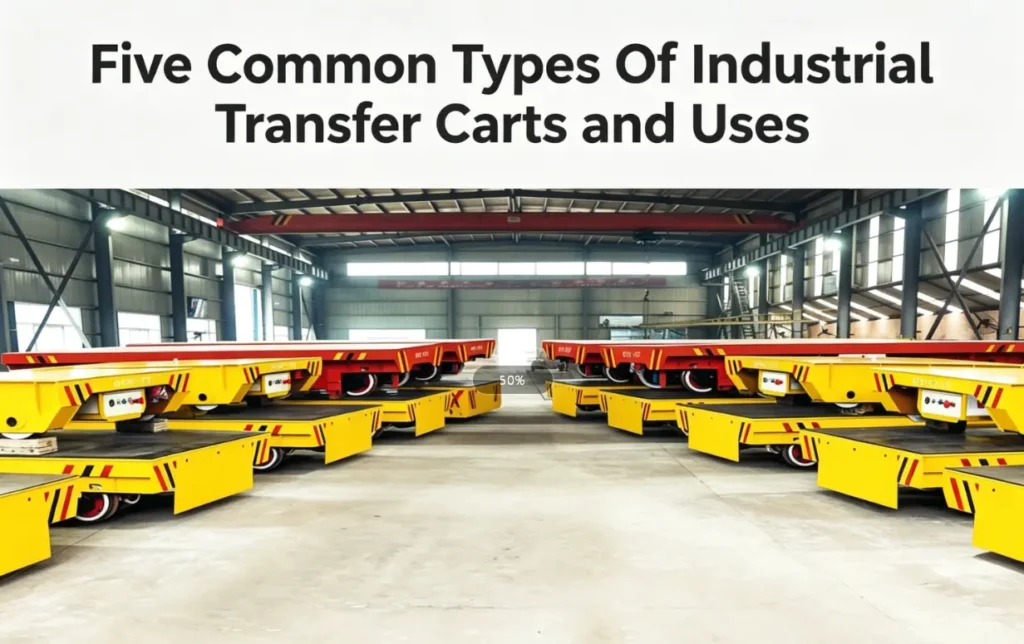
Elektrische Transferwagen sind in verschiedenen Ausführungen erhältlich, basierend auf Stromversorgungsmethoden, Transportwegen und Arbeitsumgebungen. Der richtige Typ hängt von Faktoren wie Tragfähigkeit, Fahrstrecke, Fabriklayout und Betriebsbedingungen ab.
Batteriebetriebener Transferwagen
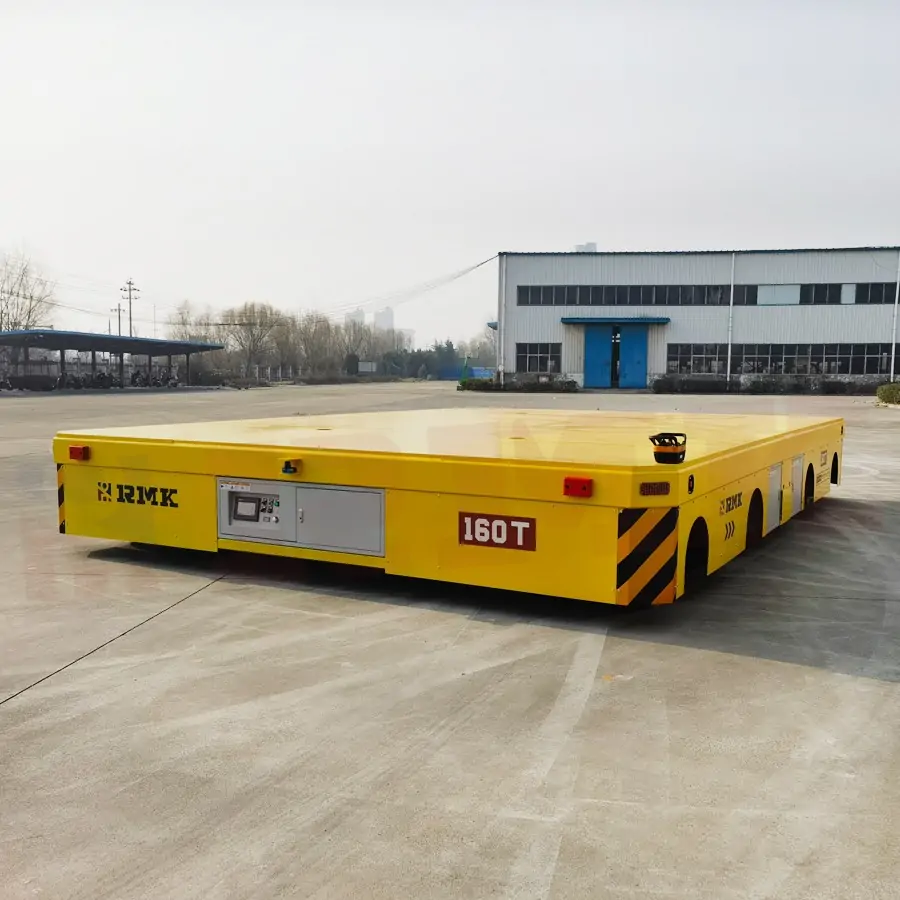
A batteriebetriebener Transferwagen verwendet bordeigene Batterien als Stromquelle und bewegt sich ohne externe Kabel oder feste Stromleitungen. Er bietet flexiblen Betrieb und wird häufig für den Materialtransport in Fabriken, Lagerhäusern, Werkstätten und Bereichen eingesetzt, in denen die Kabelinstallation unpraktisch ist.
- Tragfähigkeit: 5–500 Tonnen
- Stromversorgung: Blei-Säure-Batterie / Lithium-Batterie
- Fahrstrecke: Anwendungsspezifisch angepasst
- Steuerungsmethode: Fernbedienung / Bedienfeld
Schienentransferwagen
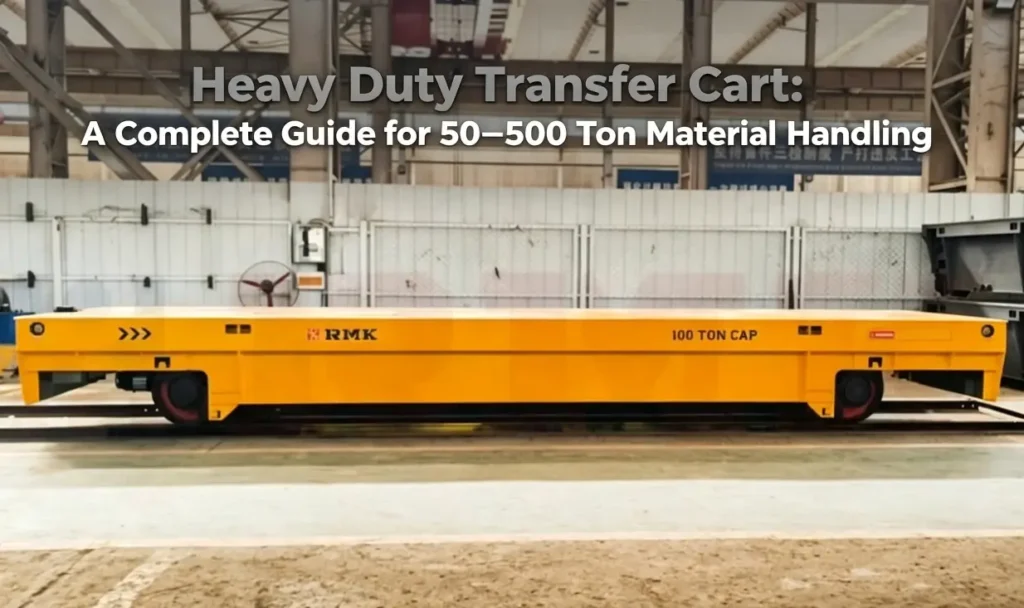
A Schienentransportwagen fährt auf festen Schienen und ist für den Schwerlasttransport zwischen bestimmten Arbeitsbereichen ausgelegt. Er bietet hohe Tragfähigkeit, stabile Bewegung und präzise Positionierung und eignet sich für Stahlwerke, Maschinenfabriken und Produktionslinien.
- Tragfähigkeit: 5–500 Tonnen
- Stromversorgung: Batterie / Kabeltrommel / Schienenstrom
- Fahrgeschwindigkeit: 10–30 m/min
- Schienentyp: Stahlschienensystem
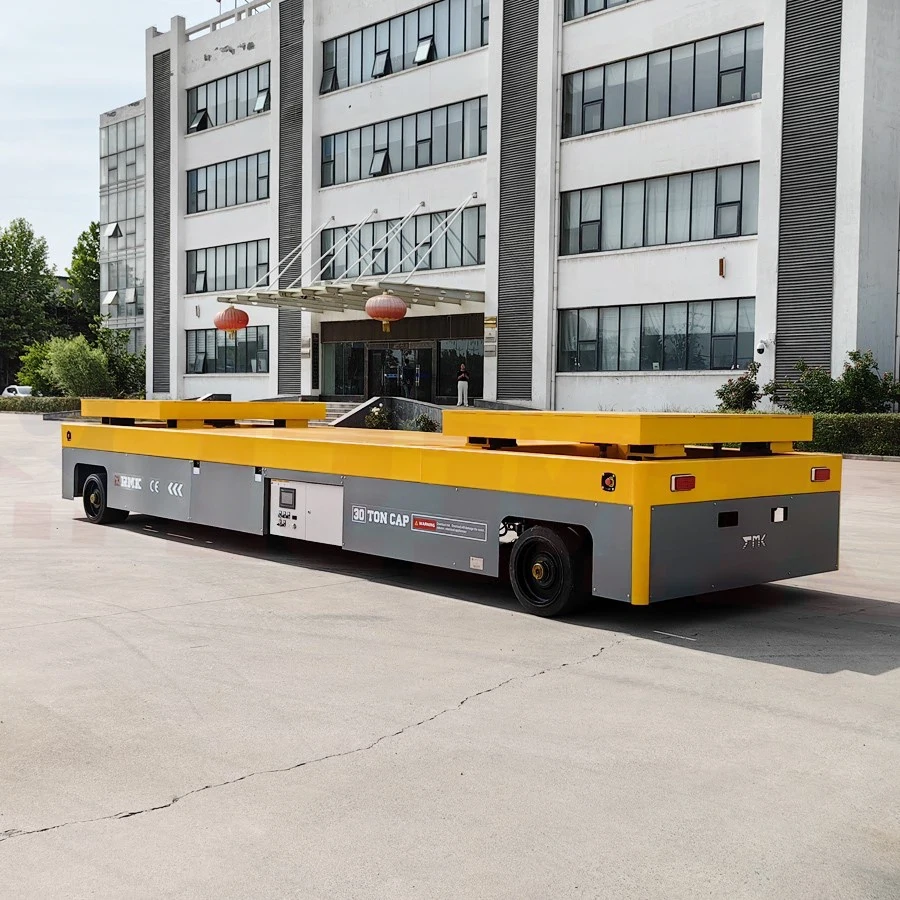
Gleisloser Transferwagen
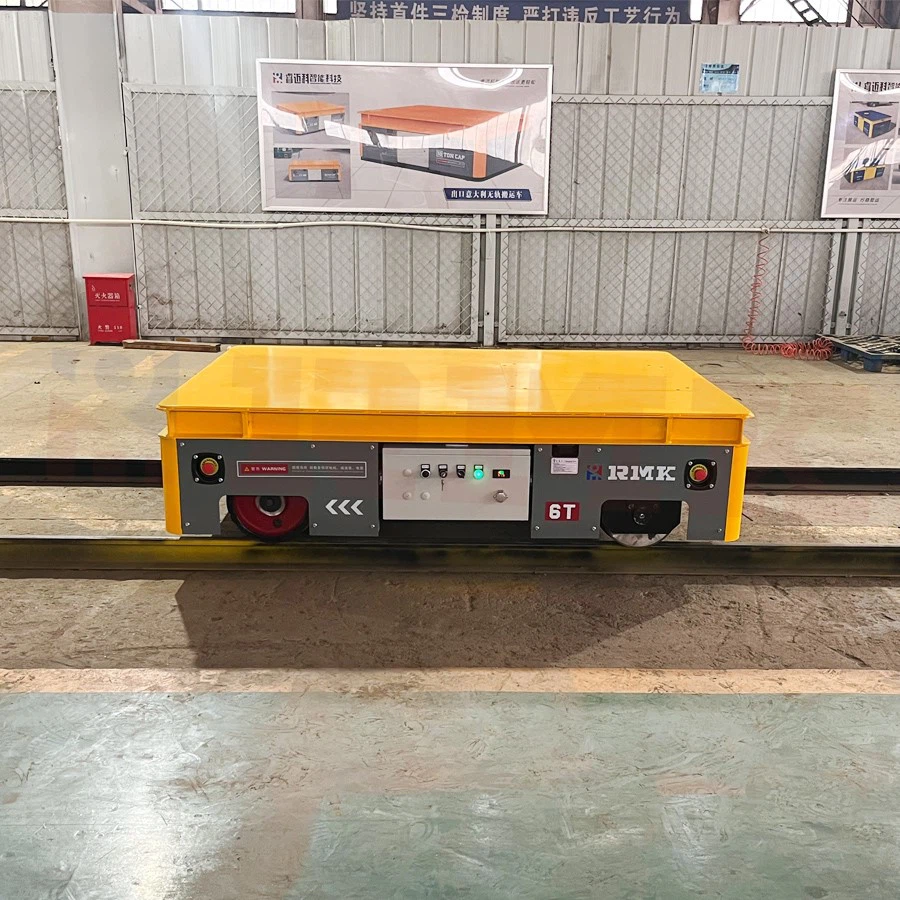
A gleisloser Transportwagen bewegt sich direkt auf dem Fabrikboden ohne Schieneninstallation. Er verwendet Lenkräder und intelligente Steuerungssysteme für flexible Bewegung und eignet sich für Fabriken mit wechselnden Produktionslayouts oder mehreren Transportwegen.
- Tragfähigkeit: 5–300 Tonnen
- Stromversorgung: Batterie / Lithium-Batterie
- Lenkmodus: 360°-Lenkung
- Steuerungsmethode: Kabellose Fernbedienung
Für verschiedene industrielle Anwendungen bietet REMARKABLE maßgeschneiderte Lösungen für elektrische Transferwagen mit verschiedenen Tragfähigkeiten, Stromsystemen und Steuerungsoptionen, um spezifische Materialhandhabungsanforderungen zu erfüllen.
Einzelheiten zu Modellen elektrischer Flach-Transferwagen und eine Auswahlhilfe finden Sie unter: Wie wählt man einen elektrischen Flach-Transferwagen aus? Professioneller Auswahlleitfaden!
Wie wählt man den richtigen elektrischen Transportwagen?
Die Auswahl des richtigen elektrischen Transferwagens hängt von den Lastanforderungen, der Arbeitsumgebung, dem Transportweg und den Stromversorgungsbedingungen ab.
- Tragfähigkeit: Wählen Sie einen Transferwagen basierend auf dem Gewicht der zu transportierenden Materialien. Die Nennkapazität sollte höher sein als die tatsächliche Last, um einen ausreichenden Sicherheitsspielraum zu bieten und Überlastbetrieb zu vermeiden.
- Transportdistanz: Berücksichtigen Sie die Fahrstrecke und den Arbeitszyklus des Wagens. Batteriebetriebene Modelle eignen sich für flexiblen Transport, während kabelbetriebene oder schienenbetriebene Modelle für kontinuierliche Langstreckenbewegung geeignet sind.
- Arbeitsumgebung: Wählen Sie das Wagendesign entsprechend den Fabrikbedingungen. Faktoren wie Temperatur, Staub, Feuchtigkeit und Bodenbeschaffenheit beeinflussen die Auswahl von Rädern, Schutzart und Stromsystem.
- Stromversorgungstyp: Wählen Sie die Strommethode basierend auf den Anwendungsanforderungen. Batteriebetriebene Wagen bieten flexible Bewegung, kabelbetriebene Wagen unterstützen den Dauerbetrieb und schienenbetriebene Wagen eignen sich für feste Routen.
- Steuerungsmethode: Wählen Sie das Steuerungssystem entsprechend den Betriebsanforderungen. Fernbedienung eignet sich für Standard-Materialhandhabung, während PLC-Integration für automatisierte Produktionslinien verwendet wird.
- Plattformgröße und -struktur: Die Plattformgröße sollte mit den Abmessungen der transportierten Materialien übereinstimmen. Kundenspezifische Plattformdesigns sind für übergroße Komponenten, Stahlkonstruktionen, Formen und schwere Ausrüstung erhältlich.
Der geeignete elektrische Transferwagen sollte mit der Tragfähigkeit, der Arbeitsumgebung, der Stromversorgung und dem Transportweg der Anwendung übereinstimmen.
Weitere Informationen zu den Arten von elektrischen schienenlosen Transportwagen und zur Auswahl eines geeigneten Modells finden Sie im Artikel: Auswahlleitfaden für elektrische spurunabhängige Transferwagen: Typen, Spezifikationen und Auswahlkriterien
Schlussfolgerung
Elektrische Transferwagen werden häufig für den Schwerlasttransport in Fabriken, Stahlwerken, Lagerhäusern und Produktionslinien eingesetzt. Dieser Artikel erläutert das Funktionsprinzip, die Betriebsschritte, Sicherheitshinweise, häufige Probleme, Wartungsmethoden und Auswahlfaktoren von elektrischen Transferwagen, um Benutzern zu helfen, das richtige Gerät für verschiedene Anwendungen auszuwählen und zu betreiben.
REMARKABLE bietet Lösungen für elektrische Transferwagen mit verschiedenen Tragfähigkeiten, Stromoptionen und kundenspezifischen Designs. Unsere Produkte werden an Kunden weltweit exportiert und können nach spezifischen Anforderungen hergestellt werden, einschließlich Plattformgröße, Steuerungssystem und Transportbedingungen. Mit professionellem technischen Support und Kundendienst hilft REMARKABLE Kunden, die Materialhandhabungseffizienz zu verbessern. Kontakt für eine geeignete Lösung für elektrische Transferwagen für Ihr Projekt.
E-Mail: transfercart@rmkzn.com
Telefon: +86-18637369355
FAQ
Wie bedient man einen Elektro-Transportwagen?
Betreiben Sie einen elektrischen Transferwagen, indem Sie den Gerätezustand prüfen, Materialien korrekt laden, das Antriebssystem starten, die Fahrtrichtung und Geschwindigkeit steuern und den Wagen an der Zielposition anhalten.
Was sollte vor der Verwendung eines elektrischen Transferwagens überprüft werden?
Prüfen Sie vor dem Betrieb die Stromversorgung, den Batteriestand, das Steuerungssystem, den Not-Aus-Schalter, die Räder, den Schienenzustand und den Lastzustand.
Kann eine Person einen Elektro-Transportwagen bedienen?
Ja, eine geschulte Bedienperson kann einen elektrischen Transferwagen unter normalen Betriebsbedingungen über eine Fernbedienung oder ein Bedienpanel steuern.
Welche Sicherheitsvorkehrungen sind erforderlich?
Überschreiten Sie nicht die Nennlast, halten Sie den Fahrweg frei, vermeiden Sie plötzliche Beschleunigung, prüfen Sie Sicherheitseinrichtungen regelmäßig und stoppen Sie den Betrieb bei abnormalen Bedingungen.
Wie oft sollte ein Elektro-Transportwagen gewartet werden?
Tägliche Kontrollen sollten vor und nach dem Einsatz durchgeführt werden. Regelmäßige Wartungsintervalle hängen von der Betriebsfrequenz, den Lastbedingungen und den Herstellerempfehlungen ab.
Was führt dazu, dass ein Elektro-Transportwagen nicht mehr funktioniert?
Häufige Ursachen sind niedriger Batteriestand, elektrische Verbindungsprobleme, Motorfehler, Steuerungssystemausfälle, Überlastbetrieb oder Schienenprobleme.
Können Elektro-Transportwagen im Freien arbeiten?
Ja, elektrische Transferwagen können mit geeigneten Ausführungen im Freien eingesetzt werden. Witterungsschutz, wasserdichte elektrische Komponenten und ordnungsgemäße Wartung sind für den Außeneinsatz erforderlich.
Welche Tragfähigkeit können elektrische Transportwagen bewältigen?
Elektrische Transferwagen sind in verschiedenen Tragfähigkeiten erhältlich, typischerweise von 5 Tonnen bis 500 Tonnen, abhängig von der Struktur, dem Antriebssystem und den Anwendungsanforderungen.