
Inhaltsverzeichnis
Einleitung
Der Transport von übergroßen Geräten und schweren Komponenten erfordert zuverlässige Materialtransportausrüstung, die unter anspruchsvollen industriellen Bedingungen sicher betrieben werden kann. Eine geeignete Transportlösung kann Handhabungsrisiken reduzieren, die Transporteffizienz verbessern und die kontinuierliche Produktion in Fabriken, Stahlwerken und Werften unterstützen. In diesem Leitfaden erklären wir, wie ein Schwerlast-Transferwagen Lasten von 50 bis 500 Tonnen bewegt und warum er zu einer wichtigen Lösung für den Schwerlasttransport geworden ist.
In diesem Artikel stellen wir das Funktionsprinzip, die gängigen Typen, die Tragfähigkeiten, die Einsatzbranchen und die wichtigsten Auswahlfaktoren von Schwerlast-Transferwagen vor. Basierend auf unserer Erfahrung mit industriellen Materialtransportlösungen erörtern wir außerdem, wie Sie den richtigen Transferwagen je nach Lastgewicht, Arbeitsumgebung, Stromversorgung und Transportanforderungen auswählen.
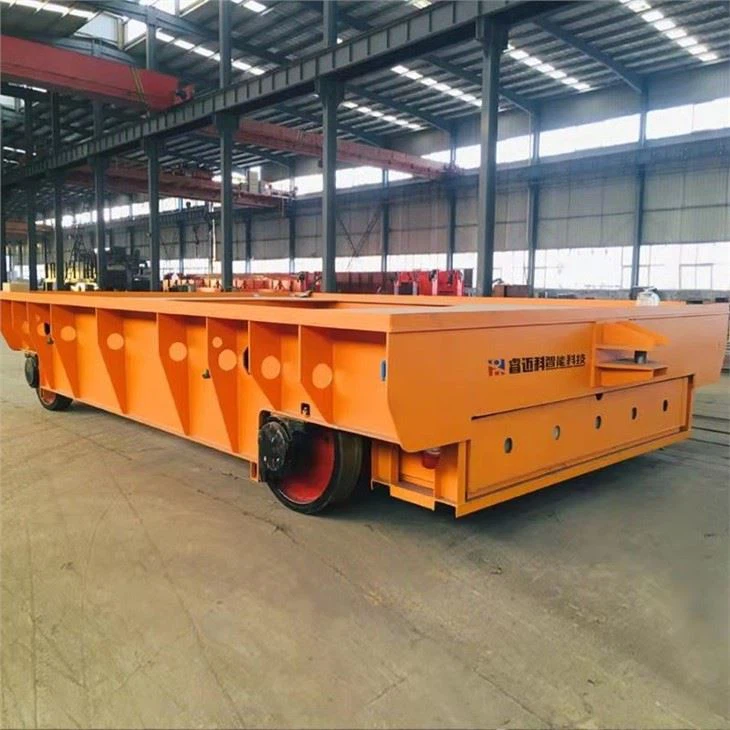
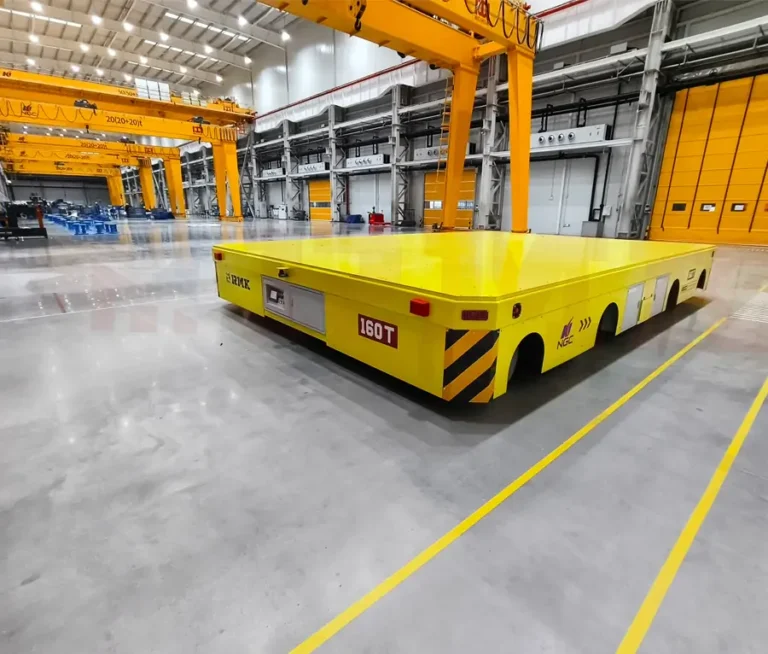
Was ist ein Schwerlast-Transferwagen?
Ein Schwerlast- Transferwagen ist ein industrielles Transportfahrzeug, das dazu entwickelt wurde, extrem schwere und übergroße Lasten zwischen verschiedenen Arbeitsbereichen zu bewegen. Es nutzt ein elektrisches Antriebssystem, Räder oder schienengeführte Mechanismen und eine lasttragende Plattform, um einen stabilen horizontalen Transport für Geräte, Stahlkomponenten, Formen und andere große Materialien zu gewährleisten.
Im Gegensatz zu Gabelstaplern oder Brückenkranen, die auf Hubvorgänge angewiesen sind, werden Transferwagen hauptsächlich für die bodengebundene Bewegung schwerer Lasten über kurze oder lange Distanzen eingesetzt. Ein Schwerlast-Schienentransportwagen fährt auf installierten Schienen und ist üblicherweise für Tragfähigkeiten von 50 bis 500 Tonnen ausgelegt, was ihn für Stahlwerke, Werften, Gießereien und Fertigungsanlagen für Schwermaschinen geeignet macht. Je nach Standortbedingungen können Schwerlast-Transferwagen als Schienentransportwagen, batteriebetriebene Transferwagen, spurgebundene Transferwagen und kundenspezifische Transportplattformen konfiguriert werden.
Eine ausführliche Einführung in Schwerlast-Transportwagen finden Sie im Artikel: “Was ist ein Schwerlast-Transportwagen?”
Wie bewegt ein Schwerlast-Transferwagen 50–500 Tonnen?
Ein Schwerlast-Transferwagen bewegt große Lasten durch einen einfachen, aber leistungsstarken Prozess. Die Last wird auf der Plattform platziert, das Antriebssystem erzeugt die Bewegung, und das Steuerungssystem verwaltet die Fahrtrichtung und die Stoppposition des Wagens.
- · Lastplatzierung – Die schwere Last wird sicher auf der Wagenplattform positioniert und innerhalb der Nenntragfähigkeit gehalten.
- · Stromversorgung – Die Batterie, die Kabeltrommel oder das Schienenstromsystem versorgt die Antriebsmotoren mit elektrischer Energie.
- · Antrieb und Bewegung – Elektromotoren treiben die Räder an und bewegen den Wagen entlang der Schienen oder über den Werkstattboden.
- · Richtungssteuerung – Bediener verwenden eine Fernbedienung, ein Hängegerät oder ein SPS-System, um Start, Stopp und Fahrtrichtung zu steuern.
- · Positionierung und Entladung – Der Wagen stoppt an der vorgesehenen Stelle, wo die Last mithilfe eines Krans oder anderer Hebeausrüstung übergeben wird.
Die Kombination aus robuster Struktur, zuverlässigem Stromversorgungssystem und präziser Steuerung ermöglicht es Transferwagen, Lasten von 50–500 Tonnen in Fabriken, Stahlwerken und Werften zu handhaben.
Für eine detaillierte Erklärung der Funktionsweise von Schwerlast-Transferwagen und ihrer Betriebsabläufe lesen Sie den Artikel: Wie funktioniert ein Schwerlast-Transferwagen?
Typen von Schwerlast-Transferwagen
Schwerlast-Transferwagen werden in verschiedenen Konfigurationen gebaut, um den Schwerlasttransport in Fabriken, Stahlwerken, Werften und anderen Industriestandorten zu bewältigen. Die Haupttypen umfassen Schienentransportwagen, batteriebetriebene Transferwagen, spurgebundene Transferwagen, AGV-Transferwagen und kundenspezifische Transferwagen.
Schienentransferwagen
A Schienentransportwagen fährt auf fest installierten Schienen und ist für schwere Lasten ausgelegt, die sich entlang einer festen Route bewegen müssen. Er bietet stabilen Betrieb und hohe Tragfähigkeit und eignet sich für den Transport von Stahlcoils, Formen, Maschinenteilen und großen Strukturen.
- Tragfähigkeit: 10–500 Tonnen
- Stromversorgung: Schienenstrom / Batterie / Kabeltrommel
- Fahrgeschwindigkeit: 5–30 m/min
- Steuerungsmethode: Fernbedienung / SPS-Steuerung
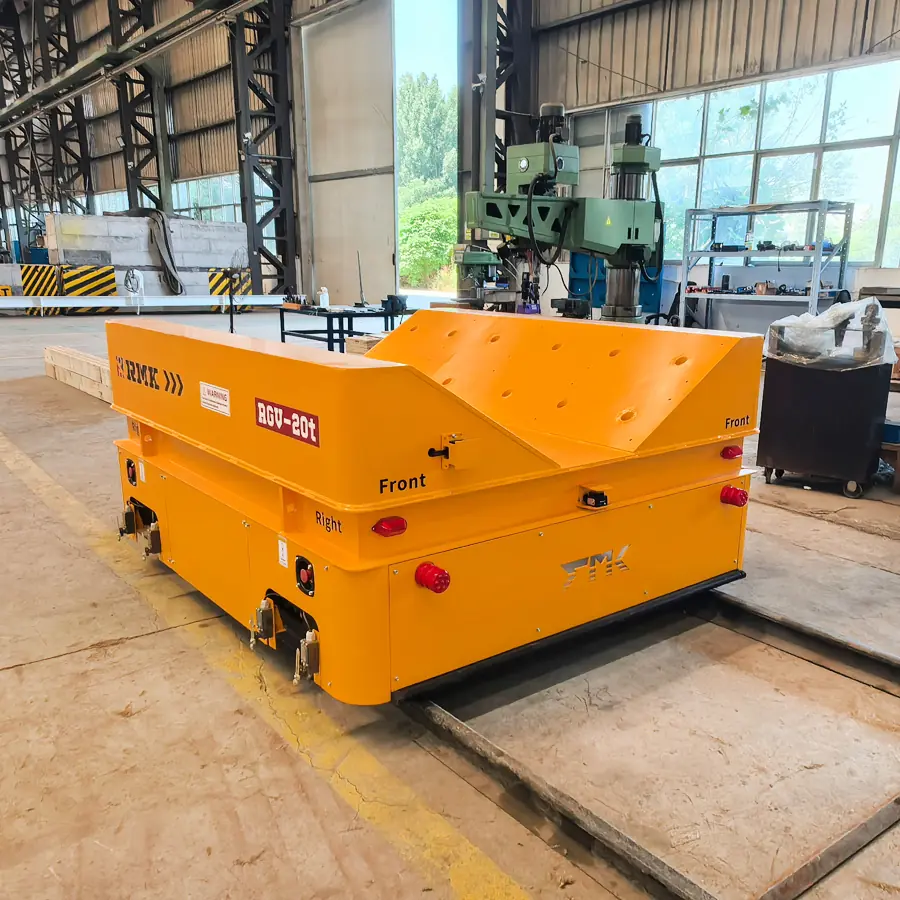
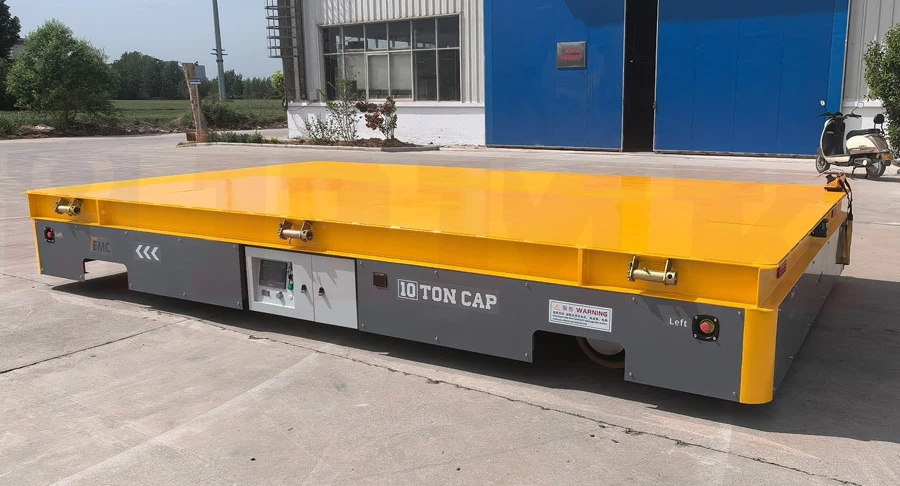
Batteriebetriebener Transferwagen
A batteriebetriebener Transferwagen nutzt Bordbatterien zur Stromversorgung der Bewegung. Er benötigt kein durchgehendes Stromkabel und kann daher in Werkstätten eingesetzt werden, in denen sich Transportwege häufig ändern.
- Tragfähigkeit: 10–500 Tonnen
- Batterietyp: Blei-Säure / Lithium-Batterie
- Fahrstrecke: Kundenspezifisch
- Steuerungsmethode: Kabellose Fernbedienung
Gleisloser Transferwagen
A gleisloser Transportwagen bewegt sich direkt auf dem Fabrikboden ohne Schienen. Er verwendet ein Lenksystem zur Richtungsänderung und eignet sich für den Transport schwerer Komponenten zwischen verschiedenen Arbeitsbereichen.
- Tragfähigkeit: 10–300 Tonnen
- Lenkmodus: Hydraulische Lenkung / Omnidirektionale Lenkung
- Stromversorgung: Batteriebetrieben
- Steuerungsmethode: Fernbedienung

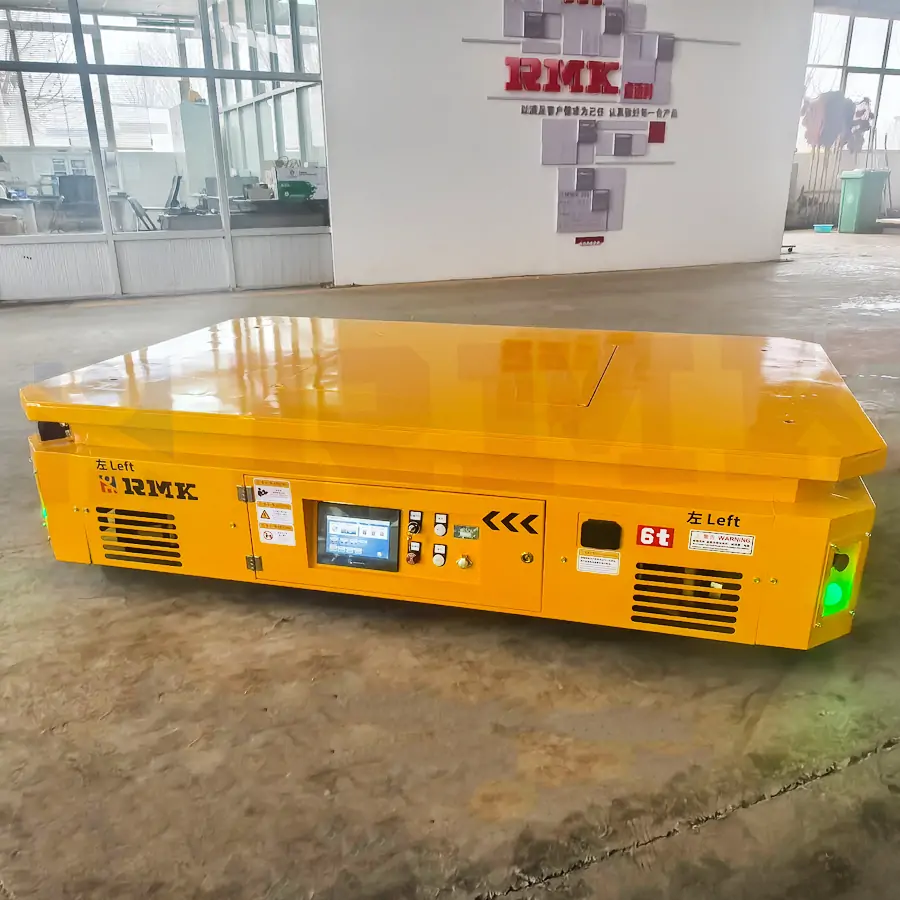
AGV-Transferwagen
Eine AGV-Transferwagen ist ein automatisiertes Transportfahrzeug für den unbemannten Materialtransport. Es folgt programmierten Routen über Navigationssysteme und kann in Produktionslinien von Fabriken integriert werden.
- Tragfähigkeit: 1–500 Tonnen
- Navigationsmethode: Lasernavigation / Magnetnavigation / QR-Code-Navigation
- Positioniergenauigkeit: ±10–20 mm
- Steuerungssystem: SPS / Industriecomputer
Kundenspezifischer Schwerlast-Transferwagen
Kundenspezifische Transferwagen werden für spezielle Handhabungsanforderungen entwickelt, wie übergroße Lasten, große Plattformen oder einzigartige Arbeitsumgebungen. Struktur, Stromversorgungssystem und Steuerungsmodus können je nach Anwendung angepasst werden.
- Tragfähigkeit: Bis zu 500 Tonnen oder mehr
- Plattformgröße: Kundenspezifisch
- Stromversorgung: Batterie / Schiene / Kabeltrommel
- Anwendung: Stahlkonstruktionen, Schiffssektionen, Schwermaschinen
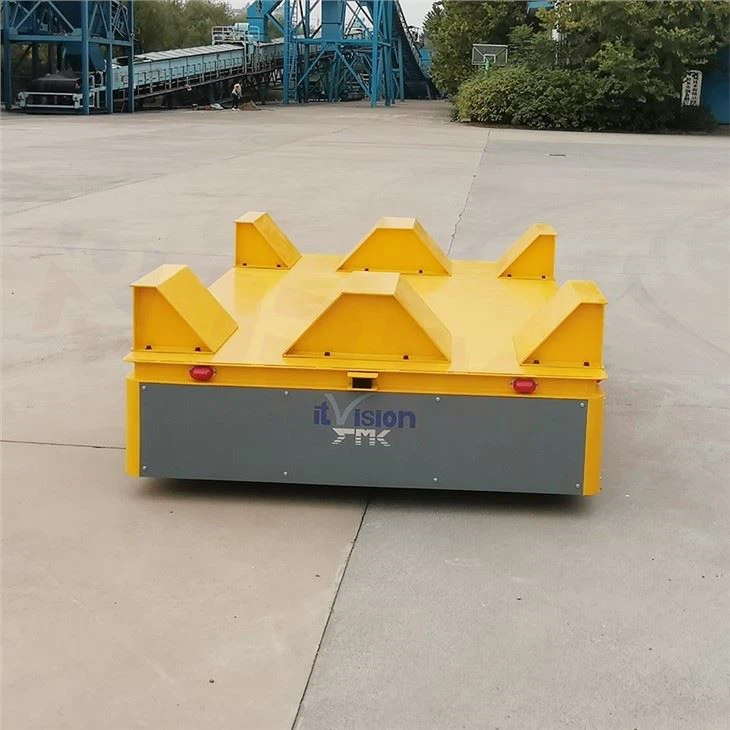
Schwerlast-Transferwagen werden basierend auf Lastgewicht, Transportroute und Arbeitsbedingungen ausgewählt. Schienenmodelle eignen sich für feste Routen, Batterie- und spurgebundene Modelle bieten flexible Transportmöglichkeiten, und AGV-Transferwagen werden für den automatisierten Materialtransport eingesetzt.
Welche Lasten kann ein Transferwagen mit 50–500 Tonnen handhaben?
Ein Transferwagen mit 50–500 Tonnen ist für den Transport großer und schwerer Komponenten ausgelegt, die mit Standard-Handhabungsausrüstung nicht bewegt werden können. Er wird häufig für Stahlprodukte, Industriemaschinen, Schiffskomponenten und andere übergroße Lasten in der Schwermaschinenindustrie eingesetzt.
| Tragfähigkeit | Lasten | Anwendungen |
|---|---|---|
| 50-Tonnen-Transferwagen | Stahlplatten, Formen, Maschinenteile, kleine Geräte | Maschinenfabriken, Metallverarbeitungsbetriebe |
| 100-Tonnen-Transferwagen | Große Formen, Transformatoren, Produktionsanlagen | Schwerindustrie, Energieanlagenproduktion |
| 200-Tonnen-Transportwagen | Stahlkonstruktionen, Druckbehälter, Industrie模块 | Stahlwerke, Fertigungswerkstätten |
| 300–500-Tonnen-Transportwagen | Schiffssektionen, große Maschinenfundamente, übergroße Strukturen | Werften, Schweranlagenbau |
Die tatsächliche Tragfähigkeit hängt von Materialgröße, Transportdistanz, Arbeitsumgebung und Wagenkonstruktion ab. Schwerlast-Transportwagen können mit unterschiedlichen Plattformabmessungen, Antriebssystemen und Steuerungsmethoden für spezifische Handhabungsanforderungen kundenspezifisch angepasst werden.
Anwendungen
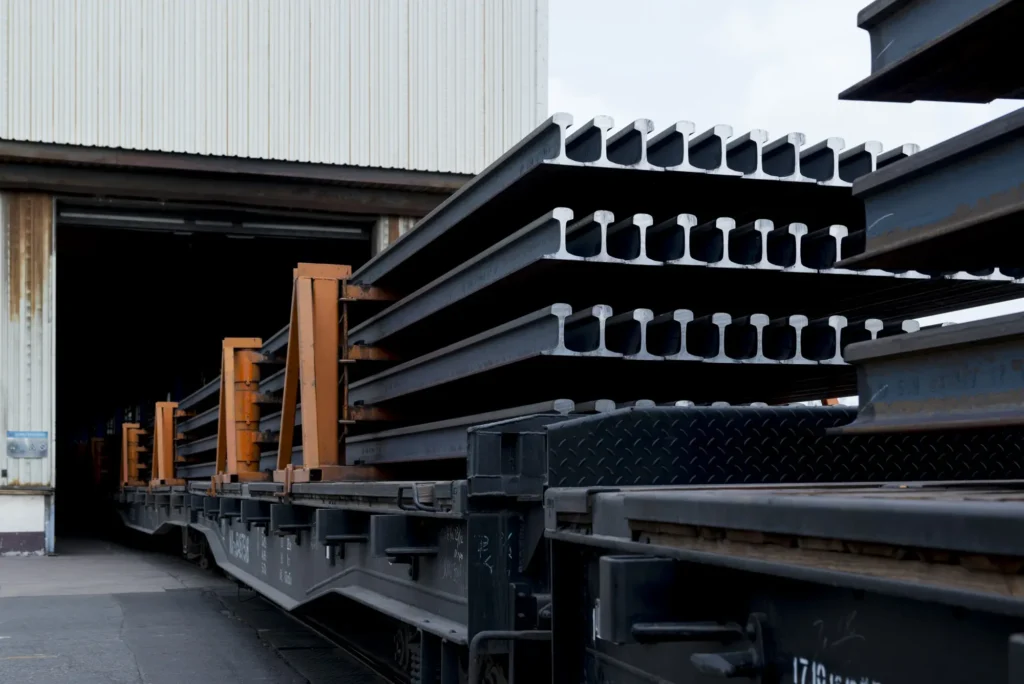
Stahlherstellung
Transportwagen werden eingesetzt, um Stahlcoils, Brammen, Pfannen, Stahlkonstruktionen und andere schwere Stahlprodukte zwischen Produktionsbereichen zu bewegen.
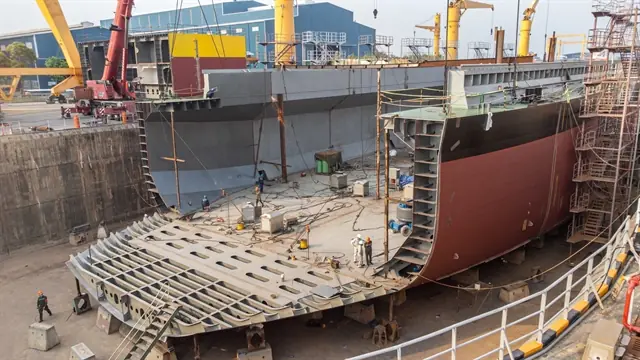
Schiffbau
In Werften transportieren Transportwagen Rumpfsektionen, Schiffsblöcke und große gefertigte Komponenten während Montage und Produktion.
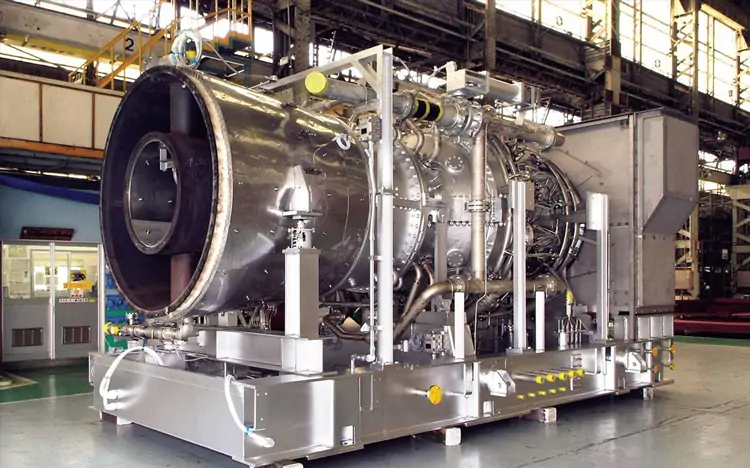
Schwermaschinenbau
Sie werden verwendet, um Maschinenfundamente, Pressen, Generatoren, Formen, und andere große Industrieanlagen innerhalb von Werkstätten zu bewegen.
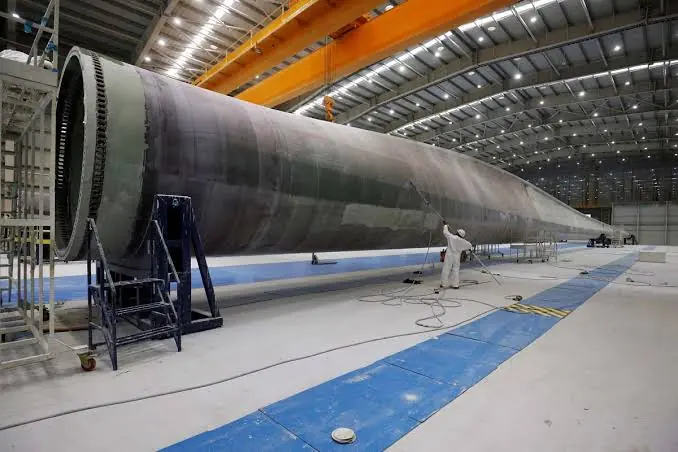
Windenergieanlagen
Transportwagen unterstützen den Transport von Turmsektionen, Gondeln, Rotorblättern und anderen übergroßen Komponenten während Fertigung und Montage.
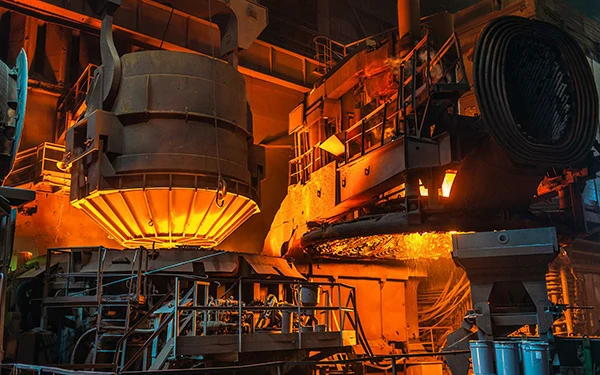
Gießereien und Metallverarbeitung
Sie werden für die Handhabung von Gussteilen, Formen und hochtemperierten Metallkomponenten zwischen Verarbeitungsstationen eingesetzt.
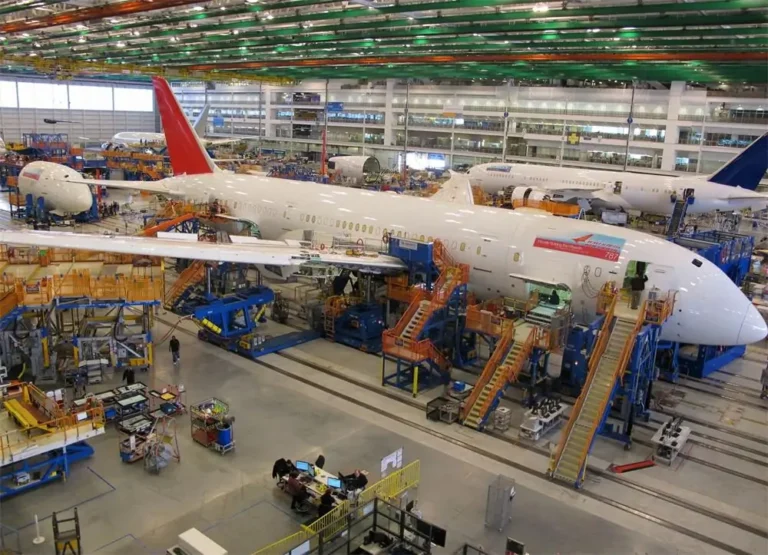
Luft- und Raumfahrt sowie Großstrukturfertigung
Transportwagen bieten Bodentransport für große Rahmen, Strukturteile und Produktionsvorrichtungen, bei denen präzise Bewegung erforderlich ist.
Für weitere industrielle Anwendungen siehe den Artikel: Anwendungen von Schwerlast-Transportwagen in der industriellen Materialhandhabung
Schienentransportwagen vs. spurunabhängiger Transportwagen
Schienentransportwagen und spurunabhängige Transportwagen werden beide für den Schwerlasttransport verwendet, sind jedoch für unterschiedliche Arbeitsbedingungen ausgelegt. Der Hauptunterschied liegt in der Fahrweise, Routenflexibilität und Installationsanforderungen.
| Vergleich | Schienentransferwagen | Gleisloser Transferwagen |
|---|---|---|
| Fahrweise | Bewegt sich entlang fester Schienen | Bewegt sich direkt auf dem Werksboden |
| Route | Fester Transportweg | Flexible Bewegungsrouten |
| Tragfähigkeit | 10–500 Tonnen | 10–300 Tonnen (kundenspezifisch) |
| Installation | Erfordert Schieneninstallation | Keine feste Schiene erforderlich |
| Lenkung | Geradlinige Bewegung | Mehrrichtungslenkung |
| Verwendet standardmäßige industrielle elektrische Komponenten. | Batterie, Schienenstrom, Kabeltrommel | Batteriebetrieben |
| Anmeldung | Stahlwerke, Werften, feste Produktionslinien | Werkstätten mit wechselnden Transportrouten |
- Schienentransportwagen: Ein Schienentransportwagen eignet sich für Fabriken mit regelmäßigen Transportrouten. Die Schienen bieten stabile Führung und ermöglichen dem Wagen, schwere Lasten über wiederholte Wege zu tragen. Er wird häufig zum Bewegen von Stahlcoils, Formen, Schiffssektionen und großen Anlagen eingesetzt.
- Spurunabhängiger Transportwagen: Ein spurunabhängiger Transportwagen fährt ohne feste Schienen und kann sich frei zwischen verschiedenen Arbeitsbereichen bewegen. Er eignet sich für Fabriken, die flexible Materialtransporte benötigen oder keine permanenten Schienen installieren können. Batterieantrieb und Lenksysteme ermöglichen dem Wagen, sich an unterschiedliche Werkstattlayouts anzupassen.
Schienentransportwagen sind eine gute Wahl für feste Routen und hochfrequenten Schwerlasttransport. Spurunabhängige Transportwagen eignen sich besser für flexible Handhabungsanwendungen, bei denen sich Transportwege häufig ändern. Die Auswahl hängt von Lastgewicht, Werkstattlayout und täglichen Betriebsanforderungen ab.
Wie wählt man einen Schwerlast-Transportwagen aus?
Die Auswahl des richtigen Schwerlast-Transportwagens hängt von Lastanforderungen, Arbeitsbedingungen und Transportumgebung ab. Die folgenden Faktoren sollten vor der Auswahl eines geeigneten Modells berücksichtigt werden.
- Tragfähigkeit: Wählen Sie einen Transportwagen basierend auf dem maximalen Gewicht der zu transportierenden Materialien. Die Wagenkapazität sollte eine angemessene Sicherheitsmarge für stabilen Betrieb enthalten.
- Transportroute: Feste Routen eignen sich für Schienentransportwagen, während wechselnde Routen spurunabhängige oder batteriebetriebene Modelle erfordern können.
- Stromversorgung: Wählen Sie das Antriebssystem entsprechend dem Arbeitsbereich. Gängige Optionen umfassen Batteriebetrieb, Schienenstrom und Kabeltrommelbetrieb.
- Arbeitsumgebung: Berücksichtigen Sie Faktoren wie Innen- oder Außenbetrieb, Bodenverhältnisse, Temperatur und Staubniveau bei der Auswahl der Wagenkonstruktion.
- Steuerungsmethode: Fernbedienung eignet sich für Standard-Handhabungsaufgaben, während SPS- oder AGV-Systeme für automatisierte Produktionslinien verwendet werden.
Ein geeigneter Schwerlast-Transportwagen wird basierend auf der tatsächlichen Last, den Werkstattbedingungen und den täglichen Transportanforderungen ausgewählt.
Für Details zur Auswahl des richtigen Modells siehe den Artikel: Wie wählt man industrielle Transportwagen aus?
Sicherheitsmerkmale von Schwerlast-Transportwagen
- Überlastschutz – Verhindert den Betrieb über der Nenntragfähigkeit hinaus.
- Not-Aus-System – Ermöglicht eine schnelle Abschaltung in abnormalen Situationen.
- Bremssystem – Hält den Wagen während des Anhaltens und Parkens stabil.
- Warneinrichtung – Gibt während des Betriebs akustische und optische Warnsignale ab.
- Kollisionsschutzsystem – Erkennt Hindernisse und reduziert Kollisionsrisiken.
- Endschalter – Steuert den Fahrbereich und verhindert Überfahrten.
- Fernbedienungssicherheit – Ermöglicht Bedienern, den Wagen aus sicherer Entfernung zu steuern.
Schlussfolgerung
Schwerlast-Transportwagen bieten eine zuverlässige Lösung für den Transport von 50–500-Tonnen-Lasten in Stahlwerken, Werften, Maschinenfabriken und anderen Schwerindustrien. Mit verschiedenen Optionen wie Schienentransportwagen, batteriebetriebenen Transportwagen, spurgebundenen Transportwagen und AGV-Transportwagen können Benutzer ein geeignetes Modell basierend auf Lastanforderungen und Arbeitsbedingungen auswählen.
Als erfahrener Transportwagenhersteller, REMARKABLE bieten wir maßgeschneiderte Schwerlast-Handling-Lösungen für verschiedene Anwendungen. Von Tragfähigkeit und Plattformdesign bis hin zu Antriebssystemen und Steuerungsmethoden helfen wir Kunden, den richtigen Transportwagen für ihre Transportanforderungen auszuwählen. Kontakt um Ihre Anforderungen an den Schwerlasttransport zu besprechen.
E-Mail: transfercart@rmkzn.com
Telefon: +86-18637369355
FAQ
Was ist ein Schwerlast-Transportwagen?
Ein Schwerlast-Transportwagen ist ein elektrisch betriebenes Transportfahrzeug, das zum Bewegen großer und schwerer Materialien in Fabriken, Stahlwerken, Werften und anderen industriellen Umgebungen verwendet wird. Es ist für Lasten von mehreren Tonnen bis zu 500 Tonnen oder mehr ausgelegt.
Wie viel Gewicht kann ein Schwerlast-Transportwagen tragen?
Ein Schwerlast-Transportwagen kann typischerweise 10–500 Tonnen bewältigen, wobei größere Kapazitäten durch kundenspezifische Designs möglich sind. Die tatsächliche Kapazität hängt von Lastgröße, Struktur und Anwendungsanforderungen ab.
Was ist der Unterschied zwischen einem Schienentransportwagen und einem schienenlosen Transportwagen?
Ein Schienentransportwagen fährt auf festen Schienen und eignet sich für regelmäßige Transportrouten. Ein spurgebundener Transportwagen bewegt sich direkt auf dem Fabrikboden und bietet mehr Flexibilität für wechselnde Transportwege.
Welche Stromversorgungsoptionen sind für Schwerlast-Transportwagen verfügbar?
Häufige Stromoptionen umfassen Batteriestrom, Schienenstrom und Kabeltrommelstrom. Die Wahl hängt von Transportdistanz, Arbeitsumgebung und Betriebsfrequenz ab.
Kann ein Transportwagen für spezielle Lasten angepasst werden?
Ja. Transportwagen können mit verschiedenen Plattformgrößen, Tragfähigkeiten, Antriebssystemen und Steuerungsmethoden angepasst werden, um spezielle Materialien und Arbeitsbedingungen zu bewältigen.
Wo werden Schwerlast-Transportwagen eingesetzt?
Sie werden häufig in der Stahlherstellung, im Schiffbau, in Gießereien, in der Schwermaschinenproduktion, in der Herstellung von Windenergieanlagen und anderen Branchen eingesetzt, die Schwerlasttransport erfordern.
Sind Schwerlast-Transportwagen sicher zu bedienen?
Ja. Sie können mit Sicherheitsfunktionen wie Überlastschutz, Not-Aus-Tasten, Bremssystemen, Warnsignalen und Kollisionsschutzvorrichtungen ausgestattet werden.
Wie wähle ich den richtigen Schwerlast-Transportwagen aus?
Die Auswahl hängt von Lastgewicht, Transportroute, Bodenbeschaffenheit, Stromversorgung, Betriebsumgebung und davon ab, ob manuelle oder automatisierte Steuerung erforderlich ist.