目录
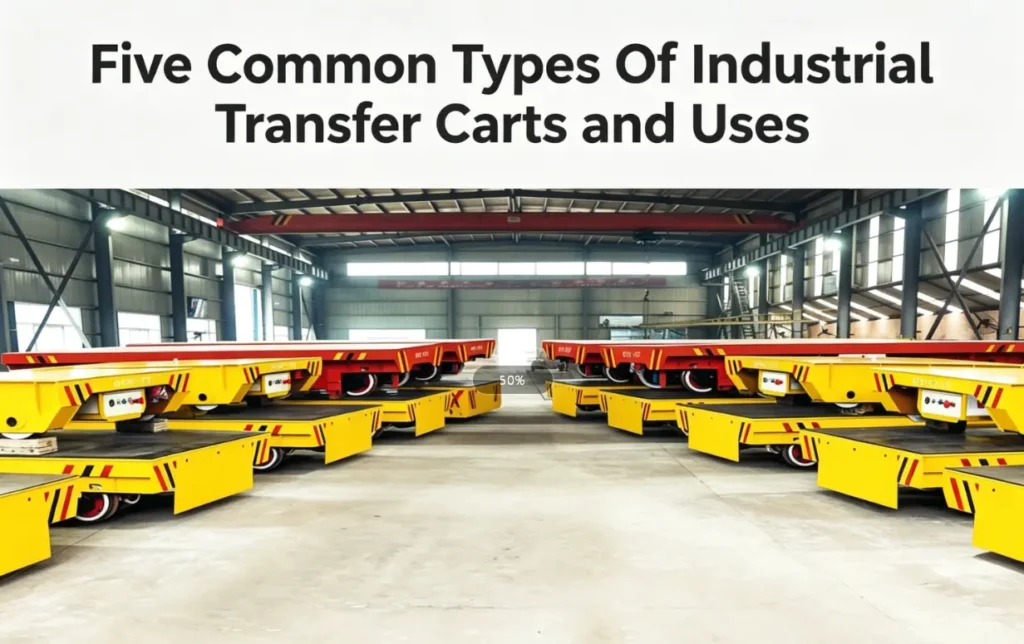
In modern industrial production, efficient handling of heavy materials is a key link to improving production efficiency. Different types of industrial transfer carts can meet various complex material-handling needs because of their different functional characteristics and application scope. This article will provide you with a detailed introduction to five common types of industrial transfer carts and their application scenarios, to help enterprises better understand the product classification and use of transfer cart scenarios.
What Is An Industrial Transfer Cart?
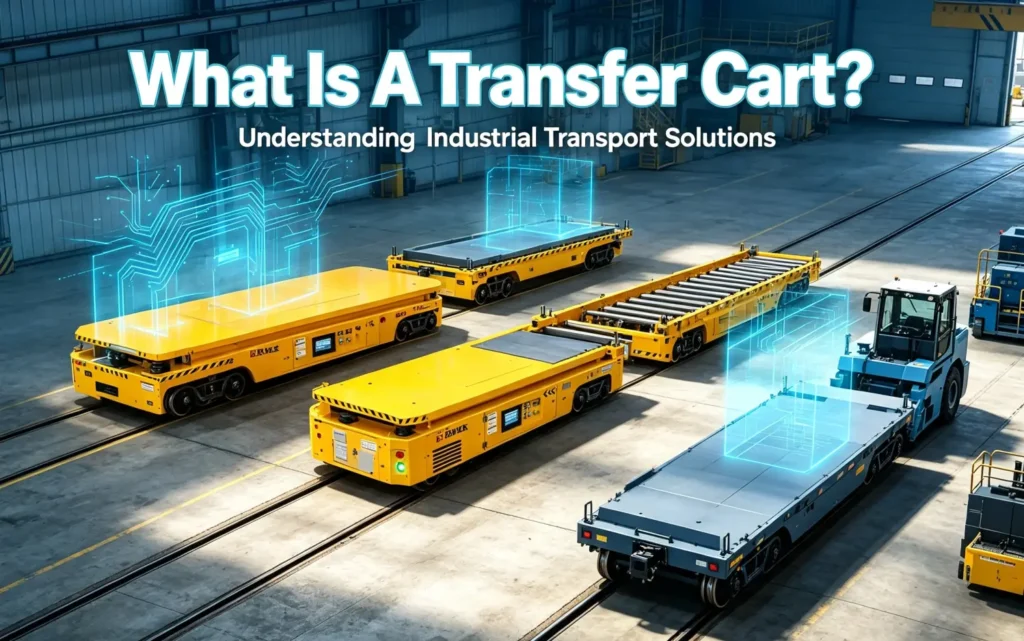
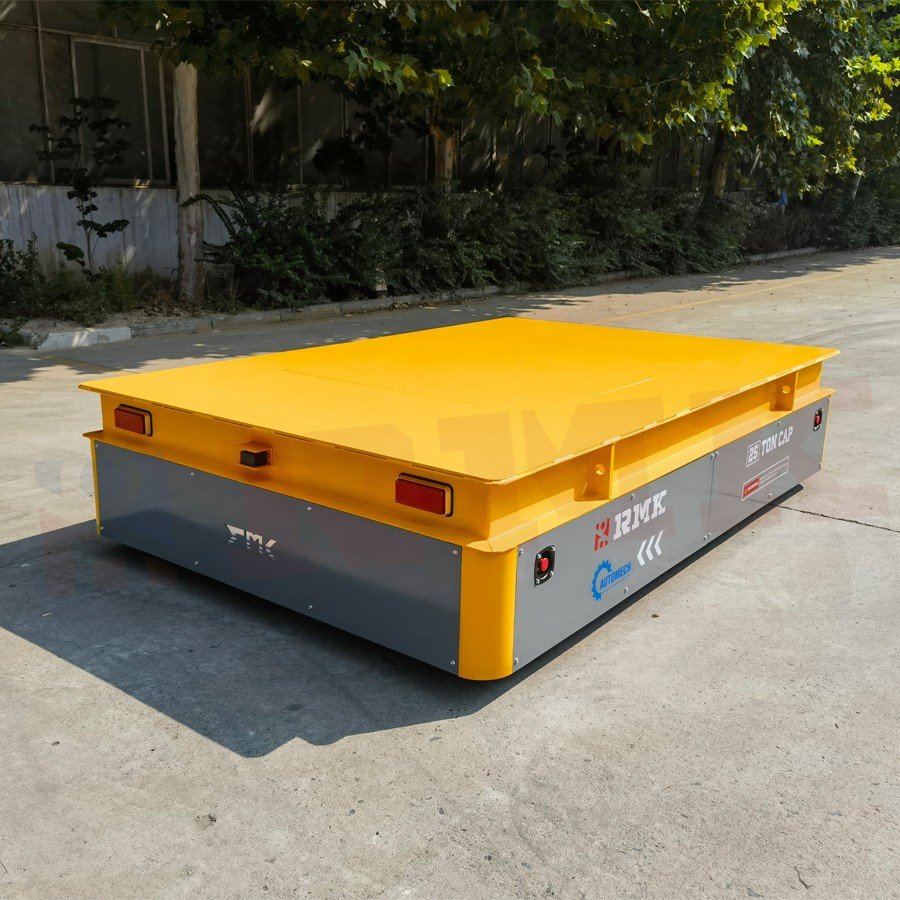
An industrial transfer cart is a heavy-duty material handling vehicle used to move large and heavy loads within factories, workshops, warehouses, and industrial facilities. It runs on rails or a trackless system and is designed to transport materials such as steel coils, molds, machinery parts, and finished products safely and efficiently.
Industrial transfer carts are powered by different systems, including batteries, rail power, cable reels, and busbars. Depending on the working environment and load requirements, they can be customized with different platform sizes, capacities, control methods, and safety features. Common types include rail transfer carts, trackless transfer carts, AGV transfer carts, and RGV transfer carts.

Main Types of Industrial Transfer Carts
Industrial transfer carts are available in different types to meet various material handling requirements. The selection depends on factors such as load capacity, transportation route, working environment, and automation needs. The main types include rail transfer carts, trackless transfer carts, AGV transfer carts, RGV transfer carts, and heavy duty transfer carts.
无轨运输车
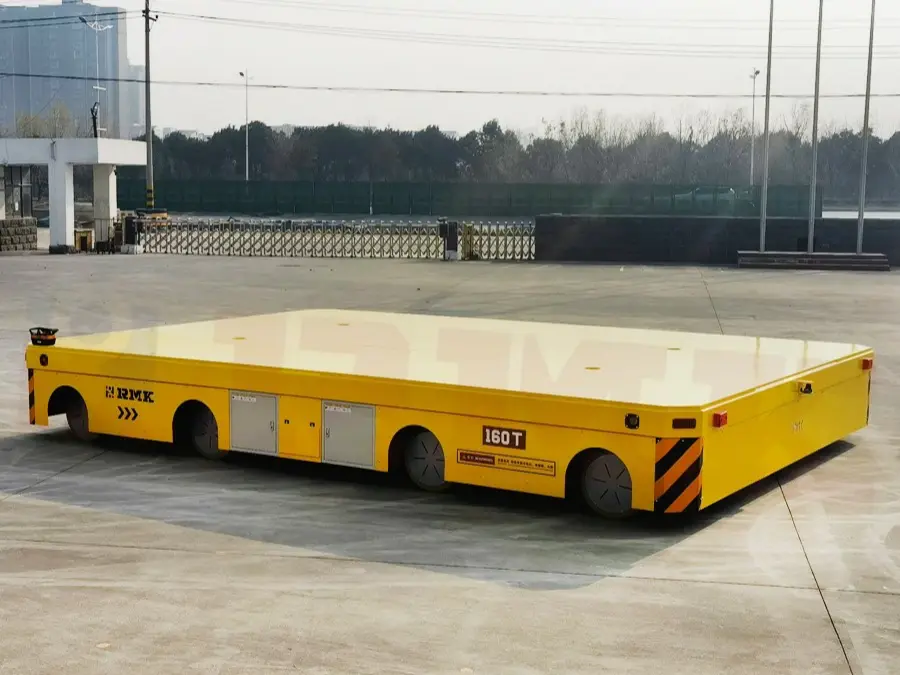
A customized 无轨运输车 is a popular piece of material handling equipment in recent years, and its biggest feature is that it doesn’t rely on a fixed track traveling. It has high mobility and flexibility, especially suitable for material transfer between multiple workshops.
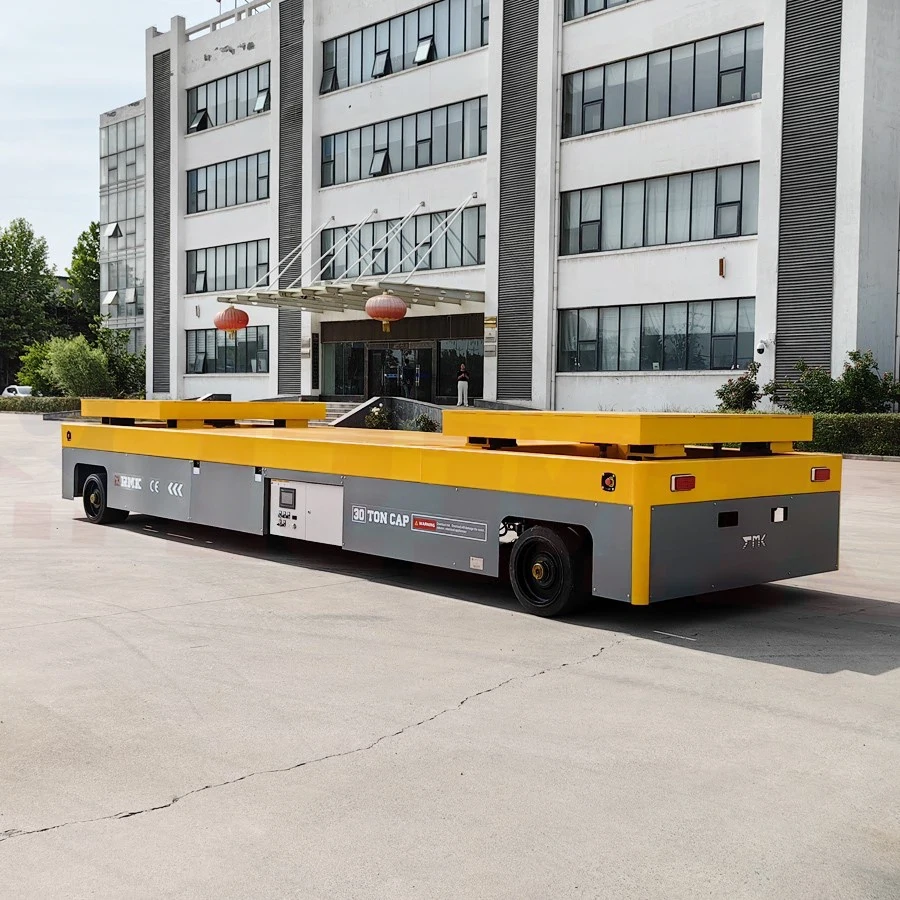
无轨搬运车的主要优点是适应性强。它可以轻松应对模具、线圈、钢坯和其他大型重型材料的运输任务,运载能力从几吨到几百吨不等。由于不受轨道限制,这种转运车可以自由规划运输路线,大大提高了工厂内部物流的效率。目前,这些产品已出口到美国、意大利、新加坡、波兰、荷兰、墨西哥、沙特阿拉伯、捷克、斯里兰卡、蒙古等国家,受到众多工业用户的青睐。
无轨搬运车特别适合那些经常调整生产布局或需要临时改变物料路线的工厂。它的灵活性使企业能够快速应对生产变化,而无需在改造基础设施方面投入大量资金。
轨道转移小车
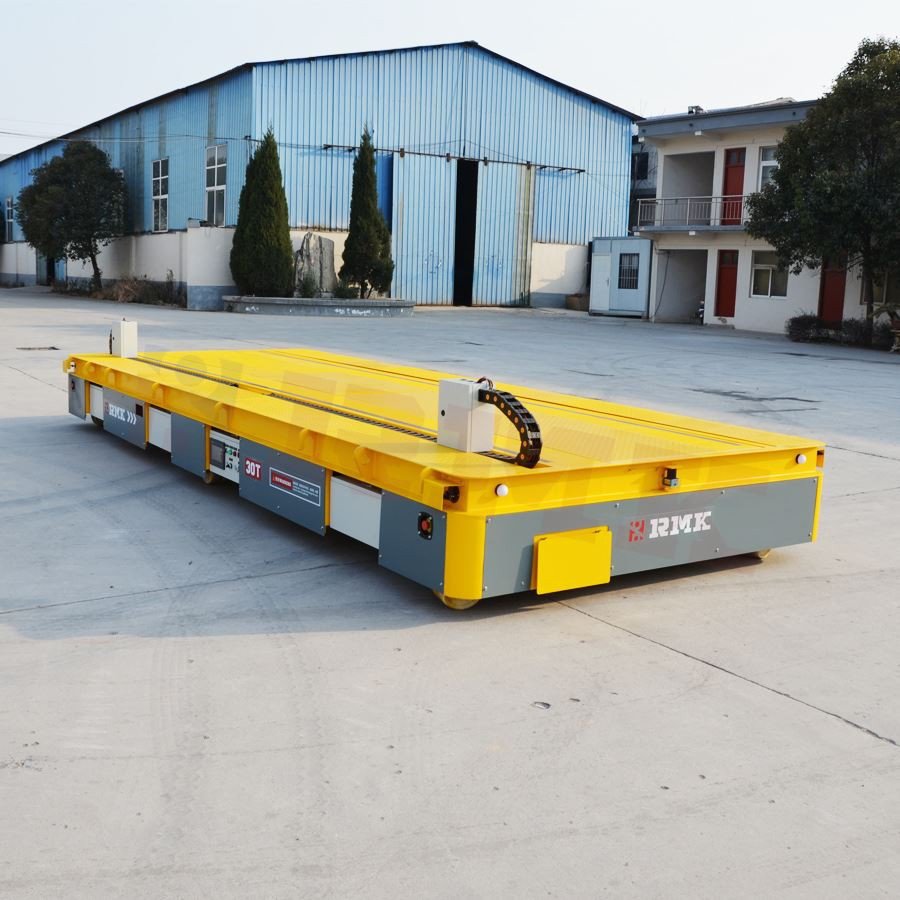
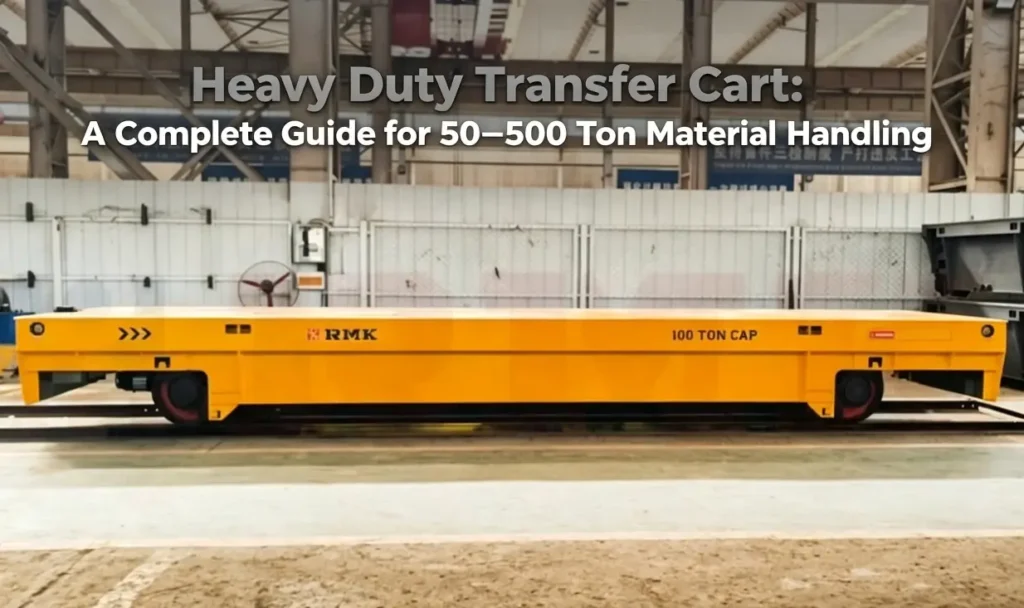
轨道转运车 是最传统、最可靠的工业运输设备之一。这些手推车沿着预先设置好的轨道运行,既可以是直线轨道,也可以是 S 形轨道、曲线轨道或组合轨道,为在固定路线上运输材料提供了稳定的解决方案。
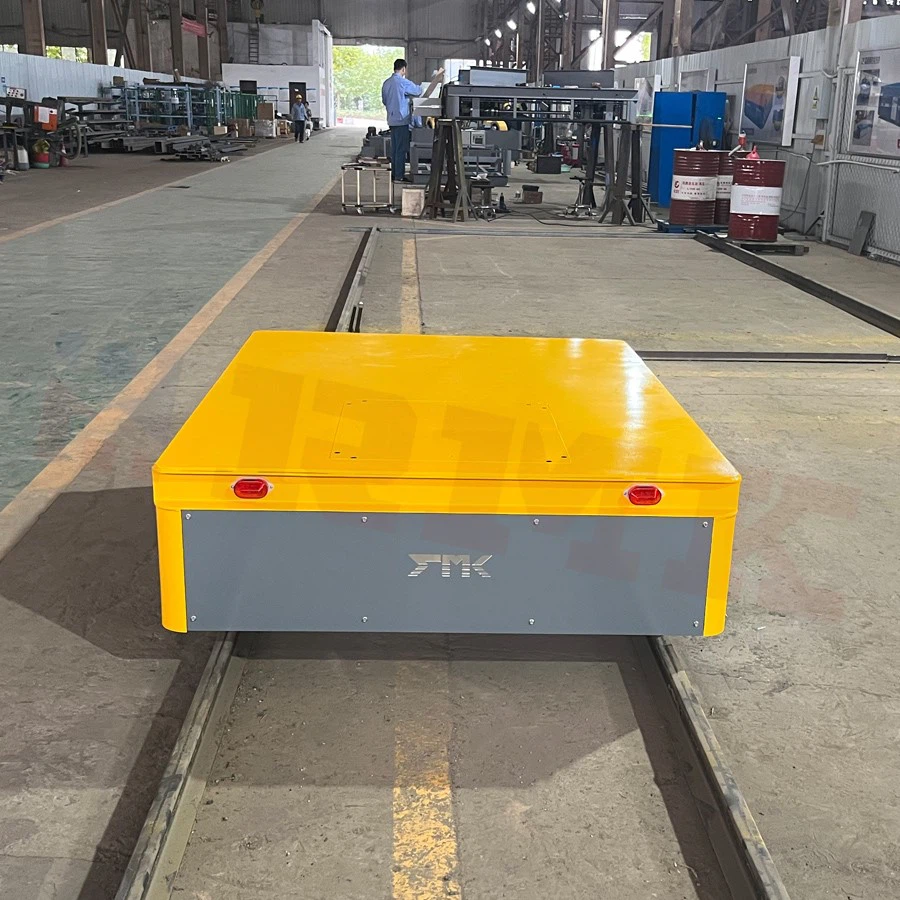
A wide range of specialized models of rail transfer cars have been developed to meet different industrial needs. Commonly, there are low-pressure railcars, explosion-proof special railcars, automated railcars, RGV automated railcars, and high-temperature resistant railcars. This diversity allows the railcars to be widely used in paper making, metallurgy, coal, electromechanical, military, and other industries.
与无轨转运车相比,轨道转运车具有运行更稳定、更可靠的优势,尤其适用于重型物料的长期固定路线运输。轨道系统可确保精确定位和可重复运输,这对于需要高精度对接的生产过程尤为重要。此外,轨道车还具有更高的承载能力和更长的使用寿命,因此常常受到许多重工业企业的青睐。
方向盘全方位移动
方向盘全向移动式无轨搬运车代表了工业搬运车技术的高端发展水平。该车由钢架、电池组、方向盘系统、电气系统和安全检测系统五大核心部件组成,并可加装液压升降和滚轮系统等多种功能模块。
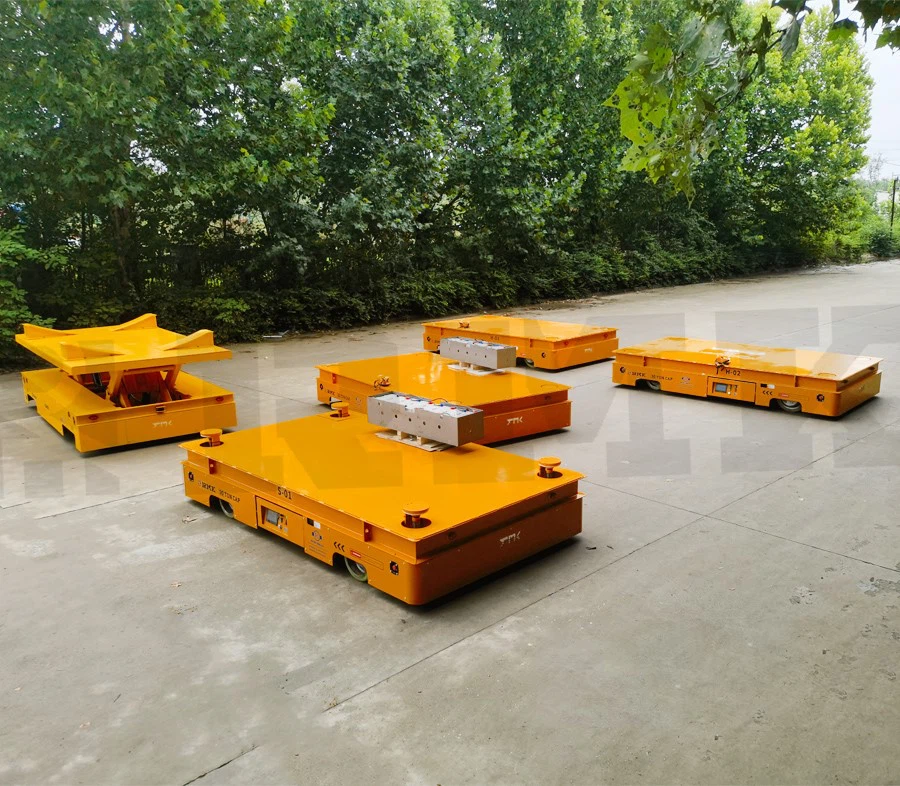
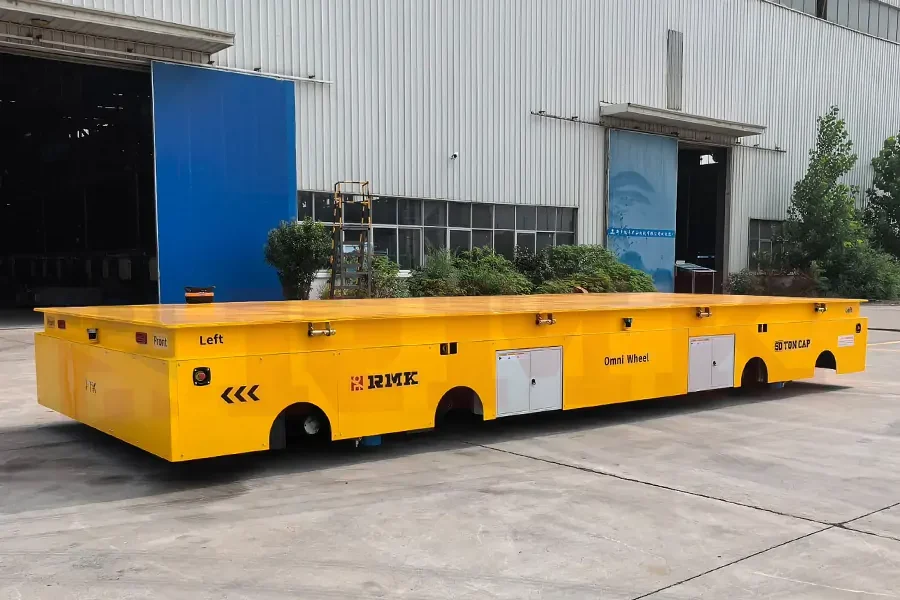
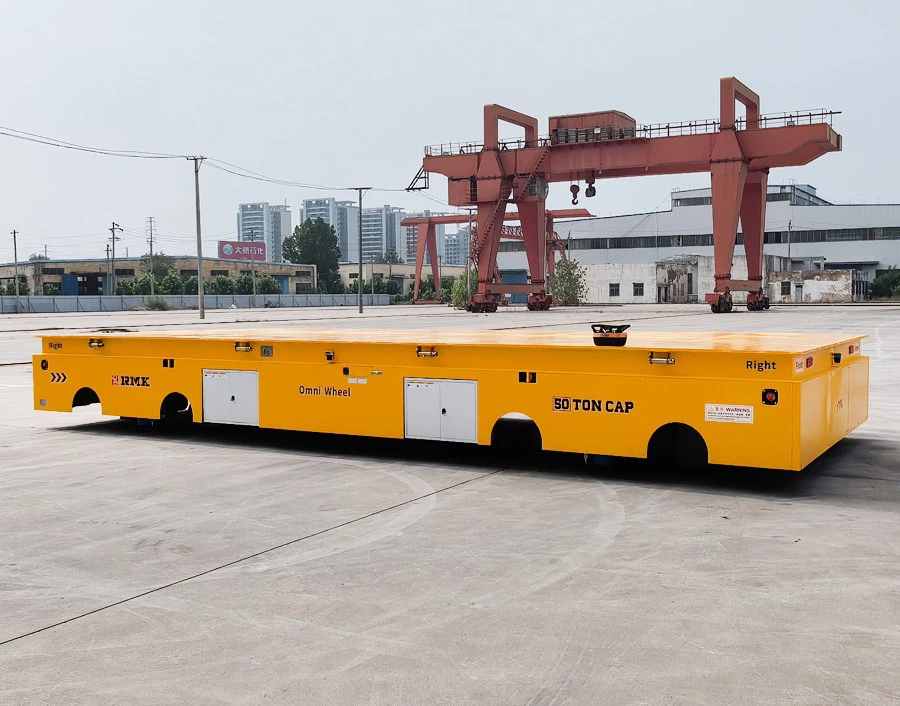
The unique design of the omnidirectional wheel system is the biggest highlight of this type of transfer cart. It is not only able to realize conventional forward and backward movement, but also lateral movement, oblique movement, in-situ 360-degree rotation, and is free to travel through narrow spaces. This excellent mobility makes it a very popular tool for modern industrial material transportation, especially suitable for production environments with limited space but complex handling requirements.
Omnidirectional wheeled trackless transfer carts are offered on the market with load capacities ranging from 1 to 150 tons, with off-standard customized solutions available according to customer needs. This flexibility allows it to be adapted to different scales of production needs, from light electronics assembly to heavy machinery manufacturing. In practice, it is often used in applications that require precision positioning or high space utilization, such as aircraft assembly and large equipment maintenance.
自动轨道转移车 (RGV)
RGV (Automated rail transfer trolley) is an intelligent upgraded version of the rail transfer cart, which is characterized by fast running speed, high reliability, and low cost of use. This kind of transfer trolley is mainly used for industrial material transportation and workshop assembly, which is an indispensable logistics equipment for modern automated workshops.
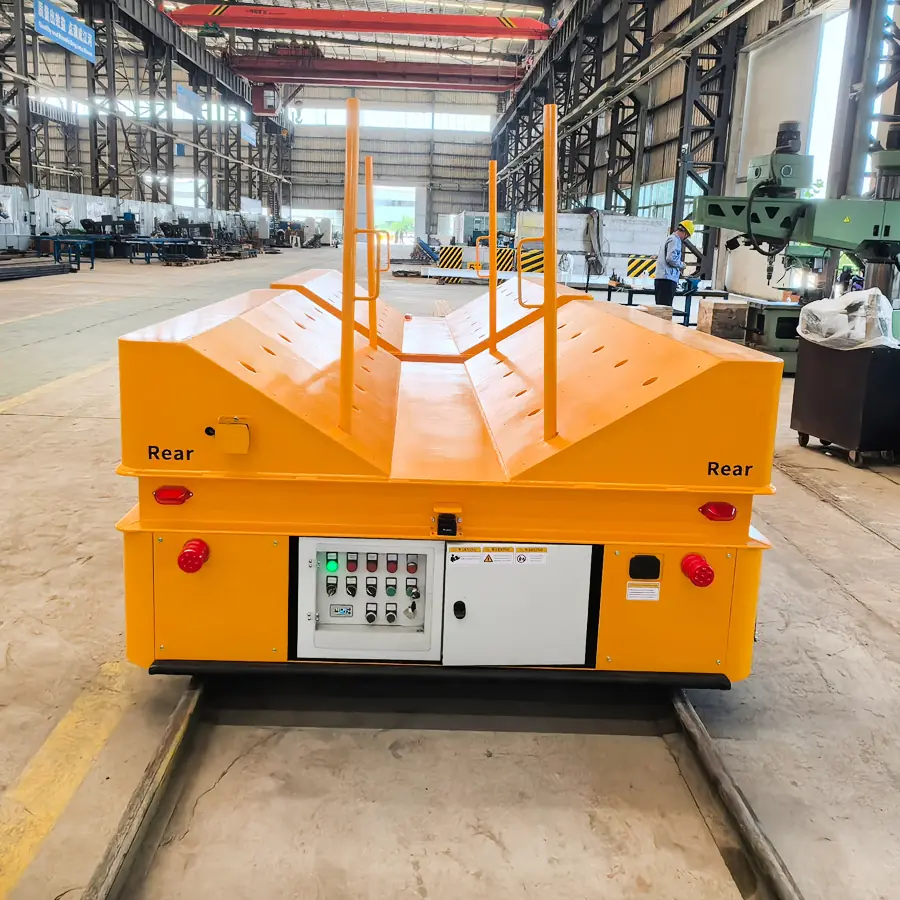
RGV 的核心优势在于其自动化程度。它可以与工厂自动化系统无缝集成,实现物料的精确调度和无人化运输。市场上常见的定制类型包括横轨 RGV 运输车、纵向和横向移动式自动轨道运输车等,可满足不同生产布局的特殊需求。
These transfer trolleys are suitable for modern factories with 24-hour continuous production, which can reduce labor costs and improve logistics efficiency. In demanding industries such as automobile manufacturing and electronics assembly, AGVs have become standard. Their precise positioning capability and programmable operation modes provide strong support for lean production.
自动导引车(ACV/AMR)
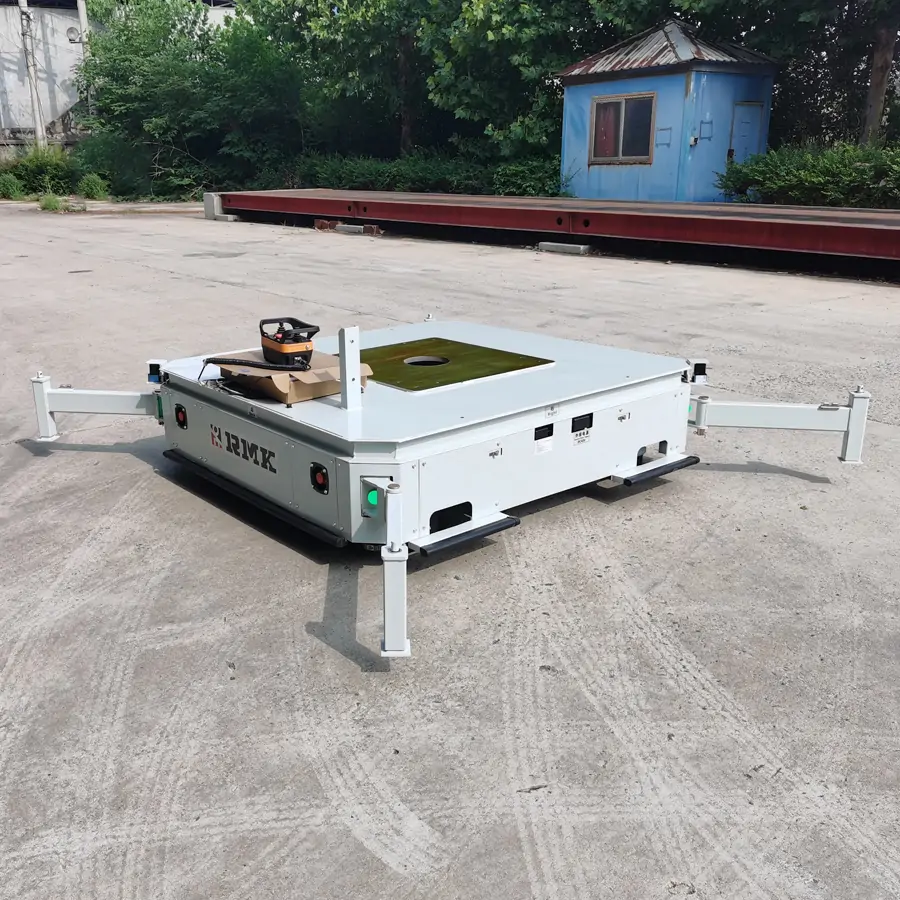
AGV 自动导引小车 代表了最高水平的 工业传送车 技术,是智能工厂物流系统的核心组成部分。这类设备通常由液压升降系统、差速驱动系统、转向轮驱动系统、PLC控制系统、导航系统、通信系统、报警系统、操作系统和动力系统等组成,能够解决智能工厂及其他特殊环境中的物料搬运问题。.
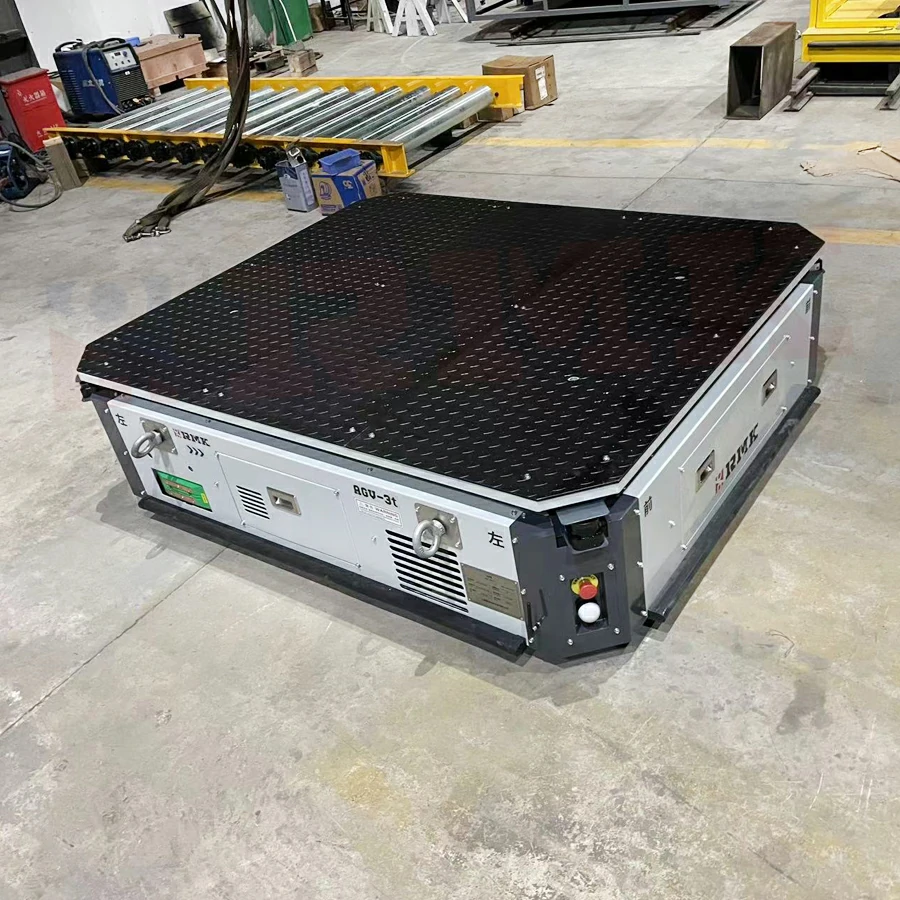
ACV/AMR 的最大特点是智能和自主。它不需要固定的轨道或磁条引导,而是通过先进的导航技术自主规划路径,实现物料的灵活运输。目前,市场上的载重量从 1 吨到 20 吨不等,还支持非标定制,可以适应汽车、电力、化工、钢铁、军工、核电等多个行业的特殊需求。
这种转运车特别适合那些生产工艺复杂、物料种类繁多、生产环境多变的生产环境。它可以与企业的 MES、WMS 等信息系统对接,实现物料的智能调度和跟踪,为数字化工厂的建设提供基础支撑。在劳动力成本不断攀升的今天,ACV/AMR 正成为越来越多企业的战略选择。
在了解了工业转运车的类型和用途后,如果您想选择合适的转运车,可以参考本文: 如何选择工业转运车?
Industrial Transfer Cart Comparison
Different types of industrial transfer carts are designed for specific material handling conditions. The right choice depends on factors such as load capacity, power supply, transportation route, automation level, and working environment.
| 对比 | 轨道传送车 | 无轨搬运车 | AGV 转运车 | RGV轨道转运车 | 重型转运车 |
|---|---|---|---|---|---|
| 电源 | Low-voltage rail power, cable reel power, or battery power | Battery powered (lithium battery or lead-acid battery) | Battery powered with automatic charging support | Rail power or battery power with automatic charging support | Battery power, cable reel power, or rail power |
| 运行路径 | Fixed rail system, suitable for straight, L-shaped, S-shaped, and curved tracks | No fixed track required, 360° free steering, suitable for complex routes | Trackless operation with laser, magnetic strip, or QR code navigation | Fixed rail system with longitudinal and transverse movement | Rail or trackless design can be customized according to requirements |
| 负载能力 | 1–300 tons, commonly 20–100 tons | 1–150 tons, commonly 5–30 tons | 1–50 tons, commonly 5–20 tons | 1–100 tons, commonly 10–50 tons | Up to 200 tons or more |
| 运行速度 | 0–25 m/min, stepless speed adjustment | 0–15米/分钟 | 0–30 m/min, automatic speed adjustment available | 0–20 米/分钟 | 0–20 米/分钟 |
| 控制方法 | Remote control, pendant controller, PLC control | Wireless remote control, automatic navigation | Central control system, wireless remote control, automatic navigation | PLC scheduling, remote control, automatic scheduling | Remote control + pendant controller |
| 安全功能 | Sound and light alarm, emergency stop button, laser obstacle detection | Laser obstacle avoidance, sound and light alarm, emergency stop, power-off braking | Laser sensors, ultrasonic obstacle detection, multiple safety protection systems | Rail cleaning system, automatic charging system, sensor stop function | Explosion-proof options and multiple safety protections |
| 应用 | Fixed production lines, heavy load transportation, steel plants, bridge construction | Flexible material transfer, mold handling, cross-workshop transportation, narrow spaces | Automated production lines, smart warehouses, high-frequency operations | Large material transfer, logistics sorting, automated production systems | Metallurgy, shipbuilding, wind power, and other heavy industries |
| 维护 | Requires rail inspection and wheel maintenance; simple structure with low maintenance cost | Mainly battery maintenance and charging management | Requires navigation system calibration and battery maintenance | Requires rail maintenance and automatic charging system inspection | Maintenance requirements depend on configuration and working conditions |
| Main Advantages | High load capacity, accurate positioning, compact structure | High flexibility, no track installation required, strong adaptability | High automation level, remote scheduling, safe human-machine cooperation | Precise scheduling, high automation, suitable for fixed routes | Extremely high load capacity and highly customizable design |
How to Choose the Right Industrial Transfer Cart?
- Rail Transfer Cart: Suitable for factories with fixed production processes and defined transportation routes, such as steel structure manufacturing and heavy equipment workshops. It provides high load capacity, accurate positioning, and stable operation with relatively simple maintenance.
- Trackless Transfer Cart: Ideal for workshops requiring flexible movement and multi-station transportation. Its 360° steering capability allows it to handle complex routes and limited spaces without installing rails.
- AGV Transfer Cart: Designed for automated material handling. With navigation systems, obstacle detection, and central scheduling, it is suitable for high-frequency operations and smart manufacturing environments.
- RGV Transfer Cart: Best suited for automated transport along fixed routes. It supports efficient material movement in production lines and can operate continuously with automatic charging systems.
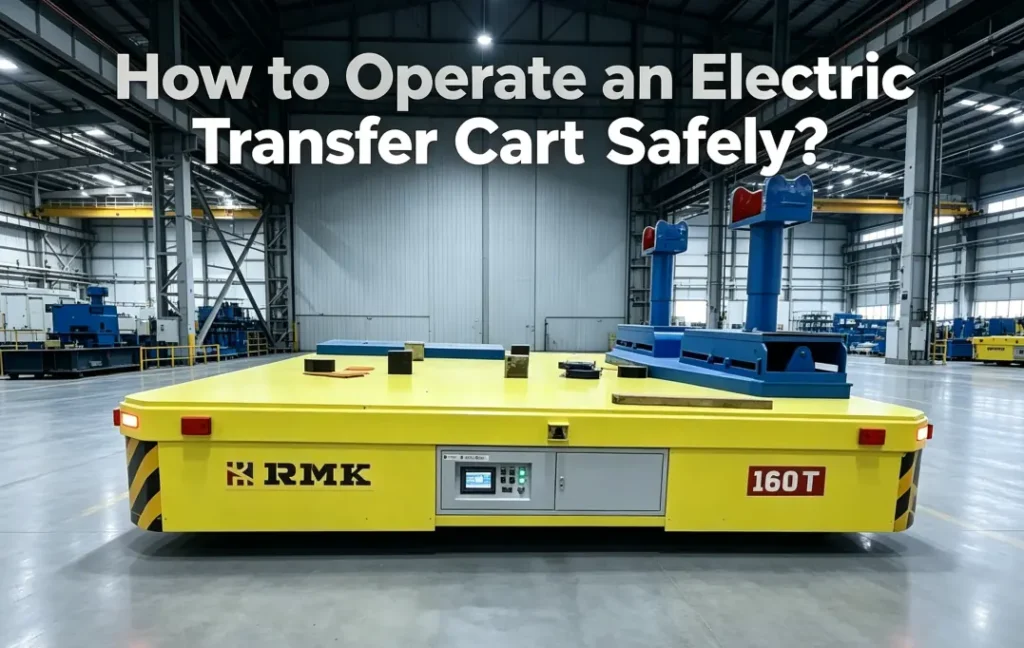
- Heavy Duty Transfer Cart: Developed for extremely heavy loads and special industrial environments. It can be customized for applications in metallurgy, shipyards, wind power, and other heavy industries.
Each industrial transfer cart type has different advantages in load capacity, flexibility, automation, and application range. Selecting the right transfer cart based on operating conditions and material handling requirements can improve transportation efficiency and reduce operational costs.
应用
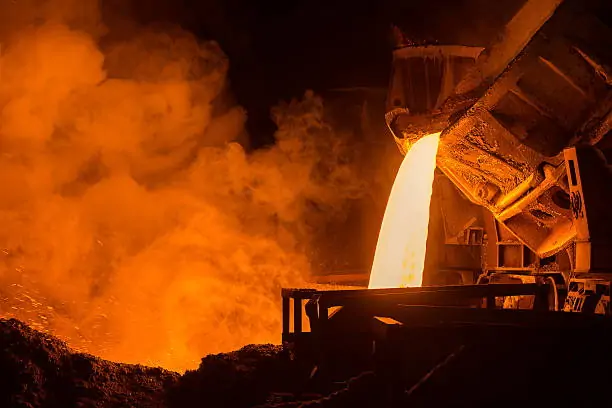
钢铁制造
Industrial transfer carts are used to move steel coils, plates, and heavy components between production lines, storage areas, and processing stations.
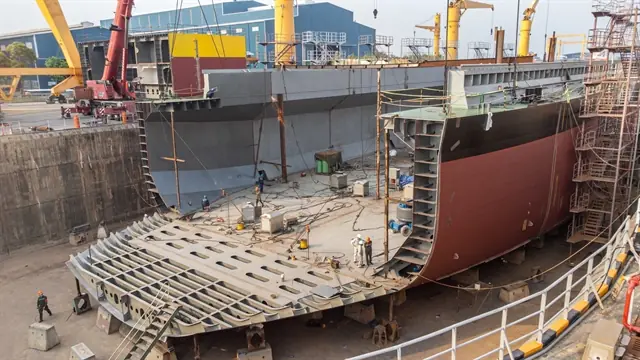
造船业
Heavy duty transfer carts transport ship sections, steel structures, and large equipment during ship assembly and fabrication.
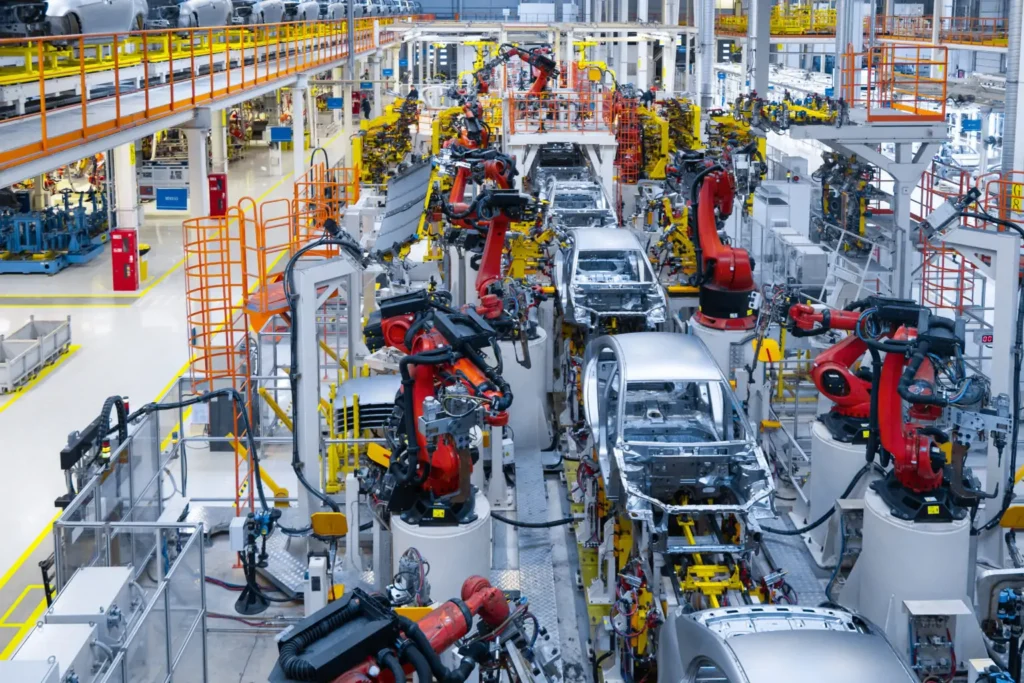
汽车制造
Transfer carts support the movement of vehicle bodies, molds, and production materials across different manufacturing processes.
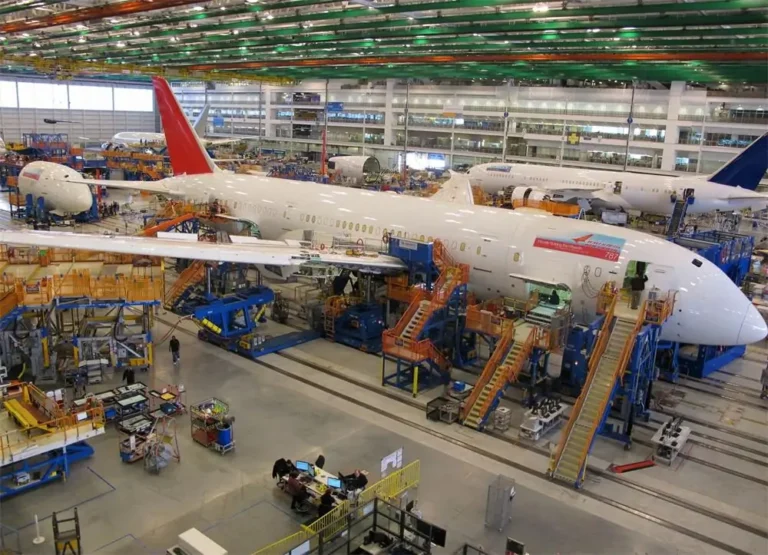
航空航天制造
High-precision transfer carts are used for transporting large aircraft parts and sensitive components in controlled production areas.
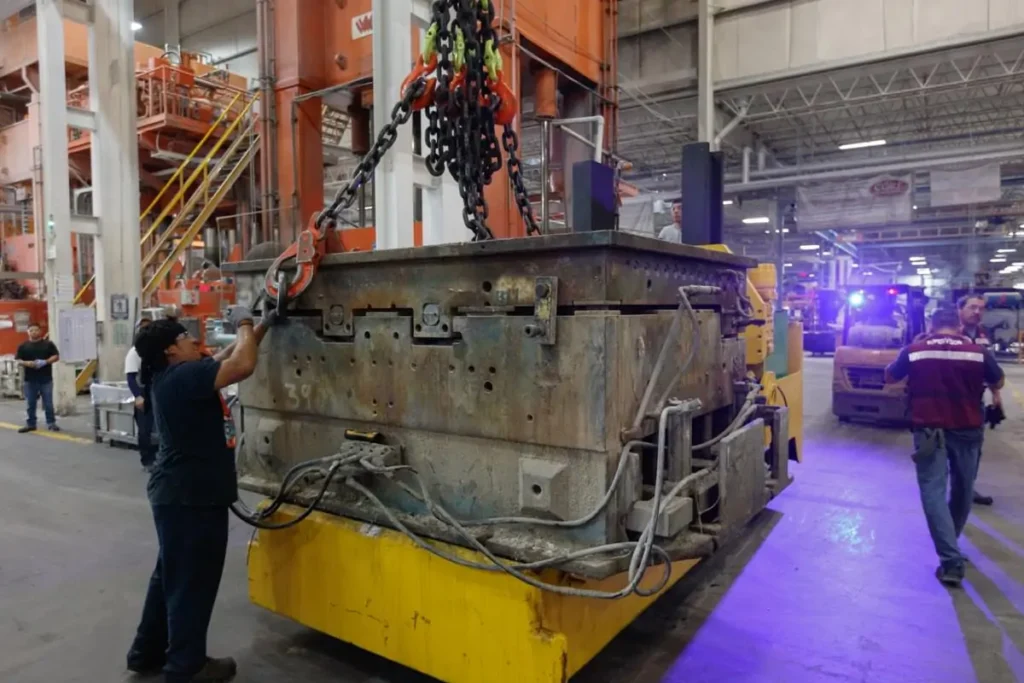
模具与冲模搬运
Transfer carts provide safe transportation for heavy molds, dies, and tooling equipment in manufacturing workshops.
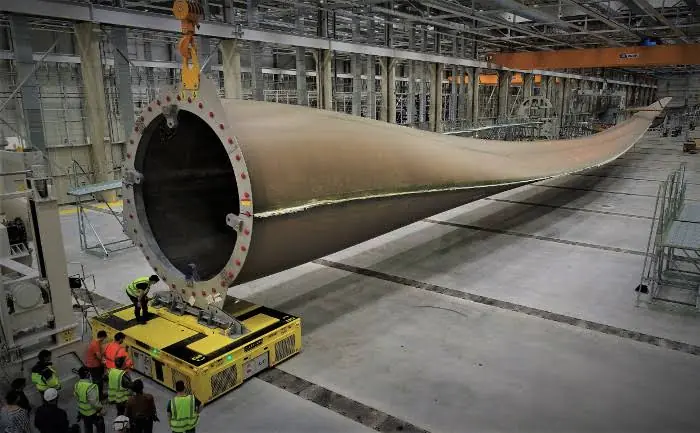
Wind Power Equipment
Heavy load transfer carts are used to move wind turbine components such as blades, towers, and nacelle parts during production and assembly.
Industrial Transfer Cart Customization Options
- Industrial transfer carts can be customized according to different load requirements, working environments, and transportation processes.
- Load Capacity — The load capacity can be designed according to the weight of transported materials, ranging from small loads to hundreds of tons.
- Platform Size — The platform length, width, and height can be customized to match the dimensions of different workpieces and handling requirements.
- Power Supply System — Available power options include battery power, rail power, cable reel power, and busbar power for different operating conditions.
- Drive and Steering System — Transfer carts can be configured with different drive systems and steering modes, including straight running, 360° rotation, and automatic steering.
- Control Method — Control options include wireless remote control, pendant control, PLC control, and automated control systems.
- Safety Features — Safety devices such as emergency stop buttons, warning lights, obstacle detection sensors, and limit switches can be added based on application needs.
- Working Environment Design — Special versions can be customized for high-temperature, explosion-proof, outdoor, or heavy-duty industrial environments.
- Surface and Fixture Design — The platform can be equipped with rollers, V-shaped supports, clamps, or customized fixtures for specific material handling tasks.
Comprehensive customization options—see details here: 定制转运车:设计与定制完全指南
结论
Industrial transfer carts provide reliable solutions for moving heavy materials in factories, workshops, and industrial facilities. From rail transfer carts and trackless transfer carts to AGV, RGV, and heavy duty models, each type is designed for different transportation requirements. Choosing the right transfer cart based on load capacity, working environment, and operation needs can improve handling efficiency and production safety.
电子邮件: transfercart@rmkzn.com
电话:+86-18637369355
常见问题
What are the different types of industrial transfer carts?
The main types include rail transfer carts, trackless transfer carts, AGV transfer carts, RGV transfer carts, and heavy duty transfer carts. Each type is designed for different load requirements, routes, and working conditions.
轨道式与无轨式转运车有什么区别?
Rail transfer carts run on fixed tracks and are suitable for stable routes with heavy loads, while trackless transfer carts use battery power and can move freely without rails, making them suitable for flexible transportation.
How much load can an industrial transfer cart carry?
Industrial transfer carts can handle loads from a few tons to hundreds of tons. The capacity can be customized according to the material weight and application requirements.
Which transfer cart is suitable for heavy loads?
Heavy duty transfer carts and rail transfer carts are commonly used for heavy loads. They can be designed for transporting steel structures, machinery, molds, and other large industrial components.
工业转运车能否定制?
Yes. Industrial transfer carts can be customized in terms of load capacity, platform size, power supply, steering system, control method, and safety features.
What power supply options are available?
Common power options include battery power, low-voltage rail power, cable reel power, and busbar power. The suitable system depends on the working environment and operating requirements.
Are transfer carts suitable for outdoor use?
Yes. Transfer carts can be designed for outdoor applications with weather-resistant components, durable structures, and suitable protection systems for different environments.
如何选择合适的工业转运车?
The selection should consider load capacity, transportation distance, route conditions, operation frequency, working environment, and automation requirements. A customized solution is recommended for complex applications.