Table des matières
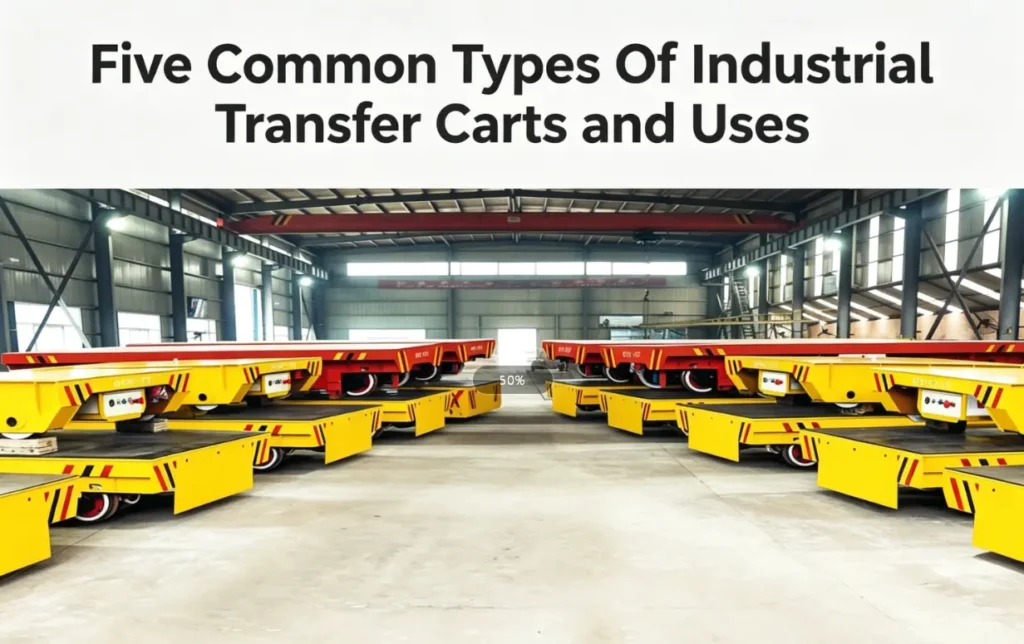
In modern industrial production, efficient handling of heavy materials is a key link to improving production efficiency. Different types of industrial transfer carts can meet various complex material-handling needs because of their different functional characteristics and application scope. This article will provide you with a detailed introduction to five common types of industrial transfer carts and their application scenarios, to help enterprises better understand the product classification and use of transfer cart scenarios.
What Is An Industrial Transfer Cart?
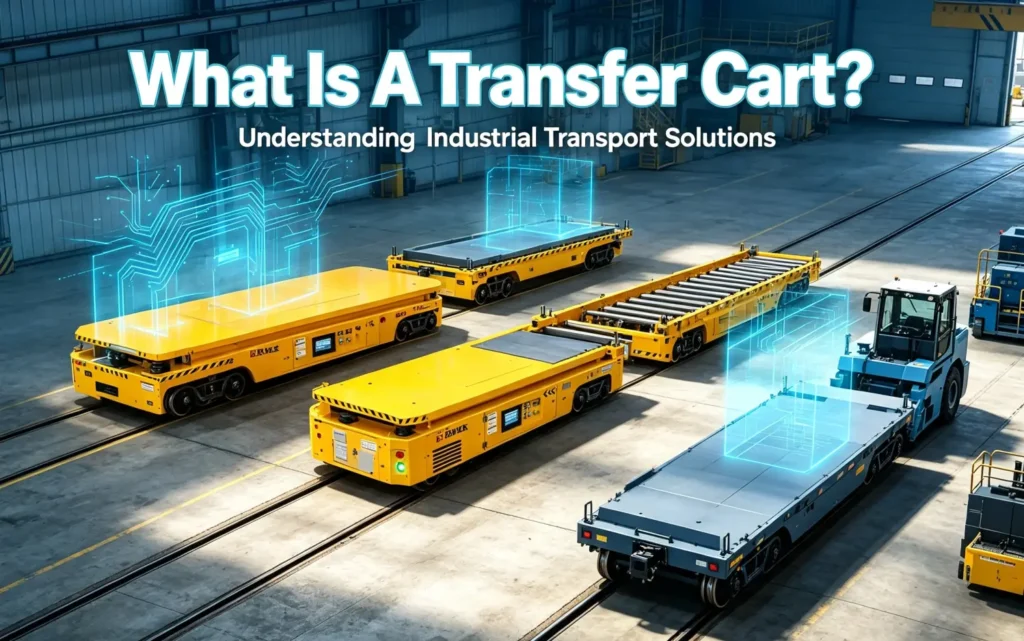
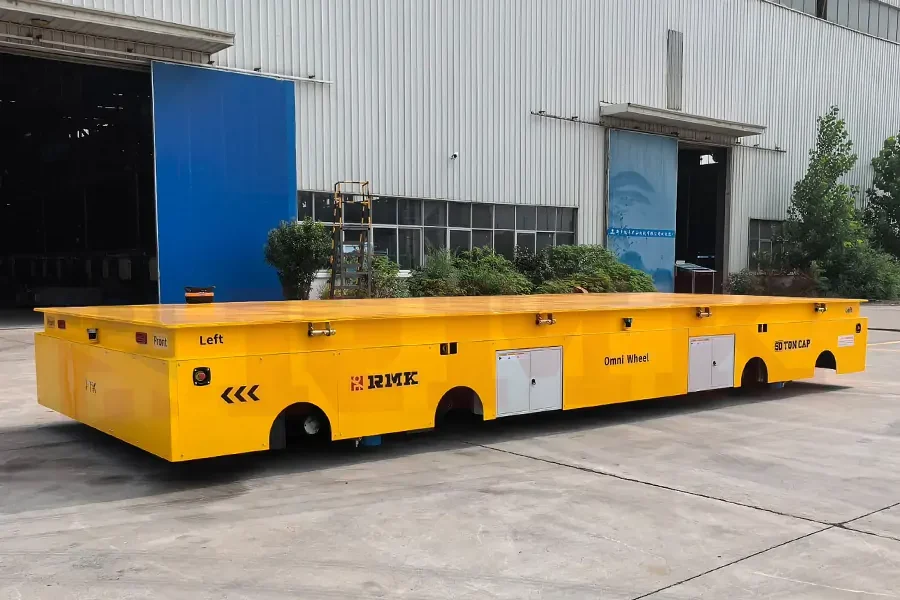
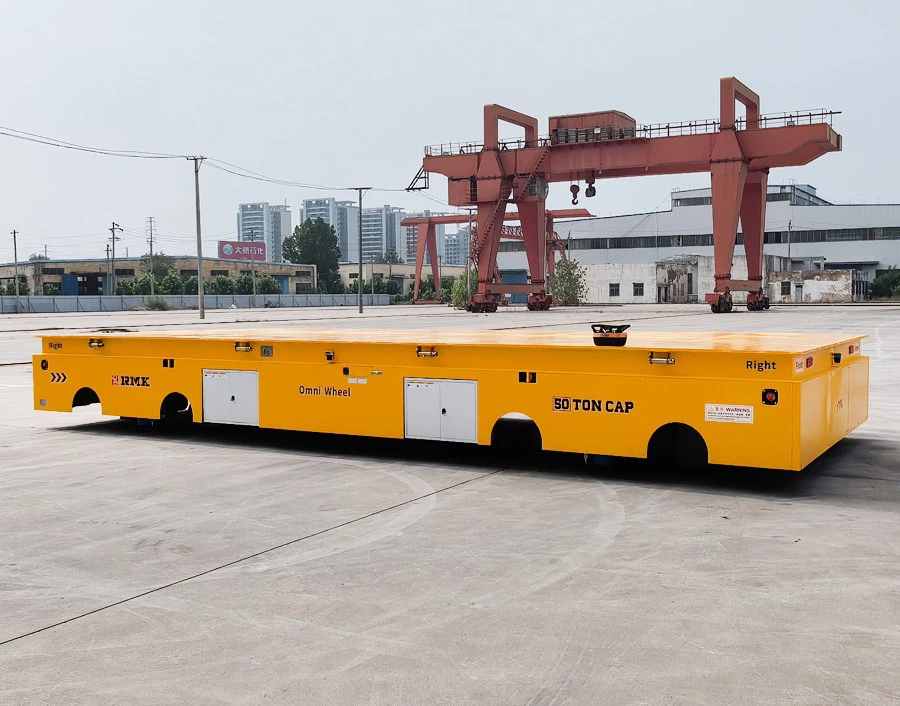
An industrial transfer cart is a heavy-duty material handling vehicle used to move large and heavy loads within factories, workshops, warehouses, and industrial facilities. It runs on rails or a trackless system and is designed to transport materials such as steel coils, molds, machinery parts, and finished products safely and efficiently.
Industrial transfer carts are powered by different systems, including batteries, rail power, cable reels, and busbars. Depending on the working environment and load requirements, they can be customized with different platform sizes, capacities, control methods, and safety features. Common types include rail transfer carts, trackless transfer carts, AGV transfer carts, and RGV transfer carts.

Main Types of Industrial Transfer Carts
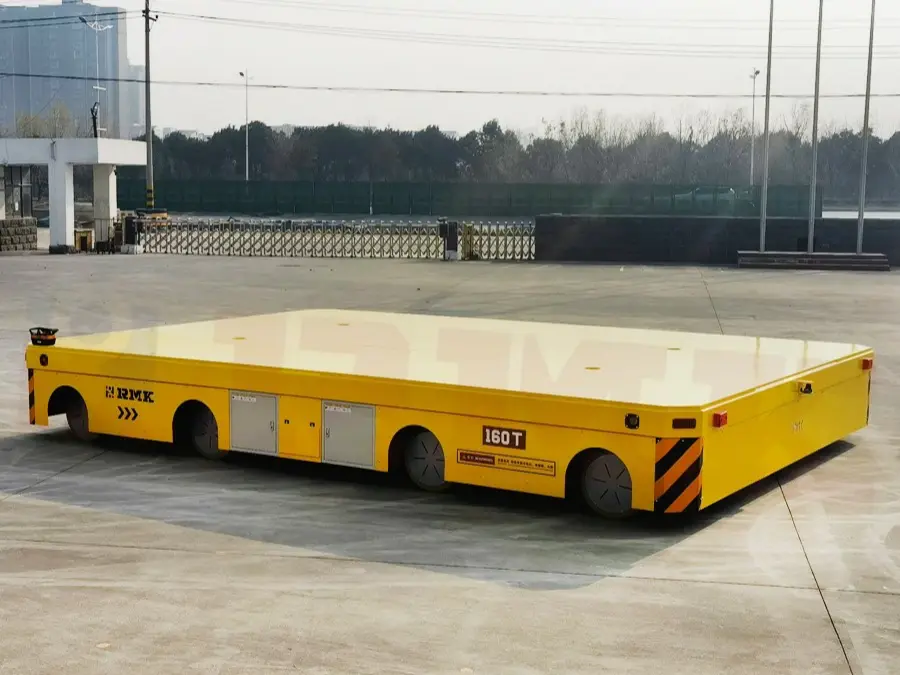
Industrial transfer carts are available in different types to meet various material handling requirements. The selection depends on factors such as load capacity, transportation route, working environment, and automation needs. The main types include rail transfer carts, trackless transfer carts, AGV transfer carts, RGV transfer carts, and heavy duty transfer carts.
Chariot de transfert sans rail
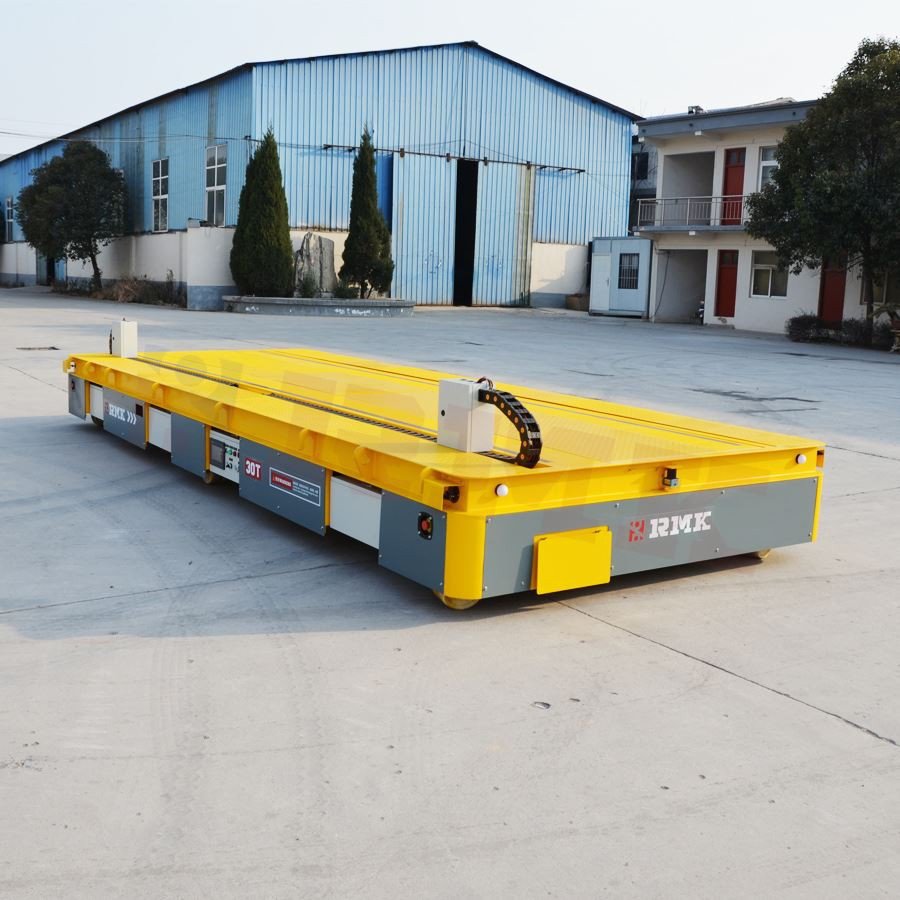
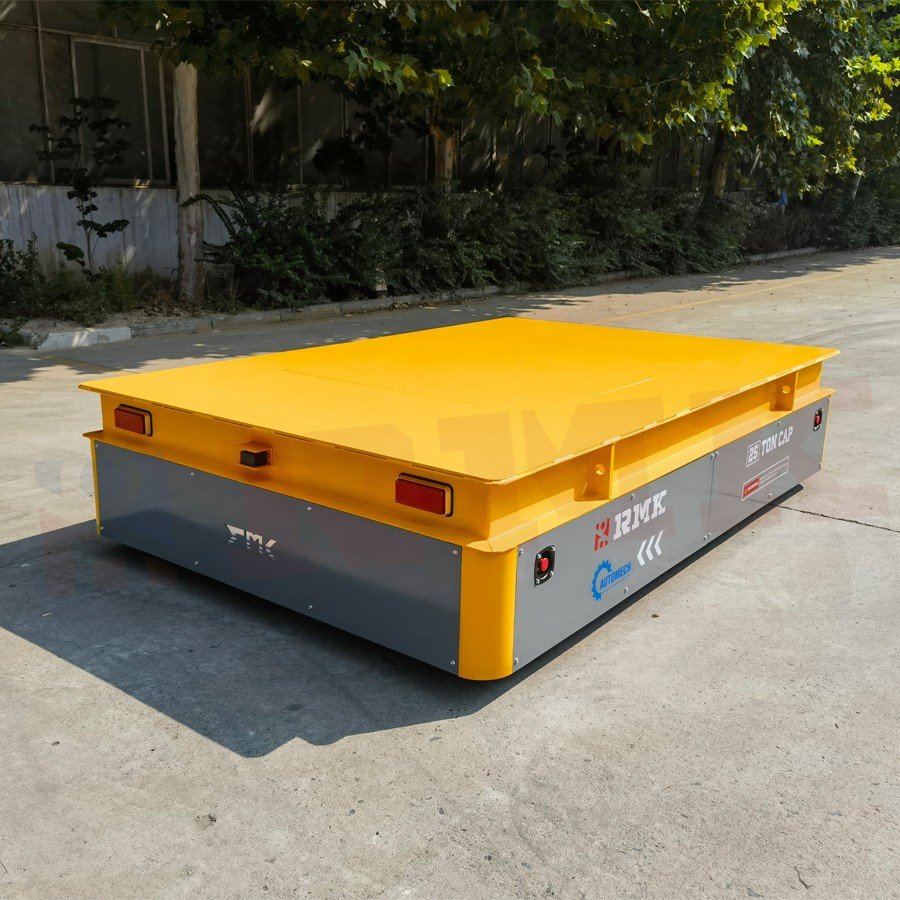
A customized chariot de transfert sans rail is a popular piece of material handling equipment in recent years, and its biggest feature is that it doesn’t rely on a fixed track traveling. It has high mobility and flexibility, especially suitable for material transfer between multiple workshops.
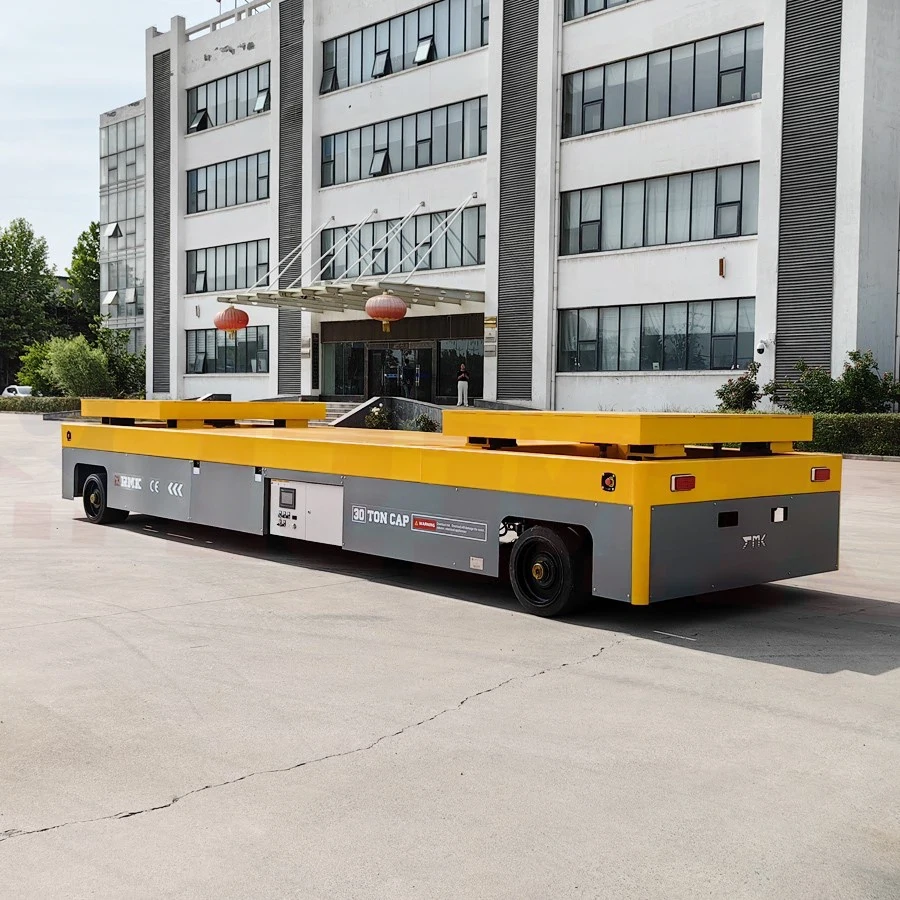
Le principal avantage du chariot de transfert sans chenilles est son adaptabilité. Il peut facilement transporter des moules, des bobines, des billettes et d'autres matériaux lourds et de grande taille, avec une capacité de charge allant de quelques tonnes à des centaines de tonnes. Comme il n'est pas limité par la voie, ce type de wagon de transfert peut planifier librement l'itinéraire de transport, ce qui améliore grandement l'efficacité de la logistique interne de l'usine. À l'heure actuelle, ces produits ont été exportés aux États-Unis, en Italie, à Singapour, en Pologne, aux Pays-Bas, au Mexique, en Arabie saoudite, en République tchèque, au Sri Lanka, en Mongolie et dans d'autres pays, et sont appréciés par de nombreux utilisateurs industriels.
Le chariot de transfert sans rail est particulièrement adapté aux usines dont le plan de production est souvent modifié ou qui nécessitent des changements temporaires dans les itinéraires des matériaux. Sa flexibilité permet aux entreprises de répondre rapidement aux changements de production sans avoir à investir de grosses sommes d'argent dans la rénovation de l'infrastructure.
Chariot de transfert ferroviaire
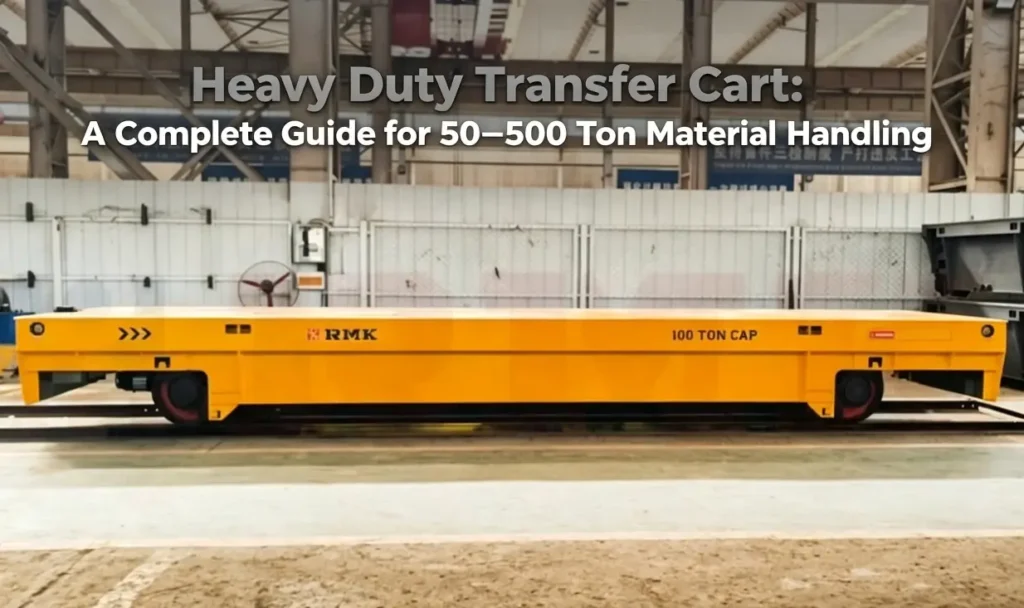
Chariots de transfert ferroviaire sont l'un des types d'équipement de transport industriel les plus traditionnels et les plus fiables. Ces chariots circulent sur des rails préétablis, soit en ligne droite, soit adaptés à des rails en S, courbes ou combinés, offrant ainsi une solution stable pour le transport de matériaux sur des itinéraires fixes.
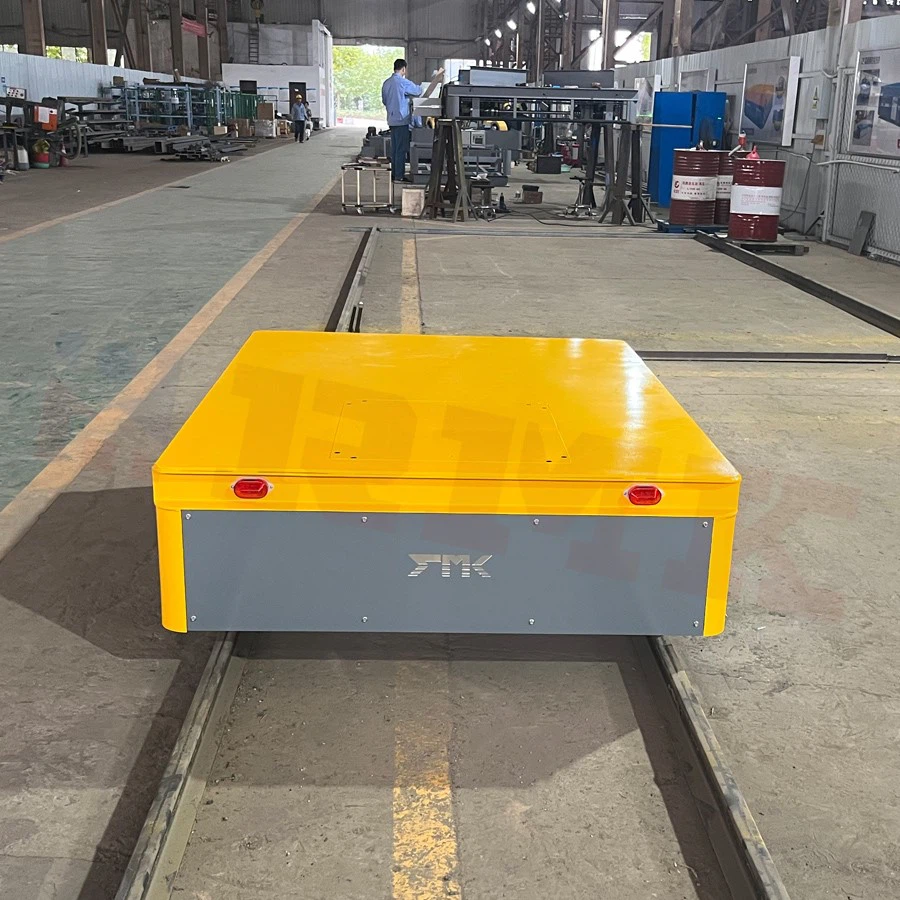
A wide range of specialized models of rail transfer cars have been developed to meet different industrial needs. Commonly, there are low-pressure railcars, explosion-proof special railcars, automated railcars, RGV automated railcars, and high-temperature resistant railcars. This diversity allows the railcars to be widely used in paper making, metallurgy, coal, electromechanical, military, and other industries.
Par rapport aux wagons de transfert sans rails, les wagons de transfert sur rails présentent l'avantage d'un fonctionnement plus stable et plus fiable, particulièrement adapté au transport de matériaux lourds sur des itinéraires fixes à long terme. Le système ferroviaire garantit un positionnement précis et un transport répétable, ce qui est particulièrement important pour les processus de production qui nécessitent un accostage de haute précision. En outre, les wagons sont souvent préférés par de nombreuses entreprises de l'industrie lourde en raison de leur capacité de charge plus élevée et de leur durée de vie plus longue.
Volant omnidirectionnel mobile
Le chariot de transfert mobile omnidirectionnel sans rail à volant représente le développement haut de gamme de la technologie des chariots de transfert industriels. Le chariot se compose de cinq éléments principaux : un cadre en acier, une batterie, un système de volant, un système électrique et un système d'inspection de sécurité. Il peut être équipé ultérieurement de divers modules fonctionnels tels qu'un système de levage hydraulique et un système de rouleaux.
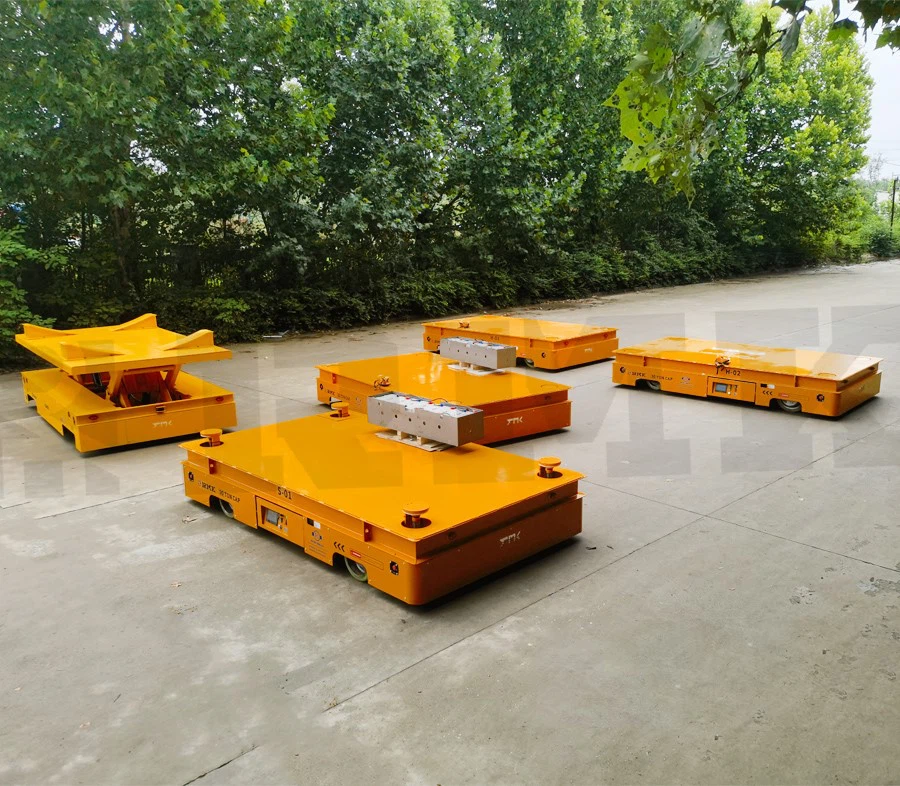
The unique design of the omnidirectional wheel system is the biggest highlight of this type of transfer cart. It is not only able to realize conventional forward and backward movement, but also lateral movement, oblique movement, in-situ 360-degree rotation, and is free to travel through narrow spaces. This excellent mobility makes it a very popular tool for modern industrial material transportation, especially suitable for production environments with limited space but complex handling requirements.
Omnidirectional wheeled trackless transfer carts are offered on the market with load capacities ranging from 1 to 150 tons, with off-standard customized solutions available according to customer needs. This flexibility allows it to be adapted to different scales of production needs, from light electronics assembly to heavy machinery manufacturing. In practice, it is often used in applications that require precision positioning or high space utilization, such as aircraft assembly and large equipment maintenance.
Chariot de transfert ferroviaire automatisé (RGV)
RGV (Automated rail transfer trolley) is an intelligent upgraded version of the rail transfer cart, which is characterized by fast running speed, high reliability, and low cost of use. This kind of transfer trolley is mainly used for industrial material transportation and workshop assembly, which is an indispensable logistics equipment for modern automated workshops.
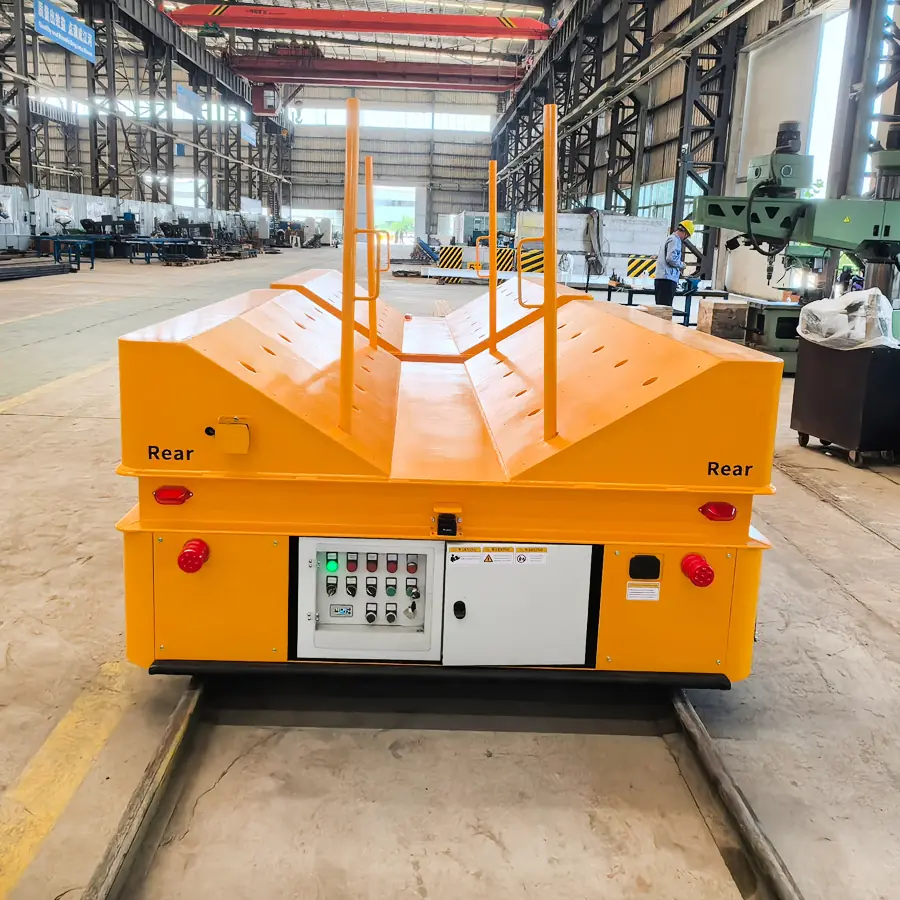
Le principal avantage de RGV est son degré d'automatisation. Il peut être intégré de manière transparente au système d'automatisation de l'usine pour réaliser une programmation précise et un transport sans personnel des matériaux. Les types couramment personnalisés sur le marché comprennent les transporteurs RGV à rails croisés, les transporteurs ferroviaires automatisés mobiles longitudinaux et transversaux, etc., qui peuvent répondre aux besoins spécifiques des différents schémas de production.
These transfer trolleys are suitable for modern factories with 24-hour continuous production, which can reduce labor costs and improve logistics efficiency. In demanding industries such as automobile manufacturing and electronics assembly, AGVs have become standard. Their precise positioning capability and programmable operation modes provide strong support for lean production.
Chariot guidé automatisé (ACV/AMR)
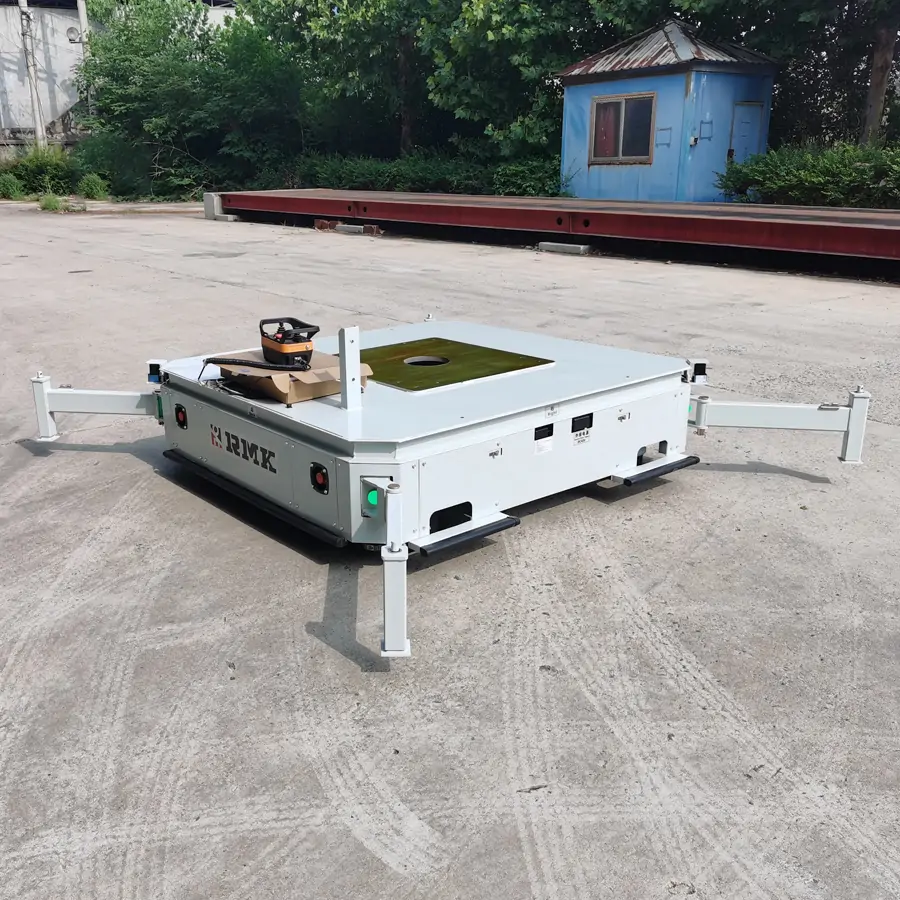
AGV Chariots à guidage automatique représentent le plus haut niveau de chariot de transfert industriel technologie et constituent un composant central des systèmes logistiques d'usine intelligente. Ce type d'équipement se compose généralement d'un système de levage hydraulique, d'un système d'entraînement différentiel, d'un système d'entraînement de roue directrice, d'un système de contrôle PLC, d'un système de navigation, d'un système de communication, d'un système d'alarme, d'un système d'exploitation et d'un système d'alimentation, etc., ce qui permet de résoudre les problèmes de manutention dans les usines intelligentes et autres environnements spéciaux.
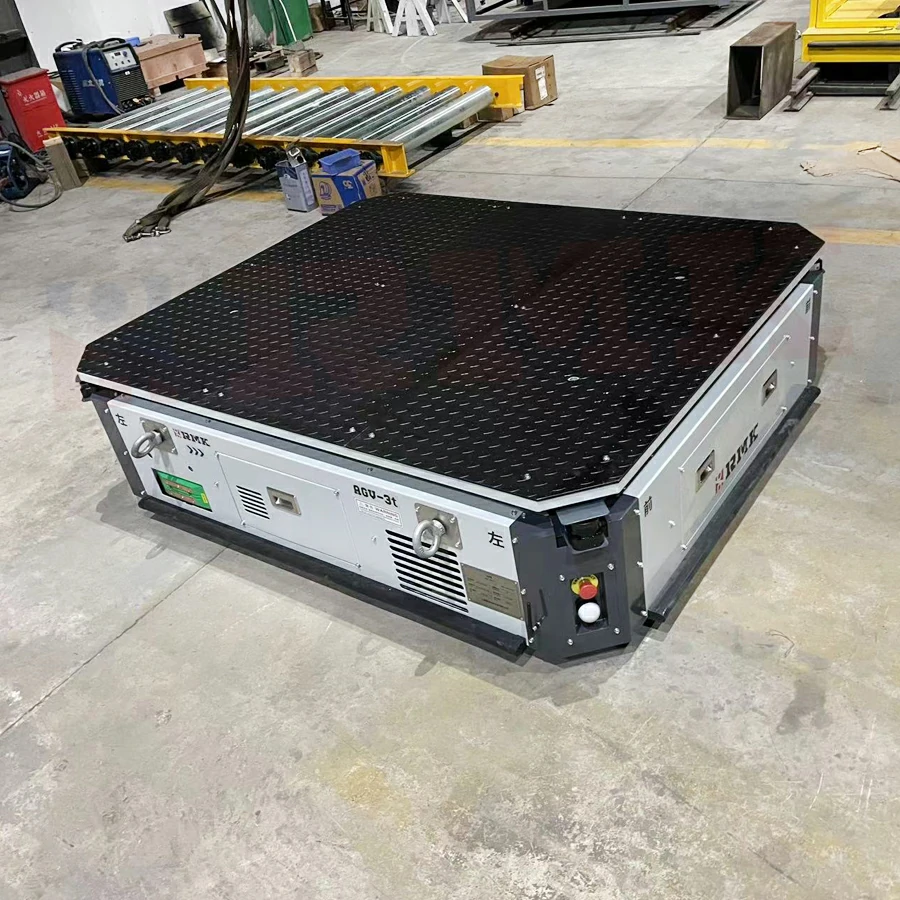
La principale caractéristique de l'ACV/AMR est son intelligence et son autonomie. Il n'a pas besoin de pistes fixes ou de bandes magnétiques pour le guider, mais il planifie de manière autonome sa trajectoire grâce à une technologie de navigation avancée qui lui permet d'assurer un transport flexible des matériaux. Actuellement, le marché offre une capacité de transport allant de 1 à 20 tonnes, et prend également en charge la personnalisation non standard, qui peut s'adapter aux besoins spéciaux de nombreuses industries telles que l'automobile, l'énergie électrique, l'industrie chimique, la sidérurgie, l'industrie militaire, l'énergie nucléaire, et ainsi de suite.
Ce type de camion de transfert est particulièrement adapté aux processus de production complexes, à la variété des matériaux et à l'environnement de production changeant. Il peut être connecté aux systèmes MES, WMS et autres systèmes d'information de l'entreprise afin d'assurer une planification et un suivi intelligents des matériaux, fournissant ainsi un soutien de base à la construction d'usines numériques. Dans le contexte actuel de hausse des coûts de main-d'œuvre, l'ACV/AMR devient un choix stratégique pour de plus en plus d'entreprises.
Après avoir compris les types et les utilisations des chariots de transfert industriels, vous pouvez vous référer à cet article si vous souhaitez choisir le bon chariot : Comment choisir les chariots de transfert industriels ?
Industrial Transfer Cart Comparison
Different types of industrial transfer carts are designed for specific material handling conditions. The right choice depends on factors such as load capacity, power supply, transportation route, automation level, and working environment.
| Comparaison | Chariot de transfert de rails | Chariot de transfert sans rail | Chariot de transfert AGV | Chariot de transfert RGV | Chariot de transfert à usage intensif |
|---|---|---|---|---|---|
| Alimentation électrique | Low-voltage rail power, cable reel power, or battery power | Battery powered (lithium battery or lead-acid battery) | Battery powered with automatic charging support | Rail power or battery power with automatic charging support | Battery power, cable reel power, or rail power |
| Chemin de roulement | Fixed rail system, suitable for straight, L-shaped, S-shaped, and curved tracks | No fixed track required, 360° free steering, suitable for complex routes | Trackless operation with laser, magnetic strip, or QR code navigation | Fixed rail system with longitudinal and transverse movement | Rail or trackless design can be customized according to requirements |
| Capacité de charge | 1–300 tons, commonly 20–100 tons | 1–150 tons, commonly 5–30 tons | 1–50 tons, commonly 5–20 tons | 1–100 tons, commonly 10–50 tons | Up to 200 tons or more |
| Vitesse de déplacement | 0–25 m/min, stepless speed adjustment | 0–15 m/min | 0–30 m/min, automatic speed adjustment available | 0–20 m/min | 0–20 m/min |
| Méthode de contrôle | Remote control, pendant controller, PLC control | Wireless remote control, automatic navigation | Central control system, wireless remote control, automatic navigation | PLC scheduling, remote control, automatic scheduling | Remote control + pendant controller |
| Caractéristiques de sécurité | Sound and light alarm, emergency stop button, laser obstacle detection | Laser obstacle avoidance, sound and light alarm, emergency stop, power-off braking | Laser sensors, ultrasonic obstacle detection, multiple safety protection systems | Rail cleaning system, automatic charging system, sensor stop function | Explosion-proof options and multiple safety protections |
| Applications | Fixed production lines, heavy load transportation, steel plants, bridge construction | Flexible material transfer, mold handling, cross-workshop transportation, narrow spaces | Automated production lines, smart warehouses, high-frequency operations | Large material transfer, logistics sorting, automated production systems | Metallurgy, shipbuilding, wind power, and other heavy industries |
| Entretien | Requires rail inspection and wheel maintenance; simple structure with low maintenance cost | Mainly battery maintenance and charging management | Requires navigation system calibration and battery maintenance | Requires rail maintenance and automatic charging system inspection | Maintenance requirements depend on configuration and working conditions |
| Main Advantages | High load capacity, accurate positioning, compact structure | High flexibility, no track installation required, strong adaptability | High automation level, remote scheduling, safe human-machine cooperation | Precise scheduling, high automation, suitable for fixed routes | Extremely high load capacity and highly customizable design |
How to Choose the Right Industrial Transfer Cart?
- Rail Transfer Cart: Suitable for factories with fixed production processes and defined transportation routes, such as steel structure manufacturing and heavy equipment workshops. It provides high load capacity, accurate positioning, and stable operation with relatively simple maintenance.
- Trackless Transfer Cart: Ideal for workshops requiring flexible movement and multi-station transportation. Its 360° steering capability allows it to handle complex routes and limited spaces without installing rails.
- AGV Transfer Cart: Designed for automated material handling. With navigation systems, obstacle detection, and central scheduling, it is suitable for high-frequency operations and smart manufacturing environments.
- RGV Transfer Cart: Best suited for automated transport along fixed routes. It supports efficient material movement in production lines and can operate continuously with automatic charging systems.
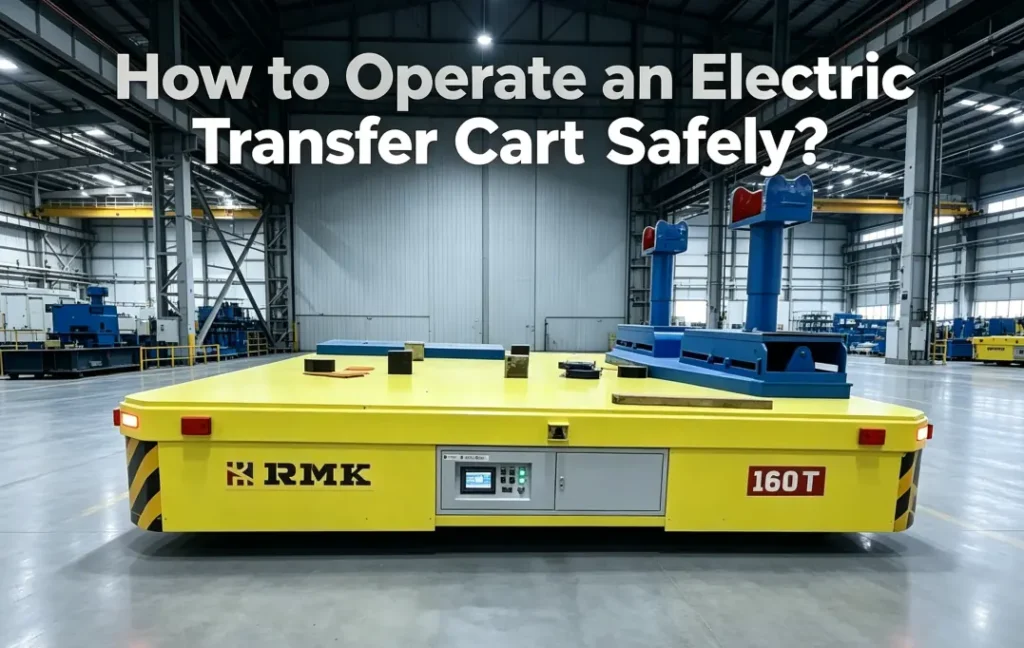
- Heavy Duty Transfer Cart: Developed for extremely heavy loads and special industrial environments. It can be customized for applications in metallurgy, shipyards, wind power, and other heavy industries.
Each industrial transfer cart type has different advantages in load capacity, flexibility, automation, and application range. Selecting the right transfer cart based on operating conditions and material handling requirements can improve transportation efficiency and reduce operational costs.
Applications
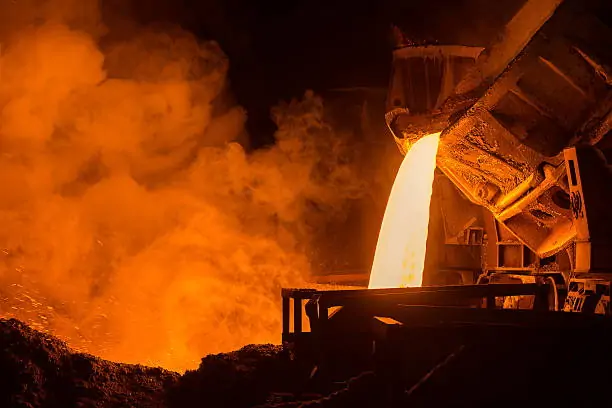
Fabrication de l'acier
Industrial transfer carts are used to move steel coils, plates, and heavy components between production lines, storage areas, and processing stations.
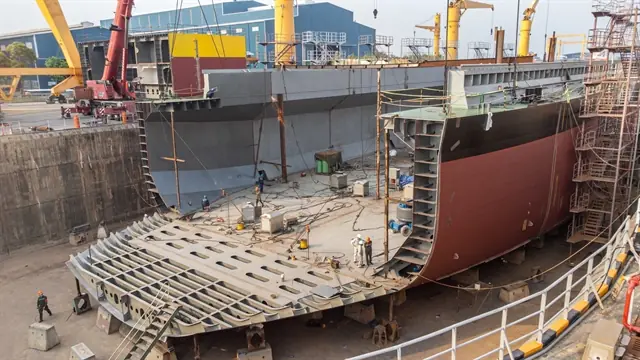
Industrie de la construction navale
Heavy duty transfer carts transport ship sections, steel structures, and large equipment during ship assembly and fabrication.
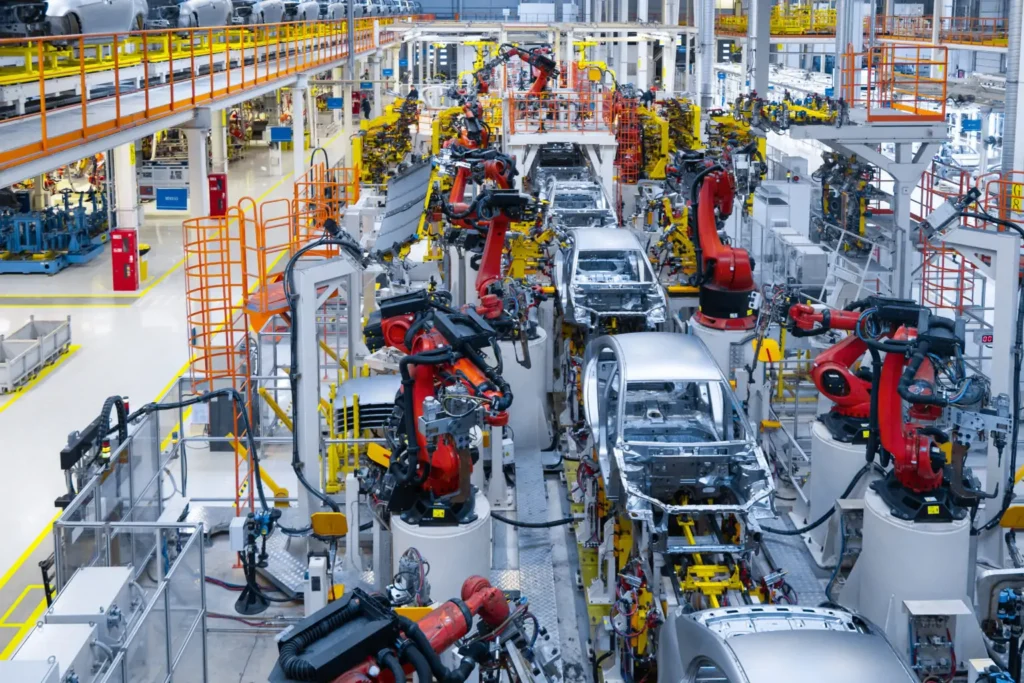
Fabrication automobile
Transfer carts support the movement of vehicle bodies, molds, and production materials across different manufacturing processes.
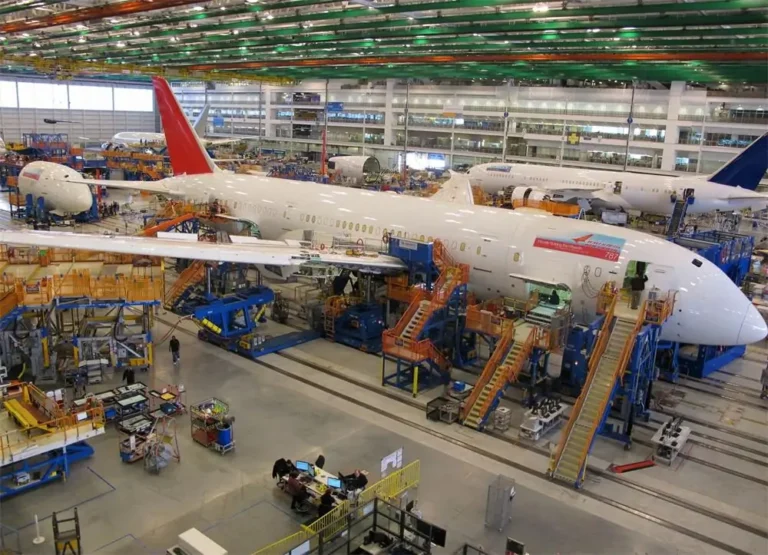
Fabrication aérospatiale
High-precision transfer carts are used for transporting large aircraft parts and sensitive components in controlled production areas.
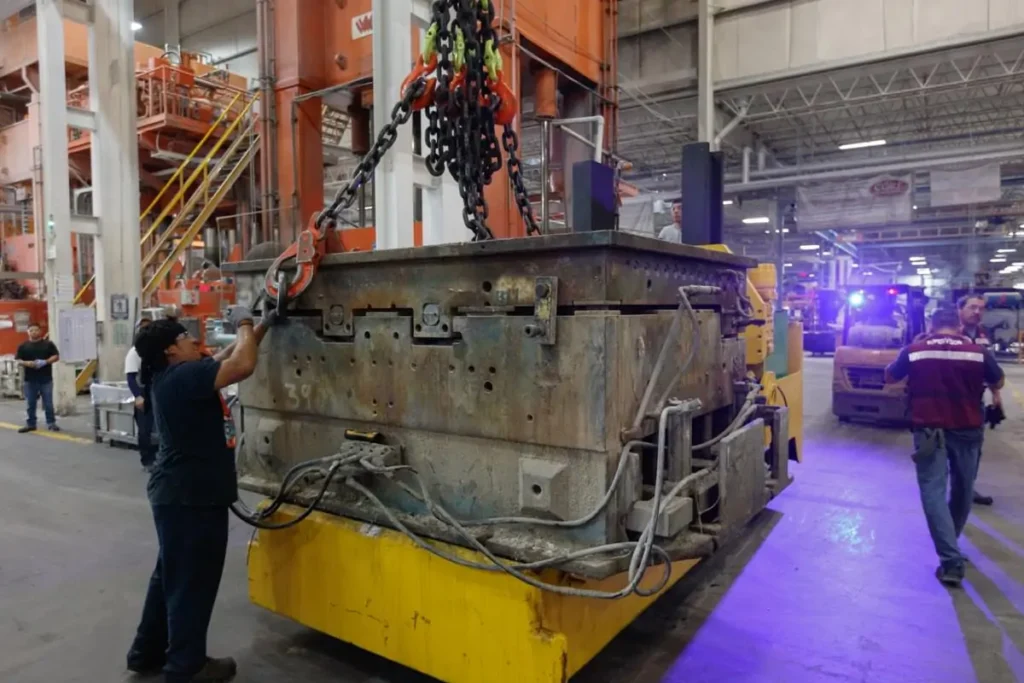
Manutention de moules et matrices
Transfer carts provide safe transportation for heavy molds, dies, and tooling equipment in manufacturing workshops.
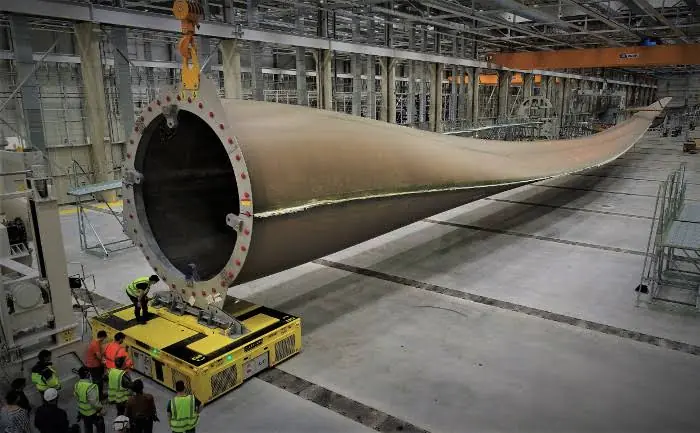
Wind Power Equipment
Heavy load transfer carts are used to move wind turbine components such as blades, towers, and nacelle parts during production and assembly.
Industrial Transfer Cart Customization Options
- Industrial transfer carts can be customized according to different load requirements, working environments, and transportation processes.
- Load Capacity — The load capacity can be designed according to the weight of transported materials, ranging from small loads to hundreds of tons.
- Platform Size — The platform length, width, and height can be customized to match the dimensions of different workpieces and handling requirements.
- Power Supply System — Available power options include battery power, rail power, cable reel power, and busbar power for different operating conditions.
- Drive and Steering System — Transfer carts can be configured with different drive systems and steering modes, including straight running, 360° rotation, and automatic steering.
- Control Method — Control options include wireless remote control, pendant control, PLC control, and automated control systems.
- Safety Features — Safety devices such as emergency stop buttons, warning lights, obstacle detection sensors, and limit switches can be added based on application needs.
- Working Environment Design — Special versions can be customized for high-temperature, explosion-proof, outdoor, or heavy-duty industrial environments.
- Surface and Fixture Design — The platform can be equipped with rollers, V-shaped supports, clamps, or customized fixtures for specific material handling tasks.
Comprehensive customization options—see details here: Chariot de transfert personnalisé : Guide complet de conception et de personnalisation
Conclusion
Industrial transfer carts provide reliable solutions for moving heavy materials in factories, workshops, and industrial facilities. From rail transfer carts and trackless transfer carts to AGV, RGV, and heavy duty models, each type is designed for different transportation requirements. Choosing the right transfer cart based on load capacity, working environment, and operation needs can improve handling efficiency and production safety.
Courriel : transfercart@rmkzn.com
Téléphone : +86-18637369355
FAQ
What are the different types of industrial transfer carts?
The main types include rail transfer carts, trackless transfer carts, AGV transfer carts, RGV transfer carts, and heavy duty transfer carts. Each type is designed for different load requirements, routes, and working conditions.
Quelle est la différence entre les chariots de transfert sur rail et sans rail ?
Rail transfer carts run on fixed tracks and are suitable for stable routes with heavy loads, while trackless transfer carts use battery power and can move freely without rails, making them suitable for flexible transportation.
How much load can an industrial transfer cart carry?
Industrial transfer carts can handle loads from a few tons to hundreds of tons. The capacity can be customized according to the material weight and application requirements.
Which transfer cart is suitable for heavy loads?
Heavy duty transfer carts and rail transfer carts are commonly used for heavy loads. They can be designed for transporting steel structures, machinery, molds, and other large industrial components.
Les chariots de transfert industriels peuvent-ils être personnalisés ?
Yes. Industrial transfer carts can be customized in terms of load capacity, platform size, power supply, steering system, control method, and safety features.
What power supply options are available?
Common power options include battery power, low-voltage rail power, cable reel power, and busbar power. The suitable system depends on the working environment and operating requirements.
Are transfer carts suitable for outdoor use?
Yes. Transfer carts can be designed for outdoor applications with weather-resistant components, durable structures, and suitable protection systems for different environments.
Comment choisir le bon chariot de transfert industriel ?
The selection should consider load capacity, transportation distance, route conditions, operation frequency, working environment, and automation requirements. A customized solution is recommended for complex applications.