Table des matières
Introduction
Les usines industrielles ont souvent besoin d'équipements fiables pour déplacer des matériaux lourds entre différentes zones de travail. Les chariots de transfert électriques offrent une solution flexible et efficace pour manipuler des structures en acier, des pièces de machines, des moules et d'autres charges lourdes tout en réduisant le travail de manutention manuel. Un chariot de transfert électrique plat est largement utilisé pour sa structure simple, sa forte capacité de charge et sa conception personnalisable.
Cet article présente la structure, le principe de fonctionnement, les méthodes d'alimentation électrique, les principaux paramètres et les domaines d'application des chariots de transfert électriques plats. Il explique également les facteurs à considérer lors du choix d'un chariot adapté, notamment les exigences de charge, l'environnement de travail et la distance de transport, afin d'aider les utilisateurs à choisir la solution adaptée à leurs besoins de manutention.
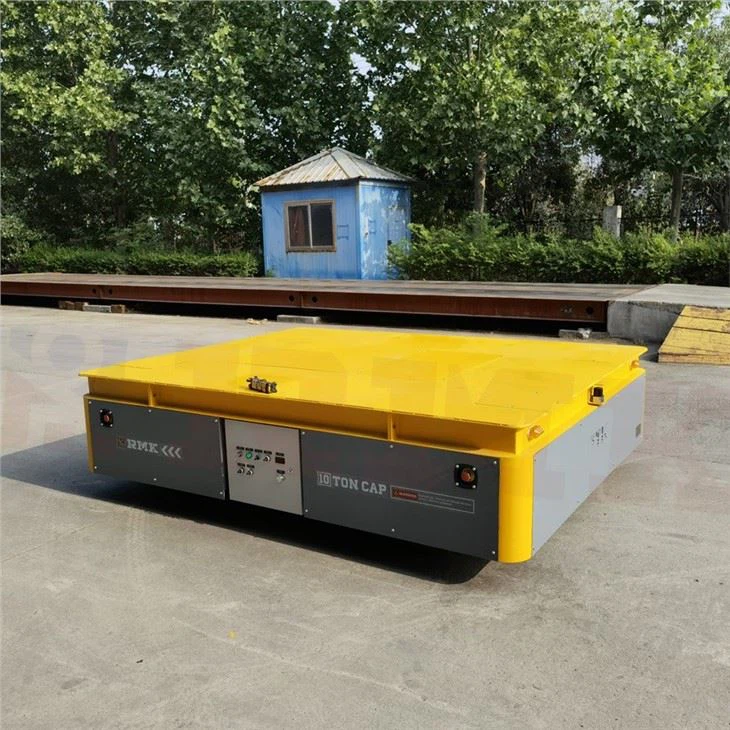
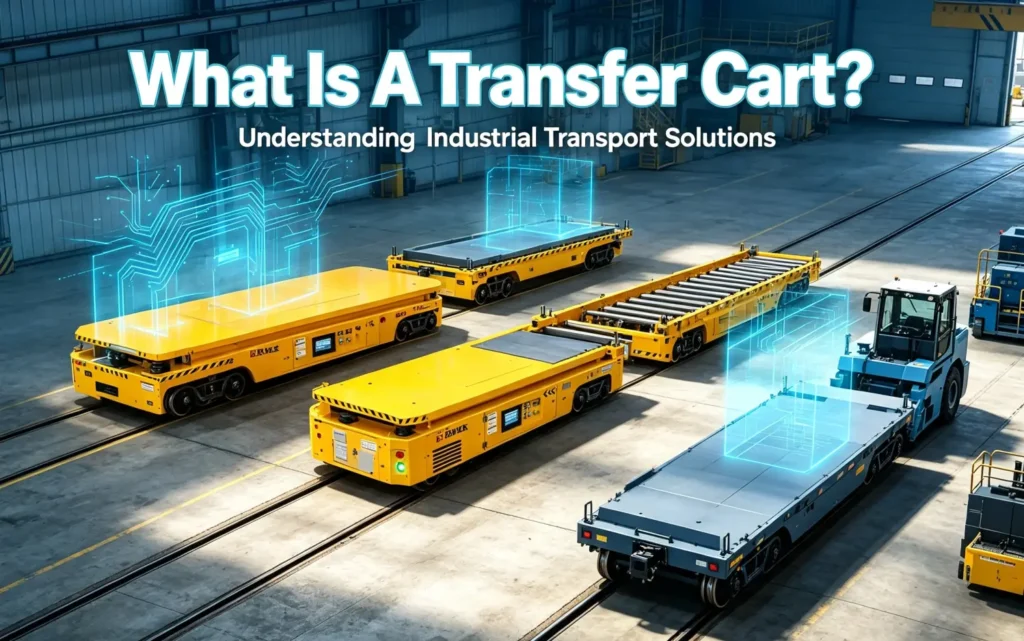
Qu'est-ce qu'un chariot de transfert électrique plat ?
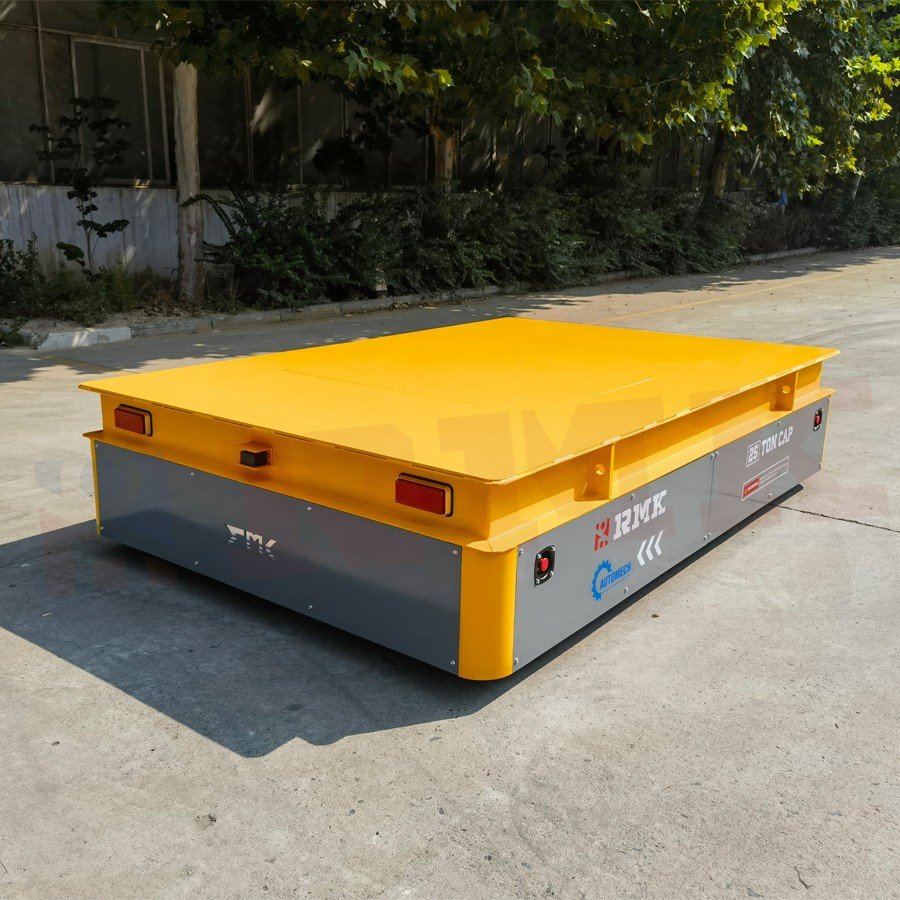
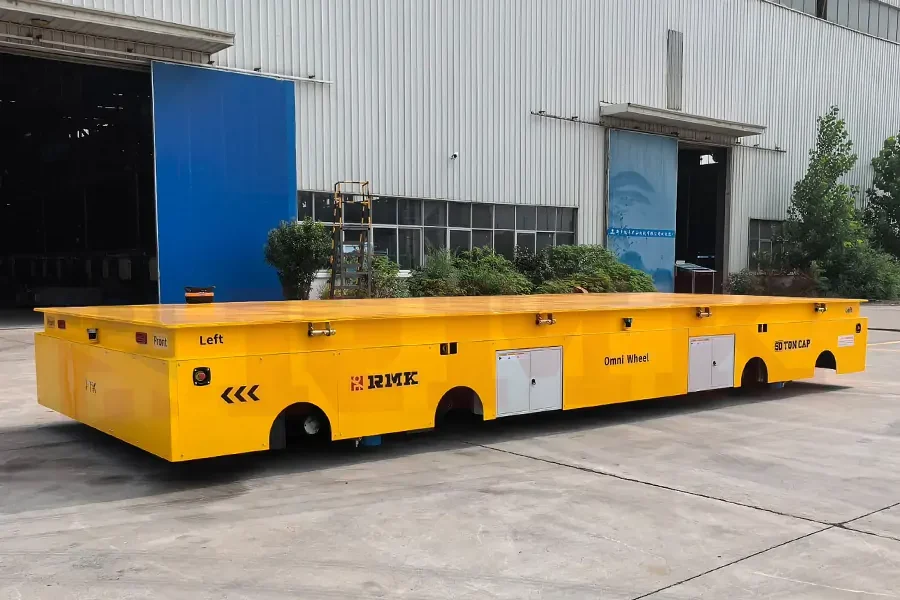
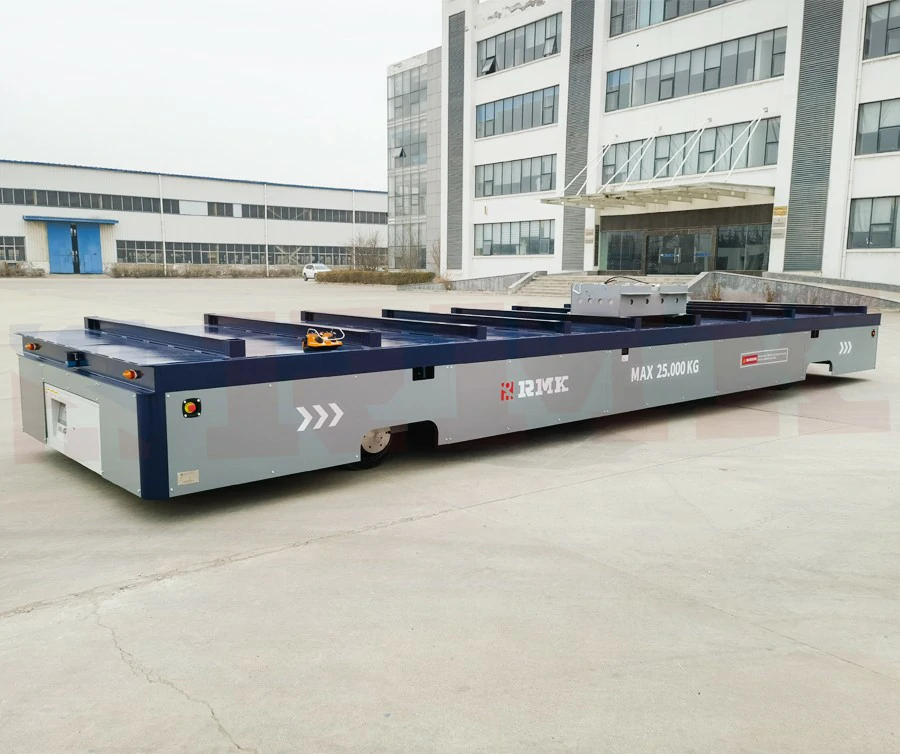
Un chariot de transfert électrique plat est un véhicule industriel de manutention à profil bas conçu pour le transport horizontal sur courte distance de matériaux lourds à l'intérieur des usines. Il dispose d'une plateforme de chargement plate sans structure de levage ni de benne et utilise l'énergie électrique comme source d'entraînement. Disponible en version sur rail et sans rail, il convient à différentes conditions de transport en atelier.
Le chariot de transfert électrique plat adopte une structure de châssis plat renforcé avec un système d'entraînement à motoréducteur, offrant une capacité de charge stable et un fonctionnement fluide. Il supporte une large gamme de charges de 5 à 100 tonnes, avec une vitesse de déplacement réglable, un faible niveau sonore et des performances de démarrage-arrêt fiables. La structure simple réduit les exigences de maintenance et supporte une utilisation industrielle continue.
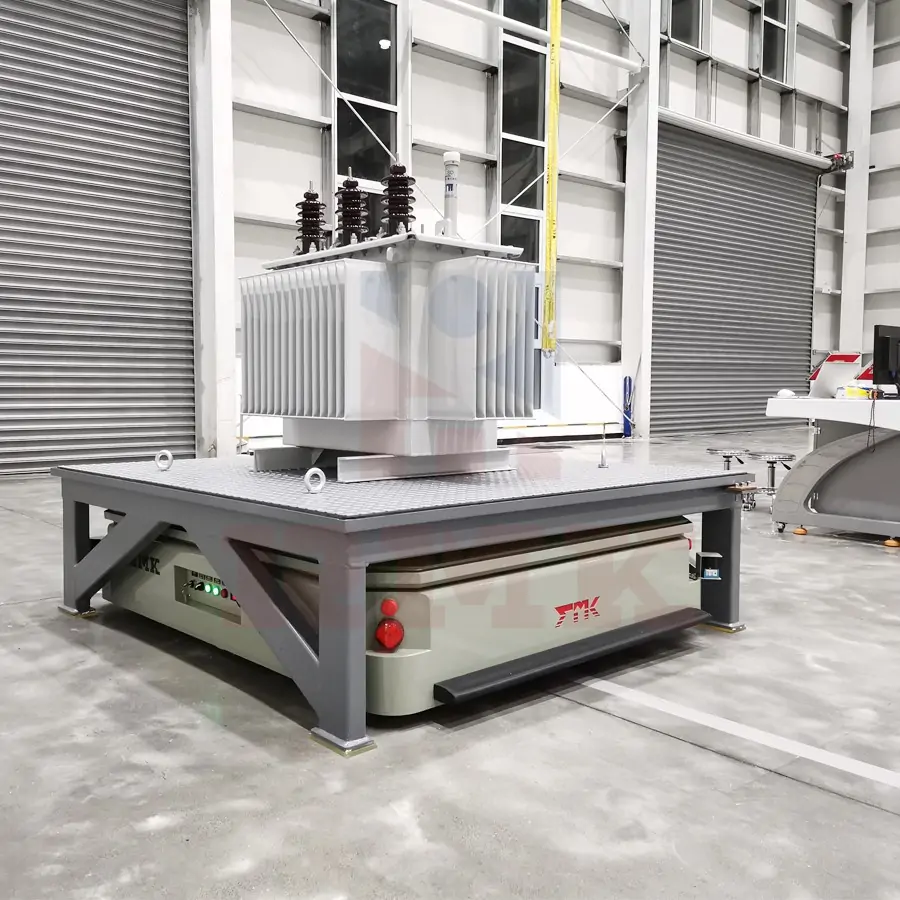
Cet équipement est largement utilisé dans la construction mécanique, la métallurgie, la construction navale et les industries lourdes pour déplacer des structures en acier, des pièces d'équipement, des moules et d'autres charges lourdes. Comparé aux chariots élévateurs et aux ponts roulants, le chariot de transfert électrique plat offre une meilleure adaptabilité dans les espaces limités et les zones de production fixes, contribuant à améliorer l'efficacité de la manutention interne tout en réduisant les coûts de transport manuel.
En savoir plus sur les chariots de transfert électriques : Qu'est-ce qu'un chariot de transfert électrique ?
Pièces détachées
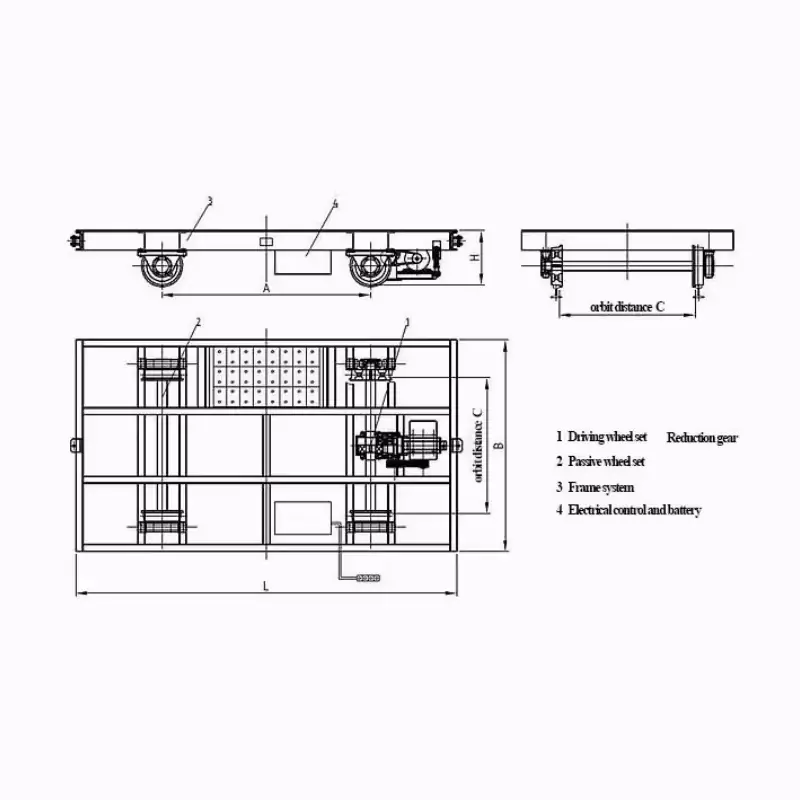
Le chariot de transfert électrique plat se compose de plusieurs structures clés, notamment la plateforme, le système de déplacement, l'unité de puissance, le système d'entraînement et le système de contrôle électrique. Ces composants travaillent ensemble pour supporter le transport de charges lourdes dans les environnements industriels.
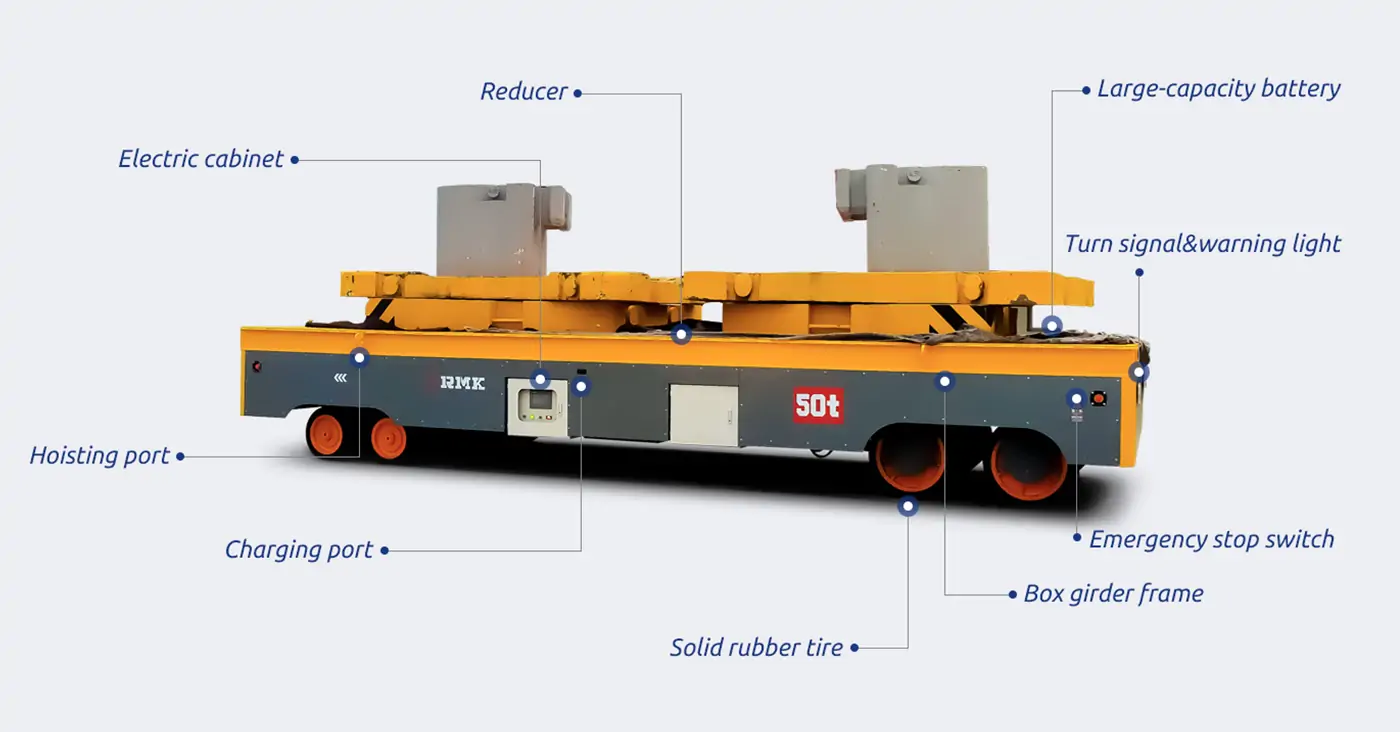
- Structure de plateforme porteuse : La plateforme plate utilise un châssis en acier soudé avec des poutres renforcées pour fournir un support de charge solide. La structure répartit le poids de la cargaison uniformément et maintient la stabilité pendant les opérations intensives.
- Structure du mécanisme de déplacement : Le système de déplacement comprend des roues lourdes et des ensembles d'essieux. Il assure un mouvement fluide, une course stable et une direction fiable pendant le transport des matériaux.
- Structure d'alimentation électrique : Le chariot prend en charge les options d'alimentation par batterie, par rail et par câble. Différentes configurations d'alimentation peuvent être sélectionnées en fonction de l'agencement de l'usine et des conditions d'exploitation.
- Structure de transmission d'entraînement : Le système d'entraînement utilise un moteur et un réducteur à engrenages pour générer la force motrice du chariot. La structure compacte fournit une traction suffisante et nécessite moins d'espace d'installation.
- Structure de contrôle électrique : Le système de contrôle comprend des fonctions de réglage de vitesse, de limite de course, d'arrêt d'urgence et de protection contre les surcharges. Il gère les opérations quotidiennes et améliore la sécurité de l'équipement.
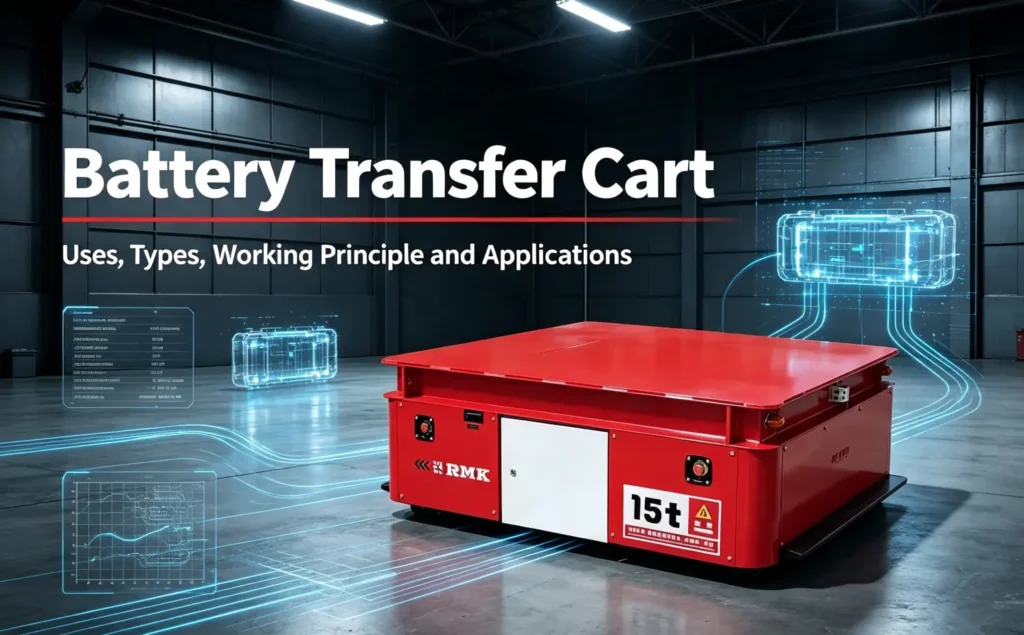
L'hiver a un impact significatif sur les batteries, c'est pourquoi un entretien et une maintenance appropriés de la batterie du chariot de transfert à batterie sont essentiels. Pour plus de détails, lisez l'article : Comment résoudre le problème de la batterie du chariot de transfert qui ne dure pas longtemps en hiver ?
Comment fonctionne un chariot de transfert électrique plat ?
Les chariots de transfert électriques plats utilisent l'énergie électrique pour déplacer des matériaux lourds sur les sols d'usine. Le chariot est équipé d'une plateforme plate et est principalement utilisé pour transporter des pièces en acier, des composants d'équipement, des moules et d'autres charges volumineuses entre différentes zones de travail.
L'alimentation par batterie ou par rail fournit l'énergie au moteur. Le moteur entraîne les roues via le réducteur, et le système de contrôle gère la vitesse, la direction et l'arrêt du chariot. L'opérateur peut contrôler le chariot en fonction de la distance de transport et des exigences de travail.
La plateforme plate supporte différentes tailles de cargaison et répartit la charge sur le châssis. Le dispositif de freinage et le système de limite de course contrôlent le chariot pendant le fonctionnement, ce qui le rend adapté au transfert régulier de matériaux dans les ateliers, les entrepôts et les zones de production industrielle.
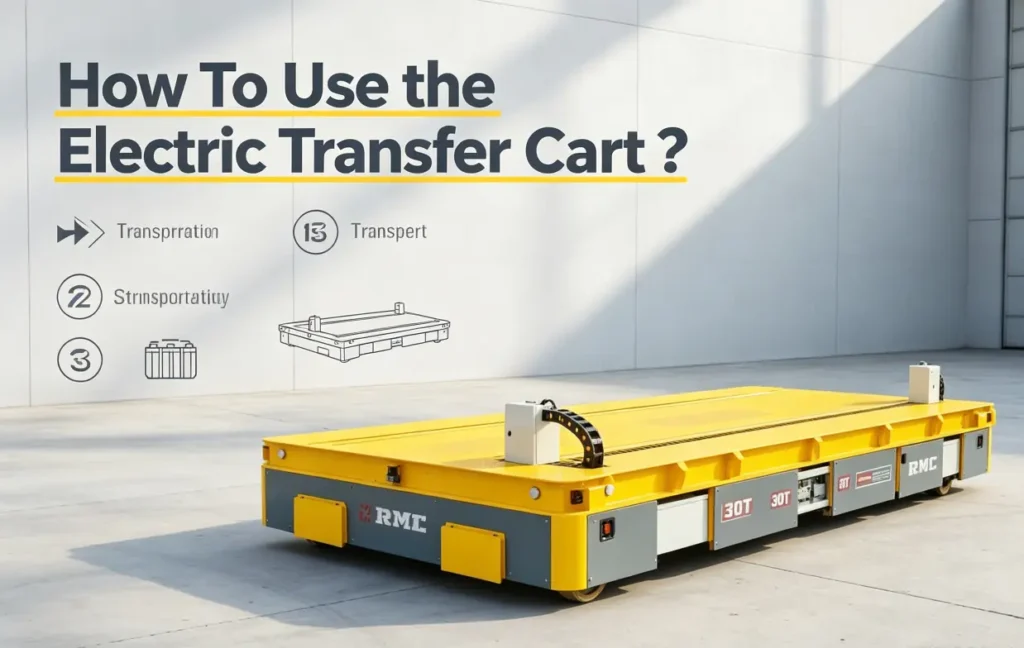
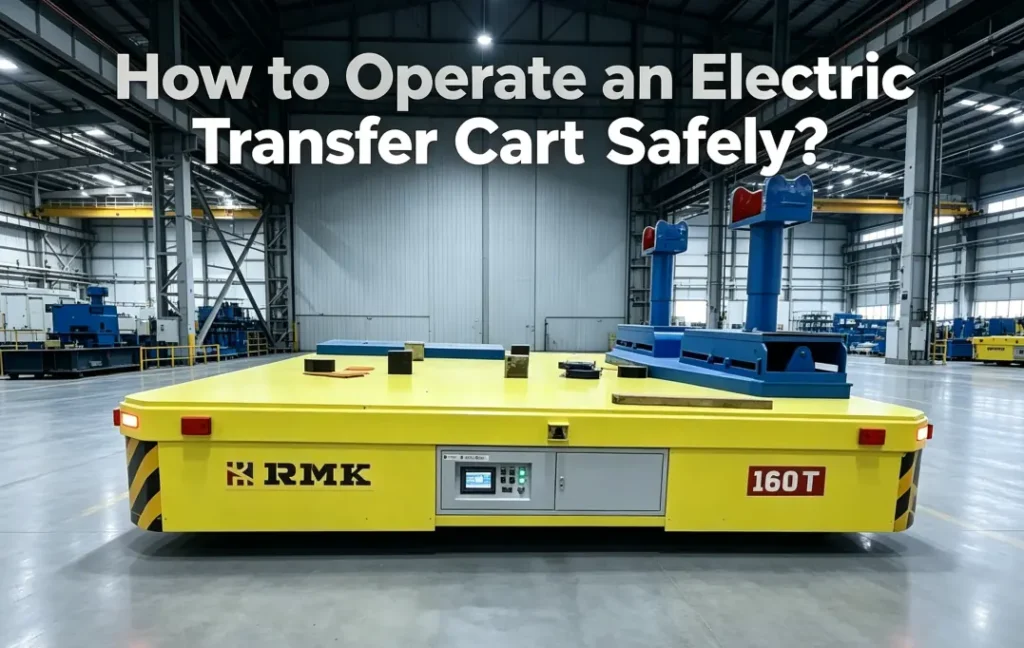
Pour plus de détails sur l’utilisation du chariot de transfert électrique, voir : Comment utiliser le chariot de transfert électrique ?
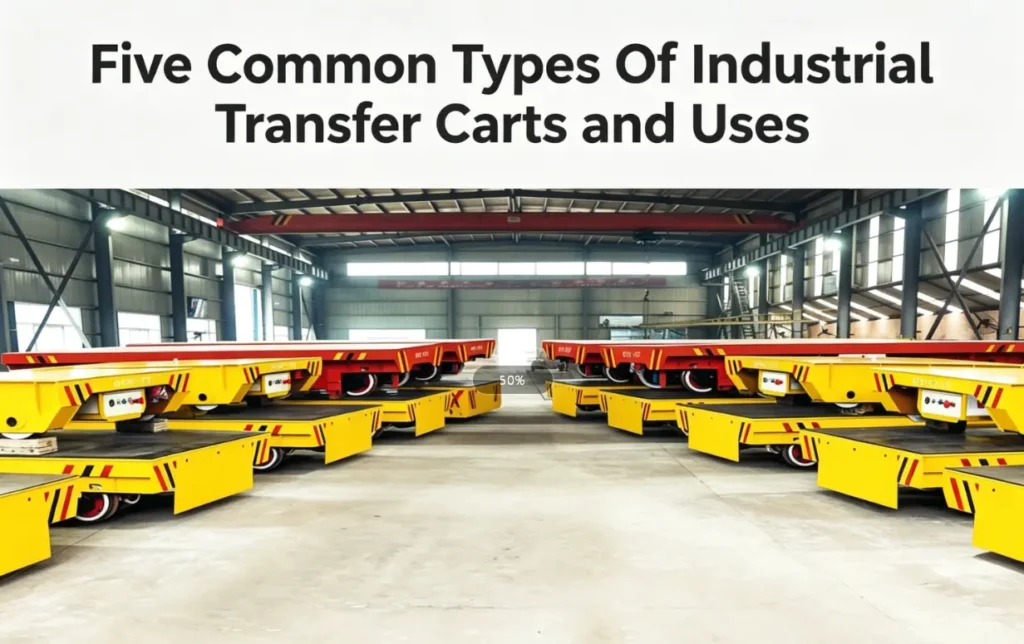
Principaux types de chariots de transfert électriques plats
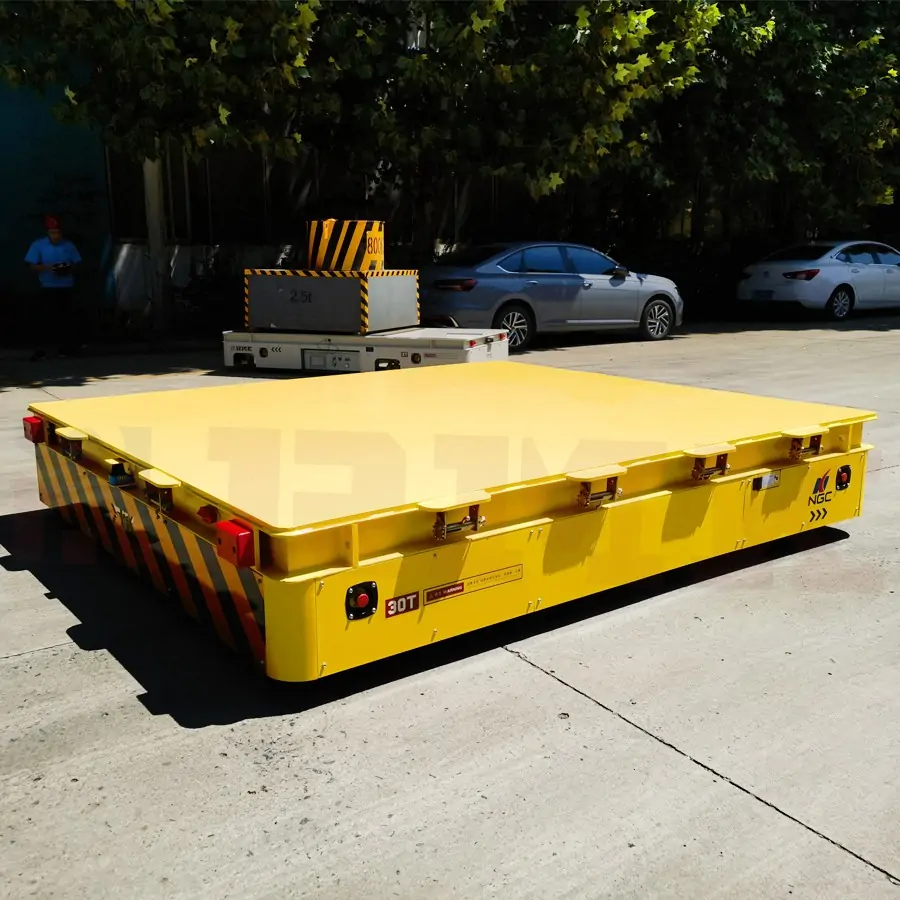
Chariot de transfert électrique plat à batterie
Les chariots de transfert électriques plats à batterie utilisent des batteries embarquées comme source d'énergie et ne nécessitent pas de câbles d'alimentation externes pendant le fonctionnement. Ils conviennent aux ateliers avec des itinéraires de transport flexibles et des tâches fréquentes de transfert de matériaux. Le chariot peut circuler sur différentes conditions de sol et est couramment utilisé pour déplacer des charges lourdes entre les zones de production.
- Capacité de charge : 5 à 500 tonnes
- Alimentation : Batterie au plomb-acide / Batterie au lithium
- Vitesse de déplacement : 0 à 25 m/min
- Méthode de contrôle : Télécommande sans fil / Commande par boîtier suspendu
Chariot de transfert électrique plat alimenté par rail
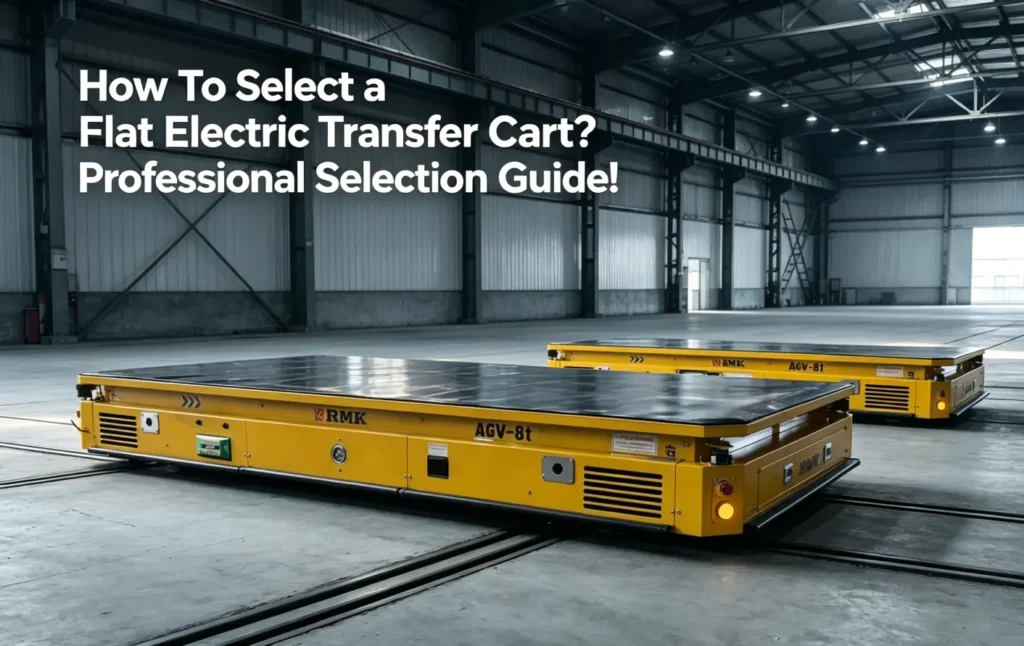
Les chariots de transfert électriques plats alimentés par rail circulent sur des rails fixes installés sur le sol de l'atelier. Ils sont conçus pour des itinéraires de transport répétitifs avec un fonctionnement stable et une capacité de charge élevée. Ce type est largement utilisé dans les aciéries, les usines mécaniques et les installations de fabrication d'équipements lourds.
- Capacité de charge : 5 à 500 tonnes
- Alimentation électrique : Alimentation par rail / Alimentation par câble
- Type de rail : Rail en acier
- Distance de déplacement : personnalisée
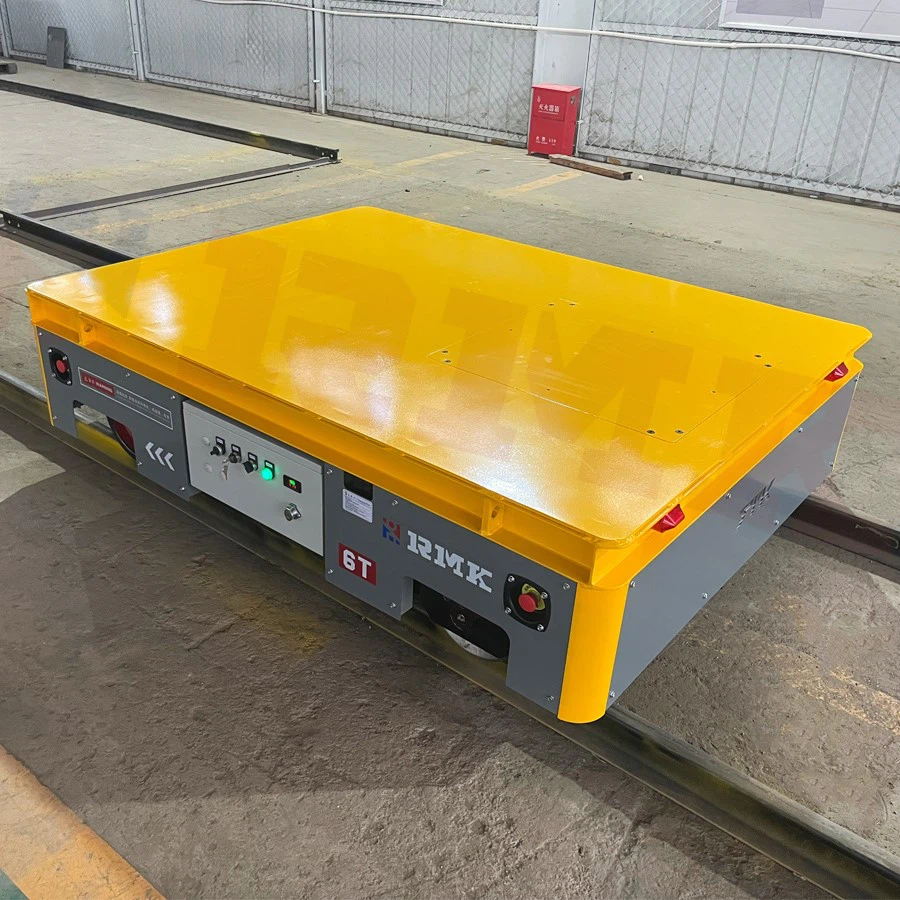
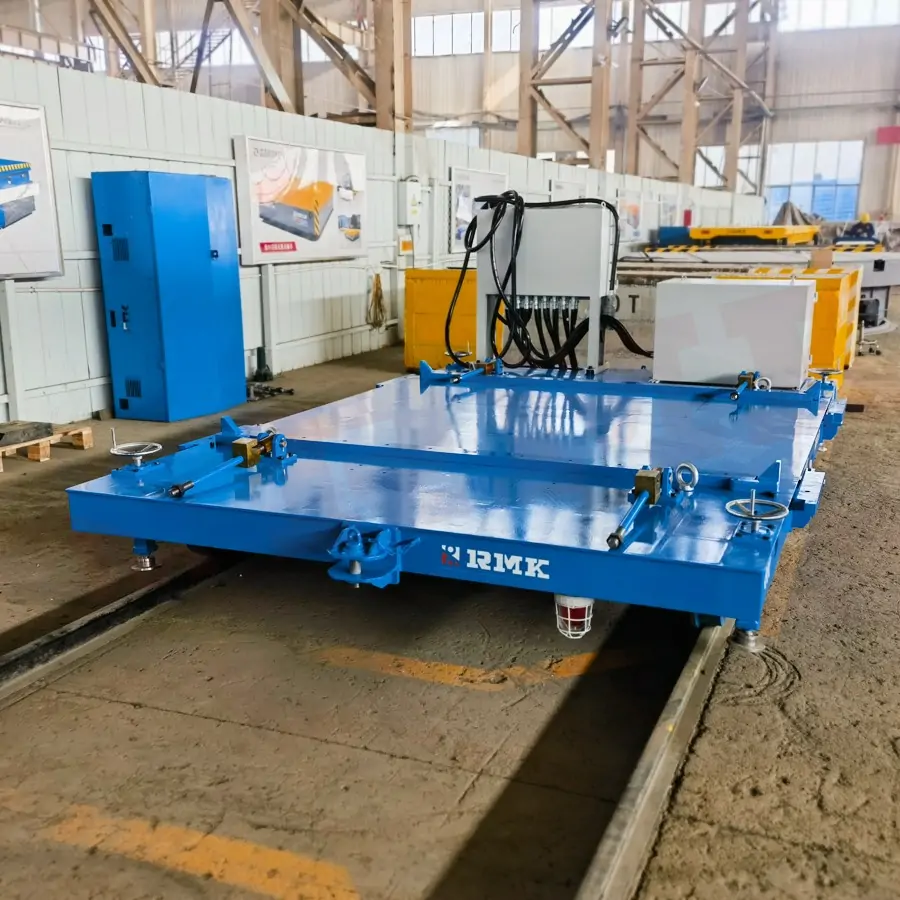
Chariot de transfert électrique plat alimenté par câble
Les chariots de transfert électriques plats alimentés par câble reçoivent l'énergie via un système de câble connecté à une source d'alimentation externe. Ils conviennent aux zones de production intérieures avec des chemins de transport fixes et des exigences de travail continu. La structure est simple et adaptée aux opérations régulières de manutention.
- Capacité de charge : 5 à 100 tonnes
- Alimentation électrique : Enrouleur de câble / Câble traînant
- Vitesse de déplacement : 18 à 25 m/min
- Mode de fonctionnement : Télécommande / Commande manuelle
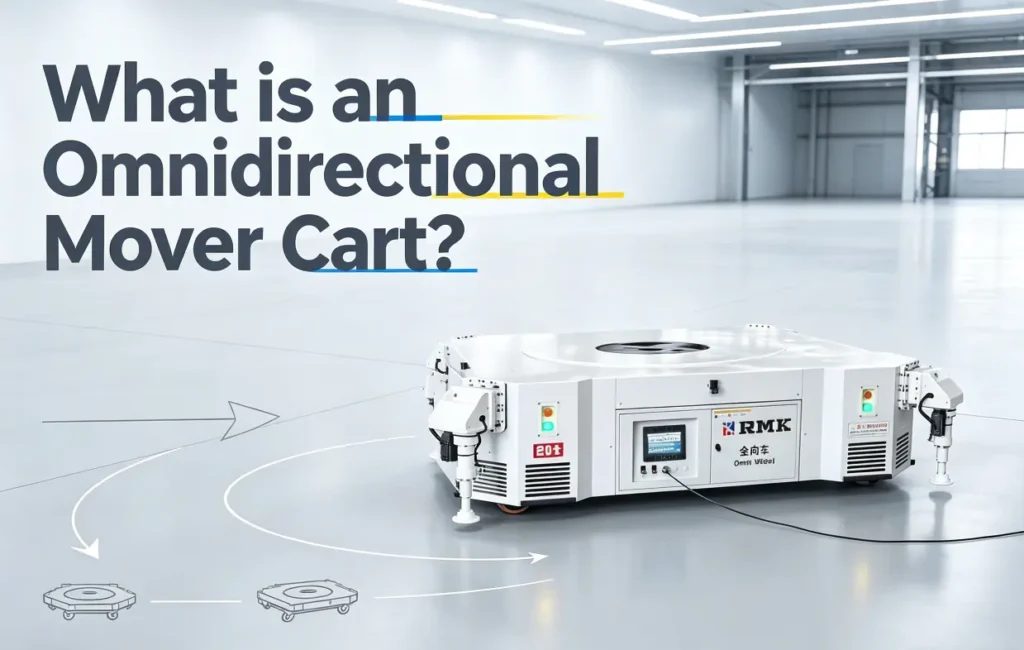
Chariot de transfert électrique plat sans rail
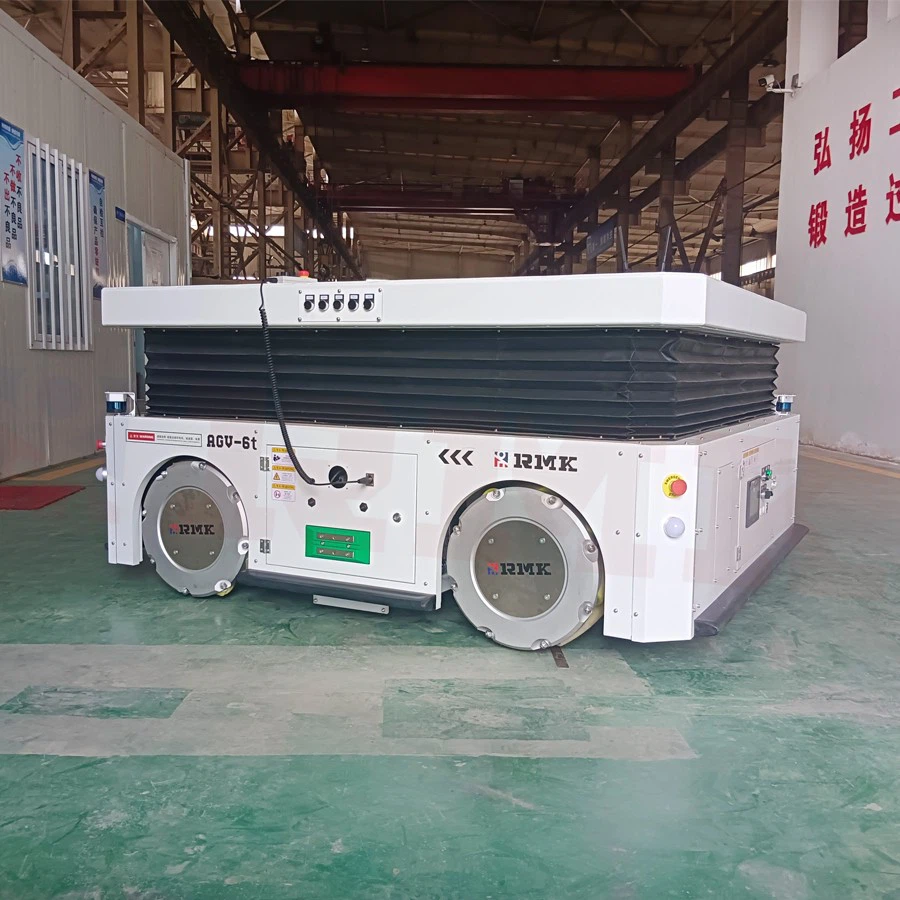
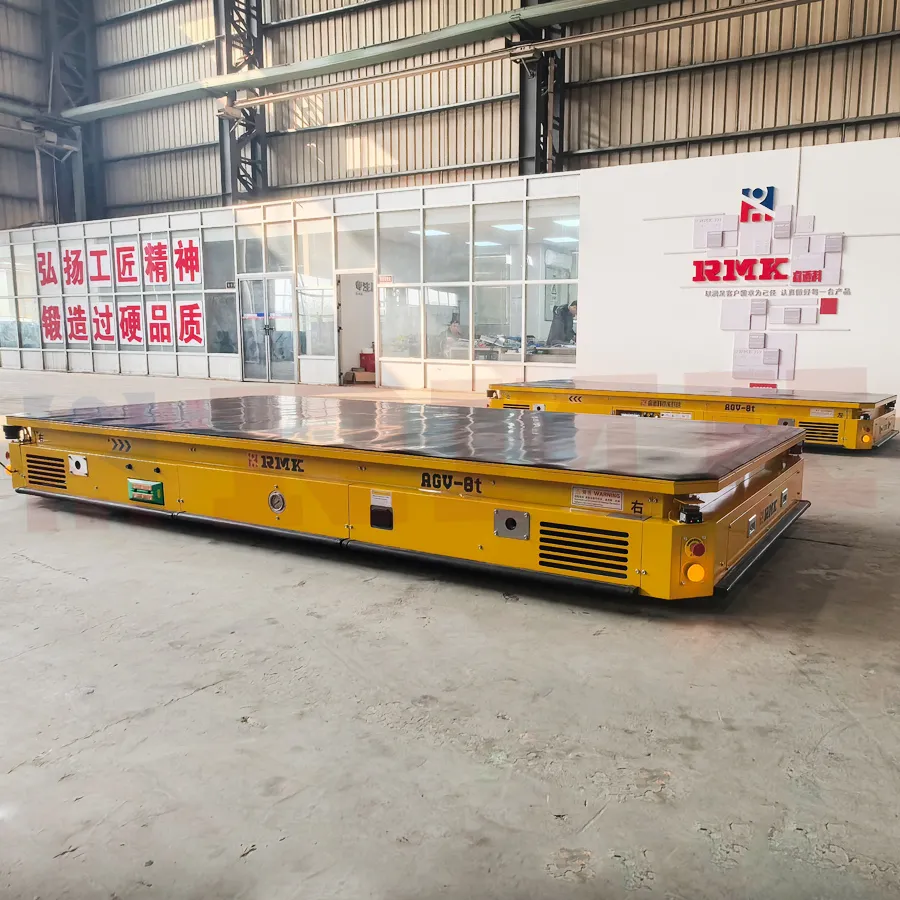
Les chariots de transfert électriques plats sans rail utilisent des roues en caoutchouc et peuvent se déplacer sans rails fixes. Ils offrent une grande flexibilité de mouvement et peuvent modifier leurs trajets pour répondre aux besoins de production. Ce type est souvent utilisé dans les usines où l’agencement du sol change fréquemment ou lorsque l’installation de rails n’est pas adaptée.
- Capacité de charge : 5 à 300 tonnes
- Alimentation électrique : sur batterie
- Mode de direction : direction à 360°
- Méthode de contrôle : télécommande sans fil
Options d'alimentation électrique pour chariot de transfert électrique plat
Les chariots de transfert électriques plats utilisent différentes méthodes d’alimentation électrique selon l’environnement de travail, le trajet de transport et la fréquence d’utilisation. Les principales options incluent les systèmes d’alimentation sur batterie, sur rail et par câble.
| Type | Description | Applications |
|---|---|---|
| Alimentation par batterie | Utilise des batteries embarquées pour alimenter le chariot sans connexion électrique externe. | Trajets de transport flexibles, ateliers, entrepôts et manutention de matériaux en extérieur. |
| Alimentation par rail | Reçoit l'alimentation par des rails installés au sol pour un fonctionnement sur itinéraire fixe. | Aciéries, lignes de production et usines d'équipements lourds avec des voies de transport fixes. |
| Alimentation par câble | Utilise un enrouleur de câble ou un câble traînant connecté à une source d'alimentation externe. | Usines intérieures nécessitant un fonctionnement continu sur des itinéraires fixes. |
Le choix de l'alimentation dépend de la distance de déplacement du chariot, de l'itinéraire, du temps de fonctionnement et de l'environnement de l'usine. Le système d'alimentation approprié permet au chariot de transfert électrique plat de fonctionner normalement dans des conditions de travail spécifiques.
Pour l'entretien de la batterie et les inspections quotidiennes, voir : Guide d'entretien du chariot de transfert à batterie : inspection quotidienne et soin de la batterie
Applications
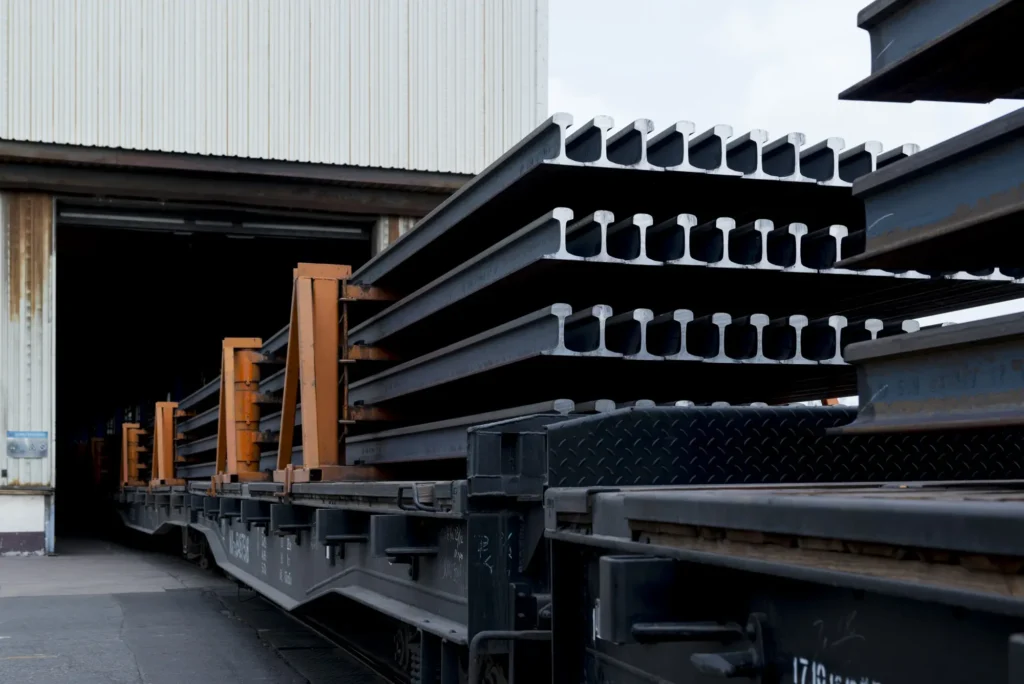
Tôles et structures en acier
Utilisé dans les aciéries et les ateliers de fabrication pour le transport de grandes tôles, poutres et composants structurels en acier.
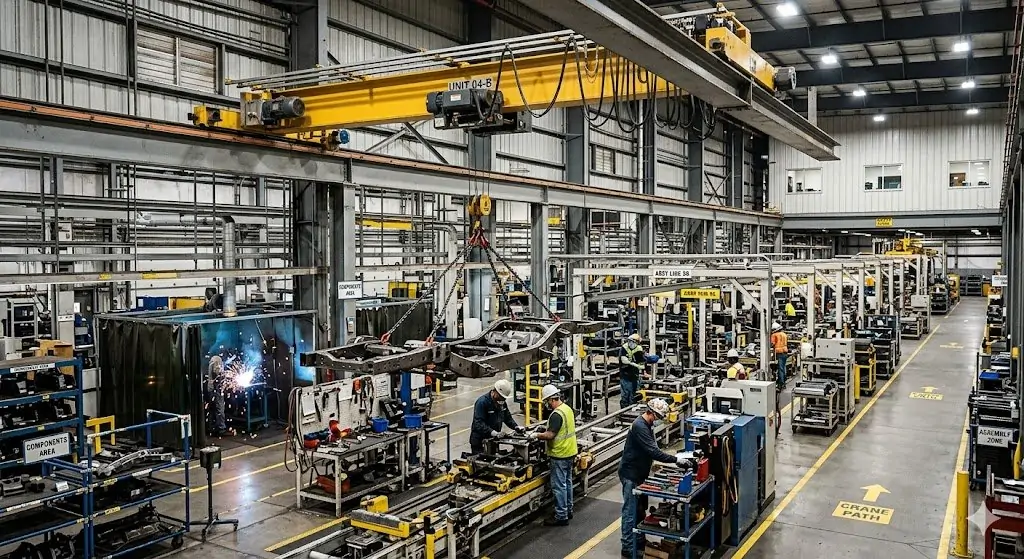
Pièces de machines et composants d'équipements
Utilisé dans les usines de machines pour déplacer des bases de machines lourdes, des châssis et des composants assemblés entre les zones de production.
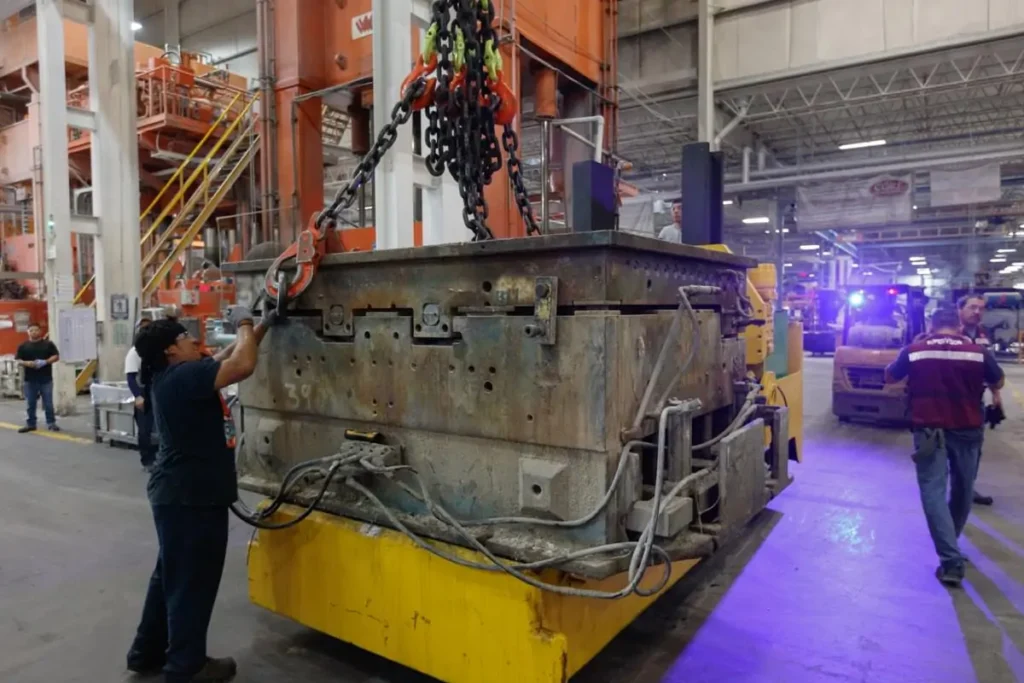
Moules et matrices
Utilisé dans les industries automobile, de fonderie et de fabrication pour le transfert de grands moules, matrices et équipements d'outillage.
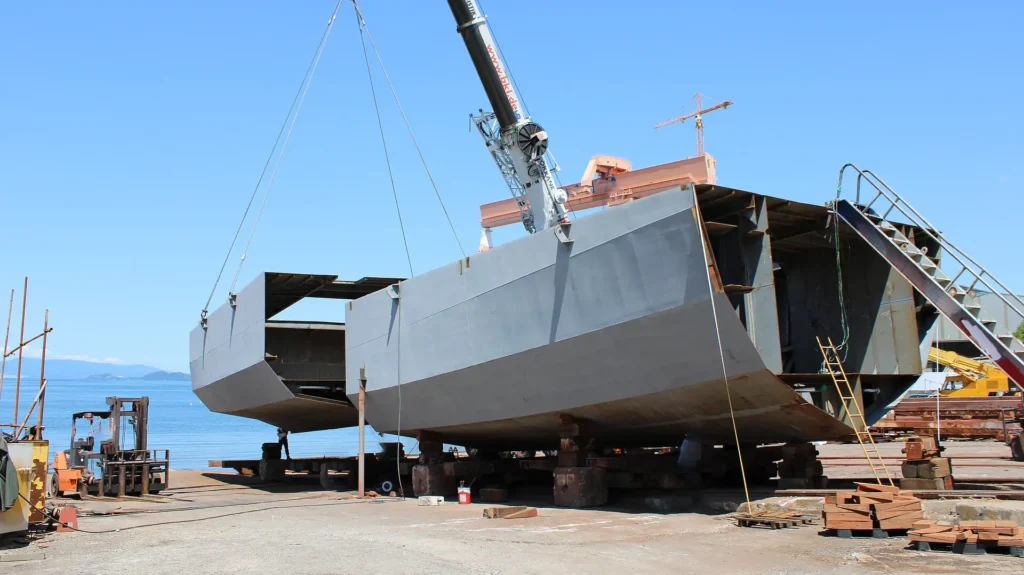
Sections de navires et structures soudées
Utilisé dans les chantiers navals pour transporter des sections de coque, des blocs d'acier et de grandes structures soudées.
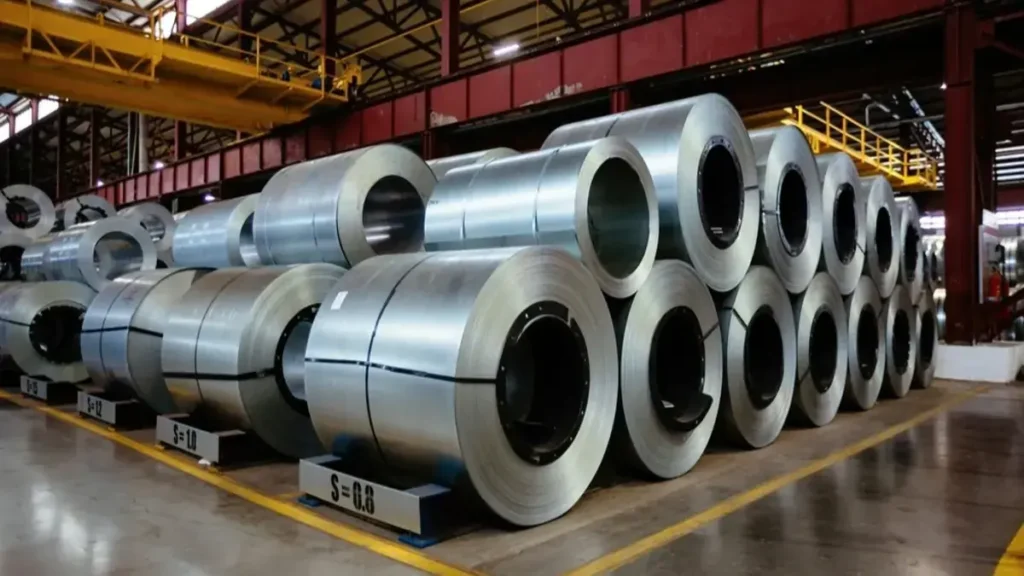
Bobines lourdes et matériaux métalliques
Utilisé dans les usines de transformation des métaux pour déplacer des bobines d'acier, des bobines d'aluminium et d'autres matériaux laminés.
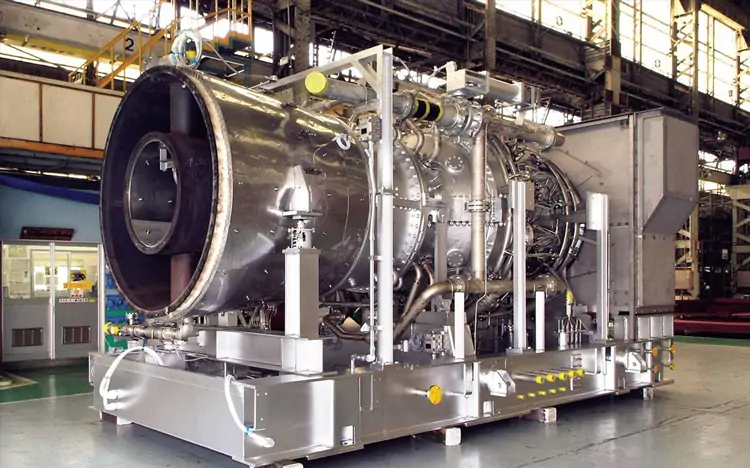
Machines industrielles et produits finis
Utilisé dans les usines pour transférer de grands équipements, des unités de production et des produits lourds finis.
Quand choisir un chariot de transfert électrique plat ?
Le chariot de transfert électrique plat est un choix pratique pour les usines qui doivent déplacer des matériaux lourds de manière sûre et répétée à travers les ateliers, les zones de production et les espaces de stockage.
- Charges lourdes dépassant la capacité des chariots élévateurs — Lorsque les matériaux dépassent la capacité de manutention normale des chariots élévateurs, un chariot de transfert électrique plat offre une plateforme de chargement plus grande pour le transport lourd.
- Transferts fréquents de matériaux entre les zones de travail — Il est adapté au déplacement répété de matériaux entre les ateliers, les lignes de production, les entrepôts et les zones de stockage.
- Espace d'atelier limité — La structure basse fonctionne bien dans les zones avec des passages étroits, une hauteur libre faible ou un espace de manœuvre limité.
- Itinéraires de transport fixes — C'est un bon choix pour les usines avec des voies de transport régulières entre des postes de travail fixes.
- Besoin d'un déplacement stable de la cargaison — La plateforme plate supporte des charges importantes et lourdes avec moins de mouvement pendant le transport.
- Réduction du travail de manutention manuelle — Il aide à remplacer la manutention manuelle et améliore l'efficacité du déplacement interne des matériaux en usine.
- Exigences spéciales de transport de cargaison — Il peut être personnalisé pour le transport de moules, de structures en acier, de pièces d'équipement et d'autres charges industrielles surdimensionnées.
Le choix d'un chariot de transfert électrique plat dépend du poids de la charge, de la distance de transport, de l'environnement de travail et des exigences de manutention quotidiennes.
Chariot de transfert électrique plat vs chariot élévateur vs pont roulant
Différents équipements de manutention de matériaux sont conçus pour différentes conditions de travail. Le chariot de transfert électrique plat, le chariot élévateur et le pont roulant ont différents avantages en termes de capacité de charge, d'espace de fonctionnement et de méthodes d'application.
| Élément | Chariot de transfert électrique plat | Chariot Élévateur | Pont roulant |
|---|---|---|---|
| Mode de fonctionnement principal | Transport horizontal au sol dans les ateliers | Levage à fourche, empilage et manutention sur courte distance | Levage vertical et transport aérien |
| Plage de charge | 5–100 tonnes, adapté aux charges plates lourdes | 1–10 tonnes, limité par la capacité de fourche | 5–200 tonnes, adapté au levage lourd |
| Espace de fonctionnement | Nécessite un sol plat avec de faibles exigences de hauteur libre | Nécessite un espace de rotation pour le fonctionnement | Nécessite une structure de bâtiment et une hauteur suffisante |
| Forme de support de charge | Support de cargaison sur toute la plateforme | Support par bras de fourche | Levage suspendu |
| Application typique | Transfert de moules, d'acier, d'équipements et de matériaux d'atelier | Manutention en entrepôt, chargement et déchargement | Installation d'équipements et levage aérien |
| Risque de sécurité | Déplacement stable au sol avec faible risque de balancement de la cargaison | Risque de basculement de la charge lors du virage ou du levage | Risque d'oscillation de la charge suspendue |
| Niveau de coût | Investissement moyen avec faible coût de maintenance | Coût moyen-élevé avec remplacement régulier des pièces d'usure | Investissement élevé avec exigences d'installation dans le bâtiment |
Remarque : Cette comparaison est basée sur des conditions courantes de manutention de matériaux en usine intérieure. L'équipement approprié dépend du poids de la charge, de l'itinéraire de transport, de l'espace de travail et des exigences de production.
Spécifications à considérer avant l'achat
Avant d'acheter un chariot de transfert électrique plat, les spécifications principales doivent correspondre au poids du matériau, à l'itinéraire de transport et aux conditions de travail de l'usine.
Capacité de charge : La capacité de charge détermine le poids maximal que le chariot peut transporter. Les modèles courants vont de 5 tonnes à 500 tonnes pour différents besoins de transport industriel.
Dimensions de la plateforme : Les dimensions de la plateforme doivent correspondre à la taille et à la forme des matériaux transportés, tels que les structures en acier, les moules et les pièces d'équipement.
Type d'alimentation : Le chariot peut utiliser l'alimentation par batterie, l'alimentation par rail ou l'alimentation par câble selon l'aménagement de l'atelier et les exigences d'exploitation.
Vitesse de déplacement : La vitesse de déplacement affecte l'efficacité du transport. La plupart des chariots de transfert industriels fonctionnent à une vitesse contrôlée adaptée au déplacement de charges lourdes.
Méthode de contrôle : Les options de contrôle comprennent la télécommande sans fil, le contrôle par pendentif et les systèmes de contrôle automatique selon l'application.
Environnement de travail : Des facteurs tels que l'utilisation intérieure ou extérieure, l'état du sol, la température et les niveaux de poussière doivent être pris en compte lors de la sélection de la configuration du chariot.
Les spécifications appropriées dépendent des exigences de charge, des conditions de travail et des besoins de transport de chaque usine.
Customization Options
Les chariots de transfert électriques plats peuvent être personnalisés en fonction des exigences de charge, des conditions de transport et des aménagements d'usine.
- Capacité de charge
La capacité de charge peut être conçue selon le poids des matériaux transportés, allant de petites charges d'atelier à des centaines de tonnes pour des applications industrielles lourdes. - Dimensions et conception de la plateforme
La longueur, la largeur et la hauteur de la plateforme peuvent être personnalisées pour correspondre à différentes tailles de cargaison, y compris les structures en acier, les moules, les pièces d'équipement et les matériaux surdimensionnés. - Système d'alimentation électrique
Le chariot peut être équipé de systèmes d'alimentation par batterie, par rail ou par câble selon l'itinéraire de transport et l'environnement de travail. - Système de roues et de déplacement
Le type de roue et la structure de déplacement peuvent être sélectionnés en fonction de l'état du sol, des exigences de rail et de la capacité de charge, y compris les roues à rail et les roues en caoutchouc. - Système de contrôle
Les options de contrôle comprennent la télécommande sans fil, le contrôle par pendentif et le contrôle PLC pour répondre à différentes exigences d'exploitation. - Environnement opérationnel
Le chariot peut être conçu pour des environnements intérieurs, extérieurs, à haute température, poussiéreux ou industriels lourds avec des composants appropriés. - Caractéristiques de sécurité
Des dispositifs de sécurité tels que l'arrêt d'urgence, les alarmes d'avertissement, les interrupteurs de fin de course et la protection contre les surcharges peuvent être ajoutés selon les besoins de l'application. - Applications spéciales
Le chariot peut être personnalisé pour des charges spécifiques, y compris les bobines d'acier, les moules, les sections de navire et les grands équipements industriels.
Pour des options de personnalisation complètes, voir : Chariot de transfert personnalisé : Guide complet de conception et de personnalisation
Conseils de maintenance
- Vérifier l'état de la batterie : Inspecter régulièrement la puissance de la batterie, l'état de charge et les connexions.
- Inspecter les roues et les rails : Vérifier l'usure des roues, l'état des rails et les performances de déplacement.
- Entretenir le système d'entraînement : Vérifier le moteur, le réducteur et les pièces de transmission pour maintenir le bon fonctionnement du chariot.
- Vérifier les composants électriques : Inspecter les câbles, les panneaux de contrôle et les connexions électriques.
- Nettoyer la surface du chariot : Retirer la poussière, les débris et les résidus de matériaux de la plateforme et des composants principaux.
- Vérifier les dispositifs de sécurité : Tester l'arrêt d'urgence, les interrupteurs de fin de course et les systèmes d'avertissement avant l'utilisation.
Des inspections et une maintenance régulières sont nécessaires pour garantir le fonctionnement à long terme des chariots de transfert électriques. Pour plus de détails, voir : Guide d'entretien du chariot de transfert à batterie : inspection quotidienne et soin de la batterie
Le prix des chariots de transfert électriques est influencé par divers facteurs. Pour plus de détails, voir : Prix des chariots de transfert électriques : Guide des coûts, facteurs et conseils d'achat
Conclusion
Un chariot de transfert électrique plat est une solution pratique pour déplacer des matériaux lourds dans les usines, les ateliers et les zones de production industrielle. Sa conception à plateforme plate, ses options d'alimentation flexibles et sa structure personnalisable le rendent adapté à différentes exigences de transport.
REMARQUABLE fournit des chariots de transfert électriques plats avec des conceptions personnalisées en fonction de la capacité de charge, des dimensions de la plateforme, de l'alimentation électrique et des conditions de travail. Contactez nous pour une solution de chariot de transfert adaptée à vos besoins de manutention industrielle.
Courriel : transfercart@rmkzn.com
Téléphone : +86-18637369355
FAQ
Qu'est-ce qu'un chariot de transfert électrique plat ?
Un chariot de transfert électrique plat est un véhicule industriel à propulsion électrique doté d'une plateforme plate pour le transport horizontal de matériaux lourds dans les usines, les ateliers et les entrepôts.
Quel poids un chariot de transfert électrique plat peut-il transporter ?
Un chariot de transfert électrique plat transporte généralement de 5 à 500 tonnes, et la capacité de charge peut être personnalisée en fonction du poids des matériaux et des exigences de travail.
Quelles options d'alimentation électrique sont disponibles ?
Les options d'alimentation courantes comprennent l'alimentation par batterie, l'alimentation par rail et l'alimentation par câble. L'option appropriée dépend de l'itinéraire de transport et des conditions de l'usine.
Un chariot de transfert électrique plat peut-il être personnalisé ?
Oui. Le chariot peut être personnalisé en termes de capacité de charge, de dimensions de plateforme, de système d'alimentation, de méthode de contrôle, de structure de roues et de dispositifs de sécurité.
Quelles industries utilisent les chariots de transfert électriques plats ?
Ils sont largement utilisés dans les aciéries, la fabrication de machines, la construction navale, les usines automobiles, les fonderies et d'autres industries lourdes.
Quelle est la différence entre un chariot de transfert plat et un chariot de transfert sur rail ?
Un chariot de transfert plat fait référence à la conception à plateforme plate, tandis qu'un chariot de transfert sur rail circule sur des rails fixes. Les chariots de transfert plats peuvent inclure à la fois des types sur rail et sans rail selon l'application.
Quelle est la durée de vie d'un chariot de transfert électrique plat ?
La durée de vie dépend des conditions de charge, de la fréquence d'utilisation, de la maintenance et de l'environnement de travail. Une maintenance régulière peut prolonger la durée de vie de l'équipement.
Comment choisir le bon chariot de transfert électrique plat ?
La sélection doit prendre en compte la capacité de charge, la taille de la plateforme, la distance de transport, l'alimentation électrique, l'état du sol et l'environnement d'exploitation.