
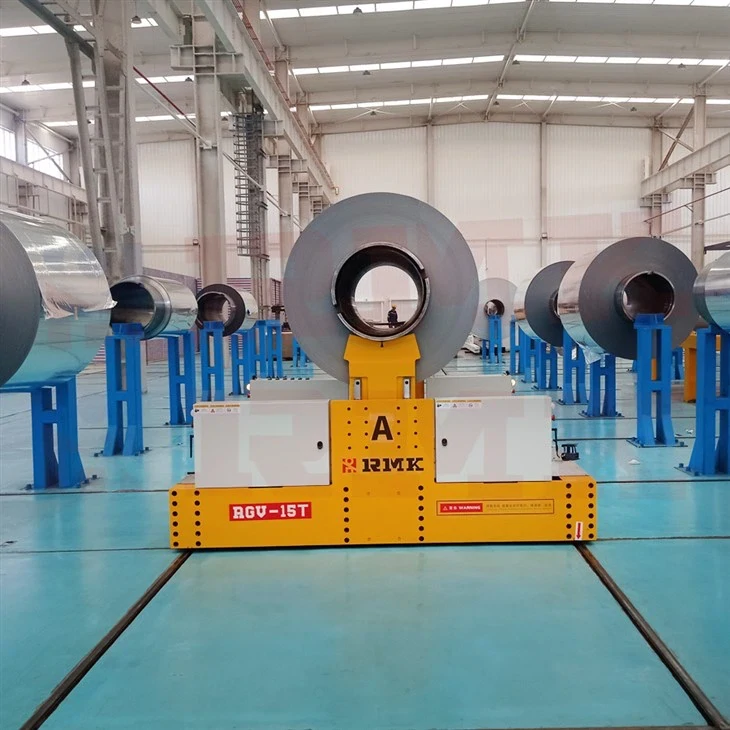
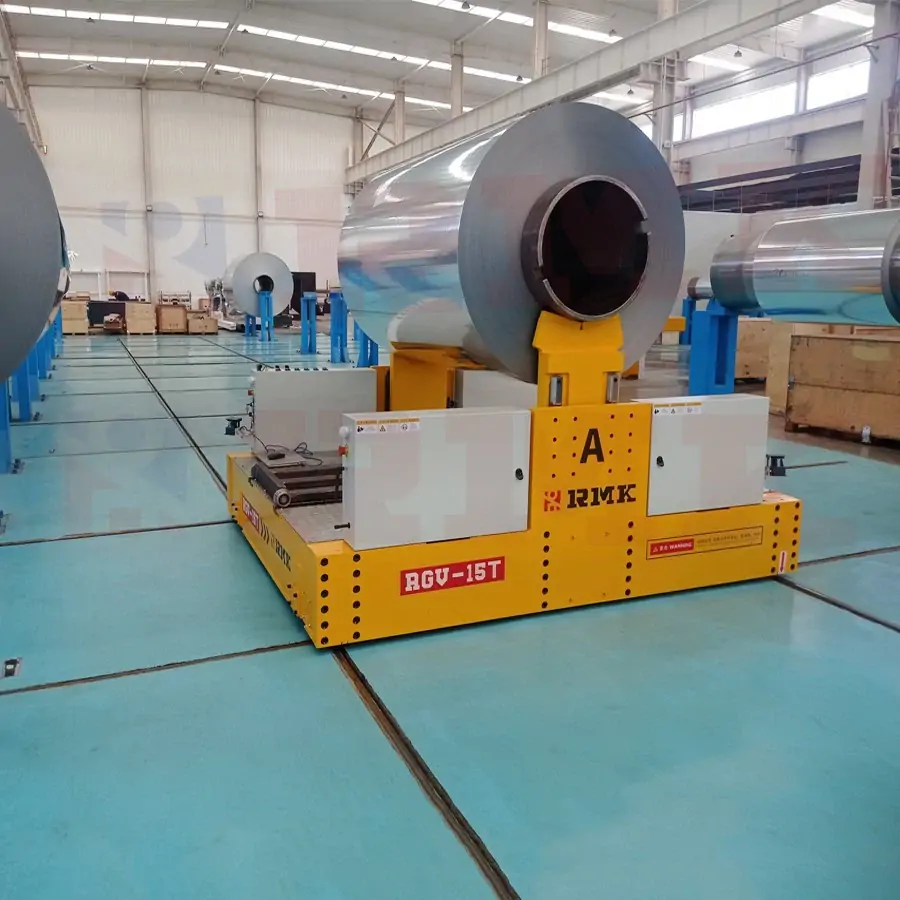
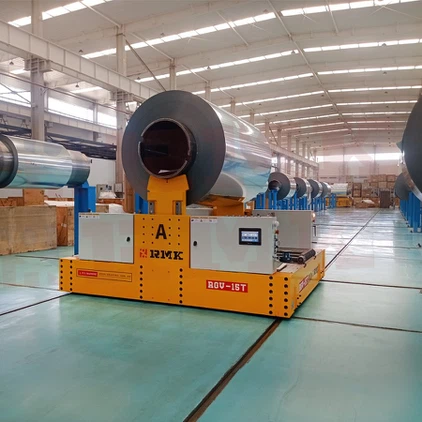
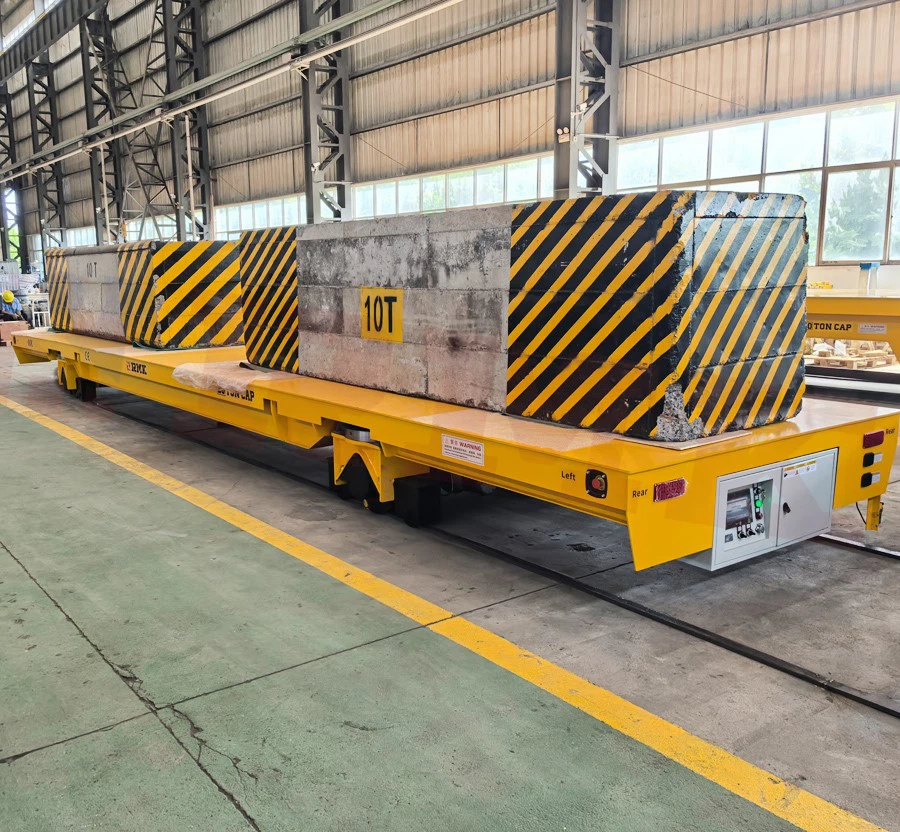
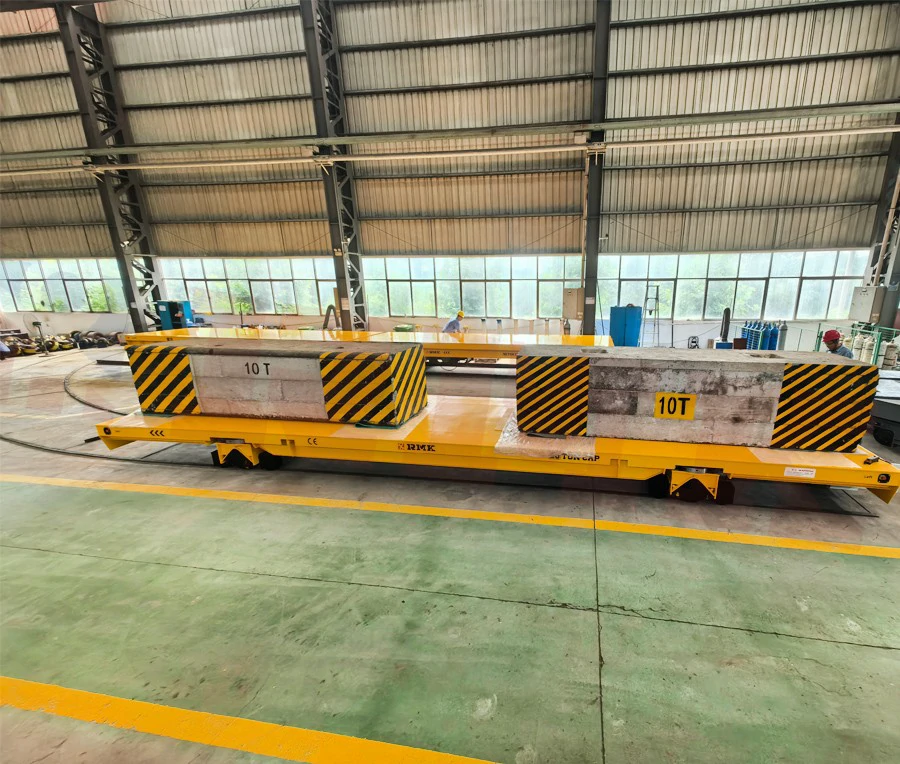
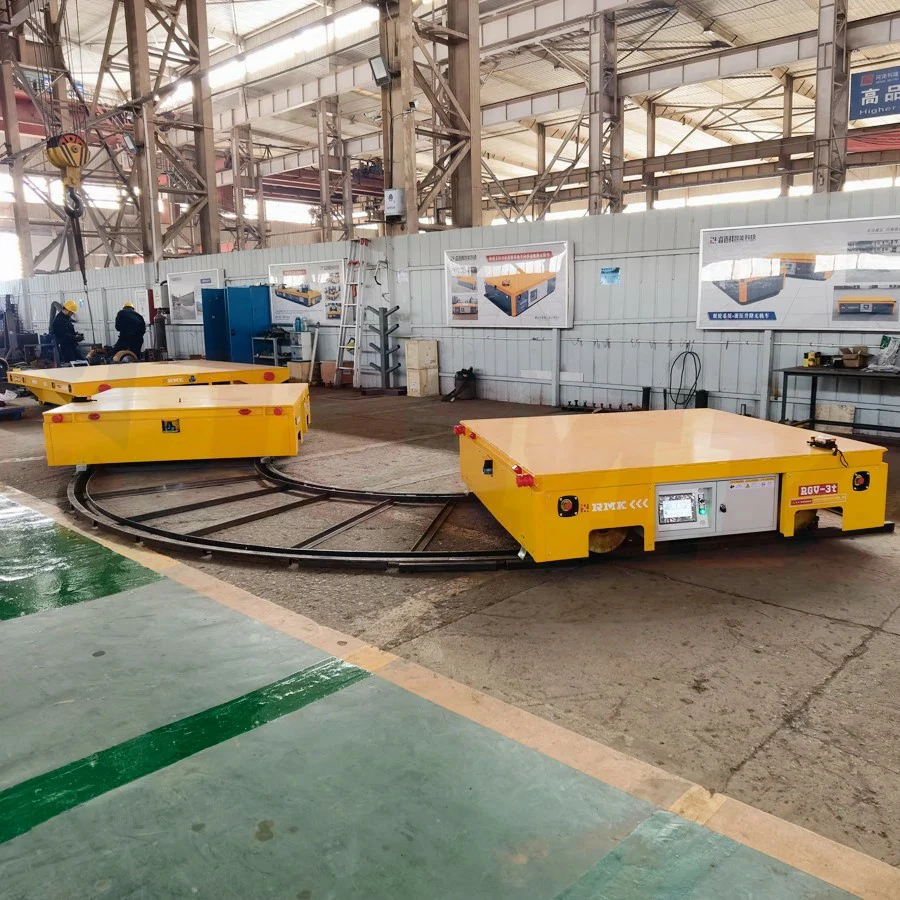
RMK Low Voltage Rail Powered Transfer Carts are designed for heavy-duty material handling on fixed industrial routes. A low voltage rail powered transfer cart receives power from low-voltage conductive rails through an onboard current collector that supplies the electrical drive system. With no trailing power cable or onboard traction battery, it is suitable for frequent transport cycles and extended operation in manufacturing workshops, steel plants, and production facilities.
- Rated Load Capacity: 5–300 tons
- Power Supply: Low-voltage conductive rails
- Running Speed: Selected according to load and operating requirements
- Control Mode: Wireless Remote Control / Pendant Control
What Is a Low Voltage Rail Powered Transfer Cart?
Load capacities range from 5 to 300 tons, with customized platform dimensions, rail layouts, drive systems, and control configurations available for different cargo and site conditions. Flat platforms, V-shaped supports, recessed platforms, and special fixtures can be designed around the workpiece and handling process.
A Low Voltage Rail Powered Transfer Cart, also known as a KPD Series Rail Transfer Cart or Low Voltage Electric Transfer Trolley, is an industrial transport vehicle powered through low-voltage conductive rails. It runs along fixed tracks, with the rails serving as both the running surface and power conductors. An onboard current collector, such as a carbon brush assembly, draws electricity from the rails and transfers it to the vehicle’s electrical drive system.
The power supply system typically uses a ground-mounted transformer to reduce the input voltage to a low-voltage level, commonly 36V. Depending on the drive configuration, onboard electrical equipment converts the supplied power for AC or DC motor operation. Unlike battery-powered carts, it does not rely on onboard traction batteries. Unlike cable reel-powered carts, it receives power through conductive rails rather than a traveling cable.
Low Voltage Rail Powered Transfer Cart Specifications
| Parameter | Reference configuration |
|---|---|
| Rated Load Capacity | 5–300 tons |
| Power Supply | Low-voltage conductive rail system |
| Ground Input Power | AC 380V, 50Hz, subject to site supply |
| Rail Supply Voltage | 36V / 48V, subject to electrical design |
| Voltage Conversion | Step-up transformer / Rectifier module |
| Drive System | AC motor / DC motor |
| Running Speed | Confirmed for the selected model |
| Running Distance | Designed according to rail layout and power supply configuration |
| Rail Arrangement | Straight / Curved, subject to design |
| Rail Gauge | Project-specific |
| Rail Type | Selected according to wheel load and track design |
| Platform Dimensions (L × W) | Project-specific |
| Platform Height | Project-specific |
| Platform Structure | Flat / V-shaped / Roller / Hydraulic lifting |
| Control Mode | Pendant / Wireless Remote / PLC |
| Current Collection Device | Carbon Brush / Collector Shoe |
| Frame Structure | Welded Steel Structure |
| Wheel Assembly | Steel Wheels / Insulated Wheel Structure, subject to design |
| Braking System | Electromagnetic / Other configurations |
| Safety Devices | Emergency Stop / Travel Limit Switches / Audible and Visual Alarms |
| Operating Environment | Indoor / Outdoor, subject to protection requirements |
Customization Note: RMK provides customized low voltage rail powered transfer carts with load capacities, platform dimensions, rail layouts, power supply systems, drive configurations, and control options tailored to project requirements. Final specifications are confirmed through technical evaluation and approved engineering drawings.
Main Components
A Low Voltage Rail Powered Transfer Cart consists of a welded steel frame, conductive rail system, onboard current collectors, voltage conversion equipment, drive assemblies, and electrical controls. These components work together to supply power, support heavy loads, and control cart movement along fixed tracks.
- Steel Frame: A welded steel structure with main beams, cross beams, and reinforced mounting points. Frame dimensions and reinforcement are designed around the rated load and cargo distribution.
- Conductive Rail System: Consists of conductive rails, insulated rail connections, power cables, and a ground-mounted step-down transformer. The rails provide both vehicle guidance and electrical power transmission.
- Current Collection Device: Carbon brushes, collector shoes, or contact assemblies maintain electrical contact with the conductive rails and transfer power to the onboard electrical system.
- Voltage Conversion System: An onboard step-up transformer supplies the required voltage for AC drive configurations, while a rectifier module provides DC power for DC motor configurations.
- Drive Motor and Transmission: AC or DC motors work with gearboxes and transmission components to deliver torque to the wheel assemblies for forward and reverse travel.
- Wheel Assembly: Steel wheels, axles, bearings, and support components carry the vehicle and cargo loads. Insulating wheel structures are used where required by the electrical design.
- Electrical Control System: Includes the control cabinet, electrical circuits, motor controls, and protection devices for travel direction, speed regulation, and power distribution.
- Braking and Safety Devices: Braking components, emergency stops, travel limit switches, and audible or visual alarms provide travel control and operational protection.

Optional Platform Configurations: Flat platforms, V-shaped supports, roller tables, hydraulic lifting platforms, and dedicated fixtures can be selected according to cargo dimensions and loading requirements.
How a Low Voltage Rail Powered Transfer Cart Works
A Low Voltage Rail Powered Transfer Cart draws electrical power from insulated conductive rails through an onboard current collection device. A ground-mounted transformer reduces the input voltage to the specified low-voltage supply, commonly 36V. The collected power is processed by the onboard electrical system to operate the drive motor and control circuits.
Working Process
- Voltage Reduction: A ground-mounted transformer reduces the incoming AC supply to the required low voltage.
- Rail Power Supply: The low-voltage output is connected to the insulated conductive rails, which transmit power along the travel route.
- Current Collection: Carbon brushes or collector shoes maintain contact with the conductive rails and transfer electricity to the cart.
- Voltage Conversion: An onboard step-up transformer or rectifier processes the collected power according to the selected drive configuration.
- Motor Drive: The motor transmits torque through the gearbox to the wheel assemblies, driving the cart along the rails.
- Travel Control: The electrical control system regulates forward and reverse movement, speed adjustment, braking, and stopping.
Drive System Configurations
- AC Drive Configuration: An onboard step-up transformer raises the collected low voltage to the required AC motor supply voltage. The AC motor drives the wheel assemblies through the gearbox.
- DC Drive Configuration: A rectifier module converts the collected power into the required DC supply for the drive motor.
The AC or DC drive system is selected according to rated load, motor requirements, power supply conditions, and operating cycles. The final electrical configuration is specified in the equipment design.
Advantages
Continuous Rail Power Supply
Receives electrical power directly from conductive rails, supporting extended operation without onboard battery charging.
No Onboard Traction Battery
Eliminates routine traction battery charging and replacement.
Suitable for Frequent Transport Cycles
Designed for repeated material handling along fixed routes in industrial workshops and production facilities.
Heavy-Duty Load Handling
Custom frame structures and drive configurations support different industrial load requirements.
Configurable Rail Layout
Rail systems can be designed for suitable straight or curved routes, subject to track and vehicle engineering.
Flexible Platform Options
Flat decks, V-shaped platforms, roller tables and special fixtures accommodate different cargo types.
Applications of Low Voltage Rail Powered Transfer Cart
Low Voltage Rail Powered Transfer Carts are used for repeated material movement along fixed routes in industrial facilities. Their conductive rail power supply supports continuous operation without onboard traction battery charging or trailing power cables.
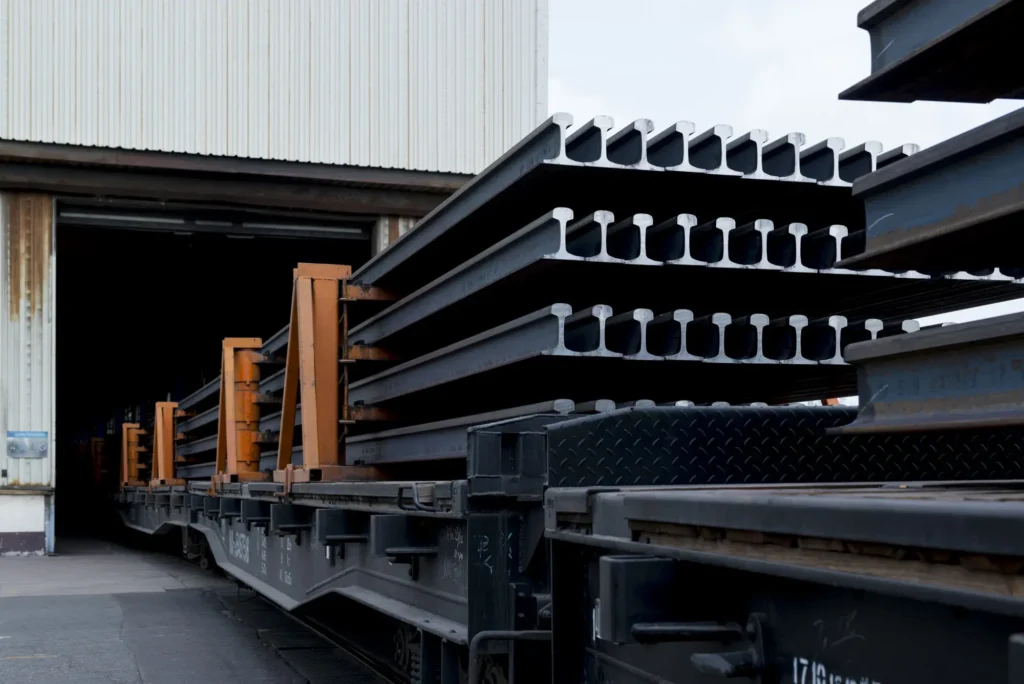
Steel Plants
Transport steel coils, plates, billets, and other heavy metal materials between storage areas, processing stations, and production lines. V-shaped supports or dedicated coil cradles can be configured for cylindrical loads.
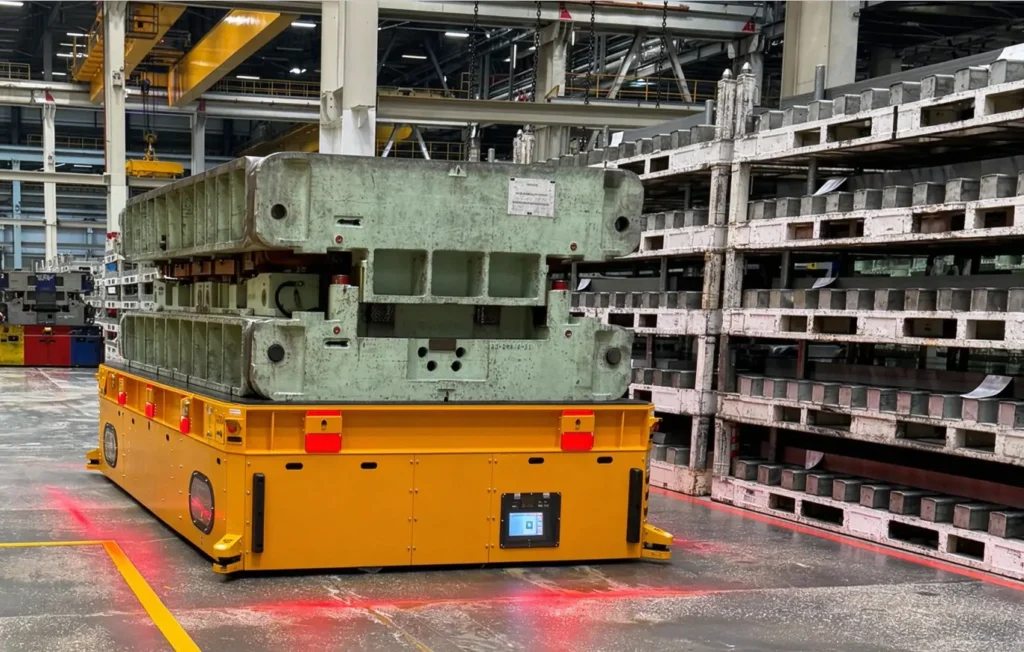
Mold Workshops
Handle injection molds, stamping dies, and heavy tooling between storage racks, maintenance areas, and production machines. Recessed platforms, positioning fixtures or hydraulic lifting platforms can be specified according to loading requirements.
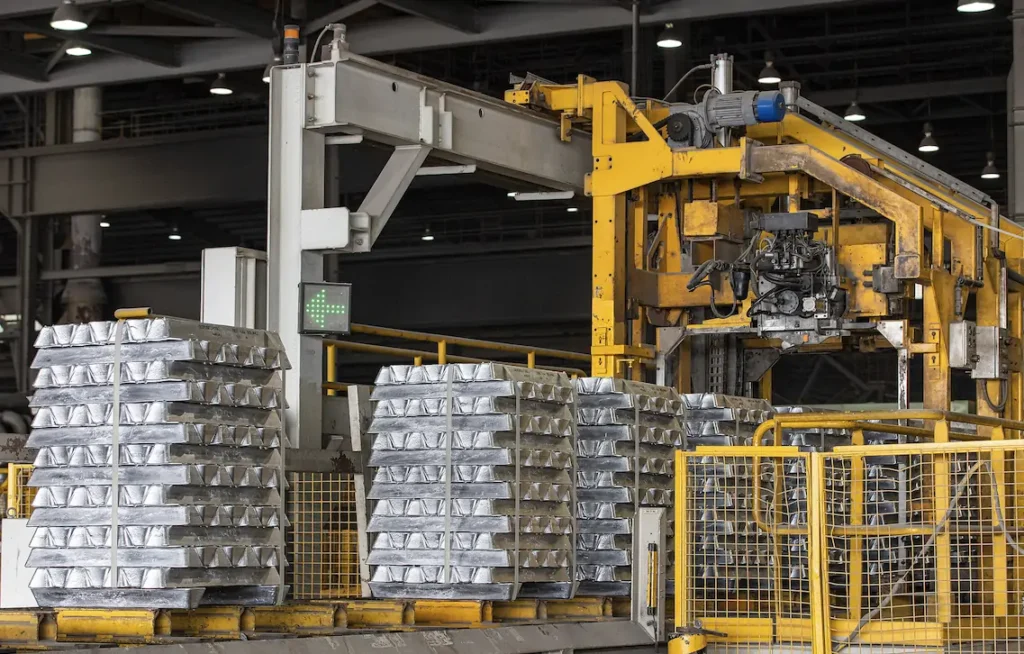
Aluminum Plants
Move aluminum ingots, coils and other non-ferrous metal products between casting, processing, storage and handling areas. Platform dimensions and load supports are designed around the material size and weight.
Production Lines
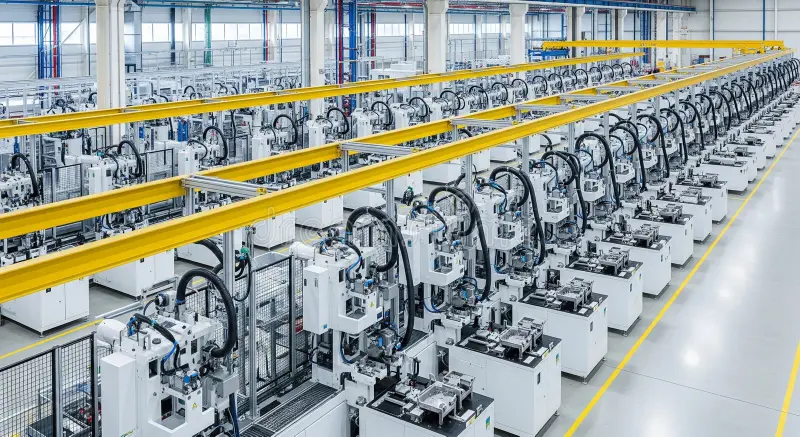
Move workpieces between multiple workstations and connect different stages of a fixed production process. Rail routes can be arranged around the workshop layout, with cart dimensions and stopping positions matched to the production sequence.
Machinery Manufacturing
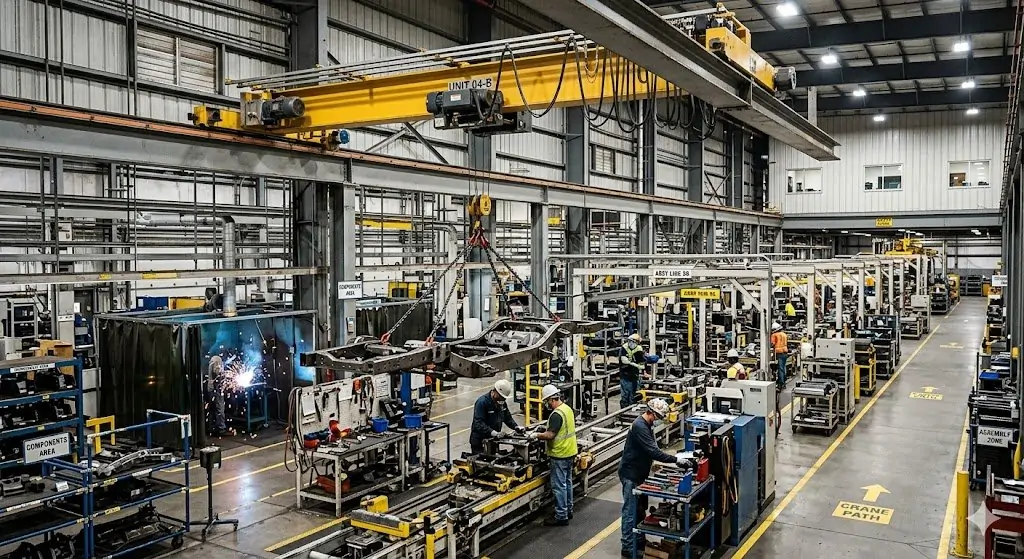
Transfer large machine components, equipment bases, structural assemblies, and fabricated parts between machining, assembly, and inspection stations. Flat platforms or custom fixtures can accommodate different workpiece shapes.
Warehouses and Industrial Facilities
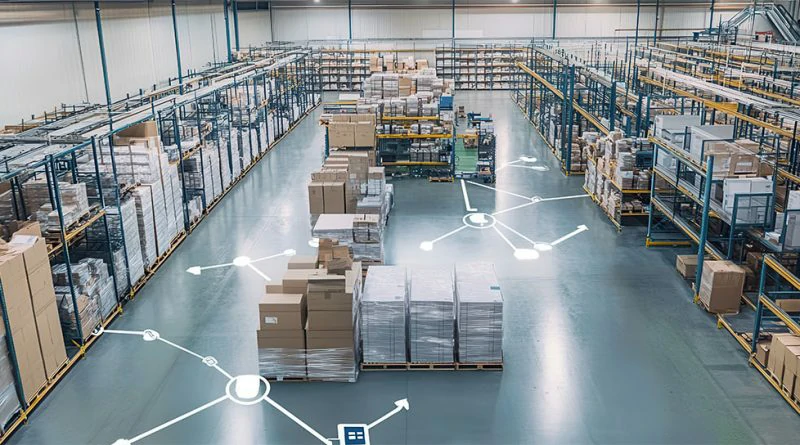
Transport heavy materials, components, and finished products along designated routes between storage zones, loading areas, and workshop buildings. The rail layout and cart platform are designed around cargo dimensions, travel distance, and site conditions.
How to Choose a Low Voltage Rail Powered Transfer Cart
Evaluate the following factors before selecting a low voltage rail powered transfer cart. For an overview of the available power options, see our electric rail transfer cart range.
- Load Capacity and Cargo Dimensions: Specify the maximum load, cargo dimensions, center of gravity, and load distribution. Include the weight of fixtures and platform-mounted equipment.
- Rail Layout and Travel Distance: Define the rail gauge, route length, and layout, including straight or curved sections. Check rail foundations and conductive rail connections.
- Power Supply System: Confirm the site input voltage, frequency, transformer capacity, and required rail output voltage. Match the power supply to the selected drive system.
- Drive Motor Configuration: Select an AC or DC drive according to the load and operating conditions. Specify motor power, gearbox ratio, starting torque, and braking requirements.
- Operating Speed and Control: Define travel speed, operating frequency, and stopping accuracy. Select pendant, wireless remote, or PLC control according to operating requirements.
- Working Environment: Check temperature, humidity, dust, water exposure, and corrosive conditions. Specify electrical protection and enclosure ratings accordingly.
- Loading and Unloading Requirements: Confirm loading direction, platform height, and connection with cranes or production equipment. Select flat decks, V-shaped supports, rollers, or lifting platforms as required.
- Operating Frequency and Production Integration: Specify transport cycles per shift, travel time, and production takt time. Assess the need for multiple carts, automatic dispatch or interlocking controls.
Comparison of Transfer Cart Power Supply Options
| Power Supply Type | Power Supply Method | Suitable Applications |
|---|---|---|
| Low Voltage Rail Powered | Conductive rails and onboard current collectors | Fixed routes with frequent transport cycles |
| Cable Reel Powered | Traveling cable connected to a cable reel | Fixed routes with suitable cable management space |
| Battery Powered | Onboard rechargeable battery | Flexible routes without fixed power rails |
Low voltage rail power suits fixed, high-frequency transport routes. Cable reel power suits routes where cable deployment can be managed. Battery power suits applications requiring flexible movement across different routes.
Installation and Site Requirements
The installation of a low voltage rail powered transfer cart involves track construction, electrical insulation, power connections, and foundation preparation. Existing rail systems require a compatibility inspection before the cart is designed.
- Rail Gauge and Profile: Check track gauge, rail section, alignment, and joint condition against the cart wheel specifications.
- Rail Foundation: Inspect foundation strength, levelness, settlement, and rail fastening. Uneven tracks can cause excessive wheel loads and unstable cart movement.
- Electrical Insulation: Check insulation between conductive rails and the supporting structure. Rail joints and connection points require proper electrical isolation.
- Power Connections: Confirm transformer location, feeder cable routing, connection points, and electrical protection.
- Drainage: Review floor slope and drainage around the tracks. Standing water can affect insulation and electrical connections.
Provide the track layout, rail specifications, foundation drawings, available power supply, workshop layout, and operating conditions. These details are required for track compatibility checks and electrical system design.
Travel Distance and Power Supply Design
The operating distance of a low voltage rail powered transfer cart is related to rail circuit resistance, operating current, connection quality, and power feed arrangement. Voltage drop along the conductive rails can reduce the voltage available to the cart, particularly during high-current operation.
Rail Circuit Resistance: Rail length, conductor cross-section, joint resistance, and connection quality affect voltage drop.
Load and Motor Current: Heavier loads and higher motor power increase current demand, particularly during starting and acceleration.
Power Feed Location: Feed points should be arranged according to track length, circuit resistance, and electrical load.
Operating Frequency: Frequent starts, stops, and repeated transport cycles increase the demands on the power supply system.
When Are Additional Power Feed Points Required?
Long track routes, high-capacity carts, high operating frequency, or significant voltage drop may require additional feeder connections or a revised power supply arrangement. Transformer capacity, feeder cable size, rail circuit configuration, and voltage at the cart terminals should be checked during electrical design.
Suitable Conditions and Limitations
Low-voltage rail power is suitable for fixed transport routes with frequent operation, such as production lines, steel plants, and material handling areas. The conductive rail system supplies power along the designated route, eliminating the need for onboard battery charging or a trailing power cable.
Suitable Operating Conditions
Fixed routes with regular transport cycles
Long-distance movement where cable handling is impractical
Production lines requiring repeated material transfer
Workshops with planned rail layouts and dedicated power installations
Site Conditions Requiring Special Assessment
- Moisture and Standing Water: Water can reduce insulation resistance and affect electrical connections. Drainage and insulation protection require review.
- Metal Dust: Conductive particles can accumulate around rail joints and electrical contacts, increasing the risk of short circuits or poor connections.
- Cross-Track Traffic: Forklifts, vehicles, and personnel crossing the rails may damage conductive components or create electrical safety risks. Track protection and crossing arrangements should be considered.
- Outdoor Exposure: Rain, temperature changes, and contamination can affect rail insulation, connections, and electrical components. Additional protection may be required.
The final system design should be based on track conditions, electrical load, operating frequency, and site safety requirements.
Comparison of Transfer Cart Power Supply Options
Low Voltage Rail Powered
Power Supply Method: Conductive rails and onboard current collectors
Suitable Applications: Fixed routes with frequent transport cycles
Cable Reel Powered
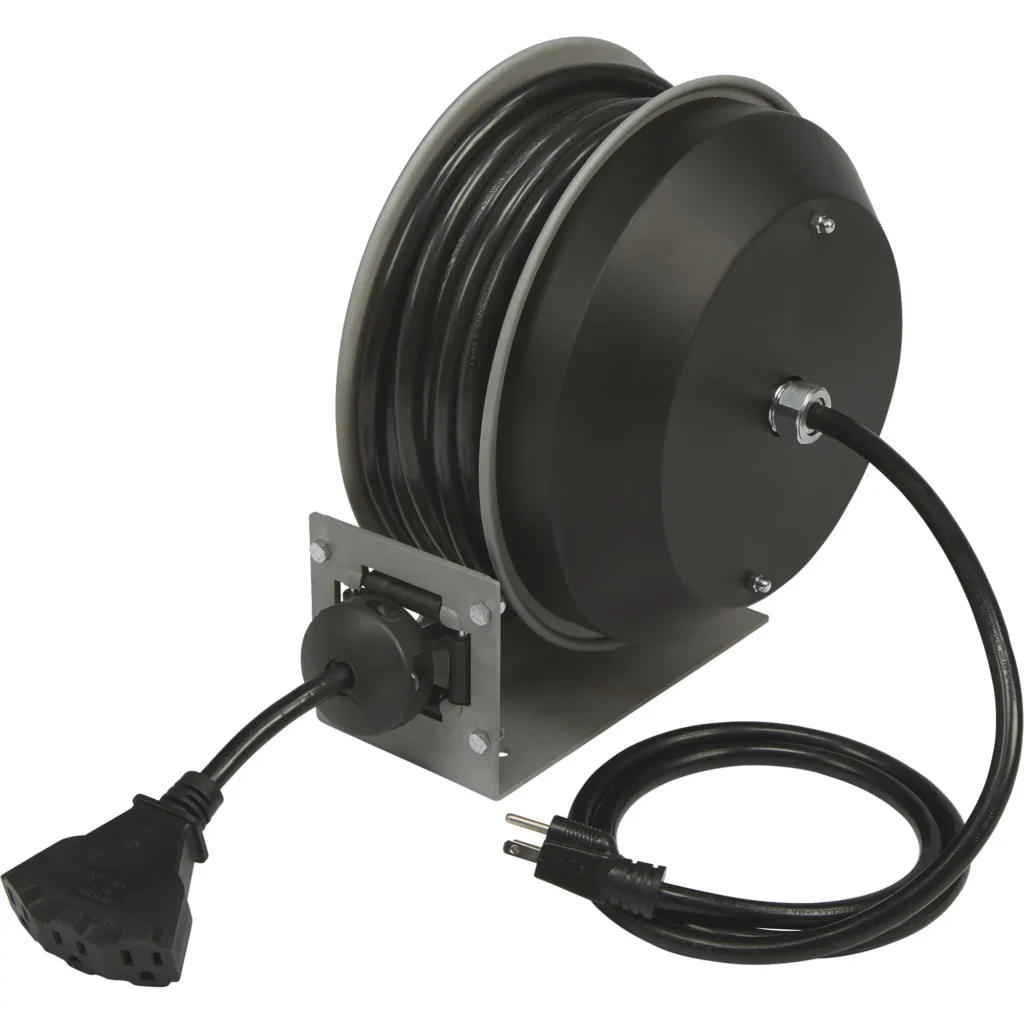
Power Supply Method: Traveling cable connected to a cable reel
Suitable Applications: Fixed routes with suitable cable management space
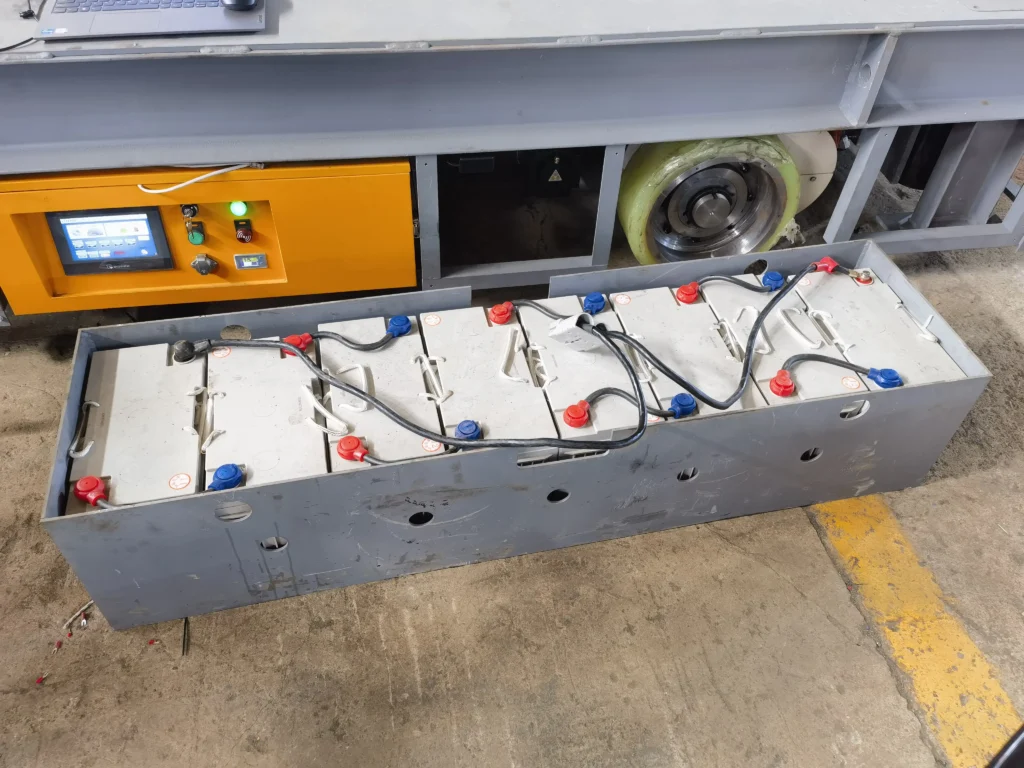
Battery Powered
Power Supply Method: Onboard rechargeable battery
Suitable Applications: Fixed rail routes without conductive rail power
Low voltage rail power suits fixed, high-frequency transport routes. Cable reel power suits routes where cable deployment can be managed. For installation and operating considerations, compare our rail transfer cart power supply methods. Battery power suits fixed rail routes where conductive rail infrastructure or trailing cables are impractical, and charging fits the operating cycle.
Custom Low Voltage Rail Powered Transfer Cart Options
RMK provides customized Low Voltage Rail Powered Transfer Carts for different load requirements, transport routes, and industrial operating conditions. Key customization options include:
- Load Capacity and Frame Design: Rated load capacity, frame dimensions, reinforced beams, and wheel load distribution are designed according to cargo weight and loading conditions.
- Platform and Loading Configuration: Platform dimensions and structures can be customized with flat decks, V-shaped supports, roller tables, hydraulic lifting platforms, or dedicated fixtures.
- Conductive Rail and Power Supply: Rail structure, supply voltage, transformer capacity, and rail insulation are specified according to site power conditions and route design.
- Current Collection System: Collector type, mounting position, contact structure, and maintenance access are selected according to the conductive rail arrangement.
- Drive System and Performance: AC or DC motors, gearboxes, braking systems, travel speeds, and duty cycles are configured for the required load and operating frequency.
- Control and Positioning System: Control options include pendant controls, wireless remotes, PLC systems, travel limit switches, and positioning devices.
- Safety and Environmental Protection: Emergency stops, audible and visual alarms, electrical protection, corrosion protection, and special environmental configurations are specified according to site conditions.
- Rail Layout and Production Line Integration: Straight or curved rail routes, multi-cart coordination, and production-line interfaces can be designed around the facility layout and material flow.
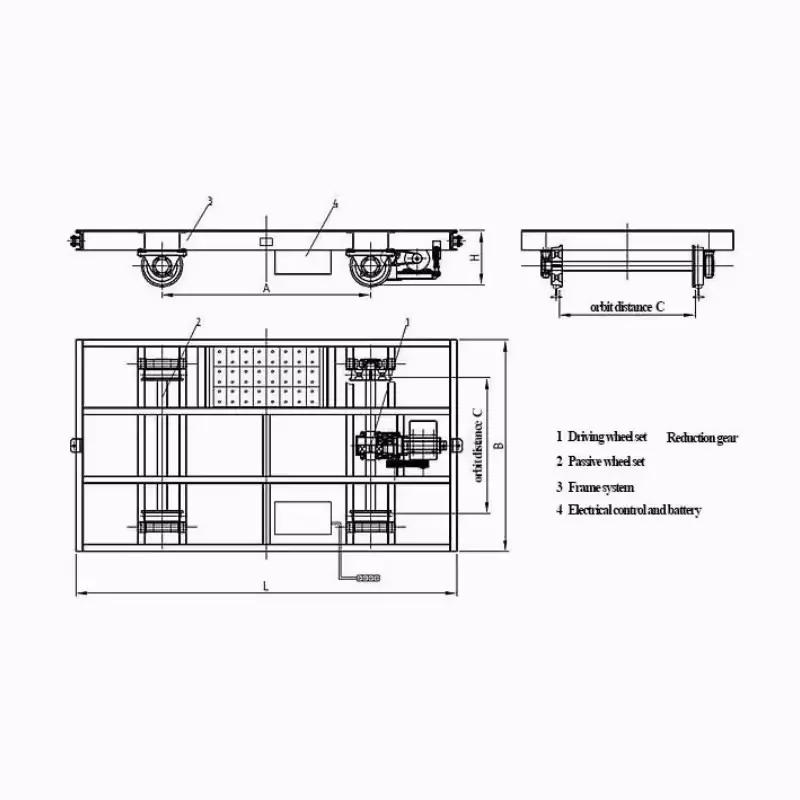
Final equipment design is confirmed according to cargo specifications, site power supply, rail layout, and operating requirements.
Low Voltage Rail Powered Transfer Cart Manufacturer
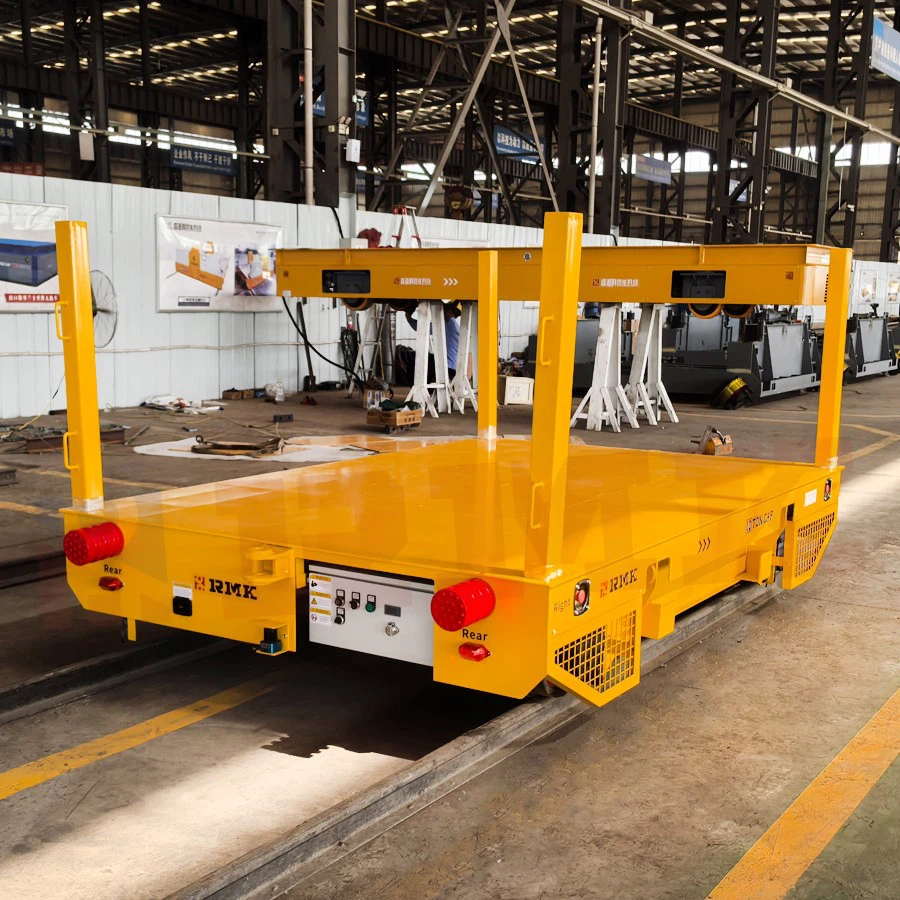
REMARKABLE (RMK) manufactures Low Voltage Rail Powered Transfer Carts for heavy-duty material handling on fixed industrial routes. The carts use conductive rails and onboard current collectors to receive power during operation. Load capacity, platform structure, drive configuration, control system, and rail layout can be customized for steel plants, machinery workshops, production lines, and other industrial facilities.
As an industrial transfer cart manufacturer and supplier, REMARKABLE provides equipment design, manufacturing, and export services for overseas projects. Its engineering and production teams handle technical evaluation, structural design, electrical configuration, and equipment assembly according to project requirements. Product documentation and applicable certifications are provided based on the selected model and project specifications.
REMARKABLE provides technical communication, production coordination, delivery support, and after-sales assistance for international customers. For a customized Low Voltage Rail Powered Transfer Cart, contact our team with your cargo weight, dimensions, travel route, site power supply, and operating conditions. Our engineers can review the requirements and recommend a suitable equipment configuration.
FAQ
What is a low voltage rail powered transfer cart?
A low voltage rail powered transfer cart is an industrial vehicle that receives electricity through conductive rails and onboard current collectors. It operates on fixed tracks for repeated material transport without an onboard traction battery.
How does a low voltage rail powered transfer cart work?
A ground-mounted transformer reduces the incoming voltage and supplies power to insulated conductive rails. Onboard collectors transfer electricity to the cart, where electrical components supply the drive motor and control system.
What voltage does a low voltage rail powered transfer cart use?
Common rail supply voltages include 36V and 48V. The actual voltage depends on the electrical design, motor configuration, transformer capacity, and site power supply.
What is the load capacity of a low voltage rail powered transfer cart?
Load capacity is determined by the cart design and project requirements. RMK can customize the frame, wheel assemblies, and drive system according to cargo weight, dimensions, and load distribution.
How far can a low voltage rail powered transfer cart travel?
Travel distance depends on the rail layout, power supply arrangement, and electrical design. Long-distance routes require appropriate transformer capacity, conductive rail connections and voltage-drop calculations.
Can a low voltage rail powered transfer cart run on curved tracks?
Yes. Curved-track operation can be designed according to the curve radius, rail gauge, wheelbase, and cart dimensions. The track and vehicle structure must be checked for smooth travel.
What is the difference between AC and DC drive systems?
AC drive systems use an onboard transformer to supply the required motor voltage, while DC configurations use a rectifier to provide DC power. Selection depends on motor requirements and operating conditions.
What information is needed to customize a low voltage rail powered transfer cart?
Provide the cargo weight and dimensions, rail gauge and route length, available site power, required travel speed, operating frequency, loading method, and working environment.
Related Rail Transfer Cart Articles

Discuss Your Transfer Cart Requirements
Send the cargo weight and dimensions, rail layout, travel distance, operating cycle, and available power supply. RMK can review the application and prepare a configuration and quotation with a defined scope of supply.
- Load: Cargo and fixture weights, dimensions, and load positions
- Track: Rail gauge, profile, route length and curve radii
- Duty: Trips per shift, travel speed and stopping requirements
- Site: Available power, loading method and working environment