
Table of Contents
Introduction
A trackless transfer cart is a battery-powered industrial transport vehicle designed to move heavy materials without fixed rails. It uses an electric drive system, steering mechanism, and control unit to travel across factory floors, providing a flexible solution for workshops that require frequent material movement and route changes. Compared with rail transfer carts, it does not depend on fixed tracks and can be adapted to different production layouts.
In this article, we will explain how dose a Trackless Transfer Cart works. From its working principle, main components, drive system, steering method, and operation process. I will also introduce its advantages, common applications, and key factors to consider when selecting a suitable trackless transfer cart for industrial handling needs.
What Is a Trackless Transfer Cart?
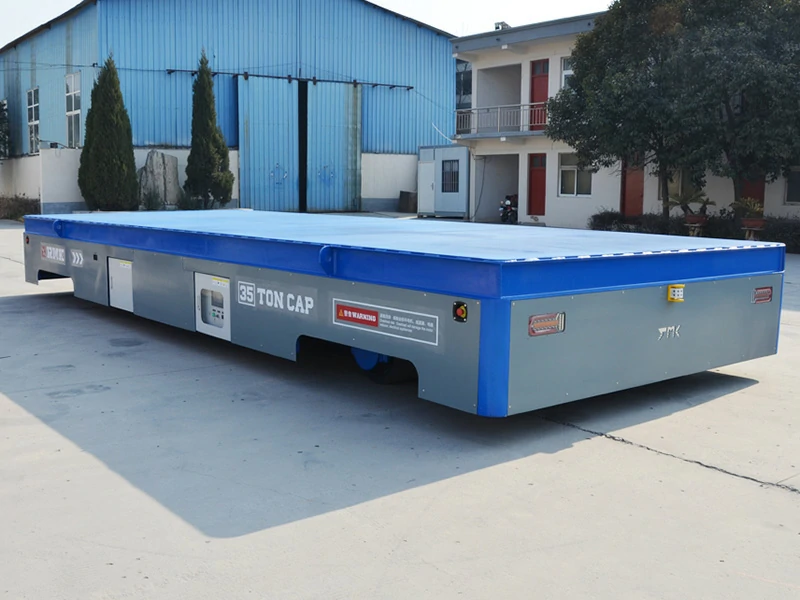
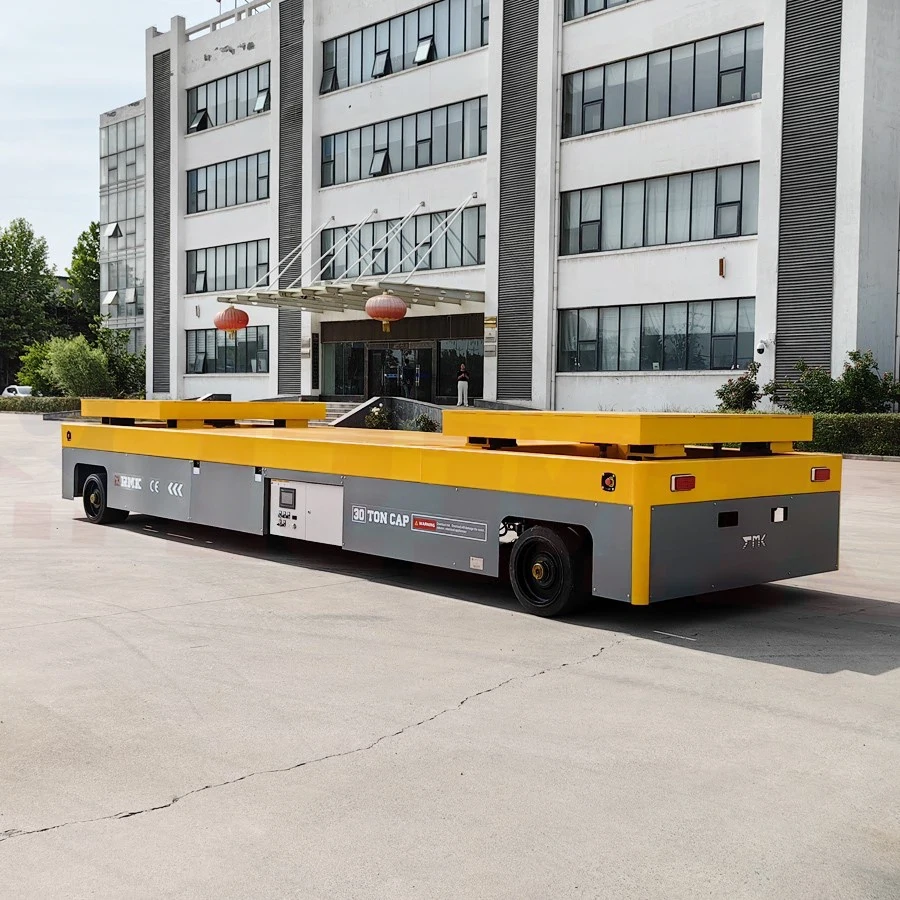
A Trackless Transfer Cart is an electric-powered material handling vehicle that moves heavy loads on flat ground without fixed rails. It uses a battery power system, drive motor, and steering system to achieve flexible movement, including forward, backward, lateral movement, and turning. Without rail installation requirements, it can operate in different workshop layouts and narrow working areas.
Trackless transfer carts are available in various load capacities, ranging from small material handling units to heavy-duty models with capacities of hundreds of tons. They are commonly powered by lithium batteries or lead-acid batteries and can be equipped with features such as automatic obstacle detection, hydraulic lifting platforms, and turning devices to meet different handling requirements.
These carts are widely used in mold manufacturing, automotive production, heavy machinery, steel processing, and warehouse logistics. They are suitable for transporting molds, machine parts, steel structures, and other heavy materials between workstations, providing a flexible alternative to traditional rail transfer carts and forklifts.
For more details, see: What Is a Trackless Transfer Cart?
How Does a Trackless Transfer Cart Work?
A trackless transfer cart uses a battery power system, electric motor, steering system, and control unit to move heavy loads on flat surfaces without rails. The battery provides power to the motor, and the drive system transfers the power to the wheels for material transportation.
Working Process:
Battery power → Motor drive → Wheel movement → Steering control → Braking → Material transfer
1. Power Supply and Start-Up
The cart is powered by onboard batteries, including lithium batteries or lead-acid batteries. The battery supplies power to the electrical control system and traction motor. Operators can start and operate the cart through a wireless remote controller or handle control.
2. Drive System and Movement
The motor drives the wheels through the transmission system, allowing the cart to move forward, backward, and turn. Heavy-duty wheels enable the cart to run directly on concrete or steel floors without rail installation.
3. Steering and Direction Control
The steering system controls the moving direction of the cart. Depending on the design, the cart can achieve forward and backward movement, side movement, and 360° rotation. The flexible steering design allows operation in narrow workshop areas.
4. Speed Control and Braking
The operating speed can be adjusted according to different handling requirements. The control system manages starting, stopping, and speed changes. Safety devices such as emergency stop buttons, warning lights, and obstacle detection systems help reduce operation risks.
5. Optional Functions
Trackless transfer carts can be equipped with additional devices according to application needs, such as hydraulic lifting platforms, rotating platforms, and weighing systems. These options allow the cart to handle different material transfer tasks.
Without fixed rails, trackless transfer carts provide a flexible solution for material handling in factories, workshops, and production areas.
Parts of a Trackless Transfer Cart
A trackless transfer cart is made up of several main components, including the power system, drive system, control system, and safety devices. These parts work together to support heavy load transportation on factory floors without fixed rails.
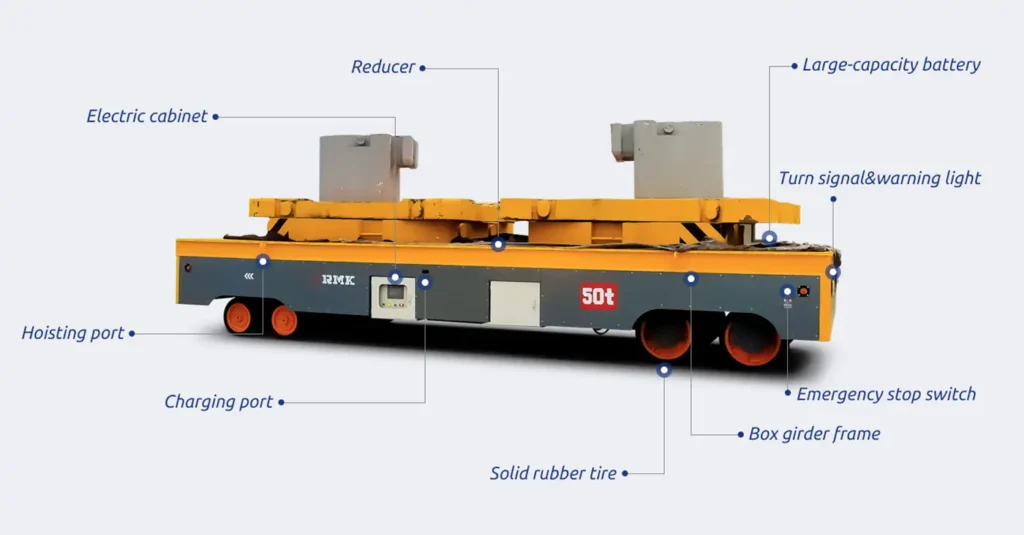
- Battery System — Provides power for the cart operation. Lithium batteries or lead-acid batteries are commonly used to supply energy to the motor and electrical system.
- Drive System — Consists of the motor, reducer, and transmission components. It converts electrical power into mechanical force to drive the wheels.
- Wheels and Frame — The frame supports the load and provides structural strength. Heavy-duty wheels allow the cart to run directly on concrete or steel floors without rails.
- Steering System — Controls the movement direction of the cart. It allows forward, reverse, turning, and other movement modes based on different handling requirements.
- Control System — Controls cart operation, including start, stop, speed adjustment, and direction control. Common control methods include wireless remote control, handle control, and PLC control.
- Safety Devices — Includes emergency stop buttons, warning lights, alarms, and obstacle detection systems to improve operation safety during transportation.
- Load Platform — The platform carries the transported materials. Its size, shape, and structure can be customized according to load capacity and application requirements.
Advantages
No Rail Installation Required
Trackless transfer carts operate directly on flat floors without installing fixed rails, reducing installation work and allowing easier adjustment of transportation routes.
Flexible Movement
The cart can move forward, backward, turn, and rotate according to workshop conditions. It is suitable for factories with multiple handling routes or limited working space.
Heavy Load Handling
Trackless transfer carts are designed for industrial material transportation and can be customized for different load capacities, from several tons to hundreds of tons.
Easy Operation
The cart can be controlled by wireless remote control, handle control, or automatic control systems. Operators can adjust movement direction and speed according to handling requirements.
Wide Application Range
It is used in various industries, including steel manufacturing, machinery production, mold handling, automotive production, and warehouse logistics.
Customizable Design
The cart can be customized with different platform sizes, power systems, lifting devices, rotating platforms, and other functions to meet specific handling needs.
Applications
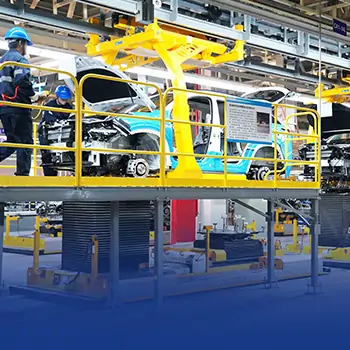
Trackless transfer carts are used for heavy material handling in factories, workshops, and industrial production areas. With flexible movement and customizable designs, they can transport materials between different workstations without fixed rails.
Manufacturing Plants
Used for moving machine parts, production materials, and heavy components between different processing areas.
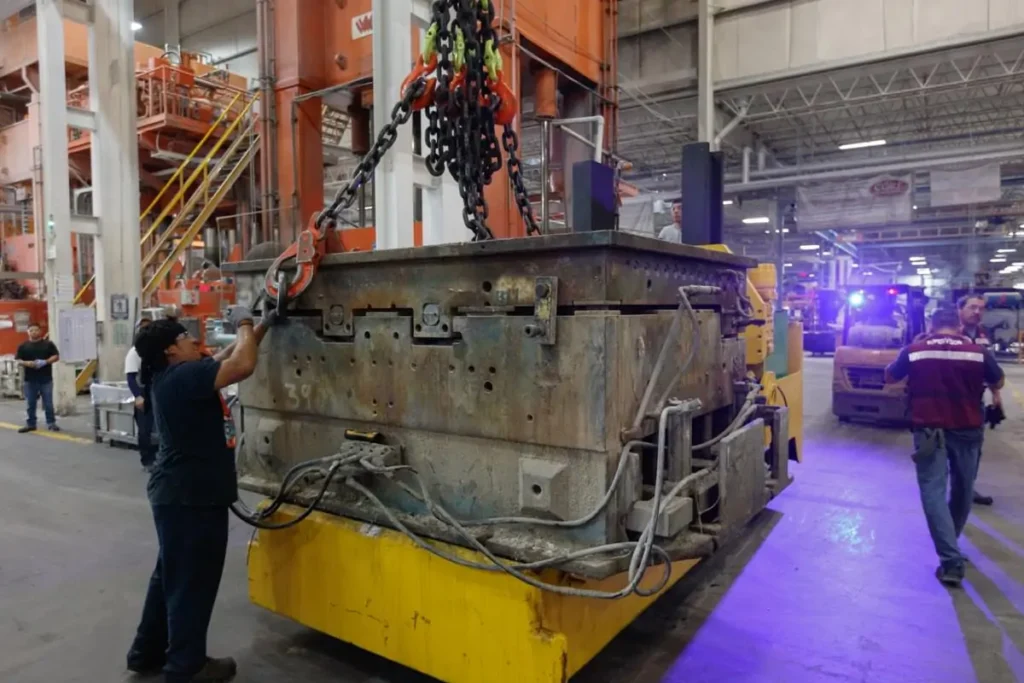
Mold Manufacturing
Applied for transporting large molds, dies, and tooling equipment between storage areas and production lines.
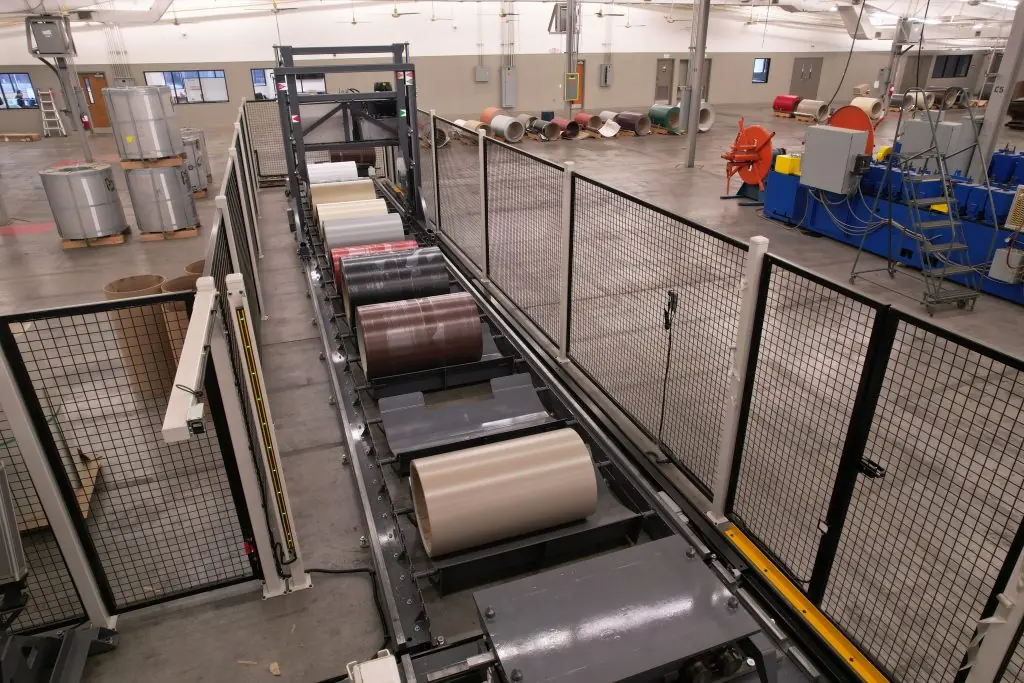
Steel Industry
Used to transfer steel plates, steel structures, coils, and other heavy steel products in steel processing facilities.
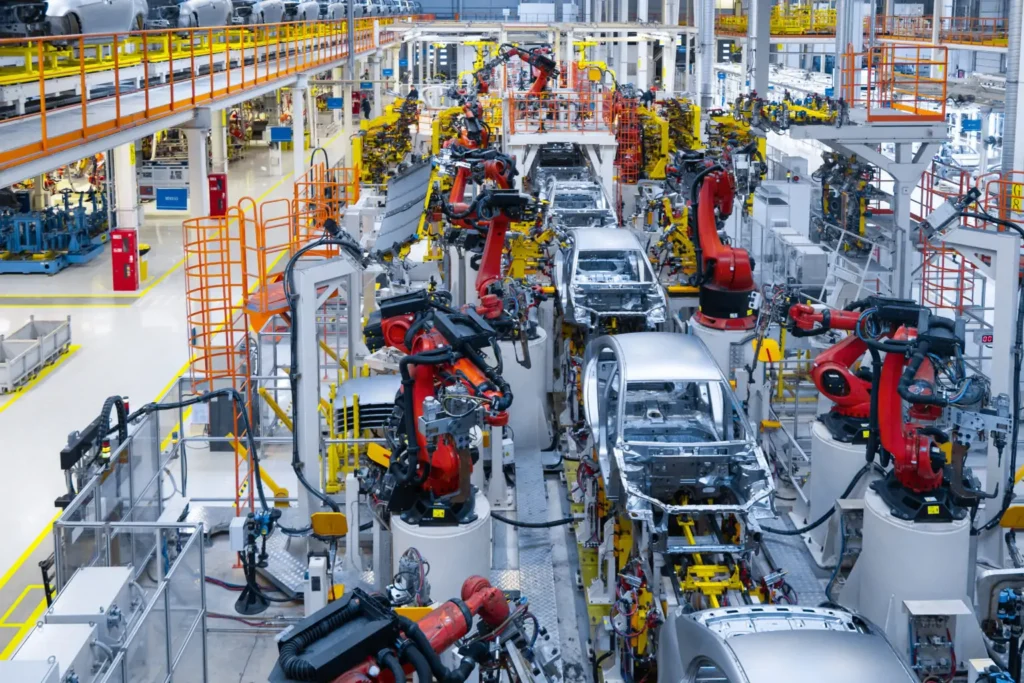
Automotive Industry
Suitable for handling automotive parts, assembly components, and production fixtures between manufacturing stations.
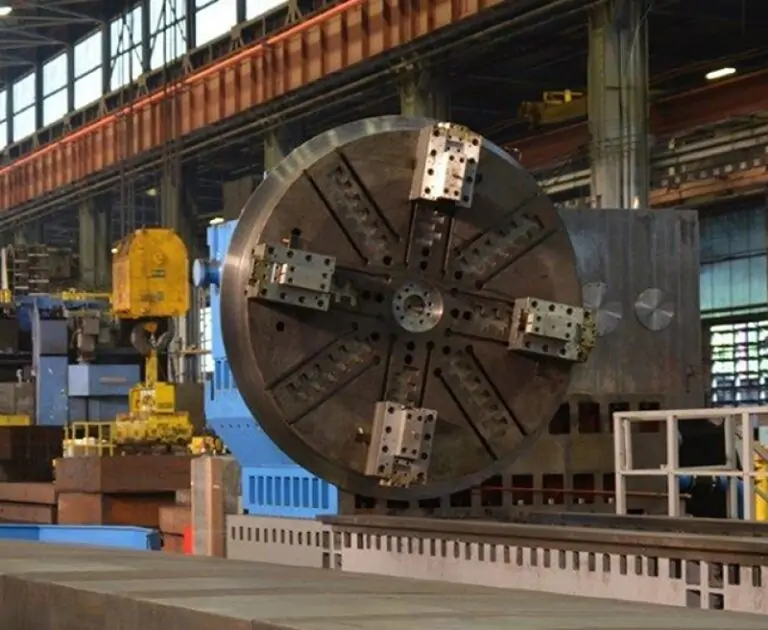
Heavy Machinery Production
Used for transporting large equipment parts, mechanical assemblies, and finished products during manufacturing and assembly.
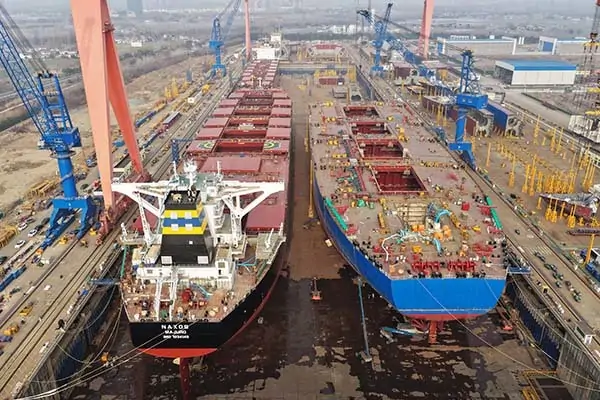
Shipbuilding Industry
Applied for moving ship sections, steel structures, and large components inside shipyards.
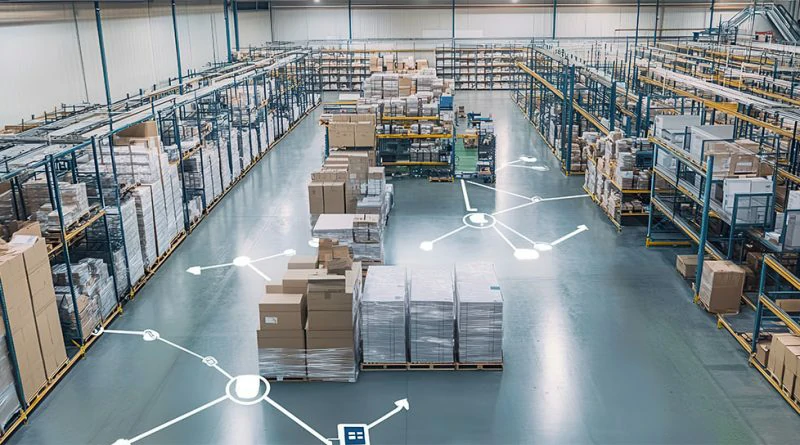
Warehouse and Logistics
Used for internal transportation of pallets, heavy goods, and oversized materials where flexible routing is required.
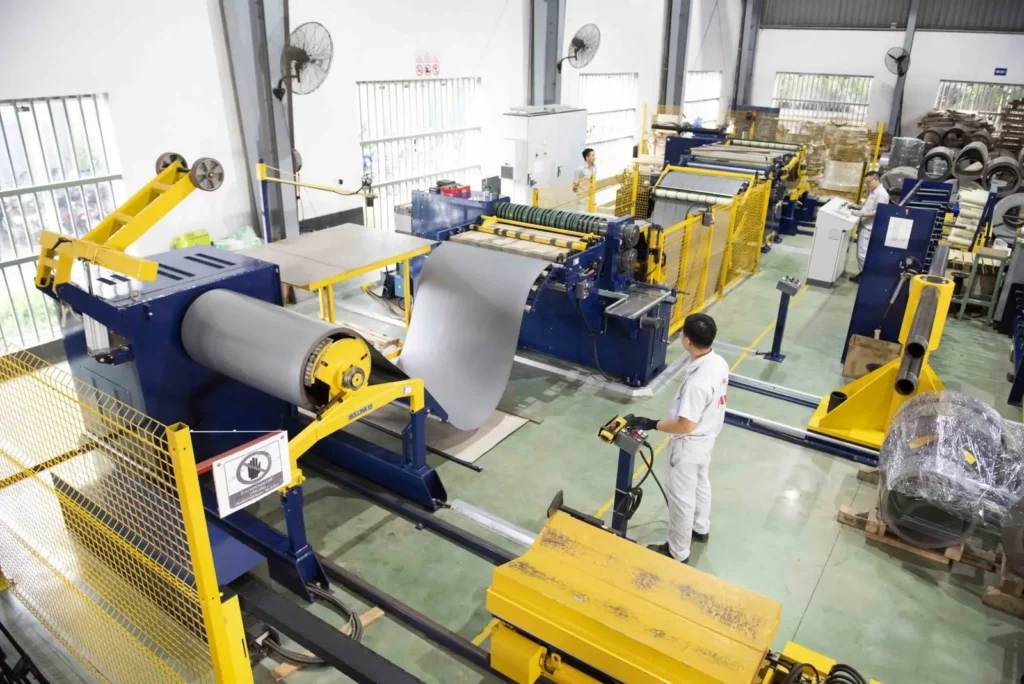
Equipment Installation and Maintenance
Helps move heavy machines, motors, and other equipment during installation, replacement, and maintenance operations.
Trackless Transfer Cart vs Rail Transfer Cart
Trackless transfer carts and rail transfer carts are two common industrial handling solutions. The main difference is that trackless transfer carts move freely without rails, while rail transfer carts follow fixed tracks. The choice depends on transportation routes, workshop layout, and handling requirements.
| Comparison | Trackless Transfer Cart | Rail Transfer Cart |
|---|---|---|
| Running Method | Free movement without rails | Runs on fixed rails |
| Route Flexibility | Forward, backward, turning, 360° rotation | Fixed transportation route |
| Installation | No rail installation required | Requires rail construction |
| Layout Adjustment | Easy to move and redeploy | Difficult to change routes |
| Floor Requirement | Concrete, steel plate, epoxy floor | Requires prepared rail foundation |
| Load Capacity | Suitable for light to heavy loads | Suitable for heavy-duty transport |
| Steering | Flexible steering, small turning radius | Rail-controlled movement |
| Control Options | Remote, handle, PLC control | Remote or fixed control |
| Automation | Supports navigation and automation systems | Mainly fixed-route automation |
| Applications | Flexible workshops, machinery, automotive, mold handling | Steel plants, shipyards, fixed production lines |
A trackless transfer cart is suitable for flexible material handling where routes change frequently. A rail transfer cart is better for fixed routes and continuous heavy-duty transportation. The selection should be based on the working environment, transportation distance, and production requirements.
How to Choose a Trackless Transfer Cart?
Selecting a trackless transfer cart mainly depends on load requirements, working conditions, power supply, and operation methods.
- Load Capacity — Choose the cart according to the weight of the materials being transported. The frame structure, motor power, and wheel design should match the required load capacity.
- Working Environment — Consider the floor condition, available space, operating temperature, and indoor or outdoor use. The cart design should fit the workshop layout and transportation conditions.
- Power Supply — Select the suitable power source based on operating time and charging requirements. Common options include lead-acid batteries, lithium batteries, and cable power supply systems.
- Control Method — Choose the control mode according to operation needs. Wireless remote control, handle control, and PLC control are available for different handling applications.
- Platform Size and Functions — The platform size should match the transported materials. Additional functions such as hydraulic lifting, rotating platforms, and weighing systems can be added when required.
- Safety Configuration — Safety devices such as emergency stop buttons, warning lights, alarms, and obstacle detection systems can be selected according to the working environment and load conditions.
A suitable trackless transfer cart should match the load, working conditions, power supply, and operation requirements to provide stable and reliable material handling performance.
How Much Does a Trackless Transfer Cart Cost?
The price of a trackless transfer cart depends on load capacity, platform size, battery type, control system, and customized functions. Standard models usually range from several thousand to tens of thousands of dollars, while heavy-duty carts with higher capacity and special configurations can cost more.
- Load Capacity: Higher capacity requires stronger frames, motors, and drive systems.
- Power System: Lithium battery systems usually cost more than lead-acid battery options.
- Platform Design: Larger platforms or customized structures increase manufacturing costs.
- Control Functions: Remote control, PLC control, and automation systems affect the final price.
- Additional Equipment: Hydraulic lifting, rotating platforms, and safety systems add extra costs.
The final cost should be based on the actual handling requirements, working environment, and customized specifications. Contact the manufacturer for an accurate quotation based on your application.
Conclusion
Trackless transfer carts provide a flexible solution for heavy material handling without fixed rails. Their battery power system, flexible steering, and customizable design make them suitable for different industrial applications, including manufacturing, steel processing, and warehouse transportation. REMARKABLE provides customized trackless transfer carts with different load capacities, platform designs, power options, and control systems to meet specific handling requirements. Contact us for a suitable transfer cart solution for your project.
Email: transfercart@rmkzn.com
Phone: +86-18637369355
FAQ
What is a trackless transfer cart?
A trackless transfer cart is a battery-powered industrial vehicle used to transport heavy materials without fixed rails. It moves directly on factory floors through an electric drive and steering system.
How does a trackless transfer cart move without rails?
It uses a battery-powered motor, transmission system, and steering mechanism to drive the wheels. The control system manages movement direction, speed, and stopping.
What power supply does a trackless transfer cart use?
Common power options include lead-acid batteries, lithium batteries, and cable power supply systems. The choice depends on operating time and working conditions.
How much weight can a trackless transfer cart carry?
The load capacity depends on the cart design and application requirements. Standard models handle several tons, while heavy-duty models can be customized for hundreds of tons.
What is the difference between a trackless transfer cart and a rail transfer cart?
A trackless transfer cart moves freely without rails and offers flexible routing. A rail transfer cart runs on fixed tracks and is suitable for fixed transportation routes.
Can a trackless transfer cart be customized?
Yes. The cart can be customized with different load capacities, platform sizes, battery systems, control methods, and additional functions such as lifting or rotating platforms.
Where are trackless transfer carts used?
They are widely used in manufacturing plants, steel processing, automotive production, mold handling, machinery factories, shipyards, and warehouse logistics.
How long can a battery-powered transfer cart operate?
Operating time depends on battery capacity, load weight, working frequency, and travel conditions. Most battery-powered transfer carts can operate for several hours per charge, with battery capacity and charging solutions customized according to requirements.