¿Qué es un Carro de Transferencia Industrial?
Un Carro de Transferencia Industrial es un vehículo especializado utilizado para el manejo de materiales a corta distancia en escenarios industriales. Elegir un Carro de Transferencia Industrial no se trata solo de comprar un equipo, sino de usarlo para optimizar los procesos de producción y mejorar la seguridad y la eficiencia. Resuelve principalmente los puntos ciegos de transporte terrestre que las grúas aéreas no pueden cubrir. Los tipos comunes utilizados en la industria incluyen Carro de Transferencia Sin Rieles a Batería, Carro de Transferencia de Riel de Bajo Voltaje, Carro de transferencia AGV, carro de transferencia por cable, etc. A continuación se presenta una introducción detallada de cada tipo.
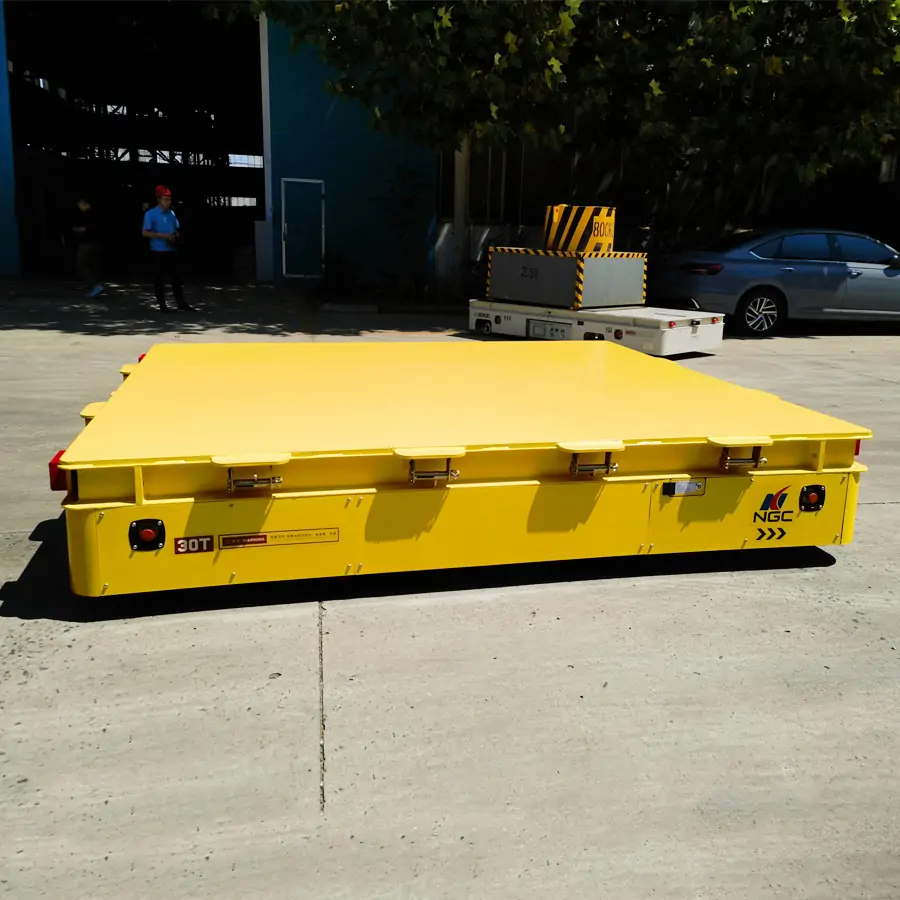
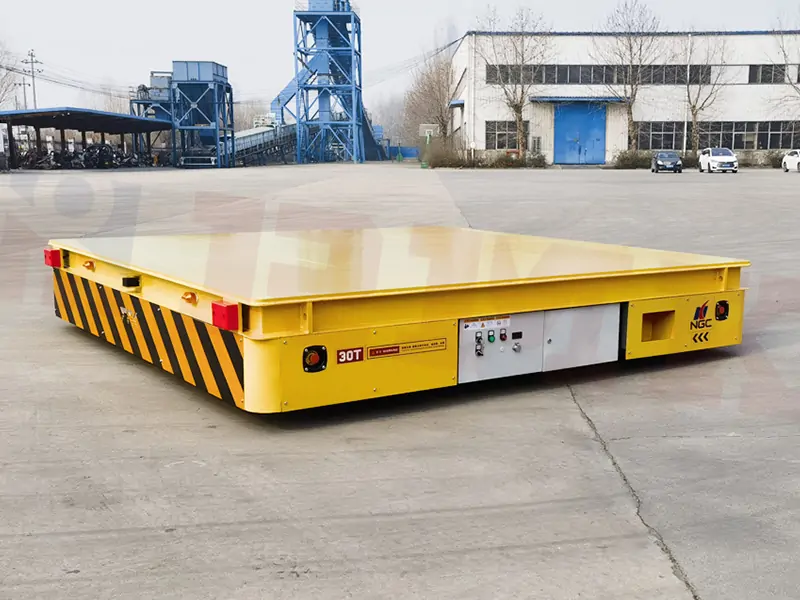
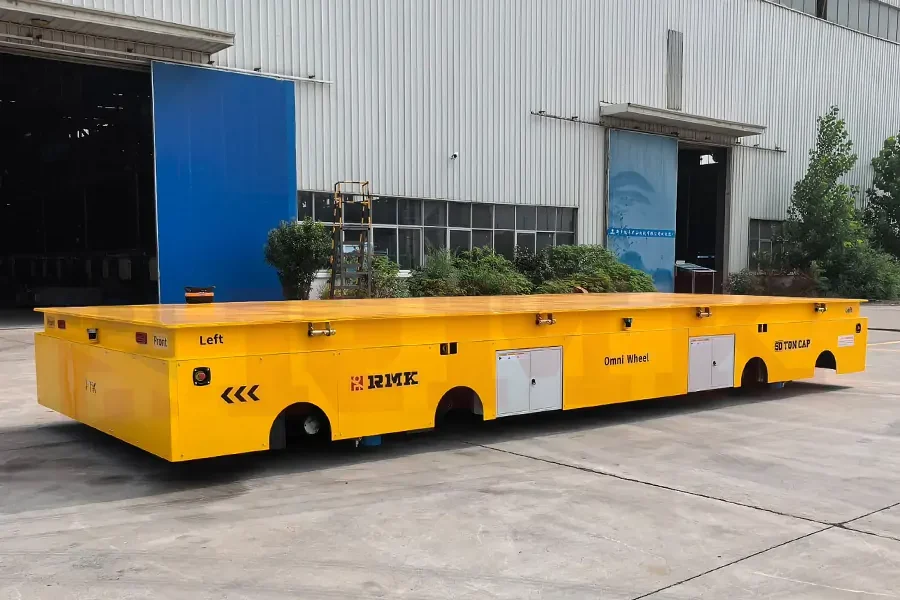
Tipos Comunes de Carros de Transferencia Industrial
Cada condición de trabajo tiene diferentes requisitos, y se han desarrollado varios tipos de equipos de transferencia de apoyo. Para ayudarle a elegir mejor un carro de transferencia industrial, los cuatro tipos típicos de carros de transferencia industrial se presentan a continuación en forma de tabla con sus características:
Carro de Transferencia Sin Rieles a Batería
No requiere la instalación de rieles. Utiliza ruedas de poliuretano sólido para moverse libremente sobre suelo endurecido, lo que puede resolver problemas de manipulación entre talleres, largas distancias y rutas complejas.
| Artículo | Especificación / Detalles |
|---|---|
| Definición | Un carro de transferencia alimentado por baterías (plomo-ácido o litio), que utiliza tracción diferencial de doble motor para una dirección libre sin rieles |
| Capacidad de carga | 1t – 300t (personalizable) |
| Velocidad de funcionamiento | 0 – 25 m/min (regulación de velocidad sin escalones) |
| Método de Control | Control remoto inalámbrico + control con mango |
| Tiempo de Autonomía | 4 – 8 horas (admite carga rápida) |
| Características | Giro en el lugar de 360°, no requiere rieles, distancia de recorrido ilimitada, bajo daño al suelo |
| Escenarios de aplicación | Transferencia de moldes, manejo de conexiones de estructuras de acero, flujo de materiales entre múltiples talleres |
Carro de transferencia sobre riel de baja tensión
Si necesita una operación continua de alta frecuencia y todo clima, es la solución preferida cuando elige un Carro de Transferencia Industrial. Suministra voltaje seguro al motor a través de los rieles, sin necesidad de carga frecuente.
| Artículo | Especificación / Detalles |
|---|---|
| Definición | Un carro de transferencia que reduce la potencia a un voltaje seguro de 36V y la suministra a través de rieles para alimentar el motor |
| Capacidad de carga | 1t – 1000t |
| Método de Suministro de Energía | KPD / KPDS suministro de energía por riel |
| Ilimitada | Recomendado menos de 70m (se necesita transformador si es más largo) |
| Características de Seguridad | Tratamiento de aislamiento de rieles + límite automático |
| Características | Tiempo de funcionamiento ilimitado, capacidad de carga extremadamente grande, alta seguridad (voltaje seguro), larga vida útil |
| Escenarios de aplicación | Plantas de acero, industria metalúrgica, líneas de producción de alta frecuencia, transporte en rieles en forma de S o curvos |
Carro de Transferencia AGV (Vehículo Guiado Automatizado)
AGV Los sistemas representan el futuro de la manipulación industrial. Al integrar tecnología de navegación SLAM láser o magnética, realiza operaciones logísticas verdaderamente no tripuladas y de alta precisión.
| Artículo | Especificación / Detalles |
|---|---|
| Definición del Equipo | Un robot de manipulación automatizado con seguimiento automático, control inteligente y evitación de obstáculos, que puede conectarse con los sistemas MES de la fábrica |
| Método de navegación | SLAM láser / navegación magnética / código QR |
| Precisión de Parada | Precisión de Posicionamiento: |
| Nivel de Seguridad | Evitación de obstáculos por radar láser multinivel + banda de seguridad de contacto |
| Integración del Sistema | Admite protocolo Wi-Fi / 5G / WMS |
| Características | Alta precisión de posicionamiento (±5mm), planificación automática de rutas, coordinación de múltiples vehículos, mejora la eficiencia logística inteligente |
| Escenarios de aplicación | Fabricación de precisión, almacenamiento automatizado, líneas de producción farmacéutica y de alimentos |
Carro de Transferencia con Tambor de Cable
Esta es una solución muy rentable, muy adecuada para el transporte de corta distancia o lineal en rutas fijas, con una estructura simple y un costo de mantenimiento muy bajo.
| Artículo | Especificación / Detalles |
|---|---|
| Definición | Un carro de transferencia con rieles o sin rieles alimentado por un tambor de cable con bobinado automático o línea de contacto deslizante |
| Velocidad de funcionamiento | 0 – 30 m/min |
| Entorno de trabajo | Puede soportar temperaturas superiores a 80°C |
| Longitud de Recorrido | El tambor de cable admite hasta 200m |
| Capacidad de carga | 1t – 150t |
| Características | Potencia fuerte, adaptable a entornos hostiles (alta temperatura, polvo), bajo costo de adquisición |
| Escenarios de aplicación | Fábricas de ladrillos, transporte minero, puertos, estaciones de producción lineal de vaivén |
Escenarios de aplicación
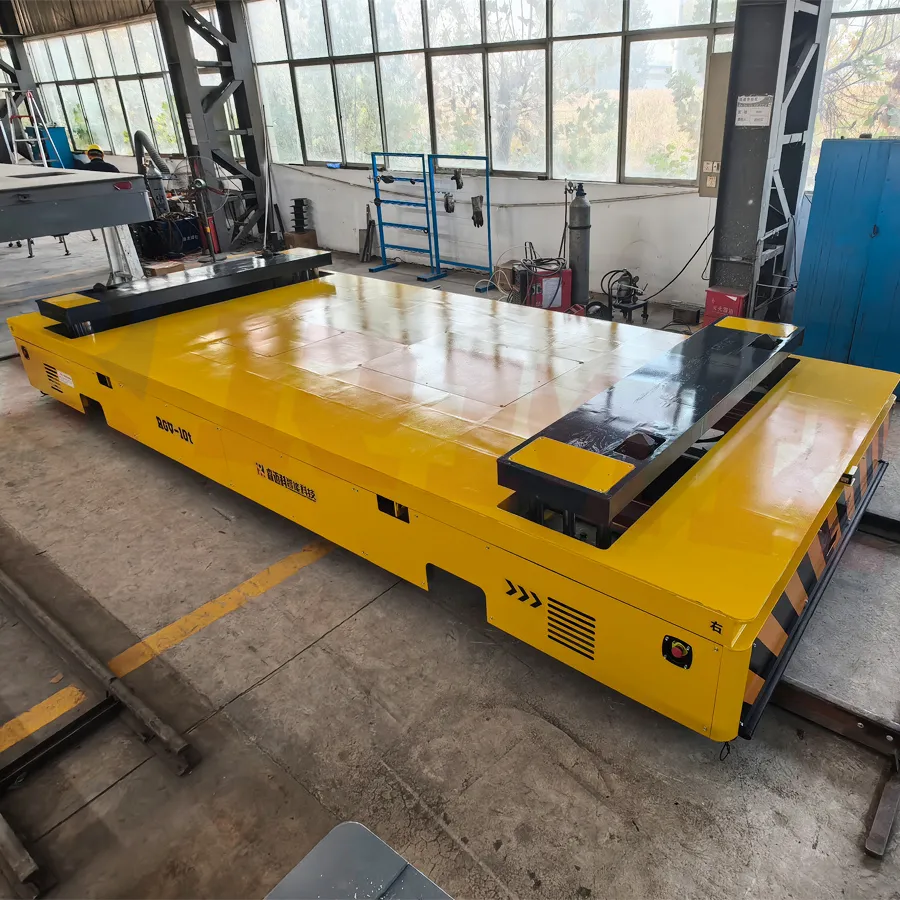
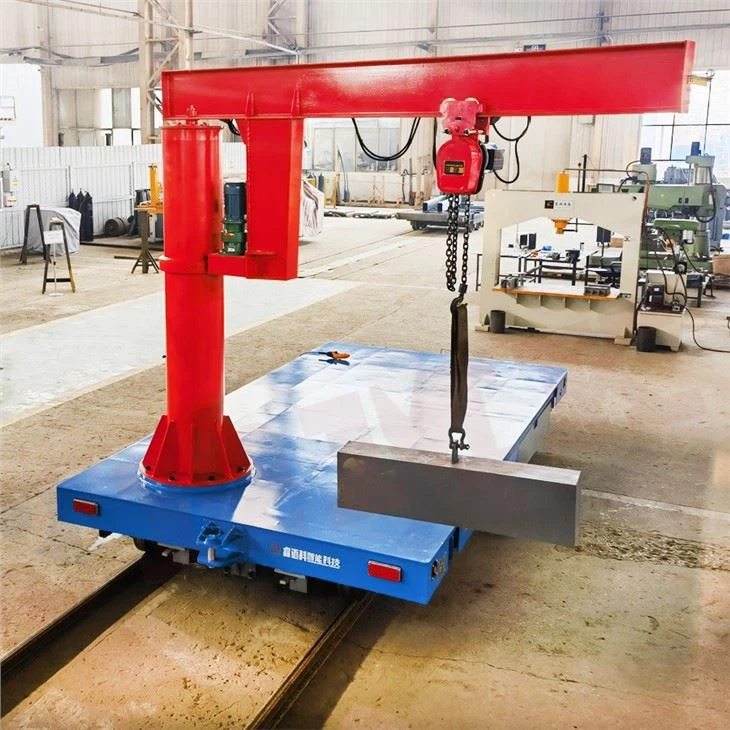
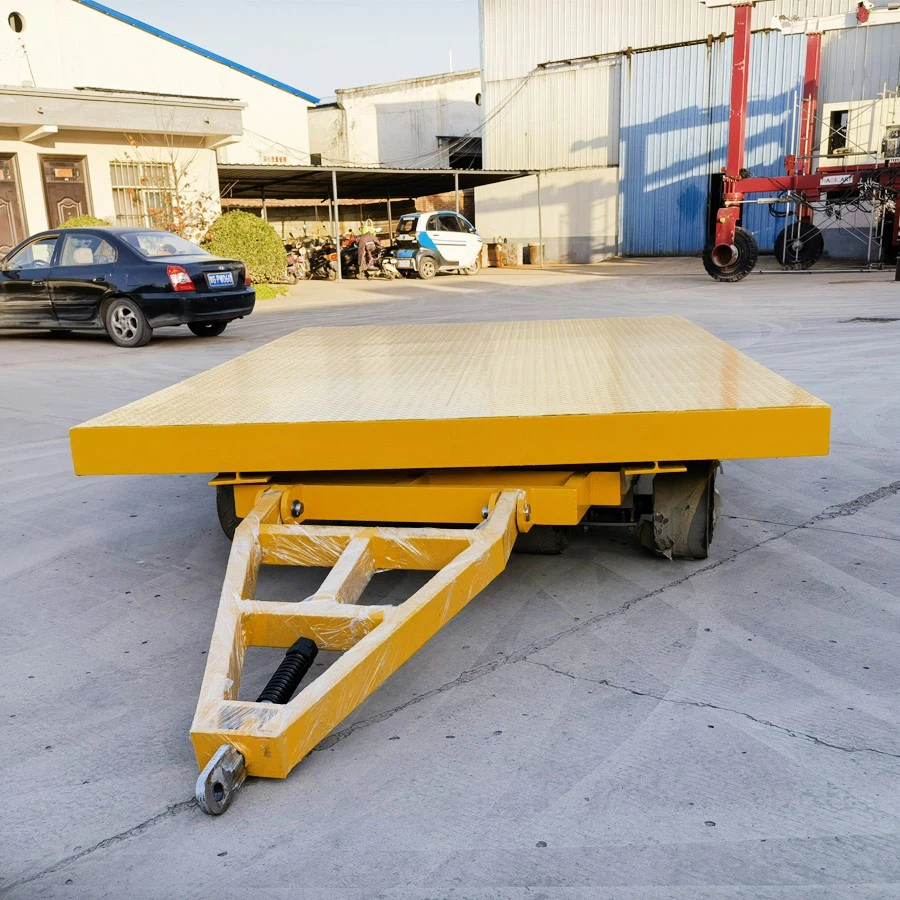
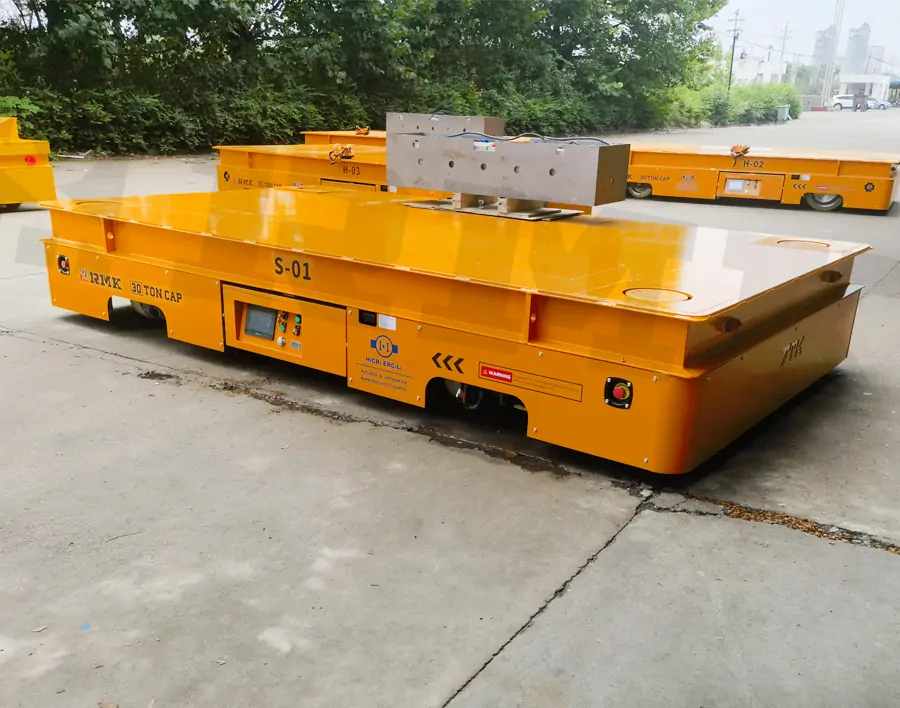
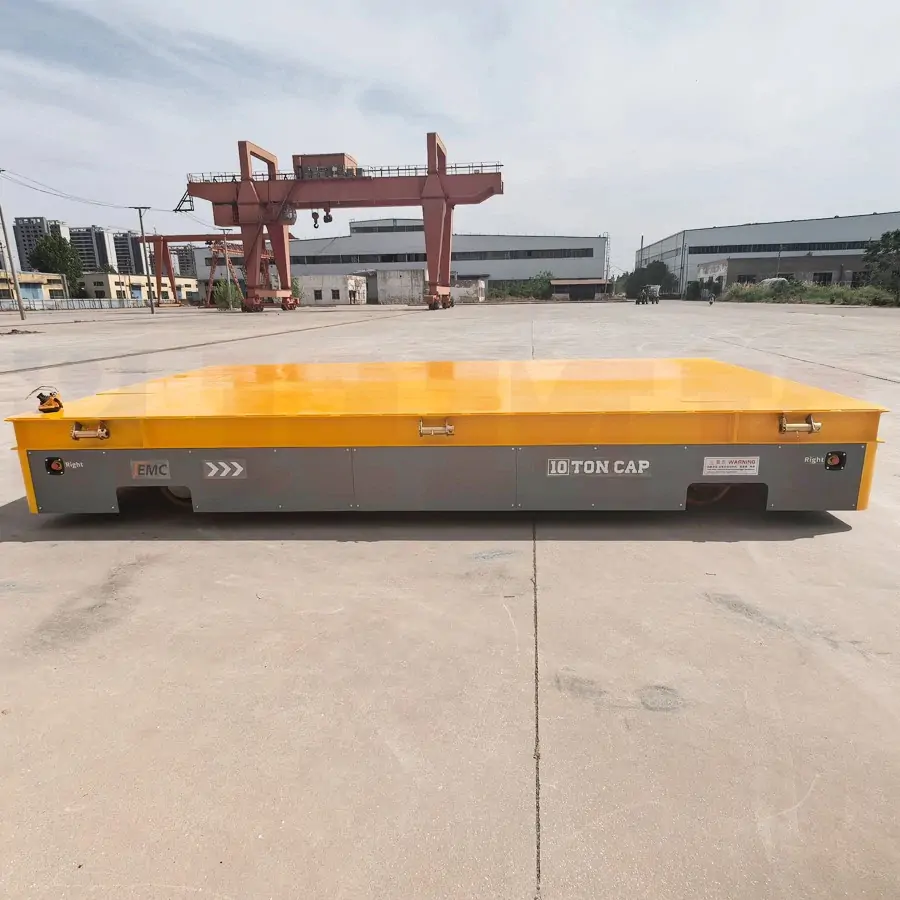
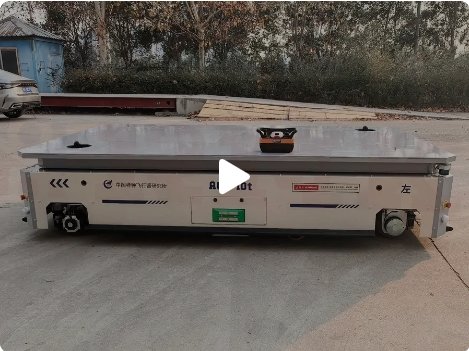
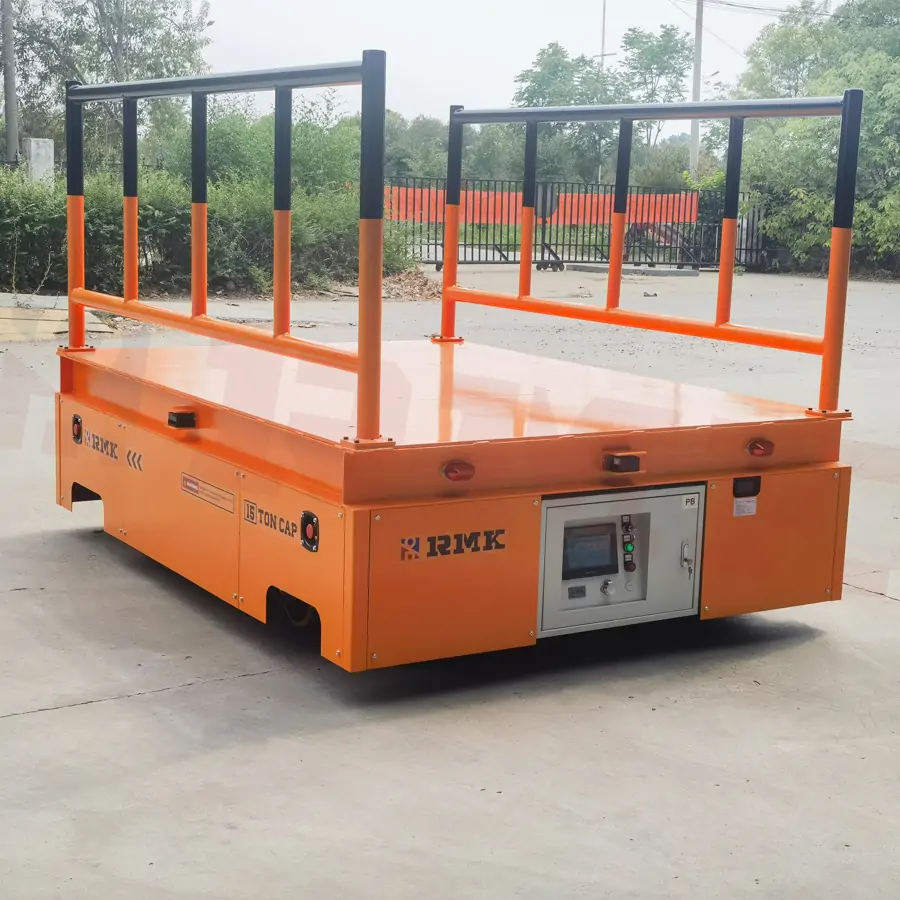
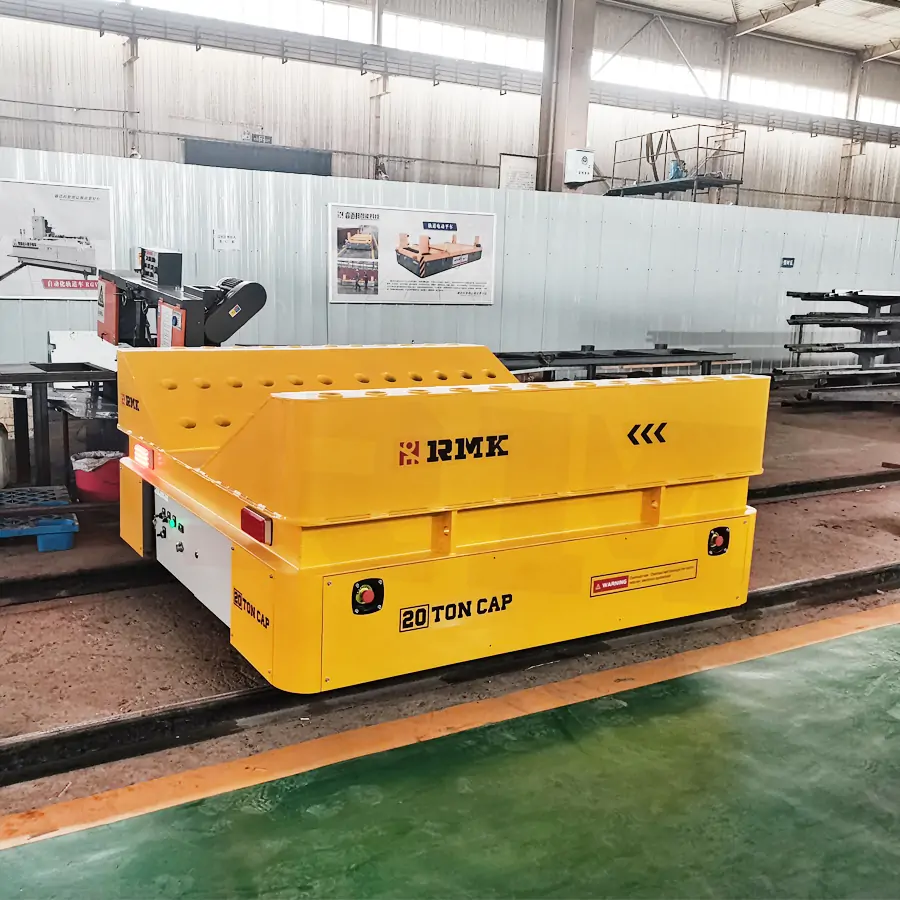
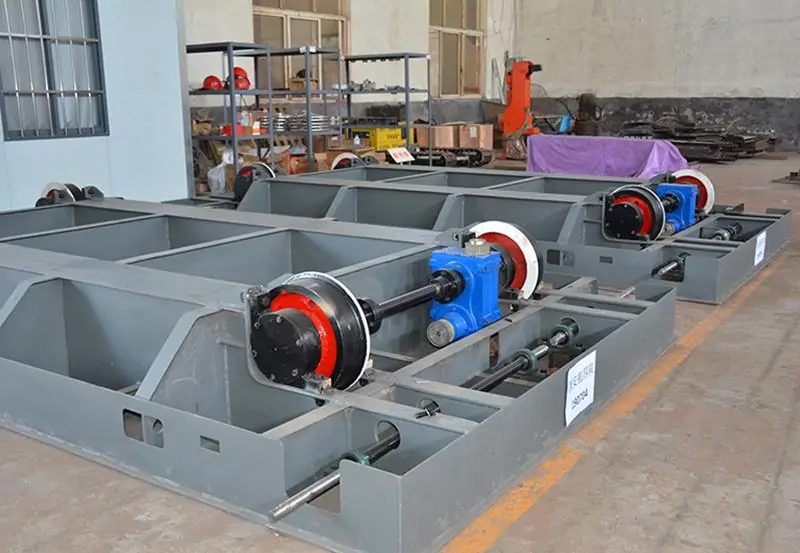
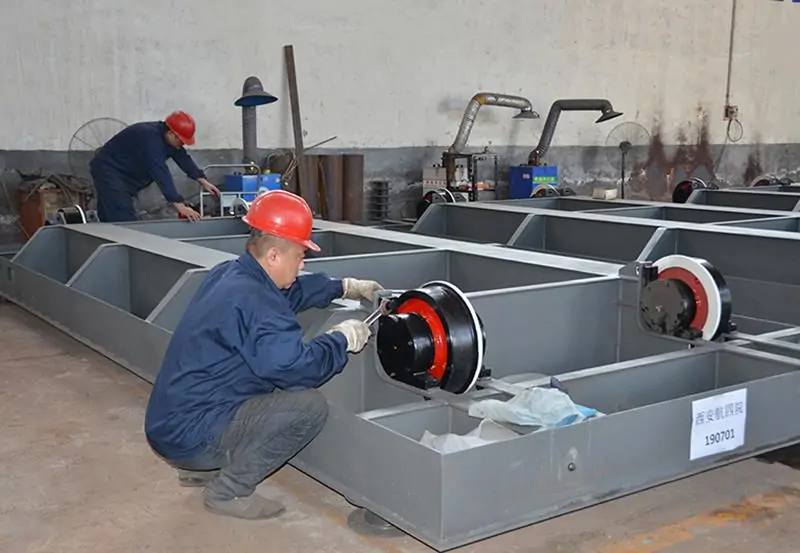
Los carros de transferencia industrial sirven a múltiples industrias como la metalurgia, fundición, procesamiento de moldes, fabricación de equipos de energía eólica y logística portuaria. Las siguientes imágenes son fotos reales en el sitio de carros de transferencia personalizados por Remarkable y ya puestos en uso, con la esperanza de ayudarle a comprender mejor el rendimiento operativo de cada modelo en entornos específicos.
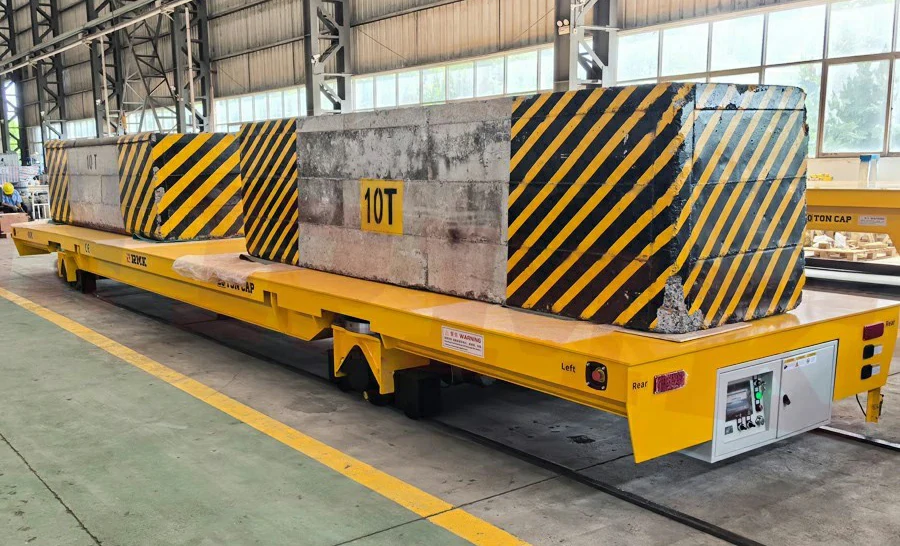
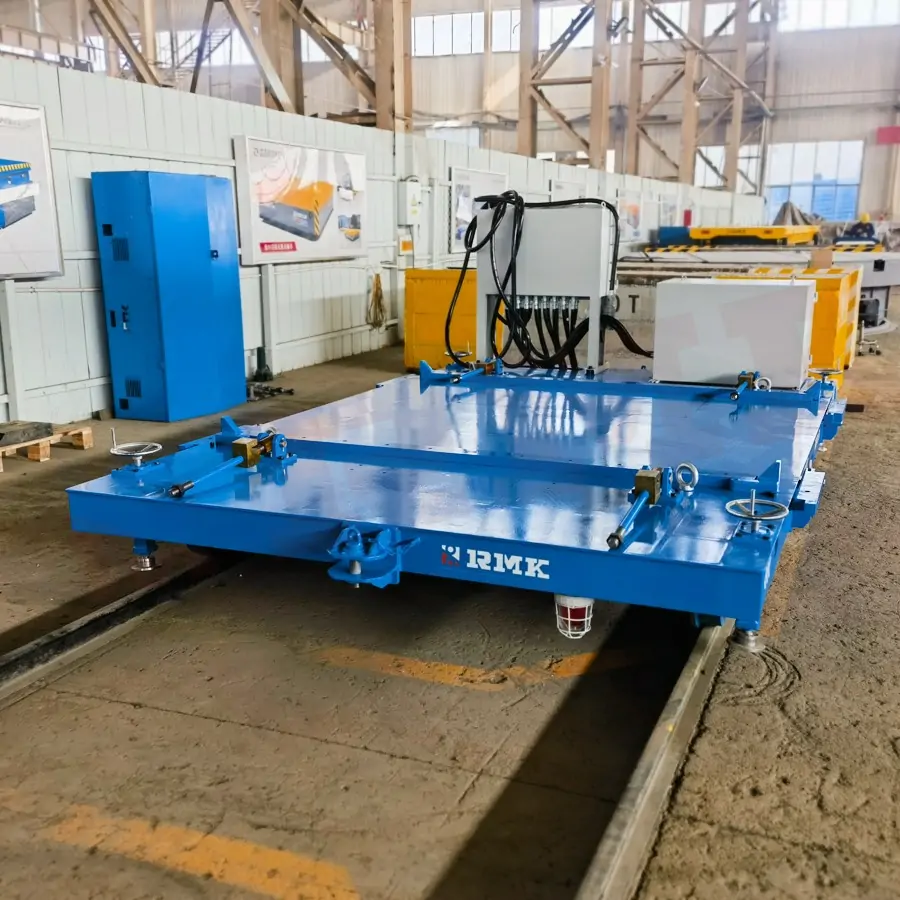
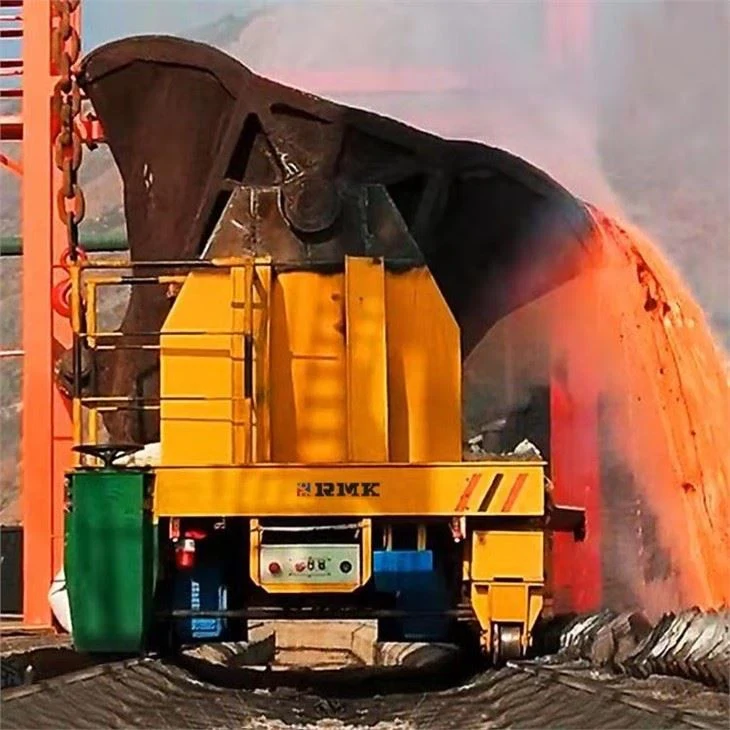
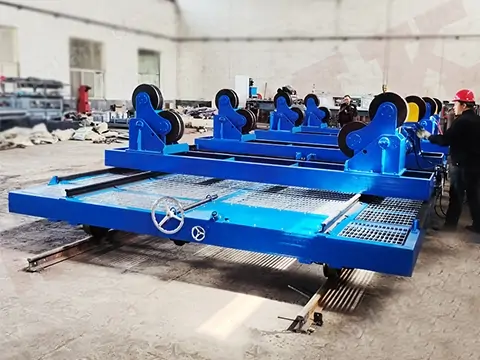
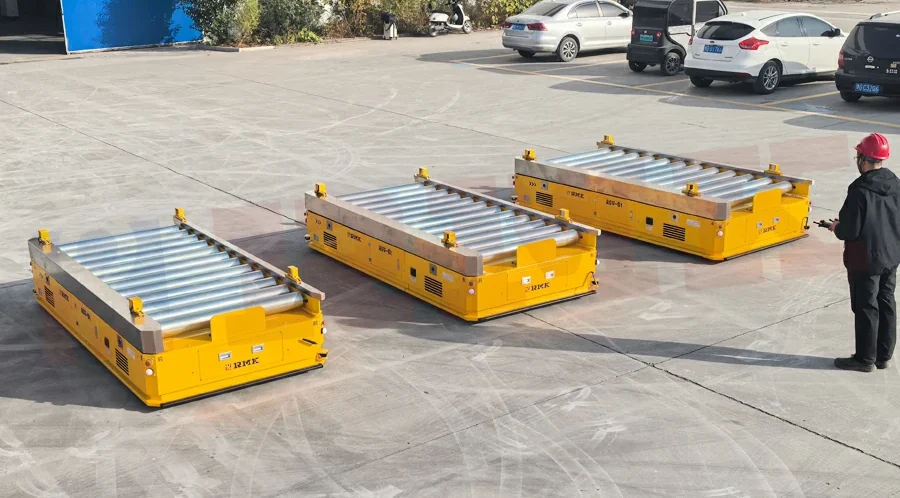
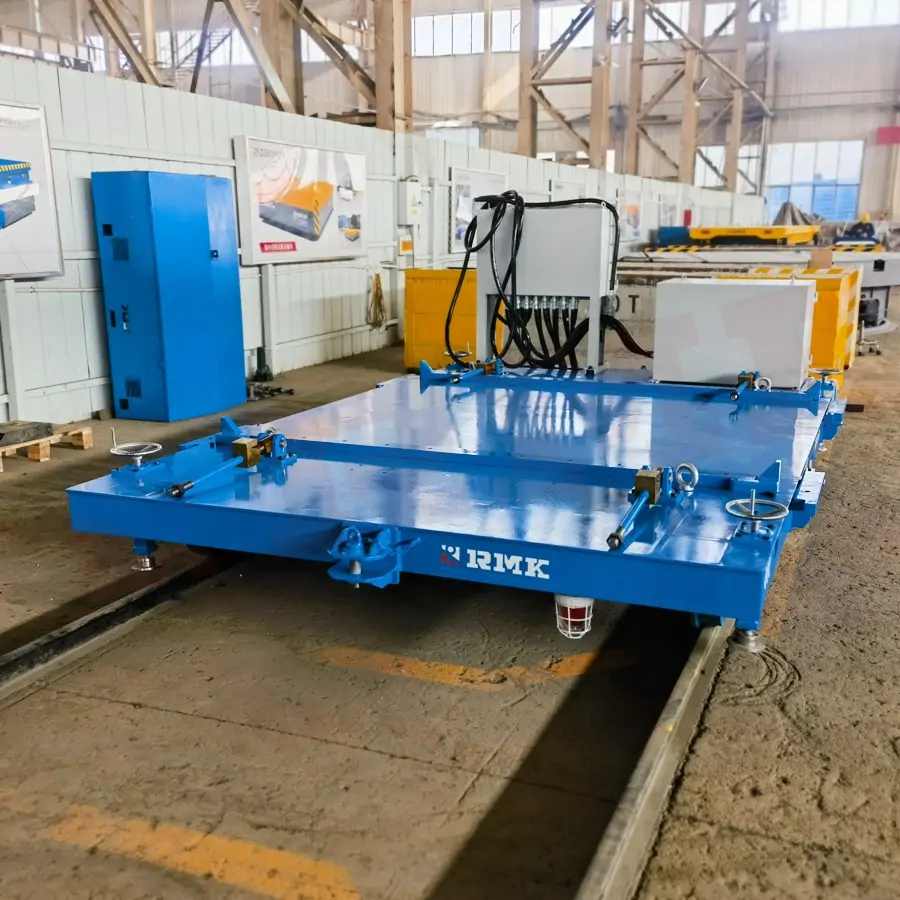
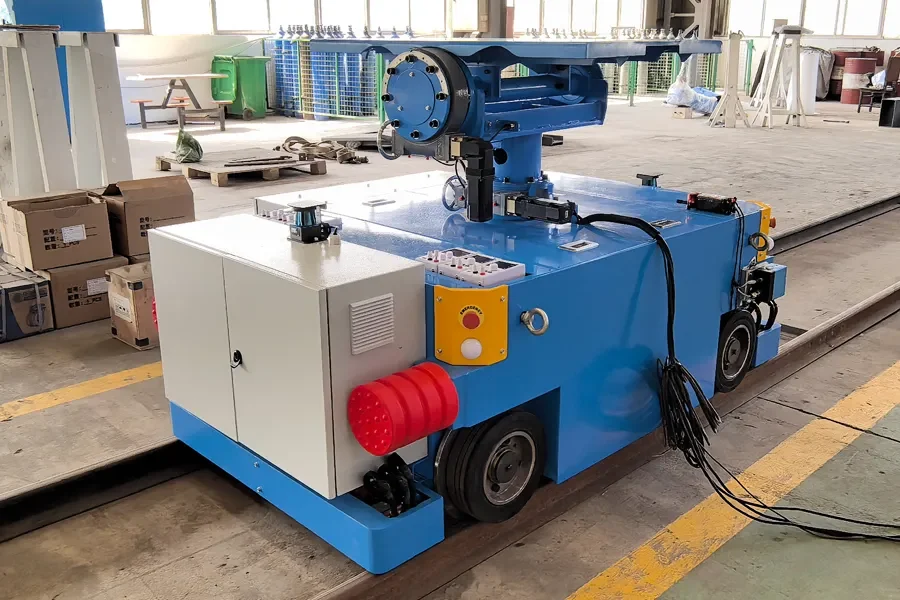
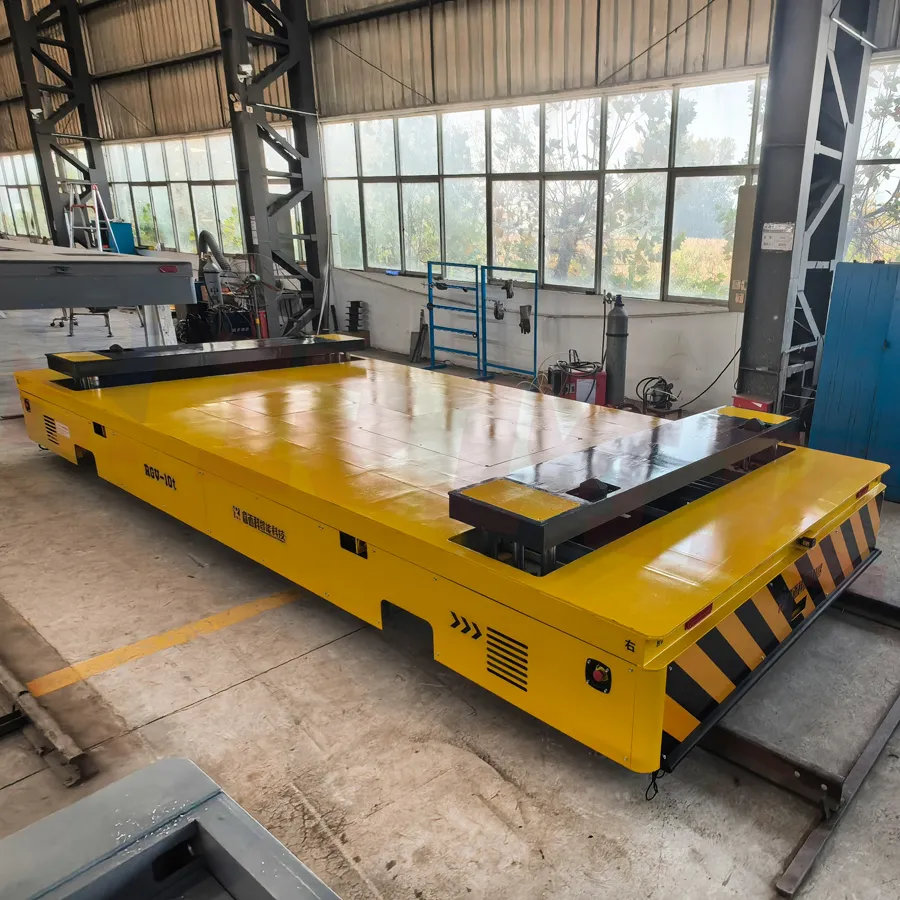
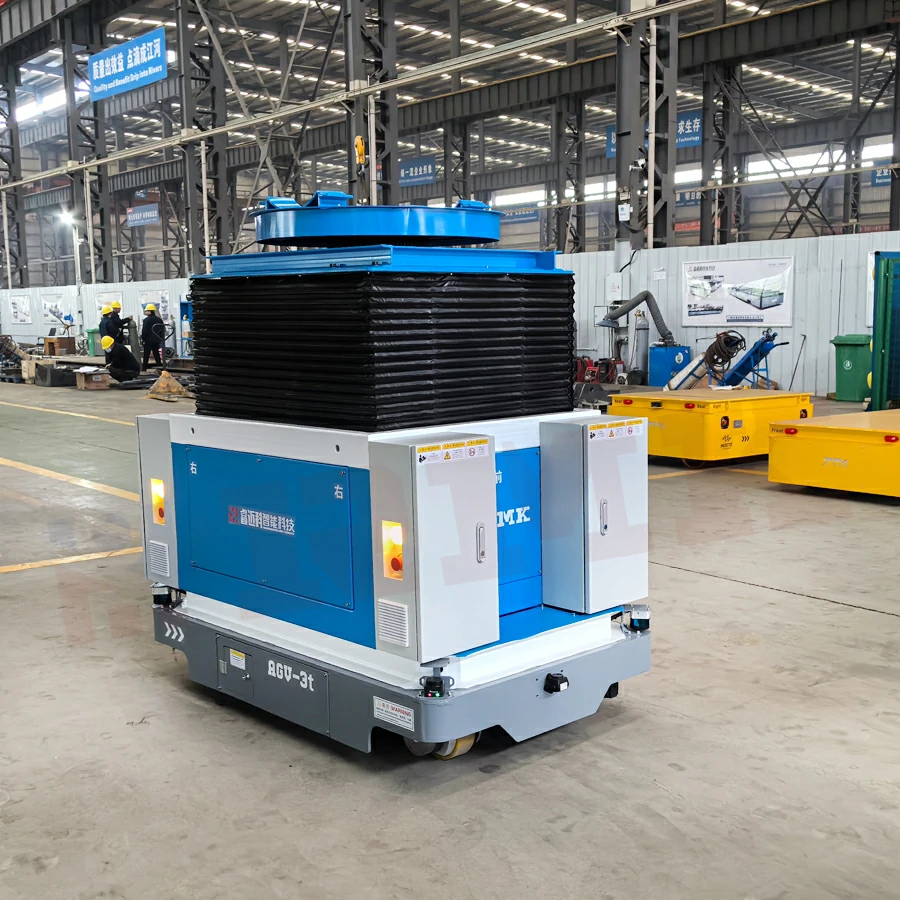
De la exhibición práctica anterior de diferentes tipos de carros de transferencia industrial, se puede ver que cada tipo de equipo tiene sus características estructurales únicas y escenarios aplicables. Sin embargo, es difícil determinar qué equipo es adecuado para las necesidades de su fábrica basándose solo en la apariencia o un solo parámetro de rendimiento.
Si no sabe cómo elegir un Carro de Transferencia Industrial, puede contactar a nuestro equipo ahora. Contamos con técnicos profesionales para brindarle soluciones profesionales.
Factores a Considerar al Elegir un Carro de Transferencia Industrial
Cuando se prepara para elegir un Carro de Transferencia Industrial, para asegurar que el equipo cumpla con las necesidades de producción y el retorno de la inversión a largo plazo, se deben considerar los siguientes 5 factores:
Capacidad de Carga y Requisitos de la Plataforma
Es la base para la selección del modelo. Debe considerar la carga nominal y la forma de la pieza de trabajo.
- Carga Nominal: Elija una especificación 10%–20% superior a la carga máxima real para manejar cargas de impacto
- Forma de la Pieza de Trabajo: Para bobinas de acero o aluminio, agregue soportes en forma de V o U; para moldes, coloque almohadillas de goma para evitar deslizamientos
- Centro de Gravedad: Las cargas excéntricas requieren mayores exigencias en la estructura y el sistema de transmisión, y deben informarse con anticipación
Entorno Operativo y Condiciones del Suelo
El entorno determina las ruedas y el recubrimiento del vehículo.
- Tipo de Suelo: Con rieles (alta capacidad de carga, ruta fija); sin rieles (requiere suelo endurecido, alta flexibilidad)
- Condiciones Especiales: Entornos de alta temperatura, como fundiciones, requieren motores, cables y capas aislantes resistentes al calor
- Entorno Antiexplosión: Los sistemas eléctricos deben cumplir con los estándares antiexplosión
- Uso en Exteriores: Considere la resistencia al agua y la pendiente (generalmente recomendado dentro de 3°)
Fuente de Alimentación y Autonomía
La fuente de alimentación y la autonomía afectan directamente la conveniencia operativa y el costo:
- Batería: Sin restricción de cable, adecuado para movimiento en todas direcciones, pero requiere carga
- Riel de bajo voltaje: Resistencia ilimitada, adecuado para operación 24h, pero con un mayor costo de instalación
- Carrete de cable: Bajo costo, adecuado para operación en línea recta larga, pero preste atención al desgaste del cable
- Línea deslizante: Adecuado para rutas fijas en talleres grandes, no ocupa espacio en el suelo
Trayectoria de desplazamiento y diseño
- Método de dirección: Si se requiere rotación de 360° o giro de 90°
- Distancia de desplazamiento: Cuanto mayor sea la distancia, mayores serán los requisitos de estabilidad del sistema
- Limitación de tamaño: Ancho del pasillo del taller, espacio entre máquinas, ascensor o requisitos de pasajes estrechos
Nivel de seguridad y automatización
- Configuración de seguridad: Debe incluir alarma acústico-lumínica, botón de parada de emergencia y sistema de evitación de obstáculos por radar
- Método de control: Control remoto inalámbrico, mando con cable o sistema AGV/RGV totalmente automático
Evite perseguir ciegamente un precio bajo o una gran tonelaje. La selección debe basarse en escenarios de aplicación reales..
Caso
El carro sobre rieles enfatiza la "estabilidad" y el "peso", sirviendo como la columna vertebral de las líneas fijas; el carro sin rieles enfatiza la "flexibilidad" y la "agilidad", sirviendo como la sangre de la fabricación flexible. En la comparación entre el carro sobre rieles vs el carro sin rieles, no existe un carro universal, solo el adecuado es el mejor.
Una empresa de productos metálicos de Arabia Saudita dedicada a la galvanización en caliente y el procesamiento de metales necesitaba transportar con frecuencia piezas metálicas pesadas. Los métodos de transporte manual y por riel existentes eran ineficientes e inseguros..
Nuestra solución:
- Remarkable personalizó 10 carros de transferencia a batería (5t–25t)..
- El modelo de 25t utiliza una plataforma de 4000×2000mm..
- Admite control de velocidad de 0–20 m/min, control inalámbrico, carga automática y frenado electromagnético..
Utilizar navegación SLAM láser, sin necesidad de dañar el piso para simular bandas magnéticas; el sistema de accionamiento logra un arranque y parada ultrasuaves a 0.1 m/s.
Después de cuatro meses de operación, los carros reemplazaron el transporte manual, mejorando enormemente la eficiencia. El cliente reconoció altamente el sistema y planea una mayor cooperación..
¿Por qué elegir Remarkable?
- Excelente capacidad de personalización
- Tecnología de accionamiento inteligente avanzada
- Calidad estructural de grado militar
- Experiencia global en servicio y exportación
- Protección de seguridad integral
Elegir Remarkable significa elegir fiabilidad y rendimiento..
Conclusión
Elegir el carro de transferencia industrial adecuado es un equilibrio entre capacidad de carga, flexibilidad y costo. Desde sistemas de riel hasta AGV inteligentes,, Notable proporciona soluciones fiables..
Si busca un avance en el manejo de materiales en el taller,, contactar a nuestro equipo de ingeniería. Ofrecemos servicios integrales desde el diseño hasta la instalación..
Correo electrónico: transfercart@rmkzn.com
Teléfono: +86-18637369355
Preguntas Frecuentes
P1: ¿Cuáles son los requisitos de suelo para los carros de transferencia sin riel?
R: Requieren suelo plano y endurecido, como hormigón o pisos epóxicos. La capacidad de carga del suelo debe cumplir con la presión a plena carga..
P2: ¿Cuál es la vida útil de la batería?
R: Las baterías de plomo-ácido duran 2–3 años, las de litio 5–8 años..
P3: ¿Es compleja la instalación del riel?
R: Sí. Proporcionamos planos y soporte técnico..
P4: ¿Puede subir pendientes?
R: Sí, se recomienda ≤3°. Soluciones personalizadas disponibles..
P5: ¿Se puede utilizar en entornos explosivos?
R: Sí, con configuraciones a prueba de explosiones..
P6: ¿Ofrecen servicio en el extranjero?
R: Sí, con garantía y soporte de por vida..
P7: ¿Tiempo de entrega para un carro de 20t?
R: 30–40 días estándar, 45–60 días personalizado..