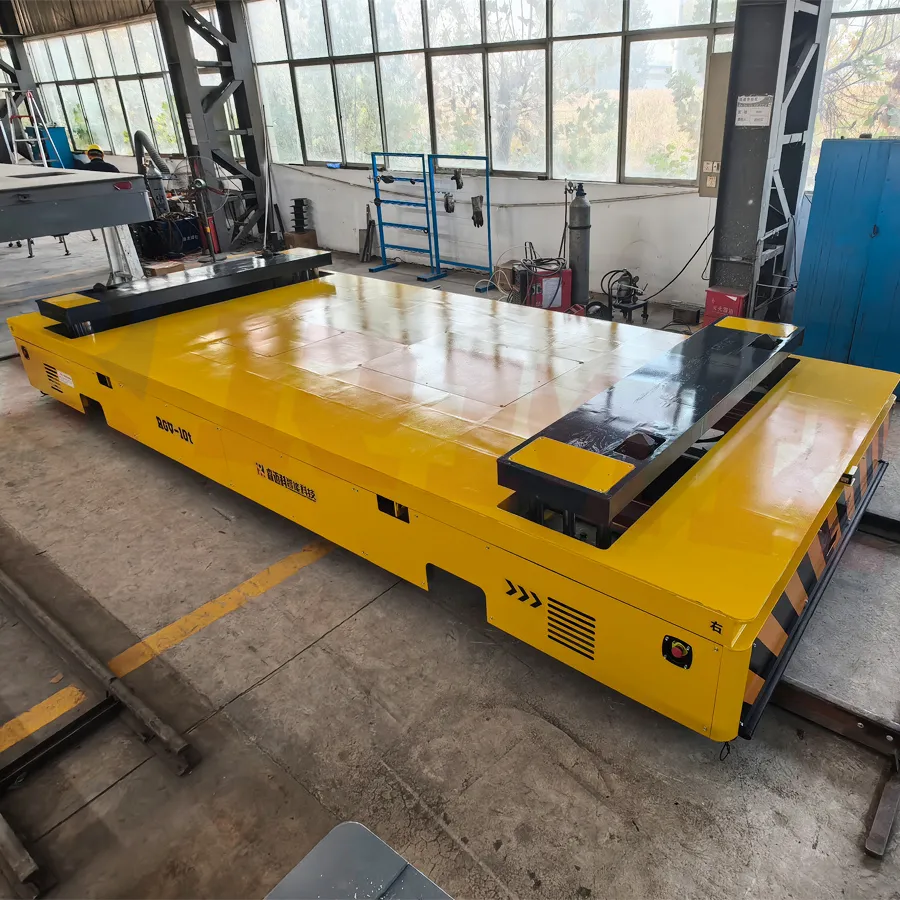
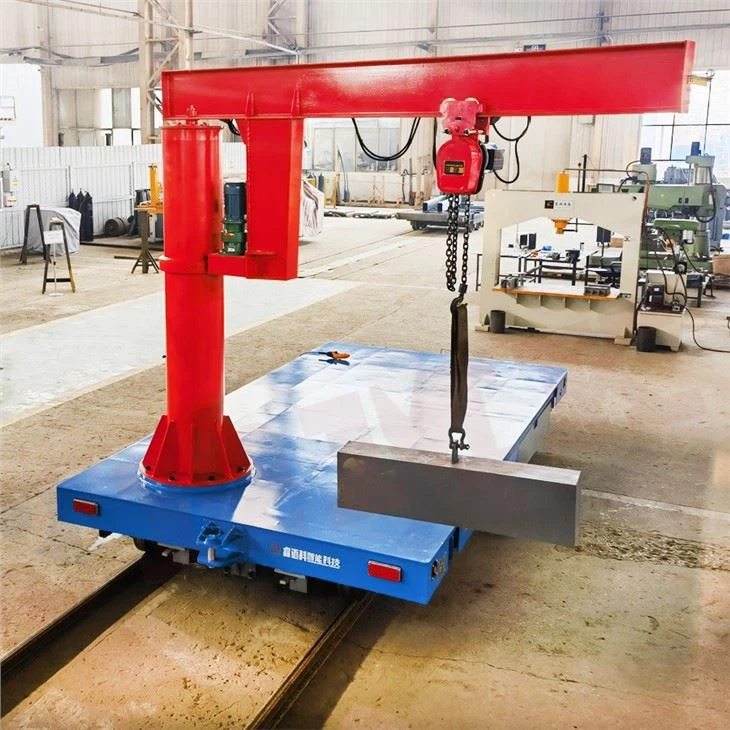
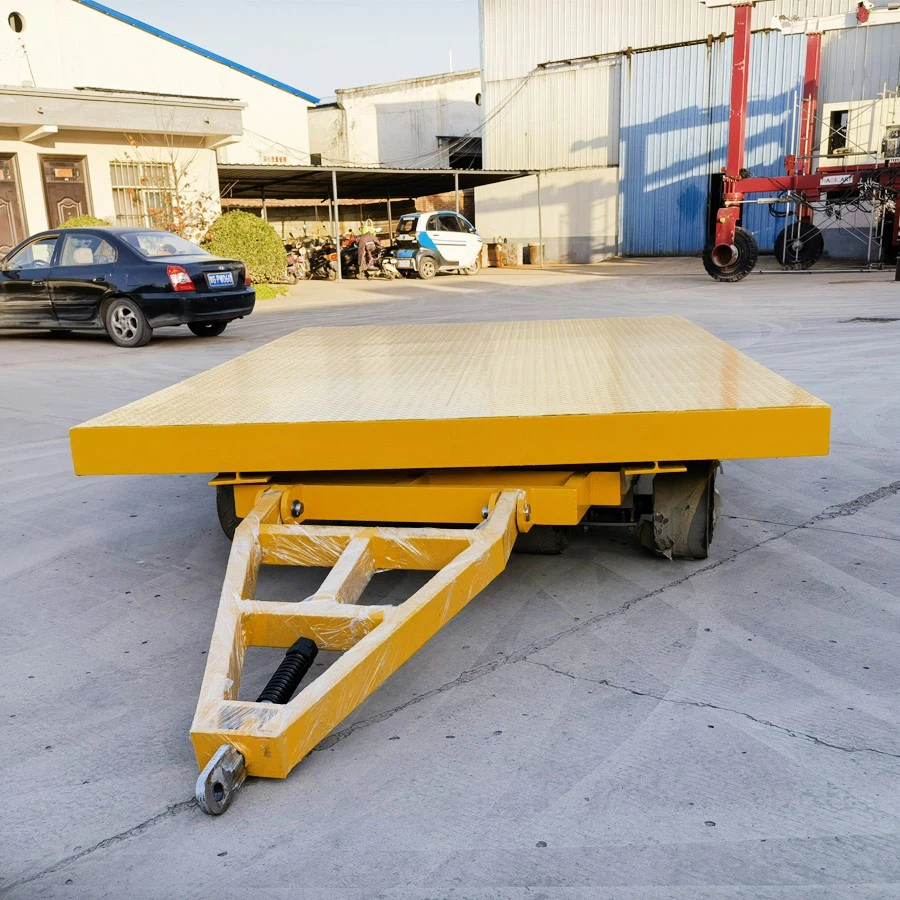
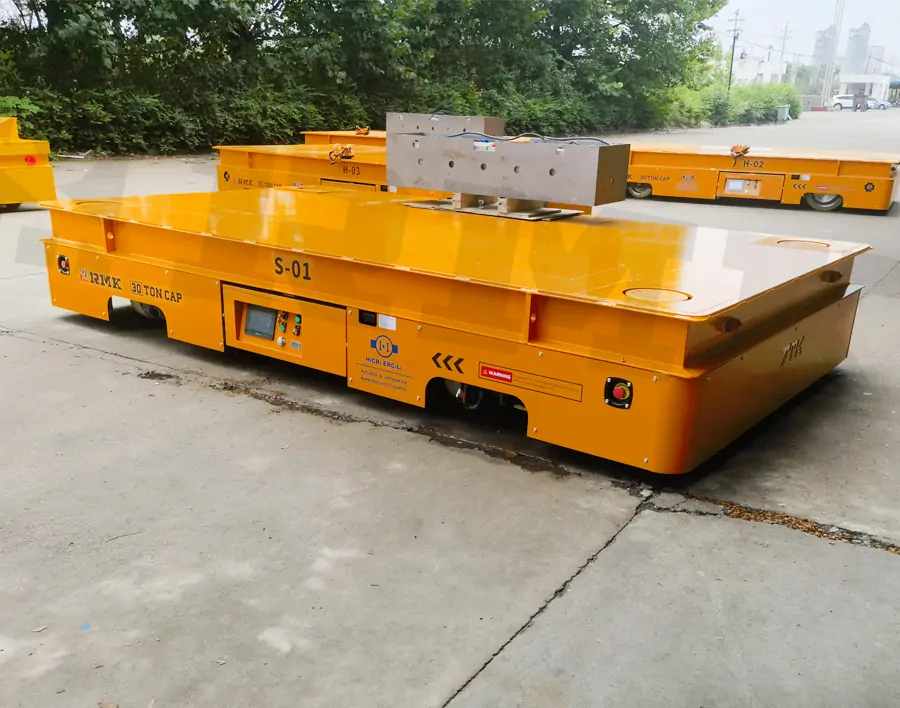
En el ámbito de la manipulación industrial de cargas pesadas, un2. carro de transferencia por cable3. es un equipo accionado eléctricamente diseñado específicamente para operaciones de alta frecuencia y trayectoria fija. Omite el modo tradicional de alimentación por batería, extrayendo energía continua directamente de la red de CA de la planta a través de un cable. Este diseño elimina la ansiedad por la autonomía de los equipos pesados durante la salida de alta potencia, al tiempo que proporciona una durabilidad ambiental excepcional. Las siguientes secciones le ofrecerán una visión completa de este "siempreviva" industrial, cubriendo sus componentes de hardware, principios de funcionamiento, ventajas de rendimiento y tipos comunes.4. Un carro de transferencia5. de alto rendimiento alimentado por cable6. es mucho más que un "carro atado". Sus componentes incluyen:7. Mecanismo de bobinado:8. Esta es el alma del vehículo, que utiliza un carro de transferencia con bobina de cable9. de tensión constante10. o un11. carro de transferencia con tambor de cable12. Gestiona el bobinado y desbobinado del cable a medida que el carro se desplaza hacia adelante y hacia atrás, detectando automáticamente la velocidad para mantener la tensión adecuada del cable y evitar que sea aplastado por las ruedas.13. Equipado con un motor de CA industrial de 380 V y caja de cambios. La salida de par es extremadamente sólida, manejando fácilmente cargas de arranque instantáneas de 10 a 500 toneladas.14. Chasis de carga:15. Soldado a partir de vigas I engrosadas o estructuras de vigas de cajón. El interior está preconfigurado con ranuras guía para cables dedicadas y espacio de montaje para el bobinador.16. Integrado con un gabinete de control VFD (Variador de Frecuencia). Garantiza arranques y paradas suaves, amortiguando el impacto de la inercia de cargas pesadas en el motor y los engranajes.17. Funcionamiento18. El funcionamiento de un carro de transferencia por cable es sencillo. Un extremo del cable se conecta a la caja de alimentación de tierra, mientras que el otro se conecta al motor a bordo a través del carro de transferencia con tambor de cable. Cuando el carro comienza a moverse, el mecanismo del carrete trabaja en sincronía con la distancia recorrida: suelta el cable al avanzar y proporciona un tirón para enrollar el cable uniformemente en el tambor al retroceder. Mientras esté enchufado, el carro puede realizar ciclos ininterrumpidos en su ruta preestablecida.19. Este diseño de "recogida y extensión sincronizadas, enchufar y usar" elimina por completo los inconvenientes de los tiempos de espera de carga y la pérdida de energía para el carro de transferencia alimentado por cable. Se puede decir que la coordinación precisa entre el mecanismo del carrete y el sistema de potencia determina directamente la suavidad de la operación del vehículo. En comparación con los sistemas de batería u otros sistemas de accionamiento, ¿dónde sobresale exactamente el carro de transferencia alimentado por cable en el rendimiento real? A continuación, analizaremos en profundidad su rendimiento en términos de eficiencia operativa, costos de mantenimiento y resistencia ambiental.20. En comparación con otros modos de alimentación, el carro de transferencia alimentado por cable gana en ROI y estabilidad operativa, específicamente en estas áreas clave:21. Tiempo de funcionamiento ilimitado para trabajo de alta frecuencia:22. No necesita detenerse para cargarse como los carros con batería. Un carro de transferencia por cable puede funcionar las 24 horas del día, los 7 días de la semana. En líneas de fundición o siderurgia de gran tamaño, el proceso de manipulación se sincroniza perfectamente con los ritmos de producción, aumentando la eficiencia por turno en más de un 30% en comparación con las unidades de batería.23. Bajo mantenimiento y larga vida útil:24. La mayor ventaja de elegir un carro de transferencia con bobina de cable es eliminar el costo de los costosos reemplazos de baterías. Durante una vida útil de 8 a 10 años, casi no hay gastos importantes en consumibles más allá de la lubricación básica y las comprobaciones del desgaste del cable. En comparación con el reemplazo de baterías cada dos o tres años, esto ahorra a la empresa entre un 40% y un 50% en costos operativos: beneficio puro.25. Construcción robusta para entornos hostiles:26. Dado que el carro de transferencia con tambor de cable no lleva baterías químicas sensibles, maneja entornos de calor, polvo y explosivos con más "resistencia". Ya sean vapores de solventes en una cabina de pintura o el calor abrasador cerca de un horno de fundición, se mantiene firme. De -20°C a 70°C, la salida de carga se mantiene estable donde los carros con batería podrían fallar.27. Alto par de arranque y estabilidad:28. La alimentación directa de CA proporciona a estos carros un par masivo justo en el arranque. Para cargas de más de 100 toneladas, un motor de CA es mucho más estable que un motor de CC de la misma potencia. Este carro de transferencia alimentado por cable garantiza que la carga pesada no se sacuda ni retroceda durante los arranques o en pendientes, eliminando la peligrosa inestabilidad.29. En general, los carros de transferencia alimentados por cable están diseñados para satisfacer las demandas extremas de la industria pesada, donde la alta potencia de salida, la operación frecuente y los entornos hostiles son la norma. Se basan en un suministro de energía directo y estable y un diseño de hardware que rara vez falla. El método específico para recoger y extender el cable depende de la disposición real de las vías y las condiciones del piso de su instalación. A continuación, veamos las opciones disponibles de recogida de cable.30. Según la distancia de recorrido y el entorno, el carro de transferencia por cable se presenta en varias formas estructurales, que se diferencian principalmente en cómo almacenan el cable.31. Tipo de carrete/tambor de cable:32. El tipo más utilizado. El carro de transferencia con bobina de cable se basa en un carrete eléctrico montado a bordo o en el suelo. Para distancias de más de 30 metros, generalmente se utiliza un carro de transferencia con tambor de cable de acoplamiento magnético para mantener la tensión constante y evitar la rotura o holgura del cable.33. Capacidad de carga nominal:34. 5t – 150t (Personalizable para cargas ultra pesadas)35. Distancia de recorrido:36. 30m – 200m (Dependiendo de la capacidad del tambor)37. 0 – 25m/min (Controlado por VFD para arranques suaves)38. Carrete de cable con tensión magnética (evita daños en el cable en recorridos largos)39. Altura libre al suelo:40. 50mm – 75mm41. Pulsador + Mando a distancia inalámbrico42. Tipo de cadena portacables:43. Este44. coloca el cable dentro de una "cadena portacables". La cadena portacables evita el desgaste del cable, lo que lo hace perfecto para recorridos más cortos (generalmente dentro de los 20 metros) y entornos de sala limpia.45. 1t – 80t46. Hasta 20m (Limitado por la longitud de la cadena y la fricción)47. 0 – 30m/min (Admite tiempos de ciclo más rápidos)48. Protección del cable:49. Cadena portacables de plástico o acero de alta resistencia (Resistente al aceite, agua y desgaste)50. Altura de la mesa:51. 450mm – 650mm (Diseño compacto y de perfil bajo)52. ±5mm – ±10mm (Ideal para acoplamiento con líneas automatizadas)53. Tipo de zanja para cables:54. Para mantener el suelo del taller al ras, los cables se colocan en zanjas de tierra precortadas. A medida que el vehículo viaja, un dispositivo elevador recoge el cable, evitando eficazmente el riesgo de que otros vehículos aplasten las líneas.55. 5t – 120t56. 20m – 100m cable transfer cart
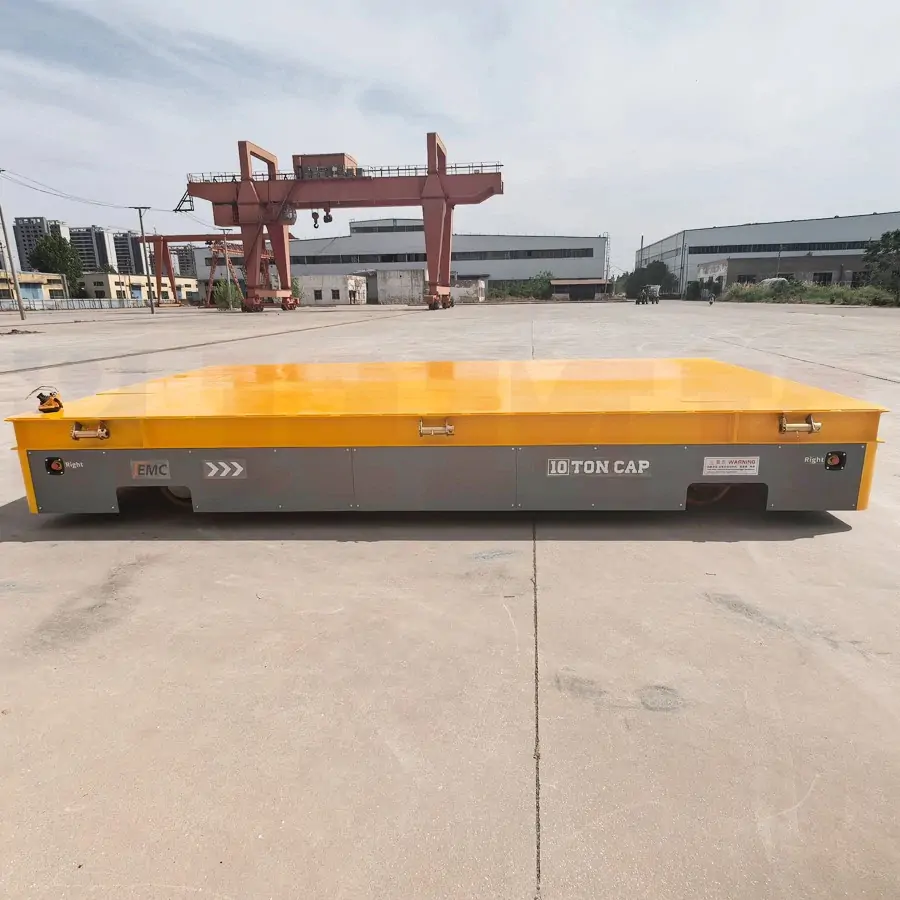
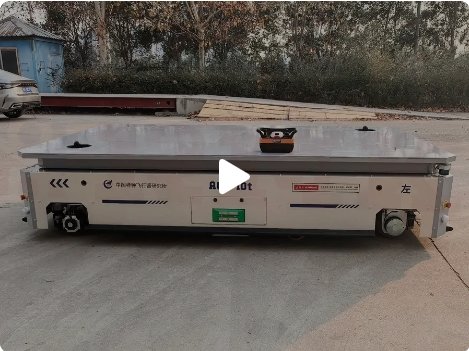
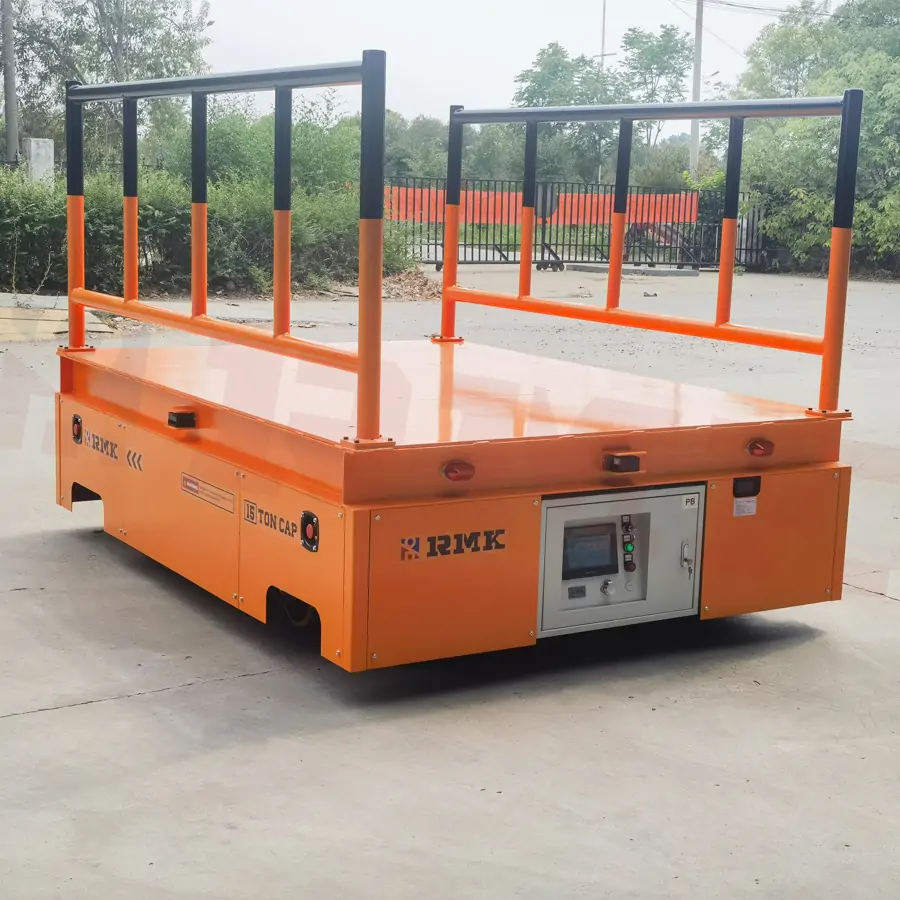
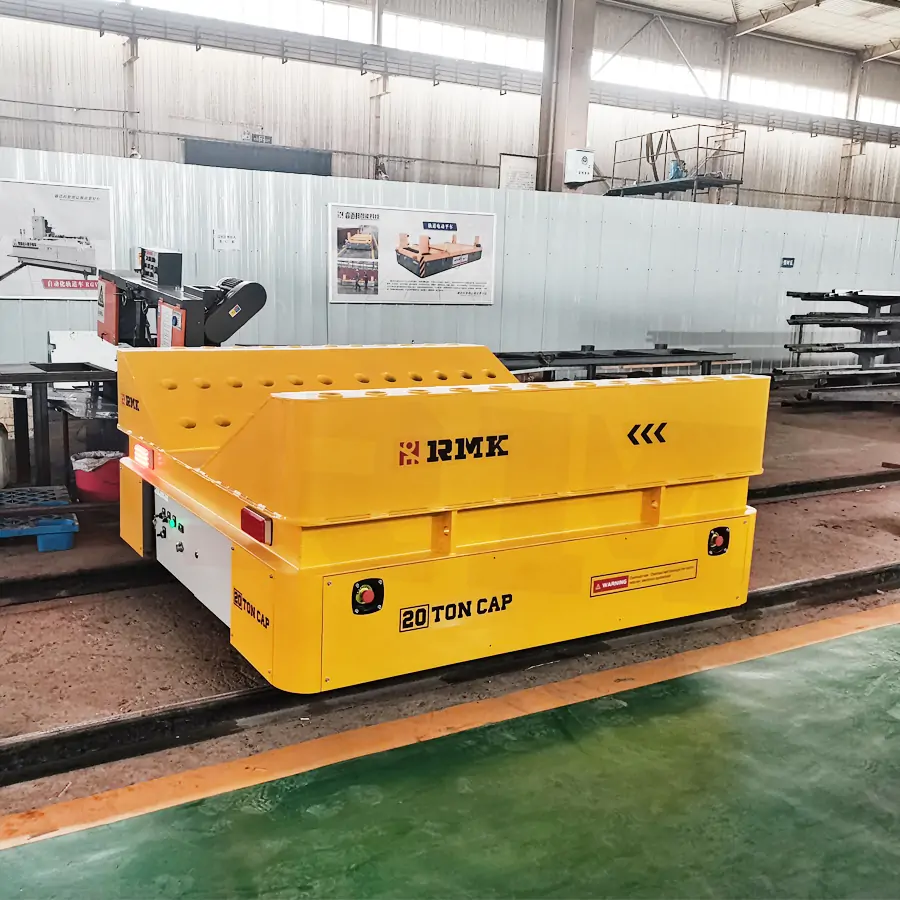
is a power-driven piece of equipment specifically designed for high-frequency, fixed-path operations. It skips the traditional battery power mode, drawing continuous energy directly from the plant’s AC grid via cable. This design eliminates the range anxiety of heavy equipment during high-power output while providing exceptional environmental durability. The following sections will give you a comprehensive look at this industrial “evergreen” by covering its hardware components, working principles, performance advantages, and common types.
.
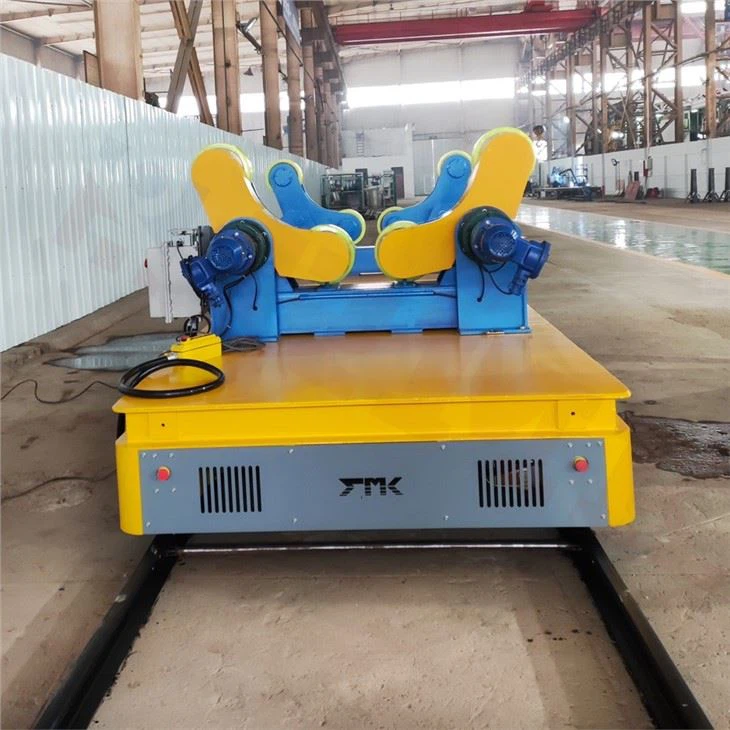
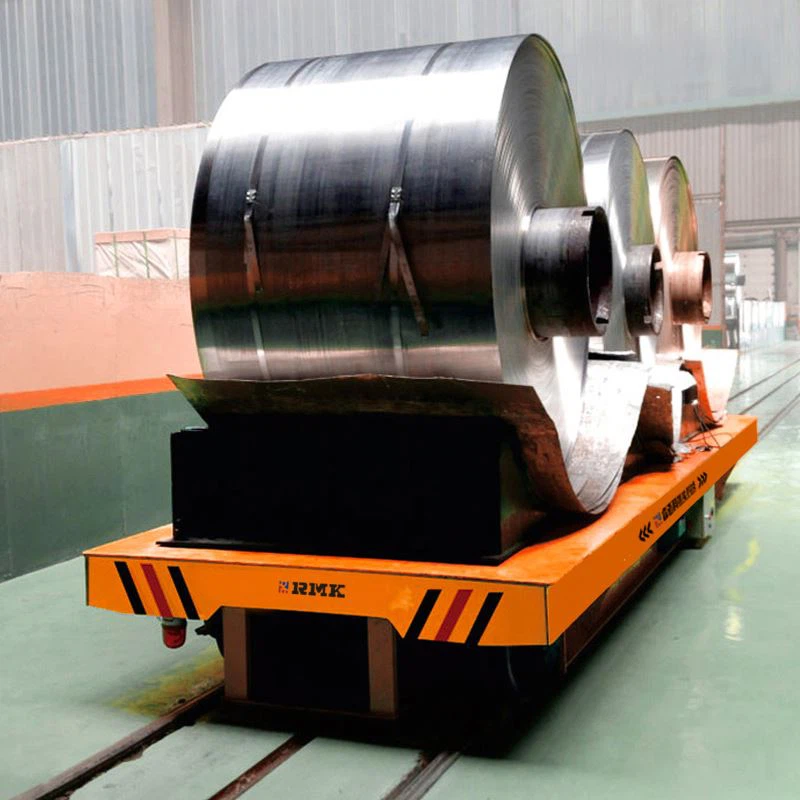
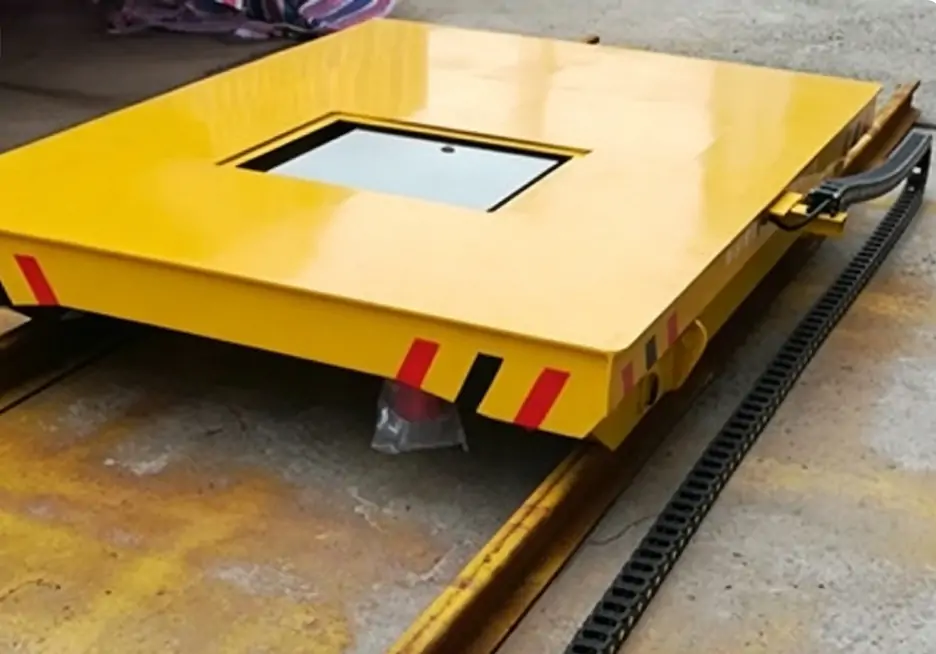
Piezas
A high-performance
cable-powered transfer cart
is far more than just a “tethered trolley.” Its components include:
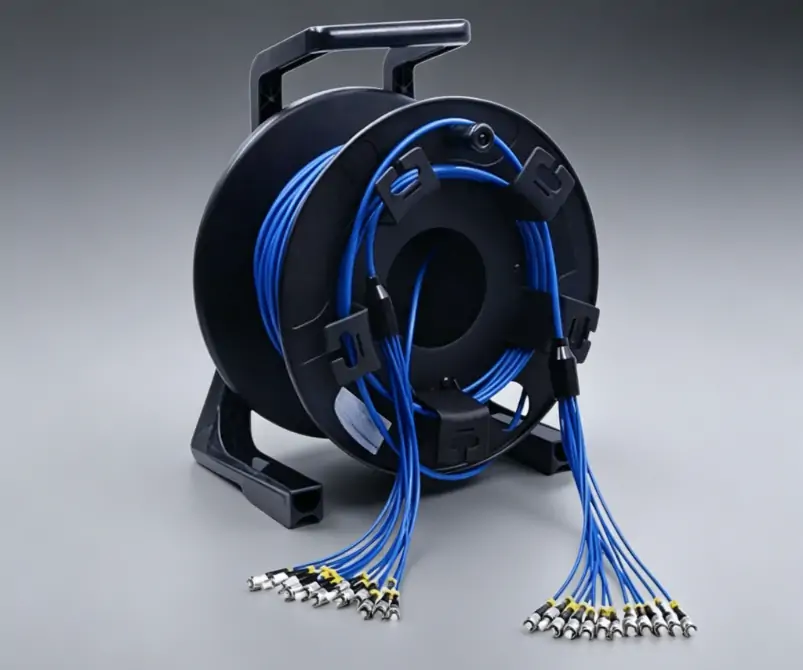
- Winding Mechanism:
This is the soul of the vehicle, utilizing a constant-tension
cable reel transfer cart
or
cable drum transfer cart
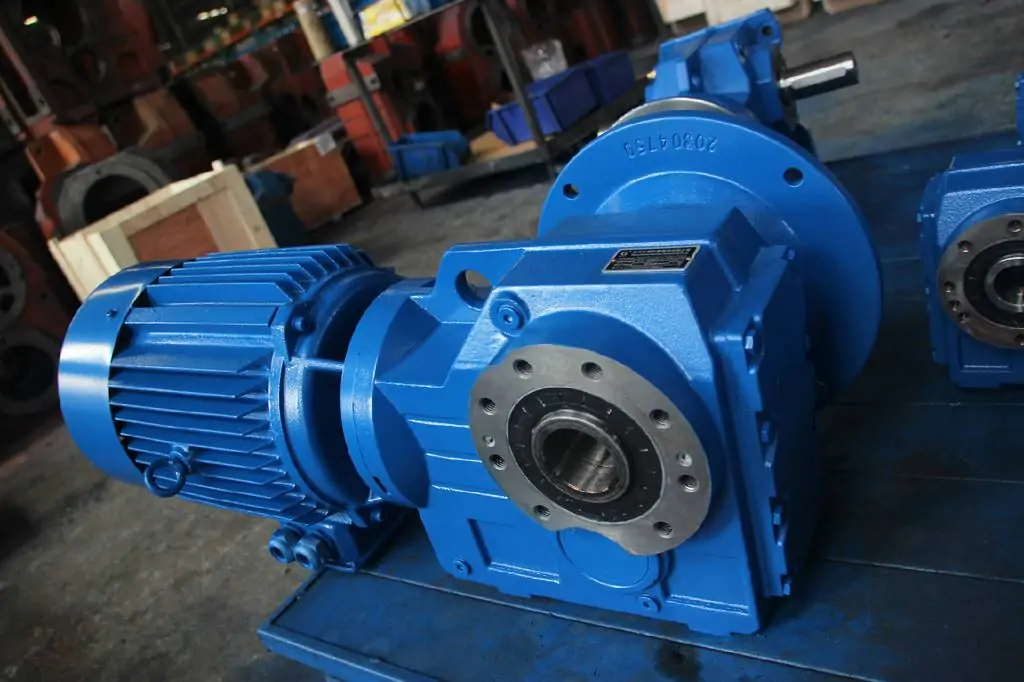
. It manages the cable’s winding and unwinding as the cart moves back and forth, automatically sensing speed to keep the cable at the right tension and prevent it from being crushed by the wheels. - Sistema de alimentación: Equipped with a 380V industrial AC motor and gearbox. The torque output is rock-solid, easily handling instantaneous starting loads from 10 to 500 tons.
. - Load-bearing Chassis:
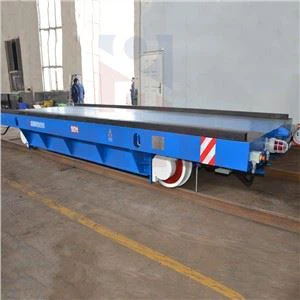
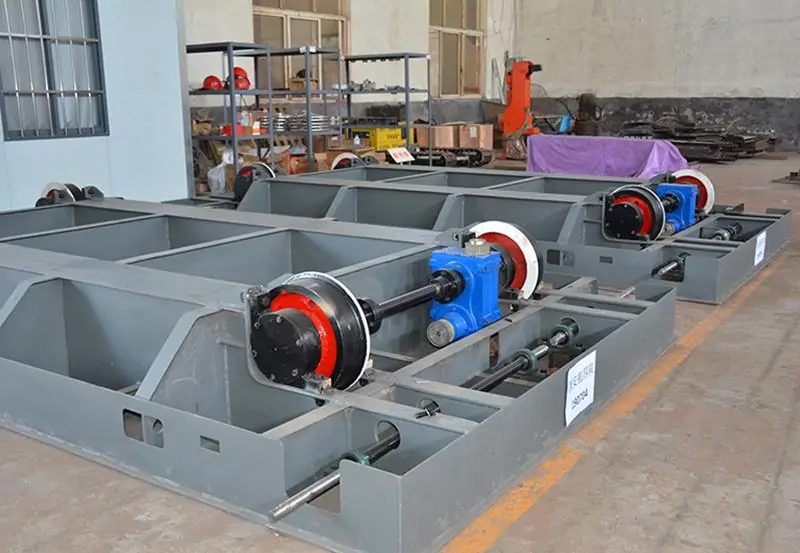
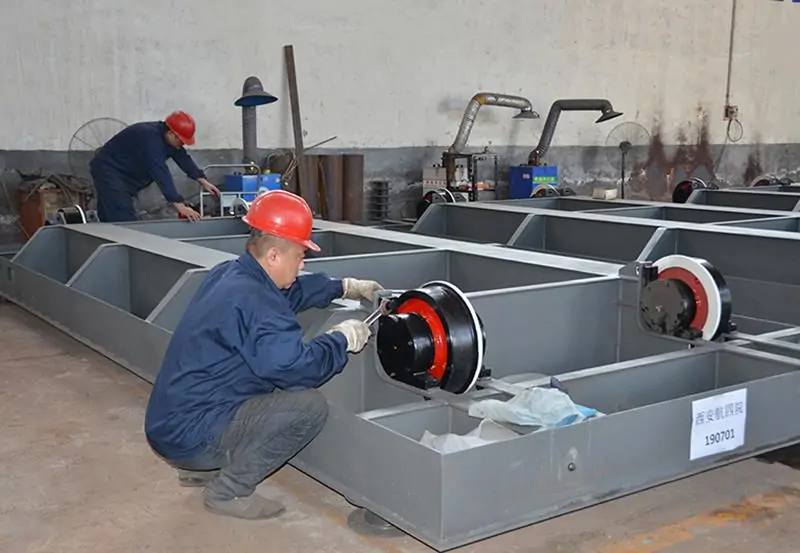
Welded from thickened I-beams or box-beam structures. The interior is pre-configured with dedicated cable guide slots and mounting space for the winder.
. - Sistema de control: Integrated with a VFD (Variable Frequency Drive) control cabinet. It ensures smooth starts and stops while cushioning the impact of heavy-duty inertia on the motor and gears.
.
Working
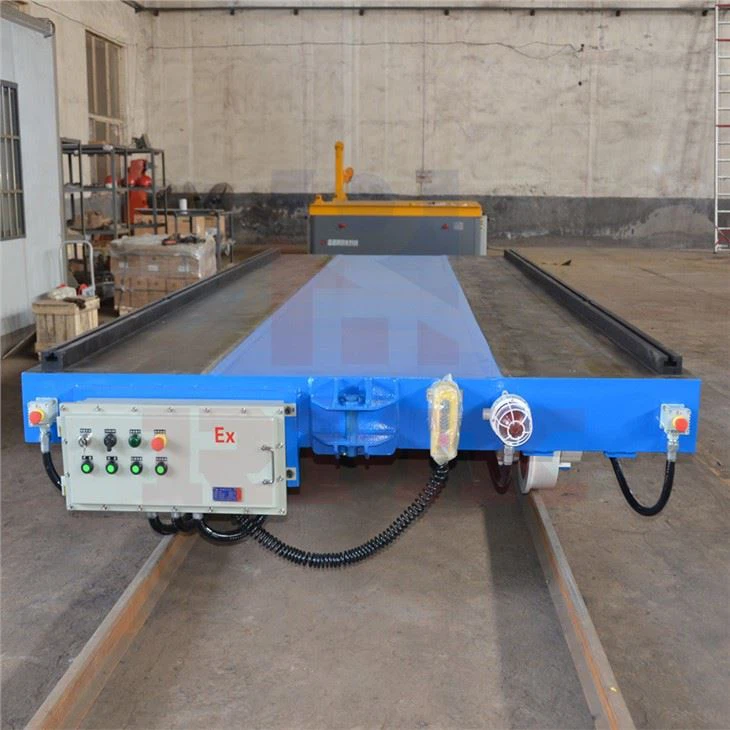
The operation of a cable transfer cart is straightforward. One end of the cable connects to the ground power box, while the other connects to the onboard motor via the cable drum transfer cart. When the cart starts moving, the reel mechanism works in sync with the travel distance: it releases the cable when moving forward and provides a pull to wrap the cable evenly onto the drum when returning. As long as it’s plugged in, the cart can run non-stop cycles on its preset route.
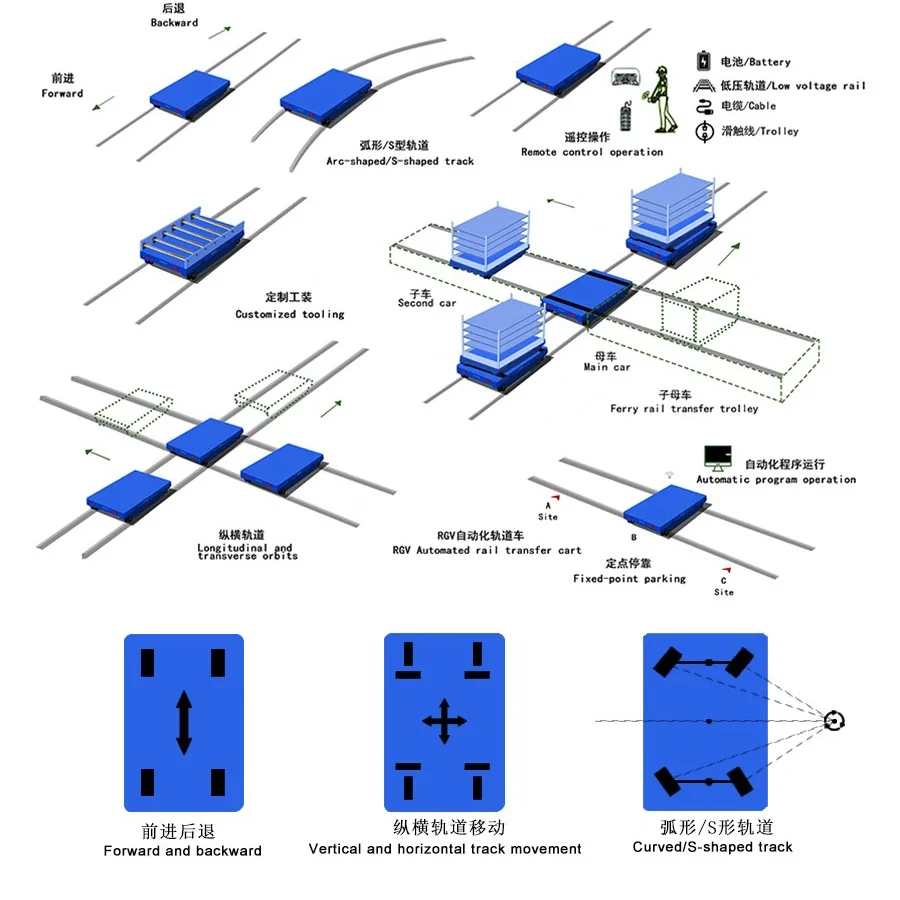
This “synchronized retraction and extension, plug-and-play” design completely eliminates the hassles of charging wait times, and power loss for the cable-powered transfer cart. It can be said that the precise coordination between the reel mechanism and the power system directly determines the smoothness of the vehicle’s operation. Compared to battery-powered or other drive systems, where exactly does the cable-powered transfer cart excel in real-world performance? Next, we’ll take an in-depth look at its performance in terms of operational efficiency, maintenance costs, and environmental resilience.
2. Compared to other power modes, the cable-powered transfer cart wins on ROI and operational stability, specifically in these key areas:
3. Unlimited Runtime for High-Frequency Work:
4. It doesn’t need to stop for charging like battery carts. A cable transfer cart can work 24/7. In steel metallurgy or large foundry lines, the handling process syncs perfectly with production beats, boosting shift efficiency by over 30% compared to battery units.
5. Low Maintenance and Long Service Life:
6. The biggest perk of choosing a cable reel transfer cart is cutting out the cost of expensive battery replacements. Over an 8 to 10-year lifespan, there are almost no major consumable expenses beyond basic lubrication and cable wear checks. Compared to swapping batteries every two or three years, this saves the company about 40% to 50% in operating costs—pure profit.
7. Rugged Build for Harsh Environments:
8. Since the cable drum transfer cart doesn’t carry sensitive chemical batteries, it handles heat, dust, and explosive environments with more “grit.” Whether it’s solvent vapors in a spray booth or the scorching heat near a foundry furnace, it holds up. From -20°C to 70°C, the load output stays steady where battery carts might just quit.
9. High Starting Torque and Stability:.
Ventajas
Compared to other power modes, the cable-powered transfer cart wins on ROI and operational stability, specifically in these key areas:
- Unlimited Runtime for High-Frequency Work: It doesn’t need to stop for charging like battery carts. A cable transfer cart can work 24/7. In steel metallurgy or large foundry lines, the handling process syncs perfectly with production beats, boosting shift efficiency by over 30% compared to battery units.
- Low Maintenance and Long Service Life: The biggest perk of choosing a cable reel transfer cart is cutting out the cost of expensive battery replacements. Over an 8 to 10-year lifespan, there are almost no major consumable expenses beyond basic lubrication and cable wear checks. Compared to swapping batteries every two or three years, this saves the company about 40% to 50% in operating costs—pure profit.
- Rugged Build for Harsh Environments: Since the cable drum transfer cart doesn’t carry sensitive chemical batteries, it handles heat, dust, and explosive environments with more “grit.” Whether it’s solvent vapors in a spray booth or the scorching heat near a foundry furnace, it holds up. From -20°C to 70°C, the load output stays steady where battery carts might just quit.
- High Starting Torque and Stability: Direct AC power gives these carts massive torque right at start-up. For loads over 100 tons, an AC motor is much more stable than a DC motor of the same power. This cable-powered transfer cart ensures that heavy cargo doesn’t jerk or roll back during starts or inclines, eliminating dangerous instability.
La alimentación directa de CA proporciona a estos carros un par masivo justo al arrancar. Para cargas de más de 100 toneladas, un motor de CA es mucho más estable que un motor de CC de la misma potencia. Este carro de transferencia alimentado por cable garantiza que la carga pesada no se sacuda ni retroceda durante los arranques o pendientes, eliminando la inestabilidad peligrosa.
.
Overall, cable-powered transfer carts are designed to meet the extreme demands of heavy industry—where high power output, frequent operation, and harsh environments are the norm. They rely on direct, stable power delivery and a hardware design that rarely fails. The specific method for retracting and extending the cable depends on the actual layout of your facility’s tracks and floor conditions. Next, let’s take a look at the available cable retraction options.
En general, los carros de transferencia alimentados por cable están diseñados para cumplir con las demandas extremas de la industria pesada, donde la alta potencia de salida, la operación frecuente y los entornos hostiles son la norma. Dependen de una entrega de energía directa y estable y de un diseño de hardware que rara vez falla. El método específico para retraer y extender el cable depende del diseño real de las vías y las condiciones del piso de su instalación. A continuación, veamos las opciones de retracción de cable disponibles.
.
Tipos
Based on travel distance and environment, the cable transfer cart comes in several structural forms, mainly differing in how they store the cable.
Según la distancia de viaje y el entorno, el carro de transferencia por cable se presenta en varias formas estructurales, que se diferencian principalmente en cómo almacenan el cable.
.
Cable Reel/Drum Type:
Tipo de carrete/tambor de cable:
The most widely used type. The cable reel transfer cart relies on an onboard or ground-mounted electric reel. For distances over 30 meters, a magnetic-coupled cable drum transfer cart is usually the go-to to keep tension constant and prevent cable breakage or slack.
El tipo más utilizado. El carro de transferencia con carrete de cable depende de un carrete eléctrico montado a bordo o en el suelo. Para distancias superiores a 30 metros, se suele optar por un carro de transferencia con tambor de cable de acoplamiento magnético para mantener la tensión constante y evitar la rotura o holgura del cable.
.
- Rated Load:
Carga nominal:
5t – 150t (Customizable for ultra-heavy loads)
5t – 150t (Personalizable para cargas ultra pesadas) - Travel Distance:
Distancia de viaje:
30m – 200m (Depending on drum capacity)
30m – 200m (Dependiendo de la capacidad del tambor) - Velocidad de Desplazamiento: 0 – 25m/min (VFD controlled for smooth starts)
0 – 25m/min (Controlado por VFD para arranques suaves) - 4G/5G, Wi-Fi, Bluetooth Magnetic tension cable reel (prevents cable damage over long runs)
Carrete de cable con tensión magnética (evita daños en el cable en recorridos largos) - Ground Clearance:
Altura libre al suelo:
50mm – 75mm
50mm – 75mm - Control: Pendant + Wireless Remote
Colgante + Control remoto inalámbrico
Drag Chain Type:
Tipo de cadena portacables:
This
Esto
cable-powered transfer cart
places the cable inside a “tank chain.” The drag chain prevents cable wear, making it perfect for shorter runs (usually within 20 meters) and clean-room environments.
coloca el cable dentro de una “cadena de tanque”. La cadena portacables evita el desgaste del cable, lo que la hace perfecta para recorridos más cortos (generalmente dentro de 20 metros) y entornos de sala limpia.
.
- Rated Load:
Carga nominal:
1t – 80t
1t – 80t - Travel Distance:
Distancia de viaje:
Within 20m (Limited by chain length and friction)
Dentro de 20m (Limitado por la longitud de la cadena y la fricción) - Velocidad de Desplazamiento: 0 – 30m/min (Supports faster cycle times)
0 – 30m/min (Admite tiempos de ciclo más rápidos) - Cable Protection:
Protección del cable:
High-strength plastic or steel drag chain (Oil, water, and wear resistant)
Cadena portacables de plástico o acero de alta resistencia (resistente al aceite, agua y desgaste) - Table Height:
Altura de la mesa:
450mm – 650mm (Compact, low-profile design)
450mm – 650mm (Diseño compacto y de perfil bajo) - Integrado con visión industrial o sensores láser, este modelo se enlaza con sistemas de despacho in situ para manipulación no tripulada. ±5mm – ±10mm (Ideal for docking with automated lines)
±5mm – ±10mm (Ideal para acoplamiento con líneas automatizadas)
Cable Trench Type:
Tipo de zanja para cables: Para mantener el piso del taller nivelado, los cables se colocan en zanjas pretaladradas en el suelo. A medida que el vehículo se desplaza, un dispositivo elevador recoge el cable, evitando eficazmente el riesgo de que otros vehículos aplasten las líneas.5. 5t – 120t6. 20m – 100m7. 0 – 20m/min8. Ubicación de la alimentación:9. Zanja en el suelo (La profundidad de la zanja suele ser de 150 mm a 200 mm)10. Mecanismo de elevación:11. Dispositivo de seguimiento automático (Reduce la fricción durante la recogida)12. Grado de protección:13. Caja de control IP55, Motor IP44 (Resistente al polvo)14. El diseño estructural del carro de transferencia por cable determina su estabilidad en condiciones operativas específicas. Los usuarios deben seleccionar la solución de alimentación más adecuada según las distancias operativas dentro de la instalación y las condiciones del piso.15. Debido a su durabilidad y potencia, el carro de transferencia por cable funciona donde fallan los carros con batería.16. Siderurgia:17. Transporte de cucharas o palanquillas calientes cerca de hornos. Es más resistente al calor que las baterías, manteniendo la potencia total incluso en calor de más de 70 °C.18. Ensamblaje pesado:19. Para movimientos de larga distancia de torres eólicas o recipientes a presión, el carro de transferencia con enrollador de cable proporciona una potencia estable a lo largo de cientos de metros con una precisión de posicionamiento milimétrica.20. Cabinas de rociado y granallado:21. Estas áreas contienen gases explosivos. Un carro de transferencia con tambor de cable no tiene riesgo de chispas de batería y es fácil de hacer a prueba de explosiones, lo que lo convierte en una opción segura para líneas de recubrimiento.22. Astilleros/Muelles:23. En entornos exteriores salinos y húmedos, la alimentación por cable es más resistente a la corrosión que las baterías, asegurando que las secciones pesadas de los barcos se muevan de manera confiable.24. Ya sea enfrentando calor extremo o requisitos estrictos de protección contra explosiones, el carro de transferencia por cable demuestra una adaptabilidad excepcional. Su rendimiento constante en estos sectores industriales pesados subraya su valor irremplazable como una solución de manejo de materiales de larga duración.25. Consejos de selección26. Acertar con un carro de transferencia por cable se trata de igualar las especificaciones. Adivinar conduce a baja eficiencia y cables arruinados.27. Distancia vs. Enrollador:28. Los recorridos de más de 50 metros necesitan un nivelador de cable automático para evitar que el carro de transferencia con tambor de cable se enrede, lo que causa tensión desigual o daños en la cubierta.29. Entorno vs. Protección:30. Para pisos exteriores o aceitosos, el carro de transferencia con enrollador de cable necesita cables resistentes a los rayos UV y a la corrosión, y posiblemente cubiertas protectoras.31. Carga vs. Frecuencia:32. El trabajo de alta frecuencia requiere un motor de ciclo de trabajo S1. La tensión debe sincronizarse perfectamente con la velocidad del carro para evitar romper el cable.33. Riel vs. Caída de tensión:34. Asegúrese de que los rieles estén nivelados y que el calibre del cable coincida con la distancia de recorrido para evitar que el carro de transferencia por cable se sobrecaliente debido a caídas de tensión en el extremo más alejado.35. En resumen, el proceso de selección debe equilibrar la capacidad de carga, la distancia y las características de seguridad para garantizar una operación de bajo costo y alta eficiencia a largo plazo.36. En el transporte pesado de ruta fija, el carro de transferencia por cable es un verdadero "siempre verde". Tiene el par motor y la resistencia "plug-and-play" que las fundiciones y las acerías necesitan.37. tiene años de experiencia probada en campo en el control de tensión de carros de transferencia con enrollador de cable, protección contra explosiones y estabilidad de potencia de larga distancia. No solo vendemos un carro de transferencia con tambor de cable, y el38. Carro de Transferencia Omnidireccional39. .construimos una solución adaptada a su piso, su frecuencia y su carga.40. para personalizar una solución para su operación.41. ¿Cuál es la distancia máxima de recorrido para un carro de transferencia por cable?42. Generalmente recomendamos mantener la distancia para un carro de transferencia por cable dentro de los 200 metros. Si el recorrido es demasiado largo, el diámetro del enrollador se vuelve masivo, estresando el mecanismo. Remarkable utiliza carros de transferencia con tambor de cable magnético de alta capacidad para lograr un manejo suave en el rango de 100 a 200 metros.43. ¿Cómo se evita que el cable se rompa durante la operación?44. Esta es una especificación crítica para un carro de transferencia con enrollador de cable. El equipo profesional utiliza sistemas de tensión constante o acopladores magnéticos para sincronizar la velocidad del enrollador con la velocidad de desplazamiento. Si el carro frena o acelera inesperadamente, el enrollador ajusta el par automáticamente para evitar la rotura.45. ¿Es este carro adecuado para uso en exteriores?46. Absolutamente. Para trabajo en exteriores, utilizamos cables de goma especializados resistentes a los rayos UV, de alta resistencia a la tracción y al desgaste. Las partes eléctricas críticas del carro de transferencia por cable están equipadas con cubiertas protectoras contra la lluvia y la suciedad.47. ¿Pueden los carros de transferencia por cable ser a prueba de explosiones?48. Sí. Dado que no hay baterías químicas dentro de un carro de transferencia por cable, la protección contra explosiones es más sencilla que en los carros con batería. Podemos actualizar el motor, la caja y el enrollador a clasificaciones completas de protección contra explosiones para uso en plantas químicas o de pintura.49. ¿Puede funcionar en rieles curvos?50. La alimentación por cable es principalmente para rutas fijas y rectas. Si hay una curva, se necesitan rodillos guía especializados y zanjas para cables. Un carro de transferencia con enrollador de cable maneja bien curvas de gran radio, pero para curvas cerradas de 90 grados, es mejor consultar a un ingeniero sobre la alimentación por barra conductora o batería.51. ¿El mantenimiento es mayor que el de un carro con batería?52. En realidad, es mucho menor. No tiene que pagar por un nuevo banco de baterías cada pocos años. El mantenimiento consiste principalmente en lubricar los rodamientos del enrollador, revisar las cubiertas de los cables y limpiar las escobillas. Los costos operativos generales son aproximadamente un 40% más bajos que los de las unidades con batería.53. ¿Cómo se evita que otros vehículos aplasten el cable?54. Tres formas principales: una "zanja de protección de cables" a lo largo de la ruta, una cadena portacables cerrada o un mecanismo de elevación automática. En áreas de alto tráfico, recomendamos encarecidamente el método de zanja y cubierta para mantener el cable fuera de peligro.55. ¿Se puede actualizar a un AGV automatizado?56. Definitivamente. El carro de transferencia por cable de Remarkable viene con interfaces preparadas para PLC. Al agregar navegación láser, evitación de obstáculos y sensores de posicionamiento, se puede integrar en el sistema de despacho de su planta para una operación completamente no tripulada.57. Descubra qué es un carro de transferencia por cable, cómo funciona un carro de transferencia con enrollador de cable y los beneficios de usar un carro de transferencia con tambor de cable para el manejo industrial pesado.58. ¿Qué es un carro de transferencia por cable? Guía para carros de transferencia por cable - Remarkable.
- Rated Load:
Carga nominal:
5t – 120t - Travel Distance:
Distancia de viaje:
20m – 100m - Velocidad de Desplazamiento: 0 – 20m/min
- Power Location:
Ground trench (Trench depth usually 150mm-200mm) - Lifting Mechanism:
Automatic follow-up device (Reduces friction during pickup) - Protection Level:
Control box IP55, Motor IP44 (Dust resistant)
The structural design of the cable transfer cart determines its stability under specific operating conditions. Users should select the most suitable power supply solution based on the operational distances within the facility and the floor conditions.
.
Escenarios de aplicación
Because of its durability and power, the cable-powered transfer cart thrives where battery carts fail.
.
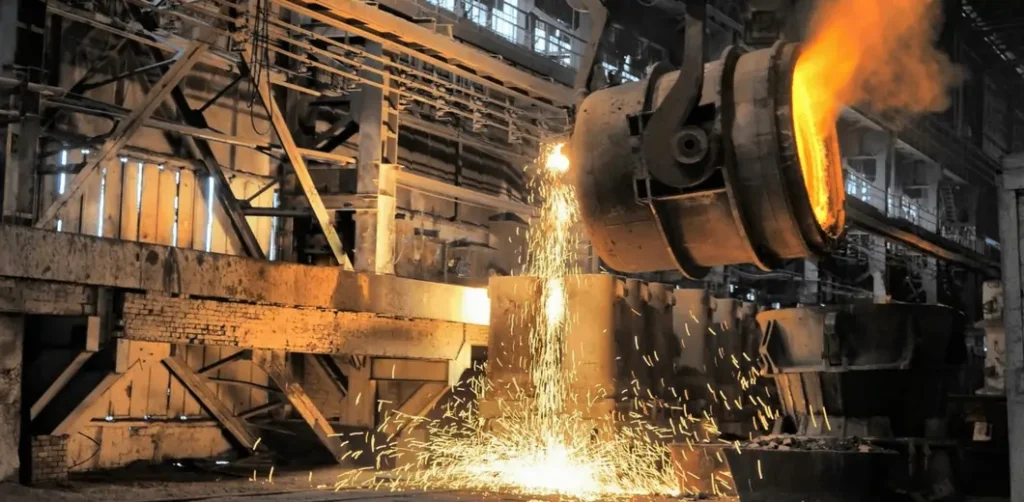
Steel Metallurgy:
Transporting ladles or hot billets near furnaces. It’s more heat-resistant than batteries, maintaining full power even in 70°C+ heat.
.

Heavy Assembly:
For long-distance moves of wind towers or pressure vessels, the cable reel transfer cart provides stable power over hundreds of meters with millimeter positioning accuracy.
.
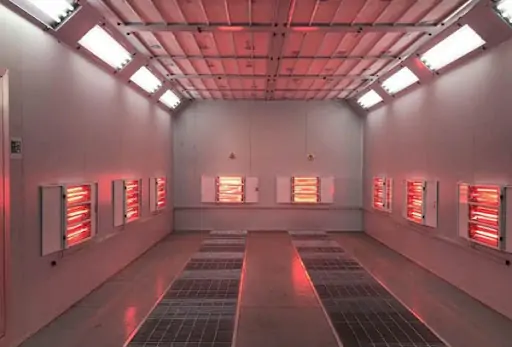
Spray & Blast Booths:
These areas have explosive gases. A cable drum transfer cart has no battery spark risk and is easy to explosion-proof, making it a safe choice for coating lines.
.
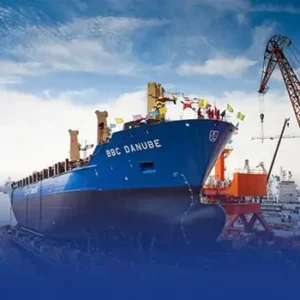
Shipbuilding/Docks:
In salty, humid outdoor environments, cable power is more corrosion-resistant than batteries, ensuring heavy ship sections move reliably.
.
Whether facing extreme heat or stringent explosion-proof requirements, the cable transfer cart demonstrates exceptional adaptability. Its consistent performance in these heavy industrial sectors underscores its irreplaceable value as a long-lasting material-handling solution.
.
Selection Tips
Getting a cable transfer cart right is all about matching specs. Guessing leads to low efficiency and ruined cables.
.
- Distance vs. Reel:
Runs over 50 meters need an automatic cable leveler to prevent the cable drum transfer cart from tangling, which causes uneven tension or jacket damage.
. - Environment vs. Protection:
For outdoor or oily floors, the cable reel transfer cart needs UV-resistant, corrosion-proof cables and potentially protective covers.
. - Load vs. Frequency:
High-frequency work requires an S1 duty cycle motor. Tension must be perfectly synced with the cart speed to avoid snapping the cable.
. - Track vs. Voltage Drop:
Ensure the rails are level and match the cable gauge to the travel distance to prevent the cable-powered transfer cart from overheating due to voltage drops at the far end.
.
In summary, the selection process must balance load capacity, distance, and safety features to ensure low-cost, high-efficiency operation in the long run.
.
Conclusión
In fixed-path heavy hauling, the cable transfer cart is a true “evergreen.” It has the torque and the “plug-and-play” stamina that foundries and steel mills need.
. Notable has years of field-tested experience in cable reel transfer cart tension control, explosion-proofing, and long-distance power stability. We don’t just sell a cable drum transfer cart, And the
Carro de transferencia industrial, Carro de transferencia sin raíles, Carro de transferencia de raíles, Omnidirectional TransferTrolley
, Carro de transferencia automática.we build a solution tailored to your floor, your frequency, and your cargo.
. Póngase en contacto con nosotros to customize a solution for your operation.
.
Correo electrónico: transfercart@rmkzn.com
Teléfono: +86-18637369355
PREGUNTAS FRECUENTES
What is the maximum travel distance for a cable transfer cart?
We generally recommend keeping the distance for a cable-powered transfer cart within 200 meters. If the run is too long, the reel diameter becomes massive, stressing the mechanism. Remarkable uses high-capacity magnetic cable drum transfer carts to achieve smooth handling in the 100-200 meter range.
.
How do you prevent the cable from snapping during operation?
This is a critical spec for a cable reel transfer cart. Professional equipment uses constant-tension systems or magnetic couplers to sync reel speed with travel speed. If the cart brakes or speeds up unexpectedly, the reel adjusts torque automatically to prevent snapping.
.
Is this cart suitable for outdoor use?
Absolutely. For outdoor work, we use UV-resistant, high-tensile, and wear-resistant specialized rubber cables. The critical electrical parts of the cable-powered transfer cart are fitted with protective covers against rain and grit.
.
Can cable transfer carts be explosion-proof?
Yes. Since there are no chemical batteries inside a cable transfer cart, explosion-proofing is more straightforward than on battery carts. We can upgrade the motor, box, and reel to full explosion-proof ratings for chemical or paint-shop use.
.
Can it run on curved tracks?
Cable power is mainly for fixed, straight paths. If there’s a turn, you need specialized guide rollers and cable trenches. A cable reel transfer cart handles large-radius curves well, but for sharp 90-degree turns, it’s best to talk to an engineer about busbar or battery power instead.
.
Is maintenance higher than for a battery cart?
Actually, it’s much lower. You don’t have to pay for a new battery bank every few years. Maintenance is mostly just lubricating reel bearings, checking cable jackets, and cleaning brushes. Overall operating costs are roughly 40% lower than battery units.
.
How do you keep other vehicles from crushing the cable?
Three main ways: a “cable protection trench” along the path, an enclosed drag chain, or an automatic lifting mechanism. In high-traffic areas, we strongly recommend the trench-and-cover method to keep the cable out of harm’s way.
.
Can it be upgraded to an automated AGV?
Definitely. Remarkable’s cable-powered transfer cart comes with PLC-ready interfaces. By adding laser navigation, obstacle avoidance, and positioning sensors, it can be integrated into your plant’s dispatch system for fully unmanned operation.
.