Inhaltsverzeichnis
Einleitung
Stahlwerke, Werften und Fertigungsanlagen müssen häufig Stahlcoils, übergroße Komponenten, Formen und schwere Ausrüstung bewegen, die Standard-Gabelstapler nicht bewältigen können. Ein Schwerlast-Transferwagen bietet eine zuverlässige Transportlösung auf Bodenebene für diese Lasten und bietet hohe Tragfähigkeit, stabile Bewegung und flexible Konfigurationen für verschiedene industrielle Umgebungen.
In diesem Leitfaden stelle ich die Haupttypen von Schwerlast-Transferwagen vor, darunter Schwerlast-Schienenwagen, schienenlose Transferwagen, batteriebetriebene Transferwagen und AGV-Transferlösungen. Ich erkläre ihre Funktionsweise, ihre Anwendungen, ihre Vorteile und Auswahlfaktoren, um Ihnen bei der Auswahl des richtigen schweren industriellen Transferwagens für Ihre Lastanforderungen, Transportwege und Produktionsbedingungen zu helfen.
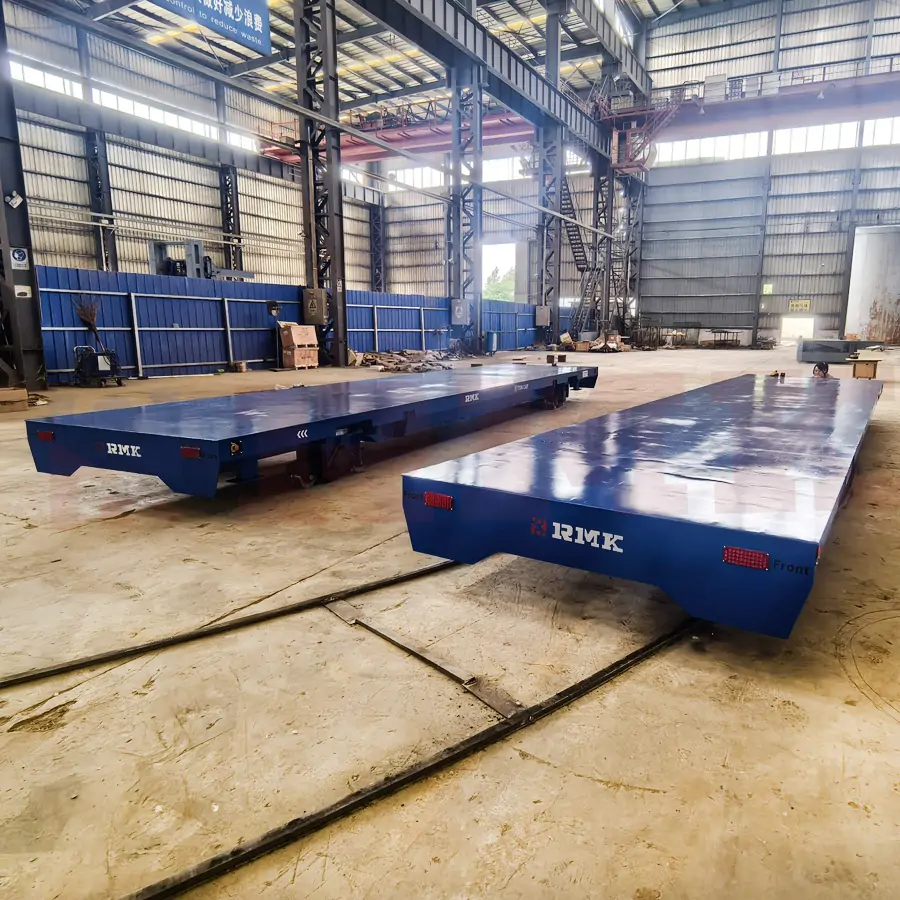
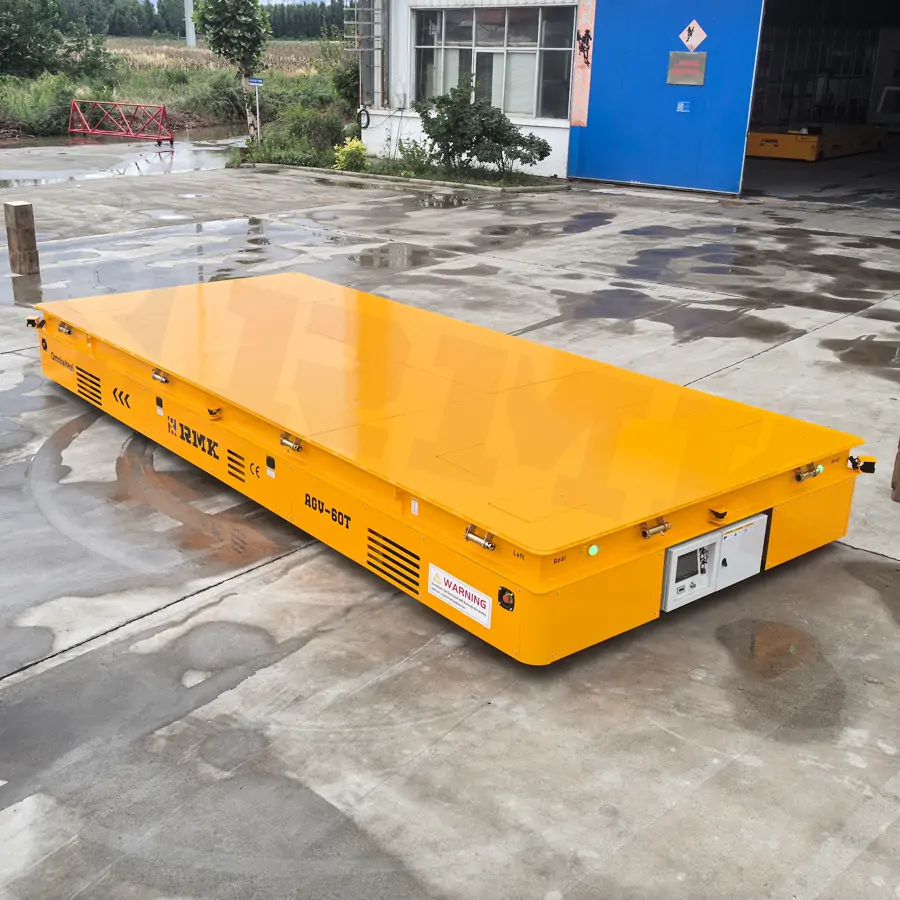
Was ist ein Schwerlast-Transferwagen?
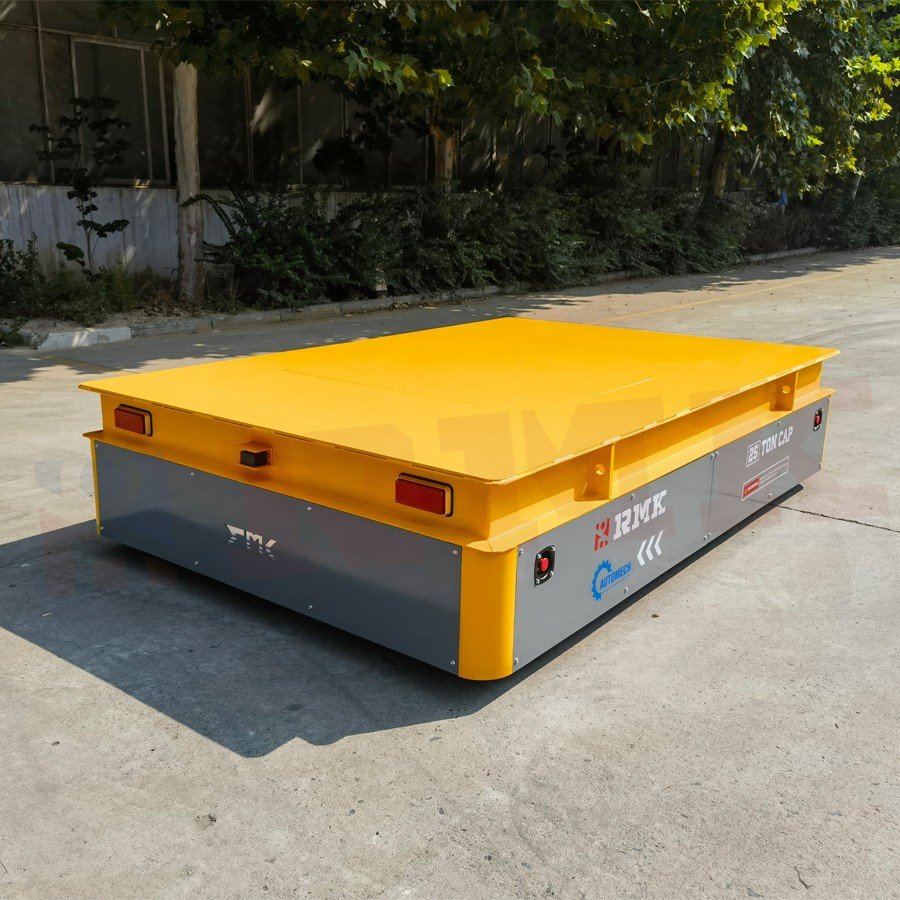
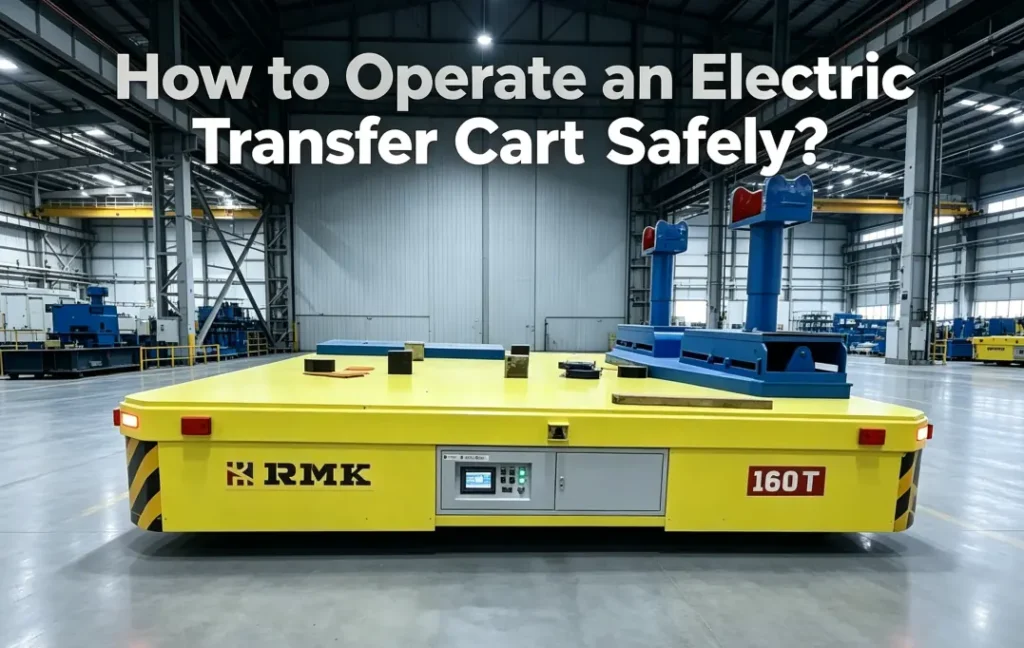
Ein Schwerlast-Transferwagen ist ein elektrisch angetriebenes Industriefahrzeug, das für den horizontalen Transport schwerer Lasten in Fabriken, Lagerhäusern, Werften und Produktionsanlagen ausgelegt ist. Er wird hauptsächlich für den Transport von Stahlcoils, Formen, Pumpen, Maschinen und übergroßen Komponenten verwendet, die mit herkömmlicher Ausrüstung schwer zu handhaben sind. Eine Schwerlast-Transferwagen-Lösung unterstützt typischerweise Lasten von mehreren Tonnen bis zu Hunderten von Tonnen, abhängig von der Struktur und den Anwendungsanforderungen.
Der Wagen arbeitet über ein elektrisches Antriebssystem, das von Batterien gespeist wird, und bietet stabile Bewegung unter schweren Lasten. Seine Hauptkomponenten umfassen eine hochfeste Stahlrahmenplattform, Industrieräder und Antriebssystem, Steuerungssystem, Batteriestromversorgung und Sicherheitsvorrichtungen. Verschiedene Konfigurationen, wie schienenmontierte oder schienenlose Ausführungen, ermöglichen den Betrieb des Wagens auf festen Routen oder flexiblen Wegen je nach Arbeitsumgebung.
Schwerlast-Transferwagen werden häufig in Stahlwerken, Werften, Gießereien, Automobilfabriken und der Schwermaschinenindustrie eingesetzt. Sie helfen beim Transport von Stahlkonstruktionen, Produktionsausrüstung, Formen und anderen großen Materialien zwischen Arbeitsstationen, verbessern die Transporteffizienz und reduzieren den manuellen Handhabungsaufwand.
Eine detaillierte Definition und Erklärung der Funktionsweise von Schwerlast-Transferwagen finden Sie in den folgenden Artikeln:
Was ist ein Schwerlast-Transferwagen?
Wie funktioniert ein Schwerlast-Transferwagen?
Arten von Schwerlast-Transferwagen
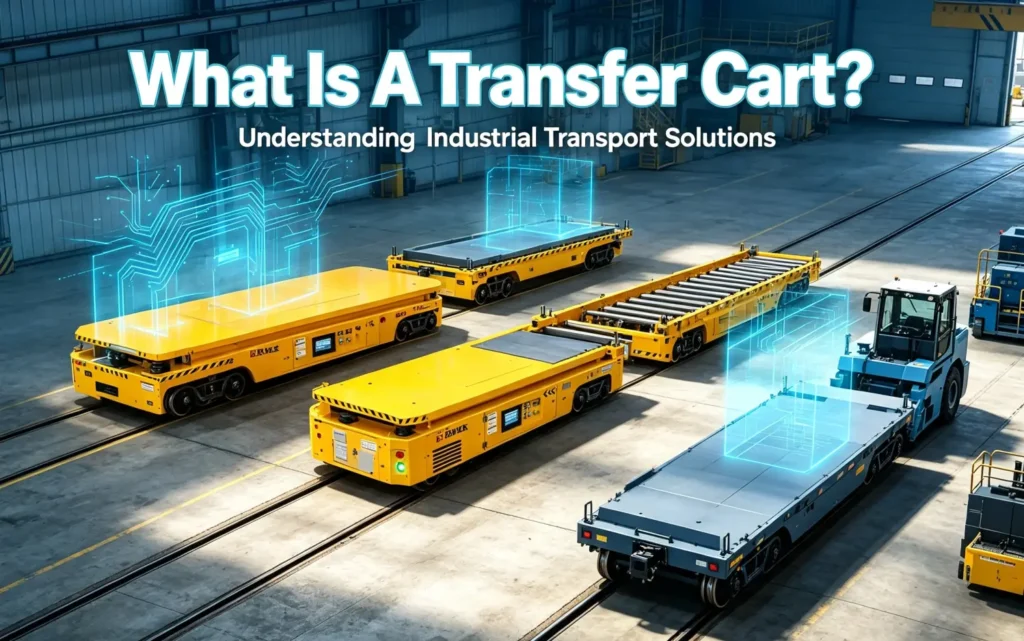
Schwerlast-Transferwagen werden nach Fahrweise, Energiequelle und Automatisierungsgrad klassifiziert. Die Haupttypen umfassen Schwerlast-Schienentransferwagen, schienenlose Transferwagen, batteriebetriebene Transferwagen, AGV-Transferwagen und Hydraulik-Hub-Transferwagen. Jeder Typ passt zu unterschiedlichen Fabriklayouts, Transportwegen und Lastanforderungen.
Schwerlast-Schienen-Transferwagen
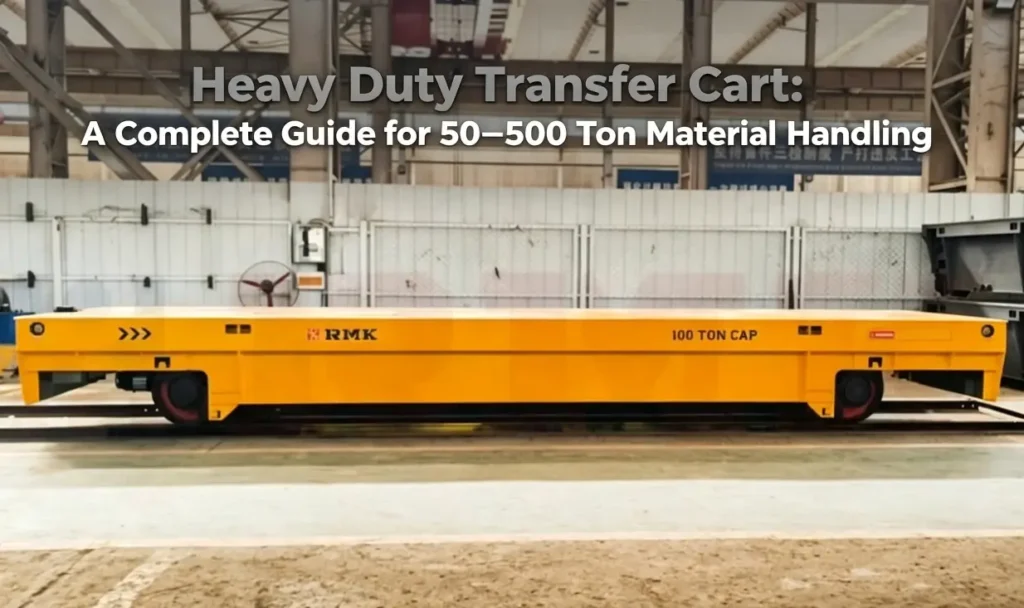
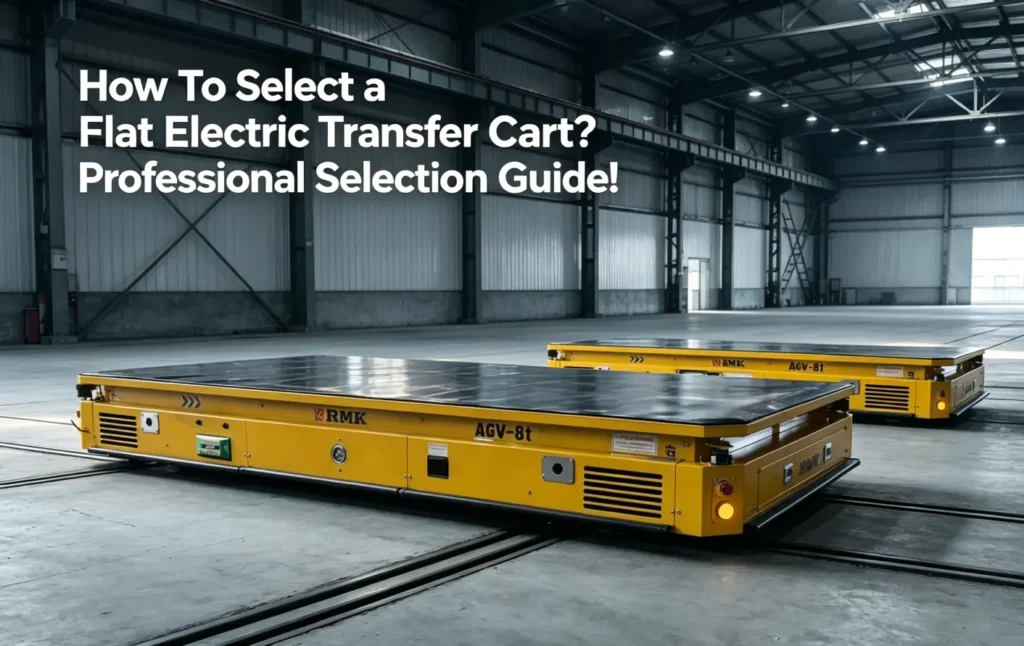
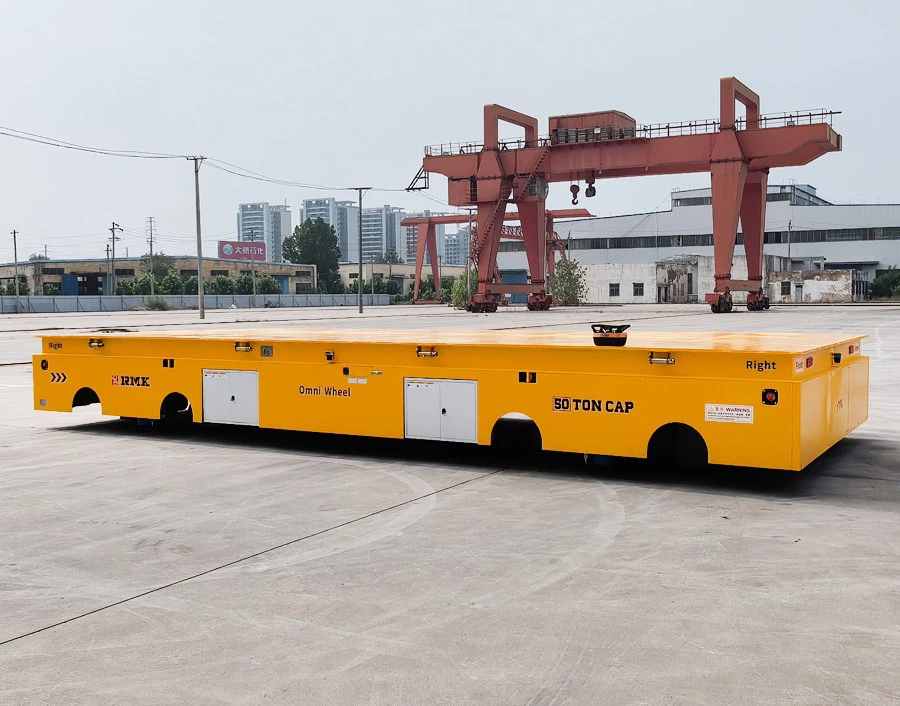
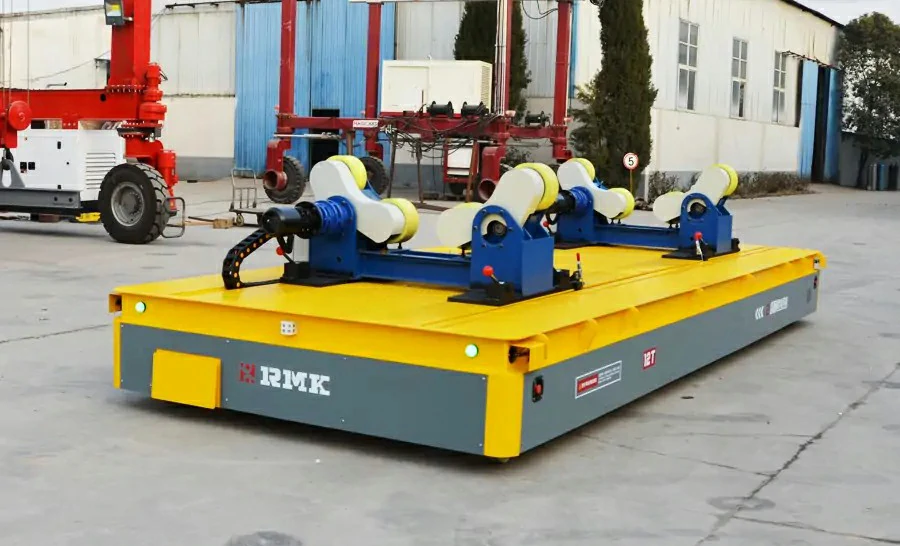
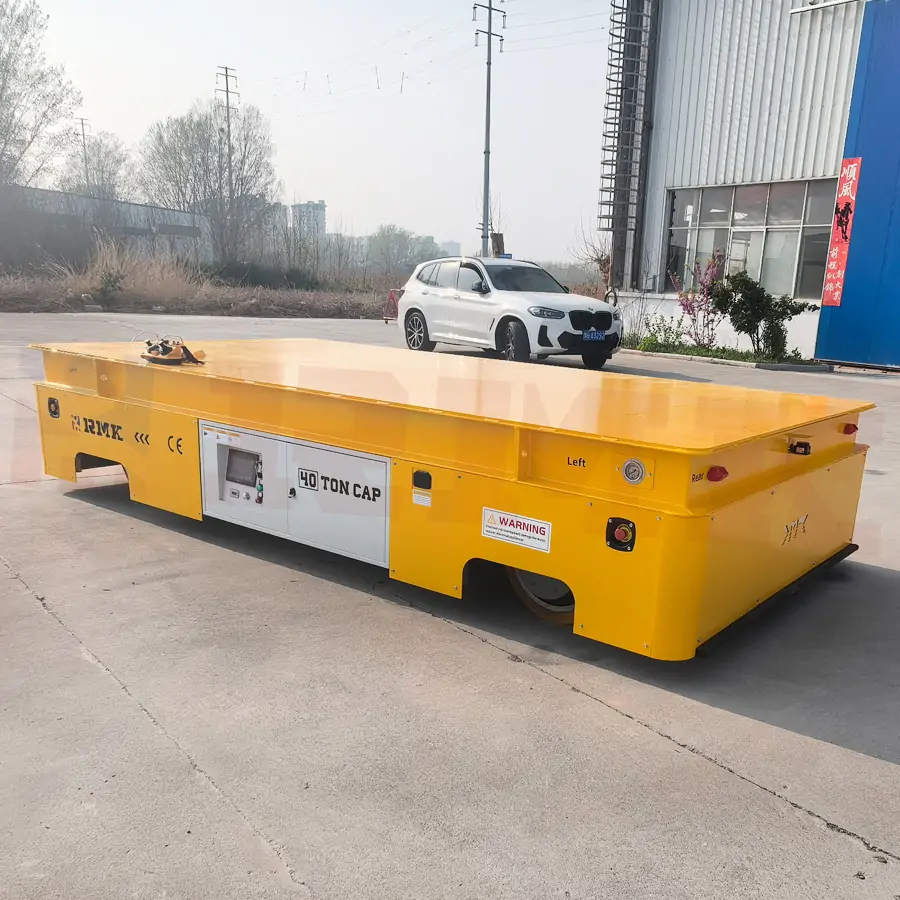
A Schwerlast-Schienentransferwagen ist ein elektrischer Transportwagen, der auf festen Schienen läuft, um schwere Materialien zwischen festgelegten Punkten zu bewegen. Er verwendet eine Stahlplattformstruktur, Schienenräder und ein elektrisches Antriebssystem für den stabilen Transport von Stahlcoils, Formen, Maschinenteilen und großen Komponenten. Er wird häufig in Stahlwerken, Werften, Gießereien und Schwerfertigungsanlagen mit festen Materialtransportwegen eingesetzt.
Technische Daten:
- Tragfähigkeit: 1–500 Tonnen
- Stromversorgung: Batterie, Kabeltrommel oder Schienenstrom
- Fahrgeschwindigkeit: 5–30 m/min
- Steuerungsmodus: Fernsteuerung oder automatische Steuerung
Schwerlast-Schienenloser Transferwagen
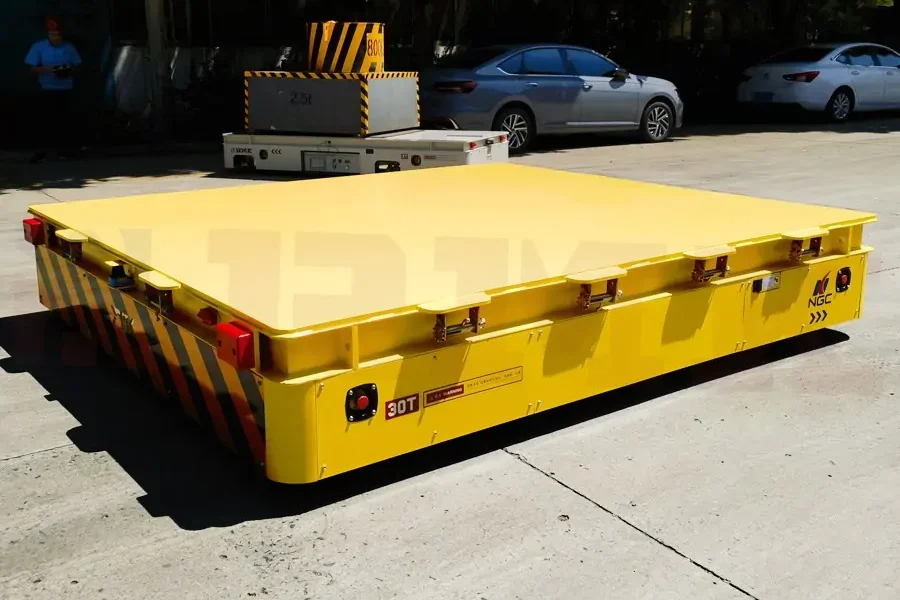
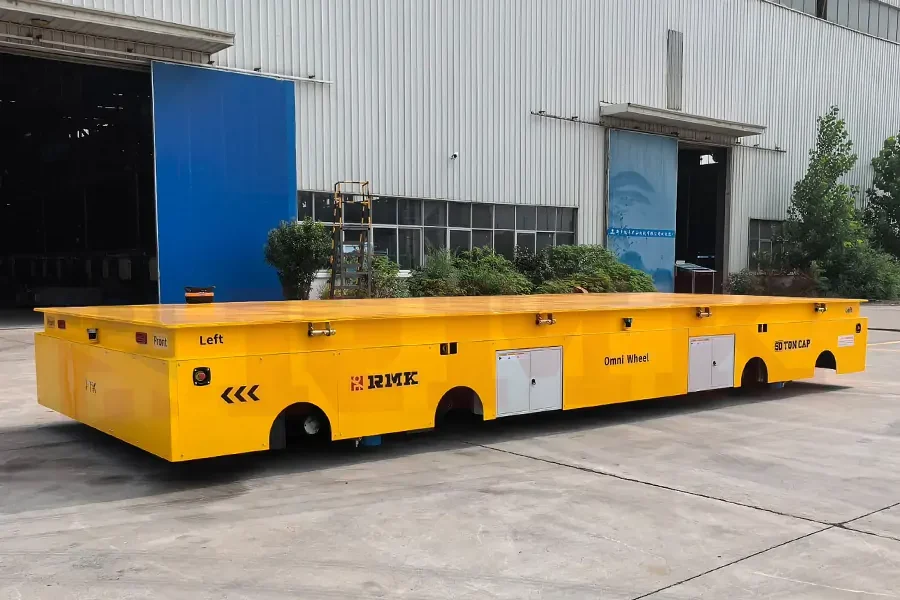
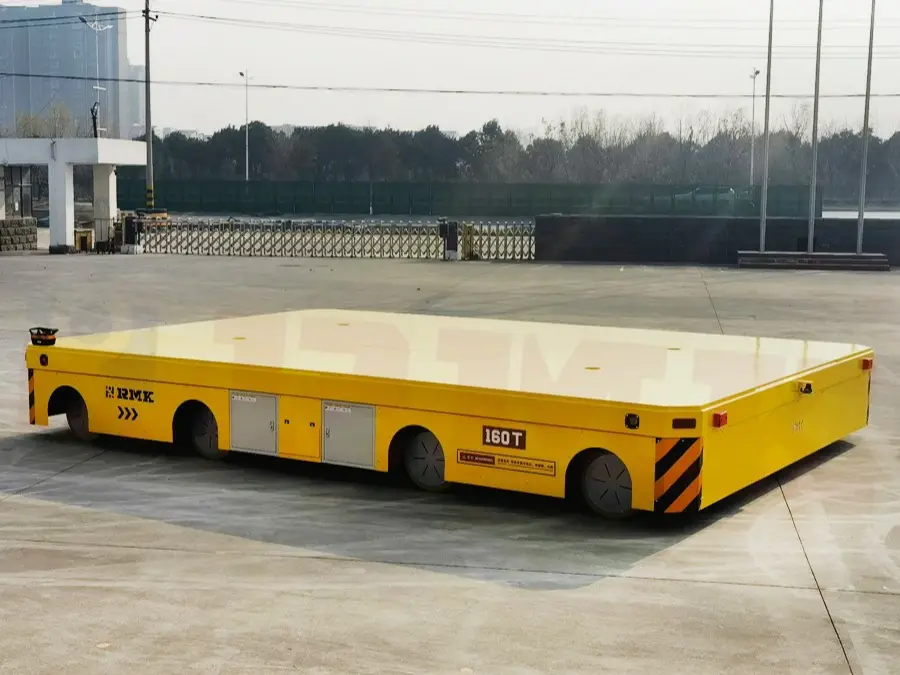
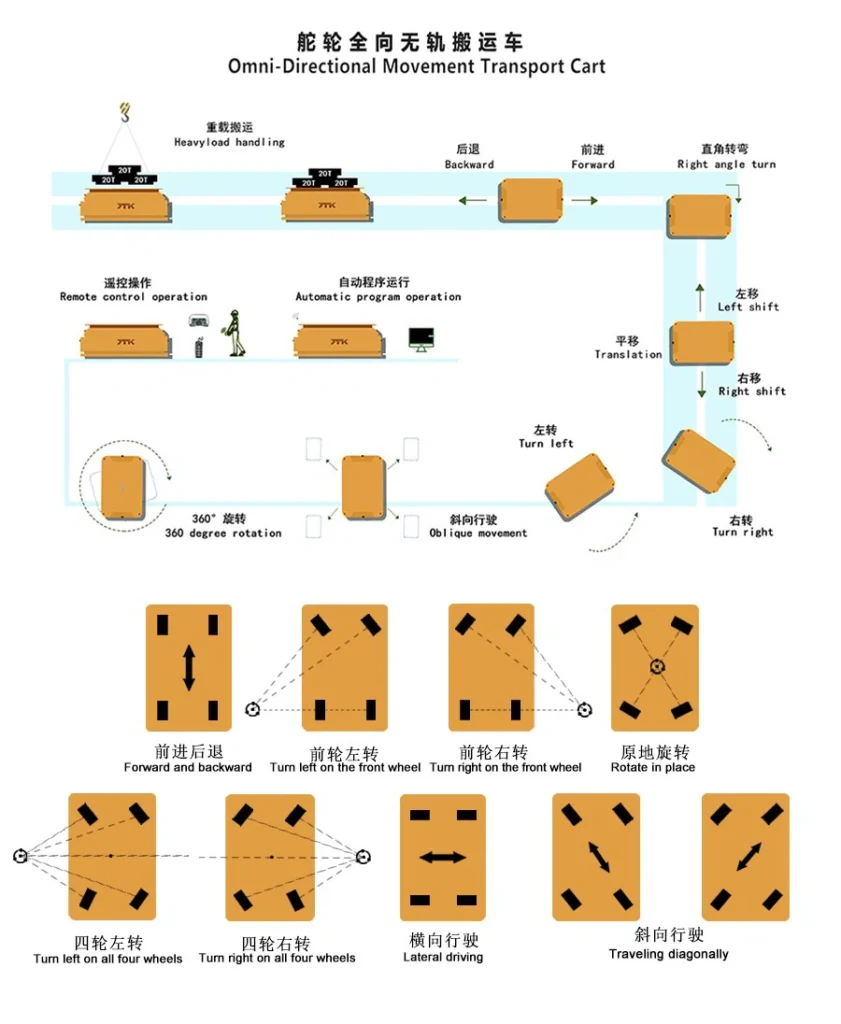
A schienenloser Schwerlast-Transferwagen ist ein batteriebetriebener Industriefahrzeug, das direkt auf dem Fabrikboden ohne Schienen fährt. Es verwendet ein Lenksystem für Vorwärts-, Rückwärts- und mehrachsige Bewegung. Der Wagen wird für den Transport von schwerer Ausrüstung, Formen, Stahlkonstruktionen und Produktionsmaterialien in Werkstätten mit sich ändernden Layouts oder mehreren Transferstandorten eingesetzt.
Technische Daten:
- Tragfähigkeit: 1–300 Tonnen
- Stromversorgung: Lithiumbatterie oder Blei-Säure-Batterie
- Fahrgeschwindigkeit: 5–35 m/min
- Lenkmodus: Mehrachsige Lenkung
Batteriebetriebener Schwerlast-Transferwagen
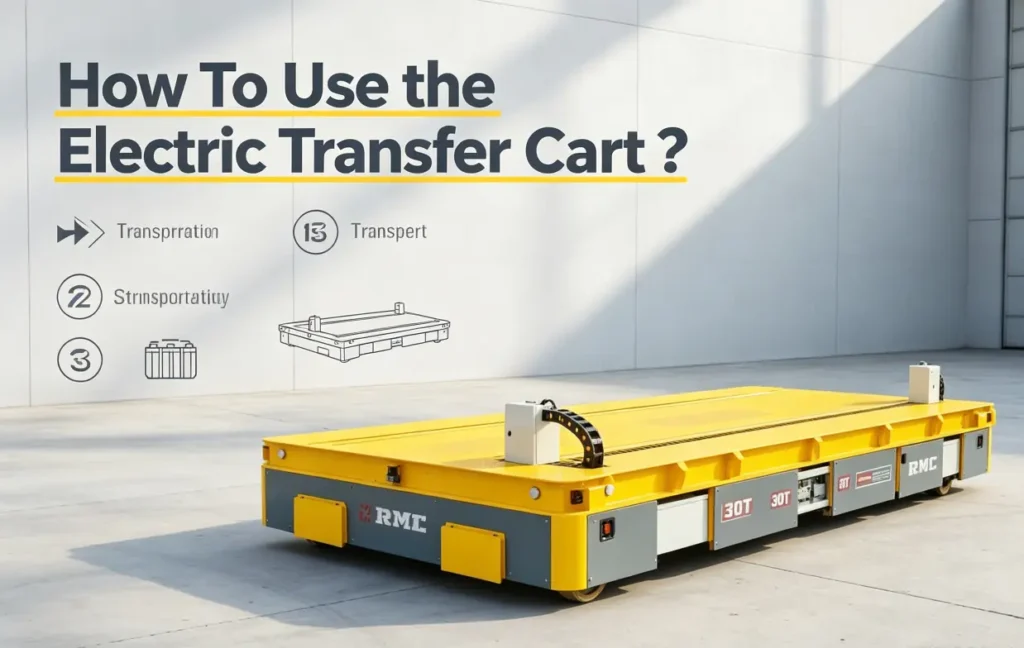
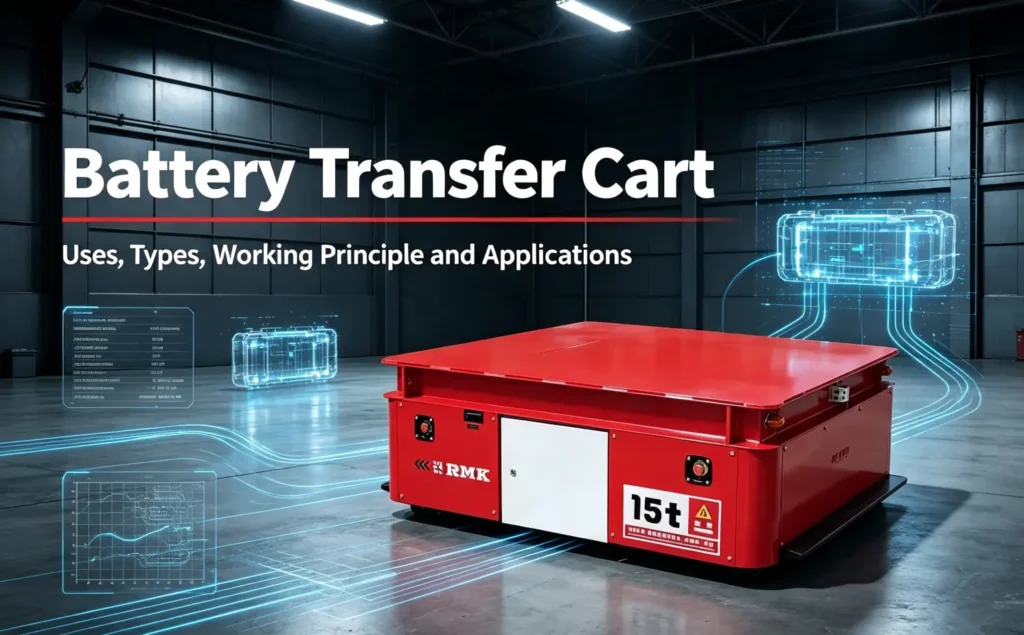
A batteriebetriebener Schwerlast-Transferwagen verwendet Bordbatterien als Hauptstromquelle für den Materialtransport. Der Wagen arbeitet ohne externe Kabel und ist für Innenwerkstätten, Montagelinien, Lagerhäuser und Produktionsbereiche geeignet, die unabhängige Bewegung erfordern.
Technische Daten:
- Tragfähigkeit: 1–500 Tonnen
- Batteriespannung: 24–96V
- Betriebszeit: Angepasst an den Arbeitszyklus
- Ladeverfahren: Automatisches oder manuelles Laden
Schwerlast-AGV-Transferwagen
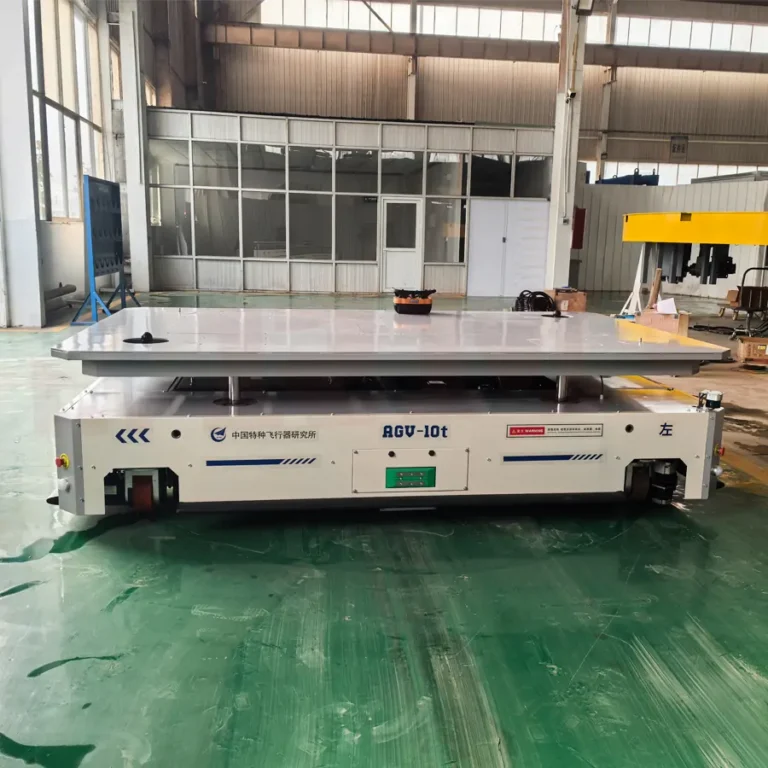
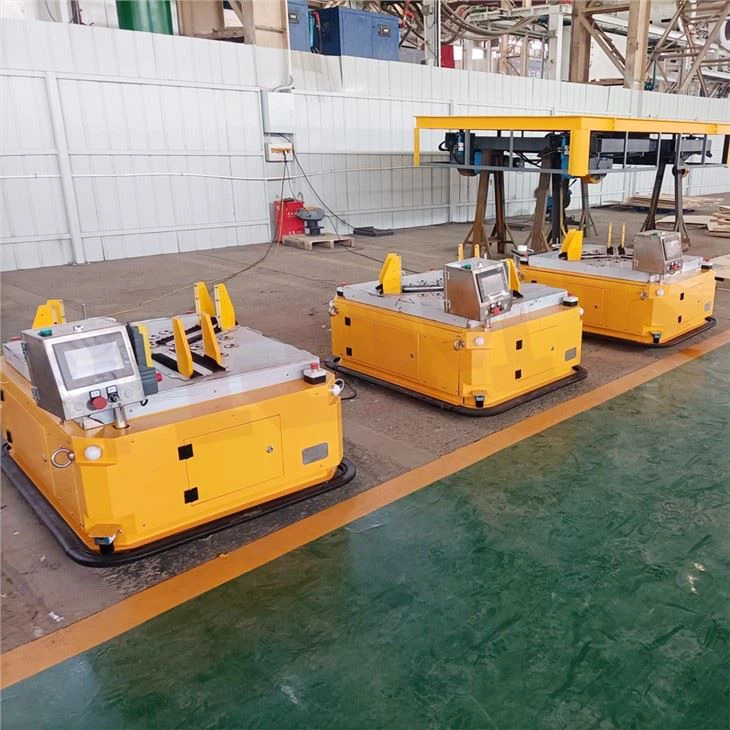
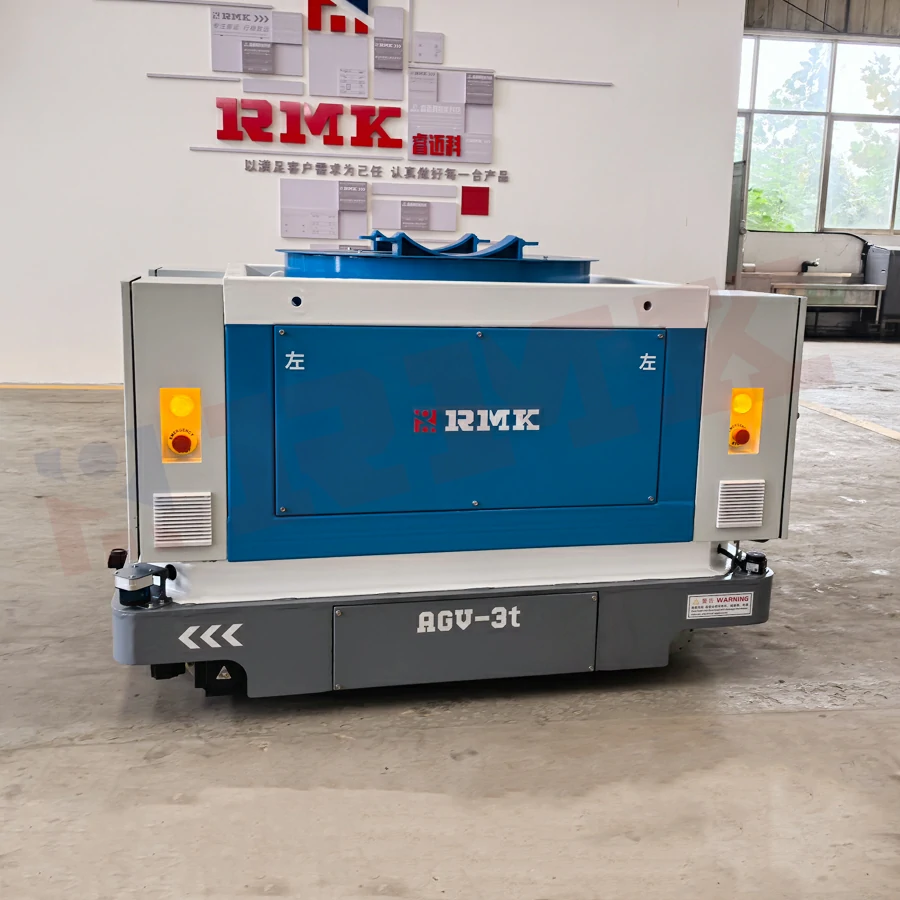
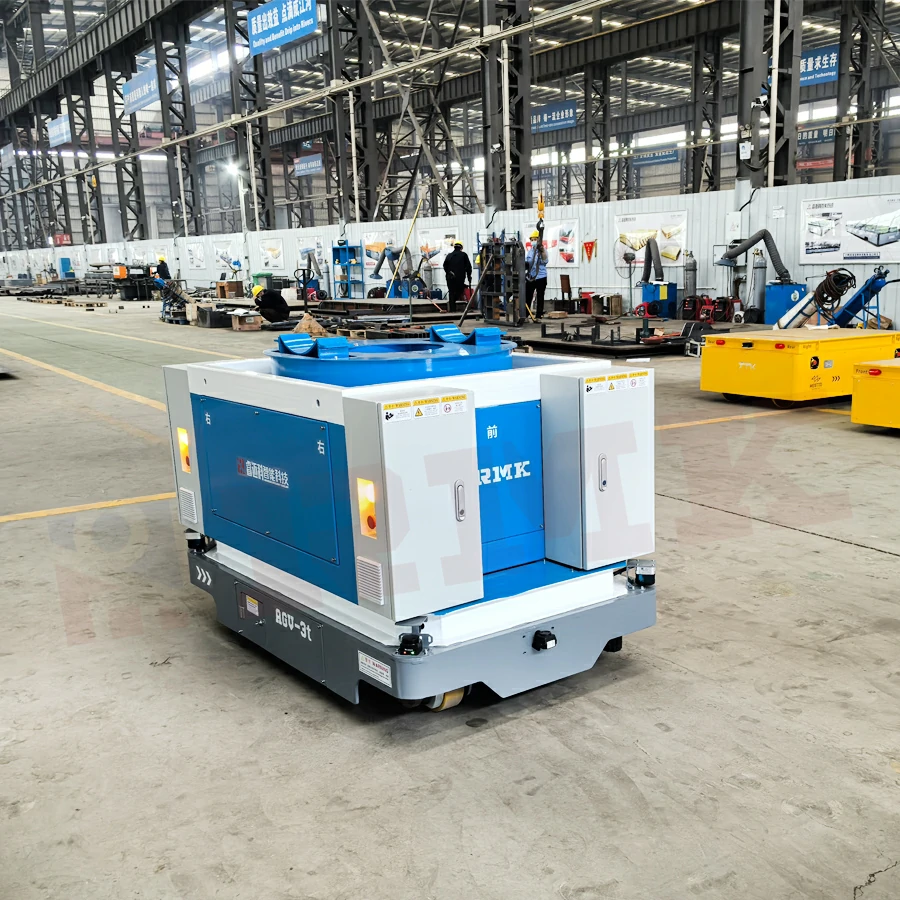
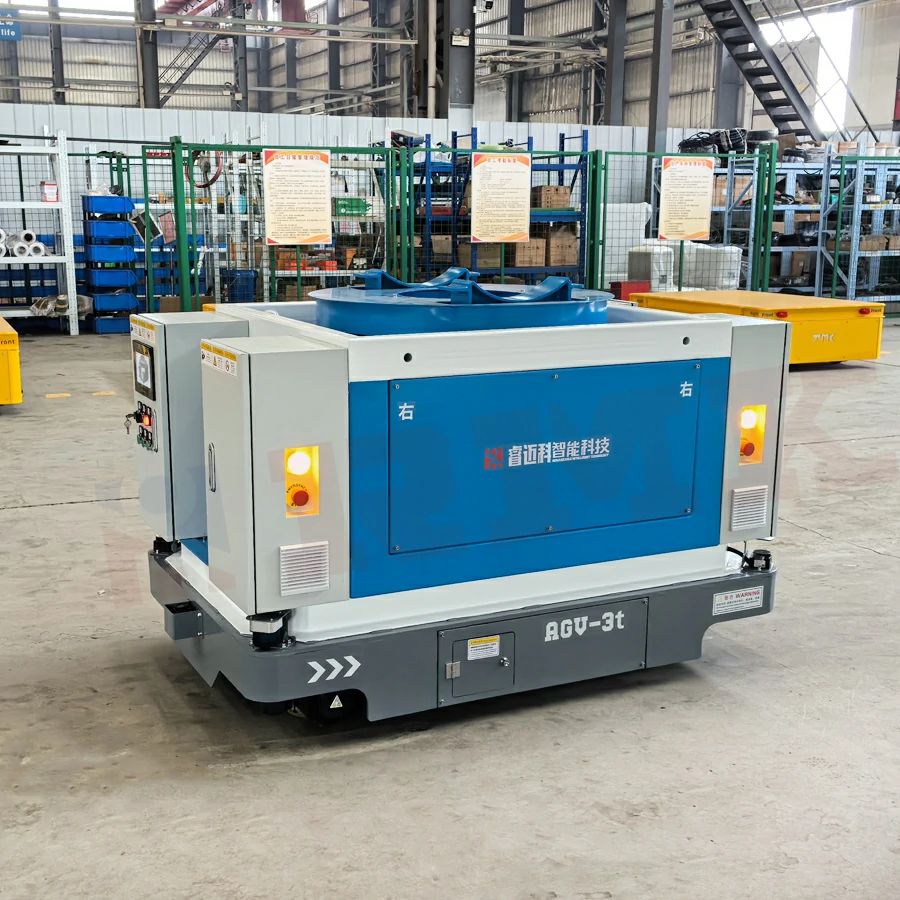
Eine AGV-Schwerlast-Transferwagen ist ein automatisiertes Transportfahrzeug, das mit Navigations- und Steuerungssystemen ausgestattet ist. Es verwendet Magnetnavigation, QR-Code-Positionierung oder Laser-SLAM-Technologie für den unbemannten Materialtransport. Der Wagen wird in intelligenten Fabriken, Automobilproduktionslinien und automatisierten Logistikbereichen eingesetzt, die eine präzise Routensteuerung erfordern.
Technische Daten:
- Tragfähigkeit: 1–300 Tonnen
- Navigationssystem: Magnetisch, QR-Code oder Laser-SLAM
- Positionierungsgenauigkeit: ±3–10 mm
- Steuerungsmodus: Automatisches Betriebssystem
Hydraulischer Hub-Transferwagen
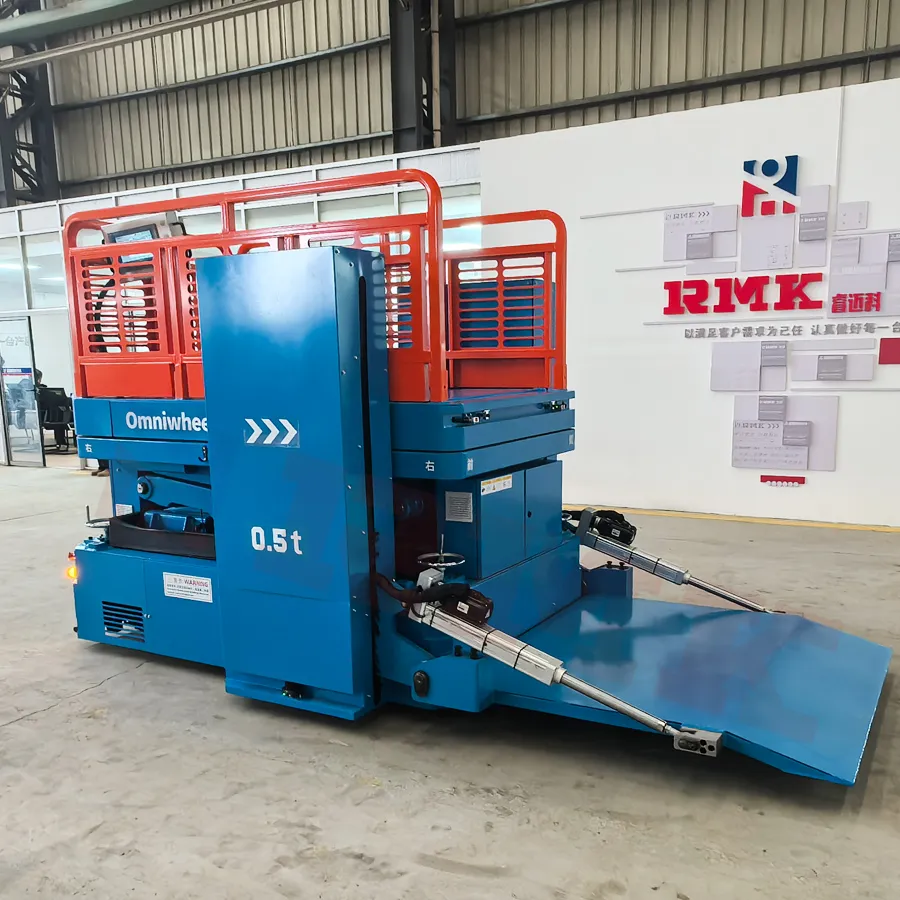
A Hydraulischer Hubtransportwagen ist ein Schwerlast-Transportfahrzeug mit einer hydraulischen Hubplattform. Die Hubfunktion passt die Plattformhöhe für Geräteandockung, Formtransfer und Produktionslinienverbindung an. Es wird in Fertigungsanlagen, Montagewerkstätten und Wartungsbereichen eingesetzt.
Technische Daten:
- Tragfähigkeit: 2–300 Tonnen
- Hubhöhe: Kundenspezifisch
- Stromversorgung: Batterie oder Kabelstrom
- Steuerungsmodus: Fernsteuerung oder automatische Steuerung
Vergleich der Typen von Schwerlast-Transferwagen
Schwerlast-Transferwagen sind in verschiedenen Konfigurationen erhältlich, basierend auf Bewegungsmethode, Stromversorgung und Betriebsbedingungen. Der folgende Vergleich zeigt die Hauptunterschiede zwischen Schienentransferwagen, schienenlosen Wagen, batteriebetriebenen Wagen, AGV-Wagen und Hydraulik-Hubwagen.
| Typ | Bewegungsmethode | Verwendet standardmäßige industrielle elektrische Komponenten. | Tragfähigkeit | Am besten für | Vorteil |
|---|---|---|---|---|---|
| Schienentransferwagen | Feste Schienenbewegung | Batterie, Kabeltrommel oder Schienenstrom | 1–500 Tonnen | Schwere repetitive Transportwege | Hohe Tragfähigkeit und stabiler Betrieb |
| Gleisloser Transferwagen | Freie Bodenbewegung | Battery power | 1–300 Tonnen | Flexible factory layouts | Keine Schieneninstallation erforderlich |
| Batteriebetriebener Transferwagen | Electric drive with onboard battery | Lithium battery or lead-acid battery | 1–500 Tonnen | Indoor material handling | Independent operation without external cables |
| AGV-Transferwagen | Automatic navigation movement | Battery power | 1–300 Tonnen | Smart factories and automated production lines | Automatic transportation and precise positioning |
| Hydraulischer Hub-Transferwagen | Horizontal movement with lifting platform | Battery or cable power | 2–300 tons | Equipment docking and production line connection | Einstellbare Plattformhöhe |
Different types of heavy duty transfer carts match different working conditions. Rail transfer carts are used for fixed heavy-load transportation, while trackless and AGV models fit factories requiring flexible or automated handling. Hydraulic lift carts are selected for applications that require both transportation and height adjustment.
Wie wählt man den richtigen Schwerlast-Transferwagen aus?
Choosing a heavy duty transfer cart requires consideration of load weight, transportation route, power supply, and working conditions.
Tragfähigkeit
Load capacity is the first factor when selecting a transfer cart. Confirm the maximum weight of the transported material, including steel coils, molds, machinery parts, or large structures. Choose a cart capacity based on the actual load requirement.
2. Transportation Route
The travel route determines the cart type. A heavy duty rail transfer cart fits fixed transportation paths with repeated movement between workstations. Trackless transfer carts fit workshops with changing routes and limited rail space.
3. Power Supply
Select the power system according to operating conditions. Battery-powered carts are suitable for independent indoor transportation. Cable reel and rail-powered systems fit long-distance or continuous operation.
4. Operation Method
Remote control is used for standard material handling. AGV transfer carts use automatic navigation systems for unmanned transportation in automated production environments.
5. Working Environment
Consider floor conditions, temperature, dust, humidity, and available working space. Steel plants, shipyards, and foundries may require reinforced frames, special wheels, and protective components.
The right heavy-duty transfer cart depends on the load, route, and working environment. A suitable configuration improves transportation reliability and reduces handling limitations in heavy industrial applications.
Anwendungen
Heavy duty industrial transfer carts are used for transporting heavy materials, large components, and production equipment in industries where forklifts and standard handling equipment cannot meet load requirements. Different cart configurations match specific transportation conditions in factories, workshops, and industrial facilities.
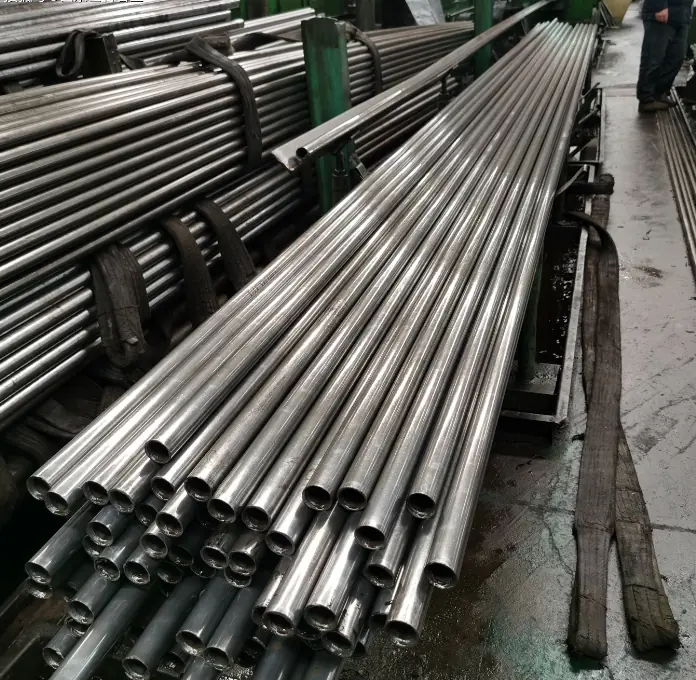
Stahlindustrie
Heavy duty transfer carts move steel coils, billets, ladles, steel structures, and other heavy materials between production areas.
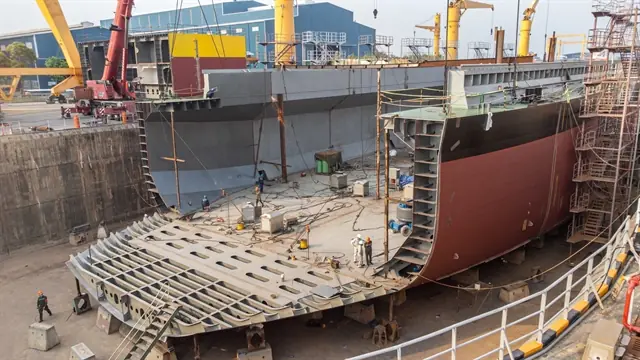
Schiffbauindustrie
Transfer carts transport ship sections, steel plates, and large assemblies during ship manufacturing and maintenance.
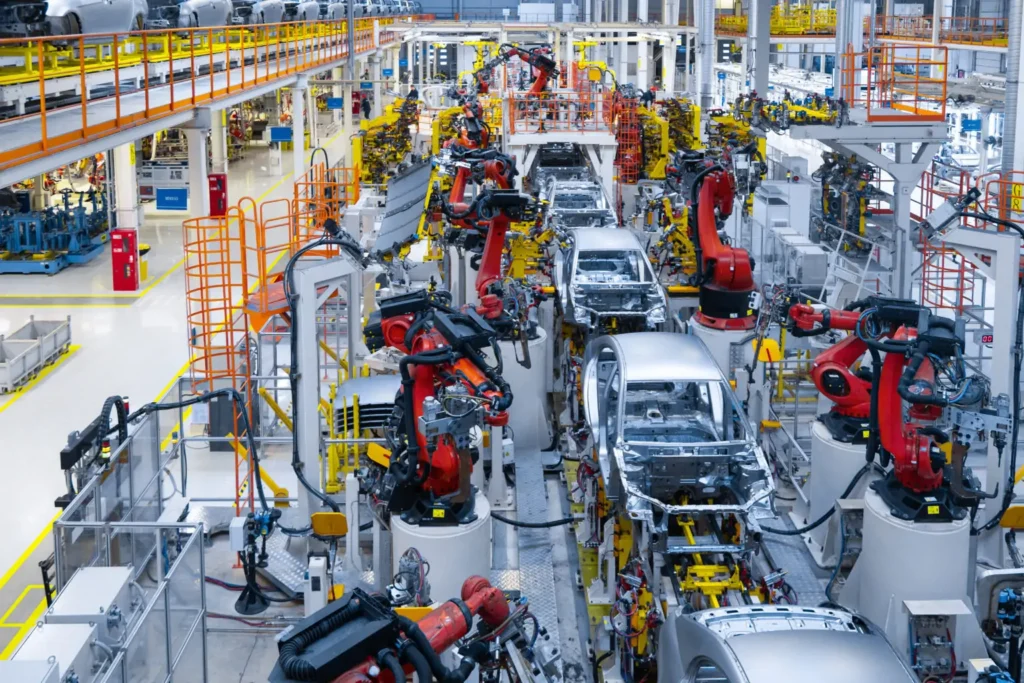
Automobilherstellung
They are used for moving molds, dies, vehicle components, and production equipment between assembly stations.
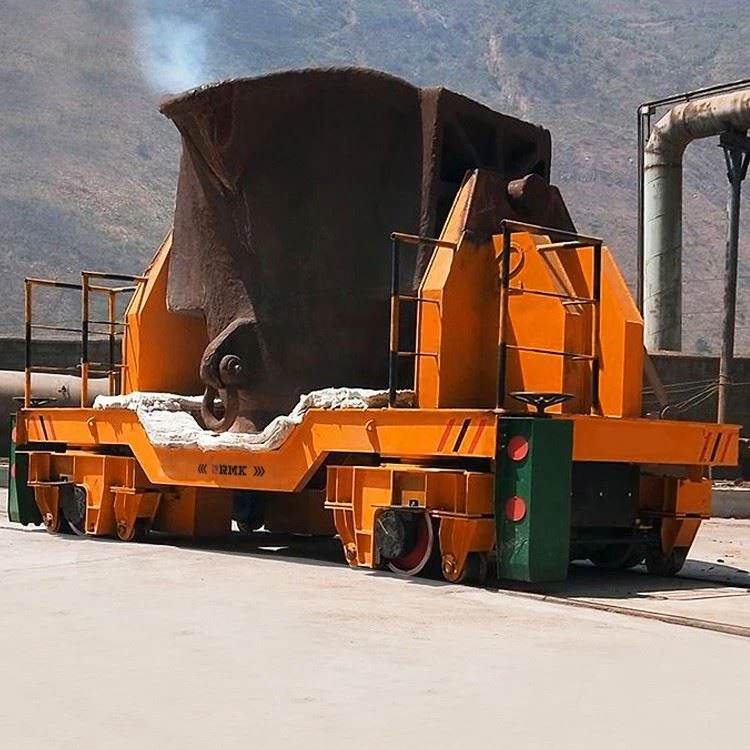
Gießerei-Industrie
Transfer carts handle castings, molds, and heavy containers in high-temperature production environments.
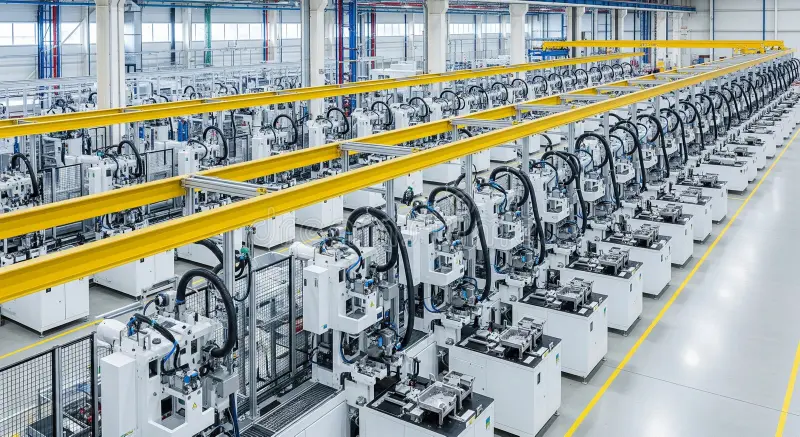
Maschinenbau
They transport large machines, equipment parts, and components during machining, assembly, and maintenance processes.
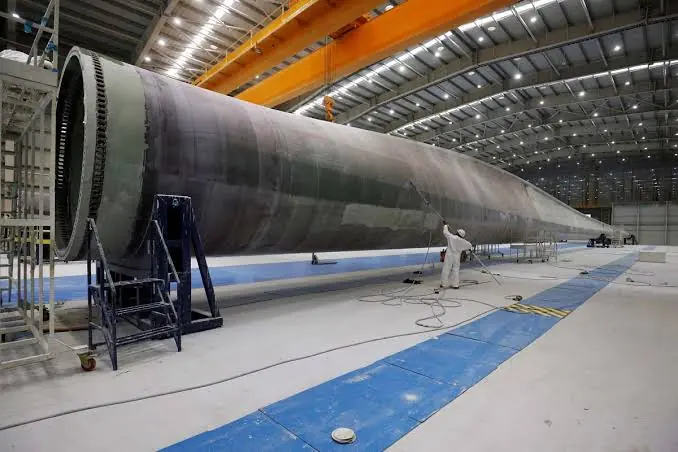
Wind Power Industry
Transfer carts move wind turbine components, towers, and heavy equipment during manufacturing and assembly.
Fälle
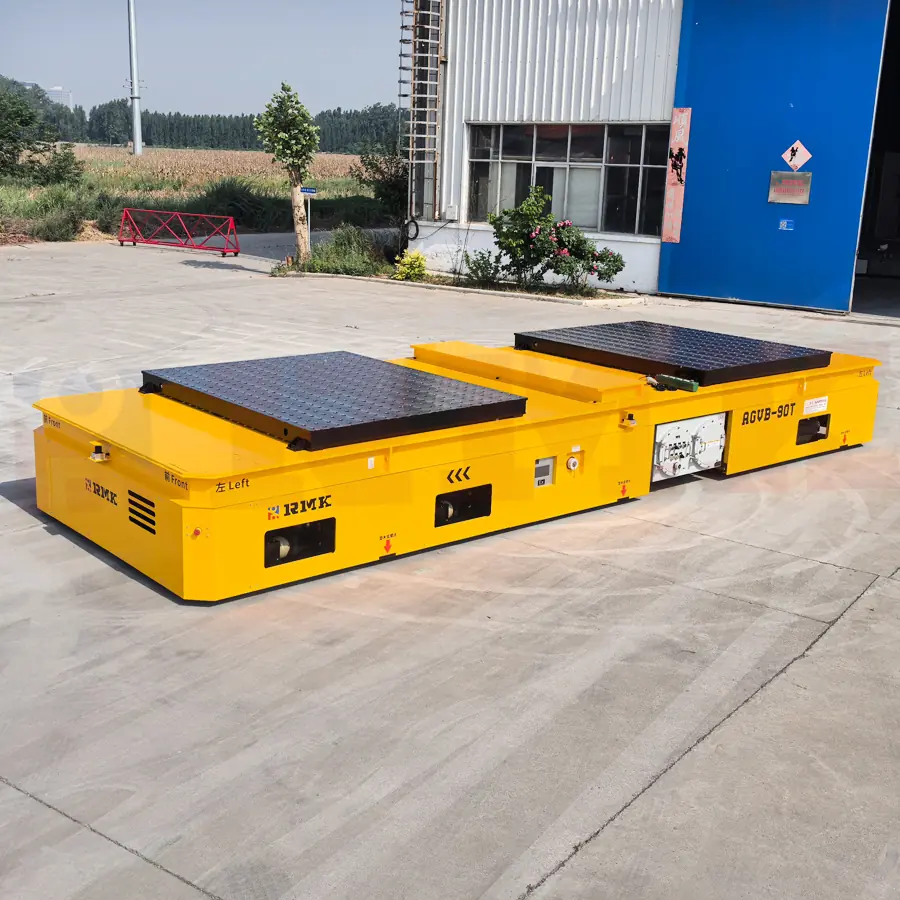
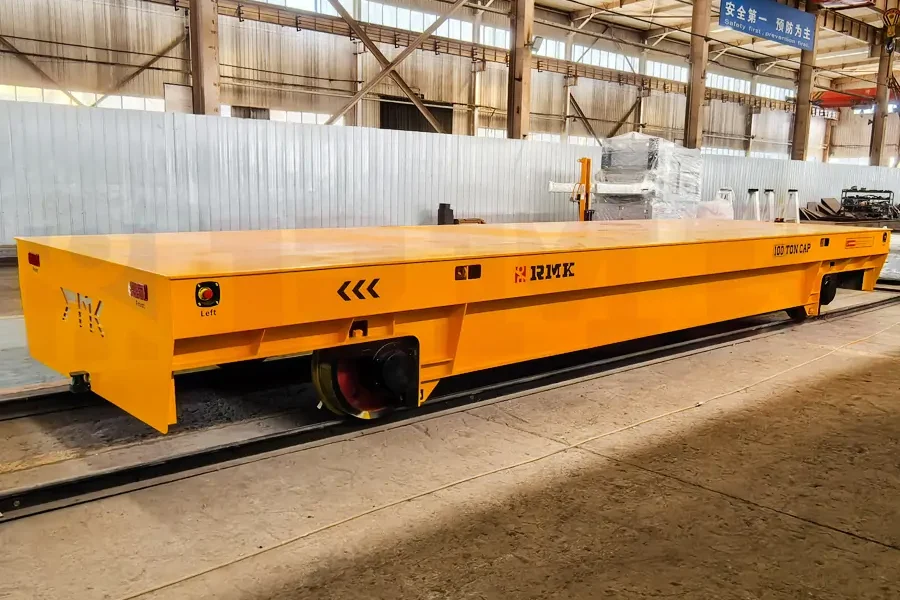
Anpassungsoptionen für Schwerlast-Transferwagen
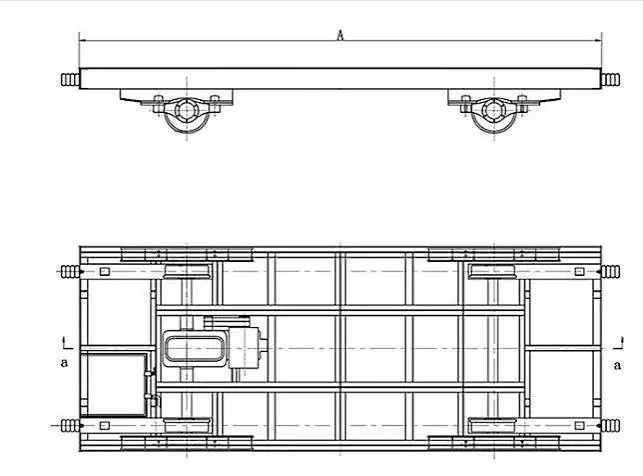
A heavy-duty transfer cart is customized based on load requirements, travel routes, power supply, and working conditions. RMK provides different configurations for various industrial material handling applications.
- Load Capacity: Customized from 1 ton to 300 tons or higher for special heavy-load projects.
- Platform Size and Shape: Platform dimensions are designed for different materials, including coils, molds, equipment, and large structures.
- Travel Method: Available in rail-mounted and trackless types for fixed routes or flexible movement.
- Power Supply: Options include battery, cable reel, low-voltage rail, and busbar power according to operating conditions.
- Drive and Steering System: Drive systems are configured for load requirements. Trackless models support multi-directional movement and turning.
- Control System: Control options include remote control, pendant control, PLC control, and automatic operation systems.
- Safety Devices: Safety features include emergency stop, anti-collision sensors, speed control, and warning alarms.
- Wheel and Rail Configuration: Wheel size, wheel arrangement, and rail gauge can be customized for different load and track conditions.
- Working Environment Protection: Special designs are available for high-temperature, dusty, humid, and corrosive environments.
- Hydraulic Functions: Hydraulic lifting, tilting, and positioning functions are available for equipment handling and production line connection.
Warum RMK Schwerlast-Transferwagen wählen?
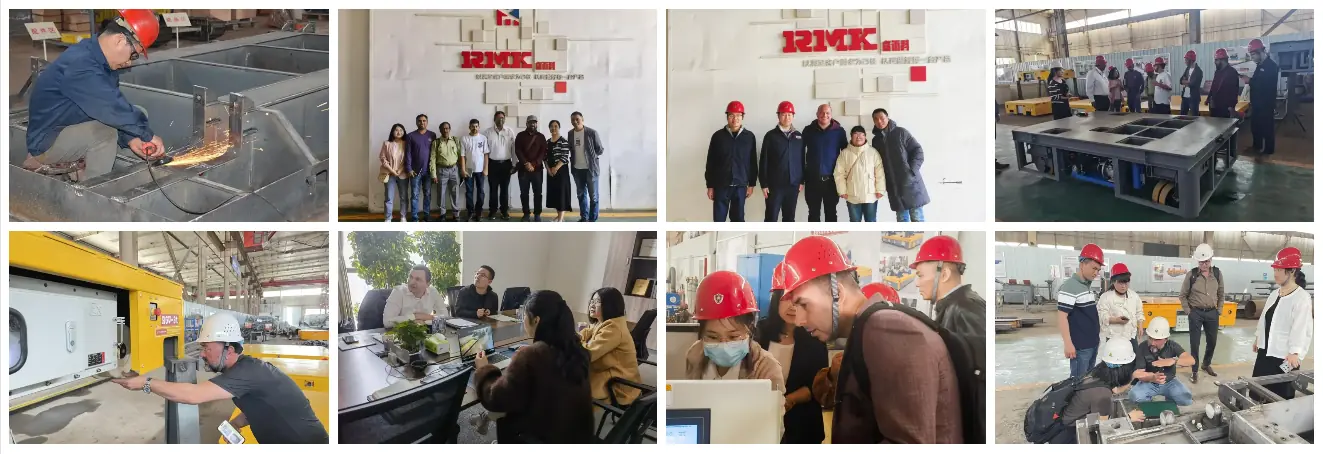
RMK specializes in the design and manufacturing of heavy duty transfer carts for factories, shipyards, steel plants, and other heavy industries. With customized engineering solutions, export experience, and complete service support, RMK provides transfer carts for different load requirements and working conditions.
Manufacturer Experience — RMK focuses on heavy material handling equipment and provides transfer cart solutions for various industrial applications.
Custom Engineering — Each transfer cart can be customized according to load capacity, platform size, travel route, power supply, and operating environment.
Export Projects — RMK transfer carts have been supplied to overseas customers for industrial transportation projects in different countries and regions.
Different Capacity Solutions — RMK provides heavy duty transfer carts from 1 ton to 500 tons, with customized designs for special heavy-load applications.
After-Sales Support — RMK offers technical support, installation guidance, operation training, and after-sales service for global customers.
RMK provides reliable heavy duty transfer cart solutions for heavy-load transportation in manufacturing plants, steel mills, shipyards, and logistics facilities. Kontakt to discuss your load requirements, working conditions, and customized transfer cart solution.
E-Mail: transfercart@rmkzn.com
Telefon: +86-18637369355
FAQ
What are the different types of heavy duty transfer carts?
The main types of heavy duty transfer carts include rail transfer carts, trackless transfer carts, battery-powered transfer carts, AGV transfer carts, and hydraulic lift transfer carts. Each type matches different load requirements, transportation routes, and factory conditions.
What is a heavy duty rail transfer cart used for?
A heavy duty rail transfer cart is used for transporting heavy materials along fixed rail routes. It is commonly used in steel plants, shipyards, foundries, and manufacturing facilities for moving steel coils, molds, equipment, and large components.
Wie viel Gewicht kann ein Schwerlast-Transportwagen tragen?
The capacity of a heavy duty transfer cart usually ranges from 1 ton to 300 tons. Custom models can reach higher capacities for special projects involving heavy machinery, steel structures, and oversized industrial components.
What is the difference between rail transfer carts and trackless transfer carts?
Rail transfer carts operate on fixed tracks and are suitable for repeated transportation routes. Trackless transfer carts move directly on the floor and offer more flexibility for factories with changing layouts.
Are heavy duty transfer carts battery powered?
Yes. Many heavy duty transfer carts use battery power, including lithium and lead-acid batteries. Other options include cable reel, low-voltage rail, and busbar power systems based on operating conditions.
Können Schwerlast-Transportwagen kundenspezifisch angepasst werden?
Yes. Heavy duty transfer carts can be customized for load capacity, platform size, power supply, travel method, control system, navigation system, and working environment.
Which industries use heavy duty industrial transfer carts?
Heavy duty industrial transfer carts are used in steel plants, shipyards, automotive factories, foundries, machinery manufacturing, wind power, aerospace, and other industries requiring heavy material transportation.
How do I choose the right transfer cart heavy duty solution?
Choose a transfer cart heavy duty solution based on load capacity, transportation route, working environment, operation frequency, and automation requirements. The correct configuration depends on the actual material handling process.