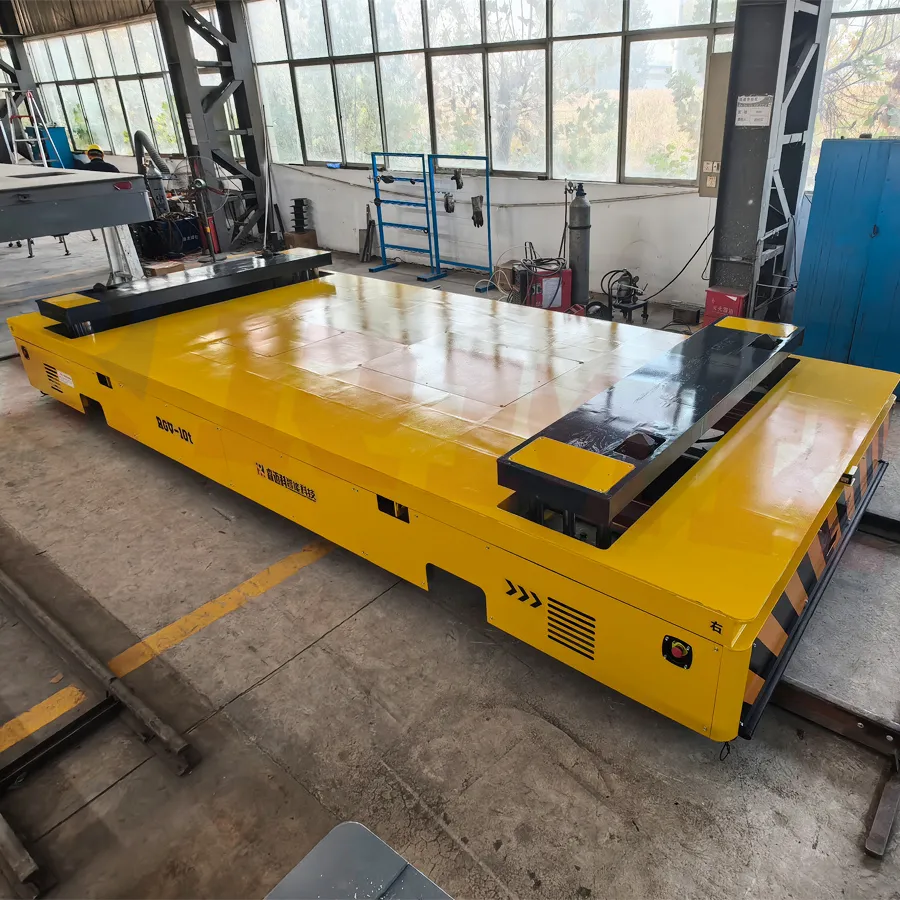
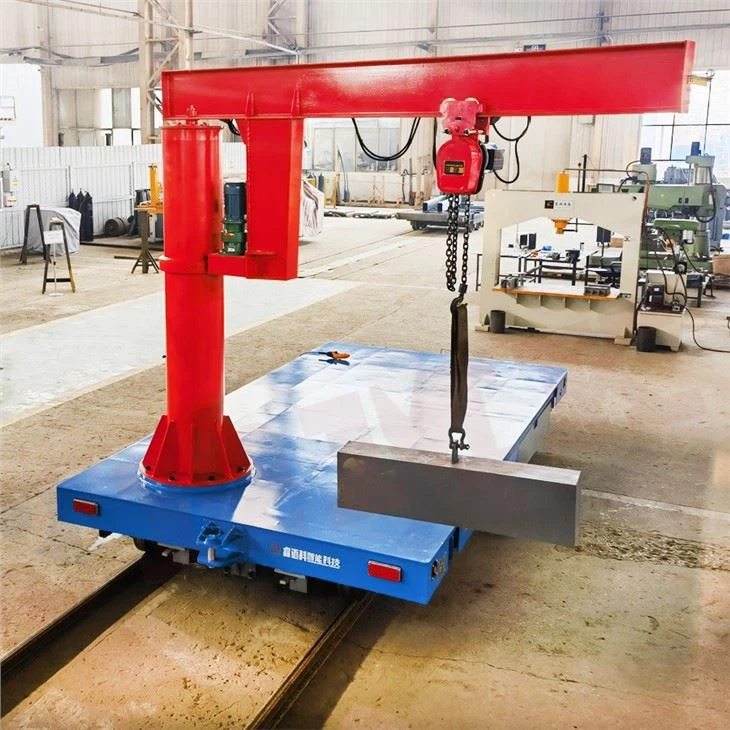
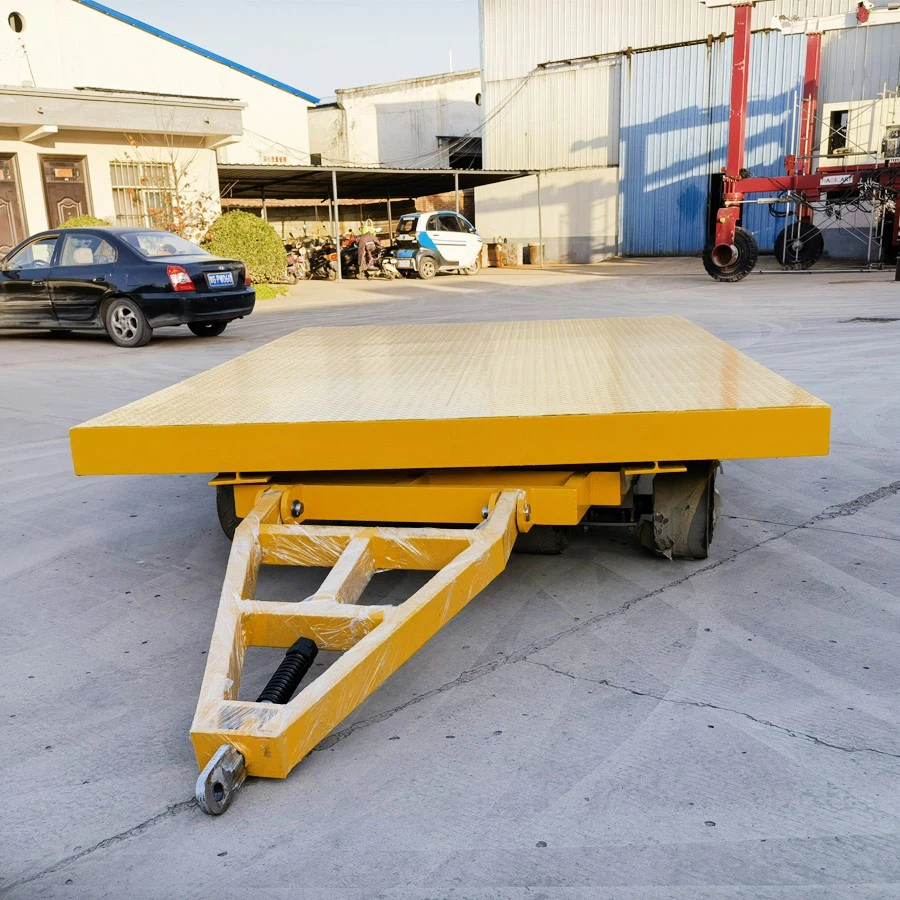
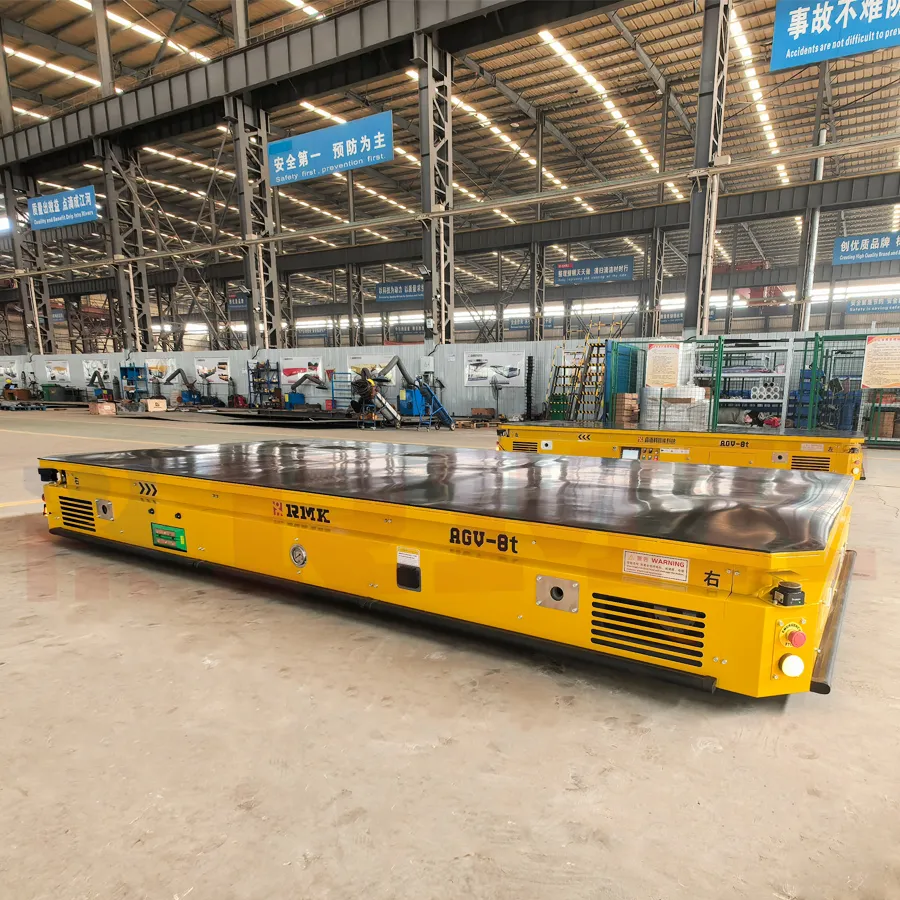
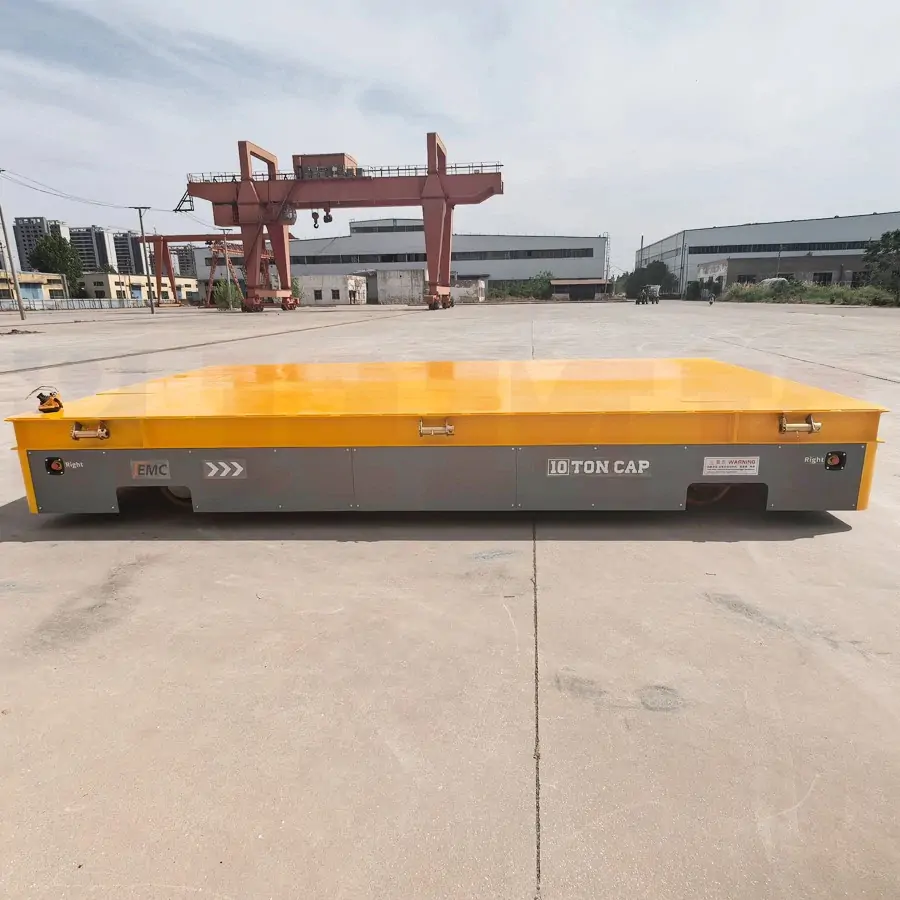
In Branchen wie der Automobilherstellung, dem Spritzguss, der Metallurgie und der Luft- und Raumfahrt liegt das Gewicht von Stanzwerkzeugen, Spritzgussformen und großen Druckgussformen typischerweise zwischen mehreren Tonnen und Hunderten von Tonnen. Der traditionelle Kranumschlag ist nicht nur durch die Schienenabdeckung eingeschränkt, sondern birgt auch erhebliche Sicherheitsrisiken durch hängende Lasten in der Höhe.
Heute ist der Formentransportwagen zu einem kritischen Bindeglied geworden, das Lager, Wartungsbereiche und Produktionslinien verbindet. Moderne Formenhandhabungswagensysteme sind keine einfachen Transportwerkzeuge mehr – sie sind automatisierte Handhabungsplattformen, die intelligente Navigation, präzise Positionierung und mehrere Sicherheitsschutzmechanismen integrieren.
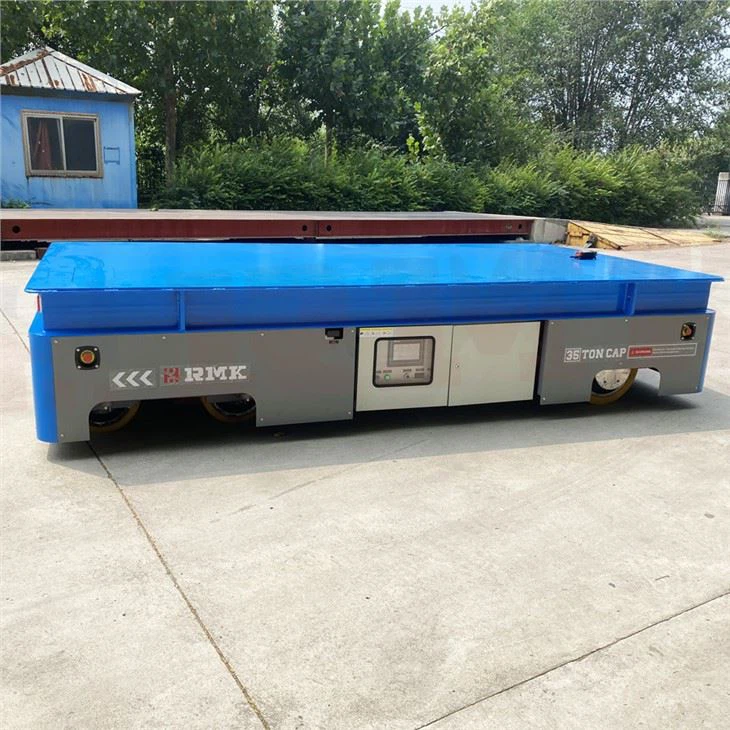
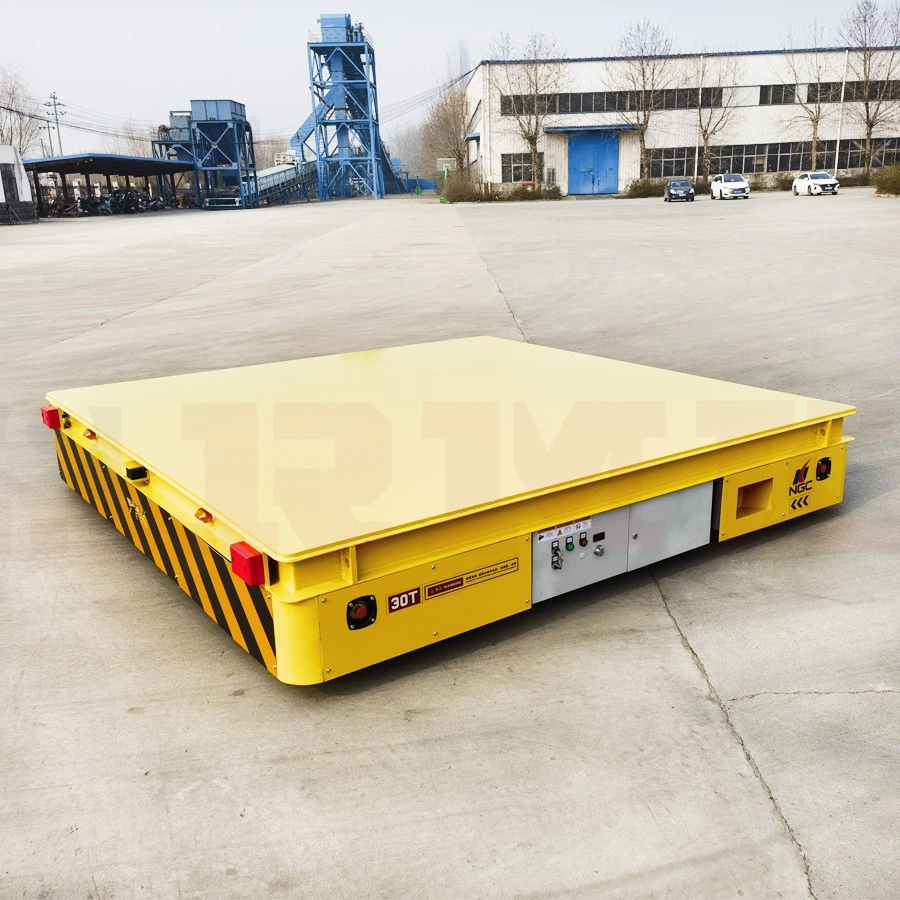
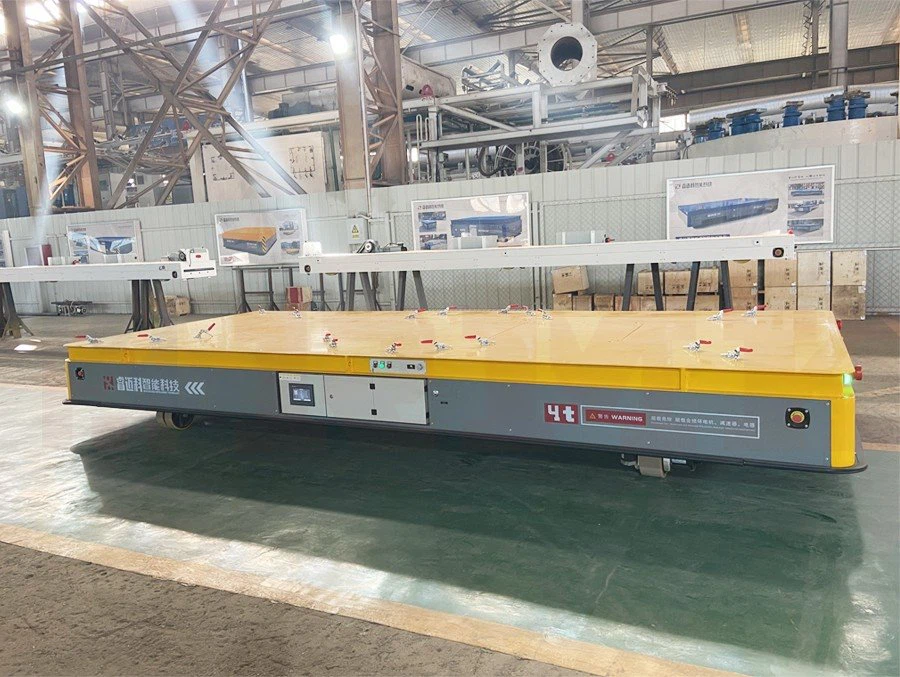
Als weltweit führender Anbieter von Materialtransportausrüstung, REMARKABLE verfügt das Unternehmen über ein Team von erfahrenen, innovativen und hochgradig anpassungsfähigen technischen Fachkräften und Experten. Das Unternehmen hat Tausende von kundenspezifischen Lösungen für Kunden in über 30 Ländern weltweit bereitgestellt.
Was sind Formentransportwagen und Formenhandhabungswagen?
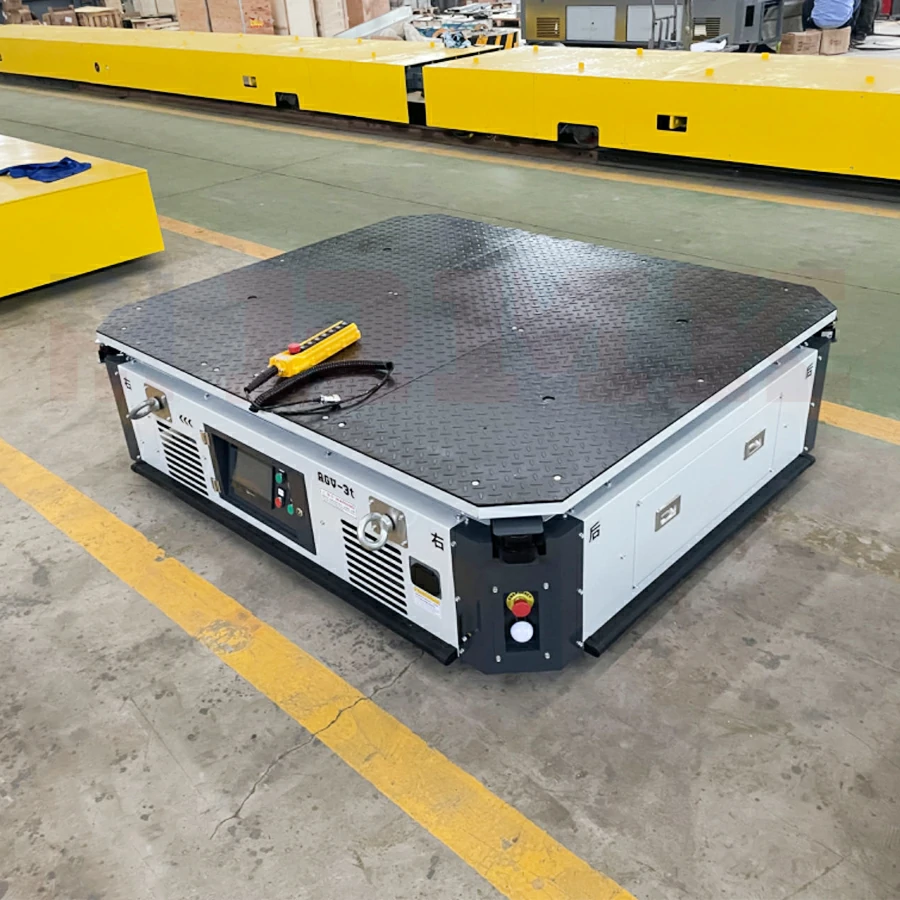
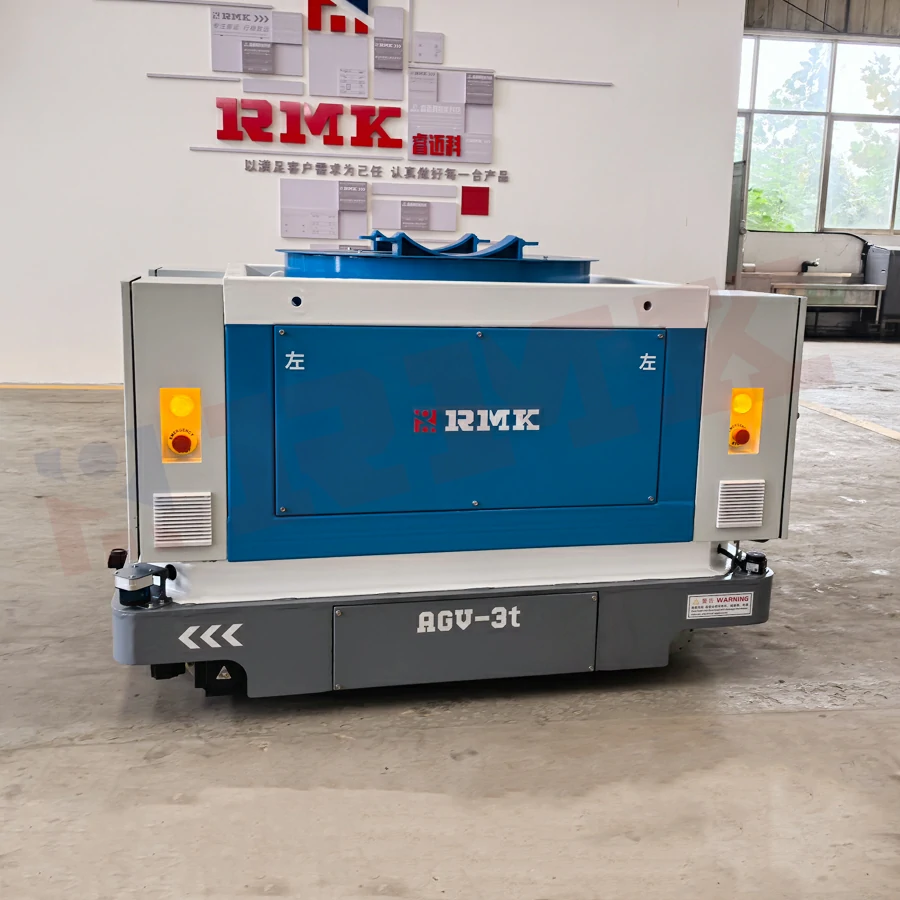
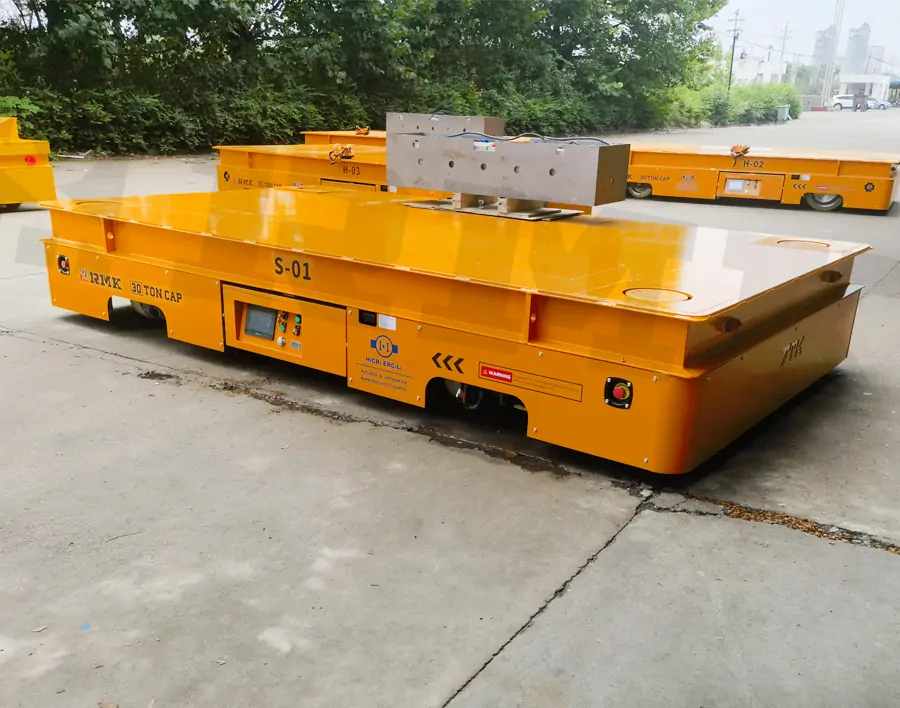
Ein Formentransportwagen ist ein elektrisch betriebenes Transportsystem, das speziell für schwere Industrieformen, Stanzwerkzeuge und Druckgusswerkzeuge entwickelt wurde. Obwohl die beiden Begriffe im täglichen Sprachgebrauch oft synonym verwendet werden, gibt es in der professionellen Anwendung subtile Unterschiede:
- Formentransportwagen: Bezieht sich typischerweise auf elektrische Transportwagen, die zum Bewegen großer Formen zwischen verschiedenen Werkstätten oder Produktionsstationen verwendet werden. Er betont eine reibungslose Transferleistung und Langstreckenbetriebsfähigkeit.
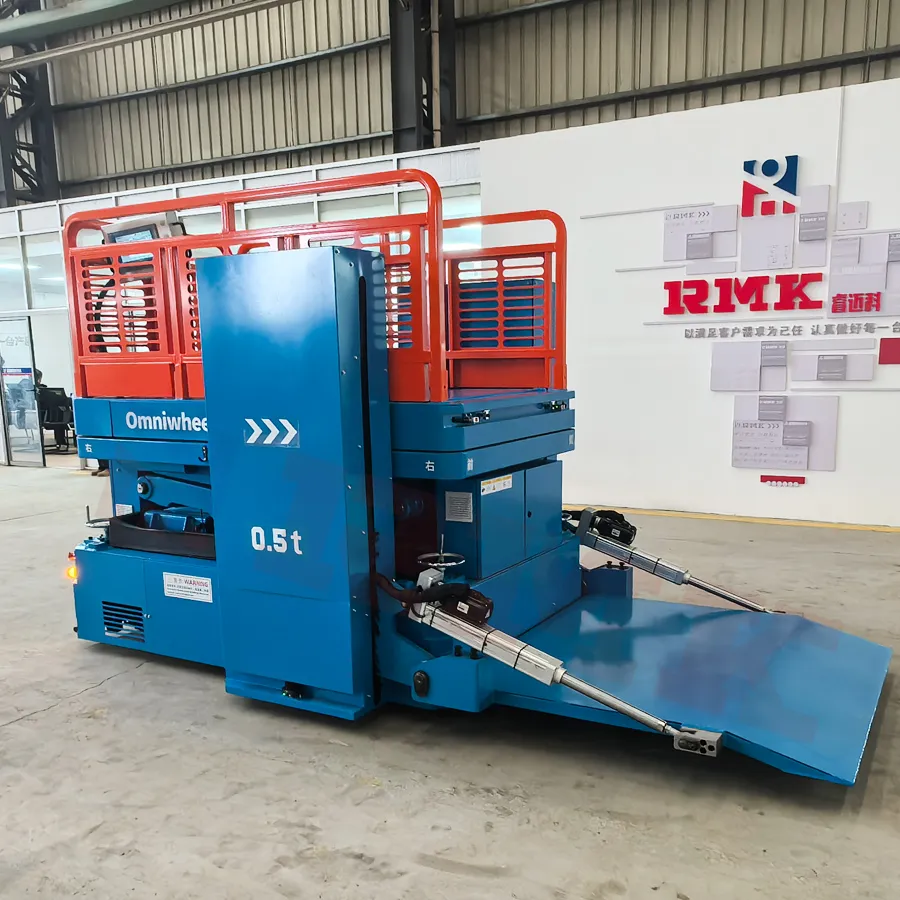
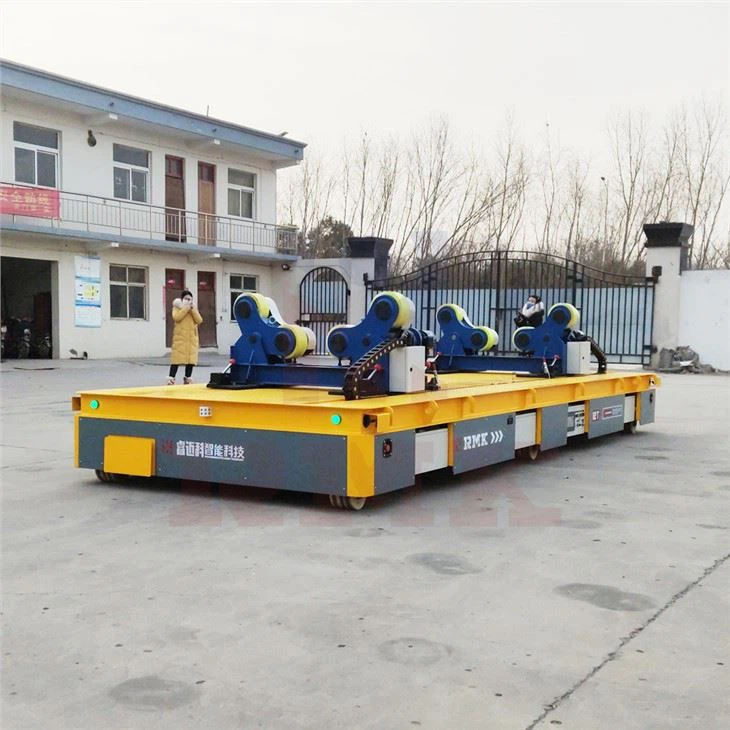
- Formenhandhabungswagen: Konzentriert sich mehr auf den Handhabungsprozess von Formen, wie z. B. das präzise Positionieren und Zuführen von Formen in Pressen oder Spritzgussmaschinen. Diese Systeme sind oft mit hydraulischen Hubtischen, Rollenböden oder Schub-Zug-Vorrichtungen ausgestattet, um das Be- und Entladen zu unterstützen.
Bemerkenswerter Produkttypenvergleich und Auswahlleitfaden
Basierend auf unterschiedlichen Werkstattumgebungen und Betriebsanforderungen bieten wir die folgenden drei Kernarten von Formentransportwagen an:
| Merkmal | Schienenwagen | Schienenloser Wagen | Omnidirektionaler AGV (AGV/RGV) |
|---|---|---|---|
| Bewegungsweg | Feste Schiene, gerade oder kurvig | Freie Bewegung, 360°-Drehung | Automatische Navigation, Wegplanung |
| Bodenanforderung | Erfordert Schieneninstallation | Beton-, Epoxid- oder Asphaltboden | Sauberer und ebener Boden |
| Tragfähigkeit | 1 – 500 Tonnen | 1 – 300 Tonnen | 1 – 100 Tonnen |
| Flexibilität | Niedrig | Extrem hoch | Am höchsten (unbemannter Betrieb) |
| Typische Schlüsselwörter | Schienenformtransportwagen | Lenkbarer Formenhandhabungswagen | Intelligenter Formenhandhabungswagen |
Auswahlempfehlungen:
- Wenn der Transferweg fest und stark repetitiv ist, wird ein Schienen-Formentransportwagen aufgrund seiner geringeren Kosten und des stabilen Betriebs empfohlen.
- Wenn der Werkstattraum begrenzt und die Routen variabel sind, ist der schienenlose Formentransportwagen von Remarkable die optimale Lösung, der eine 360°-Drehung auf der Stelle ohne Beschädigung des Bodens ermöglicht.
- Für Fabriken, die in intelligente Fertigungssysteme integrieren möchten, wird ein AGV-basiertes Formenhandhabungssystem dringend empfohlen.
Laut der International Federation of Robotics (IFR) werden industrielle Automatisierungs- und AGV-Systeme zur Kerninfrastruktur in der intelligenten Fertigung.
Kernparameter und reale Anwendung
| Parameterkategorie | Schlüsselparameter | Typische Spezifikation | Hinweise |
|---|---|---|---|
| Basisinformationen | Tragfähigkeit | 1T – 500T (anpassbar) | Bestimmt durch Arbeitsbedingungen |
| Tabelle Größe | L × B × H (mm) | An Formenabmessungen angepasst | |
| Bodenfreiheit | 50mm – 150mm | Beeinflusst die Durchgängigkeit | |
| Antrieb & Betrieb | Verwendet standardmäßige industrielle elektrische Komponenten. | Batterie / Kabeltrommel / Stromschiene / Schienenstrom | Batterie am häufigsten |
| Laufgeschwindigkeit | 0 – 30 m/min (variabel) | Aus Sicherheitsgründen einstellbar | |
| Fahrstrecke | Unbegrenzt (Batterie/Stromschiene) | Kabel durch Länge begrenzt | |
| Steuerungssystem | Operation | Funkfernbedienung + kabelgebundene Steuerung | Doppelte Sicherheitsgewährleistung |
| Bewegung | Gerade / Kurvenfahrt / 360°-Drehung | Schienenlos unterstützt omnidirektional | |
| Bremsen | Elektromagnetisch / hydraulisch | Zuverlässiger Vollaststopp | |
| Sicherheit | Sicherheitsmerkmale | Alarm, Notstopp, automatischer Stopp | Laser/Ultraschall optional |
| Steigfähigkeit | ≤ 3% – 5% | Abhängig von Last & Boden | |
| Individualisierung | Material der Räder | Stahlguss- / PU-beschichtete Räder | Schützen den Boden, reduzieren Lärm |
| Sonderoptionen | Hydraulikhub, V-Rahmen, explosionsgeschützt | Üblich für Formenhandhabung |
Alle Remarkable-Systeme unterstützen parametrische Anpassung, um eine perfekte Übereinstimmung mit den Arbeitsbedingungen vor Ort zu gewährleisten.
Fallstudie: Lösung von Herausforderungen bei der Handhabung großer Spritzgussformen
Hintergrund:
Ein großer Automobilzulieferer musste häufig über 30 Tonnen schwere Spritzgussformen wechseln.
Herausforderungen:
- Begrenzter Platz: Gabelstapler konnten enge Gänge nicht befahren
- Sicherheitsrisiken: Der Betrieb von Brückenkranen verursachte Instabilität und Verletzungsrisiko
- Geringe Effizienz: Lange Transferdistanzen und manuelle Koordination reduzierten die Produktivität
Remarkable-Lösung:
Der Kunde übernahm einen 35T schienenlosen Formentransportwagen (RWP-35T).
Wichtige Optimierungen:
- 360°-Drehung: Hydrauliklenkung ermöglicht Drehung in engen Gängen
- Hydraulikhub: ±200mm Hub passt sich perfekt an die Pressenhöhe an
- Intelligente Hindernisvermeidung: Lasersensoren erkennen Hindernisse innerhalb von 2 Metern
Ergebnisse:
- Formwechselzeit von 120 Minuten auf 25 Minuten reduziert
- Arbeitsunfälle deutlich reduziert
- Gesamtlogistikeffizienz um 300% gesteigert
Warum Remarkable wählen?
- Hohe Sicherheit: Kastenprofil-Schweißkonstruktion mit einem Sicherheitslastfaktor von 1,25
- Überlegene Steuerung: Hochelastische PU-Räder mit hervorragender Traktion und keinem Bodenabrieb
- Haltbarkeit: Wartungsfreie Batterien, die bis zu 8 Stunden Betrieb unterstützen
- Intelligente Integration: Kompatibel mit Rollen, V-Rahmen und hydraulischen Hubsystemen
Batteriesicherheit und Industriestandards können von der International Electrotechnical Commission (IEC) referenziert werden.
FAQ: Häufige Fragen zur Formenhandhabung
F1: Kann ein Formenhandhabungswagen im Freien verwendet werden?
Ja. Remarkable bietet Modelle mit korrosions- und feuchtigkeitsbeständigen Designs, die für Beton- und Asphaltoberflächen geeignet sind.
F2: Wie wird die Stabilität beim Transport schwerer Formen sichergestellt?
Mehrpunkt-Stützsysteme und rutschfeste Oberflächen gewährleisten die Stabilität während der Bewegung.
F3: Gibt es Bodenanforderungen?
Schienenlose Wagen arbeiten reibungslos auf Beton- und Epoxidböden, ohne diese zu beschädigen.
F4: Wie lange hält die Batterie?
Typischerweise 4–6 Stunden unter Volllast, mit Optionen für Batterien mit höherer Kapazität.
F5: Schiene oder schienenlos – was ist besser?
Schienenwagen eignen sich für feste Routen; schienenlose Wagen bieten eine höhere Flexibilität zwischen Werkstätten.
F6: Kann es in Automatisierungssysteme integriert werden?
Ja. SPS-Systeme und Sensoren ermöglichen die Integration in die Fabrikautomatisierung.
Schlussfolgerung
Ein effizienter und sicherer Formtransportwagen ist nicht nur ein Transportmittel – er ist ein Kernwert für die Steigerung der Fabriklogistikeffizienz. Ob Sie eine Schwerlast-Schienenlösung oder einen flexiblen schienenlosen Formtransportwagen benötigen, Remarkable bietet maßgeschneiderte Lösungen, die auf Ihre Anforderungen zugeschnitten sind.
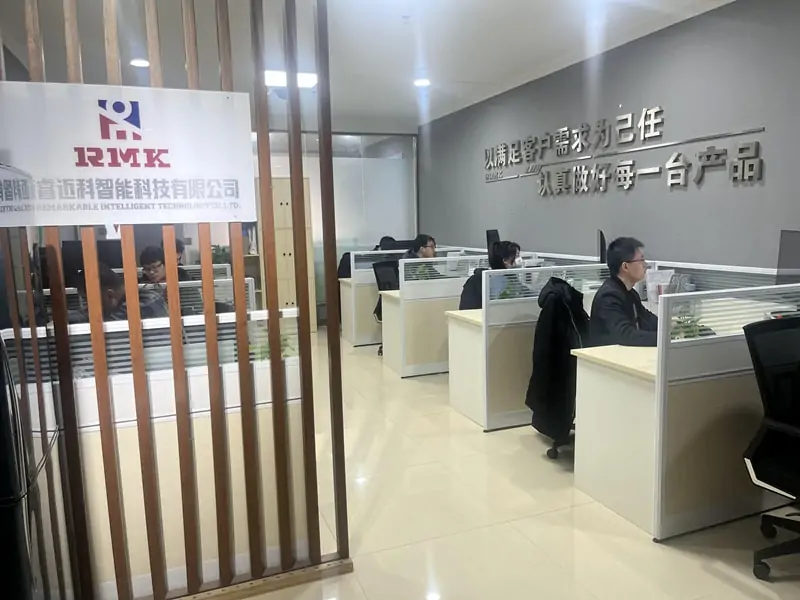
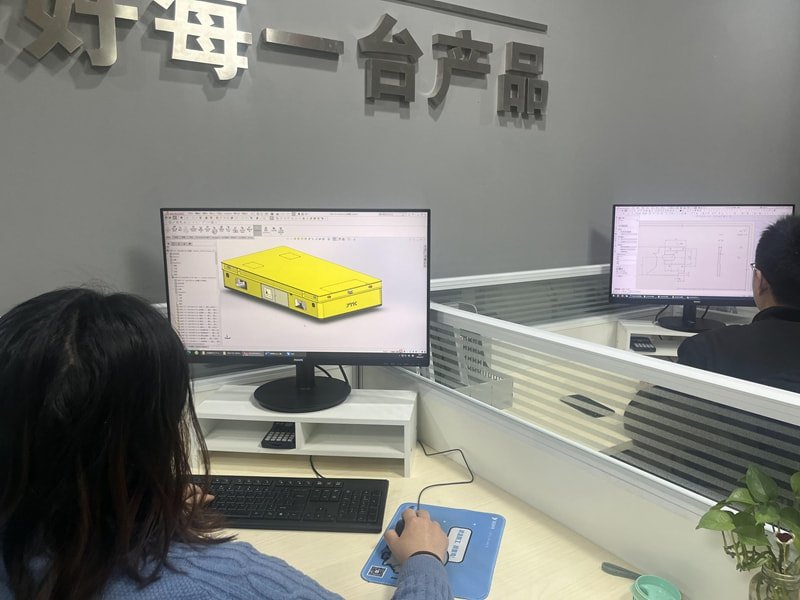
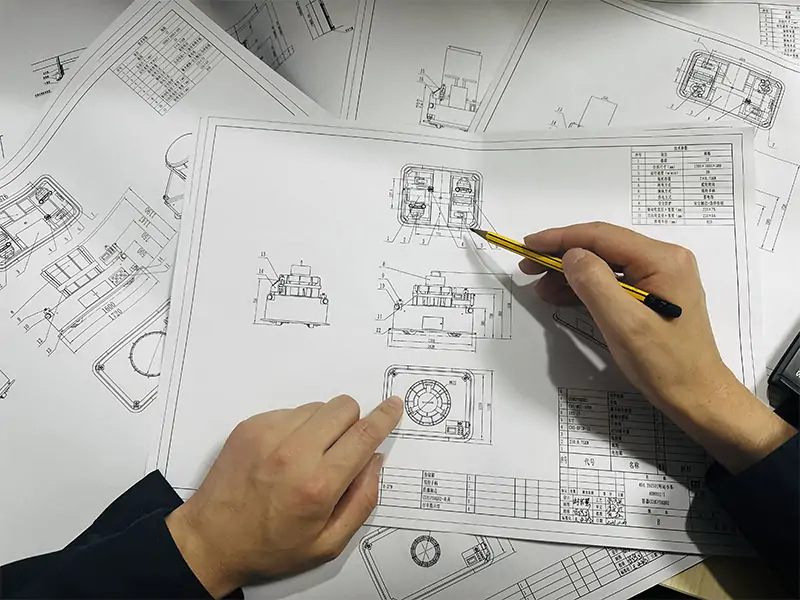
Kontakt noch heute, um eine kostenlose 3D-Konstruktionslösung und ein genaues Angebot zu erhalten. Unser Expertenteam steht Ihnen rund um die Uhr für die Unterstützung Ihres Smart-Factory-Upgrades zur Verfügung.
E-Mail: transfercart@rmkzn.com
Phone: +86-18637369355