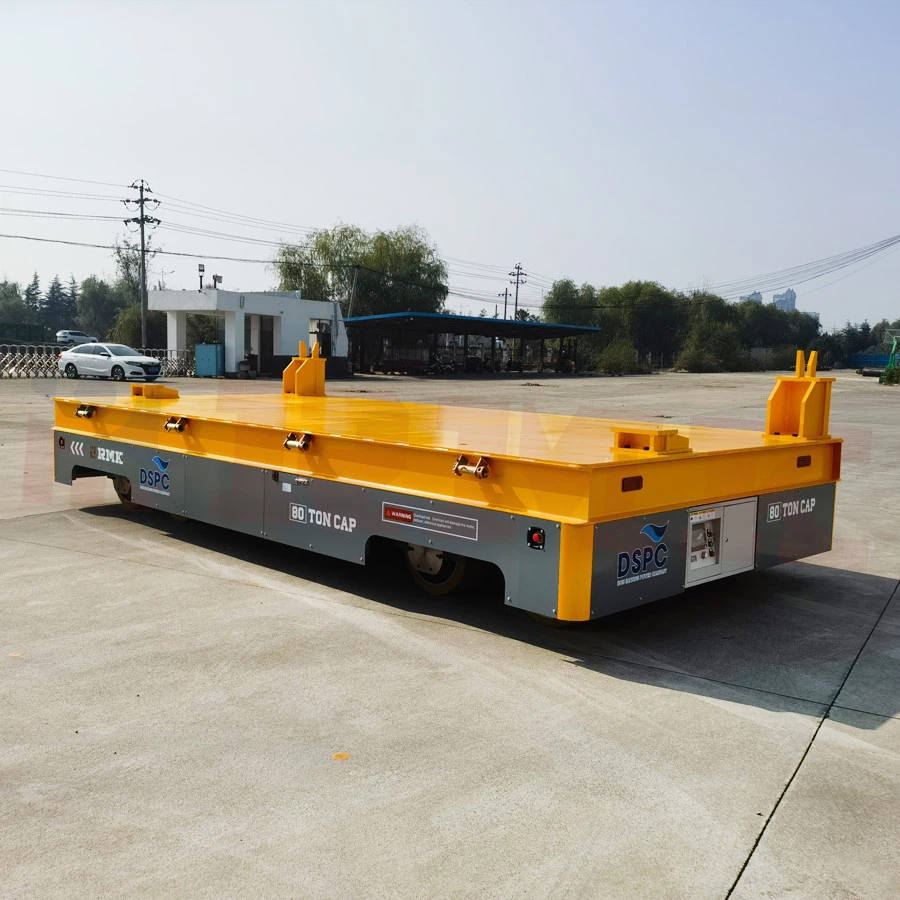
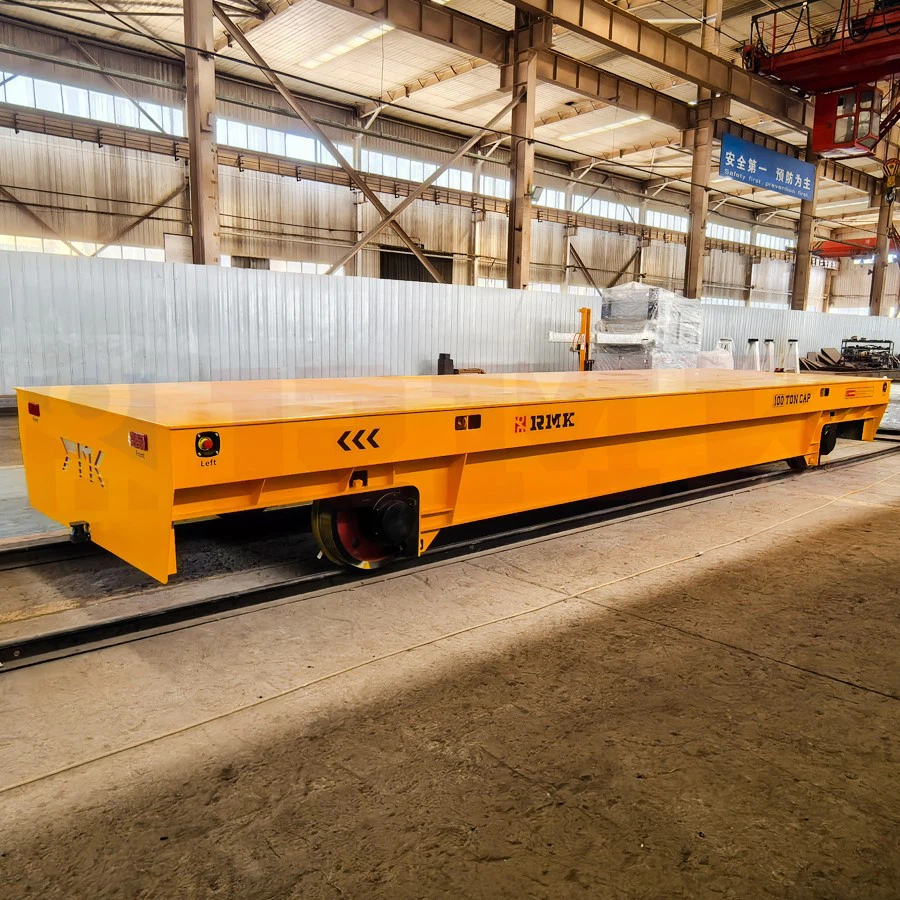
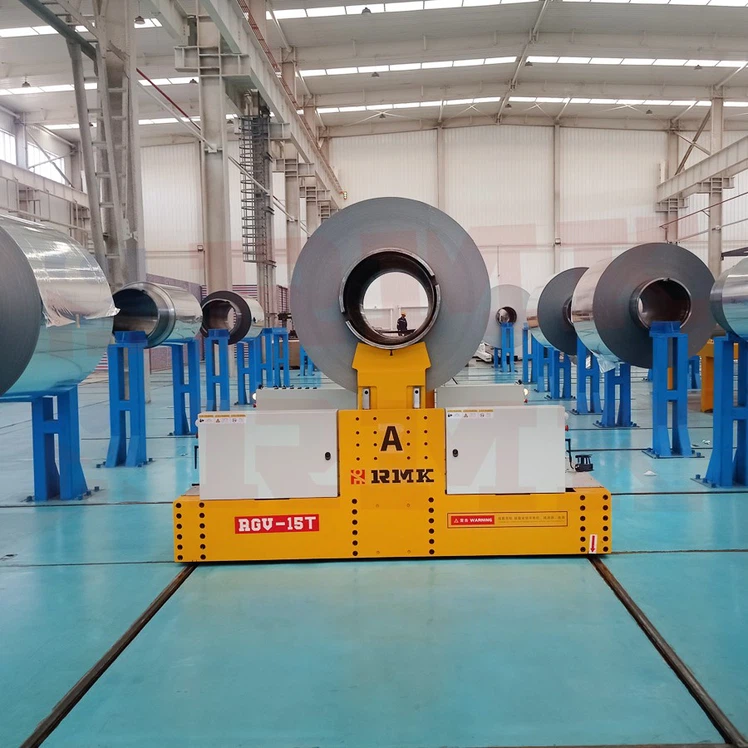
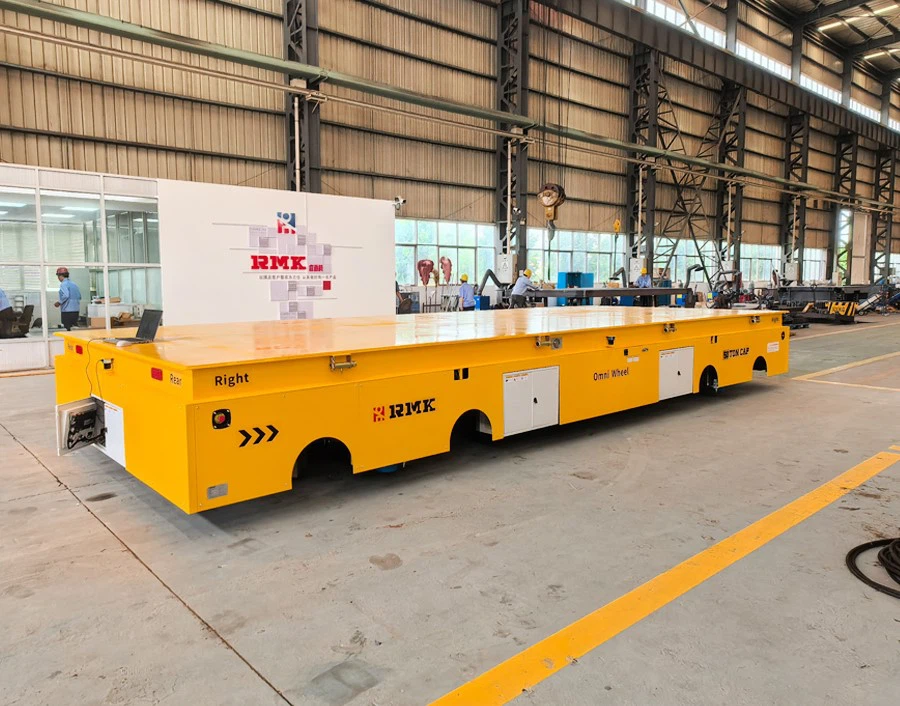
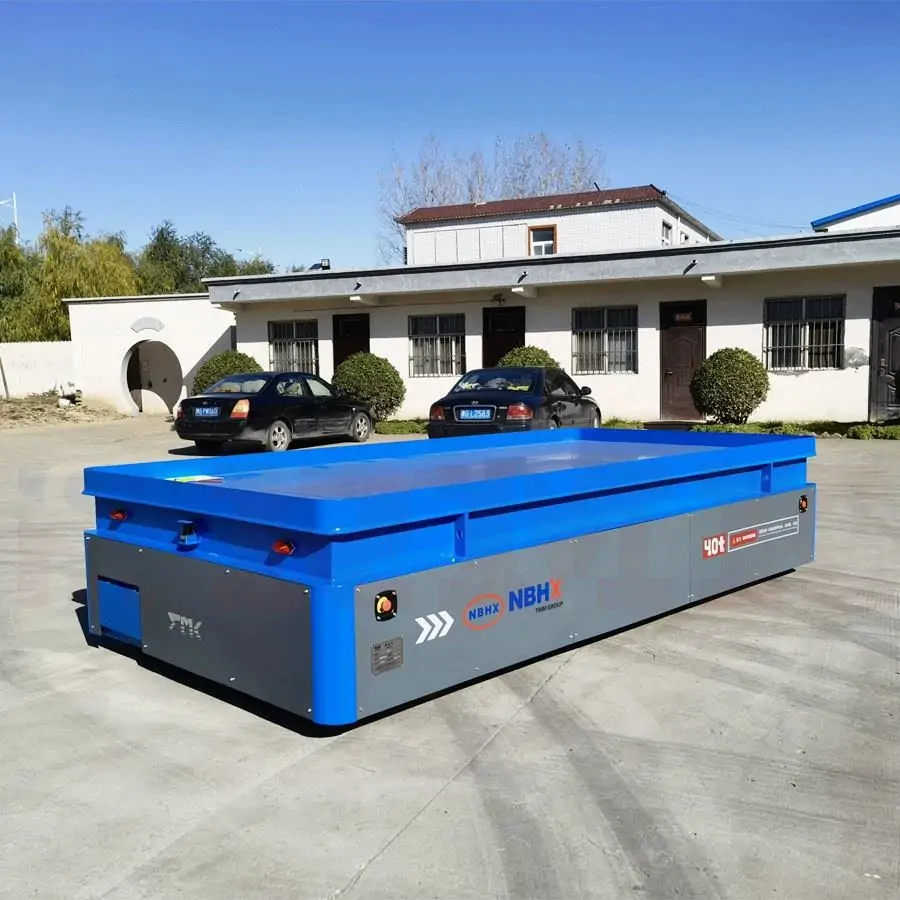
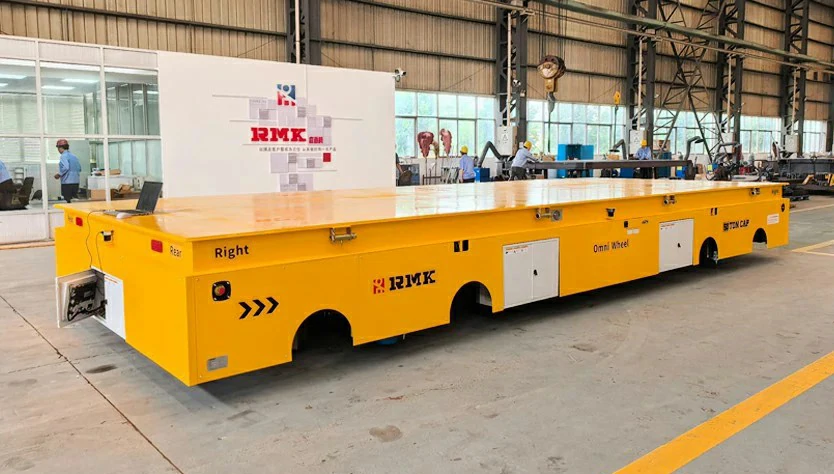
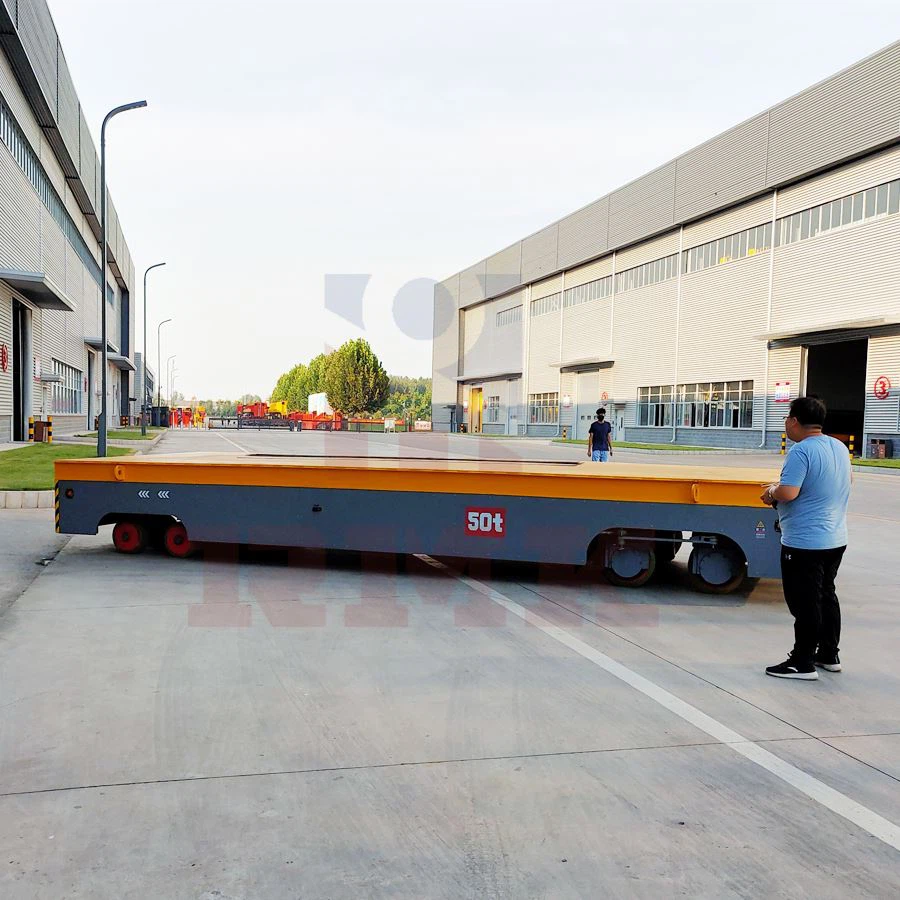
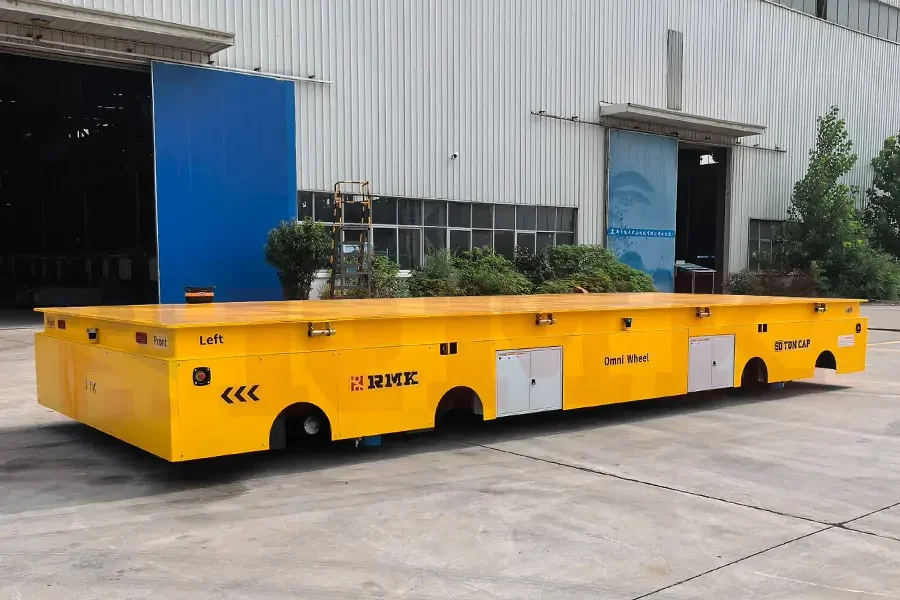
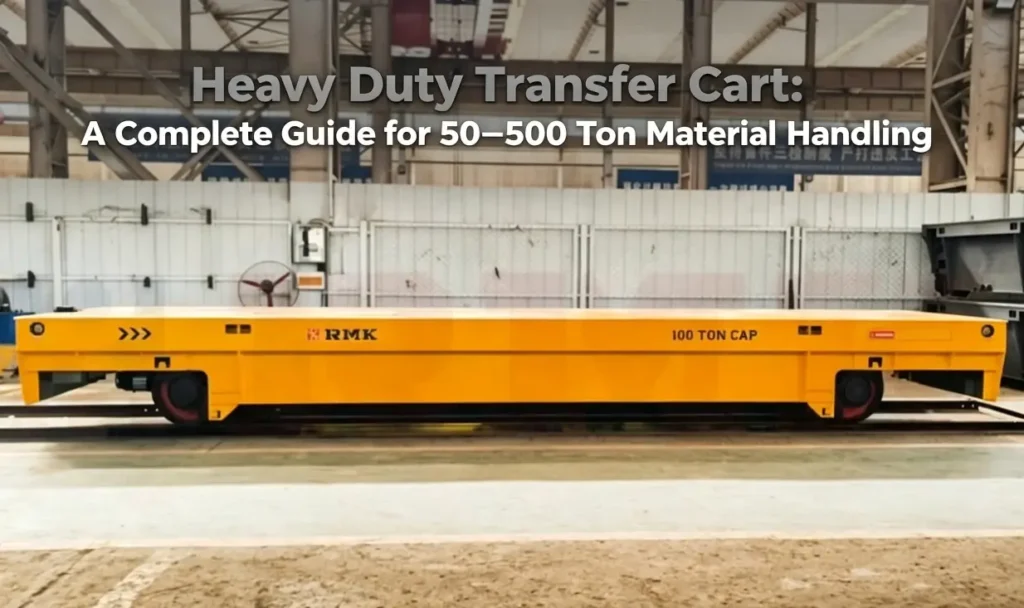
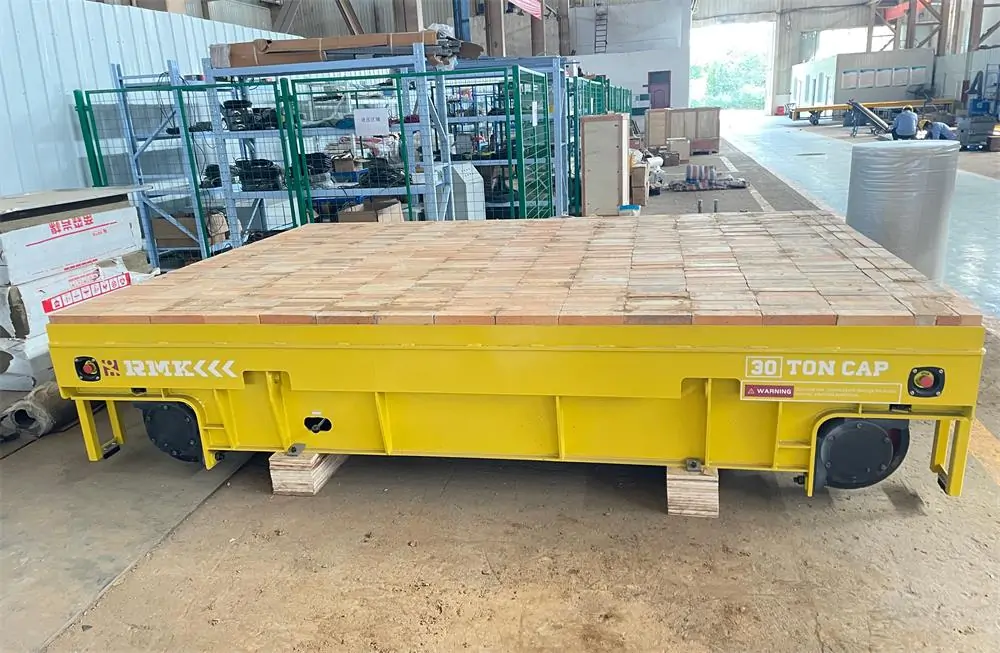
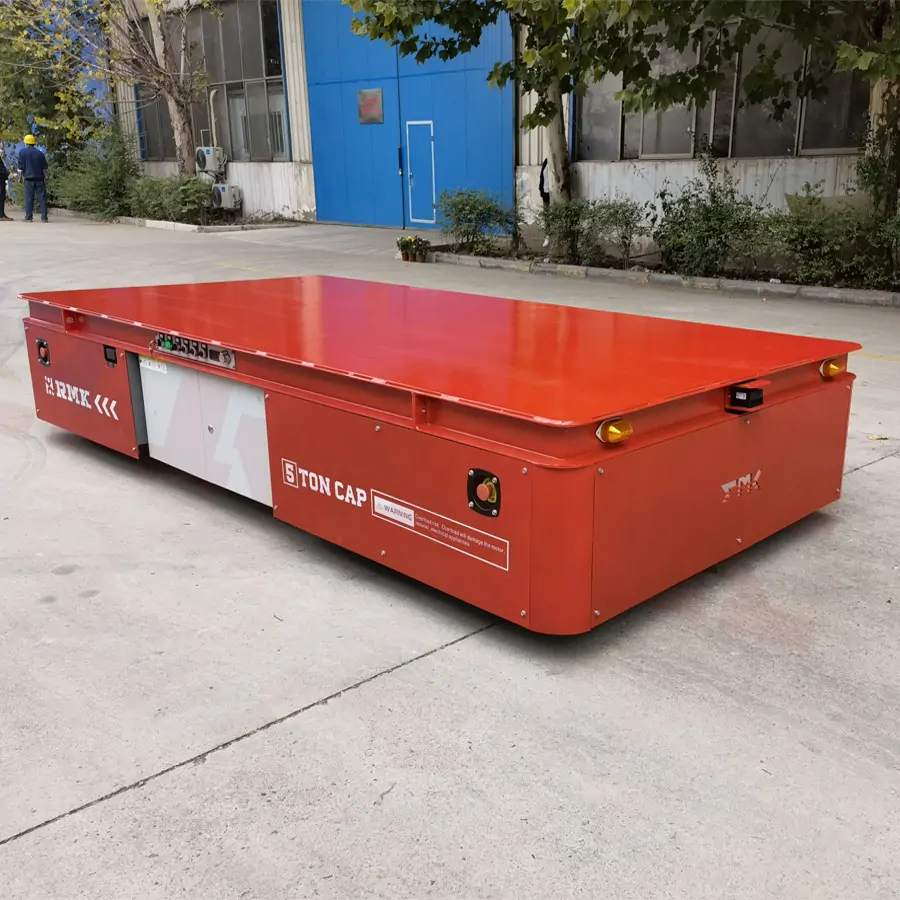
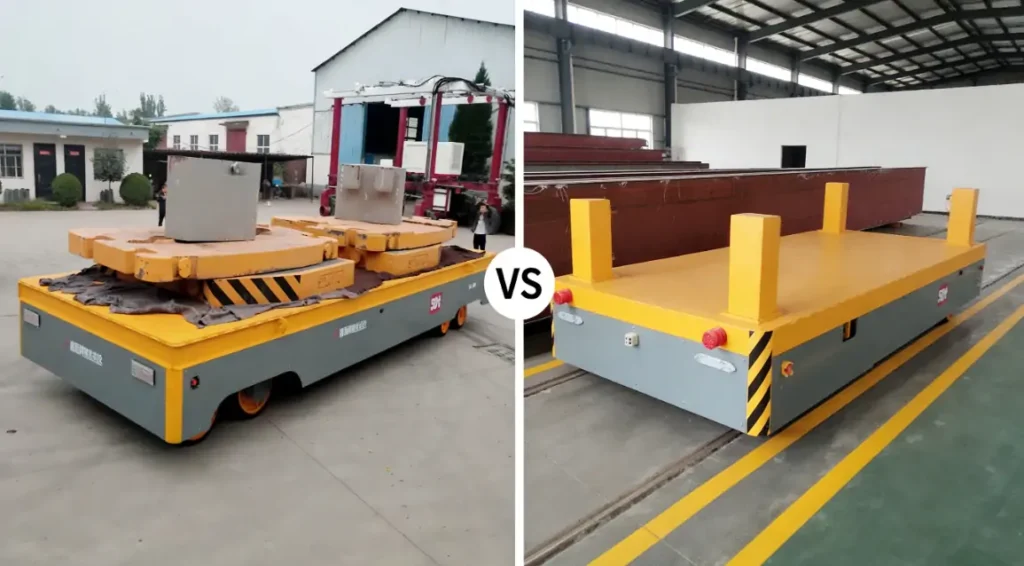
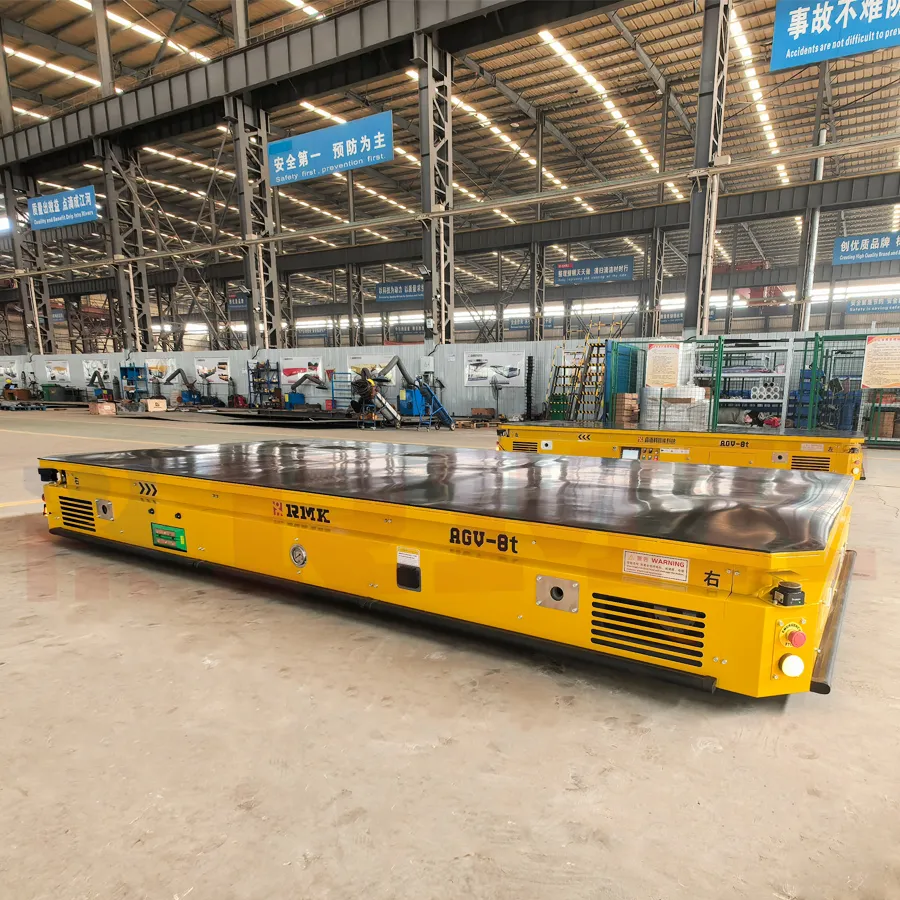
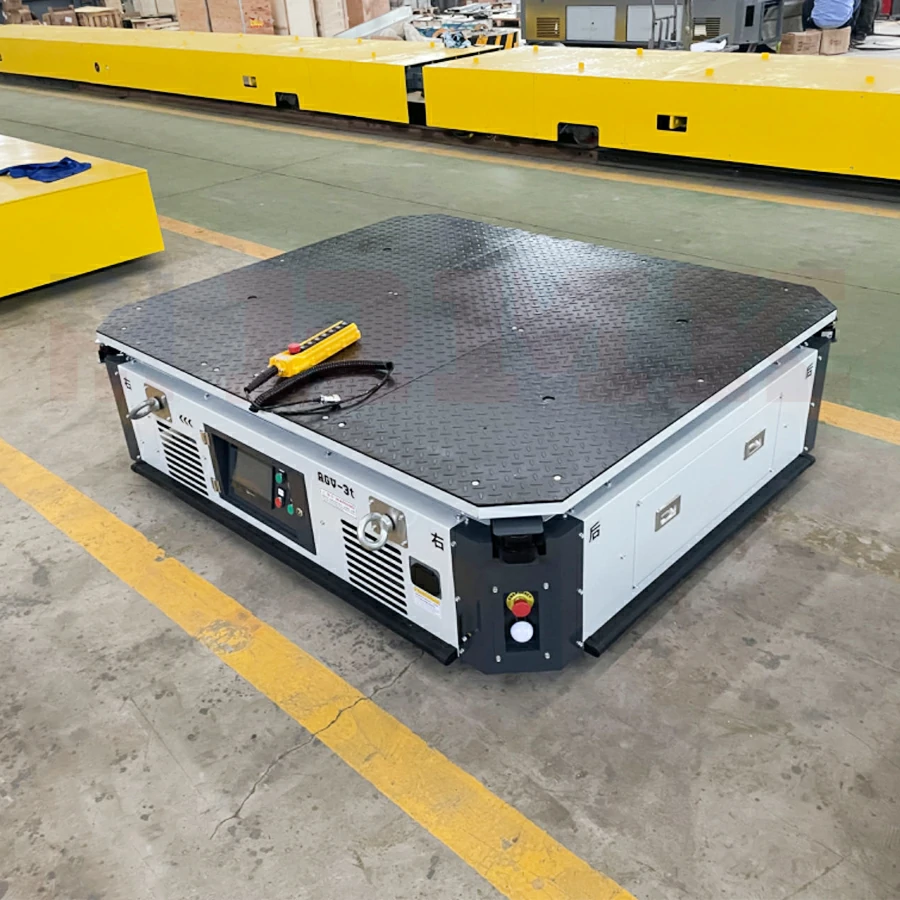
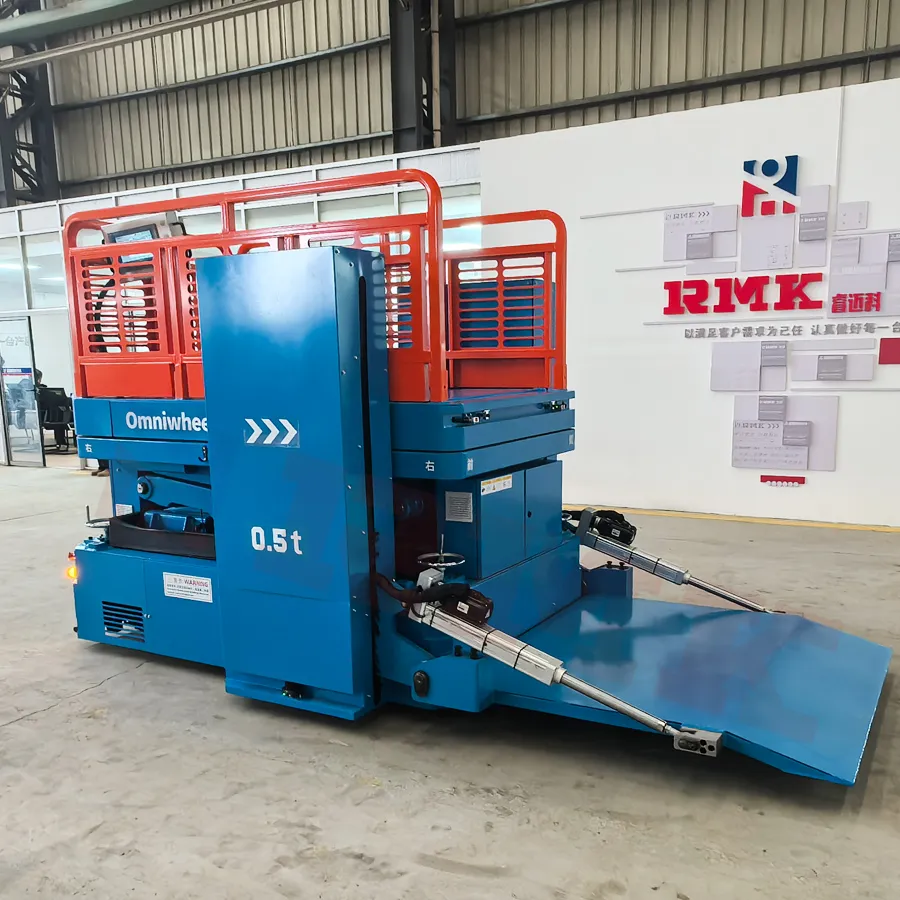
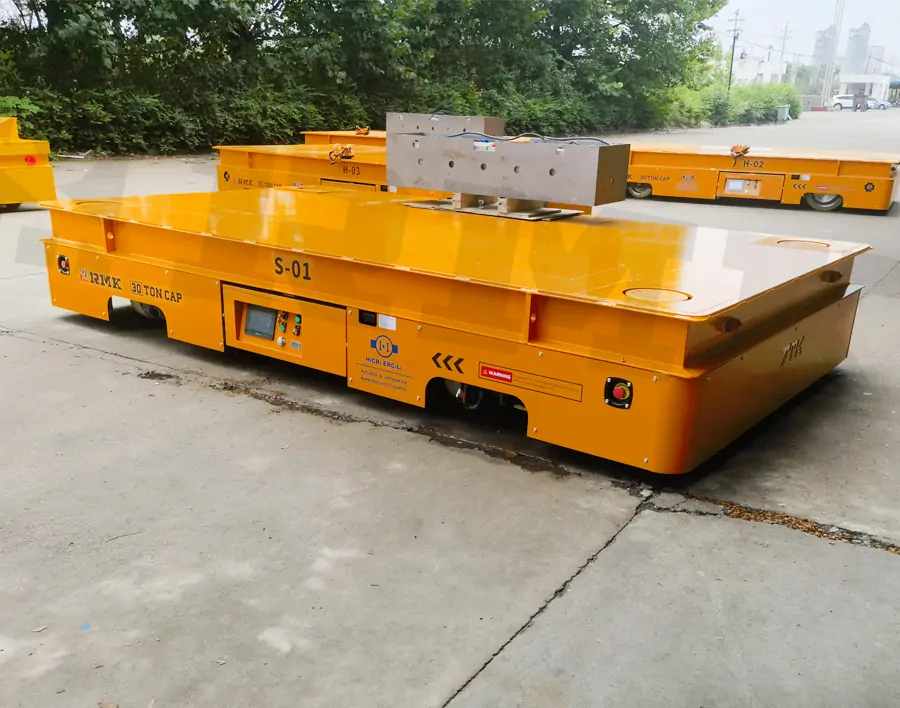
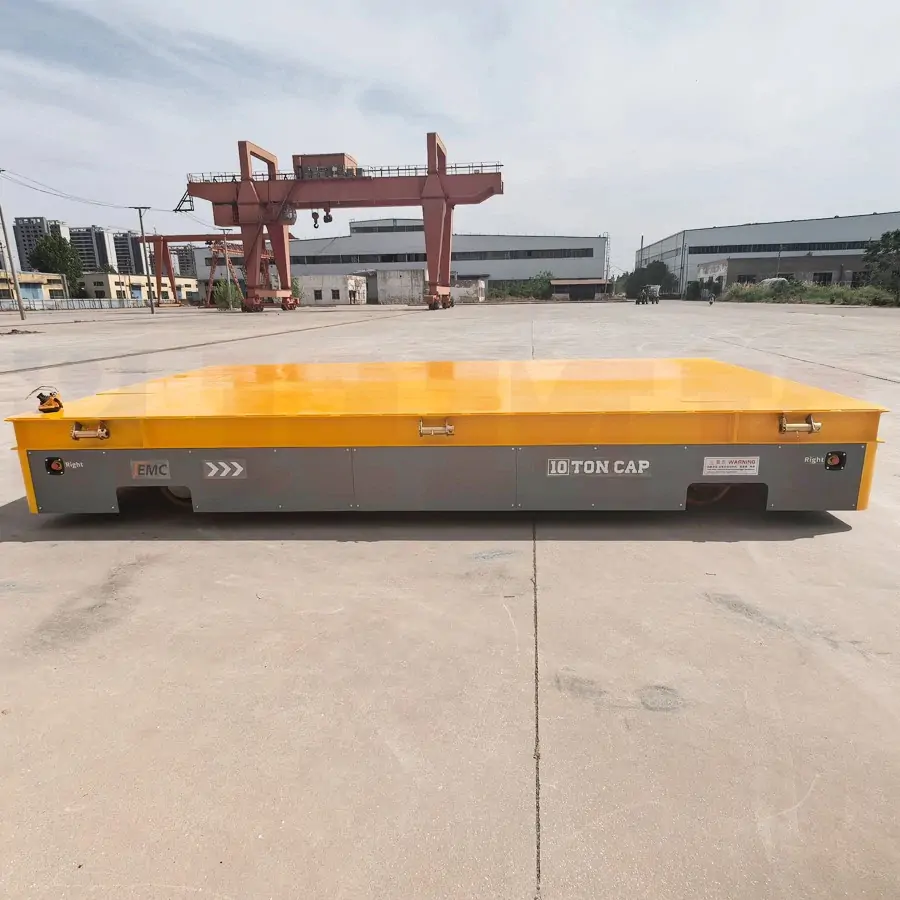
When a steel mill or heavy manufacturing plant plans to purchase a Heavy Load Transfer Cart, the biggest concern is usually not price.
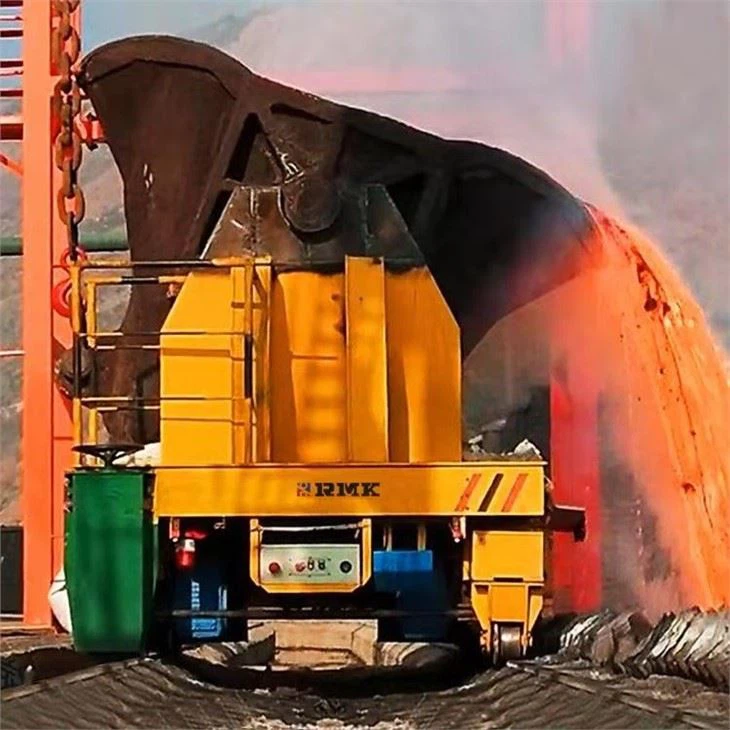
A 70–90 ton load moving through a workshop with high humidity, alkaline cleaning systems, and continuous production cycles leaves no margin for structural weakness or drive instability.
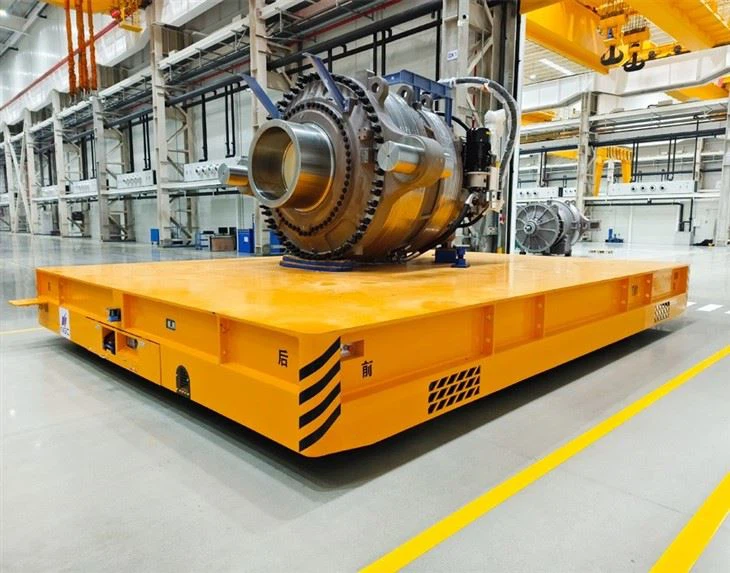
This article explains how to correctly define the technical requirements of a Heavy Load Transfer Cart used for transporting rolling mill stands and similar ultra-heavy industrial components — and what procurement teams should focus on before signing a contract.
Why Standard Transfer Carts Fail in Heavy Industry
Many industrial buyers underestimate the difference between a standard motorized transfer cart and a true heavy-duty transfer cart system.
In heavy steel production environments, the equipment must handle:
- Continuous operation (16 hours per day, 300+ days per year)
- Repeated exposure to a 60°C alkaline cleaning solution
- High humidity up to 95%
- Loads approaching 70 tons
- Repetitive start-stop cycles (3 round-trip per hour)
A conventional electric flatbed cart may move the load once or twice, but long-term structural deformation, wheel wear, and motor overheating become major risks.
A properly engineered Heavy Load Transfer Cart must be designed from the frame up for this environment.
Structural Design That Determines Service Life
For 70–90 ton industrial applications, frame strength is not optional — it is the foundation of safety.
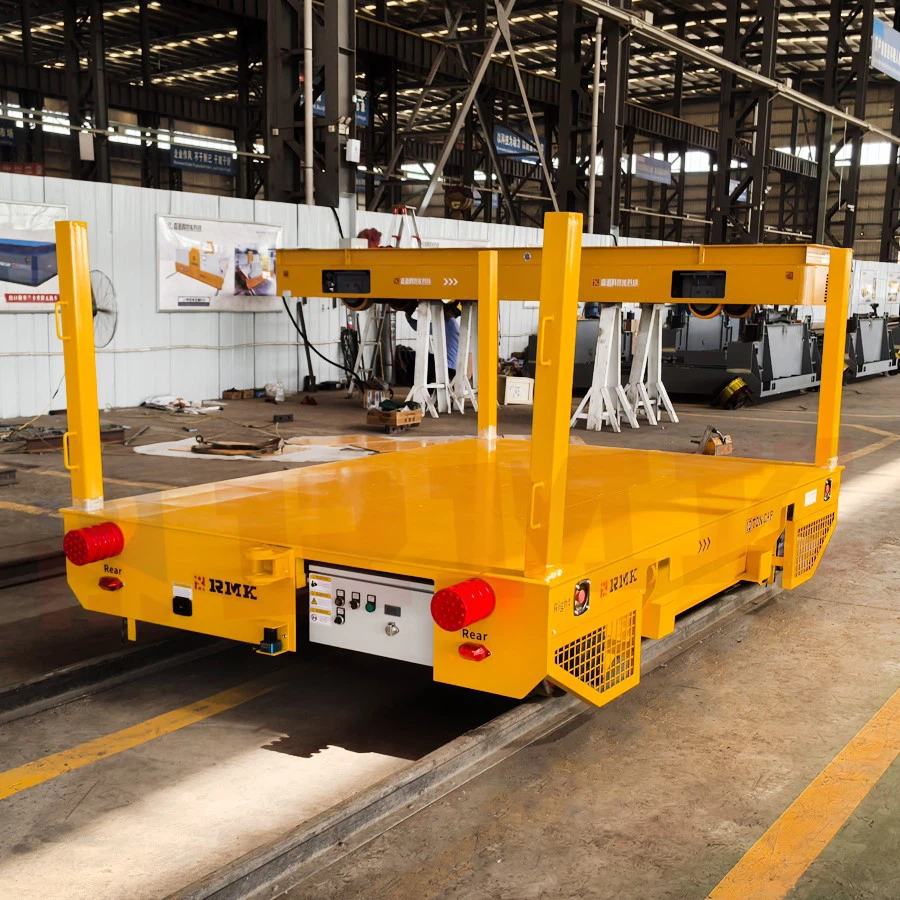
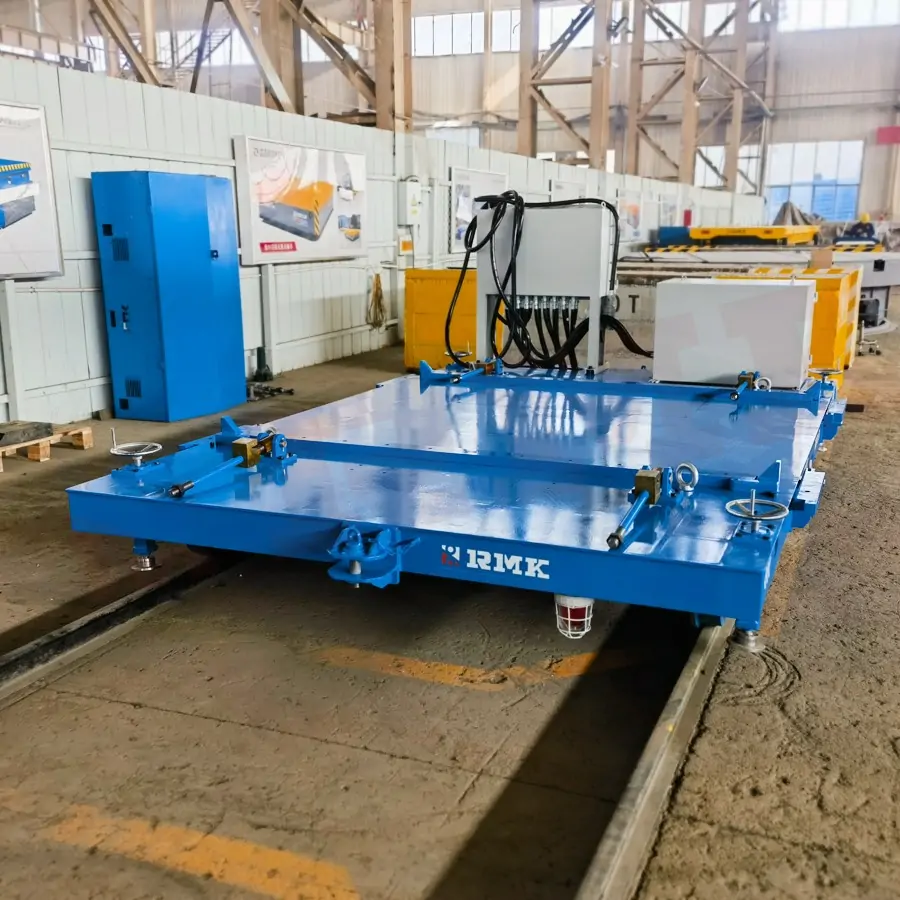
The Heavy Load Transfer Cart described here adopts:
- The rigid welded beam structure is fabricated using laser welding technology.
- Q355B low-alloy structural steel
- Mechanical shot blasting before welding
- Sandblasting after fabrication
- Anti-corrosion coating for alkaline exposure
- Overload safety factor of 1:1.2
- Zero permanent deformation under rated load
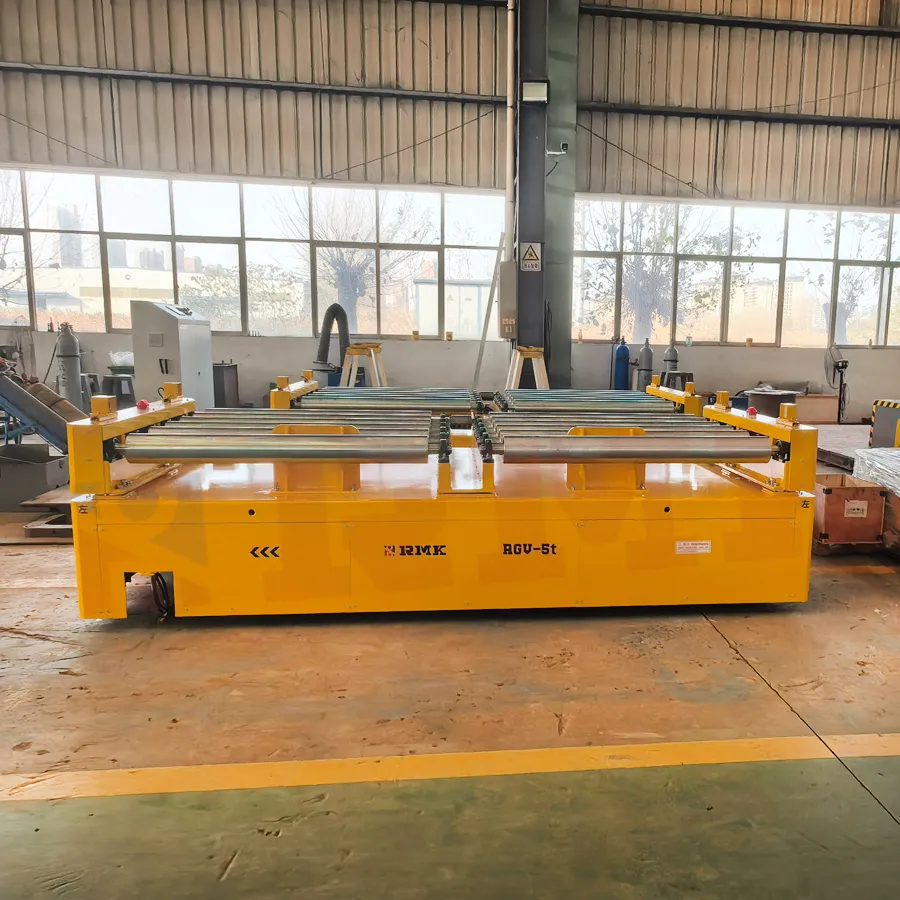
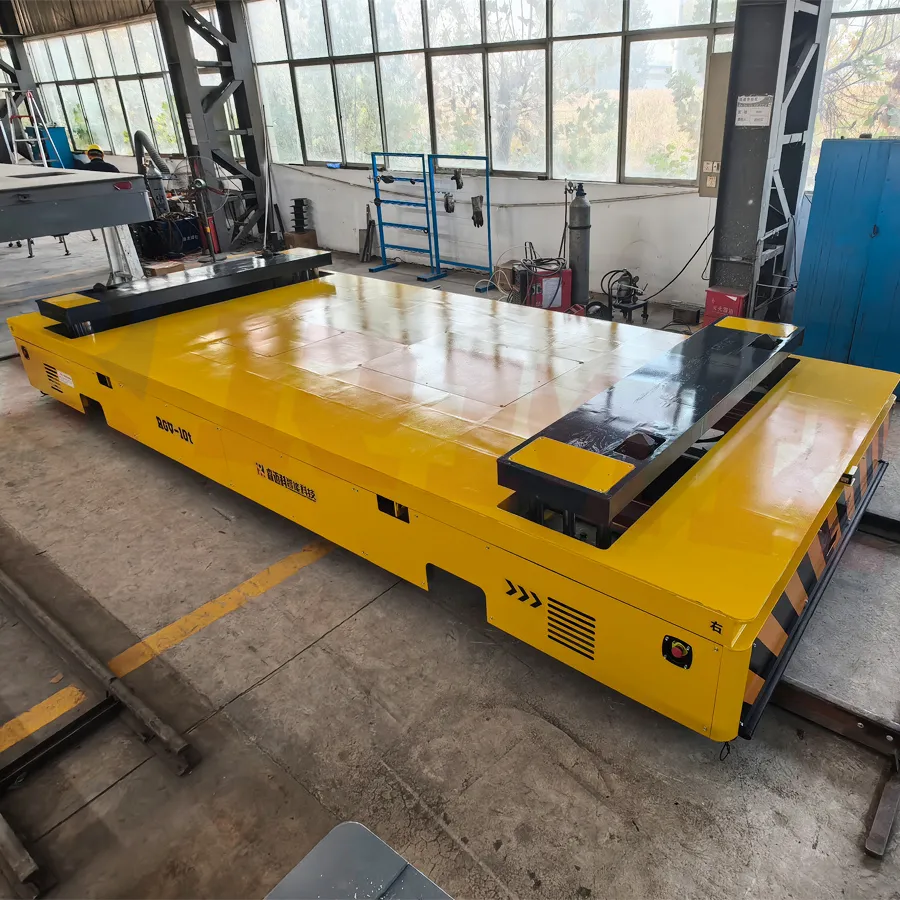
The rotating table platform includes guide positioning blocks and anti-tipping protection. This is critical when transporting rolling mill stands, where improper alignment can cause load instability during lifting.
Procurement teams should always confirm whether the supplier guarantees no structural deformation under full load.
Key Technical Parameters for a 90 Ton Heavy Load Transfer Cart
| 项目 | Specification |
|---|---|
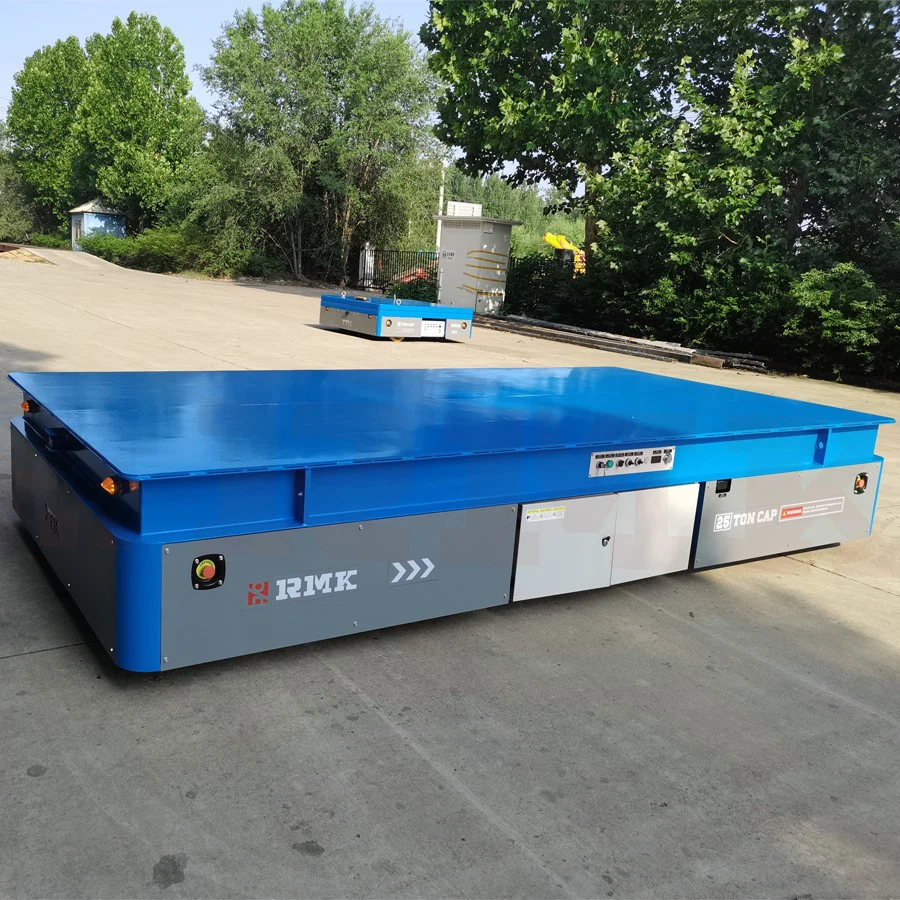
| Transport Table | 4m × 3.9m |
| Rotating Table | 3.8m × 3.8m |
| Total Height | ≤1m |
| Maximum Load | 70 tons |
| Operating Distance | 36m |
| Travel Speed | 10 m/min (adjustable) |
| Rotation Speed | 2 rpm |
| 电源 | 3-phase 380V cable drag chain |
| Control Mode | Wireless remote control |
| Braking | Motor electromagnetic braking |
| Self-Weight | ≥10 tons |
| Working Cycle | 3 cycles/hour, 16h/day |
These parameters are typical for a rail transfer cart system operating inside steel mill workshops.
Drive System Stability in High-Frequency Operation
A Heavy Load Transfer Cart must maintain stable motion under heavy rolling resistance and repetitive duty cycles.
Key requirements include:
- Crane-standard forged wheels (42CrMo or higher)
- Wheel hardness 302–341HB
- Hardened layer depth 15–20mm
- Tight wheel alignment tolerance control
- Debris sweepers to protect rails
- Brand servo motor
- IP65 protection for motor and reducer
- Motor temperature rise ≤60°C
Without proper wheel hardness and alignment control, uneven wear will cause vibration, rail damage, and long-term mechanical failure.
In high-load industrial transfer cart systems, wheel engineering directly impacts total lifecycle cost.
Environmental Resistance Matters More Than Speed
In this project scenario, the Heavy Load Transfer Cart remains in a weak alkaline cleaning environment at 60°C for approximately 16 minutes per cycle.
Over a year, this means thousands of exposure cycles.
If corrosion protection is insufficient:
- Frame coating will peel
- Bearings may corrode
- Electrical systems may fail prematurely
Therefore, anti-corrosion treatment and sealed drive protection are not optional features — they are design necessities.
Compliance and Inspection Requirements
A Heavy Load Transfer Cart used in heavy industry must comply with:
- GB 5226 electrical safety standards
- JB/T 6127 technical conditions for electric flatbed carts
- Applicable ISO, IEC, or DIN standards when required
Before shipment, factory inspection and load testing should be completed. Technical documentation, inspection reports, and qualification certificates must be delivered with the equipment.
Procurement teams should request factory acceptance testing to reduce post-installation risk.
What Procurement Teams Should Confirm Before Purchase
Before approving a Heavy Load Transfer Cart supplier, confirm:
- Structural deformation guarantee under rated load
- Overload safety factor
- Wheel material and heat treatment depth
- Motor brand and protection rating
- Corrosion protection process
- On-site commissioning support
- Warranty response time
In heavy manufacturing environments, downtime costs often exceed equipment cost. Engineering reliability must always come before pricing discussions.
结论
A Heavy Load Transfer Cart is not simply a transport tool. It is a critical part of material flow management in steel mills and heavy industrial production lines.
When properly engineered with structural integrity, precision drive control, and corrosion resistance, a heavy duty transfer cart system can operate safely for years under extreme working conditions.
Choosing the right design standard at the specification stage is what determines whether the equipment becomes a long-term asset — or a recurring maintenance burden.
Long-term Benefits of Choosing a Professional Transfer Cart Manufacturer
When selecting a transfer cart manufacturer, it’s important to consider:
- Whether the supplier is a direct factory
- R&D and customization capabilities
- Support for smart automation
- International market experience
了不起 not only provides high-quality carts but also complete industrial material handling solutions. Whether you need a reliable China transfer cart manufacturer, rail transfer cart supplier, or electric transfer cart provider, Remarkable is a trusted long-term partner for factories around the world.
电子邮件: transfercart@rmkzn.com
Phone: +86-18637369355