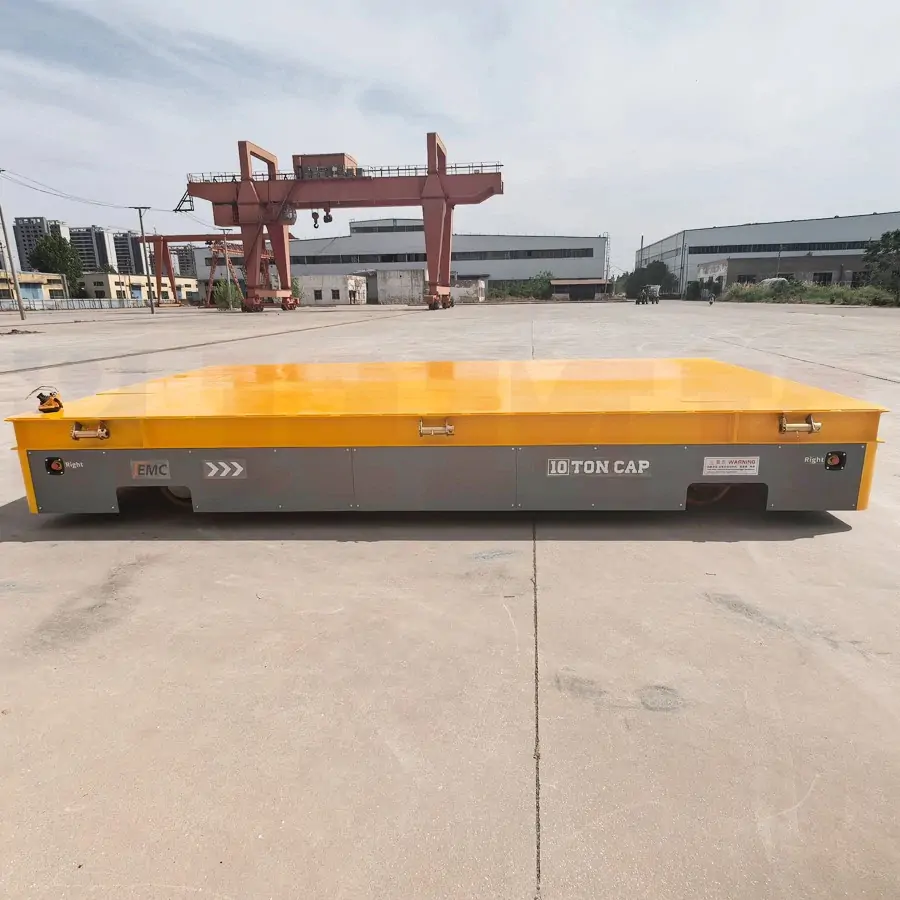
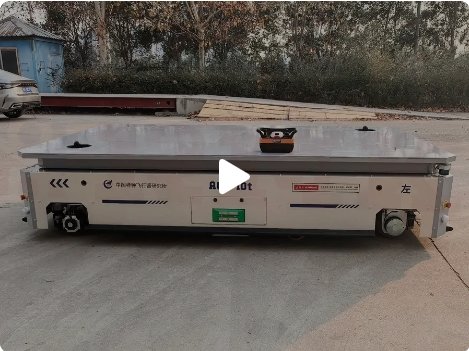
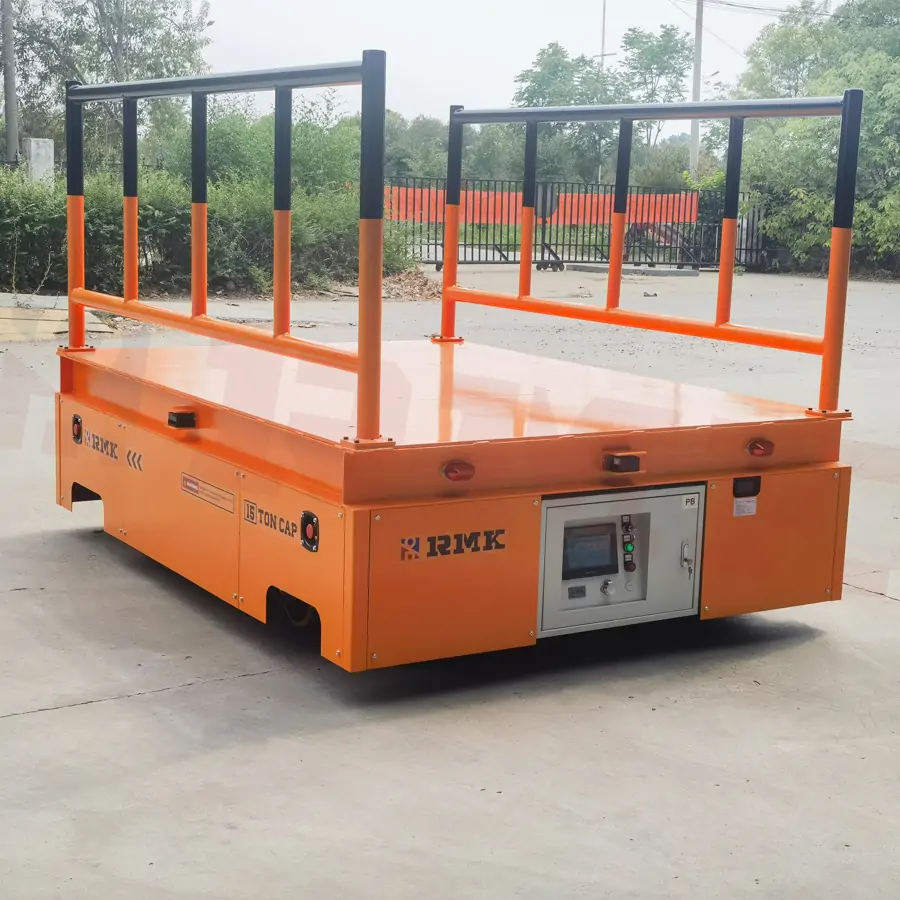
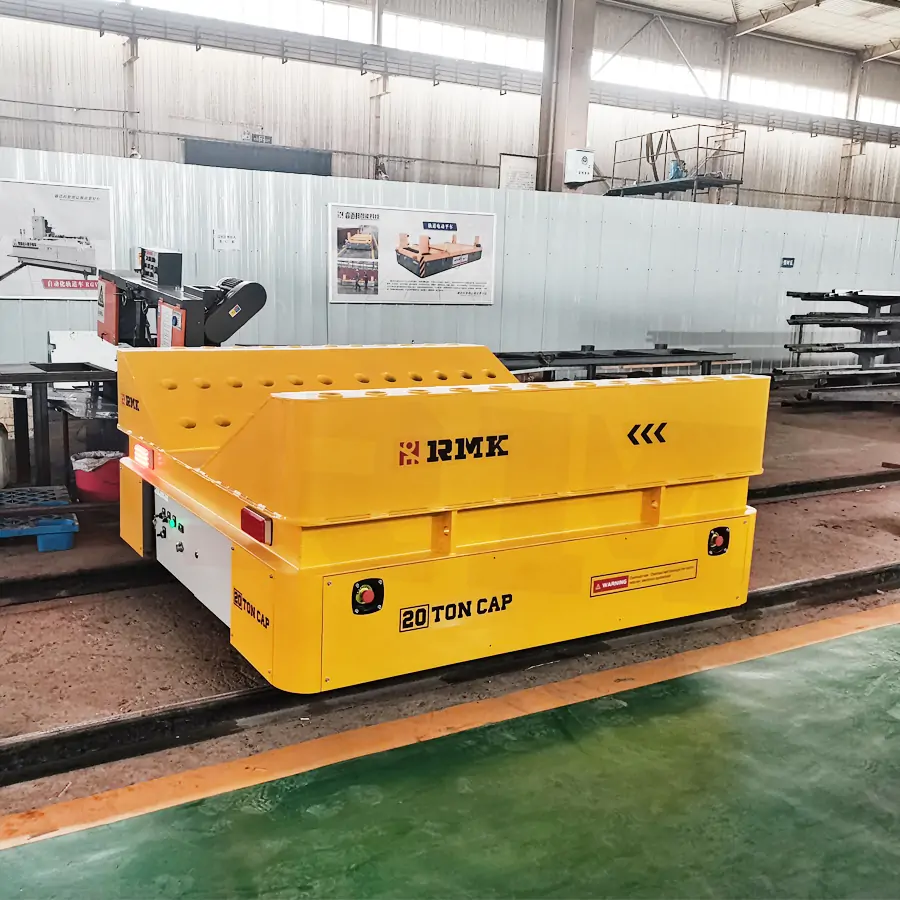
The oil and gas industry operates in environments where flammable gases, vapors, and combustible substances are often present, making safety a critical consideration for material handling equipment. Explosion-proof transfer carts are designed to support safe transportation within hazardous areas while meeting industry regulations. This article explores hazardous area classifications, key safety standards, essential explosion-proof features, common applications, and important factors to consider when selecting an explosion-proof transfer cart for oil and gas operations.
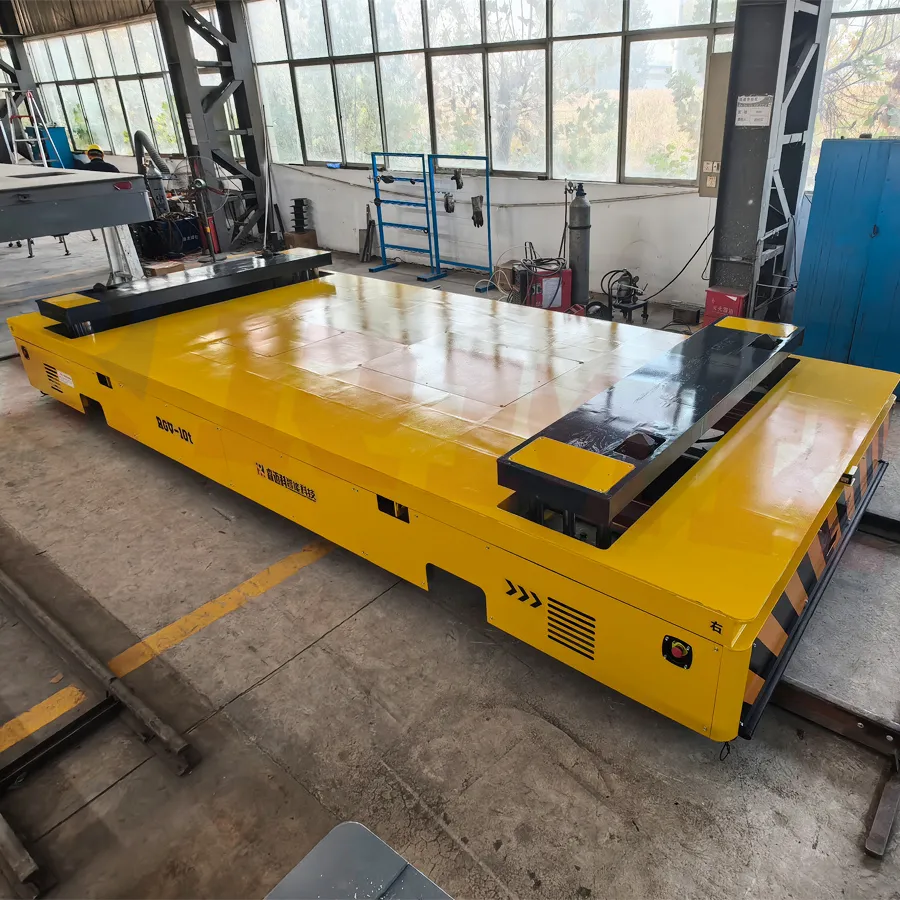
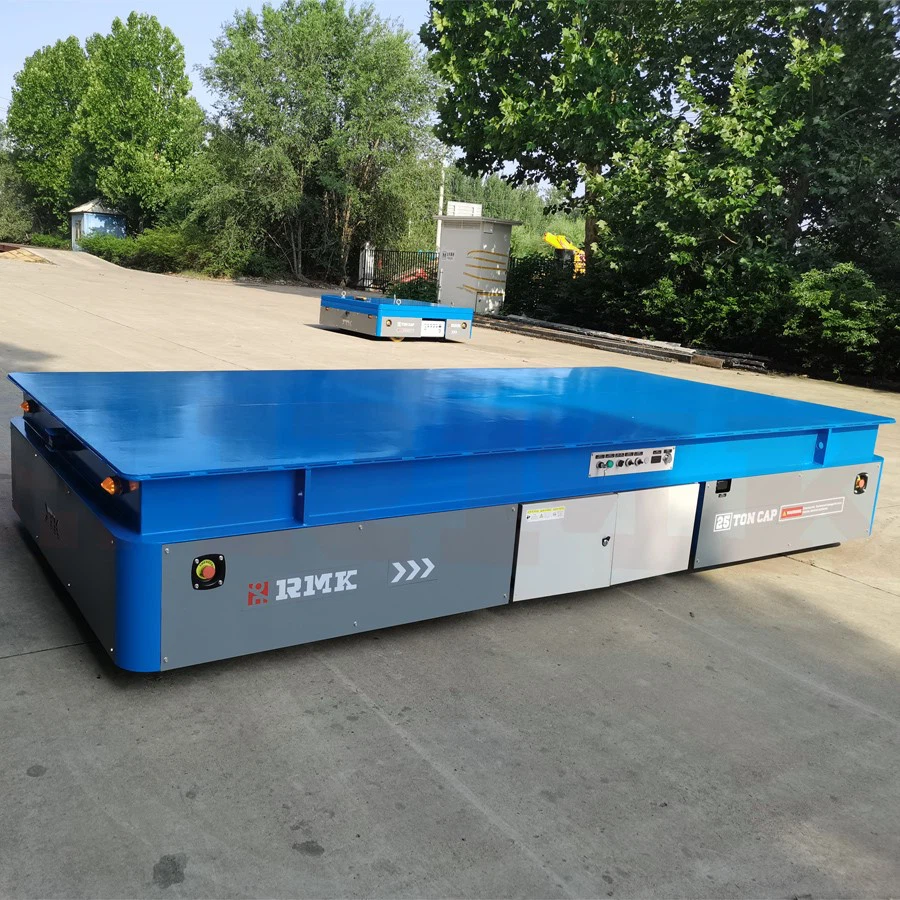 Explosion-proof transfer cart
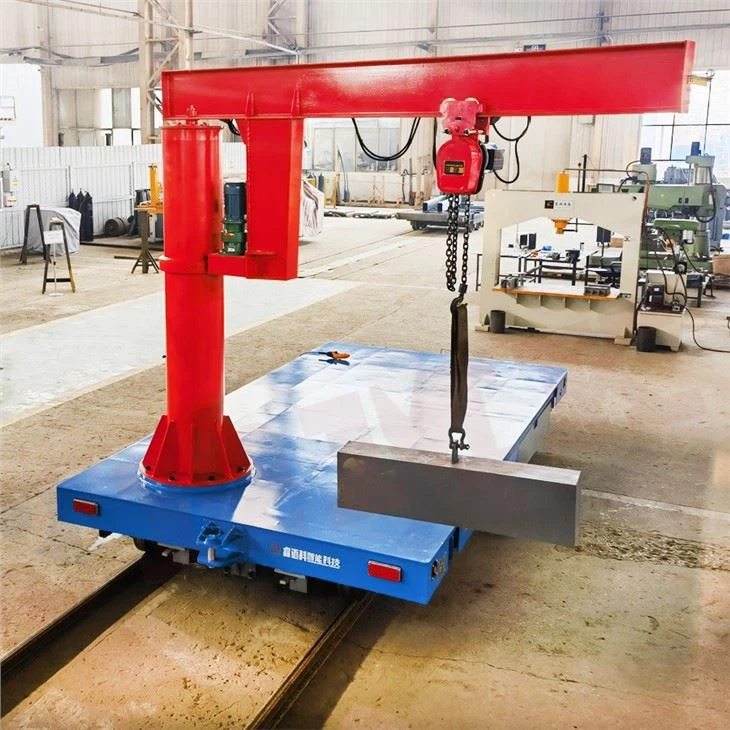
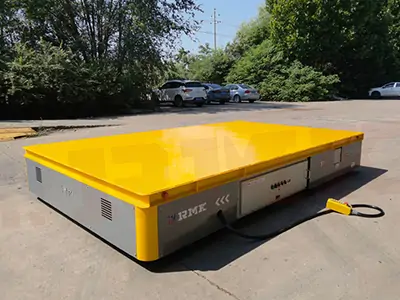 Explosion-proof transfer cart
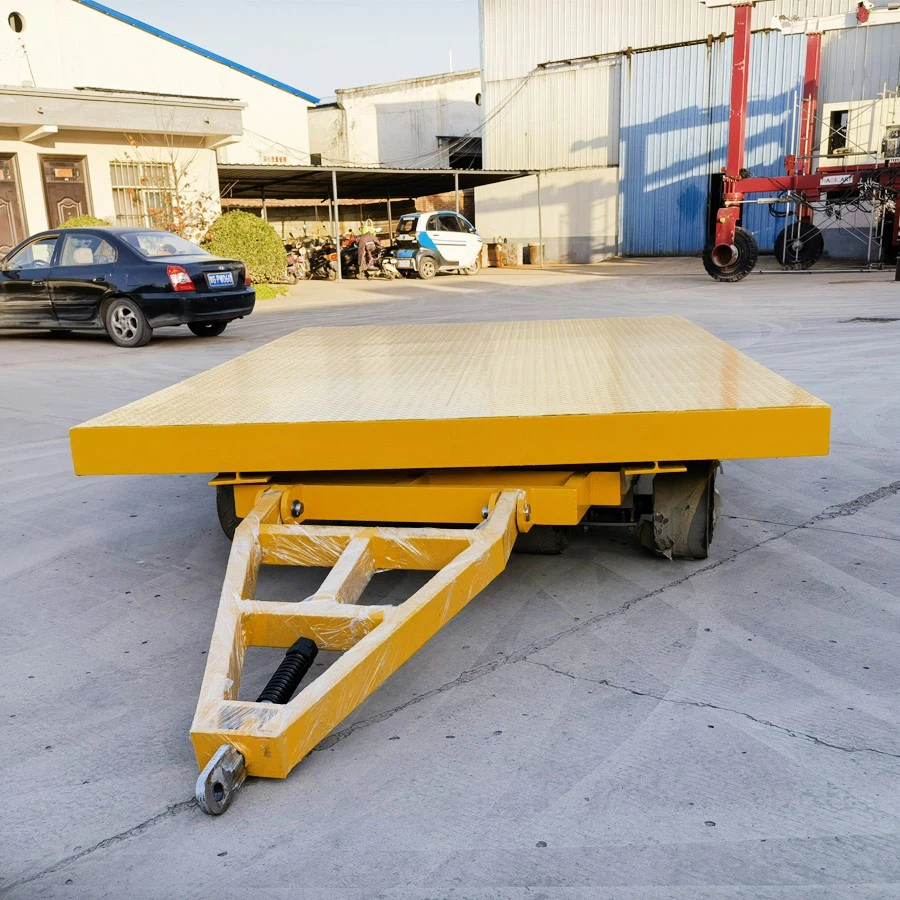
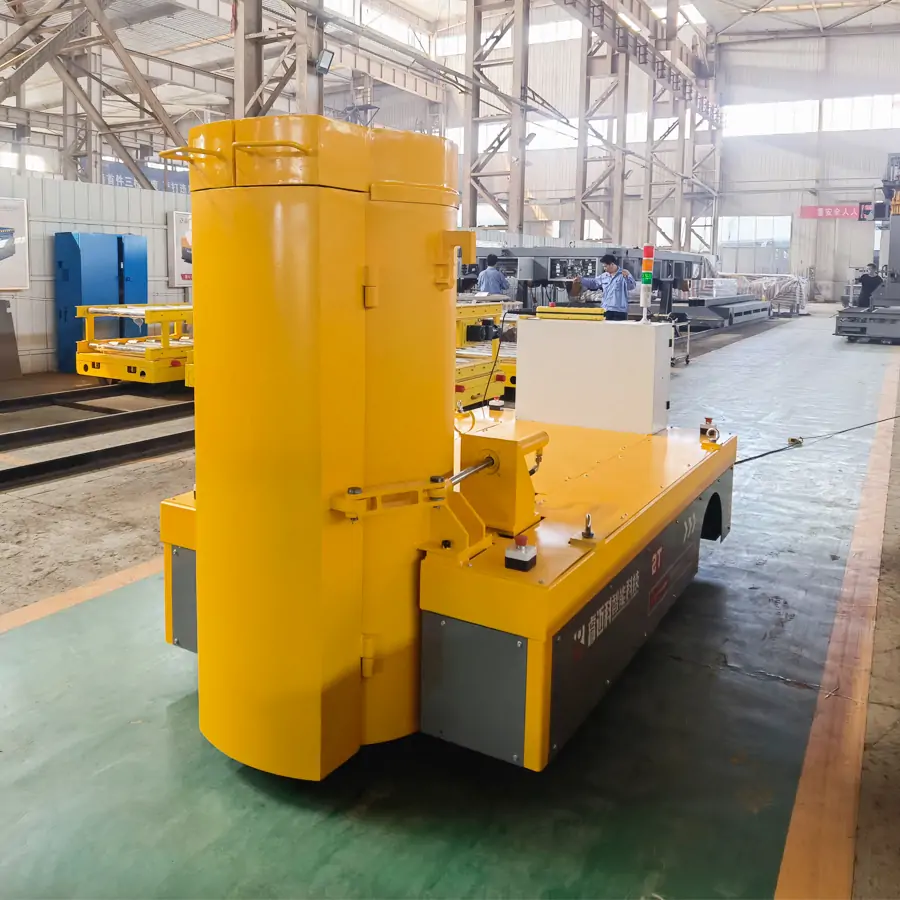 Explosion-proof transfer cart
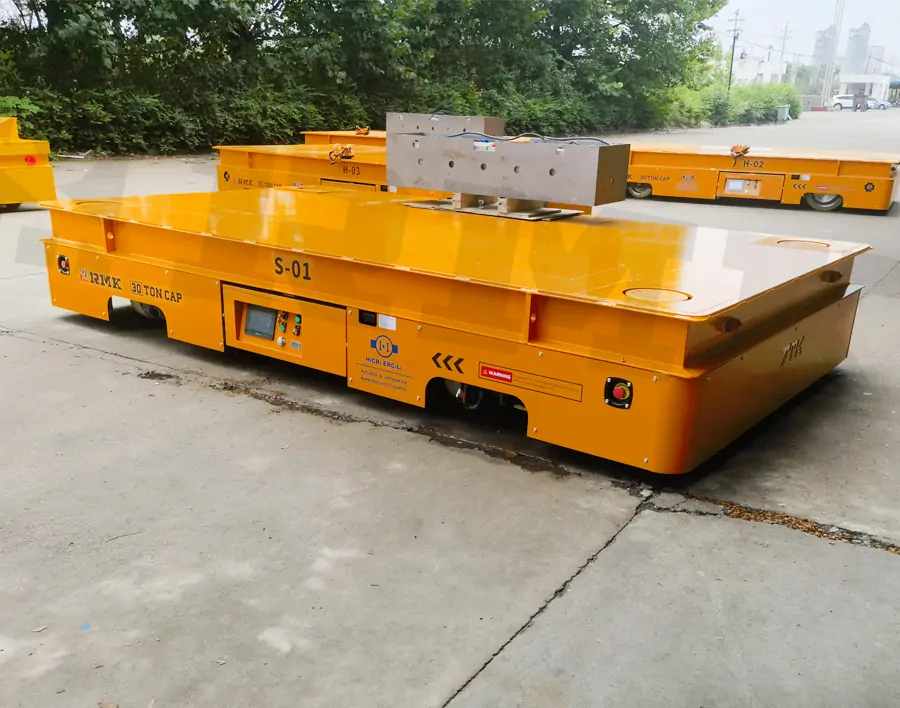
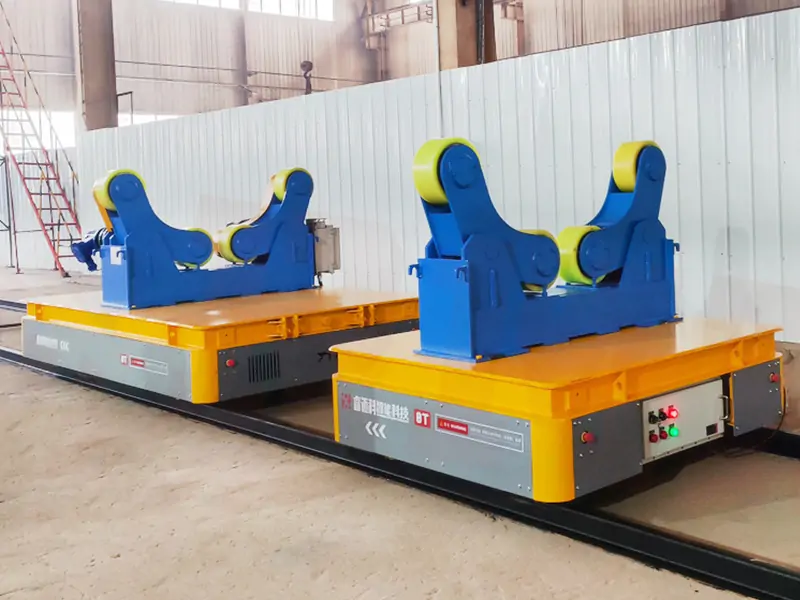 Explosion-proof transfer cart
What is an Explosion-proof transfer cart?
An explosion-proof transfer cart, also called an ATEX/IECEx Certified Transfer Cart, is an industrial handling equipment specifically designed for flammable and explosive environments. It is used in places with explosive gases or dust, such as chemical plants, petrochemical plants, coal mines, military enterprises, and spraying workshops. The equipment must comply with explosion-proof standard structural designs, special explosion-proof materials, and electrical systems to prevent sparks or high temperatures from causing danger. Usually running along fixed tracks and supporting remote or wire control operations, it has a load capacity of 1–300 tons. Some models also integrate customized functions such as automatic dumping and high-temperature resistance, achieving safe and stable material transportation in hazardous environments.
Vídeos
How It Differs from Standard Transfer Carts
Although explosion-proof transfer carts and standard transfer carts share the same material handling function, they are designed for different operating environments. Differences in safety requirements, component selection, certification standards, and maintenance practices make each type suitable for specific industrial applications.
| Elemento de comparación | Explosion-Proof Transfer Cart | Standard Transfer Cart |
|---|---|---|
| Design Standard | Built to meet explosion-proof requirements for hazardous areas. | Built for general industrial use. |
| Entorno de trabajo | Used in areas with flammable gases, vapors, or dust. | Used in factories, warehouses, ports, and workshops. |
| Electrical System | Equipped with explosion-proof motors, controls, and wiring. | Uses standard industrial electrical components. |
| Power Supply | Uses explosion-proof batteries and drive systems. | Battery, cable, rail, or busbar powered. |
| Safety Features | Anti-spark, anti-static, and flameproof protection. | Standard industrial safety features. |
| Certifications | Requires ATEX, IECEx, NEC, or similar certifications. | No explosion-proof certification required. |
| Maintenance Requirements | Regular inspection of certified safety components. | Routine industrial equipment maintenance. |
| Operator Training | Hazardous-area operation training recommended. | Standard operator training required. |
| Initial Investment | Higher due to specialized design and certification. | Lower purchase and operating costs. |
| Typical Applications | Oil & gas, petrochemical, chemical, mining, and storage facilities. | Manufacturing, logistics, steel plants, and warehouses. |
Explosion-proof transfer carts are designed for hazardous environments where ignition risks must be controlled, while standard transfer carts are intended for material handling in non-hazardous industrial settings.
The choice between an explosion-proof transfer cart and a standard transfer cart depends primarily on the working environment. For facilities where flammable gases, vapors, or dust may be present, explosion-proof designs provide an added level of protection and compliance with industry safety requirements.
Why the Oil and Gas Industry Requires Explosion-Proof Transfer Carts
Oil and gas facilities often contain flammable gases, vapors, and combustible dust. In these environments, standard material handling equipment can create ignition risks. Explosion-proof transfer carts are designed for hazardous areas and help meet industry safety requirements.
1. Presence of Flammable Atmospheres
Flammable substances are commonly found during oil and gas extraction, processing, storage, and transportation.
Gas Hazards
Methane, propane, hydrogen sulfide, and hydrocarbon vapors may form explosive gas mixtures in refineries, tank farms, pumping stations, and offshore facilities.
Dust Hazards
Some production processes can also generate combustible dust.
Hazardous Area Classifications
These locations are classified as Zone 1, Zone 2, Zone 21, or Zone 22. Equipment operating in these areas must meet the required explosion-proof rating.
2. Ignition Source Risks
Standard transfer carts may create ignition sources during operation.
| Potential Ignition Source | Risk in Hazardous Areas | Explosion-Proof Solution |
|---|---|---|
| Electrical Sparks | Sparks from motors, switches, controllers, or wiring may ignite flammable gases. | Explosion-proof motors, control systems, and sealed electrical enclosures. |
| Mechanical Sparks | Friction or impact between metal components may generate sparks. | Low-spark materials and protected braking systems. |
| Hot Surfaces | Overheated motors and electrical components can become ignition sources. | Temperature-controlled designs that meet required temperature classes. |
| Static Electricity | Static buildup from moving equipment or materials may discharge unexpectedly. | Grounding systems and anti-static protection measures. |
| Battery Systems | Battery connections or charging processes may create ignition risks. | Explosion-proof battery compartments and protected power connections. |
3. Regulatory Requirements
Hazardous-area equipment must comply with applicable safety standards.
- Explosion-Proof Certification: Equipment should carry the required certification and explosion-proof marking.
- International Standards: ATEX, IECEx, and other regional certifications are commonly required.
- Area Classification Matching: The protection level of the transfer cart must match the hazardous area where it operates.
4. Risks of Using Non-Compliant Equipment
Using standard transfer carts in hazardous areas can result in:
- Fires and explosions
- Personnel injuries
- Equipment damage
- Environmental pollution
- Regulatory penalties
- Production downtime
For oil and gas facilities, the selection of a transfer cart starts with the hazardous area classification. Choosing equipment with the appropriate explosion-proof rating and certification is essential for operation in environments where flammable gases, vapors, or dust may be present.
Hazardous Area Classifications Explained
Hazardous areas are classified according to the likelihood and duration of flammable gases, vapors, dust, or fibers being present. These classifications are used to determine the required protection level for equipment operating in the area.
Class/Division System (North America)
Class I, Division 1 → Flammable gases or vapors may be present during normal operation.
Class I, Division 2 → Flammable gases or vapors are only expected under abnormal conditions.
Class II → Areas where combustible dust may be present.
Class III → Areas containing ignitable fibers or flyings.
Gas Hazardous Areas (Zone System)
Zone 0 → Explosive gas atmosphere is present continuously or for long periods.
Zone 1 → Explosive gas atmosphere may occur during normal operation.
Zone 2 → Explosive gas atmosphere is unlikely and, if present, exists only briefly.
Dust Hazardous Areas (Zone System)
Zone 20 → Combustible dust is present continuously or frequently.
Zone 21 → Combustible dust may occur during normal operation.
Zone 22 → Combustible dust is unlikely and exists only for short periods if present.
The higher the risk level, the higher the explosion-protection rating required for equipment operating in the area.
Safety Standards for Explosion-Proof Transfer Carts
Explosion-proof transfer carts used in hazardous areas must comply with relevant explosion-protection standards. These standards cover equipment design, electrical systems, certification, inspection, and operational safety.
Core Standards
GB/T 3836 Series: Covers explosion-protection requirements and hazardous area classifications.
GB/T 19854-2018: Technical requirements for explosion-proof industrial vehicles.
GB 21668: Safety requirements for vehicles operating in hazardous environments.
Design Requirements
Explosion-Proof Electrical Systems: Certified motors, controllers, switches, and wiring.
Low-Spark Construction: Materials and designs that reduce spark generation.
Anti-Static Protection: Grounding systems to prevent static discharge.
Temperature Control: Surface temperatures remain within approved limits.
Certification Requirements
Explosion-Proof Certification: Equipment must carry the appropriate certification and marking.
Periodic Inspection: Regular inspections help maintain safety performance.
Area Matching: Equipment ratings must match the hazardous area classification.
Industry Applications
Oil & Ga: Refineries, tank farms, and gas processing facilities.
Chemical Plants: Areas with flammable chemicals or vapors.
Mining & Storage Facilities: Locations containing combustible gases or dust.
The correct certification, protection rating, and routine inspection are essential when operating transfer carts in hazardous areas.
Características
The explosion-proof transfer cart is specially designed for flammable and explosive environments (such as coal mines, chemicals, oil and gas, etc.), possessing multiple safety protections and technical characteristics to adapt to special working conditions:
- Explosion-proof Structure: Core components (motors, controllers, etc.) utilize flameproof enclosures or intrinsically safe circuits to strictly prevent spark leakage.
- Material Process: The vehicle body uses anti-static and high-temperature resistant materials; the loading surface undergoes explosion-proof treatment to withstand high-temperature impacts.
- Diverse Power Options: Supports explosion-proof diesel engines (suitable for long-distance ramps), storage batteries (maintenance-free, low cost), or low-voltage rail power supply.
- Driving Stability: Crawler or rail chassis designs adapt to complex terrains, equipped with wet brakes to ensure safety on heavy-duty ramps.
- Bi-directional Driving: Side-mounted cabs or support for in-place steering allow for back-and-forth operation in narrow paths without the need to turn around.
- Intelligent Navigation: High-end models integrate laser/magnetic stripe navigation and remote control to achieve automated transportation.
- Multiple Protection: Integrated emergency stops, laser obstacle avoidance, anti-collision radar, and electromagnetic braking provide multi-dimensional operational safety.
- Extreme Working Conditions: Features heat-resistant, moisture-proof, and dust-proof designs to meet the requirements of harsh environments such as molten steel transfer.
- Load Span: Covers a range from 1 ton to 300 tons, adapting to various types of light and heavy material handling.
- Functional Expansion: Optional hydraulic lifting, clamping mechanisms, or pump stations support the integration of material handling and process operations.
Through an explosion-proof transfer cart, stable power, flexible operation, and multiple safety protections, the Explosion-proof transfer cart solves material transportation difficulties in flammable and explosive environments. It is widely used in coal mining, chemical, steel, and other industries, improving efficiency and safety in high-risk environments.
Types of Explosion-proof transfer cart
The explosion-proof transfer car has evolved into a variety of specialized technical forms. Based on different power sources, travel paths, and levels of automation, these devices are precisely classified into the following typical models:
50-ton die track transfer cart is a battery electric flat car
A 50-ton class rail transfer car, powered by battery/cable reel, supporting handheld remote control and unmanned operation. It has a strong bearing capacity and a reliable structure, adapting to harsh working conditions such as high temperature, high humidity, and high dust.
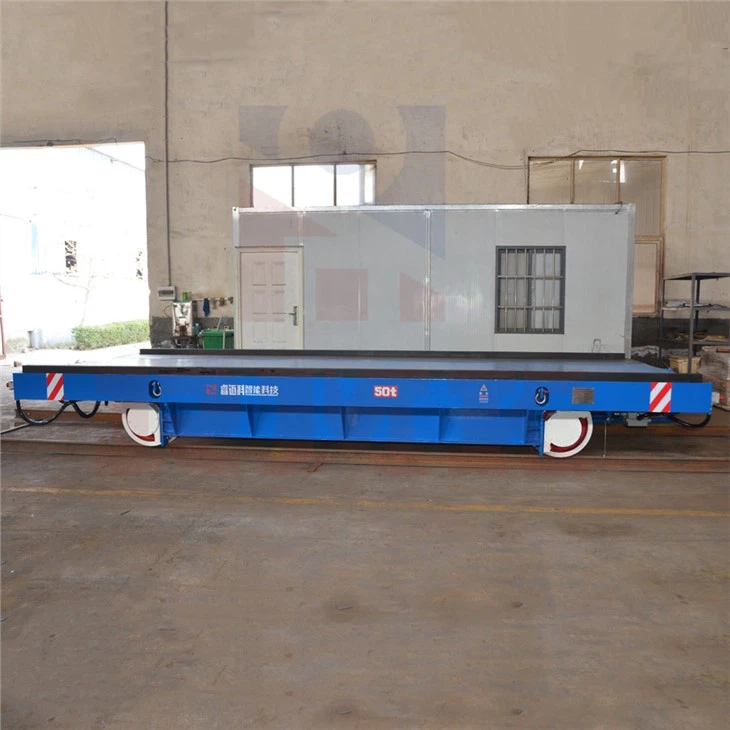
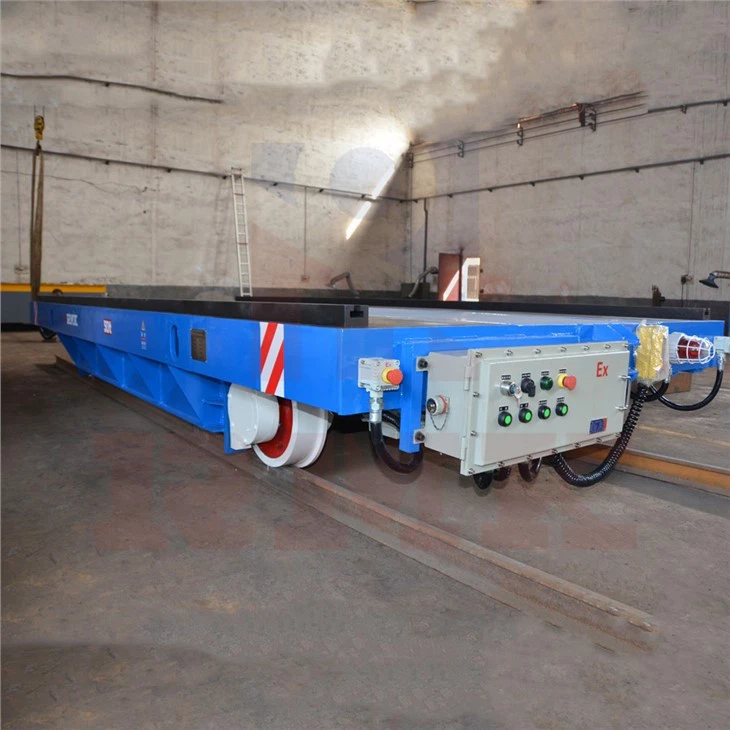
Typical Applications: Aerospace equipment handling, metallurgy, chemical, mining, military, shipbuilding, and heavy industry scenarios, suitable for high-load, continuous operation, and intelligent production lines.
Carro de transferencia eléctrico
Supports unmanned or remote control operation, available in various forms such as rail, trackless, and AGV. Load capacity is 2–300 tons, providing multiple power supply modes like battery, cable reel, and low-voltage rail to adapt to different working needs.
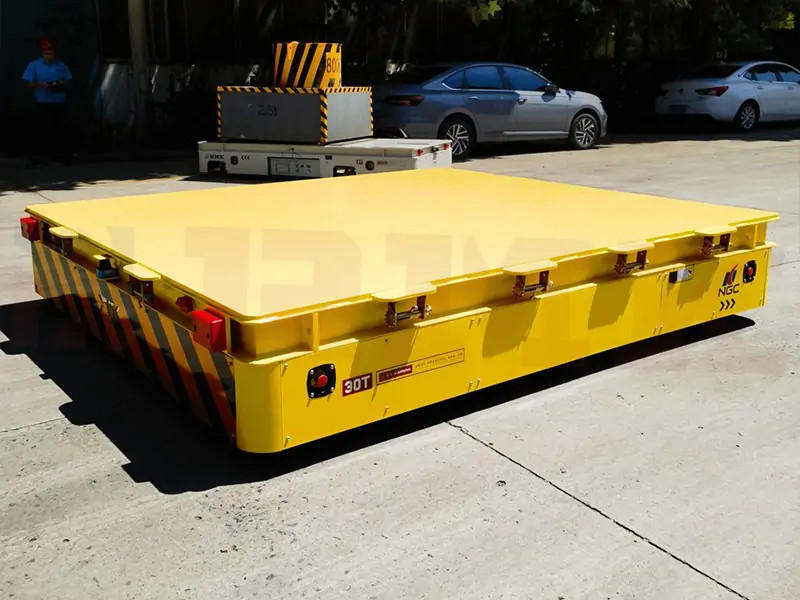
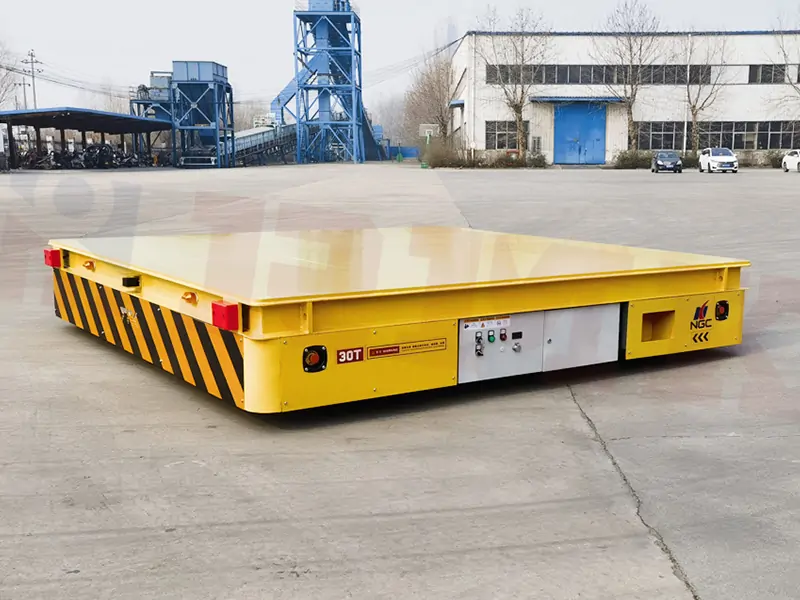
Typical Applications: Applied in industries such as aerospace, chemical, steel, warehousing, and mining, suitable for efficient and safe transportation of large equipment, heavy materials, and automated production lines.
AGV Carro de guiado automático
This Ex-proof Motorized Trolley features unmanned operation and an integrated roller-type transfer mechanism, adapted to automated production lines.
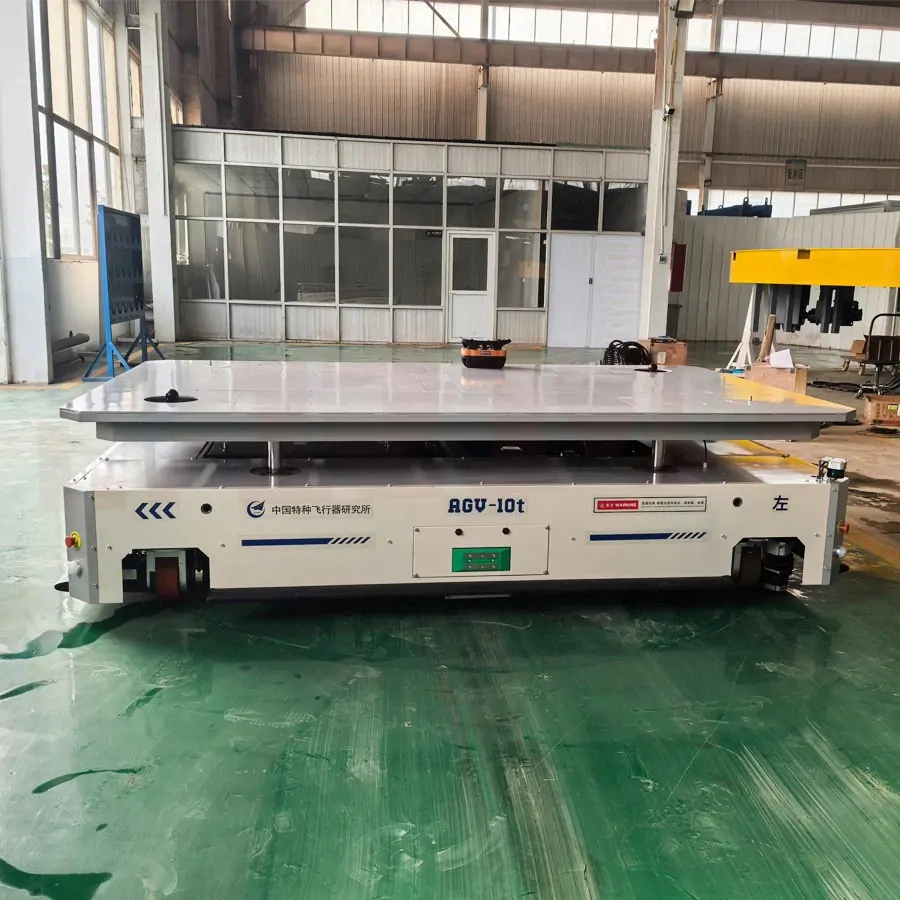
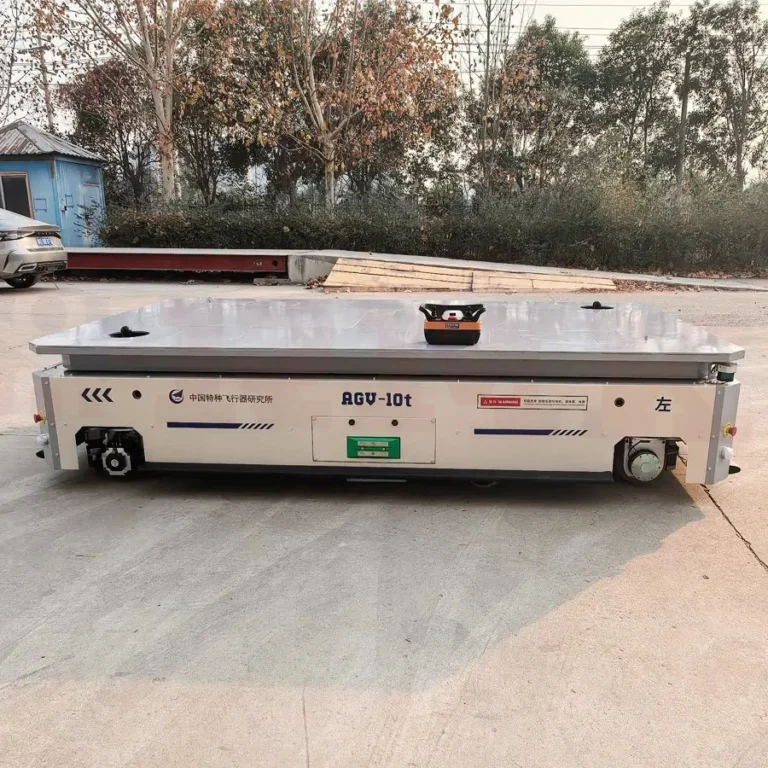
Typical Applications: Chemical raw material transfer, pharmaceutical clean workshops, lithium battery dust environments; for instance, Huhengan explosion-proof AGVs have been applied in batches for hazardous chemical intelligent warehousing.
motorized transfer cart
Zero emissions, low noise, load coverage 30–200 tons, suitable for indoor and outdoor heavy-load scenarios.
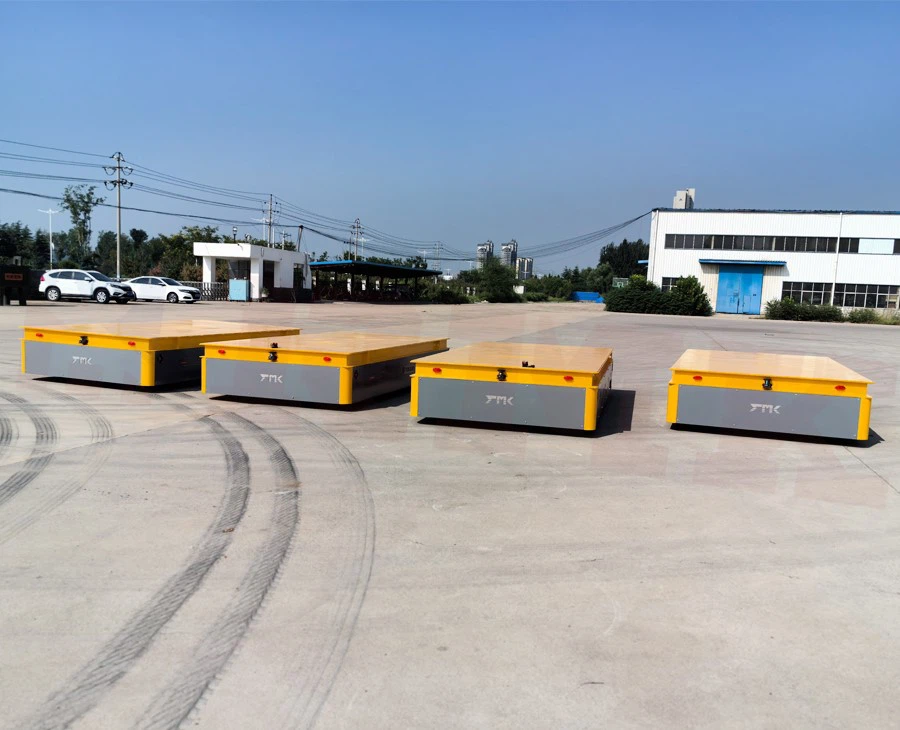
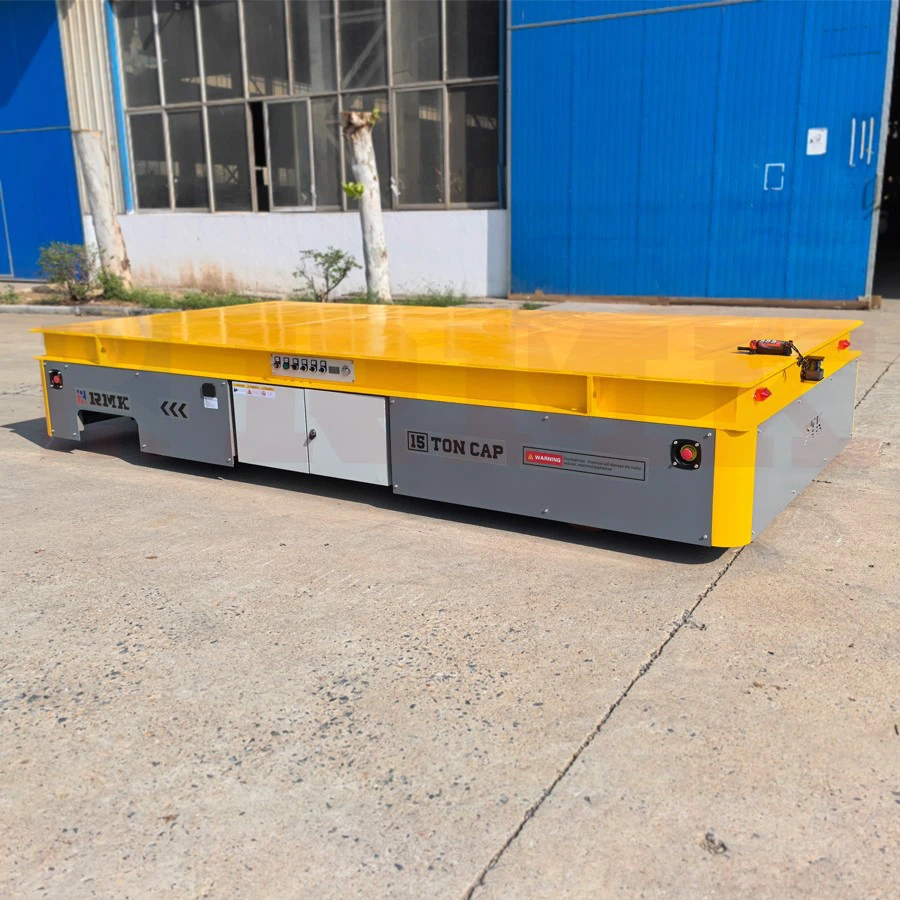
Typical Applications: Steel plants, ports, automated production lines; for example, Hangzhou Haosheng’s 80-ton explosion-proof electric transfer car can operate continuously for 16 hours in -30°C extreme cold environments.
When enterprises select equipment, they must consider the explosion-proof rating, operational space, and material characteristics to choose the most suitable model, thereby fundamentally eliminating ignition source risks. Through the following case study, let’s see how an explosion-proof transfer car builds a solid safety barrier for material handling in hazardous environments.
Application Scenarios
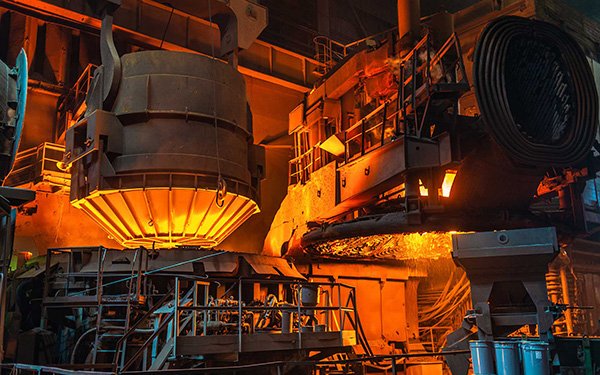
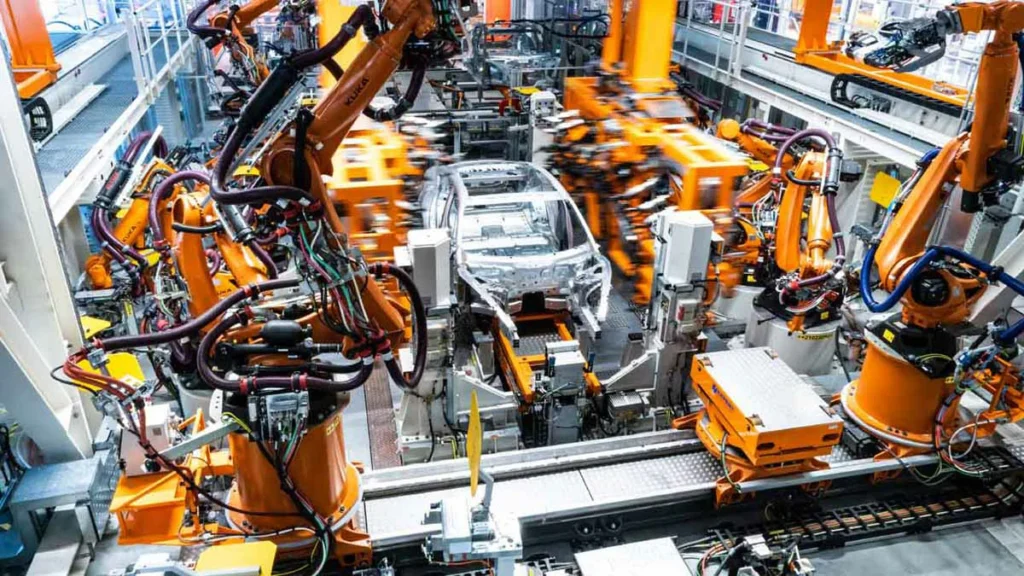


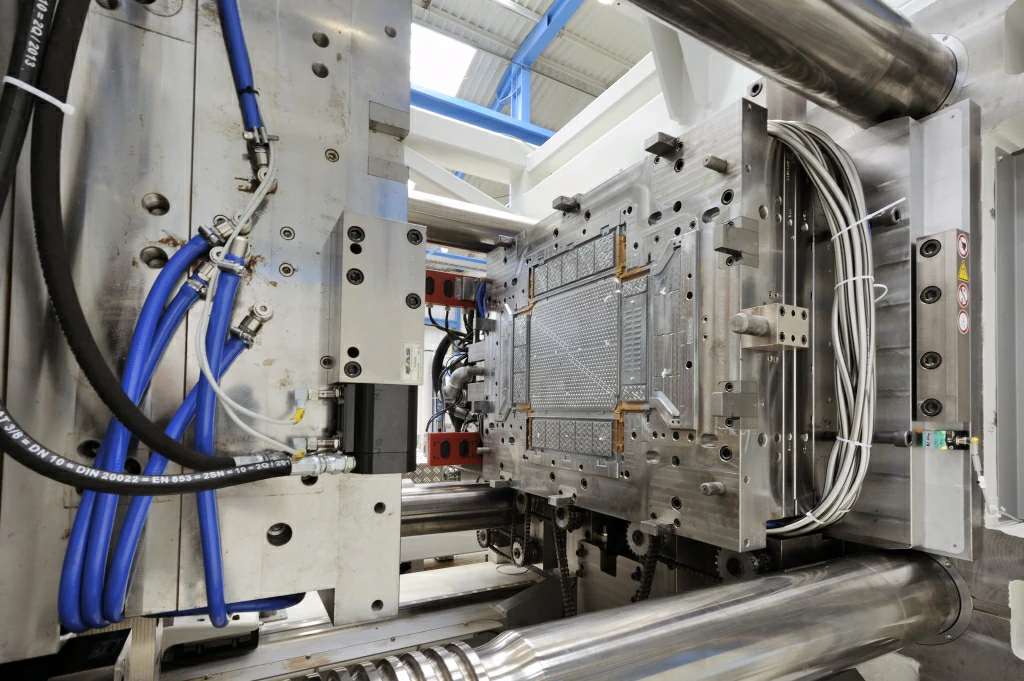

Case Study
Industrial Background: In the oil and gas industry, large storage tanks have large volumes, high weight, and weak structures. Traditional lifting methods easily damage the tank body. In complex workshop environments, there is an urgent need for a safer and more efficient handling solution.
Notable Solutions: 50-ton battery omnidirectional transport vehicle
- Battery-driven, trackless omnidirectional movement, adapting to complex working conditions.
- Servo motor + steering wheel system, achieving 360° in-place rotation and zero turning radius.
- Polymer pallet lifting design with a lifting height of 300mm, achieving lifting-free handling.
- Vehicle body size 8000×3000×800mm, adapted to 4000–13000mm storage tanks.
- Multi-drive system supports stable transportation of 1–50 ton loads.
- Suitable for narrow spaces and crane blind area operations.
Resultados: Realized safe and non-destructive handling of large storage tanks, avoided traditional lifting risks, improved workshop transportation efficiency, reduced reliance on labor and equipment, and significantly optimized operations in complex spaces.
The 50-ton battery omnidirectional Explosion-proof Transfer Cart effectively solves the handling difficulties of large storage tanks in the oil and gas industry. With its omnidirectional movement and lifting design, it achieves high-efficiency, safe, and precise transportation, providing a reliable solution for lifting-free handling of heavy equipment.
How to Choose the Right Explosion-Proof Transfer Cart
Selecting an explosion-proof transfer cart starts with understanding the operating environment, load requirements, and applicable safety standards.
Confirm the Hazardous Area Classification
Hazardous Area Rating → Determine whether the cart will operate in Zone 0, Zone 1, Zone 2, or other classified areas. The explosion-proof rating must match the site classification.
Define Load and Platform Requirements
- Load Capacity → Select the required capacity based on the weight of the materials being transported.
- Platform Size → The cart dimensions should fit the load size and available operating space.
Choose the Power Supply System
- Battery Powered → Suitable for flexible operation without cable restrictions.
- Low-Voltage Rail Powered → Common for high-frequency and long-distance transport.
- Cable Reel Powered → Suitable for fixed routes and demanding environments.
- Busbar Powered → Ideal for continuous operation on dedicated tracks.
Review Explosion-Proof Features
- Electrical Components → Motors, controllers, switches, and wiring should use certified explosion-proof designs.
- Structural Protection → Low-spark materials and anti-static measures are important in hazardous areas.
- Temperature Rating → Surface temperatures should comply with the site requirements.
Verify Certifications
- Explosion-Proof Certification → Check that the equipment carries the required certification for the target market.
- Area Compatibility → Confirm that the certification matches the hazardous area classification.
Evaluate the Manufacturer
- Industry Experience → Look for suppliers with experience in explosion-proof material handling equipment.
- Customization Capability → Verify available options for load capacity, dimensions, power systems, and controls.
- After-Sales Support → Consider technical support, spare parts availability, and warranty coverage.
The right explosion-proof transfer cart should match the hazardous area classification, load requirements, operating conditions, and applicable certification standards. A properly selected system can provide reliable material handling performance in demanding industrial environments.
Maintenance and Inspection
Regular maintenance and inspection help keep explosion-proof transfer carts in good operating condition and preserve the integrity of critical safety components.
Electrical System Inspection — Check motors, controllers, wiring, and connections for wear or damage.
Explosion-Proof Component Checks — Inspect enclosures, seals, cable glands, and certified components regularly.
Battery Maintenance — Monitor battery condition, connections, and charging systems on battery-powered models.
Grounding and Anti-Static Devices — Verify that grounding systems and anti-static components are functioning properly.
Wheel and Drive System Inspection — Examine wheels, bearings, brakes, and drive mechanisms for excessive wear.
Routine Safety Testing — Test emergency stop functions, alarms, and control systems at scheduled intervals.
A preventive maintenance program and regular inspections can help maintain safe operation, reduce downtime, and extend equipment service life in hazardous environments.
Conclusión
In industrial production involving flammable, explosive, and corrosive substances, safety is always the prerequisite for efficiency. Facing complex explosion-proof level requirements and volatile working conditions, finding the right Explosion-proof Transfer Cart requires a partner with full-vehicle explosion-proof qualifications and deep industry experience.

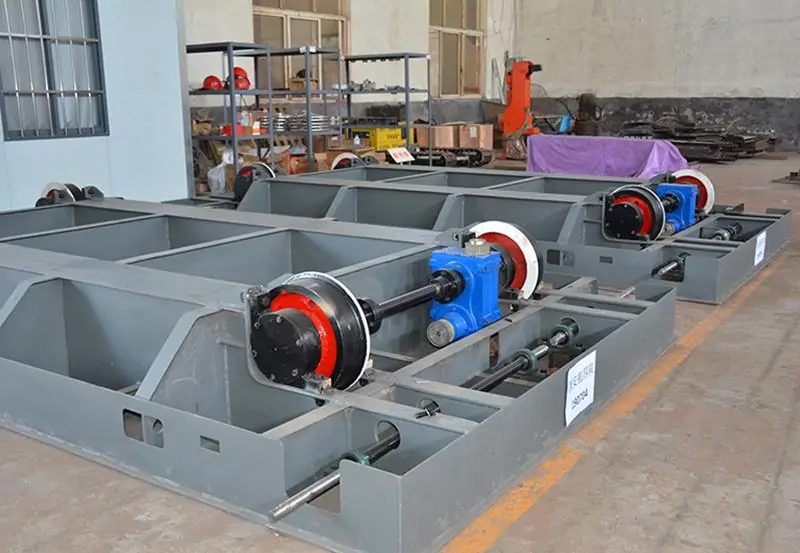
Notable has a professional technical team and is a leading global supplier of heavy-duty material handling solutions. We can provide you with customized explosion-proof transfer solutions that meet international safety standards. Contact our experts today to get your exclusive safe handling solution proposal.
Correo electrónico: transfercart@rmkzn.com
Phone: +86-18637369355
FAQS
What is an explosion-proof rating?
A: This is a safety certification label: Ex refers to explosion-proof; d is flameproof; IIB is adapted to gas groups like ethylene; T4 limits the equipment surface temperature to not exceed 135°C. It must be matched according to the on-site medium.
How to prevent sparks from mechanical collisions?
A: Use “soft treatment”: The cargo platform is laid with explosion-proof copper plates or stainless steel, and rotating parts use non-sparking bearings and seals to eliminate collision and friction sparks at the physical level.
Are there special requirements for the wheels of explosion-proof cars?
A: They must be anti-static. Anti-static polyurethane wheels are used in conjunction with a grounding conductive chain to ensure that static electricity generated during operation can be exported to the ground in real-time, preventing electrostatic discharge (ESD) from causing an explosion.
Can it be used outdoors or in humid environments?
A: Yes. The equipment has a high protection rating of IP65/IP66. In addition to being explosion-proof, it also has waterproof, dustproof, and anti-corrosion properties, suitable for chemical plants and outdoor loading stations.
Is the power source of the explosion-proof transfer car safe?
A: Yes. It uses a flameproof sealed battery box (storage battery or lithium battery) with built-in hydrogen leakage monitoring and overheating protection systems to ensure the power system does not become an ignition source in hazardous areas.
What is different about the navigation system of an explosion-proof AGV?
A: The hardware must have certification. All LiDAR, cameras, and sensors must be installed in explosion-proof enclosures or select special sensors that have passed intrinsic safety certification.
How to ensure an instantaneous stop in an emergency?
A: Adopt multi-redundancy braking (electromagnetic + mechanical braking). Combined with explosion-proof grade laser obstacle avoiders, the system response time is as low as 0.3 seconds, ensuring immediate braking even under full load.
How long does it take to customize an explosion-proof car?
A: Due to special selection and strict explosion-proof testing, the cycle is usually 8–12 weeks. Every piece of equipment must undergo rigorous safety certification before leaving the factory.