Introduction
Standard material handling equipment cannot meet the operational requirements of modern chemical, pharmaceutical, and hazardous materials facilities; specialized chemical transport vehicles are needed to ensure production safety. This type of equipment effectively prevents material leaks and static sparks, and can be flexibly customized to suit specific plant environments.
To help you fully understand this equipment, the following will introduce the Chemical Transfer Cart in detail from the aspects of its core definition, key explosion-proof and anti-corrosion design, typical industry applications, and customized solutions.
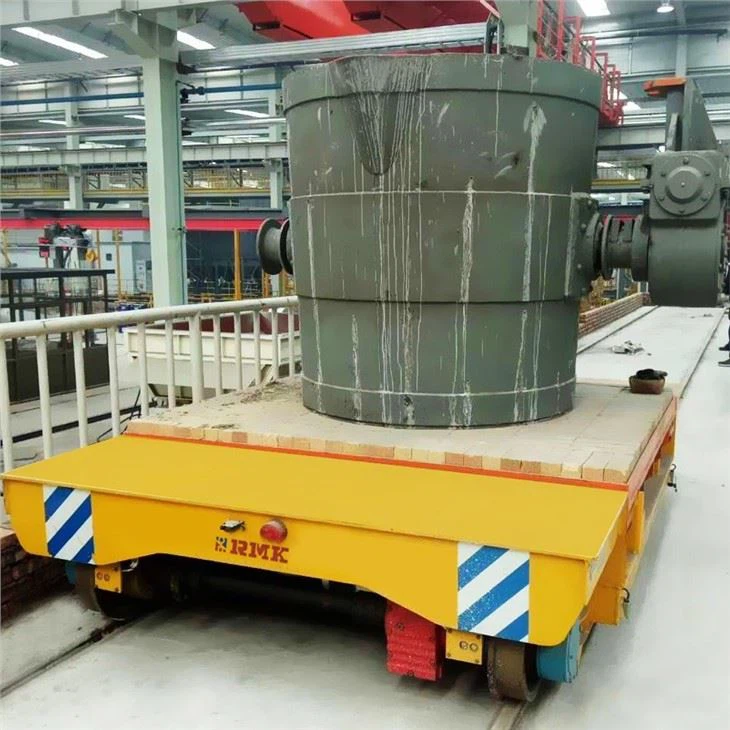
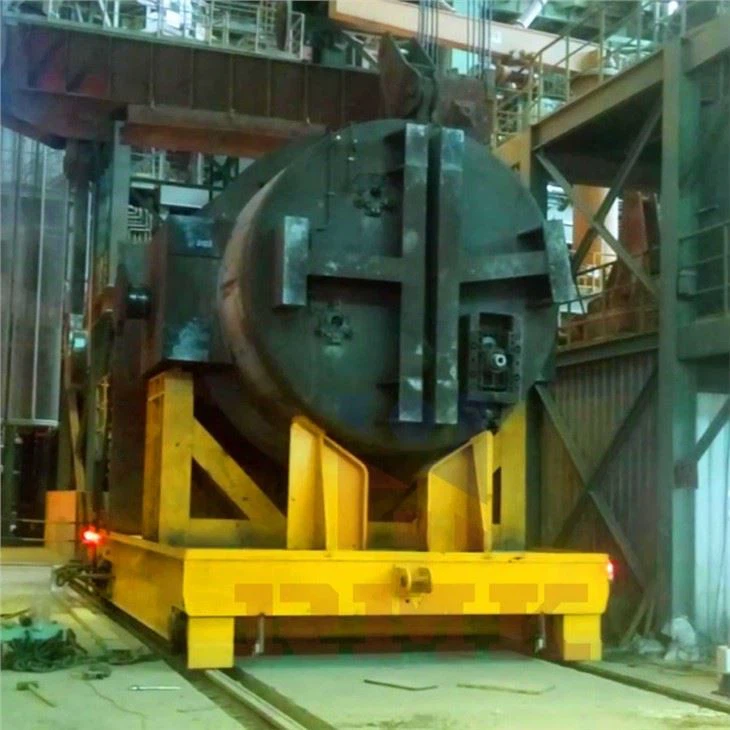
What is a chemical transfer cart?
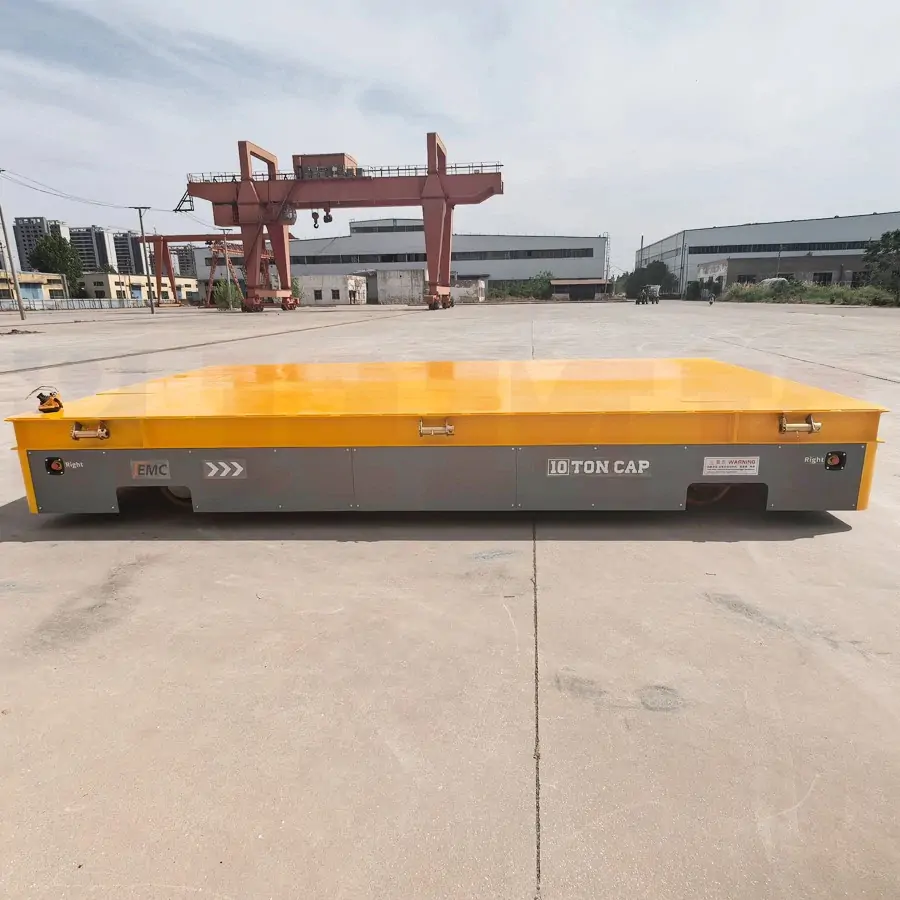
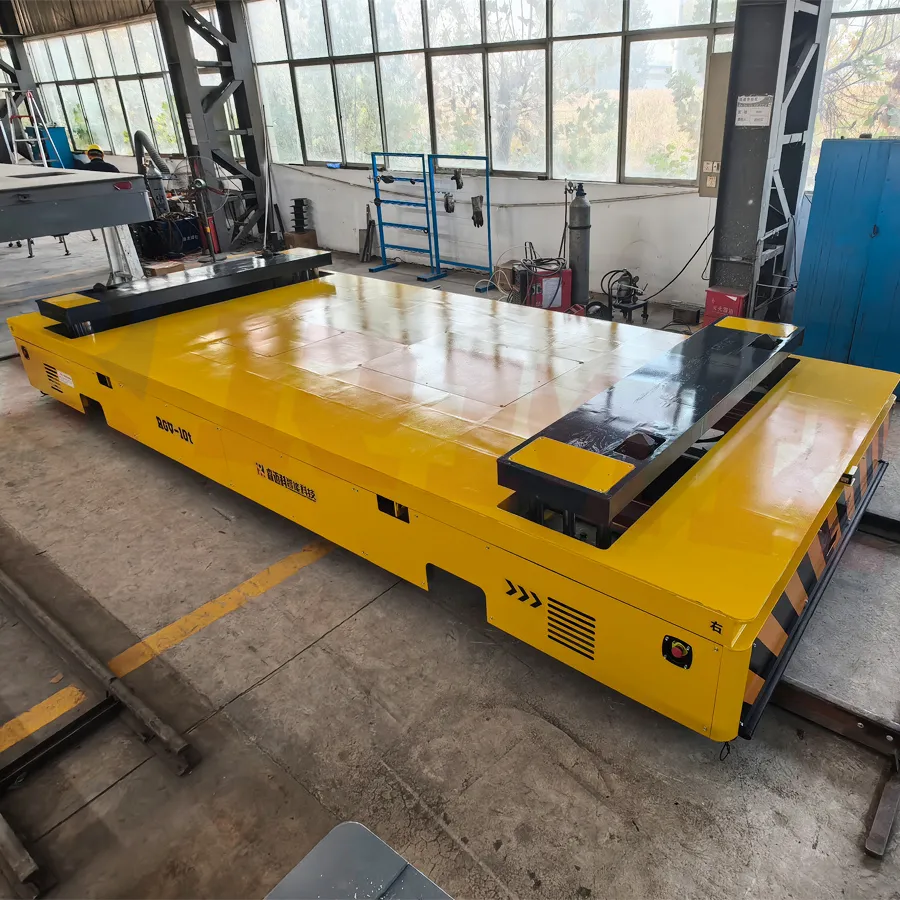
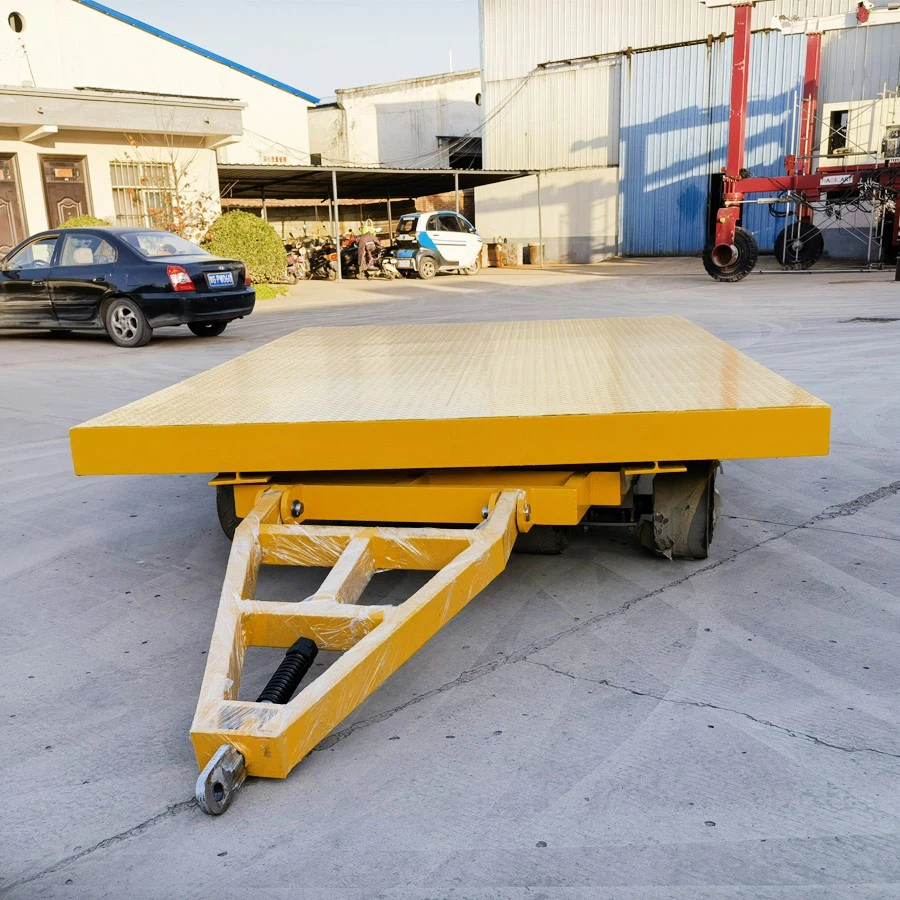
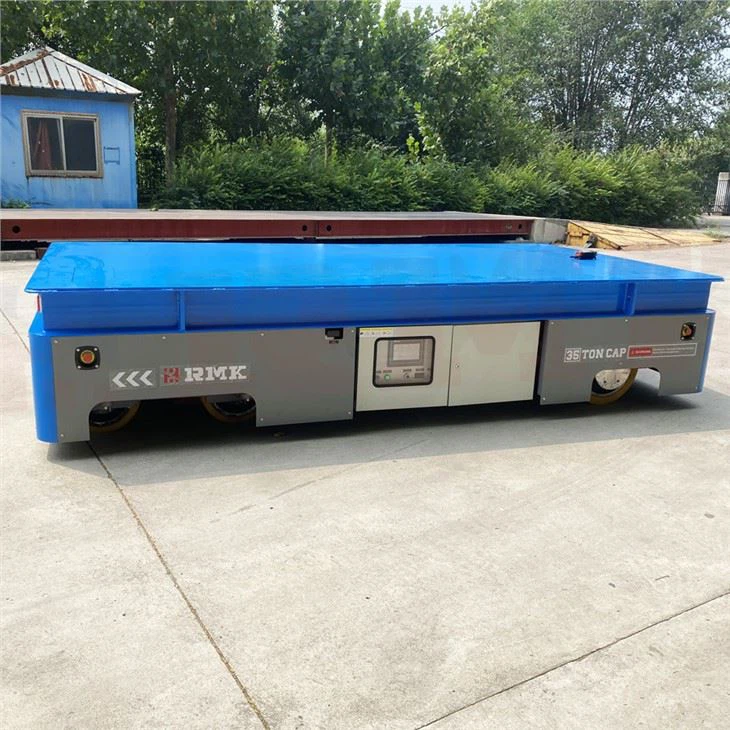
A Chemical transfer cart is a heavy-duty material handling equipment specially used for transporting corrosive and flammable materials between chemical plants, laboratories, and industrial workshops. In daily material circulation, enterprises need to process a large number of material drums, IBC totes, and chemical waste liquids. Using traditional hand carts or forklifts is inefficient and carries significant safety hazards, whereas this vehicle is specially designed with structural reinforcement and safety isolation for these hazardous materials.
Features of the chemical transfer cart
In chemical plants and hazardous materials handling facilities, chemical transport vehicles must be capable of operating in complex working environments involving corrosive, flammable, and explosive substances. The features of this heavy-duty material handling equipment are reflected in the following aspects:
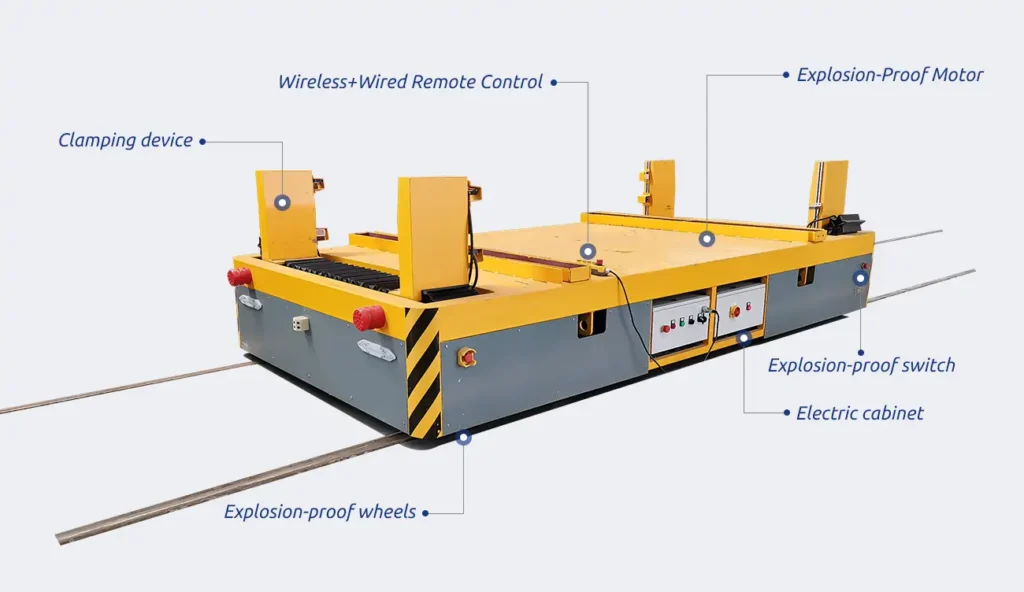
- Explosion-proof structure: Volatile gases are often present in the working environment. The vehicle’s electrical system and motor adopt a strict explosion-proof design, complying with the standards of an explosion-proof transfer cart, which effectively eliminates electrical sparks.
- Anti-corrosion structure: The surface of the vehicle body is treated to be acid and alkali-resistant or made of stainless steel to prevent the structure from being damaged by chemical dripping and leakage.
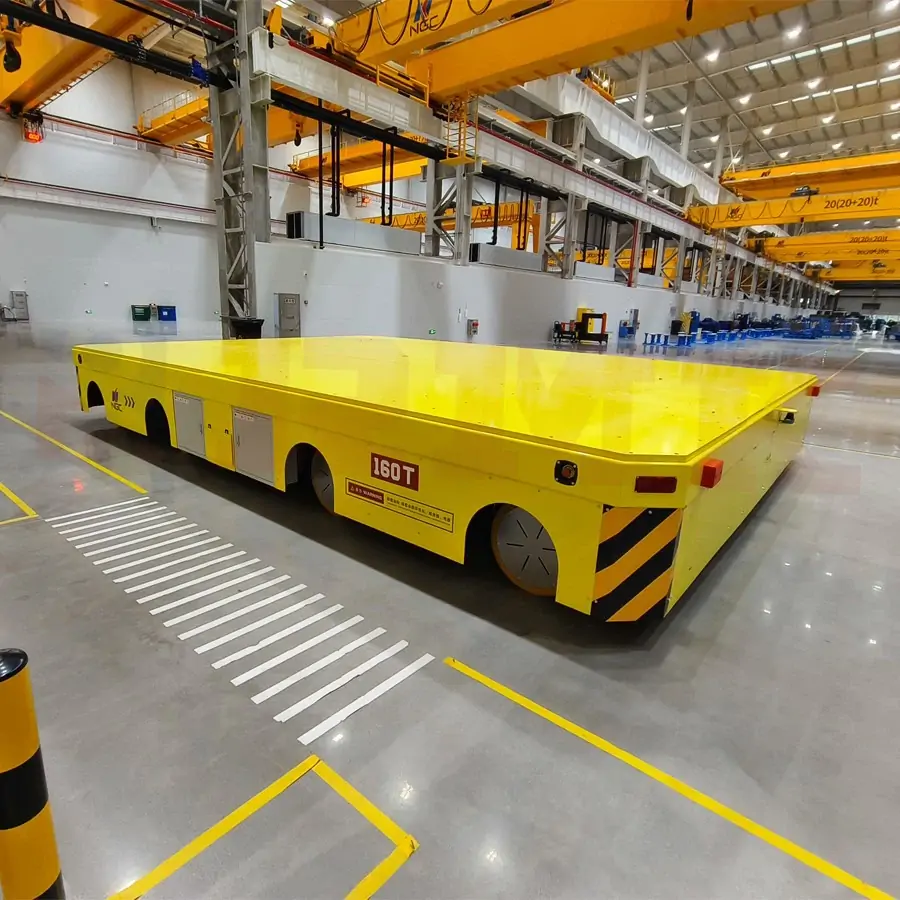
- High load capacity: As a heavy-duty transfer vehicle, it can easily handle the transportation of heavy objects ranging from 1 ton to hundreds of tons.
- Transport stability: The platform is designed to be very stable, and fixing fixtures, anti-slip rubber pads, or guardrails can be added according to needs to prevent drum or canned materials from tipping over during transportation.
- Operation mode: It can run at high frequency along fixed tracks as a regular industrial transfer cart, or it can be used as a trackless vehicle to steer freely within the workshop.
- Flexible power: This flexible characteristic allows it to perfectly adapt to different plant aisle widths and load-bearing requirements.
A high-quality chemical transfer cart is an indispensable piece of customized equipment for ensuring industrial safety and achieving automated logistics. If you are considering upgrading the material handling equipment in your factory, Remarkable can help you customize solutions and choose a customized industrial transport cart that meets your working conditions.
Types
In the industrial and laboratory fields, according to different application scenarios and load-bearing levels, Chemical transfer carts are mainly divided into the following common types:
Trackless Explosion-proof Cart:
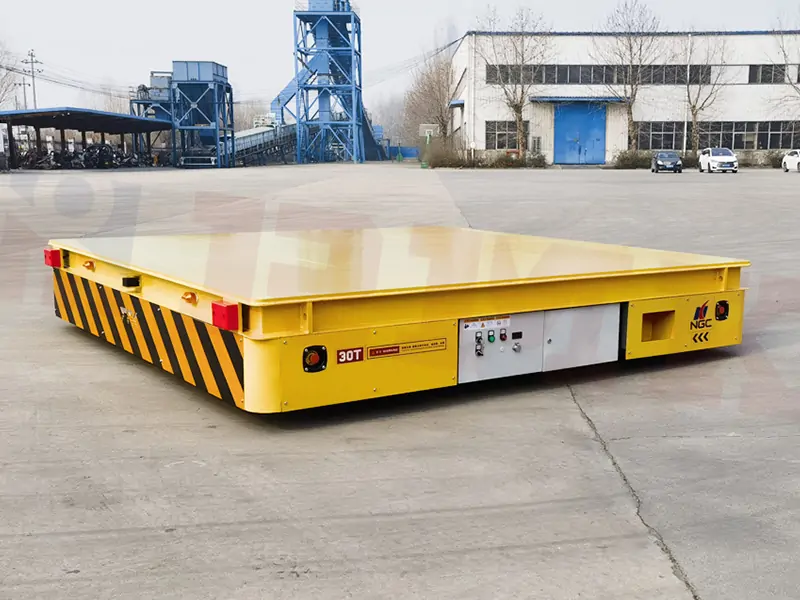
It has extremely high flexibility and is equipped with explosion-proof motors, control systems, and anti-static casters. It can travel freely in various areas of the workshop. (For more details, please refer to: Carro de transferencia automática sin orugas)
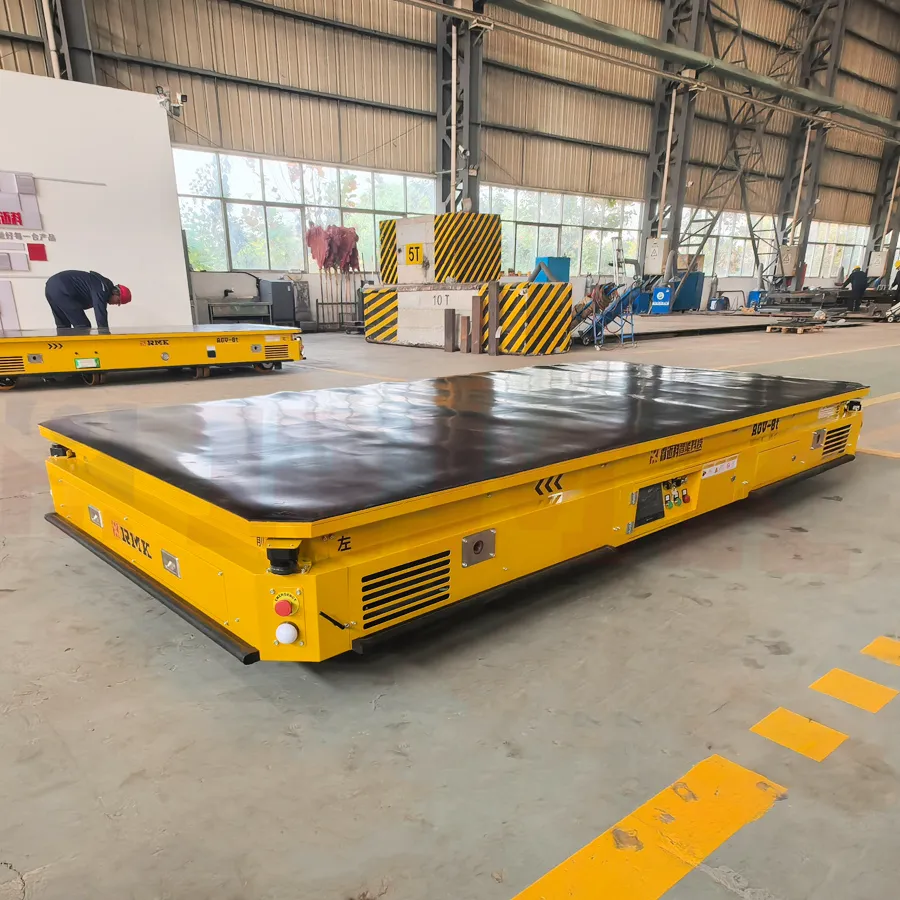
Rail Explosion-proof Cart:
It runs along fixed tracks and is suitable for transporting heavy chemical material tanks, IBC totes, or reactor equipment over high frequencies and long distances. (For more details, please refer to: Carros de transferencia sobre raíles )
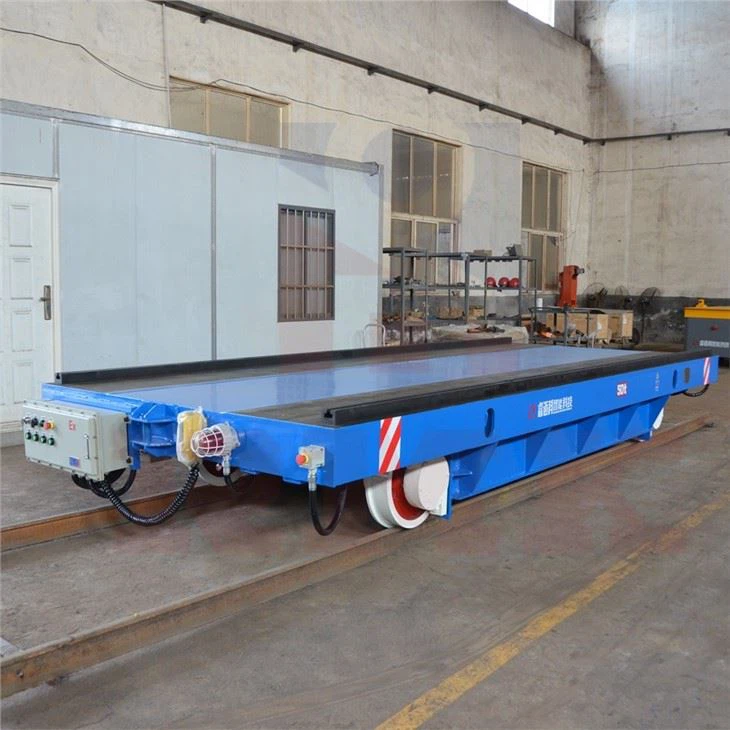
Battery-powered Omnidirectional Cart:
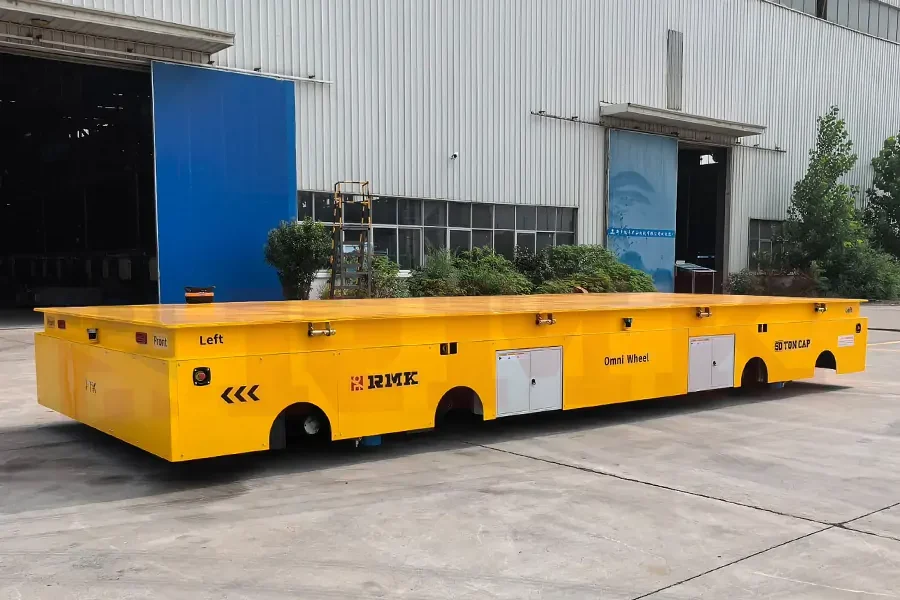
It supports 360-degree in-situ rotation and translation, allowing it to easily turn in the narrow aisles of chemical plants with limited space. (For more details, please refer to: Carro de transferencia a batería)
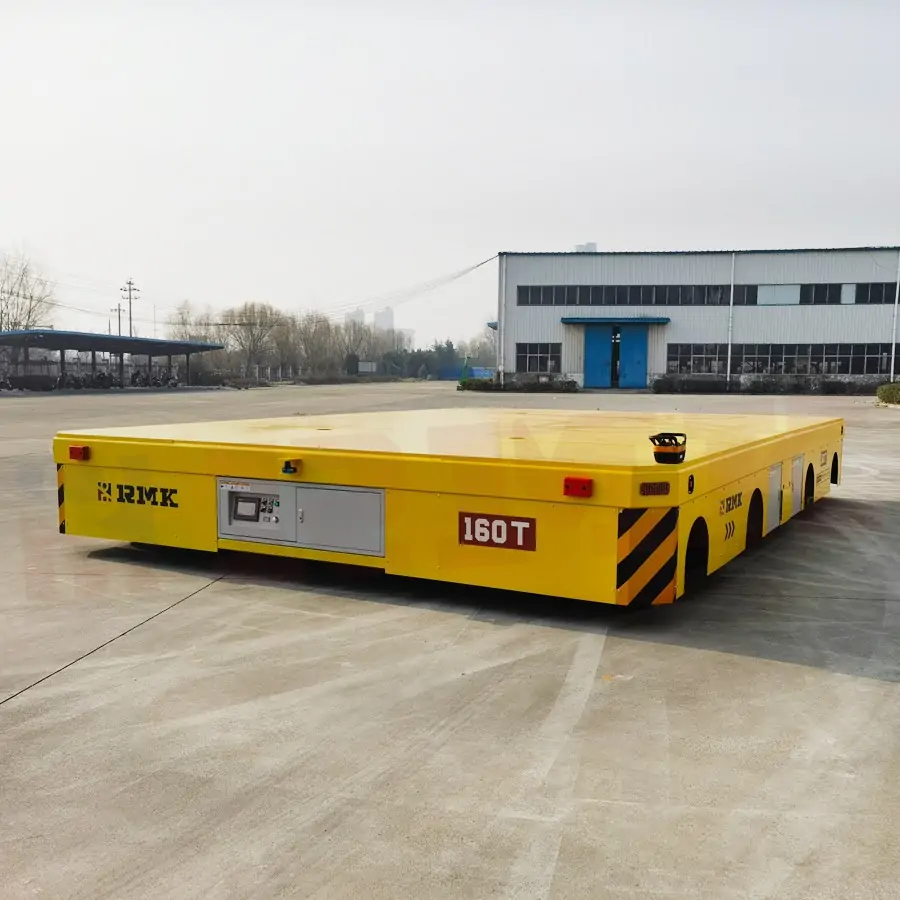
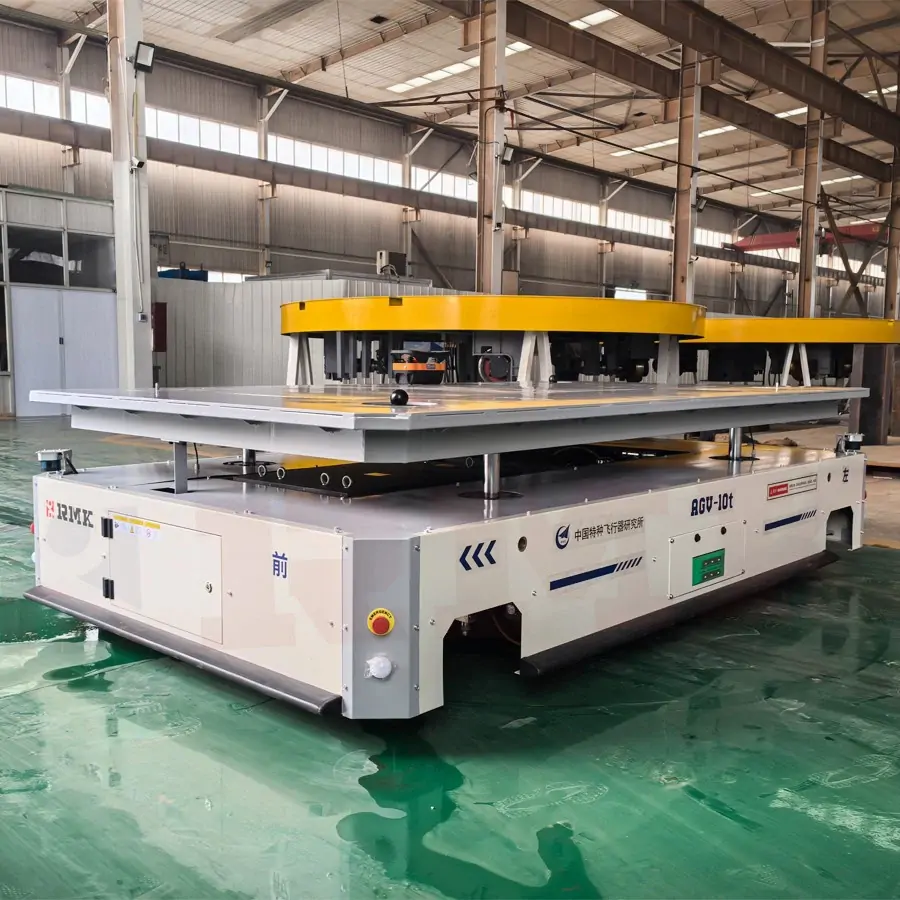
AGV Automated Transport Carts:
Equipped with automatic navigation systems and LiDAR sensors, they can achieve unmanned operations and automatically transport materials from the storage area to the designated production line, reducing the risk of manual contact with hazardous materials. (For more details, please refer to: AGV Carro de guiado automático)
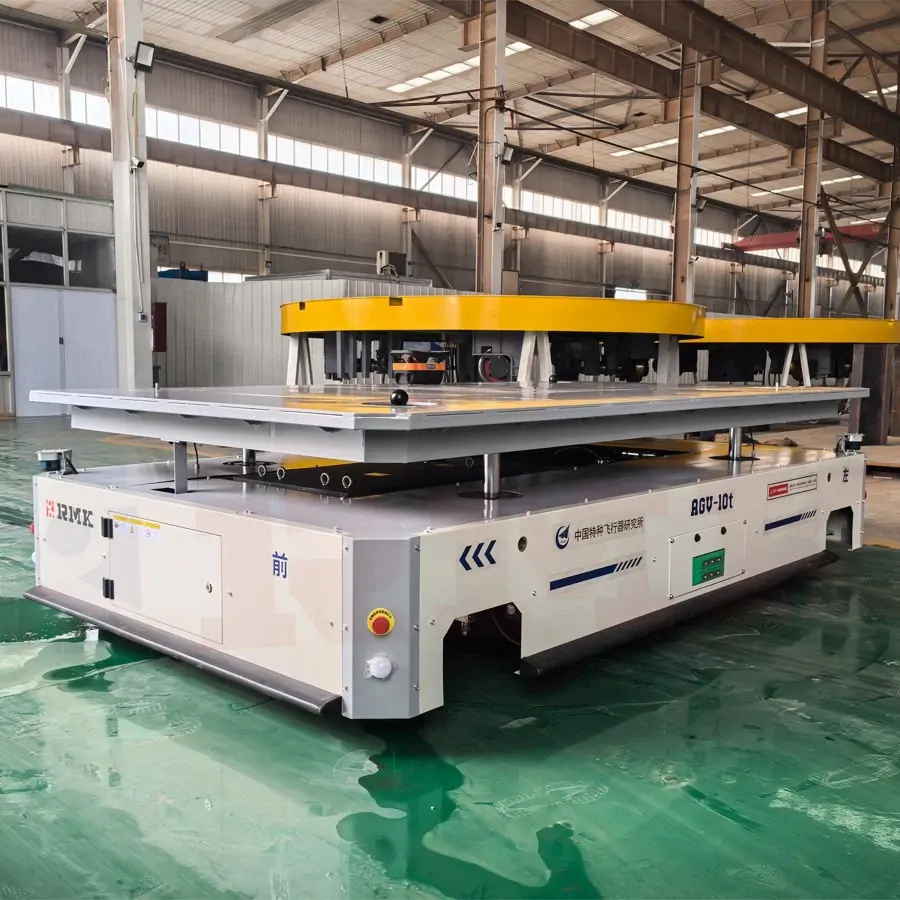
When selecting a specific type for the factory, it is usually necessary to evaluate based on material capacity, load tonnage, explosion-proof grade, and aisle space. If you are considering upgrading the handling equipment in your factory, RMK provides the above-mentioned various types of customized solutions.
Applications and Customized Solutions
In chemical plants and pharmaceutical workshops, the process flow of material transfer varies greatly, and standard equipment cannot adapt to all working conditions. Different production links need to be designed with exclusive chemical transfer carts to improve overall logistics efficiency.
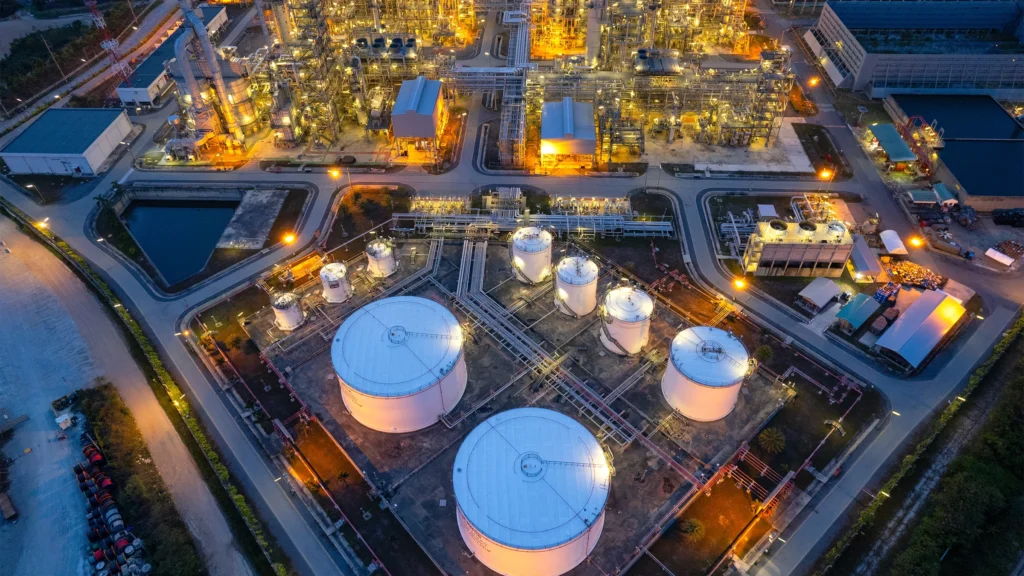
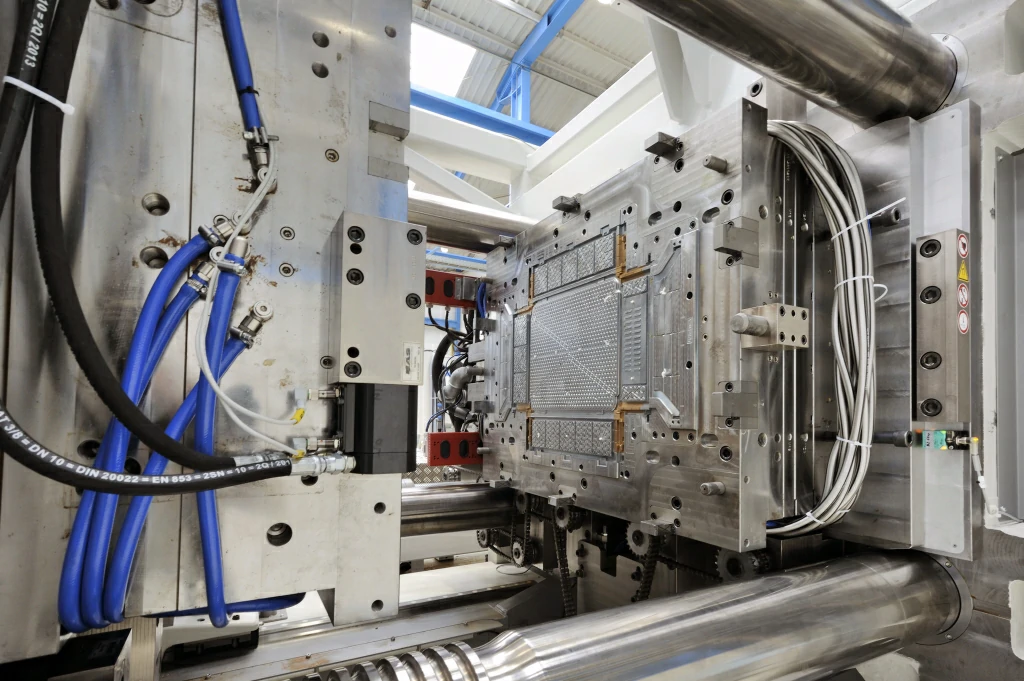
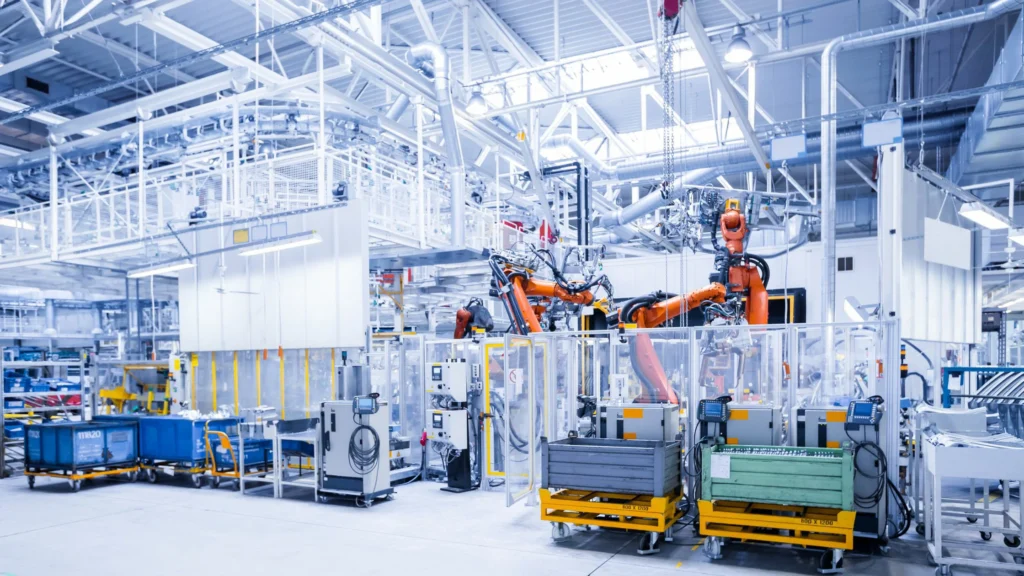
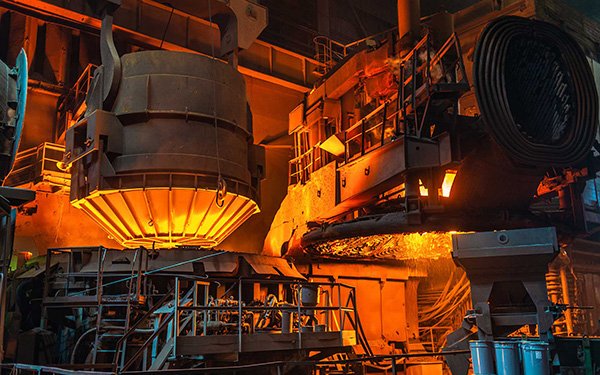
| Petrochemical Industry: Bulk Material & IBC Totes Transfer | High tonnage, long distance, anti-displacement | 10 to 100+ tons capacity, hydraulic lifting system, and mechanical locking device |
| Fine Chemical Industry: Acid/Alkaline Waste & Flammable Solvents Transfer | High corrosion resistance and anti-leakage | 304/316 stainless steel, built-in leak-proof tray, and electrostatic discharge device |
| Pharmaceutical Production: Cleanroom & Dust-Free Workshop Material Transfer | Strict cleanliness and vibration control | Non-marking polyurethane casters, flat surface without dead corners for easy cleaning |
| Automated Production Lines: Unmanned Collaborative Operations | Reduce manual operation risks and achieve automation | AGV navigation modules or PLC automation systems for seamless integration |
In actual applications, the chemical transfer cart has transformed from a single handling tool into a core component that ensures production safety and enhances intelligent logistics. Different working conditions undergo personalized design to maximize their performance advantages. Let’s look at the effects of a customized personalized transfer cart on a factory through an actual case.
Case Study
Project Background: A large fine chemical enterprise needs to transfer large-capacity chemical material tanks and highly corrosive waste liquid drums within an explosion-proof area. A single piece of material weighs up to 50 tons, and the internal passages and space of the plant are narrow and limited. Conventional forklifts or fixed rail cars cannot meet the requirements for heavy loads and multi-angle steering. There are extremely high safety standards on site for electrical explosion-proof and anti-corrosion grades.
Solución: In response to the customer’s special working conditions, we remarkably customized a solution for them. Below are the configuration and functions:
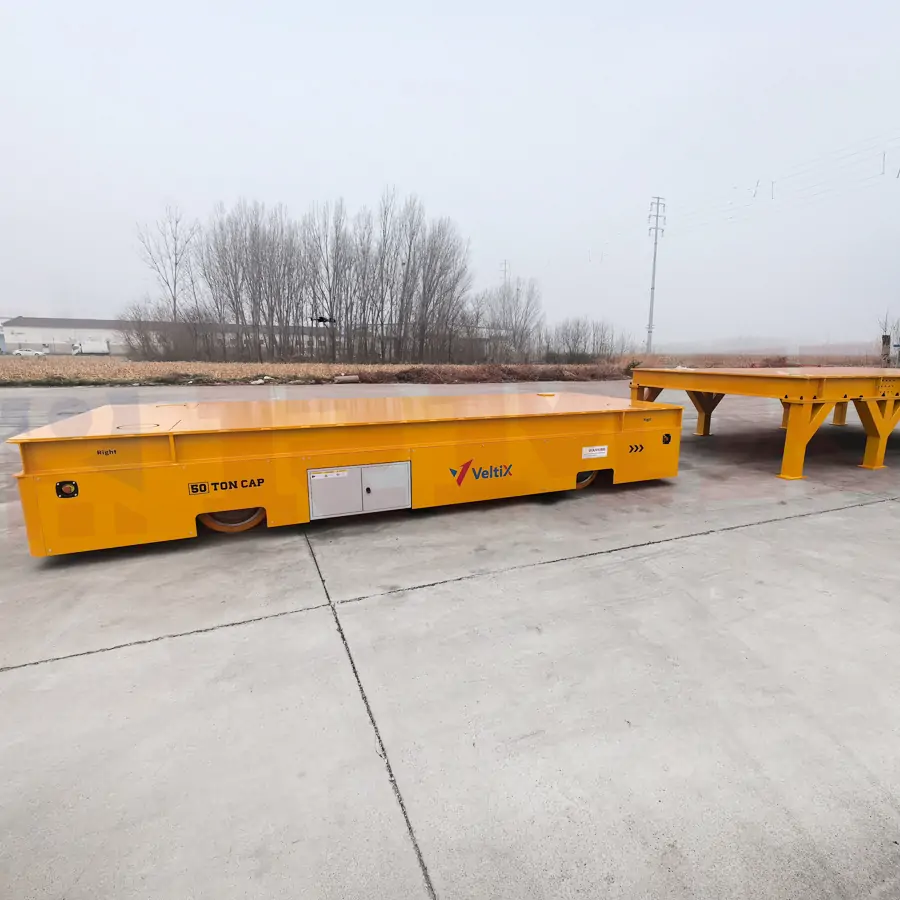
- Explosion-proof and anti-corrosion system: The vehicle’s electrical systems (motors, control boxes, batteries, and alarm devices) all meet the Ex d II BT4 explosion-proof standard. The surface of the vehicle body uses a strong acid and alkali-resistant Teflon coating and 316L stainless steel plates to prevent chemical drips and corrosion.
- Omnidirectional steering system: Equipped with 4 Mecanum wheels or independent steering wheel groups, supporting 360° in-situ rotation, lateral movement, and diagonal driving, allowing flexible maneuvering through narrow 4.5-meter-wide workshop aisles.
- High-strength heavy-duty structure: The vehicle frame is made of high-quality steel, easily satisfying the 50-ton-class large chemical tank load-bearing requirements.
- Dual safety protection mechanism: Anti-tip hydraulic guardrails are added around the platform, equipped with a wireless remote control and LiDAR sensing system, enabling non-contact collision prevention and automatic emergency stop within a 3-meter range.
Commissioning After this chemical transfer cart was put into use, it solved the heavy-load transportation problem in flammable and explosive areas. Omnidirectional driving reduced material turnaround time, and the explosion-proof and anti-corrosion designs resolved the safety hazards brought about by manual handling. The enterprise’s logistics efficiency increased by 40%, and safety compliance reached the highest international standards.
Conclusión
In modern chemical and pharmaceutical production, the safety and efficiency of the chemical transfer cart directly determine the operational lifeline of the enterprise. From explosion-proof design to smart customization, a high-quality chemical transfer cart is the key to ensuring workshop safety and logistics flow.
REMARKEBLE has profound technical expertise, strict international explosion-proof standards, and comprehensive customization capabilities, and is able to provide you with the material handling equipment that best matches your actual working conditions. We are committed to eliminating production hazards and improving operating efficiency through high-quality customized industrial transport carts. Welcome to contact our engineering team at any time for professional material handling solutions!
Correo electrónico: transfercart@rmkzn.com
Phone: +86-18637369355
FAQs
What is a chemical transfer cart?
A chemical transfer cart is a heavy-duty material handling equipment specially used for transporting corrosive and flammable materials between chemical plants, laboratories, and workshops. It ensures the safe transfer of hazardous chemicals and waste liquids through special designs such as anti-corrosion, leak-proof, and explosion-proof features.
What is the explosion-proof grade of RMK’s chemical transfer cart?
The electrical systems (such as motors, control boxes, and batteries) of RMK’s explosion-proof transfer carts all comply with strict industrial explosion-proof standards (usually Ex d II BT4 level). This effectively eliminates electrical sparks and is suitable for flammable and explosive hazardous conditions.
Can this equipment be customized? Does it support anti-corrosion design?
It is fully customizable. According to the material characteristics, we can use strong acid and alkali-resistant 316L stainless steel plates, Teflon anti-corrosion coatings, and leak collection trays to prevent chemical drips from corroding the vehicle body structure.
How much weight can the chemical transfer cart bear?
Our heavy-duty transfer cart models cover load capacities from 1 ton to over 300 tons, which can easily meet the safe transportation requirements of large-capacity material tanks, IBC totes, or reactor equipment.
What are the operation modes of the vehicle?
They are mainly divided into trackless battery-driven and rail-driven types. The trackless omnidirectional transfer cart supports 360° rotation and lateral movement, making it very suitable for narrow aisles; the rail cart is suitable for long-distance, high-frequency transportation on fixed routes.
Can it be connected to the factory’s automation system?
Yes. We support the seamless integration of the vehicle with workshop automated logistics systems (such as AGV / AMR navigation systems) to achieve unmanned automatic handling, further reducing the risk of personnel contact with hazardous materials.