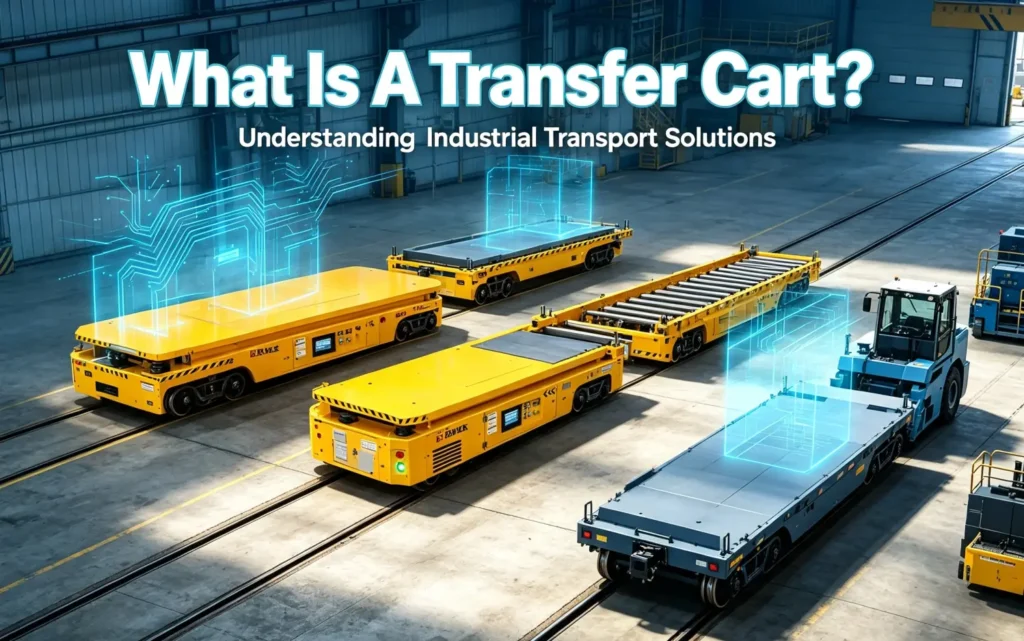
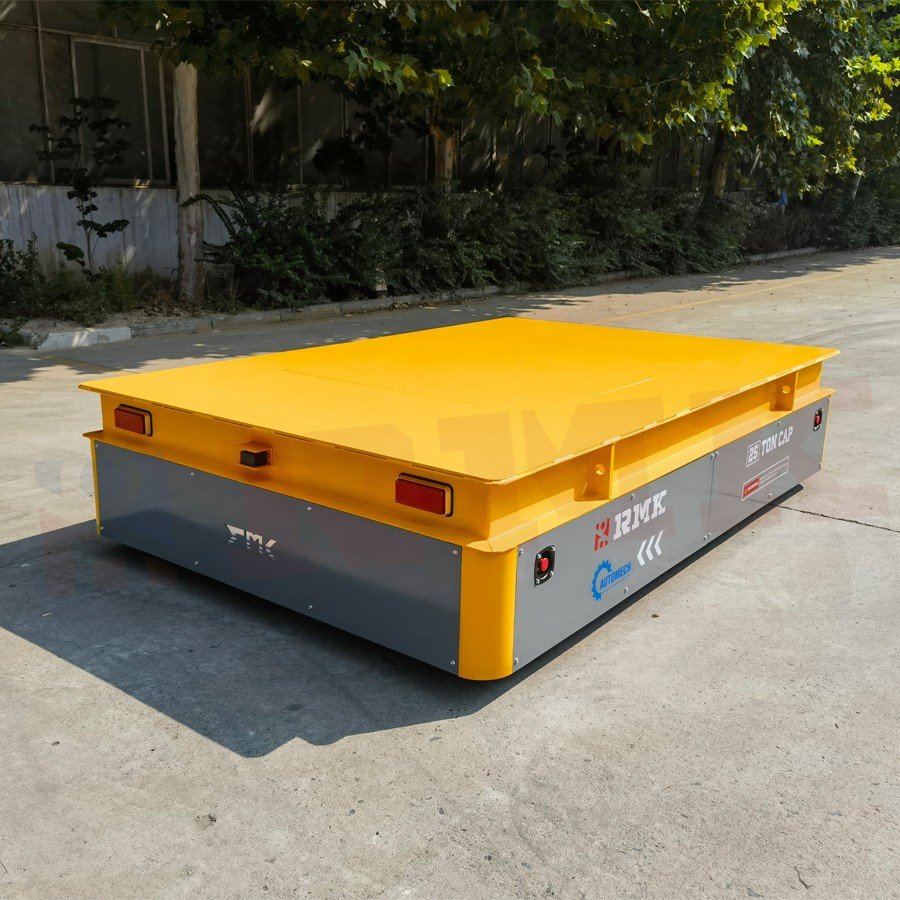
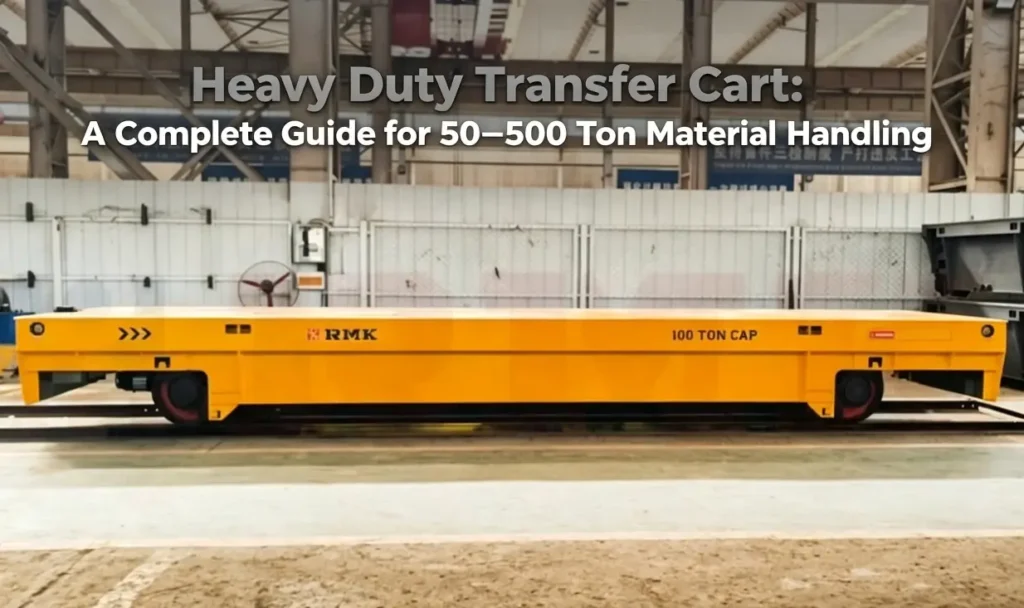
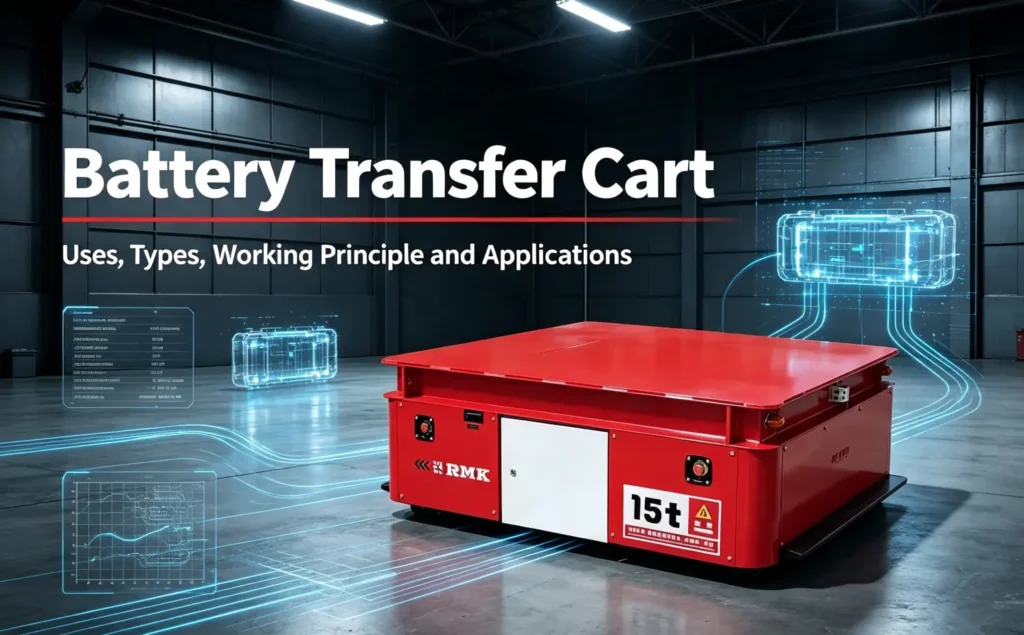
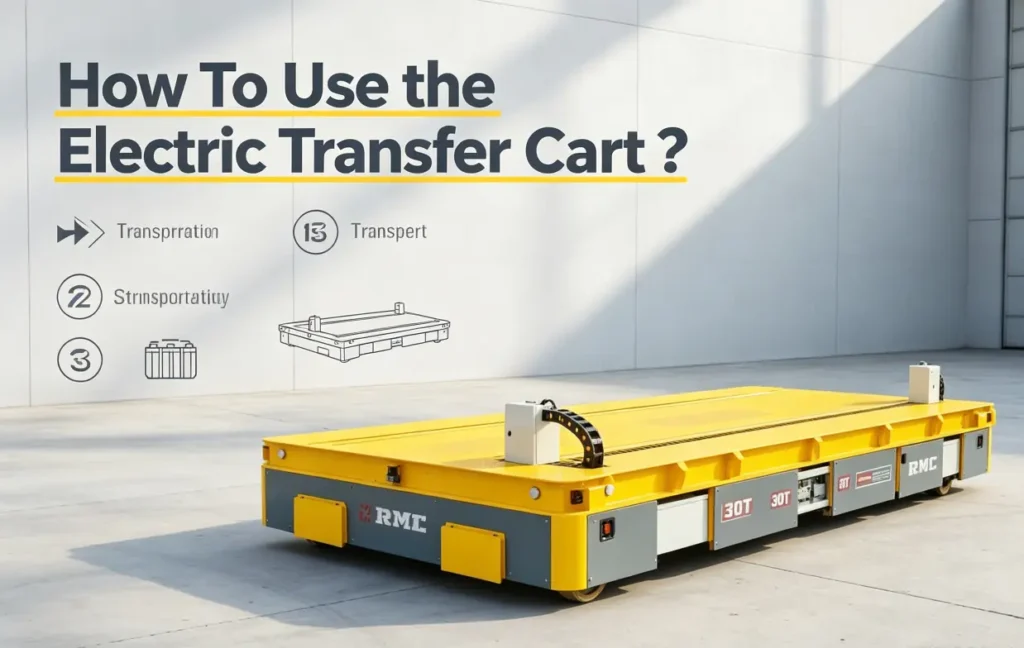
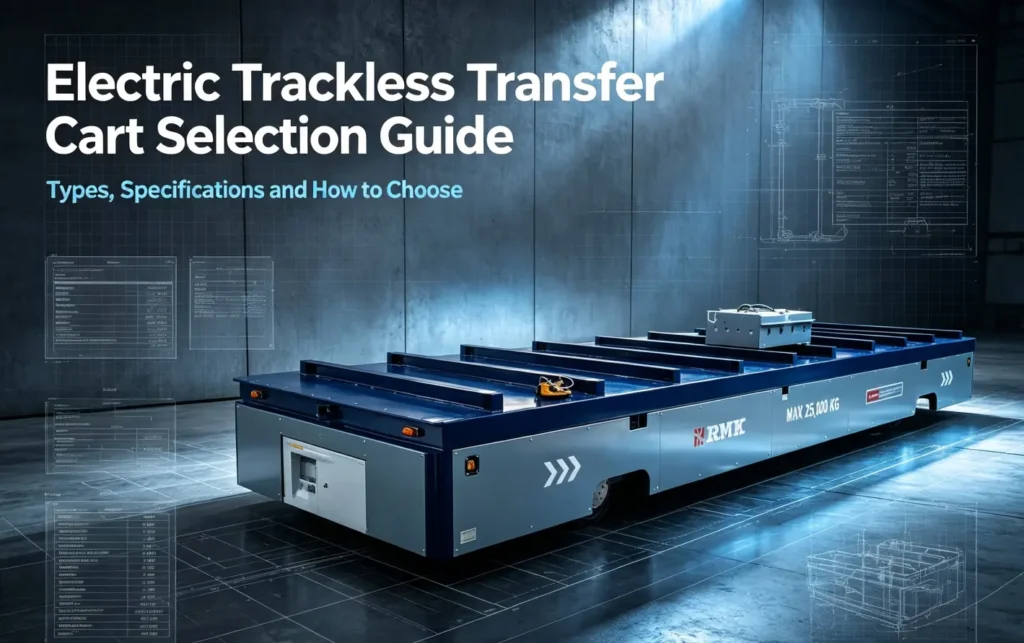
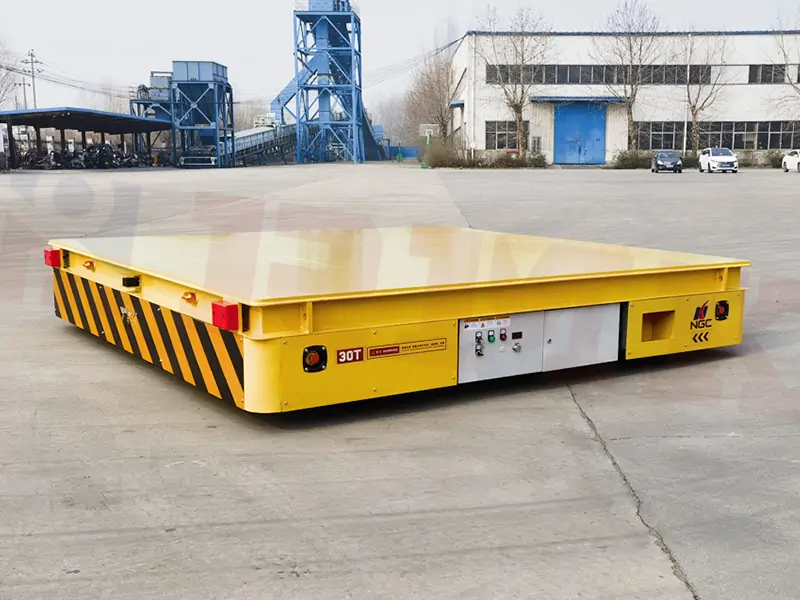
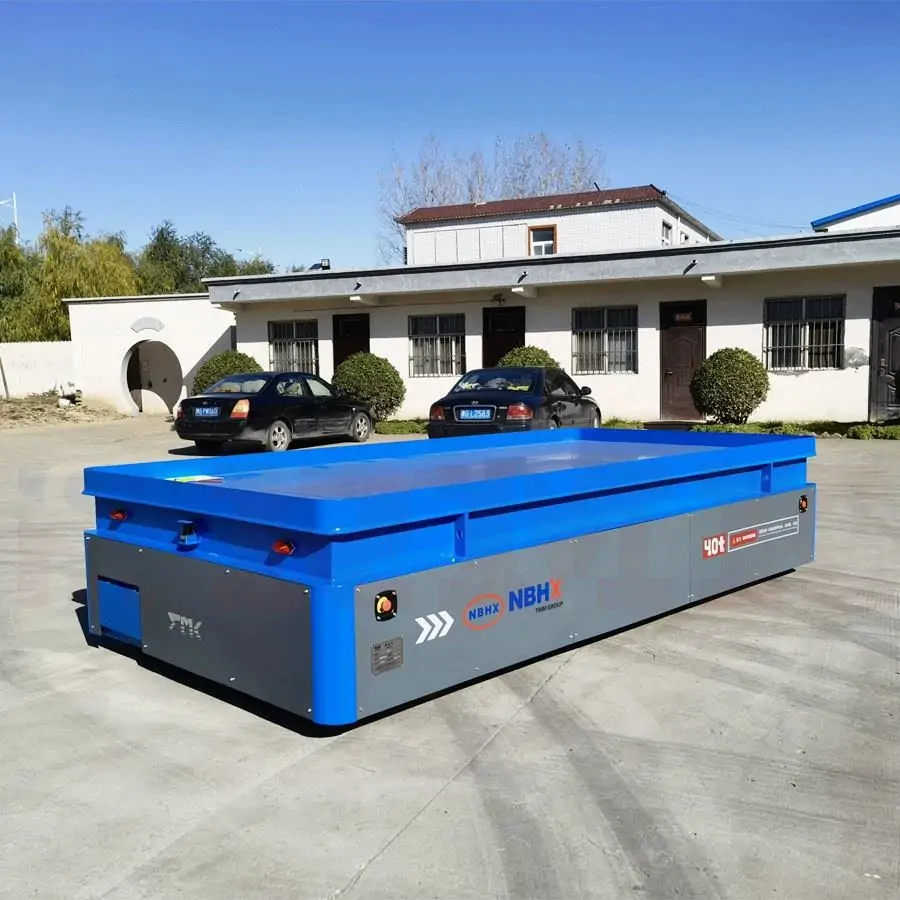
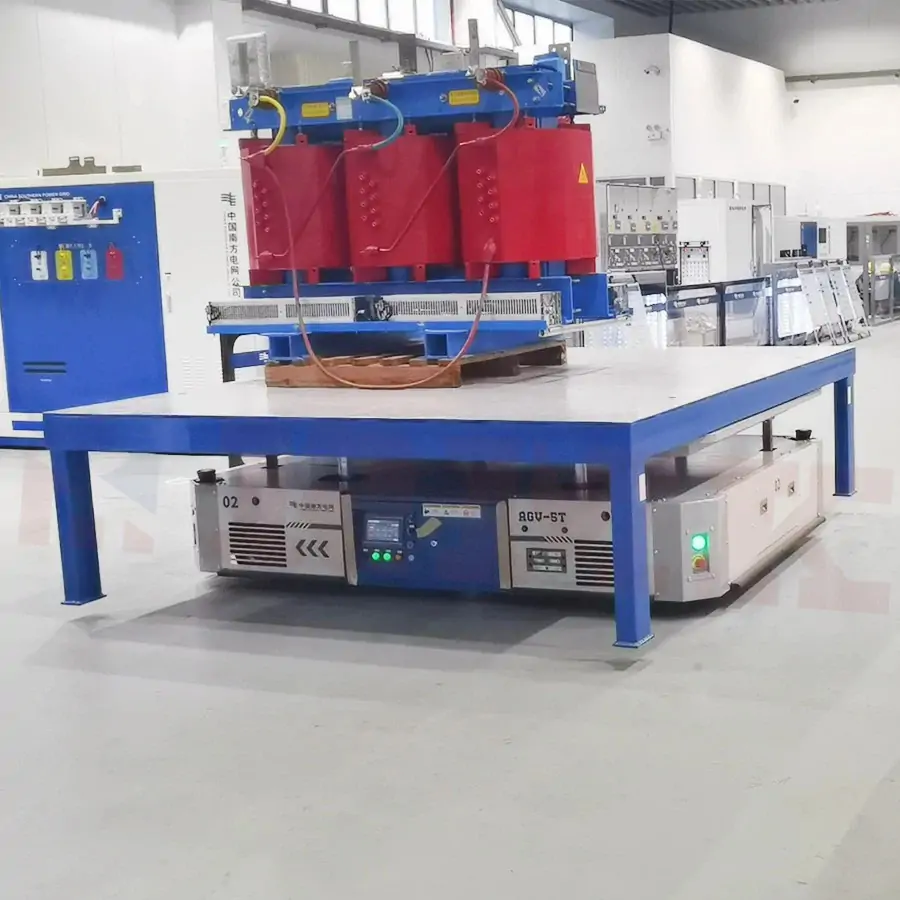
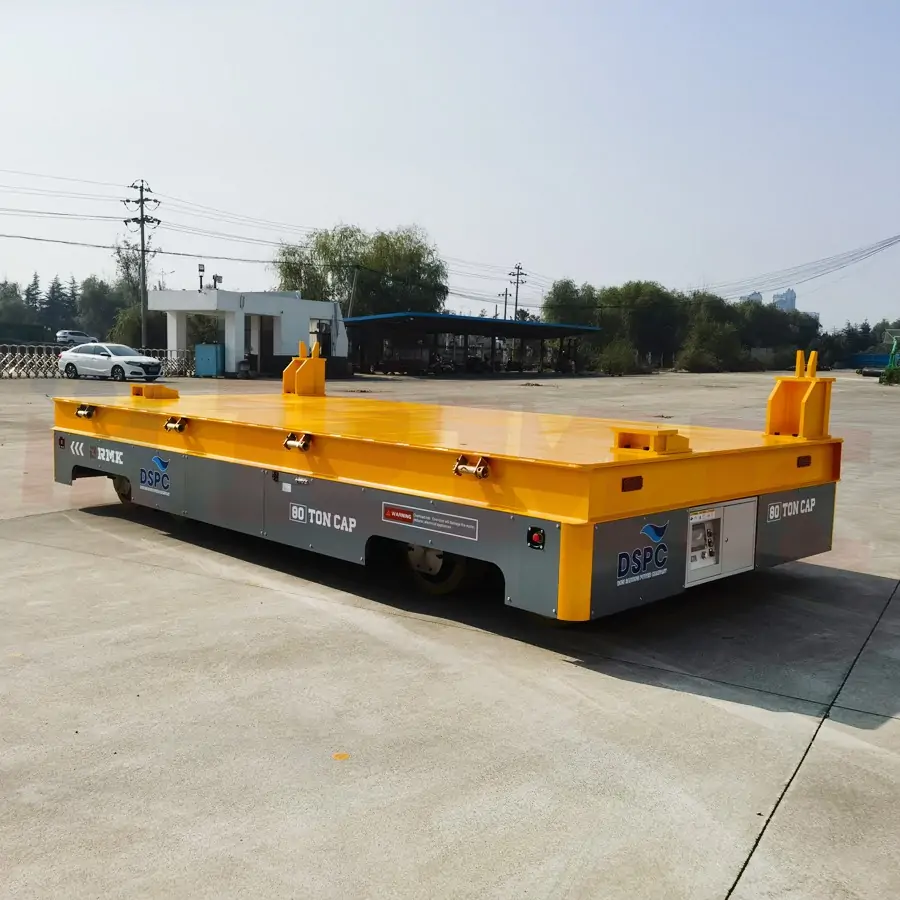
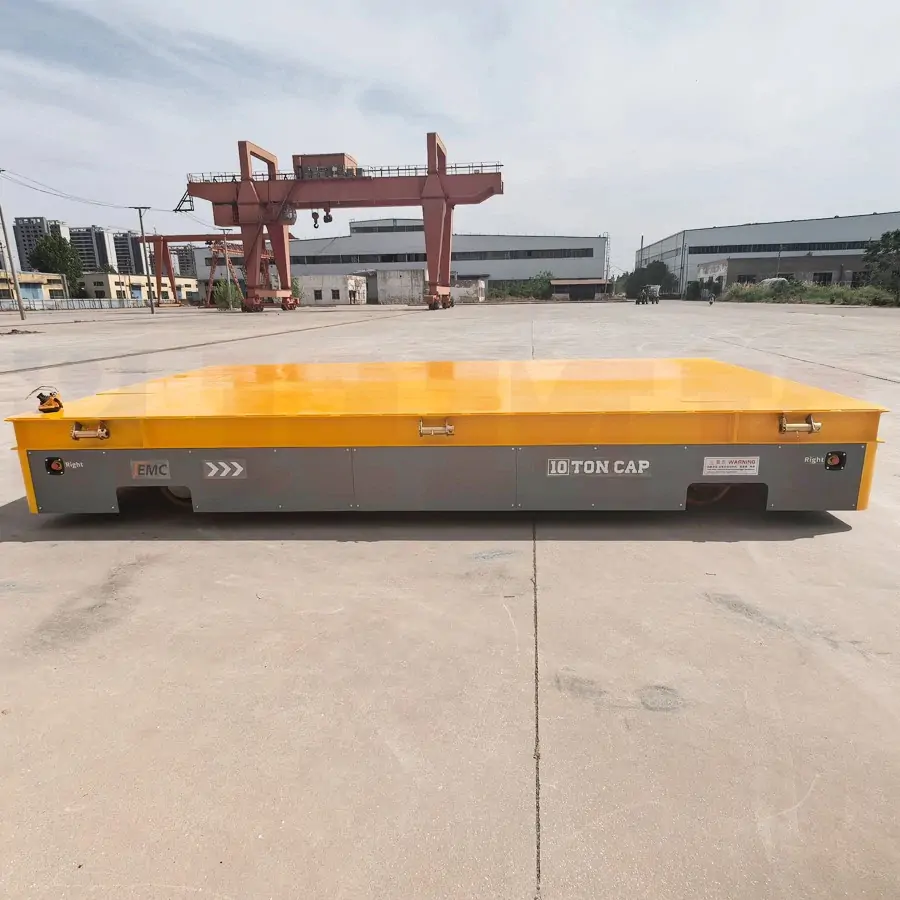
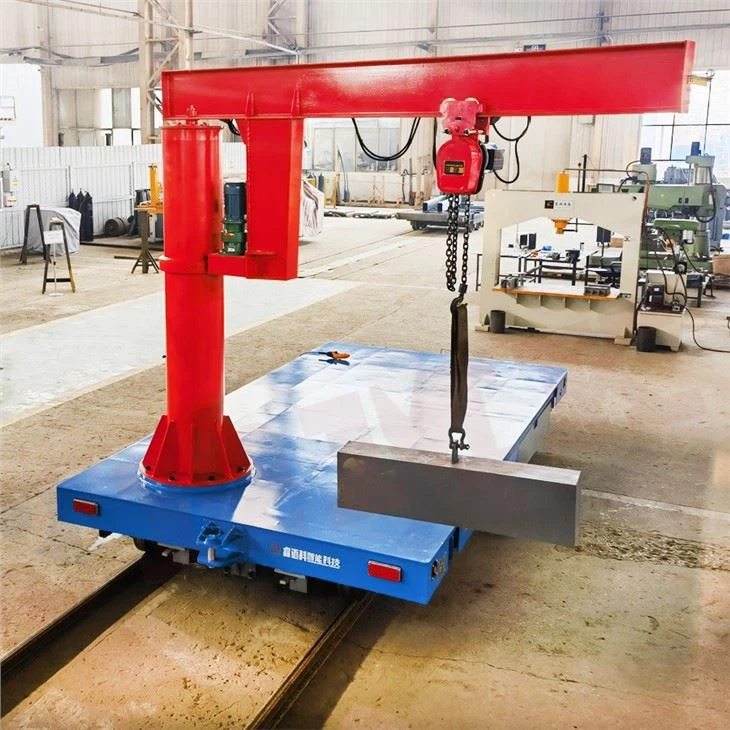
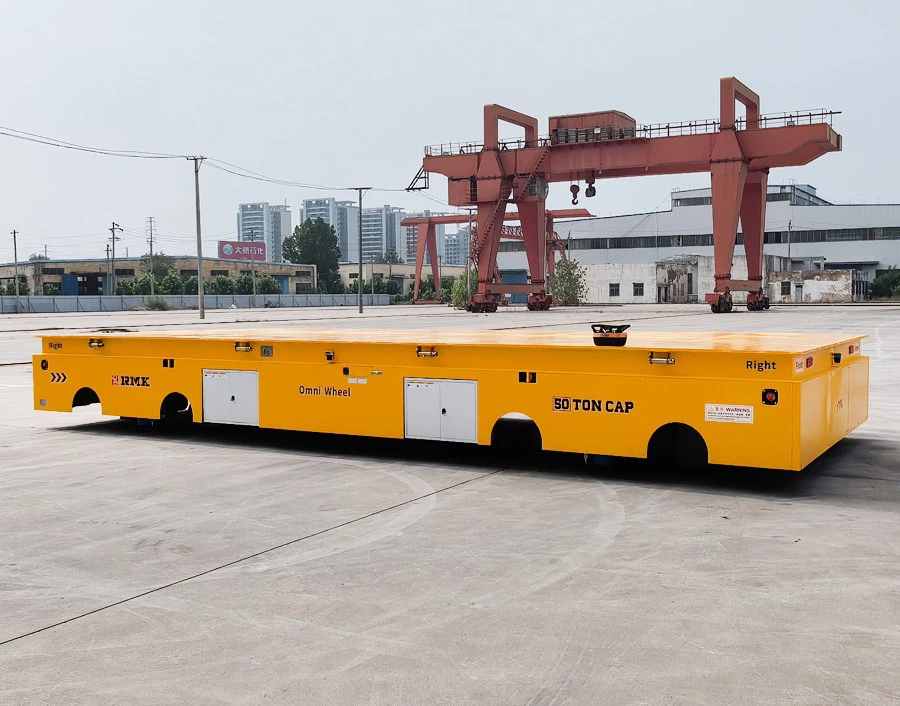
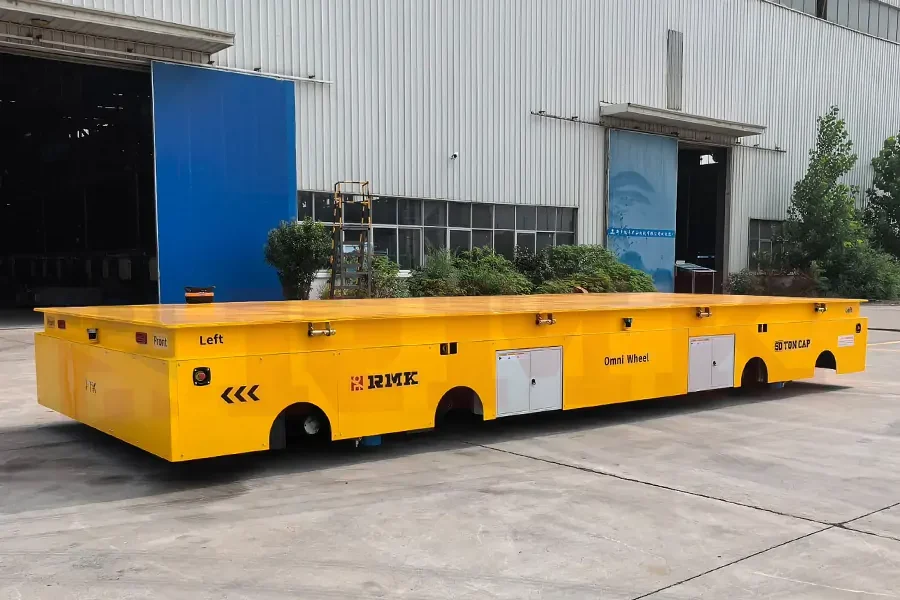
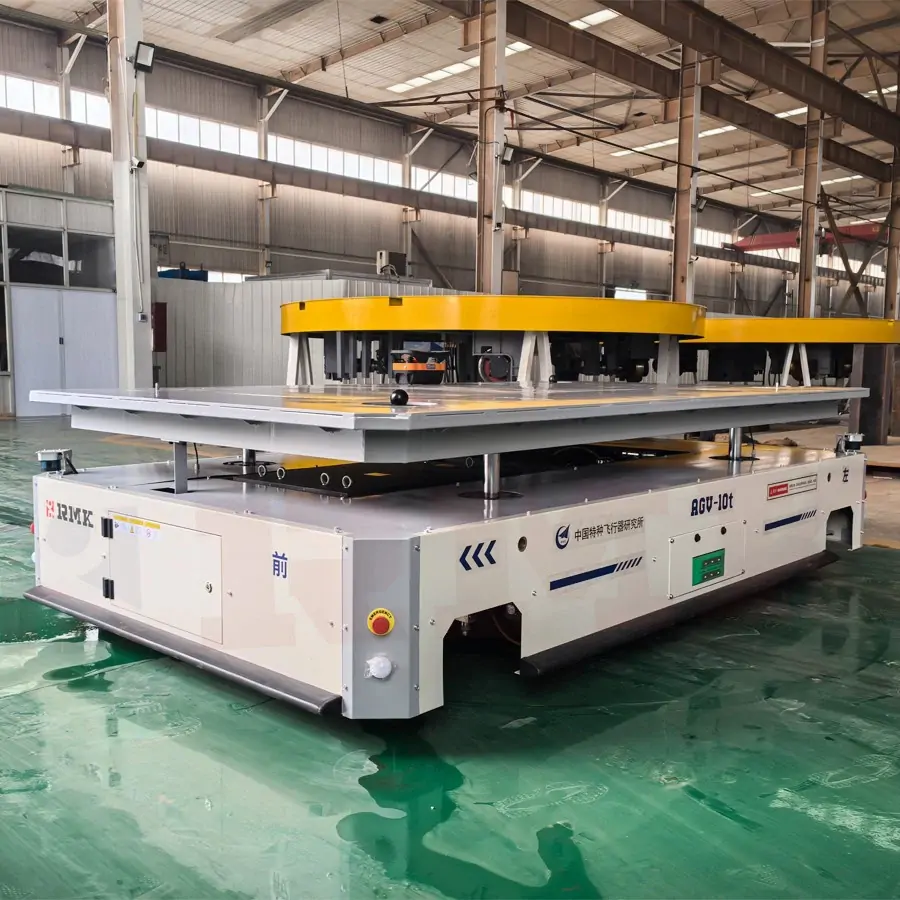
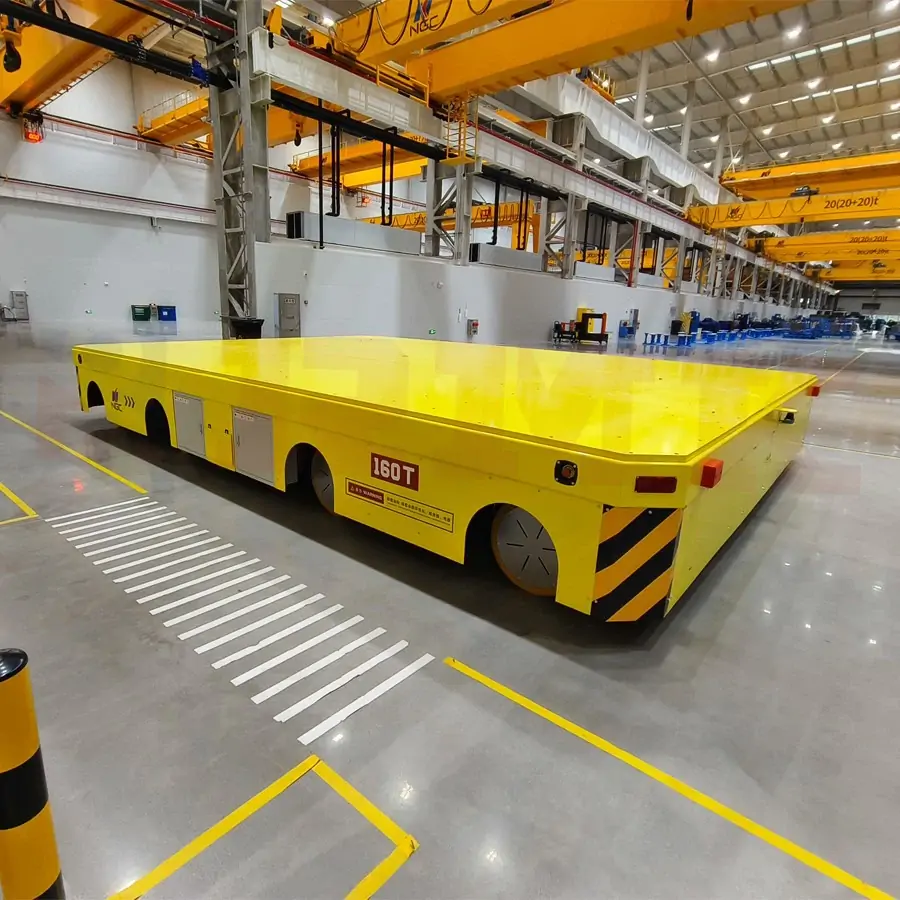
عربة نقل ثقيلة هي مركبة مناولة مواد كهربائية تُستخدم لنقل الأحمال الثقيلة في المصانع والمنشآت الصناعية. وهي مصممة لأحمال تتجاوز عربات النقل القياسية، عادةً فوق 10 أطنان. تُعرف أيضًا باسم عربة نقل ثقيلة،, سيارة نقل صناعية, أو مركبة نقل بالسكك الحديدية. تُستخدم هذه العربات بشكل شائع لنقل الهياكل الفولاذية والقوالب وأجزاء الآلات والمكونات الكبيرة الأخرى.
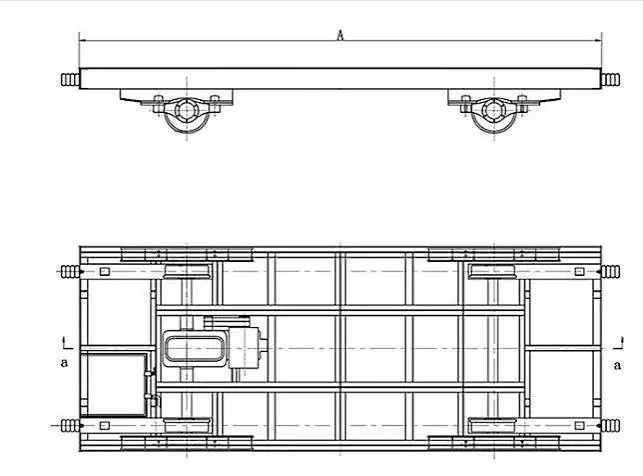
تتكون عربة النقل الثقيلة من إطار فولاذي ملحوم ونظام دفع وعجلات ونظام تحكم. يُصمم الإطار وفقًا للحمل المقدر وظروف التشغيل. تشمل خيارات الطاقة البطارية وبكرة الكابل وقضيب التوصيل ومصدر طاقة السكة. تبلغ سرعة السير عادةً 0–30 م/دقيقة، حسب سعة الحمل ومتطلبات التشغيل. يُختار نظام العجلات والمحاور بناءً على توزيع الحمل ومسافة السير ودورة التشغيل.
تُحدد مواصفات عربات النقل الثقيلة حسب سعة الحمل وأبعاد المنصة وترتيب العجلات وبيئة التشغيل. بالنسبة لعربة نقل بحمولة 50 طنًا، قد تحمل أربع عجلات حوالي 12.5 طن لكل عجلة تحت التحميل المتوازن. يُصمم المحور والمحامل وهيكل الإطار لظروف التحميل الفعلية، بما في ذلك الأحمال غير المركزية المحتملة. تتوفر أنظمة التحكم مع التحكم المعلق والتحكم اللاسلكي عن بُعد ومفاتيح حد السير وأجهزة استشعار السلامة للتشغيل الصناعي.
أنواع العربات الناقلة الثقيلة
مقالات متعلقة بعربات النقل الثقيلة
- ما هي عربة النقل الثقيلة؟
- كيف تعمل عربة النقل الثقيلة؟
- أنواع عربات النقل للخدمة الشاقة: دليل شامل
- ما مقدار الوزن الذي يمكن أن تحمله عربة النقل الثقيلة؟
- كم تكلفة عربة النقل الثقيلة؟
- دليل شراء عربة النقل للخدمة الشاقة: كيفية اختيار الطراز المناسب
مبدأ العمل
تعمل عربة النقل الثقيلة من خلال نظام دفع كهربائي يحول طاقة المحرك إلى قوة جر للعجلات، مما يسمح للعربة بنقل الأحمال الثقيلة على القضبان أو أرضيات المصانع المجهزة. ينقل المحرك عزم الدوران عبر علبة تروس إلى العجلات، مما يدفع العربة على طول مسار النقل.
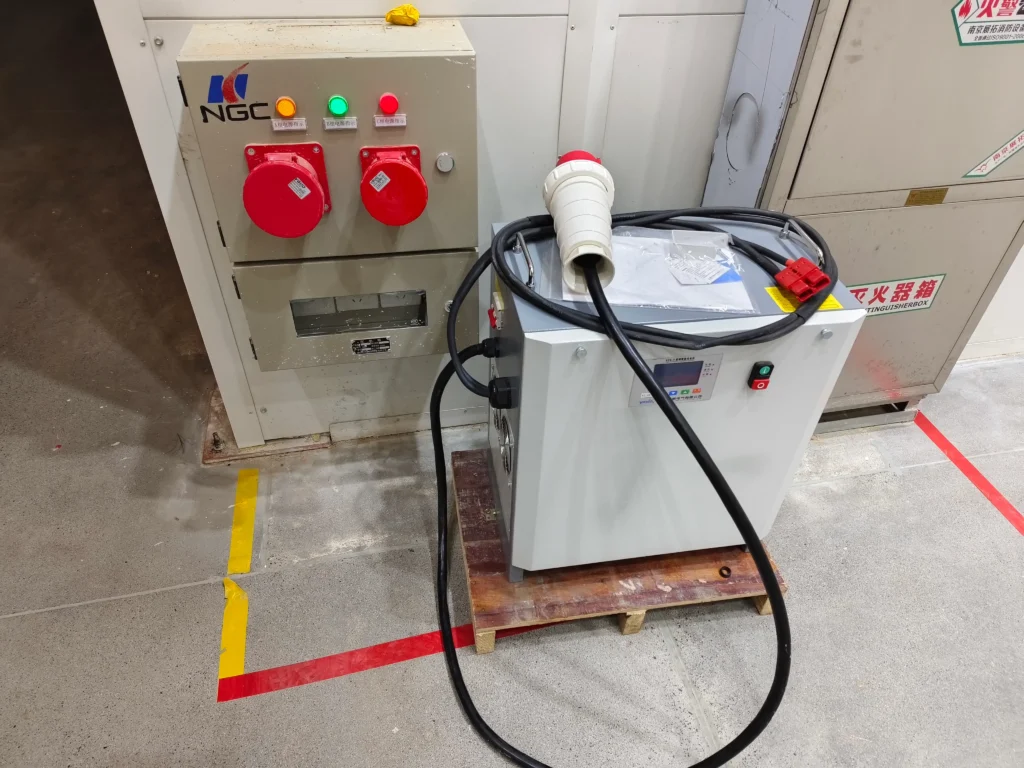
تشمل خيارات مصدر الطاقة بكرة الكابل وقضيب التوصيل والبطارية وأنظمة السكة منخفضة الجهد. العربات التي تعمل بالبطارية مناسبة للمسارات المرنة بدون خطوط طاقة ثابتة. تُستخدم العربات التي تعمل ببكرة الكابل والسكة للمسارات الثابتة والتشغيل المستمر. يتحكم محرك التردد المتغير (VFD) في سرعة السير والاتجاه، بسرعات شائعة تبلغ 0–30 م/دقيقة للحركة السلسة.
يدير نظام التحكم تشغيل العربة من خلال التحكم المعلق أو التحكم اللاسلكي عن بُعد. يعتمد اختيار العجلات والمحاور والمحامل على وزن الحمل وضغط العجلة ودورة العمل. يمكن تركيب مفاتيح الحد وأجهزة استشعار منع التصادم للتطبيقات التي تتطلب تحديد موضع مُتحكم فيه أو تشغيل عربات متعددة على نفس المسار.
المواصفات
تُختار مواصفات عربة النقل الثقيلة وفقًا لسعة الحمل ومسافة النقل وتكرار العمل وتخطيط المصنع. تغطي المعلمات التالية نطاق التكوين الشائع لتطبيقات النقل الصناعي للأحمال الثقيلة.
| المعلمة | نطاق المواصفات |
|---|---|
| الحمولة المقدرة | 1–500 طن؛ حتى 1500 طن للمشاريع المخصصة |
| أبعاد الطاولة (الطول×العرض) | 2000×1500 مم إلى 10000×3000 مم |
| هيكل الإطار | هيكل من ألواح وعوارض فولاذية ملحومة؛ سماكة اللوح 8–16 مم |
| Power Supply | بطارية، بكرة كابل، قضيب توصيل (سكة موصلة)، سكة منخفضة الجهد |
| مواصفات البطارية | 48–72 فولت، 100–600 أمبير-ساعة |
| وقت تشغيل البطارية | 9–5.4 ساعة تحت التشغيل بالحمل الكامل |
| مسافة السير لكل شحنة | 2–8.1 كم |
| سرعة الجري | 0–30 م/دقيقة، مُتحكم فيه بواسطة VFD |
| كمية العجلة | 4 عجلات قياسية؛ ترتيبات عجلات مخصصة متاحة |
| نوع العجلات | عجلات فولاذية للنقل بالسكك؛ عجلات مطاطية للتشغيل بدون مسار |
| الخلوص الأرضي | 50–75 مم (النوع الموجه بالسكك) |
| مقياس القضبان | 1200–2000 مم |
| وضع التحكم | تحكم معلق، تحكم لاسلكي عن بُعد، تحكم PLC |
| وضع التوجيه | توجيه ثابت بالسكك، توجيه 360°، نقل بقرص دوار، نقل عبر السكك المتقاطعة |
| أجهزة السلامة | ضوء إنذار، زر إيقاف طارئ، مفتاح حد السير، جهاز استشعار منع التصادم |
| التطبيق | مصانع الصلب، أحواض بناء السفن، مصانع الآلات، المسابك، التصنيع الثقيل |
ملاحظة: تُصمم أبعاد الطاولة وحمل العجلة ونظام الدفع وفقًا للحمل المقدر وظروف التشغيل الفعلية. للتطبيقات الخاصة مثل النقل فائق الثقل أو الهياكل كبيرة الحجم، تتوفر تصاميم مخصصة.
أنواع عربات النقل الثقيلة
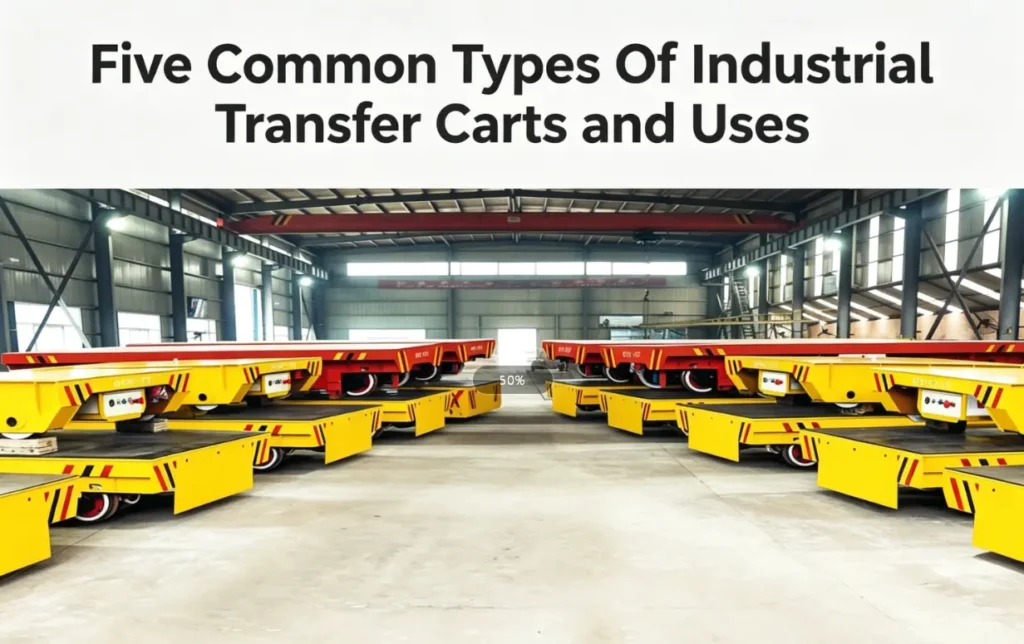
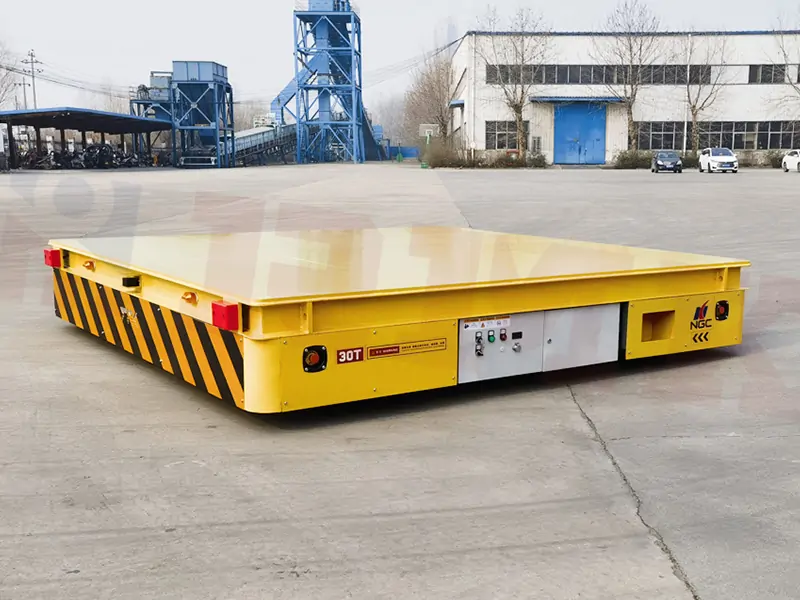
تتوفر عربات النقل الثقيلة بتكوينات مختلفة بناءً على تخطيط المصنع ومسار السير ومتطلبات الحمل ومستوى الأتمتة. تشمل الأنواع الرئيسية العربات التي تعمل بالبطارية والموجهة بالسكك وبدون مسار وعربات AGV.
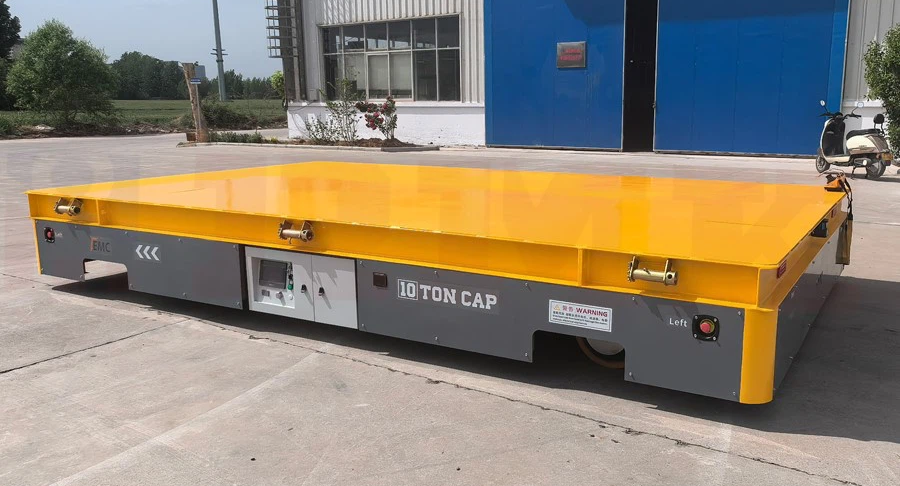
عربة نقل تعمل بالبطارية
A عربة النقل التي تعمل بالبطارية تستخدم بطاريات مدمجة كمصدر للطاقة ولا تتطلب خطوط طاقة خارجية أثناء التشغيل. وهي مناسبة للمصانع ذات تخطيطات الإنتاج المرنة أو نقاط النقل المتعددة أو المناطق بدون سكك ثابتة.
- سعة الحمل: 1–500 طن
- مصدر الطاقة: نظام بطارية قابل لإعادة الشحن
- طريقة التحكم: تحكم لاسلكي عن بُعد أو تحكم معلق
- التوجيه: اتجاه ثابت أو خيارات توجيه 360°
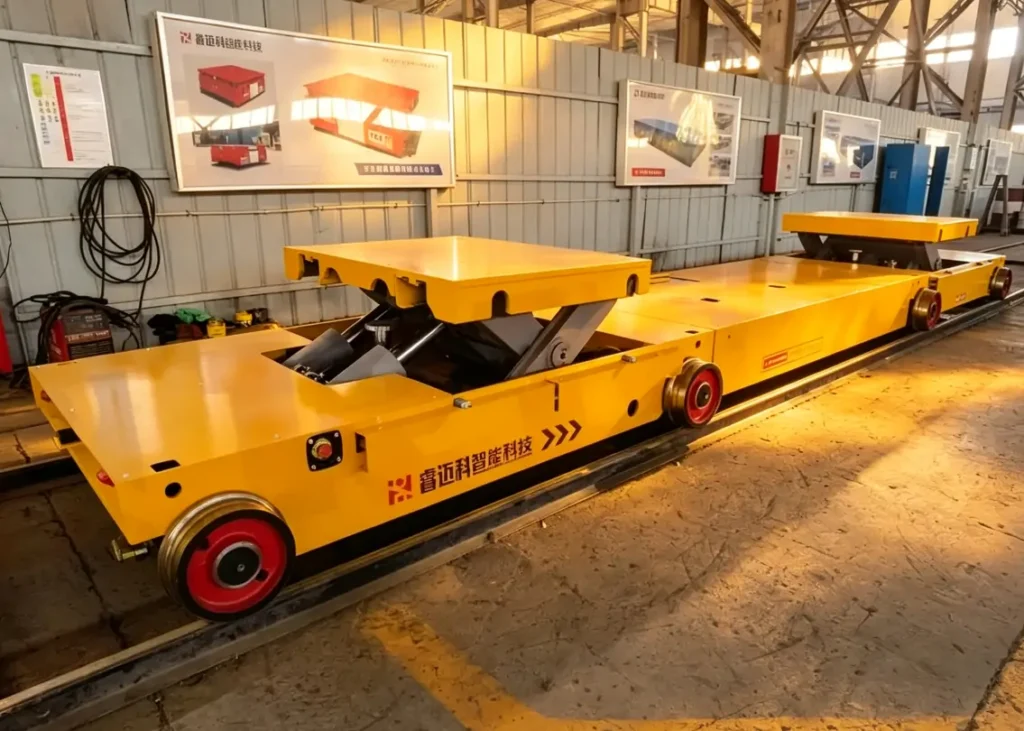
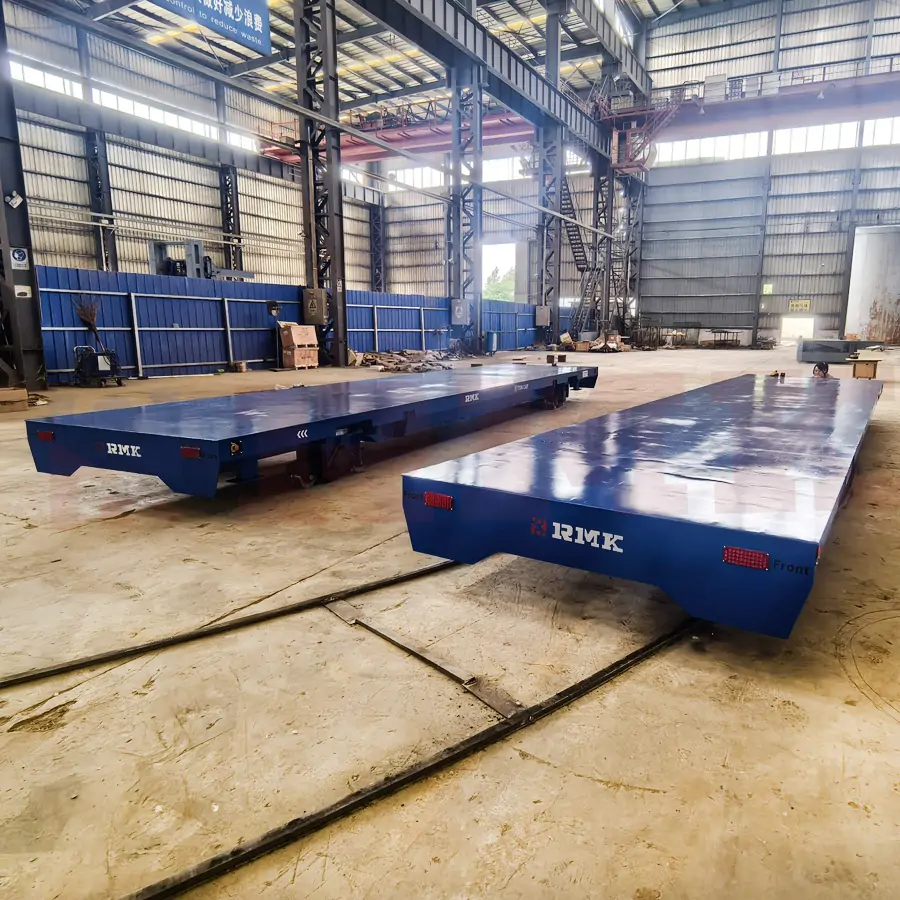
عربة النقل بالسكك الحديدية
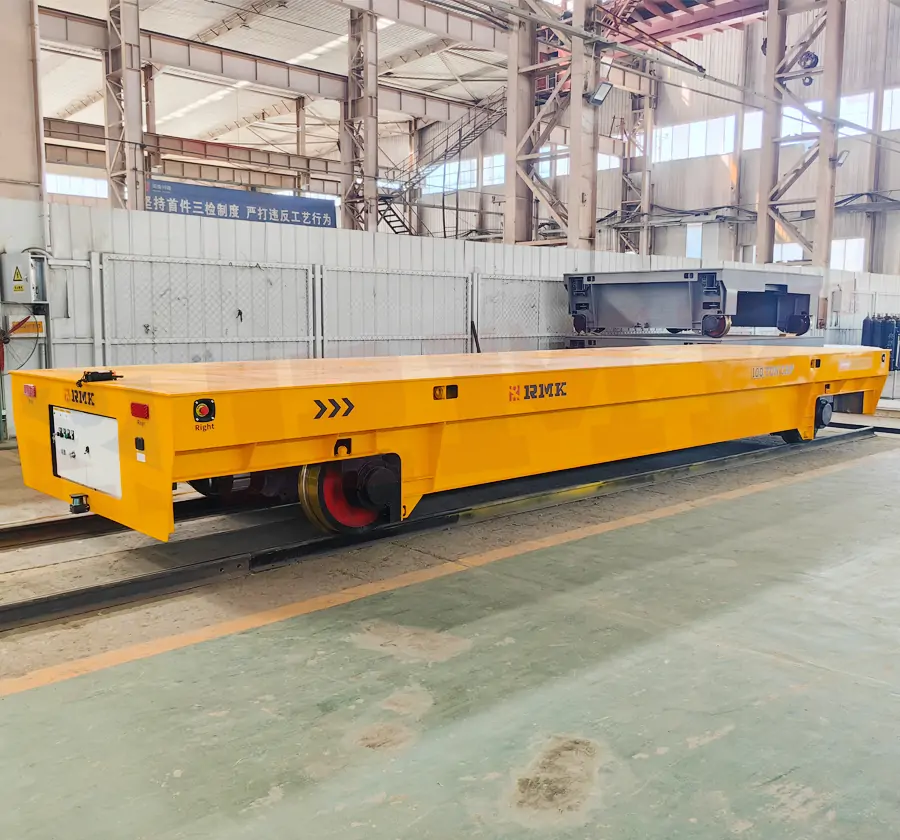
عربة النقل بالسكك الحديدية تعمل على سكك فولاذية ثابتة ومصممة للنقل المتكرر بين مواقع ثابتة. تُستخدم على نطاق واسع في مصانع الصلب ومصانع الآلات وخطوط الإنتاج الصناعي الثقيل حيث يُطلب التشغيل المستقر.
- سعة الحمل: 1–500 طن
- مسار السير: مسار سكك ثابت
- خيارات الطاقة: طاقة السكة، بكرة الكابل، أو السكة منخفضة الجهد
- سرعة السير: 0–30 م/دقيقة
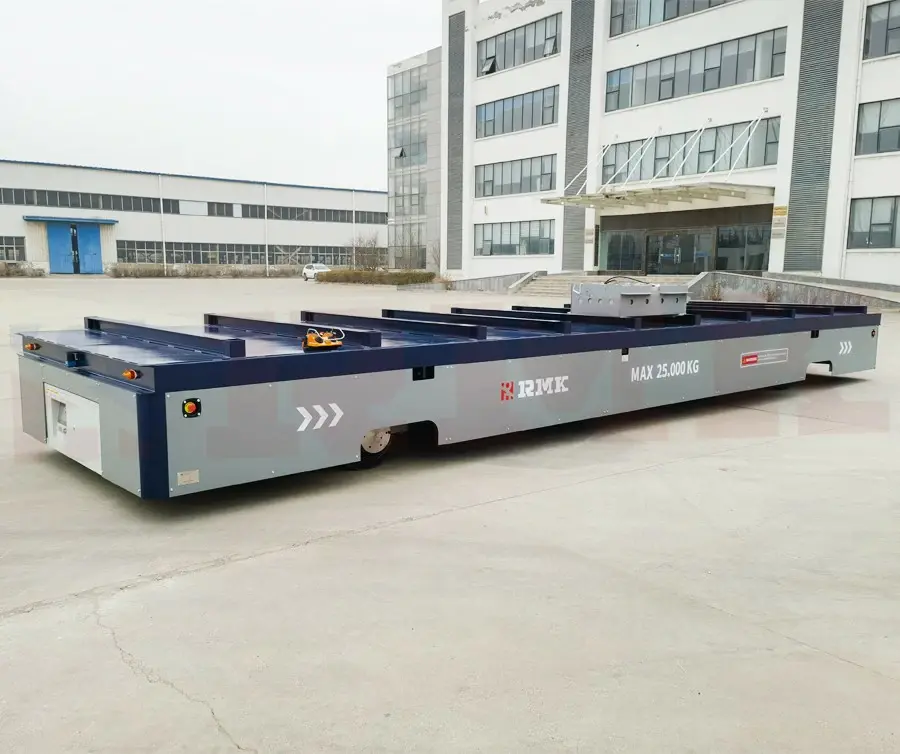
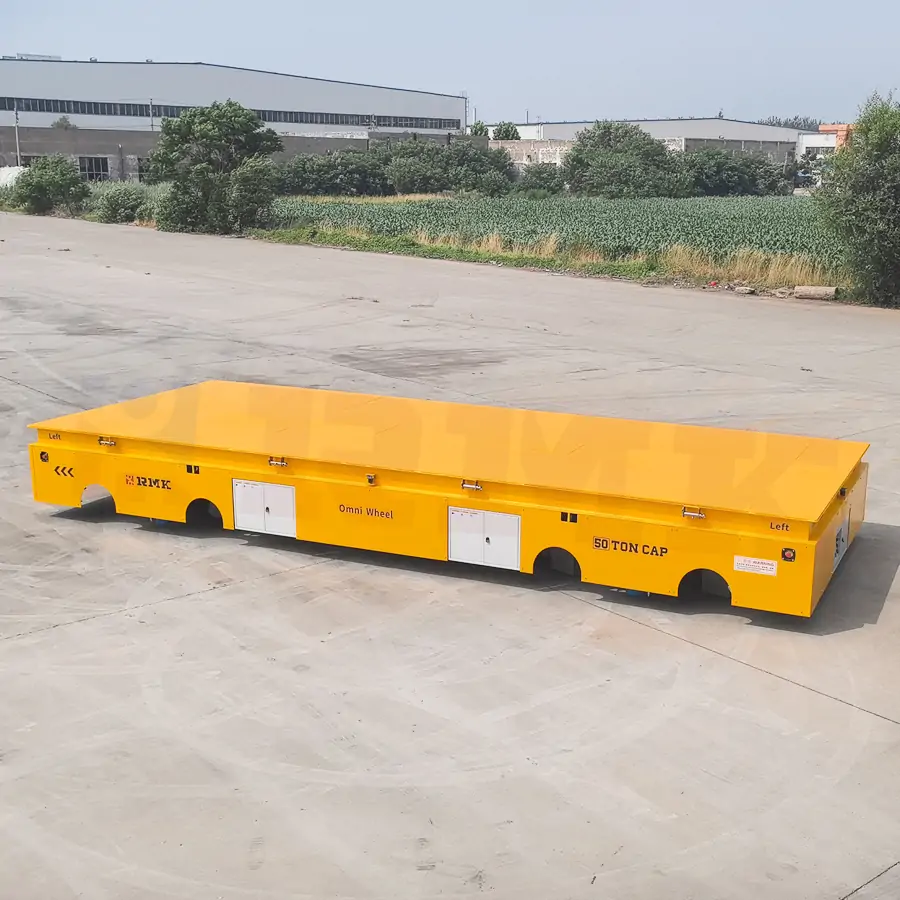
عربة نقل غير مجنزرة
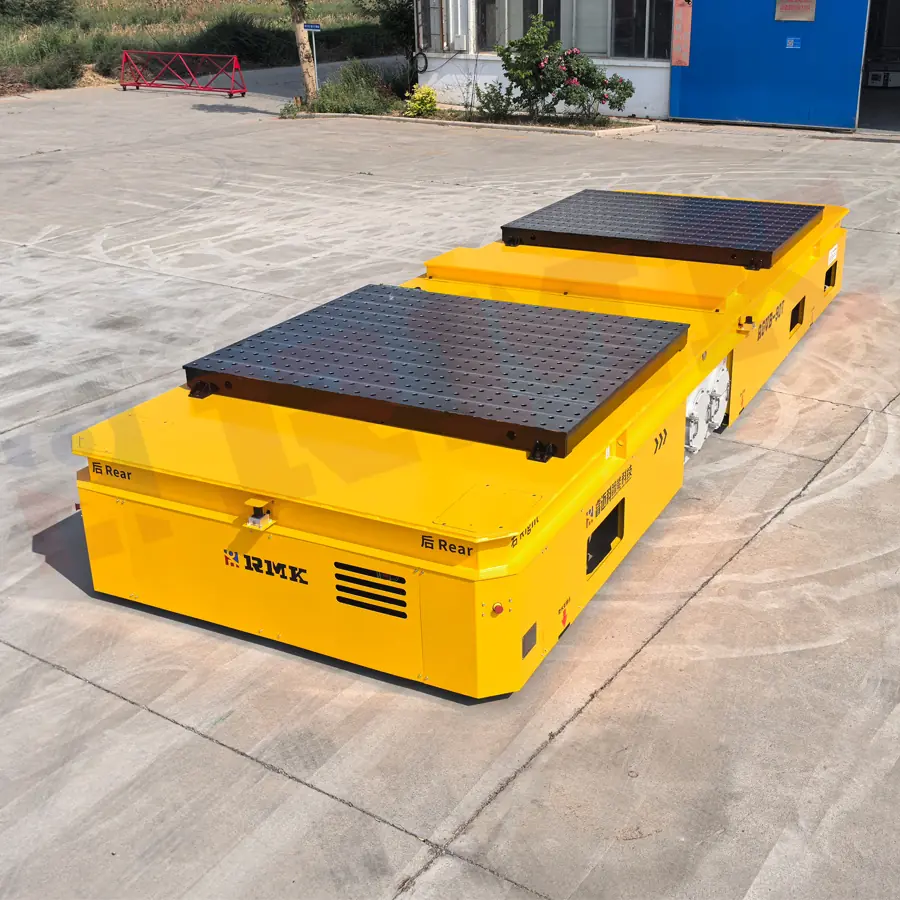
عربة نقل غير مجنزرة تستخدم عجلات مطاطية وتسير مباشرة على أرضيات المصانع بدون تركيب سكك. وهي مناسبة للورش الكبيرة ذات مسارات النقل المتغيرة والمساحة المحدودة للسكك.
- سعة الحمل: 1–300 طن
- نظام التوجيه: توجيه 360°
- نظام الدفع: دفع رباعي أو دفع متعدد العجلات
- طريقة التحكم: تحكم لاسلكي عن بُعد
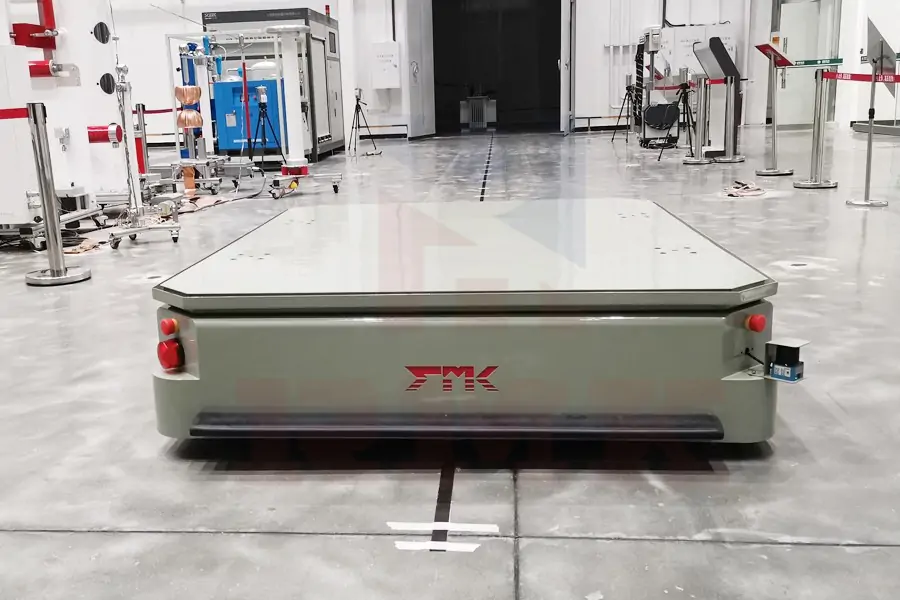
عربة نقل AGV
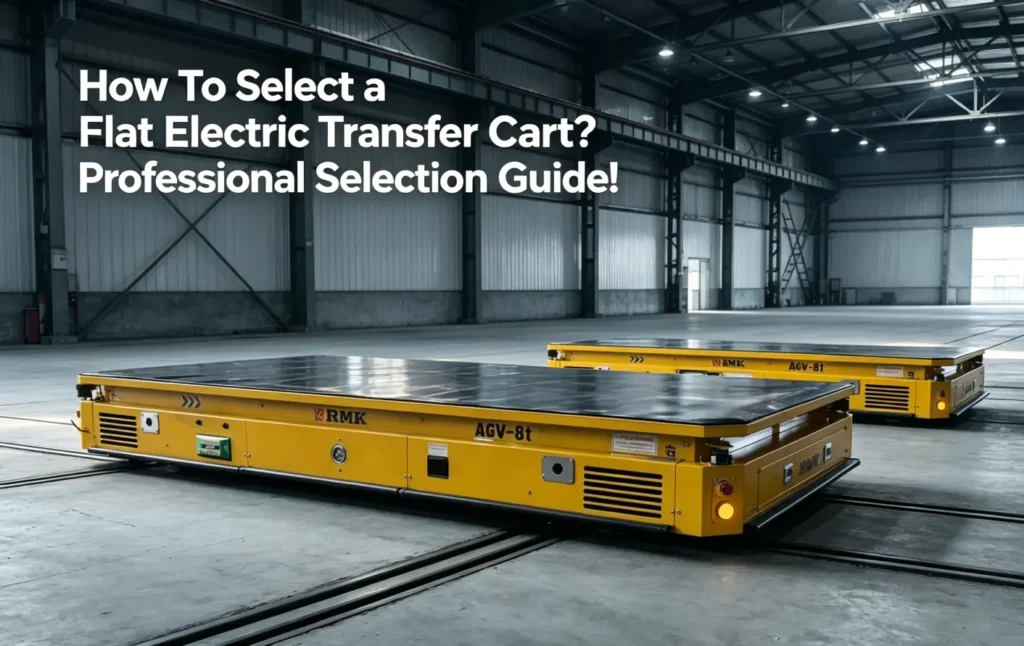
عربة نقل AGV تدمج أنظمة الملاحة والتحكم للنقل الآلي للمواد. تُستخدم في المصانع الذكية وخطوط الإنتاج التي تتطلب عمليات مناولة تلقائية.
- سعة الحمل: 1–300 طن
- الملاحة: ملاحة ليزر، ملاحة مغناطيسية، أو أنظمة تحديد مواقع أخرى
- Control system: PLC control
- Operation mode: Automatic transport and positioning
المزايا
سعة تحميل عالية
Designed for heavy material handling, Heavy Duty Transfer Carts support loads from 1 to 500 tons, with customized solutions available for larger industrial components.
خيارات طاقة متعددة
Available with battery, cable reel, busbar, and low-voltage rail power systems to match different factory layouts and operating conditions.
Flexible Configuration
Platform size, steering system, control method, and deck design can be customized according to load dimensions and transport requirements.
Stable Heavy Load Transportation
The welded steel structure, heavy-duty wheels, and drive system provide stable movement for large equipment, molds, and industrial materials.
Suitable for Various Industrial Environments
Used in steel plants, shipyards, machinery factories, foundries, and manufacturing facilities for repeated heavy load transfer.
Low Maintenance Operation
Electric drive systems with simple mechanical structures reduce routine maintenance requirements compared with traditional handling equipment.
التطبيقات
Heavy Duty Transfer Carts are used for horizontal transportation of heavy equipment, large components, and oversized materials in industrial facilities. They are widely applied in industries that require repeated movement of high-load materials between production areas, storage areas, and assembly stations.
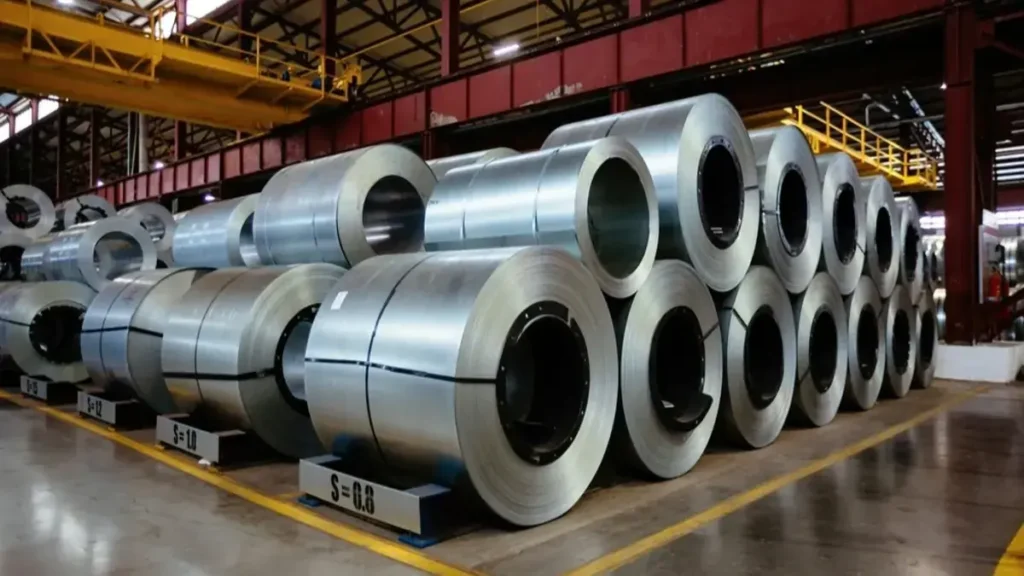
مصانع الصلب
Used for transporting steel coils, ladles, steel structures, and heavy steel components between processing areas.
تقوم عربة النقل متعددة الاتجاهات الثقيلة هذه بنقل الوحدات ومجموعات الفحص بأمان عبر تخطيطات محطات الطاقة المعقدة أثناء الصيانة الحرجة.
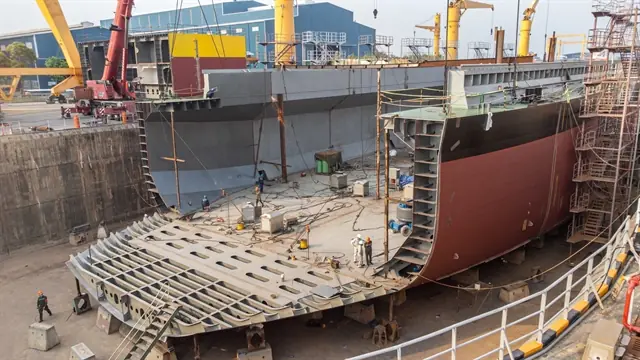
Used for moving ship blocks, hull sections, and large fabrication parts during ship construction.
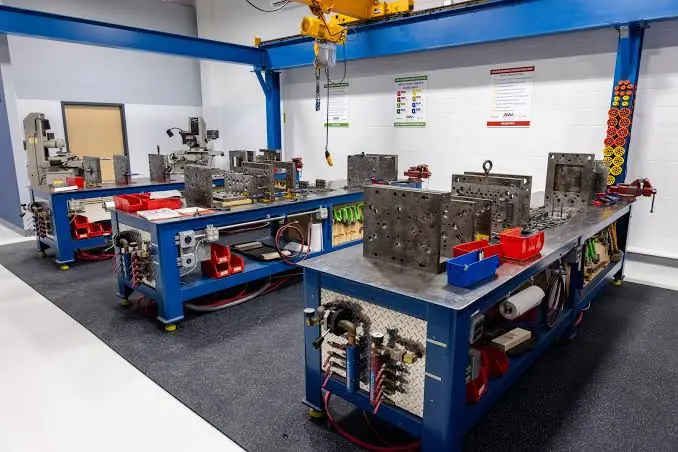
تصنيع الآلات
Used for transferring machine tools, production equipment, molds, and large mechanical components.
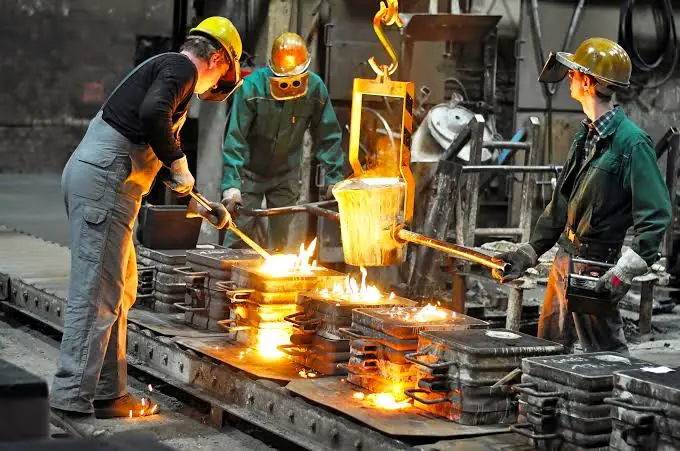
المسابك
Used for handling castings, molds, and heavy materials in high-temperature production environments.
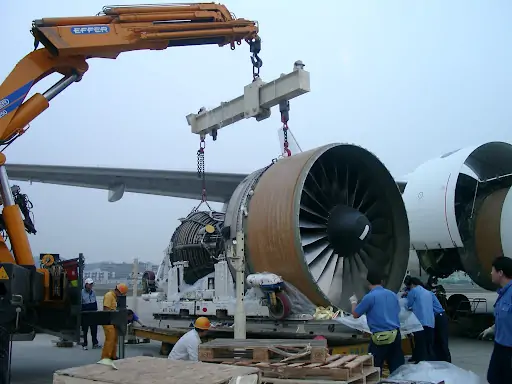
تصنيع الطيران والفضاء
Used for transporting aircraft structures and precision assembly components inside manufacturing facilities.
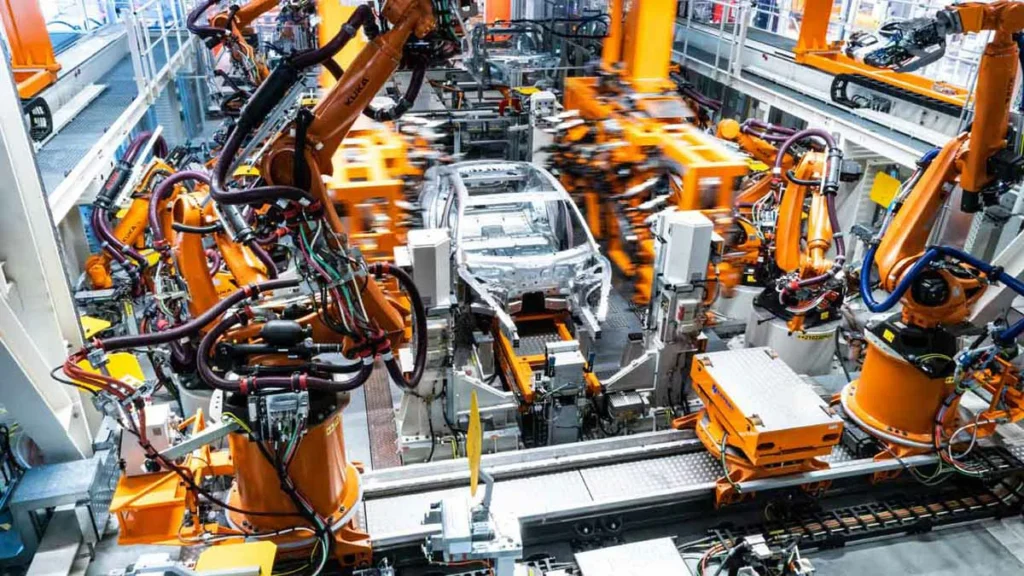
صناعة السيارات
Used for moving vehicle bodies, production fixtures, and heavy tooling between workstations.
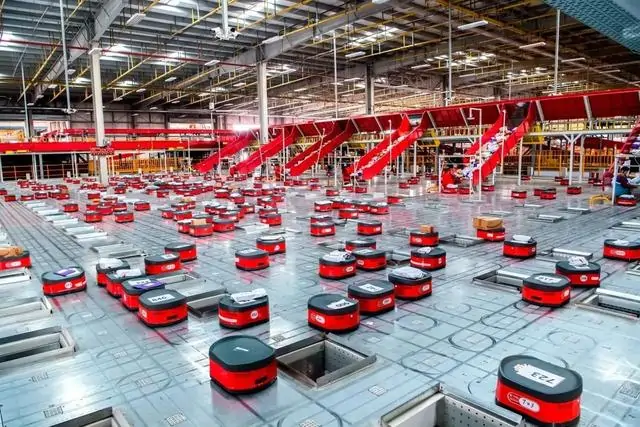
Warehouse and Logistics Centers
Used for transferring oversized loads and heavy goods where forklifts are not suitable.

صناعة الطاقة والكهرباء
Used for transporting transformers, generators, and large equipment during manufacturing and maintenance.
الحالات
كيف تختار عربة نقل ثقيلة؟
Selecting a Heavy Duty Transfer Cart requires evaluating the load weight, transport route, working environment, and operation frequency. The cart configuration should match the actual handling requirements instead of only considering the rated capacity.
- 1. Load Capacity: Select the cart capacity according to the maximum load weight and load distribution. The platform, wheels, drive system, and frame structure should match the actual working load.
- 2. Power Supply: Choose the power system based on the transport route and operating cycle. Battery powered carts suit flexible routes, while cable reel, busbar, and rail power systems fit fixed transportation lines.
- 3. Working Environment: Consider floor conditions, indoor or outdoor operation, temperature, dust, and moisture levels. Different environments require suitable wheel types, protection levels, and structural designs.
- 4. Transport Route: Fixed routes are suitable for rail transfer carts. Workshops with changing paths can use trackless transfer carts. Automated production lines may require AGV transfer carts.
- 5. Platform Size and Load Shape: The platform dimensions should match the size and shape of the transported material. Custom decks, fixtures, rollers, or supports can be added for special loads.
- 6. Control Requirements: Select the control system according to operation needs. Wireless remote control is suitable for manual handling, while PLC control is used for automated production processes.
- 7. Duty Cycle: Consider daily running time, travel distance, and loading frequency. High-frequency operations require suitable drive systems, power capacity, and cooling configurations.
The right Heavy Duty Transfer Cart configuration depends on the load, route, and operating conditions. Proper selection helps match the cart with the production process and handling requirements.
The load capacity of a transfer cart does not refer to the actual weight of the items it carries. To learn how to calculate load capacity, see the article: “How to Choose the Load Capacity of a Heavy-Duty Transfer Cart?”
Heavy Duty Transfer Cart vs Forklift vs Crane
Forklifts, cranes, and Heavy Duty Transfer Carts are used for different material handling tasks. A forklift is designed for lifting and stacking, a crane is used for vertical lifting and overhead movement, while a transfer cart is designed for moving heavy loads horizontally along a fixed route.
| العنصر | عربة النقل | رافعة شوكية | Crane |
|---|---|---|---|
| Motion | Horizontal movement on rails or floor | Horizontal movement + lifting | Vertical lifting + overhead movement |
| نطاق الحمولة | 1–500 tons, up to 1500 tons customized | 1–50 طنًا | 1–500 tons and above |
| مسار السفر | Fixed rail or floor track | Flexible movement with aisle space | Fixed runway or lifting area |
| Lifting Ability | No lifting, deck transport only | Lifting with mast | Full vertical lifting |
| Best Application | Heavy and repetitive transport | Flexible warehouse handling | Large-scale lifting operations |
A Heavy Duty Transfer Cart is suitable for heavy loads that need repeated horizontal movement on a fixed route. Forklifts are used when flexibility and lifting are required. Cranes are used for vertical lifting and large working areas. Many factories combine these systems based on different handling requirements.
Custom Heavy Duty Transfer Cart Custom Heavy Duty Transfer Cart
Heavy Duty Transfer Carts can be customized according to load requirements, transport routes, and factory conditions. Custom options cover capacity, platform design, power supply, control system, and steering method.
- سعة التحميل
Customized capacity for different load weights, including heavy machinery, steel structures, and oversized components. - حجم المنصة
Customized deck dimensions and support structures based on the load size and shape. - Power Supply
Battery, cable reel, busbar, or low-voltage rail power options for different operating conditions. - نظام التوجيه
Fixed rail, 360° steering, turntable, and cross-rail transfer options. - نظام التحكم
Pendant control, wireless remote control, and PLC automatic control options. - أجهزة السلامة
Emergency stop, limit switches, alarm lights, and anti-collision sensors can be configured.
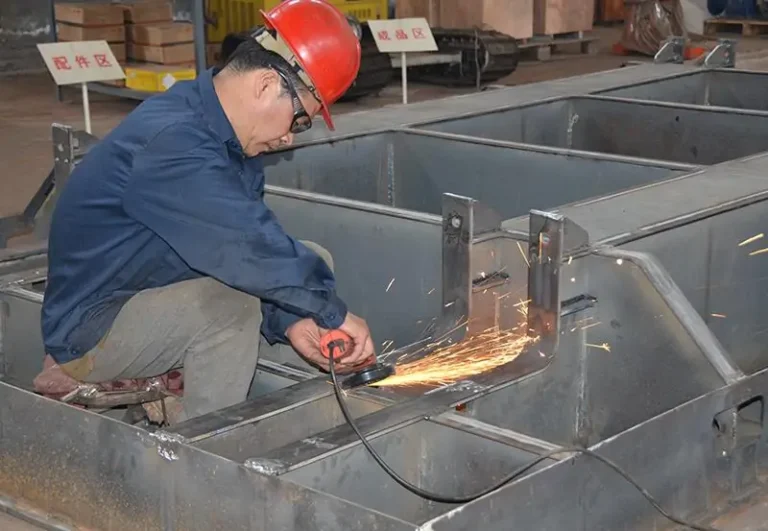
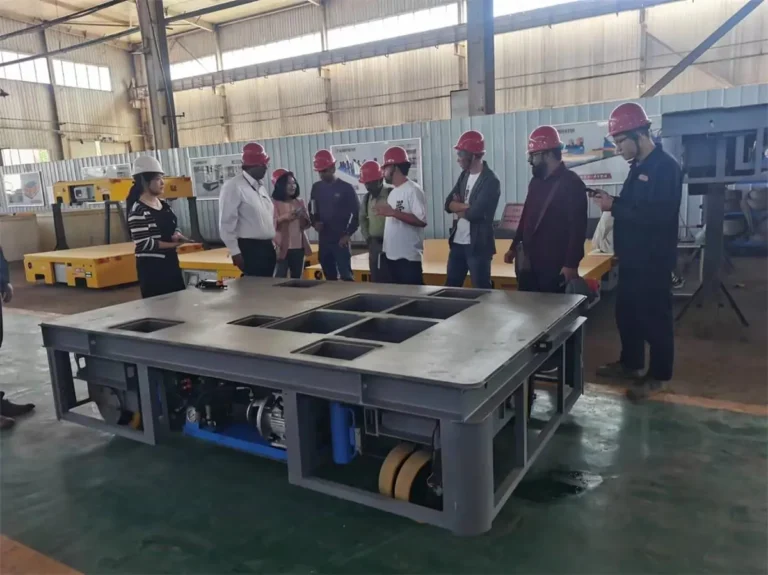
REMARKABLE provides custom Heavy Duty Transfer Cart solutions based on load requirements and working conditions. The engineering team supports design, manufacturing, and configuration selection for different industrial handling applications.
لمزيد من المعلومات حول خيارات التخصيص ونطاق التخصيص لعربات النقل، راجع المقال: “عربة النقل المخصصة: الدليل الشامل للتصميم والتخصيص”
Heavy Duty Transfer Cart Manufacturer and Supplier
مدهش provides Heavy Duty Transfer Cart solutions for heavy load horizontal transportation in steel plants, machinery factories, shipyards, and manufacturing facilities. The carts are designed for different load capacities, platform sizes, transport routes, and working conditions, supporting applications from standard material transfer to customized heavy-duty handling.
As a Heavy Duty Transfer Cart manufacturer and supplier, REMARKABLE offers battery-powered, rail, and trackless transfer cart options with customized designs based on customer requirements. The engineering team supports capacity selection, structural design, control configuration, technical communication, installation guidance, and after-sales service.
Contact REMARKABLE for a customized Heavy Duty Transfer Cart solution based on your load requirements and working conditions.
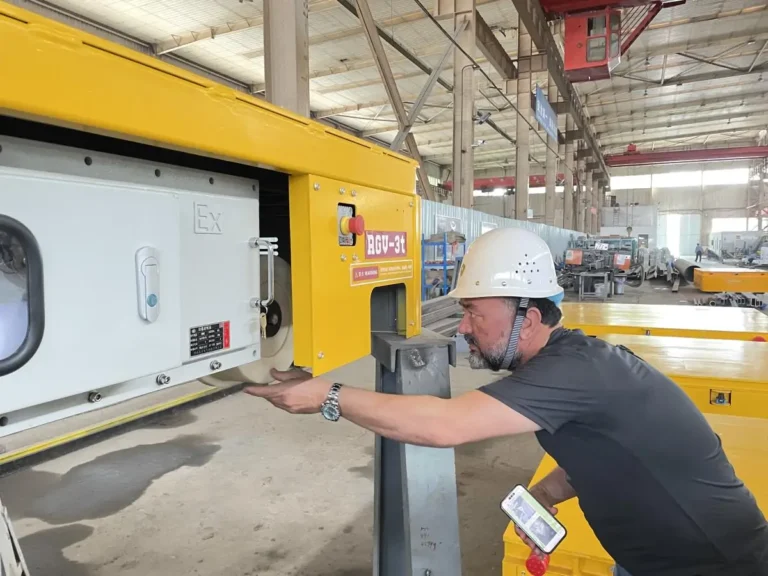

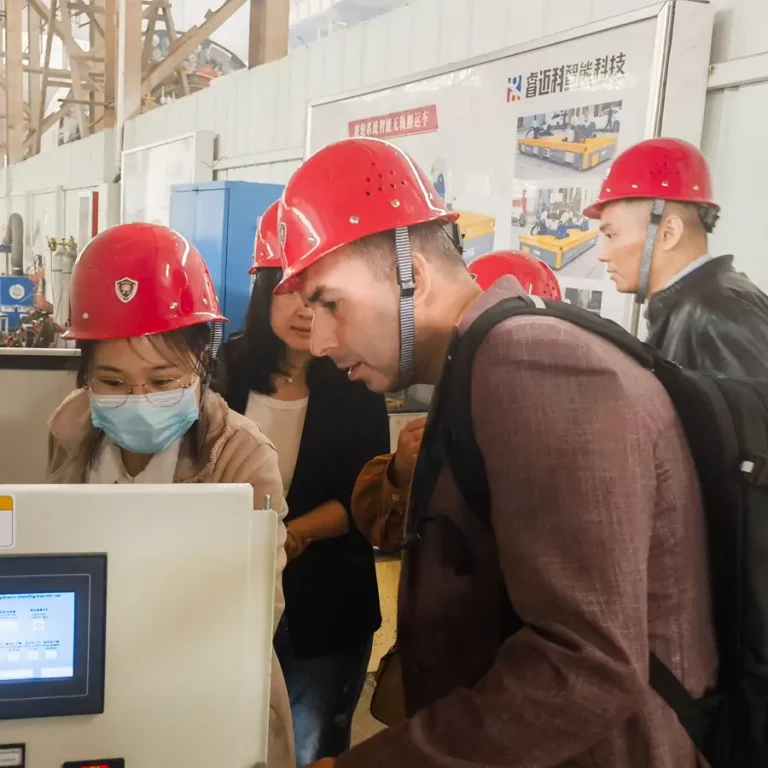
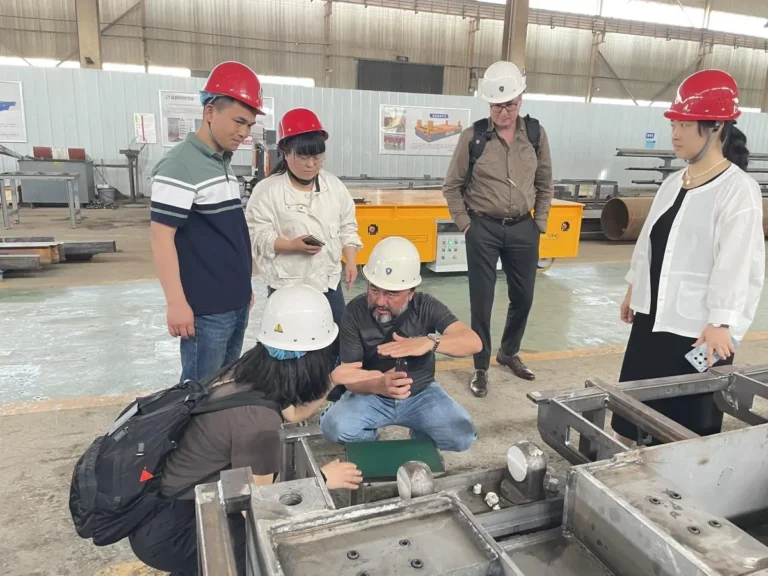
حلول مناولة المواد الذكية المخصصة لمناولة المواد الذكية
للتأكد من أن عربة النقل المخصصة تناسب احتياجاتك تماماً، يُرجى تقديم التفاصيل التالية:
- سعة التحميل: _____ طن (1 ~ 500 طن)
- حجم الطاولة: _____ × _____ مم/م (على سبيل المثال، 1500 × 3000)
- خيارات الطاقة:
- □ حمض الرصاص □ حمض الرصاص □ ليثيوم أيون □ أخرى: _____
- □ كابل _____V/_____A
- □ قياسي 380 فولت/50 هرتز/3 مراحل قياسية
- تفاصيل الحمولة:
- النوع: _____ (مثل لفائف الصلب، والآلات)
- الاحتياجات الخاصة: _____ (على سبيل المثال، مضاد للانزلاق، مقاوم للتآكل)
- ميزات اختيارية:
- □ حساسات منع التصادم في حالات الطوارئ □ حساسات منع التصادم
- □ موجهات السكك الحديدية □ آلية الرفع □ جهاز التحكم عن بُعد
احصل على عرض أسعار الآن
FAQS
ما هي عربة النقل للخدمة الشاقة؟
A Heavy Duty Transfer Cart is an electric material handling vehicle designed to move heavy loads horizontally in industrial facilities. It uses a powered drive system to transport equipment, steel structures, molds, and other large components on rails or factory floors.
ما مقدار الوزن الذي يمكن لعربة النقل للخدمة الشاقة حمله؟
A Heavy Duty Transfer Cart typically handles loads from 1 to 500 tons. Customized models can be designed for heavier loads up to 1500 tons according to the application requirements.
What is the difference between battery and rail transfer carts?
Battery transfer carts use onboard batteries and can operate without fixed power lines, making them suitable for flexible routes. Rail transfer carts run on fixed tracks and are commonly used for repeated transportation between fixed locations.
Can a Heavy Duty Transfer Cart operate outdoors?
Yes. Heavy Duty Transfer Carts can be designed for outdoor operation with suitable protection for the electrical system, drive components, and control devices. The configuration depends on weather conditions and site requirements.
How fast does a Heavy Duty Transfer Cart move?
The standard travel speed is usually 0–30 m/min. The actual speed depends on load capacity, transport distance, operating frequency, and working conditions.
Can the transfer cart be customized?
Yes. Heavy Duty Transfer Carts can be customized according to load capacity, platform size, power supply, steering method, control system, and safety requirements.
What industries use Heavy Duty Transfer Carts?
Heavy Duty Transfer Carts are widely used in steel plants, shipyards, machinery manufacturing, foundries, automotive production, energy equipment manufacturing, and other heavy industries.
How do I select the right transfer cart for my factory?
Selection depends on load weight, material size, travel route, operating frequency, floor conditions, and automation requirements. The power system, platform design, and control method should match the actual working environment