جدول المحتويات
مقدمة
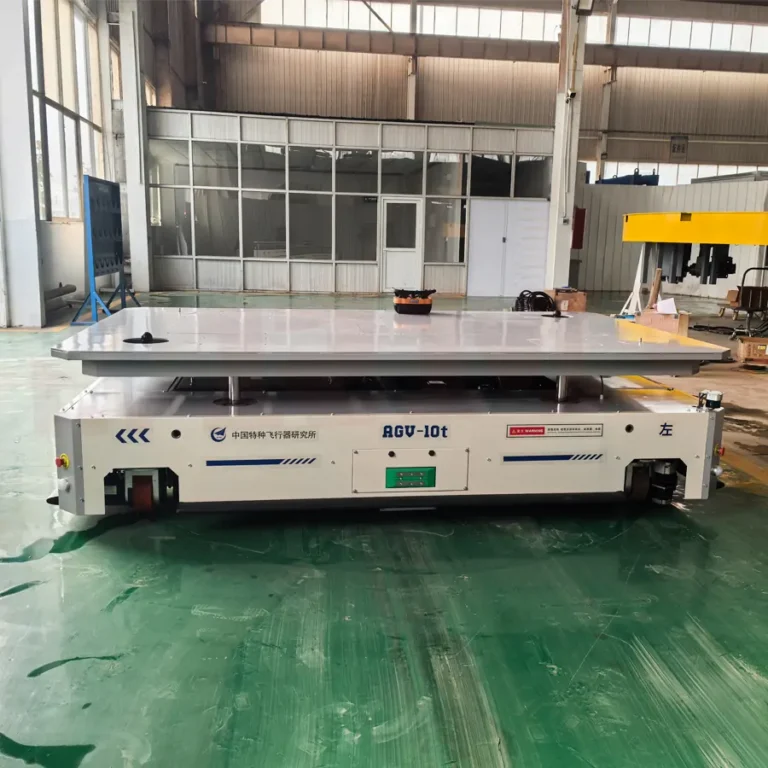
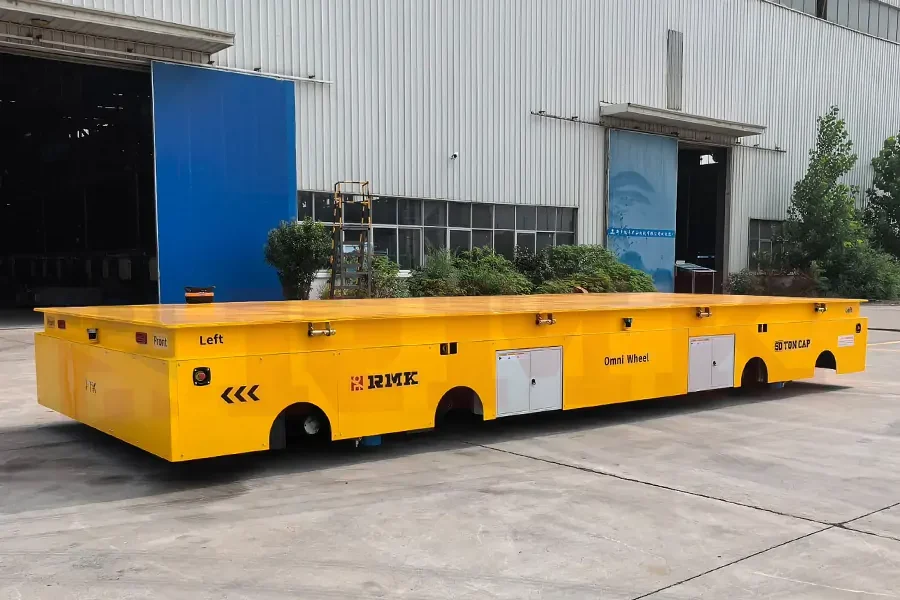
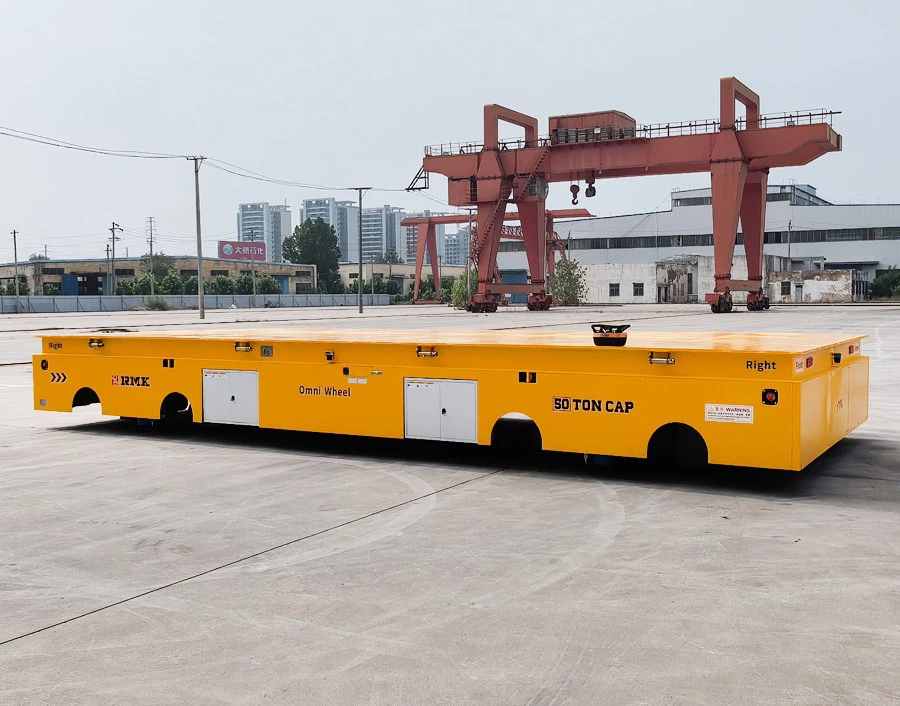
نقل محول وزنه 50 طنًا، أو هيكل فولاذي، أو آلة كبيرة عبر أرضية المصنع يتطلب أكثر من مجرد مركبة نقل بسيطة. تستخدم عربة النقل الثقيلة نظام دفع كهربائي لنقل هذه الأحمال على طول سكة حديدية أو مسار محدد. يعمل المحرك، وعلبة التروس، والعجلات، ومصدر الطاقة، ونظام التحكم، والفرامل معًا خلال كل دورة نقل.
في هذه المقالة، ننظر في كيفية بدء تشغيل العربة، وحركتها، وتغيير سرعتها واتجاهها، وتوقفها، مع التركيز على مبادئ العمل وراء كل نظام. يساعد هذا المشترين على فهم كيفية تعامل عربة النقل مع الأحمال الثقيلة وما هو تكوين المعدات الذي يناسب ظروف عملهم.
للحصول على مقدمة تفصيلية عن عربات النقل الثقيلة، راجع المقال: “ما هي عربة النقل الثقيلة؟”
كيف تعمل عربة النقل الثقيلة؟
تتضمن عربة النقل الثقيلة بشكل أساسي خمسة أجزاء: نظام الطاقة، ونظام الدفع، وآلية العجلات، ونظام التحكم، ونظام الكبح. يؤدي كل نظام وظيفة محددة أثناء نقل المواد.
الخطوة 1 — مصدر الطاقة
يوفر مصدر الطاقة الكهرباء لمحرك الدفع ونظام التحكم. تستخدم عربات النقل الثقيلة عادةً ثلاثة خيارات لمصدر الطاقة.
- طاقة البطارية: مناسبة للنقل المرن متعدد المناطق.
- طاقة السكك الحديدية منخفضة الجهد: مناسبة للمسارات الثابتة والتشغيل المستمر.
- طاقة بكرة الكابل: مناسبة للمسارات الثابتة مع مسافة سفر محدودة.
تدخل الطاقة إلى الخزانة الكهربائية ويتم توزيعها على نظام الدفع والمعدات المساعدة.
الخطوة 2 — المحرك وعلبة التروس
يولد المحرك قوة الدفع. تعمل علبة التروس على تقليل سرعة المحرك وزيادة عزم الدوران الناتج.
يتم نقل عزم الدوران عبر عمود الدفع إلى عجلات الدفع.
المحرك ← علبة التروس ← عمود الدفع ← عجلات الدفع
يعتمد اختيار المحرك وعلبة التروس على سعة الحمولة، وسرعة السفر، وترتيب العجلات، وتكرار العمل.
الخطوة 3 — العجلات والسكك الحديدية
بالنسبة لعربة النقل ذات السكك الحديدية، تعمل عجلات الدفع على طول سكك حديدية ثابتة وتولد قوة الجر. تدعم العجلات المدفوعة هيكل العربة وتوزع الحمولة.
تقوم المحاور والمحامل وأغلفة المحامل بتوصيل مجموعات العجلات بالهيكل وتدعم السفر المستقر.
بالنسبة للطرازات غير المسارية، يعمل نظام العجلات مباشرة على أرضية خرسانية أو صناعية مناسبة دون سكك حديدية ثابتة.
الخطوة 4 — نظام التحكم
يدير نظام التحكم وظائف السفر الرئيسية:
- البدء والإيقاف
- الأمام والخلف
- سرعة السير
- إيقاف طارئ
- التشغيل اليدوي أو عن بُعد
يمكن استخدام جهاز تحكم لاسلكي أو معلق للتحكم اليدوي. يمكن إضافة PLC ومحرك تردد متغير لخطوط الإنتاج الآلية.
الخطوة 5 — نظام الكبح
يتحكم نظام الكبح في التباطؤ والتوقف. تُستخدم الفرامل الكهرومغناطيسية عادةً مع نظام الدفع.
عند إعطاء أمر الإيقاف، يقلل المحرك من خرجه أو يوقفه، وتحافظ الفرامل على العربة في موضعها.
تعتمد متطلبات الكبح في حالات الطوارئ والتوقف على حمولة العربة، وسرعتها، ومسارها، وبيئة العمل.
عملية تشغيل عربة النقل الثقيلة
تتبع عربة النقل الثقيلة تسلسل تشغيل ثابت من فحص ما قبل التشغيل إلى التحميل والتفريغ والعودة.
- فحص ما قبل التشغيل: تحقق من مصدر الطاقة، والسكك الحديدية، والحمولة، والفرامل، وأجهزة السلامة قبل التشغيل. أزل أي عوائق من السكك الحديدية وتحقق من الحمولة مقابل السعة المقدرة.
- توصيل مصدر الطاقة: قم بتوصيل مصدر الطاقة المحدد. تحقق من شحن البطارية، أو تشغيل محول الجهد المنخفض، أو حركة بكرة الكابل حسب الاقتضاء.
- أمر التحكم: استخدم جهاز التحكم اللاسلكي أو المعلق لتحديد البدء أو الأمام أو الخلف. يعالج PLC إشارة التحكم.
- بدء تشغيل المحرك والتحكم في السرعة: يدفع المحرك علبة التروس، التي تقلل السرعة وتزيد عزم الدوران. يتحكم محرك التردد المتغير في سرعة السفر من 0 إلى 25 م/دقيقة.
- السفر على السكك الحديدية: تولد عجلات الدفع قوة الجر على السكك الحديدية الفولاذية. تدعم العجلات المدفوعة العربة وتحافظ على توازنها أثناء تحركها إلى محطة العمل المستهدفة.
- تحديد الموضع والتوقف: بالقرب من الموضع المستهدف، يقوم المشغل أو مستشعر تحديد الموضع بتشغيل التباطؤ. يتوقف المحرك، وتحافظ الفرامل على العربة في الموضع المحدد مسبقًا.
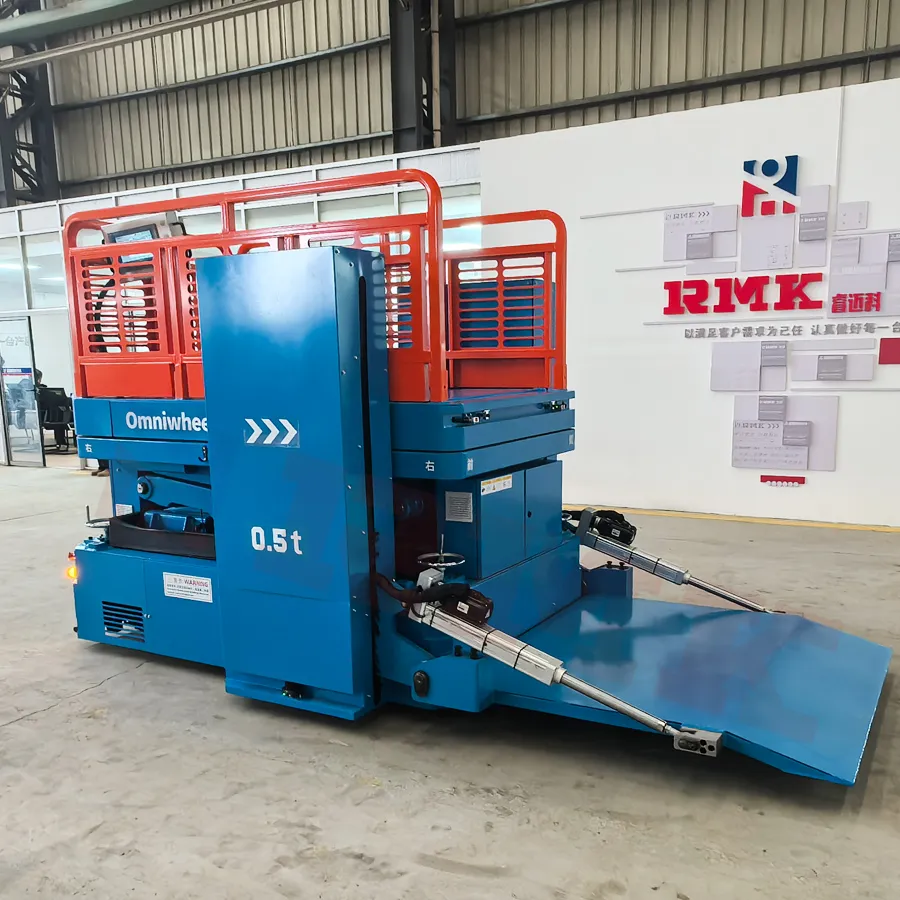
- التحميل والتفريغ: استخدم رافعة شوكية، أو معدات رفع، أو منصة رفع هيدروليكية لتحميل أو تفريغ المواد. يمكن للمنصة الهيدروليكية ضبط ارتفاعها للاتصال بمحطة العمل.
- العودة أو الاستعداد: تعود العربة إلى نقطة البداية أو تدخل دورة التشغيل التالية. لفترات الإيقاف الطويلة، افصل الطاقة وطبق فرامل الانتظار.
تغطي عملية التشغيل الفحص، وتوصيل الطاقة، والتحكم في السفر، وتحديد الموضع، والتحميل والتفريغ، والعودة أو الاستعداد.
كيف تعمل عربة النقل الثقيلة ذات السكك الحديدية؟
A عربة النقل الثقيلة ذات السكك الحديدية تعمل على سكك حديدية فولاذية ثابتة. توجه السكك الحديدية العربة على طول مسار ثابت، بينما يحرك نظام الدفع الحمولة.
- Rail-Guided Travel: Steel wheels run on the rails and keep the cart on the track. Wheel and axle design depends on the load, platform size, and rail layout.
- Drive and Traction: The motor drives the gearbox. The gearbox increases output torque and transfers it to the drive wheels. The wheels generate traction and move the cart forward or backward.
- Control and Positioning: The control system manages start, stop, speed, and direction. Limit switches, proximity sensors, encoders, and PLC control can be used for fixed stopping points and automatic operation.
- Braking and Stopping: The braking system slows and stops the cart. Electromagnetic brakes are commonly used. Emergency stops and anti-collision devices can be added.
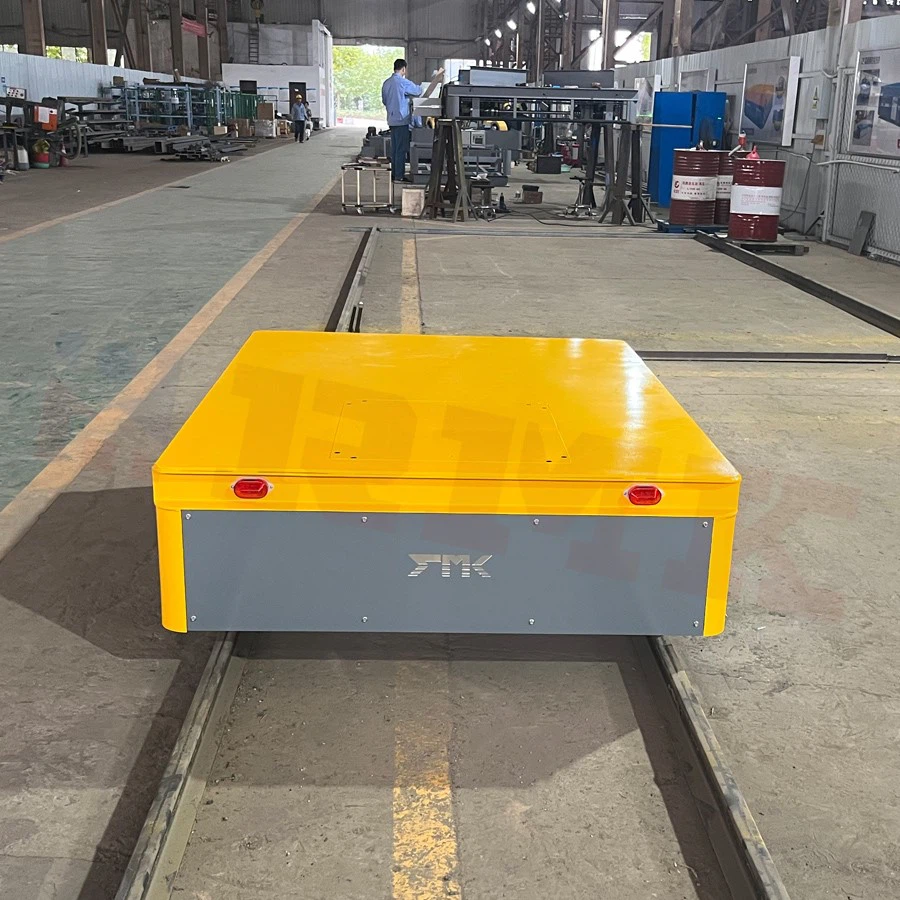
Rail Heavy Duty Transfer Carts are used for repeated heavy-load transport between fixed work areas. They move heavy loads by converting motor power into driving force through the drive system. The motor provides torque, the gearbox increases output force, and the wheels transfer the power to move the cart with the load.
Motor Torque and Gear Reduction
Heavy loads require high torque at low travel speeds. The gearbox reduces motor speed while increasing output torque, allowing the cart to start smoothly and transport heavy materials steadily.
The drive system is selected according to the load weight, travel speed, wheel size, and operating conditions.
Wheel System and Load Distribution
The wheels transfer the driving force to the rail or floor surface while supporting the total load. Multiple wheels and proper axle spacing help distribute the load evenly and reduce stress on the cart structure.
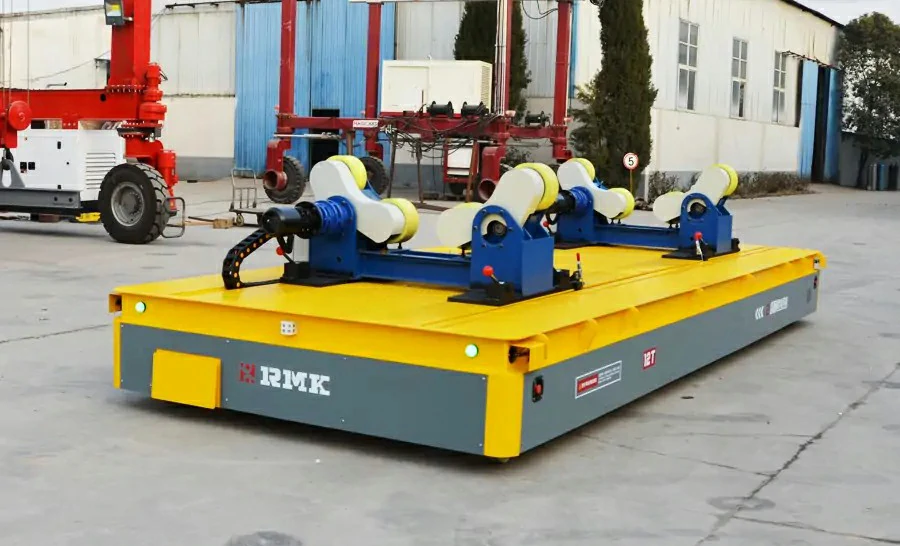
For oversized materials, the platform can be customized with different lengths, widths, and support designs.
For example, a 30-meter-long Rail-Guided Vehicle (RGV) can be designed for transporting extra-long steel pipes and similar materials.
Factors Affecting Movement Performance
| Factor | Impact on Movement |
|---|---|
| سعة التحميل | Determines required motor torque and drive strength |
| سرعة السير | Affects motor and gearbox selection |
| Wheel Design | Influences traction and load support |
| ظروف التشغيل | Affects wheel wear and drive performance |
كيف تتحكم عربة النقل الثقيلة في السرعة والاتجاه؟
The speed and travel direction of a Heavy Duty Transfer Cart are controlled by the electrical control system, which regulates motor operation during movement.
- Speed Control: A variable frequency drive (VFD) adjusts the motor speed during starting, running, and stopping. Smooth acceleration and deceleration help reduce impact on the cart structure, wheels, and transported load.
- Forward and Reverse: The control system changes the motor rotation direction to move the cart forward or backward. Operators can select the travel direction through a pendant controller or wireless remote.
Heavy Duty Transfer Carts are available with manual, remote, or automatic control options. For automated operation, PLC control and sensors can be added to manage travel commands and movement processes.
كيف يؤثر مصدر الطاقة على تشغيل عربة النقل؟
Different power supplies suit different operating conditions.
| Power Supply | التطبيق |
|---|---|
| البطارية | Flexible routes and multi-area transport |
| Low-Voltage Rail | Fixed routes and frequent operation |
| Cable Reel | Fixed routes and short-to-medium travel distances |
Battery capacity, cable length, rail layout, and operating frequency should be considered when selecting the power system.
كيف تتوقف عربة النقل الثقيلة؟
A Heavy Duty Transfer Cart uses the braking and control systems to stop the vehicle.
Normal Braking: The control system reduces the motor speed and activates the brake when the cart reaches the stopping point.
Emergency Stop: An emergency stop button immediately cuts the drive command. The braking system then stops and holds the cart.
Anti-Collision Protection: Sensors, buffers, warning lights, and alarms can be added to reduce collision risks.
The safety configuration depends on the operating environment, travel route, and automation level.
ما هي الأجزاء التي تجعل عربة النقل تعمل؟
A Heavy Duty Transfer Cart consists of several systems that work together to move and control heavy loads.
| المكون | Main Function |
|---|---|
| Frame | Welded steel structure that supports the load and holds the main components. |
| المحرك | Provides driving power for the cart. AC or DC motors can be used according to the cart design. |
| Speed Reducer | Reduces motor speed and increases output torque for heavy-load travel. |
| Power Supply | Provides electricity through batteries, cable reels, low-voltage rails, or other suitable systems. |
| نظام التحكم | Controls starting, stopping, direction, speed, and other travel functions through the control cabinet, PLC, or inverter. |
| العجلات | Support the cart and transfer driving force to the ground or rails. Rail carts use steel rail wheels, while trackless carts use wheels with steering systems. |
| نظام الفرامل | Controls deceleration and stops the cart. Electromagnetic or mechanical brakes can be used. |
| أجهزة السلامة | Include emergency stops, warning lights, alarms, buffers, limit switches, and anti-collision devices. |
The component configuration is selected according to load capacity, travel route, power supply, operating frequency, and automation requirements.
For details on the classification and applications of transfer cart wheels, see the article: “Types of Wheels for Transfer Carts”
Maintenance and usage precautions for the power supply are critical for transfer carts, as they affect the equipment’s operational efficiency and costs. For details, see:
- إدارة البطارية لعربة نقل البطارية
- How to Solve the Problem of Transfer Trolley Batteries Not Lasting as Long in Winter?
Proper safety configurations and regular maintenance schedules for transfer carts not only ensure more efficient material handling operations but also extend the equipment’s service life. For more information, read: دليل صيانة العربة الناقلة الكهربائية التي تعمل بالبطارية: الفحص اليومي والعناية بالبطارية
ما الذي يؤثر على أداء عربة النقل الثقيلة؟
Several factors affect how a Heavy Duty Transfer Cart runs and handles loads.
| Factor | Main Effect |
|---|---|
| سعة التحميل | Determines frame, motor, wheels, and braking requirements. |
| Travel Distance | Affects power supply and battery capacity. |
| سرعة السير | Affects motor and gearbox selection. |
| المسار | Determines rail or trackless configuration. |
| Operating Frequency | Affects drive and cooling requirements. |
| بيئة العمل | Affects motor, electrical, and safety configurations. |
| مستوى الأتمتة | Determines PLC, sensors, positioning, and control systems. |
The cart configuration should match the load, route, operating conditions, and control requirements.
كيف تختار عربة نقل ثقيلة؟
Choose the transfer cart according to the load, route, distance, working frequency, power supply, and site conditions.
- 1. Load Capacity — Check the maximum load weight and load dimensions.
- 2. Platform Size — Select the platform length and width according to the load size and support points.
- 3. Travel Route — Choose a rail or trackless cart based on the transport route and floor conditions.
- 4. Travel Distance — Check the distance between loading and unloading points.
- 5. Travel Speed — Select the running speed according to the transport cycle and site requirements.
- 6. Power Supply — Choose battery power, low-voltage rail power, or cable reel power according to the route and operating conditions.
- 7. Working Frequency — Consider the number of transport cycles and daily operating hours.
- 8. Working Environment — Check site conditions such as temperature, dust, water, and heat.
- 9. Control Method — Choose pendant control, wireless remote control, PLC control, or automatic control based on the operating method.
- 10. Safety Requirements — Specify brakes, emergency stops, alarms, buffers, and anti-collision devices according to the site.
For a custom Heavy Duty Transfer Cart, provide the load weight, load dimensions, travel distance, route, operating frequency, power supply, and working environment to the manufacturer.
الخاتمة
A Heavy Duty Transfer Cart uses the power supply, motor, gearbox, wheels, control system, and braking system to move heavy loads along a fixed or designated route. Load capacity, platform size, travel distance, power supply, route, and working conditions determine the cart configuration.
مدهش provides Heavy Duty Transfer Carts for different load capacities and operating conditions, with customized platforms, drive systems, power supplies, and control systems. اتصل بنا with your load, route, and operating requirements for a suitable transfer cart solution.
البريد الإلكتروني: transfercart@rmkzn.com
الهاتف: +86-18637369355
الأسئلة الشائعة
How does a Heavy Duty Transfer Cart work?
A Heavy Duty Transfer Cart uses an electric drive system to move heavy loads along rails or a designated route. The motor, gearbox, wheels, control system, and braking system work together during operation.
How does a transfer cart get power?
A transfer cart can use batteries, low-voltage rail power, or a cable reel. The power supply is selected according to the travel route, distance, and operating conditions.
How does a rail transfer cart move?
The motor drives the gearbox and drive wheels. Steel wheels run along fixed rails and move the cart along the designated route.
How does a transfer cart carry heavy loads?
The steel frame supports the load and distributes its weight across the wheel assemblies. Motor torque and gear reduction provide the force needed to move the loaded cart.
How is the speed of a Heavy Duty Transfer Cart controlled?
A variable frequency drive controls motor speed during travel. The control system can also manage acceleration, deceleration, and stopping.
How does a transfer cart stop?
The control system reduces or stops motor output, while the braking system stops and holds the cart. Emergency stop devices can be used when required.
Can a Heavy Duty Transfer Cart operate automatically?
Yes. PLC control, positioning sensors, limit switches, and other control devices can be integrated for automatic transport and positioning.
What factors affect transfer cart performance?
Load capacity, travel speed, route, travel distance, power supply, working frequency, floor or rail conditions, and working environment all affect transfer cart performance.