جدول المحتويات
مقدمة
يعد اختيار سعة عربة النقل المناسبة للخدمة الشاقة أمراً مهماً للنقل الآمن والفعال للأحمال الثقيلة. يجب أن تتوافق السعة المختارة مع وزن الحمولة الفعلي، وتوزيع الحمل، وحجم المنصة، وظروف العمل بدلاً من النظر فقط في وزن الحمل الواحد.
في هذه المقالة، سأشرح كيفية اختيار سعة عربة النقل للخدمة الشاقة من نقاط الاختيار العملية، بما في ذلك حساب سعة تحميل عربة النقل، والعوامل المؤثرة على السعة، وأخطاء الاختيار الشائعة، وكيفية تقييم المصنّعين لمتطلبات الأحمال المختلفة. يمكن أن تساعدك هذه التفاصيل في اختيار عربة النقل تكوين مناسب لتطبيق المناولة الصناعية الخاص بك.
ما هي سعة تحميل عربة النقل؟
تشير سعة تحميل عربة النقل إلى الحد الأقصى للحمل المقدر الذي يمكن لعربة النقل نقله تحت ظروف تشغيل محددة. يتم تحديدها من خلال التصميم الكامل للعربة، بما في ذلك وزن الحمولة، وقوة الهيكل، وحمل العجلة، وسعة نظام الدفع. تصنيف السعة هو حد هندسي، وليس فقط الوزن المدوّن على لوحة بيانات المنتج.
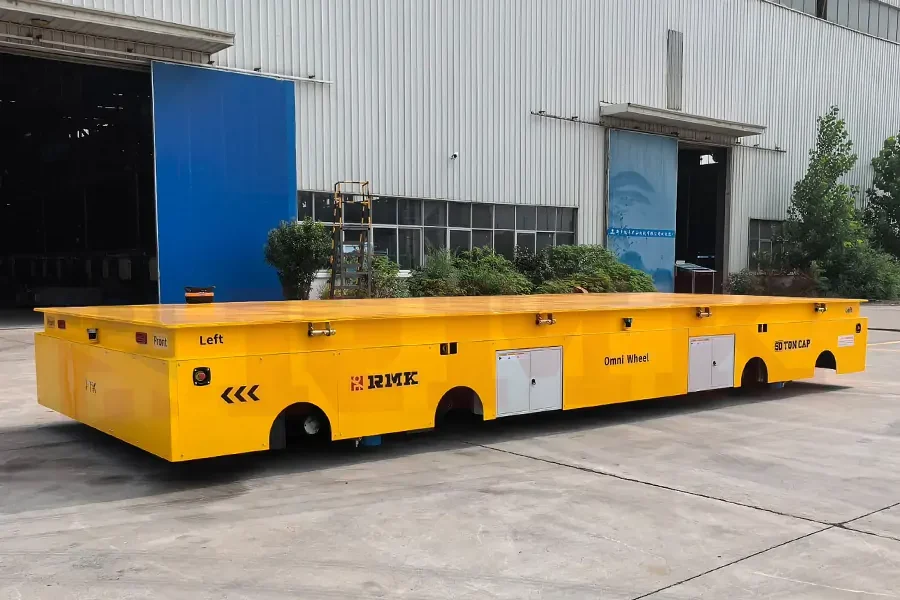
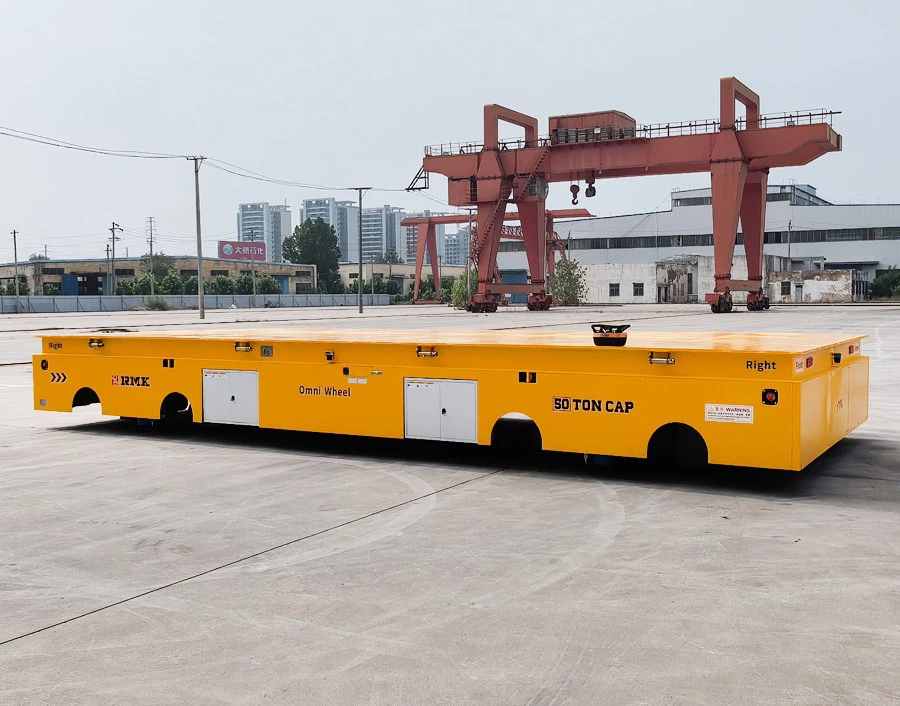
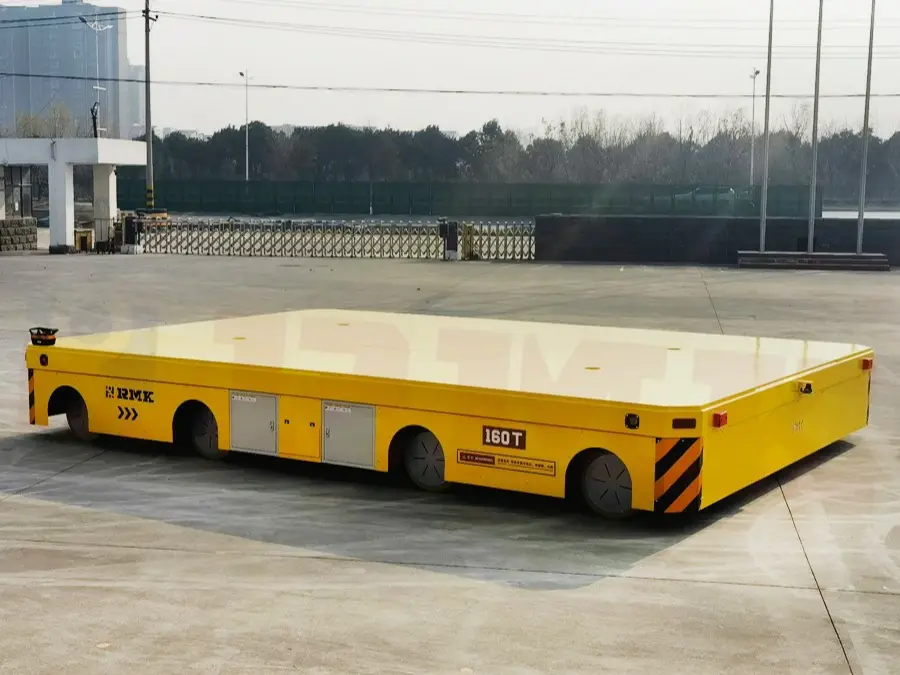
السعة المقدرة، مثل عربة نقل بسعة 50 طناً، تعني أن العربة مصممة لنقل أحمال تصل إلى 50 طناً تحت ظروف العمل العادية. يجب أن يتحمل الهيكل الانحناء والإجهاد أثناء التشغيل، ويجب أن تتحمل العجلات ضغط العجلة الفعلي على السكة أو الأرضية، ويجب أن يوفر المحرك وعلبة التروس قوة جر كافية للبدء والسير والتوقف مع الحمل المقدر.
عند اختيار عربة نقل، يجب أن تتوافق سعة التحميل مع أثقل حمل متوقع، وتوزيع الحمل، وظروف السير، ودورة العمل. قد تتطلب عربة بتصنيف 50 طناً تكوينات مختلفة اعتماداً على حمل العجلة وظروف المسار وتكرار التشغيل. يتم تحديد سعة العمل الفعلية من خلال النظام الكامل وليس وزن الحمولة وحده.
كيف يتم حساب سعة تحميل عربة النقل المطلوبة؟
يتم تحديد سعة تحميل عربة النقل المطلوبة من خلال الحد الأقصى للحمولة، وحالة الحمل، ومتطلبات التشغيل. يجب أن تغطي السعة المختارة أثقل حمل وتسمح بهامش كافٍ للصدمات والتحميل غير المتساوي والتشغيل المتكرر. الحساب الأساسي هو:
السعة المطلوبة = الحد الأقصى لوزن الحمل × هامش الأمان
الخطوة 1: تأكيد الحد الأقصى لوزن الحمل
احسب السعة بناءً على أثقل حمل سيتم نقله.
- الحد الأقصى لوزن المواد
- أكبر حمل إنتاجي
- الزيادة المستقبلية في الحمل
مثال: مصنع ينقل هياكل فولاذية بوزن 45 طناً يجب أن يختار سعة عربة نقل أعلى من 45 طناً، مثل طراز 50 طناً.
الخطوة 2: التحقق من توزيع الحمل
يؤثر موضع الحمل على ضغط العجلة وإجهاد الهيكل.
- موضع مركز الحمل
- طول وعرض البضاعة
- حالة التحميل غير المركزي
الحمل بوزن 50 طناً لا يطبق دائماً 12.5 طناً على كل عجلة. يمكن أن يؤدي التحميل غير المتساوي إلى زيادة الضغط على العجلات الفردية، لذلك يجب أن يتوافق تصميم الهيكل والمحور والعجلة مع حالة التحميل الفعلية.
الخطوة 3: اختيار هامش الأمان
يغطي هامش الأمان القوى الإضافية أثناء التشغيل.
تشمل العوامل الرئيسية:
- قوة البدء والتوقف
- تأثير الكبح
- حركة الحمل أثناء النقل
عربة النقل للخدمة الشاقةيتم اختيارها عموماً بسعة إضافية بدلاً من التشغيل المستمر عند الحد الأقصى للحمل المقدر.
الخطوة 4: التحقق من حمل العجلة وظروف الأرضية
يجب أن يتوافق حمل العجلة مع قوة السكة أو الأرضية.
- الحد الأقصى لضغط العجلة
- نوع السكة
- سعة تحمل الأرضية
على سبيل المثال، عربة نقل بسعة 50 طناً بأربع عجلات قد تولد حوالي 12.5 طناً من الحمل لكل عجلة تحت ظروف متوازنة. يزداد حمل العجلة الفعلي تحت التحميل غير المتساوي.
الخطوة 5: مطابقة نظام الدفع
يجب أن يتعامل نظام الدفع مع:
- إجمالي الوزن المتحرك
- مسافة السير
- تكرار العمل
- السرعة المطلوبة
تعتمد سعة البطارية وقدرة المحرك واختيار علبة التروس على دورة العمل. عربة ذات سعة تحميل كافية ولكن قوة دفع غير كافية لا يمكنها تلبية متطلبات التشغيل.
يتم تحديد سعة تحميل عربة النقل الصحيحة من خلال أدنى قيد بين وزن الحمولة، وحمل العجلة، وقوة الهيكل، وقدرة الدفع.
العوامل المؤثرة على سعة عربة النقل للخدمة الشاقة
يتم تحديد سعة عربة النقل للخدمة الشاقة من خلال متطلبات الحمل، والتصميم الهيكلي، وظروف التشغيل، وبيئة العمل. تؤثر العوامل التالية على اختيار السعة الفعلية.
- Payload Weight: The rated capacity should match the maximum load weight, including the heaviest material or component handled.
- Frame Structure and Platform Size: Frame strength depends on steel plate thickness, beam design, welding structure, and platform dimensions.
- Load Distribution: Uneven or concentrated loads affect wheel pressure and frame stress. Load position should be considered during capacity selection.
- Wheel Load and Ground Condition: Wheel quantity, wheel size, rail type, and floor strength affect the allowable load capacity.
- Drive and Braking System: Motor, gearbox, and braking capacity determine whether the cart can move and stop safely under full load.
- Working Frequency and Travel Distance: Frequent operation and long travel distances require suitable drive systems, battery capacity, and mechanical components.
- Operating Environment: Indoor/outdoor conditions, temperature, dust, moisture, and floor conditions affect the cart configuration.
The correct Heavy Duty Transfer Cart capacity should match the complete working condition, not only the payload weight.
نطاق سعة عربة النقل للخدمة الشاقة
Heavy Duty Transfer Carts are available in different capacity ranges for various industrial material handling applications. RMK provides standard models from 1–500 tons and customized solutions up to 1500 tons for special heavy load projects.
| نطاق السعة | التطبيقات | Common Loads |
|---|---|---|
| 1–20 Tons | Small workshops, factory material handling | Factory components, small machinery, production parts |
| 20–100 Tons | Heavy manufacturing and industrial transportation | Steel structures, machinery equipment, large molds |
| 100+ Tons | Ultra-heavy industrial applications | Ship blocks, large industrial equipment, heavy fabrication components |
| Customized Capacity | Special heavy load projects | Oversized structures and special industrial equipment |
آر إم كيه selects the suitable transfer cart capacity according to load weight, platform size, transport conditions, and working frequency. Custom designs are available for applications beyond standard capacity ranges.
كيف تؤثر السعة على تصميم عربة النقل؟
Transfer Cart capacity affects the selection of the frame, wheels, drive system, power supply, and safety configuration. Higher load requirements require stronger structures and suitable components based on the working conditions.
- Frame Structure — Higher capacity requires reinforced steel frames, thicker plates, and stronger beam structures.
- Wheel and Axle Design — Wheel size, quantity, and axle strength are selected according to load distribution and wheel pressure.
- Drive System — Motor, gearbox, and braking capacity are matched with the rated load and operating cycle.
- Power Supply — Battery, cable reel, busbar, or rail power systems are selected according to travel distance and operation requirements.
- Safety Configuration — Safety devices such as emergency stop, limit switches, warning lights, and anti-collision sensors are configured based on application conditions.
The transfer cart design is determined by the required capacity and working environment. Each load level requires matching structural and mechanical configurations.
كيف تختار بين سعات عربات النقل المختلفة؟
Selecting a transfer cart capacity starts with the maximum load requirement. Load weight, cargo dimensions, operating conditions, and site conditions determine the suitable capacity range.
Step 1: Confirm Maximum Load
Check the heaviest load to be transported. Consider load distribution, including concentrated load, distributed load, and off-center load conditions. Reserve capacity margin for future load changes.
Step 2: Check Load Size and Space Conditions
Confirm the cargo length, width, and height. Check aisle width, door clearance, and workshop layout to determine the suitable platform size and steering method.
Step 3: Check Operating Conditions
Review:
- Travel distance and daily running time
- تردد التشغيل
- Rail or floor conditions
- Temperature, dust, moisture, and special protection requirements
These factors affect power supply, wheel design, and equipment configuration.
Step 4: Verify Wheel Load
Check whether the rail or floor can support the wheel load. The actual load on each wheel depends on the total weight, wheel arrangement, and load position.
Step 5: Select the Suitable Capacity
Avoid undersized capacity that may cause overload during operation. Avoid excessive capacity that increases equipment cost. Select a capacity that matches the actual load and working conditions.
Capacity selection should match the load, working route, and operating conditions to avoid under-capacity or unnecessary oversizing.
الأخطاء الشائعة عند اختيار سعة تحميل عربة النقل
Selecting Transfer Cart Load Capacity based only on the load weight can lead to incorrect configuration. The following mistakes are common during equipment selection.
| Common Mistake | الوصف |
|---|---|
| Selecting Capacity Only by Load Weight | Load weight is not the only factor. Load distribution, wheel pressure, travel conditions, and operating frequency also affect capacity selection. |
| Ignoring Load Distribution | Uneven or off-center loads increase stress on specific wheels and frame sections. The cart design should match the actual loading condition. |
| Choosing Excessive Capacity | Higher capacity increases frame size, drive requirements, and equipment cost. Oversized capacity may add unnecessary investment. |
| Ignoring Future Load Changes | Selecting only for current loads may limit future production needs. A reasonable capacity margin should be considered. |
| Overlooking Working Environment | Temperature, dust, moisture, floor condition, and operating space affect the cart configuration and capacity selection. |
Correct capacity selection requires checking the complete working condition instead of focusing on the load value alone.
كيف تساعد RMK في اختيار سعة عربة النقل المناسبة للخدمة الشاقة؟
RMK selects Heavy Duty Transfer Cart capacity based on the actual load requirements, transport conditions, and factory environment. The engineering team evaluates key parameters before recommending the suitable configuration.
- Load Analysis
Review the load weight, dimensions, loading position, and operation frequency to determine the required capacity range. - Structural Design
Configure the frame, platform, wheels, and drive system according to the rated load and working conditions. - Power System Selection
Recommend battery, cable reel, busbar, or rail power systems based on travel distance and operating cycle. - تهيئة مخصصة
Provide customized solutions for special applications, including different capacities, platform sizes, steering systems, and control methods.
RMK provides Heavy Duty Transfer Cart solutions from standard capacities to customized heavy load applications, supporting customers with engineering design, manufacturing, and technical service.
الخاتمة
Selecting the right Heavy Duty Transfer Cart capacity requires a complete evaluation of load weight, cargo dimensions, transport route, working frequency, and operating environment. The required tonnage should match the actual handling conditions, not only the weight of the transported material.
مدهش provides customized Heavy Duty Transfer Cart solutions for different industrial applications, covering various load capacities, power systems, platform designs, and control configurations. With professional engineering support, export experience, and strict quality control, REMARKABLE supplies transfer carts for steel plants, machinery factories, shipyards, and other heavy industries.
From capacity selection and technical design to manufacturing, delivery, installation guidance, and after-sales support, REMARKABLE works with customers to provide complete material handling solutions. Contact us to discuss your Heavy Duty Transfer Cart requirements and select the right configuration for your project.
البريد الإلكتروني: transfercart@rmkzn.com
الهاتف: +86-18637369355
الأسئلة الشائعة
How do I calculate Heavy Duty Transfer Cart capacity?
Heavy Duty Transfer Cart capacity is calculated based on the maximum load weight, load distribution, operating conditions, and safety margin. The selection should also consider wheel load, frame strength, drive system capacity, and working frequency.
What is Transfer Cart Load Capacity?
Transfer Cart Load Capacity refers to the maximum rated load a transfer cart can transport under specified working conditions. It is determined by the payload, frame structure, wheel load, drive system, and operating environment.
ما مقدار الوزن الذي يمكن لعربة النقل للخدمة الشاقة حمله؟
A Heavy Duty Transfer Cart typically carries loads from 1 to 500 tons. Customized models can be designed for special projects with capacities up to 1500 tons.
Should I choose a transfer cart with extra capacity?
A reasonable capacity margin should be considered for future load changes and operating impact. Excessive capacity increases equipment cost and may require larger structures and drive systems.
Does platform size affect transfer cart capacity?
Yes. Platform size affects frame design, load distribution, and wheel pressure. Large or irregular loads may require a larger deck structure even when the total weight is within the rated capacity.
What safety factor is used for transfer carts?
The safety factor depends on the load type, working conditions, and design requirements. It is used to account for starting force, braking impact, uneven loading, and repeated operation.
هل يمكن تخصيص عربة النقل لأحمال خاصة؟
Yes. Transfer carts can be customized for special loads with different capacities, platform sizes, wheel arrangements, power systems, steering methods, and control configurations.
What information is needed before selecting a transfer cart?
The main information includes load weight, load dimensions, transport distance, travel route, working frequency, floor or rail condition, power supply requirements, and operating environment.