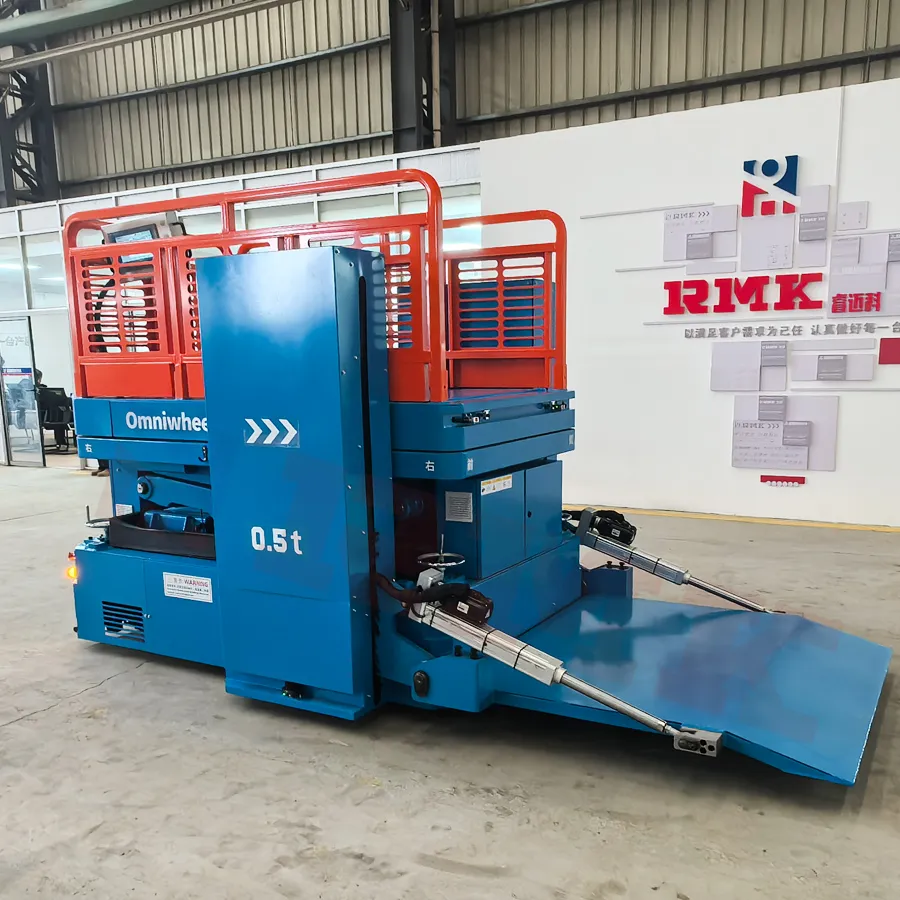
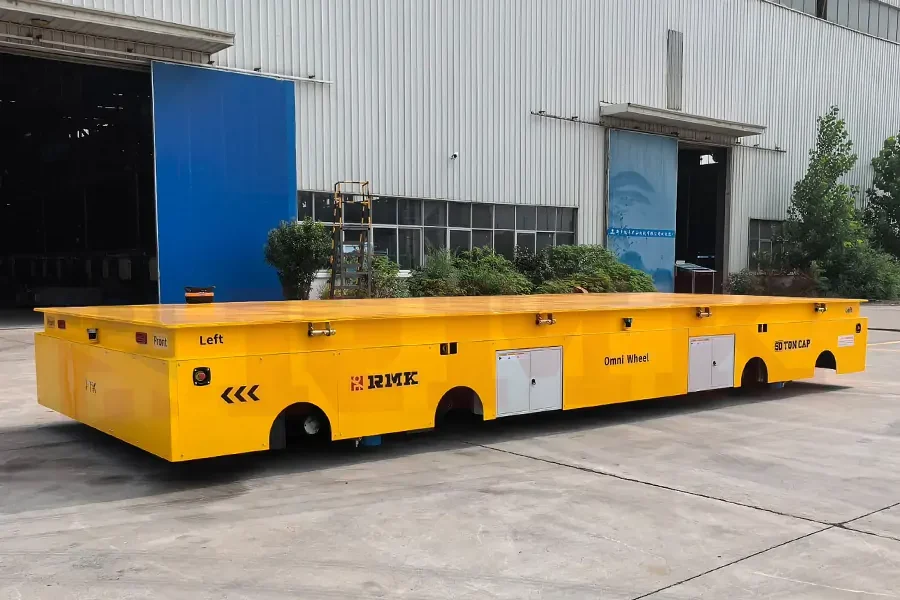
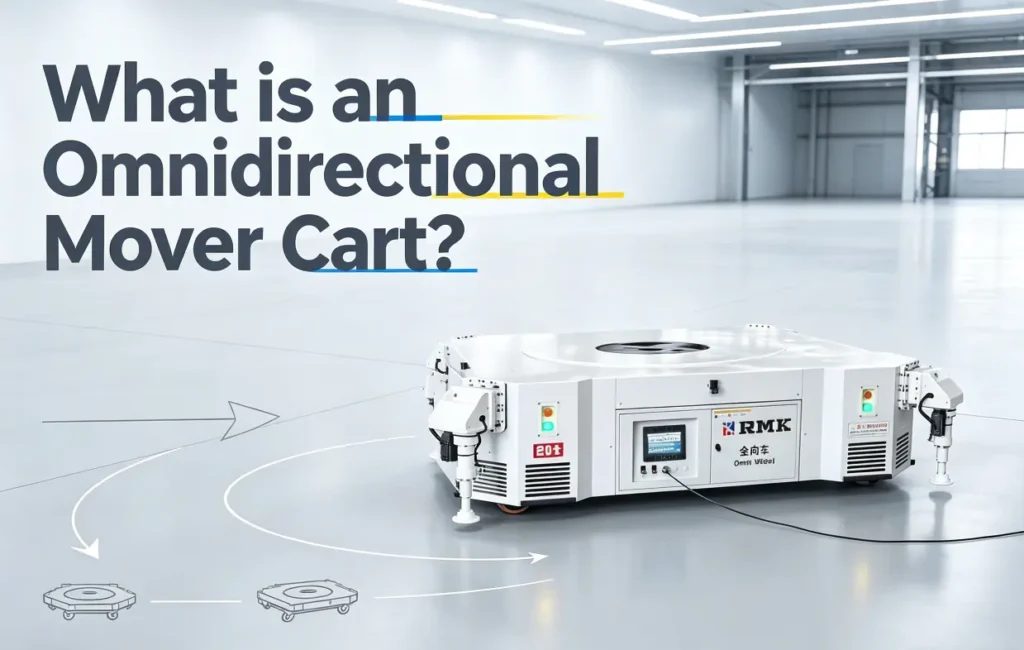
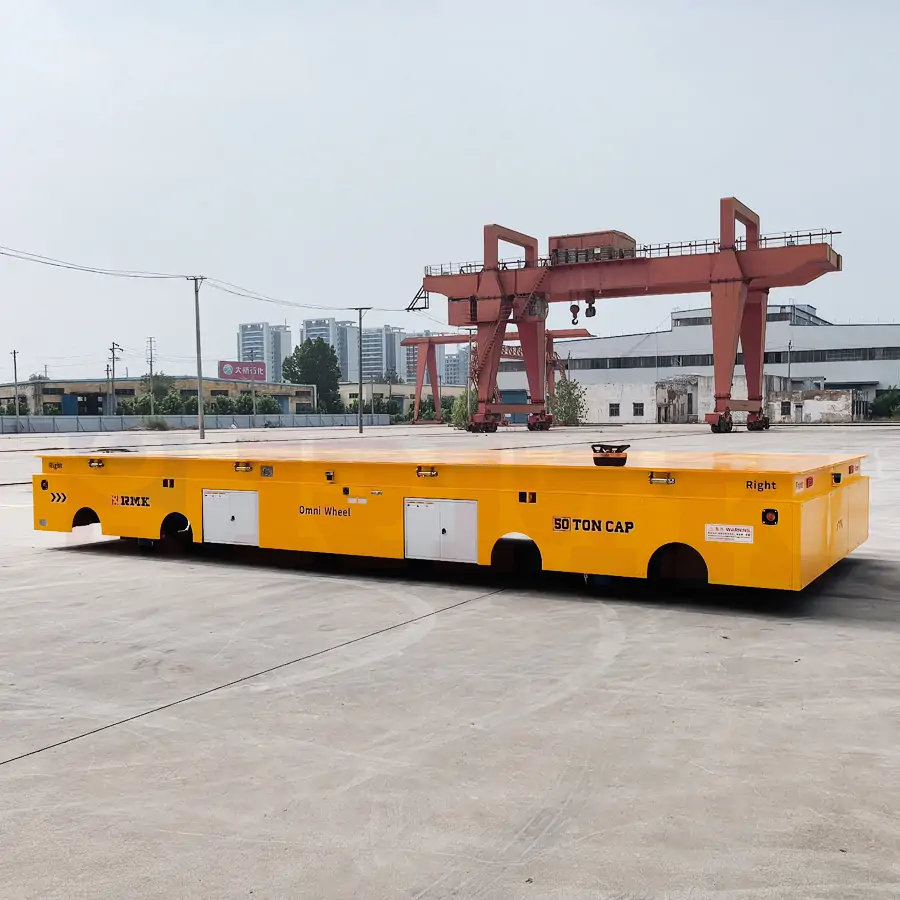
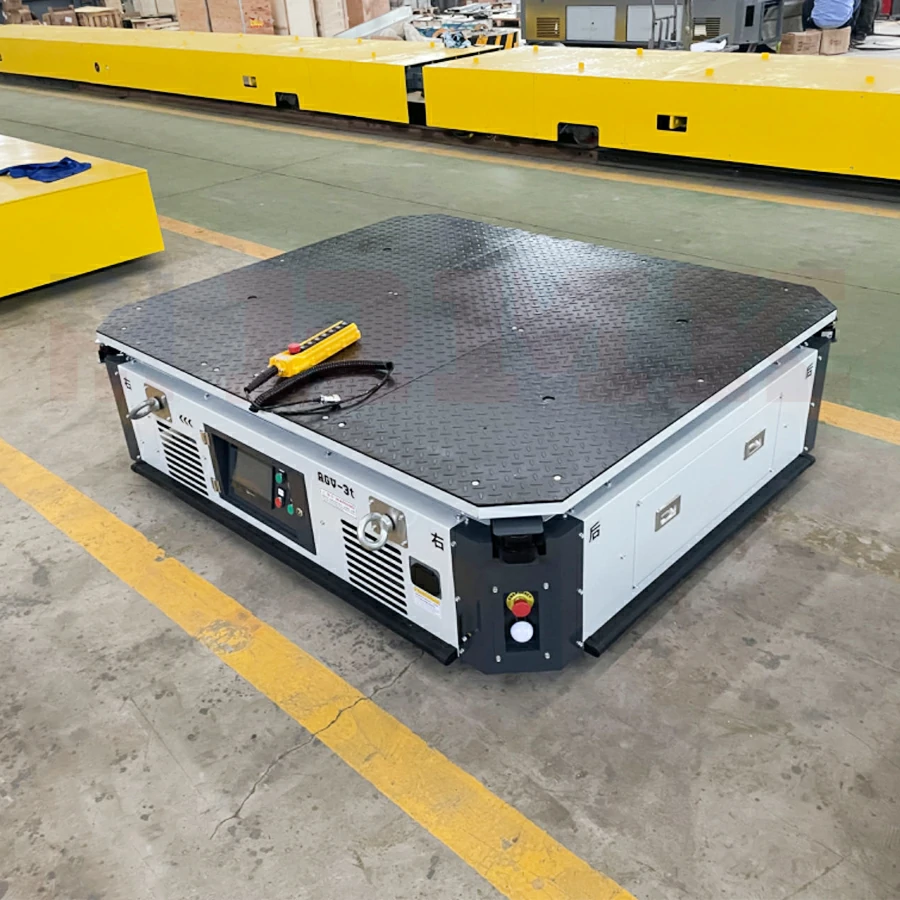
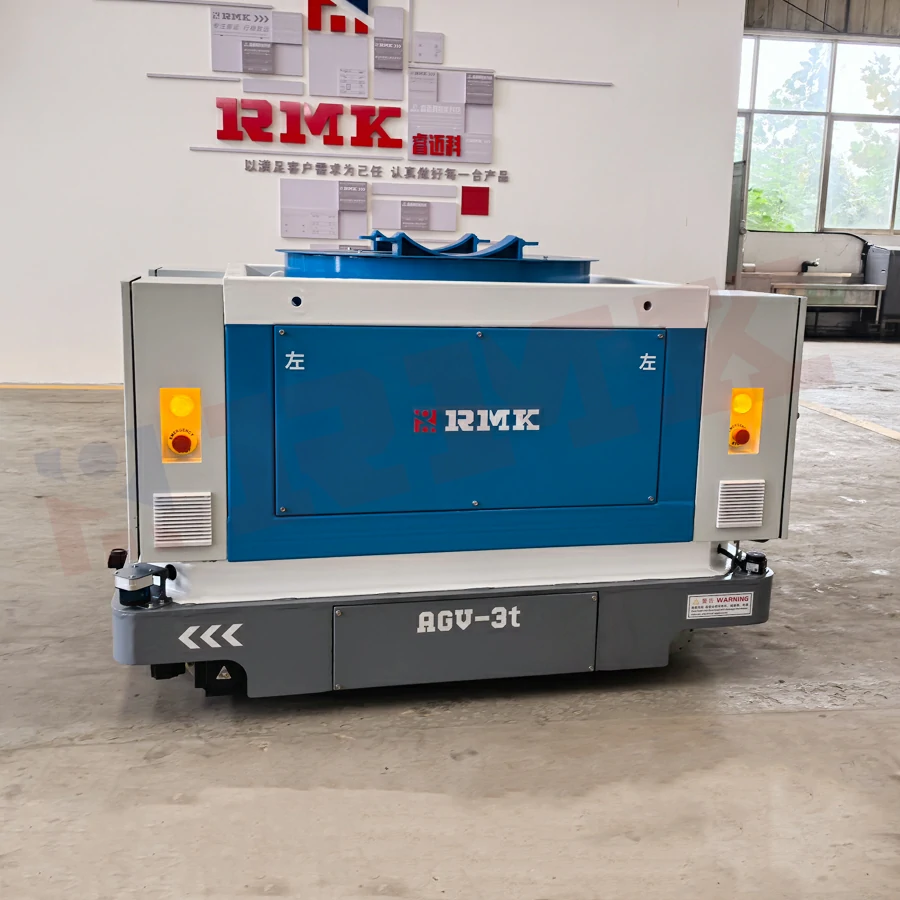
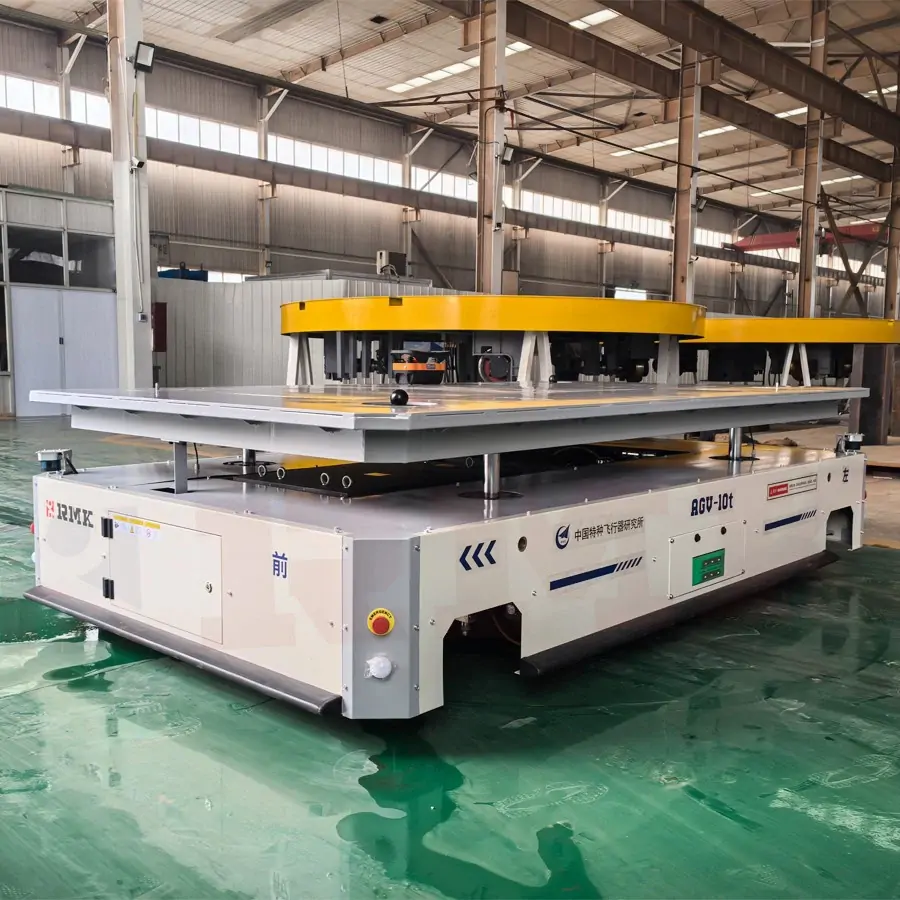
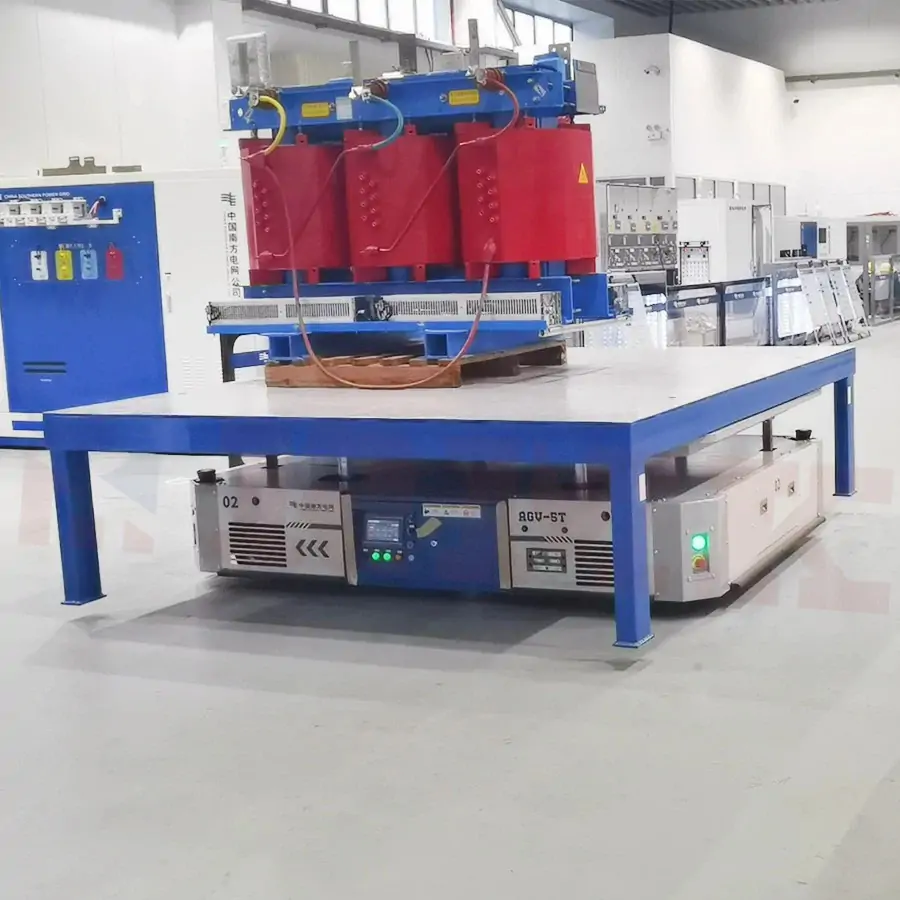
الفرق الرئيسي بين عربة النقل متعددة الاتجاهات و عربة نقل غير مجنزرة هو القدرة على الحركة.
تتحرك عربة النقل غير المقيدة للأمام وتدور بنصف قطر دوران مطلوب، بينما يمكن لعربة النقل متعددة الاتجاهات التحرك في أي اتجاه، بما في ذلك الحركة الجانبية والدوران في المكان دون تغيير اتجاه المركبة.
عربة النقل متعددة الاتجاهات مقابل عربة النقل غير المقيدة
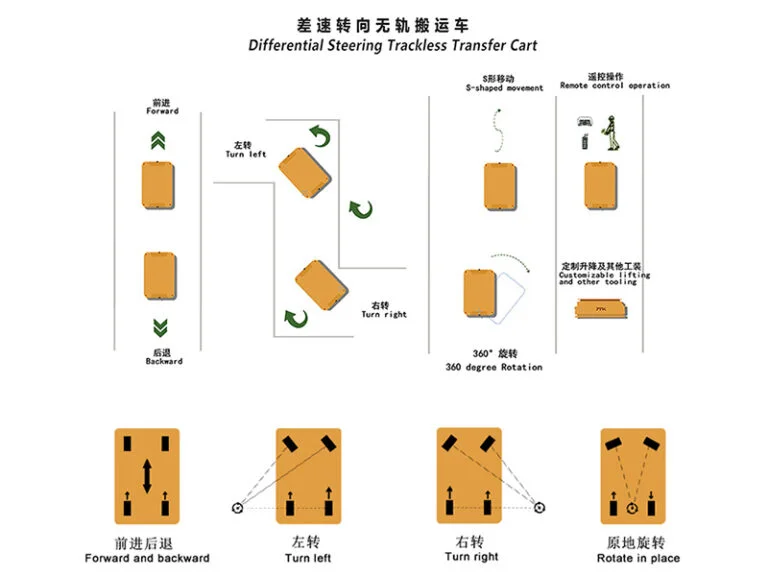
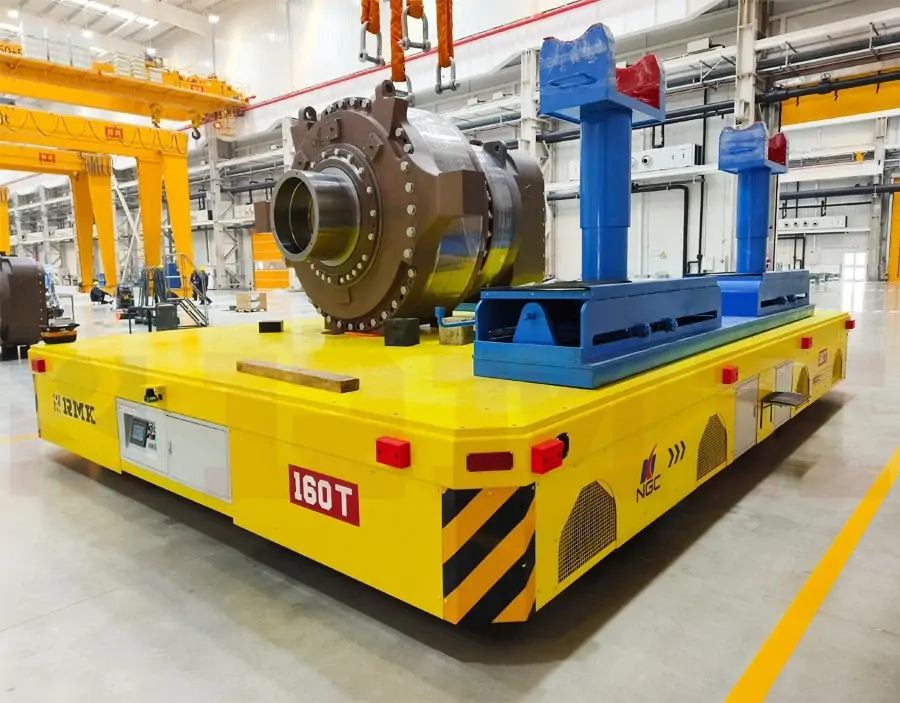
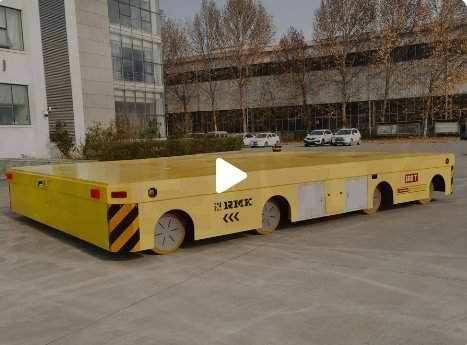
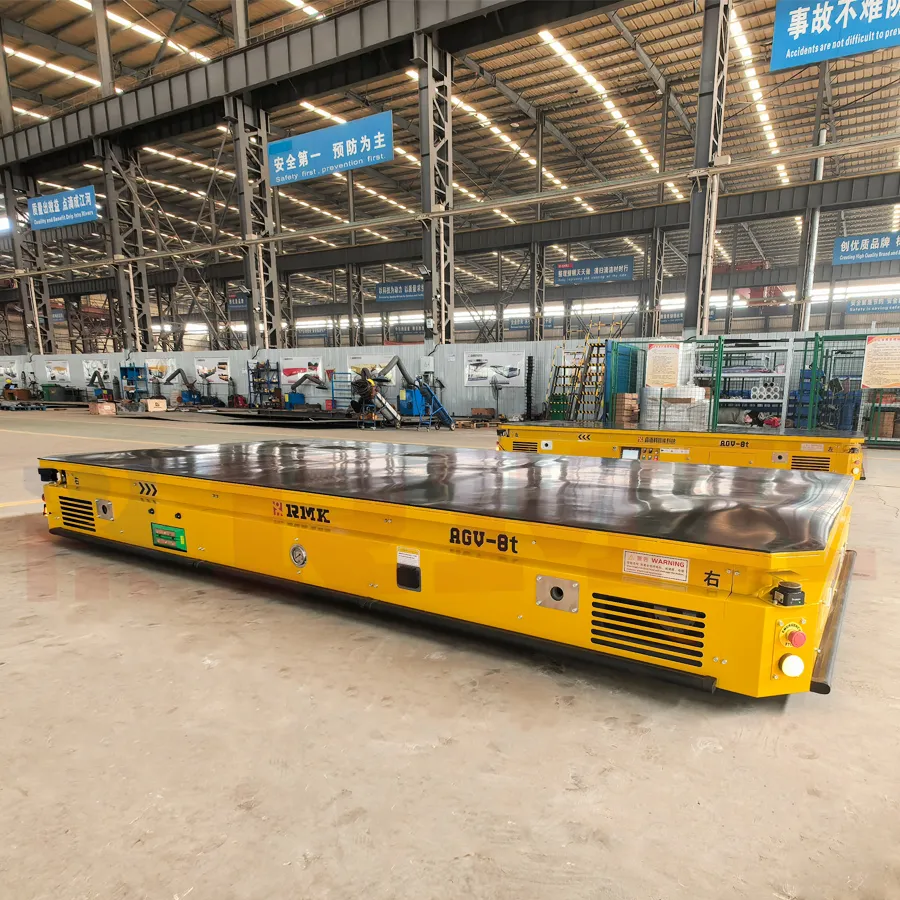
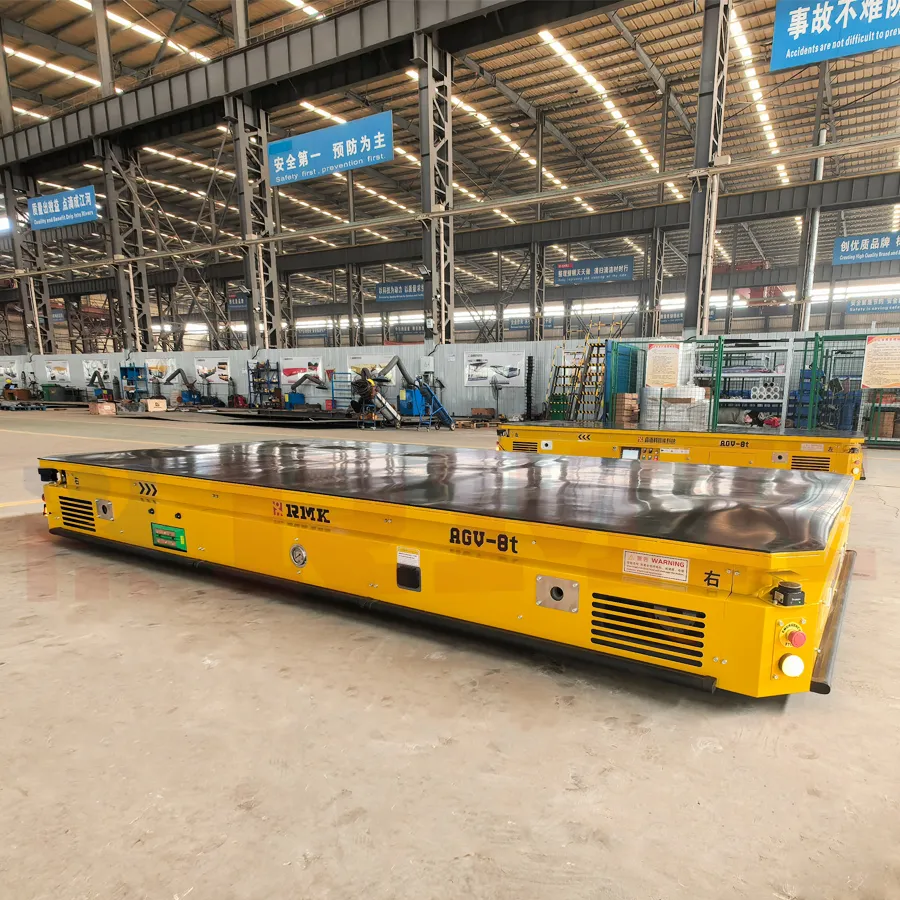
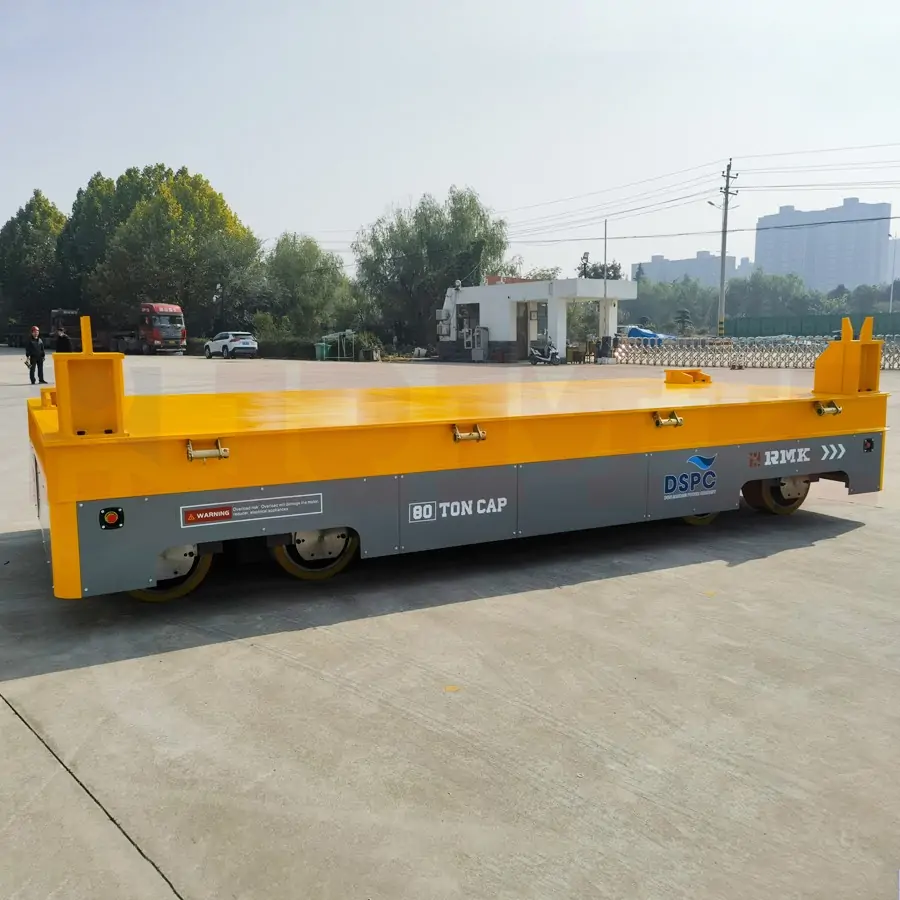
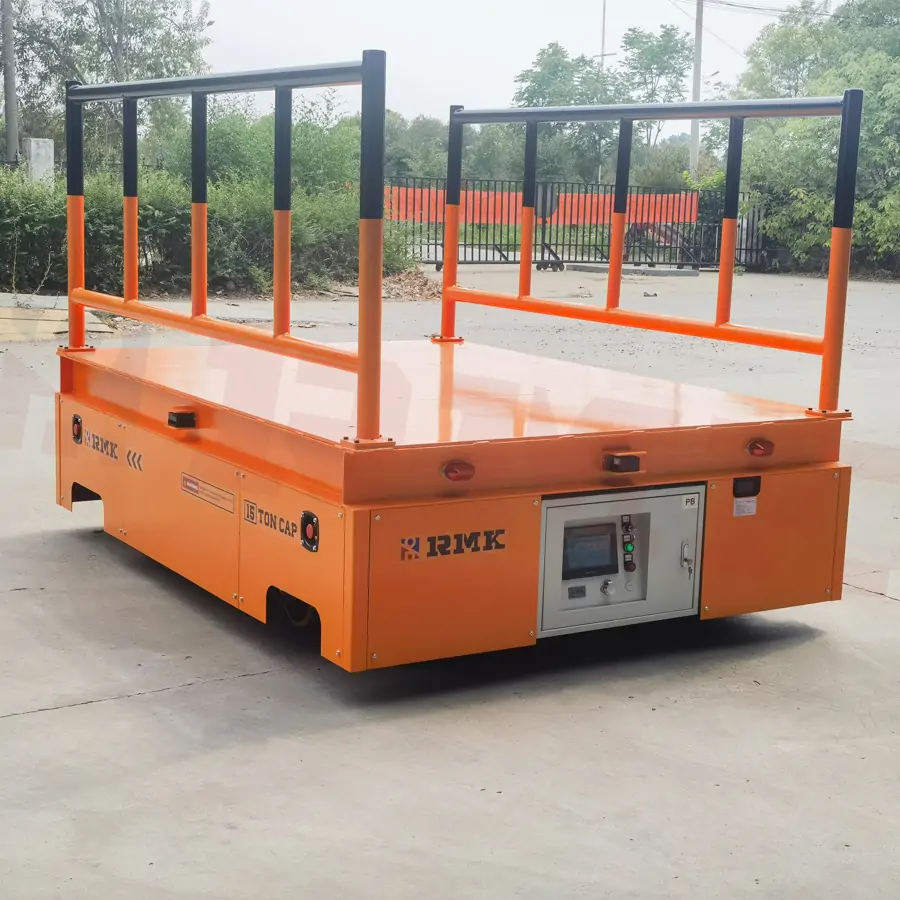
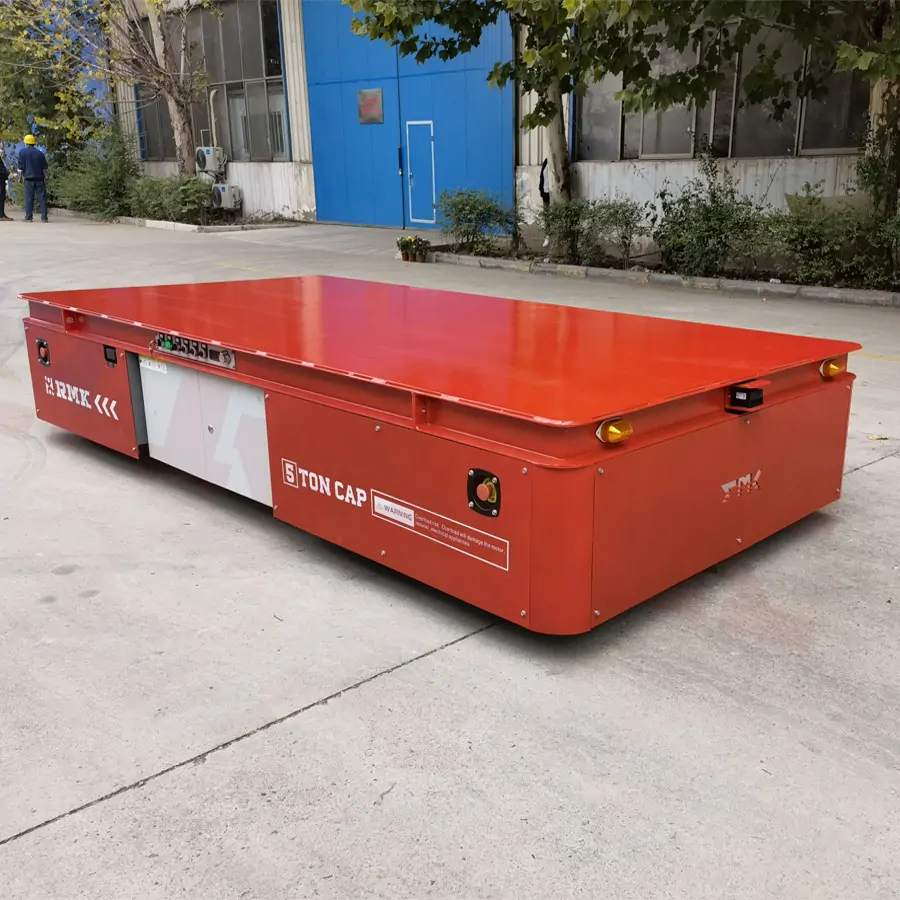
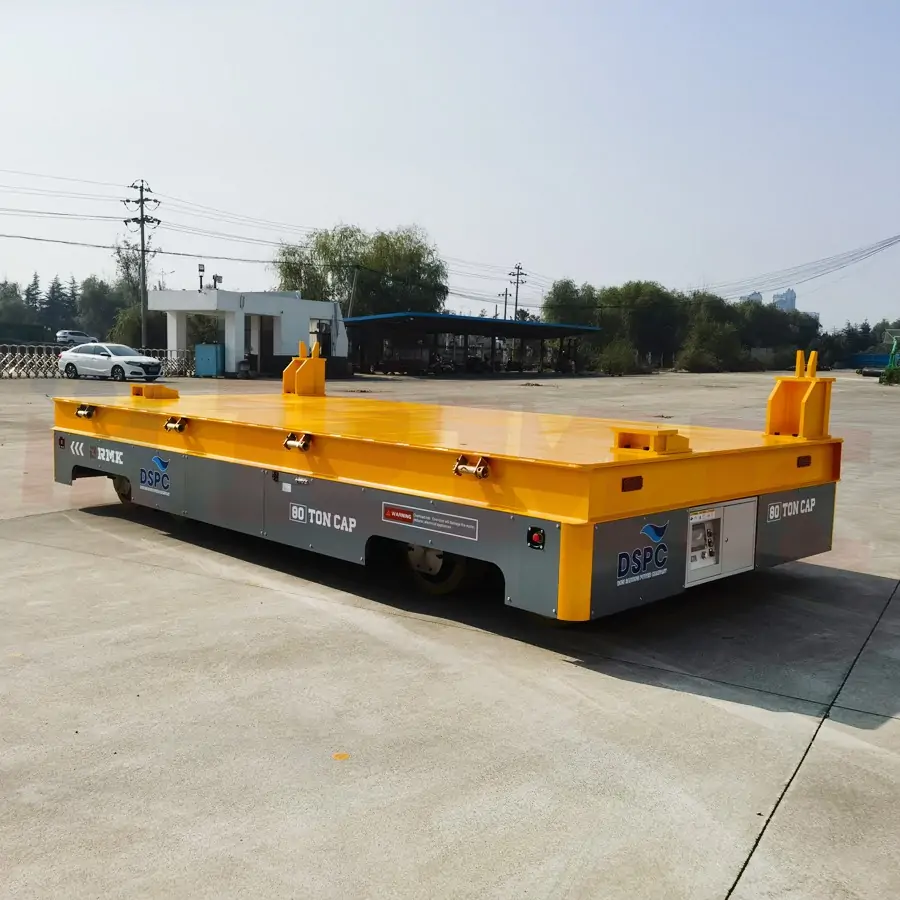
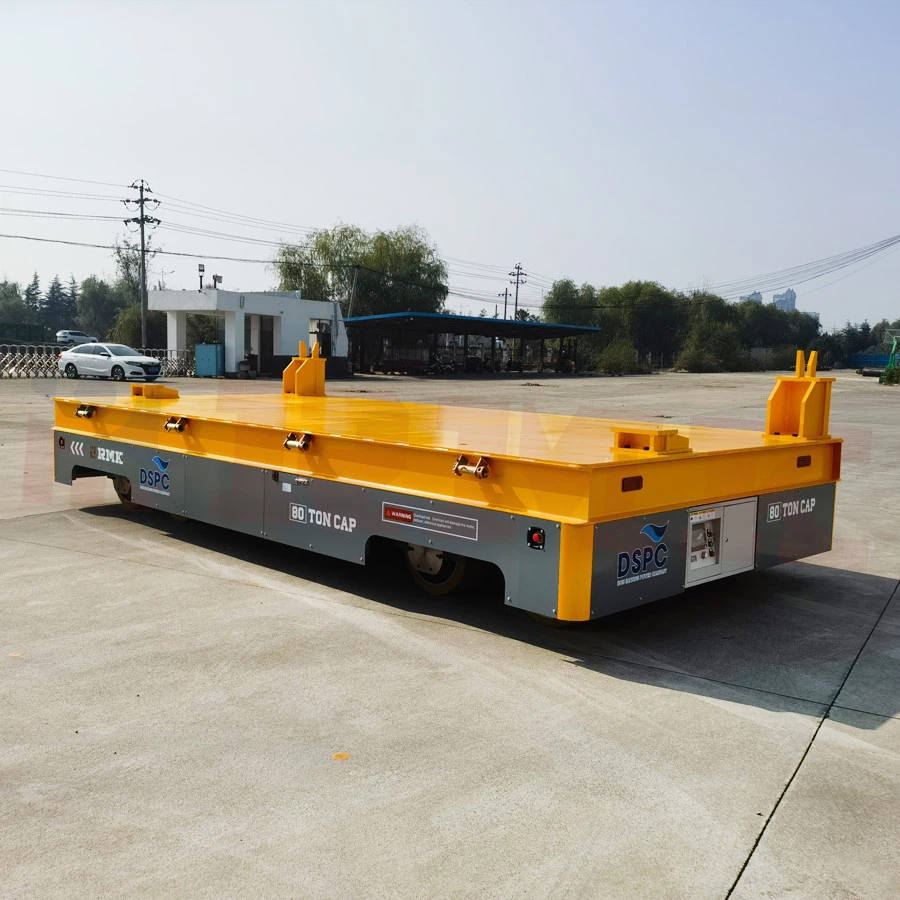
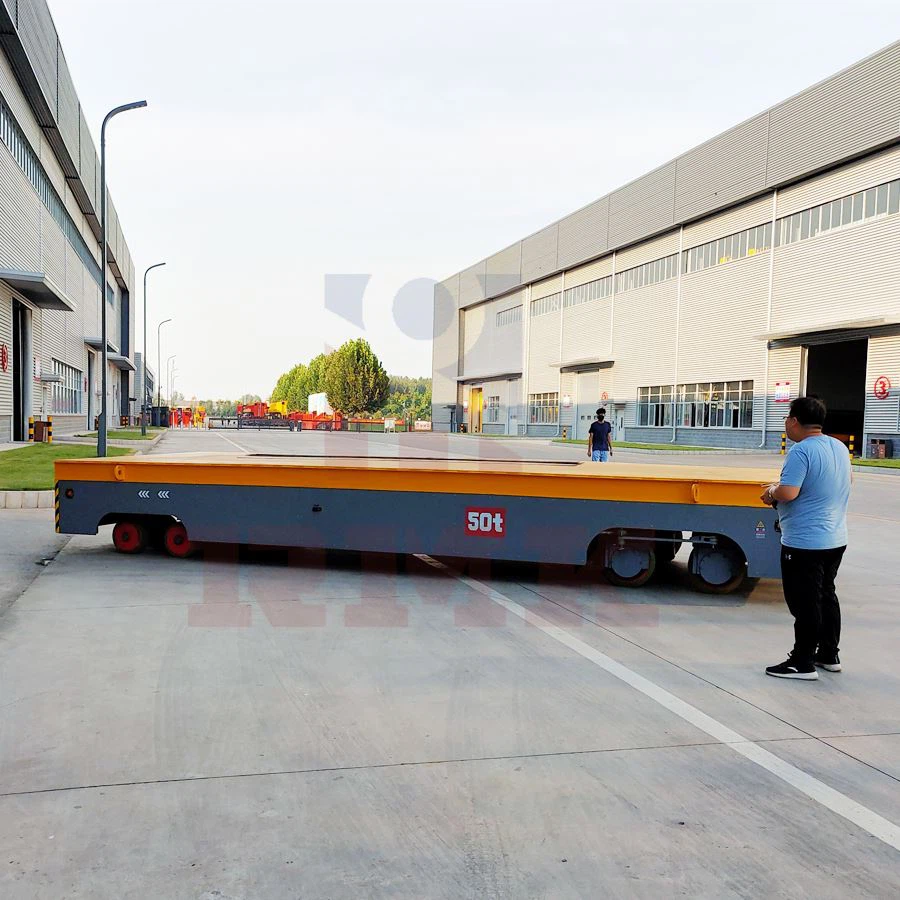
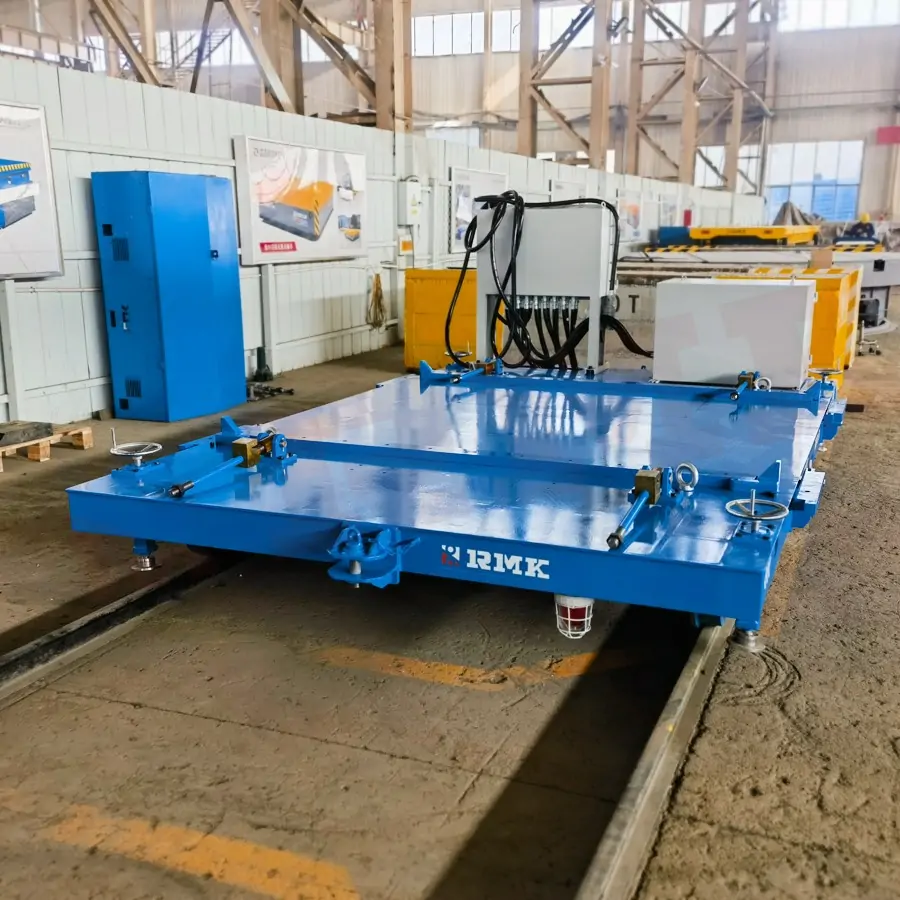
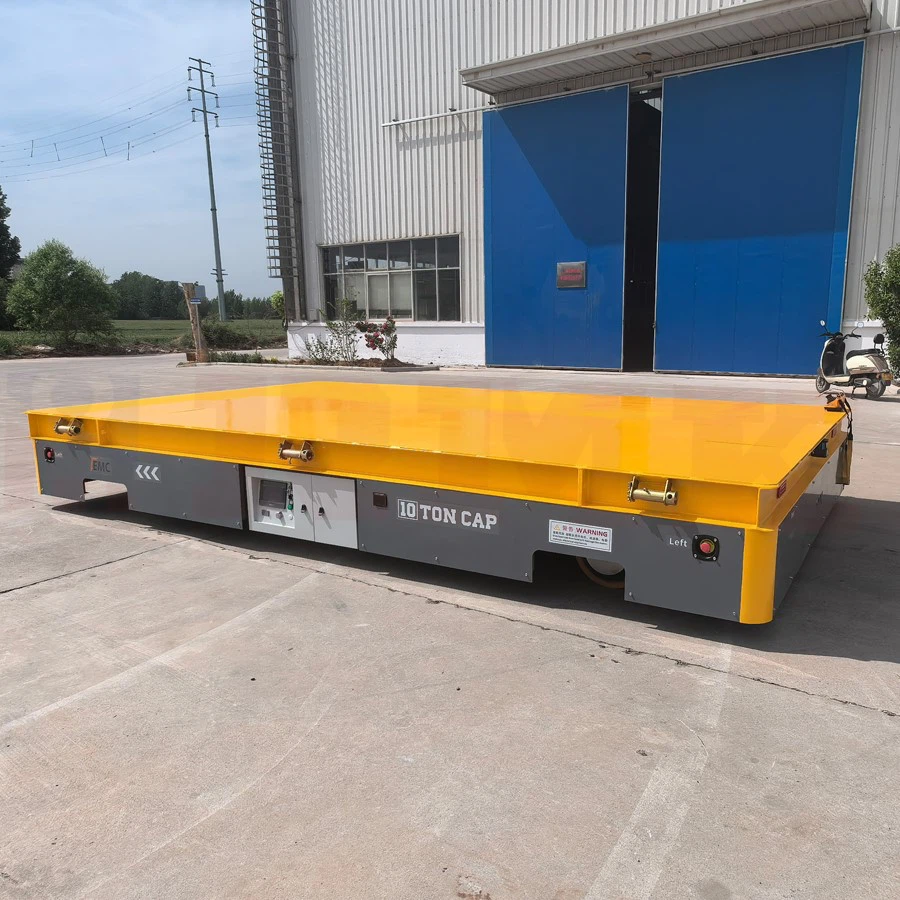
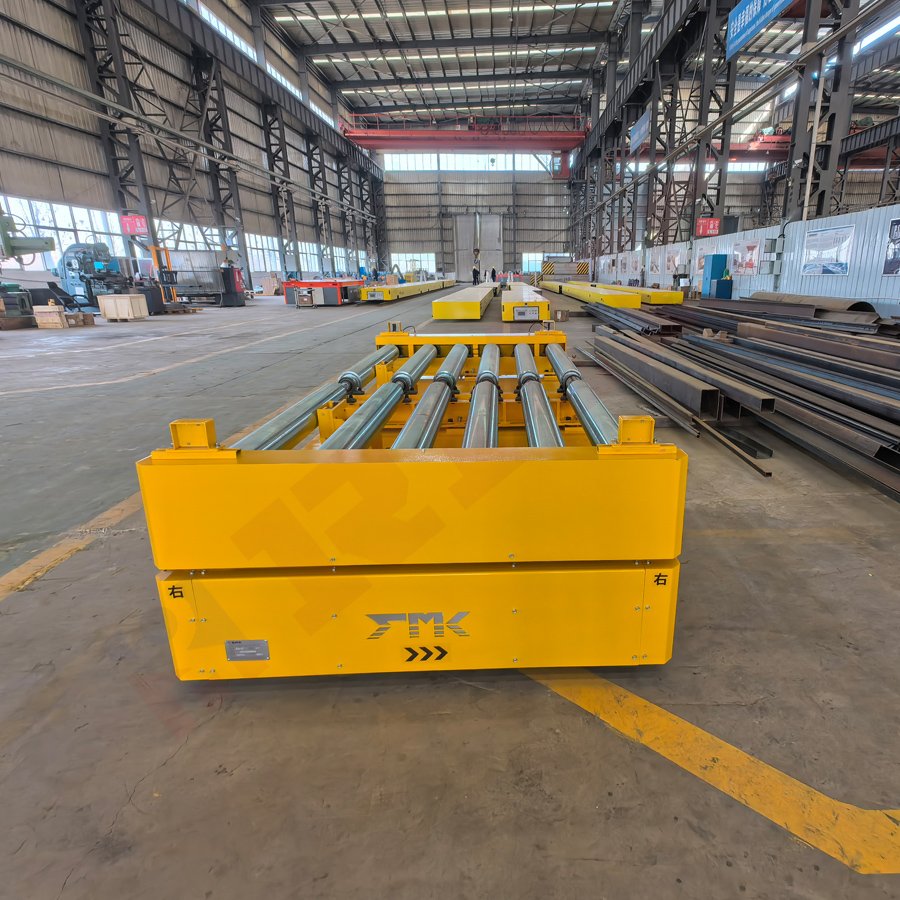
عربة نقل غير مجنزرة
- الميزات الأساسية: تعمل بدون قضبان ثابتة وتتحرك مباشرة على الأرض باستخدام العجلات.
- طريقة التوجيه: تعتمد بشكل أساسي على التوجيه التفاضلي أو توجيه العجلات الأمامية/الخلفية. على سبيل المثال، تشبه السيارات، حيث تغير الاتجاه من خلال توجيه العجلات الأمامية أو التحكم في فروق السرعة بين عجلات القيادة اليمنى واليسرى.
- درجات الحرية: توفر عادةً درجتين من الحرية (الحركة للأمام/للخلف والتوجيه). يتطلب الدوران نصف قطر دوران معين، ولا يمكن الحركة الجانبية أو الدوران 360 درجة في المكان.
- المبدأ التقني: مشابه للمركبات التقليدية أو الرافعات الشوكية، حيث يتم تحقيق الحركة من خلال احتكاك العجلة بالأرض للتحكم في الاتجاه والسير.
لمزيد من التفاصيل، اقرأ المقال: ما هي عربة النقل غير المجنزرة؟
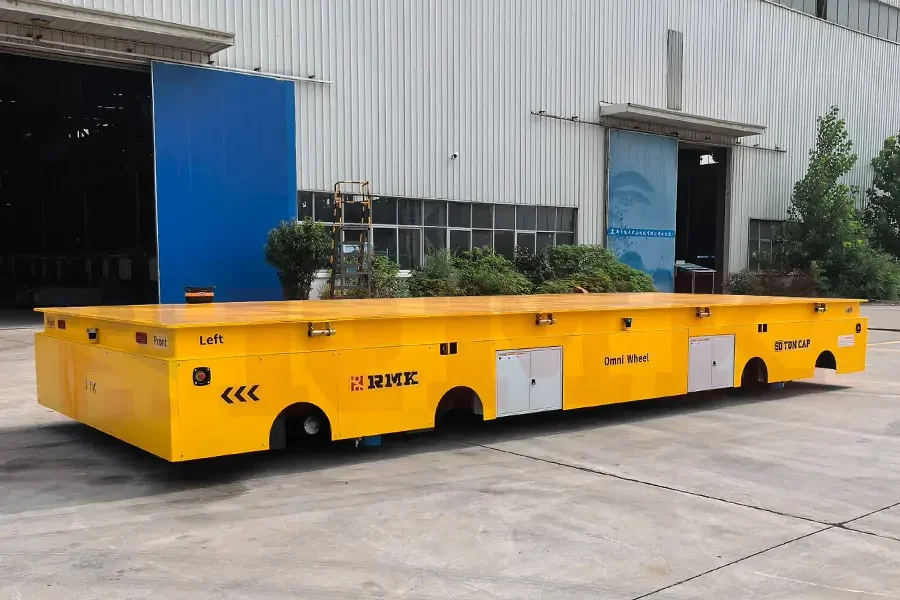
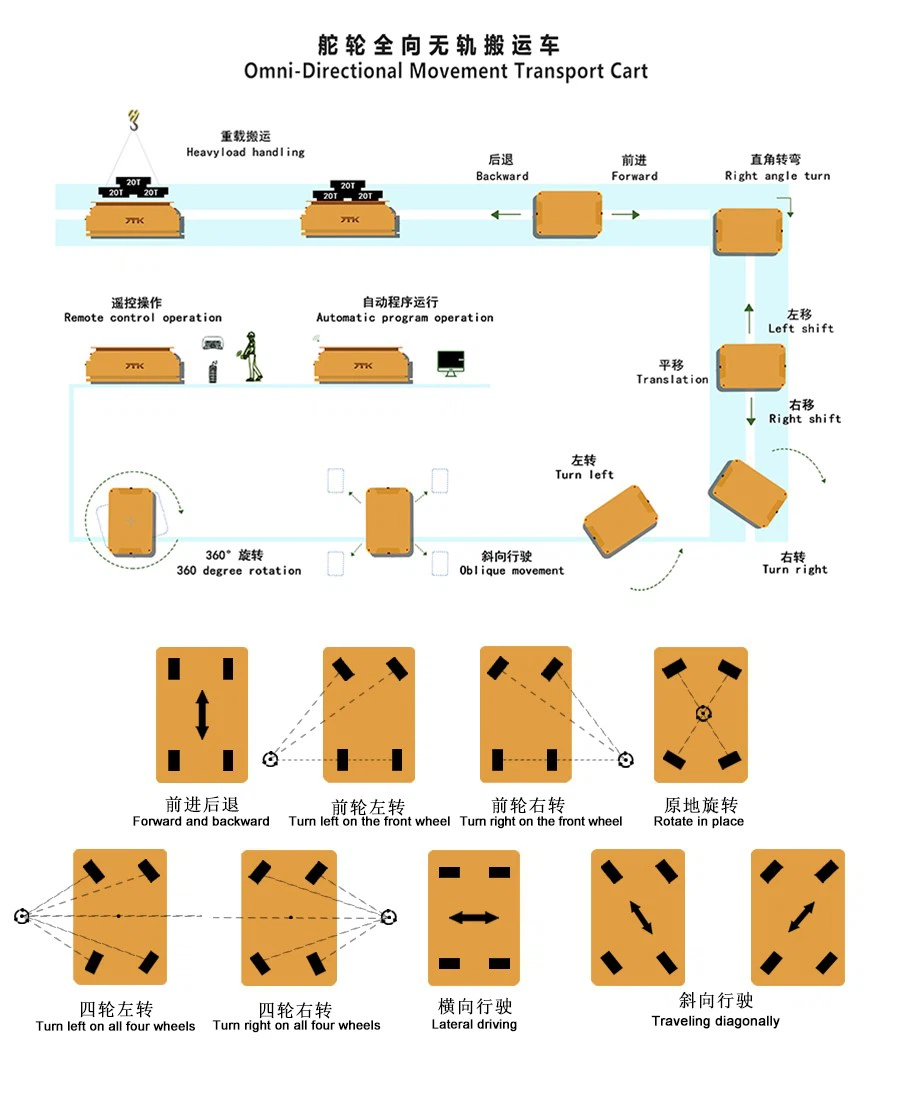
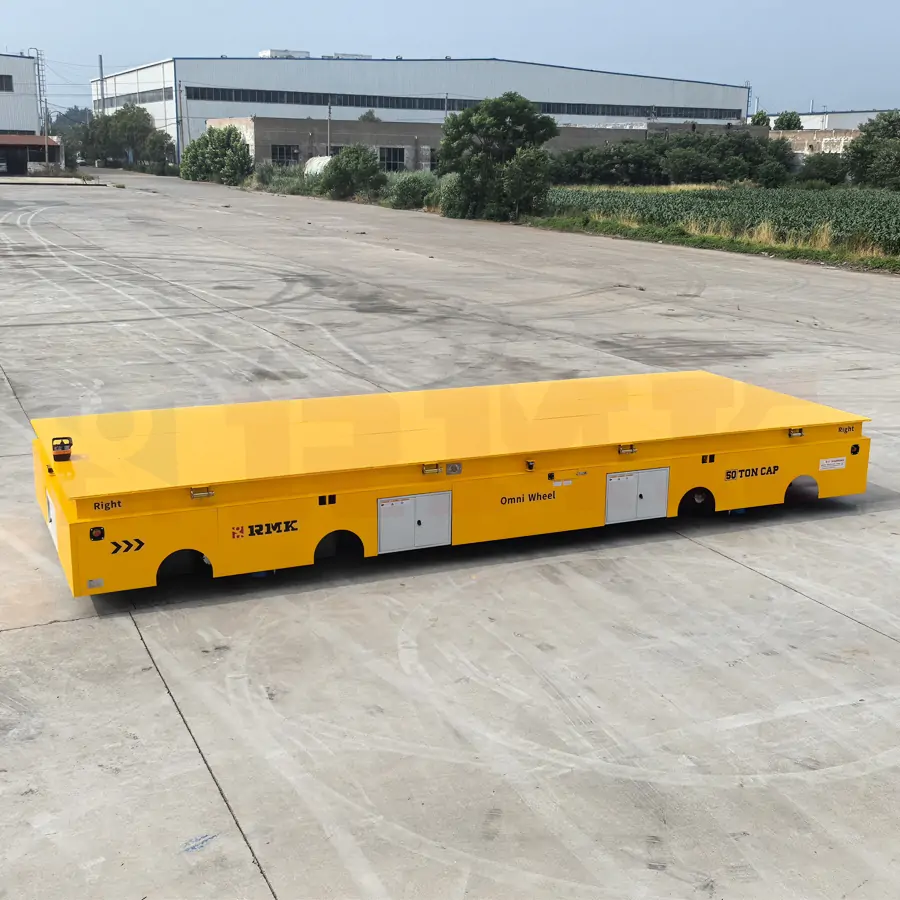
عربة النقل متعددة الاتجاهات
- الميزات الأساسية: توفر حركة شاملة بزاوية 360 درجة، بما في ذلك الحركة للأمام والخلف والجانبية والقطرية والدوران في المكان.
- طريقة التوجيه: تعتمد على مجموعات عجلات متخصصة، وأكثرها شيوعًا عجلات ميكانوم أو العجلات الشاملة.
- درجات الحرية: نظريًا توفر ثلاث درجات من الحرية (الانتقال على المحور X، والانتقال على المحور Y، والدوران حول المحور Z). يمكن للعربة التحرك في أي اتجاه دون تغيير اتجاهها، مع نصف قطر دوران أدنى يساوي صفرًا.
- المبدأ التقني: من خلال عجلات متخصصة مدفوعة بشكل مستقل، يتم تحليل القوة إلى قوى متعددة الاتجاهات. من خلال التحكم الدقيق في سرعة العجلة واتجاهها، يتم دمج هذه القوى لتحقيق الحركة في أي اتجاه مرغوب.
لمزيد من التفاصيل، اقرأ المقال: ما هي العربة الناقلة متعددة الاتجاهات؟
مقارنة الأداء
يقارن الجدول أدناه بين عربات النقل متعددة الاتجاهات وعربات النقل غير المقيدة عبر معايير الأداء الرئيسية.
| جانب المقارنة | عربة نقل غير مجنزرة | عربة النقل متعددة الاتجاهات |
| مرونة الحركة | معتدلة، تعتمد على نصف قطر الدوران | عالية جدًا، تدعم الحركة في أي اتجاه |
| الحد الأدنى لنصف قطر الدوران | كبير نسبيًا (عادةً أكبر من طول المركبة) | 0 (دوران في المكان) |
| الحركة الجانبية | غير مدعومة | مدعومة |
| التعقيد التقني | أقل، هيكل ميكانيكي أبسط | أعلى، يتطلب أنظمة عجلات معقدة وخوارزميات تحكم في الحركة |
| التكلفة | أقل نسبيًا | أعلى نسبيًا |
| Floor Requirements | أرضيات صلبة ومسطحة بشكل عام | متطلبات أعلى للاستواء والنظافة |
| سعة التحميل | يمكن تصميمها للأحمال الثقيلة | تصميم الأحمال الثقيلة أكثر تحديًا بسبب هيكل العجلة |
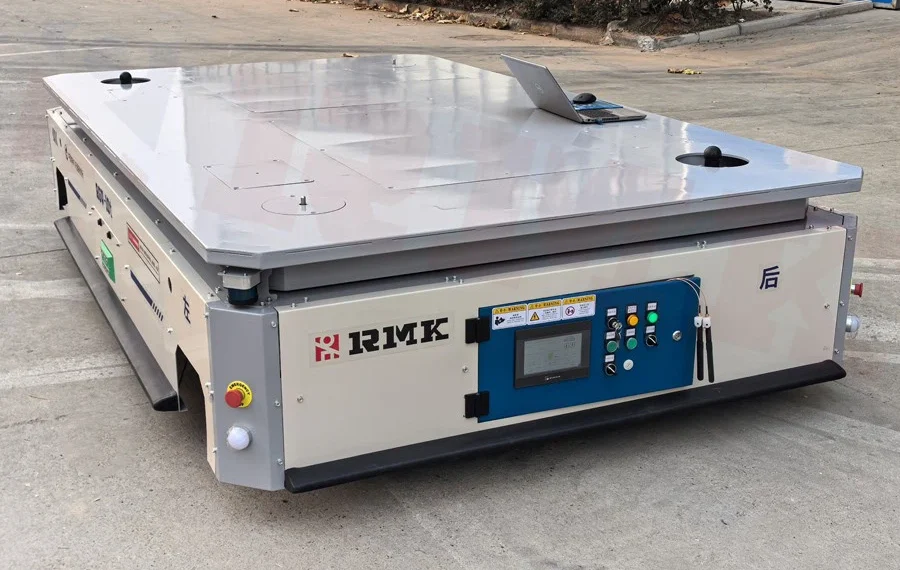
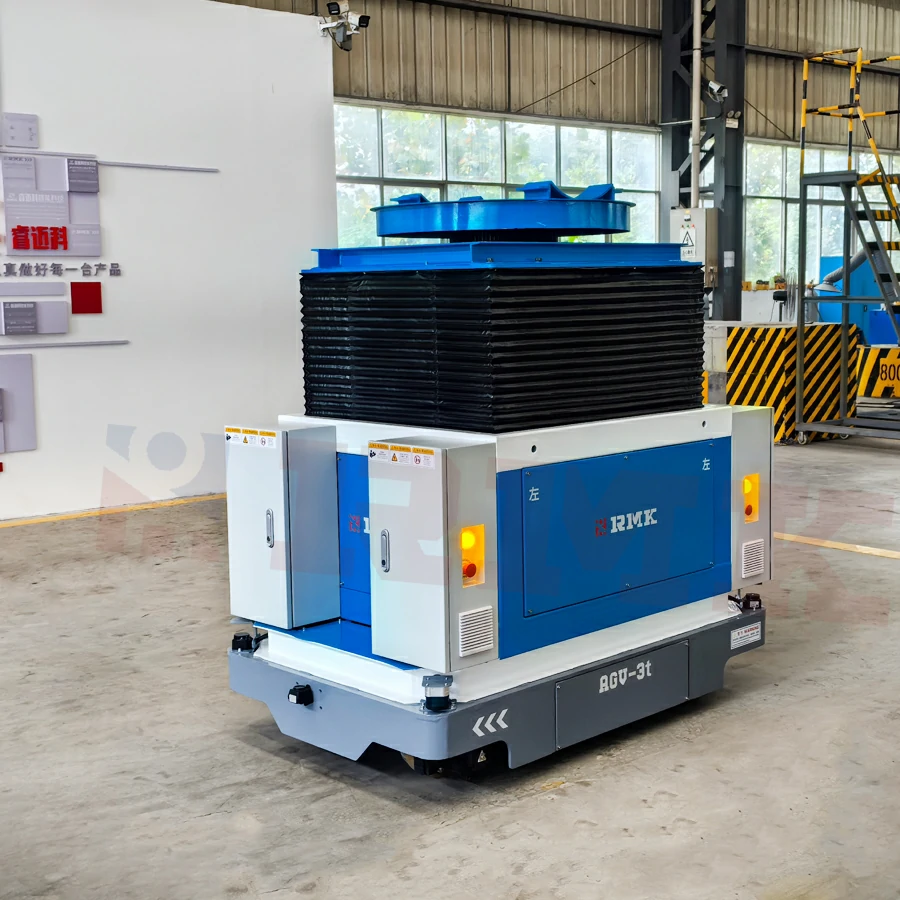
سيناريوهات التطبيق
تطبيقات عربات النقل غير المقيدة
- الممرات الواسعة: المستودعات الكبيرة وممرات المصانع الرئيسية
- مسارات ثابتة أو بسيطة: النقل من نقطة إلى نقطة بين خطوط الإنتاج
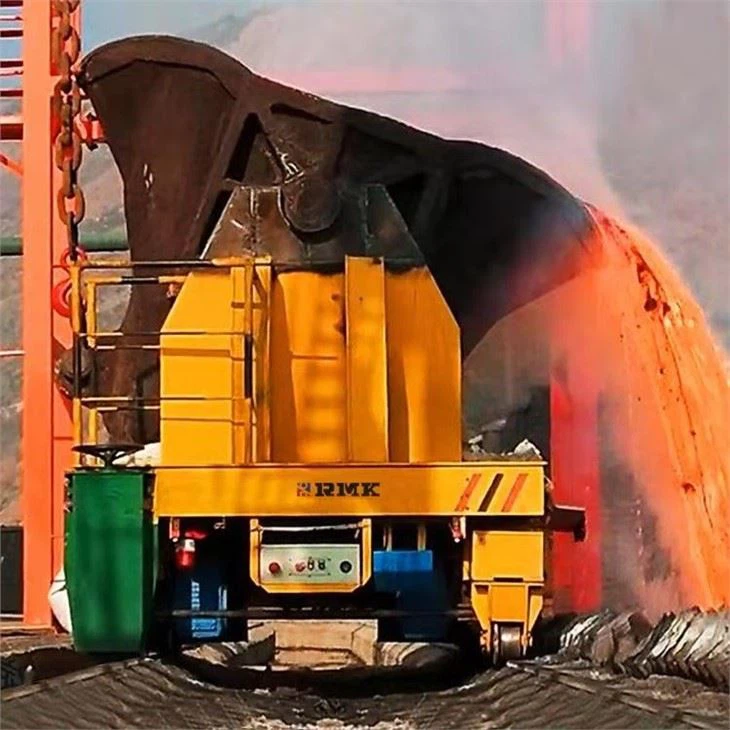
- الأحمال الثقيلة: نقل القوالب الثقيلة والمكونات الفولاذية والمعدات الكبيرة
- المشاريع الحساسة للتكلفة: التركيز على فعالية التكلفة والموثوقية المثبتة
تطبيقات عربات النقل متعددة الاتجاهات
- المساحات المحدودة: مناطق التخزين الكثيفة، ورش العمل المدمجة، والمختبرات، والغرف النظيفة
- المسارات المعقدة وتغييرات الاتجاه المتكررة: الحركة المرنة بين محطات العمل المتعددة والبيئات الغنية بالعقبات
- الإرساء عالي الدقة: خطوط الإنتاج الآلية وتحميل/تفريغ المواد الدقيق
- متطلبات المناورة الخاصة: الحالات التي تتطلب ركنًا جانبيًا أو تعديل الاتجاه في المكان
الخاتمة
إذا كنت بحاجة إلى التخلص من تركيب القضبان والعمل بحرية في المساحات المفتوحة، فإن عربة النقل غير المقيدة هي الخيار العملي. إنها اقتصادية، وتصميمها ناضج، ومناسبة لمعظم تطبيقات مناولة المواد التقليدية.
إذا كنت بحاجة إلى التنقل في مساحات محدودة بأقصى مرونة، والتحرك جانبيًا مثل السلطعون أو الدوران في المكان مثل القمة الدوارة، فإن عربة النقل متعددة الاتجاهات هي الحل الأمثل. إنها تمثل تقنية تمكين رئيسية لأنظمة مناولة المواد المتقدمة والذكية.
بعبارات بسيطة، تحل عربة النقل غير المقيدة مشكلة “لا حاجة للقضبان”، بينما تحل عربة النقل متعددة الاتجاهات مشكلة “التحرك بحرية في أي اتجاه”.”

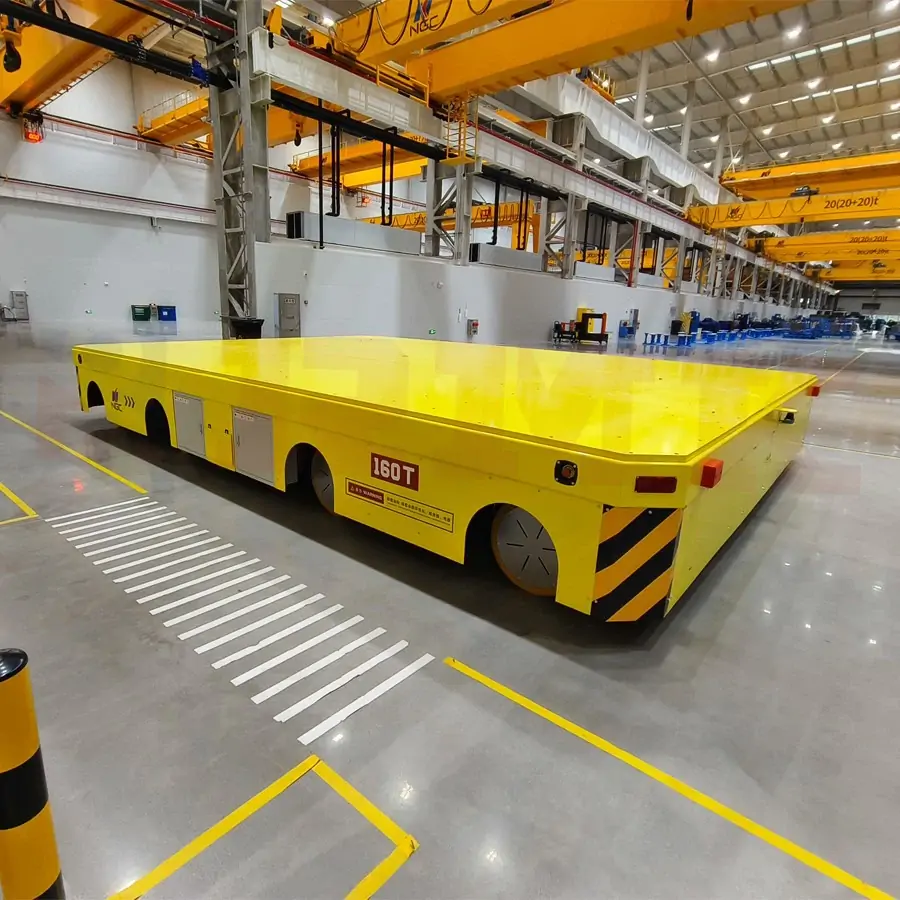
حلول عربات النقل المخصصة
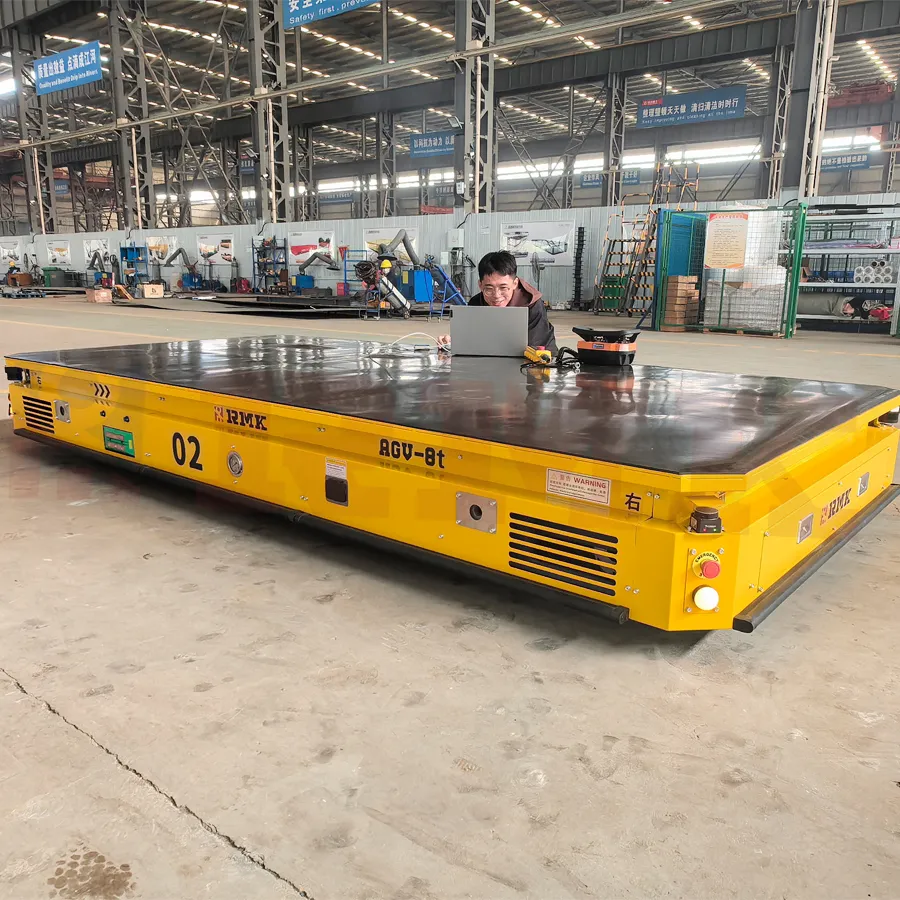
إذا لم تكن متأكدًا مما إذا كانت عربة النقل متعددة الاتجاهات أو عربة النقل غير المقيدة أكثر ملاءمة لتطبيقك،,
فريقنا الهندسي يمكنه تصميم حل عربة نقل مخصص بناءً على سعة الحمولة وتخطيط مساحة العمل وظروف التشغيل، مما يوفر نظامًا أكثر أمانًا وكفاءة لمناولة المواد.
البريد الإلكتروني: transfercart@rmkzn.com
الهاتف: +86-18637369355