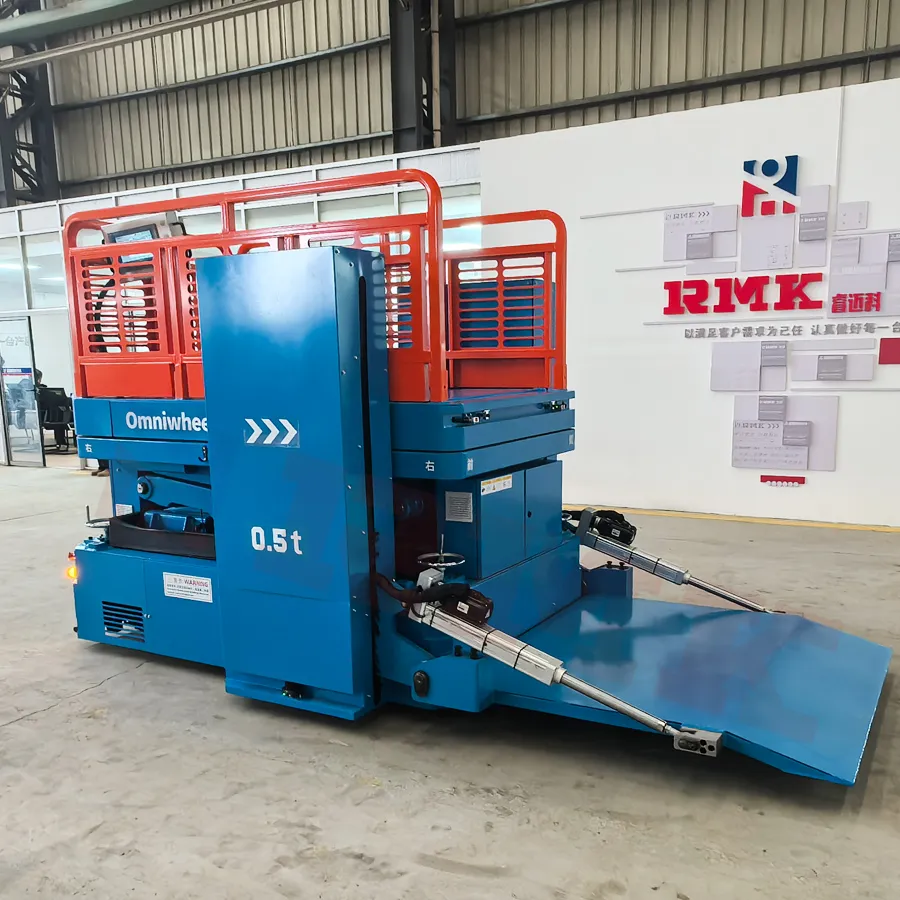
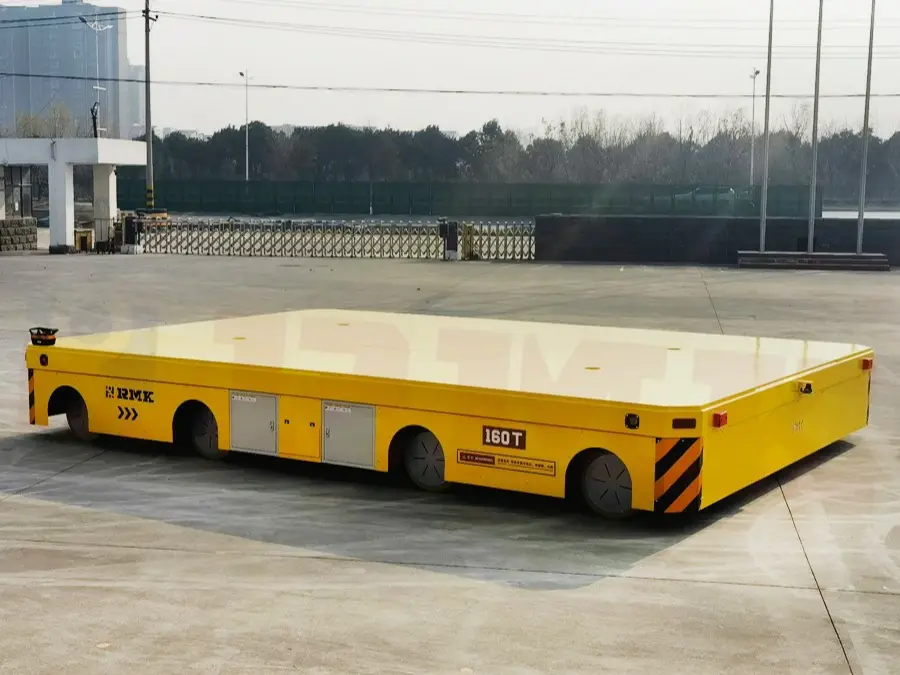
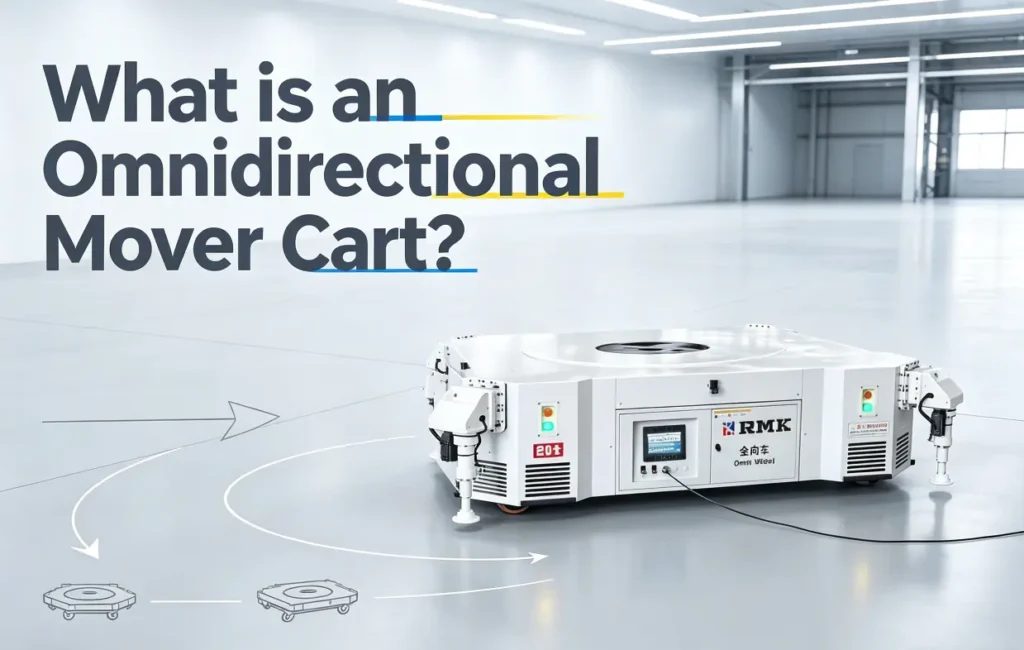
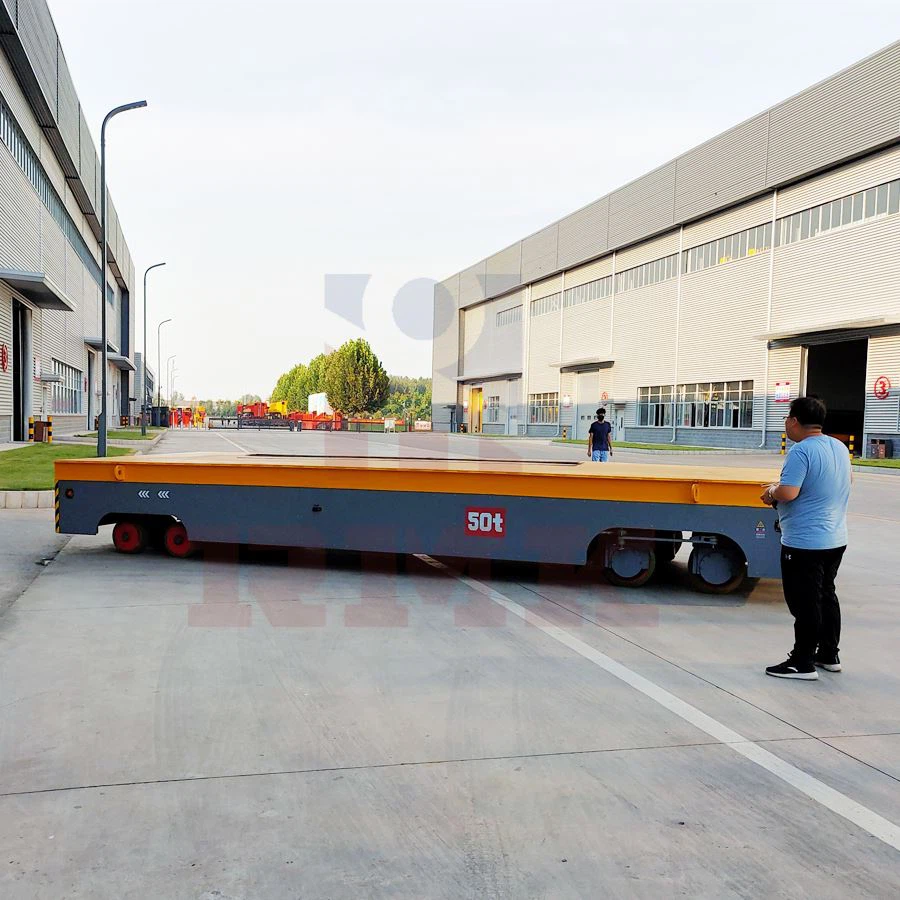
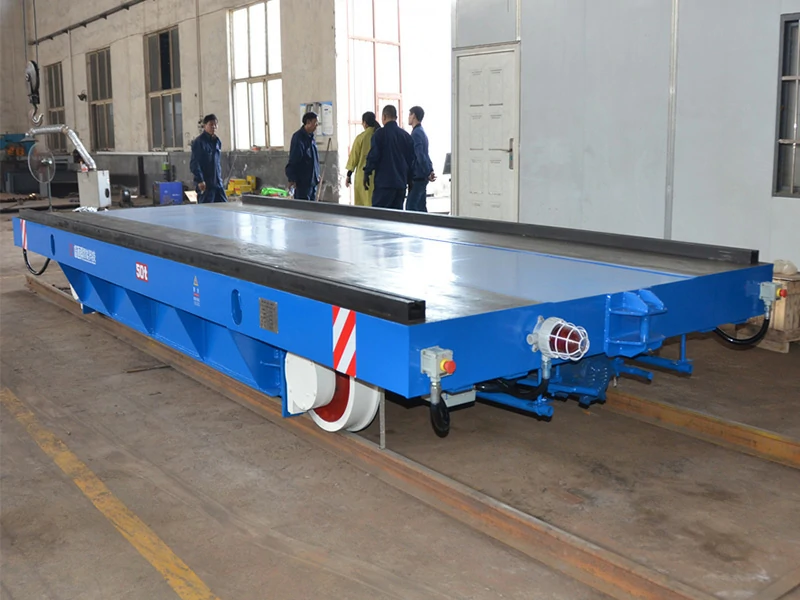
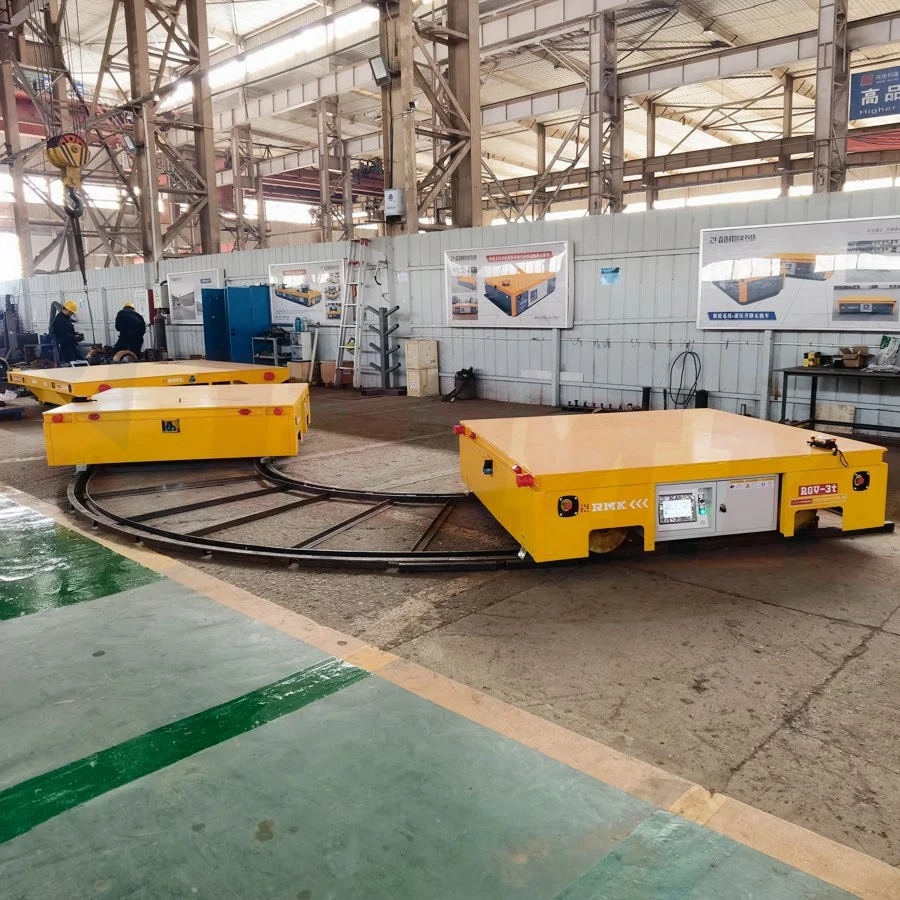
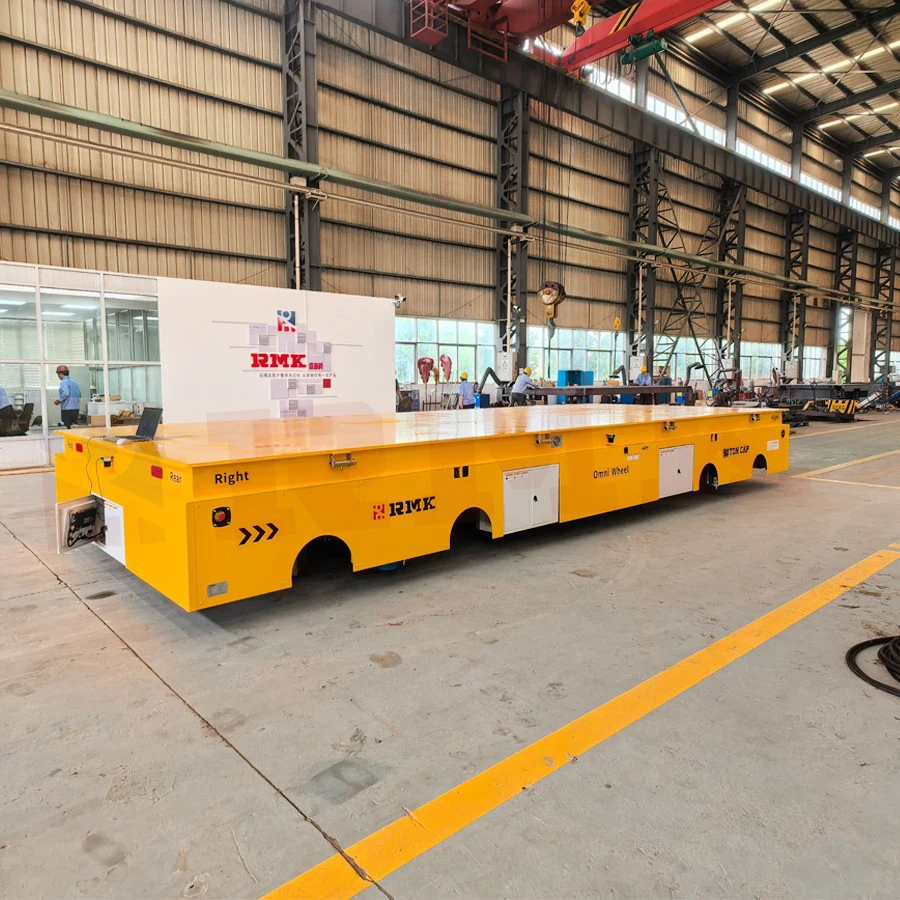
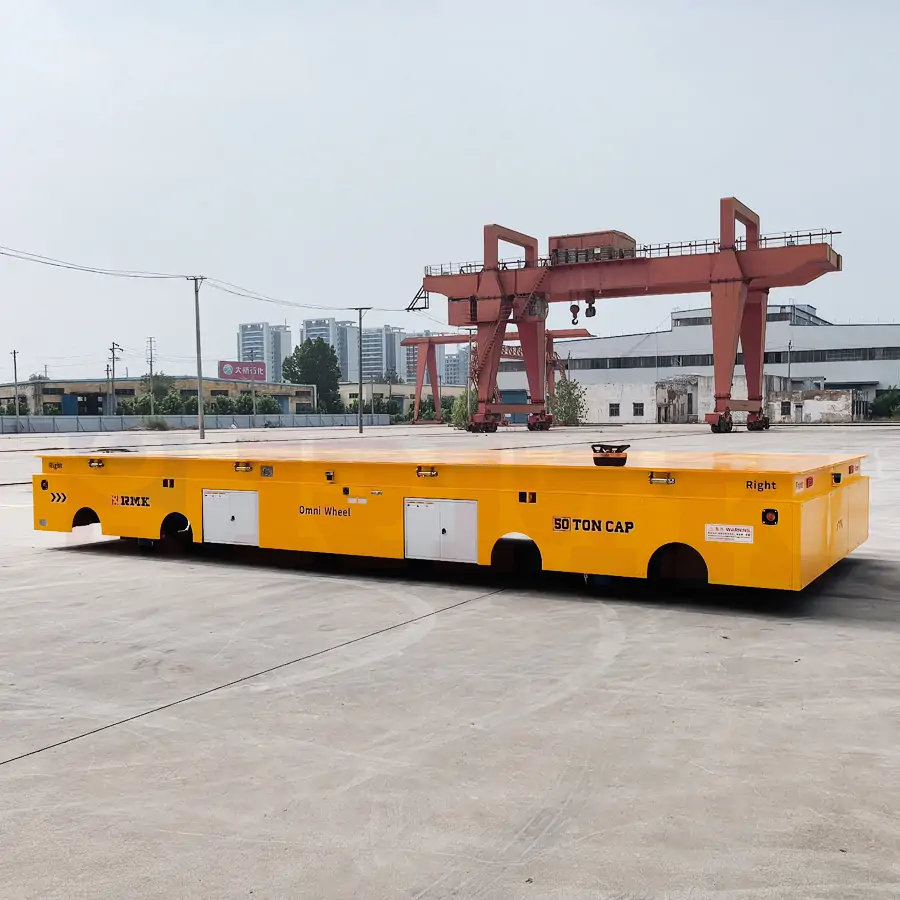
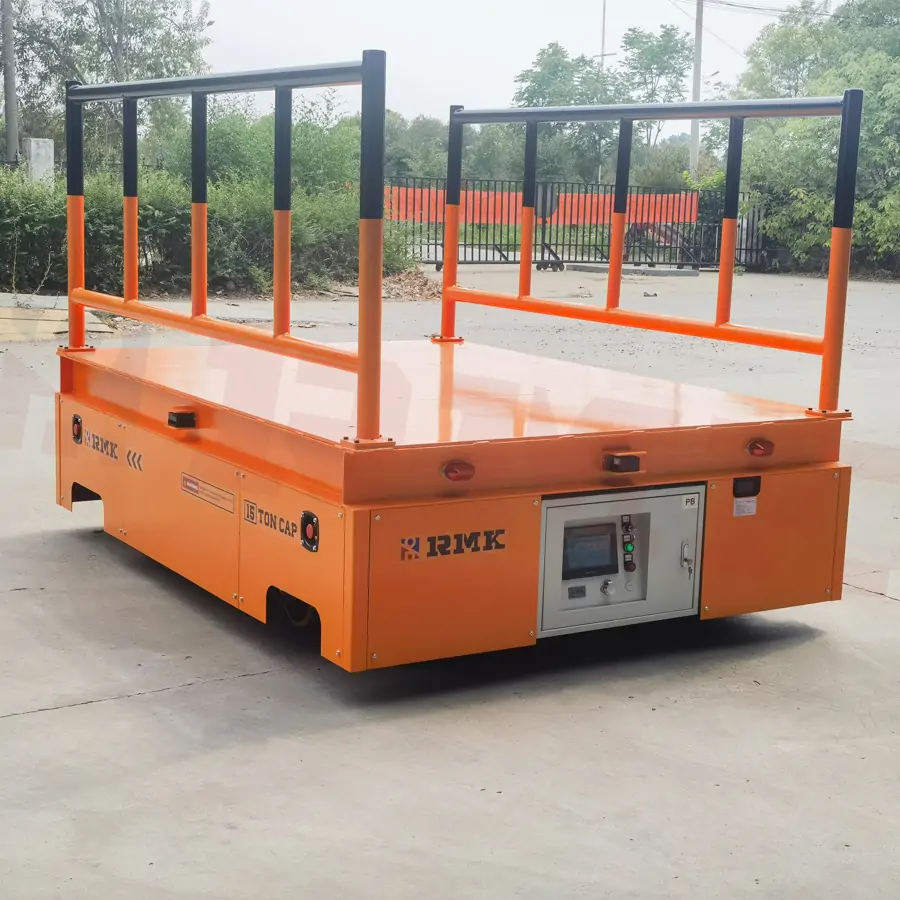
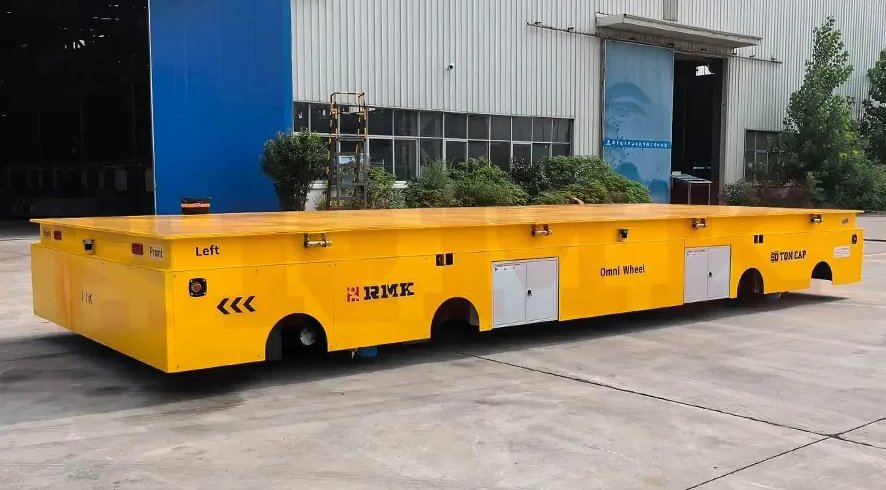
إن عربة النقل متعددة الاتجاهات هي معدات مناولة بدون مسارات تعمل بواسطة المحركات والبطاريات والعجلات متعددة الاتجاهات كوحدات دفع أساسية. تتيح الحركة في اتجاهات متعددة، بما في ذلك الأمام والخلف والجانبي والقطري والدوران في المكان.
تعمل عربة النقل متعددة الاتجاهات بمرونة في محطات العمل الضيقة والمسارات المعقدة وبيئات العمليات المتعددة، مما يجعلها مثالية لنقل المكونات الثقيلة بكفاءة مثل الآلات الكبيرة ولفائف الفولاذ والقوالب وحزم البطاريات. توضح هذه المقالة مزايا عربات النقل متعددة الاتجاهات وتوجه عملية الاختيار والصيانة.
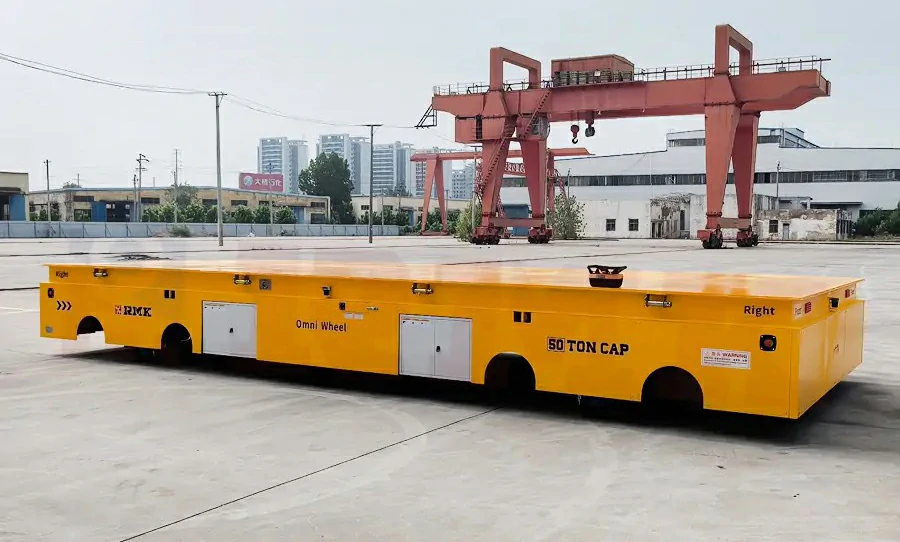
مزايا عربة النقل متعددة الاتجاهاتs
القدرة على التكيف مع المساحات الضيقة: قادرة على الحركة الجانبية والقطرية والدوران في المكان، مثالية لبيئات المصانع ذات الممرات الضيقة ومسارات التشغيل المعقدة، مما يعزز بشكل كبير استغلال المساحة.
سعة تحميل عالية: تتميز بهياكل فولاذية عالية القوة وتجميعات عجلات للخدمة الشاقة، وتتعامل مع أحمال تتراوح من 3 أطنان إلى حوالي 300 طن أو أكثر، مما يجعلها مثالية لنقل المواد الثقيلة.
تشغيل مرن: تدعم أوضاع التحكم عن بعد أو التشغيل بالأزرار أو كابينة السائق. يمكن تجهيزها بأنظمة تجنب العوائق بالليزر وأنظمة تحديد السرعة وأجهزة التوقف في حالات الطوارئ لتعزيز سلامة التشغيل.
فعالية عالية من حيث التكلفة: يلغي الحاجة إلى تركيب المسارات، ويسمح بتغيير المسارات بمرونة، ويقلل من تكاليف تعديل المنشأة، ويوفر حواجز تشغيل منخفضة، ونفقات صيانة ضئيلة، وسلامة معززة.
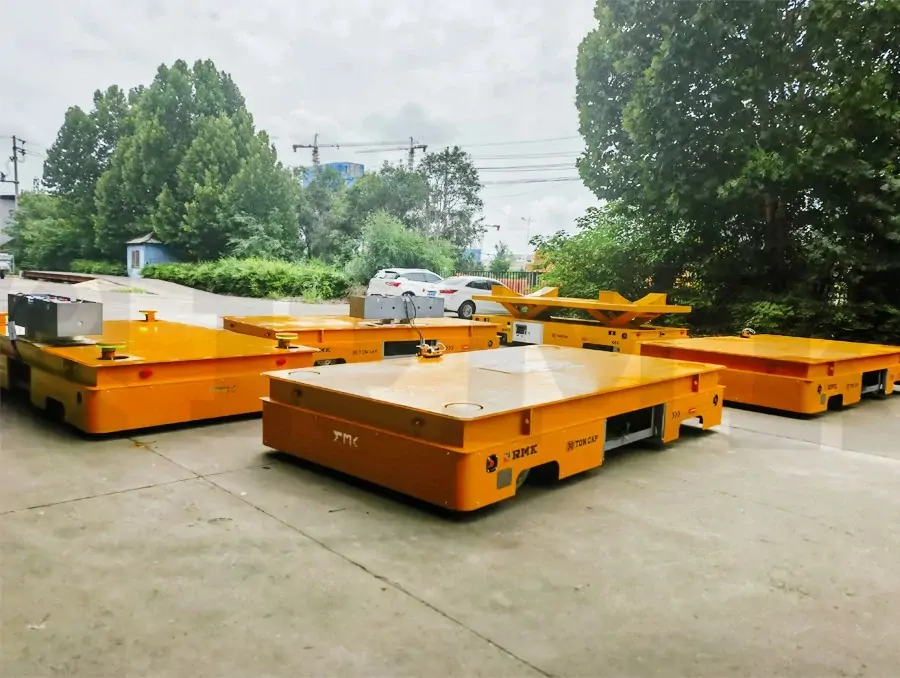
قابلية عالية للتخصيص: يمكن تخصيص هيكل المنصة (مسطحة، أخدود V، مشابك دعم)، وسعة البطارية، وأنظمة التحكم وفقًا لظروف العمل المحددة، مما يقلل من المناولة اليدوية ويحسن كفاءة النقل.
بعد التعرف على مزايا عربات النقل متعددة الاتجاهات، كيف يجب على المشترين اختيار الطراز المناسب لعملياتهم المحددة؟
كيف تختار عربة النقل متعددة الاتجاهات؟
عند اختيار عربة نقل متعددة الاتجاهات، يجب إعطاء الأولوية لعوامل رئيسية مثل سعة الحمولة وظروف الموقع لضمان تشغيل فعال ومرن ومستقر طويل الأمد في ظل ظروف العمل المعقدة. فيما يلي اعتبارات حاسمة للمشترين أثناء الاختيار:
ضع في اعتبارك سعة الحمولة:
- احسب بناءً على أقصى وزن للنقل، مع السماح بهامش أمان بنسبة 20% إلى 30% لمنع التحميل الزائد أثناء الاستخدام طويل الأمد.
- بالنسبة لسيناريوهات المناولة عالية التردد أو المستمرة، اختر الهياكل الفولاذية عالية القوة وتجميعات العجلات للخدمة الشاقة لتعزيز المتانة.
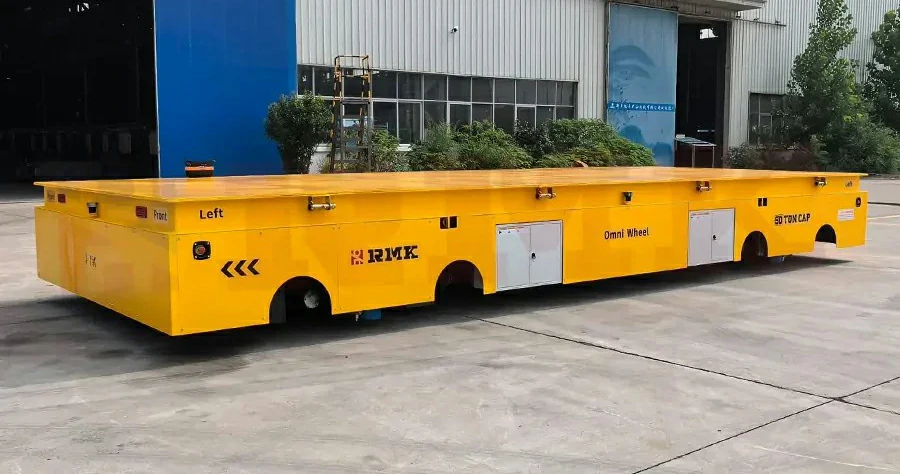
المطابقة الصحيحة للحمولة تقلل من معدلات الأعطال وتحسن استقرار النقل بشكل عام.
اختيار هيكل المنصة المناسب:
- المنصة المسطحة: مناسبة للمواد العامة مثل الإطارات والألواح والصناديق. هيكل بسيط ومتين.
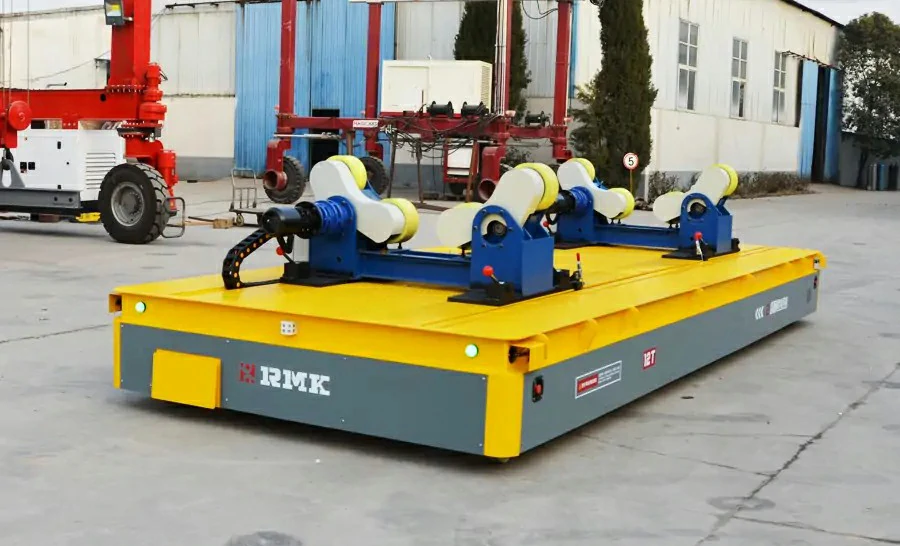
- منصة الأخدود V: مصممة للفائف الفولاذ ولفائف الألومنيوم وقطع العمل الأسطوانية لمنع التدحرج والانزلاق.
- منصة الدعم القابلة للتعديل: مثالية للعناصر ذات الأشكال المعقدة مثل القوالب ومكونات المعدات، مما يحسن فعالية التثبيت.
- منصة مانعة للانزلاق: تستخدم بشكل أساسي في البيئات ذات الاهتزازات الأرضية أو المواد الزلقة لتعزيز السلامة.
 منصة-مسطحة-عربة-نقل-متعددة-الاتجاهات
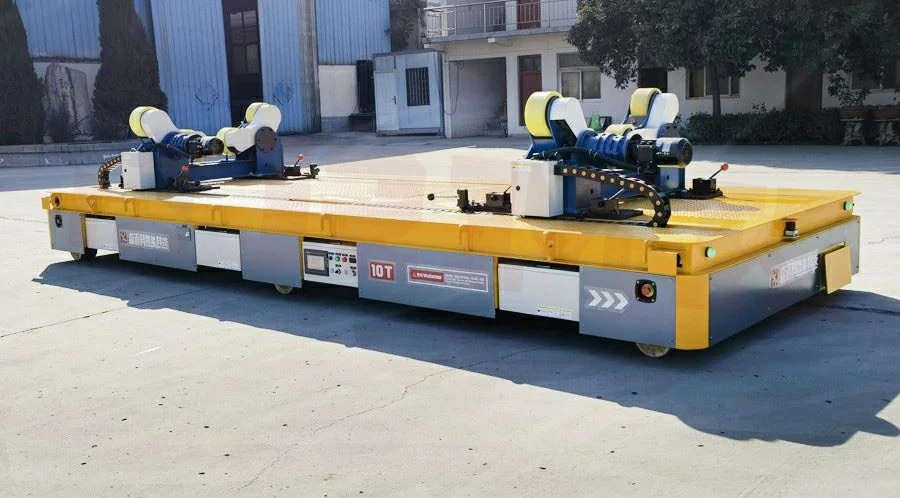 منصة الأخدود V
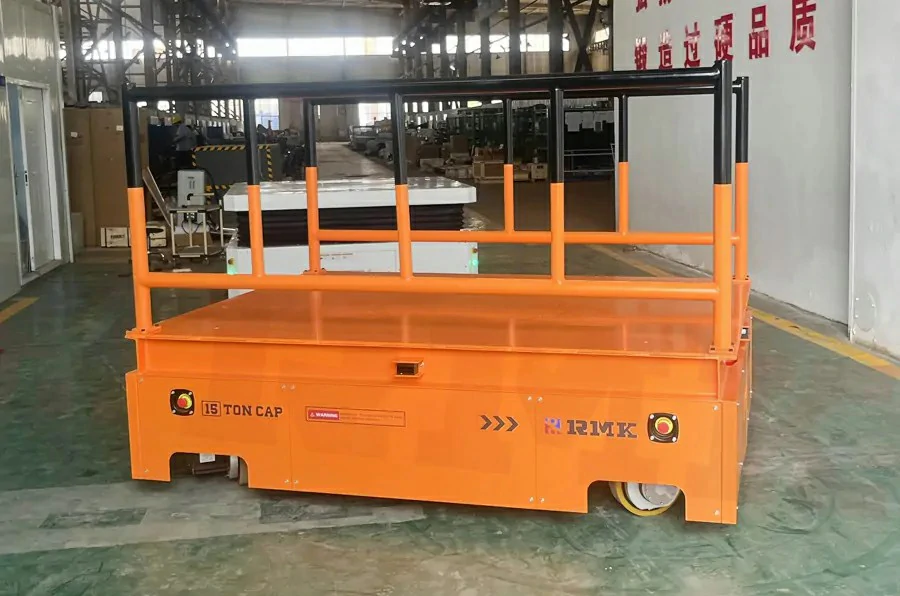 عربة النقل متعددة الاتجاهات
 عربة-نقل-رفع-هيدروليكية
 عربة-نقل-شاملة-الاتجاهات
قم بتخصيص المنصات بناءً على أبعاد وأشكال قطعة العمل لتعزيز سلامة النقل.
ضع في اعتبارك بيئة المنشأة:
- عجلات Mecanum: مثالية للمساحات الضيقة التي تتطلب حركة جانبية أو قطرية أو دوران في المكان، مثل ورش البطاريات أو خطوط التجميع.
- نظام التوجيه بالدفع المستقل بأربع عجلات: يوفر استقرارًا عاليًا للمسارات المعقدة ذات الممرات الأوسع قليلاً.
- هيكل الدفع التفاضلي بعجلتين: فعال من حيث التكلفة للمساحات الأكبر ذات المسارات الأبسط.
اختر أنواع العجلات المناسبة بناءً على عرض ممرات الورشة وكثافة المعدات لتحسين كفاءة التشغيل.
ضع في اعتبارك مسافة ومدة التشغيل:
- النقل لمسافات طويلة، متعدد الورديات، عالي التردد: اختر بطاريات الليثيوم عالية السعة، ومحركات عالية الطاقة، وتكوينات الشحن السريع.
- التشغيل المتقطع لمسافات متوسطة إلى قصيرة: حلول البطاريات القياسية تقلل من تكاليف الشراء.
اختر أنظمة البطاريات والدفع بناءً على المسافة والمدة لتجنب انقطاعات الشحن المتكررة وإطالة عمر البطارية.
كن حذرًا مع طرق التشغيل وأنماط الإدارة:
- التحكم عن بعد: مناسب للورش التي تتطلب إشرافًا يدويًا وقدرة عالية على المناورة.
- التحكم بلوحة الأزرار: مثالي للمسارات الثابتة أو الدورات المتكررة.
- الملاحة بالليزر: محسّن للمصانع الذكية لرفع مستوى أتمتة الخدمات اللوجستية.
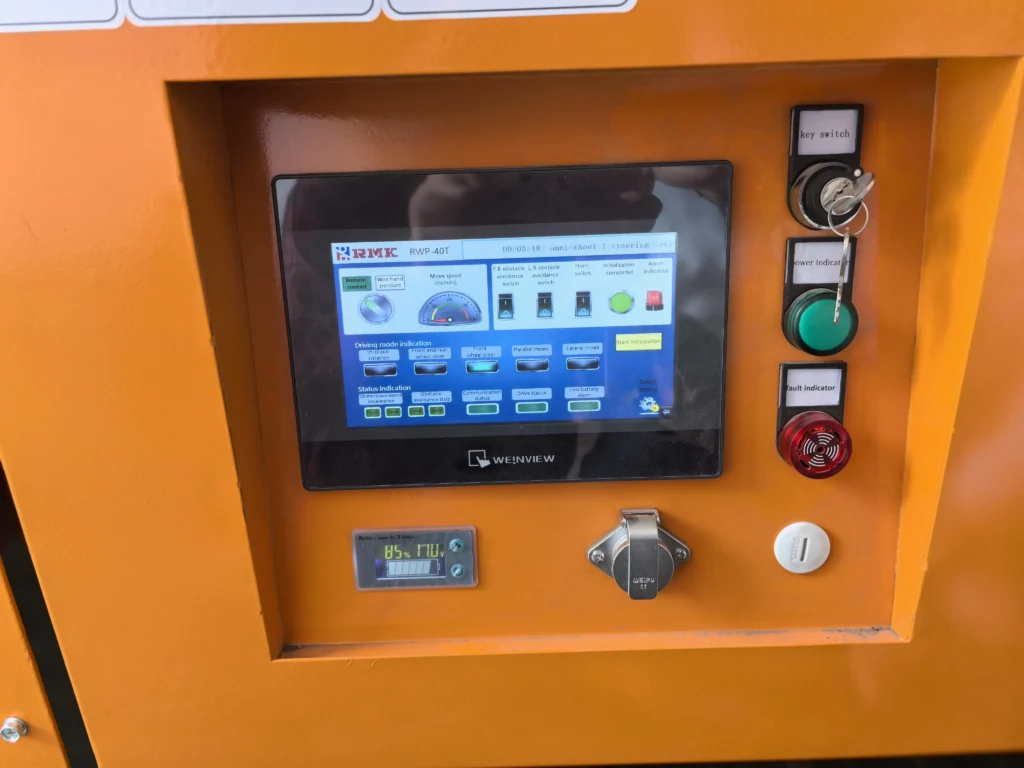

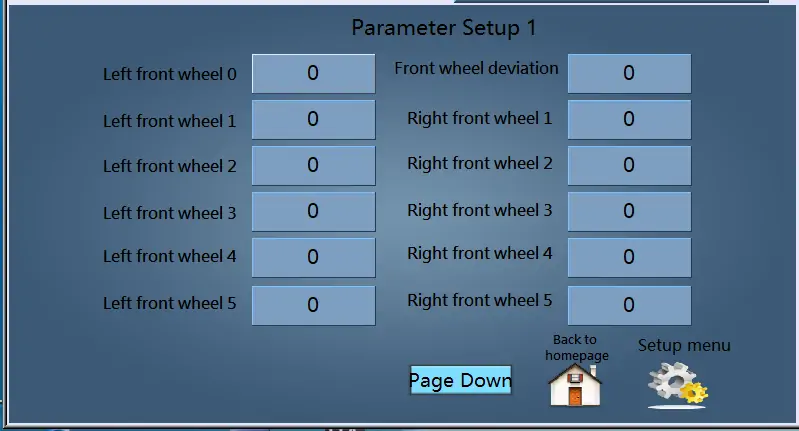
يجب على المؤسسات اختيار أنظمة التحكم بناءً على خطط التطوير الحالية والمستقبلية لتجنب تكاليف التعديل التحديثي.
قدرات المورد:
- خبرة مثبتة في تصميم وتصنيع عربات النقل متعددة الاتجاهات للخدمة الشاقة
- القدرة على تخصيص المنصات غير القياسية وأنظمة التحكم الذكية
- دعم ما بعد البيع الشامل، بما في ذلك توفير قطع الغيار ومساعدة المهندسين في الموقع
- دراسات حالة ناجحة واسعة النطاق، مثل مصانع الدرفلة على البارد ومصانع القوالب
عربات النقل متعددة الاتجاهات هي معدات مخصصة للخدمة الشاقة. يعد اختيار مصنع ذي خبرة أمرًا ضروريًا لإقامة شراكات طويلة الأجل ومفيدة للطرفين. الآن بعد أن فهمنا كيفية اختيار عربة النقل متعددة الاتجاهات، كيف يجب أن نحافظ عليها؟
إذا كنت ترغب في التعرف على هيكل عربات النقل متعددة الاتجاهات، يمكنك الرجوع إلى المقالة: الهيكل التفصيلي لعربة النقل القابلة للتوجيه
كيفية صيانة عربة النقل متعددة الاتجاهات
لضمان التشغيل المستقر طويل الأمد وتقليل معدلات الأعطال، فإن الصيانة اليومية أمر بالغ الأهمية. فيما يلي نقاط الصيانة الرئيسية التي يجب أن تركز عليها المؤسسات.
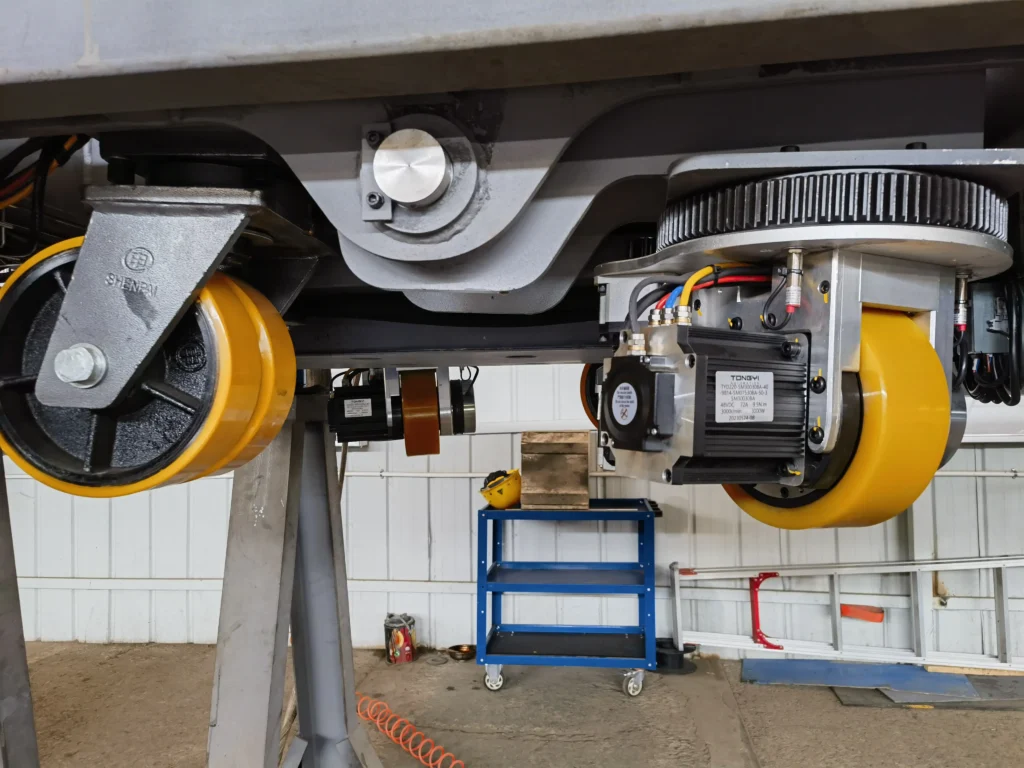
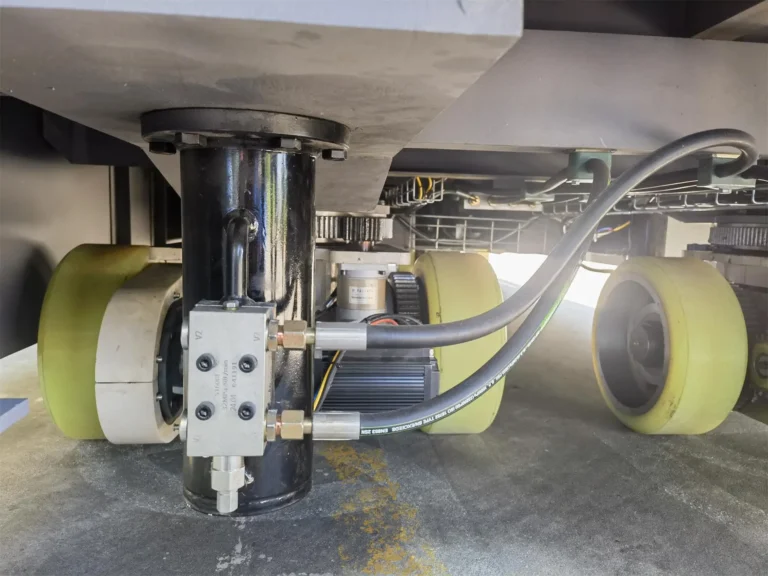
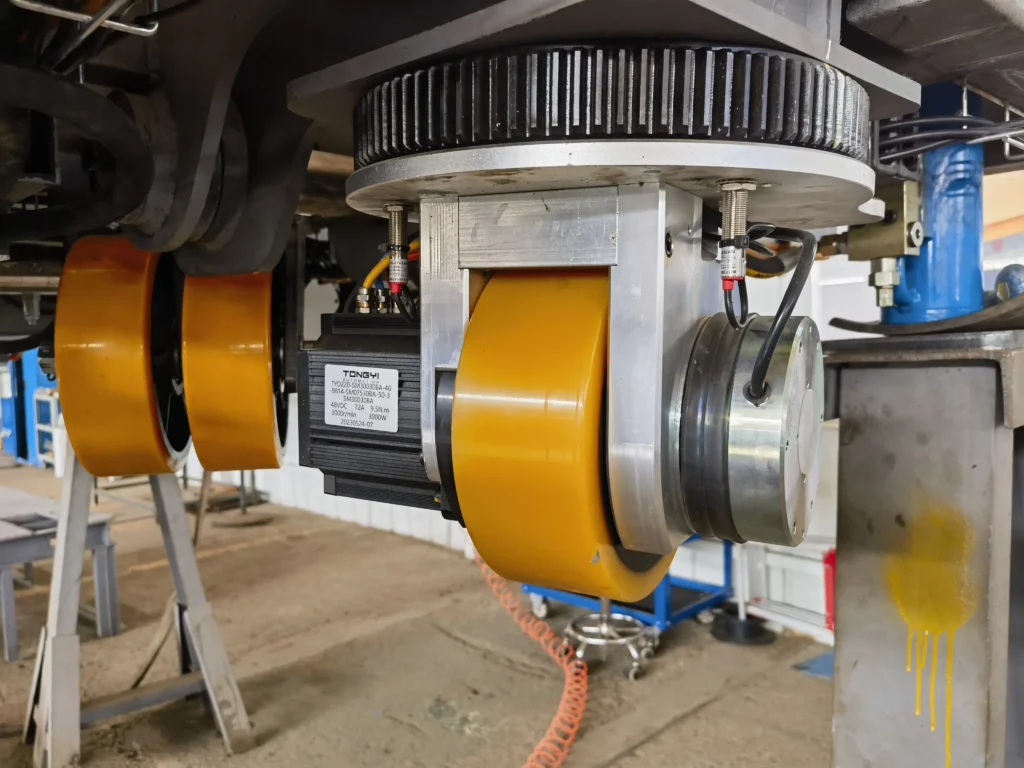
افحص بانتظام تجميعات العجلات وعجلات الدفع وآليات التوجيه:
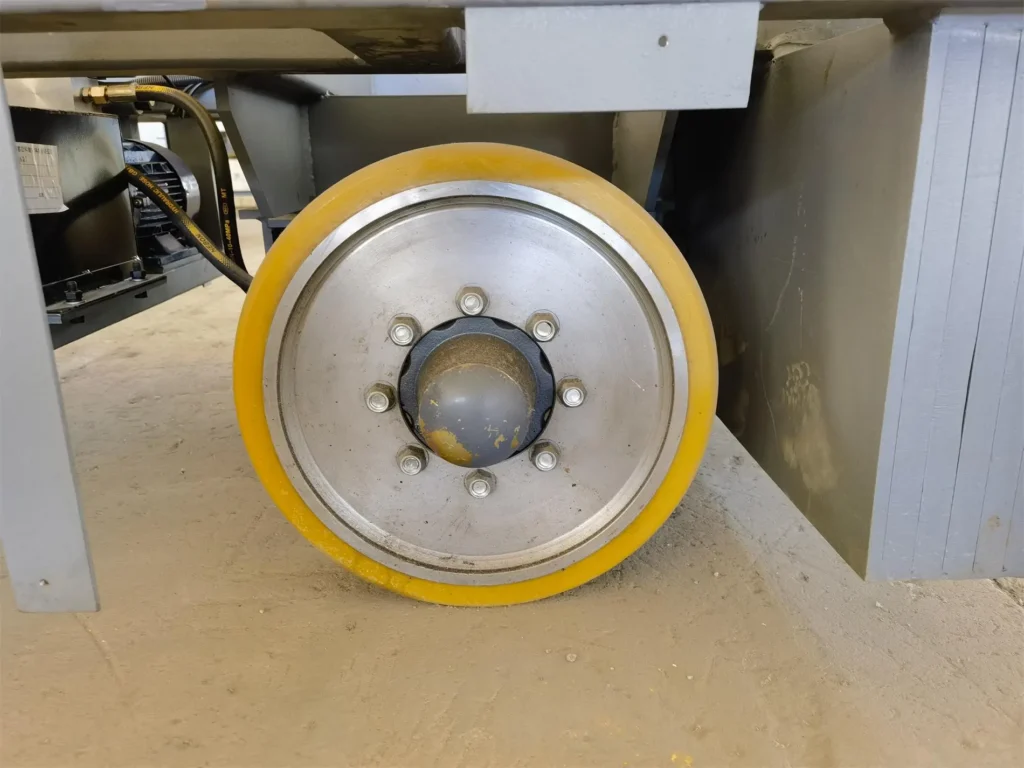
تتعرض العجلات متعددة الاتجاهات وعجلات الدفع لصدمات متكررة أثناء النقل، مما يجعلها مكونات عالية التآكل. للحفاظ على الحالة الميكانيكية المثلى ومنع المشكلات مثل الانحراف أو الاهتزاز بشكل فعال، ركز على فحص:
- تآكل الإطارات أو تشققها أو ارتخائها
- انحراف عجلة الدفع أو الضوضاء أو الاهتزاز
- حالة تزييت مفاصل التوجيه
صيانة نظام البطارية وإدارة الشحن:
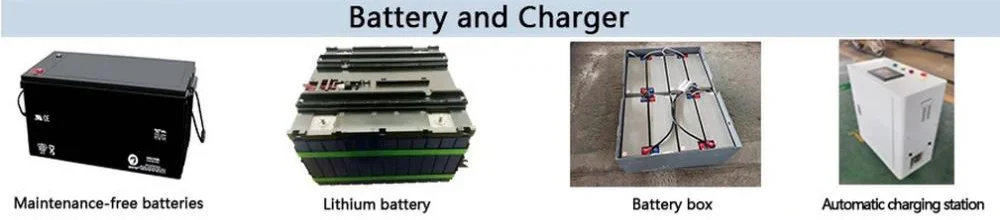
مشاكل البطارية هي نقاط الفشل الشائعة في المعدات غير المسارية. الصيانة الصحيحة للبطارية تطيل عمرها الافتراضي عن طريق:
- تجنب التفريغ العميق؛ اشحن البطارية وفقًا للفترات الزمنية المحددة
- افحص أطراف البطارية وكابلاتها بانتظام بحثًا عن الأكسدة أو التوصيلات المرتخية
- نظف الغبار من أسطح البطارية وتأكد من التهوية الكافية لتبديد الحرارة
فحص نظام التحكم الكهربائي وأجهزة السلامة:
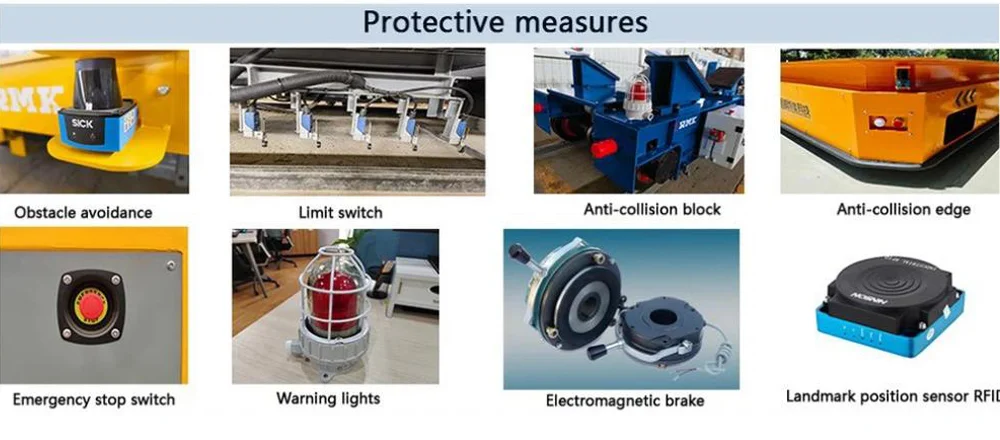
نظام التحكم الكهربائي هو جوهر عربات النقل متعددة الاتجاهات. الصيانة السليمة تمنع التوقف غير المتوقع ومخاطر السلامة. تشمل المهام الرئيسية:
- الفحص المنتظم لوحدات التحكم وأجهزة الاستشعار وأحزمة الأسلاك
- اختبار أجهزة السلامة مثل أزرار التوقف في حالات الطوارئ والأضواء التحذيرية والجرس
- حافظ على صندوق التحكم الكهربائي جافًا لمنع حدوث دوائر قصيرة ناتجة عن الرطوبة
فحص الهيكل والمنصة والمثبتات:
يتحمل الهيكل الأحمال الثقيلة باستمرار. لضمان السلامة الهيكلية وتعزيز سلامة النقل، افحص بانتظام:
- الشقوق أو التشوه أو التآكل
- ارتخاء طبقة مقاومة الانزلاق في المنصة وهياكل الدعم
- إحكام جميع مسامير المركبة
الخلاصة:
من خلال هذه المقالة، اكتسبنا رؤى حول خصائص عربات النقل متعددة الاتجاهات وكيفية اختيارها وصيانتها. هذه العربات هي معدات مناولة مواد أساسية في المصانع الحديثة.
بصفتنا شركة مصنعة صينية محترفة لعربات النقل، نحن ملتزمون بتوفير حلول مناولة مواد مخصصة وموثوقة وفعالة. إذا كان عملك يتطلب معدات نقل، فلا تتردد في اتصل بنا براميل المواد، والحاويات الكيميائية، ومواد التغليف.