في صناعة الصهر والمسابك، يُعد نقل المغارف وأواني الحديد والسبائك عالية الحرارة والقوالب والمسبوكات مهمة عالية المخاطر وعالية الكثافة. نظرًا لارتفاع درجات الحرارة في الموقع، وأوزان المواد الثقيلة، وظروف التشغيل المعقدة، تعطي المؤسسات الأولوية عادةً لـ عربات النقل الكهربائية التي تعمل على القضبان عند اختيار معدات النقل.
عربات النقل الكهربائية التي تعمل على القضبان هي معدات نقل ثقيلة تعمل على مسارات ثابتة. تتميز بقدرة تحميل عالية وتشغيل سلس، وتتحمل البيئات القاسية التي تشمل درجات الحرارة العالية والغبار والعمليات المكثفة، مما يجعلها حلاً شائعًا للمناولة في المسابك. أدناه، نستكشف لماذا تفضل هذه الصناعات استخدامها بشكل متزايد.
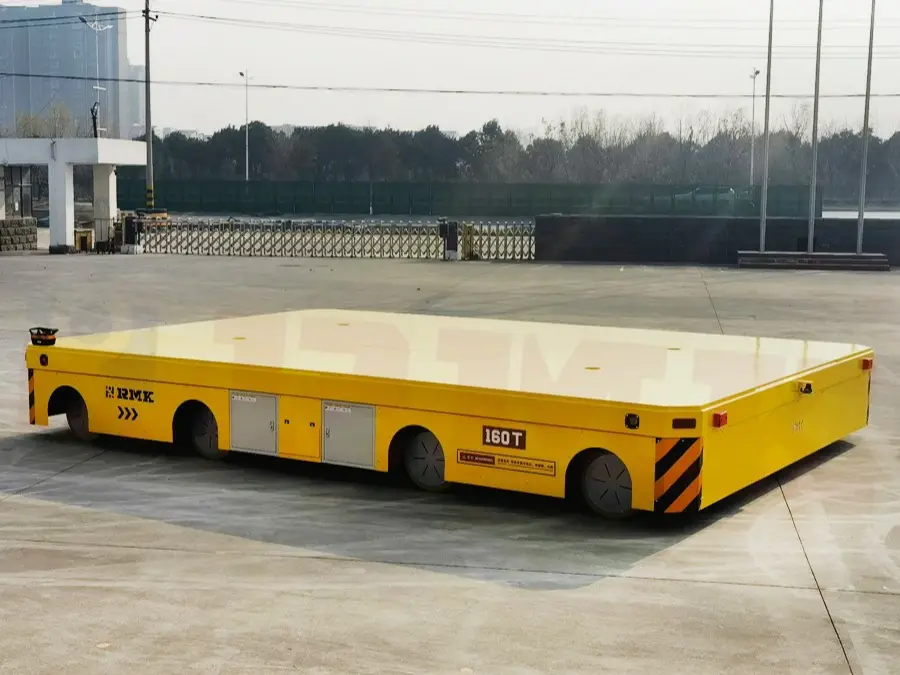
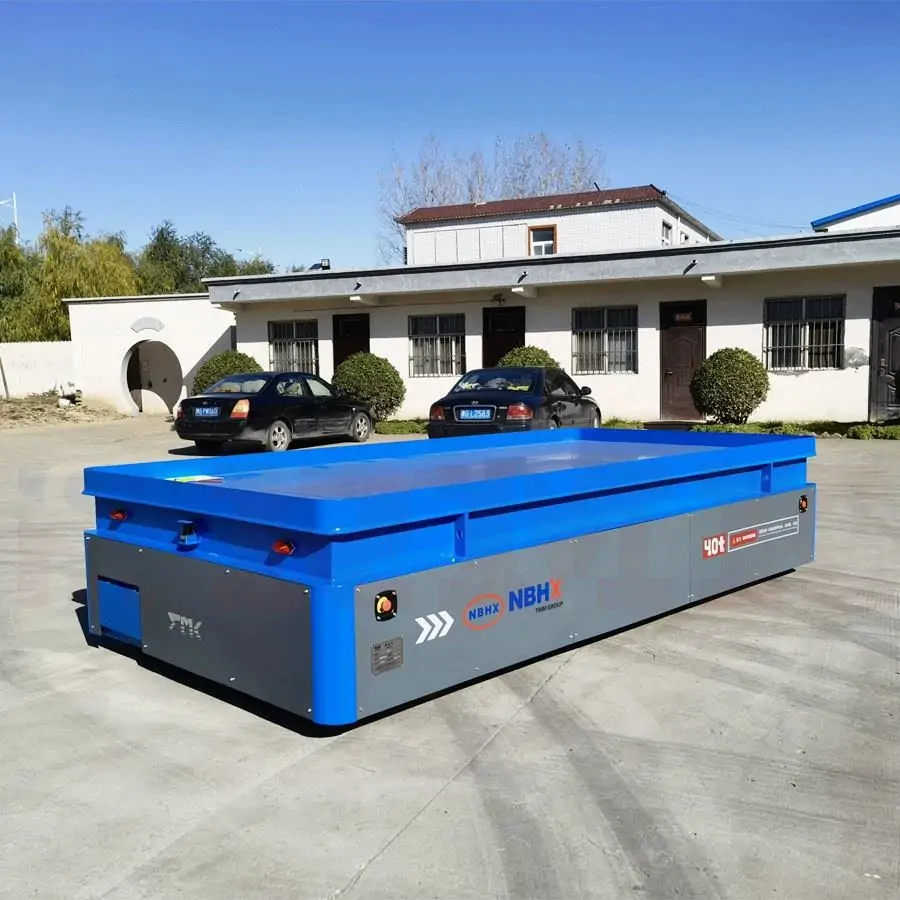
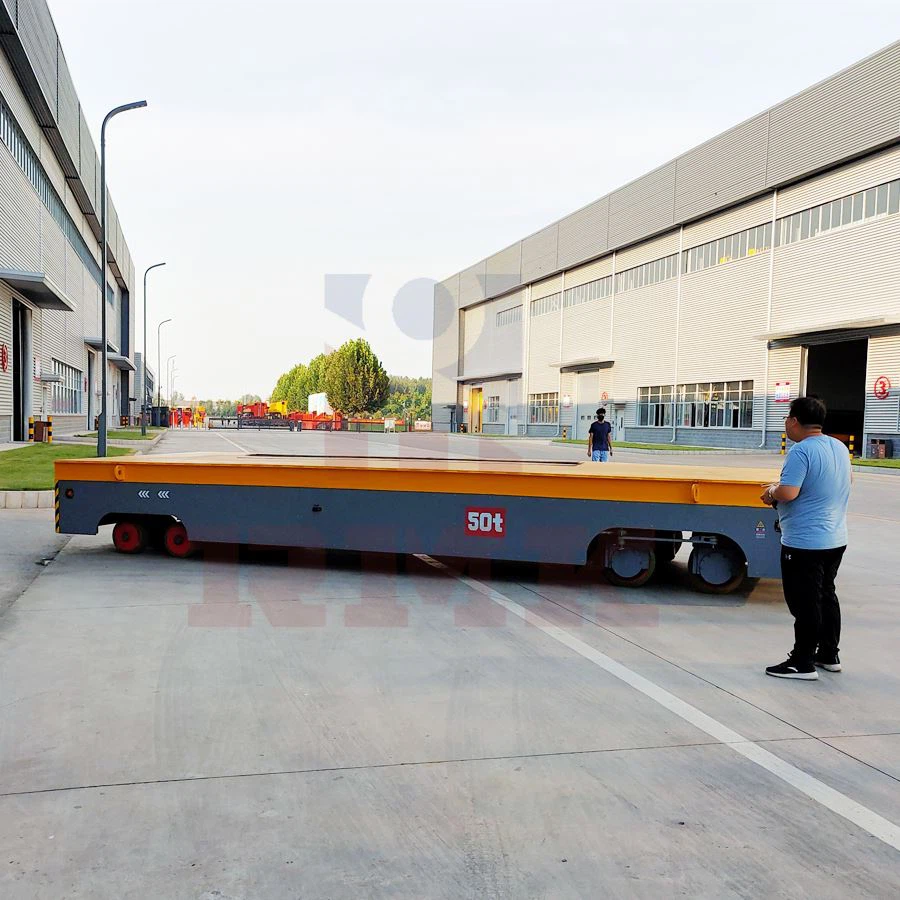
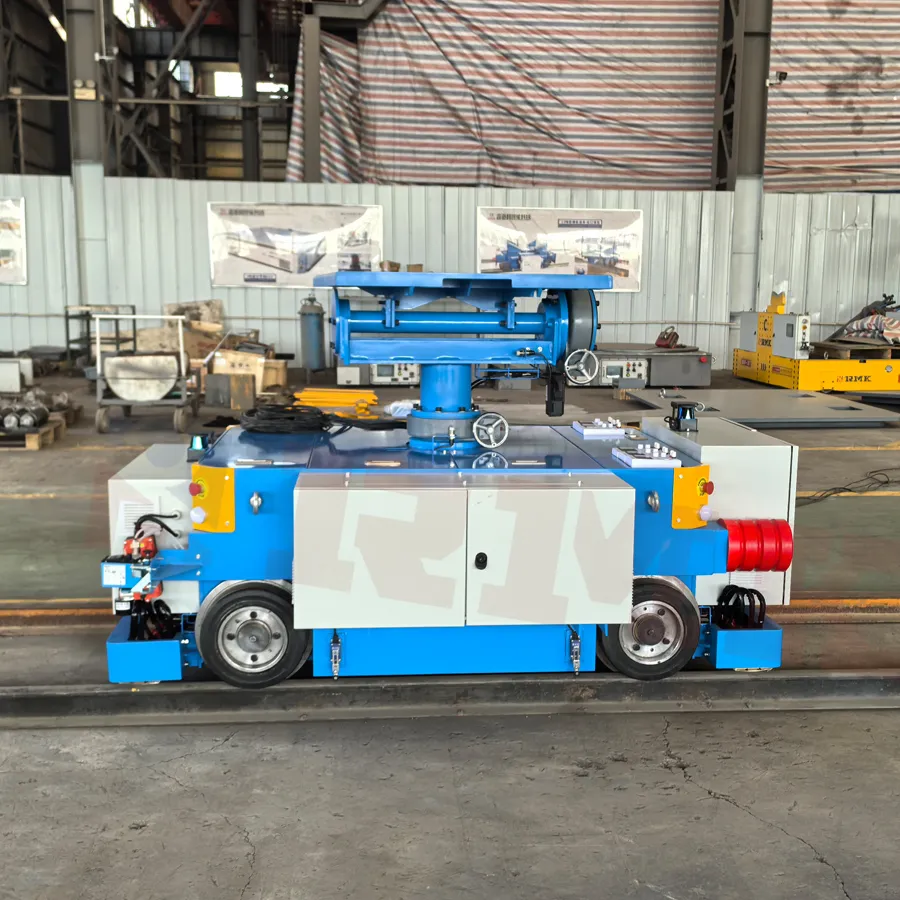
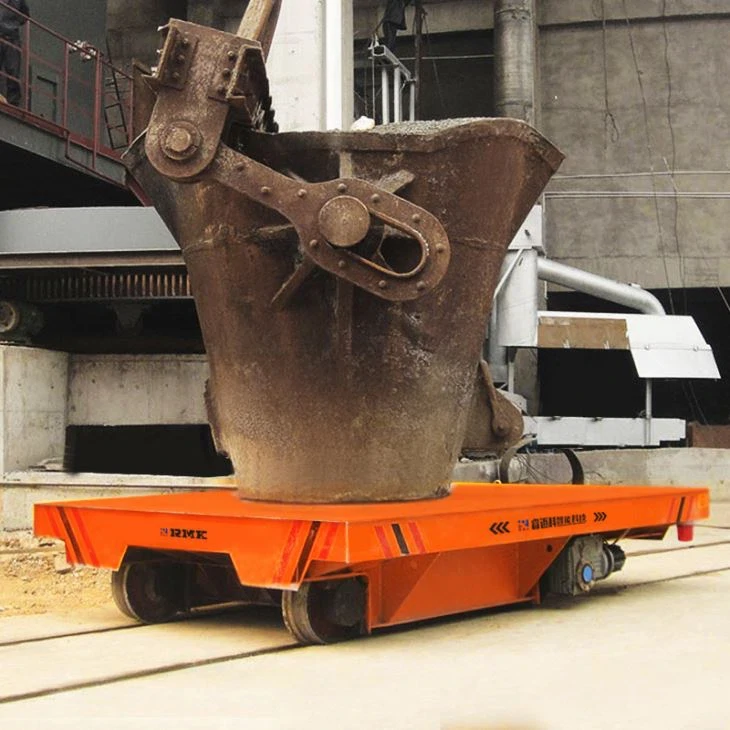
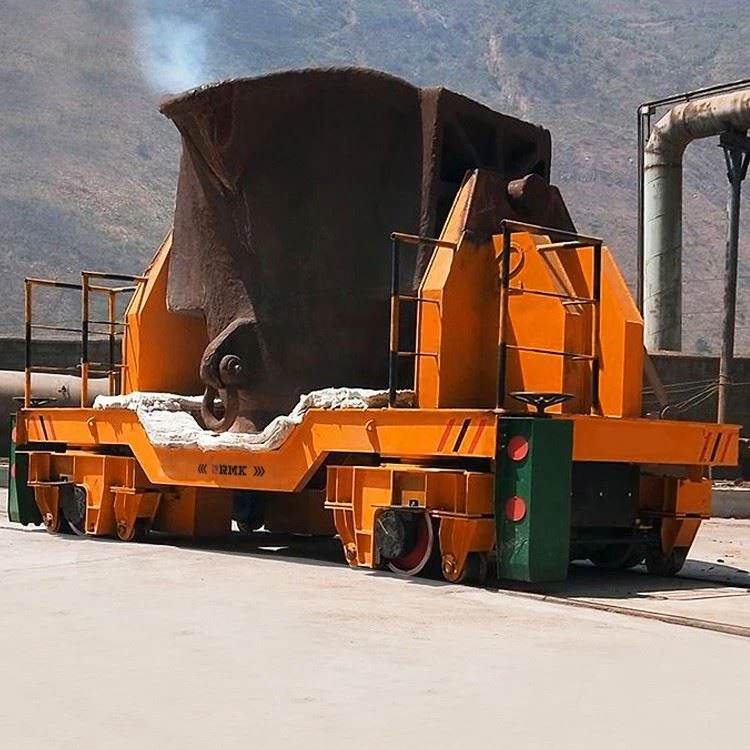 عربة نقل كهربائية على قضبان للمسبك
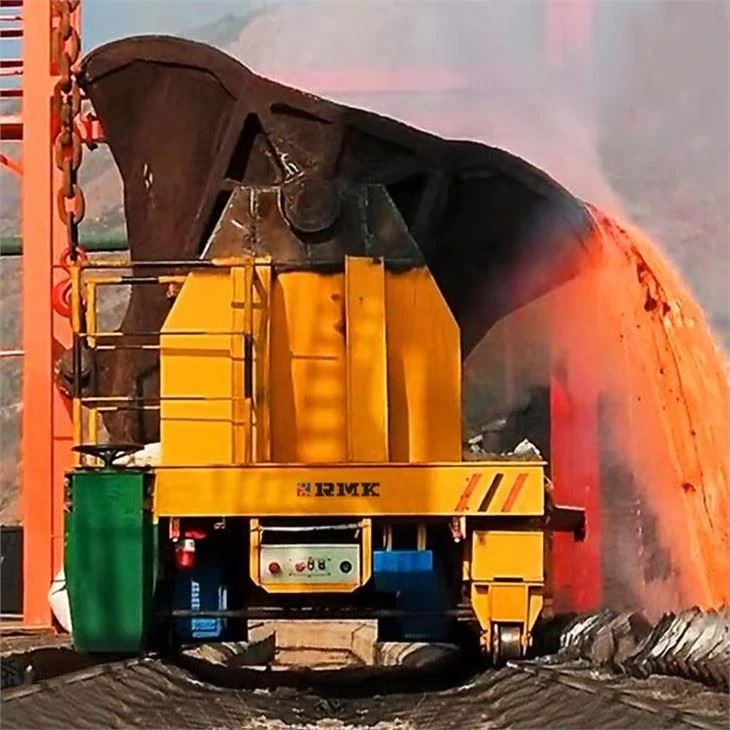
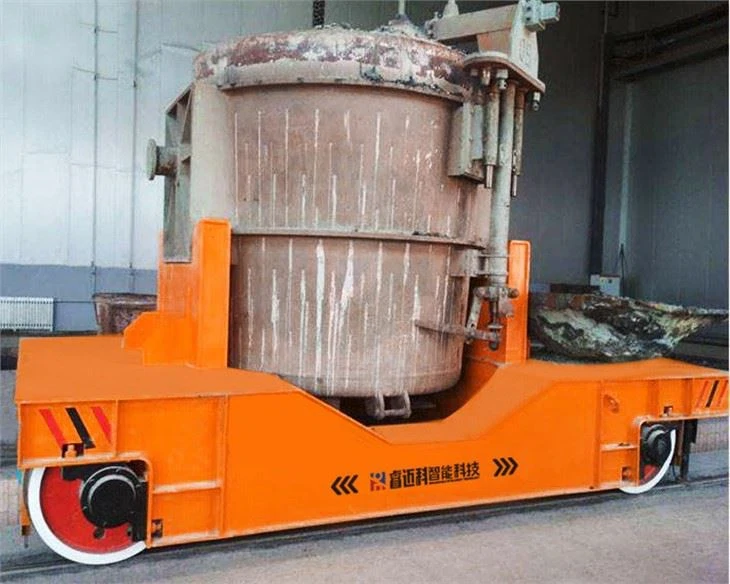 عربة نقل كهربائية على قضبان للمسبك
أسباب اختيار المسابك لعربات النقل الكهربائية على القضبان
تعمل صناعة المسابك في ظروف أكثر قسوة من البيئات الصناعية النموذجية، مما يتطلب معايير أعلى من معدات النقل. الأسباب الأربعة الرئيسية التالية تشرح لماذا أصبحت العربات التي تعمل على القضبان الخيار المفضل في المسابك.
قدرة تحميل استثنائية: تلبية متطلبات الخدمة الشاقة
المواد في المسابك عالية الكثافة وثقيلة للغاية - يمكن أن يزن مغرف الفولاذ وحده 50-300 طن. لا تستطيع مركبات النقل التقليدية التعامل مع هذه الأحمال، ويتطلب نقل المغارف ثباتًا استثنائيًا. تلبي عربات النقل الكهربائية على القضبان متطلبات نقل المغارف والمسبوكات بشكل مثالي.
الملاءمة:
- توزع قضبان السكك الحديدية الأحمال المركزة بالتساوي من خلال تصميمها الهيكلي، مما يمنع تشوه المركبة أو مخاطر انهيار الأرضية.
- تتميز هياكل المركبات المقواة بمقاومة عالية للإجهاد، مما يناسب عمليات النقل المتكررة ذهابًا وإيابًا، ويقلل من التلف ويعزز المتانة.
- يضمن التشغيل المستقر تحت الأحمال الثقيلة مع اهتزاز منخفض نقل الفولاذ المصهور دون انسكاب أو تمايل، مما يعزز السلامة.
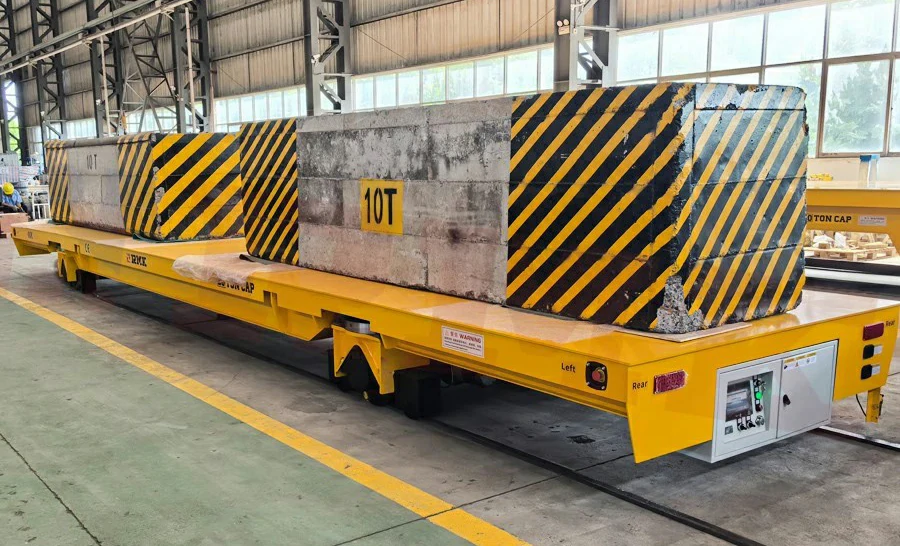
مقاومة درجات الحرارة العالية: التكيف مع بيئات المسابك القاسية
تتسبب درجات الحرارة العالية والحرارة الإشعاعية الشديدة في ورش الصهر في تليين الإطارات التقليدية أو انفجارها أو حتى اشتعالها. تتحمل عربات النقل الكهربائية على القضبان هذه الظروف القاسية.
الملاءمة:
- يتكيف التصميم القائم على وضع القضبان مع الظروف الداخلية/الخارجية القاسية. يظل هيكل الإطارات الخالي من المطاط غير متأثر بالإشعاع الحراري وحرارة الأرضية.
- يمكن تجهيز المركبات بألواح عازلة وأنظمة تحكم إلكترونية مقاومة لدرجات الحرارة العالية، مما يطيل وقت التشغيل بالقرب من الفولاذ المصهور.
- يمكن تخصيص المحركات وعلب التروس بمكونات من سلسلة درجات الحرارة العالية، مما يطيل عمر المعدات بشكل كبير.
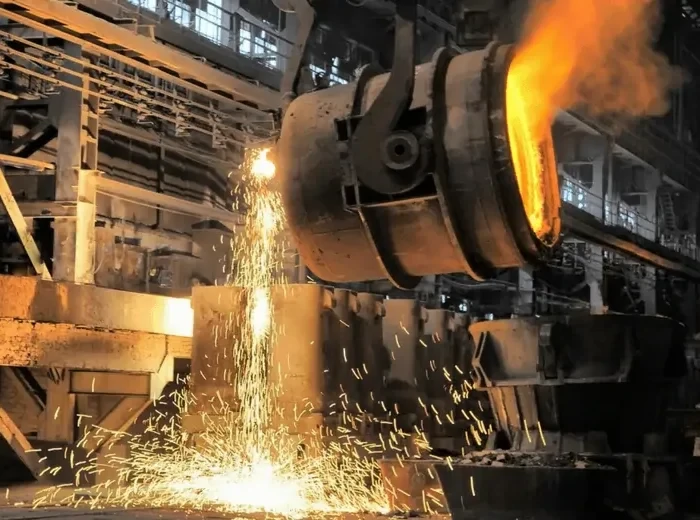 صناعة المسابك
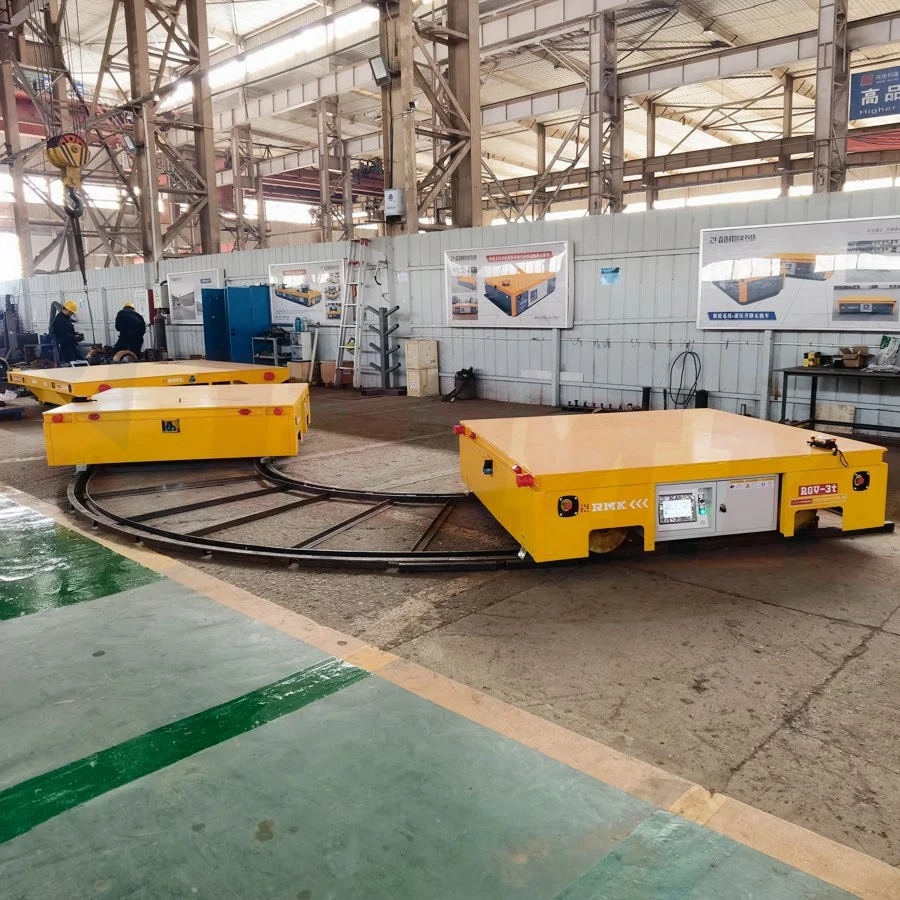
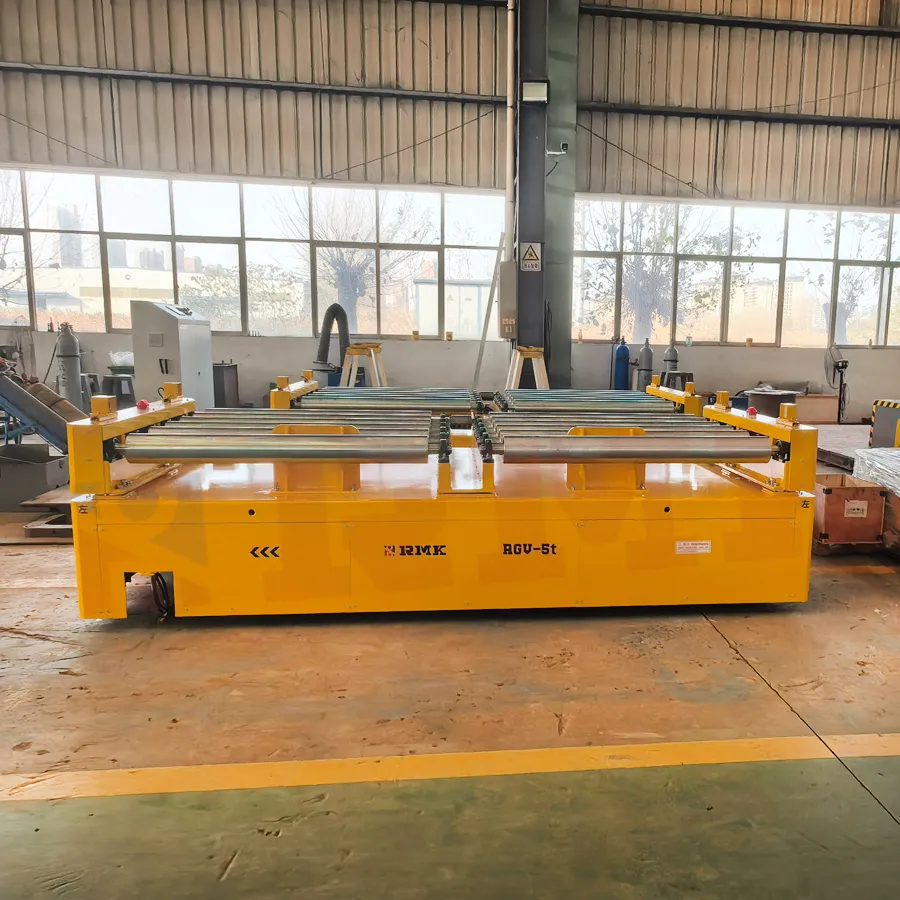
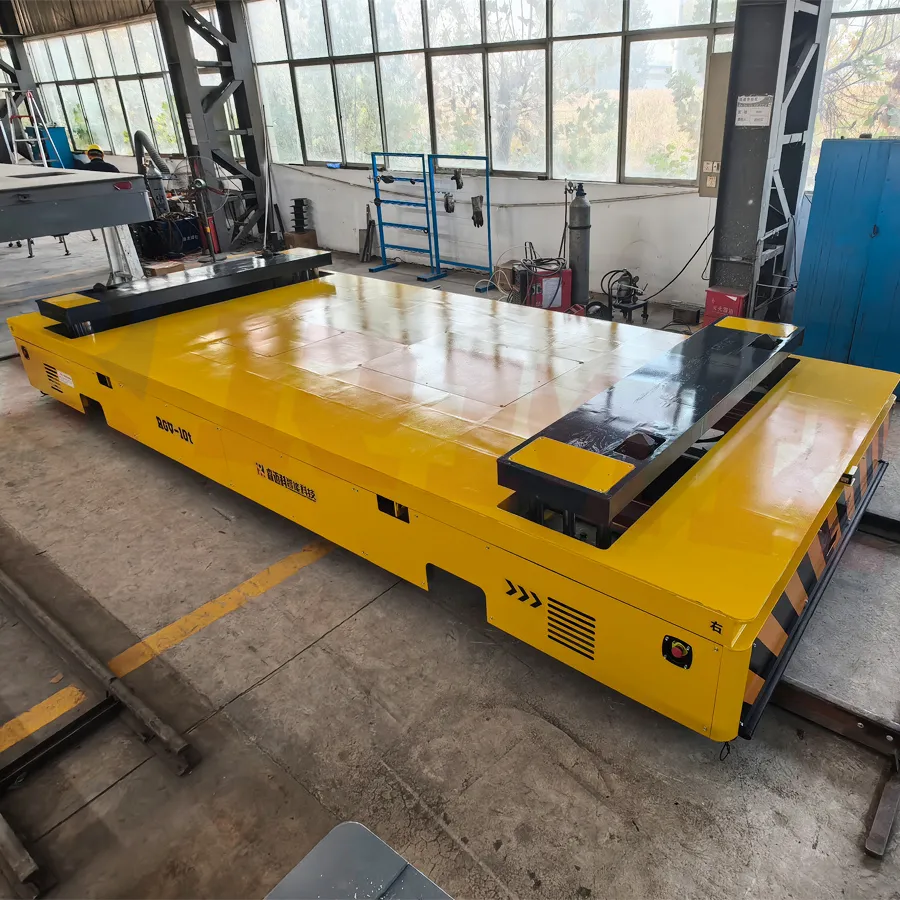
 عربة نقل كهربائية على قضبان للمسبك
 عربة نقل كهربائية على قضبان للمسبك
التشغيل على مسار ثابت: نقل آمن، تحكم بسيط
تشكل المساحات الضيقة والمعدات الكثيفة وحركة المشاة المتقاطعة في ورش الصهر تحديات كبيرة لسلامة النقل. ضمن الممرات المعقدة والمناطق عالية الخطورة في مصانع الصهر، تقلل عربات النقل الكهربائية على القضبان من عدم الاستقرار الناجم عن الأسطح غير المستوية أو العوائق. توفر المسارات الموجهة بقضبان تحكمًا فائقًا مقارنة بالحلول غير الموجهة.
الملاءمة:
- يلغي تخطيط المسار الثابت مخاطر الانحراف ويقلل من التداخل الأرضي، مما يقلل بشكل كبير من حوادث الاصطدام أثناء نقل المغارف.
- لا يتطلب التشغيل البسيط مهارات قيادة معقدة، مما يقلل من الخطأ البشري ويعزز السلامة.
- تعمل أنظمة السلامة المتكاملة، بما في ذلك تجنب الاصطدام والحد من السرعة والتوقف في حالات الطوارئ والإنذارات الصوتية/المرئية، على تخفيف المخاطر بشكل أكبر.
فعالية عالية من حيث التكلفة: عمر خدمة طويل مع تكاليف صيانة منخفضة.
تتطلب صناعة المعادن عمليات عالية الأحمال وسريعة الوتيرة تحتاج إلى معدات متينة بتكاليف محكومة. بينما تتميز العربات المسطحة الكهربائية غير الموجهة بتكاليف تركيب أولية أقل (لا تتطلب مد قضبان)، فإن الاستخدام طويل الأمد يزيد من تكلفتها الإجمالية. تتميز المركبات القائمة على القضبان بهياكل أبسط دون أنظمة توجيه معقدة، مما يتيح صيانة أسهل وعمر خدمة أطول.
الملاءمة:
- تتحمل الهياكل المصنوعة من الفولاذ البيئات القاسية والصدمات، مما يدعم العمليات عالية التردد مع عمر خدمة ممتد.
- تقلل متطلبات الصيانة البسيطة من التكاليف، مما يلغي الحاجة إلى استبدال الإطارات أو وسادات الفرامل أو أنظمة التوجيه بشكل متكرر.
- تمكن البنية التحتية الثابتة للقضبان العربات المسطحة الكهربائية من الحفاظ على سرعات عالية، مما يعزز كفاءة النقل مع تقديم تكاليف إجمالية منخفضة على مدى سنوات التشغيل.

علاوة على ذلك، في صناعات الصهر والصب، غالبًا ما تتطلب المواد توصيلًا دقيقًا إلى مواقع محددة لضمان تدفق إنتاج سلس. تعمل العربات المسطحة الكهربائية الموجهة بقضبان على مسارات ثابتة، مما يتيح تحديد المواقع بدقة عند نقاط محددة لتلبية متطلبات الدقة العالية.
بعد التعرف على مزايا عربة النقل الكهربائية على القضبان لمناولة المواد الثقيلة في الصهر والصب، كيف تقارن بمعدات النقل الأخرى؟ دعنا نفحص البدائل بإيجاز.
عربة النقل الكهربائية على القضبان مقابل عربة النقل غير الموجهة
أدناه، نفحص المقاييس الأساسية ذات الصلة ببيئات الصهر لفهم لماذا تعتبر عربة النقل الكهربائية على القضبان الخيار الأمثل.
| العنصر | عربة قطار النقل الكهربائية | عربة نقل غير مجنزرة | الرافعات الشوكية/الجرارات |
|---|---|---|---|
| البيئة المناسبة | درجات حرارة عالية، أحمال ثقيلة، تشغيل مستمر | أحمال متوسطة، أرضية مستوية نسبيًا | سيناريوهات أحمال خفيفة أو متوسطة |
| سعة التحميل | عالية جدًا، حتى 300 طن+ | معتدلة، عادةً ≤80 طن | منخفضة إلى معتدلة |
| مقاومة درجات الحرارة العالية | عالية، تعتمد على القضبان بدون هيكل إطارات | معتدلة، الإطارات عرضة للحرارة | ضعيفة |
| السلامة | عالية، المسار الثابت يقلل الانحراف | معتدلة، تتطلب تشغيلًا ماهرًا | معتدلة إلى منخفضة |
| تكلفة الصيانة | منخفضة | معتدلة | معتدلة إلى عالية |
| قدرة الأتمتة | تتكامل بسهولة مع أنظمة القضبان الآلية | مقاومة عالية، تعتمد على القضبان بدون هيكل إطارات | صعبة في الأتمتة |
| الملاءمة لصناعة الصهر | موصى بها بشدة | مناسبة فقط للمواد العامة | غير موصى بها لنقل المغارف |
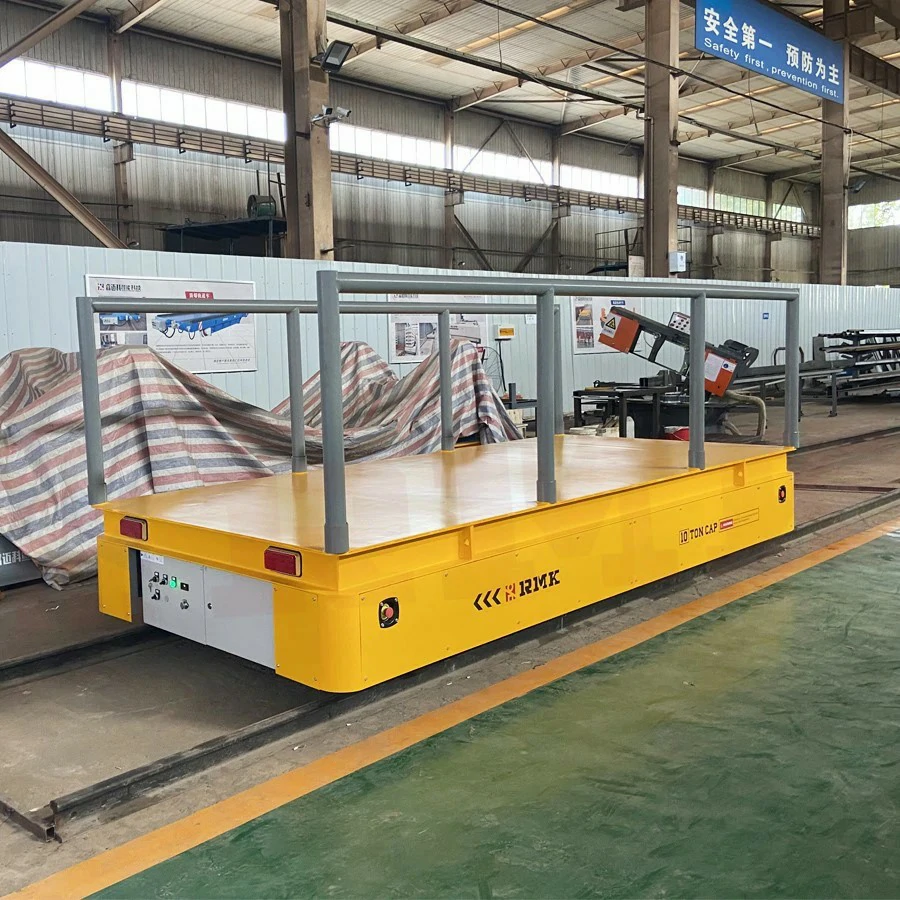
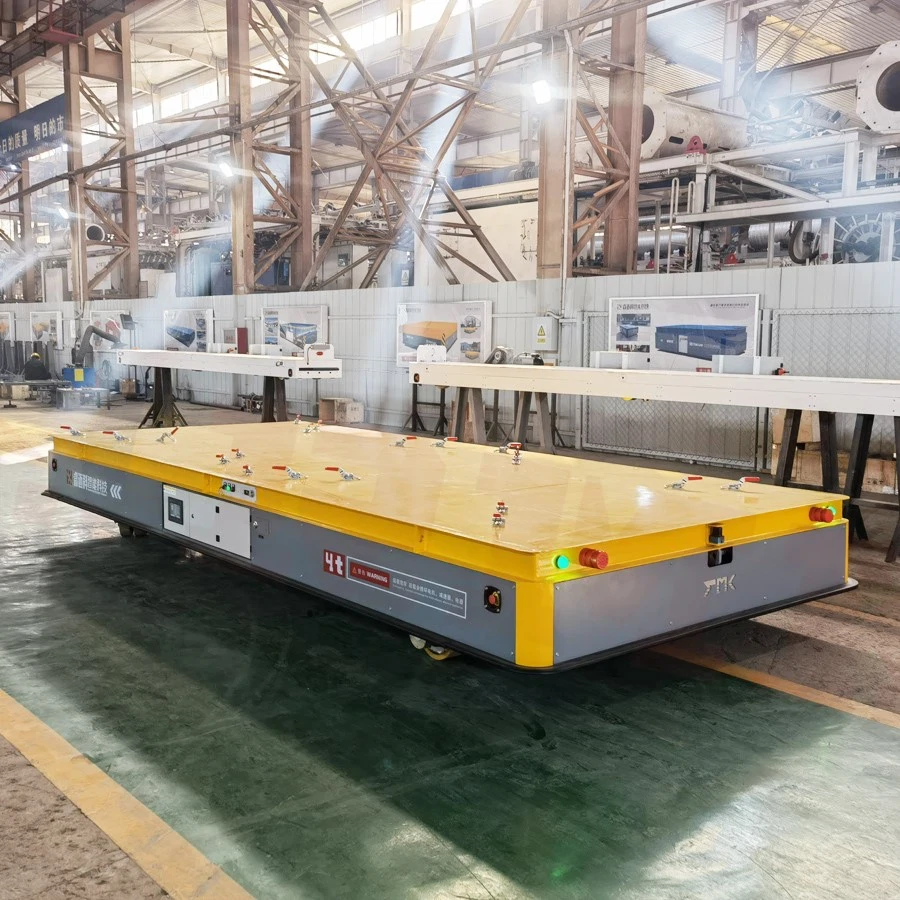
تفضل صناعات الصهر والصب عربات النقل الكهربائية على القضبان بسبب مزاياها التي لا تضاهى في قدرة التحميل الثقيل، ومقاومة درجات الحرارة العالية، والسلامة، والتشغيل المستقر. مقارنة بالمركبات غير الموجهة ومعدات النقل الأخرى، تلبي الأنظمة القائمة على القضبان بشكل أفضل متطلبات التشغيل القاسية لنقل المغارف، مما يعزز السلامة ويقلل من مخاطر التشغيل.
الخلاصة:
مناسبة فقط للمواد العامة اتصل بنا غير موصى بها لنقل المغارف.