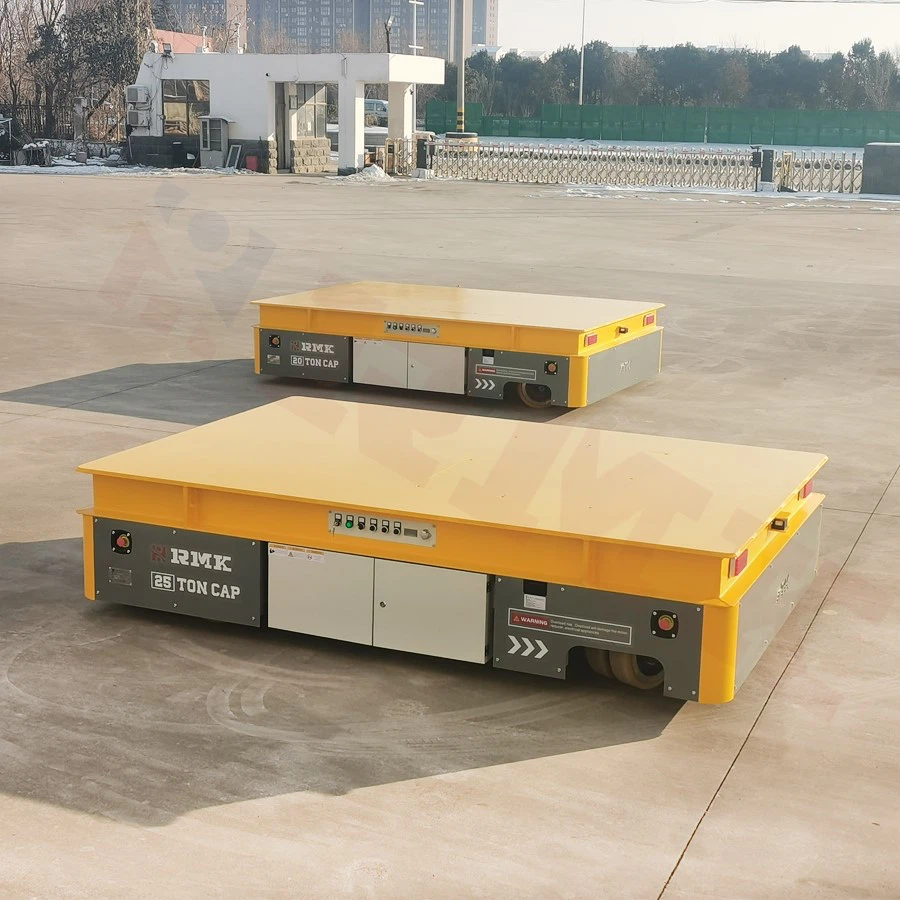
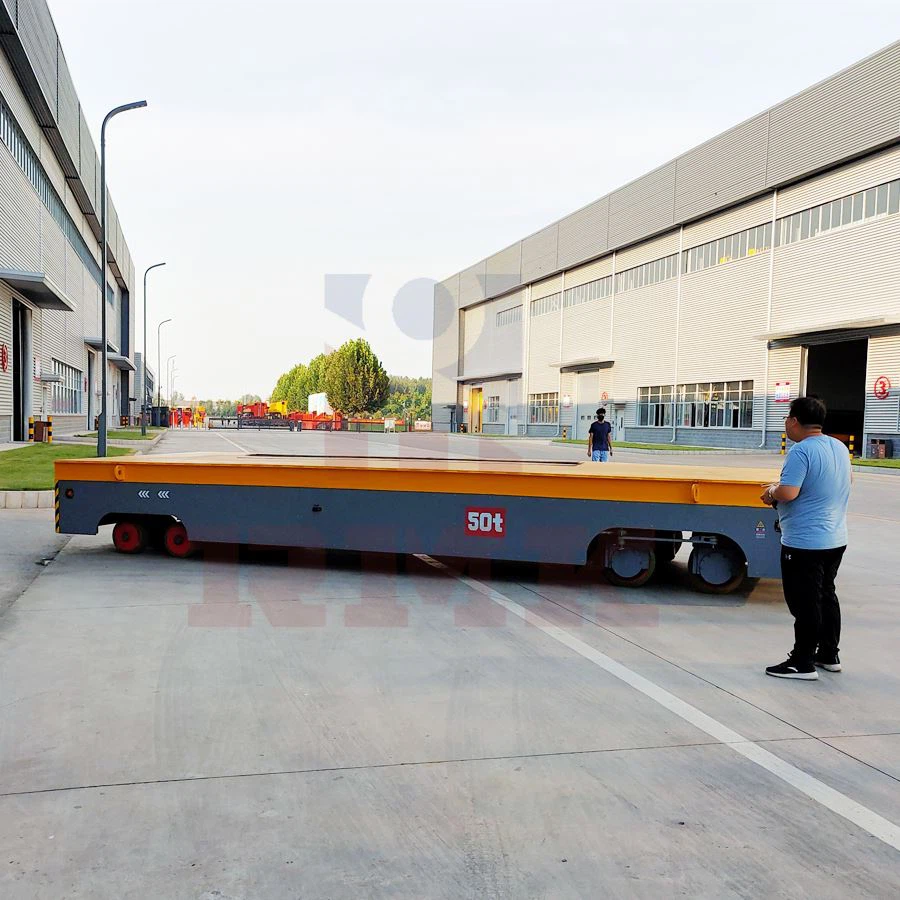
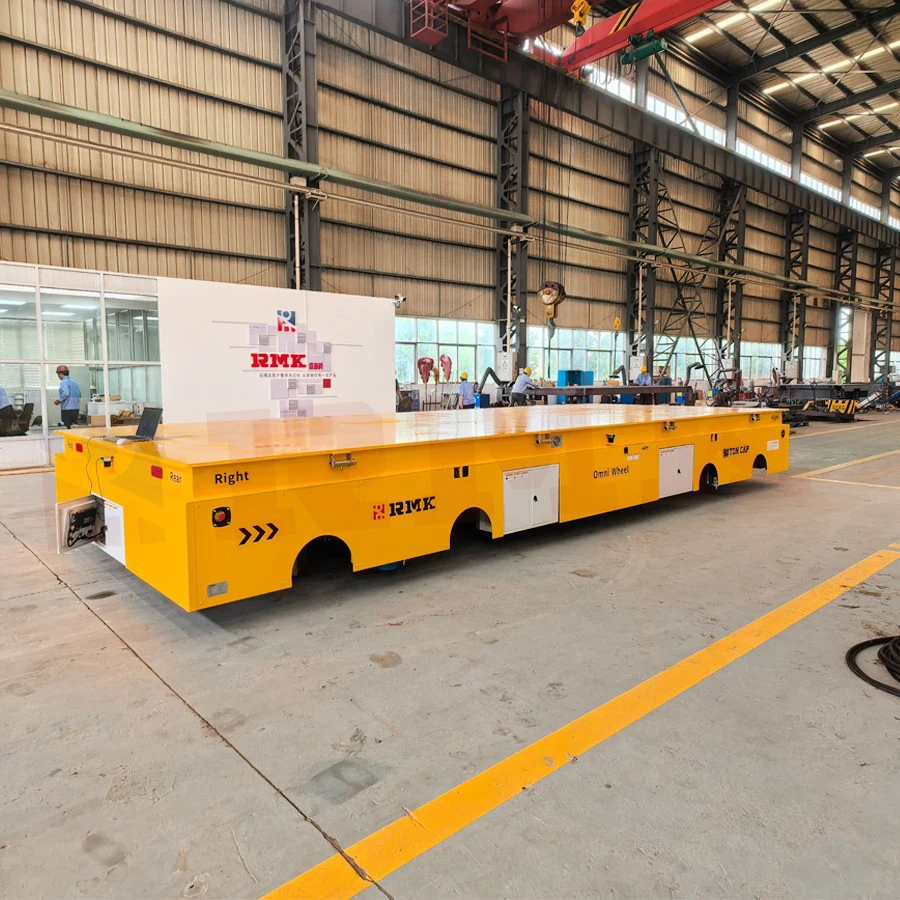
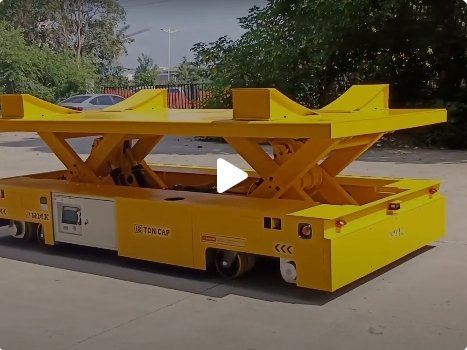
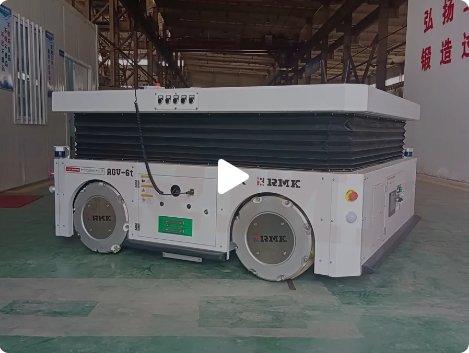
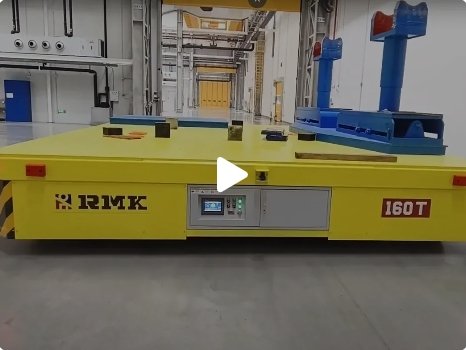
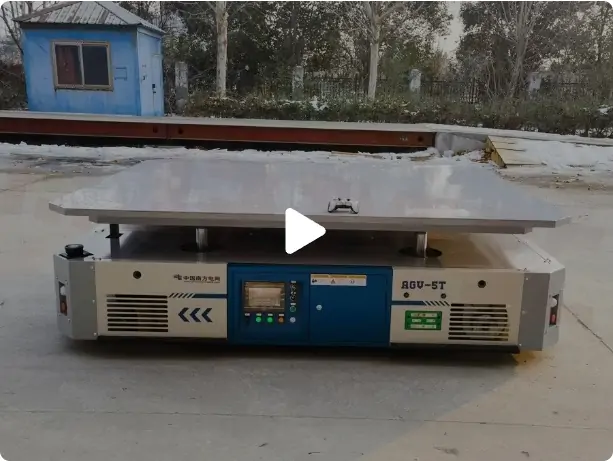
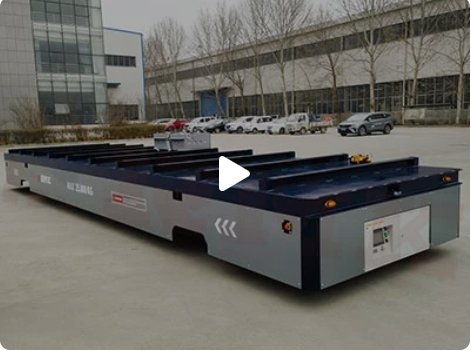
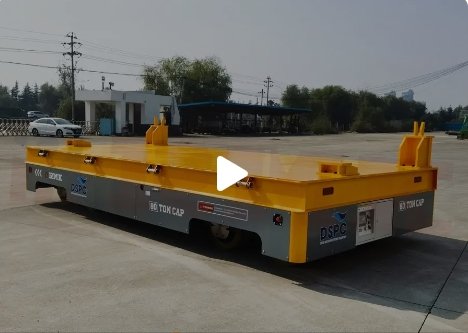
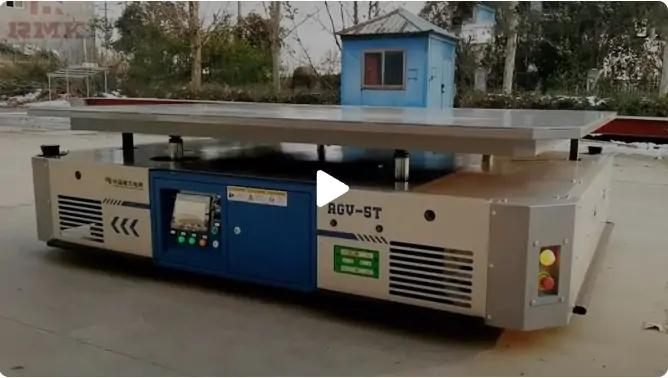
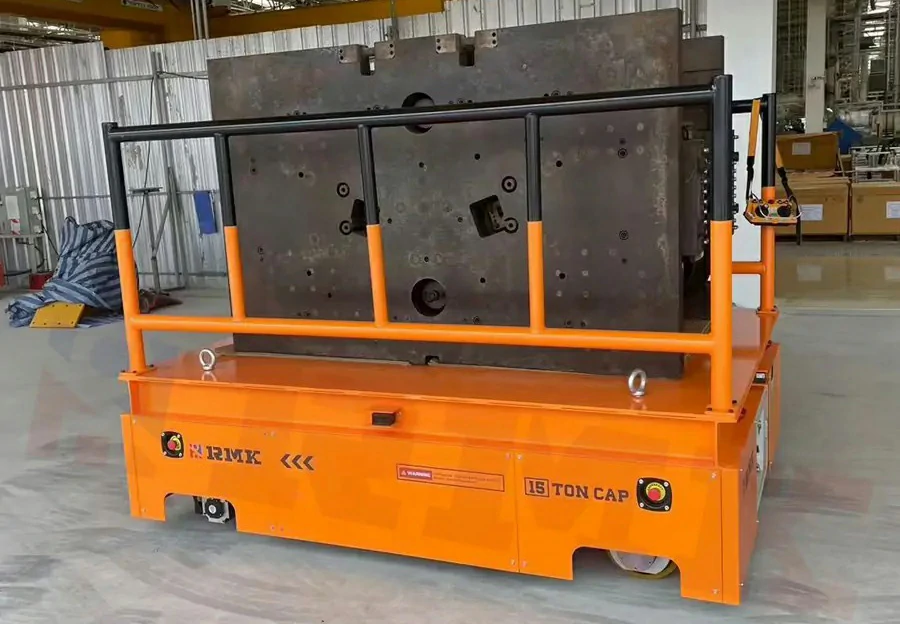
عربات النقل القابلة للتوجيه هي معدات مناولة صناعية مزودة بأنظمة توجيه يدوية أو ميكانيكية. من خلال الربط الرباعي للعجلات، أو التوجيه الهيدروليكي، أو آليات التوجيه الميكانيكية، تحقق حركة متعددة الاتجاهات. تتميز بتوجيه مرن، وقدرة تحميل عالية، وعدم الحاجة إلى تركيب مسارات، وقابلية للتكيف مع التضاريس المعقدة، وتُستخدم عادةً لنقل العناصر الثقيلة مثل القوالب، ولفائف الصلب، ومكونات المعدات داخل المصانع. تقدم هذه المقالة نظرة متعمقة على هيكل ومبادئ عمل عربة النقل القابلة للتوجيه.

هيكل عربة النقل القابلة للتوجيه
هيكل عربة النقل القابلة للتوجيه للخدمة الشاقة بسيط، ويتكون بشكل أساسي من العناصر التالية:
هيكل الإطار
يعمل الإطار كالهيكل الأساسي للمركبة، ويُصنع عادةً من الفولاذ الكربوني عالي القوة الملحوم في تكوين عارضة صندوقية باستخدام قنوات فولاذية أو أنابيب مستطيلة. تعمل ألواح التقوية في القاعدة على منع التشوه الناتج عن الأحمال المركزة، بينما يعمل الطلاء المقاوم للتآكل على إطالة العمر الافتراضي.
يتحمل الإطار وزن المواد مع توفير هيكل تثبيت ثابت للعجلات، ومكونات التوجيه، والمنصة. تعزز صلابته العالية وثباته العام قدرة تحميل عربة النقل وأداء السلامة.
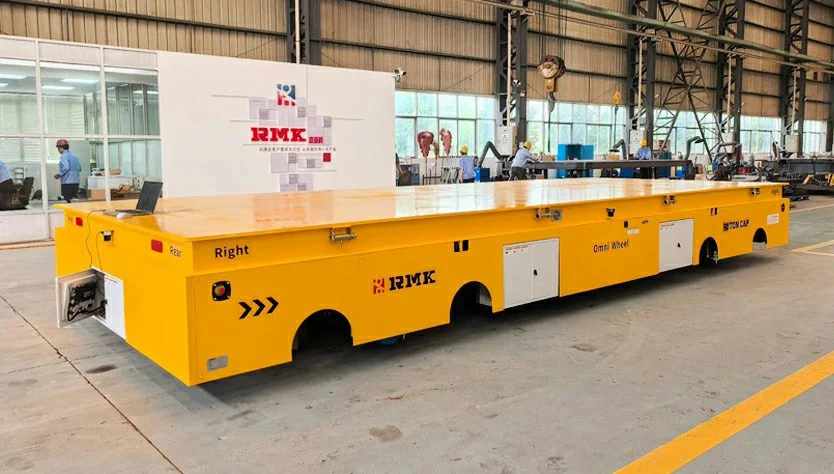
نظام العجلات والمحاور
تتوفر العجلات بمواد مختلفة، بما في ذلك عجلات البولي يوريثان، والعجلات المطاطية، والعجلات الفولاذية المصبوبة. تناسب الأشكال والمواد المختلفة ظروف أرضيات المصانع المتنوعة.
تستخدم المحاور هياكل صلبة أو منقسمة، مع محامل دقيقة تضمن دورانًا مستقرًا ومقاومة منخفضة.
نظام العجلات هو مكون حاسم يدعم المركبة وحركتها. يضمن التشغيل السلس تحت الأحمال الثقيلة أثناء النقل مع تعزيز المتانة.
إذا كنت مهتمًا بمعرفة أنواع العجلات على عربات النقل، فيرجى الرجوع إلى المقالة: أنواع عجلات عربات النقل
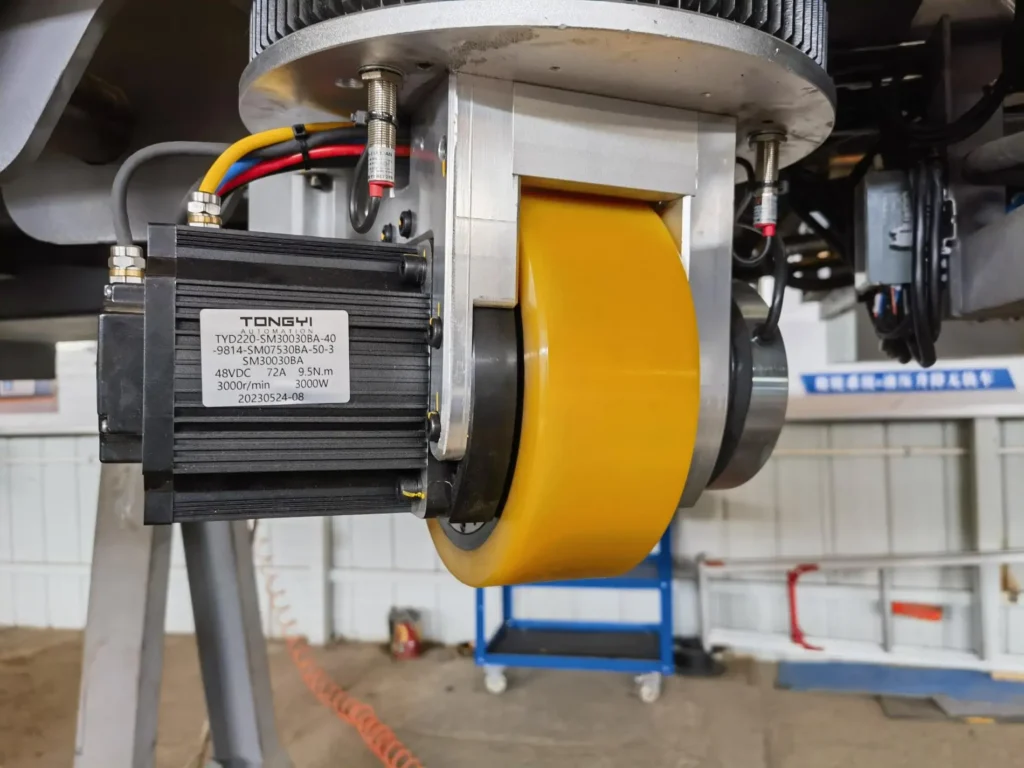 عجلة قابلة للتوجيه
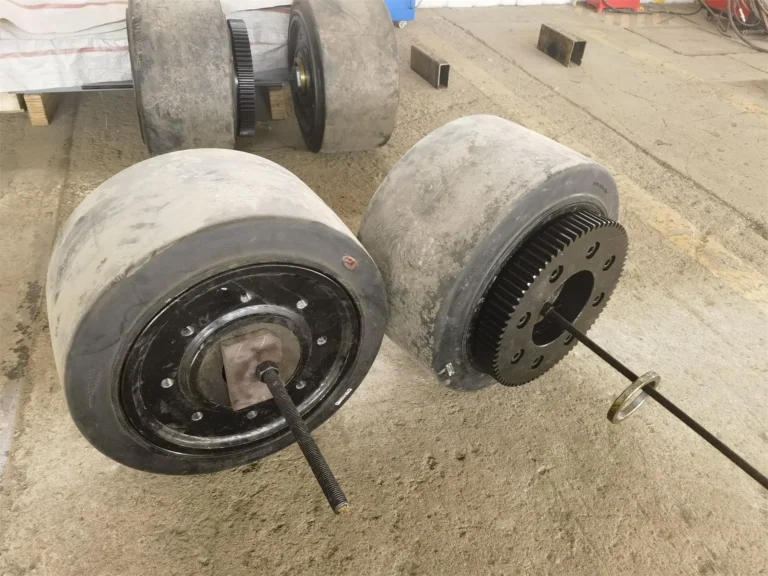 عجلة مطاطية صلبة
 عجلات مغلفة بالبولي يوريثان
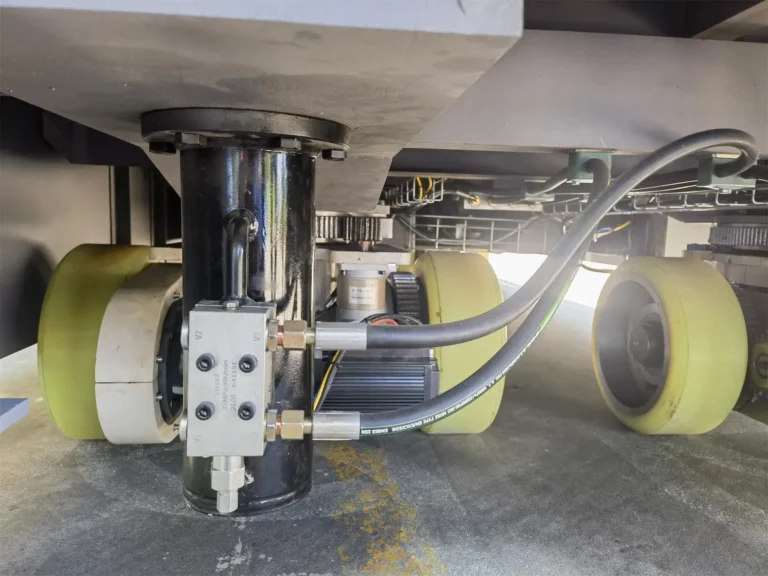 عجلة قابلة للتوجيه
نظام التوجيه
نظام التوجيه هو السمة الهيكلية الرئيسية التي تميز هذه المعدات عن عربات التحميل المسطحة القياسية. تشمل التكوينات الشائعة ما يلي:
- التوجيه الميكانيكي بالوصلات: مسار الهيكل: قضيب السحب → وصلة التوجيه → عمود التوجيه → العجلات. بسيط وموثوق، يُستخدم عادةً للنقل الخفيف إلى المتوسط.
- التوجيه الهيدروليكي: تقوم الأسطوانات الهيدروليكية بتحريك انحراف العجلات، مما يتيح تعديلات دقيقة بسرعات منخفضة وتحديد المواقع بدقة أثناء مناولة الأحمال الثقيلة. يُستخدم بشكل أساسي للنقل عالي الحمولة.
- التوجيه المتزامن رباعي العجلات: يتيح الانعطاف بنصف قطر ضيق مع قدرة عالية على المناورة. تتشارك العجلات الأمامية والخلفية في توزيع الحمولة، مما يعزز توازن المركبة وثباتها. مثالي للمصانع ذات الممرات الضيقة والانعطافات المتكررة.
تتحكم آلية التوجيه في زاوية الانعطاف والدقة، مما يتيح التشغيل المرن في المساحات الضيقة للمصانع، أو الممرات، أو محطات العمل. تشكل مكونًا وظيفيًا حاسمًا للمركبة.

نظام القطر
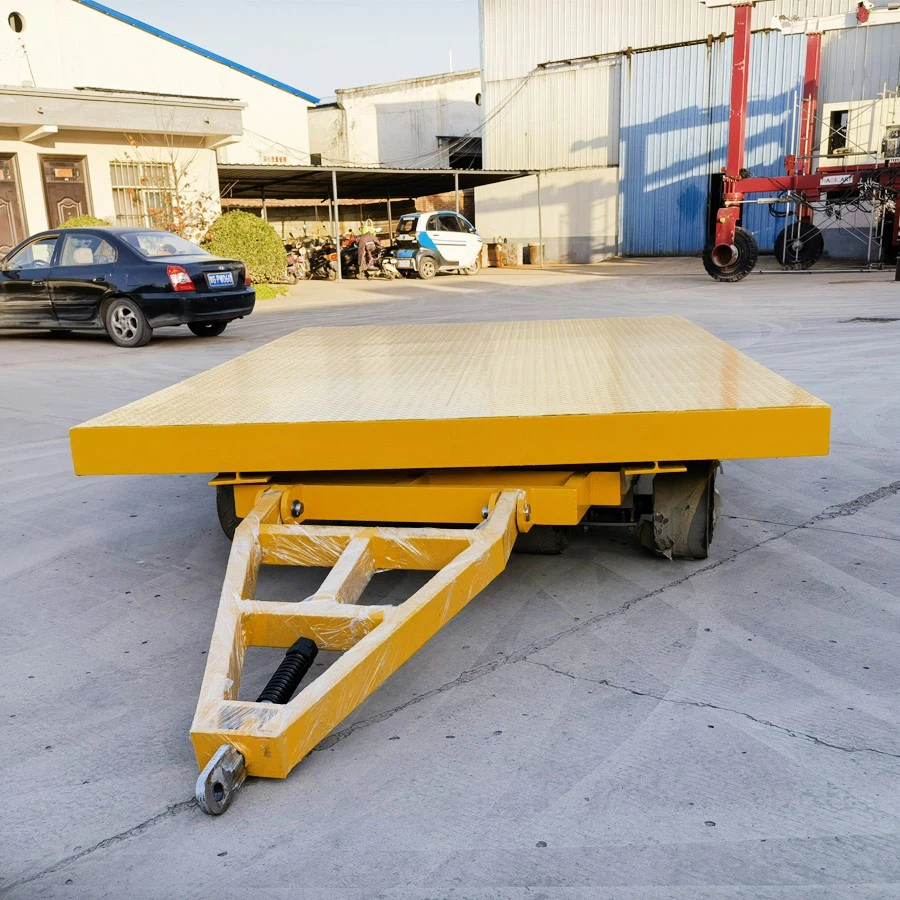
يسهل نظام القطر السحب اليدوي أو التكامل مع جرارات القطر. يتصل قضيب القطر بتجميع التوجيه، بينما تتيح عيون القطر أو قارنات المقطورات القطر بواسطة مركبات خارجية. يبسط تصميمه القابل للطي عملية الركن.
ينقل نظام القطر القوة من المشغلين اليدويين أو شاحنات القطر إلى نظام التوجيه، مما يتيح كلًا من الحركة والتحكم في الاتجاه. يعمل كطرف الطاقة والتوجيه لحركة المركبة.
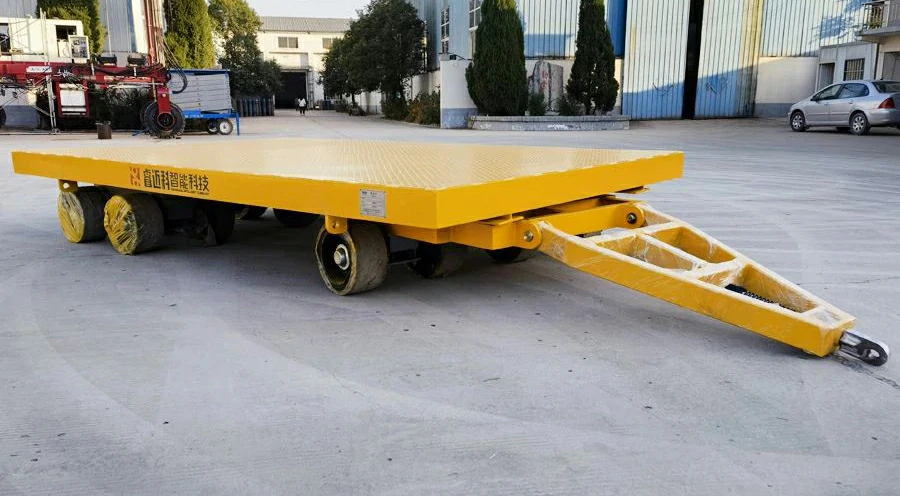 نظام القطر
منصة التحميل
توفر منصة التحميل سطح العمل لدعم البضائع. يمكن تخصيص هياكل مختلفة بناءً على المواد المنقولة:
- منصة مسطحة: هيكل منصة شائع يتميز بسطح عمل من صفائح فولاذية مسطحة. يمكن معالجة السطح بنقوش مانعة للانزلاق. يوفر هيكلًا بسيطًا وصيانة سهلة.
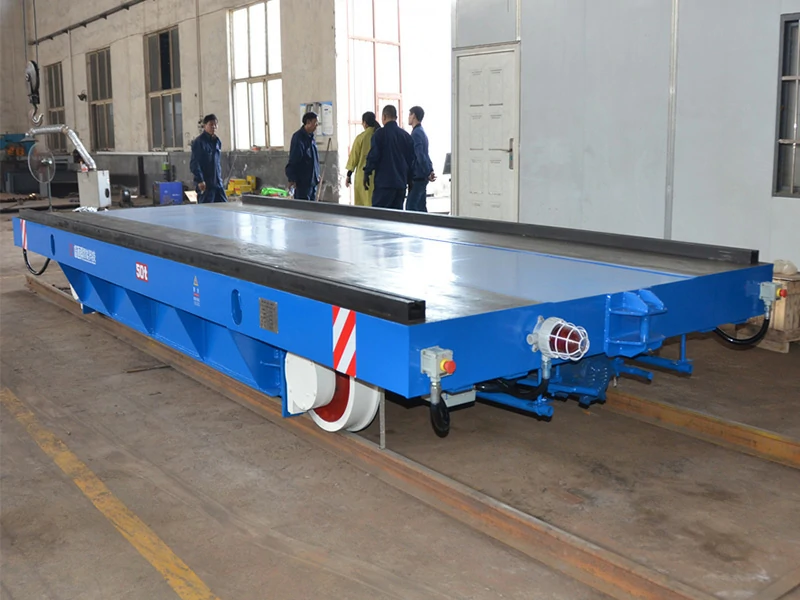
- منصة على شكل حرف V: تتميز بأخدود مركزي على شكل حرف V مصمم بزوايا قابلة للتعديل لمواد محددة، يُستخدم عادةً لنقل لفائف الصلب والمواد الأسطوانية.
- أجهزة الدعم: تأمين البضائع باستخدام إطارات دعم، أو كتل تحديد المواقع، أو قواعد متشابكة. مخصصة لفتحات تثبيت المواد، مثالية للعناصر ذات الأشكال المعقدة، أو المعدات الكبيرة، أو القوالب.
- منصة مانعة للانزلاق: تتميز بألواح فولاذية منقوشة أو حصائر مطاطية مانعة للانزلاق على السطح لزيادة الاحتكاك ومنع انزلاق البضائع. تُستخدم عادةً للمواد المعبأة في براميل، أو صناديق، أو المواد الزلقة.
 عربة النقل القابلة للتوجيه
 عربة النقل القابلة للتوجيه على شكل V
تدعم منصة التحميل المواد المنقولة، حيث تؤثر القوة الهيكلية والثبات بشكل مباشر على سلامة البضائع. تحقق الصناعات المختلفة كفاءة أعلى وحماية أفضل من خلال حلول المنصات المخصصة.
عربة النقل القابلة للتوجيه لها هيكل بسيط، ولكن كيف تعمل؟ دعنا نلقي نظرة سريعة.
كيف تعمل عربة النقل القابلة للتوجيه
يتم توفير قوة الجر لعربة النقل القابلة للتوجيه عن طريق العمل اليدوي، أو مركبة القطر، أو نظام كهربائي، مع عمل العجلات بالتنسيق مع نظام التوجيه. عن طريق تغيير زاوية انحراف العجلات من خلال آلية التوجيه، تحقق عجلات التوجيه ومنصة التحميل حركة متزامنة. وهذا يمكن المركبة من أداء مناورات عكس و انعطاف مرنة داخل مناطق المصنع الضيقة، مما يضمن تشغيلًا مستقرًا.
مبدأ آلية التوجيه: يدفع المشغل أو يسحب مقبض التوجيه، مما يدفع العجلات الأمامية أو جميع العجلات الأربع للدوران بشكل متزامن. يؤدي التغيير في زاوية انحراف العجلات إلى تغيير اتجاه المركبة. يوفر هذا التصميم نصف قطر انعطاف صغير، وتحكمًا دقيقًا في الاتجاه، وملاءمة للمساحات الضيقة في المصانع.
مبدأ تحمل الحمولة ونقل القوة: يتحمل الهيكل السفلي الأحمال المركزة من المواد ويوزعها بالتساوي على العجلات. يجب أن تتطابق مواد الإطارات مع ملاءمة الأرضية وقدرة التحميل. يضمن هيكله الفولاذي عالي القوة النقل الآمن للأحمال الثقيلة.
مبدأ عملية السير: يوفر الجر اليدوي/الكهربائي قوة الدفع الأمامية. تولد العجلات احتكاكًا دورانيًا مع الأرض، بينما يتحكم نظام الفرامل في التوقف والركن. يتميز بمعدلات فشل منخفضة وسهولة في الصيانة.
يتحمل الهيكل الأحمال المركزة من المواد ويوزعها بالتساوي على العجلات. يجب أن تتوافق مواد الإطارات مع ملاءمة الأرضية وسعة التحميل. يضمن هيكله المصنوع من الفولاذ عالي القوة النقل الآمن للأحمال الثقيلة.
مبدأ عملية السير:
يوفر السحب اليدوي/الكهربائي قوة الدفع الأمامية. تولد العجلات احتكاكًا دورانيًا مع الأرض، بينما يتحكم نظام الفرامل في التوقف والركن. يتميز بانخفاض معدلات الأعطال وسهولة الصيانة.
| بعد فهم هيكل ومبادئ عمل عربات النقل القابلة للتوجيه، هل أصبحنا واضحين بشأن مجالات تطبيقها؟ دعنا نستكشف أدناه. | ما هي مجالات تطبيق عربات النقل القابلة للتوجيه |
|---|---|
| عربات النقل القابلة للتوجيه مناسبة للسيناريوهات الصناعية التي تتطلب توجيهًا مرنًا، ونقلًا لمسافات قصيرة، ومساحات ضيقة. تُستخدم بشكل شائع في صناعات معالجة القوالب، وتصنيع المعادن، وتجميع المعدات. | الصناعة النموذجية |
| المواد المنقولة | تصنيع القوالب |
| القوالب، وقوالب الكبس، وقوالب الحقن | صناعة الصلب والمعادن |
| صناعة الطاقة الجديدة | لفائف الصلب، ولفائف الألومنيوم، والمسبوكات، والمطروقات |
| المعدات الميكانيكية | هياكل التصنيع، والمكونات الهيكلية الملحومة، وأجزاء المعدات الكبيرة |
| حزم البطاريات، والمكونات الهيكلية، وأجزاء معدات تخزين الطاقة | التخزين والخدمات اللوجستية |
المنصات، والحاويات، والسلع تامة الصنع كيفية اختيار عربة نقل متعددة الاتجاهات
الخاتمة
الصناعات الكيميائية اتصل بنا براميل المواد، والحاويات الكيميائية، ومواد التغليف.