
Содержание
Введение
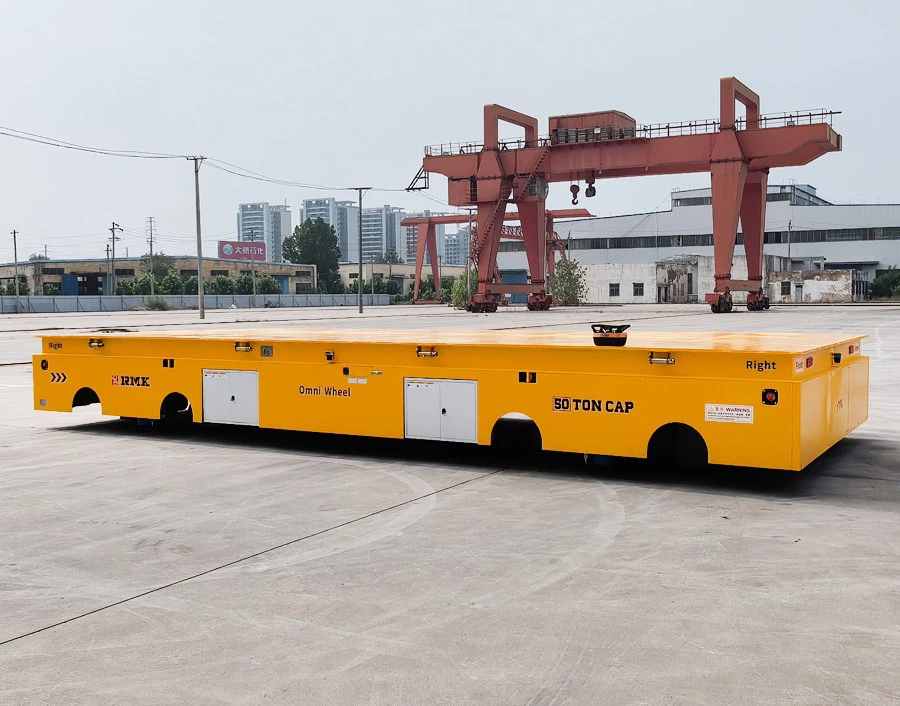
Тяжёлая транспортная тележка предназначена для перемещения тяжёлых промышленных грузов, таких как стальные компоненты, пресс-формы, оборудование и крупные конструкции. Грузоподъёмность может варьироваться от нескольких тонн до сотен тонн, с возможностью изготовления customized моделей для специальных применений, превышающих 1000 тонн. Фактическая грузоподъёмность зависит от типа груза, конструкции тележки, способа перемещения и условий эксплуатации.
В этом руководстве я объясню, как определяется грузоподъёмность тяжёлой транспортной тележки, включая распространённые диапазоны грузоподъёмности, ключевые факторы конструкции, методы расчёта нагрузки и соображения по выбору. Эти детали помогают покупателям понять взаимосвязь между требованиями к нагрузке и конфигурацией тележки перед выбором подходящей модели.
Какой вес может выдержать тяжелая передаточная тележка?
Тяжёлые транспортные тележки доступны в широком диапазоне грузоподъёмности — от нескольких тонн до сотен тонн. Выбор грузоподъёмности зависит от типа груза, требований к транспортировке и условий эксплуатации.
| Диапазон грузоподъемности | Типичные применения | Основные характеристики |
|---|---|---|
| 5–20 тонн | Стальные детали, основания станков, сварные компоненты, внутрицеховое транспортирование | Подходит для общего перемещения материалов между рабочими местами |
| 30–100 тонн | Производственные линии, тяжёлое производство, внутризаводская обработка | Усиленная конструкция для частой транспортировки тяжёлых грузов |
| 100–500 тонн | Металлургические заводы, судостроительные верфи, проекты с крупногабаритным оборудованием | Customized платформа, колёсная система и конструкция рельсов для тяжёлых грузов |
| 500 тонн и выше | Специальные проекты повышенной тяжести, транспортировка негабаритного оборудования | Полностью customized рама, система привода, распределение колёсной нагрузки и электропитание |
Фактическая грузоподъёмность тяжёлой транспортной тележки зависит не только от номинальной тоннажности. Вес груза, центр тяжести, конструкция платформы, колёсная нагрузка, мощность привода, расстояние перемещения и условия эксплуатации — всё это влияет на итоговую конфигурацию.
Каковы распространённые диапазоны грузоподъёмности тяжёлых транспортных тележек?
Грузоподъёмность тяжёлой транспортной тележки обычно составляет от 5 до 500 тонн, с возможностью изготовления customized моделей для специальных применений, превышающих 1000 тонн. Требуемая грузоподъёмность зависит от веса груза, габаритов груза, способа перемещения и условий эксплуатации. Различные диапазоны грузоподъёмности предназначены для различных требований промышленной обработки.
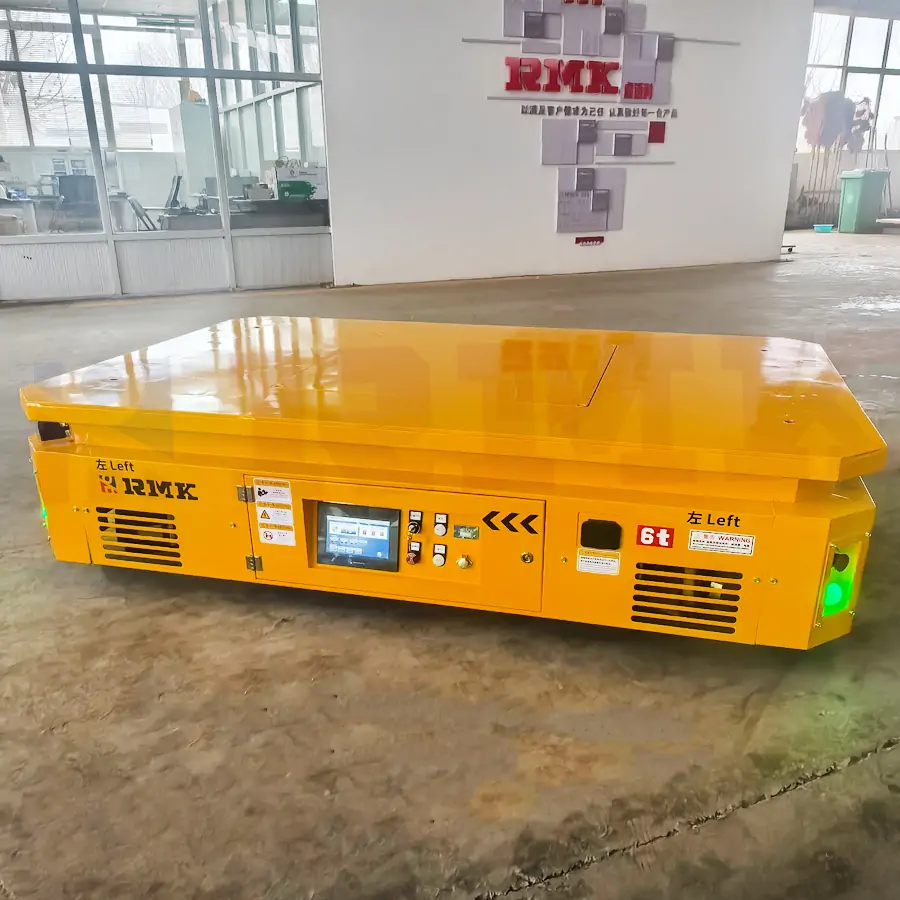
Малая грузоподъёмность транспортной тележки (5–20 тонн)
Транспортные тележки грузоподъёмностью 5–20 тоннобычно используются в цехах и производственных зонах для перемещения деталей машин, сварных компонентов и малого промышленного оборудования.
Эти модели отличаются компактной конструкцией и гибкостью в эксплуатации, что делает их подходящими для:
- Внутрицеховое перемещение материалов
- Транспортировка деталей машин
- Перемещение производственного оборудования
Средняя грузоподъёмность транспортной тележки (30–100 тонн)
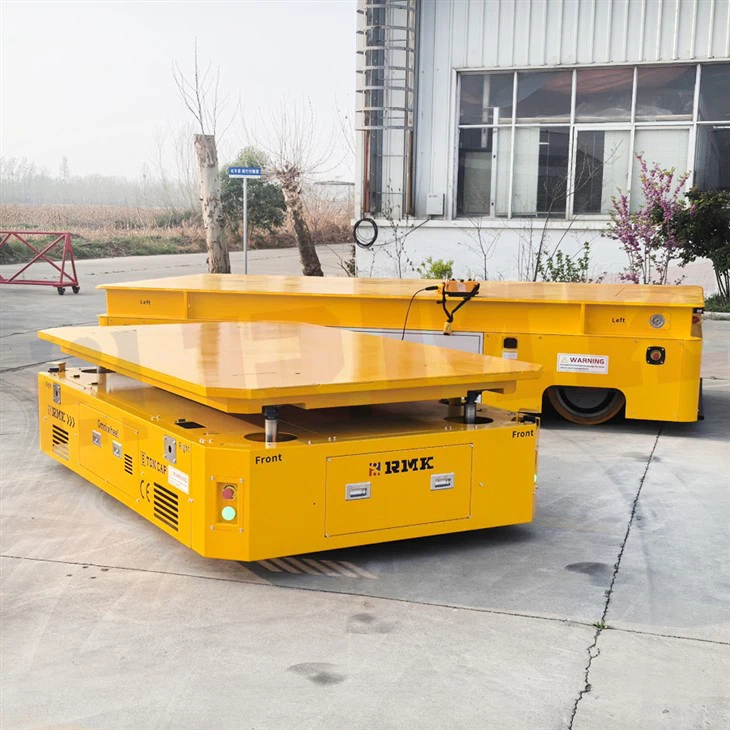
Транспортные тележки грузоподъёмностью 30–100 тонн широко применяются в тяжёлом производстве. Они предназначены для транспортировки стальных компонентов, пресс-форм и промышленного оборудования с повышенной устойчивостью к нагрузкам.
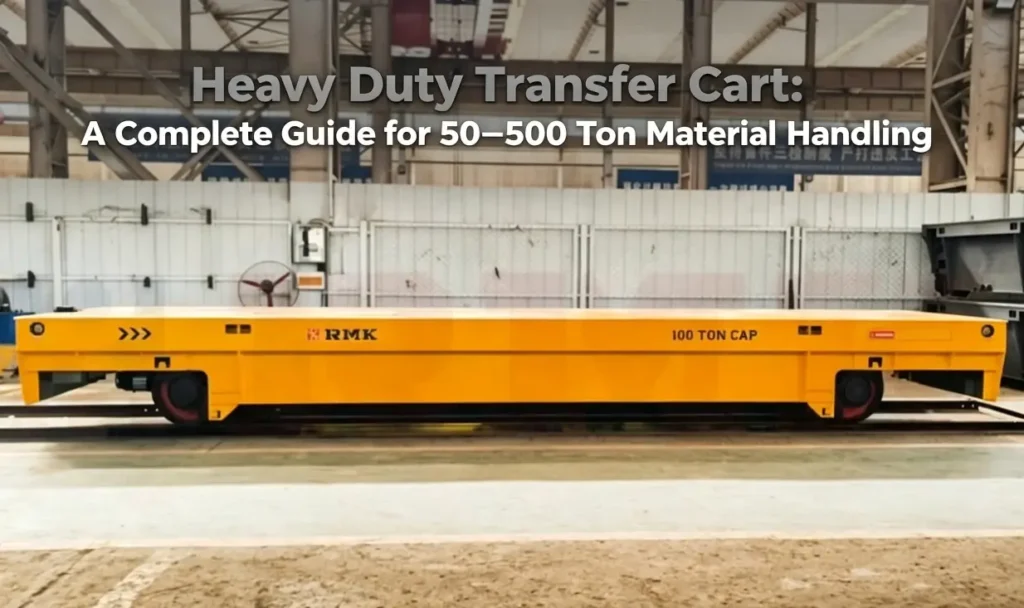
100-тонная рельсовая транспортная тележка может использовать платформу размером около 6500×2800 мм и тяжёлые рельсовые профили для частой эксплуатации на фиксированных маршрутах.
Подходящие применения включают:
- Обработка стальных компонентов
- Транспортировка пресс-форм
- Производственные линии
Тяжёлая грузоподъёмность транспортной тележки (100–500 тонн)
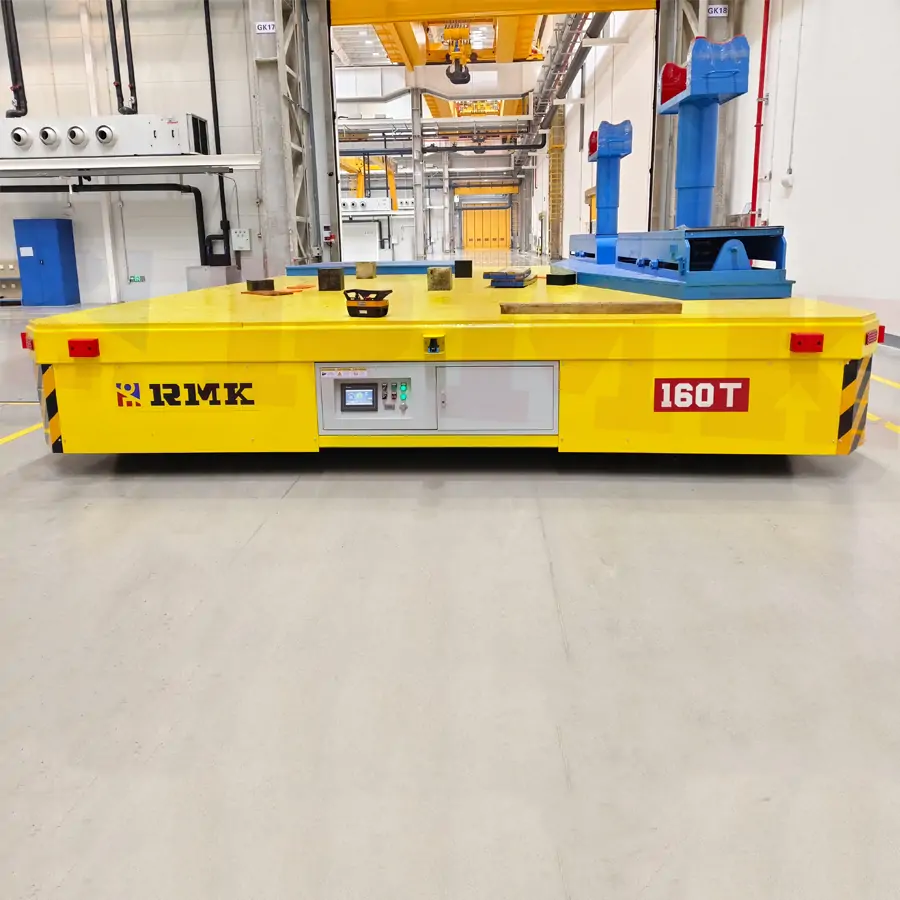
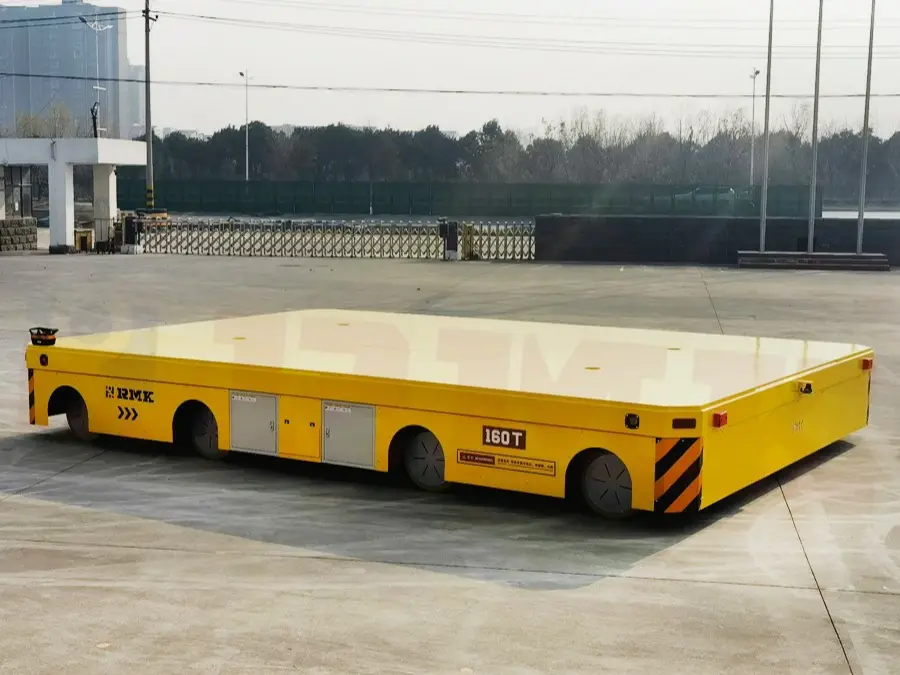
Транспортные тележки грузоподъёмностью 100–500 тонн используются для крупномасштабной промышленной транспортировки на металлургических заводах, судостроительных верфях и предприятиях тяжёлого машиностроения.
Эти модели обычно требуют customized платформ, колёс повышенной нагрузки и нескольких систем привода для обработки крупных конструкций и сосредоточенных нагрузок.
Типичные применения:
- Перемещение материалов на металлургическом заводе
- Перемещение оборудования на судостроительной верфи
- Транспортировка крупных конструкций
Сверхтяжёлая транспортная тележка (500 тонн+)
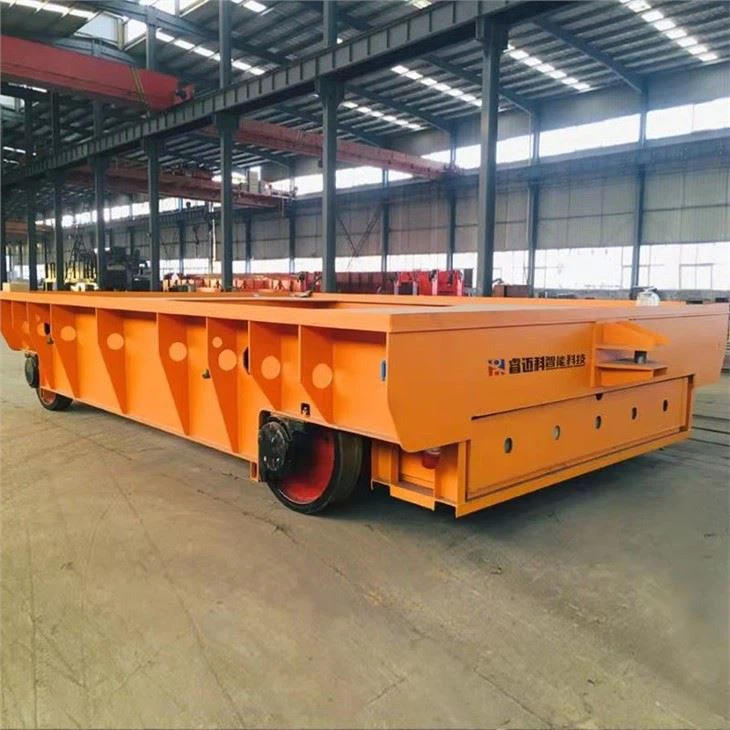
Транспортные тележки грузоподъёмностью свыше 500 тонн проектируются для конкретных проектов с тяжёлыми нагрузками. Они не являются стандартными изделиями и требуют customized проектирования на основе распределения нагрузки, схемы расположения колёс, мощности привода и условий транспортировки.
Применения включают:
- Ship section handling
- Turbine transportation
- Large industrial equipment movement
Some customized heavy duty transfer carts can handle loads exceeding 1000 tons.
Что определяет грузоподъёмность тяжёлой транспортной тележки?
The capacity of a heavy duty transfer cart is determined by more than the rated load. Cargo conditions, structural design, drive system, and operating environment all affect the final capacity selection.
| Фактор | Considerations | Impact on Capacity |
|---|---|---|
| Load Weight and Distribution | Cargo weight, center of gravity, load distribution, single-point loading, lifting method | Determines frame strength and load stability |
| Размер и конструкция платформы | Deck size, reinforced structure, support frames, special fixtures | Affects load support and stress distribution |
| Wheel and Drive System | Wheel quantity, wheel load, motor power, gearbox selection | Determines running capability and heavy load performance |
| Способ передвижения | Rail or trackless operation, route layout, positioning requirements | Affects stability, flexibility, and maximum load range |
| Working Conditions | Travel distance, operation frequency, floor or rail condition | Influences safety margin and component selection |
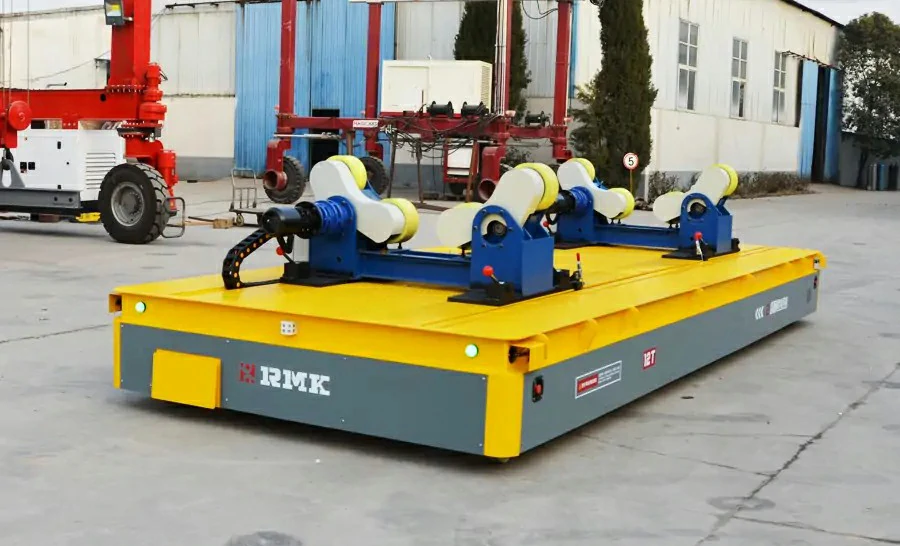
For special loads, the platform design may require additional solutions, such as V-frame decks for steel coils or support frames for large equipment. A 50-ton transfer cart may use a platform around 5500×2500 mm, while a 100-ton model may require around 6500×2800 mm.
The correct capacity should be selected according to the maximum actual load, cargo dimensions, transport route, and operating conditions.
Как рассчитывается грузоподъёмность транспортной тележки?
Transfer cart capacity is calculated based on the actual load requirements and operating conditions, not only the cargo weight. The selection process should consider the following factors:
- Confirm Maximum Load Weight: Calculate the heaviest load the cart will handle, including fixtures, tools, and additional equipment. Capacity should be based on the maximum expected load, not the average load.
- Add a Safety Margin: A suitable capacity margin helps handle load changes and future production requirements. The margin depends on the application, load conditions, and operating frequency.
- Check Load Distribution: Evaluate the cargo shape, center of gravity, and loading position. Uneven or concentrated loads may require a higher capacity rating and customized platform design.
- Match Wheel and Drive System: The selected capacity must match the wheel load, motor power, gearbox, and running system to ensure stable movement under full load.
- Verify Working Conditions: Consider travel distance, route type, floor or rail conditions, operating frequency, and environment before finalizing the capacity.
Selecting transfer cart capacity based only on average load may cause insufficient performance or unnecessary cost. The correct specification should match the actual handling requirements.
Грузовые тележки имеют грузоподъемность от нескольких метрических тонн до более тысячи метрических тонн. Как определить фактическую грузоподъемность грузовой тележки и как рассчитать итоговую грузоподъемность? Подробности см.: Какой вес может выдержать грузовая тележка тяжелого класса?
Всегда ли тележка с большей грузоподъёмностью лучше?
A higher capacity transfer cart does not always fit the application. A model with excessive capacity requires a stronger structure and larger drive components, which can increase purchase cost, power consumption, and maintenance workload.
The selected capacity should match the actual cargo weight, working frequency, transport route, and site conditions. A suitable capacity provides stable operation without unnecessary equipment costs.
Можно ли customize грузоподъёмность тяжёлой транспортной тележки?
Yes, heavy duty transfer cart capacity can be customized according to specific load requirements and working conditions. Manufacturers can design the cart structure, platform size, wheel arrangement, and drive system based on the actual application.
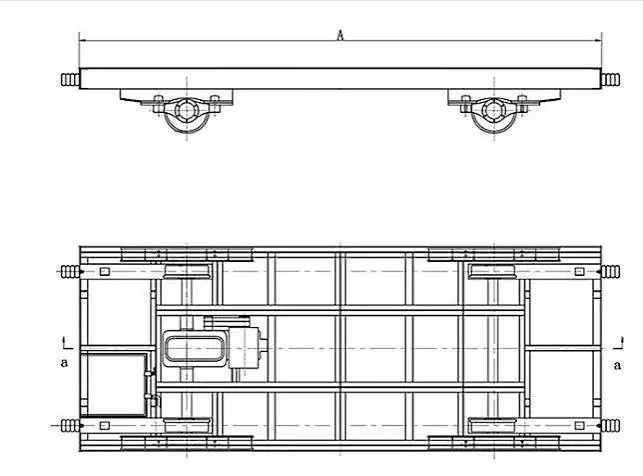
Common customization options include:
- Load Capacity: Customized capacity from several tons to hundreds of tons for different handling requirements
- Platform Design: Custom deck size, height, support structure, and fixtures for special loads
- Wheel and Drive System: Different wheel arrangements, motor power, and drive configurations for load conditions
- Power Supply: Battery, cable reel, or conductor rail power systems based on operation requirements
- Travel Design: Rail-mounted, trackless, or special travel solutions for different factory layouts
- Control System: Remote control, automatic operation, and positioning functions
Before customization, provide the load weight, cargo dimensions, transport route, running distance, and working frequency. These details help determine the suitable capacity and configuration.
For more detailed information on customization options and limitations, see: Индивидуальная транспортная тележка: Полное руководство по проектированию и настройке
Как выбрать правильную грузоподъёмность тяжёлой транспортной тележки?
Selecting the right capacity starts with understanding the actual handling requirements. The rated capacity should match the heaviest load, operating conditions, and future handling needs. Before ordering a heavy duty transfer cart, confirm:
- Maximum load weight: Determine the heaviest cargo, including fixtures and supporting equipment.
- Cargo dimensions: Check length, width, height, and loading position to select a suitable platform design.
- Load distribution: Consider center of gravity and uneven loading conditions.
- Transport distance: Define the travel distance and route layout.
- Rail or trackless operation: Select the suitable travel method based on factory conditions.
- Working frequency: Confirm daily running time and operation cycles.
- Floor or rail conditions: Check surface condition, rail design, and site environment.
- Future production requirements: Reserve suitable capacity for possible load changes.
Choosing capacity based only on the current load may limit future use. A proper specification should match the actual application and operating conditions.
Почему выбрать REMARKABLE тяжёлую транспортную тележку?
REMARKABLE manufactures heavy duty transfer carts with capacity ranges from 1 to 500 tons for industrial material handling applications. Each cart is designed according to the customer’s load requirements, transport route, and working environment.
Customized cart design: Platform size, capacity, wheel arrangement, and structure can be adjusted for different loads and applications.
Multiple power options: Battery, cable reel, and rail power systems are available for different operating conditions.
Flexible control solutions: Manual remote control and automated operation options are available based on project requirements.
Project experience and service support: Export experience, technical assistance, and after-sales support are provided for overseas customers.
From standard material handling to special heavy-load transportation, REMARKABLE develops transfer cart solutions based on actual site requirements.
Заключение
Heavy duty transfer cart capacity is the key specification for safe and efficient material handling. Load weight, cargo structure, transport route, and working conditions all affect the final design. Customized solutions are required for special loads and complex working environments.
REMARKABLE provides customized heavy duty transfer carts for industrial material handling applications. Свяжитесь с нами with your load requirements and working conditions to get a suitable transfer cart solution.
Электронная почта: transfercart@rmkzn.com
Телефон: +86-18637369355
Похожие статьи
ЧАСТО ЗАДАВАЕМЫЕ ВОПРОСЫ
Сколько веса может выдержать тяжелая транспортная тележка?
A heavy duty transfer cart can carry from several tons to hundreds of tons. Common capacities range from 5 to 500 tons, while customized models can be designed for special applications exceeding 1000 tons.
Какова максимальная грузоподъемность транспортной тележки?
The maximum capacity depends on the application requirements and cart design. Standard heavy duty transfer carts usually handle up to 500 tons, while customized solutions can be engineered for heavier loads such as ship sections, turbines, and large industrial equipment.
What factors affect transfer cart capacity?
Transfer cart capacity is affected by load weight, cargo dimensions, load distribution, center of gravity, platform structure, wheel load, drive system, travel method, and working environment.
Can a transfer cart carry uneven loads?
Yes, but uneven loads require proper platform design and load distribution analysis. Factors such as cargo shape, center of gravity, and loading position must be considered to avoid excessive stress on the deck and wheel system.
What capacity transfer cart is used for steel plants?
Steel plants commonly use heavy duty transfer carts ranging from 50 to 500 tons, depending on the material type and handling requirements. Applications include steel coils, ladles, heavy components, and large fabricated structures.
How do I calculate transfer cart capacity?
Calculate capacity based on the maximum actual load, including fixtures and supporting equipment. Then check load distribution, safety margin, wheel load, drive system, and working conditions before selecting the final specification.
Are higher capacity transfer carts more expensive?
Yes. Higher capacity transfer carts require stronger frames, larger wheels, more powerful drive systems, and additional engineering design. The final cost also depends on platform size, power supply, control system, and customization requirements.
Can manufacturers customize heavy duty transfer cart capacity?
Yes. Manufacturers can customize heavy duty transfer cart capacity according to load requirements, transport routes, and working conditions. Options include custom platforms, wheel arrangements, power systems, and control configurations.