
 Trilho-Transferência-Trolley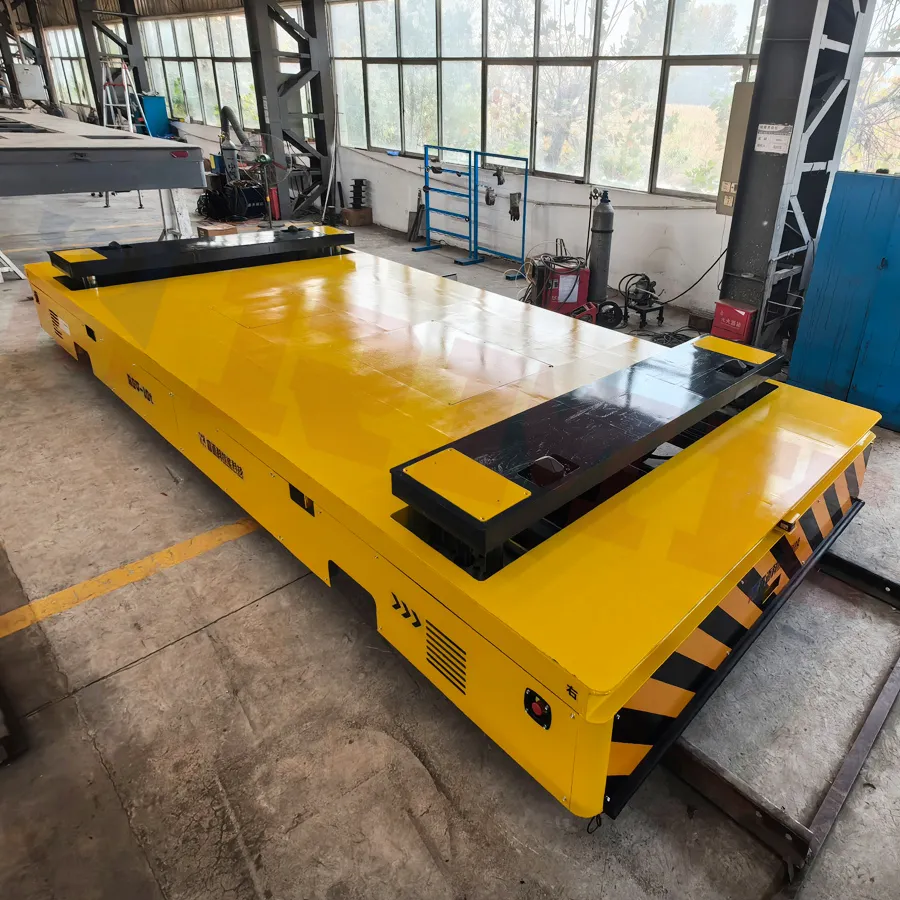
 Carrinho de transferência à prova de explosão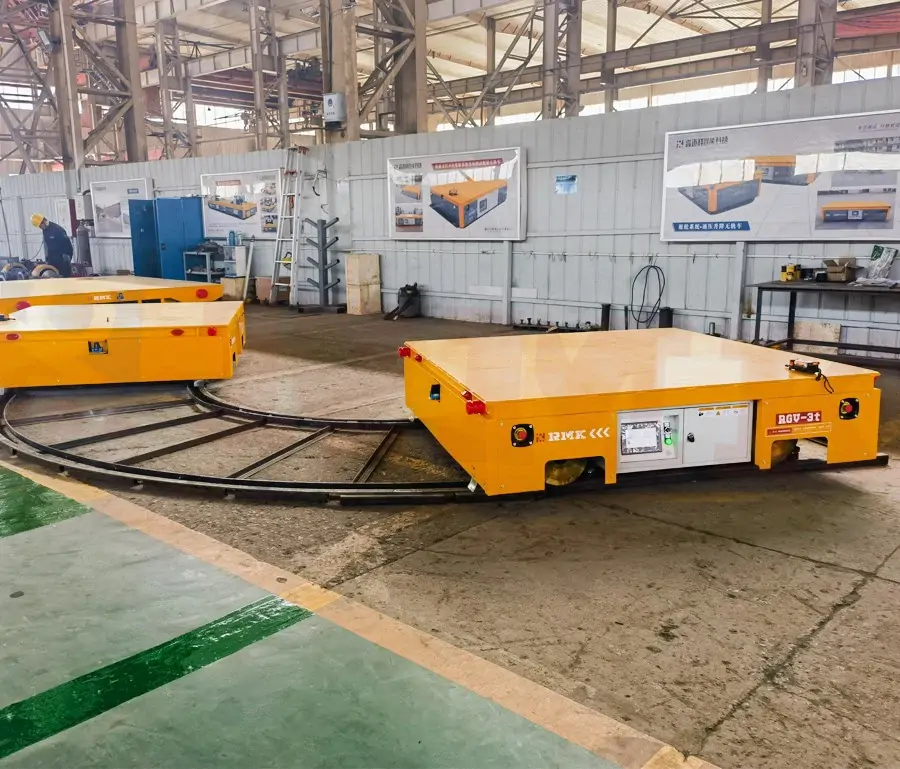
 Carrinho de transferência de carris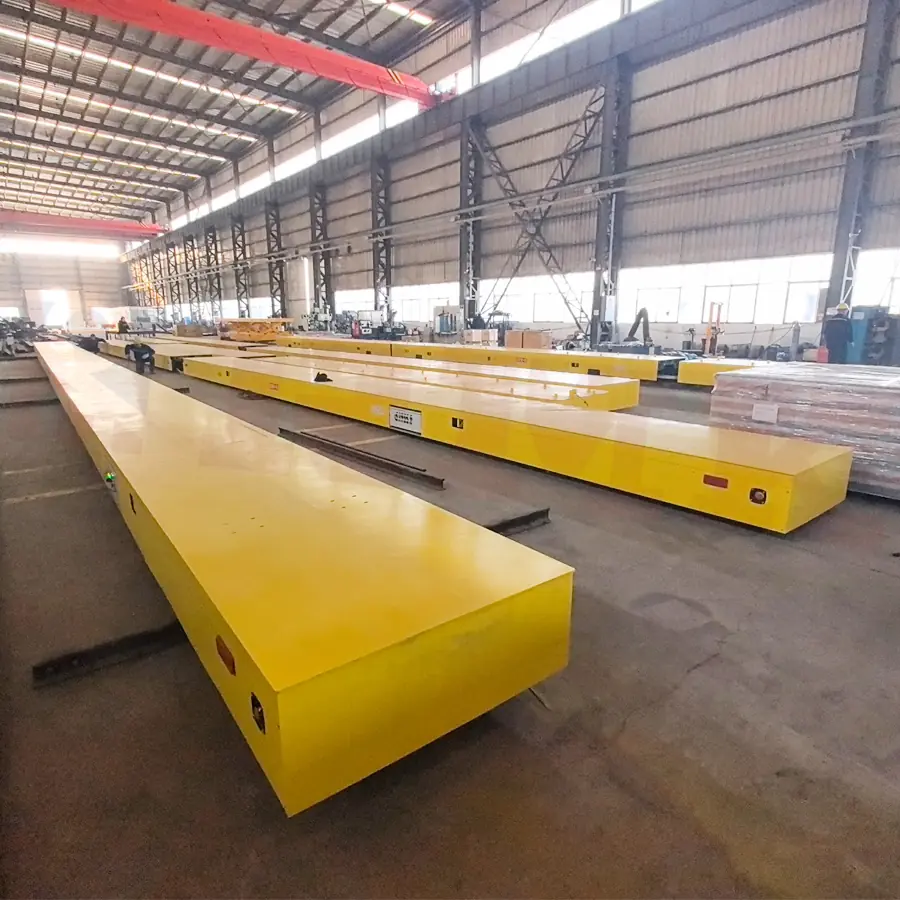
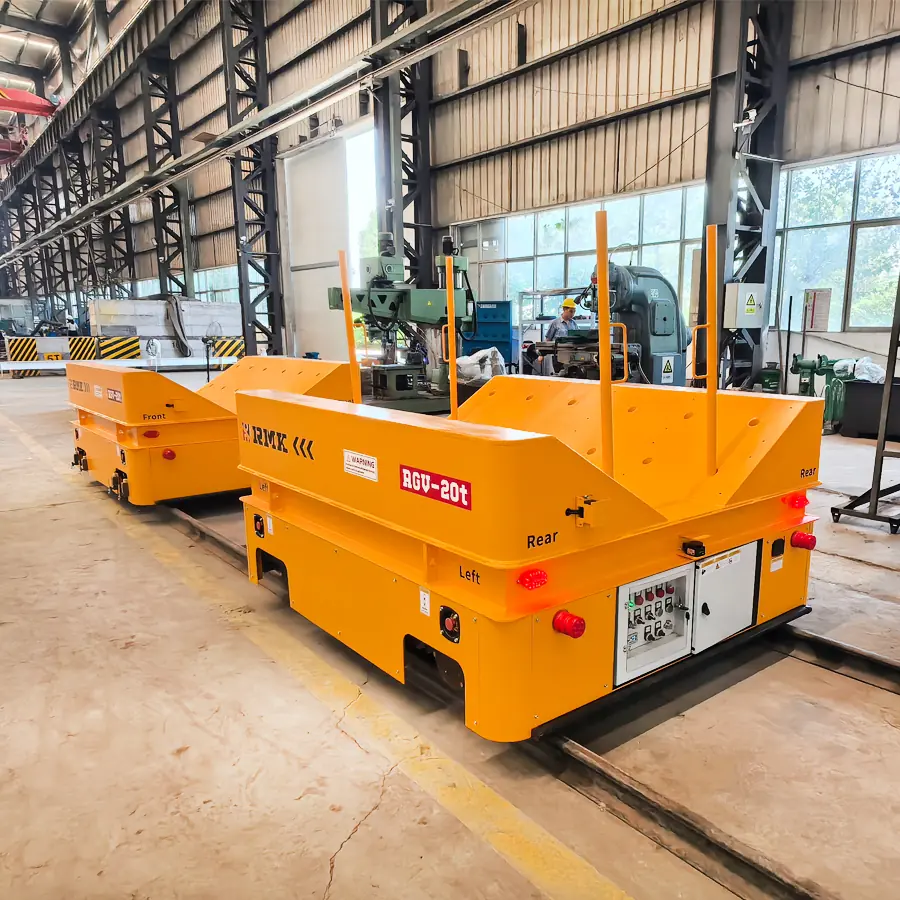
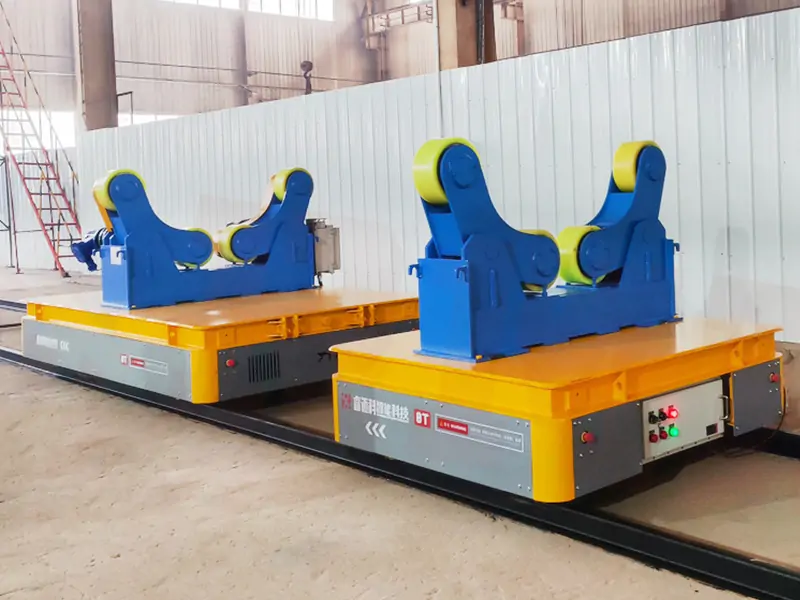
The Heavy Duty Rail Transfer Cart is designed to transport steel, machinery, molds, heavy components, and other industrial loads along fixed rails. It is used in steel plants, shipyards, workshops, foundries, and other facilities where heavy materials need to move between production, storage, and assembly areas.
REMARKABLE provides rail transfer carts customized to the working conditions of each project. Load capacity, platform size, rail gauge, power supply, and control method can be configured according to the load, travel distance, and site layout.
- Load Capacity: 1–300 tons
- Platform Size: L 2,000–10,000 mm; W 1,500–3,000 mm; H 450–1,200 mm
- Rail Gauge: 1,200–2,000 mm, Customized
- Power Supply: Battery / Cable Reel / Low-Voltage Rail / Cable Chain / Lithium Battery
Visão Geral do Produto
A Heavy Duty Rail Transfer Cart, also called a rail flat cart or electric transfer cart, is an industrial vehicle that runs on fixed rails to move heavy loads. It is used in steel plants, shipyards, foundries, and large assembly workshops to transport steel billets, large molds, machinery parts, and other heavy materials between production areas, storage zones, and assembly stations.
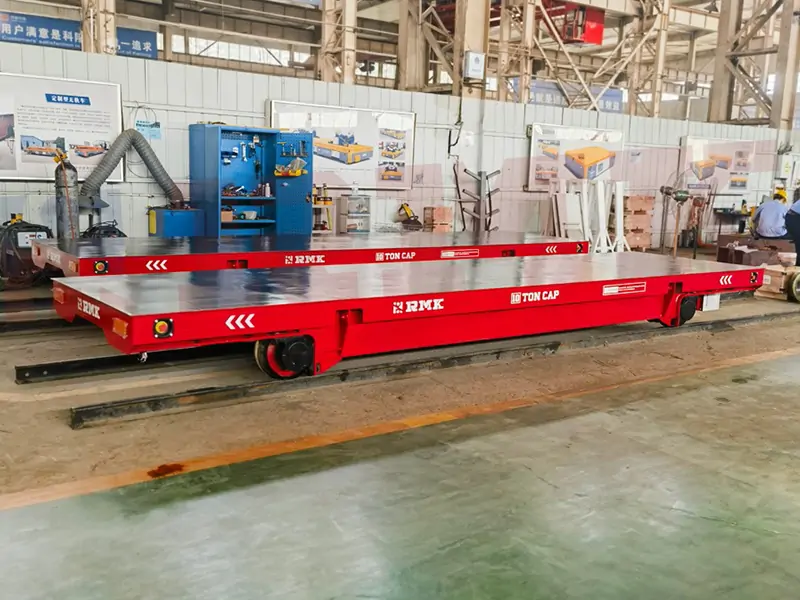
The cart consists of a welded steel frame, heavy-duty wheel assemblies, and a rail guidance system. The frame is designed for heavy loads, with the wheels and rails matched to the cart capacity and track layout. Power options include low-voltage rail power, cable reel, and battery power for different travel distances and site conditions.
The cart is configured according to the load and operating requirements. Main specifications include rated load capacity, platform size, rail gauge, and running speed. Control options include ground remote control, pendant control, and PLC-based control for connection with an automated material handling system.
For a detailed introduction to heavy-duty transfer carts, see the article: “What Is a Heavy Duty Transfer Cart?”
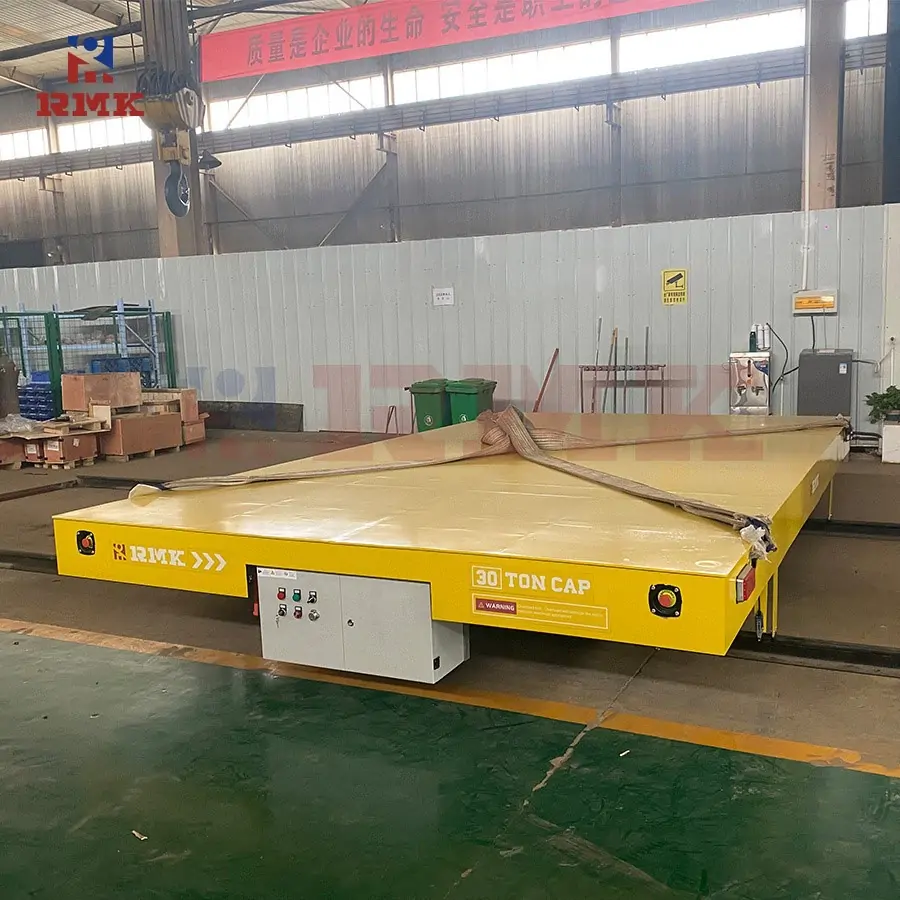
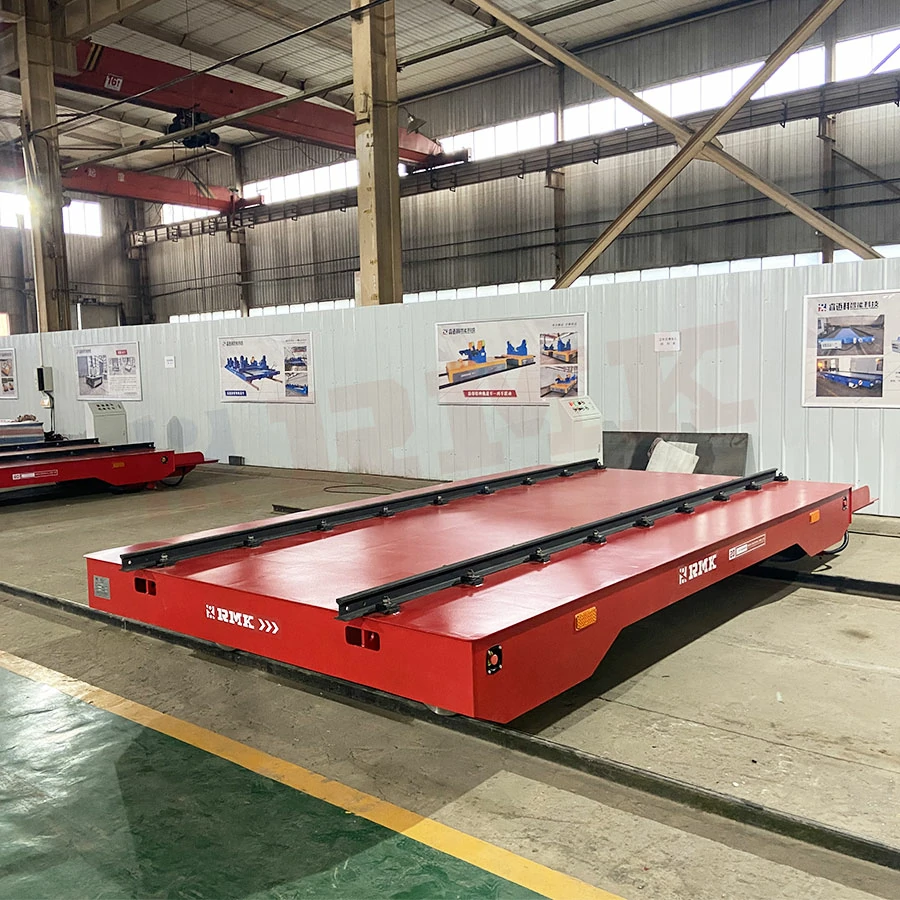
Peças
A Heavy Duty Rail Transfer Cart is composed of mechanical, electrical, and control components designed for heavy load transportation on fixed rail tracks. Each component plays a role in load support, power transmission, movement control, and safe operation under different working conditions.
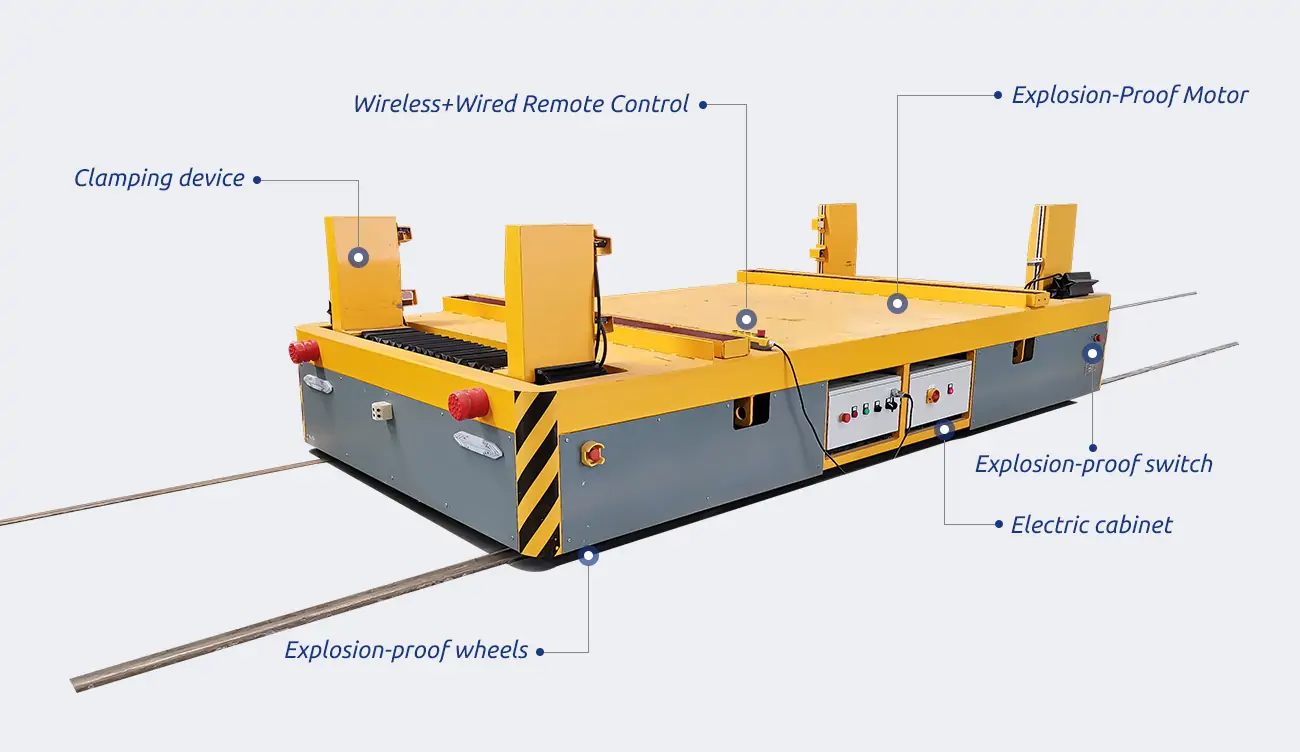
- · Cart Frame — Welded steel structure that supports the load and equipment mounted on the cart.
- · Wheel Assembly — Includes rail wheels, axles, bearings, and bearing housings for load support and rail travel.
- · Drive System — Consists of drive motors, gear reducers, couplings, and drive wheels.
- · Power Supply System — Battery, low-voltage rail, cable reel, or cable drag chain can be used according to the operating conditions.
- · Electrical Control System — Includes the electrical cabinet, PLC, inverter, and contactors for starting, stopping, speed control, and travel direction.
- · Braking System — Electromagnetic or hydraulic brakes provide controlled deceleration and stopping.
- · Rail and Guide System — Includes running rails, rail joints, and guide components for fixed-route operation.
- · Safety Devices — Include emergency stop buttons, warning lights, alarms, buffers, limit switches, and anti-collision devices.
- · Positioning System — Proximity switches, encoders, or other positioning devices can be used for accurate stopping and automated operation.
The structure and configuration of a Heavy Duty Rail Transfer Cart can be customized according to load capacity, rail layout, transport distance, and working environment. REMARKABLE provides rail transfer cart solutions with different power systems, control modes, platform designs, and safety configurations for industries requiring reliable heavy material handling.
Proper safety configurations and regular maintenance schedules for transfer carts not only ensure more efficient material handling operations but also extend the equipment’s service life. For more information, read: Guia de Manutenção do Carrinho de Transferência Elétrico a Bateria: Inspeção Diária e Cuidados com a Bateria
How Does It Work?
A Heavy Load Rail Transfer Cart runs on fixed rails. The rails guide the cart along a set route, while the wheel assemblies support the load and transfer it along the track. The drive motor sends power through the gearbox to the drive wheels, moving the cart between designated workstations.
The power supply can be selected according to the travel distance and working conditions. Battery power is suitable for areas that require flexible movement, while cable reel, cable chain, and low-voltage rail power are used for fixed routes and continuous operation. The control system operates the motor, braking, and travel functions through a pendant, wireless remote, or PLC system.
During operation, the operator starts the cart, and the drive wheels move it along the rails to the required position. The cart slows down and stops at the designated station for loading, unloading, or equipment connection. Safety devices such as emergency stops, alarms, buffers, and obstacle detection can be fitted according to the application.
For a detailed explanation of how heavy-duty transfer carts work and their operational procedures, read the article: Como Funciona um Carrinho de Transferência de Carga Pesada?
Vantagens
Elevada capacidade de carga
The cart is designed for transporting heavy steel, machinery, molds, and large industrial components. Load capacity can be configured from 1 to 300 tons according to the application.
Stable Rail-Guided Movement
The cart runs on fixed rails with heavy-duty wheel assemblies. The fixed track provides a defined transport route for repeated movement between workstations.
Custom Platform Size
The platform can be made to match the size, shape, and loading method of the transported material. Length, width, and platform structure are available in different configurations.
Multiple Power Options
Battery, cable reel, low-voltage rail, cable chain, and lithium battery power can be selected according to travel distance, operating frequency, and site conditions.
Flexible Control Methods
Pendant control, wireless remote control, and PLC control are available for different operating requirements. Can be used for connection with automated material handling systems.
Suitable for Heavy-Duty Applications
The cart can be configured for steel plants, shipyards, foundries, machinery workshops, and other facilities that require regular transport of heavy materials over fixed routes.
Especificações
| Parâmetro | Especificação |
|---|---|
| Capacidade de carga | 1–300 toneladas |
| Tamanho da Plataforma | L: 2,000–10,000 mm; W: 1,500–3,000 mm; H: 450–1,200 mm |
| Bitola do Trilho | 1,200–2,000 mm, Customized |
| Wheel Base | 1,200–7,000 mm |
| Fonte de alimentação | Battery / Cable Reel / Low-Voltage Rail / Cable Chain / Lithium Battery |
| Velocidade de corrida | 0–20 m/min, Adjustable |
| Modo de Controle | Pendant / Wireless Remote / PLC |
| Potência do motor de acionamento | 2–15 kW |
| Diâmetro da Roda | 270–600 mm |
| Estrutura do Chassi | Box Beam / Welded Steel Plate |
| Dispositivos de Segurança | Audible & Visual Alarm / Emergency Stop / Buffer / Radar Detection |
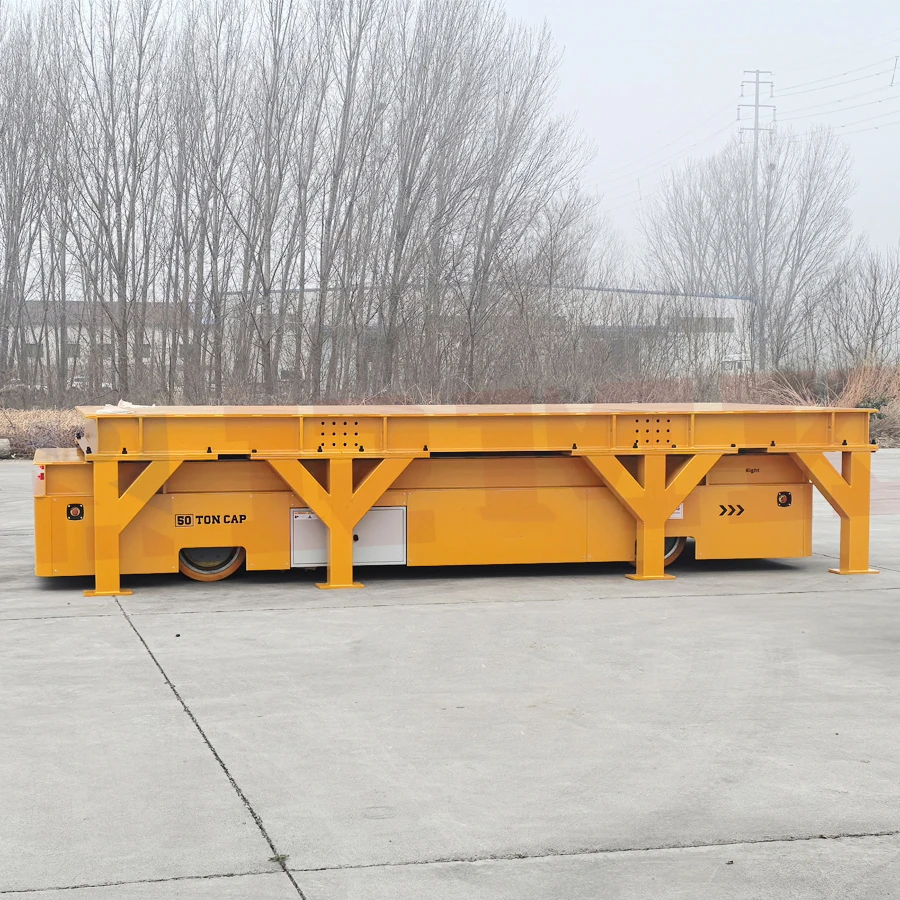
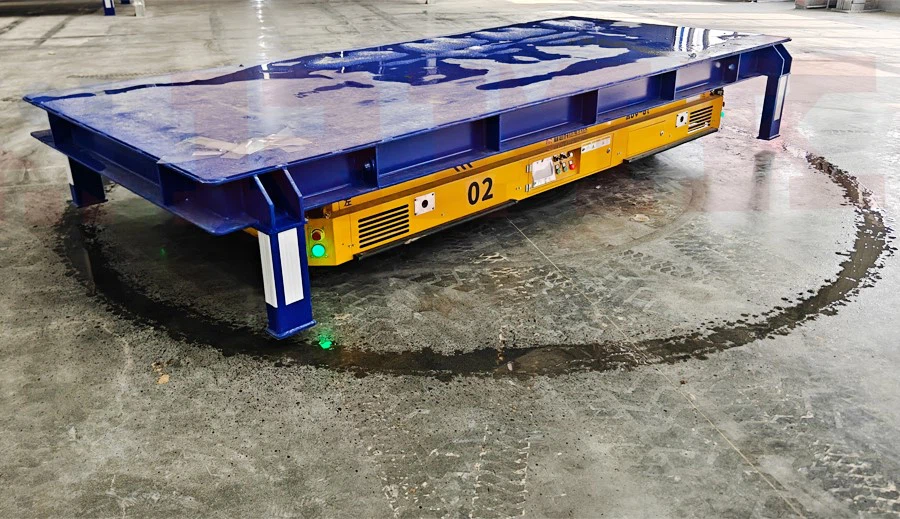
Optional Configurations: Explosion-Proof, Heat-Resistant, Hydraulic Lifting, Tilting Platform, V-Type Load Frame, U-Type Load Frame
At REMARKABLE, Heavy Duty Transfer Carts can be customized with different load capacities, platform sizes, rail gauges, power supplies, control modes, and safety configurations to suit various materials, transport distances, and workshop layouts.
Heavy Duty Rail Transfer Cart Power Options
The power supply affects the cart’s travel range, operating frequency, and installation requirements. REMARKABLE offers battery, cable reel, and low-voltage rail power systems, with the configuration selected according to the transport route and working conditions.
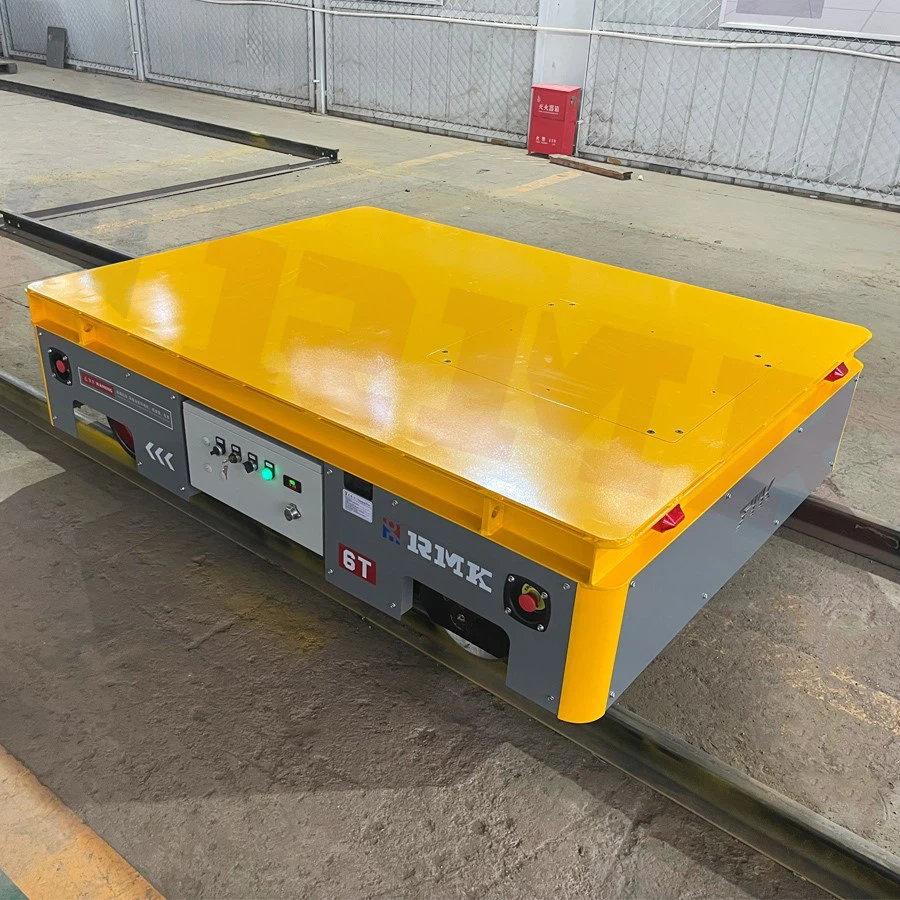
Carrinho de transferência de carris alimentado a bateria
O battery-powered cart runs without external cables and suits factories that require movement between multiple areas. It is suitable for medium and long travel distances where fixed power lines are not available.
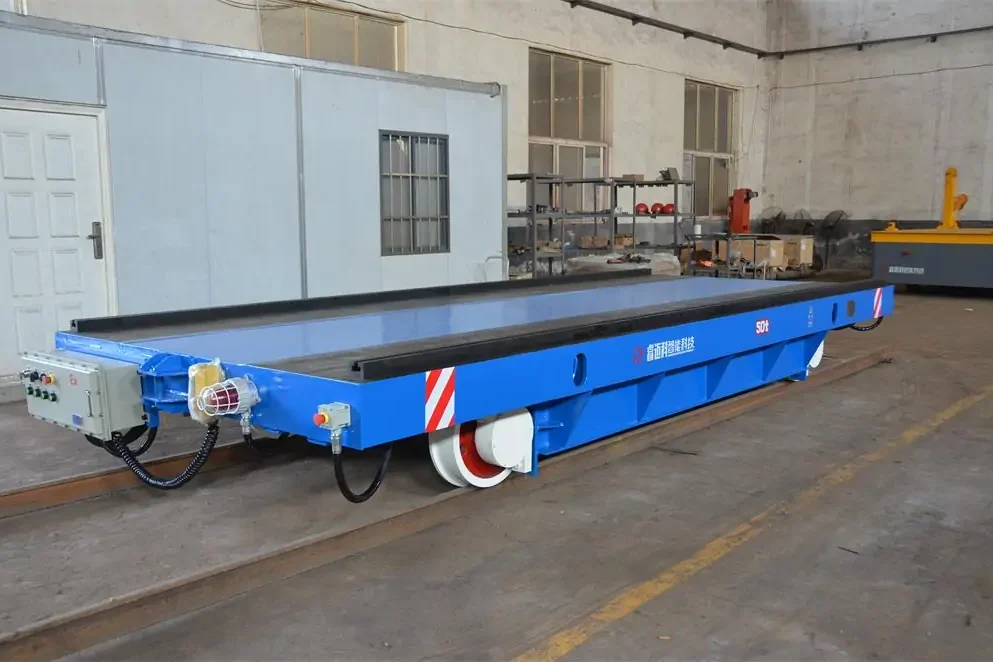
Cable Reel Powered Rail Transfer Cart
The cable reel supplies power while winding and releasing the cable as the cart moves. It suits fixed routes, short or medium travel distances, and frequent workshop operation.
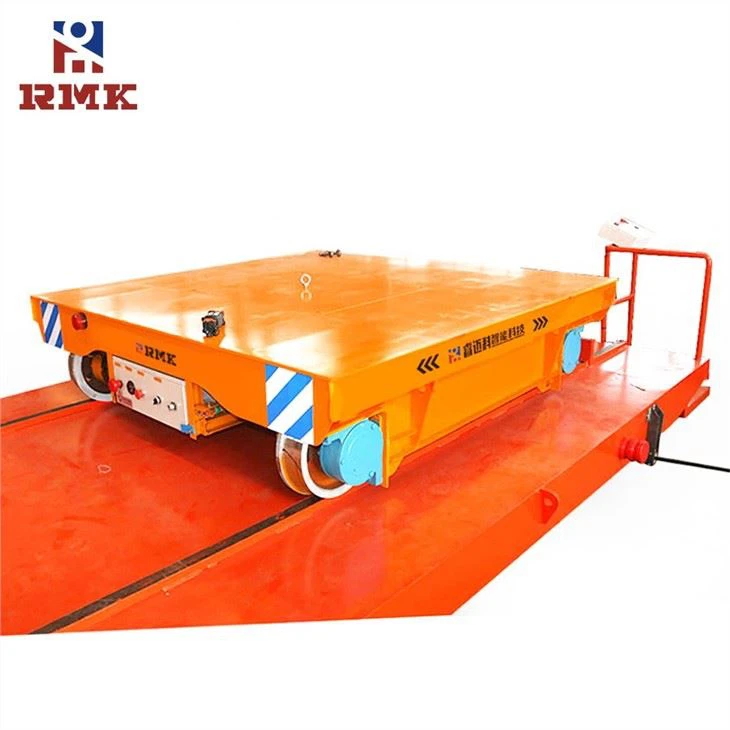
Carro de Transferência Alimentado por Trilho de Baixa Tensão
The cart receives power through the rails and suits fixed routes with continuous heavy-load transport. It is suitable for applications with long travel distances and frequent operation.
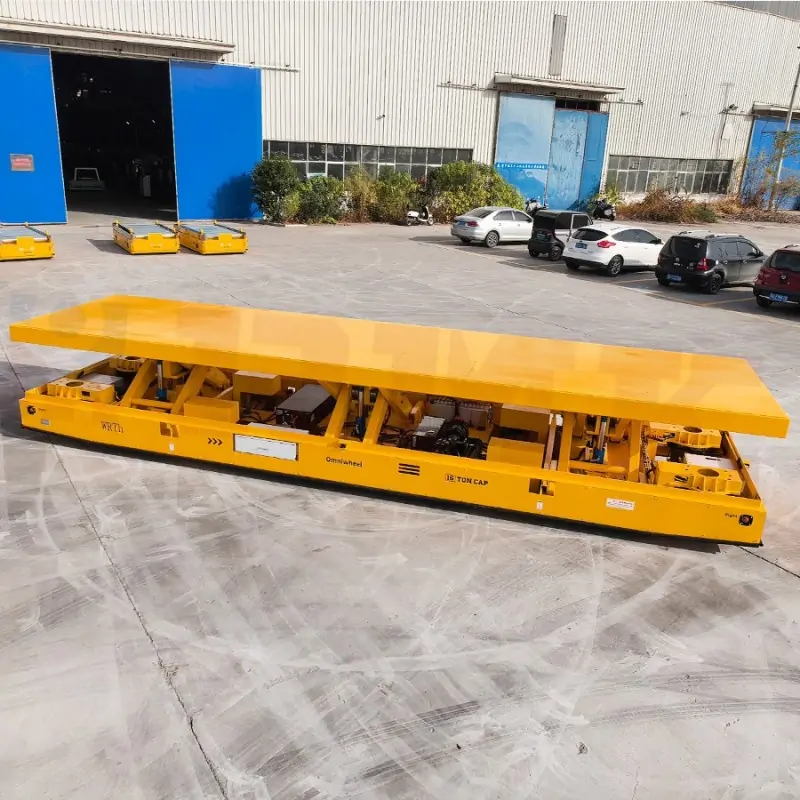
Customized Power Supply
The power system can be configured according to travel distance, operating frequency, workshop layout, and working environment. Power and control components can be matched to the requirements of each project.
The right power system depends on how the cart is used. Battery power is suitable for cable-free movement, while cable reel and low-voltage rail power are better suited to fixed transport routes. REMARKABLE can configure the power system based on the load, travel distance, and site conditions.
Aplicações
Heavy Duty Rail Transfer Carts are used for moving heavy materials and equipment between production areas, storage zones, and assembly stations. The fixed-rail design suits repeated transport routes in factories and large industrial facilities.
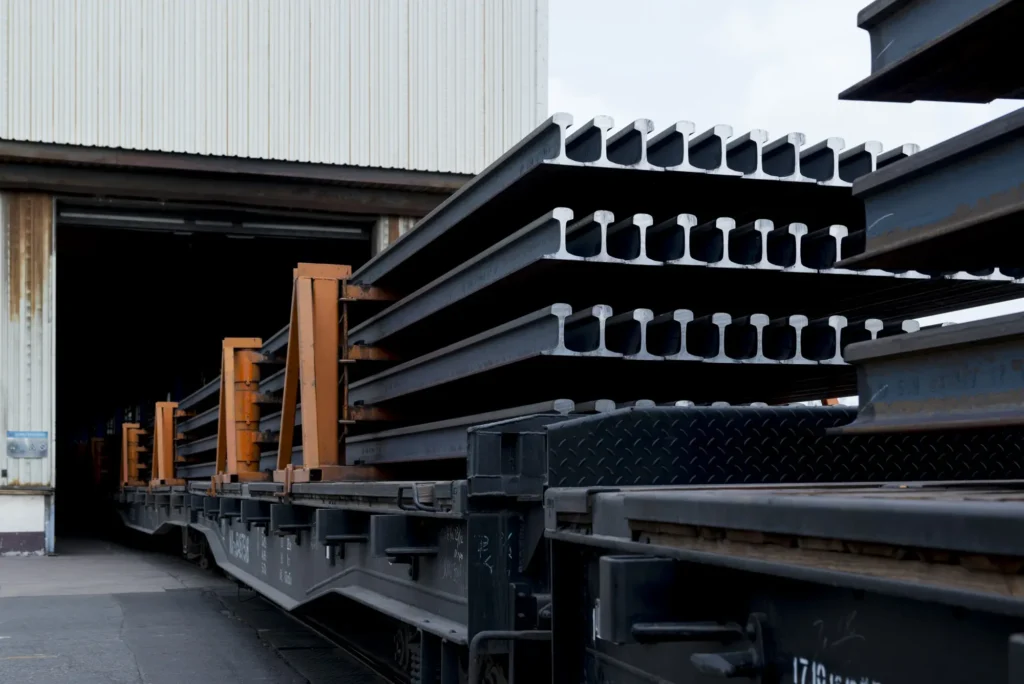
Steel Plant
Used to transport steel plates, billets, coils, structural steel, and other heavy steel products between production and storage areas.
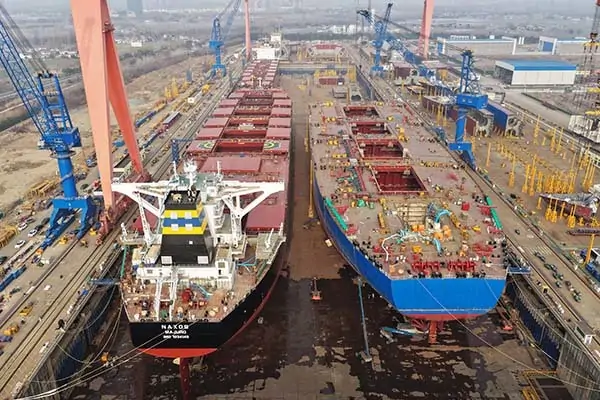
Estaleiro
Used for moving ship sections, steel plates, large components, and fabricated structures between workshops and assembly areas.
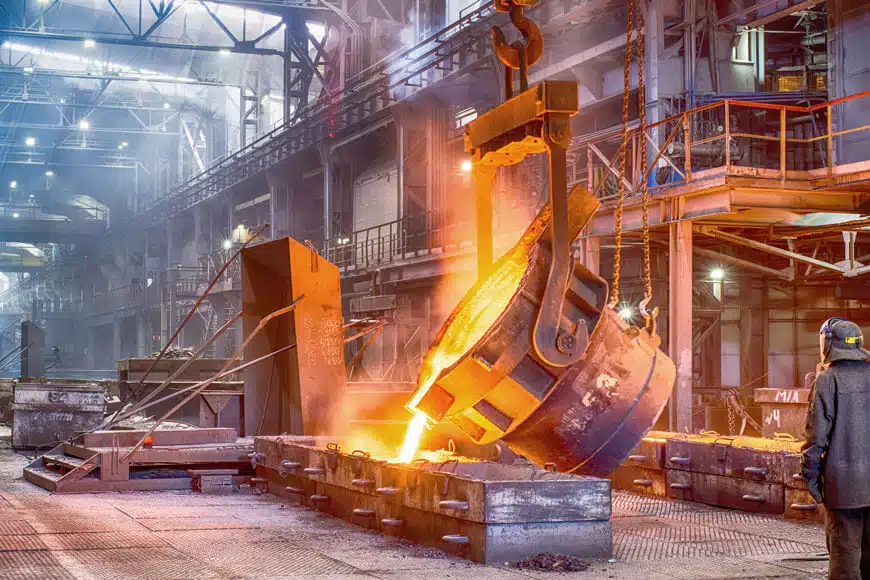
Foundry
Used to transport castings, molds, furnace components, and other heavy materials around the foundry.
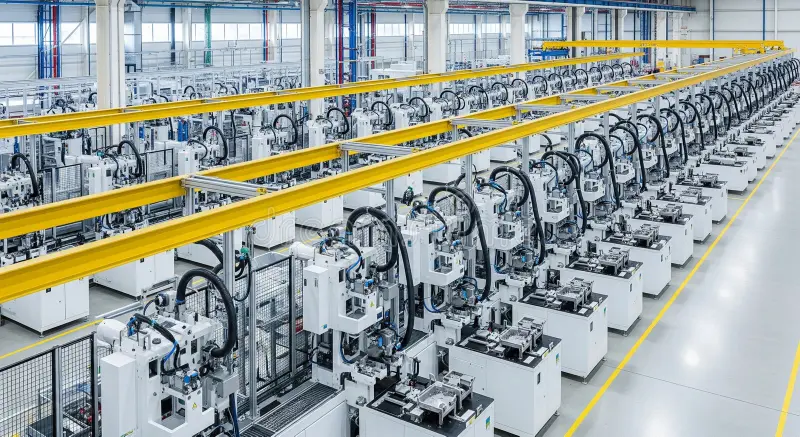
Fabricação de Máquinas
Used for moving machine bases, large equipment, molds, and heavy components between machining, assembly, and storage areas.
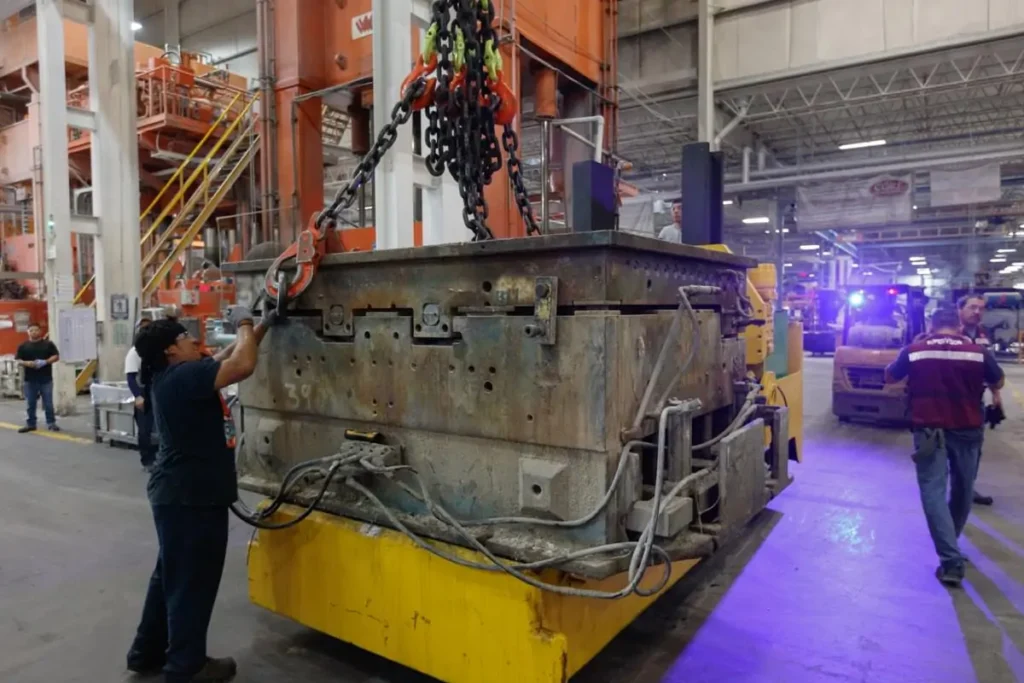
Die & Mold Workshop
Used to transport large dies, molds, and tooling between production, maintenance, and storage areas.
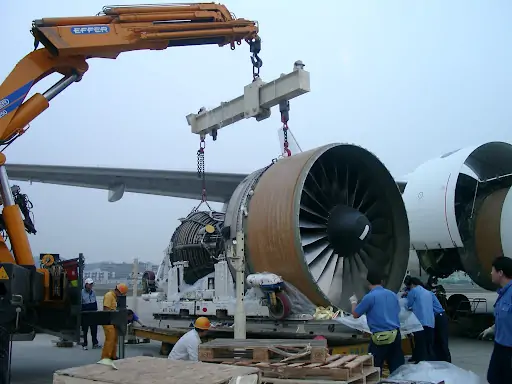
Heavy Equipment Assembly
Used for moving large machinery and equipment during assembly, testing, and positioning operations.
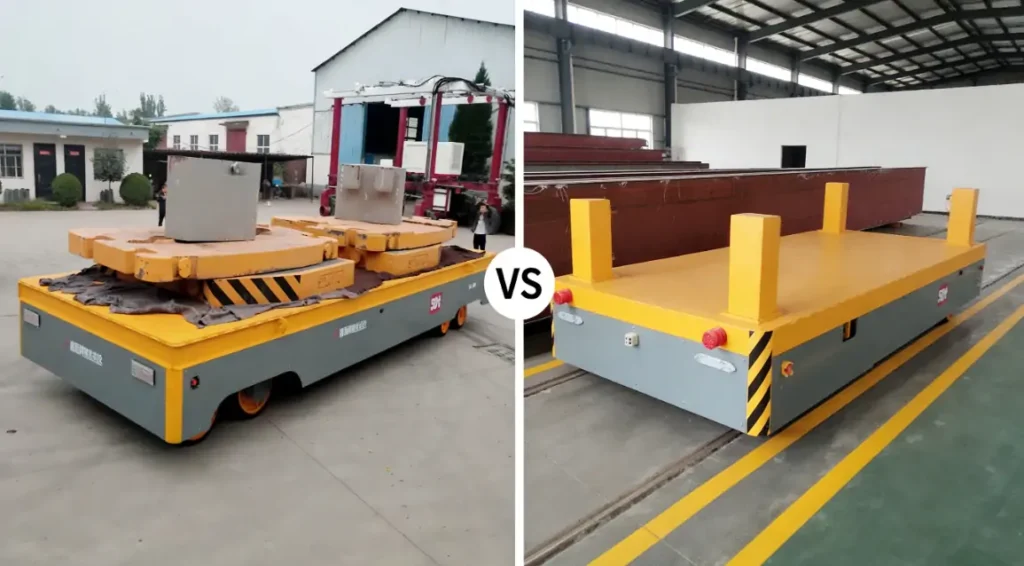
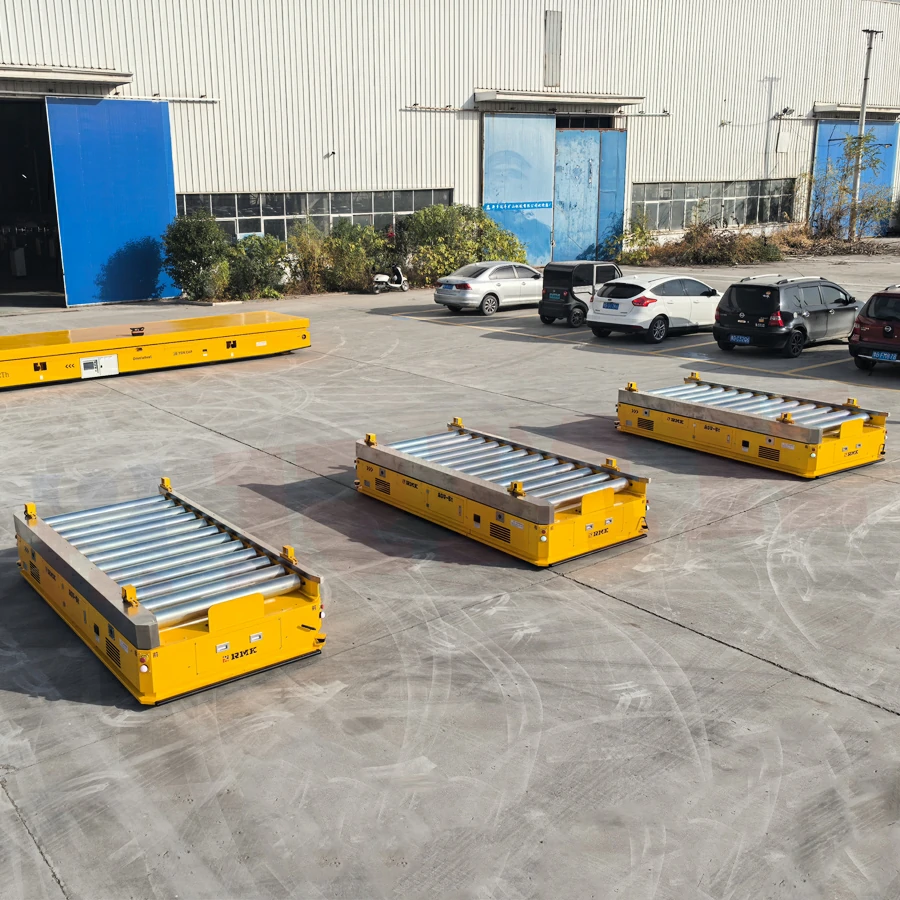
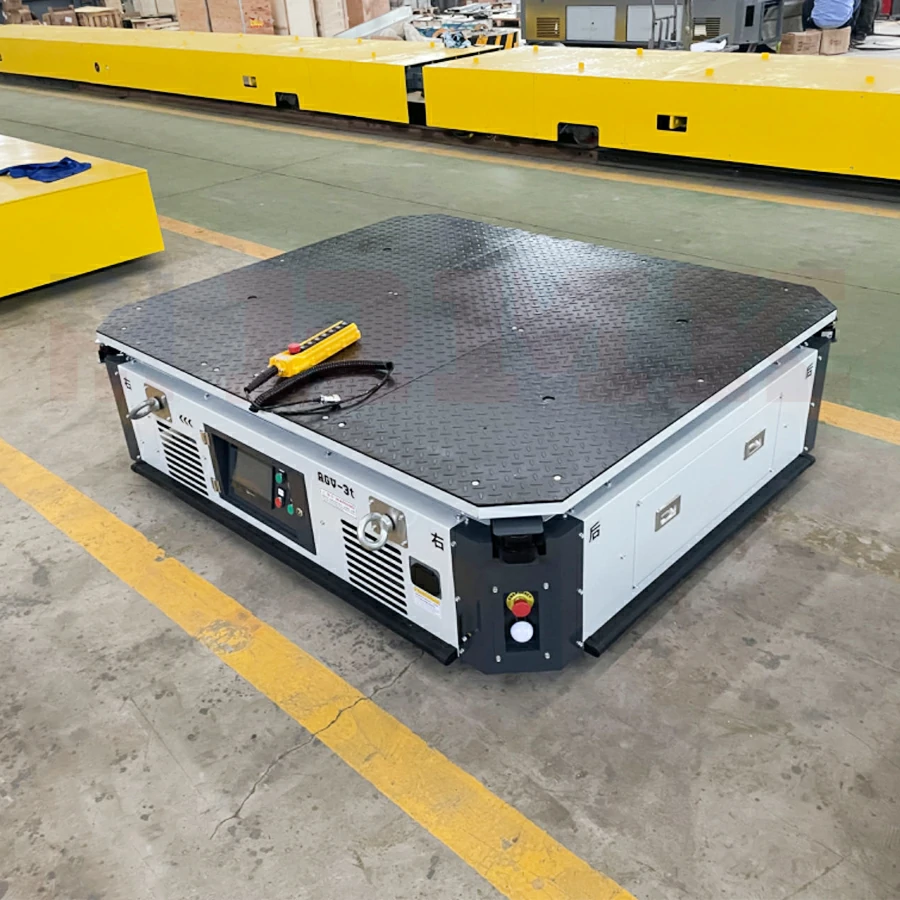
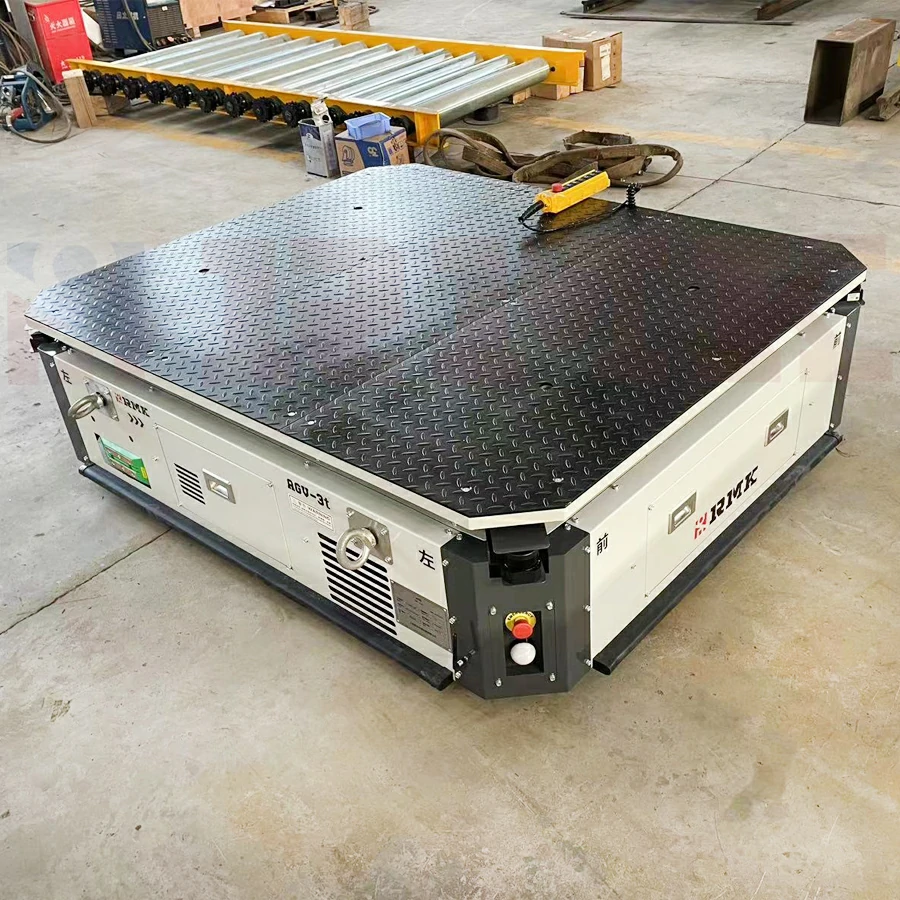
Heavy Duty Rail Transfer Cart vs Other Transfer Carts
Heavy Duty Rail Transfer Cart is designed for heavy loads moving along fixed routes. Other transfer carts use different travel methods and are suited to different material handling requirements.
| Transfer Cart Type | Método de Deslocamento | Rota | Aplicação |
|---|---|---|---|
| Carro de Transferência Sobre Trilhos de Serviço Pesado | Fixed rails | Fixed | Steel, machinery, molds, heavy components |
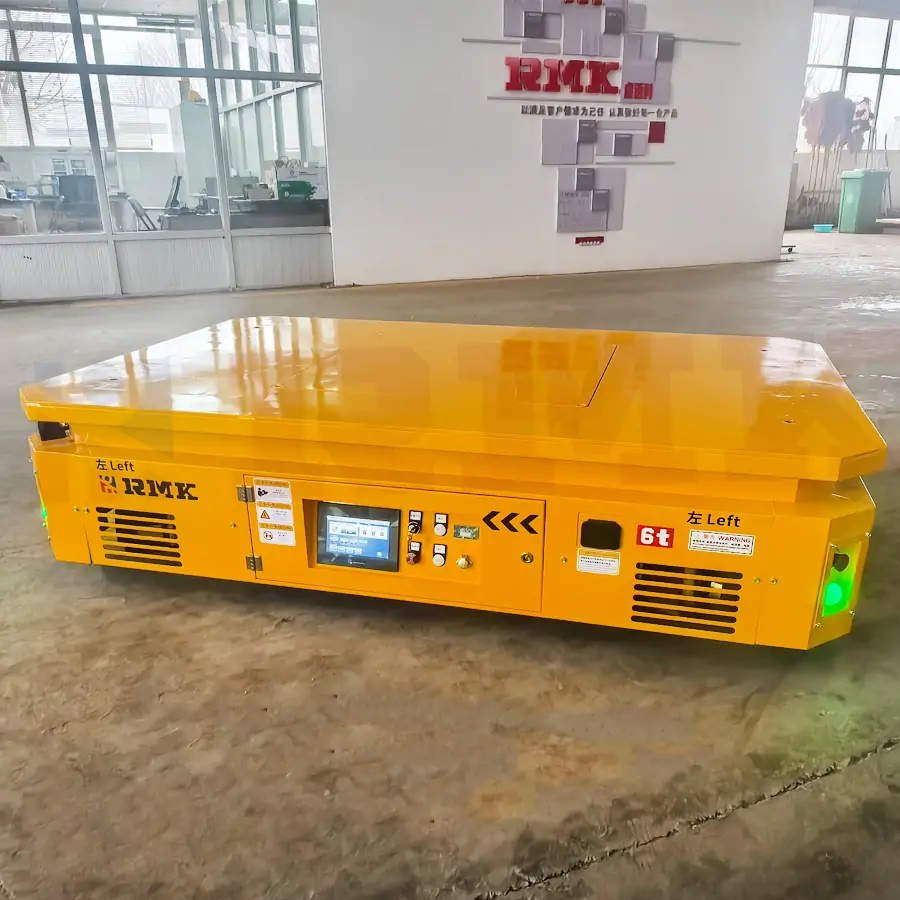
| Carro de transferência sem lagartas | Factory floor | Flexible | Multi-area material handling |
| AGV | Magnetic, laser or other navigation | Flexible / Programmable | Automated material handling |
| Carrinho de Transferência RGV | Fixed rails | Fixed | Automated production and warehouse systems |
A Heavy Duty Rail Transfer Cart is a suitable choice for high-load, fixed-route transport between designated workstations. A Carro de transferência sem lagartas is better for routes that change frequently. AGVs are used when navigation and automated scheduling are required, while RGV systems are mainly used for fixed-route automated production and warehouse handling.
How to Choose a Heavy Duty Rail Transfer Cart
Choosing a Heavy Duty Rail Transfer Cart depends on the load, cart dimensions, rail layout, power supply, and operating conditions. The following points cover the main information needed for cart configuration.
- 1. Load Capacity: Select the cart according to the maximum total load, including the material, fixtures, pallets, and other items carried on the platform. The load capacity affects the wheel load, rail selection, and drive system.
- 2. Platform Size: Choose the platform length, width, and height according to the material dimensions and loading method. Allow enough space for lifting, loading, and unloading operations.
- 3. Rail Gauge: The rail gauge should match the existing track or planned rail layout. The gauge also needs to match the wheelbase and wheel arrangement of the cart.
- 4. Power Supply: Select a battery, cable reel, or low-voltage rail power based on travel distance, operating frequency, and site conditions. The power system should match the daily working schedule and transport route.
- 5. Running Speed: Running speed should match the production cycle and transport distance. Variable-speed control is useful when the cart needs slow movement for loading, unloading, or positioning.
- 6. Control Mode: Pendant control, wireless remote control, and PLC control are available for different operating requirements. PLC control is suitable when the cart needs to connect with an automated production or material handling system.
- 7. Wheel Load and Rail Type: Wheel load is calculated from the cart capacity, wheel arrangement, and load distribution. The rail type is then selected according to the maximum wheel load.
- 8. Working Conditions: Consider the temperature, humidity, dust, cleanliness, and other site conditions before selecting the cart configuration. Add heat-resistant, explosion-proof, lifting, and tilting functions for specific applications.
- 9. Travel Distance and Charging: For battery-powered carts, consider the travel distance, daily operating hours, and charging time. The battery capacity should match the required work cycle.
A suitable Heavy Duty Rail Transfer Cart should match both the load and the working route. Providing the load capacity, material dimensions, rail gauge, travel distance, operating hours, and site conditions allows the cart configuration to be determined before manufacturing.
Custom Heavy Load Rail Transfer Cart
The Heavy Load Rail Transfer Cart can be customized to match the load, transport route, rail layout, and working conditions.
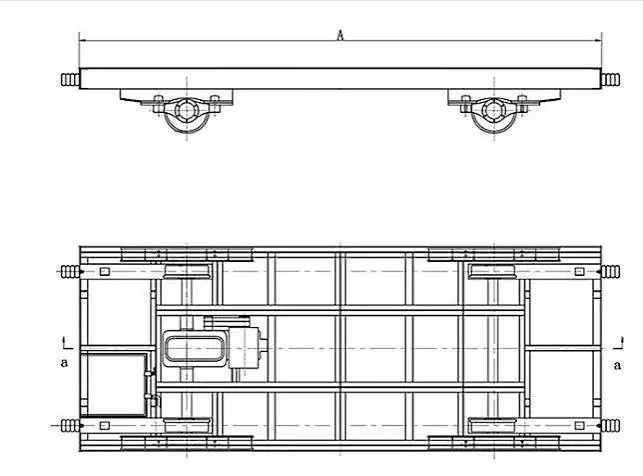
- Load Capacity — 1–300 tons, based on the total load and wheel load.
- Platform Size — Customized length, width, height, and deck structure.
- Rail Gauge — Customized to match the existing or planned rail system.
- Power Supply — Battery, cable reel, low-voltage rail, or drag chain power.
- Running Speed — Configured according to transport distance and production cycle.
- Control Mode — Pendant, wireless remote, or PLC control.
- Wheel & Drive System — Wheel diameter, wheel arrangement, motor and gearbox matched to the load.
- Safety Devices — Emergency stop, alarm, buffer, radar detection, and other options.
- Special Functions — Hydraulic lifting, tilting, V-type or U-type load frame, heat-resistant or explosion-proof configuration.
- Platform Structure — Flat platform or load-specific structure based on the material shape and loading method.
We offer customization based on your operational environment and material handling requirements. For detailed information on customization, see the article: Carrinho de Transferência Personalizado: Guia Completo para Design e Customização
Heavy Duty Rail Transfer Trolley Manufacturer and Supplier
Heavy Duty Rail Transfer Carts are used to transport steel, machinery, molds, heavy components, and other industrial loads on fixed rails. Load capacity, platform size, rail gauge, power supply, and control mode are selected according to the load, transport distance, and workshop layout.
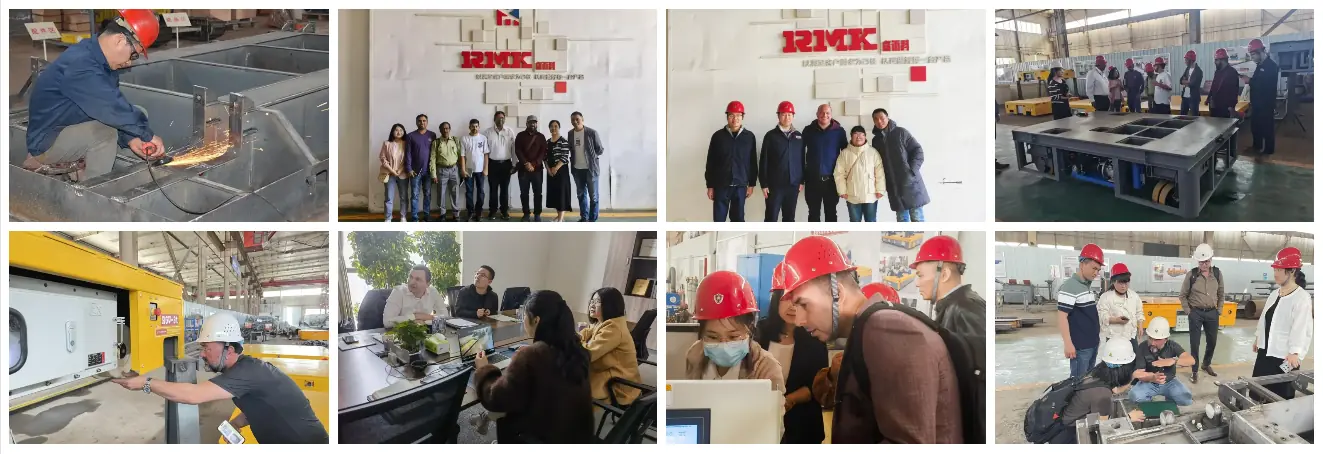
REMARKABLE is a professional manufacturer and supplier of Heavy Duty Rail Transfer Carts with extensive export experience. Our engineers can inspect the working site and select the cart structure, power system, and control method according to actual operating conditions. Contactar-nos for a Heavy Duty Rail Transfer Cart solution.
Artigos relacionados
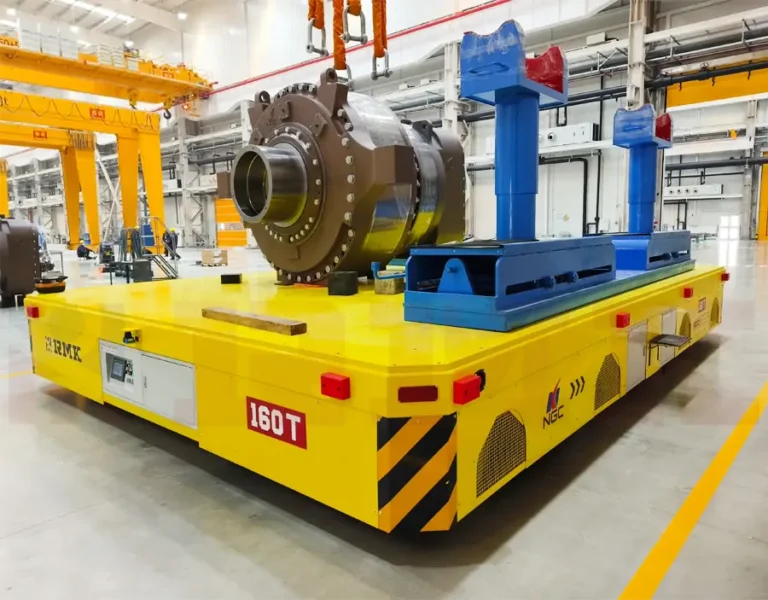
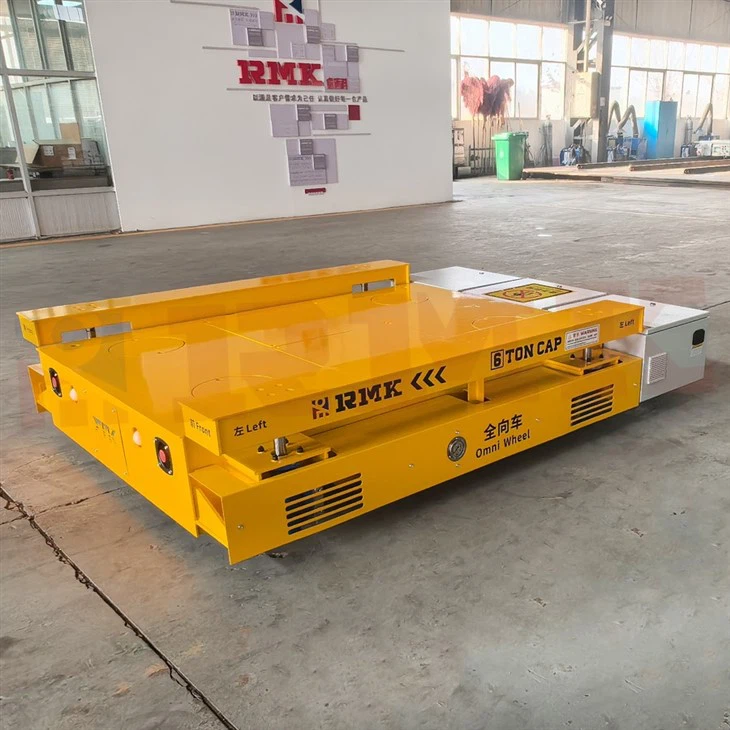
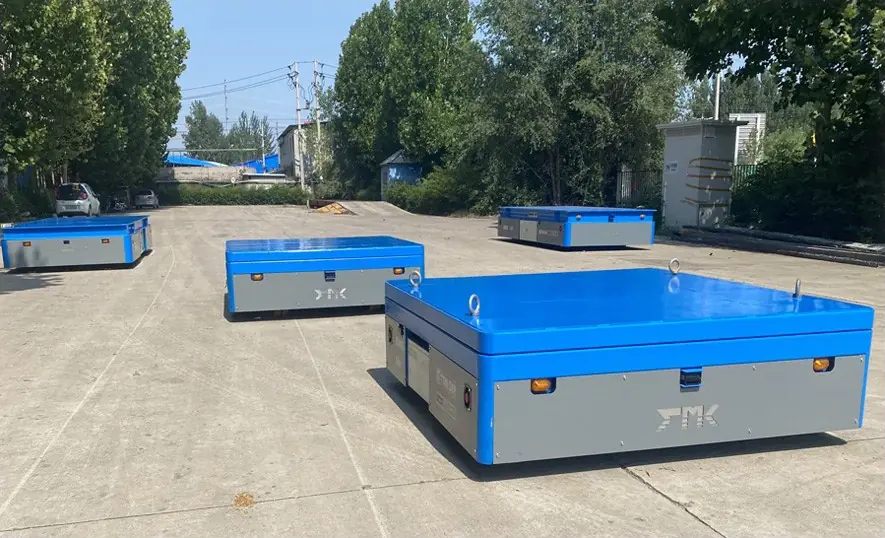
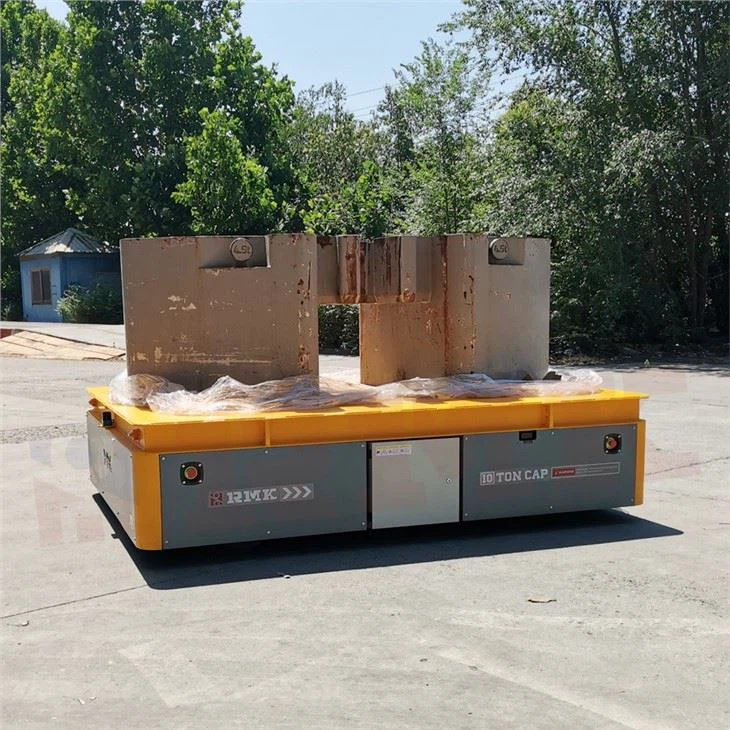
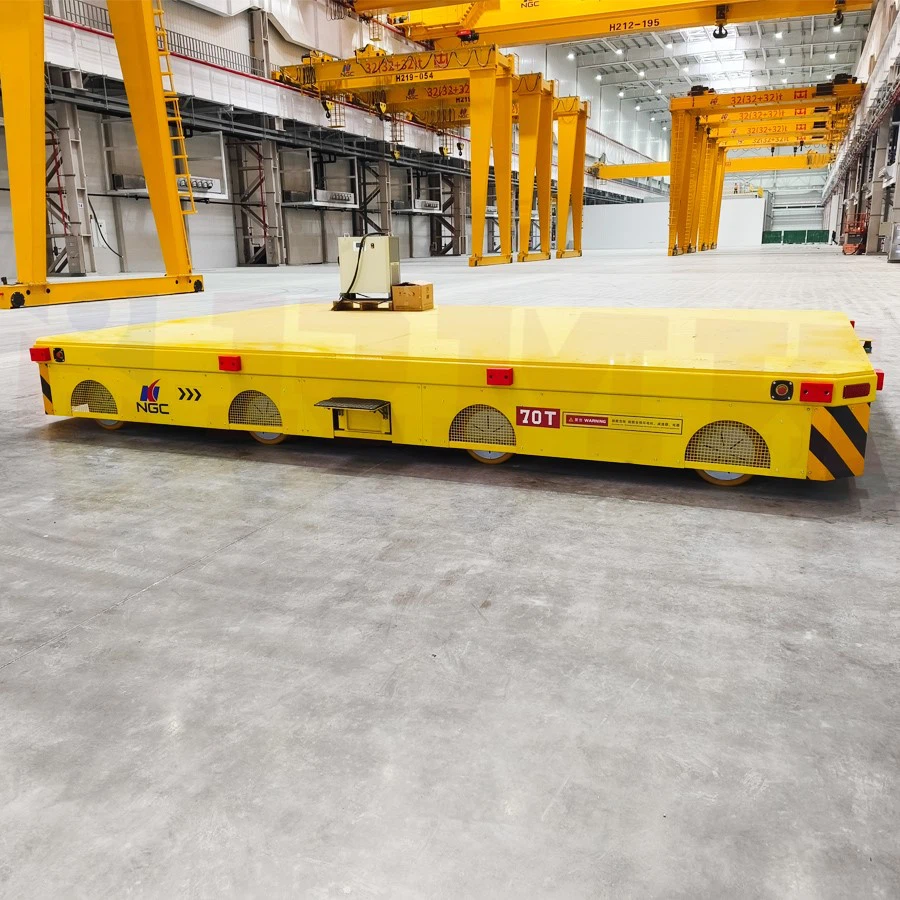
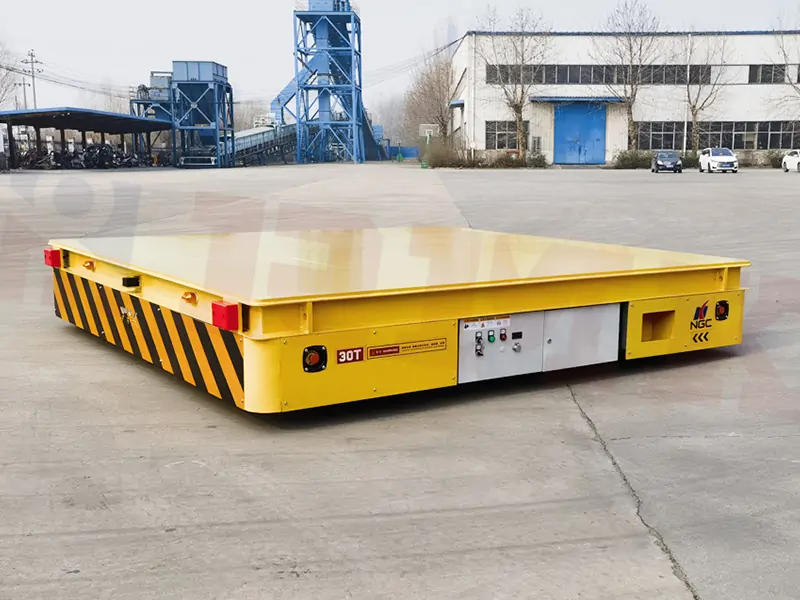
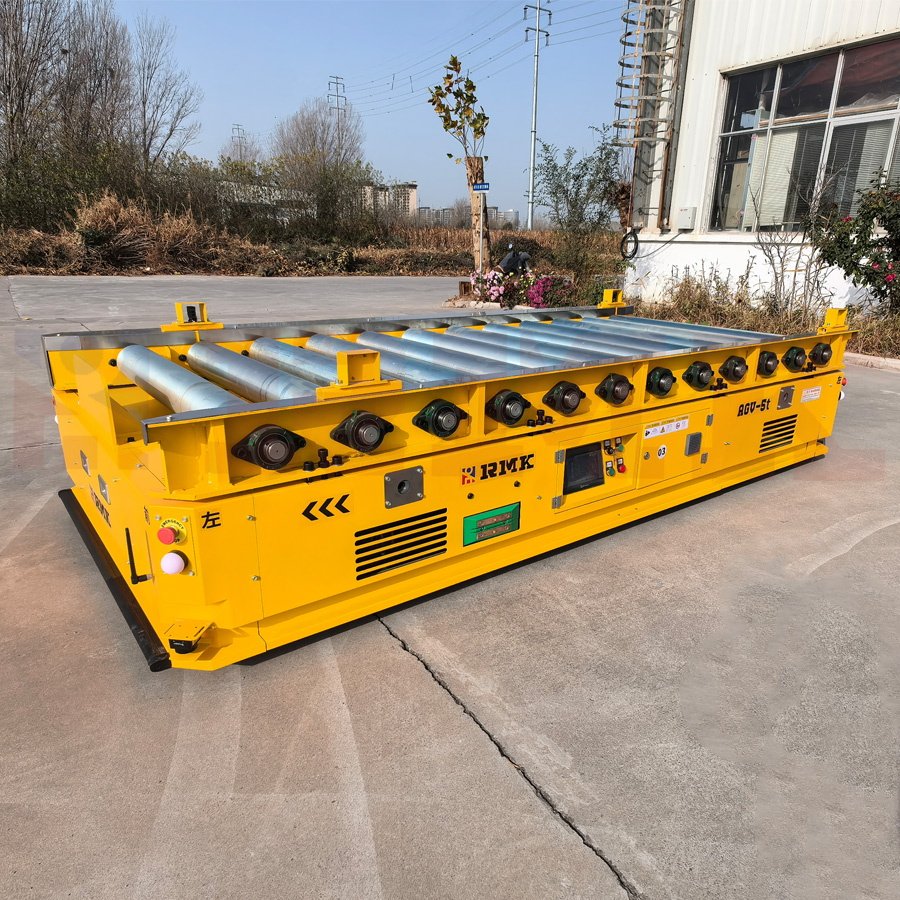
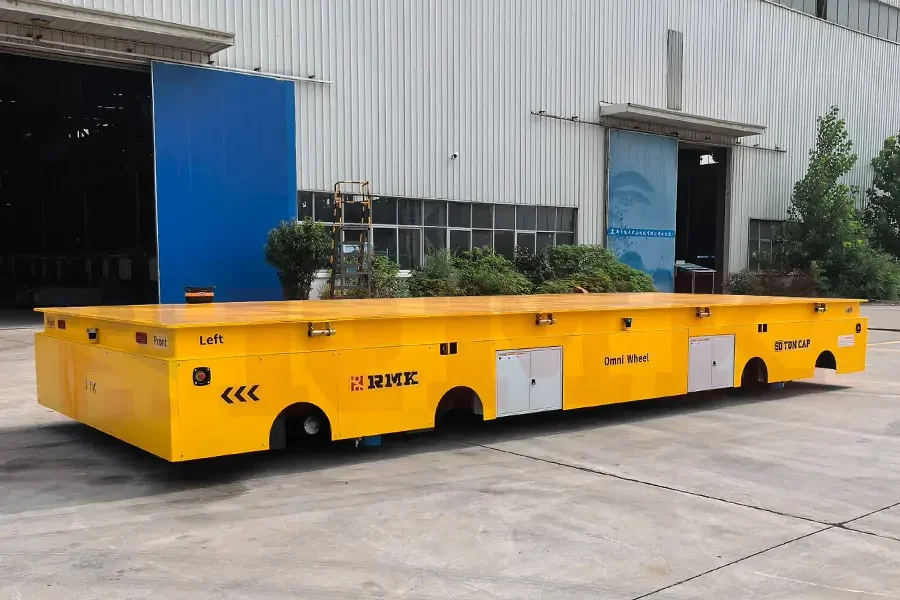
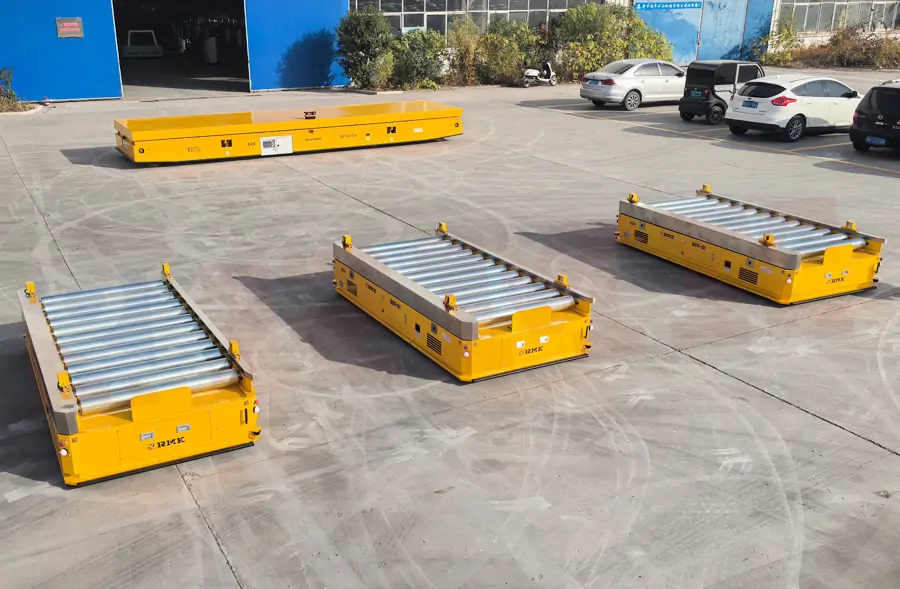
Soluções inteligentes e personalizadas de manuseamento de materiais
Para garantir que um carrinho de transferência personalizado se adapta perfeitamente às suas necessidades, forneça os seguintes dados:
- Capacidade de carga: _____ toneladas (1~500 toneladas)
- Tamanho da mesa: _____ × _____ mm/m (por exemplo, 1500×3000)
- Opções de alimentação:
- ☐ Chumbo-ácido ☐ Iões de lítio ☐ Outros: _____
- ☐ Cabo: _____V/_____A
- Padrão 380V/50Hz/3-fase
- Detalhes da carga:
- Tipo: _____ (por exemplo, bobinas de aço, maquinaria)
- Necessidades especiais: _____ (por exemplo, antiderrapante, à prova de corrosão)
- Caraterísticas opcionais:
- Paragem de emergência ☐ Sensores anti-colisão
- ☐ Guias de carris ☐ Mecanismo de elevação ☐ Controlo remoto
Obter um orçamento agora
FAQ
What is a Heavy Duty Rail Transfer Cart?
A Heavy Duty Rail Transfer Cart is a motorized platform cart designed to move heavy loads along fixed rails in industrial facilities.
How much weight can a Heavy Duty Rail Transfer Cart carry?
The capacity depends on the cart design and application. Industrial rail transfer carts can be designed for loads ranging from several tons to hundreds of tons.
What is the difference between a Rail Transfer Cart and a Trackless Transfer Cart?
A Rail Transfer Cart travels along fixed rails, while a Trackless Transfer Cart moves directly on the factory floor and can follow more flexible routes.
What power supply is used for a Rail Transfer Cart?
Common options include batteries, cable reels, and busbar power systems. The suitable option depends on travel distance, operating frequency, and site conditions.
Can a Heavy Load Rail Transfer Cart be customized?
Yes. Load capacity, platform size, rail gauge, power supply, speed, control system, and other configurations can be customized.
What industries use Heavy Duty Rail Transfer Carts?
They are commonly used in steel plants, shipyards, machinery manufacturing, foundries, die and mold workshops, warehouses, and other heavy material handling facilities.
How fast does a Heavy Duty Rail Transfer Cart travel?
Running speed depends on the load, route length, drive system, and operating requirements. The speed can be configured for the specific application.
How do I choose the right Heavy Duty Rail Transfer Cart?
The main selection factors are load capacity, cargo dimensions, rail gauge, travel distance, operating frequency, power supply, working environment, and control method.