
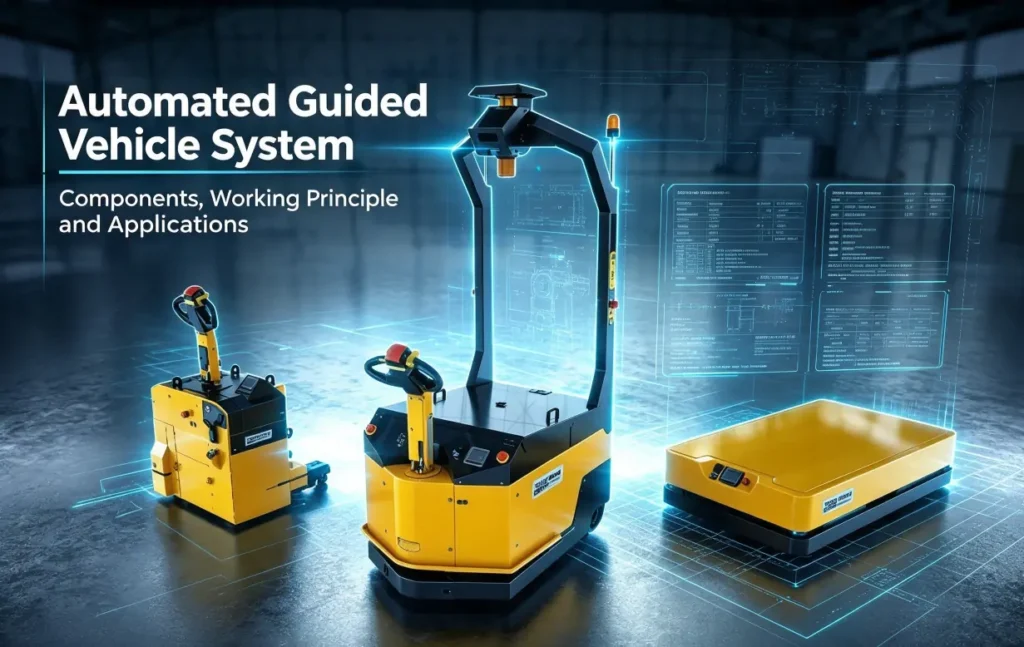
Un Véhicule à guidage automatique, également connu sous le nom de véhicule guidé autonome, véhicule autoguidé ou robot mobile, est un type de véhicule de manutention automatisé. AGV est un système de manutention intelligent comprenant plusieurs véhicules guidés autonomes avec différentes configurations de systèmes intelligents et divers équipements de manutention. Ils peuvent transporter des marchandises ou des matériaux dans un environnement d'usine sans opération manuelle ni conduite. Couramment utilisés dans les usines de fabrication, les entrepôts ou les centres de distribution. Cet article présentera différents types d'AGV. Veuillez continuer à lire.

Différents types de véhicules à guidage automatique
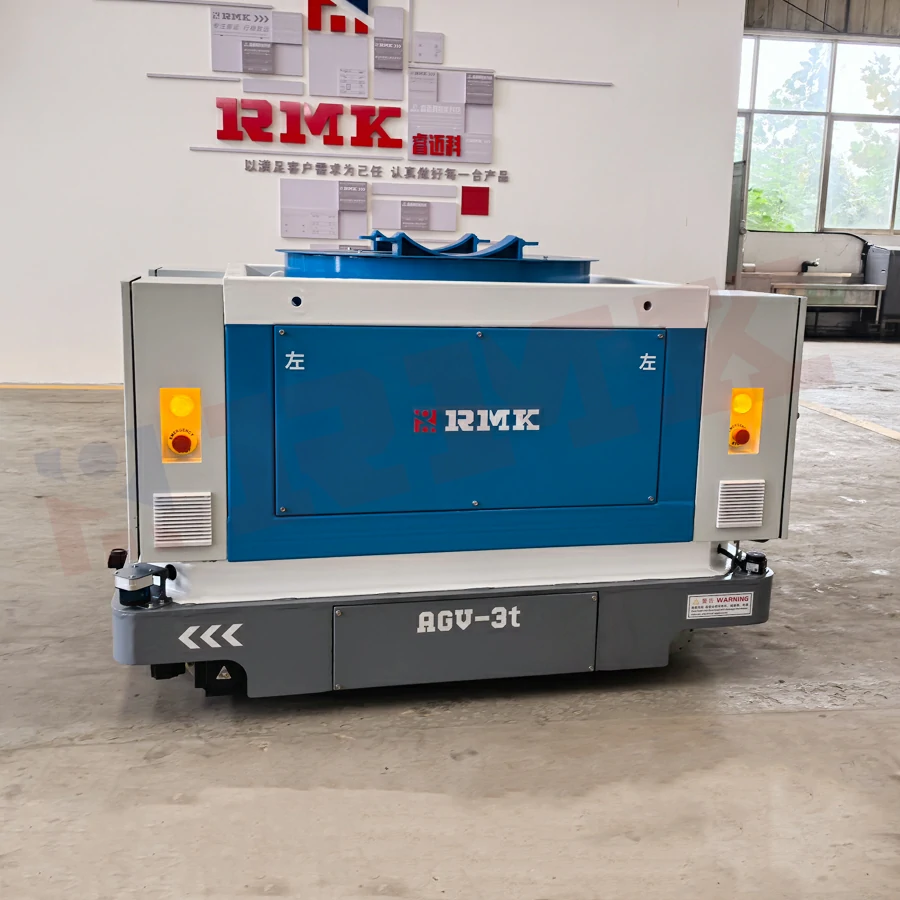
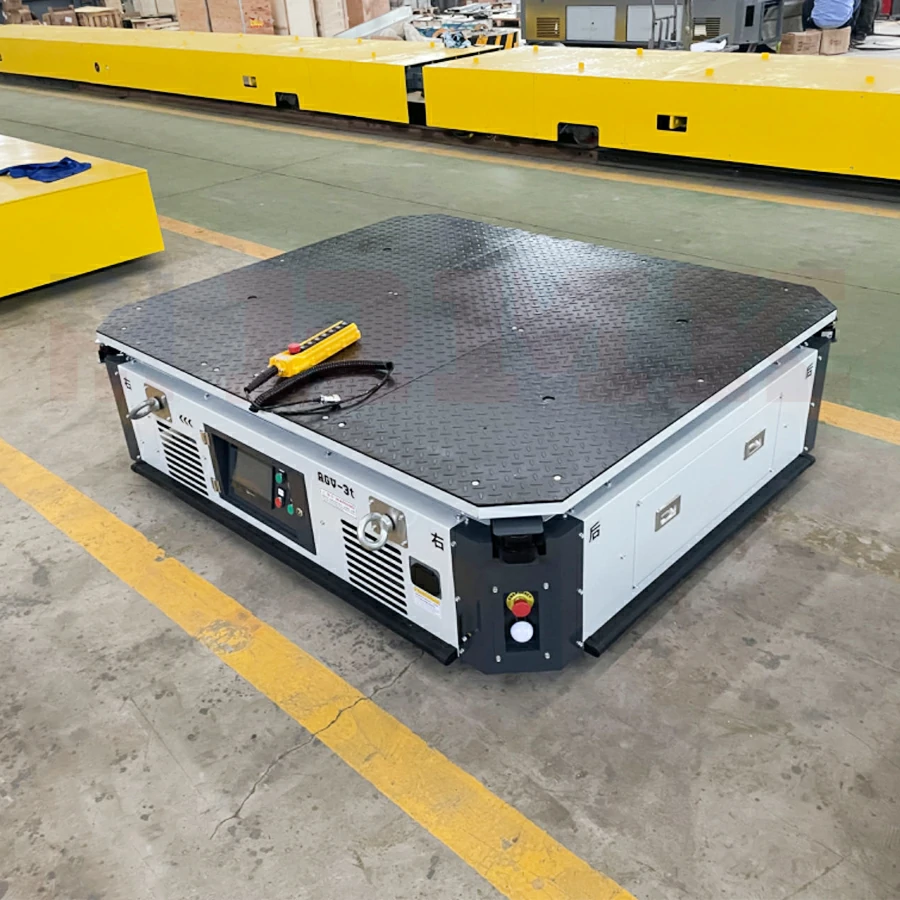
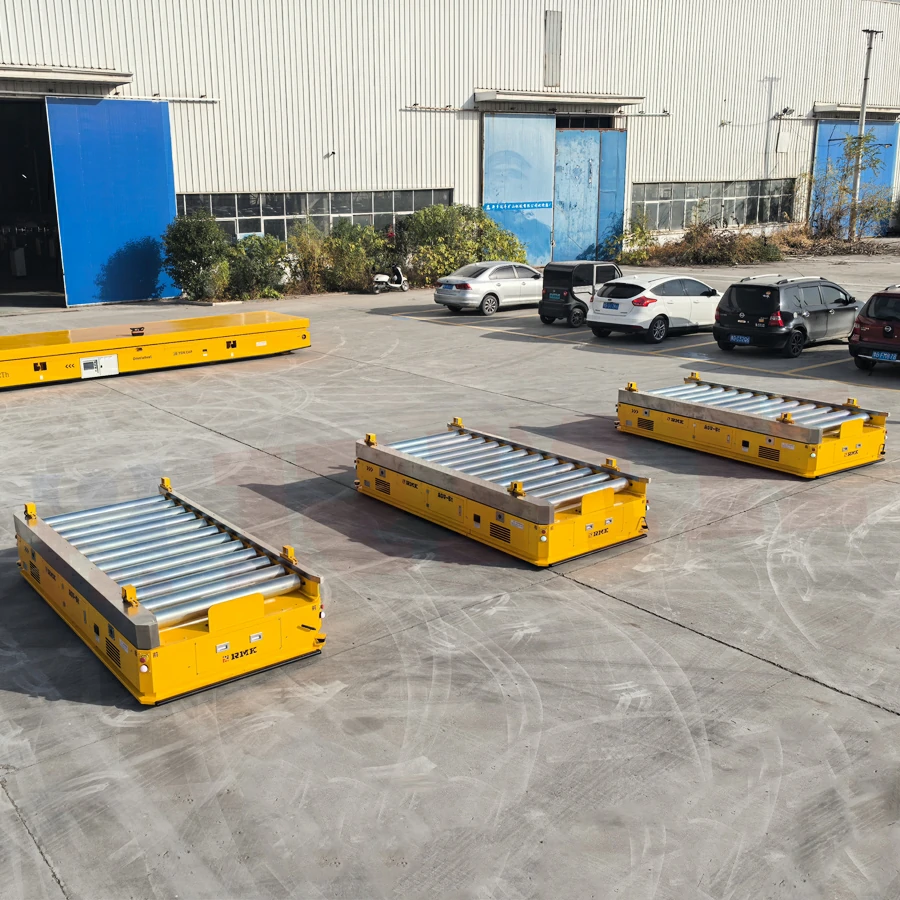
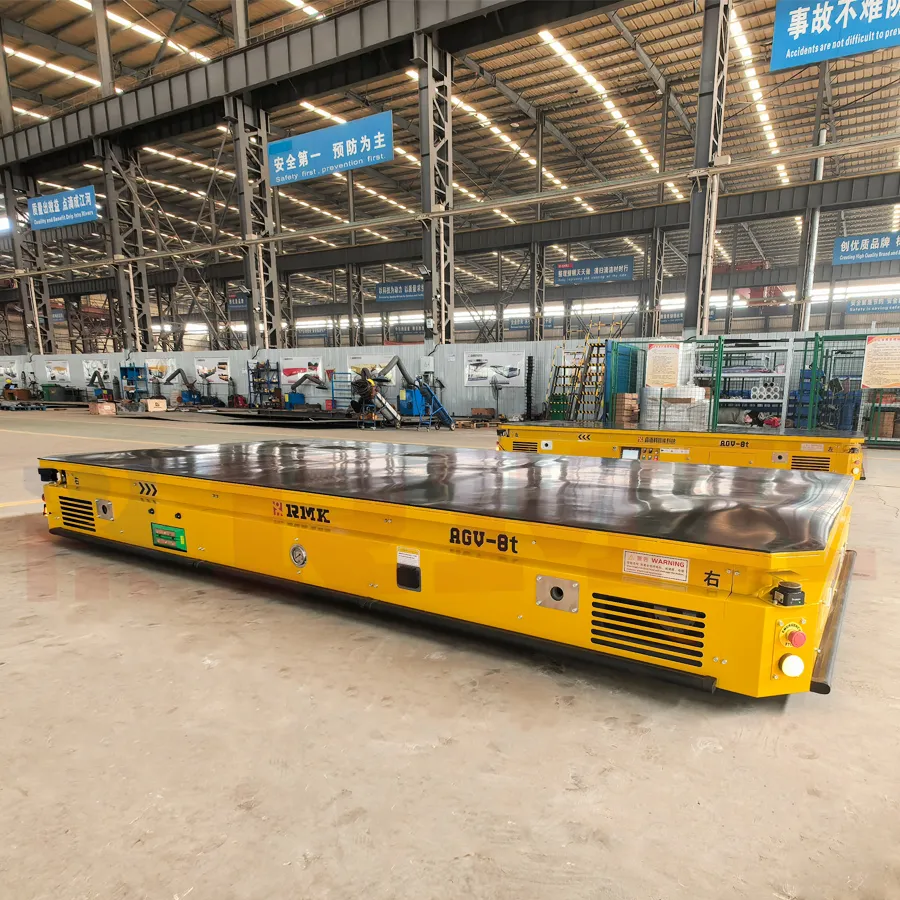
Un chariot de transfert AGV (véhicule guidé automatisé) est un véhicule de manutention sans conducteur conçu pour transporter automatiquement des matériaux lourds, des pièces, des moules, des bobines d'acier et des équipements dans les usines et les entrepôts. Selon les différentes configurations d'atelier et les exigences de manutention, les chariots de transfert AGV sont disponibles en plusieurs configurations, notamment les chariots de transfert AGV guidés sur rail, les chariots de transfert AGV sans rail, les chariots de transfert AGV omnidirectionnels, les chariots de transfert AGV hybrides, les chariots de transfert AGV lourds, les chariots de transfert AGV à levage, les chariots de transfert AGV rotatifs et les chariots de transfert AGV personnalisés. Chaque type est conçu pour des environnements d'exploitation, des capacités de charge et des exigences d'automatisation spécifiques.
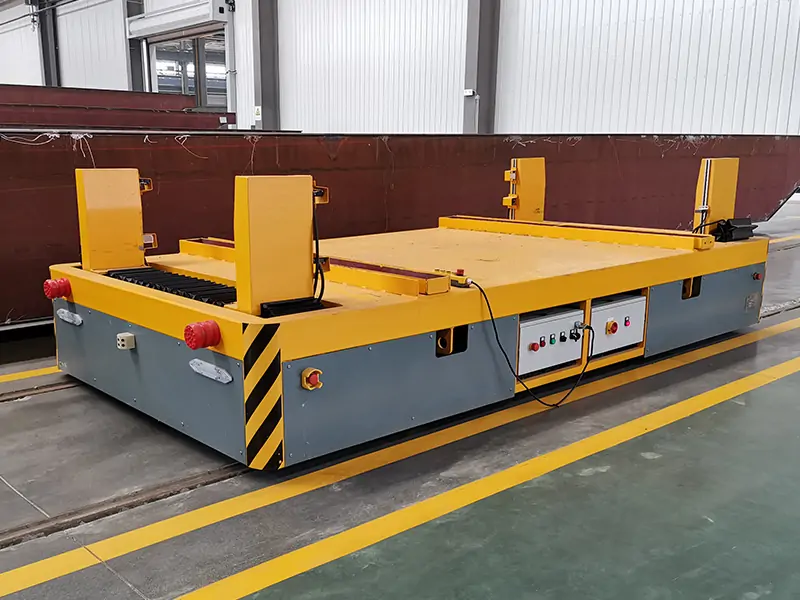
Chariot de transfert AGV guidé sur rail
Un chariot de transfert AGV guidé sur rail, également appelé véhicule guidé automatisé (AGV) sur rail ou AGV sur rail, se déplace sur des rails fixes pour le transport répétitif de matériaux. Il est couramment utilisé lorsque les itinéraires de transport restent inchangés et que des charges lourdes sont déplacées entre des postes de travail fixes.
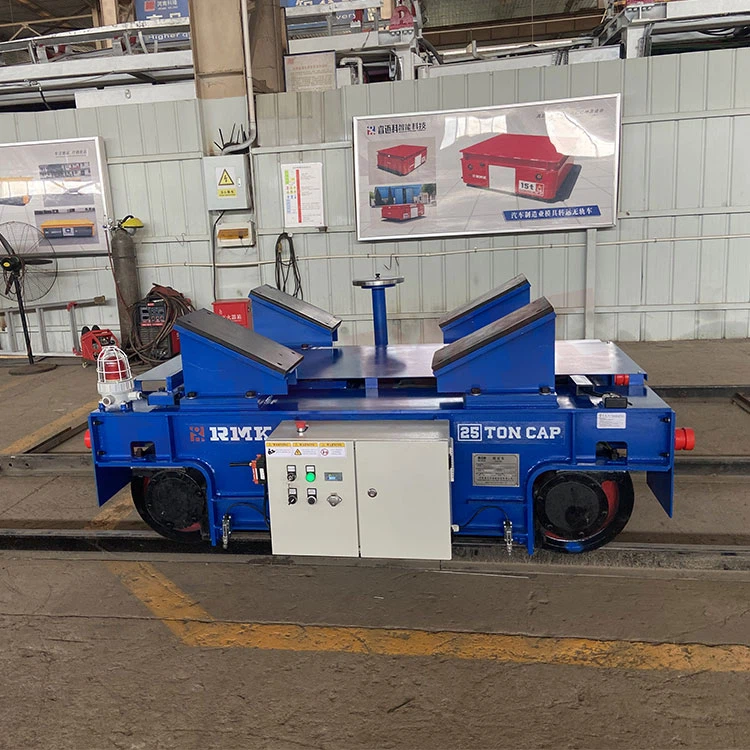
- Fonctionnement sur rail fixe
- Haute précision de positionnement
- Grande capacité de charge
- Déplacement stable sur de longues distances
- Adapté à la production continue
Applications : Aciéries, ateliers d'emboutissage, fabrication de moules, usines d'équipements lourds et lignes de production automatisées.
Chariot de transfert AGV sans rail
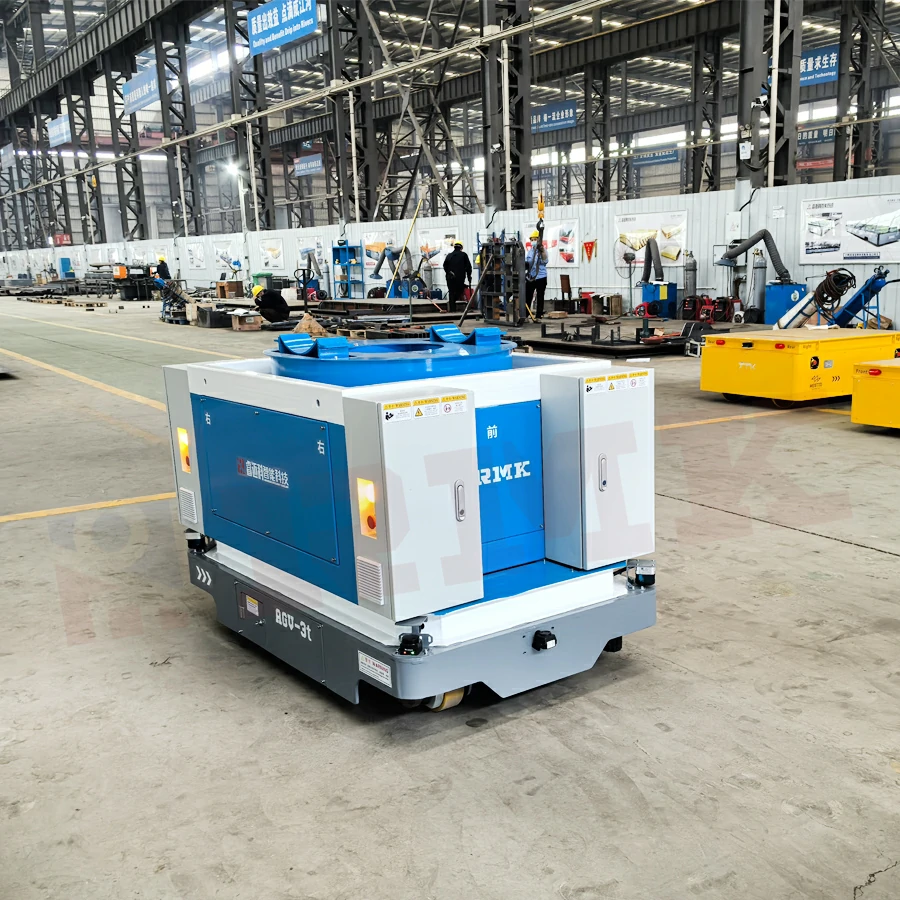
A Chariot de transfert AGV sans rail, également appelé chariot guidé automatisé (AGC) sans rail, se déplace sans rails et suit les commandes de navigation dans tout l'atelier. Il convient aux usines qui nécessitent un transport flexible entre plusieurs postes de travail.
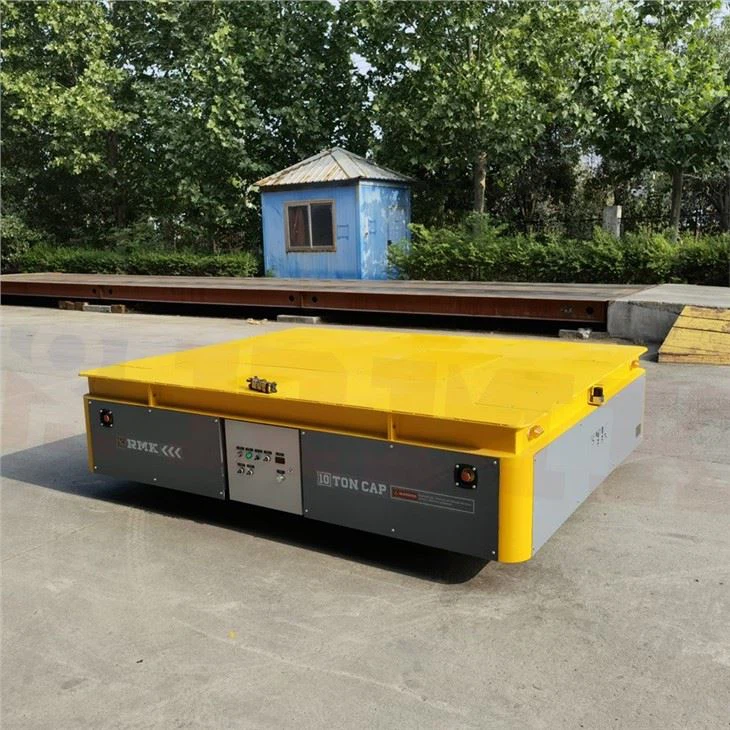
- Aucune installation de rail
- Itinéraires de déplacement flexibles
- Options de navigation multiples
- Modifications de disposition faciles
- Adapté au transport multipoint
Applications : Usines automobiles, usines intelligentes, entrepôts, ateliers d'assemblage et systèmes de fabrication flexibles.
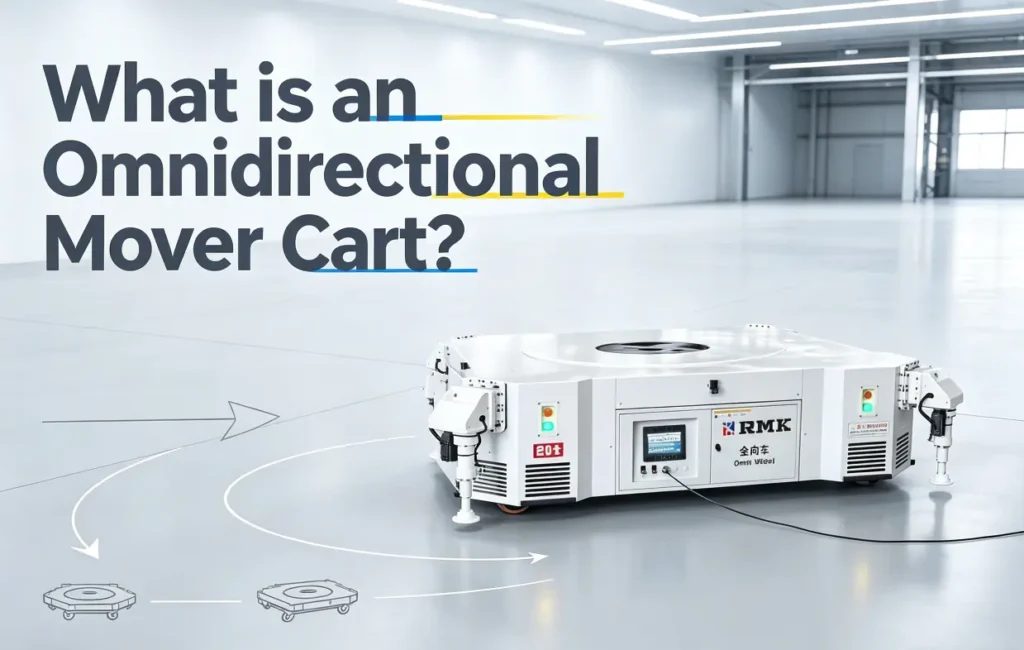
Chariot de transfert AGV omnidirectionnel
Un Chariot de transfert AGV omnidirectionnel, également appelé AGV à roues Mecanum, peut se déplacer dans plusieurs directions sans changer d'orientation, ce qui le rend adapté aux zones de production confinées.
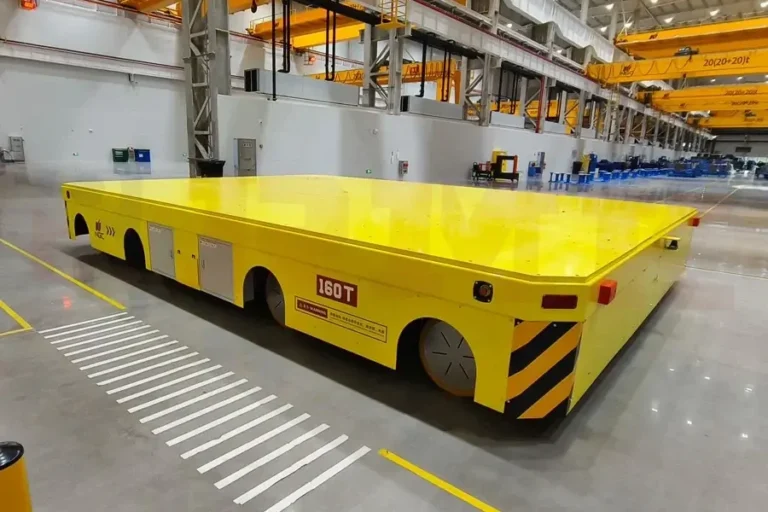
- Mouvement à 360°
- Déplacement latéral et diagonal
- Virage à rayon zéro
- Maniabilité élevée
- Positionnement précis
Applications : Usines de moules, fabrication aérospatiale, machines de précision, assemblage d'équipements lourds et ateliers d'usinage.
Chariot de transfert AGV hybride
A Chariot de transfert AGV hybride, également appelé véhicule guidé automatisé (AGV) hybride, combine différents modes de fonctionnement pour s'adapter aux configurations d'usine complexes et aux exigences de transport.
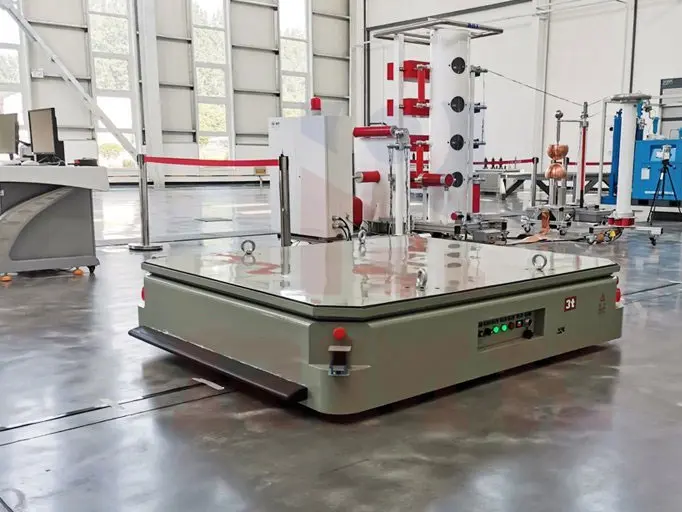
- Fonctionnement sur rail et sans rail
- Commande automatique et manuelle
- Sélection d'itinéraire flexible
- Adapté aux configurations complexes
- Adaptable aux changements de production
Applications : Grandes usines de fabrication, usines multi-ateliers, systèmes de production intégrés et installations de fabrication intelligentes.
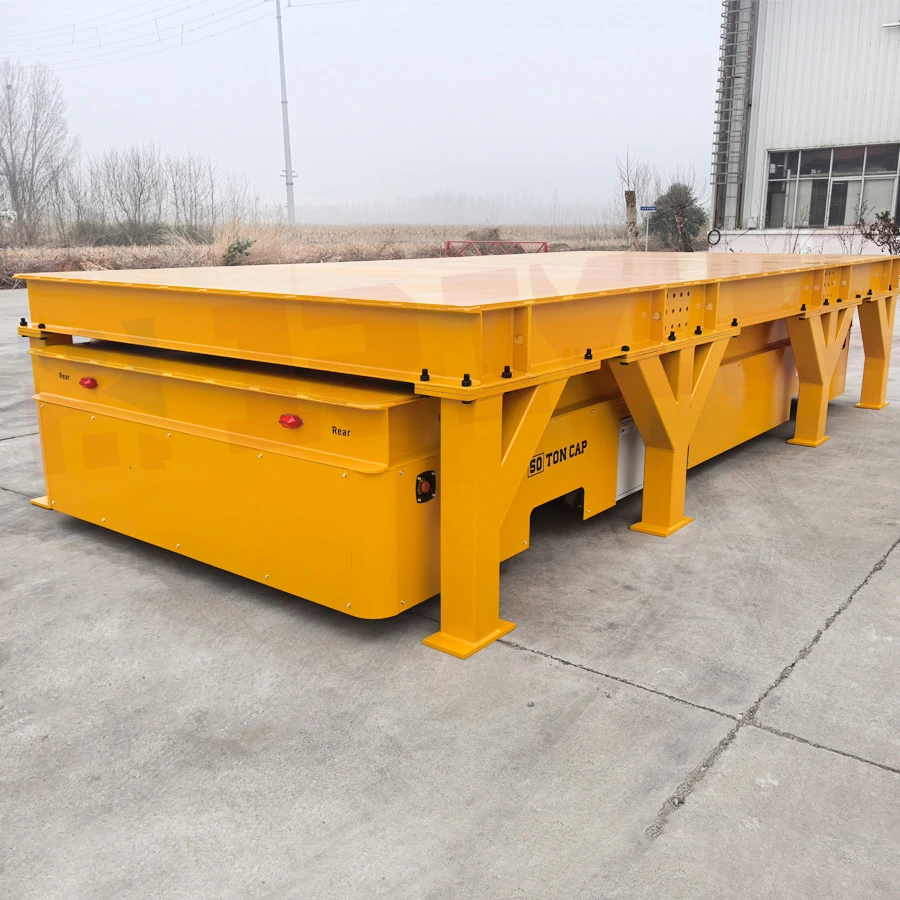
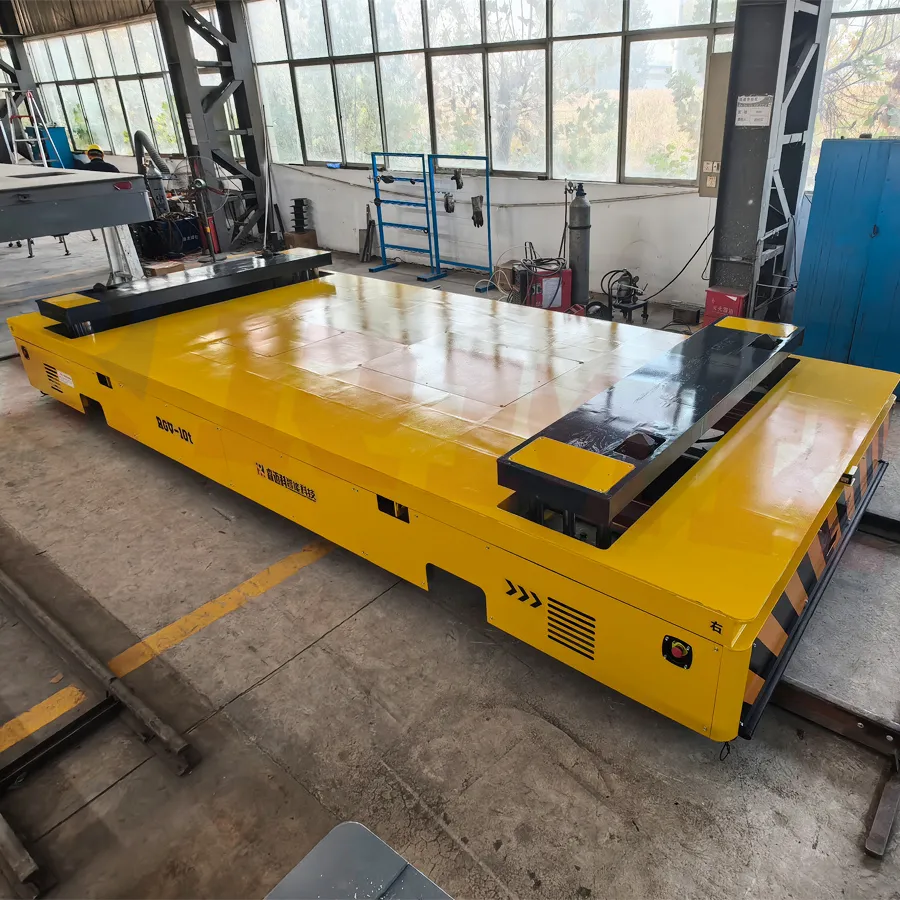
Chariot de transfert AGV lourd
A Chariot de transfert AGV lourd, également appelé véhicule guidé automatisé (AGV) à charge lourde, transporte des matériaux et équipements surdimensionnés avec des exigences de charge élevées.
Pour en savoir plus sur les caractéristiques, les avantages et les directives de sélection des AGV lourds, consultez cet article : “Chariot de transfert AGV à grande plateforme : solution idéale pour la manutention de matériaux lourds et surdimensionnés ”
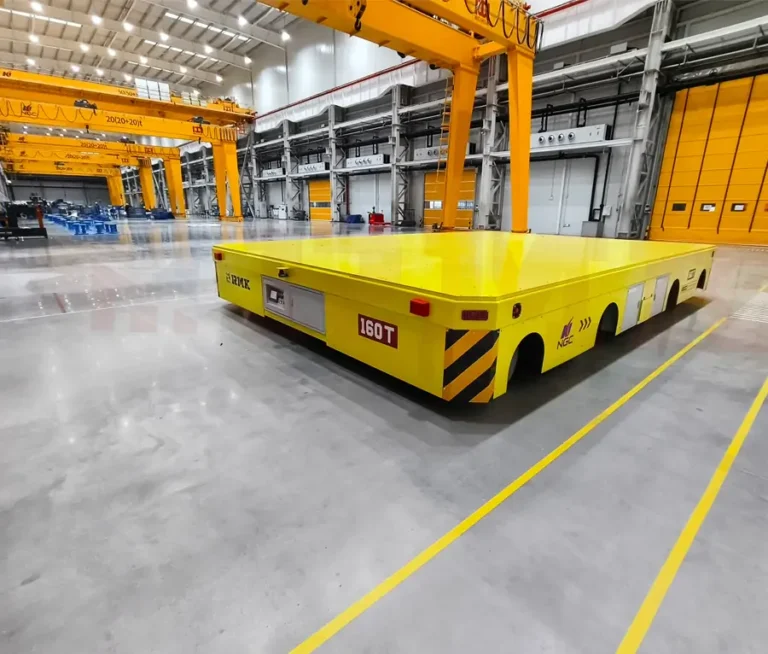
- Capacité de charge lourde
- Châssis en acier renforcé
- Transport de charges lourdes stable
- Système d'entraînement lourd
- Fonctionnement continu
Applications : Aciéries, chantiers navals, centrales éoliennes, fabrication de transformateurs, usines de moules et production de machines lourdes.
Chariot de transfert AGV hydraulique
A Chariot de transfert AGV hydraulique, également appelé chariot de levage AGV, intègre une plateforme de levage pour le chargement, le déchargement et l'alignement automatiques des postes de travail.
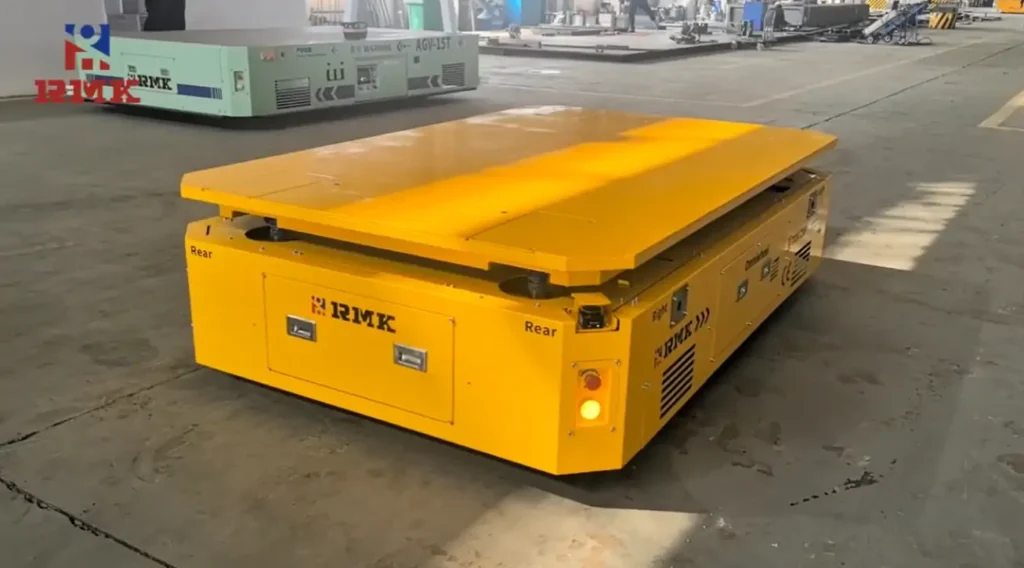
- Levage hydraulique ou électrique
- Hauteur de plateforme réglable
- Accostage automatique
- Transfert de charge en douceur
- Hauteur de levage personnalisée
Applications : Lignes d'assemblage, centres d'usinage, production de batteries, entrepôts automatisés et systèmes de fabrication intelligents.
Chariot de transfert AGV rotatif
A Chariot de transfert AGV rotatif, également appelé véhicule guidé automatisé (AGV) rotatif, comprend une plateforme rotative pour changer l'orientation des matériaux transportés.
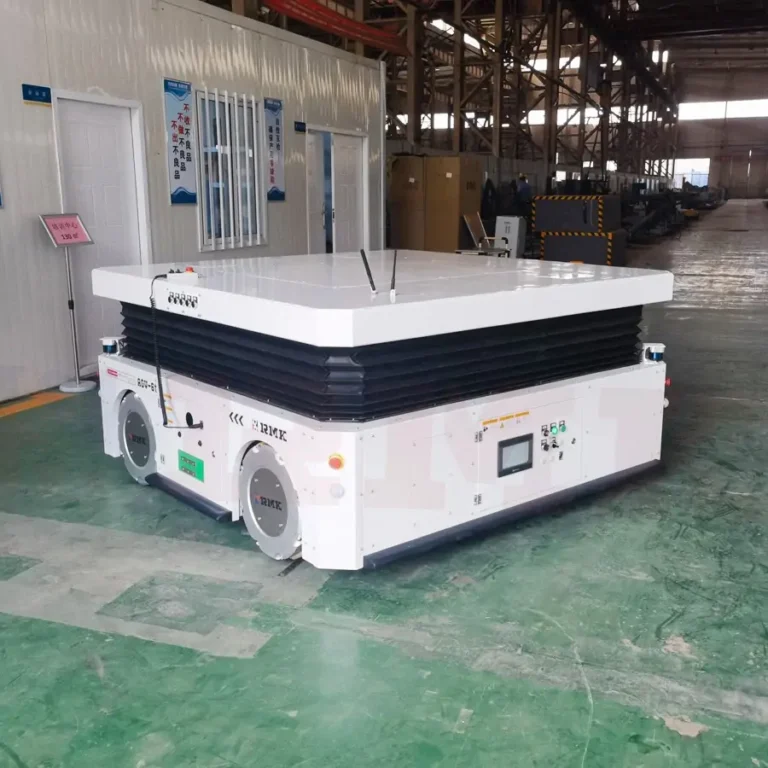
- Plateau tournant intégré
- Rotation de 360
- Positionnement automatique
- Manutention manuelle réduite
- Compatible avec les lignes automatisées
Applications : Postes de soudage, lignes de production robotisées, centres d'usinage, systèmes de peinture et ateliers d'assemblage.
Chariot de transfert AGV personnalisé
Un chariot de transfert AGV personnalisé, également appelé véhicule guidé automatisé (AGV) personnalisé, est construit pour répondre à des processus de production et des exigences de transport spécifiques.
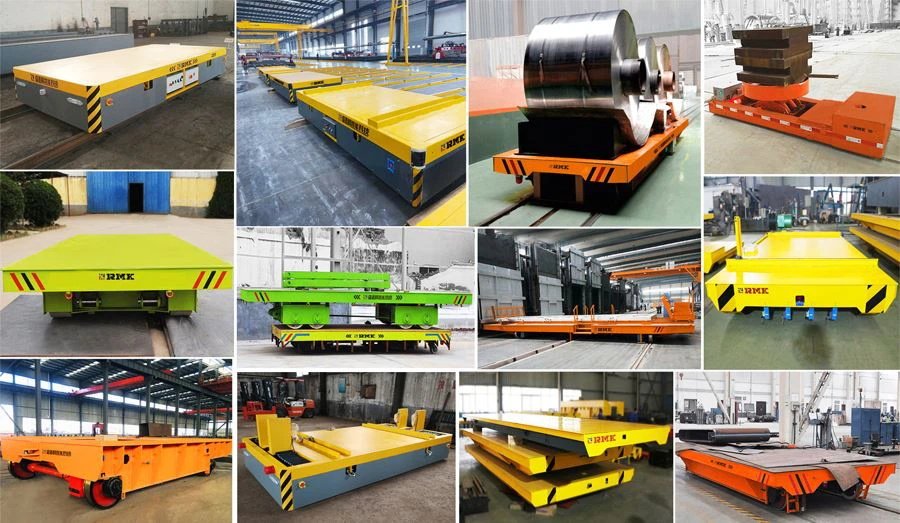
- Dimensions personnalisées
- Capacité de charge personnalisée
- Levage et rotation en option
- Systèmes de navigation multiples
- Système de commande configurable
Applications : Transformation de l'acier, manutention de moules, fabrication aérospatiale, production d'équipements lourds et autres projets de manutention industrielle personnalisés.
Démonstration vidéo
Cas
Comment choisir le bon véhicule guidé automatisé ?
Chaque usine a des exigences de manutention différentes. Le bon véhicule guidé automatisé (AGV) dépend de la disposition de production, de l'itinéraire de transport, de la capacité de charge et de la tâche de manutention. Le tableau ci-dessous peut vous aider à identifier le chariot de transfert AGV le plus adapté à votre application.
| Environnement de travail | Types applicables | Applications |
|---|---|---|
| Itinéraires de transport fixes avec mouvement répétitif | Chariot de transfert AGV guidé sur rail | Aciéries, lignes d'emboutissage, ateliers d'usinage |
| Dispositions de production flexibles ou itinéraires de transport multiples | Chariot de transfert AGV sans rail | Usines intelligentes, entrepôts, lignes d'assemblage |
| Allées étroites ou espace de fonctionnement limité | Chariot de transfert AGV omnidirectionnel | Ateliers de moules, équipements de précision, fabrication aérospatiale |
| Transport à la fois fixe et flexible dans une seule usine | Chariot de transfert AGV hybride | Usines multi-ateliers, systèmes de production intégrés |
| Matériaux lourds de 10 à plus de 300 tonnes | Chariot de transfert AGV lourd | Bobines d'acier, moules, transformateurs, machines lourdes |
| Chargement, déchargement ou accostage d'équipement automatique | Lifting AGV Transfer Cart Chariot de transfert AGV à levage | Lignes de production automatisées, centres d'usinage |
| Pièces nécessitant un réglage d'angle | Chariot de transfert AGV rotatif | Soudage, usinage, assemblage robotisé |
| Dimensions spéciales ou exigences de production personnalisées | Chariot de transfert AGV personnalisé | Fabrication lourde, équipements surdimensionnés, projets spéciaux |
Vous ne savez pas quel véhicule guidé automatisé convient à votre projet ? Veuillez nous contacter et fournir des détails concernant la capacité de charge, la distance de déplacement, l’agencement de l’atelier et le processus de production de votre application. Les ingénieurs RMK recommanderont une solution adaptée en fonction de votre application.
- Pour un aperçu approfondi des conseils de sélection, lisez : “ Comment choisir le bon chariot de transfert AGV ? ”
- Lisez d’autres articles sur les applications des véhicules guidés automatisés (AGV) : Quelles industries utilisent les chariots de transfert AGV ? Applications dans la fabrication moderne
Périmètre de personnalisation
Si votre projet implique des tailles de charge inhabituelles, un espace d’atelier limité ou des processus de production spéciaux, un modèle standard peut ne pas être le meilleur choix. RMK peut personnaliser le véhicule guidé automatisé en fonction de :
- Capacité de charge – Des applications légères au transport de charges lourdes dépassant 300 tonnes.
- Taille de la plateforme – Longueur, largeur et hauteur de plateforme personnalisées pour différents matériaux et équipements.
- Système de navigation – Bande magnétique, code QR, guidage laser, SLAM ou autres méthodes de navigation.
- Entraînement et direction – Guidage sur rail, sans rail, omnidirectionnel, direction différentielle ou direction à quatre roues.
- Levage et rotation – Plateformes de levage hydrauliques, systèmes de levage électriques et tables tournantes rotatives.
- Alimentation électrique – Batterie lithium, batterie plomb-acide, enrouleur de câble, barre omnibus ou autres solutions d’alimentation.
- Système de contrôle – Contrôle PLC, communication sans fil, ordonnancement de flotte et intégration avec les systèmes MES ou WMS.
- Caractéristiques de sécurité – Scanners laser, détection d’obstacles, arrêt d’urgence, feux d’avertissement, alarmes sonores et protection anti-collision.
- Environnement d’exploitation – Solutions pour les applications à haute température, poussière, humidité, salles blanches ou antidéflagrantes.
Envoyez-nous les exigences de votre application, et nos ingénieurs recommanderont le chariot de transfert AGV le plus adapté à votre usine.
Conclusion :
Les chariots de transfert AGV (véhicule guidé automatisé) comprennent des types guidés par rail, sans rail, omnidirectionnels, lourds, de levage, rotatifs et personnalisés. Chaque type est conçu pour différents agencements d’usine, exigences de charge et processus de manutention. Le choix de la solution appropriée dépend des conditions de production, des itinéraires de transport et des besoins d’automatisation.
REMARQUABLE se spécialise dans la conception et la fabrication de chariots de transfert AGV industriels pour la manutention lourde et automatisée. Avec une expérience d’exportation éprouvée sur les marchés étrangers, nos équipements sont largement utilisés dans les aciéries, la fabrication de machines et les installations de production automatisées dans le monde entier. Contactez nous avec les exigences de votre projet, et nous recommanderons une solution de véhicule guidé automatisé adaptée à votre application.
FAQ
Quels sont les différents types de chariots de transfert AGV ?
Les types courants incluent les chariots de transfert AGV guidés par rail, sans rail, omnidirectionnels, hybrides, lourds, de levage, rotatifs et personnalisés. Chaque type est conçu pour différents agencements d’usine et exigences de manutention.
Quelle est la différence entre un AGV guidé par rail et un AGV sans rail ?
Un AGV guidé par rail circule sur des rails fixes pour des itinéraires stables et répétitifs. Un AGV sans rail fonctionne sans rails et suit des chemins de navigation, permettant des mouvements flexibles et des changements d’agencement.
Quand dois-je choisir un AGV omnidirectionnel ?
Un AGV omnidirectionnel est adapté aux espaces étroits, aux configurations complexes et aux applications nécessitant des déplacements latéraux, des trajets en diagonale ou un positionnement précis de grandes pièces.
Quels systèmes de navigation les AGV utilisent-ils ?
Les AGV utilisent couramment le guidage par bande magnétique, la navigation laser, le guidage par code QR, la navigation SLAM et les systèmes basés sur la vision, en fonction des exigences de précision et de flexibilité.
Combien de poids un chariot de transfert AGV peut-il supporter ?
La capacité de charge dépend de la conception. Les modèles standards gèrent quelques tonnes, tandis que les chariots de transfert AGV lourds peuvent transporter de 10 à plus de 300 tonnes pour des bobines d’acier, des moules et des équipements lourds.
Les chariots de transfert AGV peuvent-ils être personnalisés ?
Oui. Les chariots de transfert AGV peuvent être personnalisés en termes de capacité de charge, dimensions de la plateforme, système de navigation, méthode de direction, fonctions de levage ou de rotation, alimentation électrique et système de contrôle.
Quels secteurs utilisent couramment les chariots de transfert AGV ?
Ils sont largement utilisés dans les aciéries, les chantiers navals, la fabrication de moules, la production automobile, l'énergie éolienne, la machinerie lourde et les usines automatisées.
Comment choisir le bon chariot de transfert AGV ?
Le bon choix dépend du poids de la charge, de la distance de transport, de l’agencement de l’atelier, du processus de production et du niveau d’automatisation. Les modèles guidés par rail conviennent aux itinéraires fixes, les types sans rail aux agencements flexibles, et les modèles lourds à la manutention de grandes charges.
Articles connexes
Solutions personnalisées de manutention intelligente
Pour qu'un chariot de transfert personnalisé corresponde parfaitement à vos besoins, veuillez fournir les informations suivantes :
- Capacité de charge : _____ tonnes (1~500 tonnes)
- Taille du tableau : _____ × _____ mm/m (par exemple, 1500×3000)
- Options d'alimentation :
- ☐ Plomb-acide ☐ Lithium-ion ☐ Autre : _____
- ☐ Câble : _____V/_____A
- ☐ Standard 380V/50Hz/3-phases
- Détails de la cargaison :
- Type : _____ (par exemple, bobines d'acier, machines)
- Besoins particuliers : _____ (par exemple, antidérapant, résistant à la corrosion)
- Caractéristiques optionnelles :
- ☐ Arrêt d'urgence ☐ Capteurs anti-collision
- ☐ Guides de rail ☐ Mécanisme de levage ☐ Télécommande