
جدول المحتويات
مقدمة
تم تصميم عربة النقل الثقيلة لنقل الأحمال الصناعية الثقيلة مثل المكونات الفولاذية والقوالب والآلات والهياكل الكبيرة. يمكن أن تتراوح سعة الحمل من عدة أطنان إلى مئات الأطنان، مع توفر موديلات مخصصة للتطبيقات الخاصة التي تتجاوز 1000 طن. تعتمد سعة الحمل الفعلية على نوع البضائع وهيكل العربة وطريقة السير وظروف العمل.
في هذا الدليل، سأشرح كيف يتم تحديد سعة عربة النقل الثقيلة، بما في ذلك نطاقات السعة الشائعة وعوامل التصميم الرئيسية وطرق حساب الحمل واعتبارات الاختيار. تساعد هذه التفاصيل المشترين على فهم العلاقة بين متطلبات الحمل وتكوين العربة قبل اختيار الموديل المناسب.
ما مقدار الوزن الذي يمكن أن تحمله عربة النقل الثقيلة؟
تتوفر عربات النقل الثقيلة في نطاق واسع من السعات، من عدة أطنان إلى مئات الأطنان. يعتمد اختيار السعة على نوع الحمل ومتطلبات النقل وظروف العمل.
| نطاق السعة | Typical Applications | الميزات الرئيسية |
|---|---|---|
| 5–20 طن | الأجزاء الفولاذية، قواعد الآلات، المكونات الملحومة، النقل داخل الورشة | مناسبة لنقل المواد العام بين محطات العمل |
| 30–100 طن | خطوط الإنتاج، التصنيع الثقيل، المناولة في المصانع | هيكل معزز للنقل المتكرر للأحمال الثقيلة |
| 100–500 طن | مصانع الصلب، أحواض بناء السفن، مشاريع المعدات الكبيرة | منصة مخصصة، نظام عجلات، وتصميم سكك للأحمال الثقيلة |
| 500 طن وما فوق | مشاريع ثقيلة خاصة، نقل معدات ضخمة | إطار مخصص بالكامل، نظام دفع، توزيع حمل العجلات، ومصدر طاقة |
تعتمد السعة الفعلية لعربة النقل الثقيلة على أكثر من مجرد الحمولة المقدرة. يؤثر وزن الحمل ومركز الثقل وتصميم المنصة وحمل العجلات وقوة الدفع ومسافة السير وظروف العمل جميعاً على التكوين النهائي.
ما هي نطاقات السعة الشائعة لعربات النقل الثقيلة؟
تتراوح سعة عربة النقل الثقيلة عادةً من 5 أطنان إلى 500 طن، مع توفر موديلات مخصصة للتطبيقات الخاصة التي تتجاوز 1000 طن. تعتمد السعة المطلوبة على وزن الحمل وأبعاد البضائع وطريقة السير وظروف العمل. تم تصميم نطاقات السعة المختلفة لمتطلبات المناولة الصناعية المختلفة.
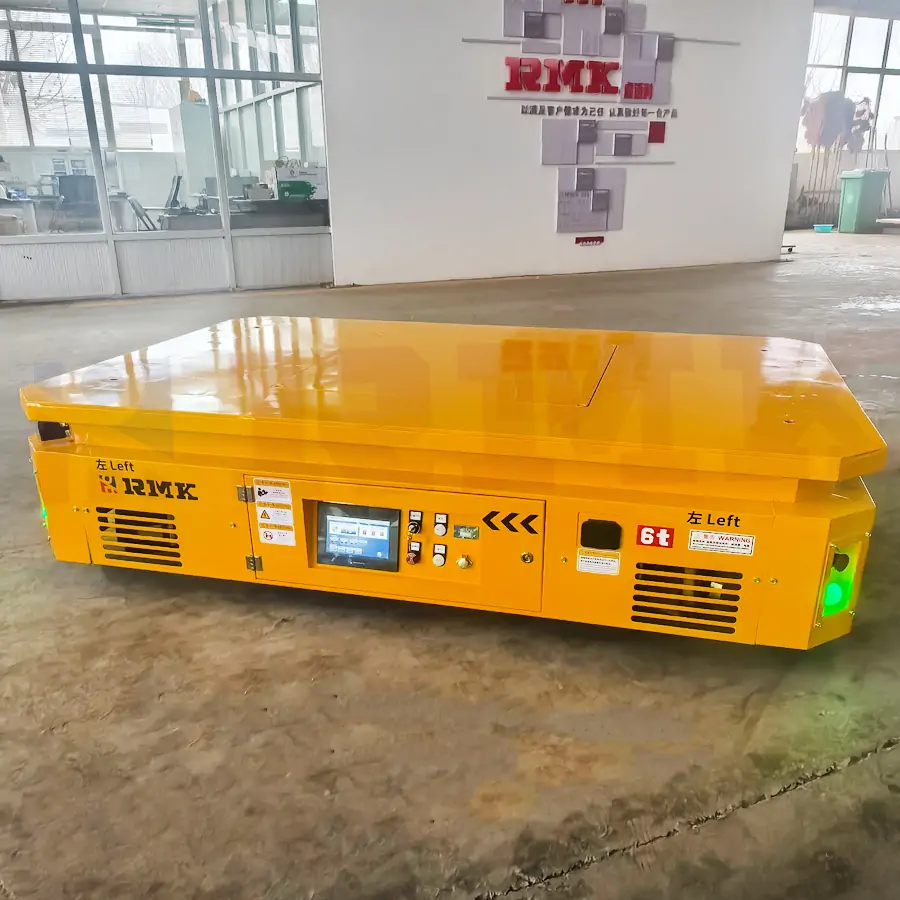
عربة نقل ذات سعة صغيرة (5–20 طن)
عربات النقل 5–20 طنتُستخدم عادةً في الورش ومناطق الإنتاج لنقل أجزاء الآلات والمكونات الملحومة والمعدات الصناعية الصغيرة.
تركز هذه الموديلات على الهيكل المدمج والتشغيل المرن، مما يجعلها مناسبة لـ:
- مناولة المواد في الورشة
- نقل أجزاء الآلات
- تحريك معدات الإنتاج
عربة نقل ذات سعة متوسطة (30–100 طن)
عربات النقل 30–100 طن تُستخدم على نطاق واسع في تطبيقات التصنيع الثقيل. تم تصميمها لنقل المكونات الفولاذية والقوالب والمعدات الصناعية مع استقرار أعلى للأحمال.
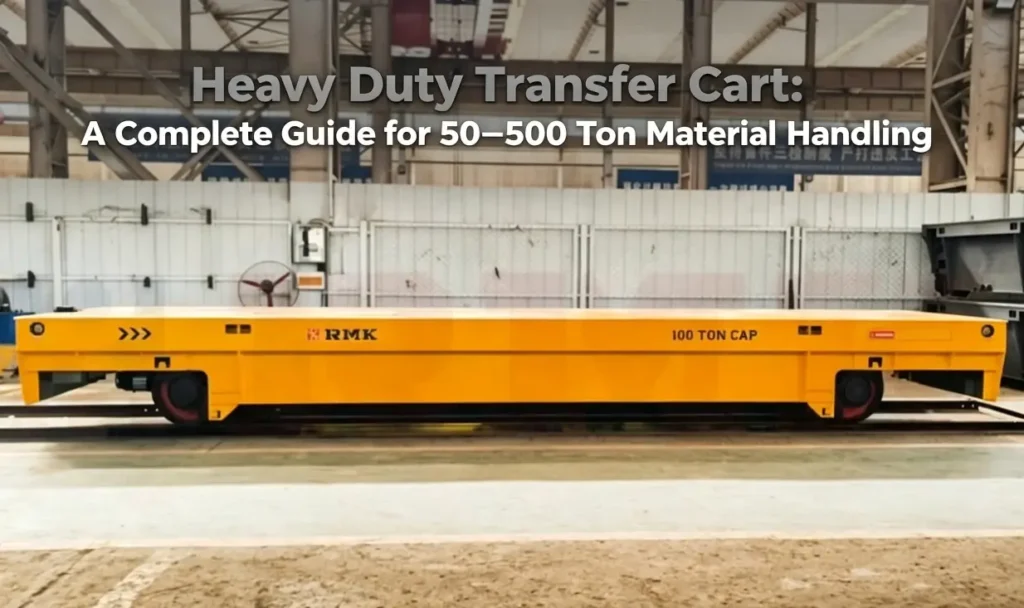
قد تستخدم عربة النقل بالسكك 100 طن منصة بحوالي 6500×2800 مم ومقاطع سكك ثقيلة للتشغيل المتكرر على مسارات ثابتة.
تشمل التطبيقات المناسبة:
- مناولة المكونات الفولاذية
- نقل القوالب
- خطوط الإنتاج الصناعي
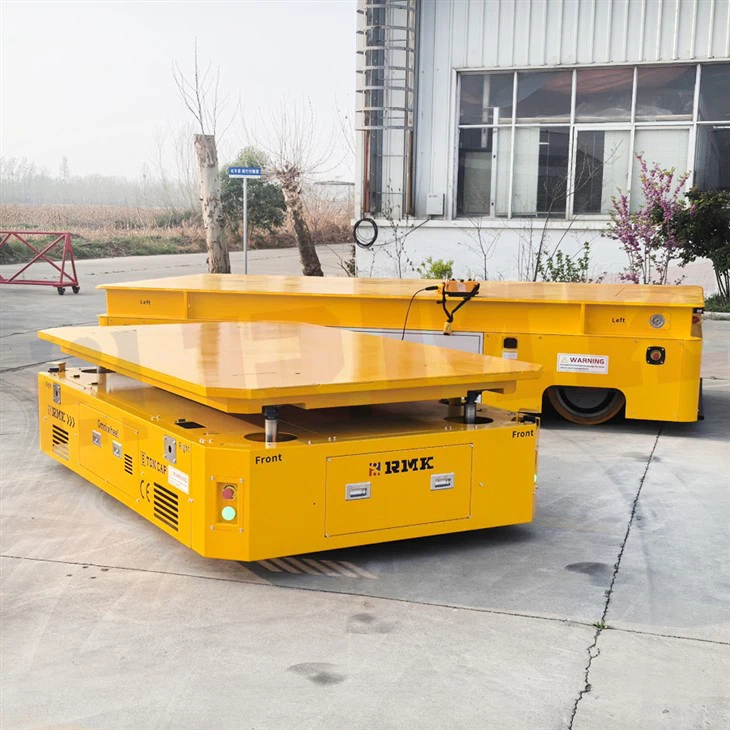
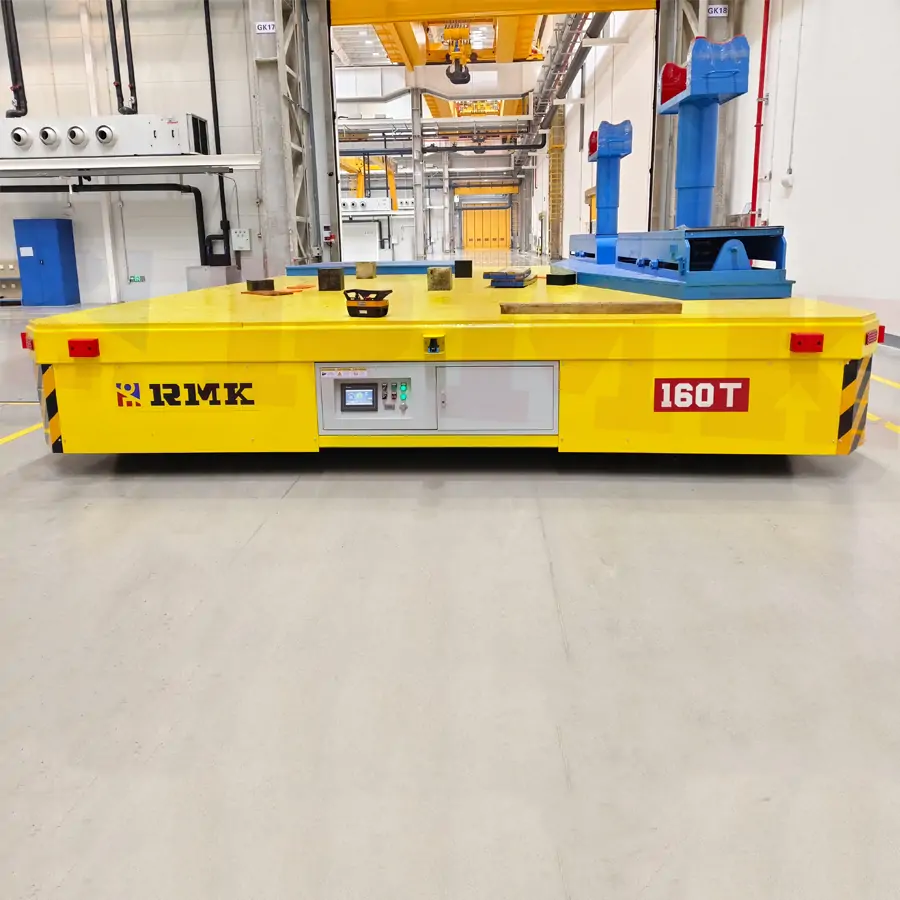
عربة نقل ذات سعة ثقيلة (100–500 طن)
عربات النقل 100–500 طن تُستخدم للنقل الصناعي واسع النطاق في مصانع الصلب وأحواض بناء السفن ومنشآت التصنيع الثقيل.
تتطلب هذه الموديلات عادةً منصات مخصصة وعجلات ثقيلة وأنظمة دفع متعددة للتعامل مع الهياكل الكبيرة والأحمال المركزة.
التطبيقات النموذجية:
- نقل المواد في مصانع الصلب
- تحريك المعدات في أحواض بناء السفن
- نقل الهياكل الكبيرة
عربة نقل ثقيلة للغاية (500 طن+)
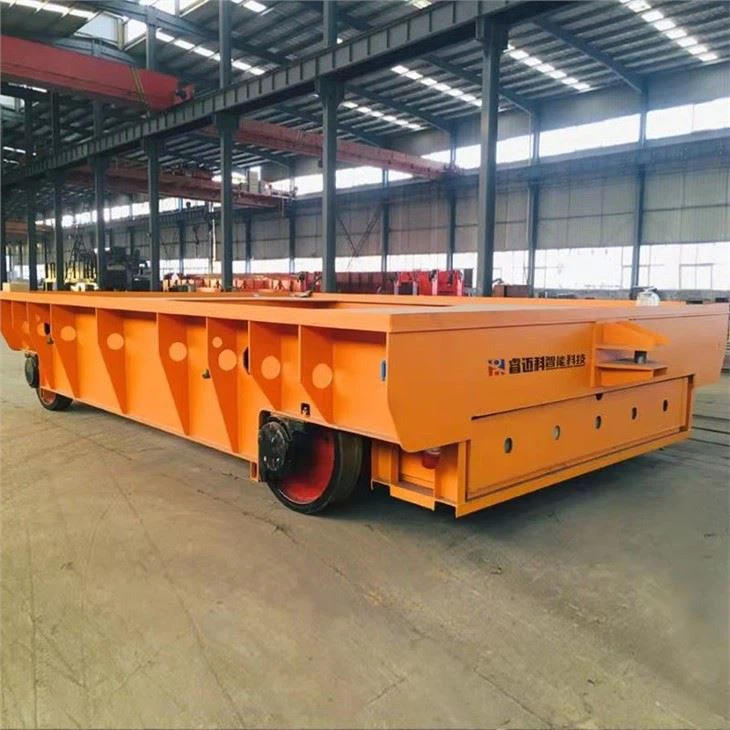
تم تصميم عربات النقل التي تتجاوز 500 طن لمشاريع أحمال ثقيلة محددة. وهي ليست منتجات قياسية وتتطلب تصميماً مخصصاً بناءً على توزيع الحمل وترتيب العجلات وقوة الدفع وظروف النقل.
تشمل التطبيقات:
- Ship section handling
- Turbine transportation
- Large industrial equipment movement
Some customized heavy duty transfer carts can handle loads exceeding 1000 tons.
ما الذي يحدد سعة عربة النقل الثقيلة؟
The capacity of a heavy duty transfer cart is determined by more than the rated load. Cargo conditions, structural design, drive system, and operating environment all affect the final capacity selection.
| العامل | Considerations | Impact on Capacity |
|---|---|---|
| Load Weight and Distribution | Cargo weight, center of gravity, load distribution, single-point loading, lifting method | Determines frame strength and load stability |
| حجم المنصة وهيكلها | Deck size, reinforced structure, support frames, special fixtures | Affects load support and stress distribution |
| Wheel and Drive System | Wheel quantity, wheel load, motor power, gearbox selection | Determines running capability and heavy load performance |
| طريقة السير | Rail or trackless operation, route layout, positioning requirements | Affects stability, flexibility, and maximum load range |
| Working Conditions | Travel distance, operation frequency, floor or rail condition | Influences safety margin and component selection |
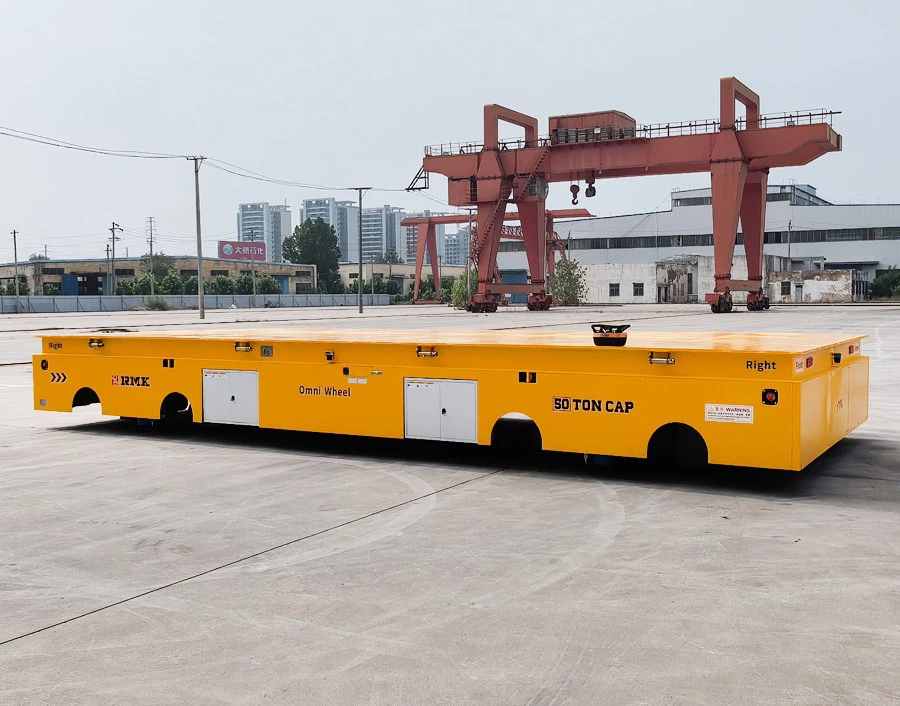
For special loads, the platform design may require additional solutions, such as V-frame decks for steel coils or support frames for large equipment. A 50-ton transfer cart may use a platform around 5500×2500 mm, while a 100-ton model may require around 6500×2800 mm.
The correct capacity should be selected according to the maximum actual load, cargo dimensions, transport route, and operating conditions.
كيف يتم حساب سعة عربة النقل؟
Transfer cart capacity is calculated based on the actual load requirements and operating conditions, not only the cargo weight. The selection process should consider the following factors:
- Confirm Maximum Load Weight: Calculate the heaviest load the cart will handle, including fixtures, tools, and additional equipment. Capacity should be based on the maximum expected load, not the average load.
- Add a Safety Margin: A suitable capacity margin helps handle load changes and future production requirements. The margin depends on the application, load conditions, and operating frequency.
- Check Load Distribution: Evaluate the cargo shape, center of gravity, and loading position. Uneven or concentrated loads may require a higher capacity rating and customized platform design.
- Match Wheel and Drive System: The selected capacity must match the wheel load, motor power, gearbox, and running system to ensure stable movement under full load.
- Verify Working Conditions: Consider travel distance, route type, floor or rail conditions, operating frequency, and environment before finalizing the capacity.
Selecting transfer cart capacity based only on average load may cause insufficient performance or unnecessary cost. The correct specification should match the actual handling requirements.
تتمتع عربات النقل بقدرات تحميل تتراوح من بضعة أطنان مترية إلى أكثر من ألف طن متري. كيف تحدد قدرة التحميل الفعلية لعربة النقل، وكيف تحسب قدرة التحميل النهائية؟ للتفاصيل، انظر: كم يبلغ الوزن الذي يمكن لعربة نقل للخدمة الشاقة أن تحمله؟
هل تعني عربة النقل ذات السعة الأعلى دائماً أنها أفضل؟
A higher capacity transfer cart does not always fit the application. A model with excessive capacity requires a stronger structure and larger drive components, which can increase purchase cost, power consumption, and maintenance workload.
The selected capacity should match the actual cargo weight, working frequency, transport route, and site conditions. A suitable capacity provides stable operation without unnecessary equipment costs.
هل يمكن تخصيص سعة عربة النقل الثقيلة؟
Yes, heavy duty transfer cart capacity can be customized according to specific load requirements and working conditions. Manufacturers can design the cart structure, platform size, wheel arrangement, and drive system based on the actual application.
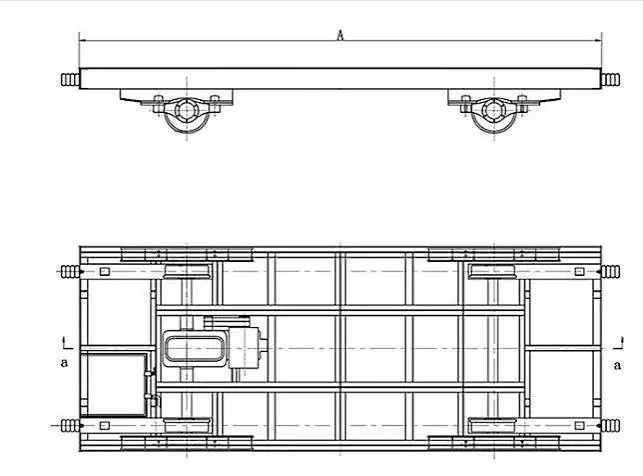
Common customization options include:
- Load Capacity: Customized capacity from several tons to hundreds of tons for different handling requirements
- Platform Design: Custom deck size, height, support structure, and fixtures for special loads
- Wheel and Drive System: Different wheel arrangements, motor power, and drive configurations for load conditions
- Power Supply: Battery, cable reel, or conductor rail power systems based on operation requirements
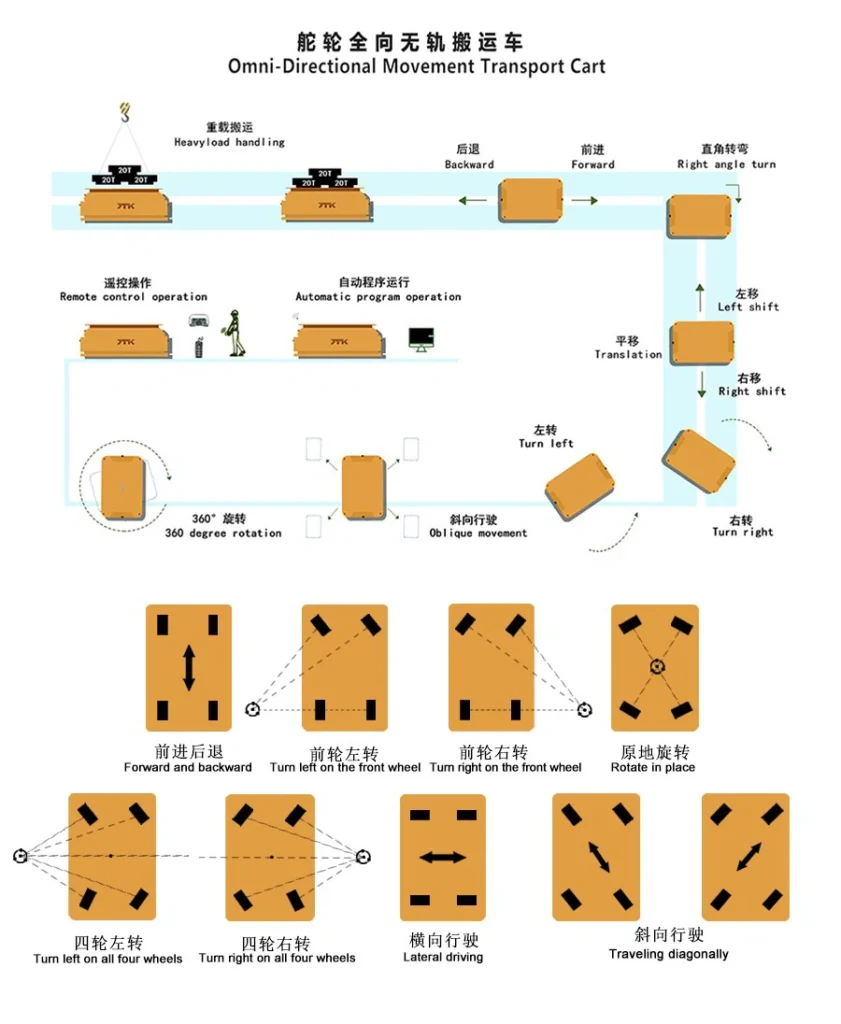
- Travel Design: Rail-mounted, trackless, or special travel solutions for different factory layouts
- Control System: Remote control, automatic operation, and positioning functions
Before customization, provide the load weight, cargo dimensions, transport route, running distance, and working frequency. These details help determine the suitable capacity and configuration.
For more detailed information on customization options and limitations, see: عربة النقل المخصصة: الدليل الشامل للتصميم والتخصيص
كيف تختار سعة عربة النقل الثقيلة المناسبة؟
Selecting the right capacity starts with understanding the actual handling requirements. The rated capacity should match the heaviest load, operating conditions, and future handling needs. Before ordering a heavy duty transfer cart, confirm:
- Maximum load weight: Determine the heaviest cargo, including fixtures and supporting equipment.
- Cargo dimensions: Check length, width, height, and loading position to select a suitable platform design.
- Load distribution: Consider center of gravity and uneven loading conditions.
- Transport distance: Define the travel distance and route layout.
- Rail or trackless operation: Select the suitable travel method based on factory conditions.
- Working frequency: Confirm daily running time and operation cycles.
- Floor or rail conditions: Check surface condition, rail design, and site environment.
- Future production requirements: Reserve suitable capacity for possible load changes.
Choosing capacity based only on the current load may limit future use. A proper specification should match the actual application and operating conditions.
Different types of heavy-duty transfer carts are suited for different work scenarios. Which type is right for your factory? Check out this article to learn how to choose the right transfer cart for your needs: دليل شراء عربة النقل للخدمة الشاقة: كيفية اختيار الطراز المناسب
لماذا تختار عربة النقل الثقيلة REMARKABLE؟
مدهش manufactures heavy duty transfer carts with capacity ranges from 1 to 500 tons for industrial material handling applications. Each cart is designed according to the customer’s load requirements, transport route, and working environment.
Customized cart design: Platform size, capacity, wheel arrangement, and structure can be adjusted for different loads and applications.
Multiple power options: Battery, cable reel, and rail power systems are available for different operating conditions.
Flexible control solutions: Manual remote control and automated operation options are available based on project requirements.
Project experience and service support: Export experience, technical assistance, and after-sales support are provided for overseas customers.
From standard material handling to special heavy-load transportation, REMARKABLE develops transfer cart solutions based on actual site requirements.
الخاتمة
Heavy duty transfer cart capacity is the key specification for safe and efficient material handling. Load weight, cargo structure, transport route, and working conditions all affect the final design. Customized solutions are required for special loads and complex working environments.
مدهش provides customized heavy duty transfer carts for industrial material handling applications. اتصل بنا with your load requirements and working conditions to get a suitable transfer cart solution.
البريد الإلكتروني: transfercart@rmkzn.com
الهاتف: +86-18637369355
مقالات ذات صلة
الأسئلة الشائعة
كم وزن يمكن أن تحمله عربة النقل الثقيلة؟
A heavy duty transfer cart can carry from several tons to hundreds of tons. Common capacities range from 5 to 500 tons, while customized models can be designed for special applications exceeding 1000 tons.
ما هي السعة القصوى لعربة النقل؟
The maximum capacity depends on the application requirements and cart design. Standard heavy duty transfer carts usually handle up to 500 tons, while customized solutions can be engineered for heavier loads such as ship sections, turbines, and large industrial equipment.
What factors affect transfer cart capacity?
Transfer cart capacity is affected by load weight, cargo dimensions, load distribution, center of gravity, platform structure, wheel load, drive system, travel method, and working environment.
Can a transfer cart carry uneven loads?
Yes, but uneven loads require proper platform design and load distribution analysis. Factors such as cargo shape, center of gravity, and loading position must be considered to avoid excessive stress on the deck and wheel system.
What capacity transfer cart is used for steel plants?
Steel plants commonly use heavy duty transfer carts ranging from 50 to 500 tons, depending on the material type and handling requirements. Applications include steel coils, ladles, heavy components, and large fabricated structures.
How do I calculate transfer cart capacity?
Calculate capacity based on the maximum actual load, including fixtures and supporting equipment. Then check load distribution, safety margin, wheel load, drive system, and working conditions before selecting the final specification.
Are higher capacity transfer carts more expensive?
Yes. Higher capacity transfer carts require stronger frames, larger wheels, more powerful drive systems, and additional engineering design. The final cost also depends on platform size, power supply, control system, and customization requirements.
Can manufacturers customize heavy duty transfer cart capacity?
Yes. Manufacturers can customize heavy duty transfer cart capacity according to load requirements, transport routes, and working conditions. Options include custom platforms, wheel arrangements, power systems, and control configurations.