目录
简介
钢厂、船厂和制造工厂通常需要搬运标准叉车无法处理的钢卷、超大部件、模具和重型设备。重型转运车为这些负载提供可靠的地面运输解决方案,具备高承载能力、稳定运行和适应不同工业环境的灵活配置。.
在本指南中,我将介绍重型转运车的主要类型,包括重型轨道转运车、无轨转运车、蓄电池供电转运车和AGV转运解决方案。我将说明它们的工作原理、应用场景、优势及选型因素,帮助您根据负载需求、运输路线和生产条件选择合适重型工业转运车。.
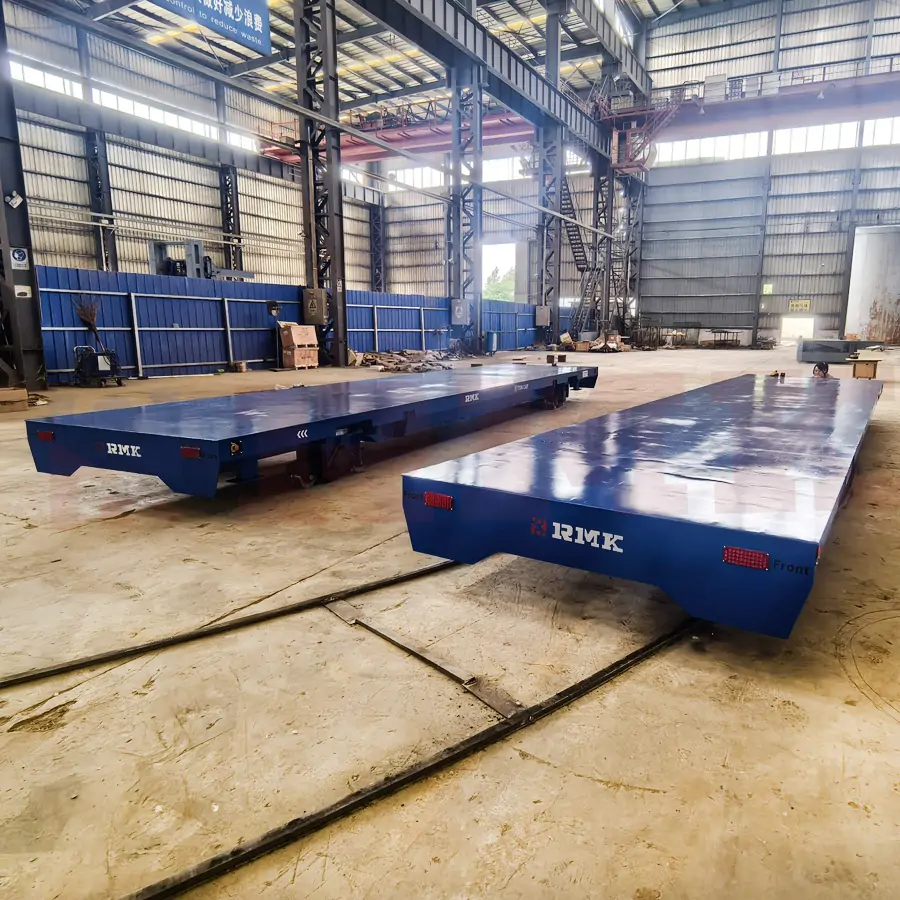
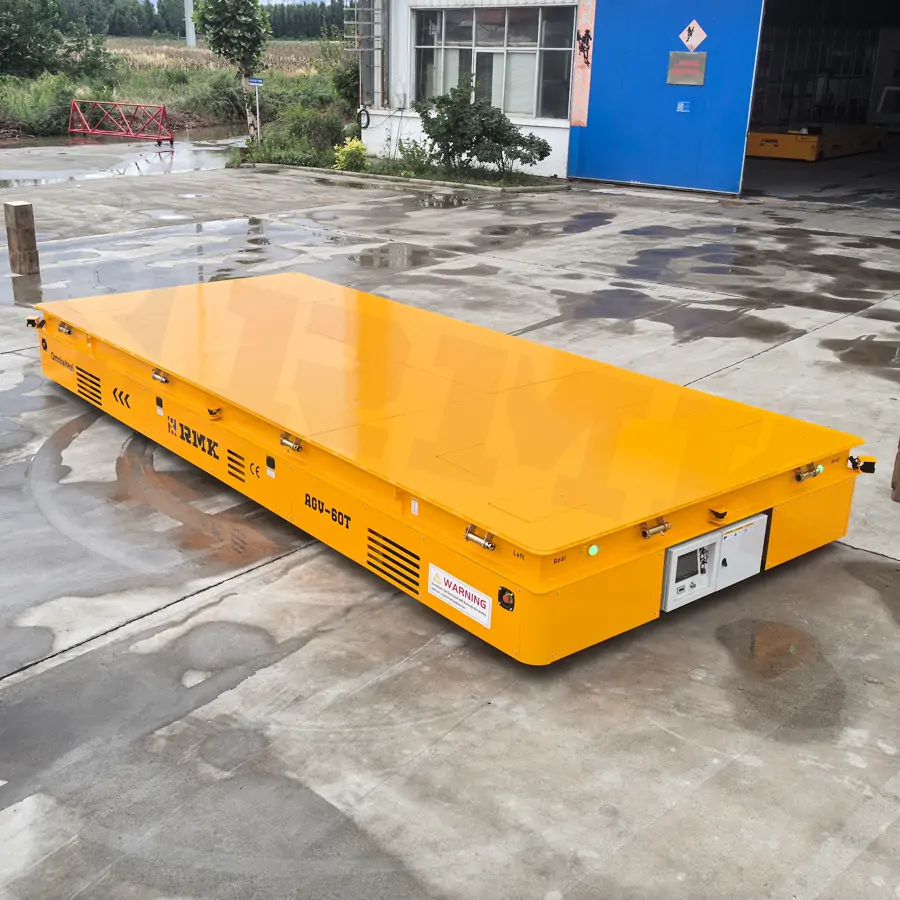
什么是重型搬运平车?
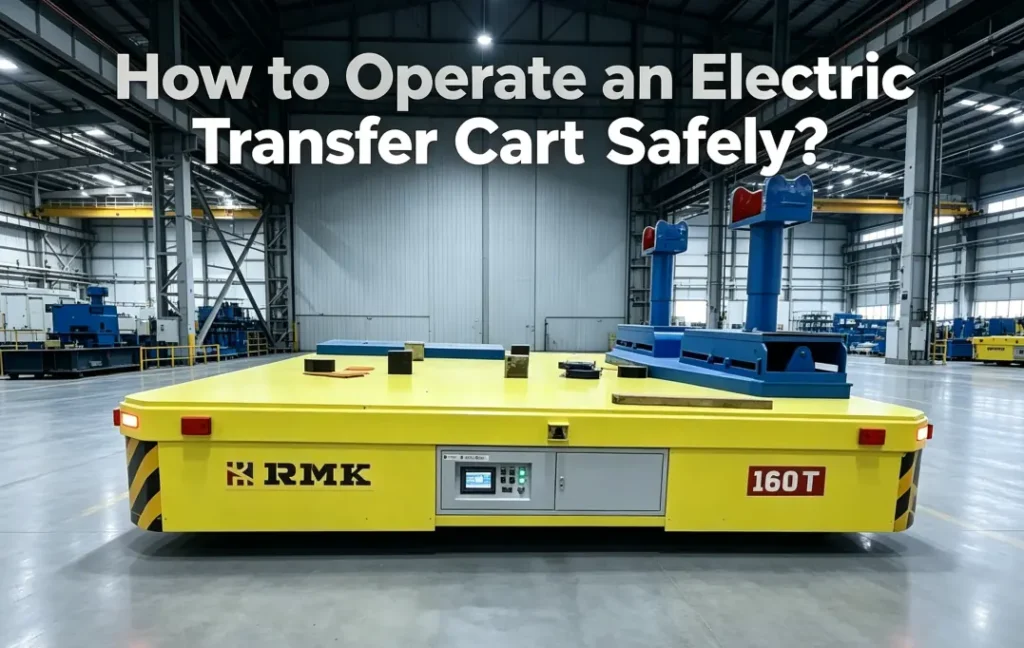
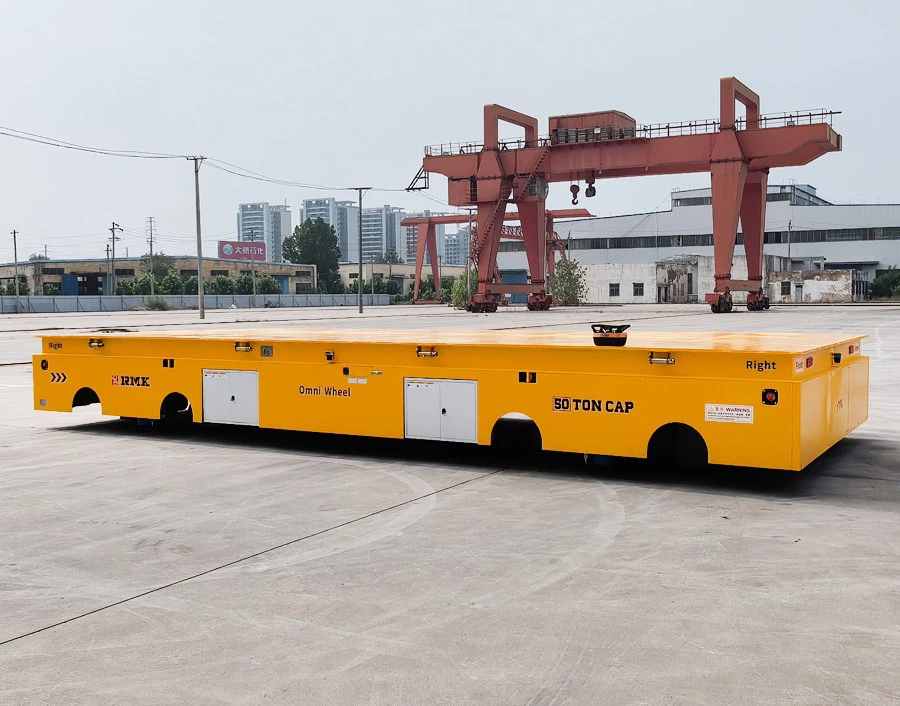
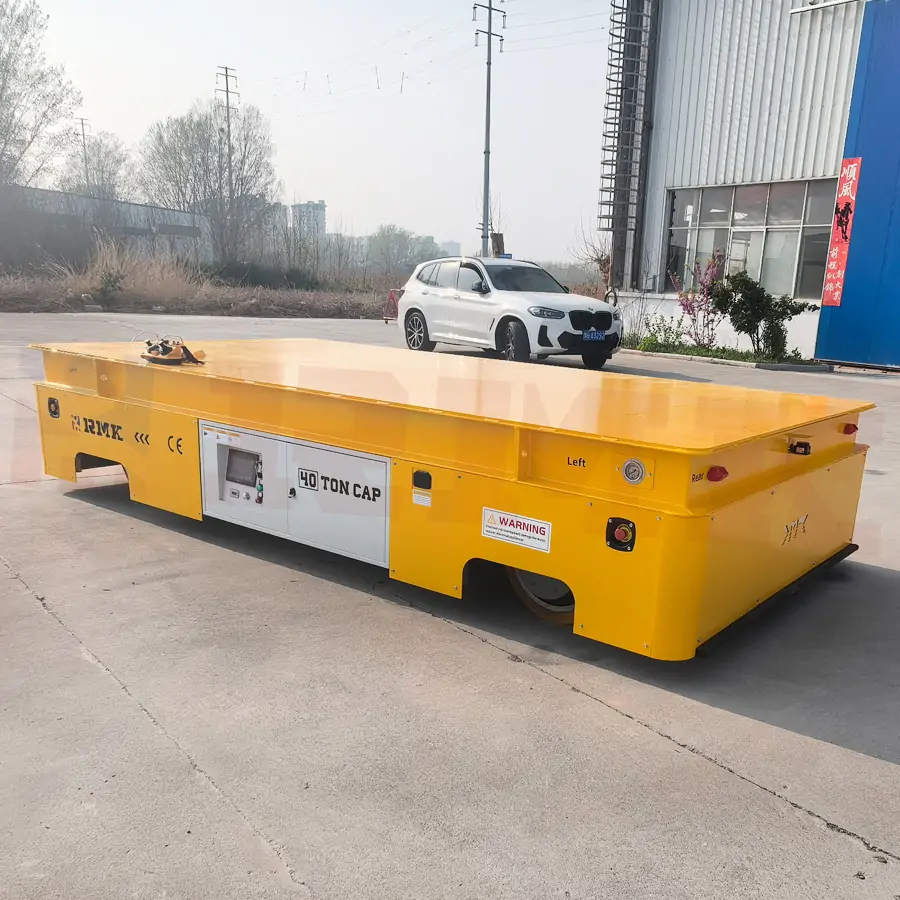
重型转运车是一种电动工业车辆,设计用于在工厂、仓库、船厂和生产设施内水平搬运重型负载。它主要用于运输钢卷、模具、, 泵, 、机械及常规设备难以处理的超大部件。重型转运车解决方案通常支持数吨至数百吨的负载,具体取决于结构和应用要求。.
该转运车通过蓄电池供电的电力驱动系统工作,在重载下提供稳定运行。其主要部件包括高强度钢制车架平台、工业车轮和驱动系统、控制系统、蓄电池电源及安全装置。不同配置,如轨道式或无轨设计,使转运车能够根据工作环境在固定路线或灵活路径上运行。.
重型转运车广泛应用于钢厂、船厂、铸造厂、汽车工厂和重型机械行业。它们帮助在工作站之间搬运钢结构、生产设备、模具和其他大型物料,提高运输效率并减少人工搬运需求。.
关于重型转运车的详细定义和工作原理说明,请参阅以下文章:
什么是重型转运车?
重型转运车如何工作?
重型转运车类型
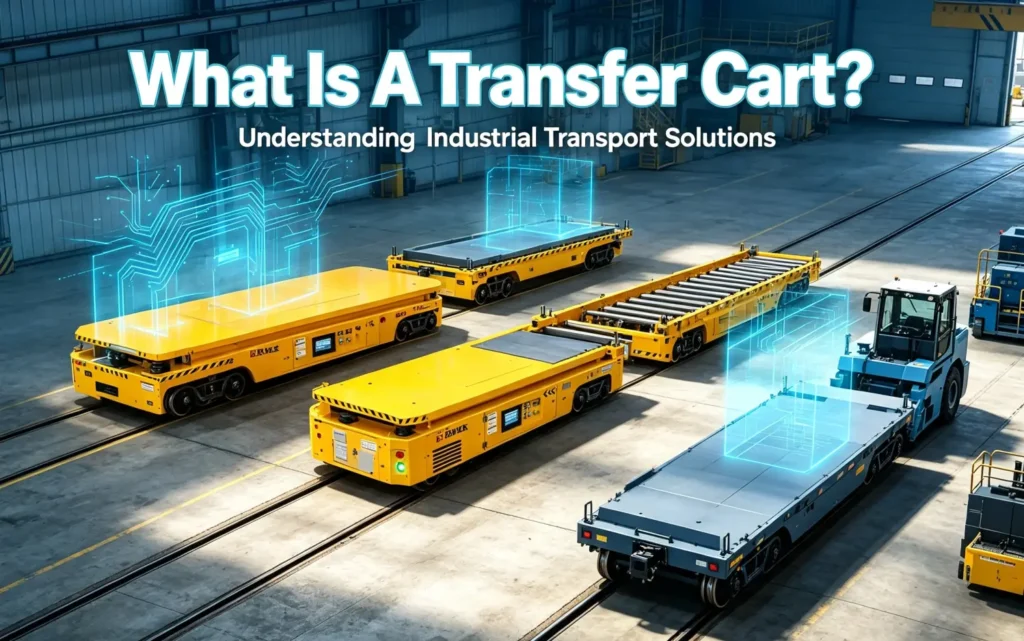
重型转运车按行走方式、动力源和自动化程度分类。主要类型包括重型轨道转运车、无轨转运车、蓄电池供电转运车、AGV转运车和液压升降转运车。每种类型适用于不同的工厂布局、运输路线和负载要求。.
重型轨道转运车
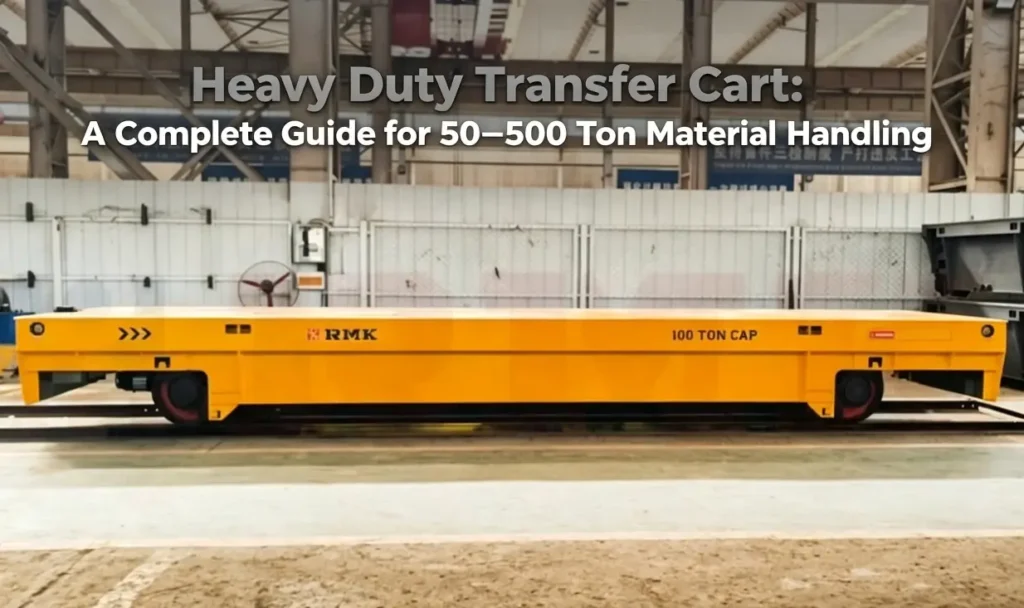
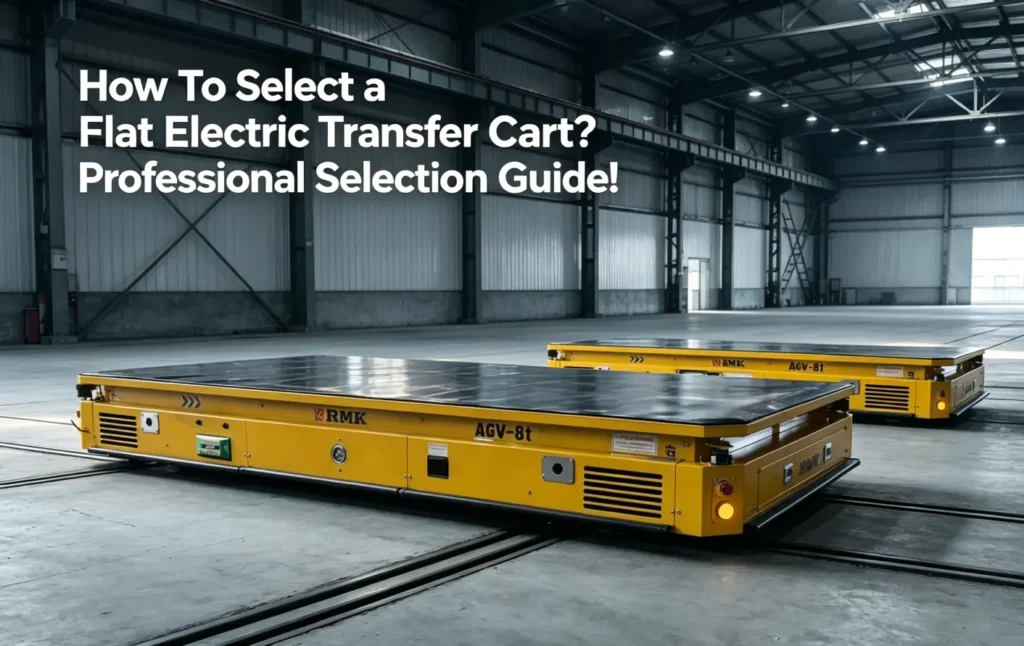
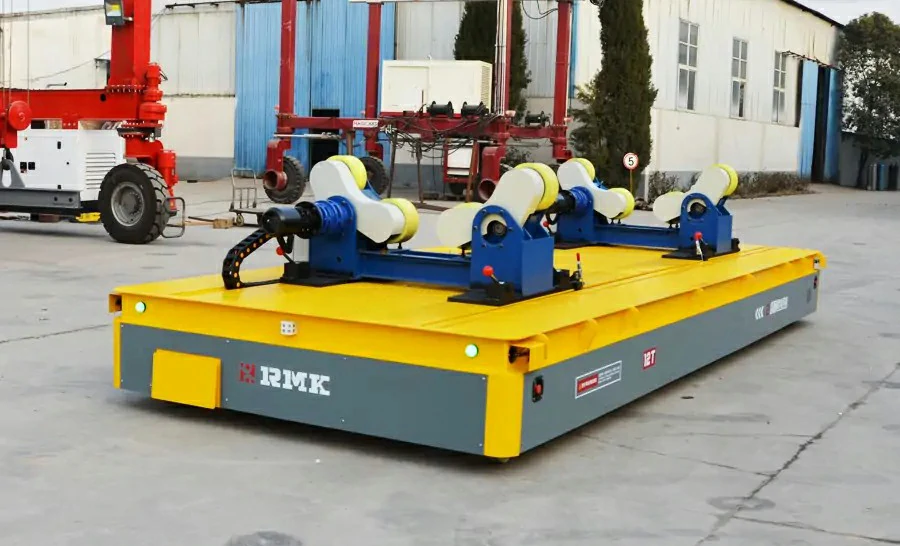
A 重型轨道转运车 是一种在固定轨道上运行、在指定点之间搬运重型物料的电动运输车。它采用钢制平台结构、轨道车轮和电力驱动系统,可稳定运输钢卷、模具、机械零件和大型部件。它广泛应用于具有固定物料搬运路线的钢厂、船厂、铸造厂和重型制造工厂。.
规格:
- 负载能力:1–500吨
- 供电方式:蓄电池、电缆卷筒或轨道供电
- 运行速度:5–30 m/min
- 控制方式:遥控或自动控制
重型无轨转运车
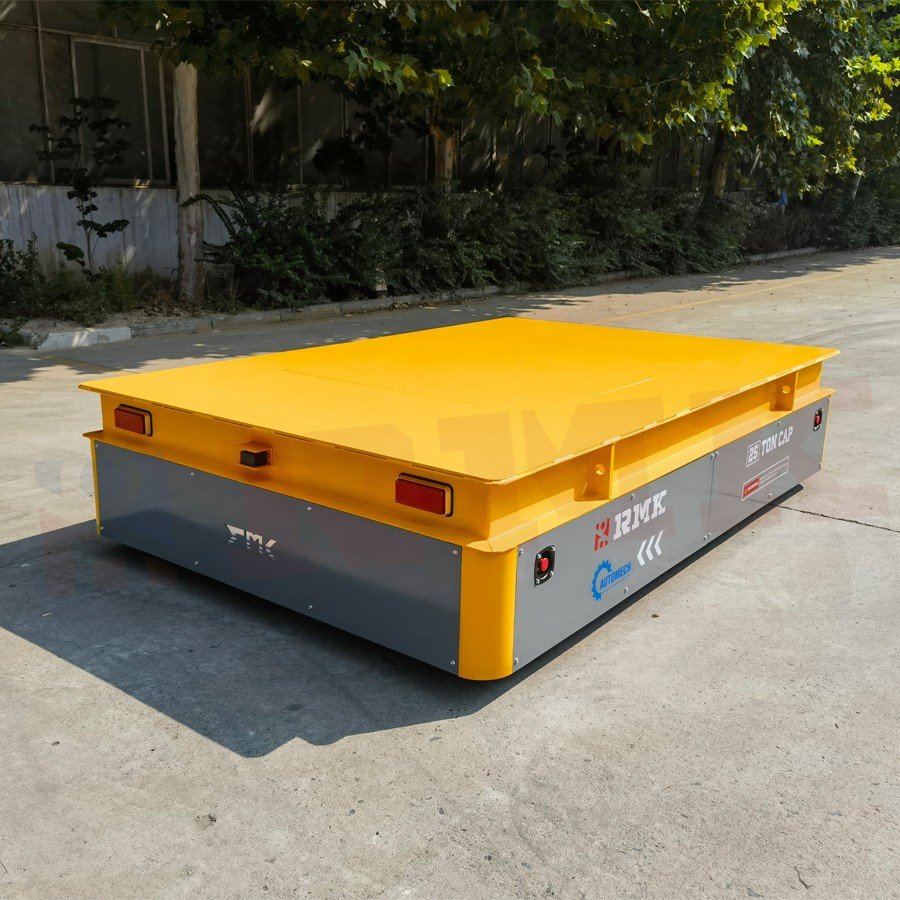
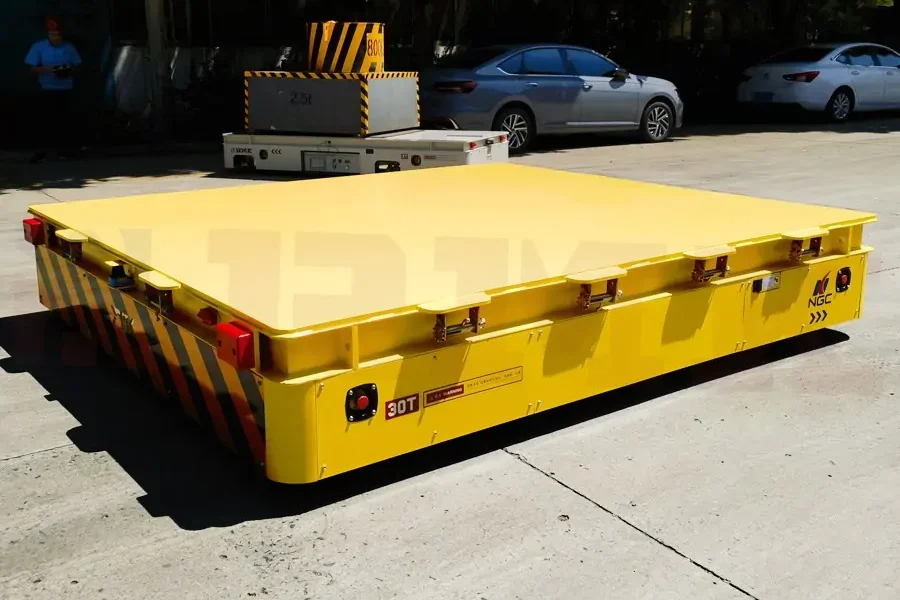
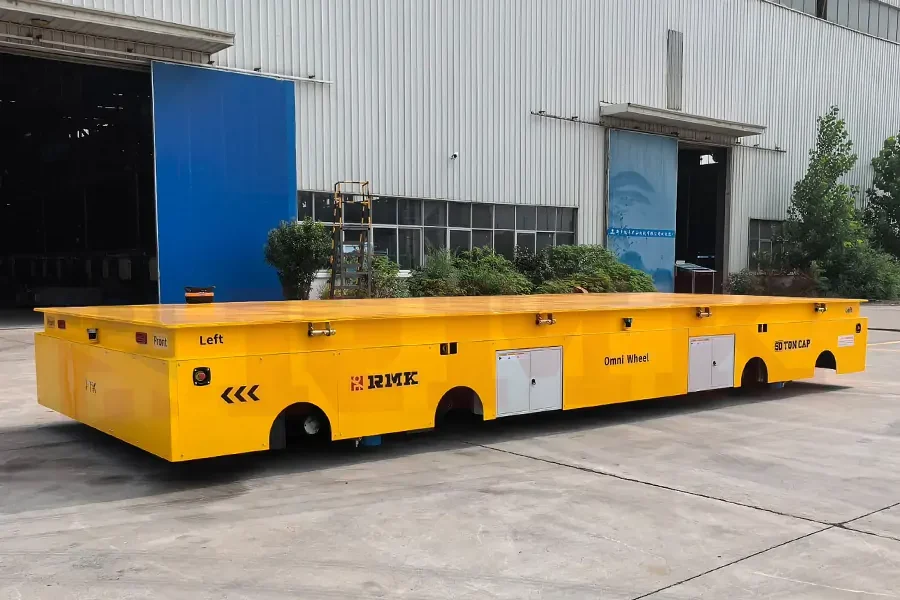
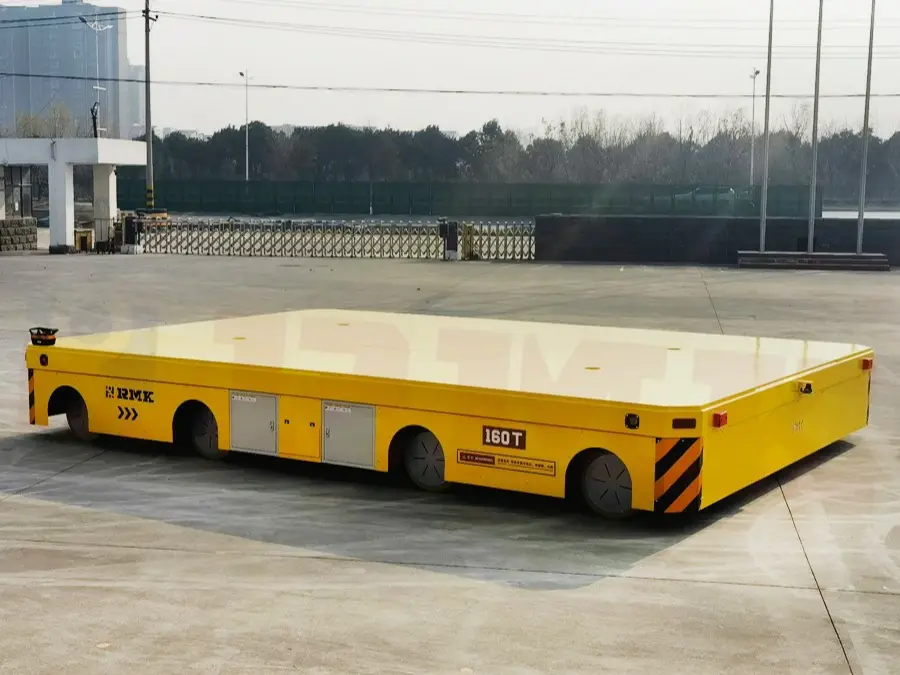
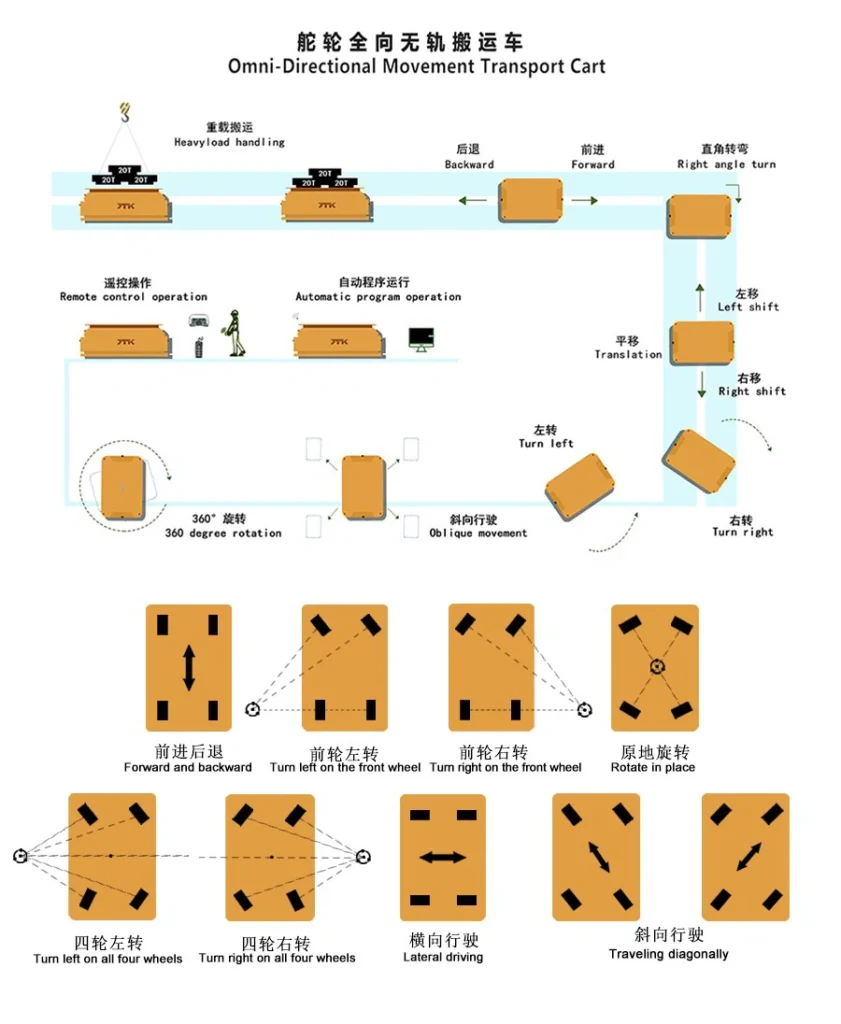
A 无轨重型转运车 是一种蓄电池供电的工业转运车,直接在工厂地面上行驶,无需轨道。它采用转向系统实现前进、后退和多方向移动。该转运车用于布局变化或多转运点的车间中搬运重型设备、模具、钢结构和生产物料。.
规格:
- 承载能力:1–300吨
- 供电方式:锂电池或铅酸蓄电池
- 运行速度:5–35 m/min
- 转向方式:多方向转向
蓄电池供电重型转运车
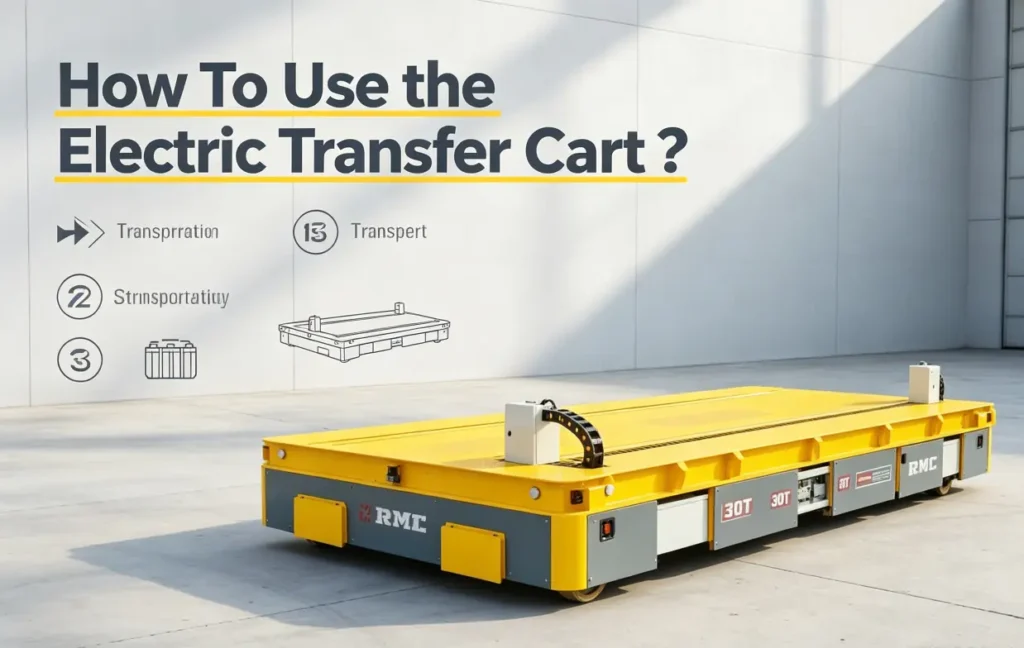
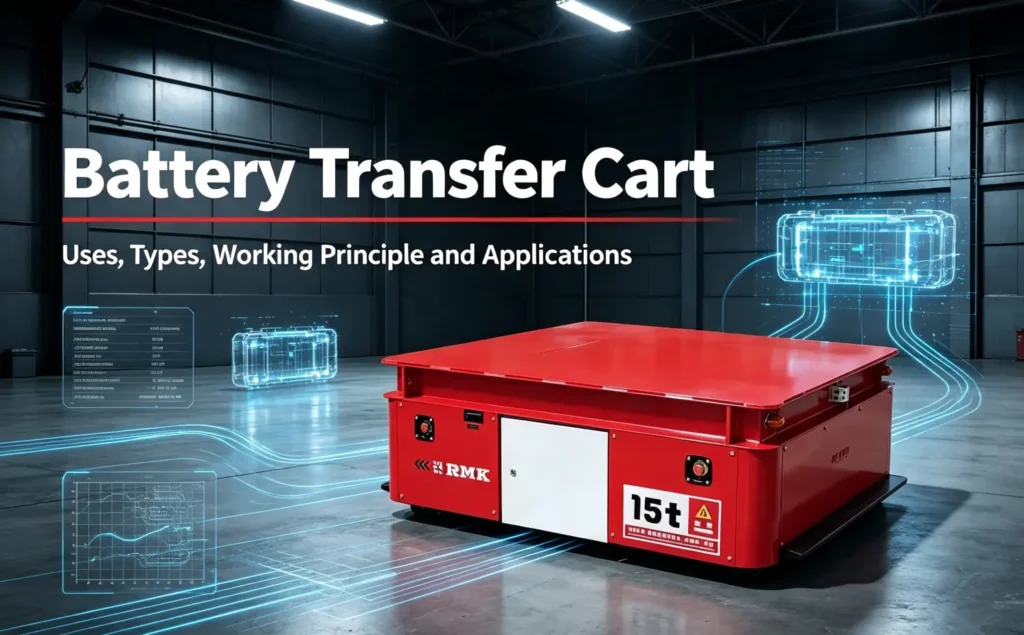
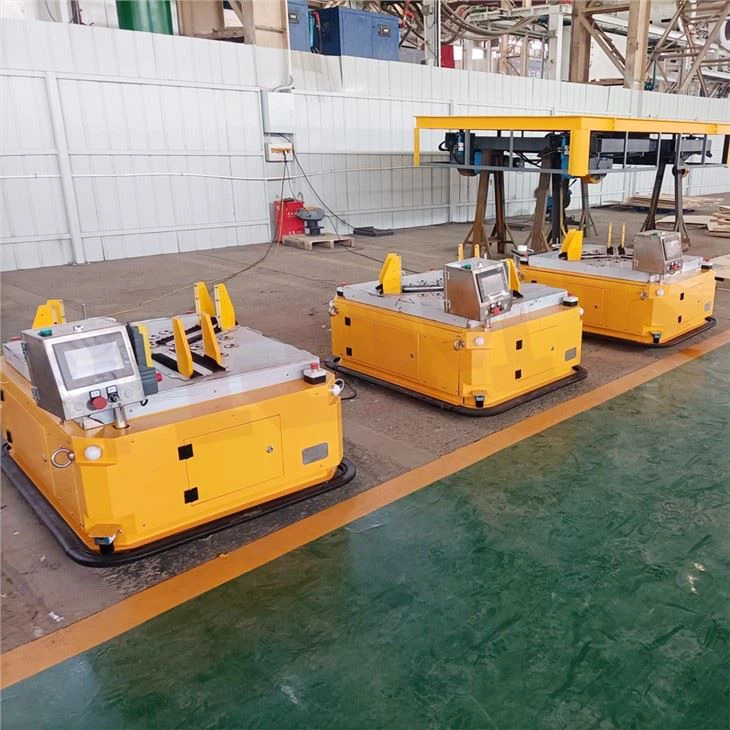
A 蓄电池供电重型转运车 使用车载蓄电池作为物料运输的主要动力源。该转运车无需外部电缆即可运行,适用于需要独立移动的室内车间、装配线、仓库和生产区域。.
规格:
- 负载能力:1–500吨
- 蓄电池电压:24–96V
- 工作时间:根据工作循环定制
- 充电方式:自动或手动充电
重型AGV转运车
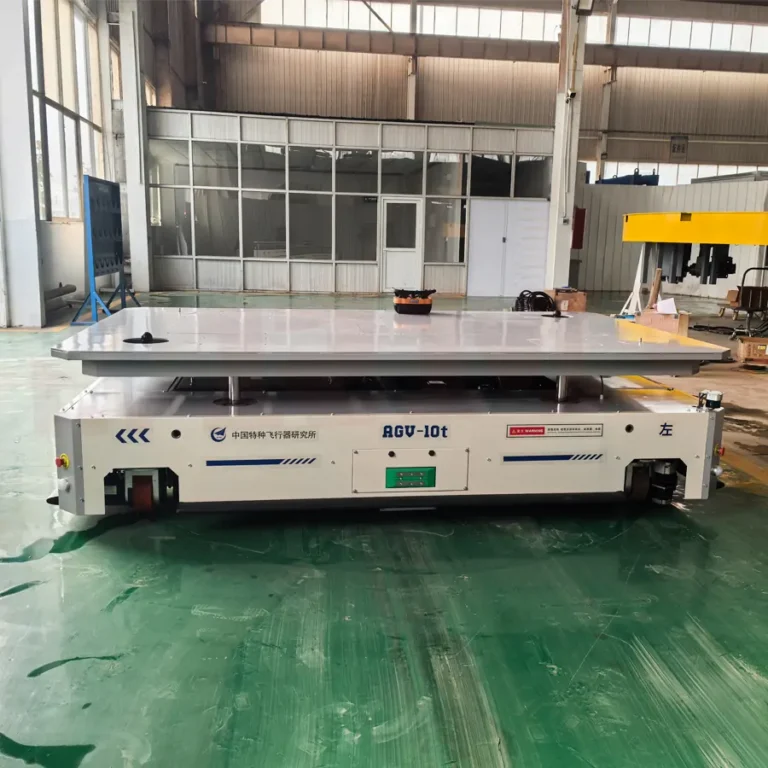
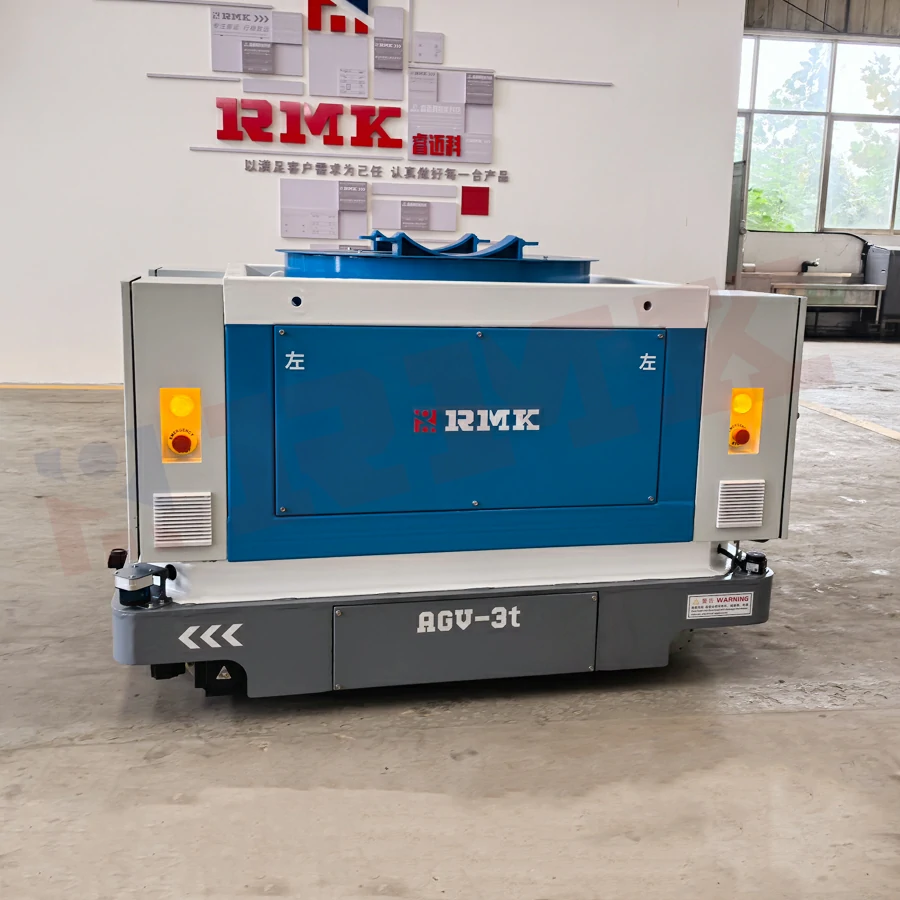
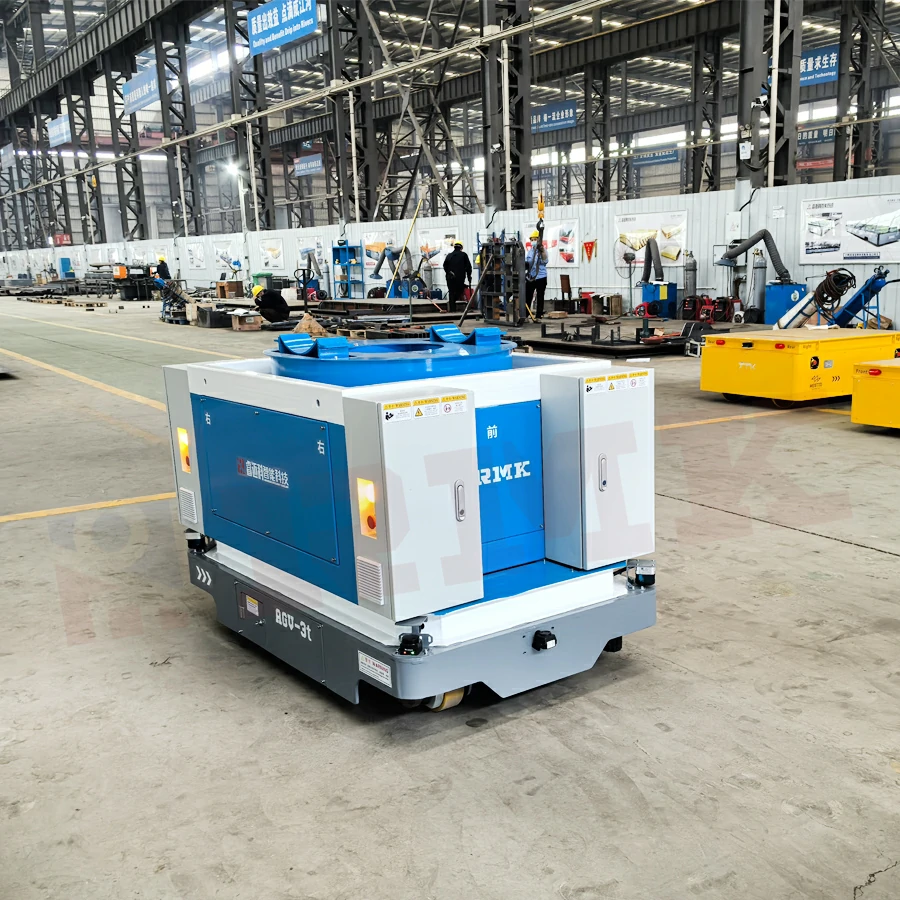
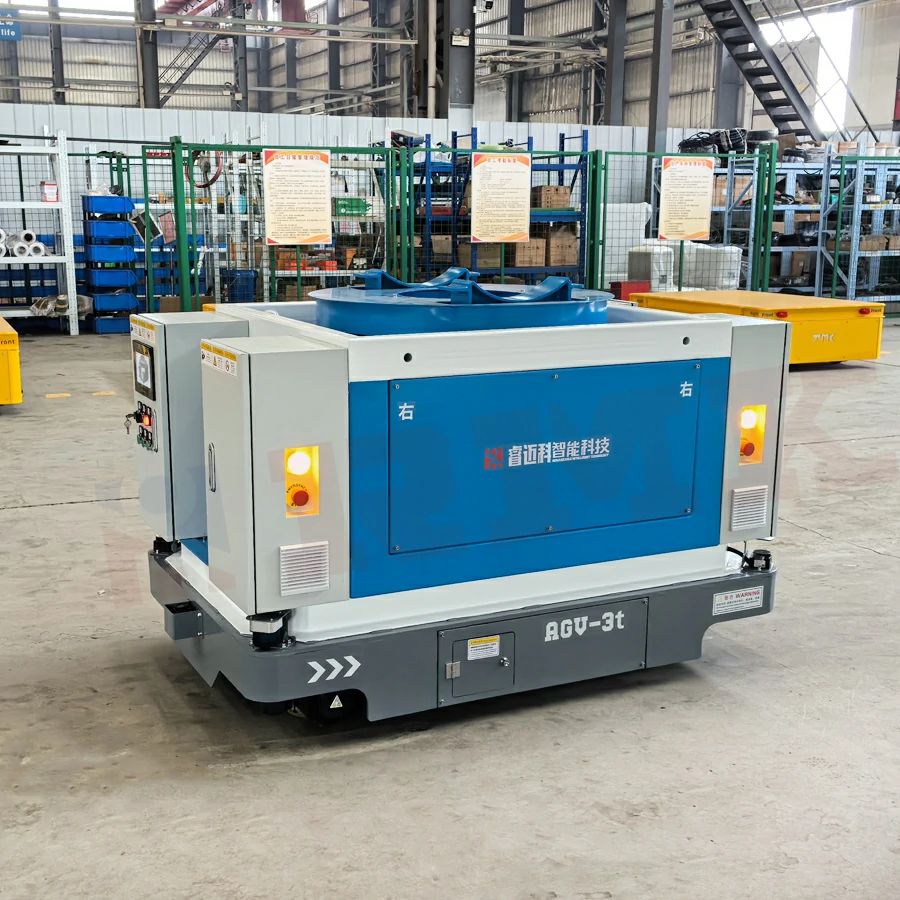
一种 AGV重型转运车 是一种配备导航和控制系统的自动运输车辆。它采用磁导航、二维码定位或激光SLAM技术实现无人化物料搬运。该转运车用于需要精确路线控制的智能工厂、汽车生产线和自动化物流区域。.
规格:
- 承载能力:1–300吨
- 导航系统:磁导航、二维码或激光SLAM
- 定位精度:±3–10 mm
- 控制方式:自动运行系统
液压升降转运车
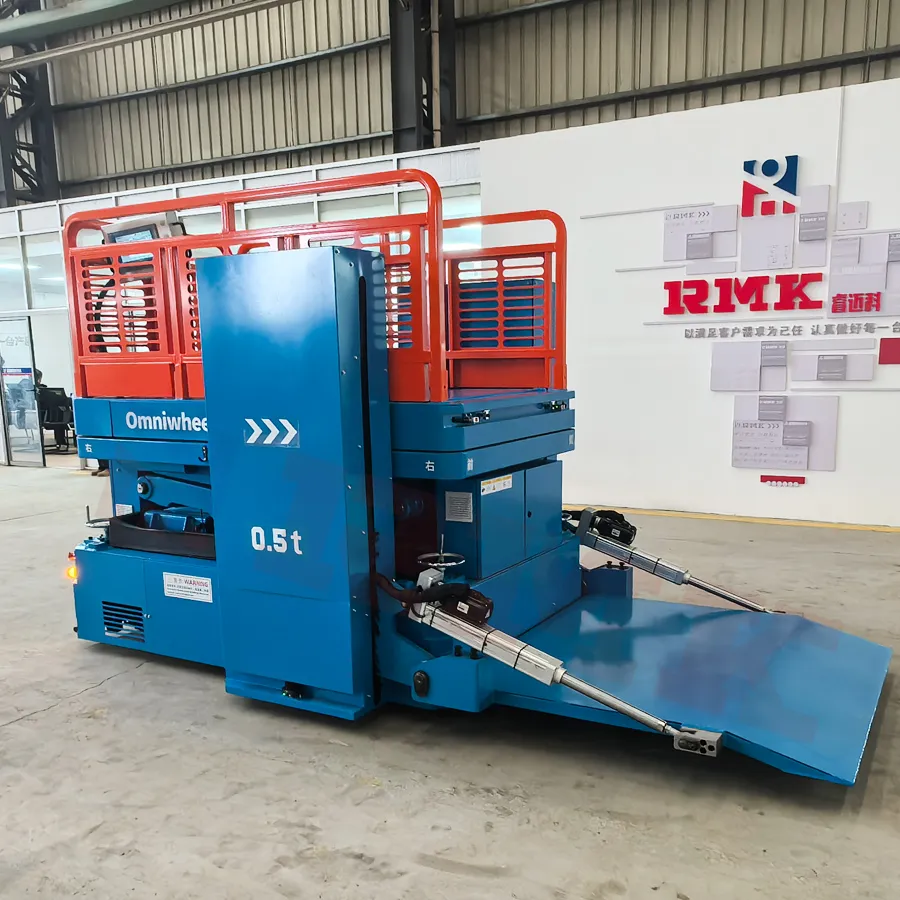
A 液压升降转运车 是一种带液压升降平台的重载运输车辆。升降功能可调节平台高度,用于设备对接、模具转运和生产线衔接。它用于制造工厂、装配车间和维护区域。.
规格:
- 承载能力:2–300吨
- 升降高度:可定制
- 供电方式:蓄电池或电缆供电
- 控制方式:遥控或自动控制
重型转运车类型对比
重型转运车可根据移动方式、供电方式和运行条件提供不同配置。以下对比展示了轨道转运车、无轨转运车、蓄电池供电转运车、AGV转运车和液压升降转运车之间的主要差异。.
| 类型 | 移动方式 | 电源 | 负载能力 | 最适合 | 优势 |
|---|---|---|---|---|---|
| 轨道传送车 | 固定轨道移动 | 蓄电池、电缆卷筒或轨道供电 | 1–500吨 | 重型重复运输路线 | 高承载能力和稳定运行 |
| 无轨搬运车 | 自由地面移动 | 蓄电池供电 | 1–300吨 | Flexible factory layouts | 无需安装轨道 |
| 电池供电转运车 | Electric drive with onboard battery | Lithium battery or lead-acid battery | 1–500吨 | Indoor material handling | Independent operation without external cables |
| AGV 转运车 | Automatic navigation movement | 蓄电池供电 | 1–300吨 | Smart factories and automated production lines | Automatic transportation and precise positioning |
| 液压升降转运车 | Horizontal movement with lifting platform | Battery or cable power | 2–300 tons | Equipment docking and production line connection | 可调平台高度 |
Different types of heavy duty transfer carts match different working conditions. Rail transfer carts are used for fixed heavy-load transportation, while trackless and AGV models fit factories requiring flexible or automated handling. Hydraulic lift carts are selected for applications that require both transportation and height adjustment.
如何选择合适重型转运车?
Choosing a heavy duty transfer cart requires consideration of load weight, transportation route, power supply, and working conditions.
负载能力
Load capacity is the first factor when selecting a transfer cart. Confirm the maximum weight of the transported material, including steel coils, molds, machinery parts, or large structures. Choose a cart capacity based on the actual load requirement.
2. Transportation Route
The travel route determines the cart type. A heavy duty rail transfer cart fits fixed transportation paths with repeated movement between workstations. Trackless transfer carts fit workshops with changing routes and limited rail space.
3. Power Supply
Select the power system according to operating conditions. Battery-powered carts are suitable for independent indoor transportation. Cable reel and rail-powered systems fit long-distance or continuous operation.
4. Operation Method
Remote control is used for standard material handling. AGV transfer carts use automatic navigation systems for unmanned transportation in automated production environments.
5. Working Environment
Consider floor conditions, temperature, dust, humidity, and available working space. Steel plants, shipyards, and foundries may require reinforced frames, special wheels, and protective components.
The right heavy-duty transfer cart depends on the load, route, and working environment. A suitable configuration improves transportation reliability and reduces handling limitations in heavy industrial applications.
应用
Heavy duty industrial transfer carts are used for transporting heavy materials, large components, and production equipment in industries where forklifts and standard handling equipment cannot meet load requirements. Different cart configurations match specific transportation conditions in factories, workshops, and industrial facilities.
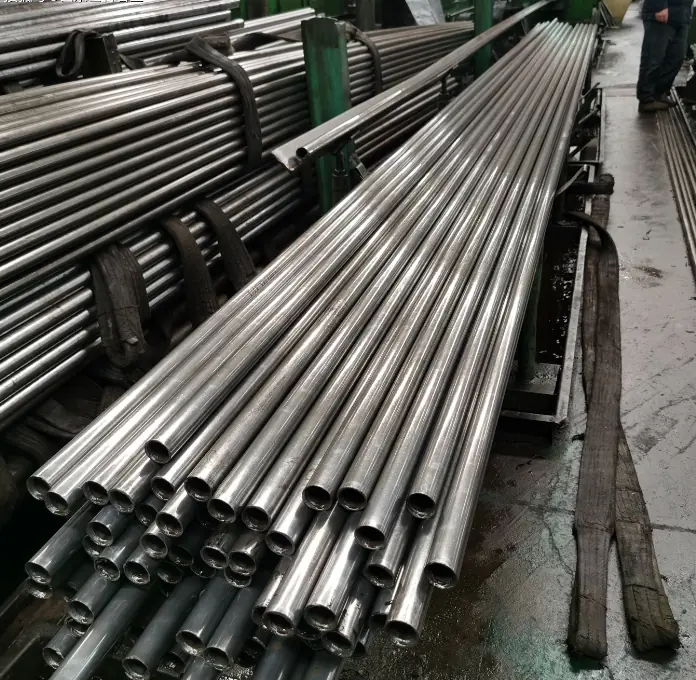
钢铁工业
Heavy duty transfer carts move steel coils, billets, ladles, steel structures, and other heavy materials between production areas.
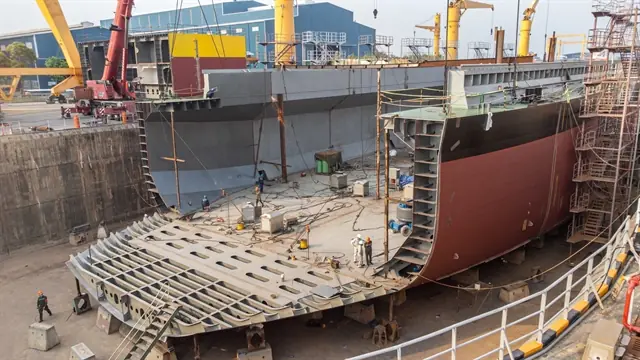
造船业
Transfer carts transport ship sections, steel plates, and large assemblies during ship manufacturing and maintenance.
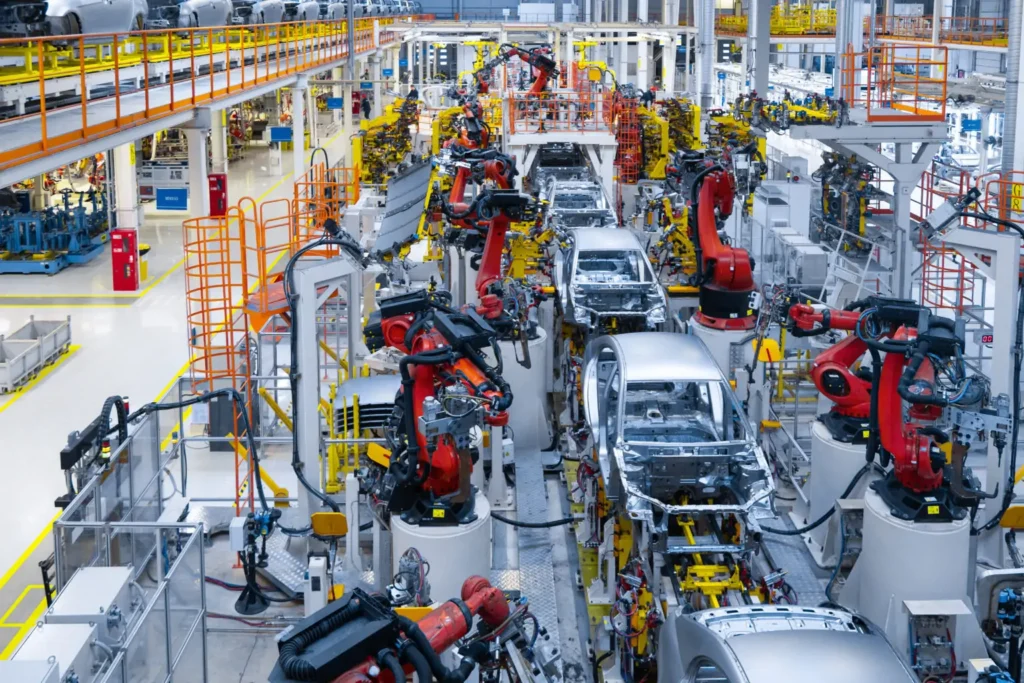
汽车制造
They are used for moving molds, dies, vehicle components, and production equipment between assembly stations.
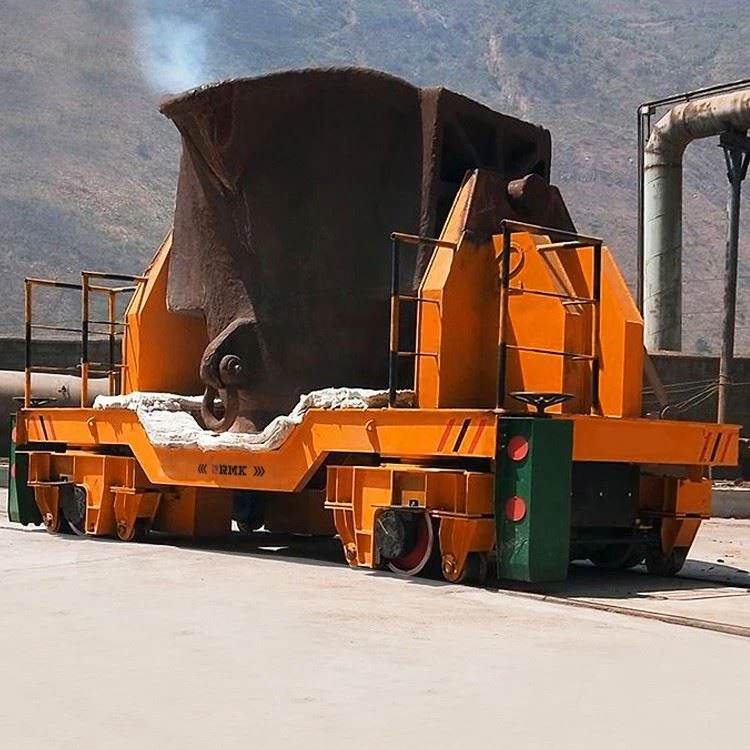
铸造业
Transfer carts handle castings, molds, and heavy containers in high-temperature production environments.
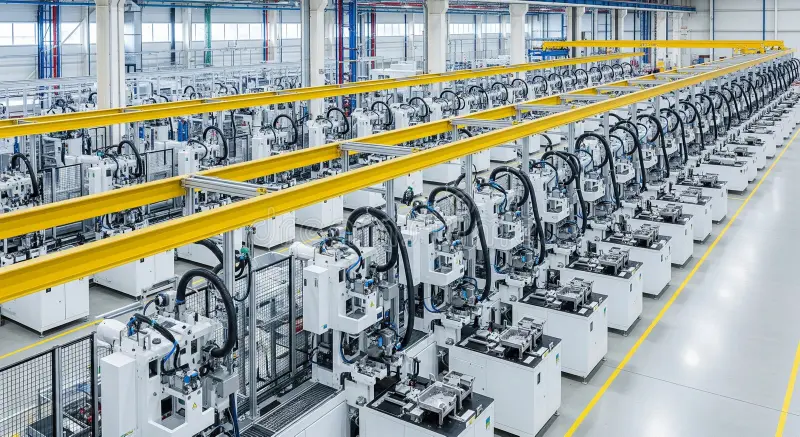
机械制造
They transport large machines, equipment parts, and components during machining, assembly, and maintenance processes.
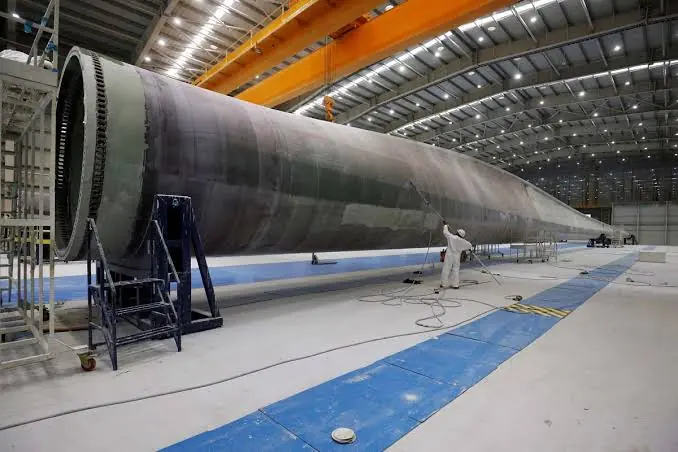
Wind Power Industry
Transfer carts move wind turbine components, towers, and heavy equipment during manufacturing and assembly.
案例
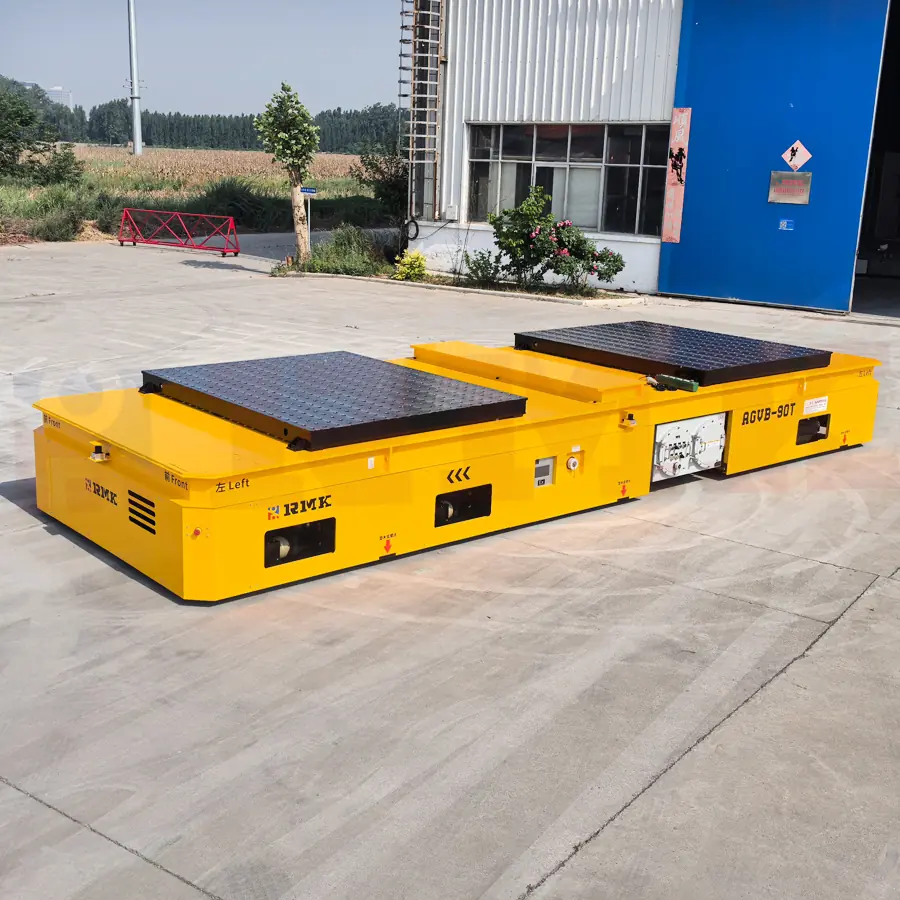
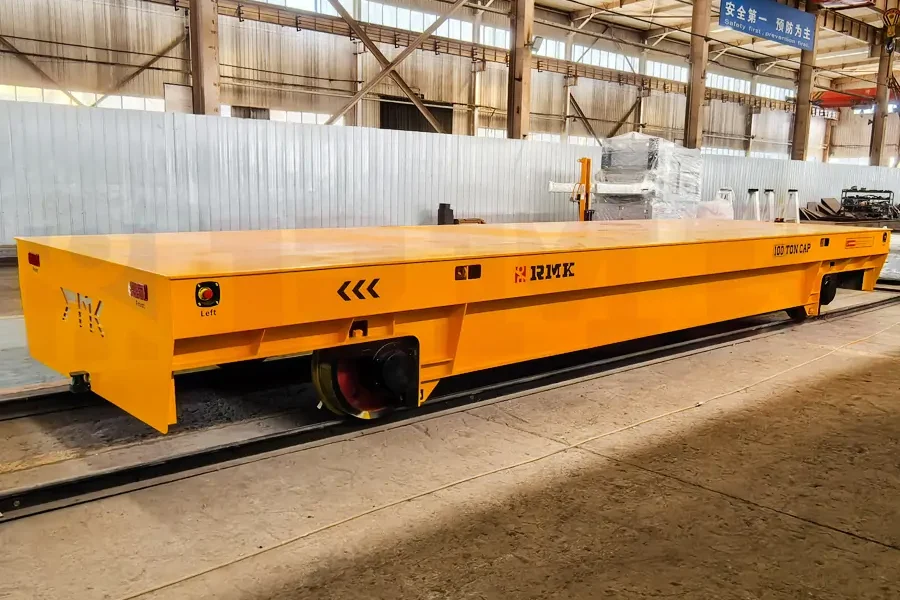
重型转运车定制选项
A heavy-duty transfer cart is customized based on load requirements, travel routes, power supply, and working conditions. RMK provides different configurations for various industrial material handling applications.
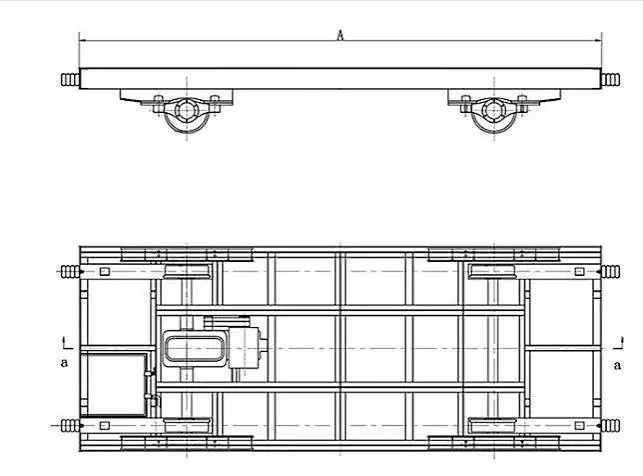
- Load Capacity: Customized from 1 ton to 300 tons or higher for special heavy-load projects.
- Platform Size and Shape: Platform dimensions are designed for different materials, including coils, molds, equipment, and large structures.
- Travel Method: Available in rail-mounted and trackless types for fixed routes or flexible movement.
- Power Supply: Options include battery, cable reel, low-voltage rail, and busbar power according to operating conditions.
- Drive and Steering System: Drive systems are configured for load requirements. Trackless models support multi-directional movement and turning.
- Control System: Control options include remote control, pendant control, PLC control, and automatic operation systems.
- Safety Devices: Safety features include emergency stop, anti-collision sensors, speed control, and warning alarms.
- Wheel and Rail Configuration: Wheel size, wheel arrangement, and rail gauge can be customized for different load and track conditions.
- Working Environment Protection: Special designs are available for high-temperature, dusty, humid, and corrosive environments.
- Hydraulic Functions: Hydraulic lifting, tilting, and positioning functions are available for equipment handling and production line connection.
为什么选择RMK重型转运车?
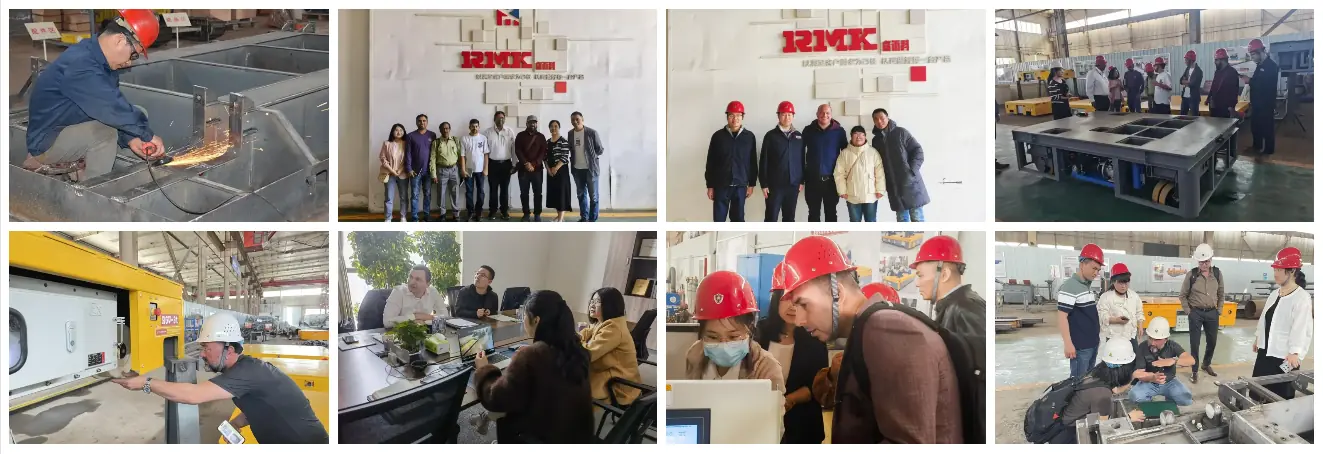
RMK specializes in the design and manufacturing of heavy duty transfer carts for factories, shipyards, steel plants, and other heavy industries. With customized engineering solutions, export experience, and complete service support, RMK provides transfer carts for different load requirements and working conditions.
Manufacturer Experience — RMK focuses on heavy material handling equipment and provides transfer cart solutions for various industrial applications.
Custom Engineering — Each transfer cart can be customized according to load capacity, platform size, travel route, power supply, and operating environment.
Export Projects — RMK transfer carts have been supplied to overseas customers for industrial transportation projects in different countries and regions.
Different Capacity Solutions — RMK provides heavy duty transfer carts from 1 ton to 500 tons, with customized designs for special heavy-load applications.
After-Sales Support — RMK offers technical support, installation guidance, operation training, and after-sales service for global customers.
RMK provides reliable heavy duty transfer cart solutions for heavy-load transportation in manufacturing plants, steel mills, shipyards, and logistics facilities. 联系我们 to discuss your load requirements, working conditions, and customized transfer cart solution.
电子邮件: transfercart@rmkzn.com
电话:+86-18637369355
常见问题
What are the different types of heavy duty transfer carts?
The main types of heavy duty transfer carts include rail transfer carts, trackless transfer carts, battery-powered transfer carts, AGV transfer carts, and hydraulic lift transfer carts. Each type matches different load requirements, transportation routes, and factory conditions.
What is a heavy duty rail transfer cart used for?
A heavy duty rail transfer cart is used for transporting heavy materials along fixed rail routes. It is commonly used in steel plants, shipyards, foundries, and manufacturing facilities for moving steel coils, molds, equipment, and large components.
重型转运车能承载多少重量?
The capacity of a heavy duty transfer cart usually ranges from 1 ton to 300 tons. Custom models can reach higher capacities for special projects involving heavy machinery, steel structures, and oversized industrial components.
What is the difference between rail transfer carts and trackless transfer carts?
Rail transfer carts operate on fixed tracks and are suitable for repeated transportation routes. Trackless transfer carts move directly on the floor and offer more flexibility for factories with changing layouts.
Are heavy duty transfer carts battery powered?
Yes. Many heavy duty transfer carts use battery power, including lithium and lead-acid batteries. Other options include cable reel, low-voltage rail, and busbar power systems based on operating conditions.
重型转运车可以定制吗?
Yes. Heavy duty transfer carts can be customized for load capacity, platform size, power supply, travel method, control system, navigation system, and working environment.
Which industries use heavy duty industrial transfer carts?
Heavy duty industrial transfer carts are used in steel plants, shipyards, automotive factories, foundries, machinery manufacturing, wind power, aerospace, and other industries requiring heavy material transportation.
How do I choose the right transfer cart heavy duty solution?
Choose a transfer cart heavy duty solution based on load capacity, transportation route, working environment, operation frequency, and automation requirements. The correct configuration depends on the actual material handling process.