
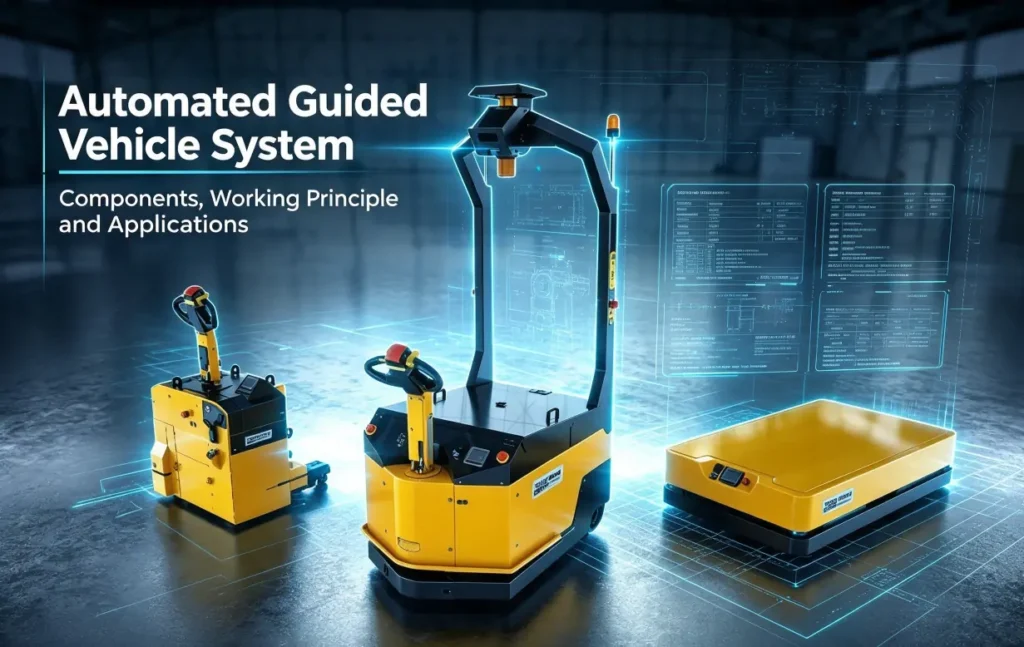
一种 自动导引车, ,也称为自主导引车、自导引车或移动机器人,是一种自动化搬运车辆。. AGV 是一种由多台配备不同智能系统配置和多种搬运设备的自动导引车组成的智能搬运系统。它们能够在工厂环境中无需人工操作或驾驶即可运输货物或物料,常用于制造工厂、仓库或配送中心。本文将介绍不同类型的AGV,请继续阅读。.

不同类型的自动导引车
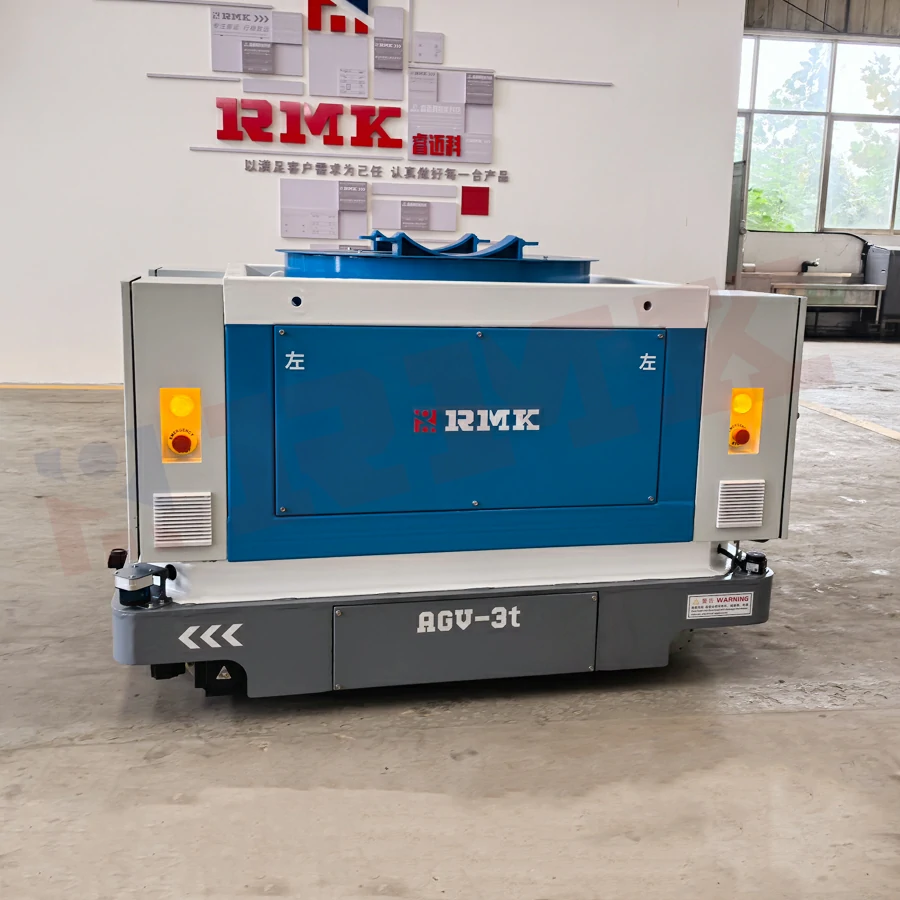
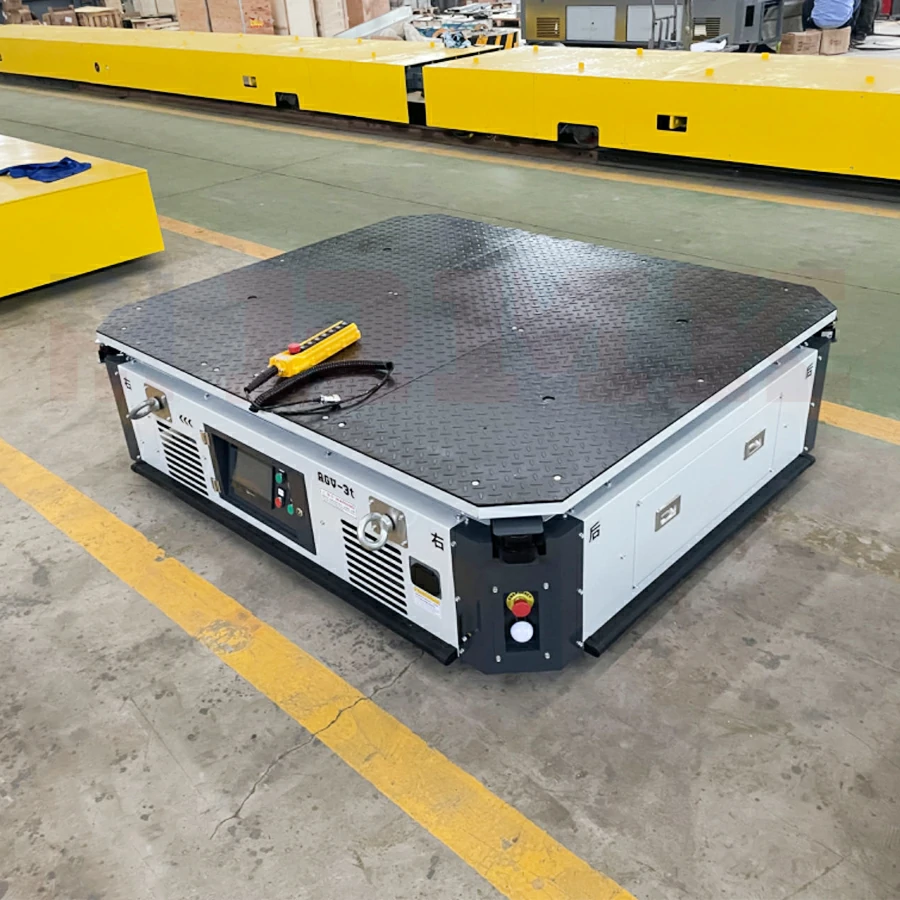
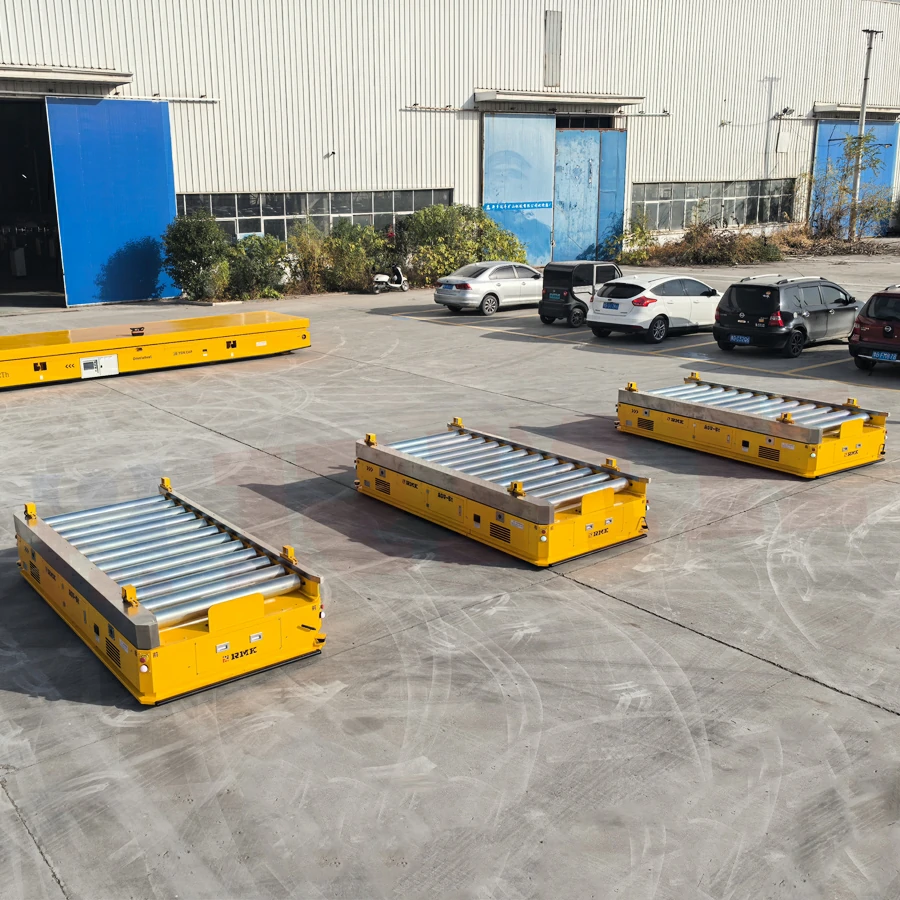
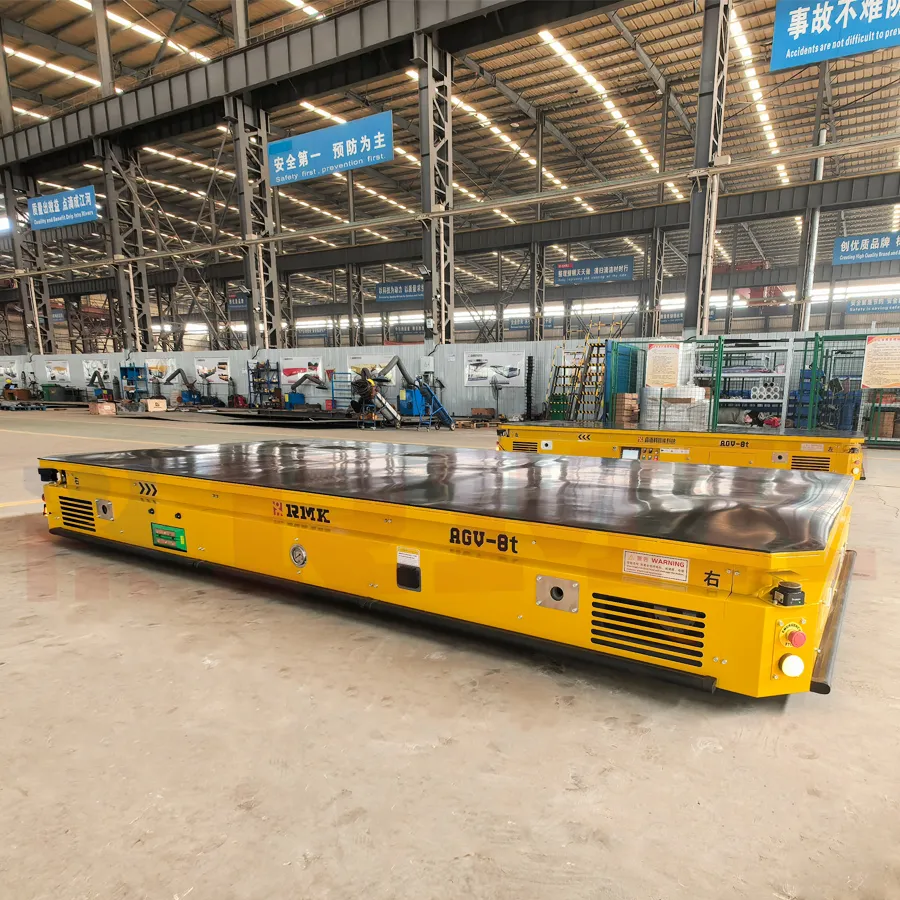
自动导引车(AGV)转运车是一种无人驾驶物料搬运车辆,旨在在工厂和仓库内自动运输重型物料、工件、模具、钢卷和设备。根据不同的车间布局和搬运需求,AGV转运车有多种配置,包括轨道导引AGV转运车、无轨AGV转运车、全向AGV转运车、混合AGV转运车、重型AGV转运车、升降AGV转运车、旋转AGV转运车和定制AGV转运车。每种类型均针对特定的操作环境、负载能力和自动化要求而设计。.
轨道导引式AGV转运车
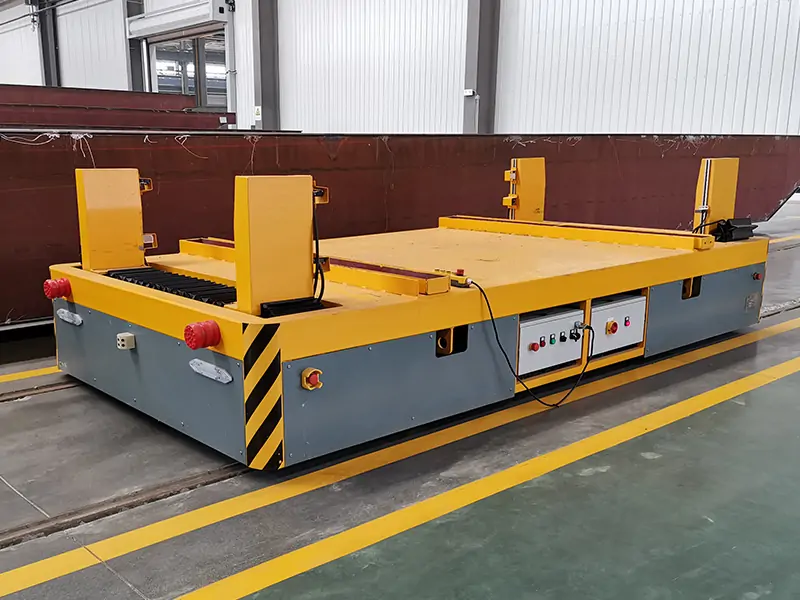
轨道导引式AGV转运车,也称为轨道导引自动导引车(AGV)或轨道AGV,在固定轨道上行驶,用于重复性物料运输。它常用于运输路线不变且需要在固定工位之间搬运重物的场景。.
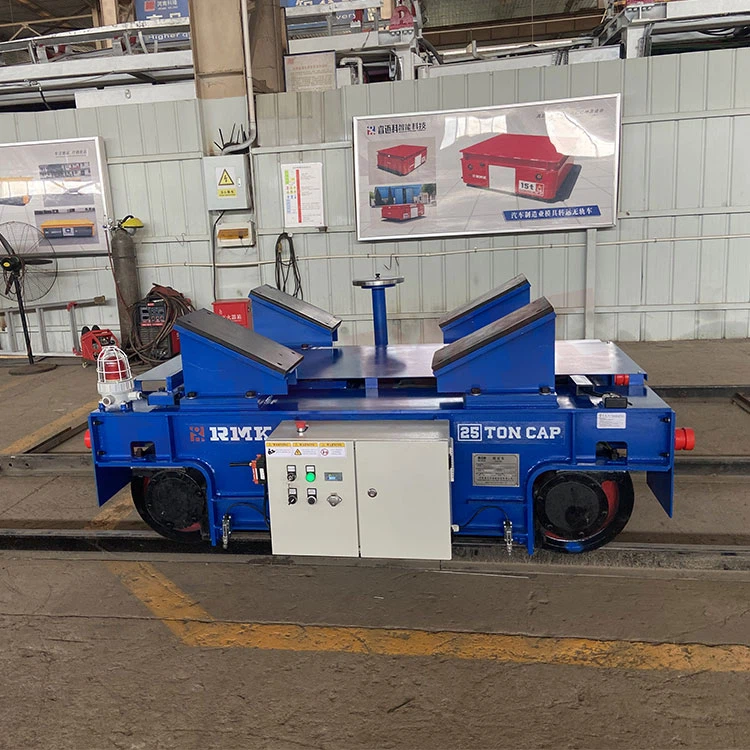
- 固定轨道运行
- 高定位精度
- 大承载能力
- 稳定的长距离行驶
- 适用于连续生产
应用领域:钢铁厂、冲压车间、模具制造、重型设备工厂和自动化生产线。.
无轨AGV转运车
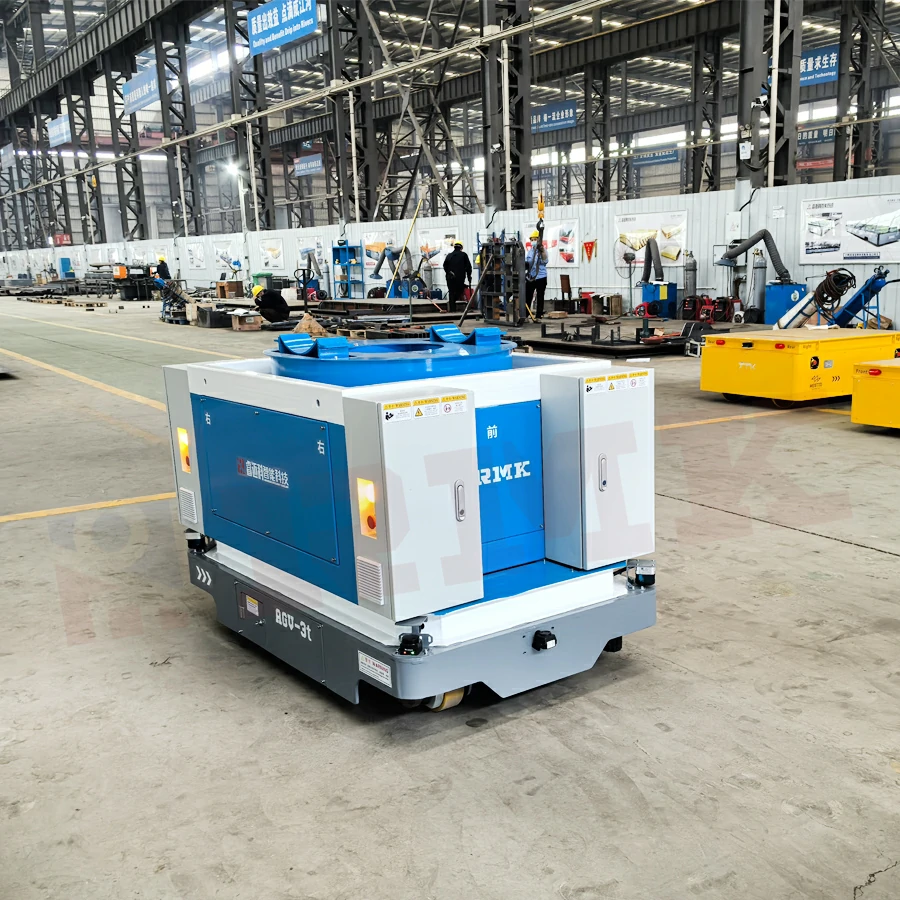
A 无轨AGV转运车, ,也称为无轨自动导引车(AGC),无需轨道即可移动,并遵循导航指令在整个车间内行驶。它适用于需要在多个工位之间进行灵活运输的工厂。.
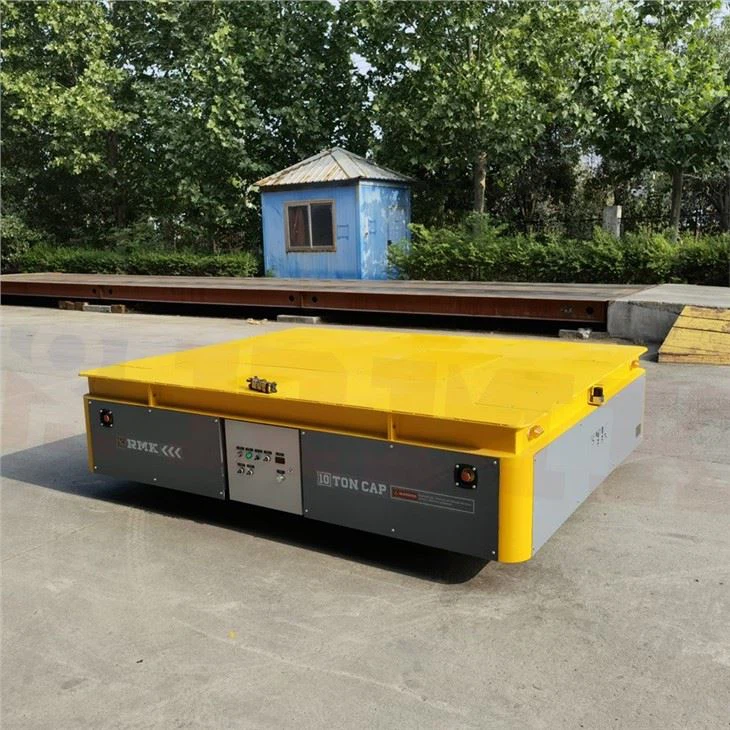
- 无需铺设轨道
- 灵活的行驶路线
- 多种导航选项
- 易于更改布局
- 适用于多点运输
应用领域:汽车工厂、智能工厂、仓库、装配车间和柔性制造系统。.
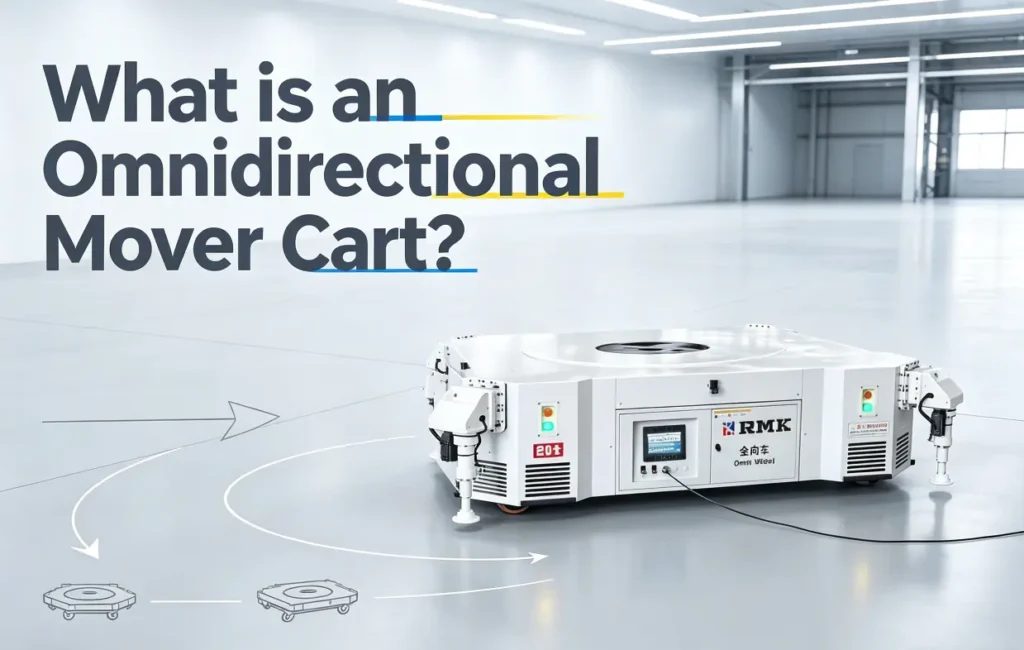
全向AGV转运车
一种 全向AGV转运车,, 也称为麦克纳姆轮AGV,可以在不改变方向的情况下向多个方向移动,适用于受限的生产区域。.
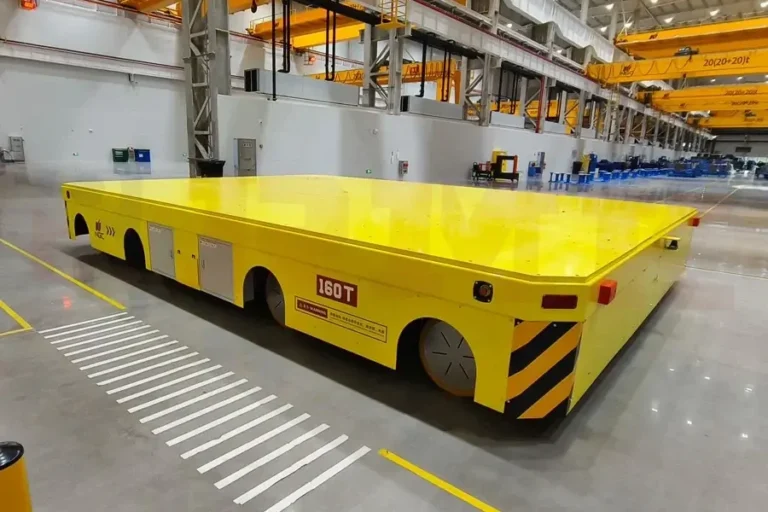
- 360°移动
- 横向和对角行驶
- 零半径转弯
- 高机动性
- 精确定位
应用领域:模具工厂、航空航天制造、精密机械、重型设备装配和机加工车间。.
混合式AGV转运车
A 混合式AGV转运车, ,也称为混合式自动导引车(AGV),结合了不同的操作模式,以适应复杂的工厂布局和运输要求。.
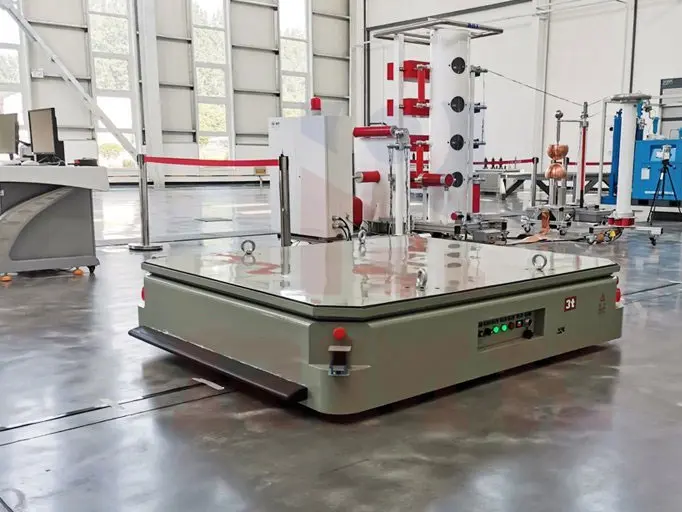
- 轨道和无轨操作
- 自动和手动控制
- 灵活的路线选择
- 适用于复杂布局
- 适应生产变化
应用领域:大型制造工厂、多车间工厂、集成生产系统和智能制造设施。.
重型AGV转运车
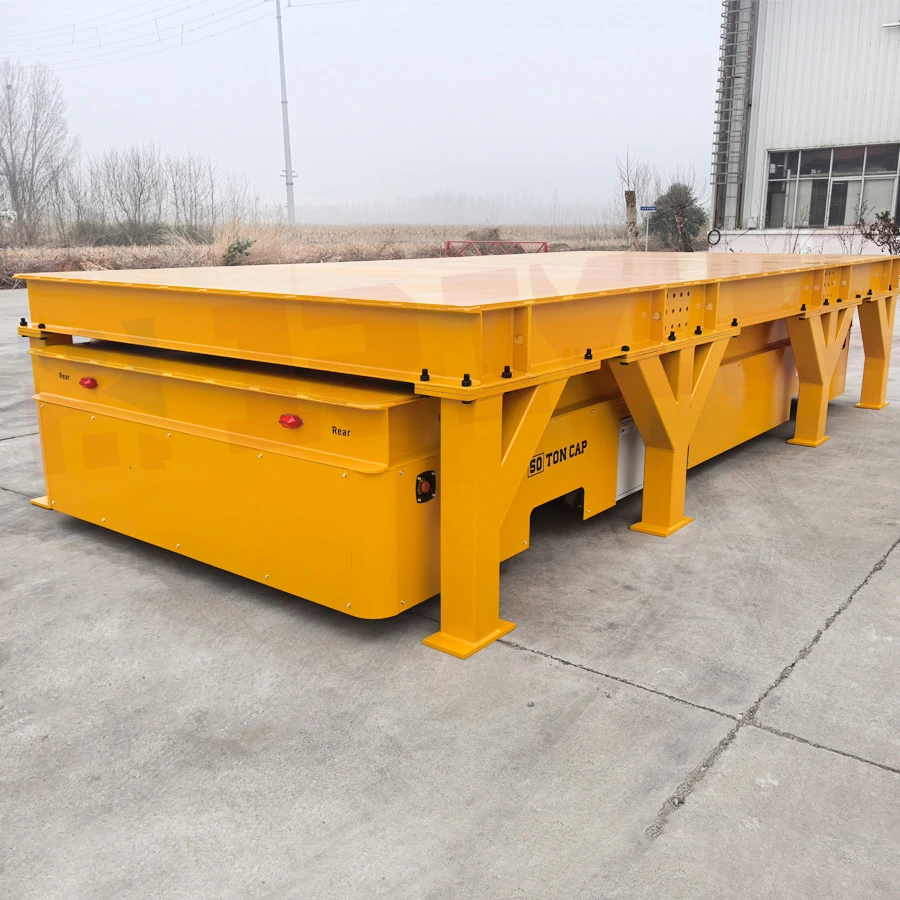
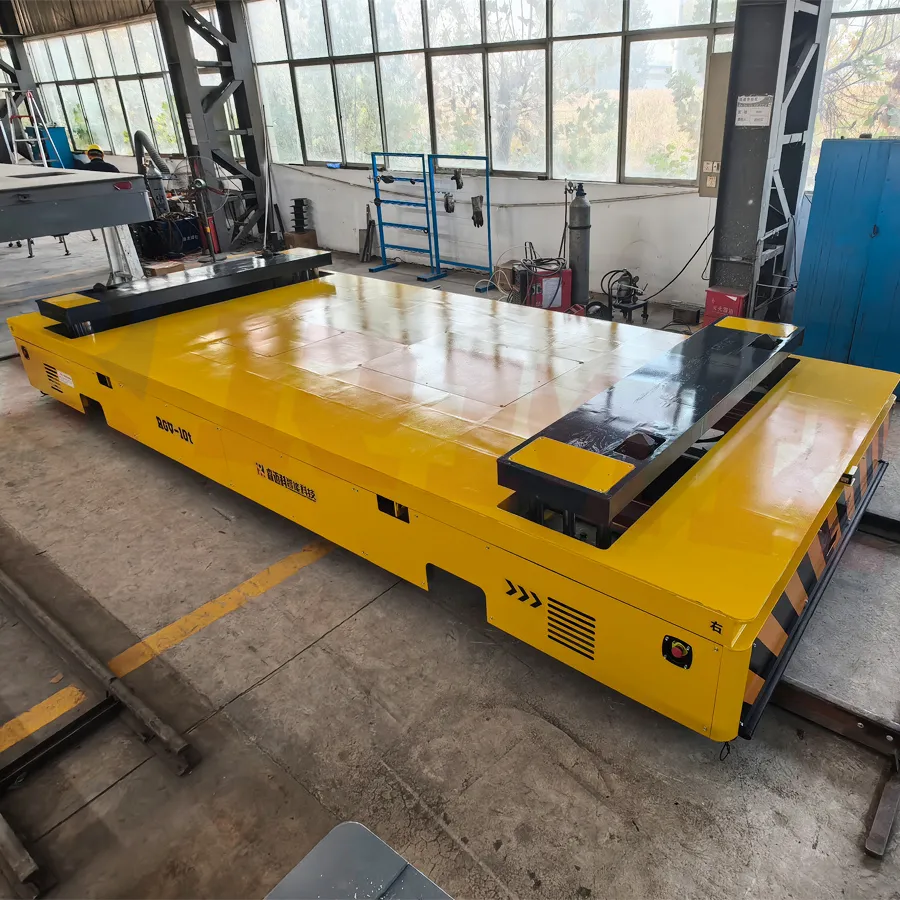
A 重型AGV转运车, ,也称为重载自动导引车(AGV),用于运输具有高负载要求的超大尺寸物料和设备。.
要了解更多关于重型AGV的特性、优势和选型指南,请参阅本文:“大型平台AGV转运车:重型及超大物料搬运的理想解决方案”
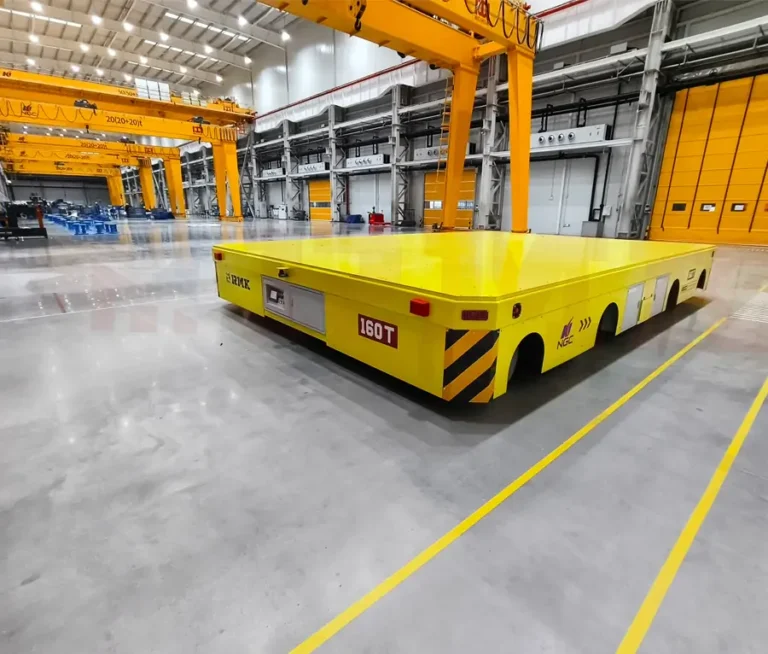
- 重载能力
- 加强型钢框架
- 稳定的重载运输
- 重型驱动系统
- 连续运行
应用领域:钢厂、造船厂、风力发电厂、变压器制造、模具工厂和重型机械生产。.
液压AGV转运车
A 液压AGV转运车, ,也称为AGV升降车,集成了升降平台,用于自动装卸和工位对接。.
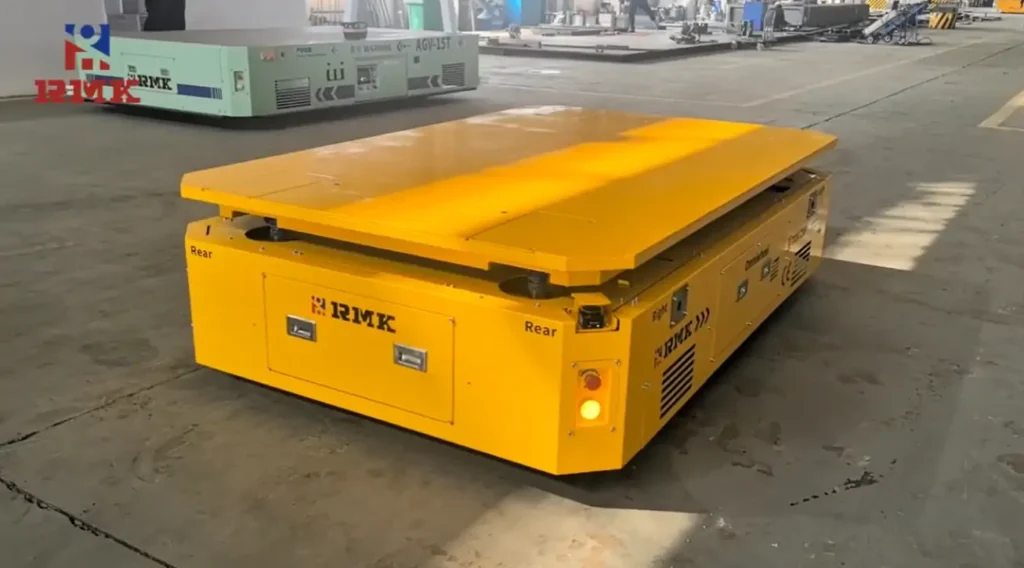
- 液压或电动升降
- 可调平台高度
- 自动对接
- 平稳的负载转移
- 定制升降高度
应用领域:装配线、加工中心、电池生产、自动化仓库和智能制造系统。.
旋转式AGV转运车
A 旋转式AGV转运车, ,也称为旋转式自动导引车(AGV),包含一个旋转平台,用于改变运输物料的朝向。.
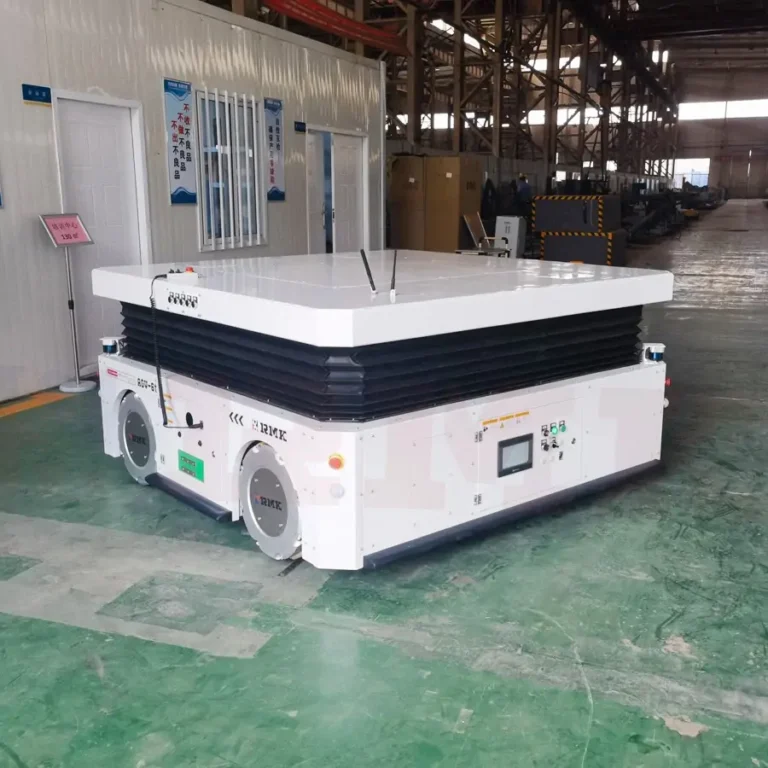
- 集成转盘
- 360°旋转
- 自动定位
- 减少人工操作
- 与自动化生产线兼容
应用领域:焊接工位、机器人生产线、加工中心、喷涂系统和装配车间。.
定制化AGV转运车
定制化AGV转运车,也称为定制自动导引车(AGV),根据特定的生产工艺和运输要求制造。.
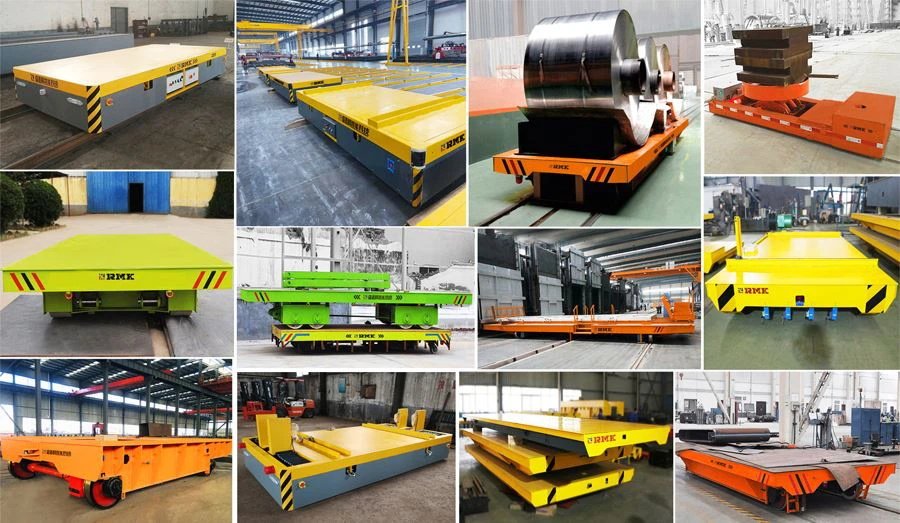
- 定制尺寸
- 定制负载能力
- 可选升降和旋转功能
- 多种导航系统
- 可配置的控制系统
应用领域:钢材加工、模具搬运、航空航天制造、重型设备生产以及其他定制工业物料搬运项目。.
视频展示
案例
如何选择合适的自动导引车?
每个工厂都有不同的物料搬运需求。选择合适的自动导引车(AGV)取决于生产布局、运输路线、负载能力和搬运任务。下表可帮助您确定最适合您应用的AGV转运车。.
| 工作环境 | 适用类型 | 应用 |
|---|---|---|
| 固定运输路线,重复性移动 | 轨道导引式AGV转运车 | 钢铁厂、冲压线、机加工车间 |
| 灵活的生产布局或多条运输路线 | 无轨AGV转运车 | 智能工厂、仓库、装配线 |
| 狭窄通道或有限的操作空间 | 全向AGV转运车 | 模具车间、精密设备、航空航天制造 |
| 同一工厂内既有固定运输又有灵活运输 | 混合式AGV转运车 | 多车间工厂、集成生产系统 |
| 10至300+吨的重型物料 | 重型AGV转运车 | 钢卷、模具、变压器、重型机械 |
| 自动装卸或设备对接 | 升降AGV转运车 | 自动化生产线、加工中心 |
| 需要调整角度的工件 | 旋转式AGV转运车 | 焊接、机加工、机器人装配 |
| 特殊尺寸或定制生产要求 | 定制化AGV转运车 | 重型制造、超大尺寸设备、特殊项目 |
不确定哪种自动导引车适合您的项目? 请联系我们 并提供有关您应用场景的负载能力、行驶距离、车间布局及生产工艺的详细信息。RMK工程师将根据您的应用推荐合适的解决方案。.
- 如需深入了解选型技巧,请阅读: “如何选择合适的AGV转运车?”
- 阅读更多关于自动导引车(AGV)应用的文章: 哪些行业使用AGV转运车?现代制造业中的应用
定制范围
如果您的项目涉及非常规负载尺寸、有限的车间空间或特殊生产工艺,标准型号可能并非最佳选择。RMK可根据以下方面定制自动导引车:
- 负载能力 – 从轻型应用到超过300吨的重载运输。.
- 平台尺寸 – 针对不同物料和设备定制的平台长度、宽度和高度。.
- 导航系统 – 磁条、二维码、激光导引、SLAM或其他导航方式。.
- 驱动与转向 – 轨道导向、无轨、全向、差速转向或四轮转向。.
- 升降与旋转 – 液压升降平台、电动升降系统和旋转转台。.
- 电源 – 锂电池、铅酸电池、电缆卷筒、母线或其他电源方案。.
- 控制系统 – PLC控制、无线通信、车队调度以及与MES或WMS系统的集成。.
- 安全特性 – 激光扫描仪、障碍物检测、急停、警示灯、声音报警和防碰撞保护。.
- 操作环境 – 适用于高温、粉尘、潮湿、洁净室或防爆应用的解决方案。.
请将您的应用需求发送给我们,我们的工程师将为您的工厂推荐最合适的AGV转运车。.
结论
自动导引车(AGV)转运车包括轨道导引、无轨、全向、重型、升降、旋转和定制类型。每种类型均针对不同的工厂布局、负载要求和物料搬运流程而设计。选择合适的解决方案取决于生产条件、运输路线和自动化需求。.
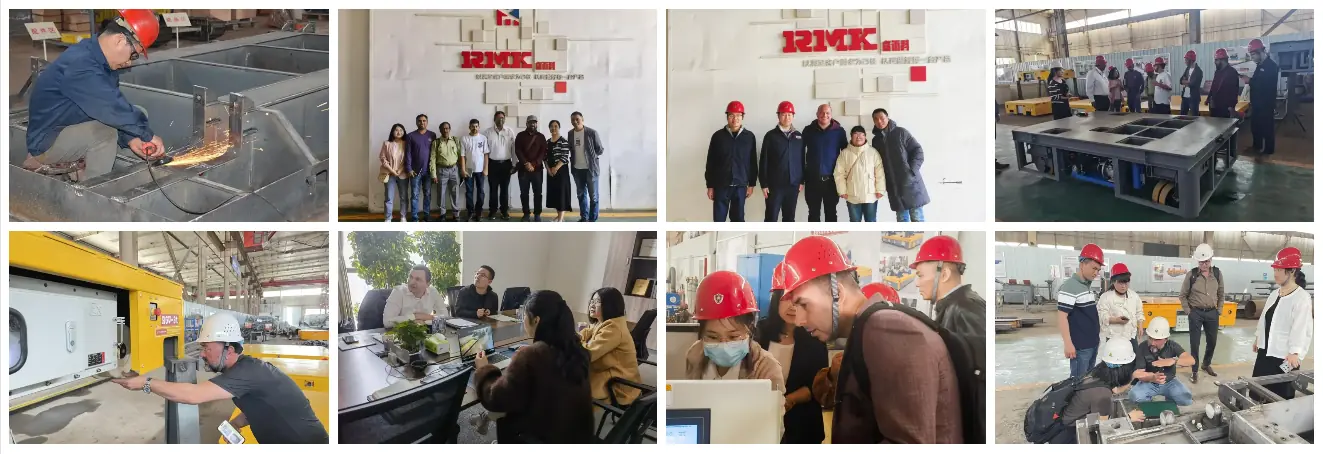
了不起 专注于工业AGV转运车的设计和制造,用于重型和自动化物料搬运。凭借在海外市场成熟的出口经验,我们的设备广泛应用于全球的钢厂、机械制造和自动化生产设施。. 联系我们 请提供您的项目需求,我们将为您推荐合适的自动导引车解决方案。.
常见问题
AGV 转运车有哪些不同类型?
常见类型包括轨道导引、无轨、全向、混合、重型、升降、旋转和定制AGV转运车。每种类型均针对不同的工厂布局和物料搬运要求而设计。.
轨道导引AGV和无轨AGV有什么区别?
轨道导引AGV在固定轨道上运行,适用于稳定且重复的路线。无轨AGV无需轨道,沿导航路径运行,可实现灵活的移动和布局变更。.
何时应选择全向AGV?
全向AGV适用于狭窄空间、复杂布局以及需要侧向移动、斜向行进或大型工件精确定位的应用场景。.
AGV 使用哪些导航系统?
AGV通常根据精度和灵活性要求采用磁条导航、激光导航、二维码导航、SLAM导航及视觉系统。.
AGV 转运车能承载多少重量?
负载能力取决于设计。标准型号可处理数吨,而重型AGV转运车可承载10至300多吨的钢卷、模具和重型设备。.
AGV 转运车可以定制吗?
是的。AGV转运车可在载重能力、平台尺寸、导航系统、转向方式、升降或旋转功能、电源及控制系统方面进行定制。.
哪些行业普遍使用AGV转运车?
它们广泛应用于钢铁厂、造船厂、模具制造、汽车生产、风电、重型机械及自动化工厂。.
如何选择正确的AGV转运车?
正确的选择取决于负载重量、运输距离、车间布局、生产工艺和自动化水平。轨道导引型号适用于固定路线,无轨类型适用于灵活布局,重型型号适用于大型负载处理。.
相关文章
定制的智能物料装卸解决方案
为确保定制的转运车完全满足您的需求,请提供以下详细信息:
- 负载能力:_____ 吨(1~500 吨)
- 工作台尺寸:_____ × _____ mm/m(如 1500×3000)
- 电源选项:
- 铅酸电池 ☐ 锂离子电池 ☐ 其他:_____
- ☐ 电缆:_____V/_____A
- ☐ 标准 380 伏/50 赫兹/3 相
- 货物详情:
- 类型:_____ (如钢卷、机械)
- 特殊需求:_____ (例如防滑、防腐蚀)
- 可选功能
- ☐ 紧急制动 ☐ 防碰撞传感器
- ☐ 导轨 ☐ 提升装置 ☐ 遥控装置