Introduction
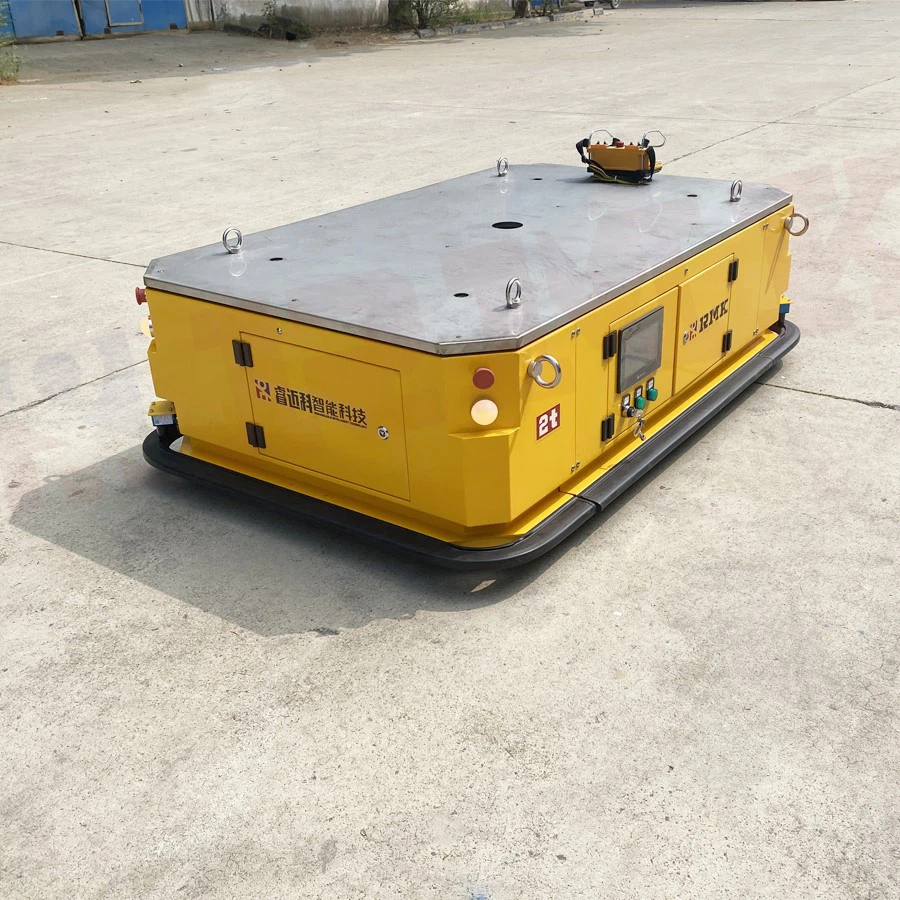
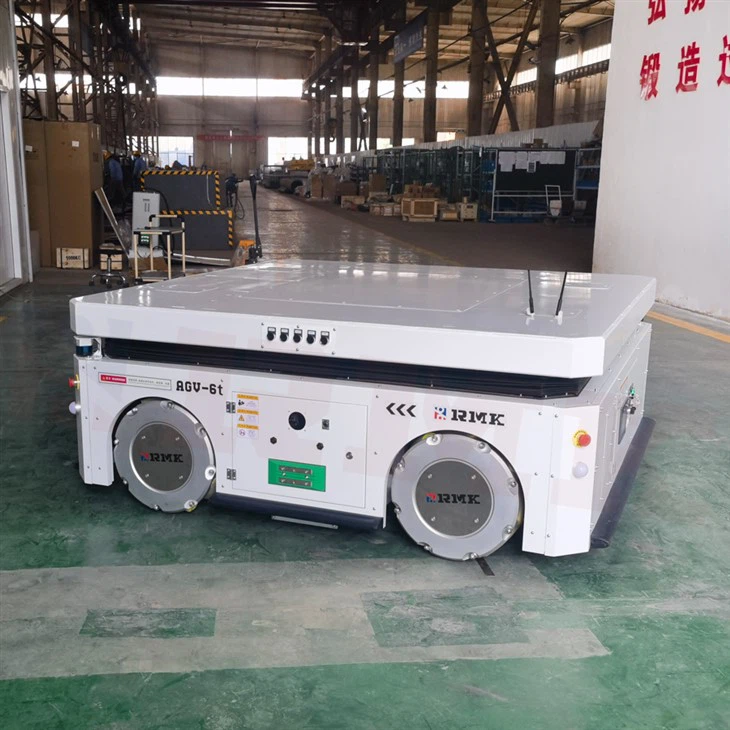
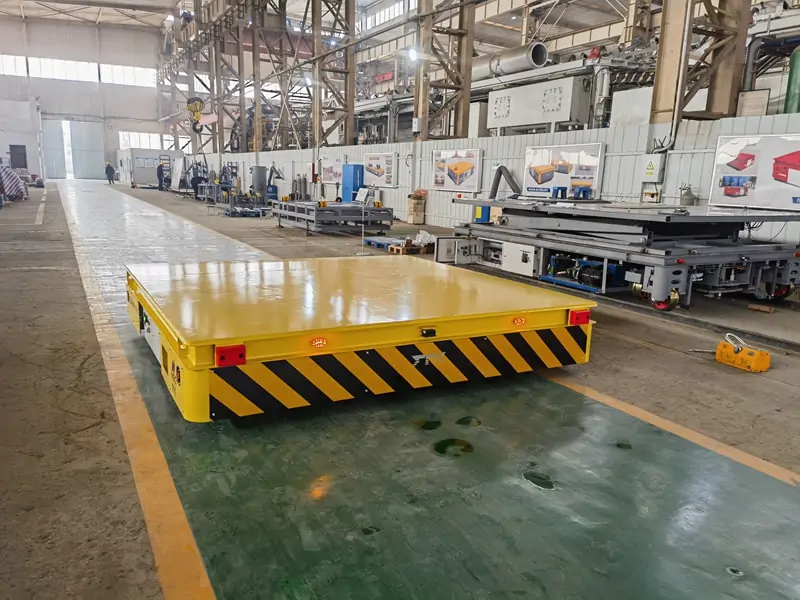
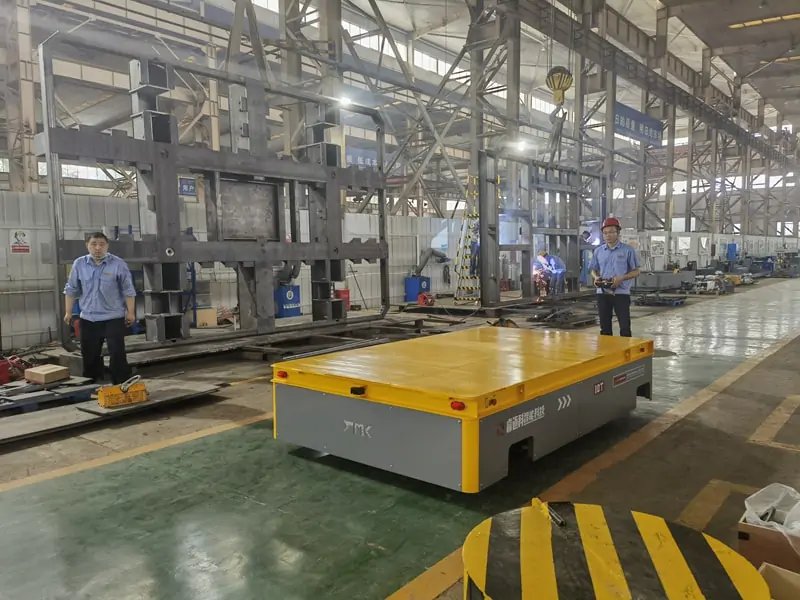
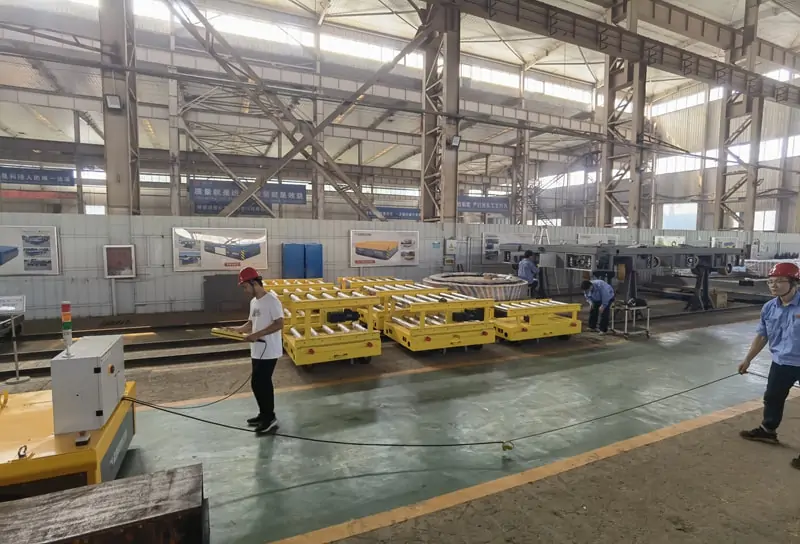
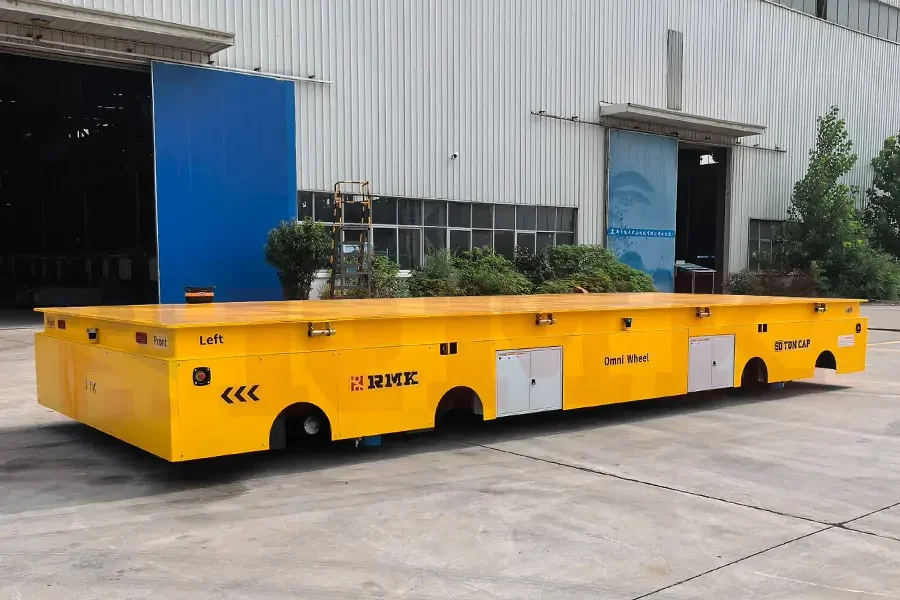
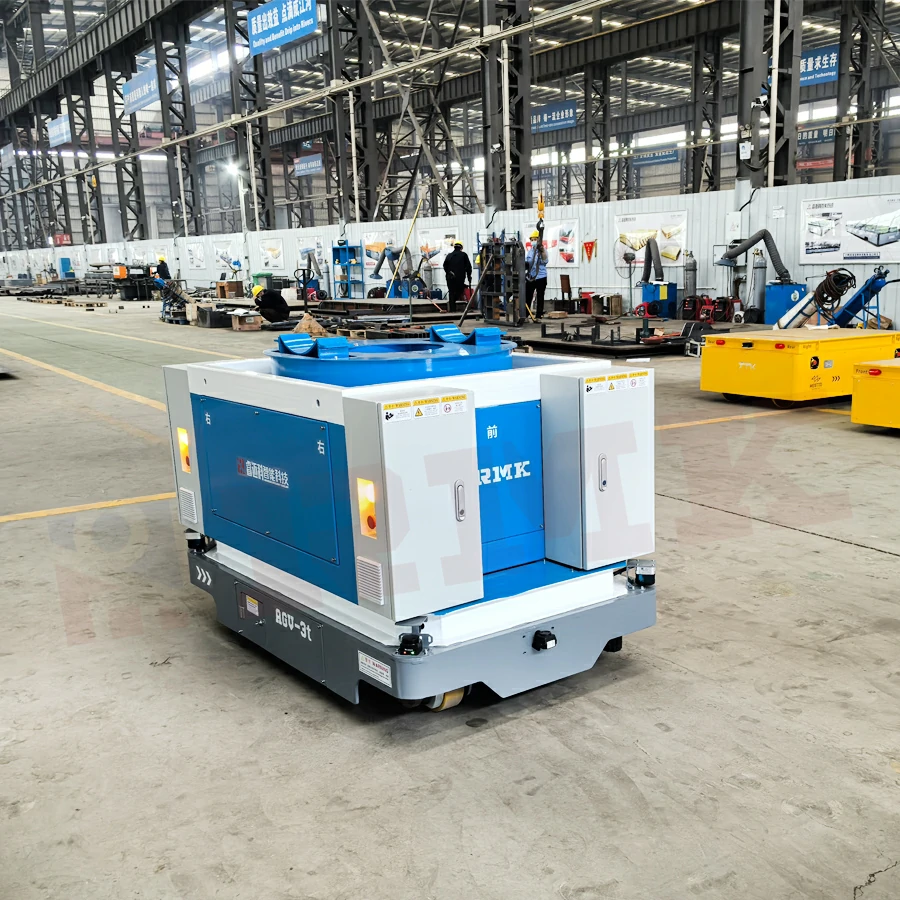
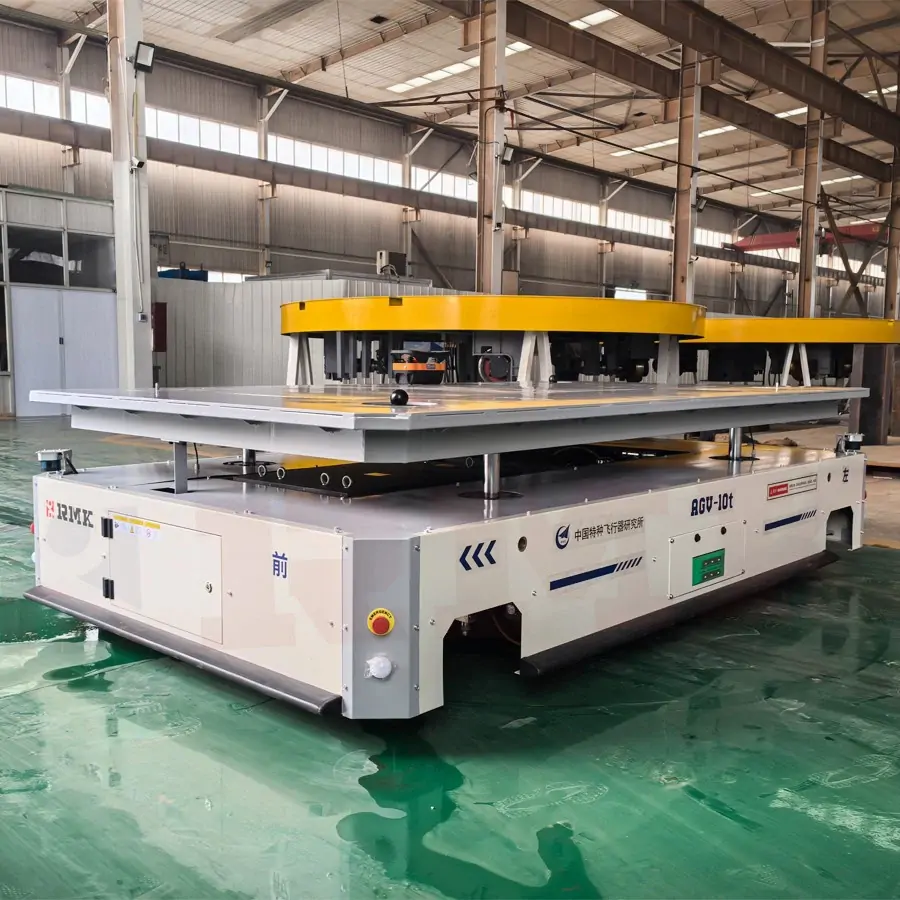
An AGV transfer cart is an automated material handling vehicle widely used in factories, warehouses, and logistics centers. It helps move heavy or bulky loads safely and efficiently, reducing manual labor and improving production flow. As a type of AGV material transfer cart, it can be designed in different forms, such as rail-based systems, large platforms, or flexible steering models to suit various industrial layouts. An AGV transport trolley is often used in workshops and production lines where flexible and reliable transport is required.
In this article, we will look at how to choose the right system by covering key points such as equipment types, load and layout matching, navigation methods, safety features, system integration, cost analysis, and supplier selection.
What Is an AGV Transfer Cart?
AGV Transfer Cart (無人搬送車 Transfer Cart), also called AGV automatic transfer trolley, is an unmanned industrial material handling vehicle that moves automatically along preset routes without manual driving. It uses navigation systems such as electromagnetic, laser, or optical guidance to achieve accurate positioning, obstacle avoidance, and automated transport of materials.
It is powered by rechargeable or lithium batteries and is widely used for material transfer between workshops, warehouses, and production lines. Compared with traditional handling equipment, it offers higher flexibility and automation, and can be customized for different loads and working conditions, including heavy-duty and complex industrial environments.
動作原理
The operation of an AGV transfer cart is based on the coordination of navigation, control, driving, safety protection, and communication systems.
- Path Planning and System Setup: Before the operation, the workspace is mapped, and transport routes are defined according to the factory layout. Depending on the navigation method, magnetic strips, rails, or digital maps for laser/SLAM systems are used. The control system assigns optimal routes based on task priority and workflow.
- Real-Time Positioning and Navigation: The AGV uses sensors and navigation systems to locate itself and follow the set path. Common methods include magnetic, laser, visual, and SLAM navigation, ensuring stable and accurate movement in different environments.
- Motion Control and Obstacle Avoidance: The control system adjusts speed and steering through motor drivers to ensure accurate travel. Sensors continuously detect obstacles, allowing the AGV to slow down, avoid, or stop for safe operation.
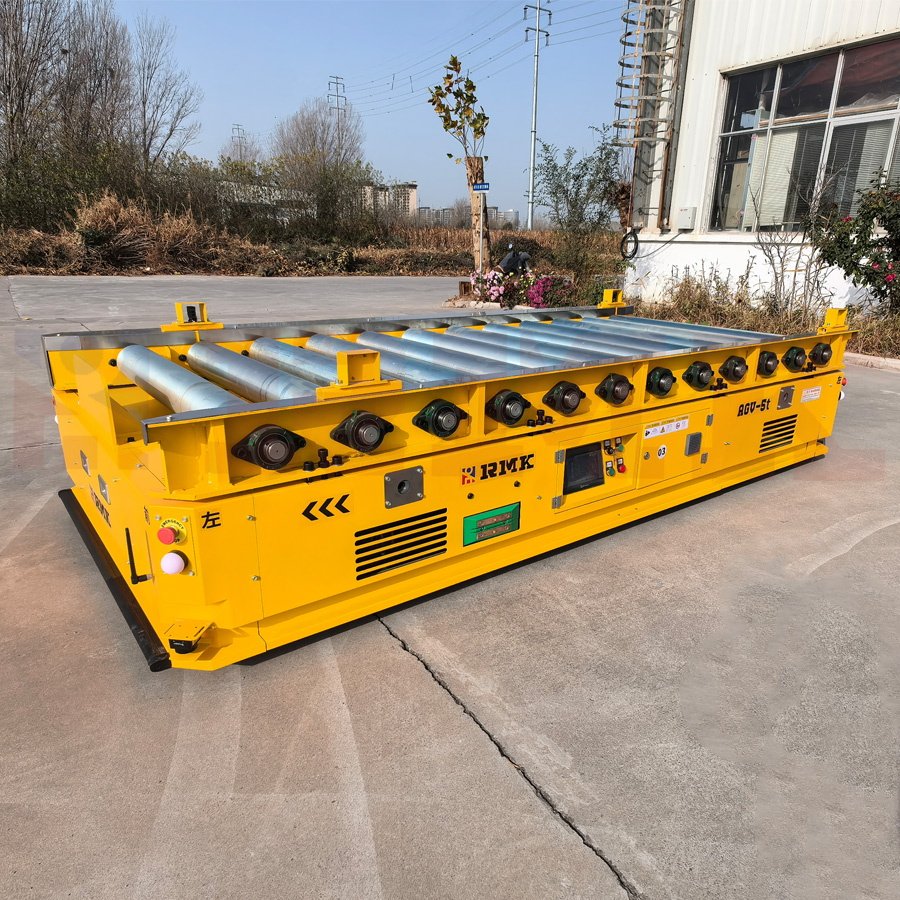
- Material Handling and Docking: At the target position, the AGV transfer cart uses forks, rollers, or lifting platforms to load and unload materials. High-precision positioning ensures smooth docking with production lines, shelves, or conveyors.
- Central Scheduling and Communication: All AGVs connect to a central system via wireless communication. The system assigns tasks, manages routes, and avoids conflicts while integrating with WMS, MES, and ERP systems for coordinated operations.
- Automatic Charging: When battery power is low, the AGV automatically returns to the charging station for recharging, enabling continuous 24-hour operation without manual intervention.
The AGV transfer cart works through coordinated navigation, control, safety, and scheduling systems to enable accurate automated material handling. From path planning and positioning to obstacle avoidance, docking, and automatic charging, each step ensures stable operation.
Why Choosing the Right AGV Transfer Cart Matters
Manufacturing and logistics are increasingly automated, and the AGV transfer cart plays an important role in replacing manual handling and improving efficiency. As production becomes more flexible and warehouses become more intelligent, demand for reliable material handling systems is growing. Choosing the wrong equipment can lead to lower efficiency, higher costs, and safety risks, making proper selection essential for long-term operation.
Industrial Automation and Logistics Trends
Industrial automation is developing in three main directions. First, factories are adopting 24/7 unmanned operation, where AGVs transfer carts to support continuous material flow. Second, production layouts are becoming more flexible, requiring systems that adapt easily to changing needs. Third, data connection is essential, with AGVs linking to WMS, MES, and ERP systems for real-time control.
Impact on Efficiency, Cost, and Safety
- A well-matched AGV material transfer cart improves material flow and reduces delays in production. It helps keep operations stable and increases handling efficiency.
- Cost is also affected by selection. Proper configuration avoids wasted investment and reduces maintenance costs, while poor matching leads to idle capacity or extra upgrades.
- Safety is another key factor. Modern systems include sensors, obstacle detection, and emergency stop functions to reduce risks in mixed human-machine environments.
AGV Material Transfer Cart and AGV Transport Trolley
- The AGV material transfer cart is used for heavy loads and large material movement between workshops, warehouses, and production lines. It supports different loading methods and can be customized for various industrial needs.
- The AGV transport trolley is used for smaller, frequent transfers in workshops and assembly lines. It is flexible and suitable for short-distance, high-frequency material distribution.
Different AGV transfer carts serve different applications, but all focus on improving efficiency, safety, and intelligent material handling in modern industry.
Key Types of AGV Systems and Transfer Carts
AGV transfer carts are designed in different structures to meet various industrial handling needs. Each type focuses on specific working conditions such as load capacity, workspace layout, and movement flexibility. These systems improve material flow efficiency and support automated logistics in factories and warehouses.
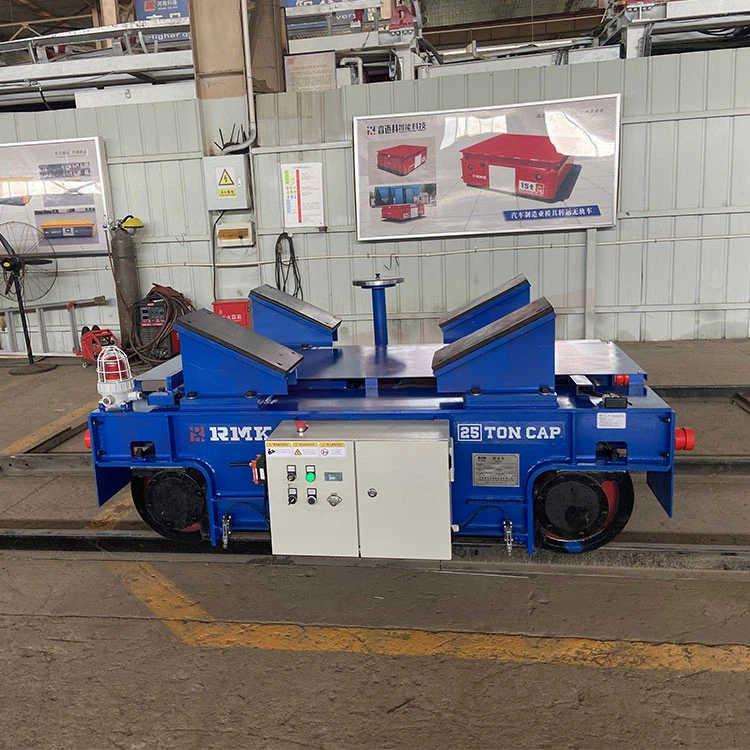
AGV Rail Transfer Cart
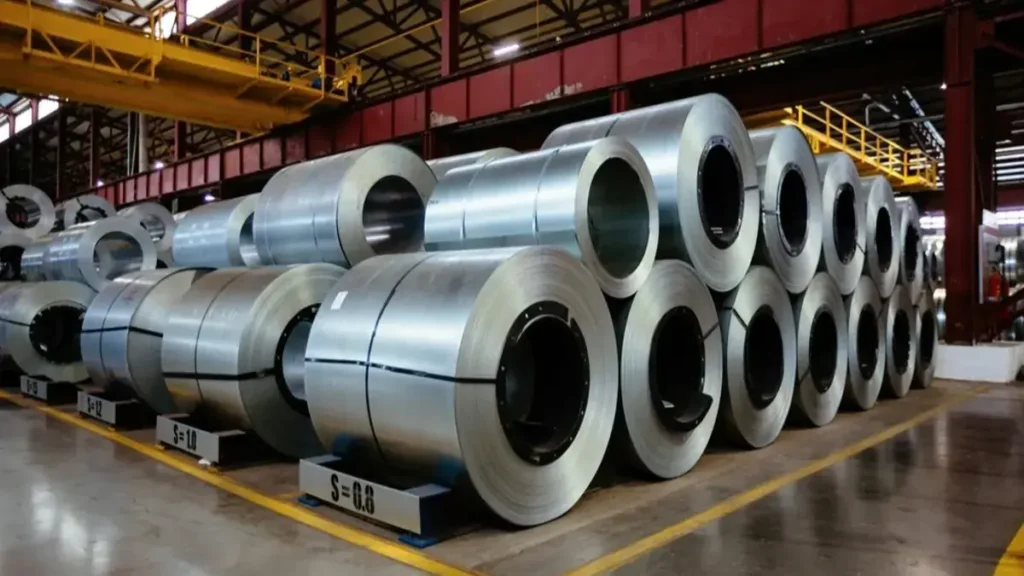
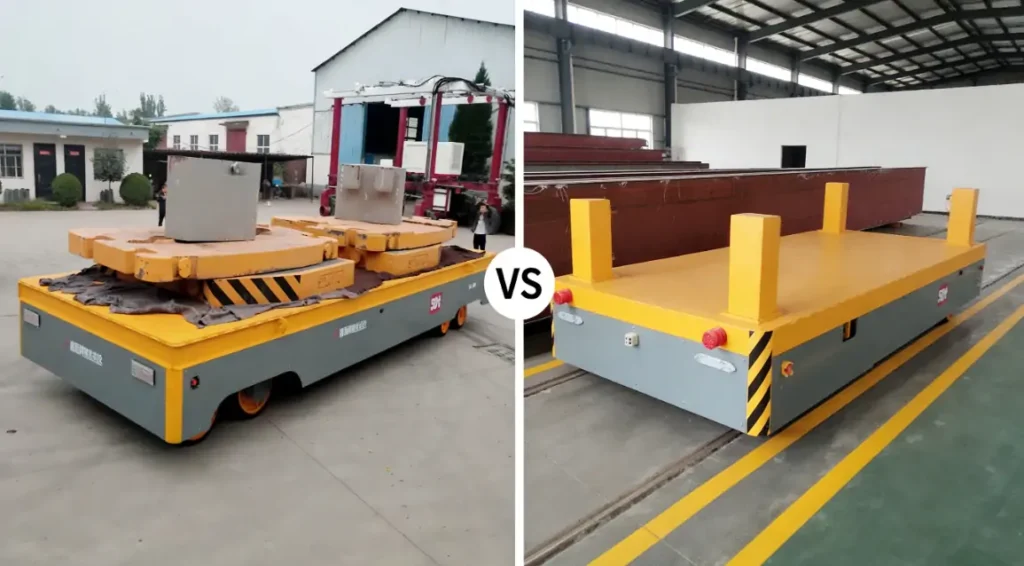
アン AGV system that runs on fixed steel or aluminum rails, offering stable and accurate movement with strong load capacity. It is commonly used for heavy materials such as steel coils and molds in workshops and warehouses.
- Rated load: 5–100 tons
- Speed: 0.5–3 m/s
- Rail spacing: 600 mm / 900 mm
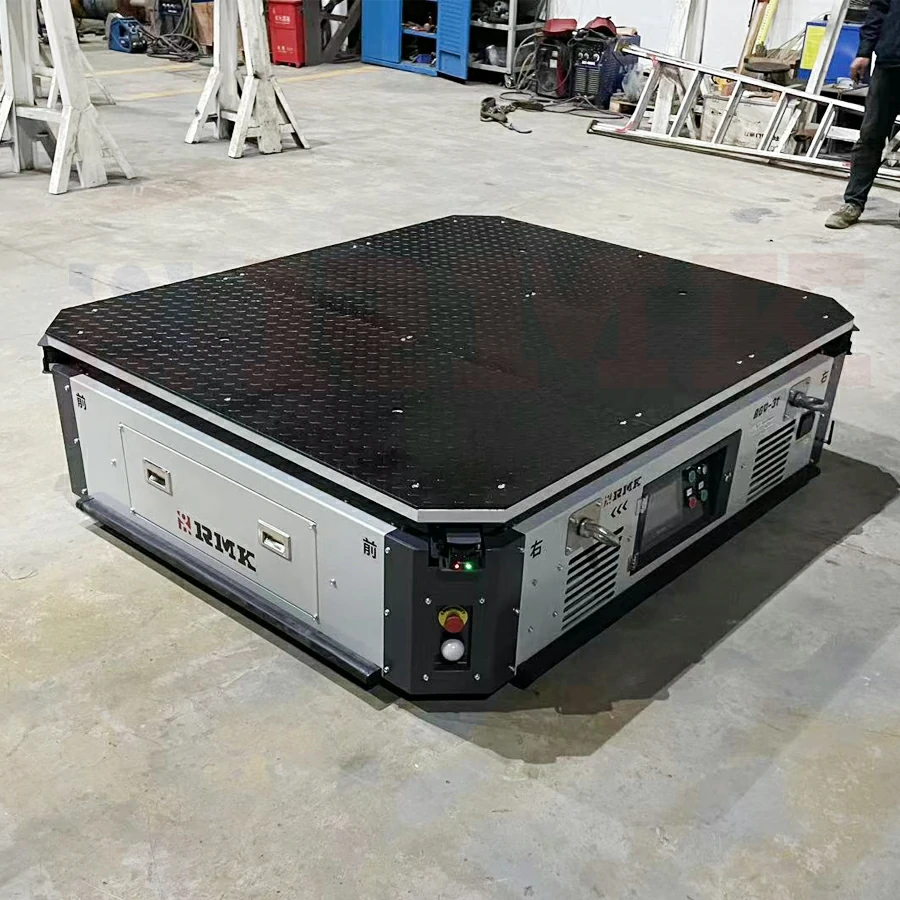
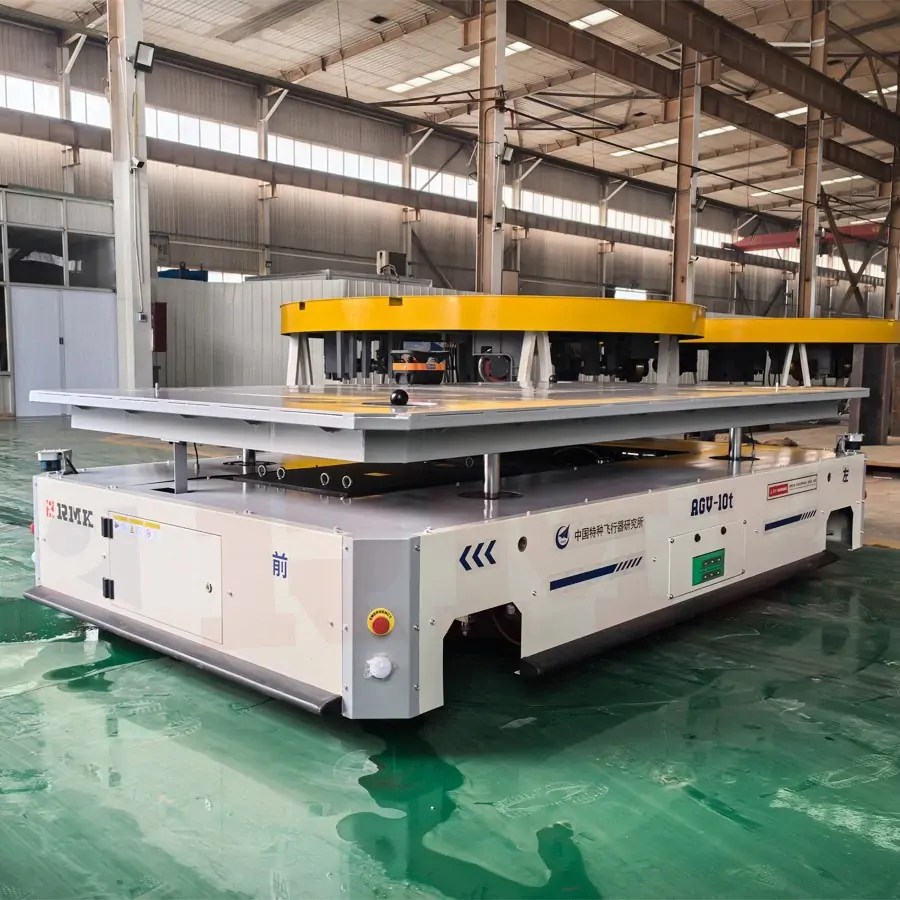
Large Platform AGV Transfer Cart
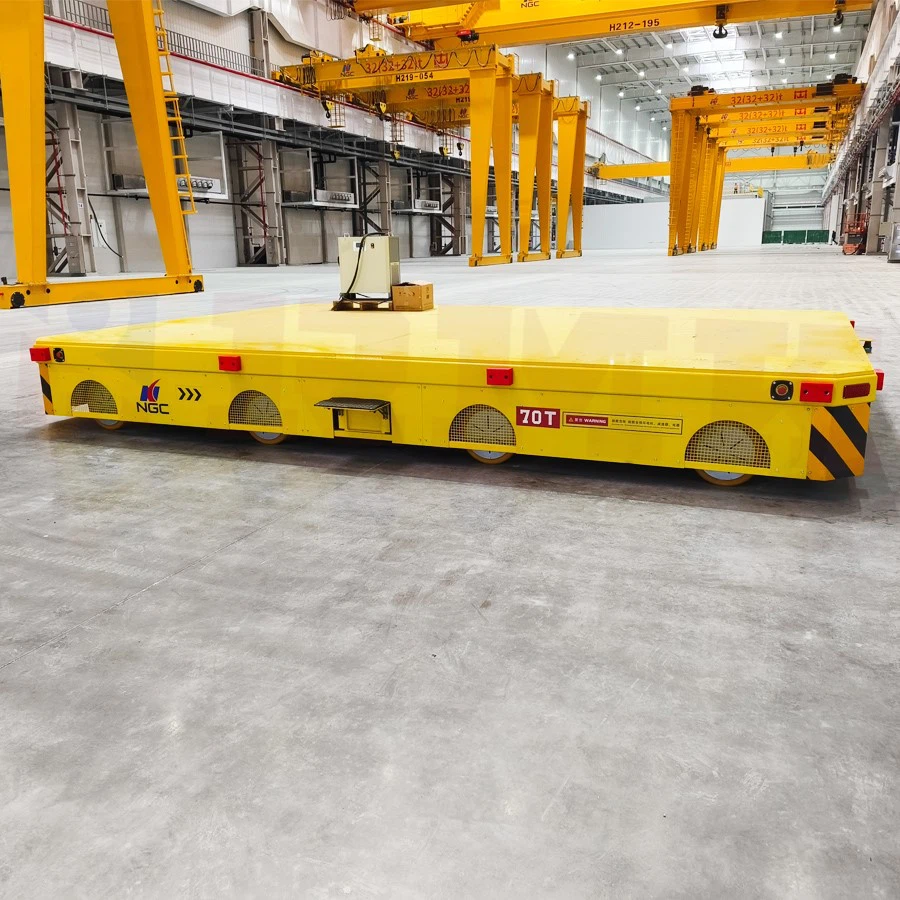
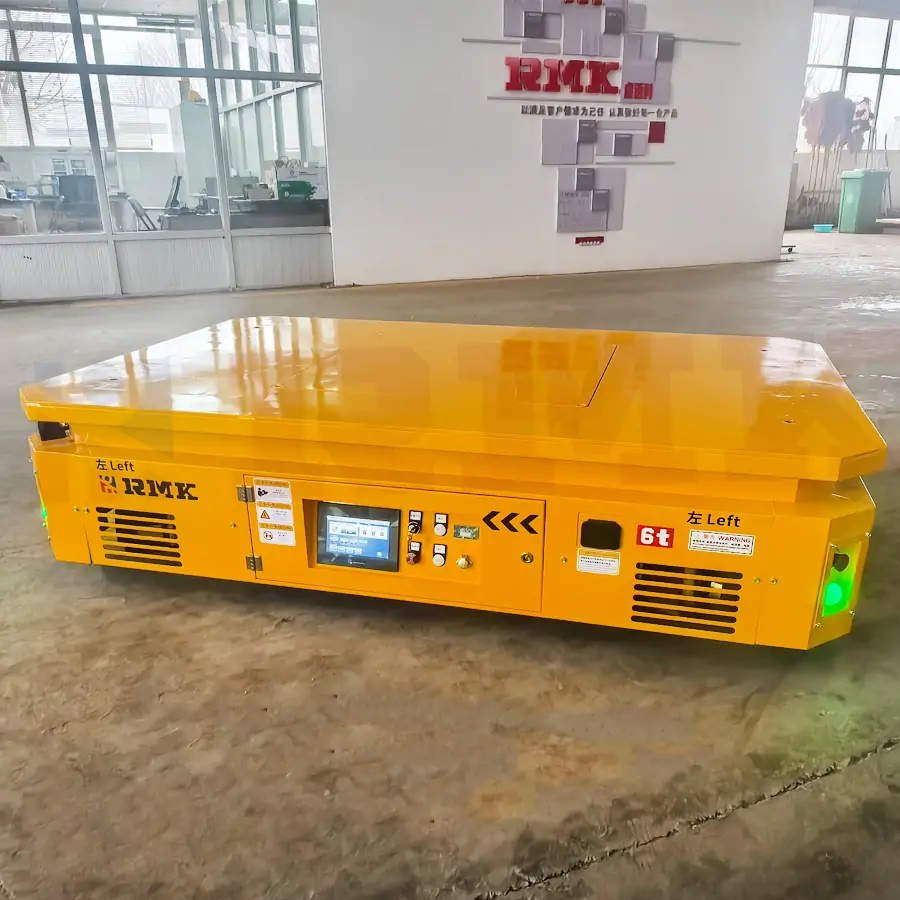
This type features an oversized customizable platform designed for large components and palletized loads. It is widely used in automotive assembly and heavy equipment manufacturing.
- Platform size: 2 × 3 m to 5 × 8 m
- Rated load: 10–200 tons
- Positioning accuracy: ±10 mm
Workshop AGV Transfer Cart
Designed for internal workshop logistics, this model is compact and suitable for narrow passages and equipment docking. It is often used in machining and assembly environments.
- Minimum turning radius: 0.5 m
- Charging time: 2–4 hours
- Working time: 8–12 hours
Steerable AGV Transfer Cart
Equipped with flexible steering systems such as front-wheel, four-wheel, or omnidirectional control, it is suitable for complex routes and multi-area transport tasks.
- Steering angle: ±90°
- Minimum aisle width: 2.5 m
- Climbing ability: 3–5%
Different AGV transfer cart types are designed for specific industrial scenarios. Their structural design and technical parameters determine application range, load capacity, and operating efficiency in automated logistics systems.
How to Choose the Right AGV Transfer Cart
Choosing the right AGV transfer cart requires a clear understanding of production needs and operating conditions. Different factories vary in capacity requirements, load types, layout design, and automation levels.
Define Production Capacity & Throughput Requirements
Start with basic data such as daily transfer volume, load weight, and cycle time. Choose an AGV transfer cart that matches the production rhythm. High-frequency operations need stable 24-hour performance to avoid bottlenecks.
Match Load Type & Cart Structure
Select a structure based on material type. Light loads use standard handling AGVs, while heavy materials need reinforced models. Large parts, pallets, or special environments require customized designs.
Choose Navigation Technology
Fixed routes use magnetic or QR systems at a lower cost. Flexible workshops prefer laser SLAM for better adaptability. Complex sites may need multi-sensor navigation.
Consider Layout & Environment
Check the aisle width, turning space, and floor condition before making a selection. Narrow areas need flexible steering systems. High temperature, outdoor, or explosion-risk environments require protected designs.
Safety & Compliance
An AGV transfer cart should include obstacle detection, emergency stop, and alarm systems. Industries such as food and pharma also require compliance with strict safety standards.
Software & Fleet Control
A stable control system manages task assignment and vehicle coordination. It helps improve efficiency through real-time scheduling and route optimization.
System Integration (WMS / ERP)
AGVs should connect with WMS, MES, or ERP systems. This enables automatic task flow and real-time material tracking across production lines.
Cost & ROI
Evaluate both purchase and long-term operating costs. AGVs reduce labor and energy use, often achieving payback within a few years.
Supplier Selection
Choose suppliers with proven experience, customization ability, and strong after-sales service. Real project cases are important for evaluation.
Deployment Strategy
Start with a pilot project, then expand step by step. Modular systems allow future upgrades without major changes.
A successful AGV transfer cart selection is not only about equipment performance, but also about matching real production demands, system integration, and long-term operation strategy. By evaluating key factors such as capacity, navigation, safety, software, and supplier support, companies can build a more efficient and reliable automated logistics system that supports sustainable industrial growth.
Applications of AGV Transfer Carts
AGV transfer carts are used across many industries to improve material handling efficiency and reduce manual work. An AGV transfer cart can be adapted to different environments, making it suitable for both light-duty and heavy-duty logistics tasks.
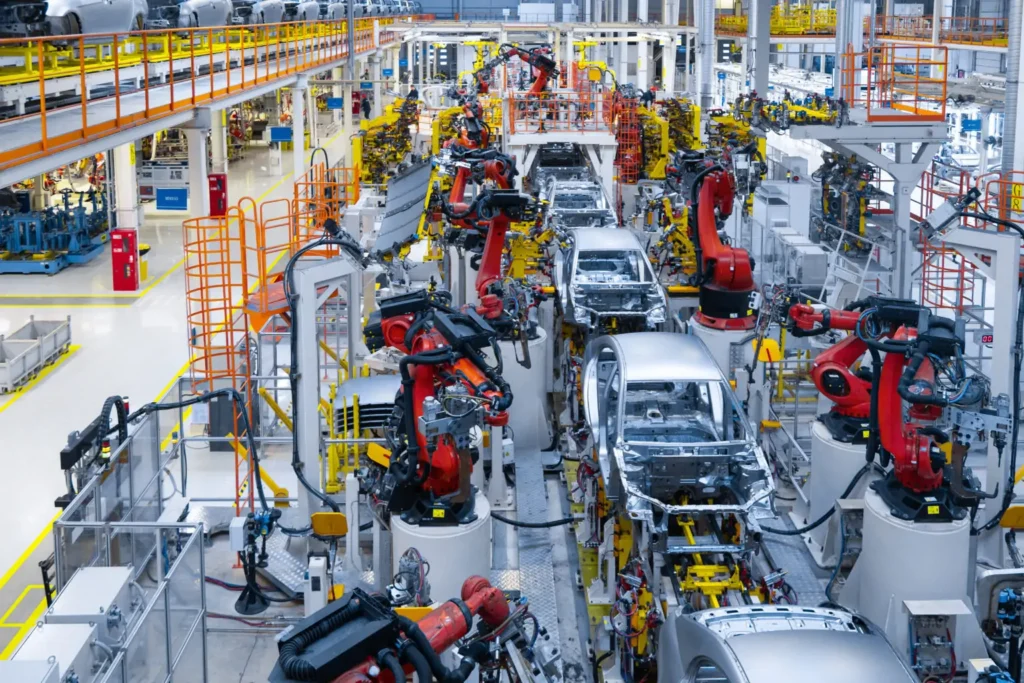
自動車製造
Moves car bodies, parts, and assembly materials along production lines.
鉄鋼業
Handles steel coils, molds, and heavy components.
Warehouse Logistics
Used for pallet handling and cross-area transport.
Machinery Manufacturing
Transfers parts between machining and assembly stations.
Electronics Industry
Delivers small parts for assembly lines.
Port Logistics
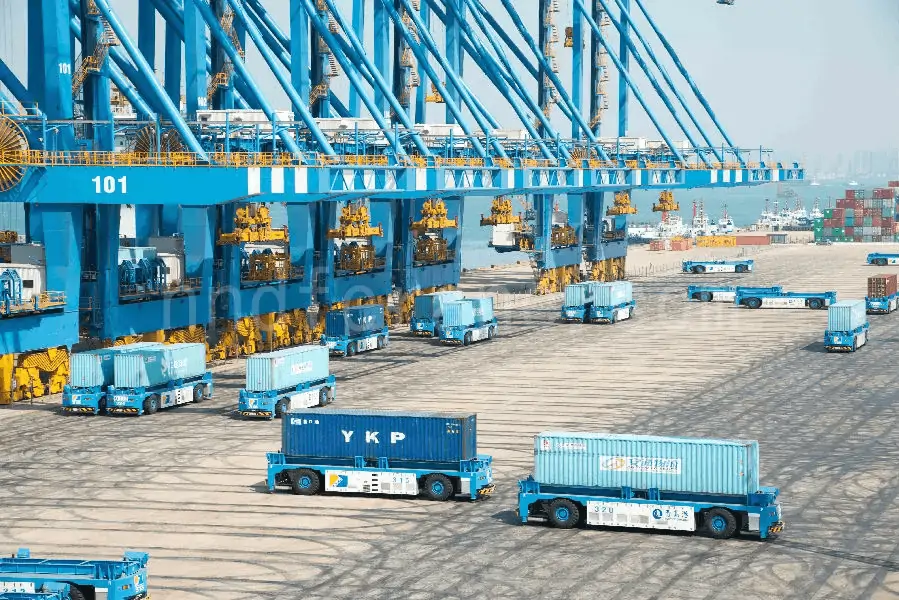
Transports containers and heavy equipment in port areas.
The AGV transfer cart is widely applied in different industries to improve efficiency, reduce labor intensity, and support automated material handling systems.
Benefits of Using AGV Systems
Automatic Guided Vehicle (AGV) systems have become a core piece of equipment in intelligent logistics and automated manufacturing, bringing multiple tangible benefits to enterprises in various industries:
| Improve Logistics & Production Efficiency | Supports 24-hour continuous operation and automatic scheduling, improving material handling speed and overall workflow efficiency. |
| Reduce Long-Term Operating Costs | Lowers labor requirements and reduces cargo damage, helping decrease overall operating expenses over time. |
| Improve Operational Safety | Uses sensors, obstacle detection, and emergency stop functions to reduce accidents and improve workplace safety. |
| Simplify Management & Improve Flexibility | Automates task allocation and traffic management while adapting easily to changing layouts and production needs. |
| Easy Integration with Smart Systems | Connects with MES, ERP, and WMS systems for real-time data exchange and automated process management. |
| Adapt to Harsh Environments | Can be customized for high-temperature, explosion-proof, cleanroom, and other demanding operating conditions. |
AGV transfer carts improve efficiency, reduce costs, and enhance safety. They support continuous operation and reduce manual work, while adapting to different environments and integrating with smart factory systems, making them a key solution for modern industrial automation.
Future Trends of AGV Technology
AGV technology is advancing with industrial automation, driven by improvements in navigation, AI, energy systems, and integration. These trends are shaping more intelligent and flexible material handling across industries.
Navigation and intelligence
AGV is moving from fixed guidance to SLAM-based navigation, with AI improving perception, decision-making, and accuracy.
Heavy-duty and specialization
More AGVs are designed for heavy loads and special environments such as ports, cleanrooms, and explosion-proof areas.
Fleet collaboration and integration
Multiple AGVs now work together through 5G and IoT, with system integration into MES, ERP, and WMS becoming standard.
Energy and sustainability
New energy systems like lithium batteries and hydrogen fuel cells are improving efficiency and reducing emissions.
Standardization and cost reduction
Industry standards are improving, while lower production costs are making AGVs more widely accessible.
Wider applications
AGVs are expanding into healthcare, retail, mining, and construction for automated transport tasks.
AGVs are developing toward smarter operation, higher efficiency, lower energy use, and broader applications. With improving standards and lower costs, they will play a greater role in future logistics and manufacturing.
結論
AGV transfer carts play an important role in modern industrial automation. They help improve efficiency, reduce labor costs, and support safer and more flexible material handling. From selection to application, the right system directly affects production performance and long-term operation.
リマーカブル is a professional AGV transfer cart manufacturer and supplier with strong design capability and project experience. We provide customized solutions for different industries and working conditions. お問い合わせ for technical support and tailored project solutions.
Phone: +86-18637369355
よくあるご質問
What is an AGV transfer cart?
An AGV transfer cart is an automated vehicle used for moving materials in factories and warehouses without manual driving.
How does an AGV system work?
It follows preset routes or maps using navigation systems, sensors, and control software to move and transport materials automatically.
What industries use AGV transfer carts?
They are widely used in automotive, steel, logistics, machinery, electronics, and port industries.
What is the load capacity of an AGV transfer cart?
It ranges from light-duty models of a few hundred kilograms to heavy-duty systems handling over 100 tons.
What navigation methods are used in AGVs?
Common methods include magnetic navigation, laser navigation, QR code navigation, and SLAM systems.
Can AGV transfer carts work in narrow spaces?
Yes. Some models are designed with flexible steering or omnidirectional movement for narrow aisles.
How safe are AGV systems?
They include sensors, obstacle detection, and emergency stop functions to ensure safe operation in mixed environments.
Can AGV systems be customized?
Yes. They can be designed based on load, layout, environment, and industry requirements. help improve material handling efficiency, reduce manual labor, and support the upgrade of smart factories.