Introduction
Efficient material movement is essential in modern manufacturing. To improve productivity and reduce manual handling, many factories are adopting AGV transfer cart systems for internal transportation. These automated vehicles can move materials between warehouses, production lines, and workstations with greater consistency and safety than traditional methods. To learn more about AGVs, read: What Is an AGV System?
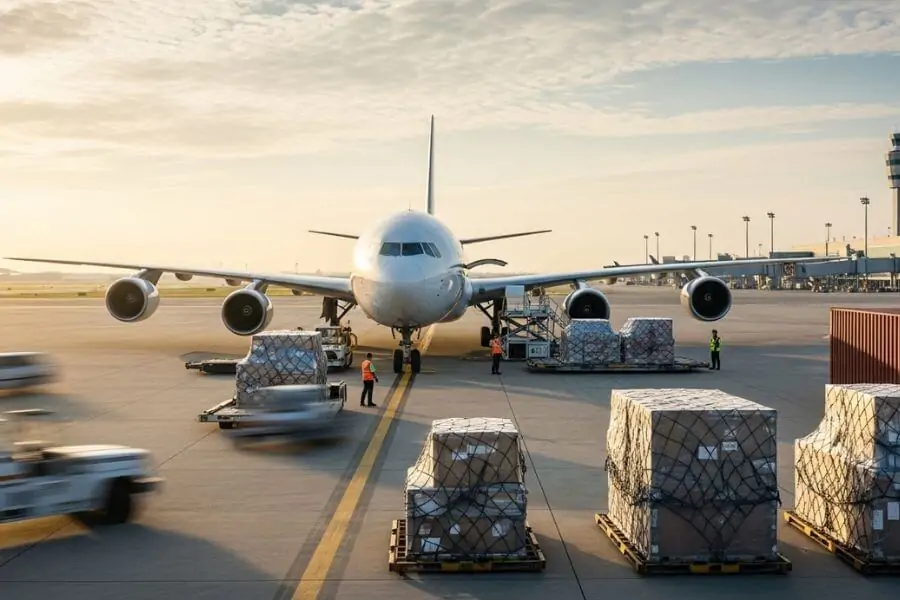
Today, AGV material handling solutions are used in industries such as automotive, steel processing, aerospace, mold manufacturing, and warehouse logistics. Whether operating as an industrial transfer AGV cart or as part of a larger AGV transportation system, they help streamline material flow and support higher levels of automation. In this article, we’ll explore what industries use AGV transfer carts and their most common applications in modern manufacturing.
What Is an AGV Transfer Cart?
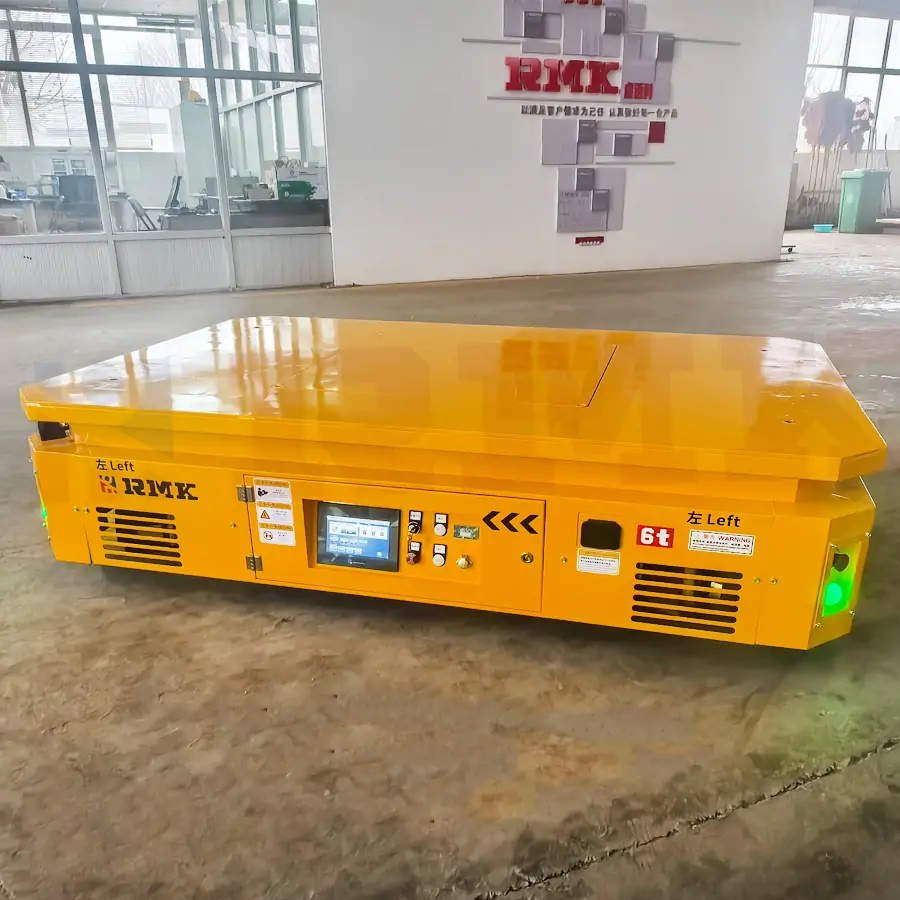
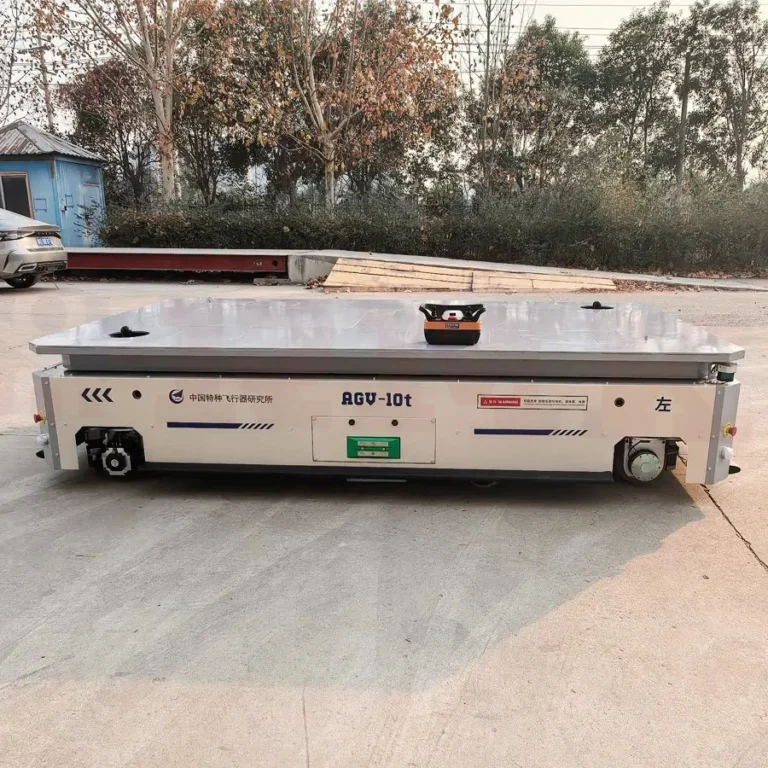
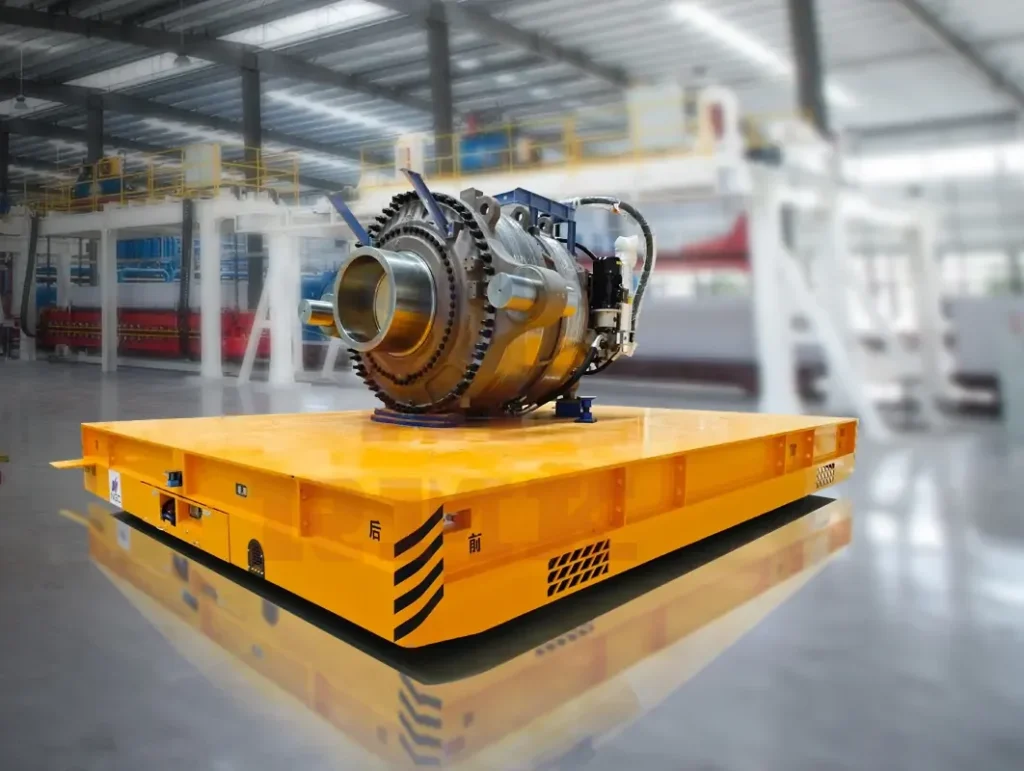
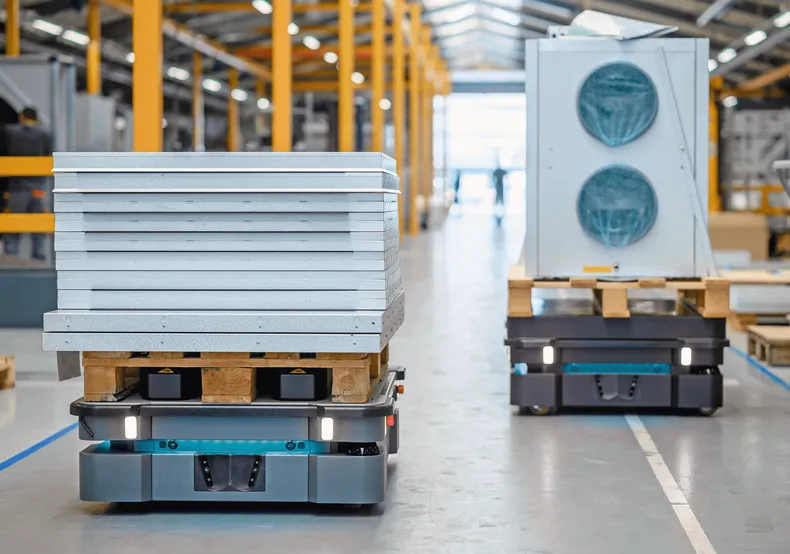
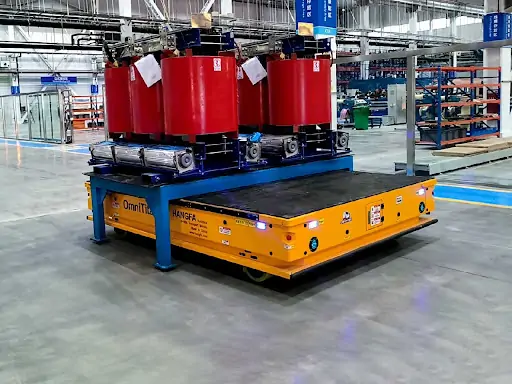
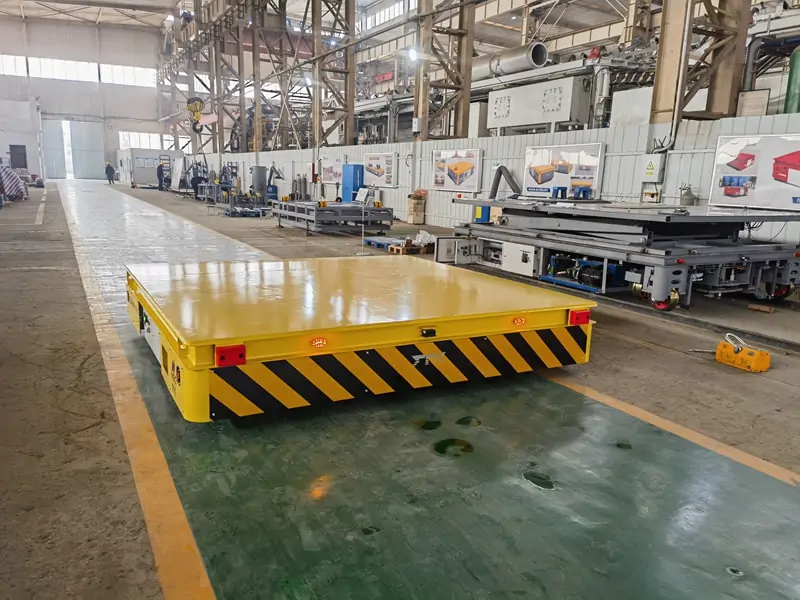
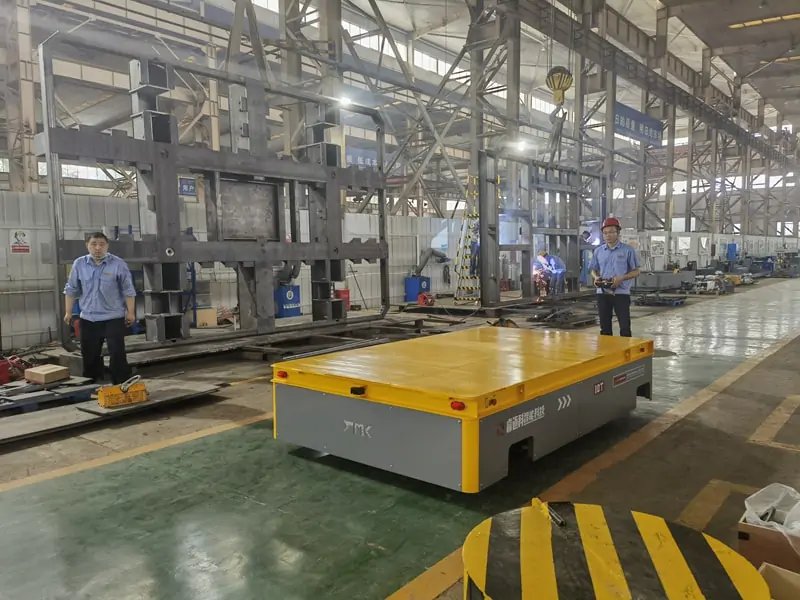
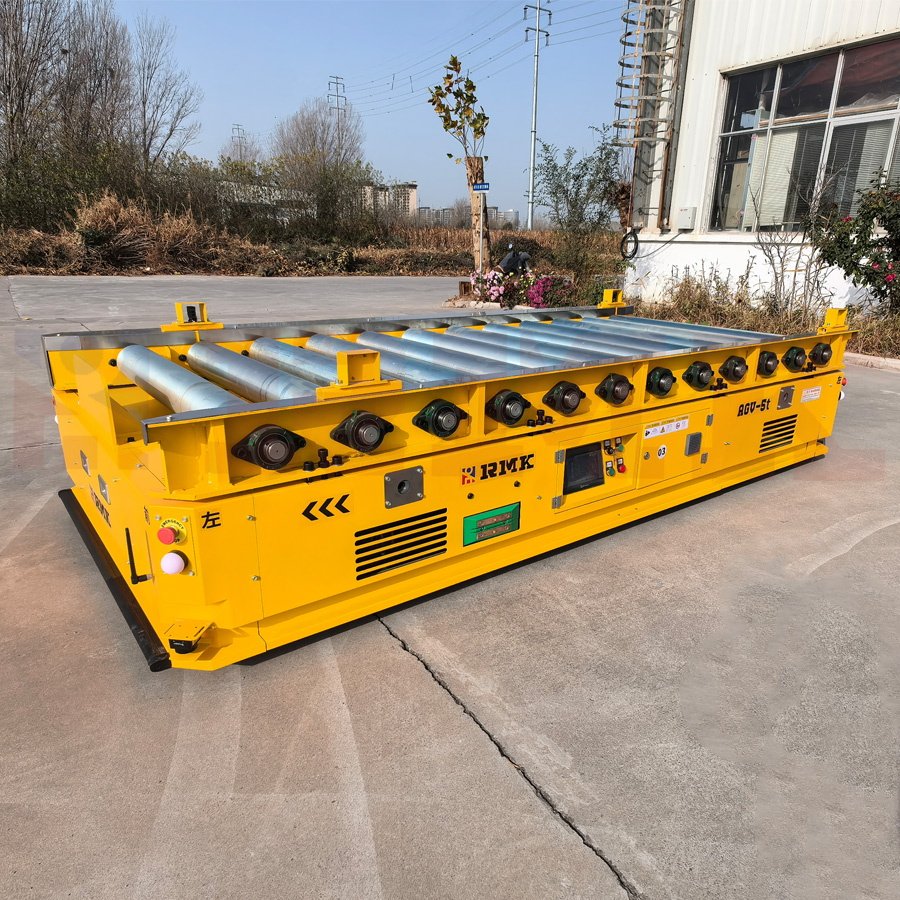
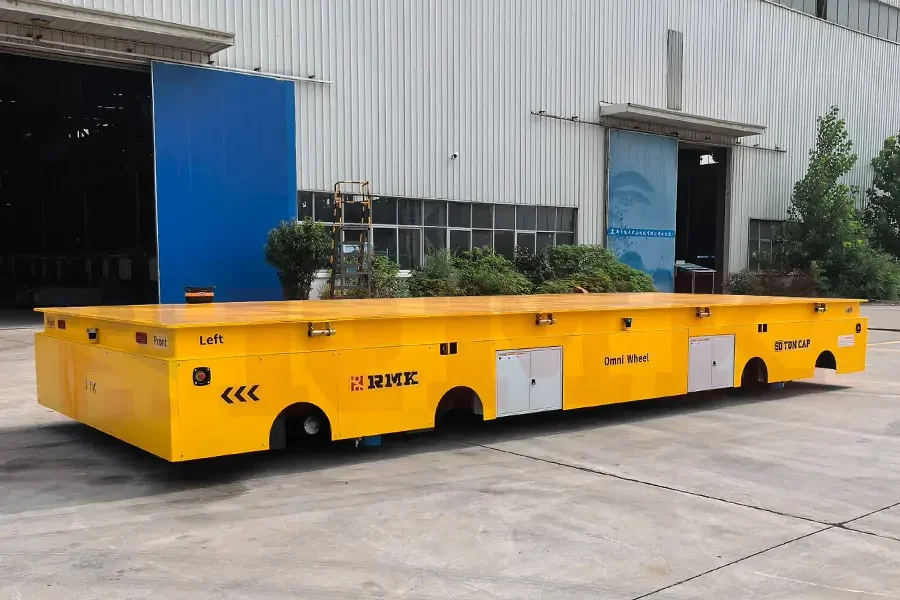
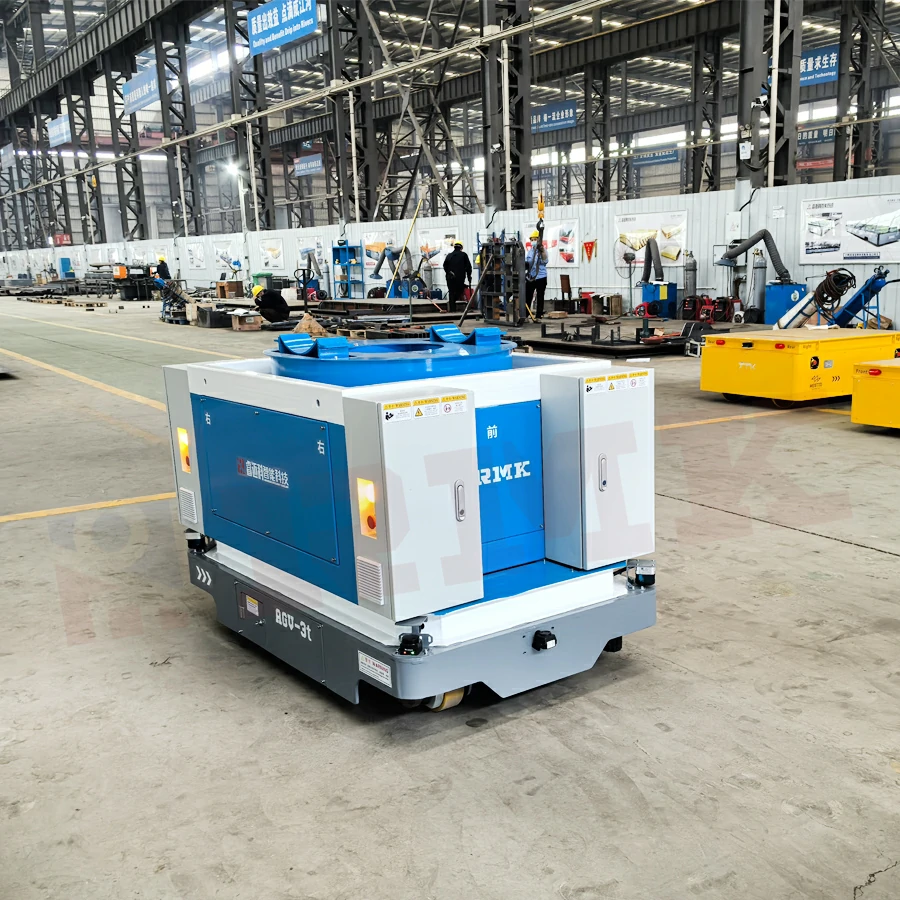
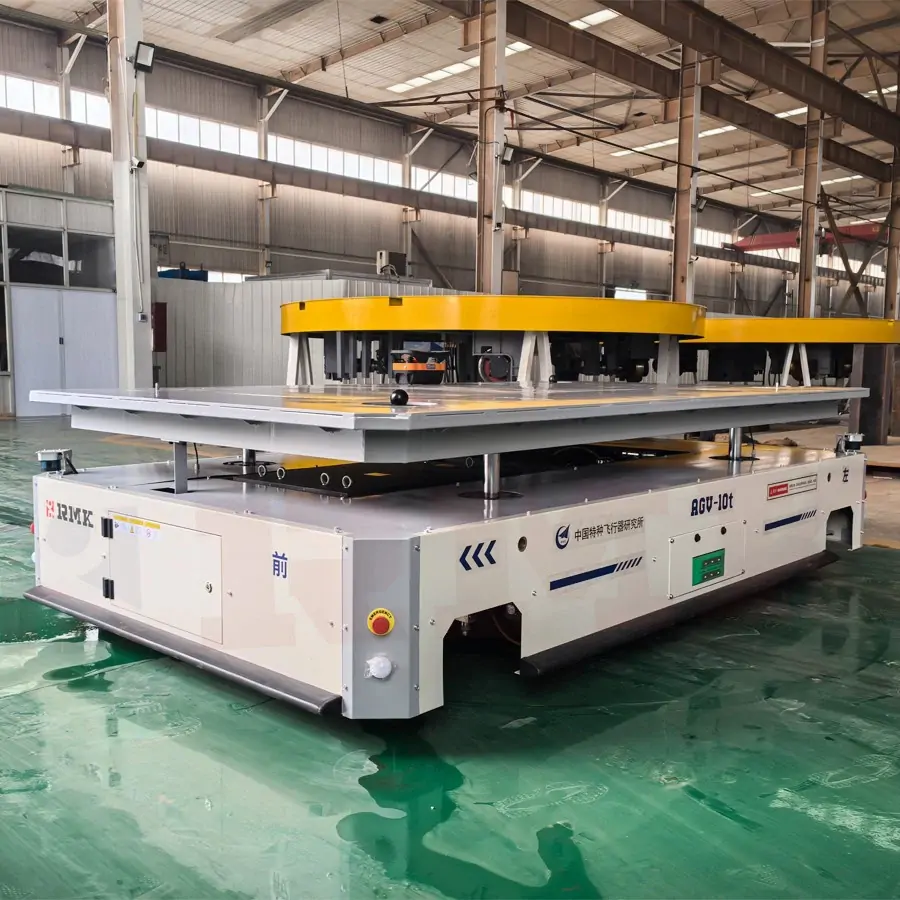
What Is an AGV Transfer Cart? The AGV transfer carts, short for Automated Guided Vehicle Transfer Carts, are unmanned intelligent material-handling logistics systems designed specifically for industrial applications. Essentially, they are wheeled mobile robots that integrate navigation, control, propulsion, and safety systems to automatically perform material transfer and handling operations without the need for manual operation. Unlike conventional transfer carts that require manual operation, an AGV transport system navigates automatically using technologies such as laser guidance, magnetic strips, QR codes, SLAM mapping, or vision-based positioning.
Precise Motion Control and Path Planning
AGV Transfer Carts move along preset routes with controlled speed and acceleration, reducing sudden stops and unstable movement during transport.
High-Precision Navigation and Positioning
AGV Transportation Systems use laser, QR code, SLAM, or vision navigation to follow accurate paths and maintain stable routing in factories.
Stable Structure and Safety Design
As AGV Material Handling Equipment, these carts use strong frames, reliable drive systems, and safety sensors with obstacle detection to protect goods during transport.
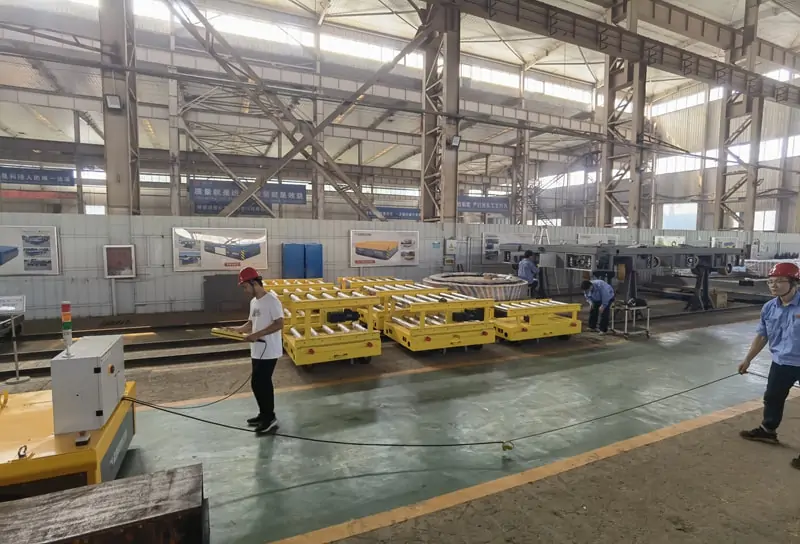
AGV Transfer Carts are widely used in factory logistics to improve material flow, reduce manual handling, and maintain stable and safe transportation across industries such as automotive, steel, aerospace, mold, and warehousing.
Video
アプリケーション
Different industries have different material handling requirements, but the need for safe, efficient, and reliable transportation remains the same. From automotive assembly plants and steel processing facilities to aerospace manufacturing, warehouse logistics, and energy equipment production, AGV搬送台車 are widely used to connect production processes and support internal logistics operations. The following examples highlight some of the most common application scenarios and the advantages AGVs bring to each industry.
1. Automotive Manufacturing
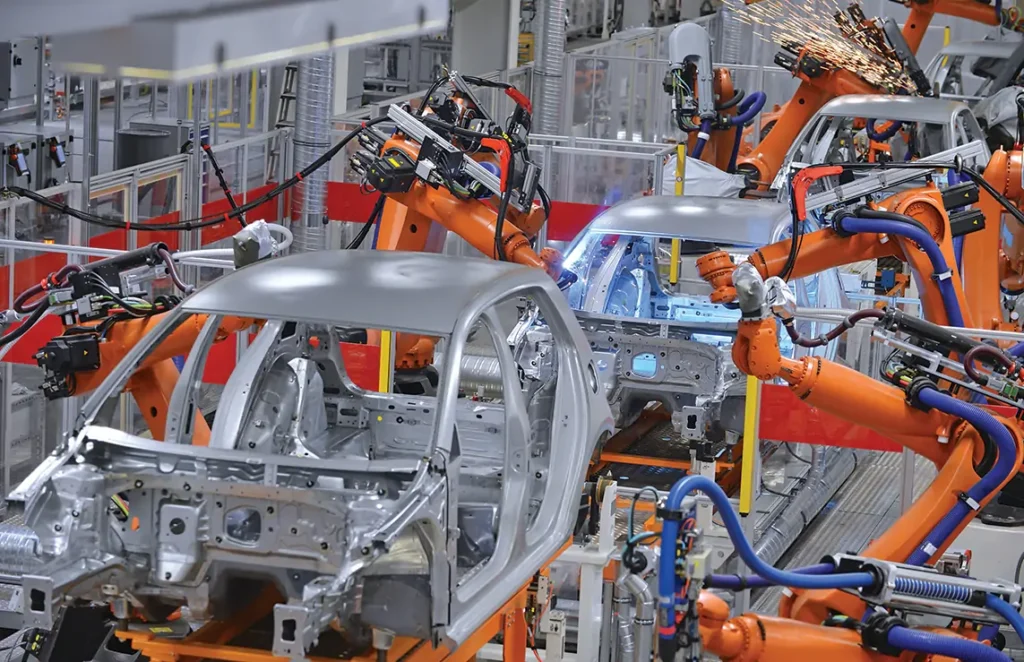
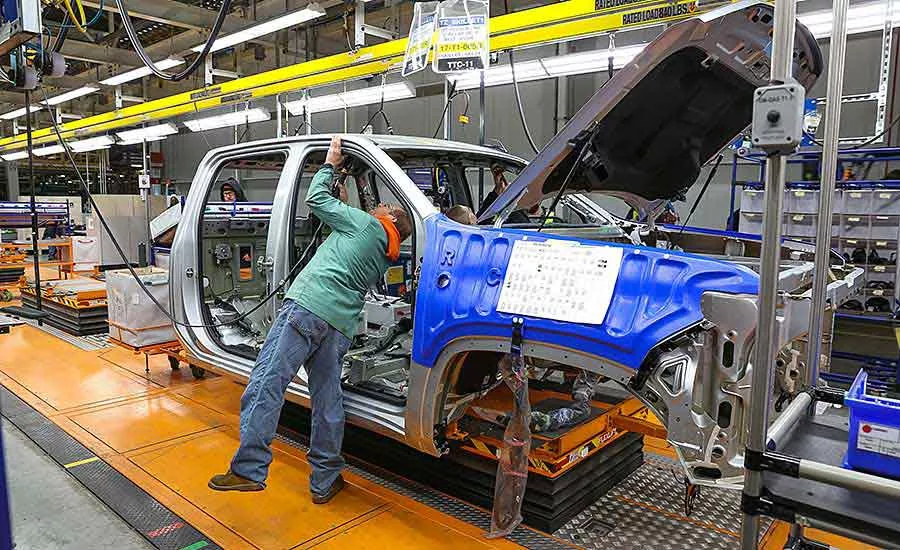
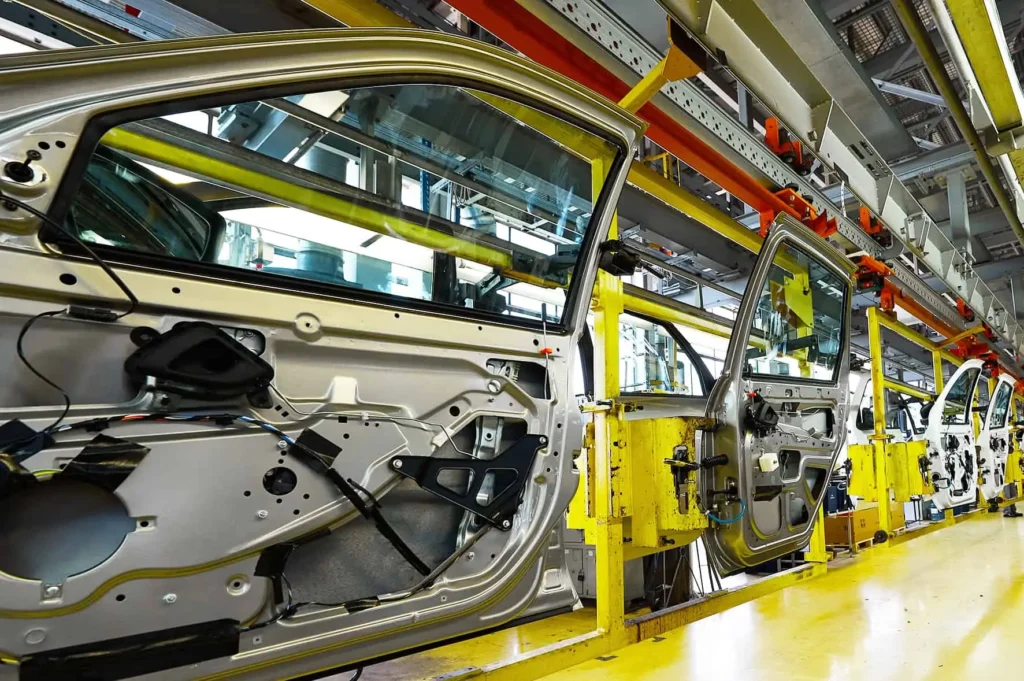
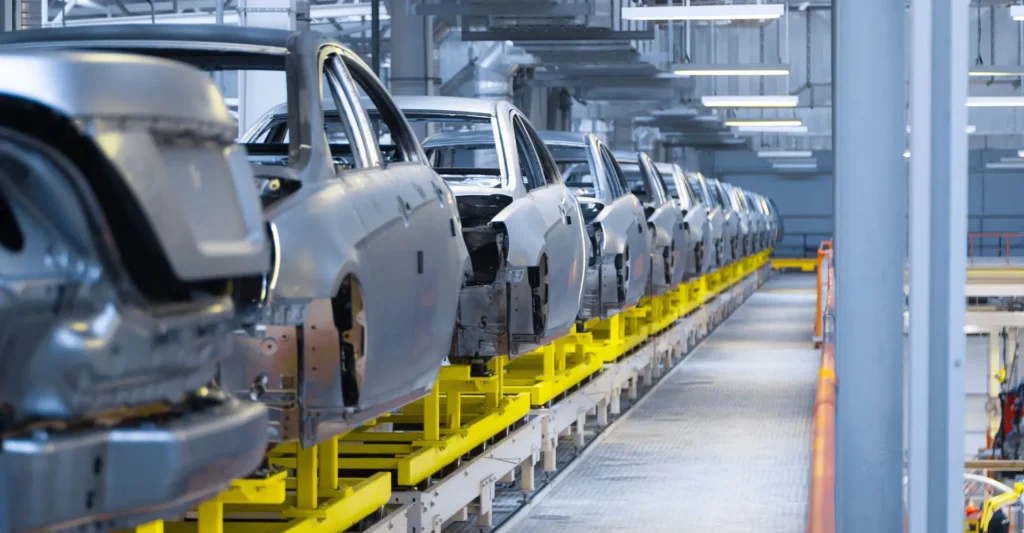
Automotive manufacturing is one of the most mature industries for AGV Transfer Cart applications. From parts delivery to vehicle assembly, AGVs run through the entire production process, helping companies achieve more efficient and flexible internal logistics management.
Welding shop
Moves body frames and stamped parts between workstations.
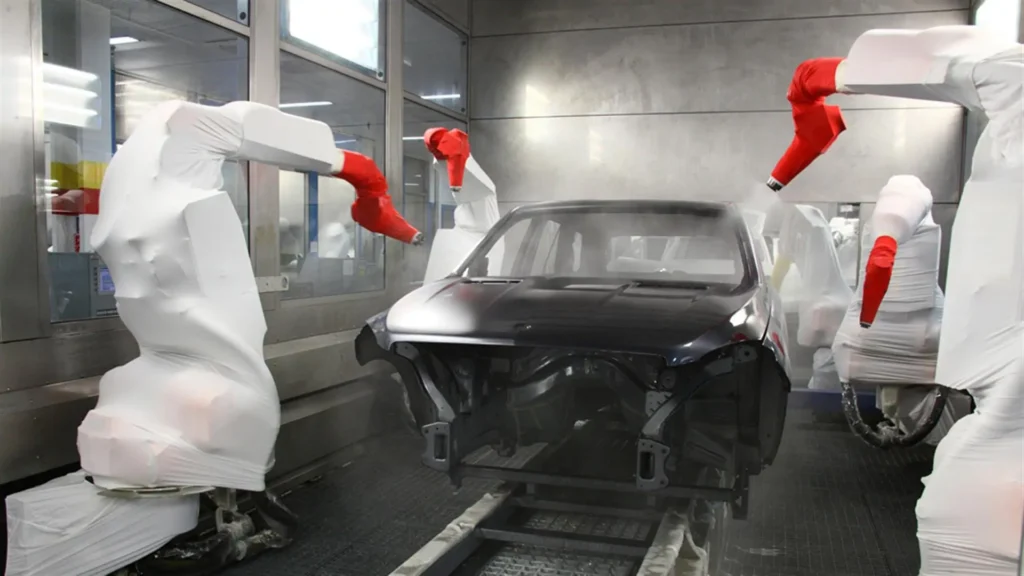
Painting shop
Transfers white bodies between spray stations safely.
Final assembly shop
Delivers engines, seats, doors, and other parts to assembly stations on schedule.
Sub-assembly line
Circulates engine and axle components between production steps.
Warehouse logistics area
Connects warehouse and line-side storage for material supply and delivery.
メリット
Flexible Production Layout: When the production line is adjusted, there is no need to modify equipment; only system tasks need to be adjusted to match the new production rhythm.
Accurate and Stable Operation: Relying on navigation and positioning systems, AGVs can reliably dock with stations, reducing errors caused by manual handling.
Improved Workplace Safety: Automatic obstacle avoidance and speed control reduce collision risks caused by forklift operations.
Lower Long-term Cost: Reduced dependence on forklifts and manual handling leads to more controllable overall operating costs.
Better Logistics Coordination: Integration with production systems makes material flow clearer and easier to manage.
AGV transfer carts have already been deeply integrated into automotive manufacturing processes, not only replacing manual handling but also helping factories build smoother internal logistics systems and maintain stable production rhythms.
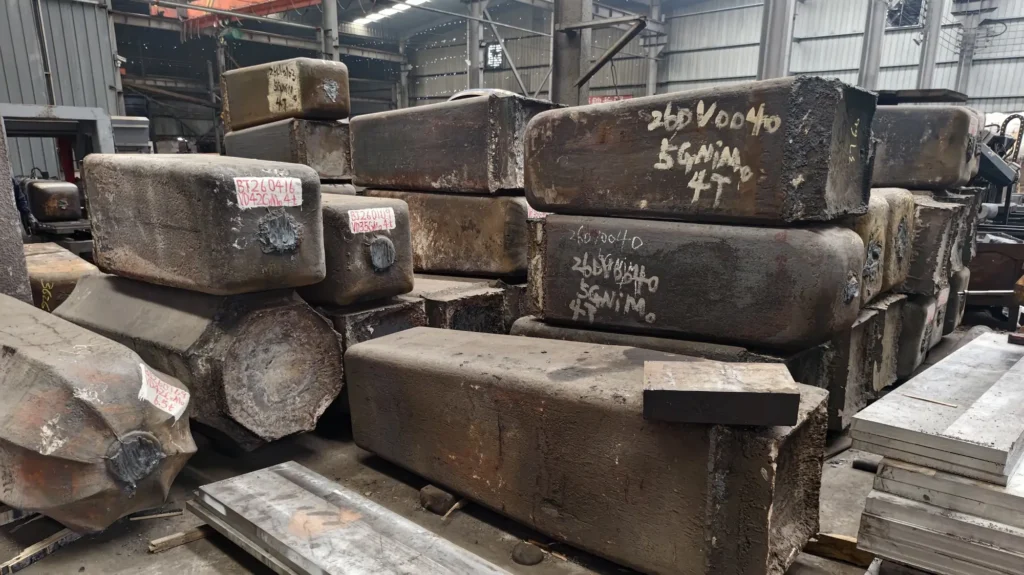
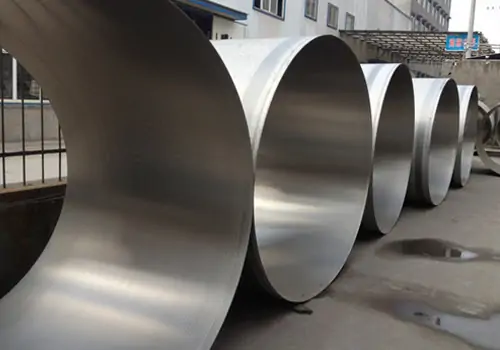
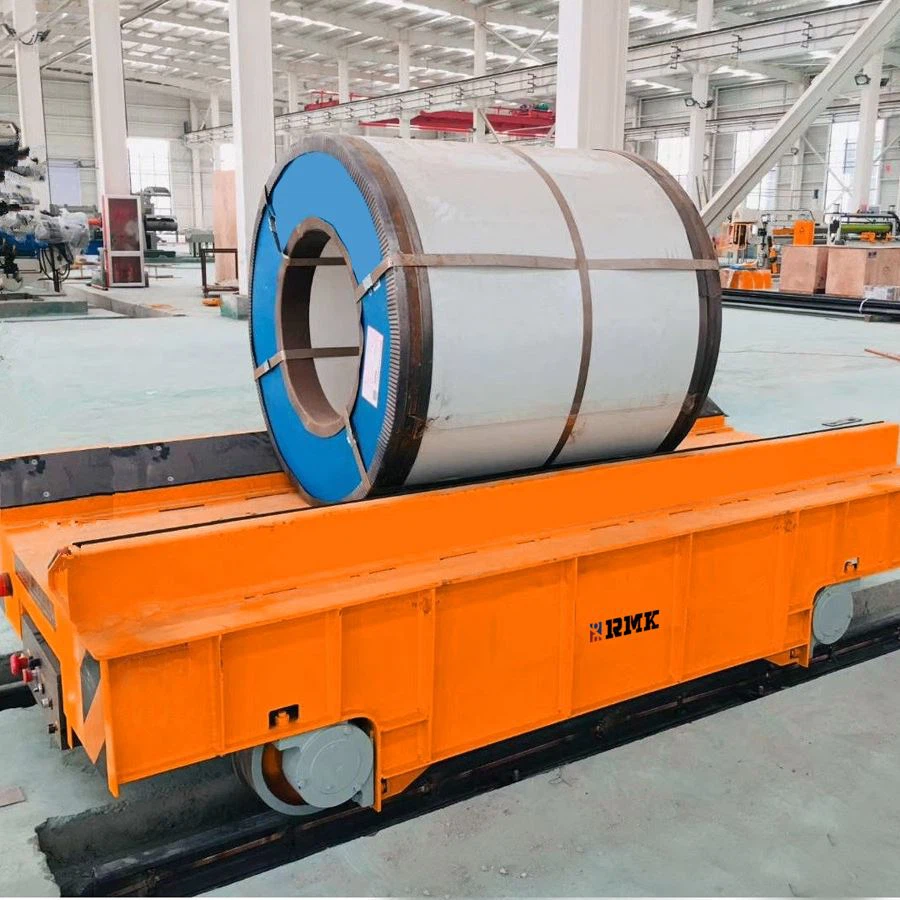
2. Steel and Metal Processing Industry
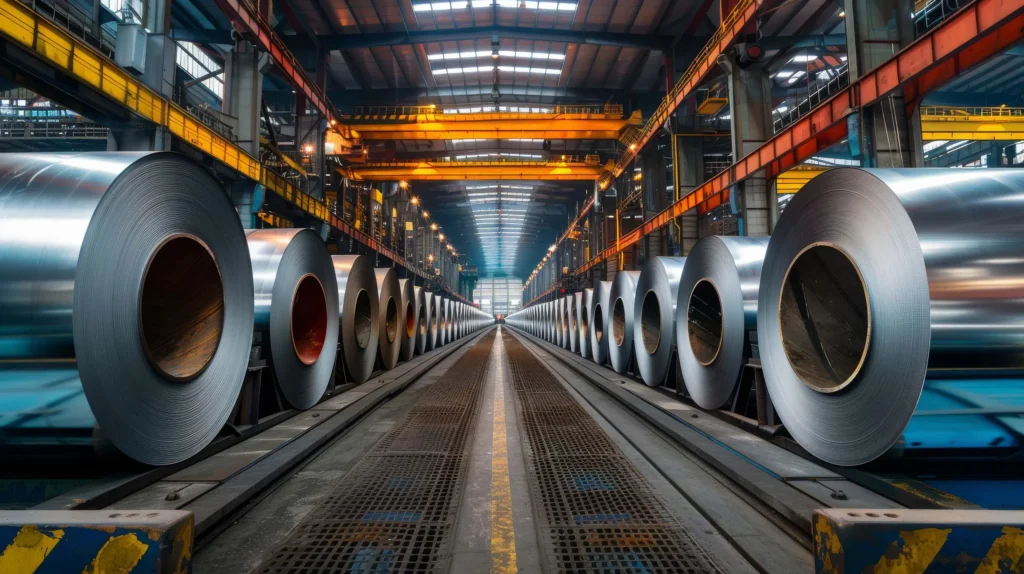
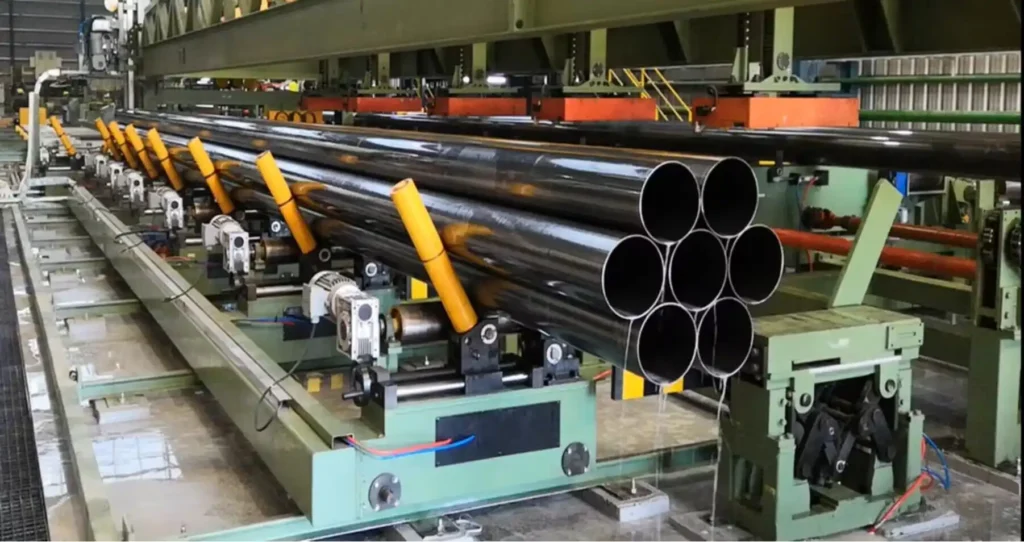
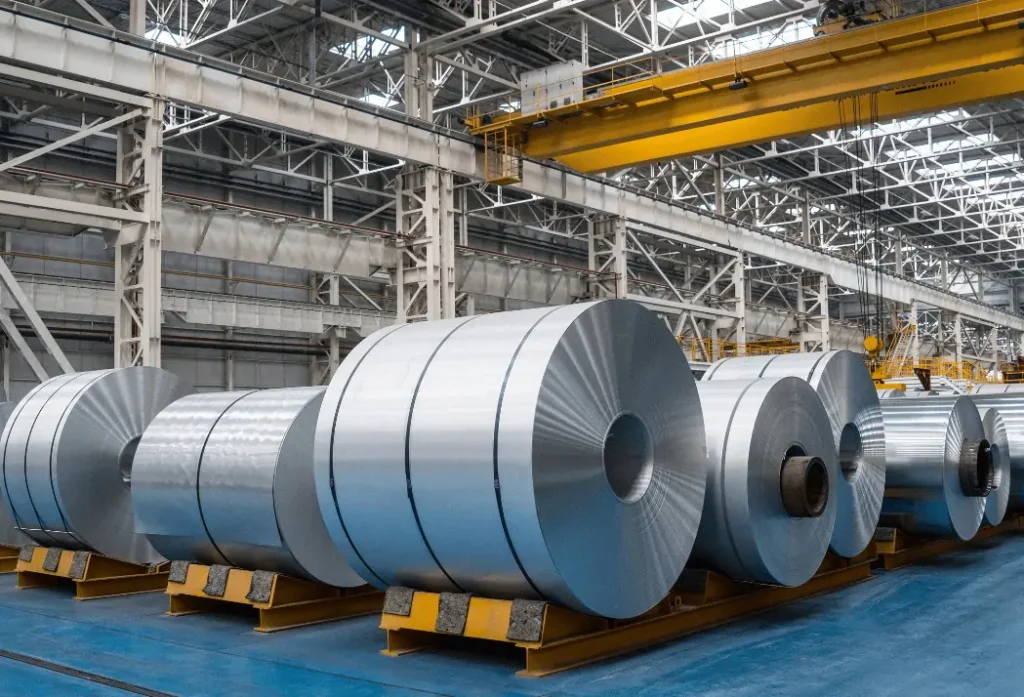
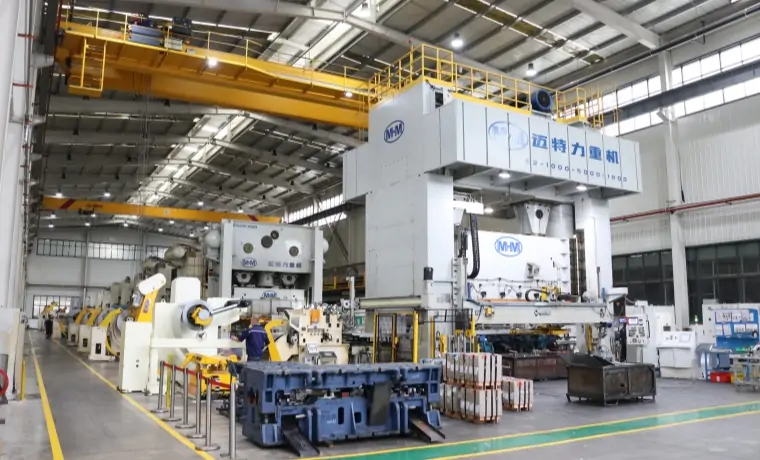
The steel and metal processing industry involves heavy and high-volume material handling. AGV Transfer Cart plays an important role in factory logistics, covering raw materials, semi-finished products, finished goods, and scrap transport.
Raw material and semi-finished product transport
Moves steel plates, coils, and profiles within or between workshops.
Production line material delivery
Supplies materials to cutting, welding, stamping, and heat treatment processes on time.
Finished goods inbound and outbound
Transfers finished metal parts between the warehouse and the loading areas.
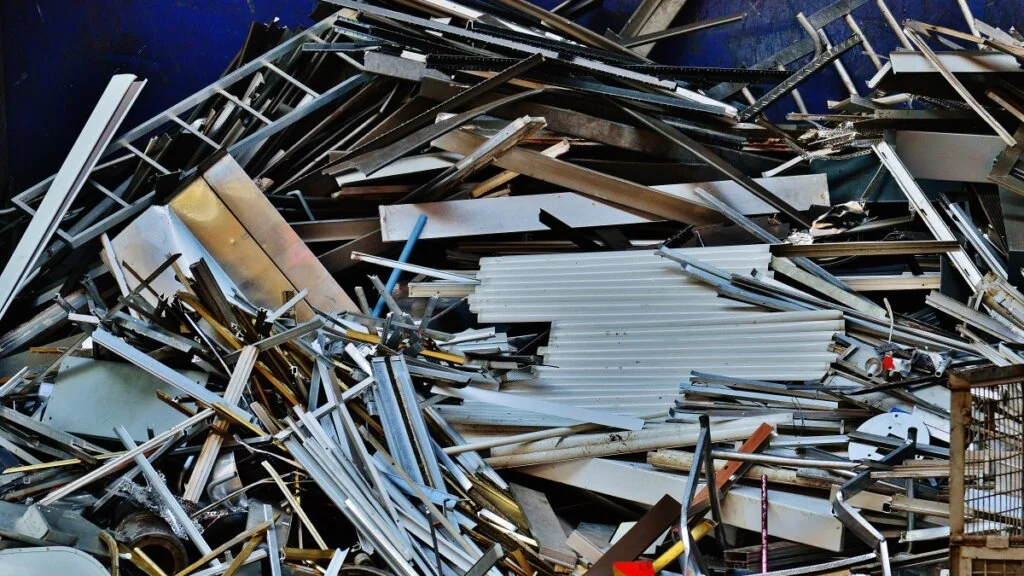
Scrap recycling
Collects and moves metal scrap and offcuts to centralized recycling zones.
Interface with large equipment
Connects with CNC machines and welding stations for loading and unloading.
メリット
Automation and continuity: 24/7 operation reduces reliance on manual forklift drivers and keeps logistics flowing.
High load capacity and precision: designed for loads of tens of tons with centimeter-level positioning accuracy for reliable equipment docking.
Safety and reliability: equipped with laser radar and anti-collision systems for stable operation in complex environments and reduced collision risk.
Flexible scheduling: routes and tasks can be adjusted via central control to respond to production plan or process changes.
Data integration and traceability: operating data (location, task status, transport volume) can be connected to MES/WMS systems for monitoring and management.
Improved working environment: replaces manual handling in high-temperature, noisy, and dusty environments, reducing labor intensity and improving worker conditions.
After using AGV Material Handling equipment, the steel and metal processing industries achieve more stable handling processes, safer material transport, smoother internal logistics, reduced labor demand, and a more stable production rhythm.
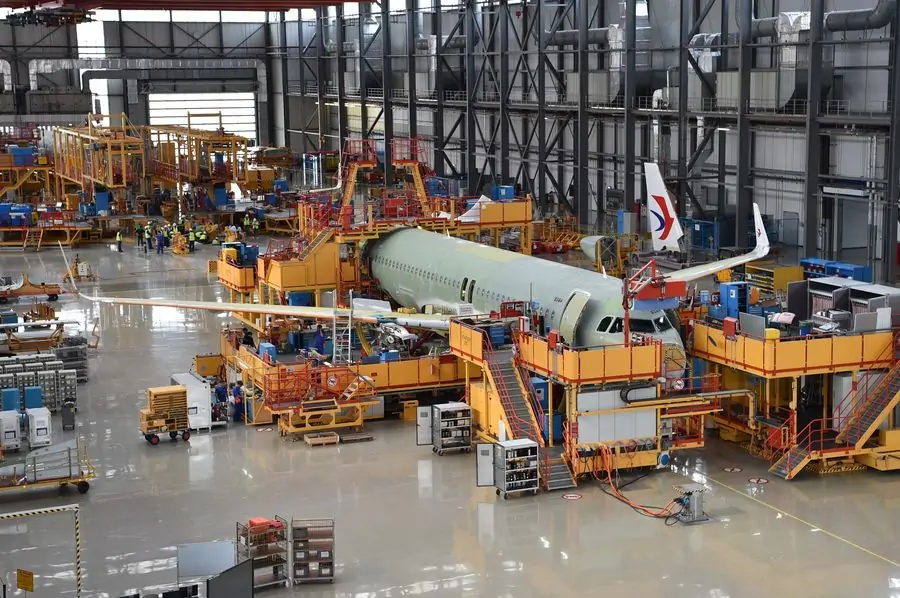
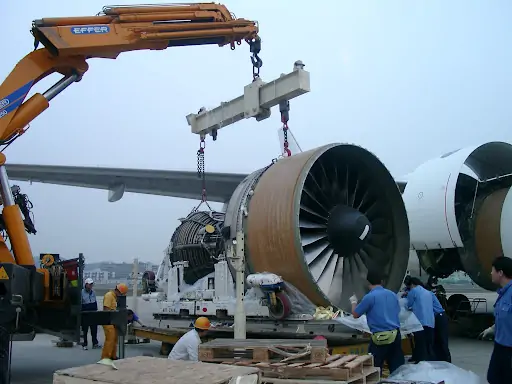
3. Aerospace Manufacturing
Aerospace manufacturing involves the handling of large components and high-value precision parts. AGV Transfer Cart plays an important role in workshop internal logistics, helping maintain continuous assembly line operation.
Large component assembly line delivery
AGVs transport wings and fuselage sections to assembly stations.
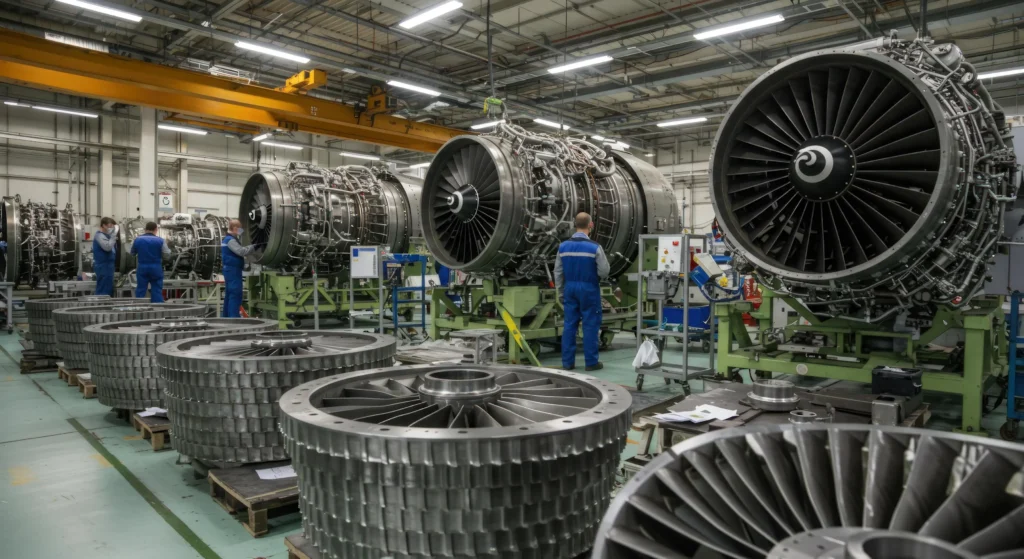
Engine production line material handling
AGVs move engine parts between machining, inspection, and assembly areas.
Composite material workshop material flow
AGVs transfer prepreg, molds, and composite parts between process stages.
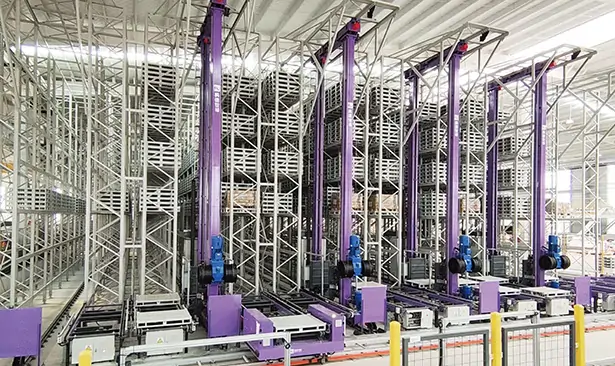
Warehouse and line-side smart storage
AGVs deliver standard parts and fasteners from the warehouse to the production lines.
Internal logistics integration
AGVs connect warehouses, machining centers, and assembly lines into one flow.
メリット
Improved logistics accuracy and consistency: Automatic navigation and scheduling reduce manual errors and ensure the precise delivery of complex components.
Enhanced production safety and quality: Reduced manual handling of heavy parts lowers injury risk, while smooth transport reduces damage during transit.
Increased production flexibility: Routes and tasks are programmable to adapt to multi-variety and small-batch aerospace production models.
Space utilization and efficiency: 24/7 operation reduces waiting time for work-in-process materials, while compact design improves space usage.
Data and traceability: AGV systems connect with MES/WMS to track material flow across the entire process for production and quality management.
In aerospace manufacturing, AGV Material Handling ensures more stable material transport, continuous assembly rhythm, and more flexible and controllable workshop logistics.
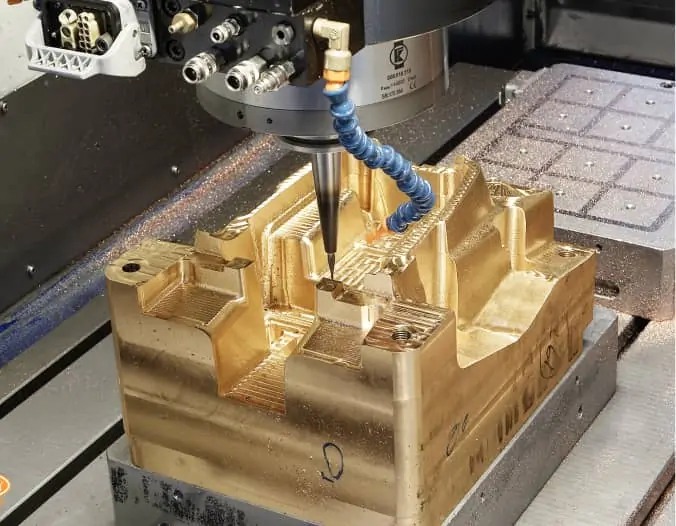
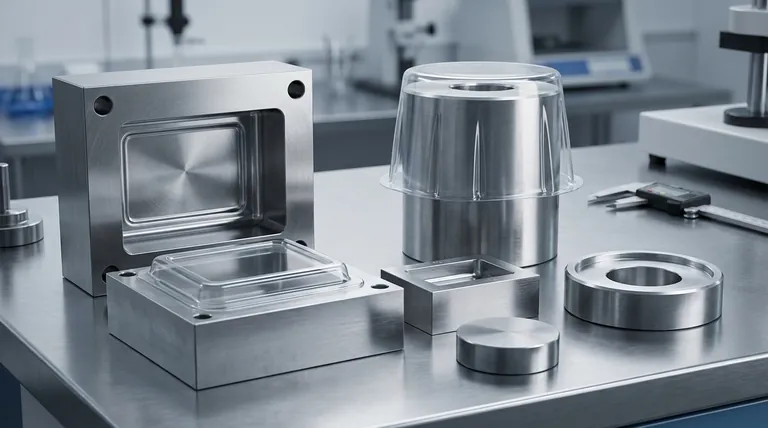
4. Mold and Die Manufacturing
Mold and die manufacturing involves heavy and precision components. AGV Transfer Cart plays an important role in factory logistics, supporting smooth production operations.
Mold raw material transport
AGVs deliver steel and aluminum to machining workshops and centers.
Semi-finished product transfer
AGVs move molds between milling, grinding, and EDM processes.
Finished mold inbound and outbound
AGVs transport completed molds to storage or shipping areas.
Mold tryout and production line delivery
AGVs deliver molds to tryout machines or production lines on schedule.
Internal logistics integration
AGVs connect storage, machining, and assembly areas into one flow.
メリット
Precision and stability: Navigation systems ensure accurate positioning and smooth station docking during transport.
Improved production flexibility: Routes and tasks can be adjusted to support multi-variety, small-batch, and fast changeover production.
Safety and reliability: Laser radar and sensors reduce collision risks and protect molds, equipment, and operators.
High load capacity: Designed to carry heavy molds and large components with stable operation.
Data management: Transport information can be connected to MES/WMS systems for full traceability.
Reduced manual workload: Replaces manual handling, reduces labor intensity, and improves working conditions.
After using AGV Material Handling, mold manufacturing achieves smoother and safer material flow, more flexible logistics systems, and reduced manual handling pressure.
5. Heavy Equipment and Machinery Manufacturing
In heavy equipment and machinery manufacturing, materials are large and heavy. AGV Transfer Cart handles internal transport and logistics coordination to keep production running smoothly.
Large component transport
AGVs move machine frames, housings, and large assemblies to assembly stations.
Production line material delivery
AGVs transfer parts between cutting, welding, and assembly processes.
Finished and semi-finished goods inbound/outbound
AGVs deliver components to warehouses or loading areas.
Equipment interface and loading/unloading
AGVs connect with machining centers, assembly machines, and robots for material handling.
Internal logistics integration
AGVs link warehouses, machining centers, and assembly lines into one flow.
メリット
High load capacity: Designed to carry several tons or even tens of tons of heavy components with stable operation.
Accurate transport: Navigation and positioning systems ensure precise delivery and reduce assembly errors.
Safety and reliability: Multiple safety sensors reduce collision risks and protect operators and equipment.
Flexible scheduling: Routes and tasks can be adjusted for different production layouts and changes.
Continuous operation: Supports long-hour operation, reduces forklift usage, and maintains a stable production rhythm.
Data management: AGV operation data can be connected to MES/WMS systems for logistics and production tracking.
After using AGV Material Handling, heavy machinery manufacturing achieves smoother and safer transport, better production line coordination, and reduced manual handling pressure.
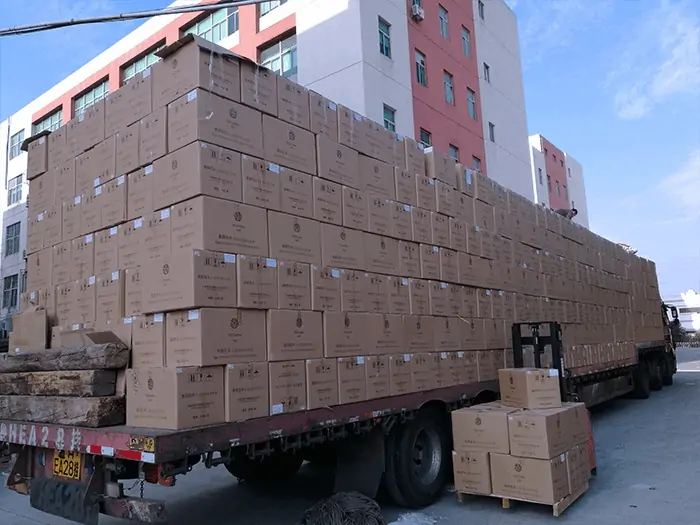
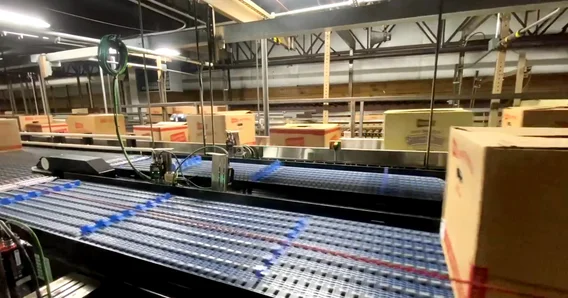
6. Warehouse and Logistics Centers
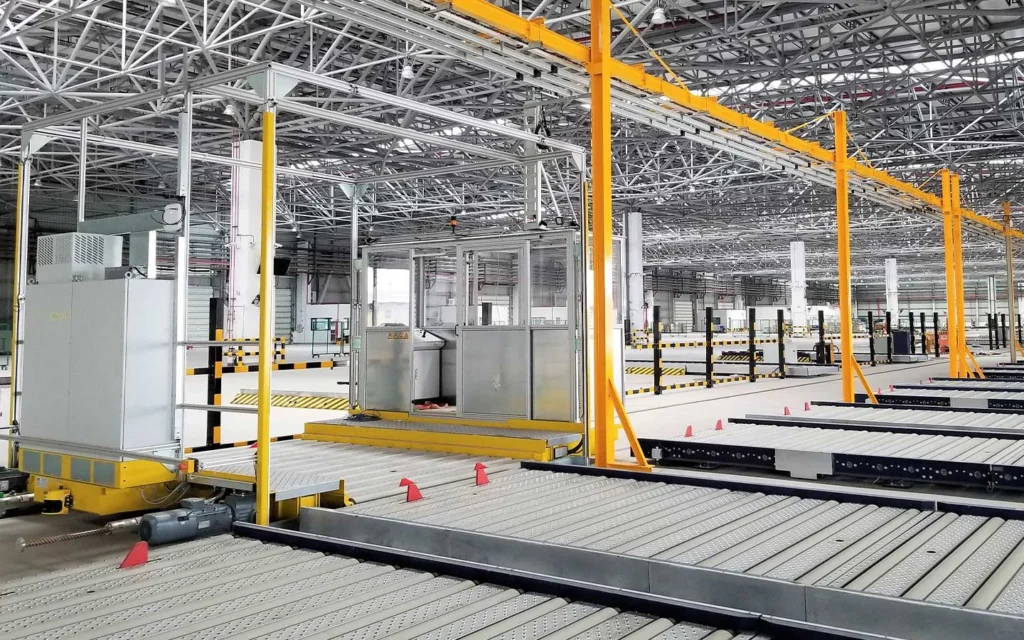
In warehouses and logistics centers, frequent turnover and fast-paced operations make AGV Transfer Cart widely used for internal transport and process connection.
Inbound and storage handling
AGVs move incoming goods from receiving areas to storage locations.
Picking and outbound delivery
AGVs transport goods from storage to sorting or shipping zones.
Warehouse and production line replenishment
AGVs supply materials between the warehouse and the production lines.
Cross-area transport
AGVs move pallets and containers between warehouse zones.
Automated sorting interface
AGVs deliver goods to sorting or buffer areas linked with sorting systems.
メリット
Improved turnover efficiency: System-controlled transport reduces waiting time and keeps the workflow tighter.
Reduced labor dependence: Less reliance on forklifts and manual handling leads to more stable operations.
More stable operation: Standardized routes reduce errors caused by human operation.
High-frequency operation adaptability: Suitable for peak warehouse periods with continuous operation.
Flexible space utilization: No fixed tracks required, making layout adjustments easier.
Data visualization management: Integration with WMS/MES enables real-time tracking of goods and flow status.
After using the AGV Material Handling System, warehouse operations become smoother, order processing efficiency improves, and logistics processes become more controlled and standardized.
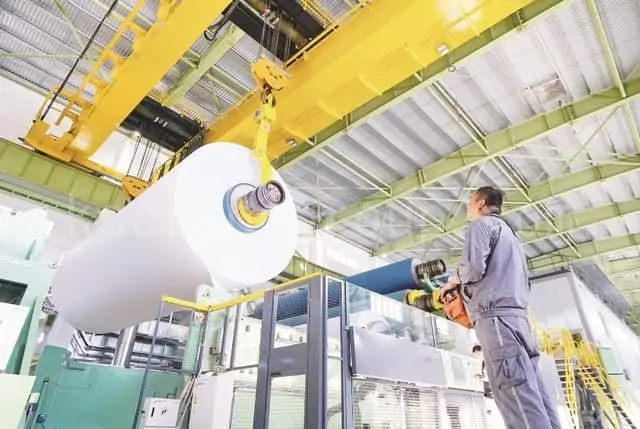
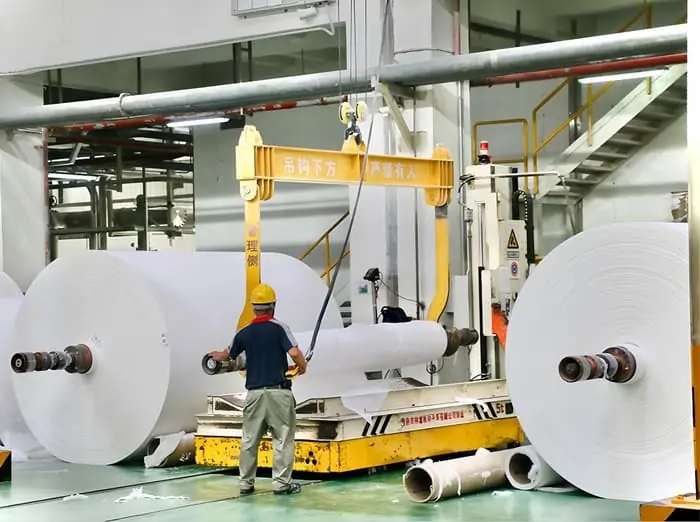
7. Paper, Pulp, and Packaging Industry
In the paper, pulp, and packaging industry, materials are large, heavy, and continuous. AGV Transfer Cart is used for internal transport and process connection to ensure a stable production flow.
Paper roll raw material handling
AGVs move pulp rolls or paper rolls from storage to production lines.
Production process transfer
AGVs transfer semi-finished rolls between coating, calendering, and rewinding processes.
Finished roll inbound and outbound
AGVs transport completed paper rolls to warehouses or shipping areas.
Packaging material delivery
AGVs deliver cartons and wrapping materials to production lines.
Waste and scrap collection
AGVs move waste paper and scraps to recycling areas.
メリット
Continuous stable operation: Matches the continuous production rhythm and reduces interruptions in handling.
High load capacity: Handles large and heavy paper rolls for heavy-duty transport needs.
Reduced manual handling risk: Reduces forklift-related risks and handling difficulty.
Adaptability to complex environments: Stable operation in high-humidity and dusty environments.
Improved logistics coordination: Reduces waiting time between processes and keeps production flow smoother.
Data-based logistics management: Integration with MES/WMS enables full traceability of material flow.
In the paper and packaging industry, after adopting the AGV Material Handling System, material transport becomes more stable, production rhythm becomes more continuous, and logistics systems become more standardized and controllable.
8. Energy and Power Equipment Manufacturing
Energy and power equipment manufacturing involves oversized and heavy components. AGV Transfer Cart plays a key role in internal logistics, supporting continuous production and assembly operations.
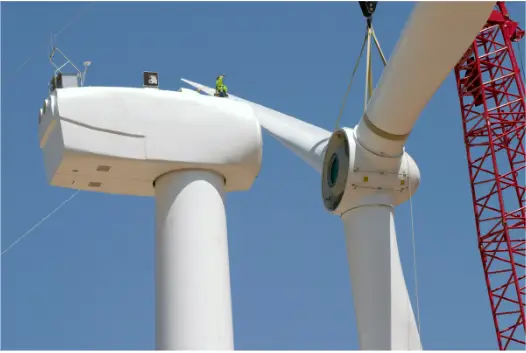
Wind power component transport
AGVs move wind blades, towers, and other large components inside the factory.
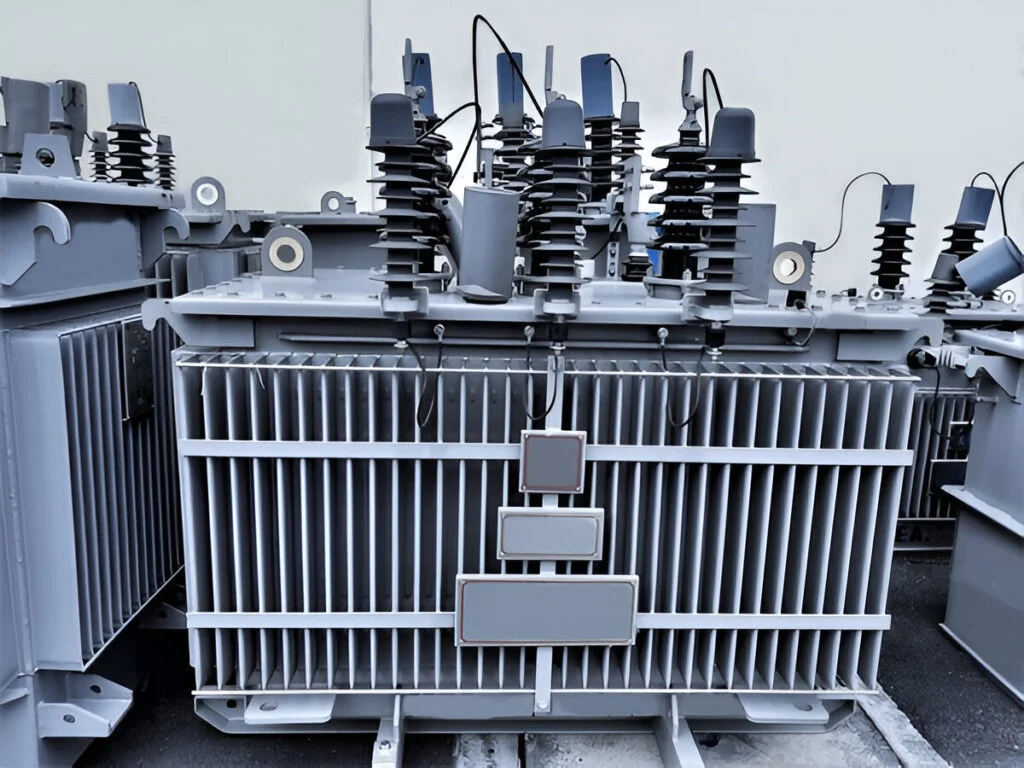
Generator and transformer handling
AGVs transport generators and transformers between assembly and testing stations.
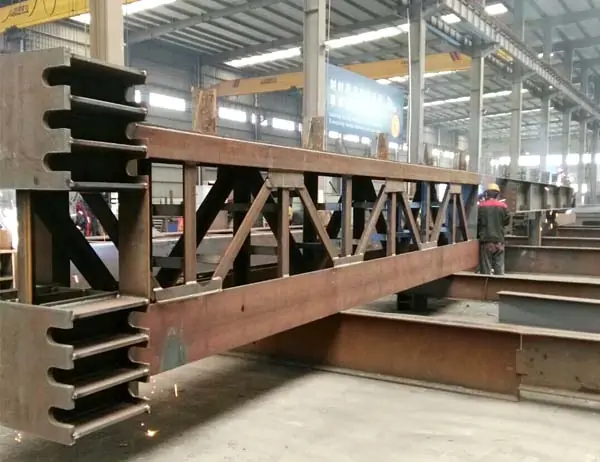
Heavy structural component delivery
AGVs supply large steel structures to welding and machining processes.
Assembly line rhythm transport
AGVs deliver components to assembly stations based on production rhythm.
Warehouse and shipping transfer
AGVs move finished equipment to warehouses or loading areas.
メリット
Strong heavy-load capacity: Handles large energy equipment components and heavy materials.
Stable operation: Maintains smooth transport over long distances and complex routes.
Improved operational safety: Reduces forklift usage and lowers collision risks.
Adaptability to complex plant layouts: Routes can be planned according to the workshop structure.
Supports continuous operation: Suitable for long-cycle production with uninterrupted logistics.
Data-based logistics management: Connected with MES/WMS systems for tracking transport status.
After introducing the AGV Material Handling System, energy equipment manufacturing achieves safer and more stable transport of large components, smoother logistics coordination, and more controllable production efficiency.
As application scenarios continue to expand, AGV Material Handling Systems not only handle basic transport tasks but also play a role in improving factory logistics structure, reducing manual handling pressure, and supporting a consistent production rhythm. Overall, it has evolved from a single transport tool into an essential part of modern industrial logistics systems.
How AGV Transfer Carts Improve Industrial Automation
AGV Transfer Carts rely on automated operation and precise control to gradually replace traditional manual handling in factories, providing more stable transport rhythms and smoother production flow.
Streamlined Material Handling
AGVs follow preset routes or system commands to transport materials between warehouses and production lines, ensuring smoother workflow connections.
Flexible Production Adaptation
Task and route adjustments allow AGVs to adapt to different production rhythms and line layouts, meeting diverse manufacturing needs.
Improved Safety and Accuracy
AGVs replace manual handling in heavy or repetitive tasks, reducing on-site risks and, with precise positioning, minimizing transport errors.
Integrated Data and Scheduling
AGVs can connect to MES or WMS systems, providing real-time updates on operations and material status to support production scheduling and logistics management.
As factory automation advances, AGV Transfer Carts have become key equipment linking production and storage.
Advantages of AGV Transfer Carts in Factories
- Smoother Material Flow
AGVs transport materials along set routes between warehouses and production lines, reducing delays and interruptions. - Flexible Production Adjustment
System-controlled tasks and routes can adapt to changes in product types or production schedules. - Safer Operations
Replacing manual handling in heavy or frequent transport scenarios reduces forklift use and lowers collision and injury risks. - Stable Continuous Operation
AGVs run for long periods, ensuring a steady supply of materials to production lines. - Clear Logistics Information
Integration with MES/WMS records material locations and transport status in real time. - Efficient Space Use
No fixed tracks or major modifications are required, making factory layout adjustments easier and more efficient.
AGV Transfer Carts are more than transport tools—they are integral to factory logistics, enhancing efficiency, stabilizing production, and supporting better management.
結論
AGV Transfer Carts are widely used across automotive, steel, aerospace, mold manufacturing, energy equipment, and warehouse logistics industries. They handle material transport, process connection, and internal logistics integration, keeping production continuous and stable while reducing reliance on manual handling.
リマーカブル can provide customized AGV Material Handling System solutions tailored to factory conditions, load requirements, and production layouts. From equipment selection to overall logistics planning, we offer professional design and implementation. If you are looking for more efficient internal logistics solutions, お問い合わせ for a plan that fits your production needs.
Phone: +86-18637369355
よくあるご質問
What industries use AGV transfer carts?
AGV transfer carts are widely used in automotive, aerospace, steel & metal processing, mold manufacturing, heavy equipment, warehousing, paper & packaging, and energy equipment industries.
What are the main benefits of AGV transfer carts in factories?
They improve material handling efficiency, enhance production flexibility, ensure safe transport of heavy or sensitive parts, and integrate with MES/WMS for better logistics management.
How do AGV transfer carts improve material handling?
AGV material handling systems move materials between storage and production lines automatically, reducing manual labor and keeping workflows continuous.
Can AGV transfer carts handle heavy loads?
Yes, heavy-duty AGV transfer carts can carry several tons, making them suitable for steel coils, large molds, engine components, and other heavy industrial materials.
Are AGV transfer carts suitable for warehouse logistics?
Absolutely. AGV transportation systems efficiently move pallets, boxes, and parts in warehouses, connect storage with production lines, and reduce human error.
How do AGVs ensure safety during operations?
AGV material handling equipment uses sensors like lasers, lidars, and safety edges to detect obstacles, prevent collisions, and protect operators and goods.
Can AGV transfer carts integrate with existing factory systems?
Yes, AGV systems for material handling can connect with MES/WMS to provide real-time location tracking, status monitoring, and production logistics visibility.
What types of tasks can AGV transfer carts automate?
They handle material transport between workstations, warehouse operations, heavy part delivery, mold and die handling, and continuous supply to assembly lines, all as part of a material handling AGV solution. workflow rhythm. The most suitable solution is not the “best in general,” but the one that fits the actual working conditions.