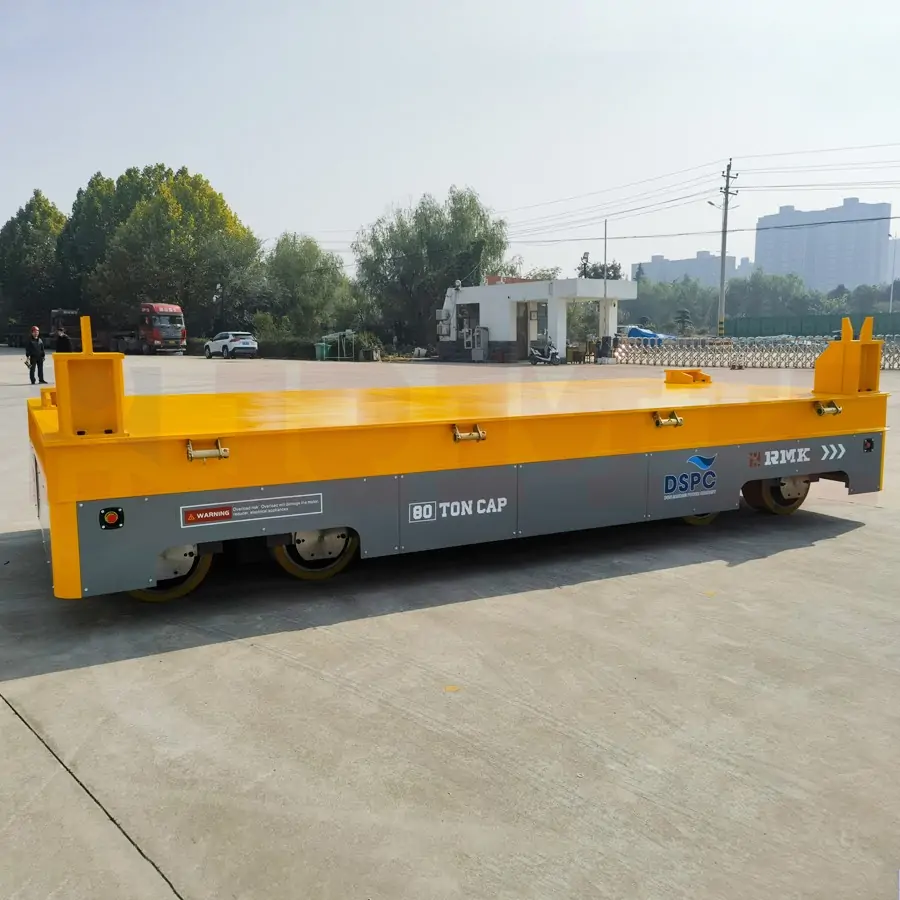
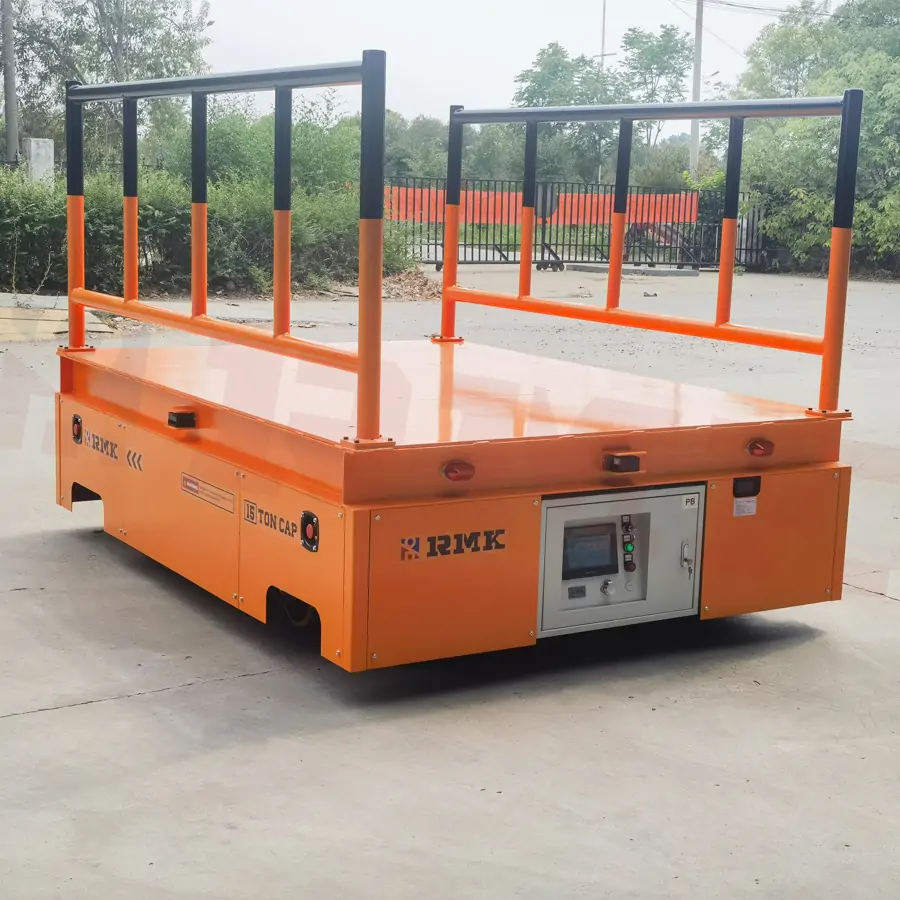
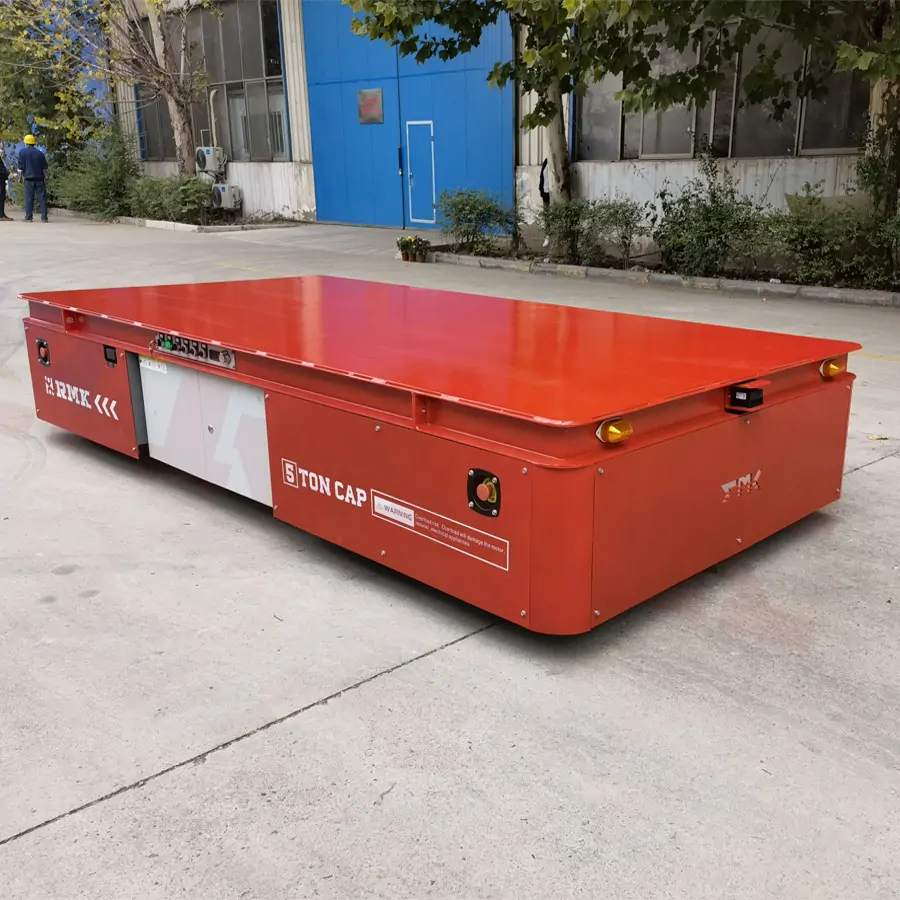
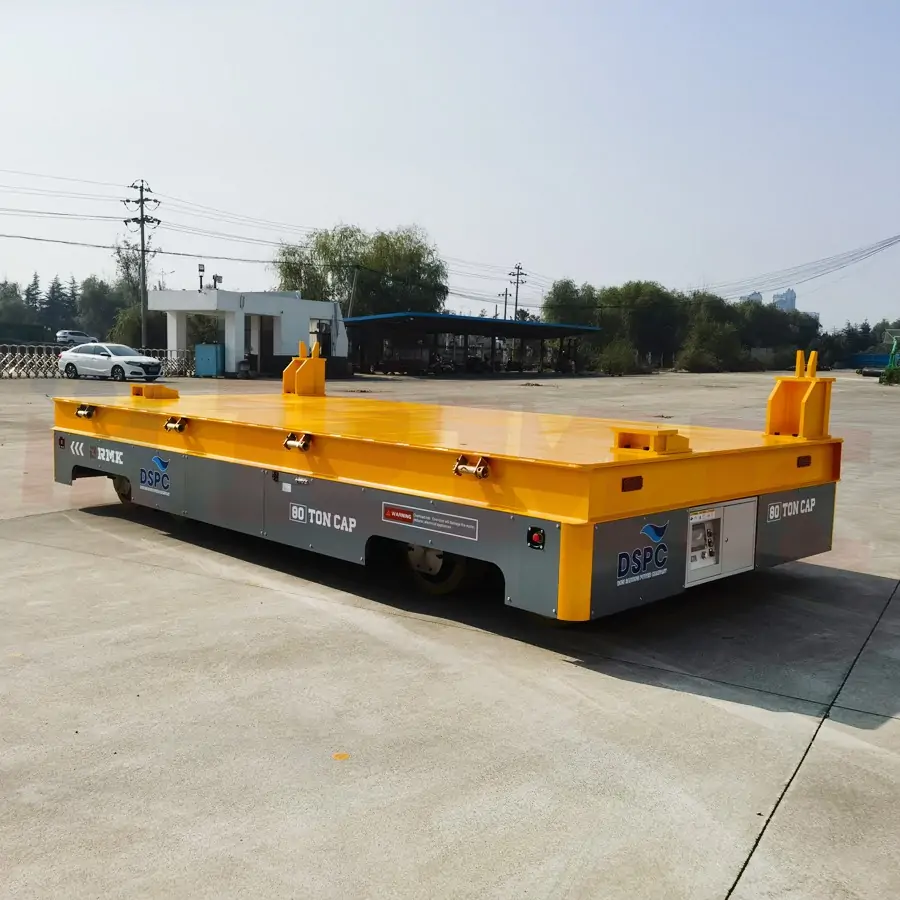
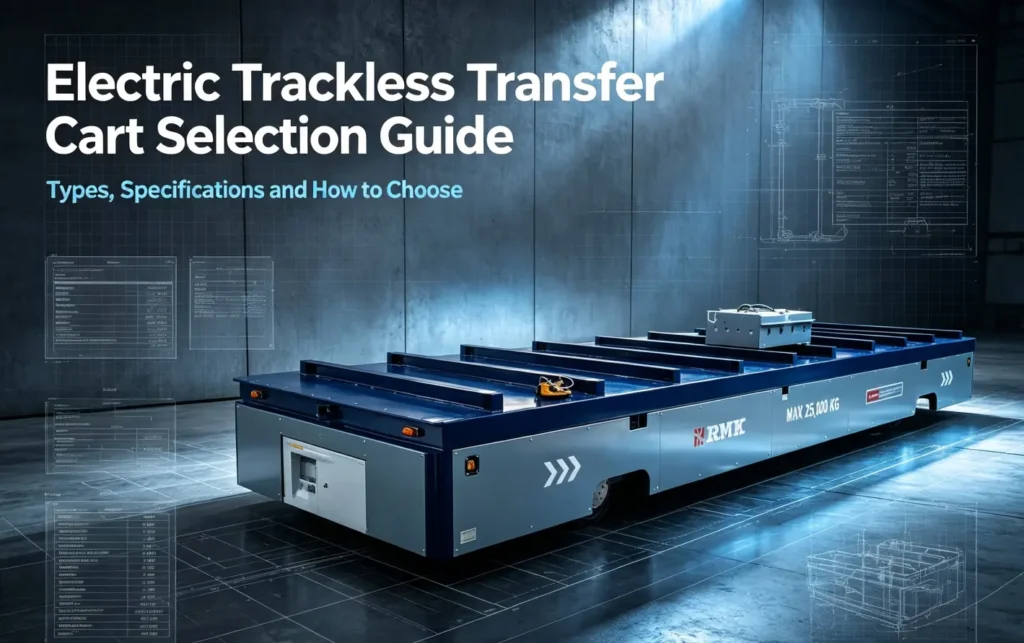
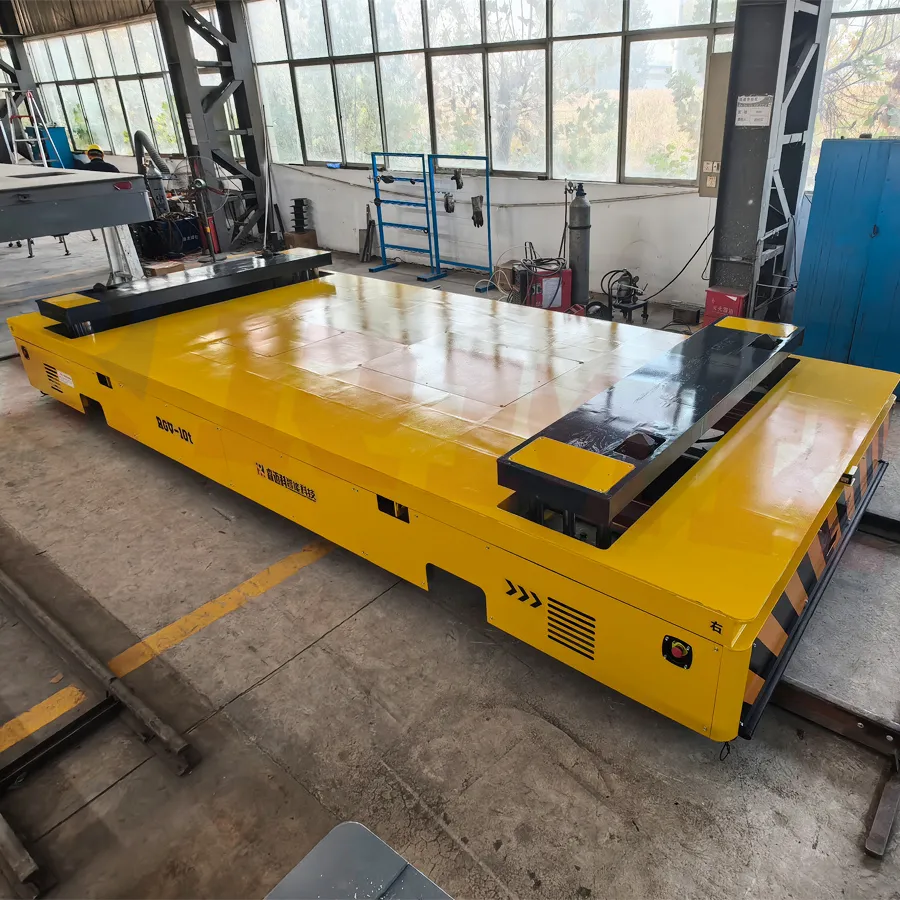
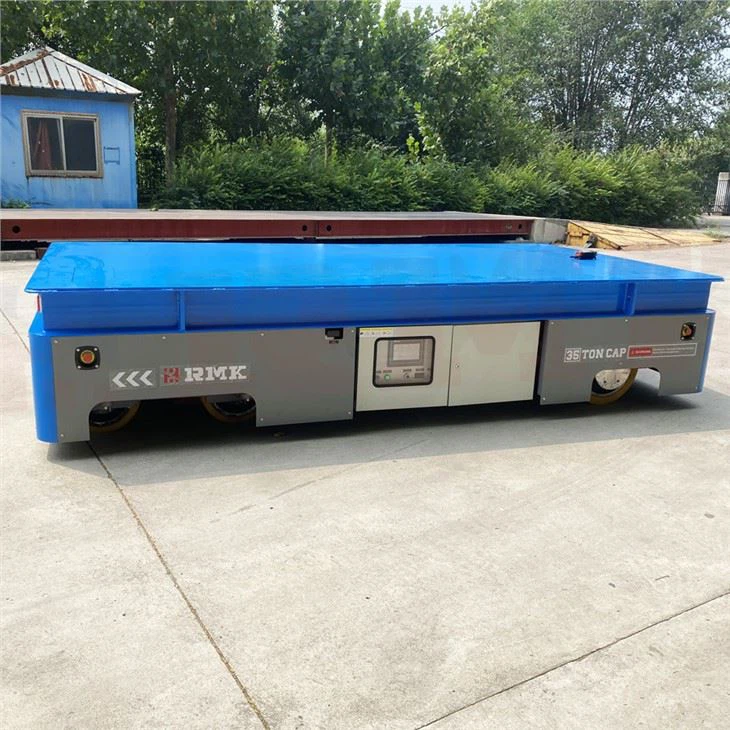
Le 50 tonnes chariot de transfert La solution doit être sélectionnée en fonction des conditions de travail spécifiques et des scénarios d'application.
Actuellement, les principales voies techniques incluent AGV et chariot de transfert de rails systèmes. Parmi eux, les AGV à charge lourde, dotés d'une mobilité omnidirectionnelle et d'avantages de contrôle intelligent, sont devenus la solution privilégiée des usines modernes ; les chariots de transfert sur rail conviennent davantage au transfert à haute fréquence sur des trajets fixes.
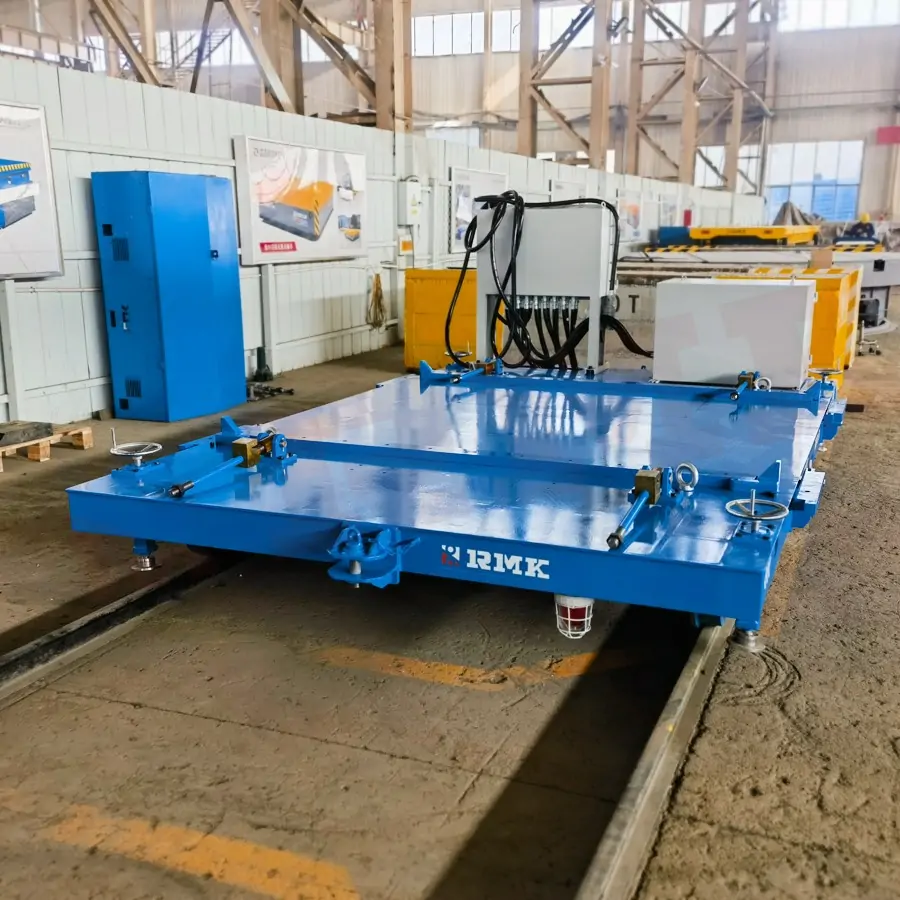
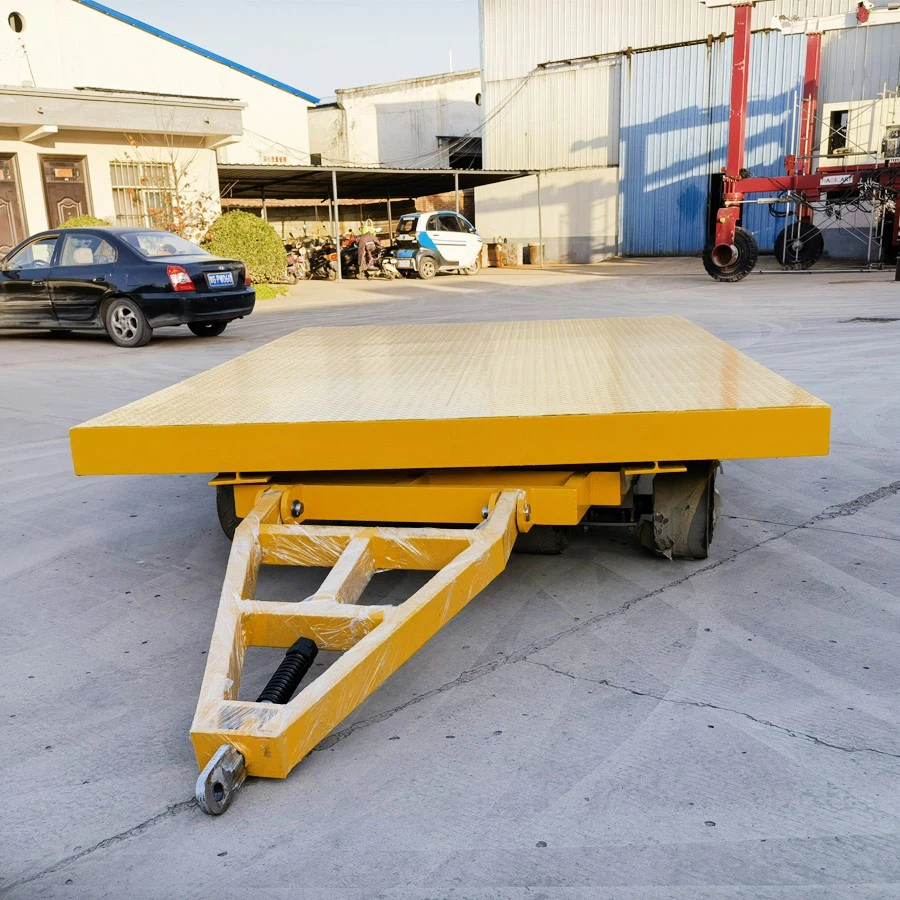
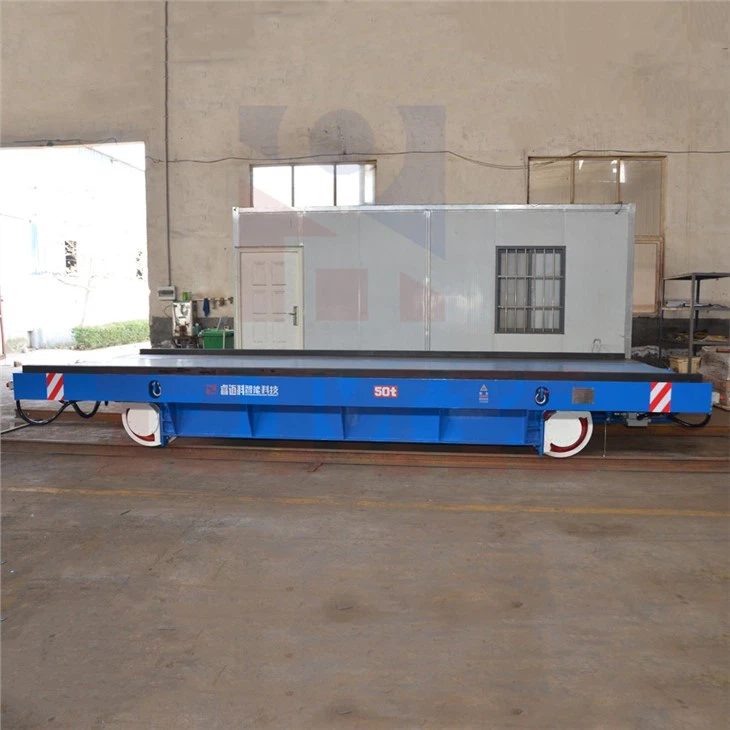
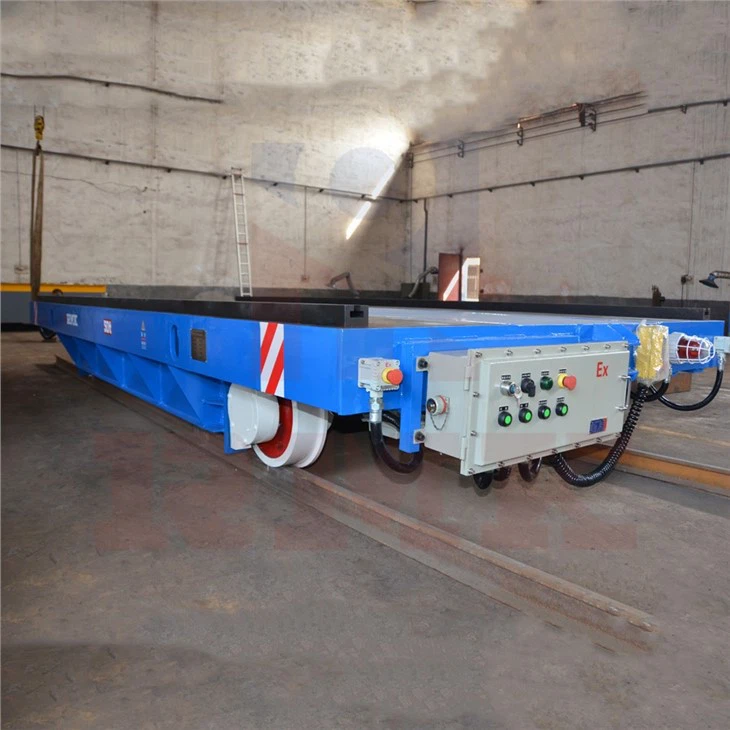
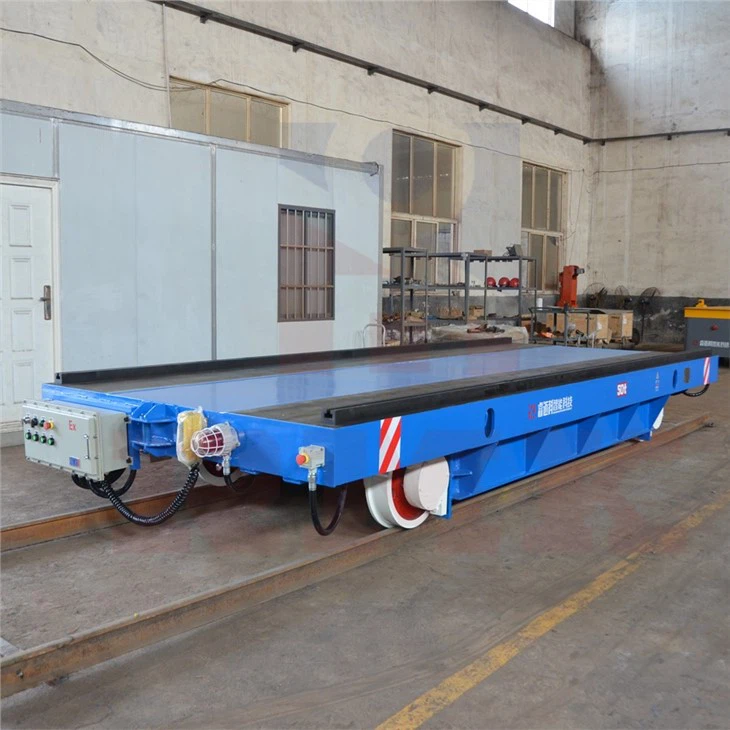
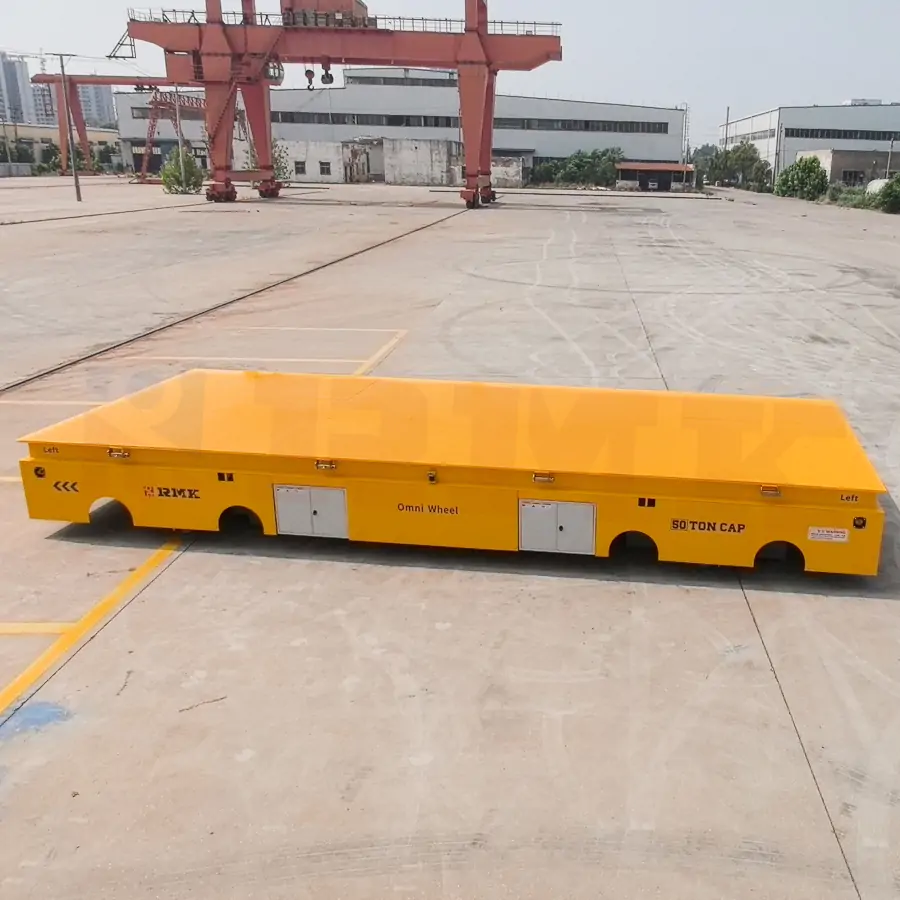 Chariot de transfert de 50 tonnes
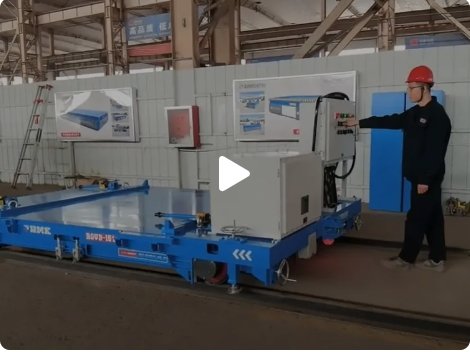
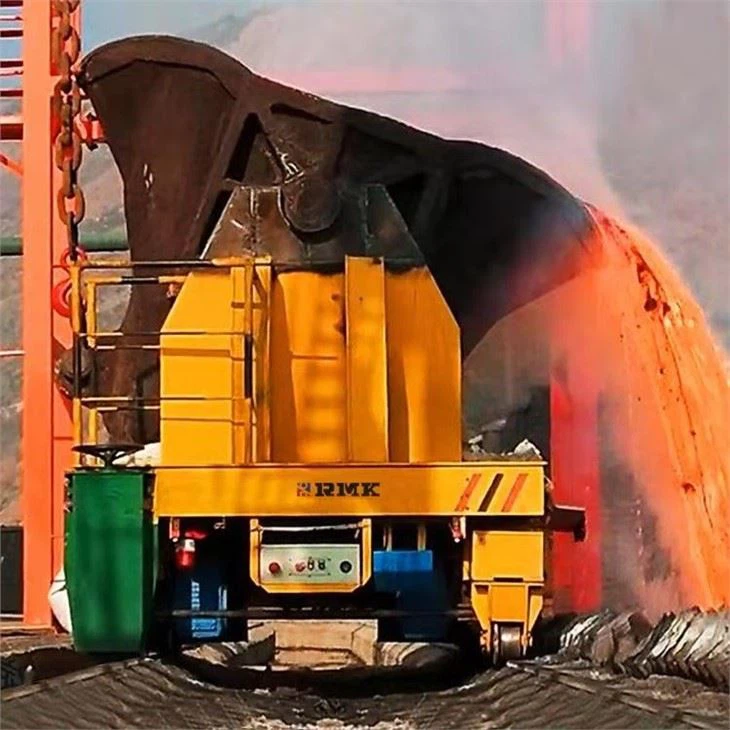
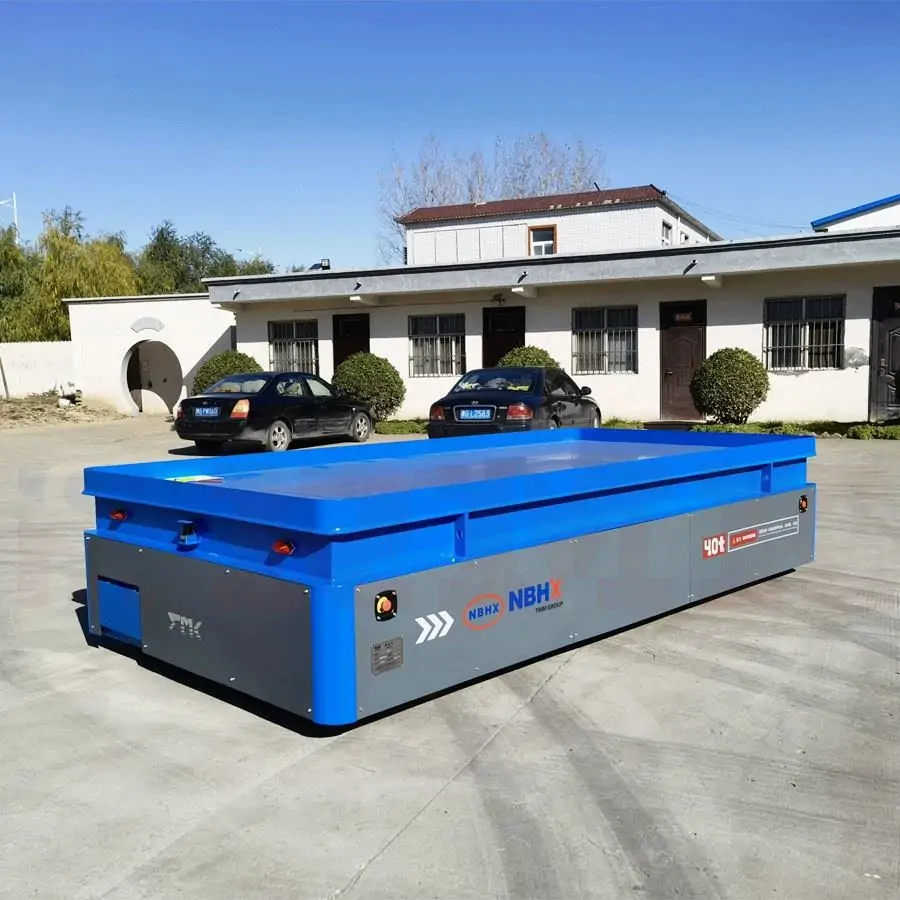
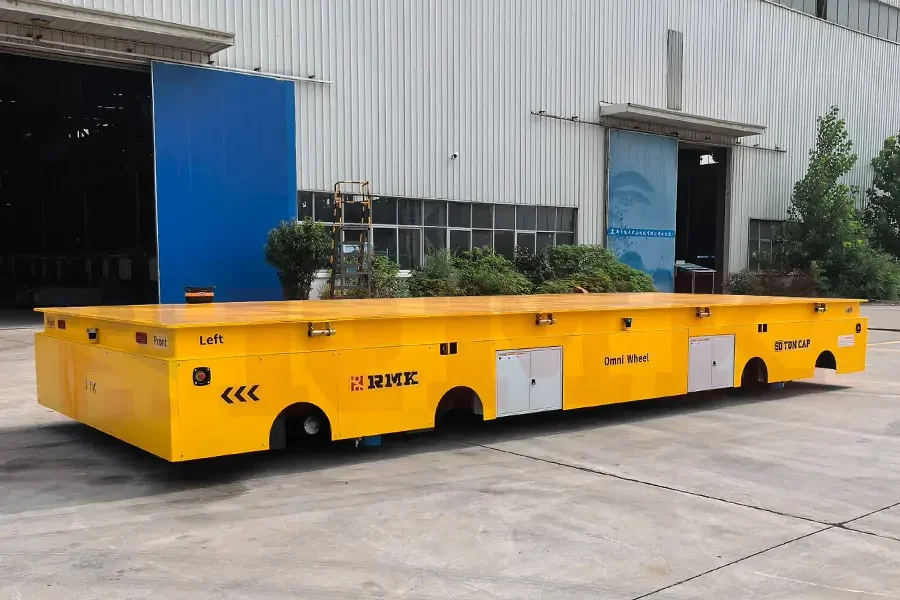 Chariot de transfert de 50 tonnes
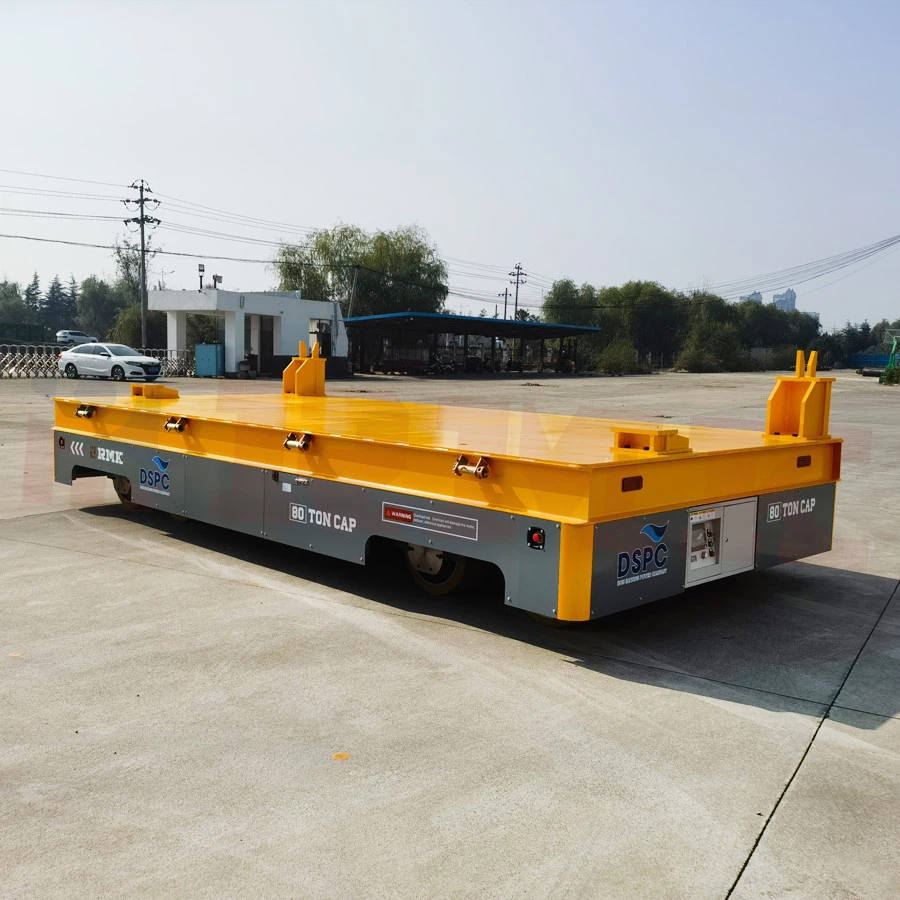
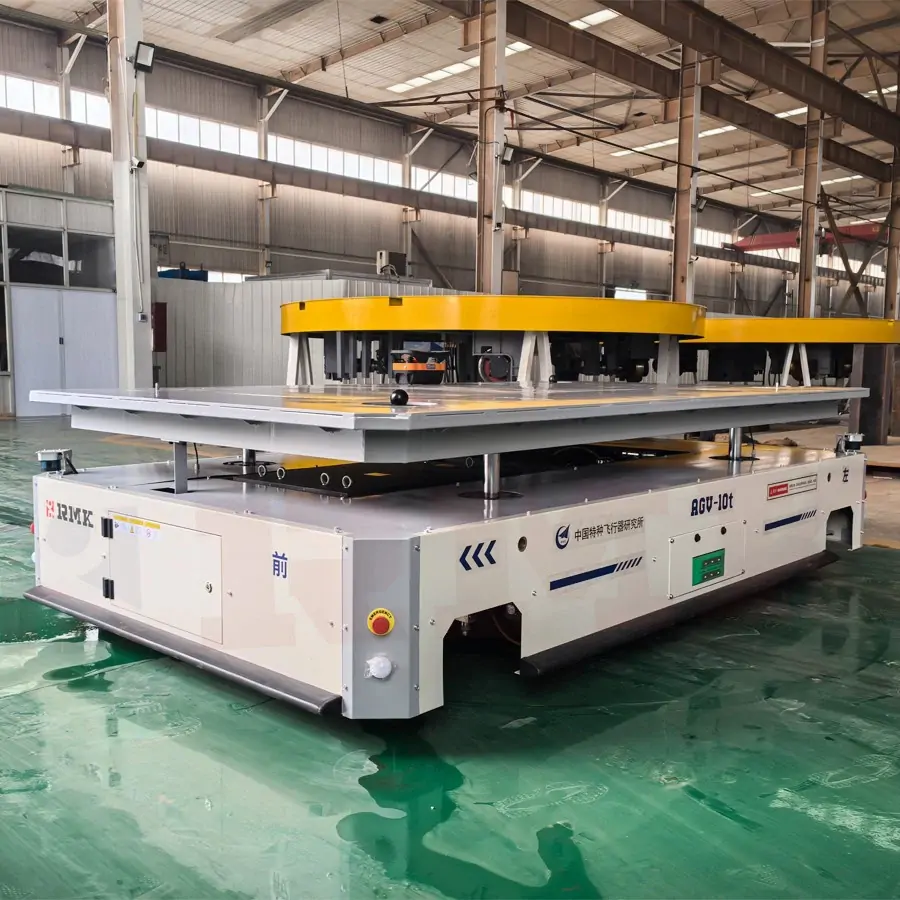
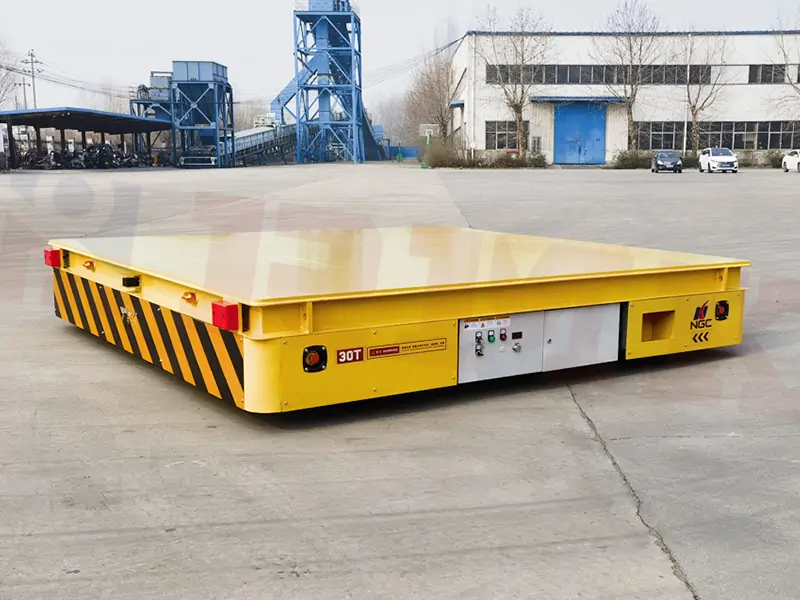
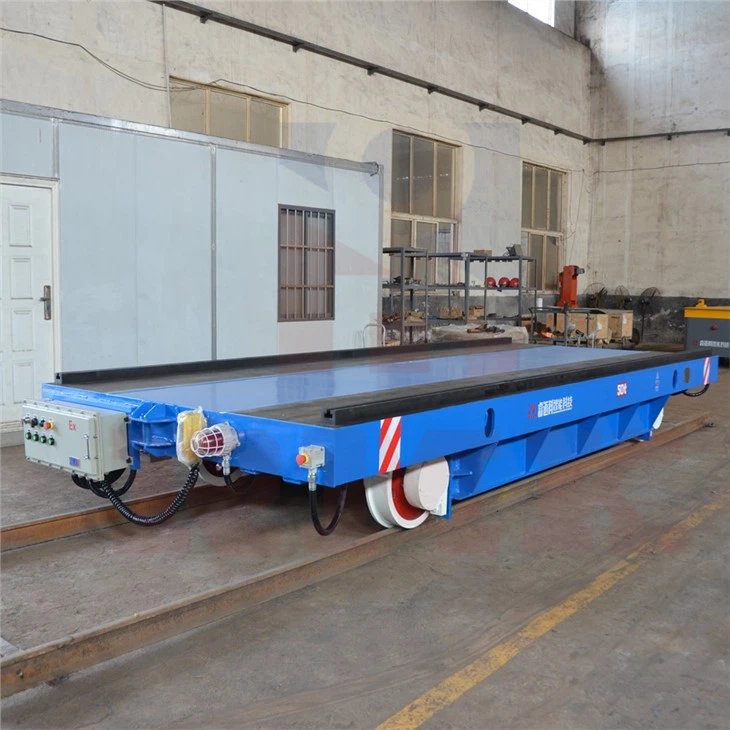 Chariot de transfert de 50 tonnes
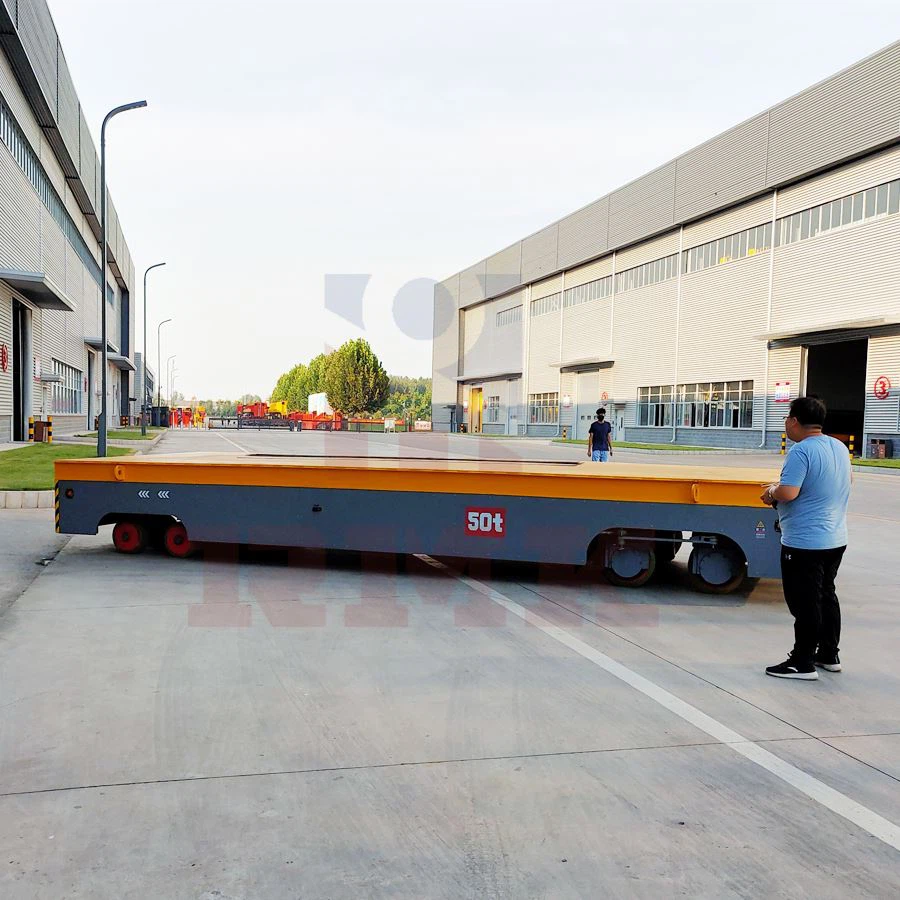
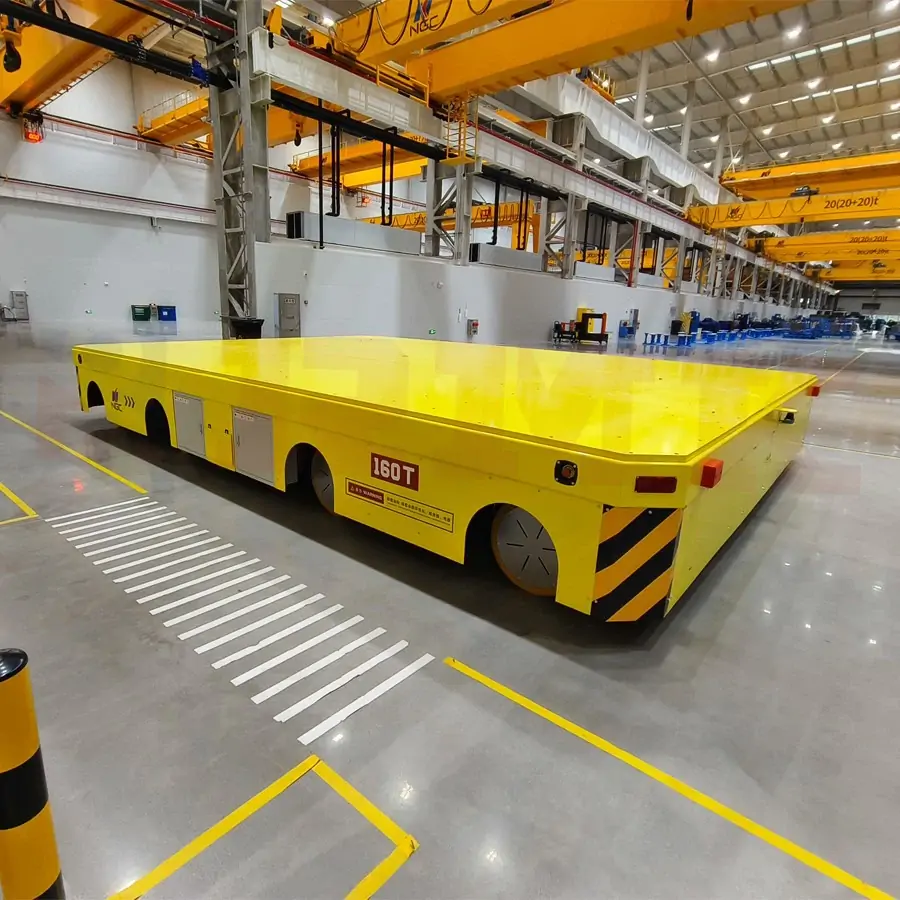
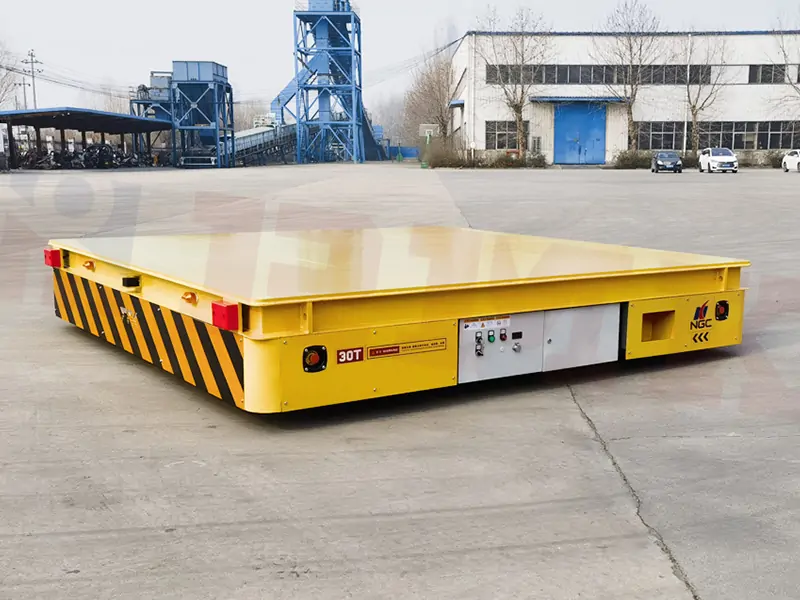
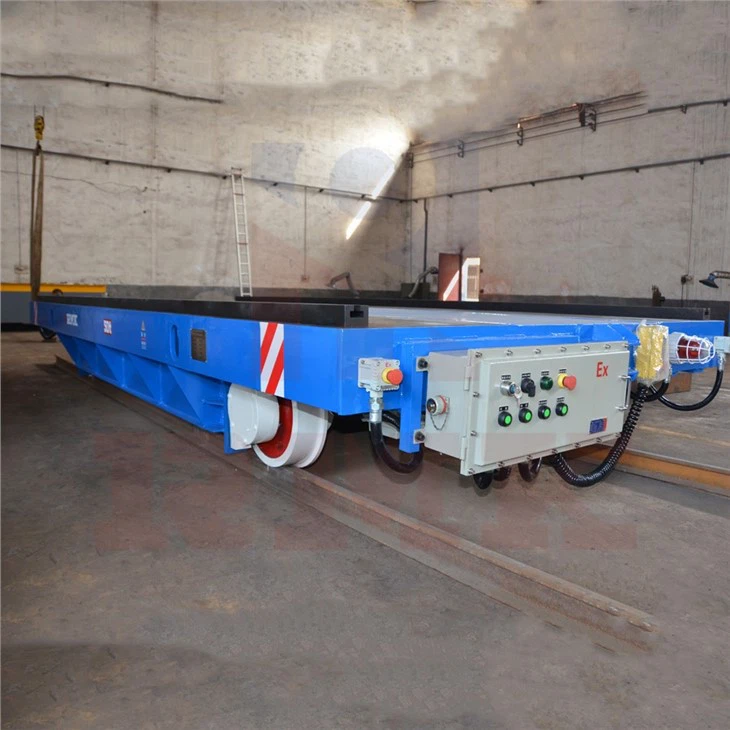 Chariot de transfert de 50 tonnes
Voici une analyse des configurations de base et des scénarios d'application des deux solutions :
AGV Lourd : La Référence pour la Manutention Intelligente des Matériaux
Qu'est-ce qu'un AGV Lourd ?
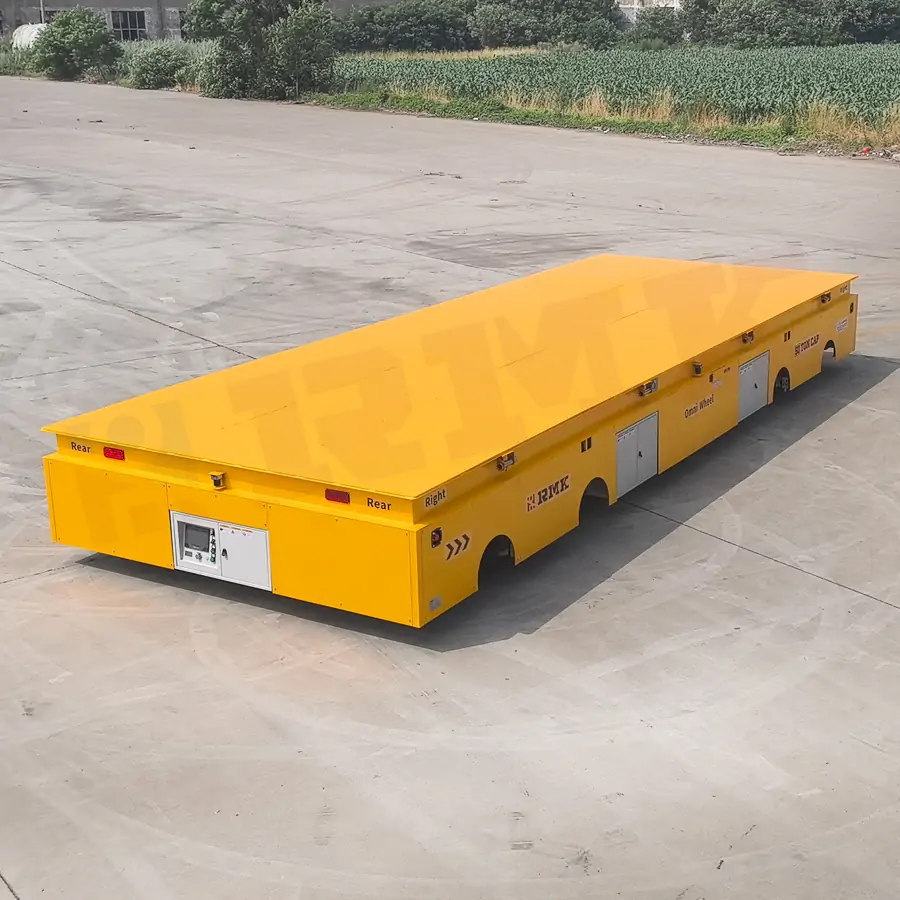
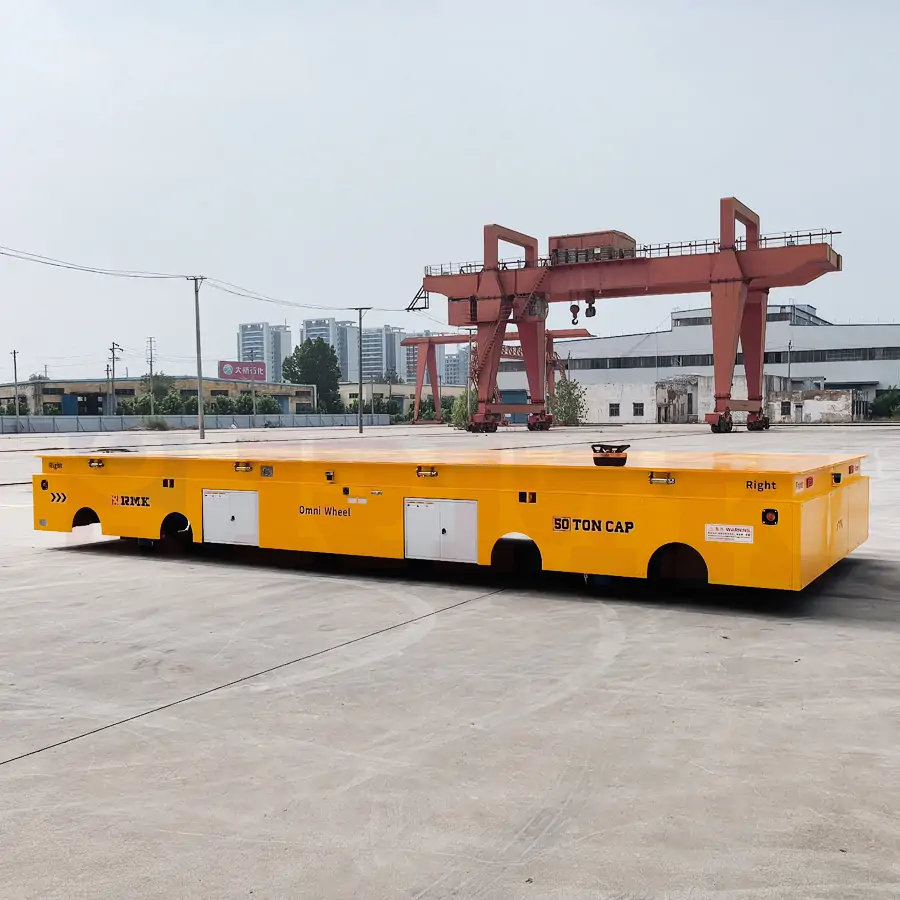
Un AGV Lourd (Véhicule Guidé Automatique) est un véhicule de manutention sans conducteur conçu pour transporter des charges lourdes et volumineuses dans les installations industrielles. Il fonctionne via des systèmes de navigation autonome tels que le SLAM laser ou le guidage magnétique, intègre un logiciel de répartition intelligent et est largement utilisé dans les usines intelligentes, les entrepôts automatisés et les usines de fabrication lourde. Comparé aux chariots élévateurs ou aux tracteurs conventionnels, un AGV lourd offre une précision de positionnement plus élevée, une opération plus sûre et une intégration transparente avec les systèmes de production numériques.
Avantages :
Équipés de capacités de navigation autonome, de répartition multi-véhicules et de planification de trajectoires complexes, les AGV AGVlourds couvrent des capacités de charge de 10 à 100 tonnes et sont hautement adaptables aux environnements de production dynamiques et aux configurations de fabrication flexibles.
Configuration Technique :
- Système d'entraînement :
Adopte des roues directrices ou des roues Mecanum, avec une capacité de charge par roue de 3 à 5 tonnes. Une combinaison de 8 roues peut supporter de manière stable une charge de 50 tonnes. Par exemple, les AGV lourds REMARKABLE réalisent un mouvement omnidirectionnel grâce à des ensembles de roues motrices doubles et un système de puissance distribué, avec une capacité de montée ≥5°. - Navigation & Positionnement :
La navigation laser ou la navigation magnétique est appliquée, avec une précision de positionnement ≤±10 mm. Certains modèles (tels que les AGV de transfert de conteneurs de stockage d'énergie) peuvent atteindre une précision de ±5 mm, assurant un accostage précis avec les lignes de production automatisées et les systèmes de fabrication intelligents. - Protection de Sécurité :
Systèmes intégrés d'évitement d'obstacles laser, de protection anti-collision mécanique et de boutons d'arrêt d'urgence. Prend en charge la coordination multi-véhicules avec un temps de réponse <0,1 seconde, garantissant un transport sécurisé des charges lourdes dans des environnements industriels complexes.
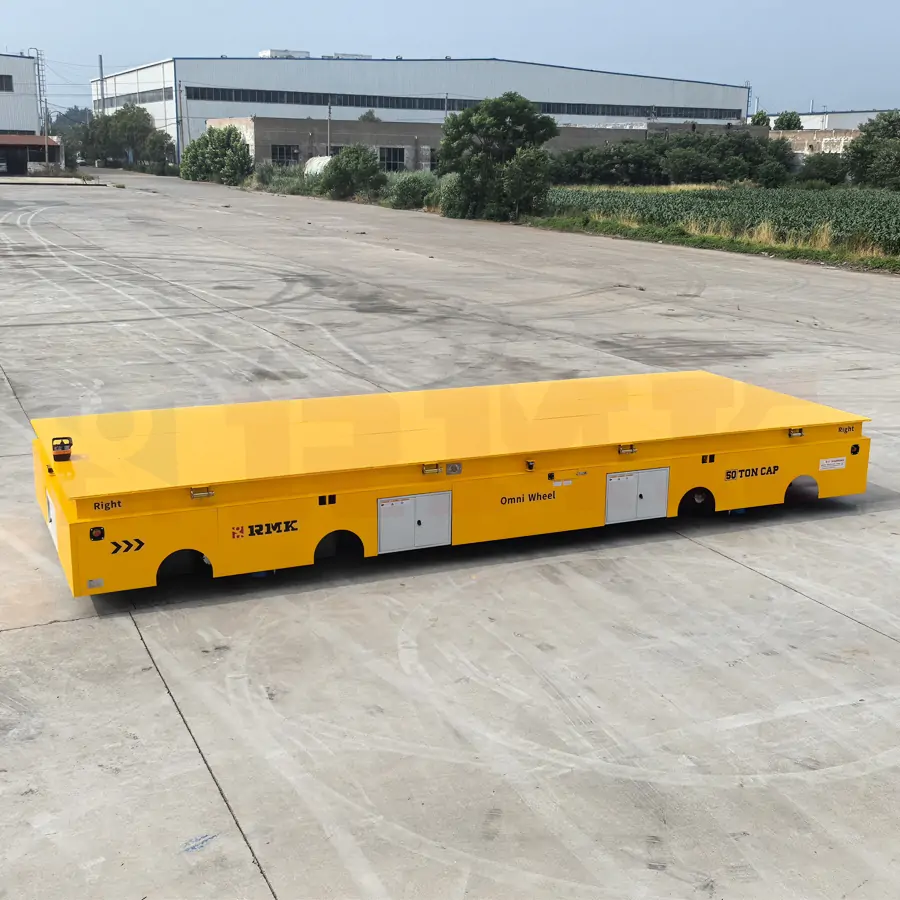
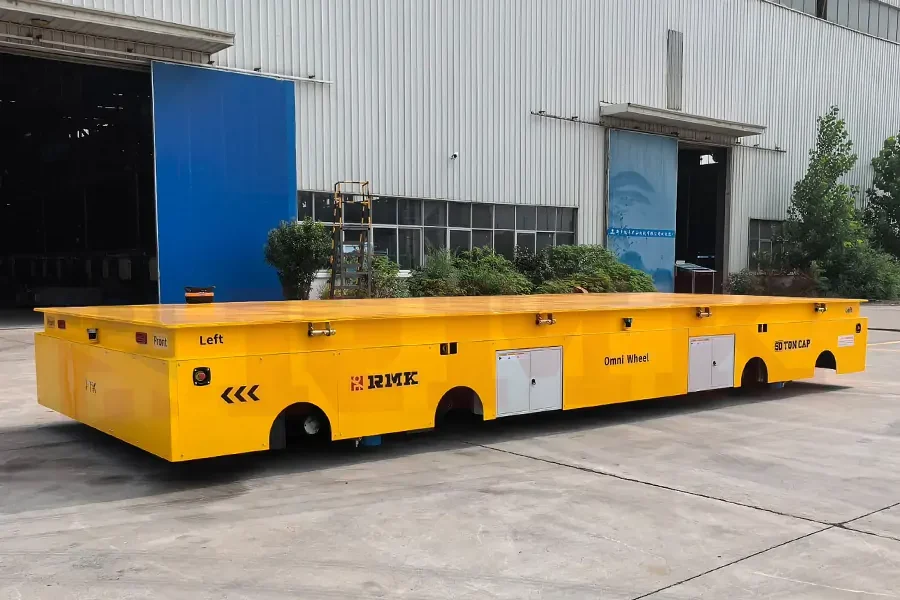
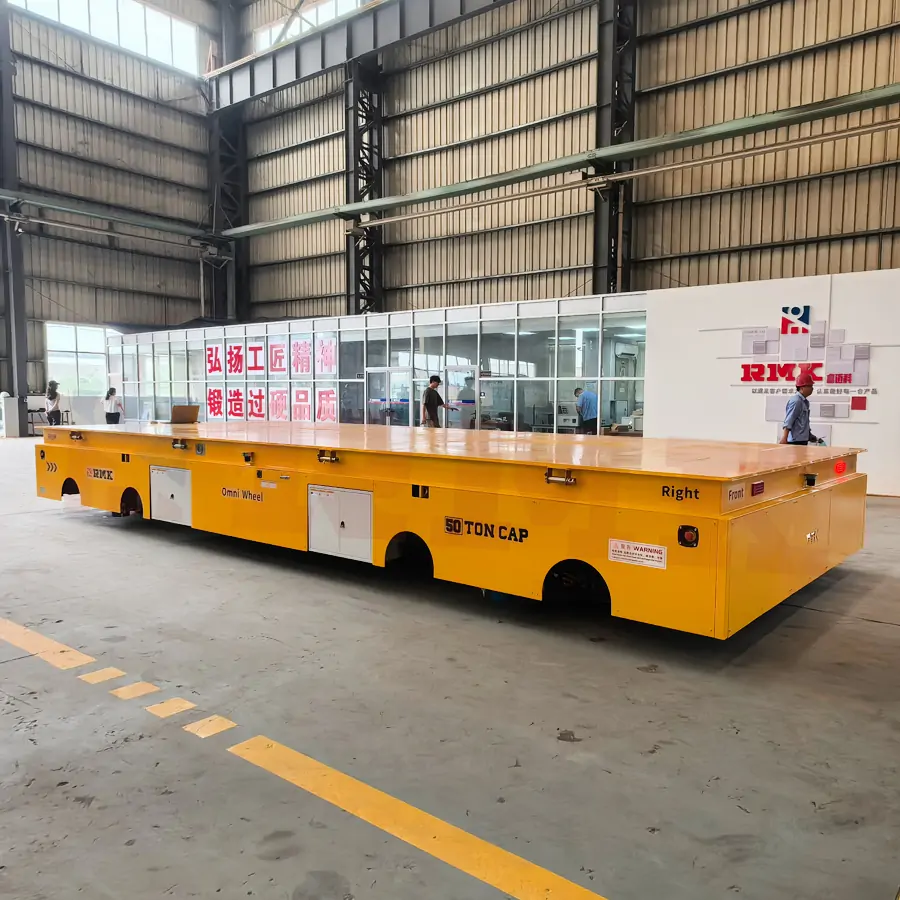
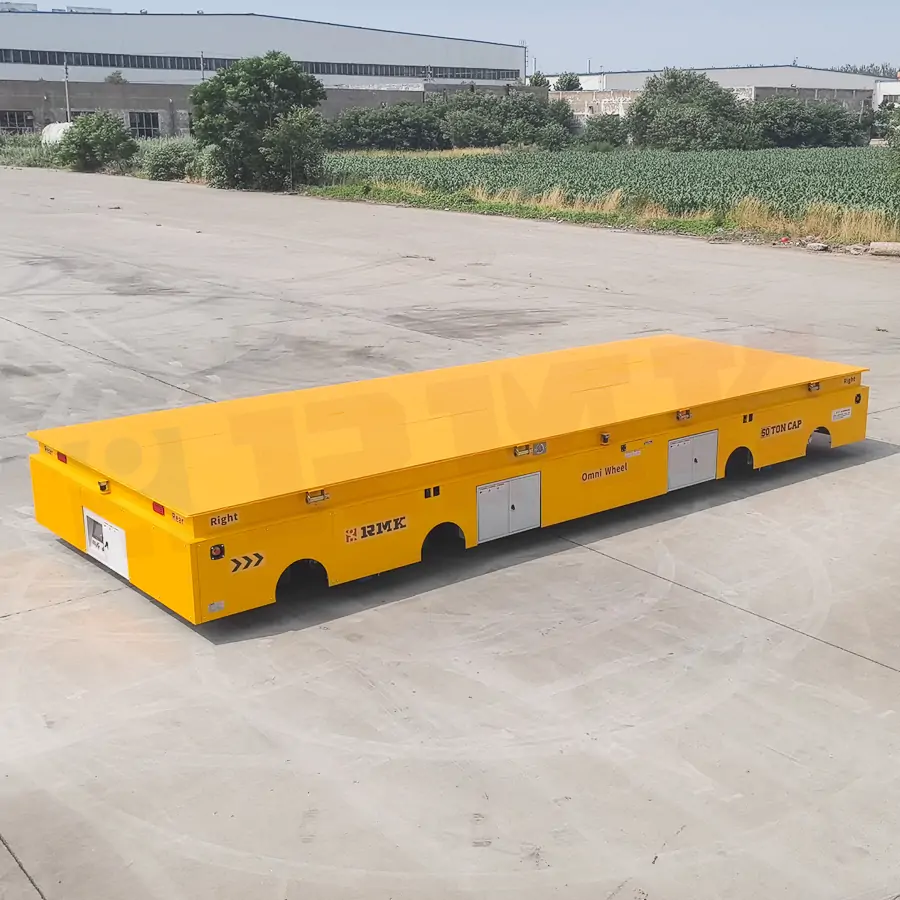
Applications :
Transfert de carrosseries automobiles, rotation de lignes de production de conteneurs de stockage d'énergie et transport de marchandises lourdes portuaires. Par exemple, après l'introduction d'AGV, une entreprise sidérurgique a augmenté le volume quotidien de transport de bobines à plus de 3 000 tonnes tout en réduisant la consommation d'énergie de 18 %.
Chariot de Transfert sur Rail : Une Solution Efficace pour les Trajets Fixes
Qu'est-ce qu'un Chariot de Transfert sur Rail ?
Un chariot de transfert sur rail est une plateforme de transport de charges lourdes qui fonctionne sur des rails en acier préinstallés. Il est alimenté par des batteries, des enrouleurs de câble ou des lignes de contact glissantes et est spécialement conçu pour le transfert de matériaux sur des trajets fixes dans les ateliers, les halls et les lignes de production. En raison de sa structure mécanique simple et de son fonctionnement stable, il est largement utilisé dans la métallurgie, les aciéries, les chantiers navals et la fabrication d'équipements lourds, où un transport répétitif le long de chemins définis est requis.
Avantages :
Structure simple et faible coût de maintenance. Adapté aux trajets fixes droits ou circulaires, avec une capacité de charge allant de 50 à 500 tonnes, ce qui le rend idéal pour les tâches répétitives de transfert de matériaux lourds.
Configuration Technique :
- Méthode d'Alimentation Électrique :
Alimenté par batterie (comme les chariots de transfert sans rail REMARKABLE) ou par ligne de contact glissante. L'endurance dépasse 8 heures, et 1 heure de charge prend en charge 4 à 6 heures de fonctionnement, assurant des performances logistiques intra-usine stables. - Conception structurelle :
Un châssis à poutre-caisson combiné avec plusieurs ensembles de roues pour répartir la charge uniformément. Le nombre d'ensembles de roues est configuré en fonction de la capacité de charge (par exemple, 8 à 12 roues pour 50 tonnes). L'écartement des rails doit être contrôlé à ±2 mm pour garantir un fonctionnement fluide et sûr. - Bobines d'acier, bobines d'aluminium, tourets de câbles, tuyaux ronds
Dispositifs antidérapants, alarmes sonores et lumineuses, et systèmes de détection infrarouge. Adapté aux environnements difficiles tels que les températures élevées, les fortes poussières et les ateliers métallurgiques.
Applications :
Transfert inter-hall d'atelier et manutention de billettes dans l'industrie métallurgique. Le chariot de transfert sur rail de 50 tonnes de REMARKABLE réalise une livraison point à point entre les processus via des rails prédéfinis, améliorant la continuité de la production et l'efficacité opérationnelle.
AGV Lourd vs Chariot de Transfert sur Rail
Les AGV lourds et les chariots de transfert sur rail diffèrent principalement par la flexibilité des trajets, les exigences d'infrastructure, le niveau d'intelligence et l'évolutivité à long terme. Les AGV offrent un routage flexible, une navigation autonome et une intégration de systèmes numériques, ce qui les rend idéaux pour les environnements de fabrication intelligents avec des configurations de production changeantes. Les chariots de transfert sur rail reposent sur des rails fixes, offrant une capacité de charge plus élevée et une complexité structurelle plus faible, ce qui les rend plus adaptés aux opérations stables, à haute fréquence et à charges lourdes sur trajets fixes.
| Dimension | AGV Lourd | Chariot de transfert de rails |
|---|---|---|
| Capacité de charge | 10–100 tonnes | 50–500 tonnes |
| Flexibilité des Trajets | Mouvement omnidirectionnel, adapté aux trajets complexes | Rail fixe, uniquement droit/courbe |
| Exigence de plancher | Sol durci, planéité ≤5 mm | Installation de rails requise, fondation renforcée |
| Coût Initial | Plus élevé (incluant le système de répartition) | Moyen (coût d'installation des rails) |
| Coût de Maintenance | Moyen (maintenance des batteries et des capteurs) | Faible (structure mécanique simple) |
| Applications typiques | Usine intelligente, accostage de ligne automatisée | Transfert inter-atelier, transfert métallurgique |
Comment Choisir une Solution de Manutention de Charges Lourdes
Dans les applications industrielles pratiques, la sélection du bon système de transport de classe 50 tonnes nécessite d'évaluer la complexité des trajets, la disposition de l'atelier, la fréquence des charges, la redondance de sécurité et les plans d'expansion à long terme.
Adaptation au Scénario en Premier :
Pour les changements de ligne fréquents ou les applications multi-trajets, choisissez des systèmes AGV. Pour le transport à haute fréquence sur trajets fixes, choisissez des chariots de transfert sur rail.
Conception de Redondance de Sécurité :
Une redondance de charge de 20% est recommandée. Par exemple, lors du transport d'une charge de 50 tonnes, il est conseillé de sélectionner un système nominal de 60 tonnes afin d'éviter un fonctionnement à pleine charge prolongé qui accélère l'usure des composants.
Intégration intelligente :
Les AGV lourds peuvent être connectés aux systèmes MES pour réaliser une planification multi-véhicules et une intégration d'usine numérique. Les chariots de transfert sur rail peuvent être équipés de systèmes RFID pour l'identification automatique des stations et la gestion logistique semi-automatisée.
Aujourd'hui, les véhicules de transfert lourds ne sont pas seulement des outils de transport, mais des nœuds intelligents au sein du flux de production. Avec le développement de la technologie d'entraînement des moteurs SiC et des systèmes de planification IA, les équipements de la classe 50 tonnes REMARKABLE continueront d'évoluer vers une précision plus élevée, une consommation d'énergie plus faible et une automatisation industrielle plus intelligente.
REMARQUABLE dispose d'une vaste expérience de projet dans les systèmes AGV lourds et les solutions de chariots de transfert sur rail. En fonction de vos exigences de charge, de l'agencement de l'usine, du cycle d'exploitation et de la structure budgétaire, nous fournissons des solutions d'ingénierie personnalisées et un support d'évaluation technique.
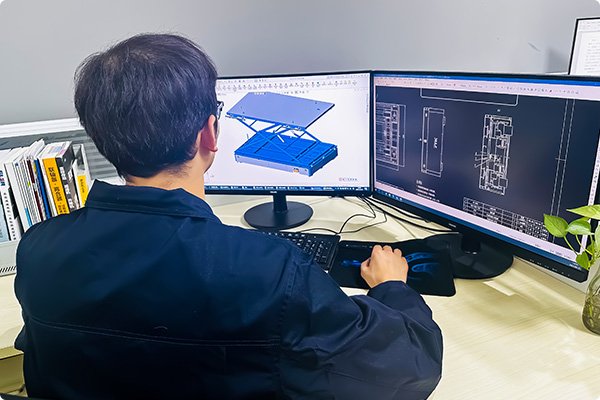

Si vous planifiez un système de chariot de transfert de 50 tonnes, n'hésitez pas à partager votre scénario d'application avec nous. Notre équipe d'ingénierie fournira des conseils de sélection professionnels et des références de projet pour vous aider à atteindre un équilibre optimal entre sécurité, efficacité et coût opérationnel à long terme.
Courriel : transfercart@rmkzn.com
Téléphone : +86-18637369355