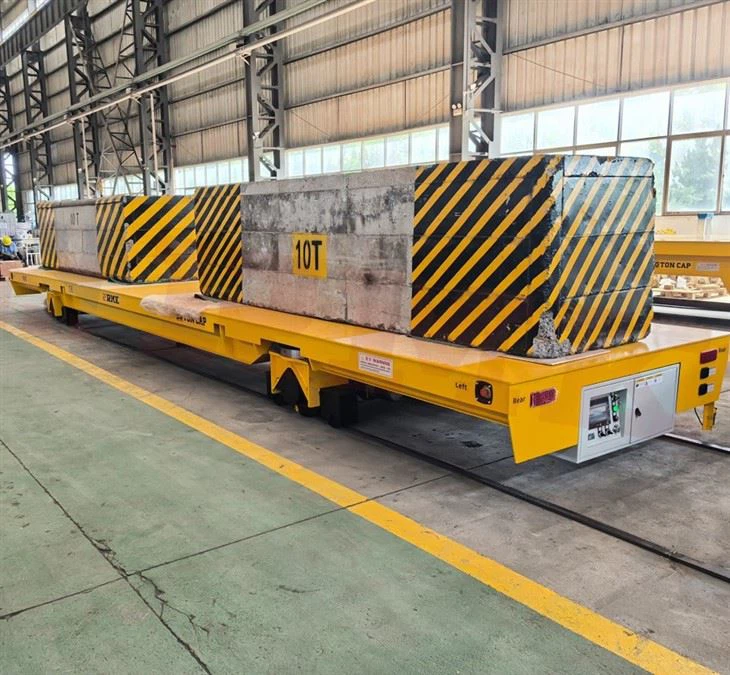
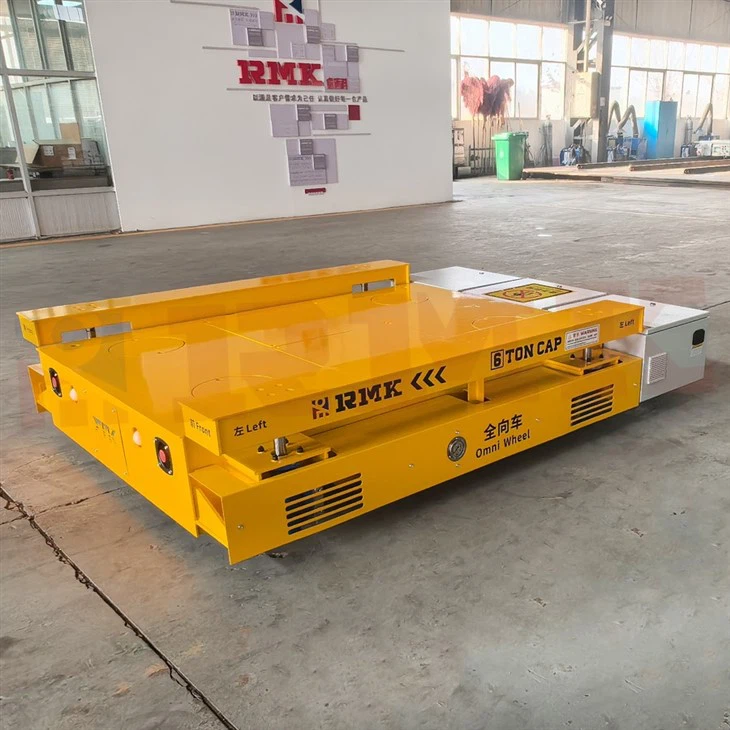
Einleitung
In vielen realen Fabrikproduktionsstätten wird die Handhabung von Formen oft am meisten übersehen, ist aber gleichzeitig der arbeitsintensivste Prozess. Formen sind schwer, der Platz ist begrenzt und die Umrüstungen sind häufig. Wenn die Ausrüstung nicht richtig ausgewählt wird, verringert dies nicht nur die Effizienz, sondern erhöht auch die Sicherheitsrisiken. Aus diesem Grund achten immer mehr Unternehmen darauf, wie sie den richtigen Formentransportwagen für ihren Betrieb auswählen. Dieser Artikel führt Sie aus praktischer Sicht durch den Auswahlprozess und hilft Ihnen, bei der Bewertung verschiedener Arten von Formentransportwagen für den Fabrikeinsatz klarere Entscheidungen zu treffen.
Was ist ein Formentransportwagen?
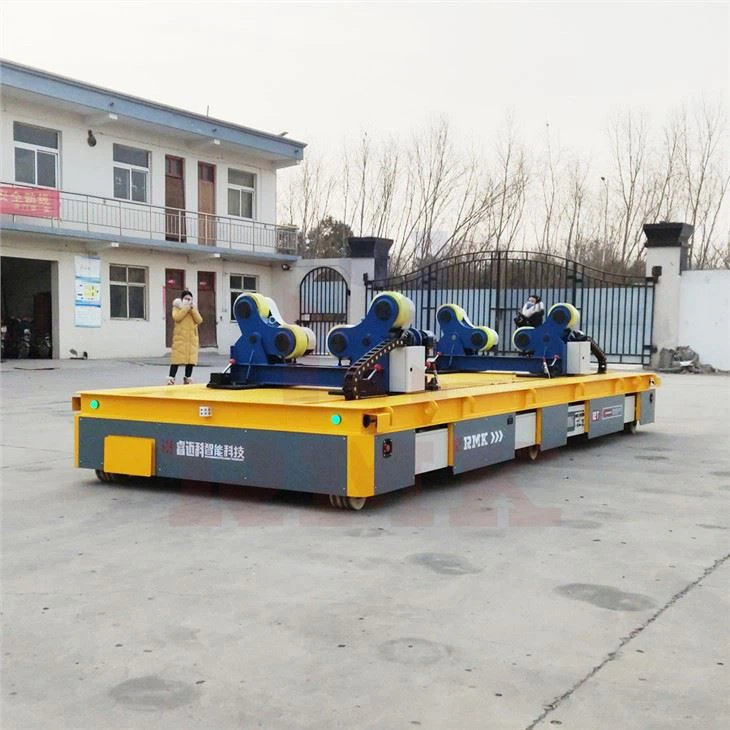
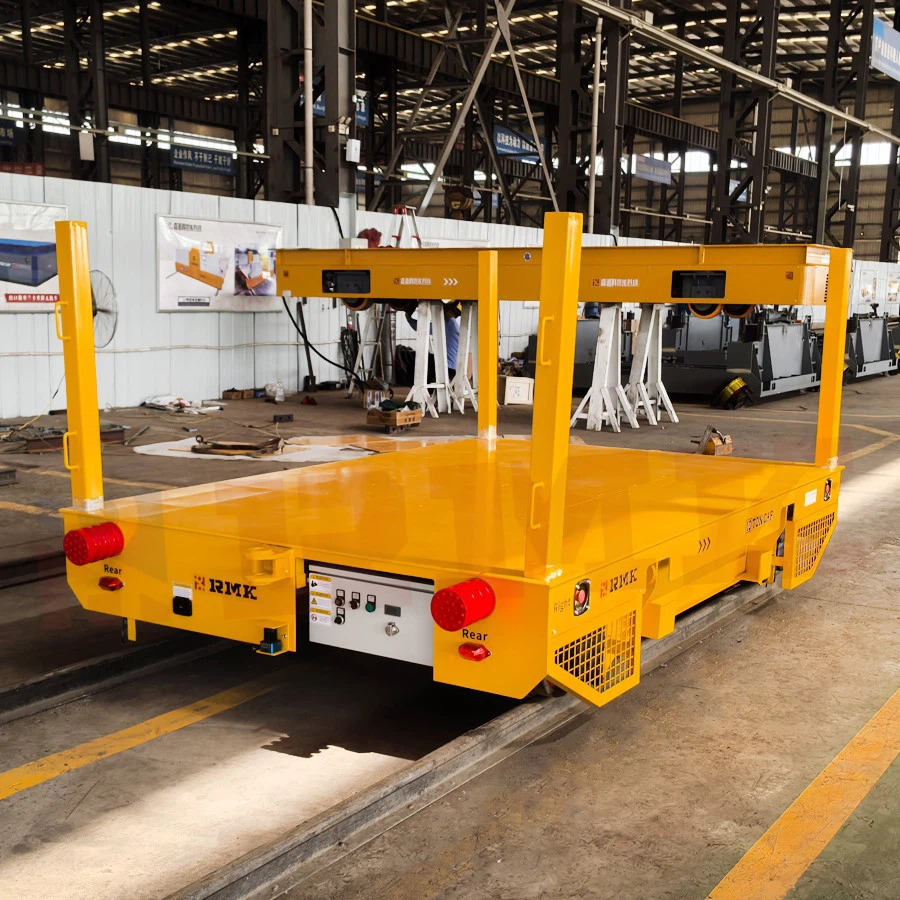
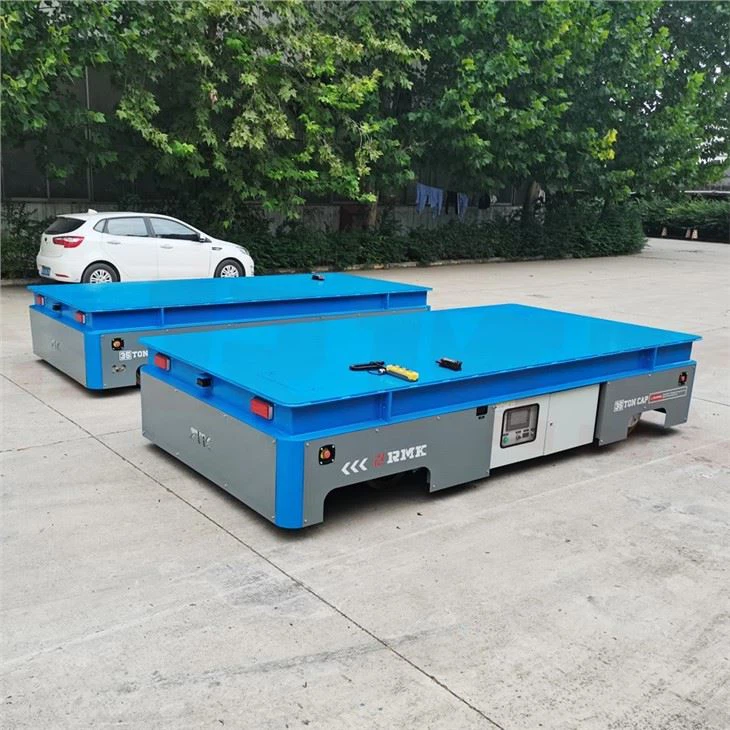
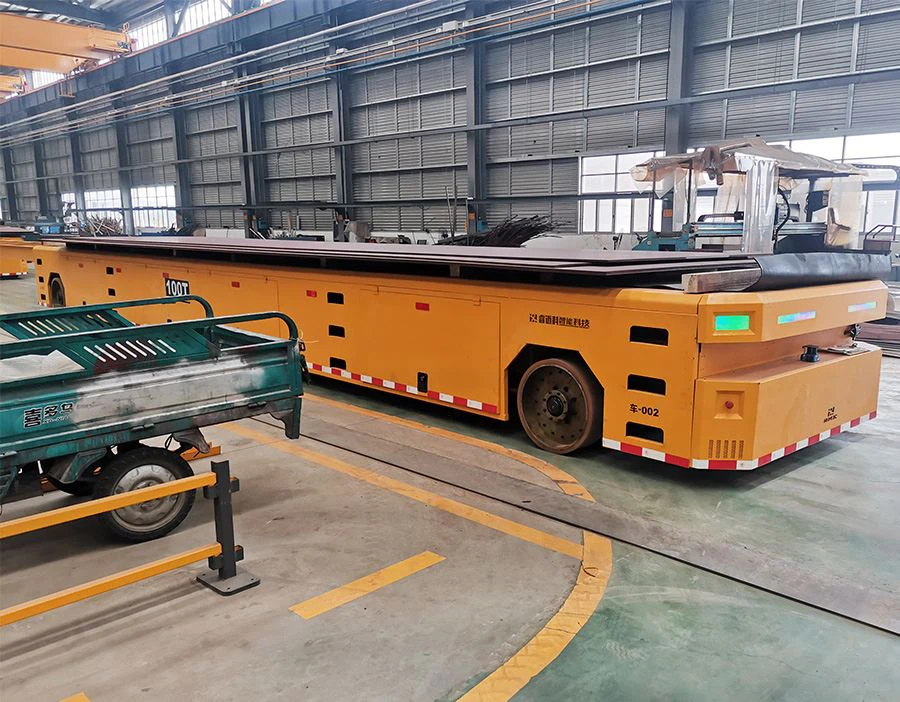
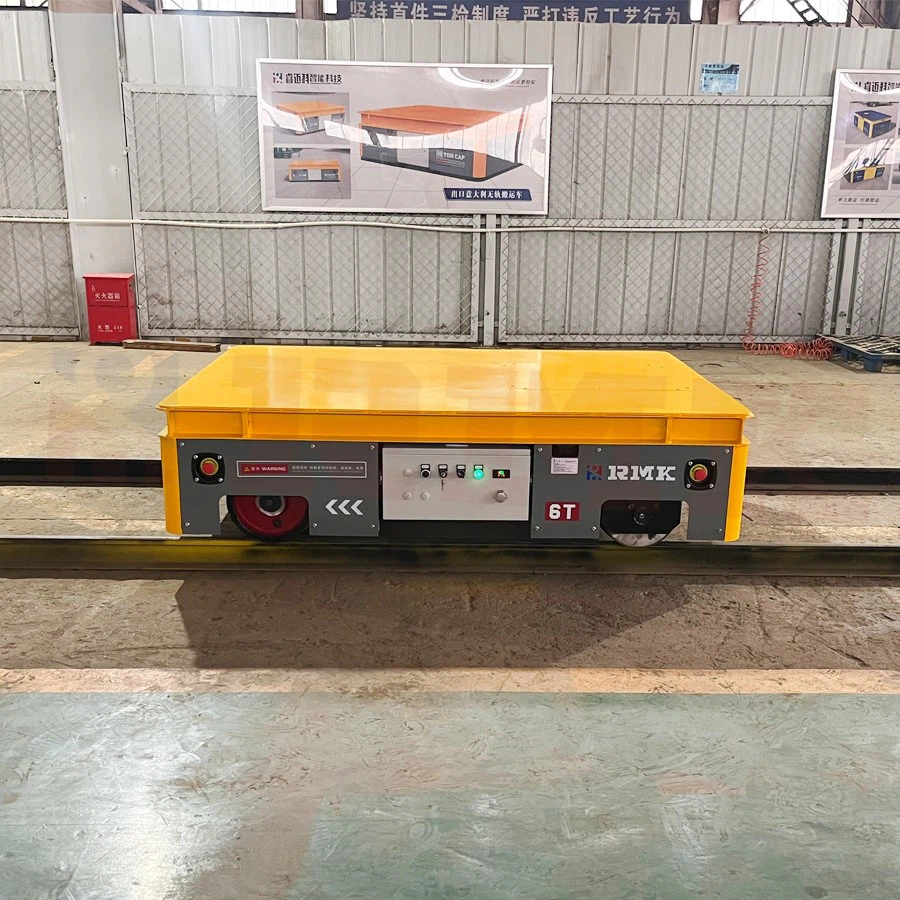
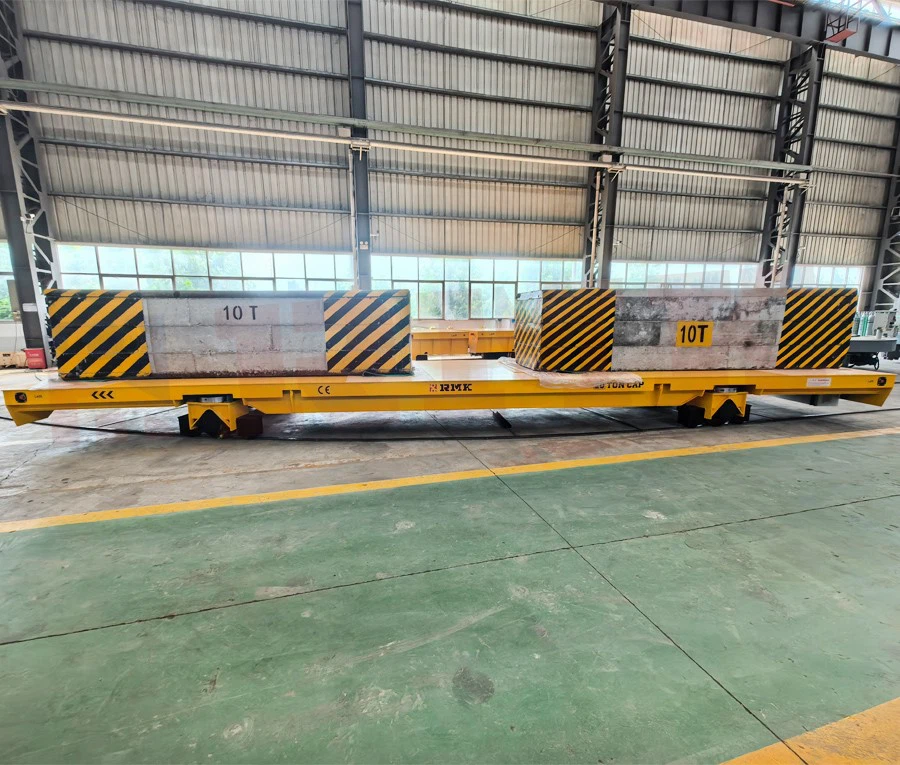
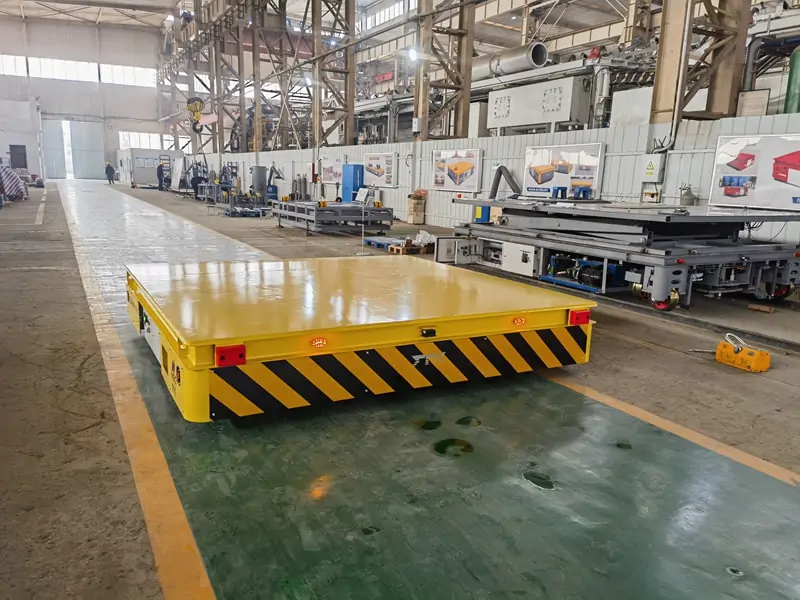
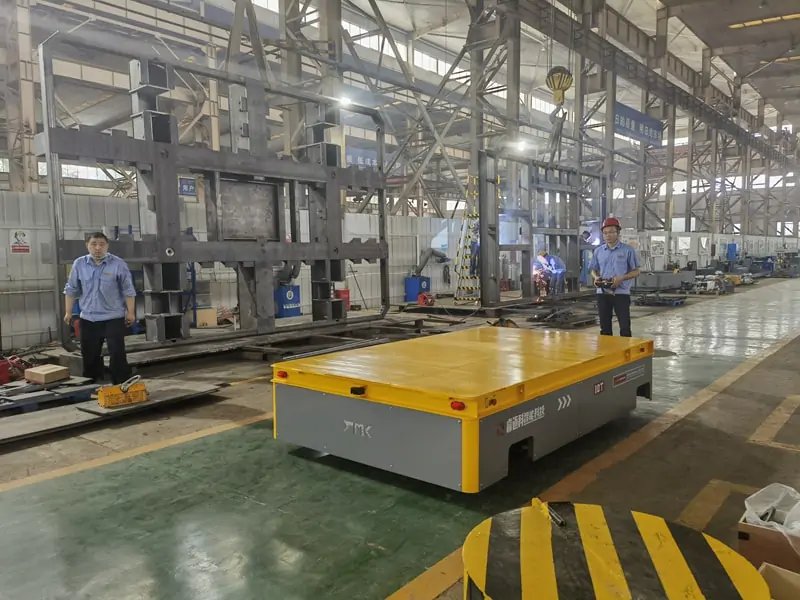
Ein Formentransportwagen (Formentransportwagen) ist ein spezielles Handhabungs- und Lagerfahrzeug, das in der Fertigungsindustrie zum sicheren und effizienten Bewegen von Formen eingesetzt wird. Es wird hauptsächlich in Fabriken, Werkstätten und Lagern eingesetzt, um Formen von einem Ort zum anderen zu transportieren. Erfahren Sie mehr über die Funktionsweise von Formentransportwagen: Wie funktioniert ein Formentransportwagen?
Eigenschaften
- Robuste Konstruktion: Typischerweise aus Stahl wie Q235B gefertigt, mit einer starken Rahmenstruktur, die Lasten von 1 bis 300 Tonnen bewältigen kann.
- Flexible Mobilität: Ausgestattet mit verschiedenen Radtypen wie Polyurethan -Rädern, Lenkrollen oder Gummireifen. Es kann sowohl im Schienen- als auch im schienenlosen Modus betrieben werden. Das schienenlose Design ist besonders geeignet für Werkstätten, in denen die Schieneninstallation schwierig ist oder werkstattübergreifende Transporte mit Kurvenfahrten erforderlich sind.
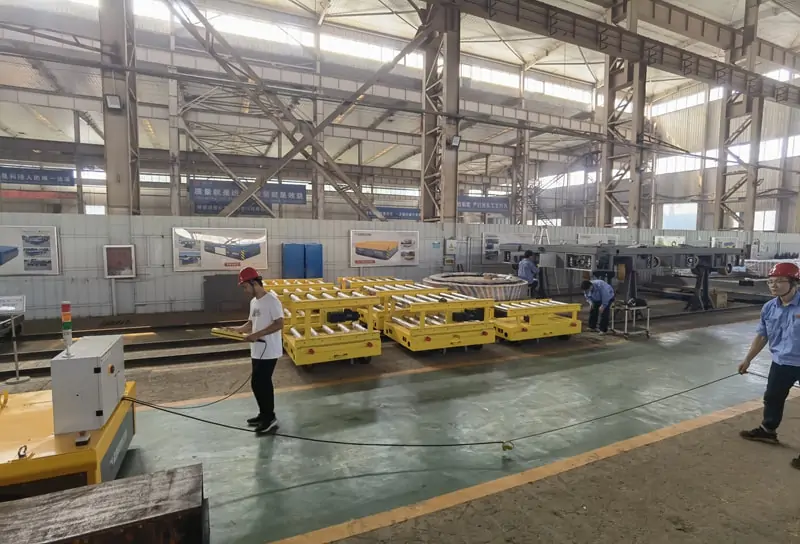
- Mehrere Antriebsoptionen: Übliche Antriebssysteme umfassen batteriebetriebene Lösungen (wie Lithium-Batteriesysteme), Kabeltrommelsysteme und Stromschienen-Versorgungssysteme.
- Kontrollierbarer Betrieb: Die Steuerungsmodi reichen von manueller und Fernbedienung über halbautomatische Systeme bis hin zu vollautomatischen intelligenten Navigationssystemen, wie z. B. AGV Formentransportwagen-Lösungen mit SPS-Steuerung.
- Sicherheit und Individualisierung: Zu den standardmäßigen Sicherheitsmerkmalen gehören Warnleuchten, Puffer und Endschalter. Darüber hinaus können Systeme je nach Anforderung mit hydraulischen Hubplattformen, Drehtischen, Formenpositioniersystemen und automatischen Andockfunktionen individuell angepasst werden.
Hauptanwendungsszenarien
A Der Formentransportwagen für den Fabrikeinsatz wird häufig in Branchen wie der Automobilherstellung, dem Schiffbau, dem Formenstanzen, dem Bergbautransport, der Stahllogistik und der Montage großer Maschinen eingesetzt.
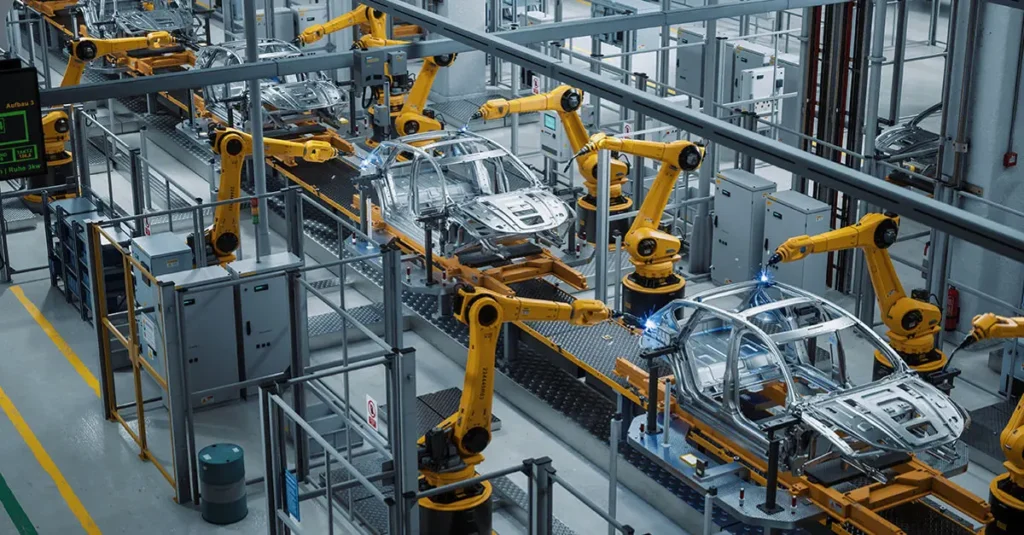 Automobilherstellung
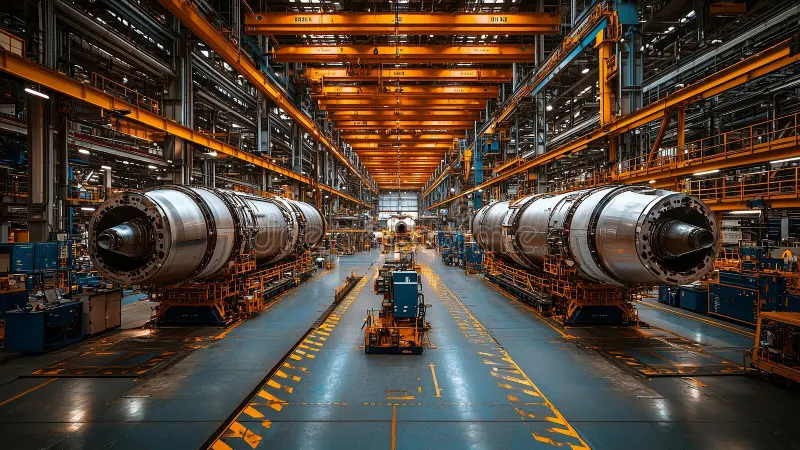 Große Maschinen
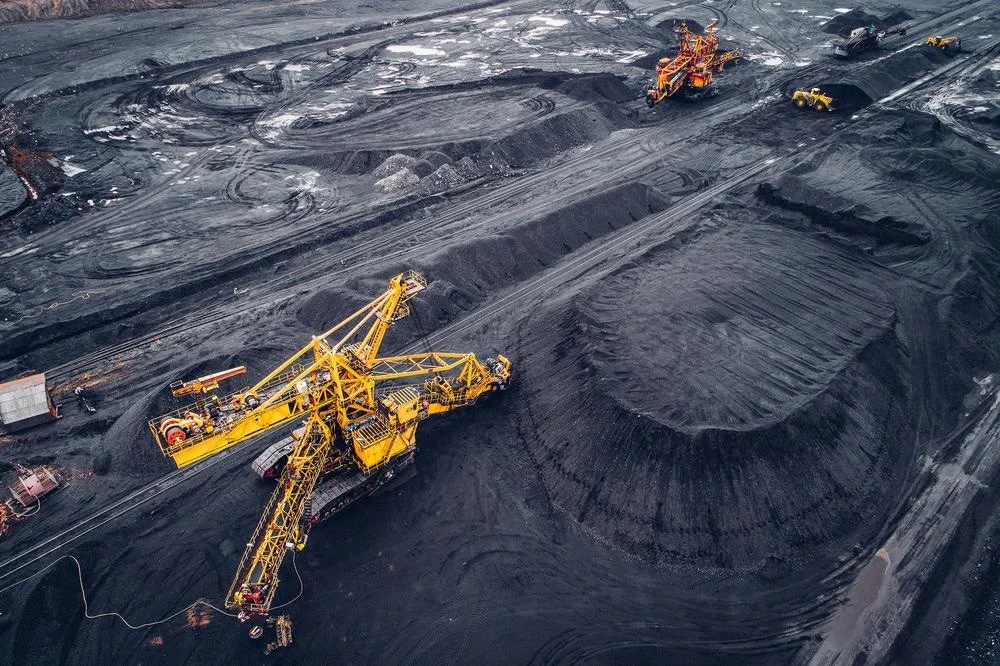 Bergbautransport
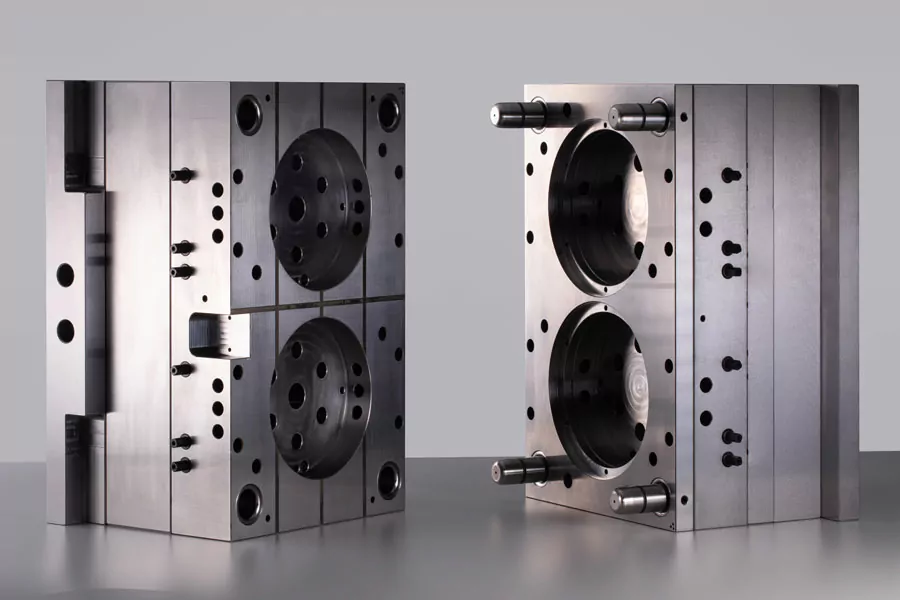 Formenstanzen
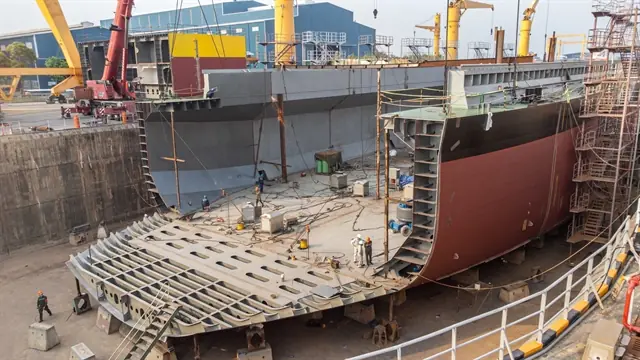 Schiffbau
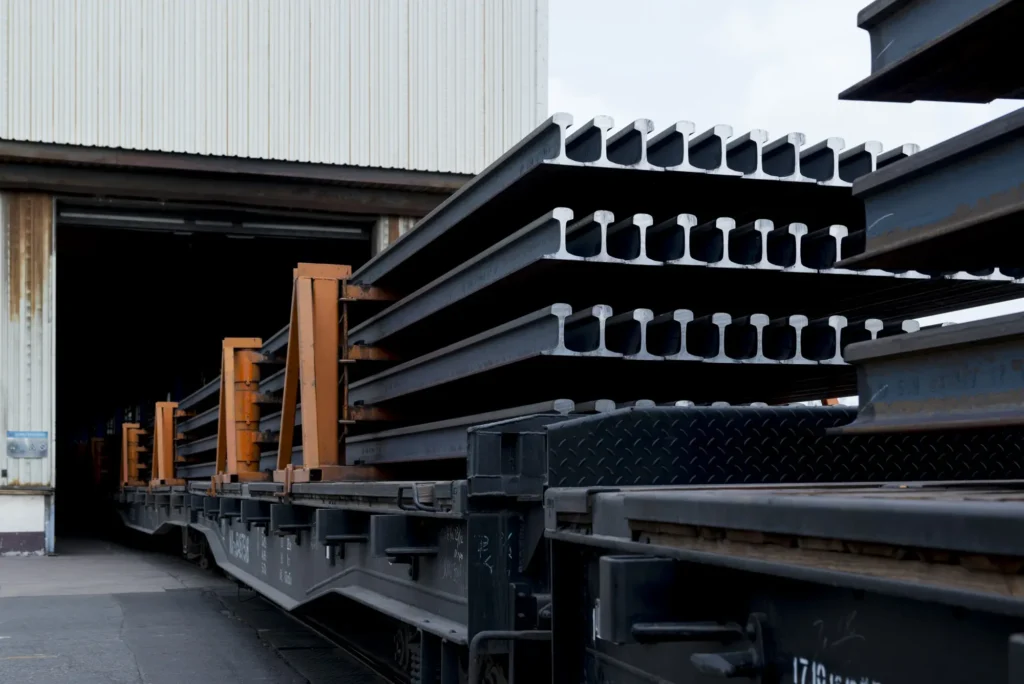 Stahllogistik
Ein Formentransportwagen ist ein wichtiges Logistikwerkzeug zur Verbesserung der Produktionseffizienz und zur Reduzierung von Transportschäden an Formen. Sein endgültiges Design und seine Konfiguration sollten basierend auf dem Formengewicht, dem Werkstattlayout, der Transportfrequenz und dem erforderlichen Automatisierungsgrad festgelegt werden.
Warum die Wahl des richtigen Formentransportwagens wichtig ist
Die Wahl der richtigen Formenhandhabungsausrüstung ist entscheidend, da sie sich direkt auf die Produktionseffizienz, die Formensicherheit und die langfristigen Betriebskosten auswirkt.
Wichtige Auswirkungen der Wahl der richtigen Ausrüstung
| Schlüsseldimension | Vorteile der Wahl der richtigen Lösung | Risiken einer schlechten Wahl |
| Produktionseffizienz | Ein richtiger Formentransportwagen ermöglicht einen schnellen und zuverlässigen Transport, verkürzt die Formenwechselzeit und verbessert die Gesamtmaschinenauslastung. | Langsame Bewegungen und häufige Ausfälle können zu einem Produktionsengpass werden und die Gesamtarbeitsablaufeffizienz verringern. |
| Formensicherheit und Lebensdauer | Stabile Struktur, sanfter Betrieb und zuverlässige Verriegelungssysteme helfen, Kollisionen, Kratzer oder Kippen während der Handhabung zu verhindern. | Höheres Risiko von Formenschäden, was zu kostspieligen Reparaturen, Produktionsverzögerungen oder sogar Sicherheitsvorfällen führt. |
| Betriebskosten | Eine gut geplante Investition reduziert langfristige Wartungs-, Reparaturkosten und Ausfallzeiten durch Geräteausfälle. Ein hochwertiger Formentransportwagen verbessert die Gesamtproduktivität. | Niedrige Anschaffungskosten können im Laufe der Zeit zu höheren versteckten Kosten wie Wartung, Energieverbrauch und Effizienzverlusten führen. |
| Bedienersicherheit und Benutzerfreundlichkeit | Ergonomisches Design und stabile Steuerung verbessern die Betriebssicherheit und reduzieren Ermüdung der Arbeiter sowie Schulungsanforderungen. | Schlechte Stabilität und komplexe Bedienung erhöhen das Verletzungsrisiko und erfordern zusätzliche Schulung und Aufsicht. |
| Flexibilität und zukünftige Skalierbarkeit | Richtig ausgewählte Systeme können sich an Werkstattlayouts und Formspezifikationen (1–300 Tonnen Kapazität, anpassbar) anpassen und unterstützen zukünftige Produktionsänderungen. | Die Ausrüstung kann neue Produktionsanforderungen nicht erfüllen, was zu vorzeitigem Austausch oder System-Upgrades führt. |
Ein Formentransportwagen ist eine Komponente im Produktionssystem. Die Wahl der richtigen Lösung bedeutet eine Investition in höhere Zuverlässigkeit, verbesserte Sicherheit und eine stärkere langfristige Kapitalrendite.
Faktoren bei der Auswahl des richtigen Formentransportwagens
Die Auswahl eines Formentransportwagens wird nicht durch einen einzelnen Parameter bestimmt; vielmehr erfordert sie eine systematische Bewertung, die Tragfähigkeit, Betriebsart, Antriebskonfiguration und die tatsächlichen Bedingungen der Werkstatt berücksichtigt.
Anforderungen an die Tragfähigkeit
Die Tragfähigkeit ist die Grundlage der Auswahl. Die Gerätetonnage sollte basierend auf dem schwersten Formengewicht bestimmt werden, wobei ein angemessener Sicherheitsspielraum reserviert werden sollte, um Überlastbetrieb oder Einschränkungen durch zukünftige Kapazitätserweiterungen für einen Schwerlast-Formentransportwagen zu vermeiden.
Auswahl des Schienen- und Schienenlosen Systems
Ein Schienen-Formentransportwagen eignet sich für feste Routen und Langstreckentransporte und bietet höhere Stabilität. Ein schienenloser Formentransportwagen bietet größere Flexibilität und eignet sich für Mehrstationenbetriebe, mehrere Routen oder Produktionsumgebungen mit häufig wechselnden Layouts.
Auswahl des Antriebssystems
Batteriebetriebene Systeme eignen sich für flexible Bewegungsszenarien. Kabeltrommelsysteme sind ideal für mittlere bis lange geradlinige Transporte. Stromschienensysteme eignen sich besser für hochfrequenten Dauerbetrieb. Lithium-Batteriesysteme bieten eine verbesserte Leistung in Bezug auf Ausdauer und Effizienz für einen batteriebetriebenen Formentransportwagen.
Auswahl des Automatisierungsgrads
Manuelle oder einfache elektrische Systeme eignen sich für Standard-Transportaufgaben. Die Fernbedienung verbessert die Betriebssicherheit. AGV-Formenübertragungswagen-Systeme ermöglichen automatische Navigation, Hindernisvermeidung und präzises Andocken, wodurch sie besser für intelligente Fabrikanwendungen und moderne Industrietransportwagen Systeme geeignet sind.
Kompatibilität mit der Werkstattanordnung
Bei der Auswahl müssen die Gangbreite der Werkstatt, die Türmaße und die Bodenbeschaffenheit berücksichtigt werden. Auch die Eigenschaften der Transportroute sollten bewertet werden, um zu bestimmen, ob eine Schienen- oder eine schienenlose Lösung besser geeignet ist, zusammen mit einer geeigneten Radkonfiguration für ein Formenhandhabungssystem in Fabrikumgebungen.
Die Auswahl eines Formenübertragungswagens für eine Fabrik sollte auf der Tragfähigkeit und den Standortbedingungen basieren, kombiniert mit der Transportfrequenz, den Automatisierungsanforderungen und Budgetüberlegungen. Eine ausgewogene Konfiguration von Funktionen und Antriebssystemen gewährleistet optimale Effizienz, Sicherheit und Kosteneffektivität für jede industrielle Anwendung eines Formenübertragungswagens.
Vorteile des Einsatzes von Formentransportgeräten in Fabriken
Formentransportgeräte sind ein Schlüsselelement in der modernen Fertigung und spielen eine wichtige Rolle bei der Verbesserung der Effizienz, der Gewährleistung der Sicherheit und der Ermöglichung flexibler Produktion.
- Steigerung der Produktionseffizienz und Prozessstabilität: Automatisierte Transportsysteme ermöglichen einen kontinuierlichen und stabilen Betrieb und transportieren Formen effizient zwischen Produktionslinien, Lagern und Pressen. Dies reduziert Wartezeiten, verbessert den Arbeitsablauf und erhöht die Gesamtausbringungsleistung.
- Gewährleistung der Betriebssicherheit und des Formenschutzes: Der Einsatz spezieller Formenhandhabungsgeräte anstelle manuellen Hebens reduziert die mit schweren Lasten verbundenen Sicherheitsrisiken erheblich. Es minimiert auch Stöße wie Kollisionen oder Kippen während der Bewegung und verbessert sowohl die Sicherheit des Bedieners als auch die Zuverlässigkeit der Ausrüstung.
- Ermöglichung flexibler Produktion und präziser Planung: Moderne Formenübertragungswagen-Systeme können Routen und Betriebsmodi an verschiedene Formen und Prozessanforderungen anpassen. Dies unterstützt die Multi-Produkt-, Kleinserienproduktion und ermöglicht eine genauere Arbeitsstationszuweisung und Prozessverwaltung.
- Optimierung der Raumnutzung und Systemintegration: Mit einem geeigneten Systemdesign helfen industrielle Formenübertragungswagen-Lösungen, das Werkstattlayout zu optimieren und die Raumnutzung zu verbessern. Sie arbeiten auch mit anderen Produktionssystemen zusammen und reduzieren so die gesamte betriebliche Verschwendung.
- Unterstützung datengesteuerter und intelligenter Verwaltung: Moderne Systeme können Betriebszustände und Formenbewegungsdaten aufzeichnen und so Unterstützung für Produktionsplanung, Wartungsplanung und Qualitätsrückverfolgung bieten. Dies hilft Fabriken, sich schrittweise in Richtung digitaler und intelligenter Verwaltung zu bewegen.
Die Einführung professioneller Formentransportgeräte bedeutet nicht nur, manuelle Handhabung durch Maschinen zu ersetzen. Es stellt eine systematische Aufwertung dar, wie der Materialfluss innerhalb des Produktionsprozesses organisiert und verwaltet wird.
Kaufratgeber für Formenübertragungswagen
Die Auswahl eines geeigneten Formenübertragungswagens bedeutet im Wesentlichen, seine Funktionen mit den tatsächlichen betrieblichen Anforderungen abzugleichen. Jede Über- oder Unterspezifikation kann zu Ineffizienz oder Sicherheitsrisiken führen.
Schritt 1: Kernparameter definieren
Beginnen Sie mit dem Formengewicht, den Abmessungen und der Handhabungsfrequenz, um die erforderliche Spezifikation zu bestimmen. Beispielsweise wird eine 15-Tonnen-Form typischerweise mit einem Formenübertragungswagen der 20-Tonnen-Klasse kombiniert, um eine ausreichende Sicherheitsmarge zu gewährleisten. Die Abmessungen bestimmen die Plattformgröße und die Hubhöhe, während die Betriebsfrequenz die Wahl des Antriebssystems beeinflusst; Hochfrequenzanwendungen sind besser für Lithium-Batterie- oder Kabelstromversorgungssysteme geeignet.
Schritt 2: Werkstattbedingungen bewerten
Das Werkstattlayout und die Bodenbeschaffenheit beeinflussen die Auswahl direkt. Breite Gänge und flexible Routen sind besser für einen schienenlosen Formentransportwagen geeignet, während feste Routen und Langstreckentransporte besser für Schienensysteme geeignet sind, die eine höhere Stabilität und geringere Kosten bieten. Auch die Bodenbeschaffenheit sollte berücksichtigt werden: Betonböden sind für Polyurethanräder geeignet, während Gummiräder besser für Oberflächen mit leichten Neigungen oder Ölverschmutzung geeignet sind.
Schritt 3: Automatisierungsgrad bestimmen
Unterschiedliche Automatisierungskonfigurationen entsprechen unterschiedlichen Kosten und Anwendungsszenarien. Manuelle oder ferngesteuerte Systeme eignen sich für Standard-Transportaufgaben, während AGV-Formenübertragungswagen-Systeme einen unbemannten Betrieb ermöglichen, aber kompatible Navigationsbedingungen und höhere Anforderungen an die Werkstattinfrastruktur erfordern.
Schritt 4: Anpassungsanforderungen berücksichtigen
Standardgeräte konzentrieren sich hauptsächlich auf Transportfunktionen, während die Anpassung die Gesamtkosten erheblich beeinflusst. Hydraulische Hubsysteme werden für den Höhenausgleich verwendet, explosionsgeschützte Konstruktionen sind für spezielle Umgebungen erforderlich, und automatische Andocksysteme müssen mit den Signalen und Steuerungssystemen der Produktionslinie integriert werden.
Bei der Auswahl sollten Entscheidungen nicht nur auf den anfänglichen Anschaffungskosten basieren. Auch die langfristige Betriebsstabilität und die Wartungskosten müssen berücksichtigt werden. Die klare Definition von Formengewicht, Transportdistanz und Nutzungshäufigkeit ist die Grundlage für eine rationale und kosteneffektive Wahl.
Warum Anpassung wichtig ist
Anpassung ist wichtig, weil sie es Produkten und Systemen ermöglicht, präzise auf die einzigartigen Bedürfnisse von Einzelpersonen oder Unternehmen abgestimmt zu werden, und so einen Kernwert in Bezug auf Benutzererfahrung, Wettbewerbsfähigkeit des Unternehmens und Betriebseffizienz schafft.
- Steigerung der Benutzerzufriedenheit und -loyalität: Anpassung liefert Lösungen, die besser mit den tatsächlichen Anforderungen übereinstimmen und ein höheres Maß an Übereinstimmung zwischen Erwartungen und tatsächlicher Leistung gewährleisten. Dies verbessert die Benutzererfahrung, erhöht die Zufriedenheit und hilft, langfristiges Vertrauen und Loyalität aufzubauen.
- Aufbau von Wettbewerbsvorteilen: In stark standardisierten Märkten ermöglichen maßgeschneiderte Lösungen Unternehmen, flexiblere und genauere Antworten auf Kundenbedürfnisse zu geben. Diese Differenzierung hilft, die Wettbewerbsfähigkeit zu stärken und erhöht die Fähigkeit, Marktanteile zu gewinnen.
- Strategie mit tatsächlichem Bedarf abstimmen: Individualisierung ist nicht nur eine technische Wahl, sondern auch ein strategisches Werkzeug. Sie stellt sicher, dass die Produktfunktionen mit den Geschäftszielen übereinstimmen und Expansion, Optimierung sowie betriebliche Modernisierung besser unterstützen können.
- Verbesserung der Benutzererfahrung und Stärkung der Kundenbindung: Durch personalisierte Konfigurationen und kontinuierliche Upgrade-Fähigkeiten erzielen Benutzer einen höheren wahrgenommenen Wert. Gleichzeitig wird die langfristige Interaktion und Bindung an die Marke gestärkt.
- Effizienzsteigerung und Lösung von Branchenproblemen: Durch die maßgeschneiderte Anpassung an spezifische Anwendungsszenarien adressiert die Individualisierung die Einschränkungen von Standardprodukten. Sie verbessert die Systemeffizienz und reduziert unnötige Ressourcenverschwendung.
REMARKABLE ist ein Spezialist für kundenspezifische Formentransportwagen und kann Lösungen entwerfen, die auf spezifische Kundenanforderungen zugeschnitten sind.
E-Mail: transfercart@rmkzn.com
Telefon: +86-18637369355
So wählen Sie den richtigen Lieferanten aus
Bei der Auswahl eines Lieferanten für den richtigen Formentransportwagen, ist die Ausrüstung selbst nur die grundlegende Anforderung. Wichtiger sind die Produktionsfähigkeit des Herstellers, das Koordinationsniveau und die langfristige Serviceunterstützung.
Bewertung der Fertigungskapazität
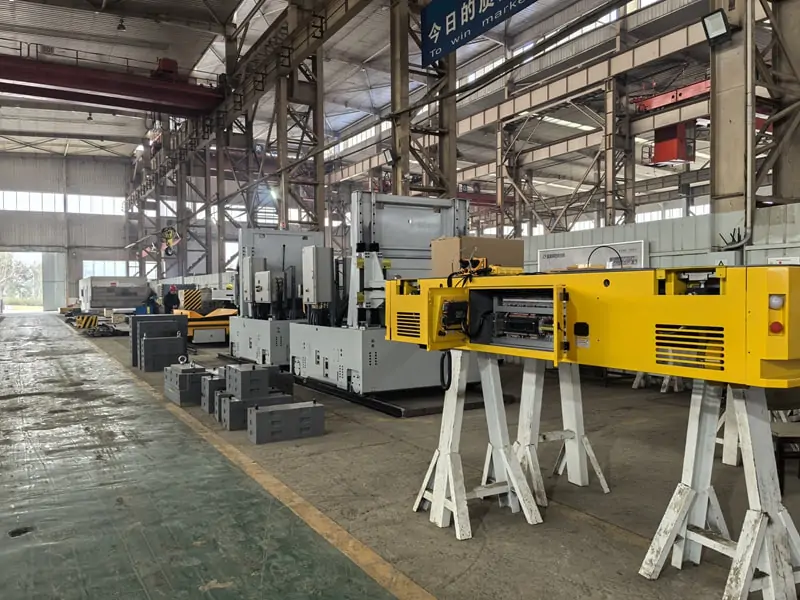
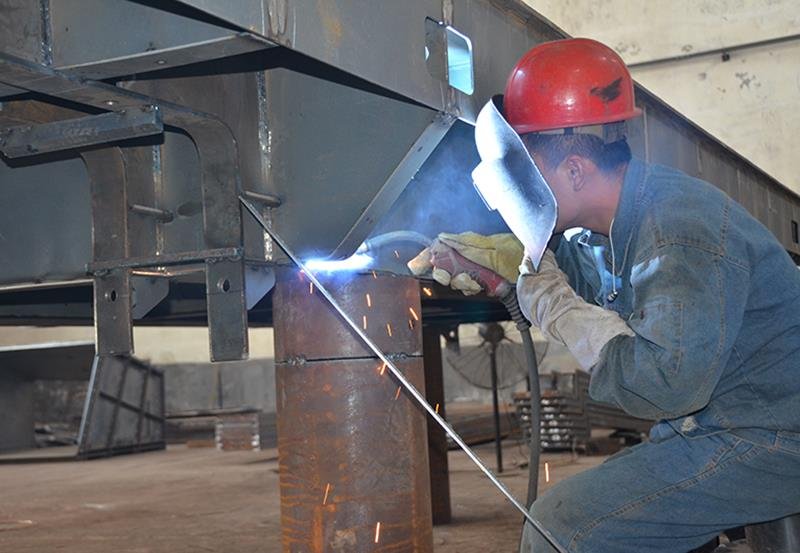
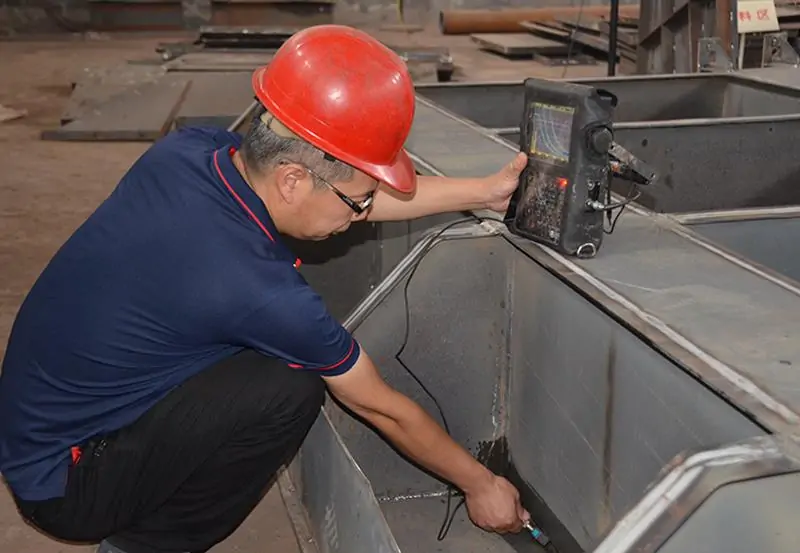
Konzentrieren Sie sich auf die tatsächliche Produktionsstärke des Lieferanten, einschließlich Ausstattung, technischem Team und Produktionskapazität. Eine Werksbesichtigung vor Ort wird empfohlen, um die tatsächliche Fertigungskapazität zu überprüfen. Wichtig ist auch die Bewertung der Unternehmensgröße und Lieferstabilität, um eine kontinuierliche Versorgung und langfristige Zusammenarbeit für einen industriellen Formentransportwagen sicherzustellen.
Prüfung der Individualisierungsfähigkeit
Ein qualifizierter Lieferant sollte in der Lage sein, Lösungen basierend auf den tatsächlichen Werkstattbedingungen anzupassen, anstatt nur Standardmodelle zu produzieren. Reaktionsgeschwindigkeit, technische Zusammenarbeit und technische Anpassungsfähigkeit sind Schlüsselindikatoren bei der Bewertung eines Herstellers von kundenspezifischen Formentransportwagen. Eine starke Individualisierungsfähigkeit ist für Formenhandhabungsgeräte in Fabrikanwendungen unerlässlich.
Überprüfung der Branchenerfahrung
Prüfen Sie vergangene Projektfälle und Betriebsaufzeichnungen, um zu bestätigen, ob der Lieferant relevante Branchenerfahrung bei Anwendungen von Schwerlast-Formentransportwagen hat. Kundenfeedback und Überprüfungen vor Ort können die Authentizität und Leistung gelieferter Systeme weiter validieren, wie z. B. einen schienengeführten Transportwagen für Formen oder eine batteriebetriebene Formentransportwagen-Lösung.
Bewertung der Kundendienstfähigkeit
Klären Sie Installationsunterstützung, Bedienerschulung, Wartungsreaktionszeit und Ersatzteilversorgung. Über Versprechungen hinaus sind die tatsächliche Reaktionsfähigkeit und Problemlösungskompetenz wichtiger. In einigen Fällen spiegeln digitale Servicesysteme und Fernsupportfähigkeiten auch die Gesamtstärke des Lieferanten bei Fabriklogistikausrüstung und Materialhandhabungsausrüstung wider.
Ein zuverlässiger Lieferant ist nicht nur für die Lieferung eines industriellen Transportwagens verantwortlich, sondern auch für die kontinuierliche Unterstützung über den gesamten Lebenszyklus. Diese langfristige Fähigkeit gewährleistet den stabilen Betrieb des Formenhandhabungssystems und einen nachhaltigen Wert für die Produktionseffizienz.
Schlussfolgerung
Die Wahl einer geeigneten Formentransportlösung ist im Wesentlichen ein Gleichgewicht zwischen Effizienz, Sicherheit und langfristigen Kosten. Von der Geräteauswahl bis zur Lieferantenbewertung hat jeder Schritt direkte Auswirkungen auf die Produktionsstabilität und den Arbeitsablauf. Die am besten geeignete Lösung ist nicht die “allgemein beste”, sondern diejenige, die zu den tatsächlichen Arbeitsbedingungen passt.
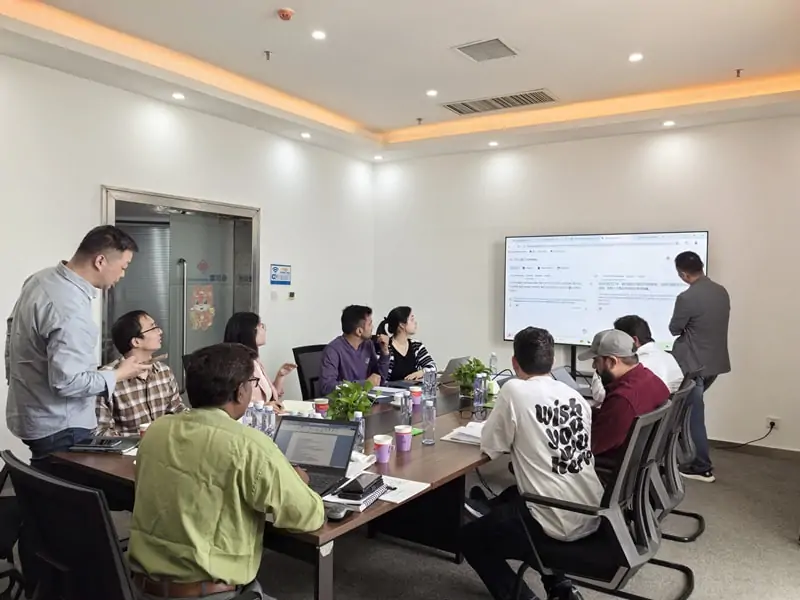
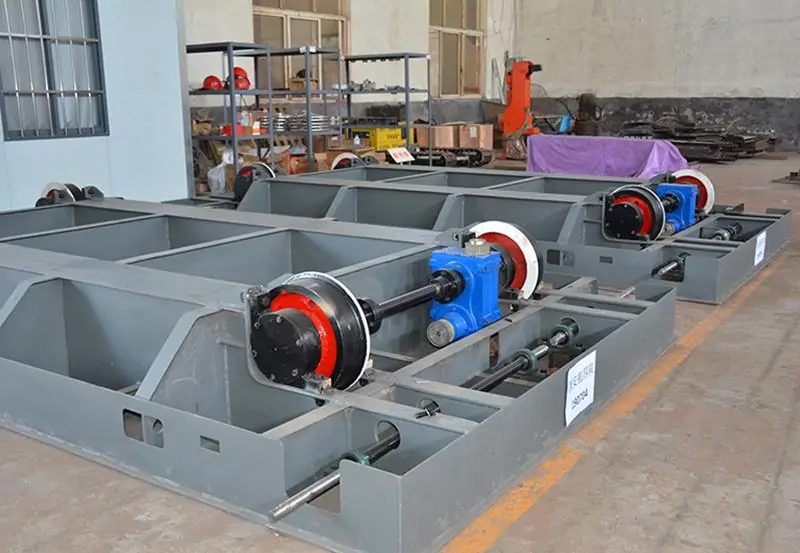
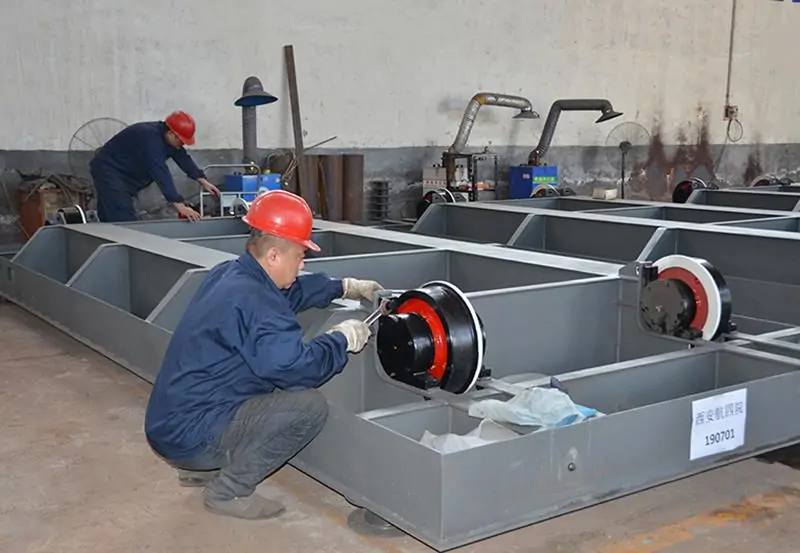
Bei REMARKEBLE, liegt der Fokus darauf, die Ausrüstung wirklich an die realen Produktionsszenarien anzupassen, nicht nur eine Maschine zu liefern. Von der Lösungsentwicklung bis zur kundenspezifischen Lieferung bieten wir praktische, anwendungsbasierte Ansätze, die auf spezifische Arbeitsbedingungen zugeschnitten sind. Wenn Sie nach einer geeigneteren Formentransportlösung suchen, zögern Sie nicht, kontaktieren Sie uns um gemeinsam ein praktischeres und zuverlässigeres Setup zu entwickeln.
E-Mail: transfercart@rmkzn.com
Telefon: +86-18637369355
FAQ
Wofür wird ein Formentransportwagen verwendet?
Ein Formentransportwagen wird verwendet, um schwere Formen sicher zwischen Lagerbereichen, Produktionslinien und Maschinen zu bewegen, die Handhabungseffizienz zu verbessern und manuelle Arbeit zu reduzieren.
Wie wähle ich den richtigen Formentransportwagen für meine Fabrik aus?
Sie sollten Formengewicht, -größe, Transportdistanz, Bodenverhältnisse und tägliche Nutzungshäufigkeit berücksichtigen, um die richtige Konfiguration und das richtige Antriebssystem zu bestimmen.
Was ist der Unterschied zwischen schienengebundenen und schienenlosen Formentransportwagen?
Schienenwagen fahren auf festen Gleisen für stabilen und Langstreckentransport, während schienenlose Wagen mehr Flexibilität für multidirektionale Bewegungen in komplexen Layouts bieten.
Können Formentransportwagen kundenspezifisch angepasst werden?
Ja, sie können basierend auf Lastkapazität, Tischgröße, Hubhöhe, Antriebssystem und speziellen Arbeitsumgebungsanforderungen angepasst werden.
Welche Antriebsoptionen gibt es für Formentransportwagen?
Übliche Optionen umfassen batteriebetriebene, kabelbetriebene und schienenbetriebene Systeme, die jeweils für unterschiedliche Arbeitsbedingungen und Nutzungshäufigkeiten geeignet sind.
Sind Formentransportwagen sicher zu bedienen?
Ja, sie sind mit Sicherheitsfunktionen wie Kollisionsschutzsystemen, stabiler Struktur und kontrollierter Geschwindigkeit ausgestattet, um Risiken beim Umgang mit schweren Lasten zu reduzieren.
In welchen Branchen werden Formentransportwagen häufig eingesetzt?
Sie werden häufig im Spritzguss, Druckguss, in der Automobilherstellung und in schweren industriellen Produktionsumgebungen eingesetzt.
Wie lange ist die Lebensdauer eines Formentransportwagens?
Bei ordnungsgemäßer Wartung kann ein Formentransportwagen typischerweise viele Jahre lang betrieben werden, abhängig von der Nutzungsintensität und den Arbeitsbedingungen.