
جدول المحتويات
مقدمة
يعتمد اختيار عربة النقل الثقيلة المناسبة على متطلبات الحمل وبيئة العمل وظروف النقل. تُستخدم عربات النقل الكهربائية هذه على نطاق واسع لنقل لفات الفولاذ والقوالب والآلات والهياكل الثقيلة في المصانع والمستودعات وأحواض بناء السفن والمرافق الصناعية الأخرى. يساعد الطراز المناسب في تحسين كفاءة المناولة ويدعم العمليات اليومية الموثوقة.
في هذا الدليل، سأغطي العوامل الرئيسية لاختيار عربة نقل ثقيلة، بما في ذلك السعة وإمداد الطاقة وخيارات السكك أو بدون مسار وطرق التحكم وخيارات التخصيص. يمكن أن تساعد هذه النقاط المشترين على فهم الطرازات المختلفة بشكل أفضل واختيار الحل الذي يناسب تطبيقاتهم.
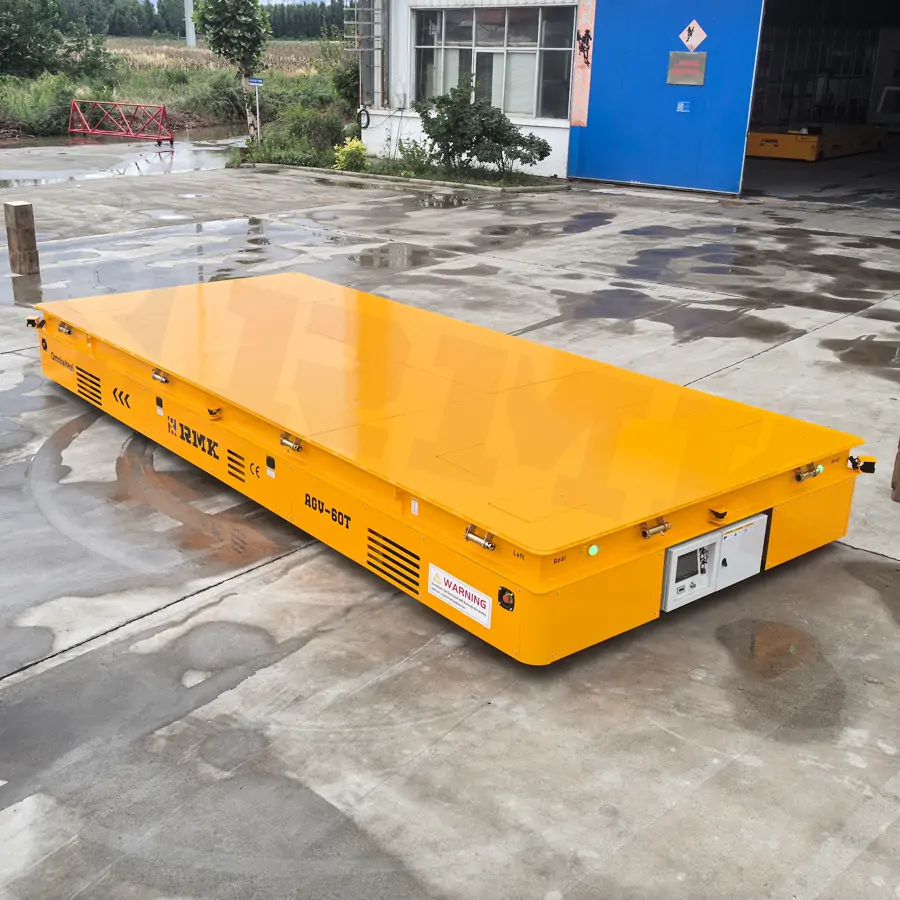
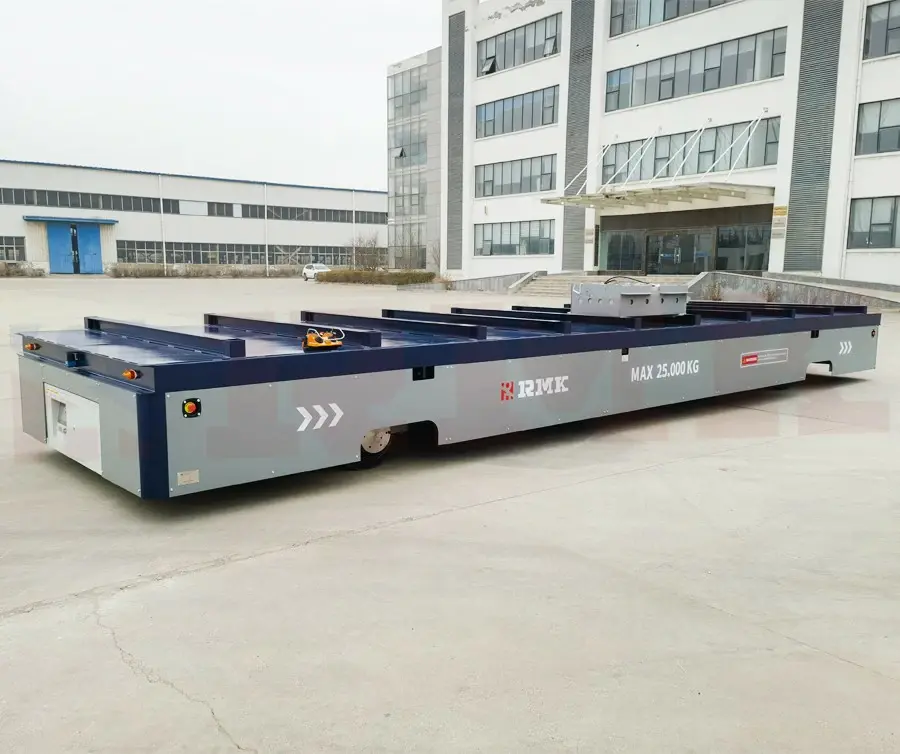
ما هي عربة النقل الثقيلة؟
عربة النقل الثقيلة هي مركبة مناولة مواد صناعية مصممة لنقل الأحمال الكبيرة أو الثقيلة أو الضخمة أفقيًا في مرافق مثل مصانع الصلب وأحواض بناء السفن والمستودعات ومصانع التصنيع. مقارنةً بالرافعات الشوكية القياسية، تتميز هذه العربات بهياكل فولاذية معززة وعجلات أو سكك ثقيلة وأنظمة دفع قوية للتعامل مع أحمال تتراوح من عدة أطنان إلى مئات الأطنان. تُعرف أيضًا بعربات النقل الصناعية أو عربات القوالب أو عربات النقل بالسكك.
تتوفر عربات النقل الثقيلة بتصاميم مثبتة على سكك وبدون مسار وتصاميم نقل متقاطع. تُستخدم عربات النقل بالسكك للمسارات الثابتة والنقل عالي التكرار، بينما توفر الطرازات بدون مسار حركة مرنة دون سكك دائمة. السعة هي أحد عوامل الاختيار الرئيسية، حيث تتراوح الطرازات القياسية من 5 إلى 500 طن وتتوفر حلول مخصصة للتطبيقات الخاصة.
تستخدم عربات النقل الثقيلة الحديثة أنظمة دفع كهربائية تعمل بالبطاريات أو بكرات الكابلات أو قضبان التوصيل. تعمل ميزات مثل محركات التردد المتغير وأجهزة استشعار منع التصادم وأنظمة الإيقاف الطارئ على تحسين التحكم في التشغيل والسلامة. تُستخدم هذه العربات على نطاق واسع مع الرافعات وخطوط الإنتاج لتحسين نقل المواد الثقيلة.
لمقدمة أكثر تفصيلاً عن عربات النقل الثقيلة، راجع: ما هي عربة النقل الثقيلة؟
ما العوامل التي يجب أن تأخذها في الاعتبار قبل شراء عربة نقل ثقيلة؟
قبل اختيار عربة نقل ثقيلة، يحتاج المشترون إلى تقييم متطلبات الحمل وظروف السير وإمداد الطاقة وبيئة العمل. تؤثر هذه العوامل مباشرة على هيكل العربة ونظام الدفع وأداء التشغيل وتكلفة الصيانة على المدى الطويل.
متطلبات سعة الحمولة
سعة عربة النقل الثقيلة هي العامل الأول الذي يجب تأكيده. عادةً ما تُصمم الطرازات القياسية لأحمال تتراوح من 5 أطنان إلى 500 طن، بما في ذلك تطبيقات 5 أطنان و20 طنًا و50 طنًا و100 طن+. تتوفر عربات نقل مخصصة لمهام المناولة الثقيلة الخاصة.
يجب أن يأخذ اختيار السعة في الاعتبار أكثر من مجرد وزن الحمل الأقصى. يؤثر توزيع الحمل ومركز الثقل وطريقة التحميل وهامش الأمان ومتطلبات الإنتاج المستقبلية جميعها على التصميم النهائي. يساعد اختيار السعة المناسبة في منع التحميل الزائد الهيكلي ويدعم التشغيل المستقر أثناء النقل اليومي.
عربة نقل بالسكك أم بدون مسار؟
يحدد مسار النقل ما إذا كانت عربة النقل بالسكك أو عربة النقل بدون مسار هي الخيار الأفضل.
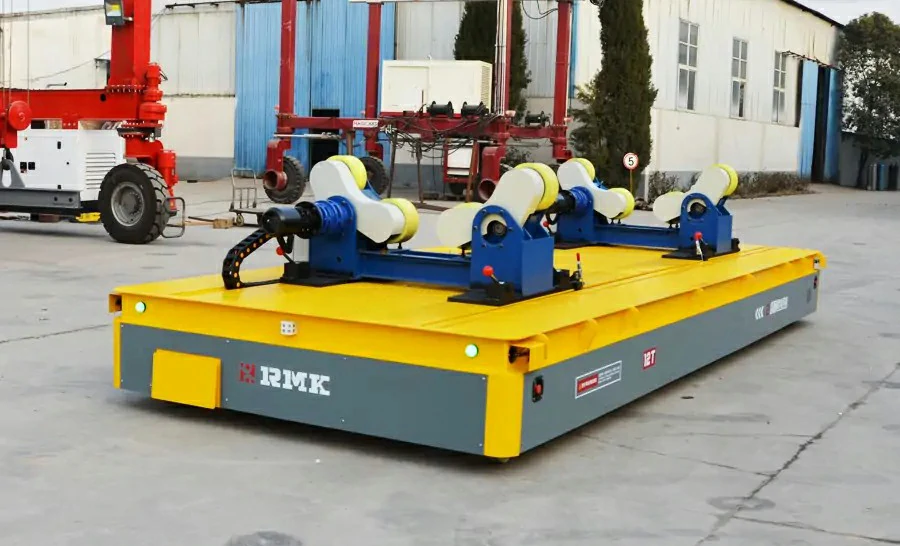
- A عربة نقل السكك الحديدية تعمل على سكك فولاذية ثابتة وتُستخدم عادةً في الورش وخطوط الإنتاج والمناطق ذات مسارات النقل المتكررة. توفر حركة مستقرة وقدرة تحميل عالية وتحديد موقع دقيق، مما يجعلها مناسبة لمناولة المواد الثقيلة والمتكررة.
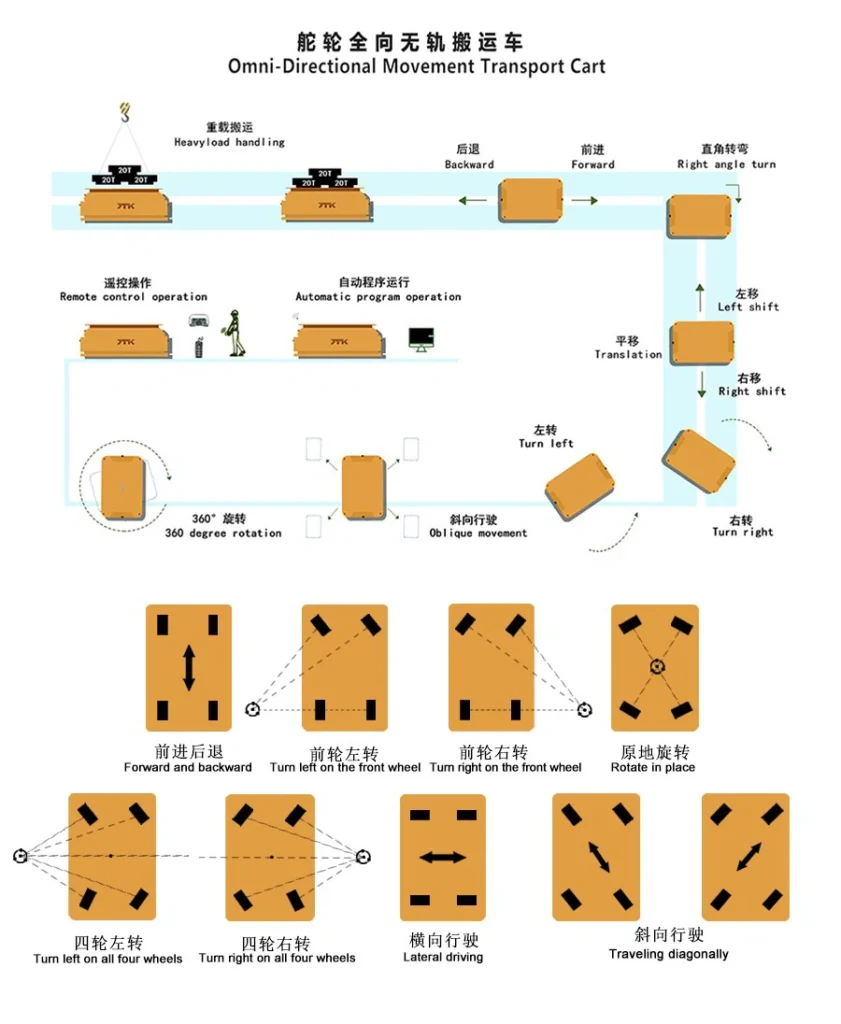
- A عربة نقل غير مجنزرة تستخدم عجلات مطاطية أو بولي يوريثان ولا تتطلب سككًا دائمة. وهي مصممة للنقل المرن بين مناطق عمل متعددة، خاصة في الورش الكبيرة أو المرافق التي قد يتغير تخطيطها. تشمل مزاياها الرئيسية تخطيط المسار بحرية وسهولة التركيب.
| الميزة | عربة النقل بالسكك الحديدية | عربة نقل غير مجنزرة |
|---|---|---|
| المسار | ثابت | مرن |
| محدودة بالمسارات أو مسارات النقل المحددة مسبقًا | يتطلب سككًا | لا يتطلب سككًا |
| التطبيق | خطوط الإنتاج، مسارات النقل الثابتة | الورش الكبيرة، مناطق عمل متعددة |
يعتمد الاختيار بين الطرازات بالسكك وبدون مسار على تخطيط المصنع وتكرار النقل ومتطلبات الحمل وخطط التوسع المستقبلية.
كيف تختار نظام إمداد الطاقة المناسب؟
يؤثر نظام إمداد الطاقة على مسافة التشغيل والمرونة وصيانة عربة النقل الثقيلة. يعتمد الاختيار على مسافة السير وتكرار التشغيل وبيئة العمل. تشمل الخيارات الشائعة البطارية وبكرة الكابل وأنظمة الطاقة بالسكك.
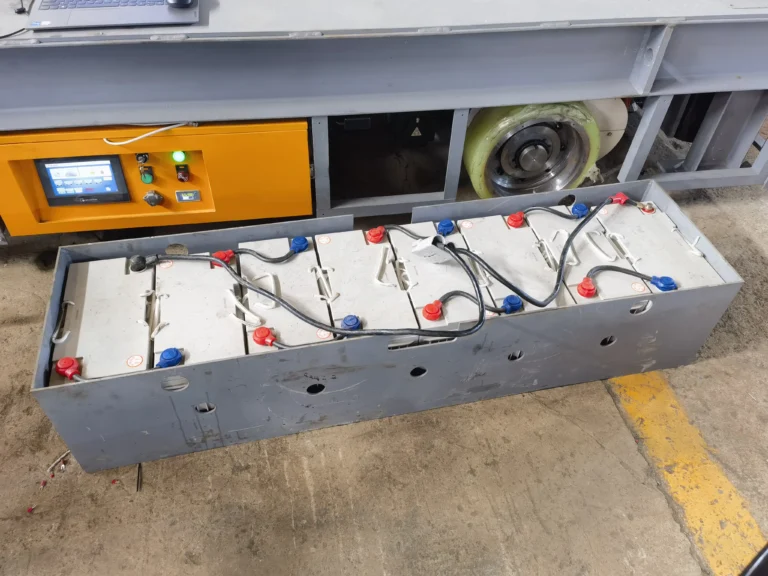
عربة نقل تعمل بالبطارية
تستخدم عربة النقل التي تعمل بالبطارية بطاريات قابلة لإعادة الشحن للتشغيل المستقل. وهي مناسبة للتطبيقات الداخلية التي تتطلب حركة مرنة وتركيبًا بسيطًا وصيانة منخفضة.
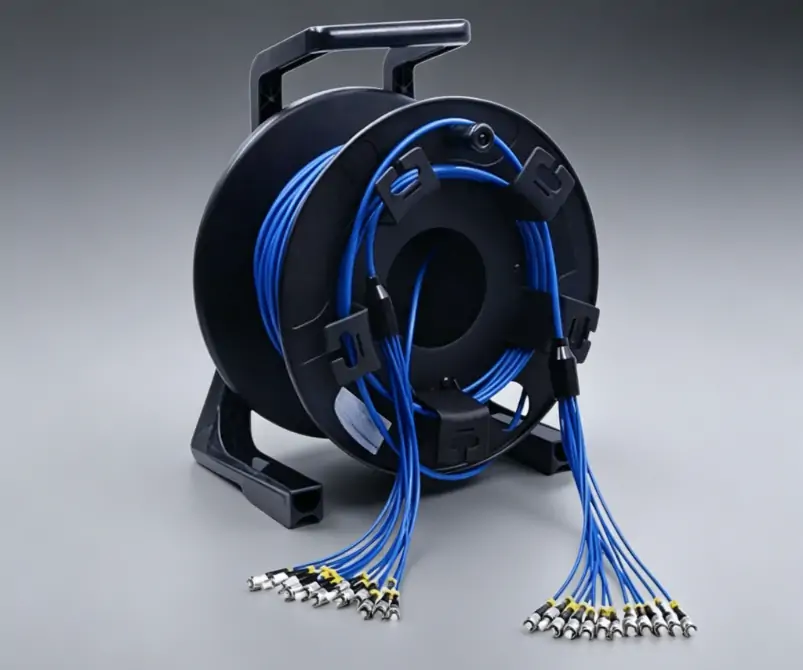
عربة النقل ببكرة الكابل
عربة النقل ببكرة الكابل مصممة للتشغيل المستمر وساعات العمل الطويلة. توفر طاقة مستقرة لمناطق العمل الثابتة ولكنها تتطلب إدارة مناسبة للكابلات.
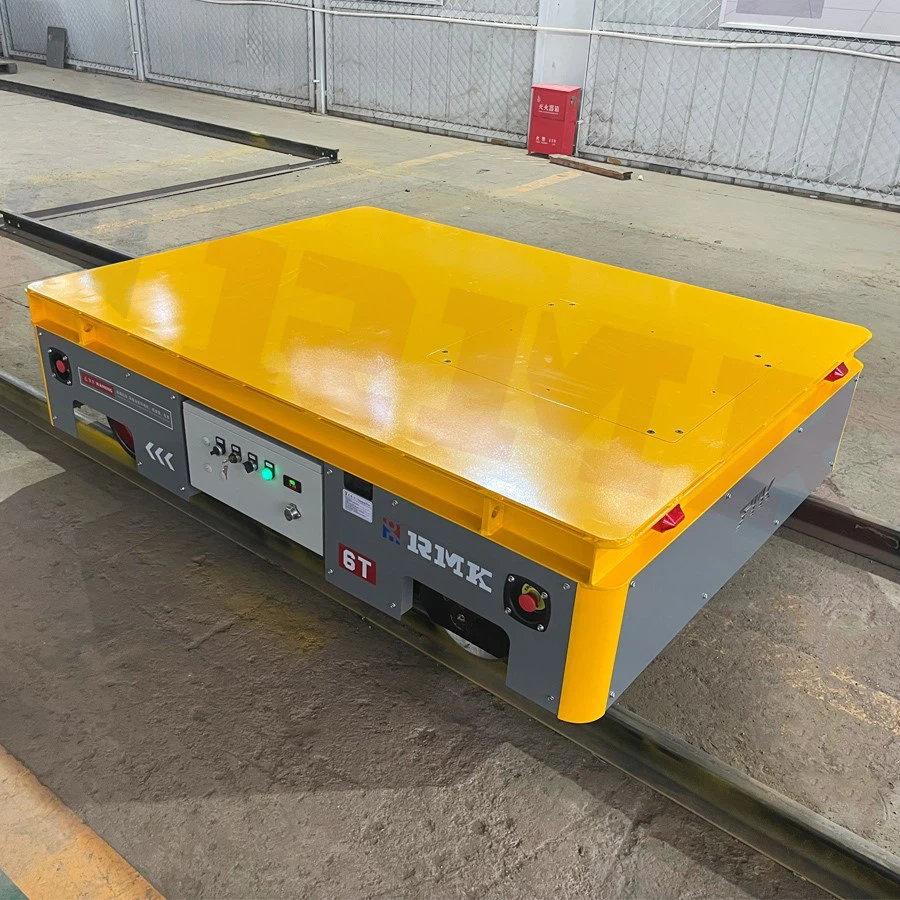
عربة النقل بالطاقة من السكك
تُستخدم عربات النقل بالطاقة من السكك للنقل عالي التكرار على مسارات ثابتة. وهي مناسبة لخطوط الإنتاج والتطبيقات الثقيلة التي تتطلب تشغيلًا مستقرًا وتحديد موقع دقيق.
يجب اختيار نظام الطاقة المناسب بناءً على ظروف التشغيل ومسافة النقل ومتطلبات الإنتاج.
كيف تختار سعة عربة النقل؟
السعة هي المواصفة الرئيسية عند اختيار عربة النقل. فهي تحدد تصميم الإطار وحمل العجلات وقدرة المحرك ونظام الطاقة. يمكن أن يؤدي اختيار السعة الخاطئة إلى زيادة التآكل أو تقليل عمر الخدمة أو إضافة تكاليف غير ضرورية.
- اختر بناءً على الحمل الأقصى: احسب السعة دائمًا بناءً على أثقل حمل، وليس متوسط الوزن. ضمّن التثبيتات والأدوات والأحمال الإضافية الأخرى. إذا كانت أوزان الأحمال متفاوتة، استخدم الحمولة القصوى المتوقعة للتصميم.
- ضع في الاعتبار احتياجات الإنتاج المستقبلية: يساعد هام السعة المعقول في تجنب الاستبدال عند زيادة متطلبات الإنتاج. تشمل سعات عربات النقل للخدمة الشاقة الشائعة 30 طنًا و50 طنًا و100 طن فأكثر، بينما تتوفر موديلات مخصصة للتطبيقات الخاصة.
- تحقق من حجم الحمل وتوزيعه: لا تقتصر السعة على الوزن فقط. تتطلب الأحمال الكبيرة أو غير المتساوية مثل اللفائف والمغارف والهياكل الفولاذية منصات مناسبة وتصميمات توزيع أحمال لمنع الإجهاد المفرط.
- طابق السعة مع ظروف العمل: تؤثر مسافة السير وظروف السكة أو الأرضية وتكرار التشغيل وحمل العجلات على التصميم النهائي. عادةً ما تدعم عربات النقل على السكك أحمالًا أعلى، بينما توفر الموديلات بدون سكك تشغيلًا مرنًا.
- أكد المواصفات مع الشركة المصنعة: قبل الطلب، قدم تفاصيل البضائع وحجم المنصة وساعات العمل وبيئة التشغيل. تساعد هذه العوامل في تحديد الهيكل الصحيح ونظام الدفع وتكوين الطاقة المناسب.
يضمن اختيار السعة الصحيحة التشغيل الآمن وعمر خدمة أطول وكفاءة تكلفة أفضل.
تتمتع عربات النقل بقدرات تحميل تتراوح من بضعة أطنان مترية إلى أكثر من ألف طن متري. كيف تحدد قدرة التحميل الفعلية لعربة النقل، وكيف تحسب قدرة التحميل النهائية؟ للتفاصيل، انظر: كم يبلغ الوزن الذي يمكن لعربة نقل للخدمة الشاقة أن تحمله؟
ما أنواع عربات النقل الثقيلة المتوفرة؟
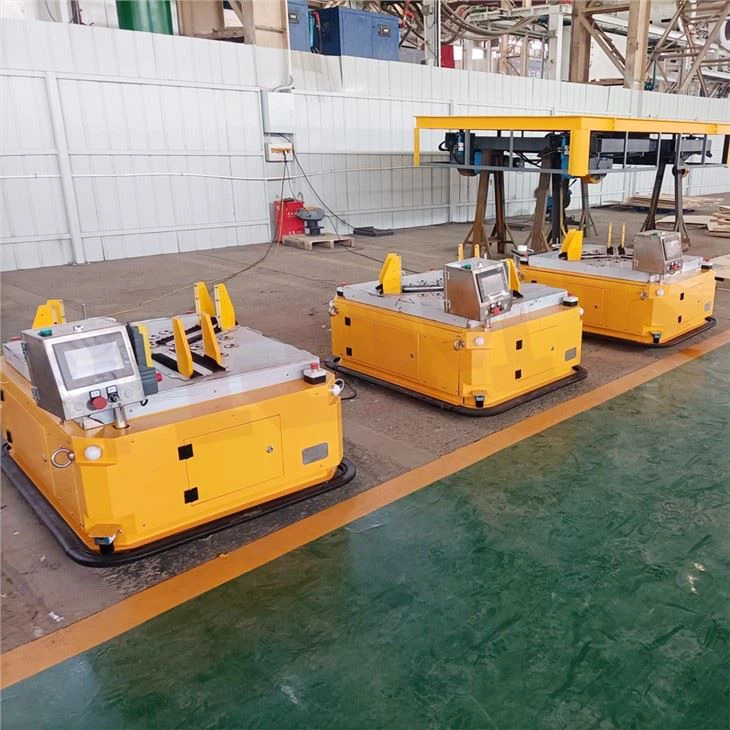
صُممت عربات النقل للخدمة الشاقة لنقل المواد والمعدات والمكونات الثقيلة داخل المنشآت الصناعية. تتوفر تصميمات مختلفة بناءً على مسارات السير ومصدر الطاقة ومتطلبات الحمل واحتياجات الأتمتة. تشمل الأنواع الرئيسية عربات النقل على السكك، وعربات النقل بدون سكك، وعربات النقل التي تعمل بالبطارية، وعربات النقل AGV، وعربات النقل ذات الرفع الهيدروليكي.
عربة النقل بالسكك الحديدية
A عربة نقل السكك الحديدية تعمل على سكك فولاذية ثابتة وصُممت للنقل المستقر للأحمال الثقيلة على طول مسار محدد. تُستخدم عادةً في المصانع ومناطق الإنتاج حيث تكون حركة المواد المتكررة وسعة الحمل العالية والتمركز الدقيق مطلوبة.
مناسبة لـ:
- مسارات النقل الثابتة
- مصانع الصلب وورش التصنيع
- نقل الأحمال الثقيلة بين محطات الإنتاج
- عمليات مناولة المواد عالية التكرار
عربة نقل غير مجنزرة
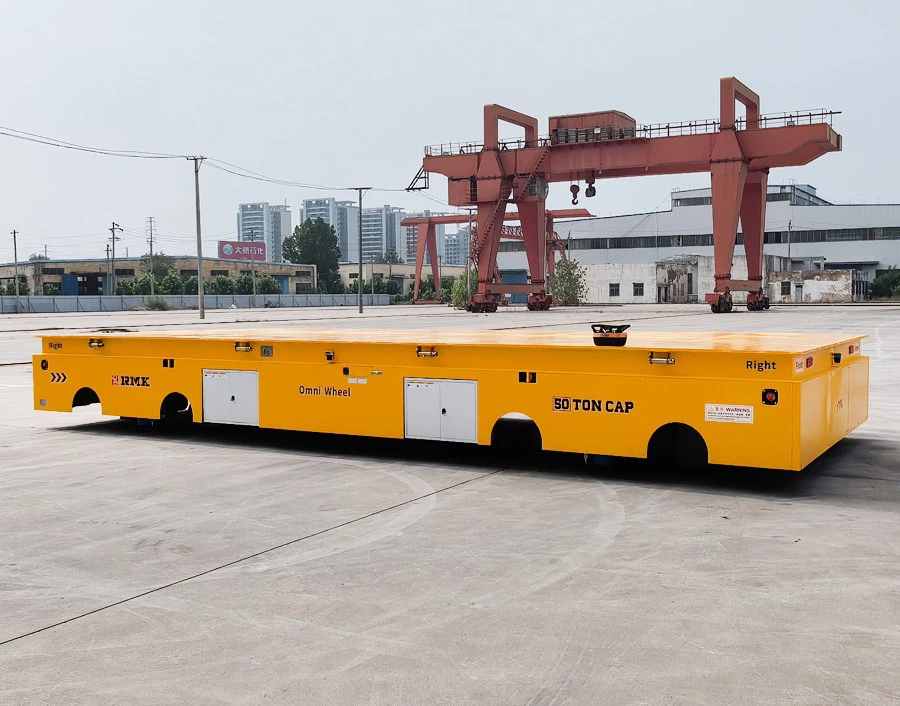
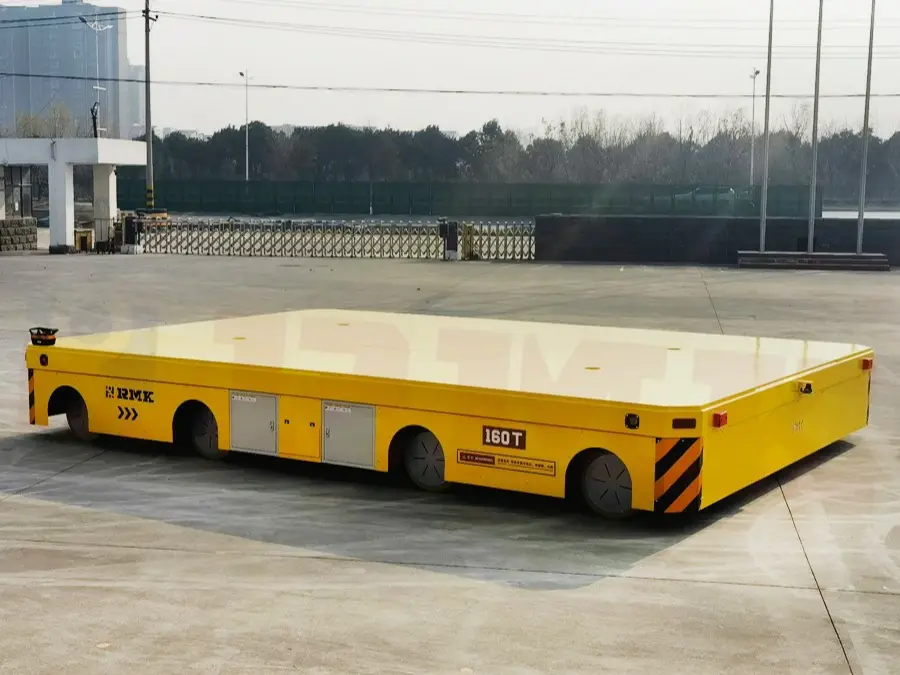
A عربة نقل غير مجنزرة تستخدم عجلات مطاطية وتعمل بدون سكك دائمة. توفر حركة مرنة عبر أرضيات المصانع وتناسب المنشآت التي قد تتغير فيها مسارات النقل أو تحتاج فيها مناطق عمل متعددة إلى الربط.
مناسبة لـ:
- الورش الكبيرة ذات التخطيطات المرنة
- مناطق النقل المتعددة
- Sites without existing rail systems
- Internal transportation over long distances
عربة النقل الثقيلة التي تعمل بالبطارية
A heavy duty battery powered transfer cart uses rechargeable batteries as the power source and does not require external cables or fixed power lines. It offers flexible operation and is widely used for applications requiring easy installation and low maintenance.
مناسبة لـ:
- Indoor and outdoor material handling
- Factories requiring flexible movement
- Applications without fixed power supply systems
- Transportation between multiple working areas
عربة نقل AGV
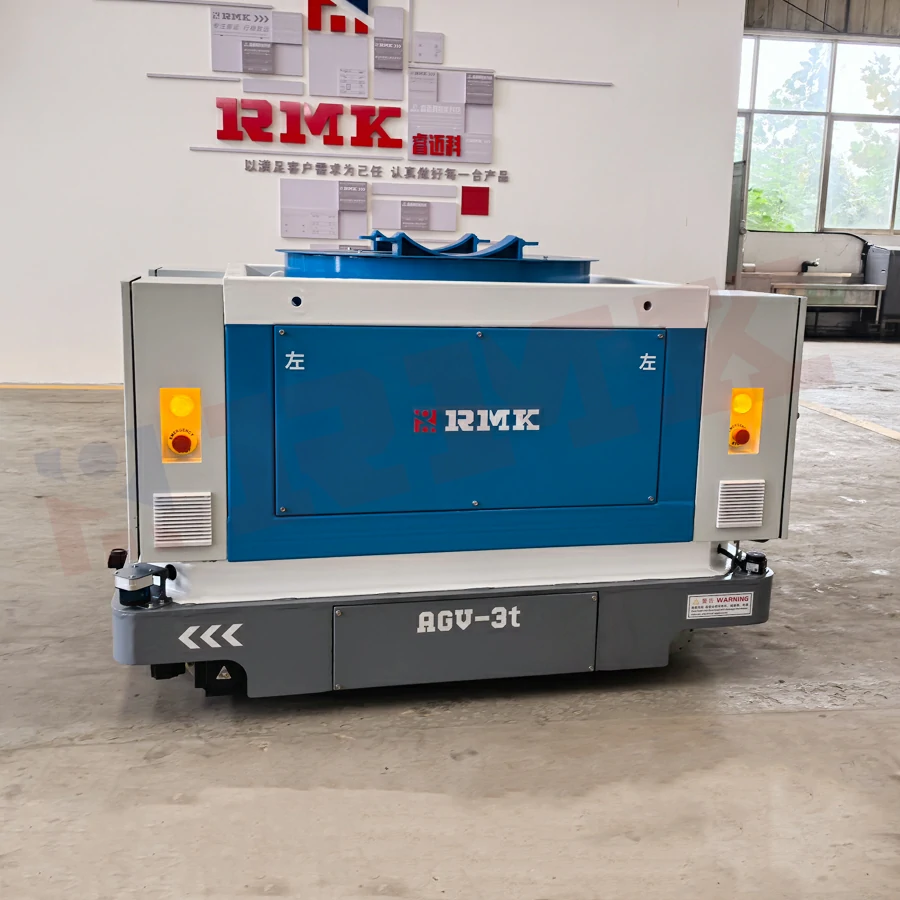
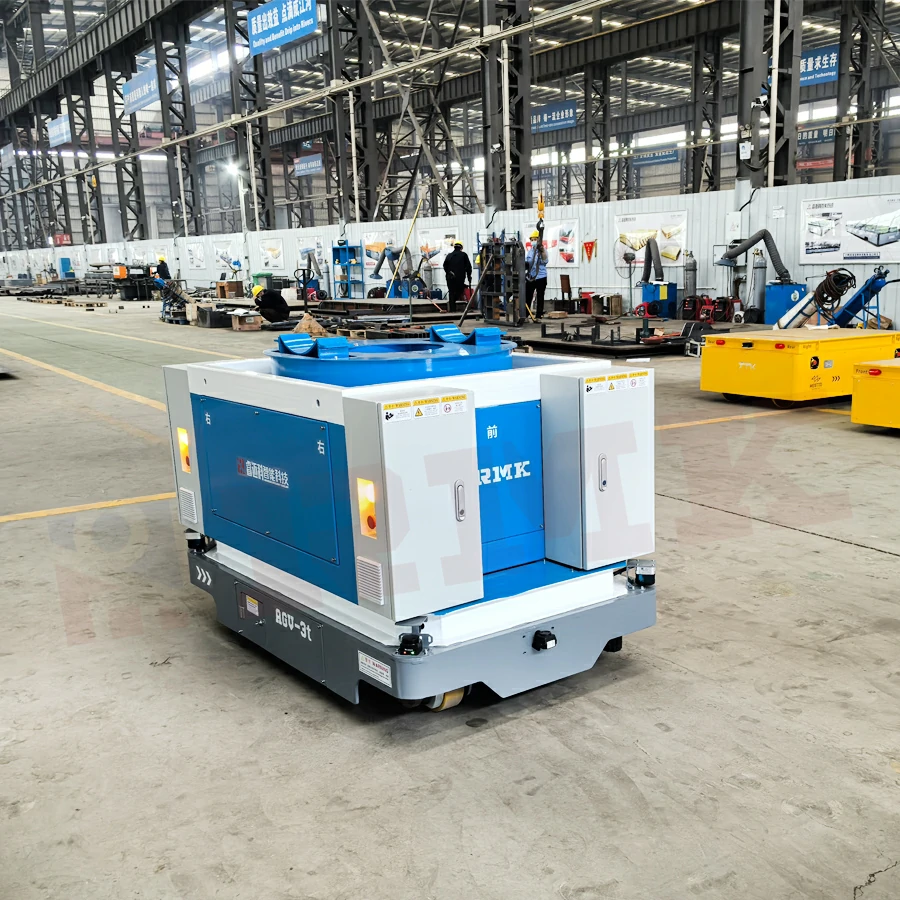
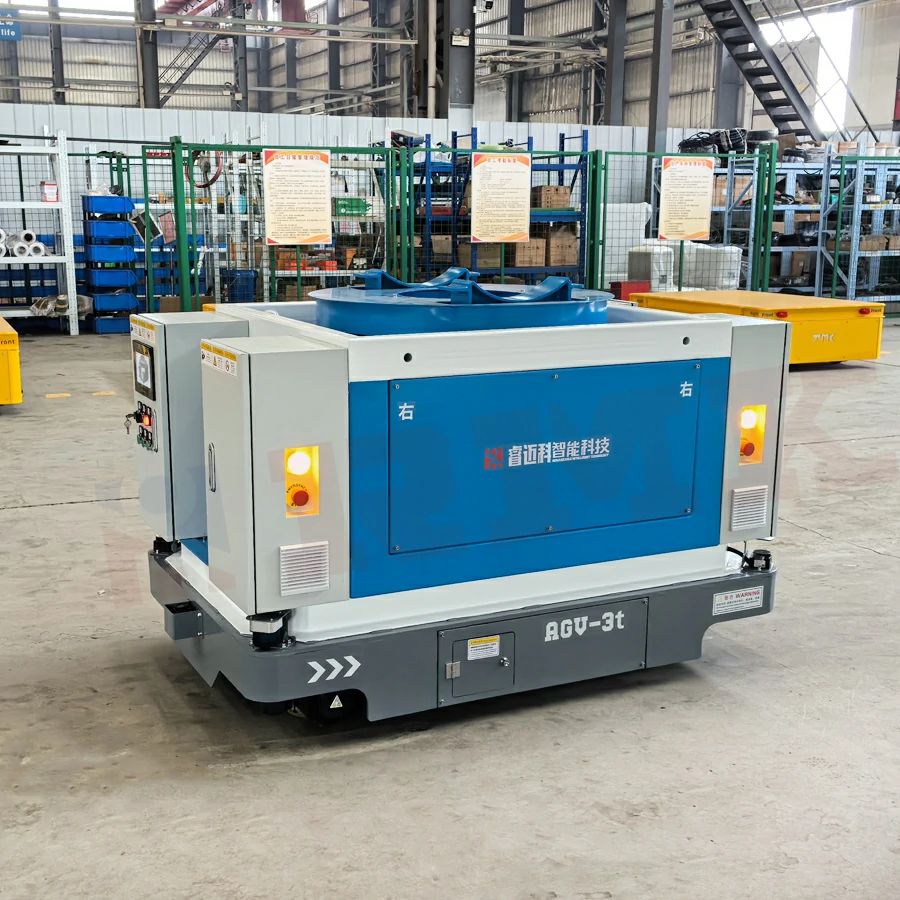
أن عربة نقل AGV combines heavy load transportation with automatic navigation technology. It can use laser SLAM, magnetic guidance, or QR navigation systems to achieve automatic movement and improve handling efficiency in automated production environments.
مناسبة لـ:
- Smart factories
- خطوط الإنتاج الآلية
- Repetitive material transportation
- Unmanned handling applications
عربة النقل الهيدروليكية القابلة للرفع
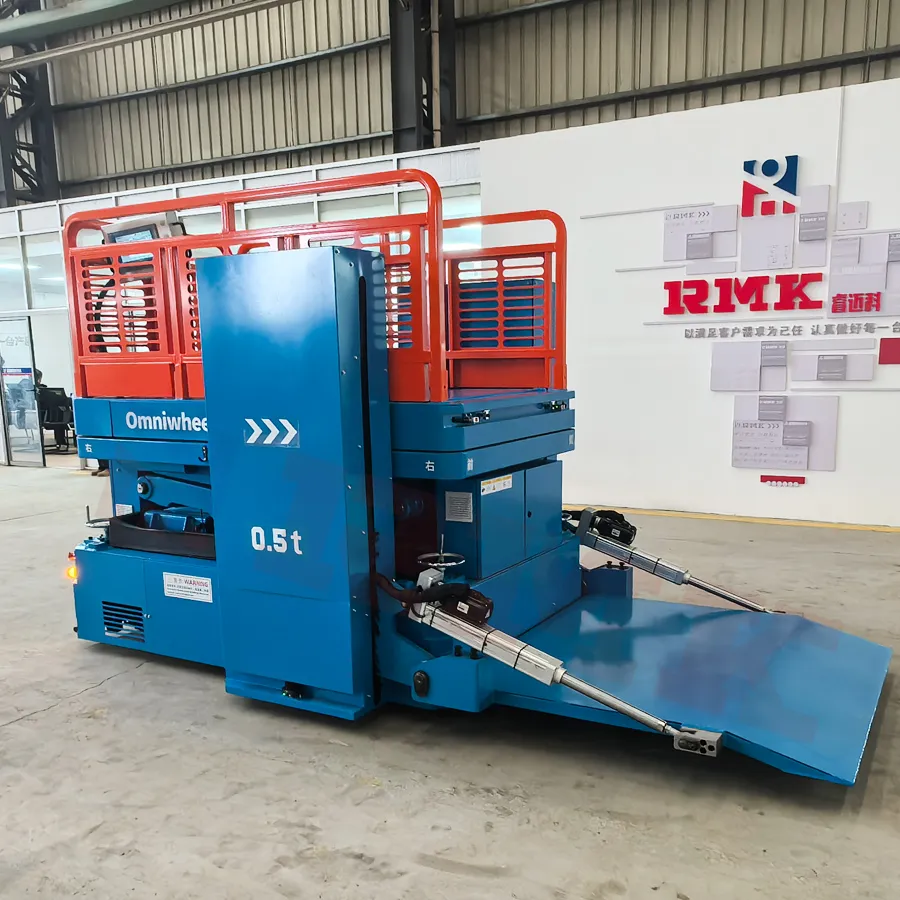
A عربة النقل ذات الرفع الهيدروليكي integrates lifting and transportation functions into one system. The hydraulic platform allows height adjustment, making it suitable for connecting different production processes and improving loading or positioning efficiency.
مناسبة لـ:
- Assembly lines
- Die and mold handling
- Material positioning applications
- Operations requiring lifting and transfer functions
When selecting a heavy duty transfer cart, consider load capacity, transportation route, power system, working environment, and required automation level to choose the right model for your application.
كيف تؤثر بيئة العمل على اختيار عربة النقل؟
The working environment affects the structure, components, and operating performance of a heavy duty transfer cart. Floor conditions, temperature, dust, moisture, and operating location are key factors during model selection.
- Indoor Applications: Indoor transfer carts are used in workshops, warehouses, and production areas. Smooth floors and fixed transport routes allow standard wheel systems and power configurations for most applications.
- Outdoor Applications: Outdoor transfer carts require protection against weather, uneven ground, and temperature changes. Weather-resistant components, suitable wheels, and reliable power systems are commonly used for outdoor operation.
- Harsh Industrial Environments: Steel plants, foundries, and shipyards often involve high temperatures, dust, impact loads, and demanding working conditions. These applications require reinforced structures, protective designs, and customized configurations based on site requirements.
Choosing a transfer cart that matches the working environment improves operating reliability and reduces maintenance requirements.
ما خيارات التخصيص المتوفرة لعربات النقل الثقيلة؟
Heavy duty transfer carts are usually designed according to specific handling requirements. Load weight, cargo size, transport route, working environment, and operation frequency determine the final configuration. Manufacturers can customize the cart structure, power system, and control method for different applications.
Capacity and Platform Design
The cart capacity and platform structure are selected based on the load type and handling method. Common customization options include:
- Capacity from several tons to hundreds of tons
- Custom platform size and height
- V-groove decks for steel coils
- Special fixtures for molds, equipment, and components
Travel and Power Configuration
The travel system can be customized according to factory conditions:
- Rail-mounted or trackless design
- Customized rail gauge and travel direction
- Battery, cable reel, or conductor rail power supply
- Remote control or automatic operation systems
وظائف إضافية
Heavy duty transfer carts can be equipped with additional functions for special handling requirements:
- Hydraulic lifting platforms
- Rotating or tilting decks
- Positioning devices
- Safety systems such as emergency stops and anti-collision sensors
Before customization, provide the load capacity, cargo dimensions, transport distance, working environment, and daily operating cycle. These details help determine the suitable transfer cart design and configuration.
For more detailed information on customization options and limitations, see: عربة النقل المخصصة: الدليل الشامل للتصميم والتخصيص
كم تكلفة عربة النقل الثقيلة؟
The price of a heavy duty transfer cart depends on the load capacity, design structure, power system, travel method, and additional functions. Since most transfer carts are customized for specific working conditions, the final cost varies based on the application requirements.
| عامل التكلفة | How It Affects Price |
|---|---|
| سعة التحميل | Higher capacity requires stronger frames, larger wheels, and more powerful drive systems |
| حجم المنصة | Larger decks need more structural materials and customized designs |
| طريقة السير | Rail, trackless, and multidirectional designs have different mechanical requirements |
| Power Supply | Battery, cable reel, and conductor rail systems vary in equipment cost and maintenance needs |
| مسافة السير | Longer operating distances require suitable power and control configurations |
| بيئة العمل | Outdoor, high-temperature, dusty, or special environments require additional protection |
| نظام التحكم | Remote control, automatic operation, and AGV integration increase system complexity |
| وظائف إضافية | Hydraulic lifting, rotating decks, and positioning devices affect the final price |
Cost Range by Application
- Small Capacity Transfer Cart — Used for workshops and light industrial material handling.
- Medium Capacity Transfer Cart — Applied in machinery manufacturing and production line transportation.
- Heavy Duty Transfer Cart — Designed for steel plants, shipyards, and large equipment handling.
- Customized Transfer Cart — Used for special loads, complex routes, and automated handling projects.
For an accurate quotation, provide the load capacity, cargo dimensions, travel distance, operating frequency, power supply requirements, and working environment. These details allow the manufacturer to select the correct structure and configuration.
قائمة التحقق لاختيار عربة النقل الثقيلة
- 1. Load Capacity: Confirm the maximum load, load distribution, and future capacity needs.
- 2. Cargo Dimensions: Provide the load size, center of gravity, and special support requirements.
- 3. Travel Route: Define rail or trackless operation, travel distance, route layout, and positioning needs.
- 4. Power Supply: Select the suitable power system, including battery, cable reel, or conductor rail.
- 5. Working Environment: Consider indoor or outdoor use, temperature, dust, moisture, and floor conditions.
- 6. Operation Frequency: Confirm daily running distance, working hours, and duty cycle.
- 7. Control System: Choose the required control method, such as remote control or automatic operation.
- 8. Safety Requirements: Specify safety features, including emergency stop, alarms, and anti-collision devices.
- 9. Custom Functions: Confirm additional options such as lifting, rotating platforms, or special fixtures.
الخاتمة
Choosing the right heavy duty transfer cart requires careful consideration of load capacity, travel method, power supply, working environment, and customization requirements. A suitable transfer cart design improves handling efficiency, reduces maintenance needs, and supports reliable operation in different industrial applications.
مدهش designs and manufactures heavy duty transfer carts for different industrial applications, with customized options for capacity, platform structure, drive systems, and control methods. From standard handling needs to complex transport projects, we provide solutions based on real working conditions. اتصل بنا with your application details to get a suitable transfer cart proposal.
البريد الإلكتروني: transfercart@rmkzn.com
الهاتف: +86-18637369355
مقالات ذات صلة
الأسئلة الشائعة
What is a heavy duty transfer cart used for?
A heavy duty transfer cart is used to move heavy materials, equipment, molds, steel coils, and large components inside industrial facilities. It is commonly applied in steel plants, shipyards, warehouses, and manufacturing workshops for horizontal transportation.
كم وزن يمكن أن تحمله عربة النقل الثقيلة؟
The capacity of a heavy duty transfer cart usually ranges from a few tons to hundreds of tons. Standard models can handle 5–500 tons, while customized designs are available for special applications requiring higher load capacity.
ما الفرق بين عربات النقل بالسكك الحديدية وعربات النقل بدون مسار؟
Rail transfer carts operate on fixed steel tracks and provide stable movement with high load capacity. Trackless transfer carts use rubber wheels and move freely without rails, making them suitable for flexible routes and changing factory layouts.
هل تعمل عربات النقل الثقيل بالبطارية؟
Yes. Many heavy duty transfer carts use rechargeable batteries as the power source. Battery powered transfer carts provide flexible movement without cables or fixed power lines and are suitable for applications requiring independent operation.
How do I choose the right transfer cart capacity?
Choose the transfer cart capacity based on the maximum load weight, cargo dimensions, load distribution, working frequency, and future production needs. The selected capacity should include a suitable margin for safe and stable operation.
هل يمكن تخصيص عربات النقل الثقيلة؟
Yes. Heavy duty transfer carts can be customized according to load requirements and working conditions. Options include platform size, capacity, power supply, travel method, lifting functions, control systems, and safety features.
What industries use heavy duty transfer carts?
Heavy duty transfer carts are widely used in steel manufacturing, shipbuilding, automotive production, machinery manufacturing, foundries, warehouses, and other industries that require transportation of heavy materials and large equipment.
How long does a heavy duty transfer cart last?
The service life of a heavy duty transfer cart depends on load conditions, operating frequency, maintenance, and working environment. Proper selection, regular inspection, and correct maintenance help extend equipment service life.