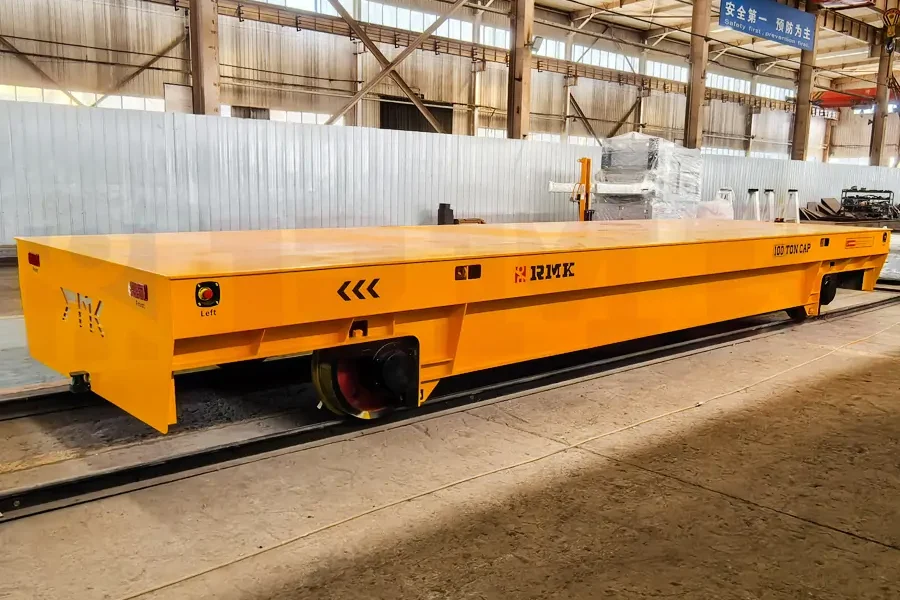
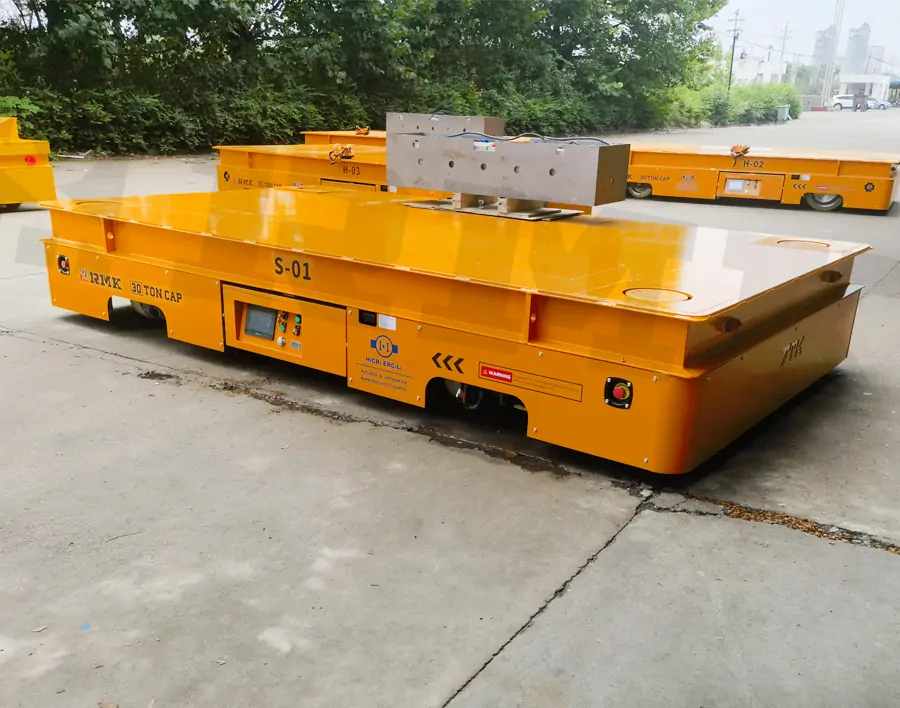
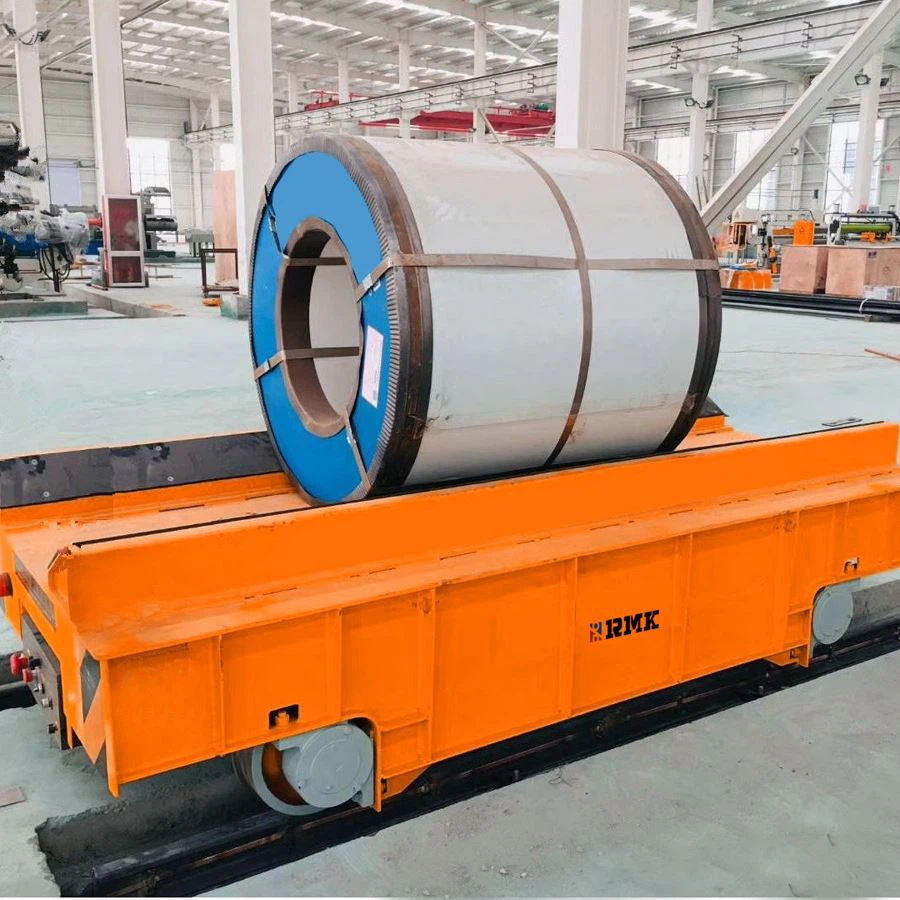
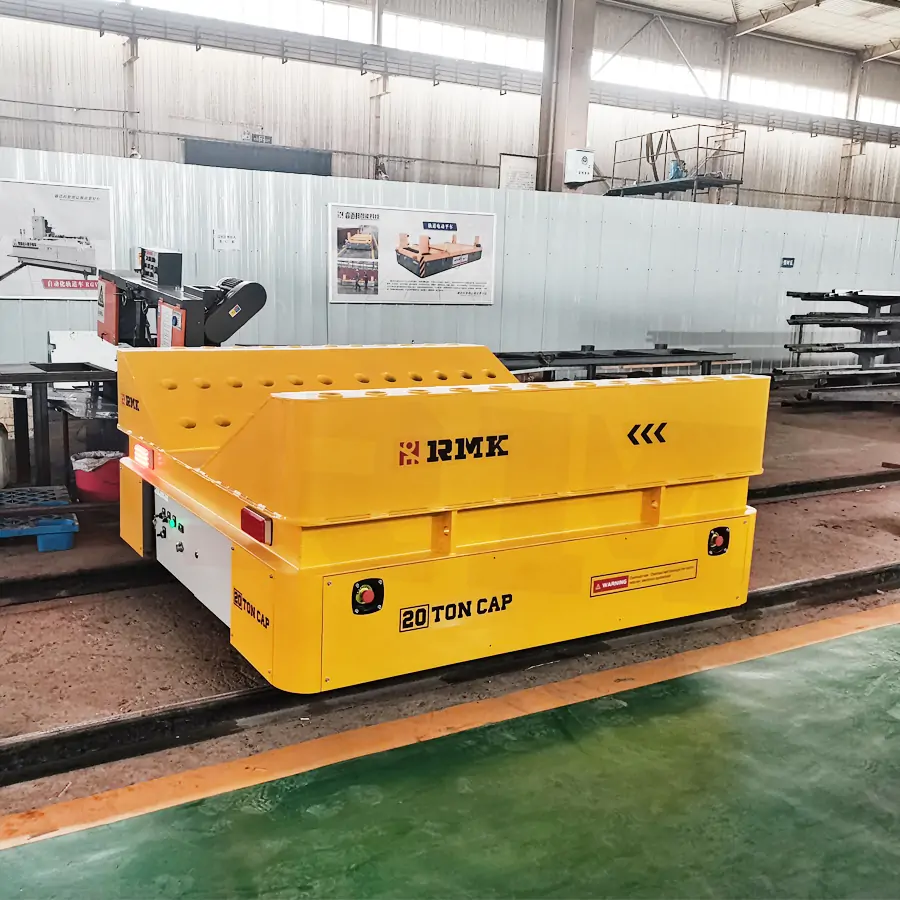
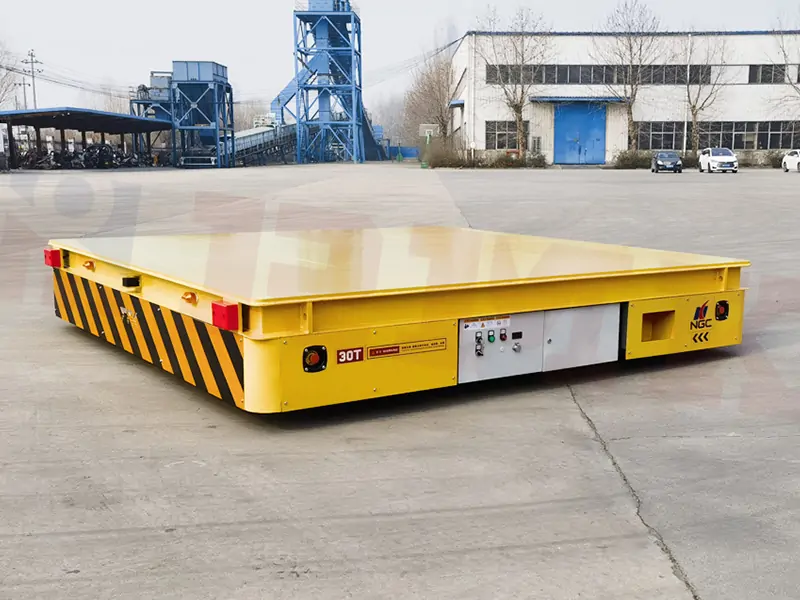
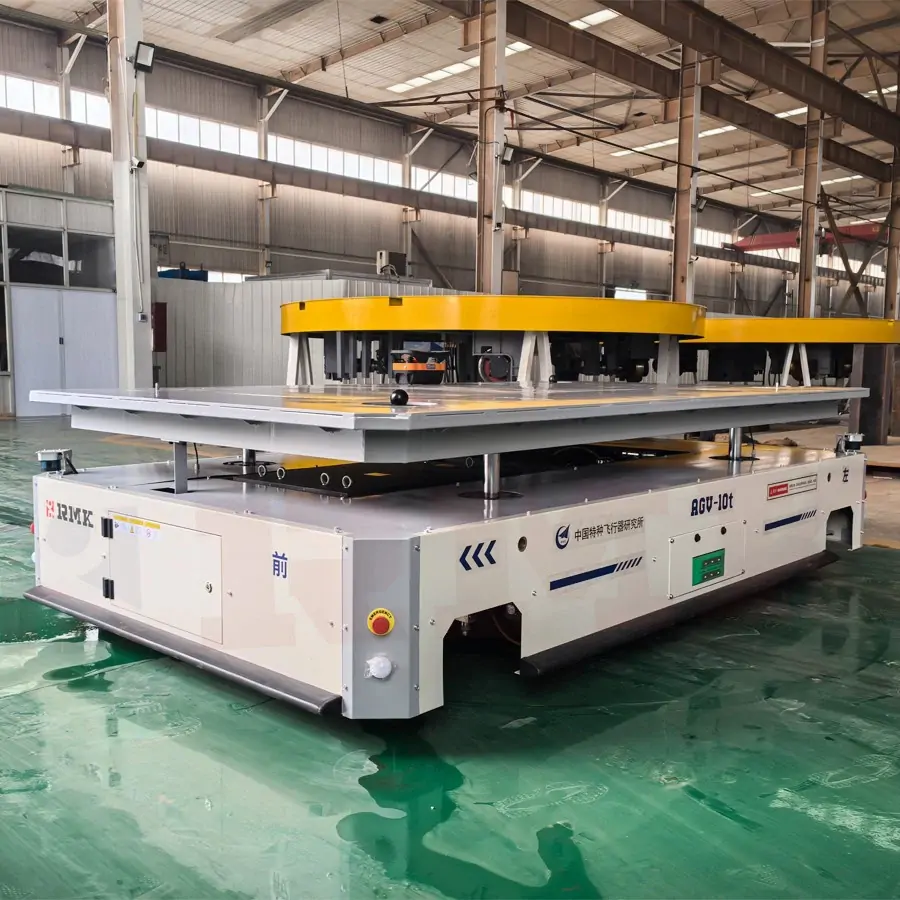
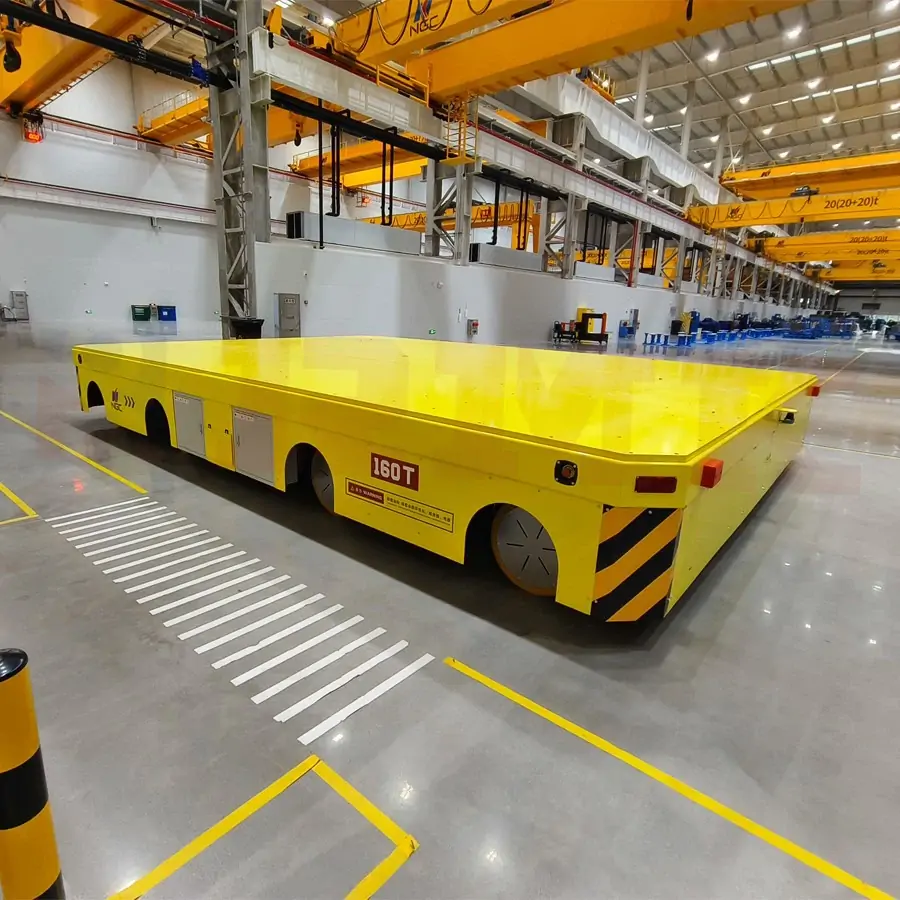
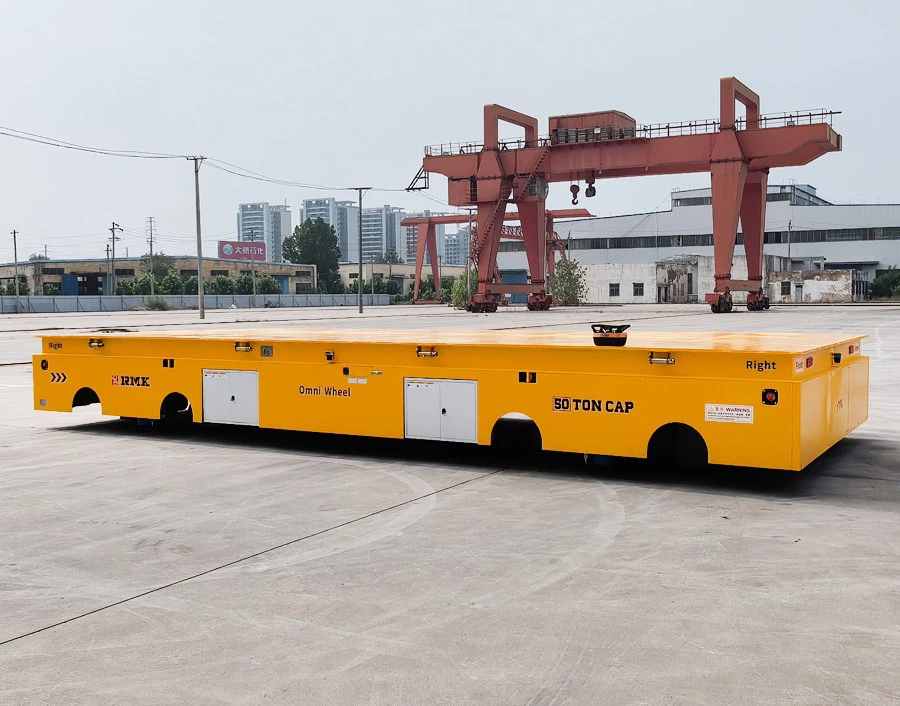
عربة نقل الملفات هي معدات نقل صناعية مصممة خصيصًا لنقل المواد الأسطوانية مثل الملفات الفولاذية. يتميز هيكلها المركزي بحامل دعم على شكل حرف V أو هيكل أخدود قابل للتعديل، مما يضمن بقاء المواد ثابتة أثناء النقل دون تدحرج أو انزلاق. وهذا يتيح نقلًا دقيقًا وبسرعة ثابتة وآمنة.
توفر عربات نقل الملفات الفولاذية سعة تحميل عالية، وأمانًا، وموثوقية، وسهولة في التشغيل. تُستخدم عادةً للمناولة لمسافات متوسطة إلى قصيرة بين خطوط الإنتاج والمستودعات ومناطق التحميل والتفريغ. مع توفر أنواع فرعية متعددة، كيف يمكن اختيار عربة نقل الملفاتالمناسبة؟ أولاً، يجب أن نفهم أنواعها الرئيسية.
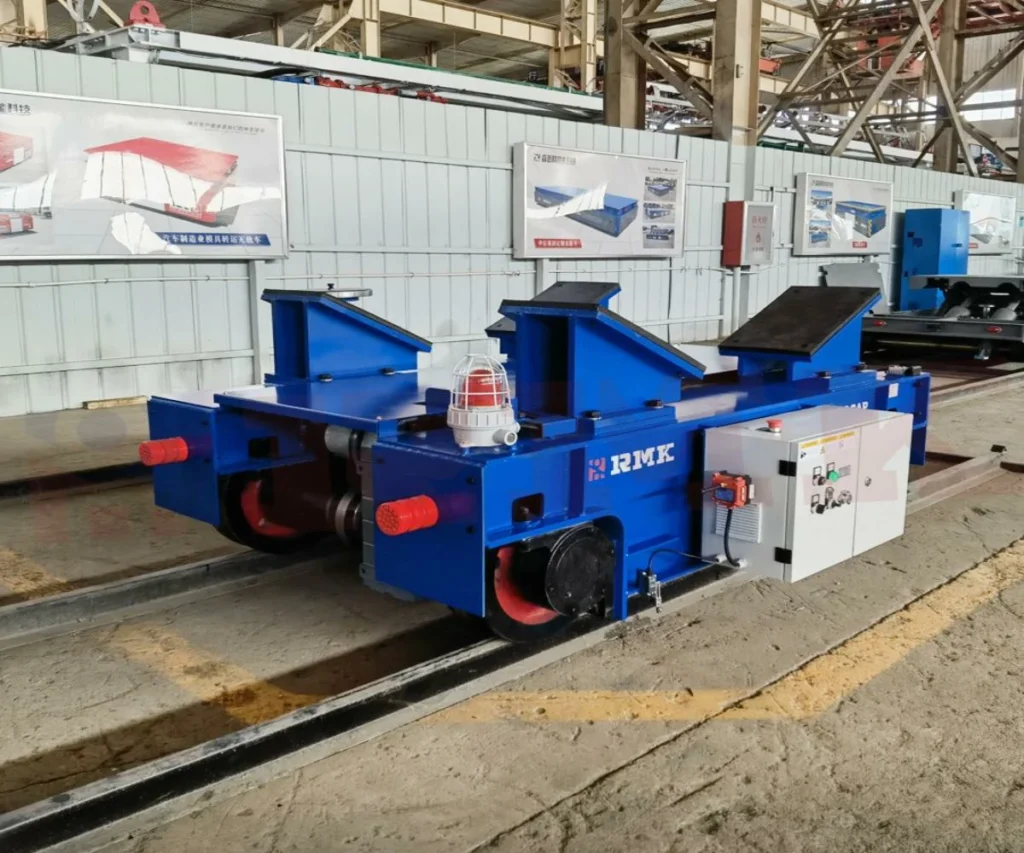
الأنواع الرئيسية لعربة نقل الملفات
تُظهر الأنواع المختلفة من عربات نقل الملفات الفولاذية خصائص مميزة في طرق التشغيل والتكوينات الهيكلية والسيناريوهات القابلة للتطبيق. الأنواع الشائعة هي كما يلي:
| النوع | طريقة التشغيل | Power Supply | الميزات الرئيسية | السيناريوهات المناسبة |
|---|---|---|---|---|
| عربة نقل الملفات المثبتة على السكك الحديدية | تعمل على سكك حديدية ثابتة | تعمل بالطاقة عبر موصلات علوية أو بكرات كابلات أو بطاريات | تشغيل سلس، تحديد موضع دقيق، سعة تحميل عالية، مناسبة للتشغيل المستمر | مصانع درفلة الفولاذ، ورش المعالجة الحرارية، والنقل لمسافات طويلة على طرق ثابتة |
| عربة الملفات اللاسلكية التي تعمل بالبطارية | حرية الحركة دون تركيب سكك حديدية | تعمل بالبطارية | توجيه مرن مع حركة أمامية/خلفية، وانزلاق جانبي، ودوران في المكان | المهام في المساحات المحدودة، أو الطرق المعقدة، أو المناولة عبر الورش |
| عربة الملفات الهيدروليكية الرافعة | تشغيل على سكك حديدية أو بدون سكك | نظام دفع هيدروليكي كهربائي | قدرة رفع للتوافق مع المنصات/خطوط الإنتاج ذات الارتفاعات المختلفة | نقل المواد بين خطوط الإنتاج، عمليات التحميل والتفريغ |
| عربة نقل الملفات ذاتية التوجيه (AGV) | ملاحة ذاتية على طول مسارات مبرمجة | تعمل بالبطارية + نظام تحكم ذكي | تشغيل بدون طيار، تحديد موضع دقيق، تكامل مع أنظمة MES/WMS | مصانع التصنيع الذكية، أنظمة التخزين الآلي، ورش الإنتاج عالية المستوى |
توصيات ملخصة:
- تركز المعدات الموجهة بالسكك الحديدية على الثبات وسعة التحميل العالية.
- تركز المعدات اللاسلكية وذات السحب على المرونة والفعالية من حيث التكلفة.
- نماذج الرفع الهيدروليكي مناسبة لبيئات الإنتاج التي تتطلب محاذاة الارتفاع.
- نماذج AGV الآلية هي الخيار الأساسي للتصنيع الذكي.
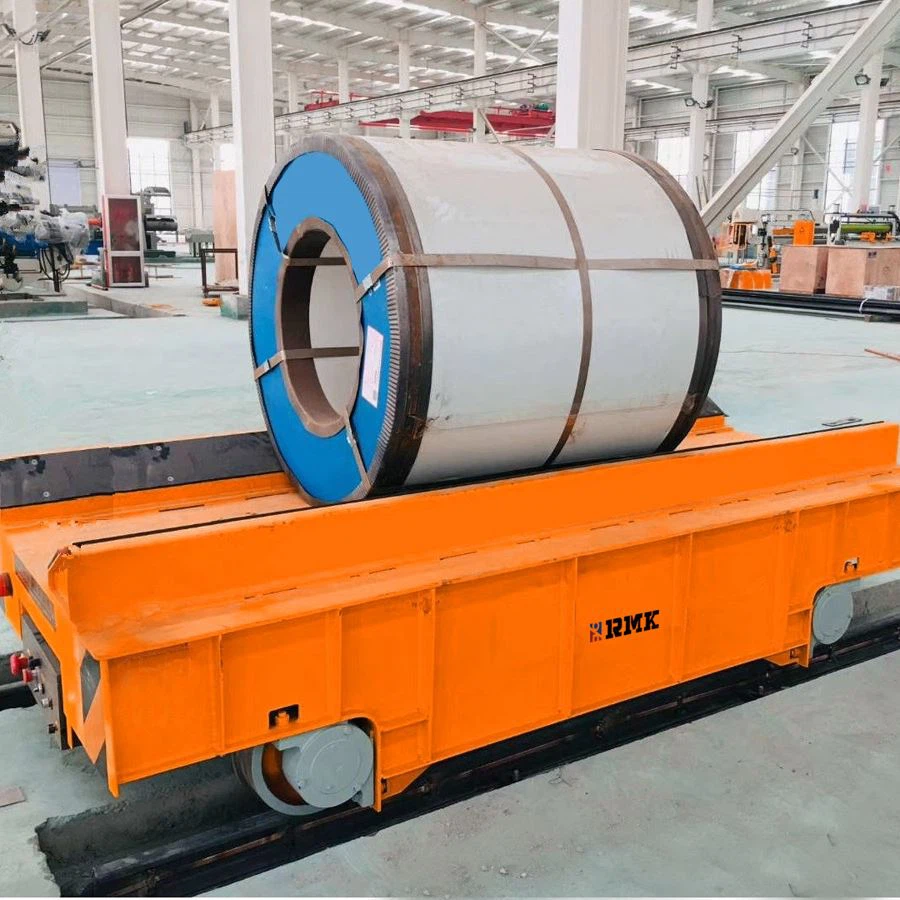
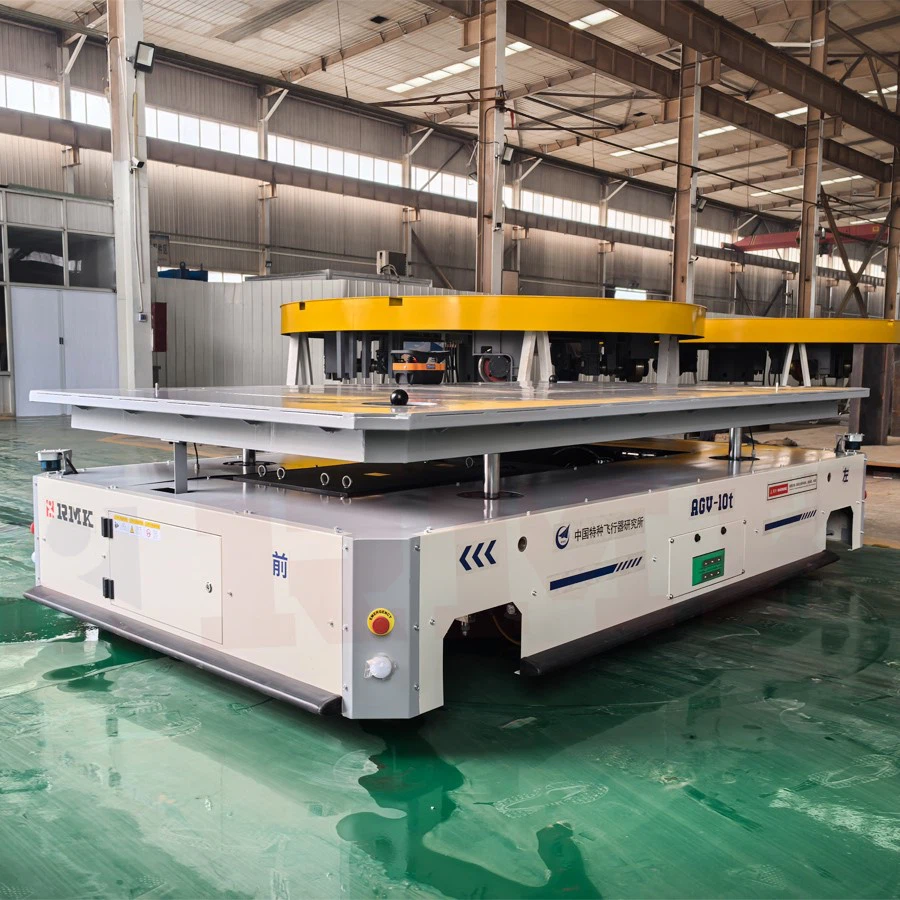
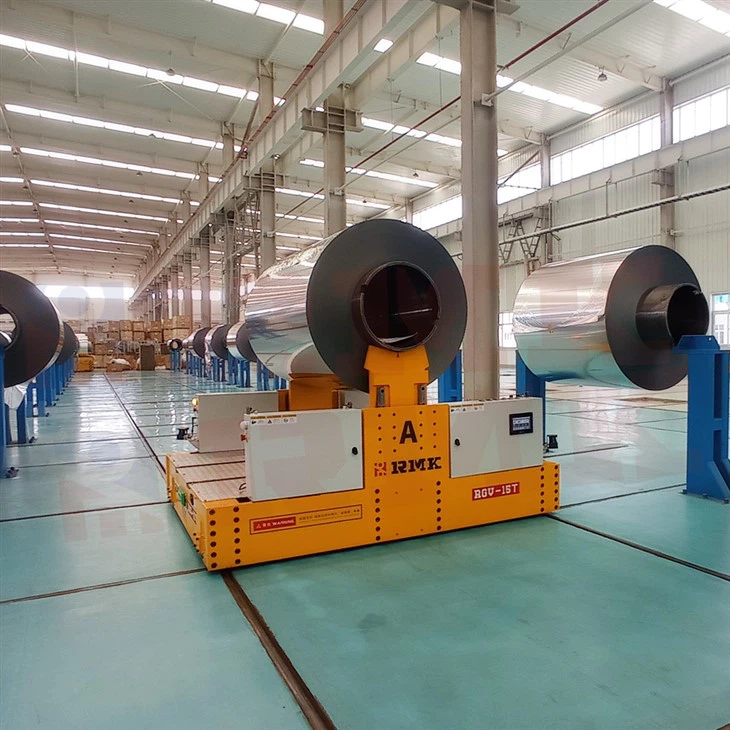
بعد التعرف على أنواع وخصائص عربات نقل الملفات، دعنا نستكشف العوامل التي تؤثر على اختيارها.
عوامل اختيار عربة نقل الملفات
عند شراء عربة نقل الملفات، يجب على المؤسسات إجراء تقييم شامل من وجهات نظر متعددة، مع مراعاة عمليات الإنتاج وبيئات التشغيل الخاصة بها. فيما يلي العوامل الخاصة بالمعدات التي تؤثر على الاختيار:
سعة التحميل والتوافق
تحديد وزن وأبعاد الملفات الفولاذية، وتحديد أقصى وزن للملف الواحد، وقطر الملف، وطريقة التكديس. تأكد من أن سعة التحميل تتضمن هامش أمان، ويوصى عادةً بأن يتجاوز الحمل المقدر أقصى وزن للملف بنسبة 20% على الأقل. يجب أن يتطابق عرض وزاوية أخدود الدعم على شكل V مع قطر الملف لتعزيز الثبات والأمان. للتعامل مع مواصفات ملفات متعددة، اختر تصميم أخدود قابل للتعديل لتحسين القدرة على التكيف.
بيئة التشغيل
بالنسبة لطرق النقل الثابتة لمسافات طويلة، فإن عربات النقل الموجهة بالسكك الحديدية هي الأمثل. بالنسبة للمناولة عبر المناطق أو الطرق المتغيرة، توفر عربات النقل الكهربائية اللاسلكية مرونة أكبر. بالإضافة إلى ذلك، يجب تقييم وحساب سعة تحميل الأرضية، وانحدارات المنحدرات، ونصف قطر الدوران، والعوامل البيئية (مثل درجات الحرارة المرتفعة، أو الغبار، أو متطلبات مقاومة الانفجار) مسبقًا لضمان التشغيل المستقر طويل الأمد لعربة نقل الملفات في ظل ظروف العمل الفعلية.
طرق إمداد الطاقة
تشمل طرق إمداد الطاقة الشائعة لعربات نقل الملفات طاقة السكك الحديدية الموصلة، وطاقة بكرة الكابل، وطاقة البطارية.
- طاقة بكرة الكابل مناسبة للسيناريوهات قصيرة المسافة وذات المسار الثابت. توفر تكلفة منخفضة ولكن حركتها محدودة.
- طاقة السكك الحديدية الموصلة مثالية لسيناريوهات المسافات الطويلة والاستخدام عالي التردد، مما يتيح إمدادًا مستمرًا بالطاقة ولكنه يتطلب تركيبًا معقدًا.
- طاقة البطارية تلغي الحاجة إلى مد الكابلات، مما يجعلها مناسبة للنقل عبر مناطق متعددة. توفر سهولة في الصيانة ومرونة عالية.
الحماية الأمانية
الملفات هي أحمال ثقيلة عالية الكثافة، مما يجعل السلامة اعتبارًا حاسمًا في الاختيار. يجب أن تتميز عربات نقل الملفات ببدء/إيقاف ناعم، وأخاديد V مانعة للانزلاق، وأجهزة إنذار مسموعة/مرئية، وأزرار توقف طارئ. يجب أن تتضمن النماذج الذكية بالإضافة إلى ذلك أنظمة كشف التصادم، وتجنب عوائق المسار، والإنذار التلقائي لضمان التشغيل الآمن في البيئات المعقدة.
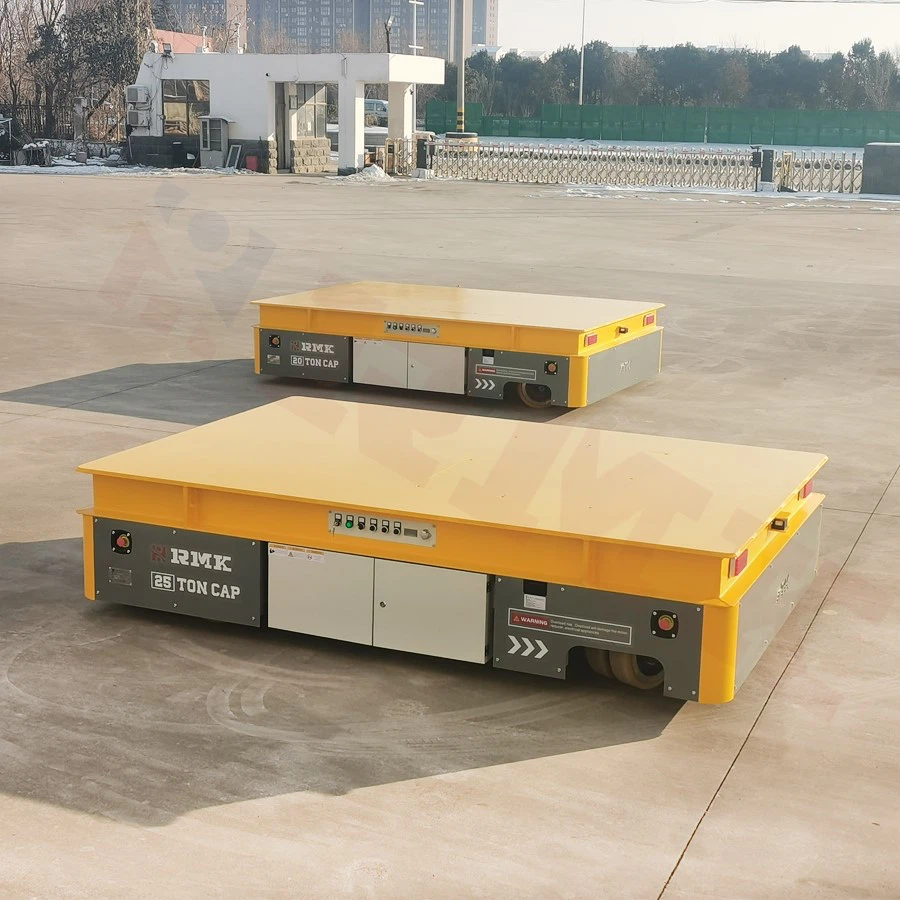
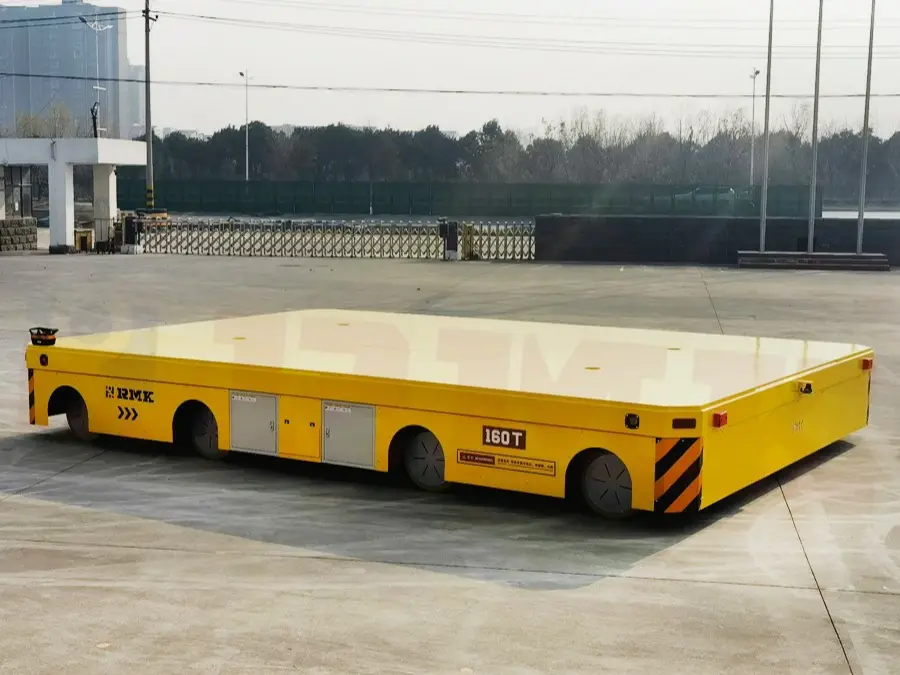
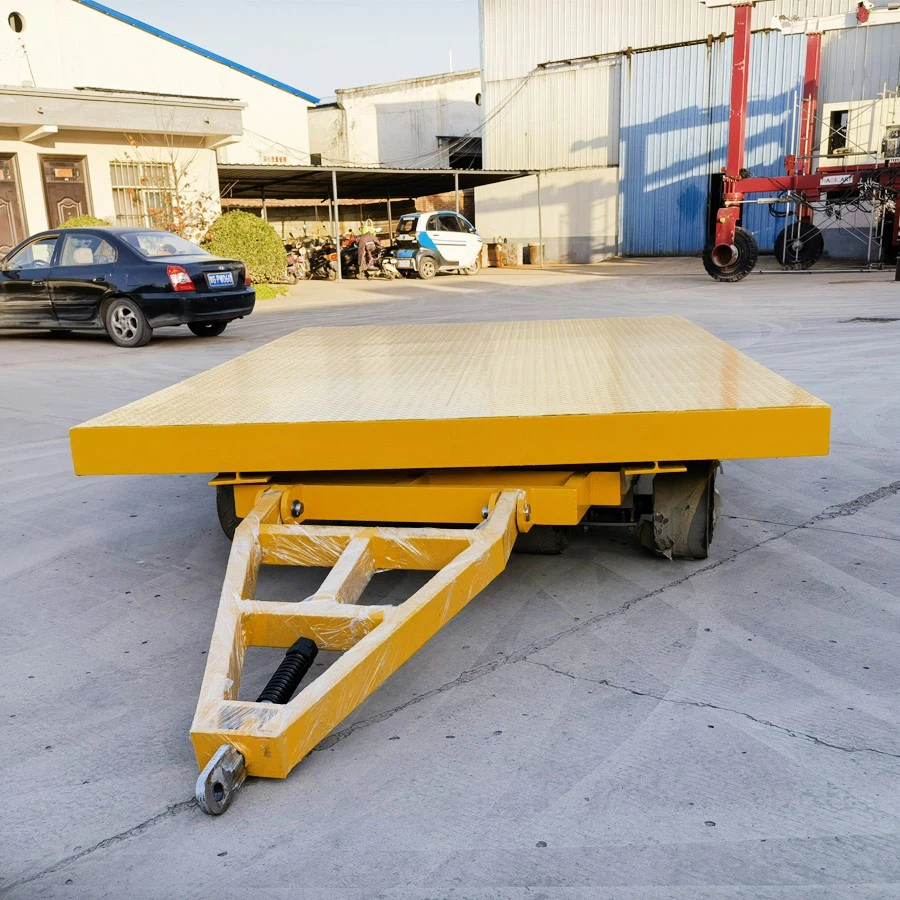
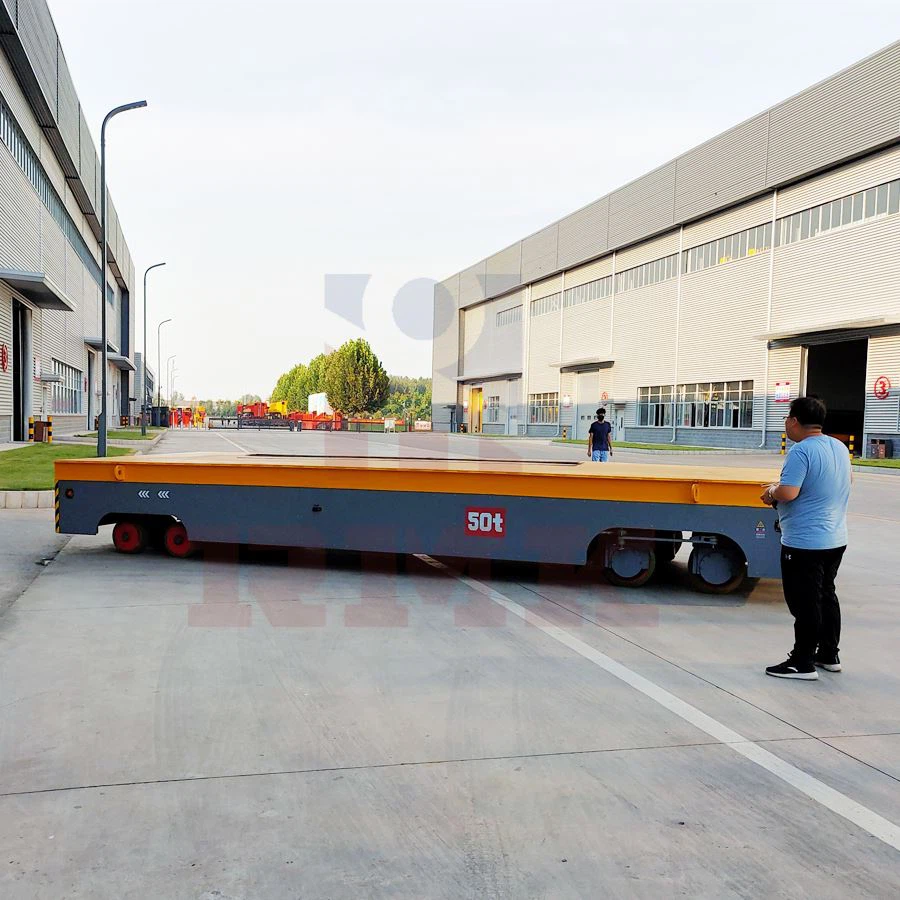
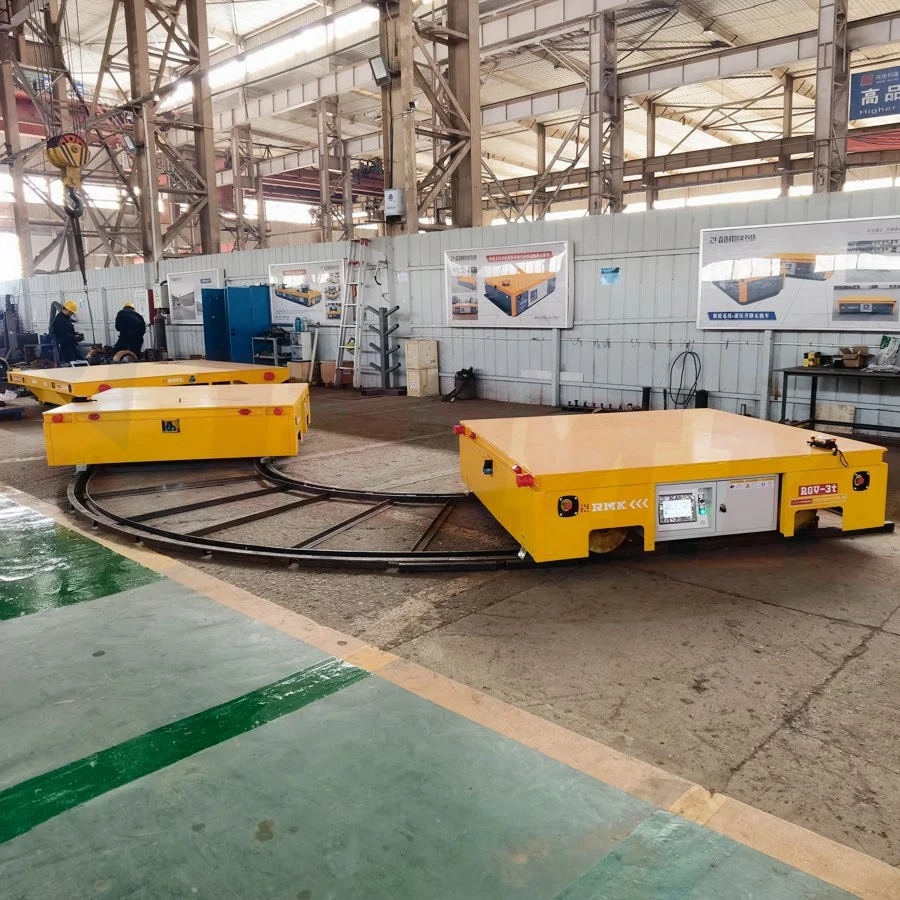
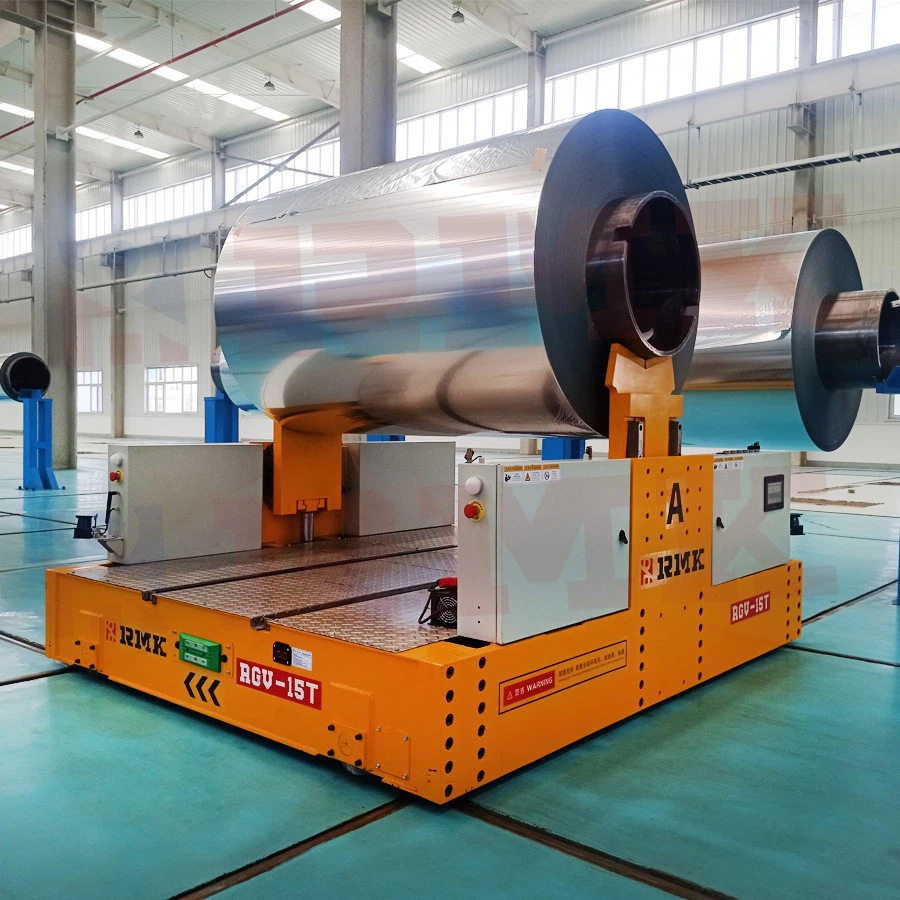 لفائف-عربة-نقل-عربة
 لفائف-عربة-نقل-عربة
 لفائف-عربة-نقل-عربة
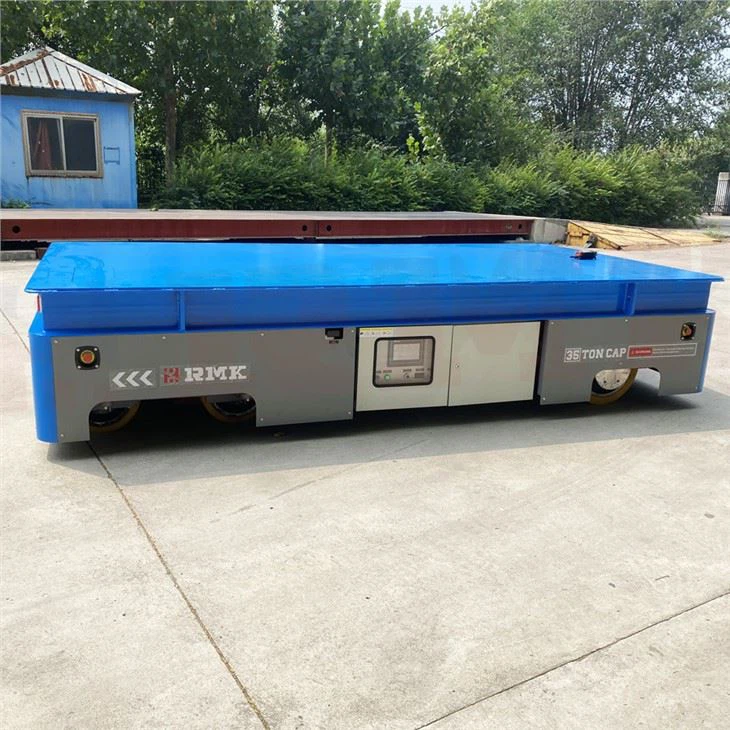
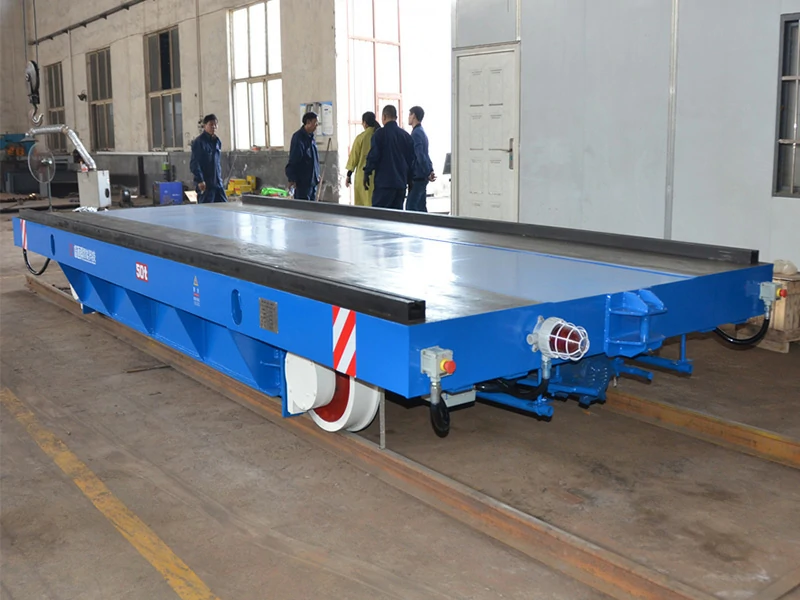
 عربة-نقل-سكك-حديدية
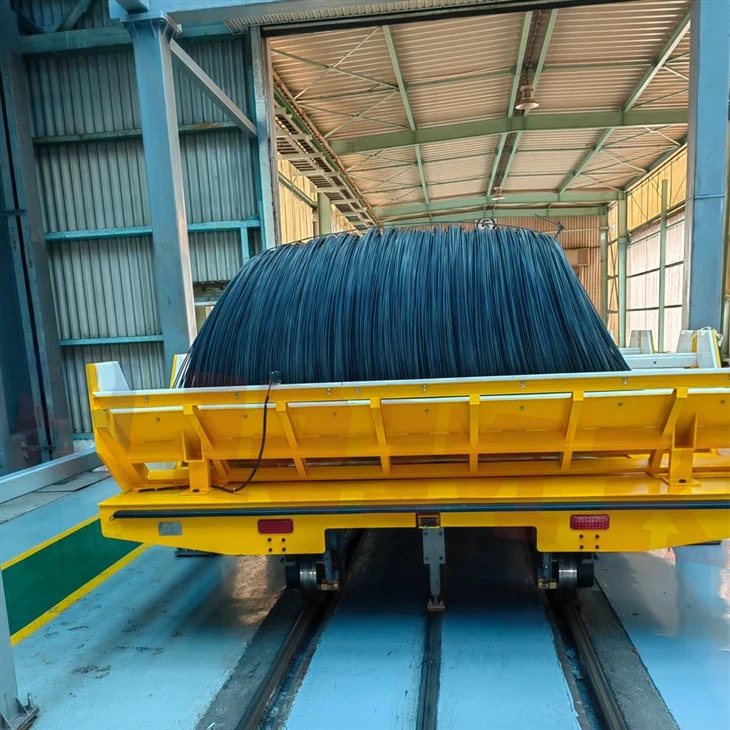 عربة-مناولة-مواد-ملفات
توصيات لاختيار مصنع عربة نقل الملفات
- تقييم الخبرة الصناعية: إعطاء الأولوية للموردين ذوي الخبرة الواسعة في المشاريع وقدرات التصنيع الاحترافية.
- تقييم القدرات التقنية: إعطاء الأولوية للموردين ذوي الخبرة المؤكدة في التصميم والبحث والتطوير في معدات مناولة الملفات.
- التركيز على دعم ما بعد البيع: اختيار الشركات المصنعة التي تقدم خدمات شاملة للتركيب والتشغيل والصيانة والدعم الفني.
- التحقق من توفر قطع الغيار: ضمان التوريد طويل الأجل لقطع الغيار الأصلية للحفاظ على تشغيل مستقر للمعدات.
- تقييم السمعة والاستجابة: اختيار الشركات المصنعة ذات السمعة الطيبة وأوقات الاستجابة السريعة لتقليل المخاطر المستقبلية.
- النظر في إمكانية الشراكة طويلة الأجل: إعطاء الأولوية لإقامة تعاون دائم مع الشركات التي تظهر تكنولوجيا ناضجة وقدرات خدمة قوية.

يجب أن تستخدم المحركات وعلب التروس وأنظمة التحكم الكهربائية مكونات ذات علامات تجارية.
فوائد اختيار عربة نقل الملفات المناسبة
- تعزيز كفاءة المناولة: تمكين التحميل والتفريغ والنقل السريع، مما يوفر العمالة والوقت.
- ضمان سلامة التشغيل: تقليل المخاطر المرتبطة بالمناولة اليدوية للأحمال الثقيلة ومنع حوادث انزلاق الملفات.
- تحسين تخطيط المساحة: تحسين تدفق الخدمات اللوجستية الداخلية من خلال الجدولة المرنة.
- دعم الترقيات الذكية: يتكامل مع خطوط الإنتاج الآلية وأنظمة التخزين لتعزيز تطوير المصنع الرقمي.
- إطالة عمر المعدات: تضمن الهيكل عالي القوة وأنظمة التحكم المستقرة الموثوقية التشغيلية على المدى الطويل.


يعد اختيار عربة نقل الملفات المناسبة لظروف التشغيل الخاصة بك أمرًا ضروريًا لتحسين كفاءة النقل وضمان سلامة الإنتاج والتحكم في التكاليف. إذا كنت ترغب في معرفة المزيد عن عربات نقل ملفات الصلب، يرجى الرجوع إلى المقال: ما هي عربة نقل لفائف الصلب؟
الخلاصة:
تعتبر عربة نقل الملفات أحد الأصول اللوجستية الحيوية التي يؤثر اختيارها على كفاءة النقل وسلامة الإنتاج والتحكم في التكاليف. عند الشراء، يجب على المؤسسات تقييم عوامل مثل سعة الحمولة وبيئة التشغيل وطرق إمداد الطاقة وميزات السلامة بدقة، مع الشراكة مع الشركات المصنعة التي تقدم تقنية مثبتة ودعم خدمة شامل.
REMARKABLE هي شركة مصنعة صينية متخصصة في عربات النقل المخصصة، مدعومة بخبرة واسعة وتقنية ناضجة. إذا كانت لديك متطلبات،, اتصل بنا فورًا للحصول على الحل الأنسب.