Introduction

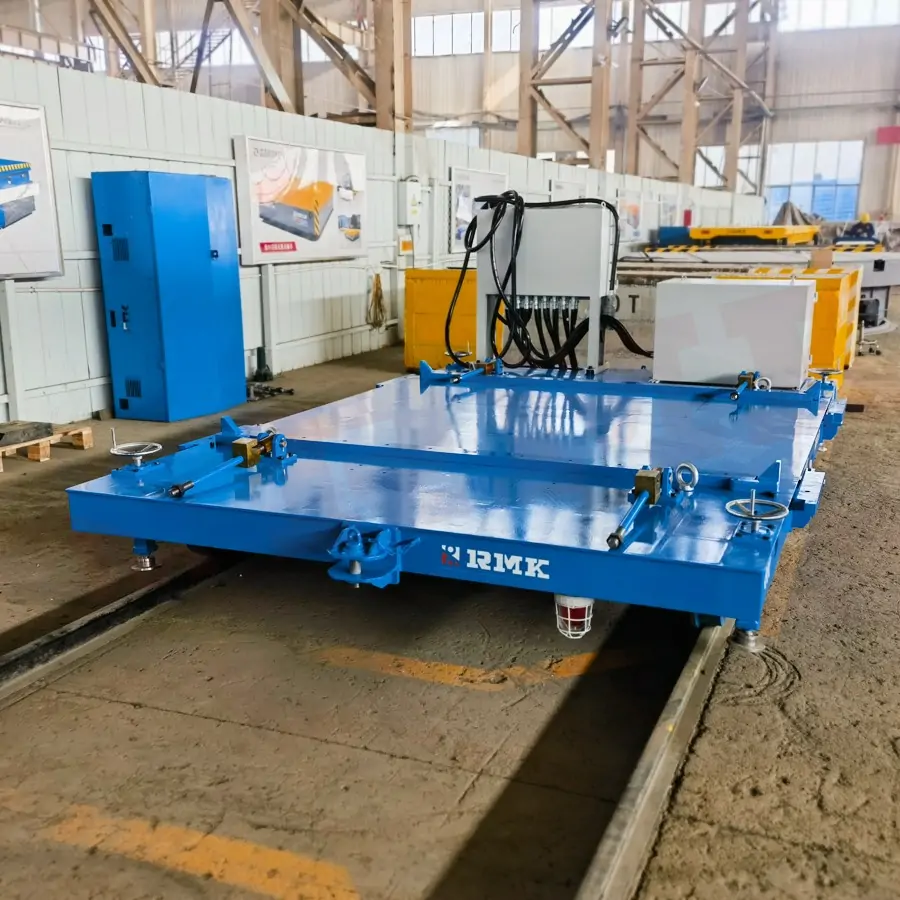
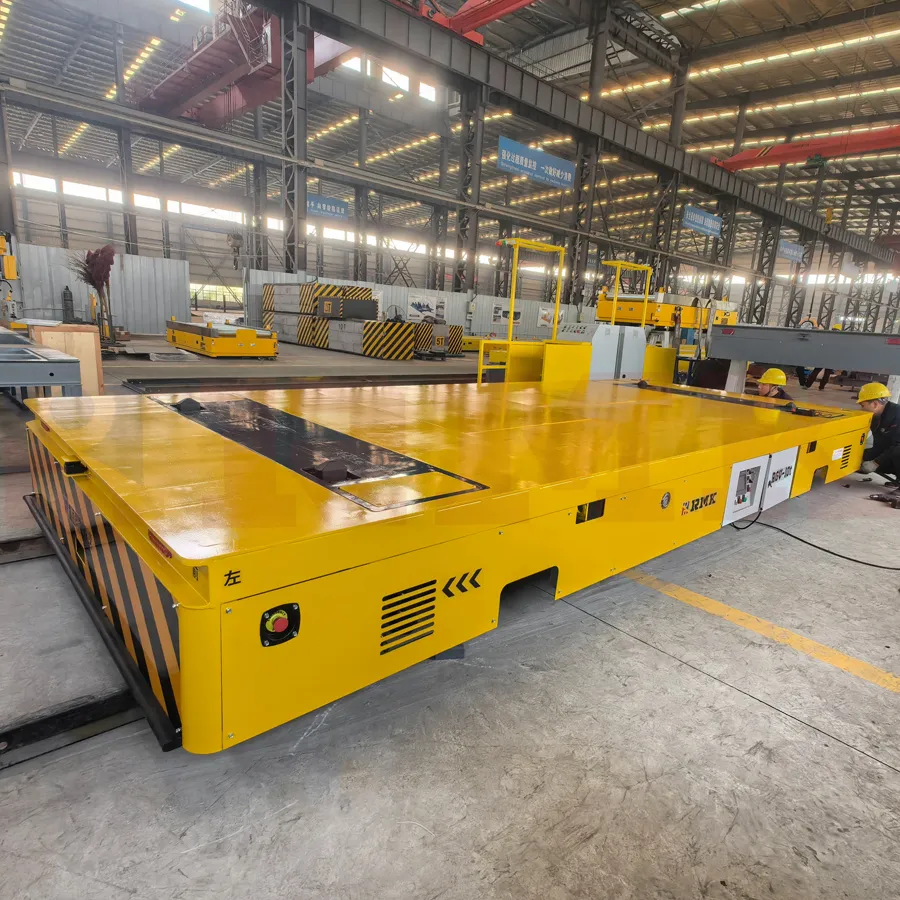
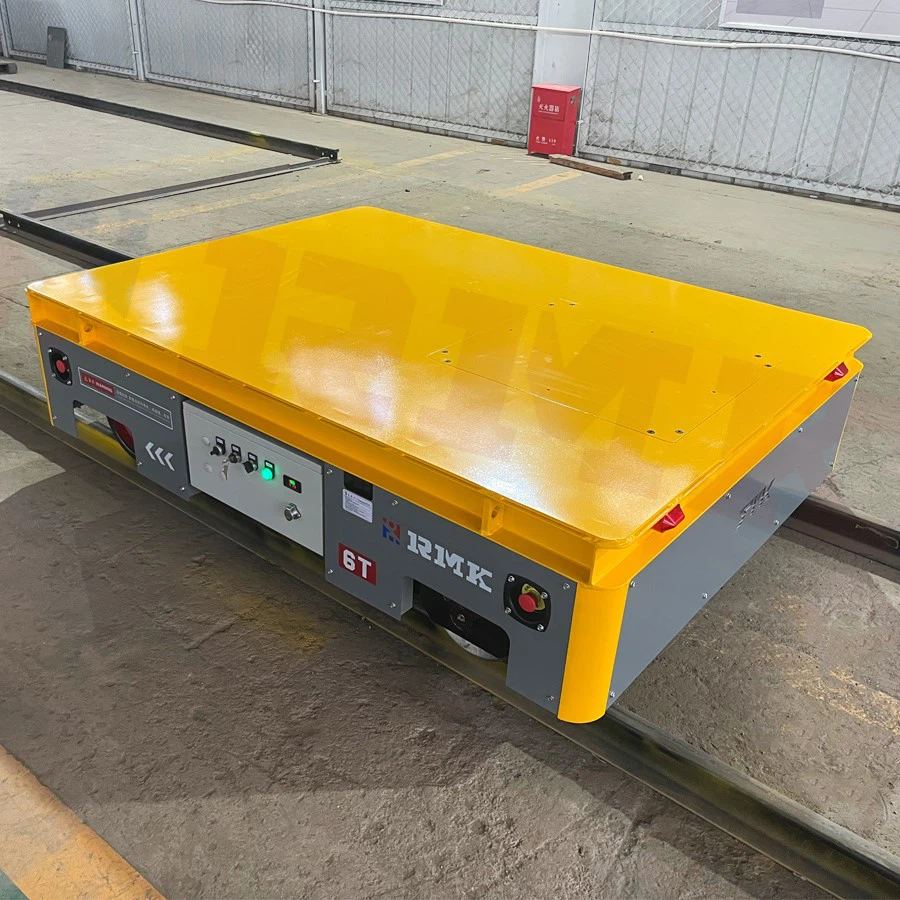
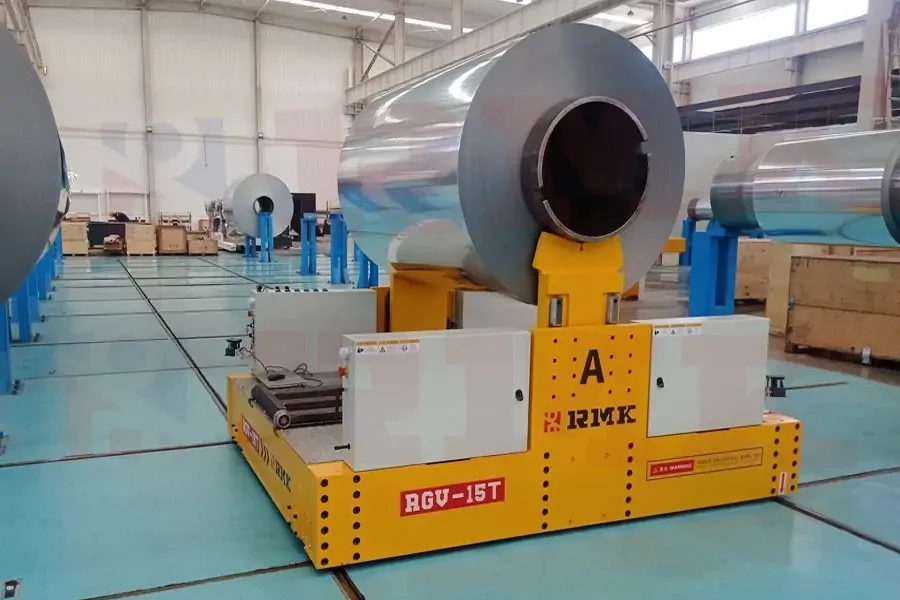
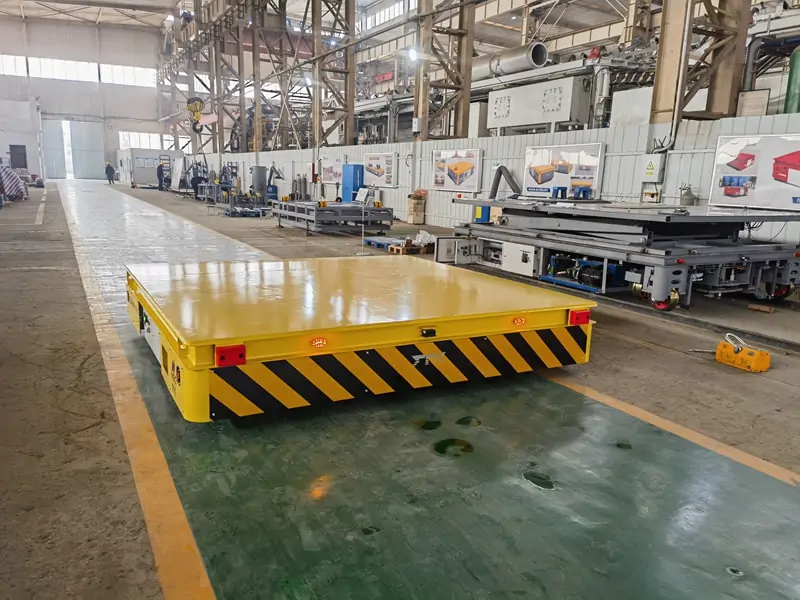
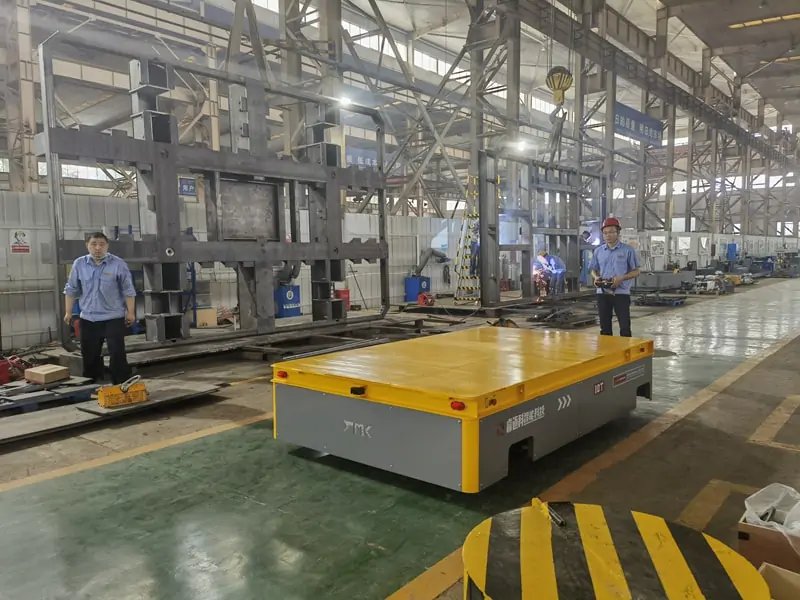
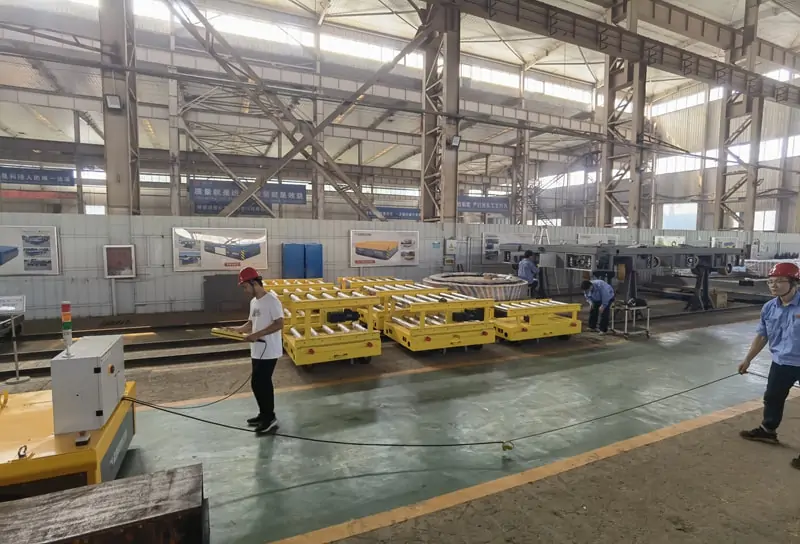
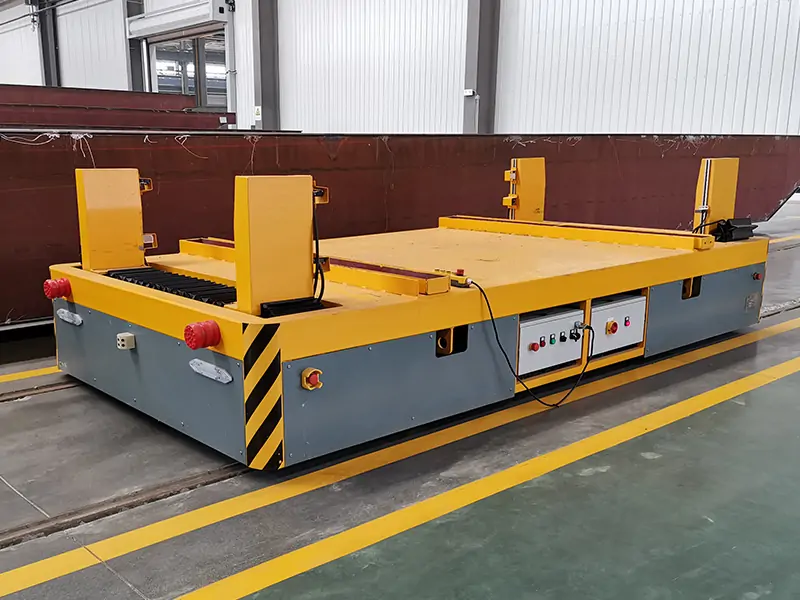
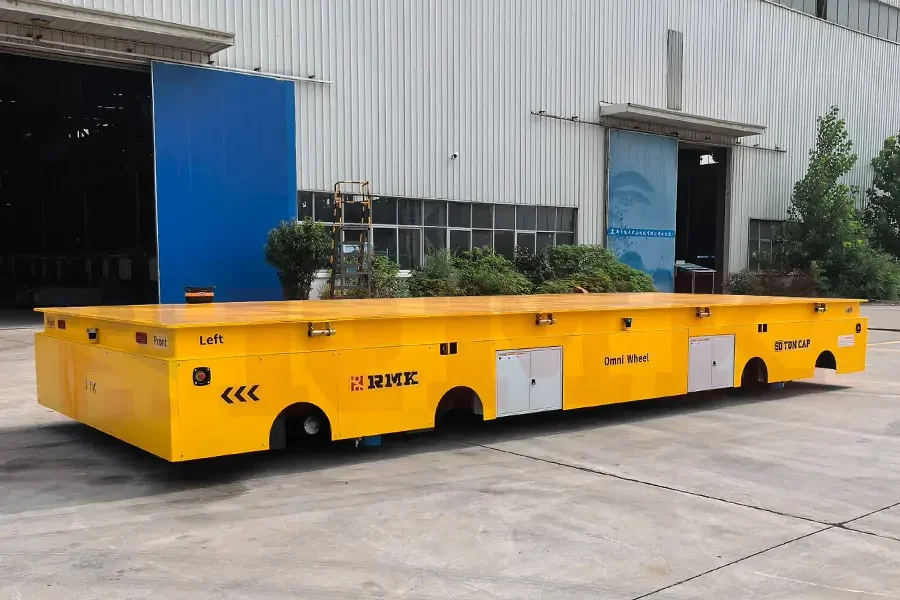
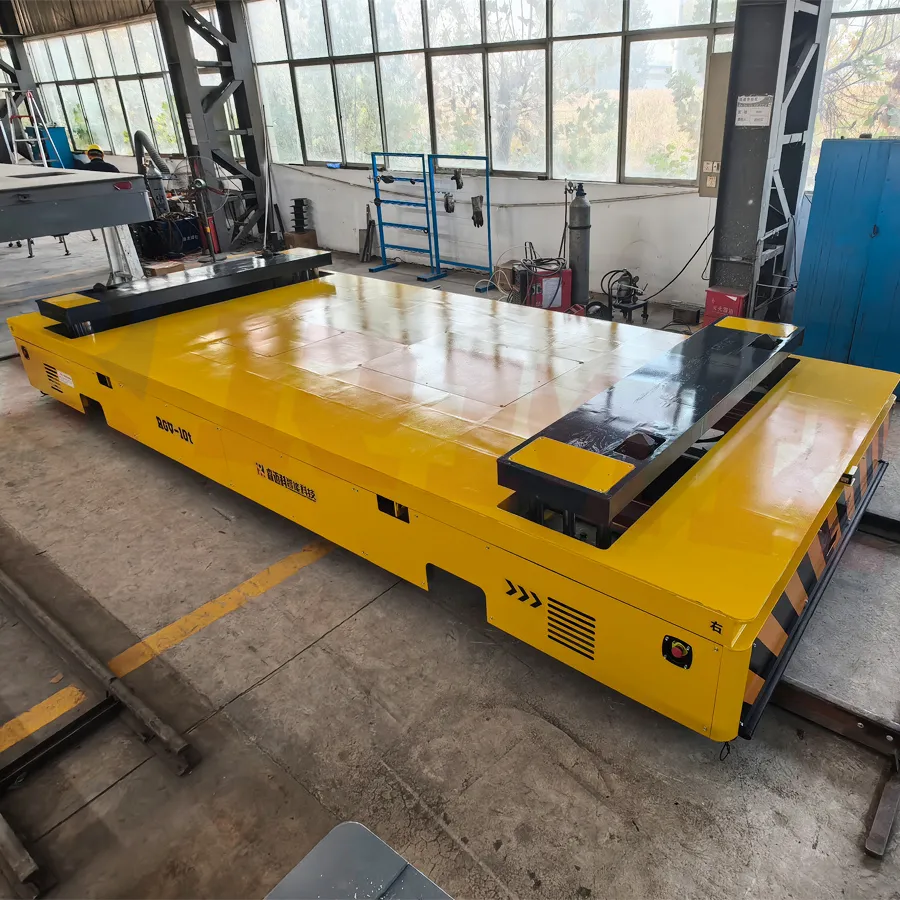
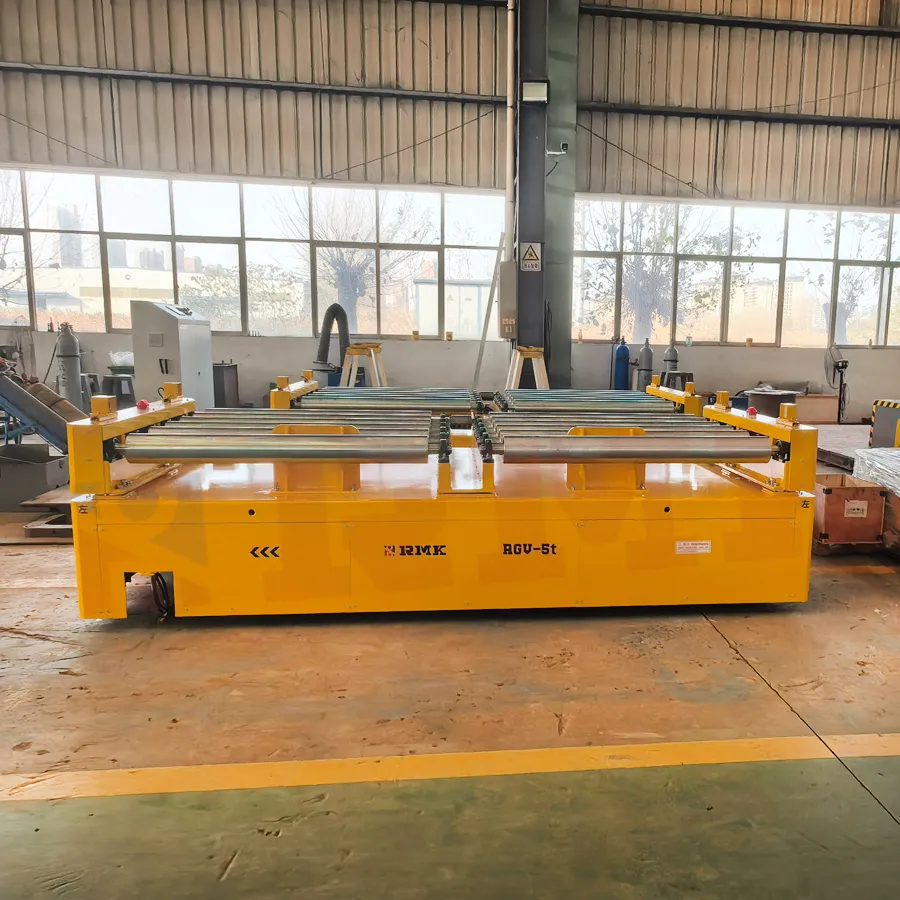
Moving heavy materials efficiently is a common challenge for manufacturers, warehouses, steel plants, and railway workshops. A rail-mounted transfer trolley is designed to solve this problem by transporting loads along fixed tracks with greater stability, safety, and carrying capacity than many conventional transport methods. As a reliable industrial transfer cart, it is widely used to move steel coils, molds, machinery components, containers, and other heavy materials between workstations.

If you’re considering a rail transfer trolley for your facility, understanding the available options is essential. In this guide, we’ll look at the key advantages of rail-guided transfer carts, compare different power supply systems, explore their applications across industries, and discuss the main factors to consider when selecting the right solution for your operation.

What Is a Rail-Mounted Transfer Trolley?

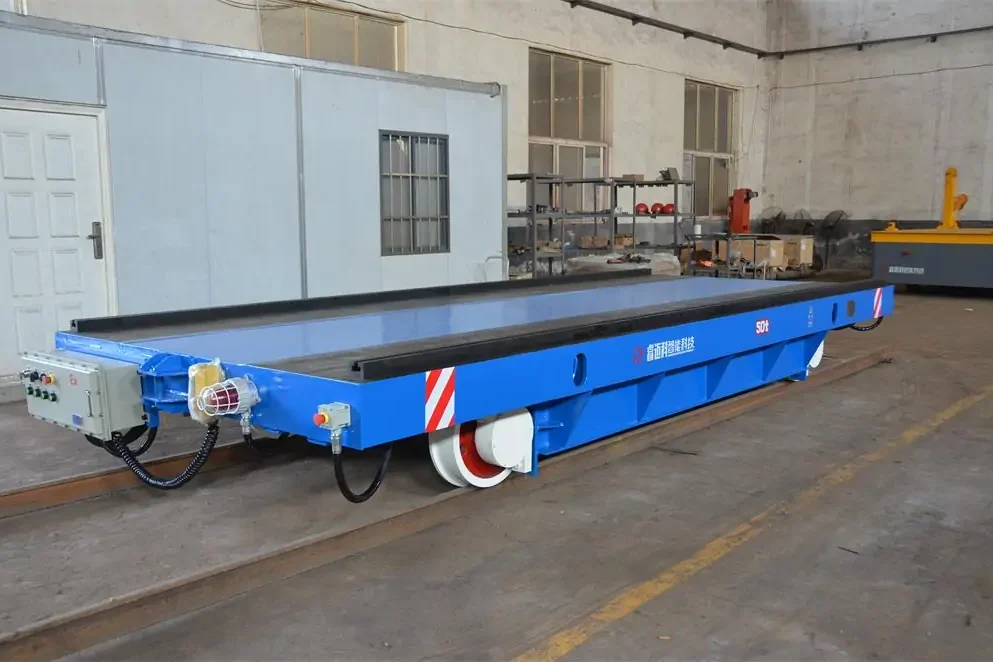
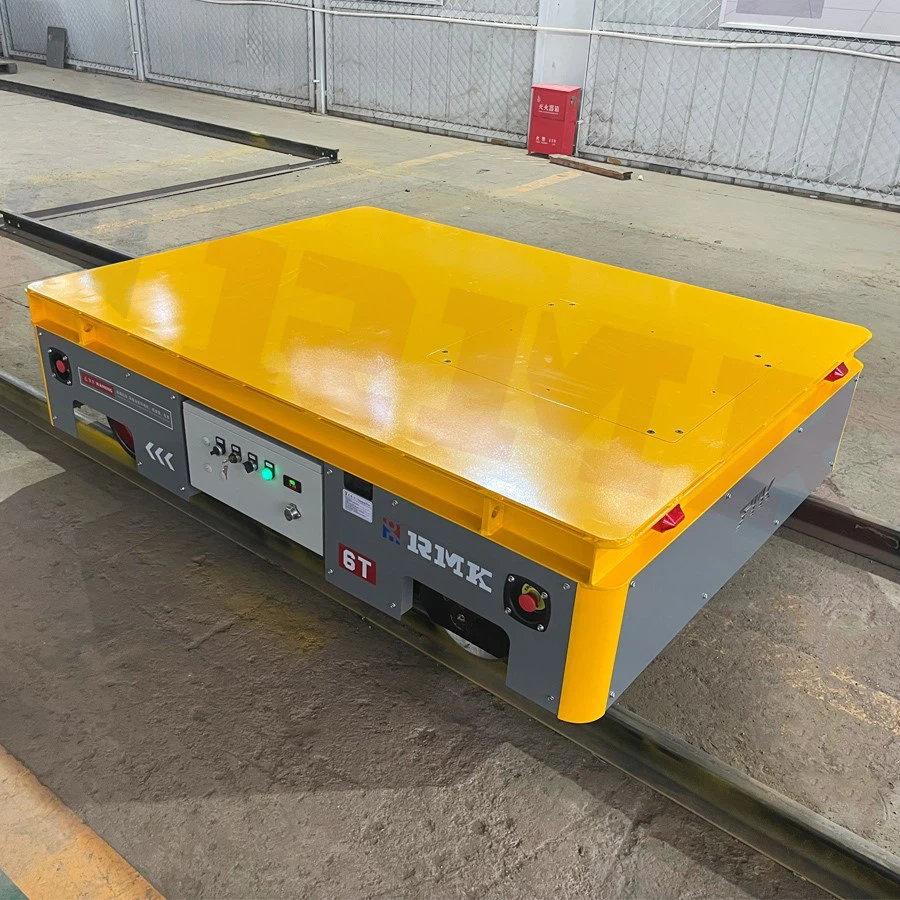
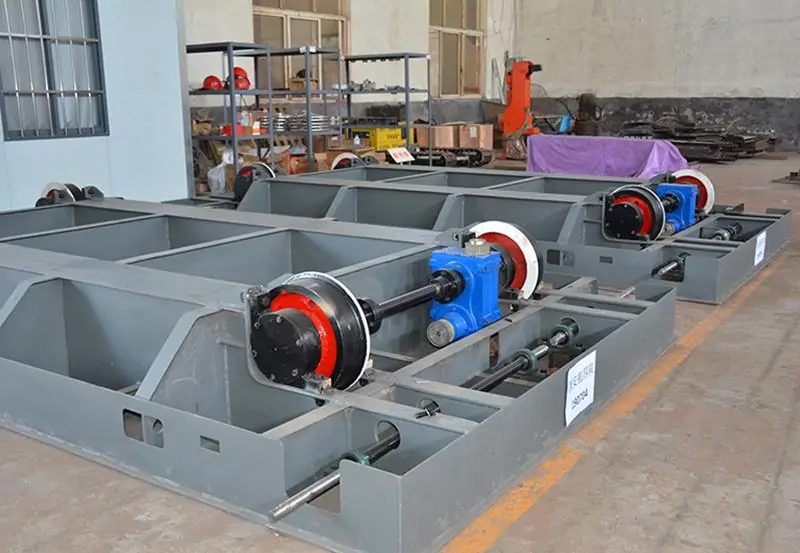
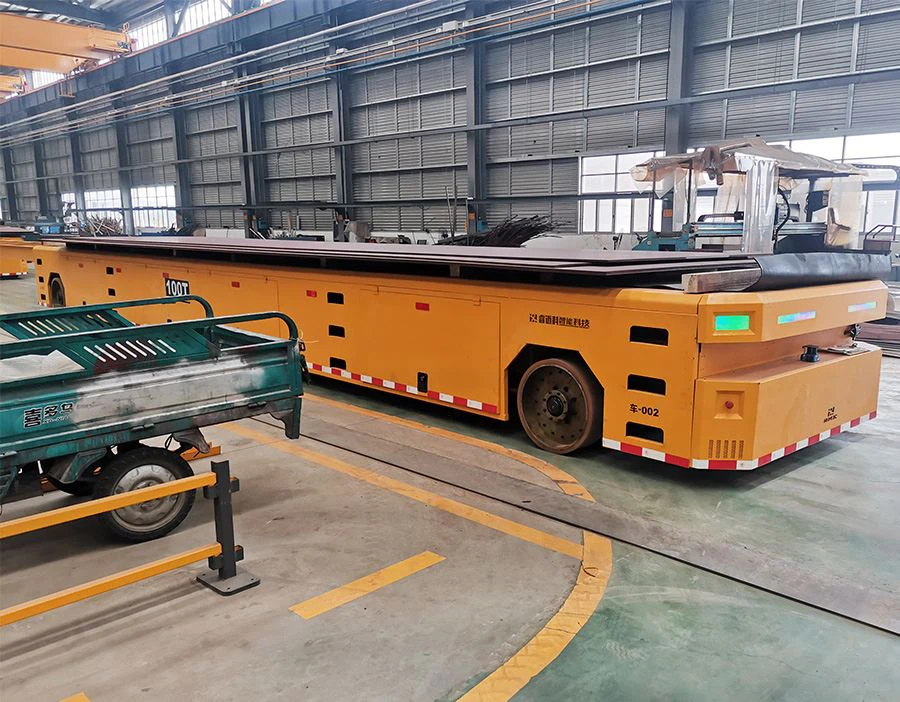
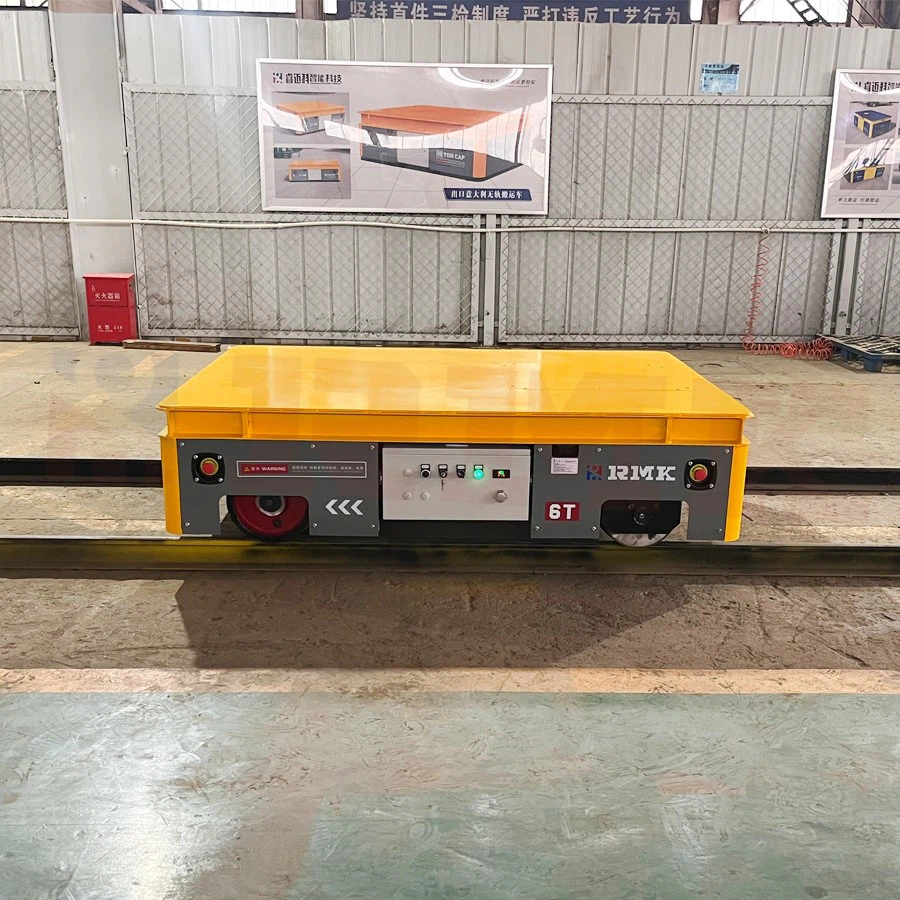
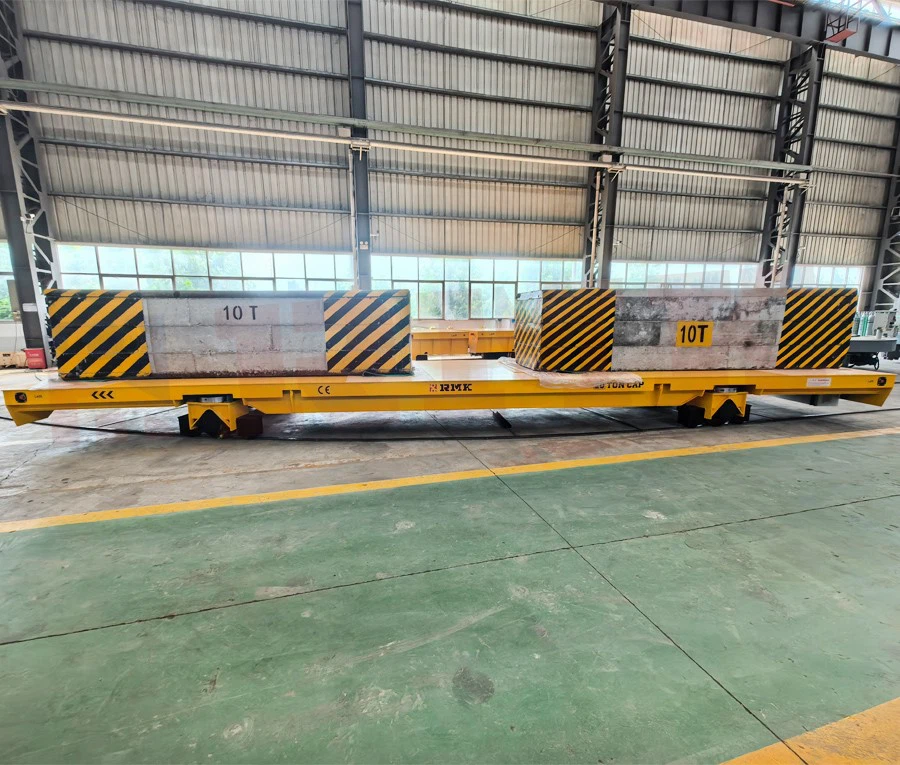
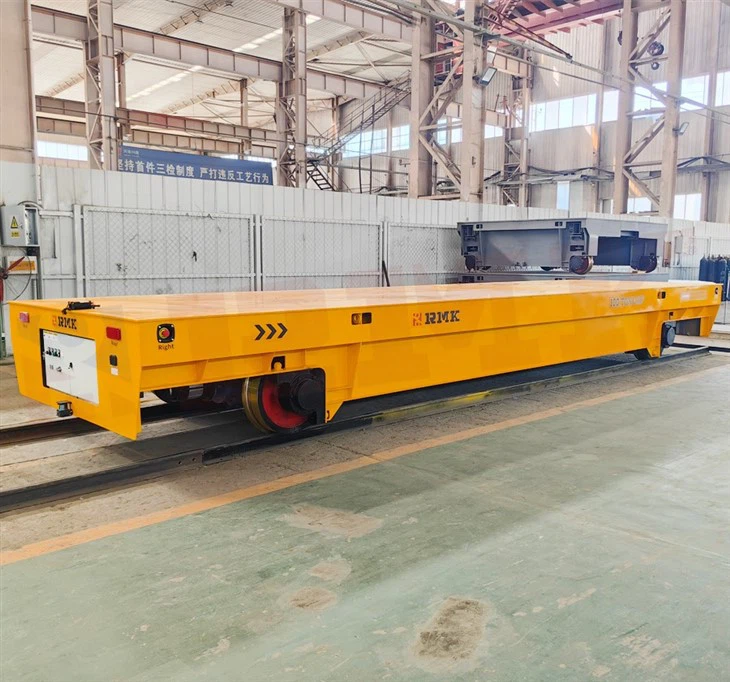
A rail-mounted transfer trolley, also commonly known as a 轨道传送车, electric flat cart, or track transfer trolley, is an industrial vehicle that travels on fixed rails and is primarily powered by electricity. It is specially designed for factories, mines, warehouses, and other industrial facilities to transport heavy materials in large volumes over short distances. As a reliable industrial transfer cart, it is a core heavy-duty material-handling solution in modern in-plant logistics systems.

Why Rail-Mounted Transfer Trolleys Are Driving Industrial Logistics Automation

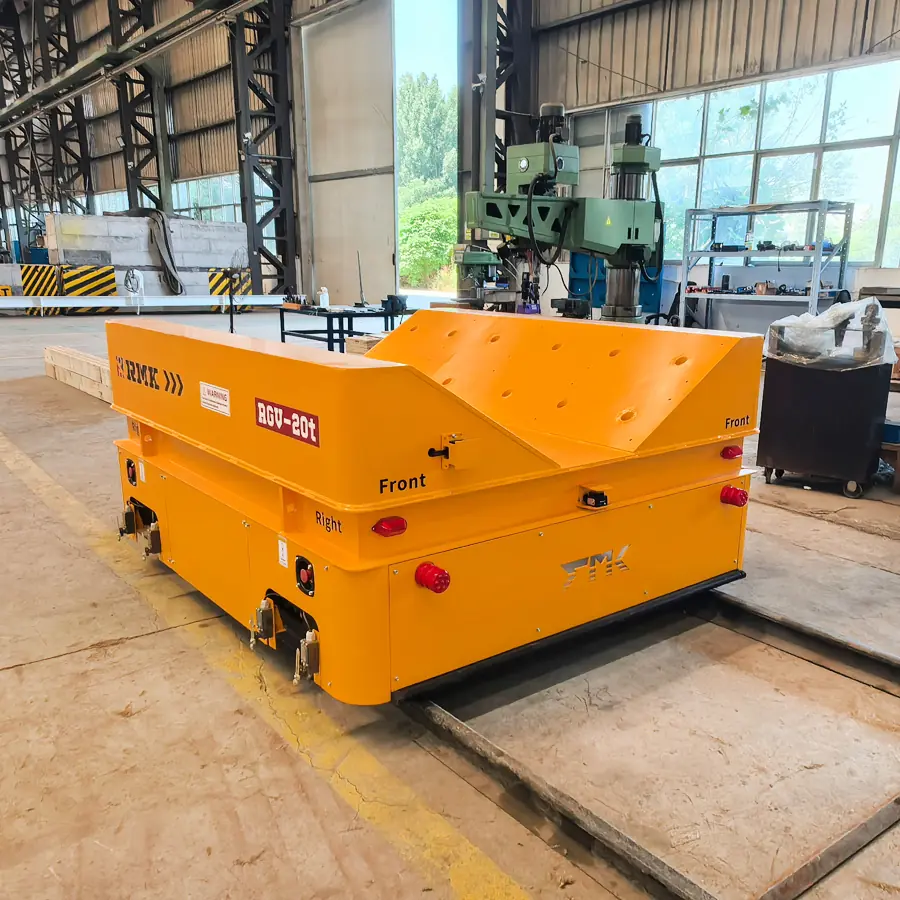
Rail-mounted transfer trolleys (RMTT, also known as rail-guided vehicles/RGV) have become a core driver of modern industrial logistics automation, delivering transformative benefits across four areas as outlined below:

  1. Reduce Manual Handling: A rail-mounted transfer trolley automates material transport between workstations, reducing manual handling and labor intensity. It is especially valuable for moving heavy materials and supporting continuous production operations.
  2. Improve Material Flow Efficiency: With fixed-track guidance, a rail transfer trolley delivers stable and accurate material movement. Customized track layouts help reduce transfer delays and improve overall workflow efficiency.
  3. Support Smart Factory Operations: Modern rail-guided transfer carts can integrate with production and warehouse management systems, making material movement easier to monitor and coordinate while supporting future automation expansion.
  4. Enhance Workplace Safety: Running on a fixed route, a rail-mounted transfer trolley reduces the risk of handling errors and collisions. Built-in safety features further improve reliability in demanding industrial environments.

With the continuous integration of IoT, AI, and 5G technologies, rail-mounted transfer trolleys are further upgrading in predictive maintenance, dynamic scheduling, and multi-system collaboration, and will continue to promote the development of industrial logistics automation to higher efficiency and intelligence.

优势

A rail-mounted transfer trolley (also called a rail transfer cart) is a heavy-duty material handling vehicle that runs on fixed rails. It is designed for short-distance transportation of heavy loads in industrial environments and plays an important role in modern production lines and automated logistics systems. Its key strengths include high load capacity, stable operation, and easy integration with automation systems.

High Load Capacity & Custom Design

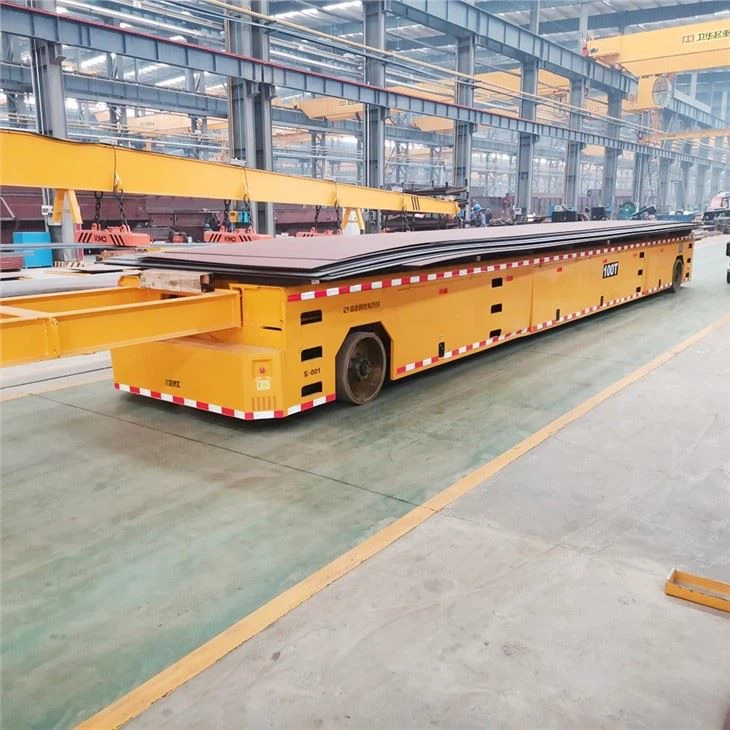
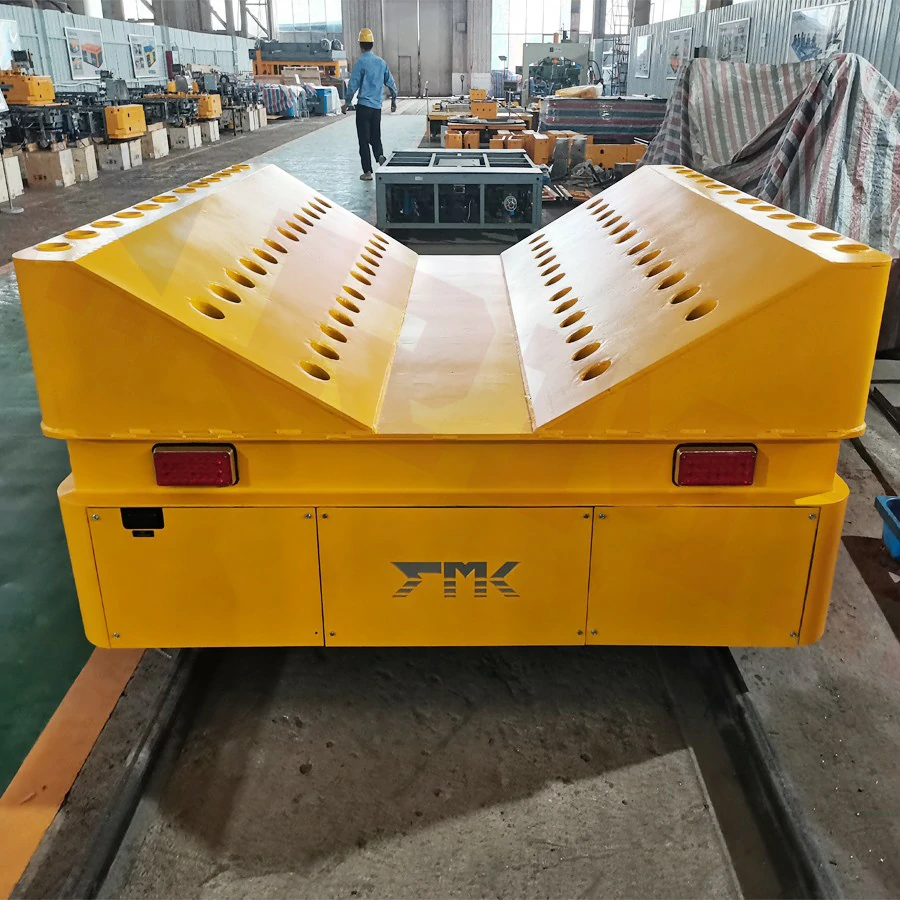
The trolley can be fully customized in terms of load capacity, table size, and rail gauge to meet different industrial requirements. It can handle everything from regular materials to ultra-heavy workpieces such as steel coils and large structural components. For coil handling, some models are equipped with V-shaped supports to prevent rolling and ensure safe transport.

Multiple Power Supply Options

Different working conditions require different power solutions:

  • KPX battery-powered type: Flexible routing with no fixed power supply required, suitable for curved or complex tracks
  • KPD low-voltage rail-powered type: High safety and ideal for continuous heavy-duty operation
  • KPC busbar powered type: Suitable for long-distance and multi-station transport with a stable power supply
  • KPJ/KPT cable-powered type: Simple structure and cost-effective, ideal for short-distance transfer

Stable Operation & Precise Positioning

Running on fixed rails ensures strong stability and prevents deviation during operation. The system can achieve high repeat positioning accuracy, allowing precise docking with production stations and automated equipment. Safety systems such as emergency stop buttons, sound-light alarms, anti-collision devices, and limit switches are commonly equipped to ensure safe heavy-load handling.

Flexible Functions & Smart Integration

The system supports multiple optional functions such as hydraulic lifting, wireless remote control, variable frequency speed regulation, and high-temperature or explosion-proof designs. It can also be integrated with enterprise systems like MES and WMS, enabling centralized control, multi-vehicle coordination, and intelligent logistics management.

Low Maintenance Cost & Strong Scalability

With a simple and modular structure, the trolley is easy to maintain and offers lower long-term operating costs compared to forklifts or manual handling. It also supports scalable expansion, allowing users to increase the number of trolleys or extend rail systems as production capacity grows.

The rail-mounted transfer trolley combines high load capacity, flexible power options, stable operation, and smart system integration, making it a reliable solution for modern industrial material handling and automated factory logistics.

Types of Rail Transfer Trolleys

Rail transfer trolleys used in industrial applications can be mainly divided into three typical types based on their power supply methods: low-voltage rail-powered type (KPD), cable reel-powered type (KPJ), and battery-powered type (KPX). Each type has its own working principle, application range, and performance characteristics.

Low-Voltage Rail Powered Transfer Trolley (KPD Type)

The KPD low-voltage rail-powered transfer trolley uses a 36V safe low-voltage rail system to supply electricity. Power is transmitted directly through the rails, converted to the required operating voltage by an onboard transformer, and then used to drive the traction motor. It is widely applied in heavy-duty, continuous operation environments such as metallurgy and heavy machinery manufacturing due to its stable performance and safety advantages.

  • Load capacity: 10–300+ tons
  • Running distance: Unlimited (rail-dependent)
  • Power supply: 36V rail conduction system

Cable Reel Powered Transfer Trolley (KPJ Type)

The KPJ cable reel-powered transfer trolley is driven by an external power cable that is automatically wound and released by a cable drum as the trolley moves. This ensures a continuous power supply during operation. It is known for its simple structure, low cost, and reliable performance, making it suitable for short to medium-distance transport in industrial workshops, including harsh environments such as high-temperature or explosion-proof areas.

  • Load capacity: 5–150 tons
  • Running distance: ≤400 meters
  • Power supply: Cable reel system

Battery-Powered Transfer Trolley (KPX Type)

The KPX battery-powered transfer trolley uses onboard batteries (such as lead-acid, lithium, or explosion-proof types) to supply power directly to the DC traction motor. It offers high flexibility and is not limited by cables or external power sources, making it suitable for complex track layouts such as S-shaped or curved rails. It is widely used in flexible production environments and special handling conditions requiring mobility and adaptability.

  • Load capacity: 2–200 tons
  • Running distance: Unlimited (battery dependent)
  • Power supply: Onboard rechargeable battery

KPD types are best for long-distance heavy-duty continuous operation, KPJ types are ideal for cost-effective short to medium-distance transfer, and KPX types provide the highest flexibility for complex and variable working conditions.

Common Customization Options for Rail Transfer Carts

Rail transfer carts are widely used in industrial material handling, and their structure can be flexibly customized according to different production environments. From load requirements to intelligent control systems, each configuration can be adjusted to match specific working conditions and improve operational efficiency.

1. Load Capacity Customization

Load ranges from 1–500 tons. Structure, wheels, axles, and the drive system are reinforced based on demand. Light models handle 5–10 tons, while heavy-duty units support 100–300 tons for steel and large components

2. Platform Size Customization

Platform size is adjusted to match cargo and workshop space. Small decks suit compact parts, while extended structures handle long items like pipes and beams. Rail gauge can be matched to existing tracks to reduce installation work.

3. Hydraulic Lifting Platform

A hydraulic lifting system provides height adjustment (0–500 mm or more), ensuring precise docking with production lines and reducing forklift use during loading and unloading.

4. Automatic Positioning System

Uses sensors and encoders to achieve positioning accuracy of ±1–5 mm. Supports automatic stopping and speed control, with optional vision correction for higher precision tasks.

5. PLC and Remote Control System

The PLC system enables automated control, scheduling, and fault monitoring, with MES/WMS integration. The wireless remote control allows safe operation within 100 m.

6. Explosion-Proof Design

Designed for hazardous areas, using explosion-proof electrical parts, anti-static structure, and spark-resistant wheels. Complies with standards like Ex d IIB T4 for safe operation.

Through flexible customization in load capacity, platform structure, lifting systems, automation control, and safety design, rail transfer carts can be adapted to a wide range of industrial applications, from standard manufacturing to high-risk and fully automated production environments.

应用

Rail transfer carts are widely used in heavy industry and automated factories. Below are the most common application scenarios, grouped in pairs for clear visual layout and easy image matching.

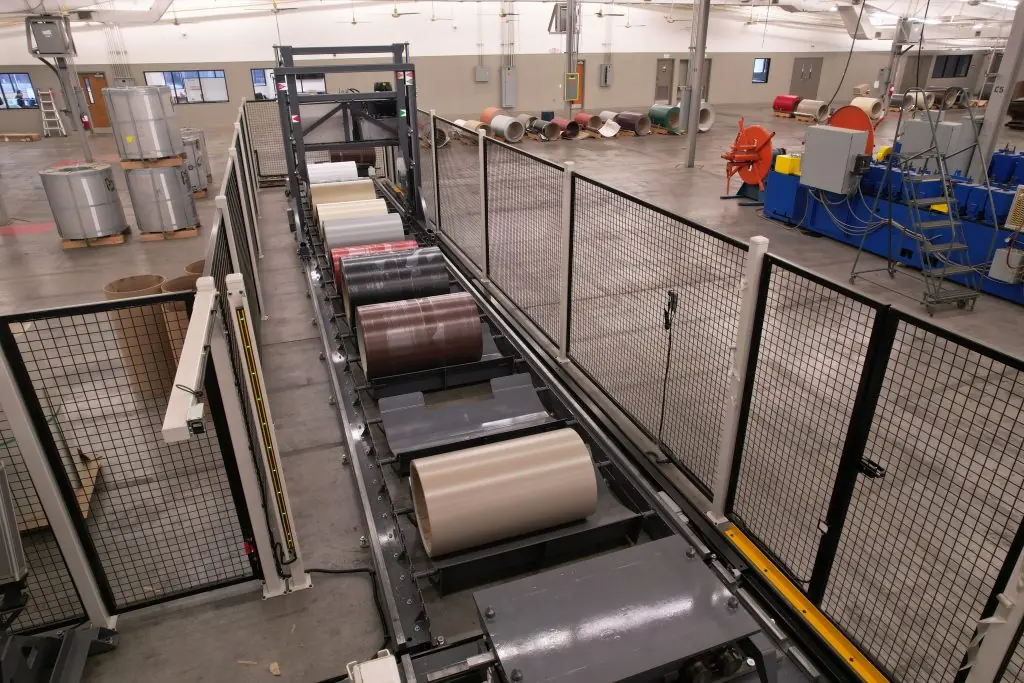
Steel Industry & Coil Handling

Moves steel coils, slabs, and ingots in heavy steel production environments.

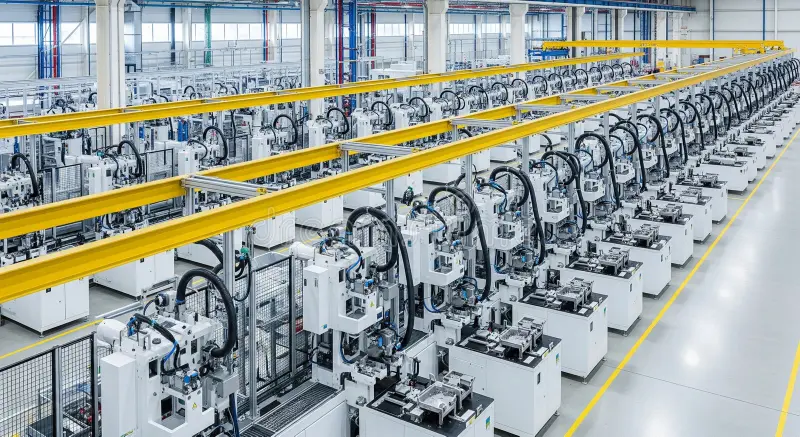
Machinery Manufacturing & Assembly Lines

Transfers large machine parts between processing and assembly stations.

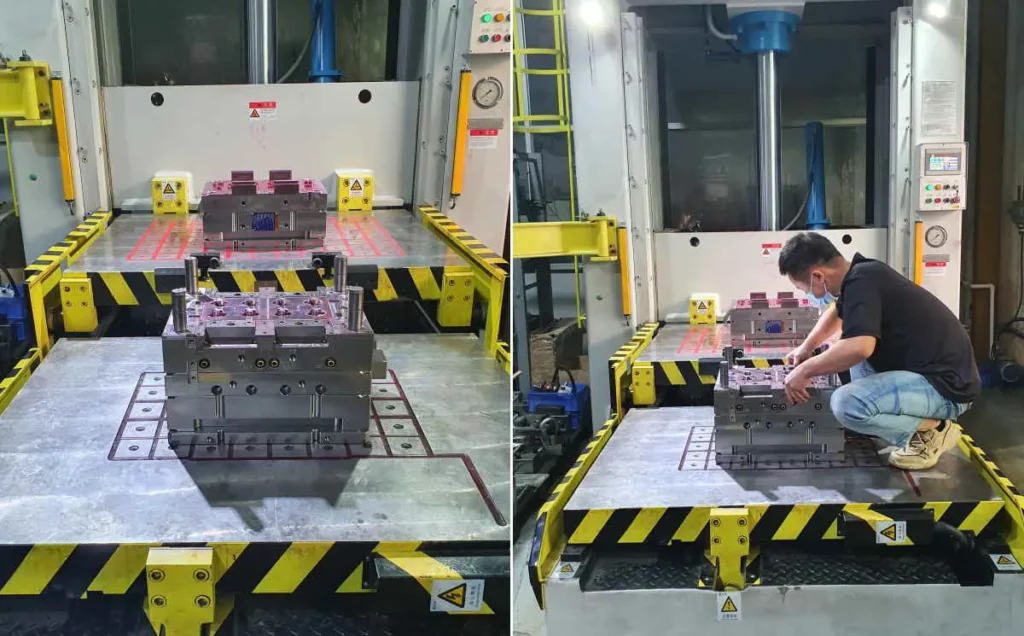
Mold & Die Handling Workshops

Handles heavy molds with precise positioning and optional lifting support.

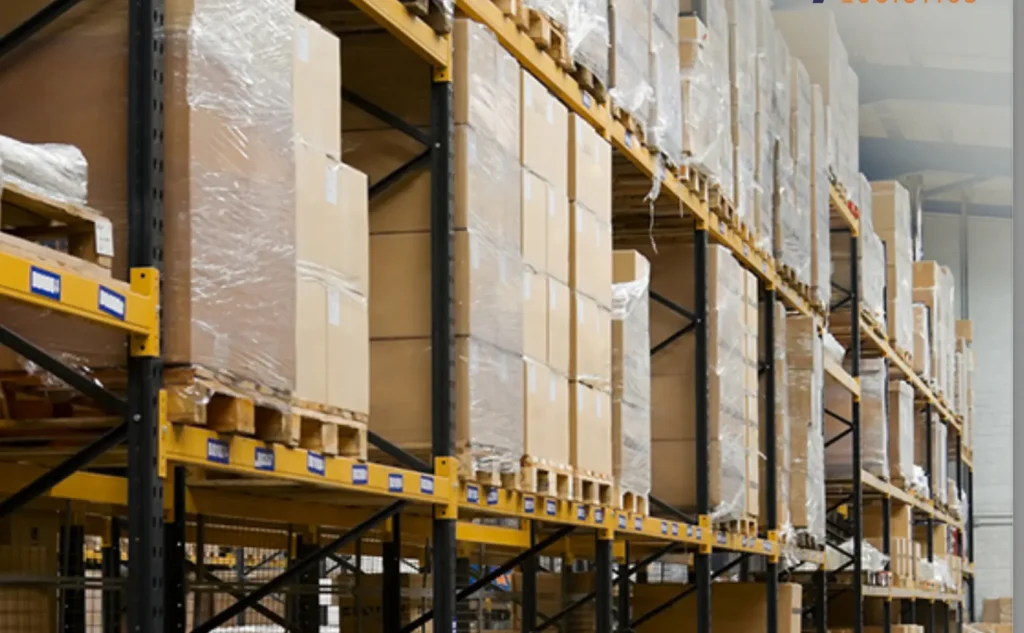
Port & Logistics Yards

Transports oversized cargo efficiently in ports and storage yards.

Power & Energy Industry

Carries large equipment like turbines, generators, and transformers.

Metallurgy & High-Temperature Workshops

Operates in harsh environments for hot and heavy material transfer.

Rail transfer carts are mainly used in steel processing, machinery manufacturing, mold handling, logistics yards, energy systems, and the metallurgical industry, covering most heavy-load and automated industrial transport needs.

Rail-Mounted Transfer Trolley vs AGV: Which Is Better?

Rail-mounted transfer trolley (RGV, also called rail-mounted guided vehicle) and AGV (Automated Guided Vehicle) are two core types of automated handling equipment in modern industrial logistics, and “which is better” depends entirely on the actual requirements of your application scenario, business process, and budget. Below is a comparative analysis from multiple dimensions.

DimensionRGV (Rail Transfer Trolley)AGV(自动导引车)
NavigationFixed rail guidance, no complex controlNo track, uses laser/vision/magnetic navigation
PositioningHigh stability, ±1–20 mm±5–20 mm, depends on system
负载能力Very strong, up to 50+ tons or moreLight to heavy, usually lower overall capacity
灵活性Fixed route, hard to changeFlexible routes, easy to adjust
System CostLower cost, simpler structureHigher cost, more complex system
Best UseFixed production lines, heavy industryFlexible production, warehouse logistics

How They Differ in Practice

RGV runs on fixed tracks, making it stable, powerful, and ideal for heavy-load and high-frequency transport in structured production lines. Once installed, the route is fixed, and changes are not easy.

AGV works without tracks and relies on smart navigation systems, allowing it to move freely and adjust routes when production layouts change. It is more suitable for flexible and multi-point logistics.

Selection Guide

RGV is a better fit when operations are stable, routes are fixed, and heavy loads are handled continuously, especially in industries like steel, machinery, and automated production lines.

AGV is more suitable when workflows change frequently, layouts are flexible, or when a factory needs scalable and easily adjustable logistics without infrastructure modifications.

RGV focuses on stability and heavy-duty efficiency, while AGV emphasizes flexibility and intelligent routing. The right choice depends on whether your operation prioritizes fixed efficiency or dynamic adaptability.

Future Trends of Rail Transfer Systems

Rail transfer systems are moving toward smarter control, cleaner energy, stronger connectivity, and more flexible structures. The overall direction is to improve efficiency while reducing operating cost and energy consumption.

AI & Big Data Integration: AI scheduling and big data analysis will optimize routes, flow distribution, and operating rhythm in real time. Systems will shift from manual control to data-driven decision-making, improving efficiency and reducing operational cost.

Green Energy Transition: Power systems are gradually shifting to battery, hydrogen, and clean energy solutions. This reduces carbon emissions and long-term energy costs, aligning with global low-carbon industrial development.

Communication & System Upgrade: With 5G and high-speed optical networks, data transmission becomes faster and more stable. This supports real-time monitoring, automated control, and future unmanned operation scenarios.

Modular & Flexible Expansion: Systems are developing toward a modular structure and flexible layout adjustment. Users can easily expand vehicles or tracks to match production growth without large-scale reconstruction.

Industry Chain Collaboration: Stronger supply chain integration and standardization are reducing system costs and improving compatibility. At the same time, global demand growth is pushing the technology toward wider commercial adoption.

Rail transfer systems are evolving toward intelligent control, green energy, digital connectivity, modular expansion, and industrial standardization, making them more efficient and adaptable to future industrial needs.

结论

Rail transfer systems are widely used in modern industrial logistics and continue to develop toward higher efficiency, intelligent control, flexible structure, and green energy use. They are applied in industries such as steel, machinery manufacturing, energy, ports, and automated production lines. These systems help improve material handling efficiency, reduce manual labor, and support the upgrade of smart factories.

了不起 is a professional manufacturer and supplier of rail transfer carts. The company has a dedicated engineering team and provides customized design solutions based on different working conditions, including load capacity, platform structure, control systems, and special application requirements. If you need a tailored solution or technical support, please feel free to 联系我们 for project consultation and cooperation.

电子邮件: transfercart@rmkzn.com

Phone: +86-18637369355

发送至电子邮件

常见问题

What is a rail transfer cart used for?

It is used for heavy material handling in factories, such as transporting steel, molds, machinery parts, and other large loads over short distances.

What industries commonly use rail transfer carts?

They are widely used in steel plants, machinery manufacturing, the energy industry, ports, and logistics warehouses.

How much weight can a rail transfer cart carry?

The load capacity usually ranges from 1 ton to over 500 tons, depending on the design and application.

What power supply types are available?

Common options include battery-powered, low-voltage rail-powered, cable drum-powered, and busbar-powered systems.

Can the rail transfer cart be customized?

Yes, it can be customized in load capacity, platform size, lifting system, control mode, and safety features.

Is it suitable for automated production lines?

Yes, it can integrate with PLC systems, MES/WMS platforms, and positioning systems for automation.

What is the difference between rail transfer carts and AGVs?

Rail transfer carts run on fixed tracks with high stability and heavy load capacity, while AGVs use trackless navigation and offer more flexibility.

Does Ruimaike provide customized solutions?

Yes, Ruimaike provides customized rail transfer carts with professional design support based on different industrial requirements.

热门产品