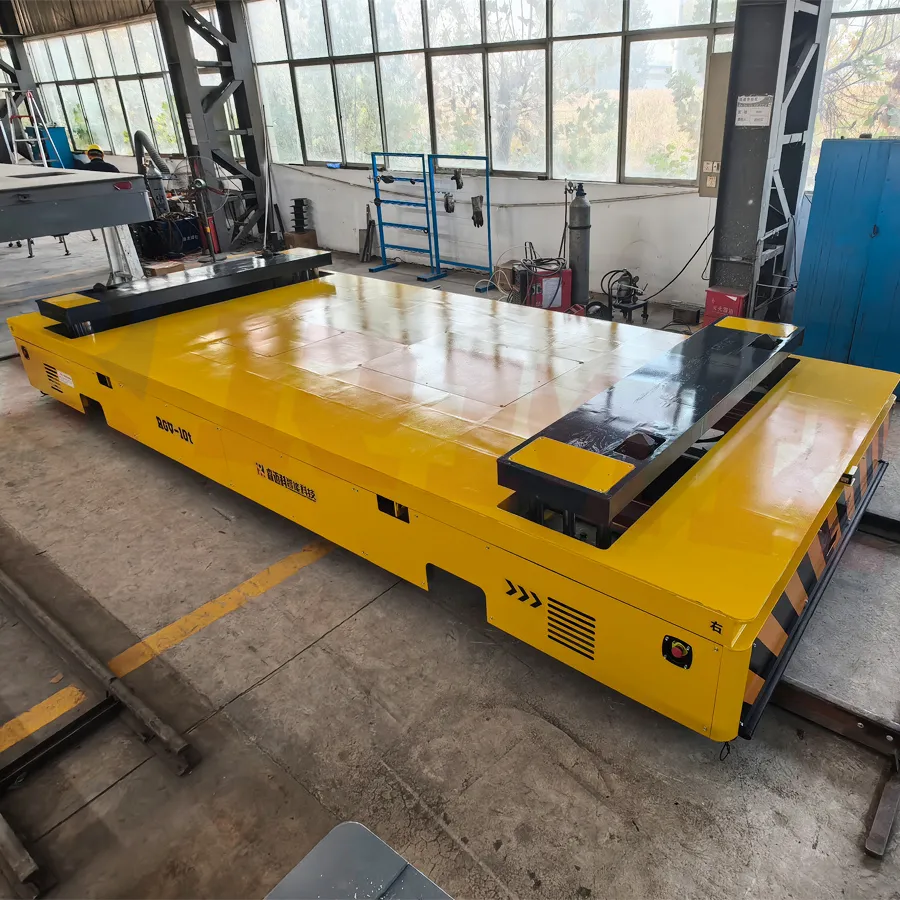
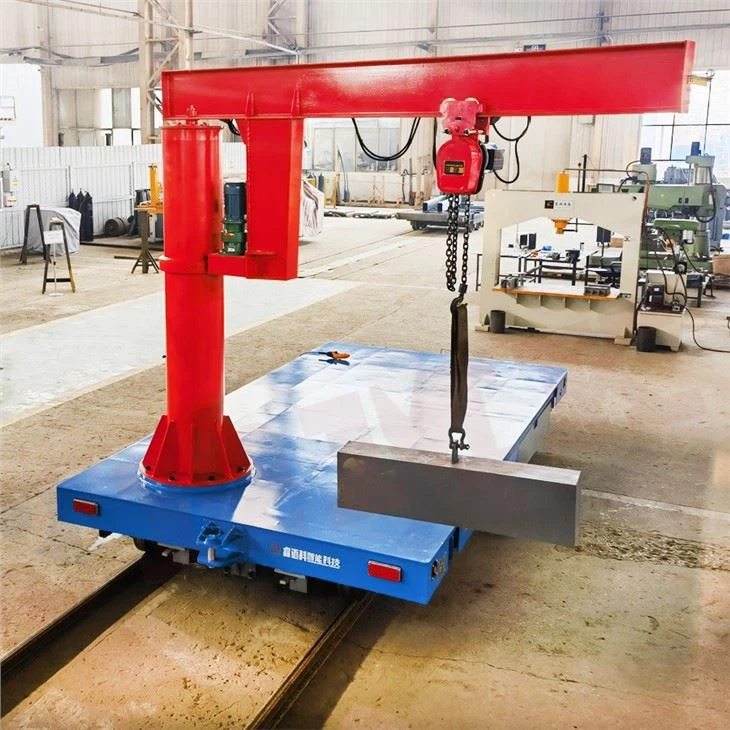
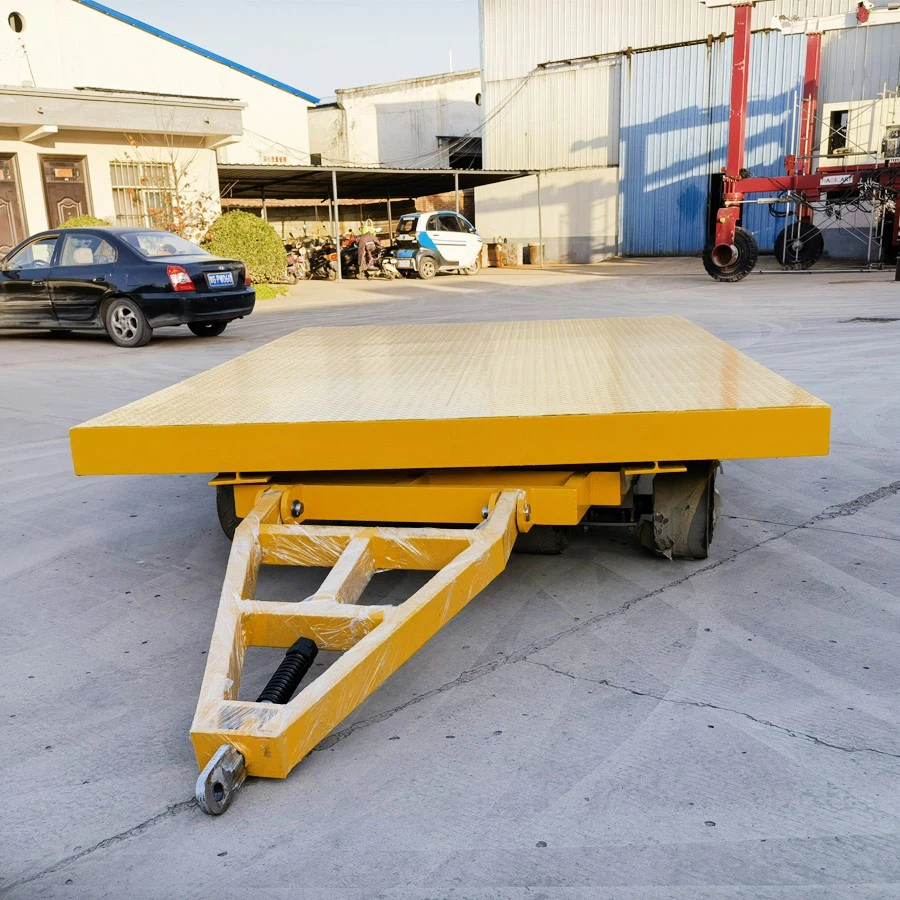
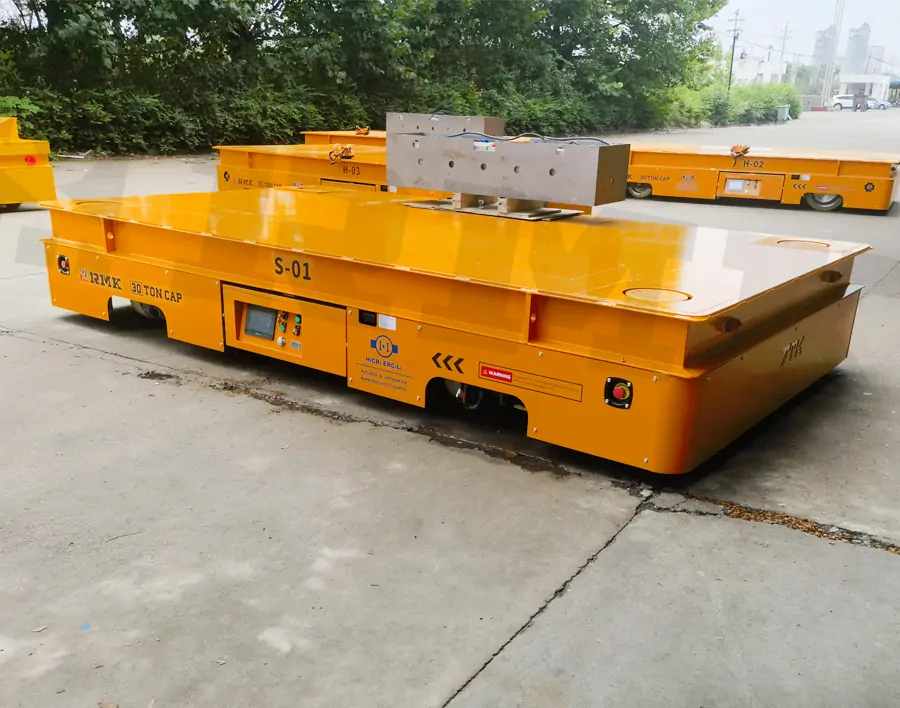
In modern industrial logistics, the 电动搬运车 has become the critical link for connecting production stations and achieving heavy-duty material flow. By utilizing electric drive, this handling solution breaks free from the limitations of manual labor or high-cost hoisting equipment. This article provides an in-depth analysis of this high-efficiency tool, covering its technical definition, structural components, core working principles, and practical application advantages in heavy industry.

What is an Electric Transfer Cart?
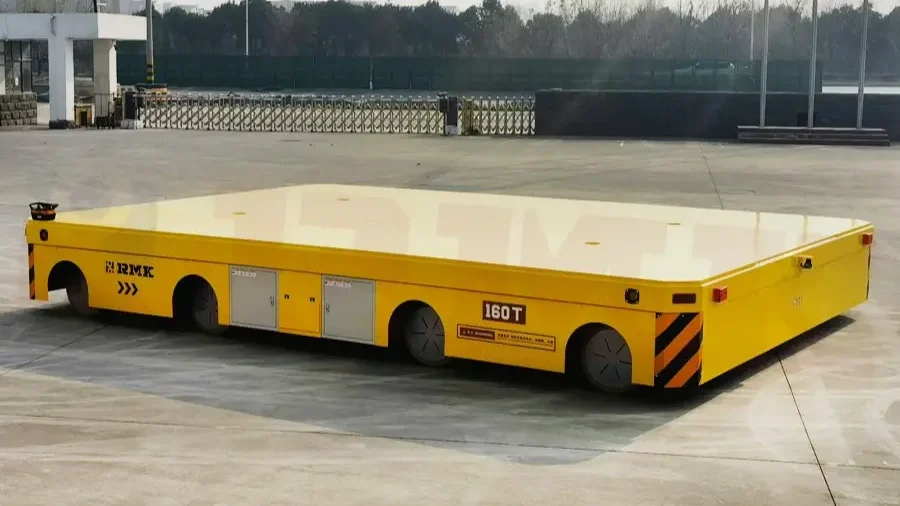
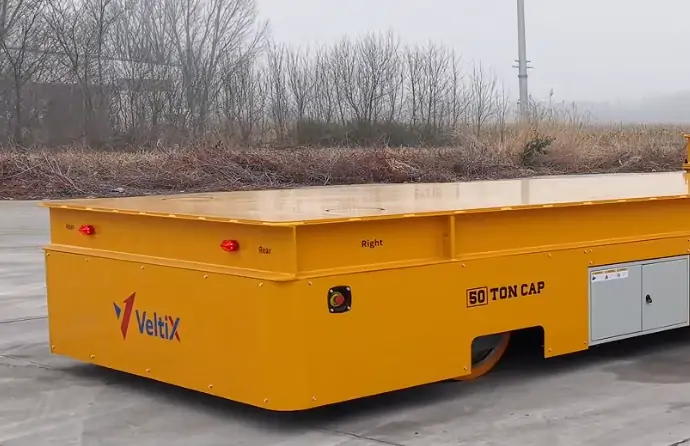
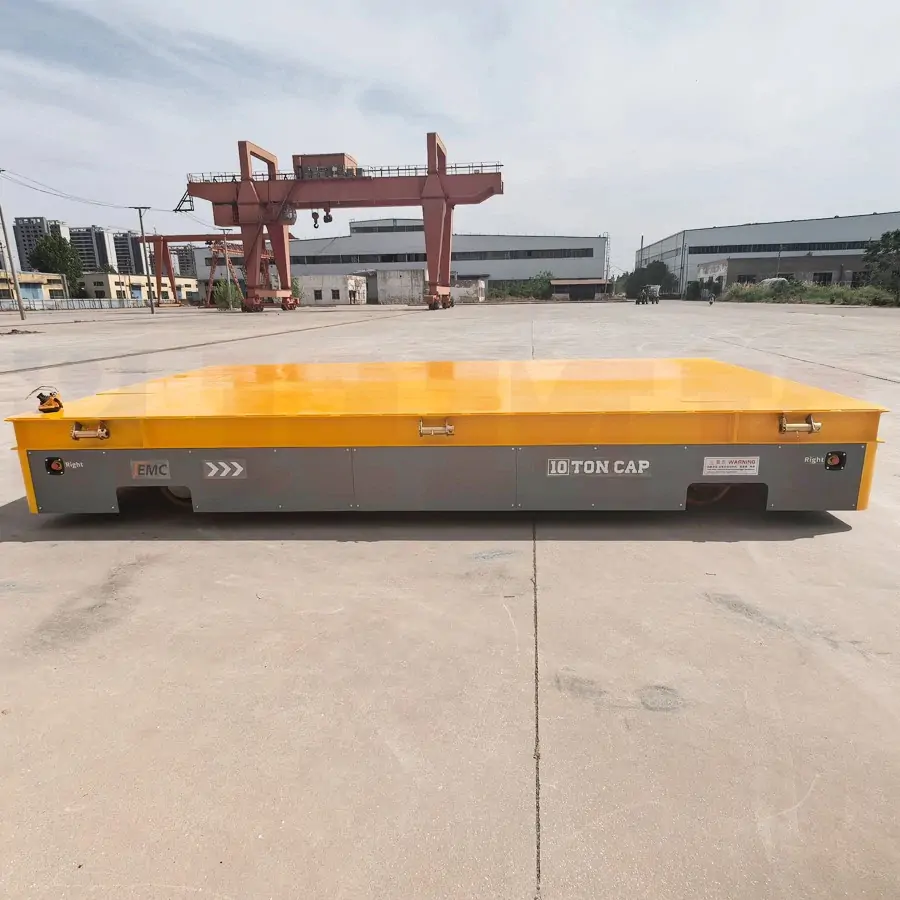
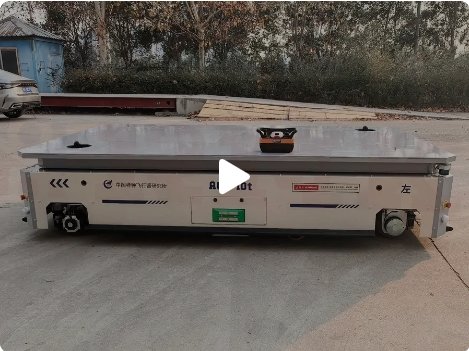
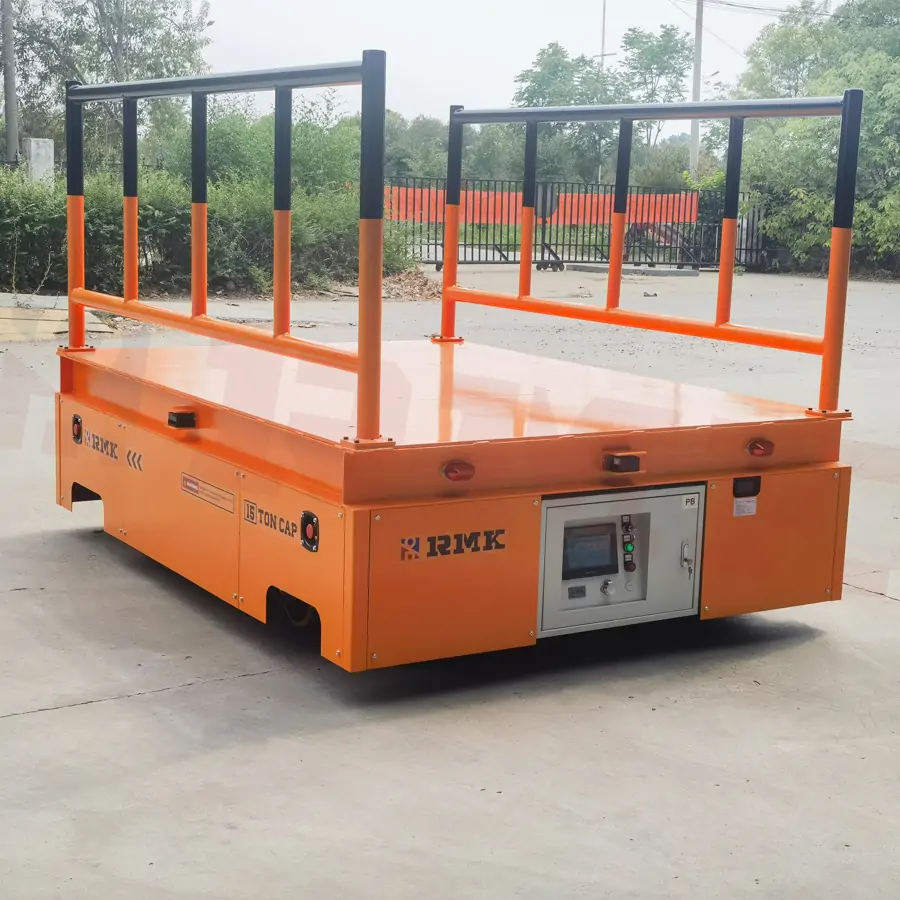
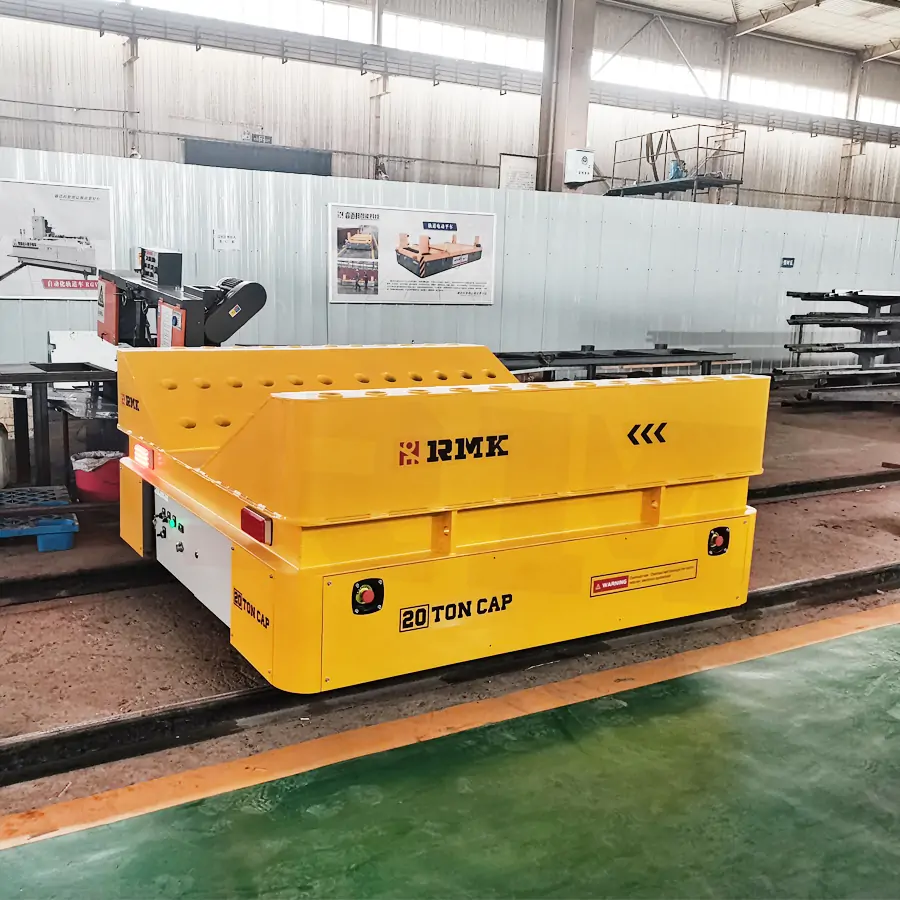
A motorized electric transfer cart is a battery-powered horizontal handling vehicle used to move heavy materials, workpieces, or equipment within factory workshops. Moving away from traditional reliance on fixed rails or massive machinery, this equipment offers massive loading capacities (typically ranging from 1 to 500 tons) and flexible maneuverability. It is a vital powered transfer cart for industries such as mold manufacturing, steel metallurgy, and energy sector assembly.
Components of an Electric Transfer Cart
A high-performance electric transfer cart is primarily built from the following structural components:
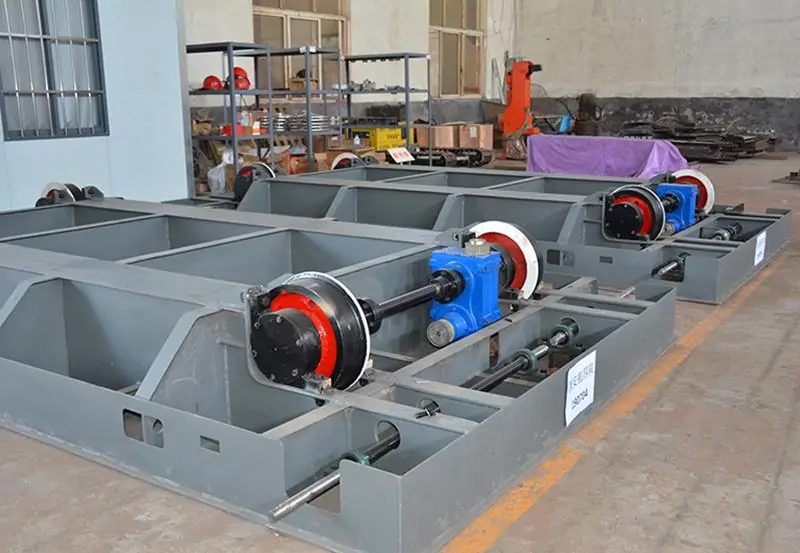
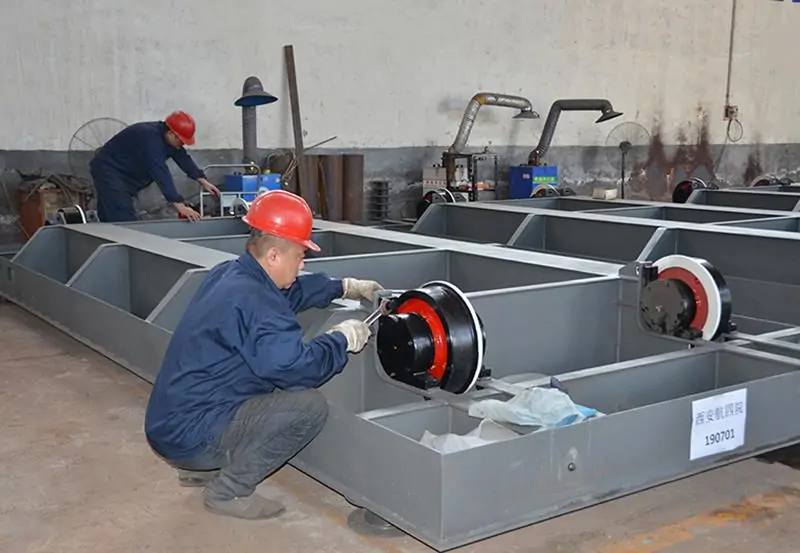
- High-Strength Steel Chassis: The body utilizes a box-beam welded structure with extremely high torsional stiffness and load factors, ensuring the platform remains deformation-free even under full load.
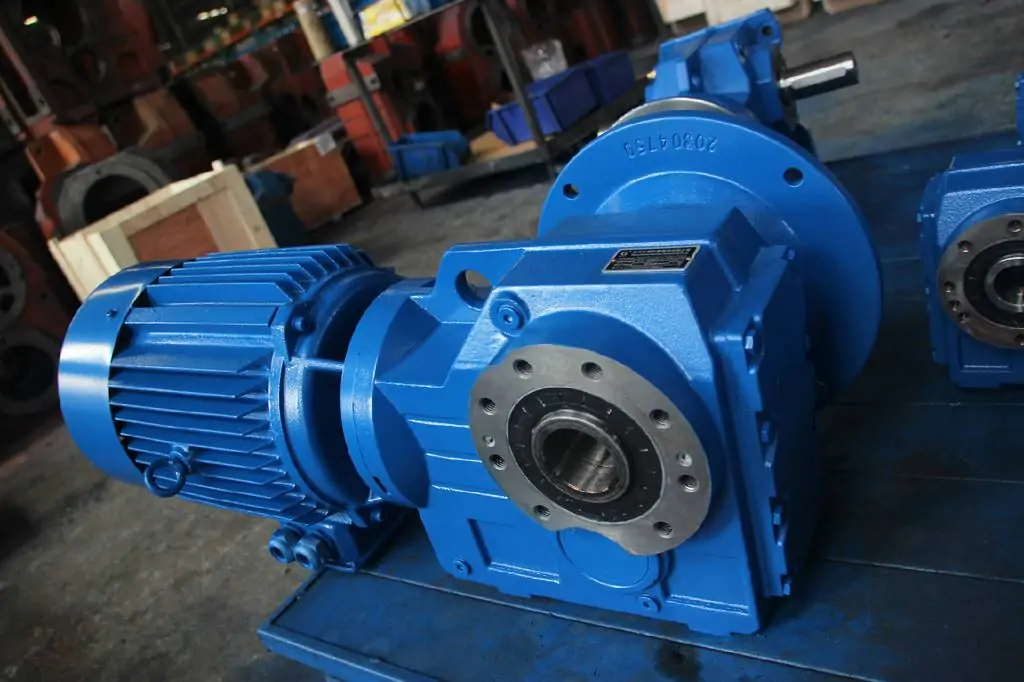
- Power Drive System: This includes traction motors (AC servo or DC motors), industrial-grade gearboxes, and drive shafts, providing smooth and powerful torque output.
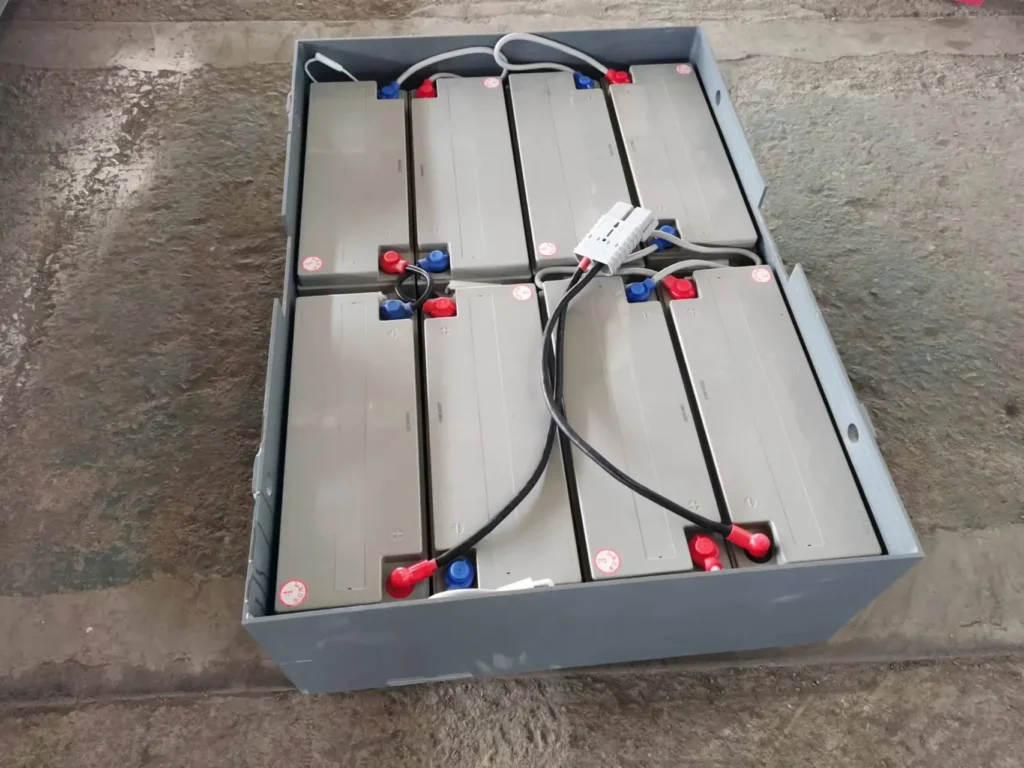
- Power Supply System: Customized based on operational needs, options include maintenance-free lead-acid batteries, lithium batteries, cable reels, or low-voltage rails.
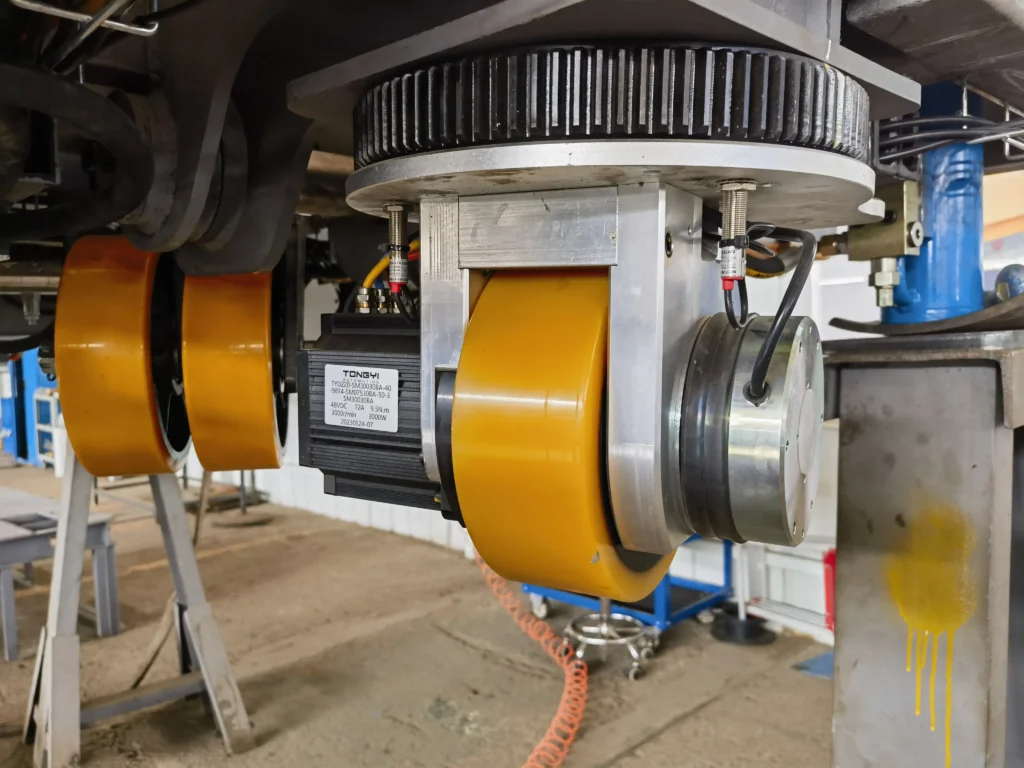
- Wheel System: Trackless models use high-load polyurethane rubber-coated wheels (to protect floors and prevent slipping), while rail-guided models use specialized cast steel rail wheels.
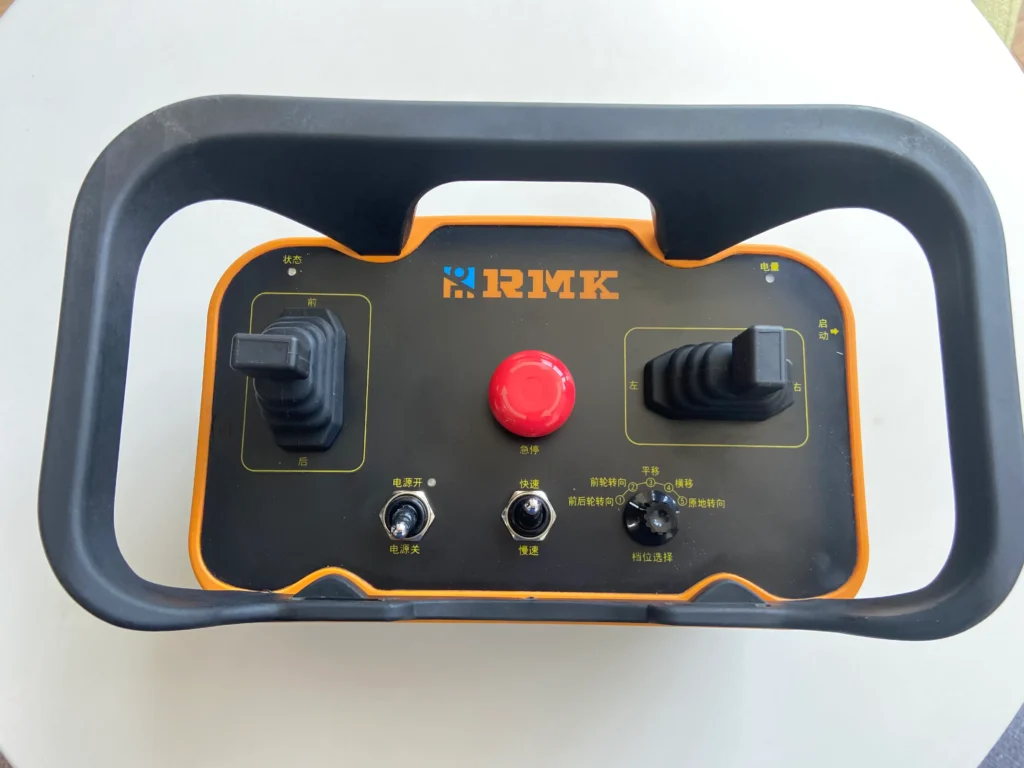
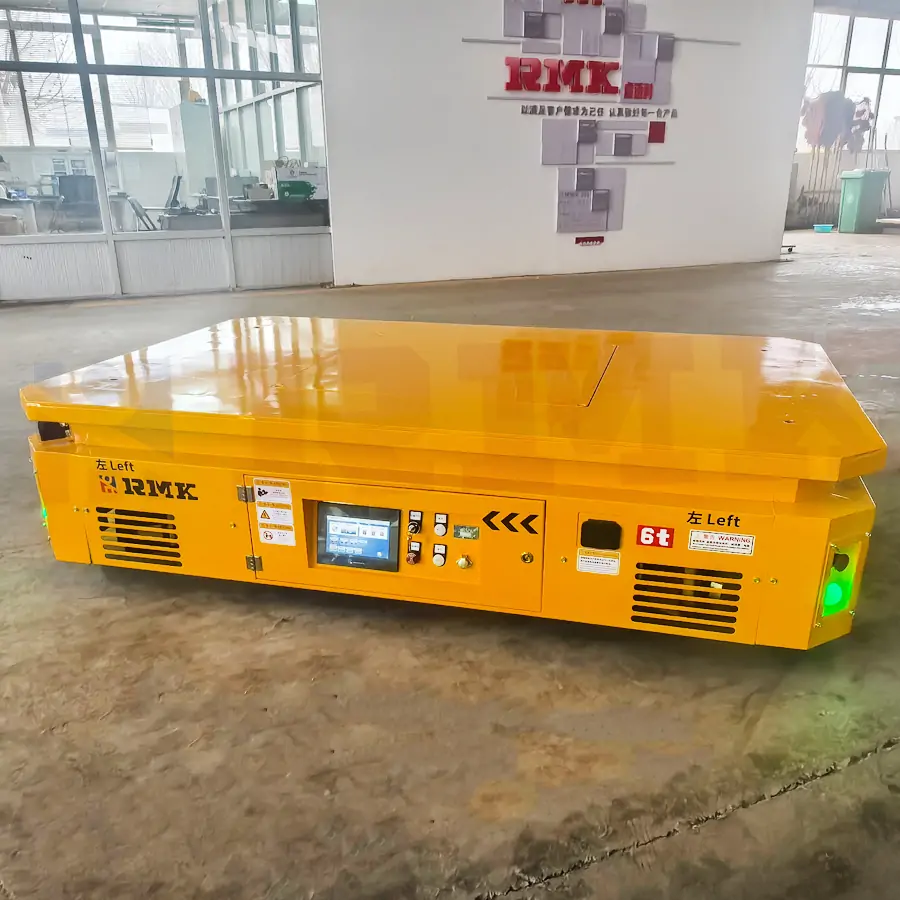
- 控制系统: Centered on a PLC controller and paired with a frequency inverter to achieve stepless speed regulation and smooth starts/stops. Operation is typically handled via wireless remote or wired pendant.
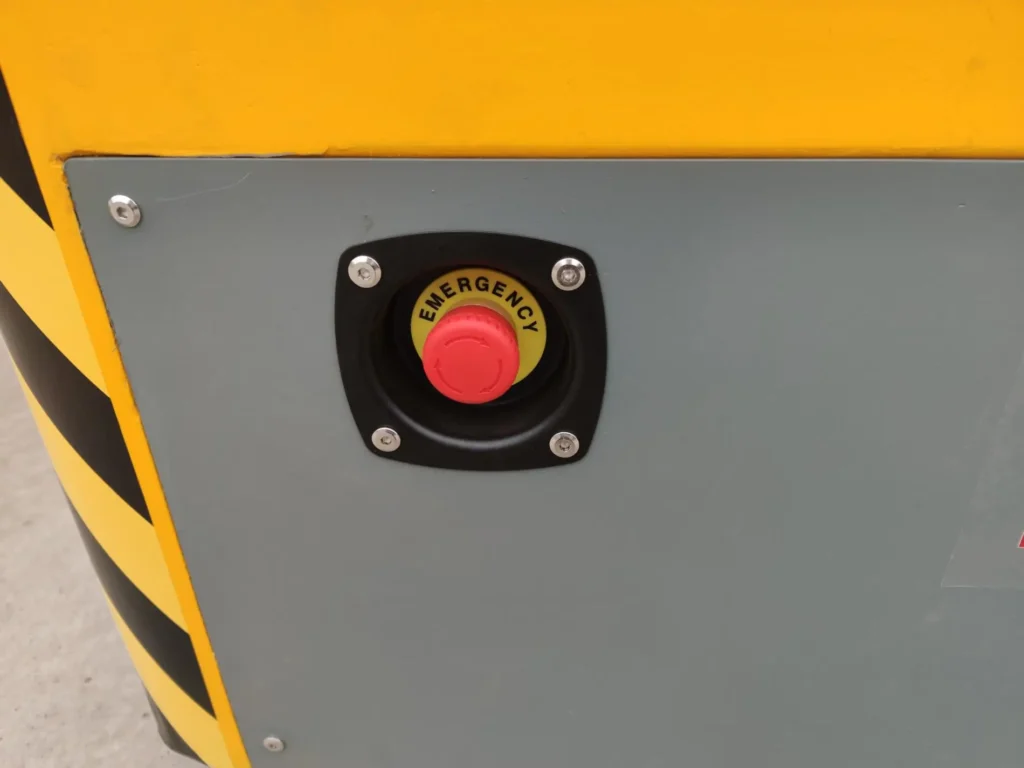
- 安全保护装置: Integrated with LiDAR obstacle avoidance sensors, sound and light alarms, mechanical safety edges, and emergency stop buttons.
工作原理
The operation of an electric transfer cart is based on “electrical energy conversion” and “precision dispatching.” The core workflow is as follows:
- When an operator issues a move command via the wireless remote, the signal is sent to the onboard PLC. The controller directs the inverter to adjust the motor’s torque output according to a preset acceleration curve, driving the gearbox to start the wheels smoothly. During travel, motor encoders monitor speed and position in real-time to ensure the accuracy of the path.
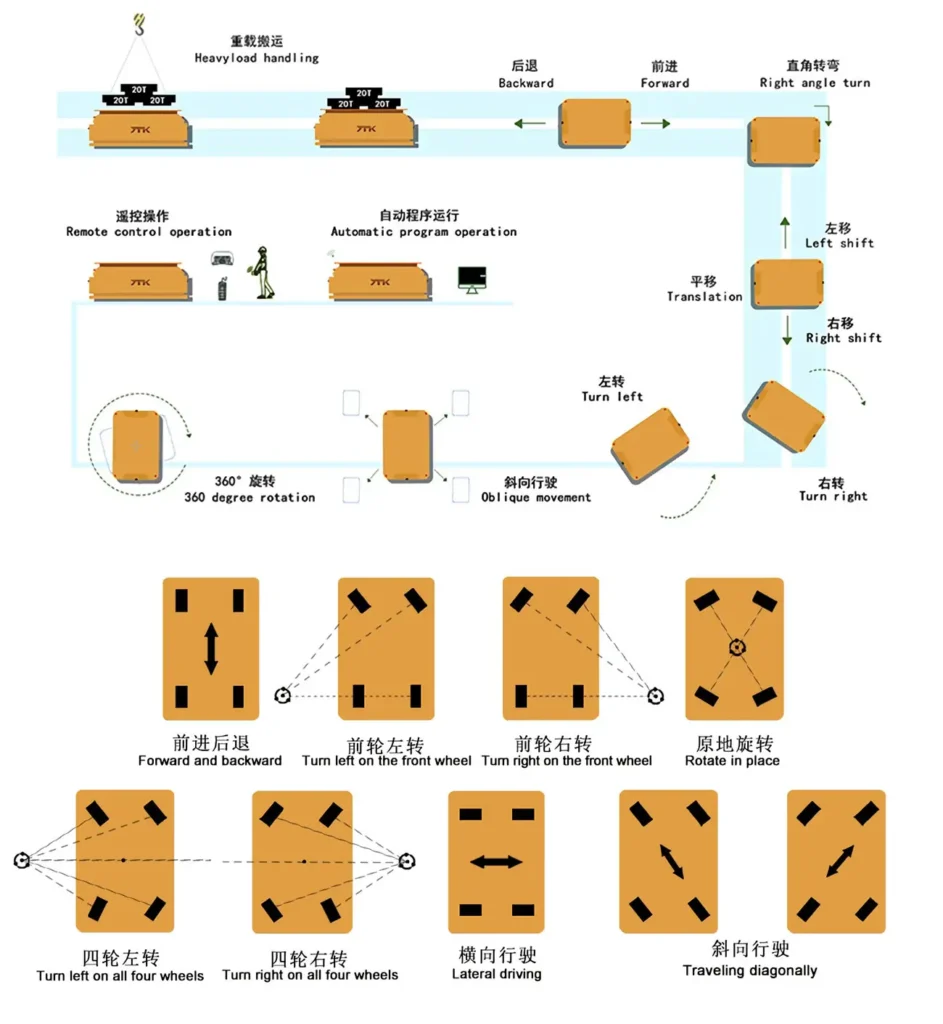
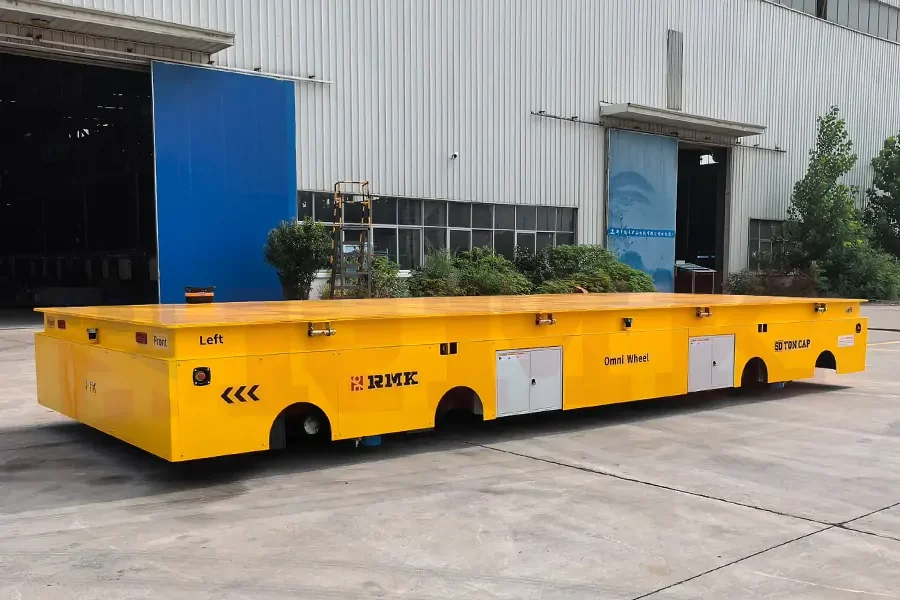
- For trackless omnidirectional carts, the principle is even more advanced: the system calculates the speed difference between wheel sets (differential steering) or directly controls independent steerable wheels based on the steering angle. This allows for complex maneuvers like 360° on-the-spot rotation or lateral movement. If sensors detect an obstacle, the PLC intervenes immediately, engaging the electromagnetic braking system to stop the vehicle within a safe distance.
The efficient operation of an electric transfer cart relies on the precise conversion of electrical energy into mechanical energy. For a motorized electric transfer cart with omnidirectional capabilities, the logic is more sophisticated: the system adjusts the angles and speed differences of different steerable wheels in real-time to achieve straight travel, side-shifting, diagonal movement, or even 360° rotation. During handling, the energy management system adjusts torque output based on real-time load. When an obstacle is detected or a stop command is given, the electromagnetic brakes instantly lock the motor shafts to ensure that loads weighing dozens of tons remain absolutely stable and safe.
类型
To adapt to different floor conditions and paths, motorized transfer carts have evolved into several typical types:


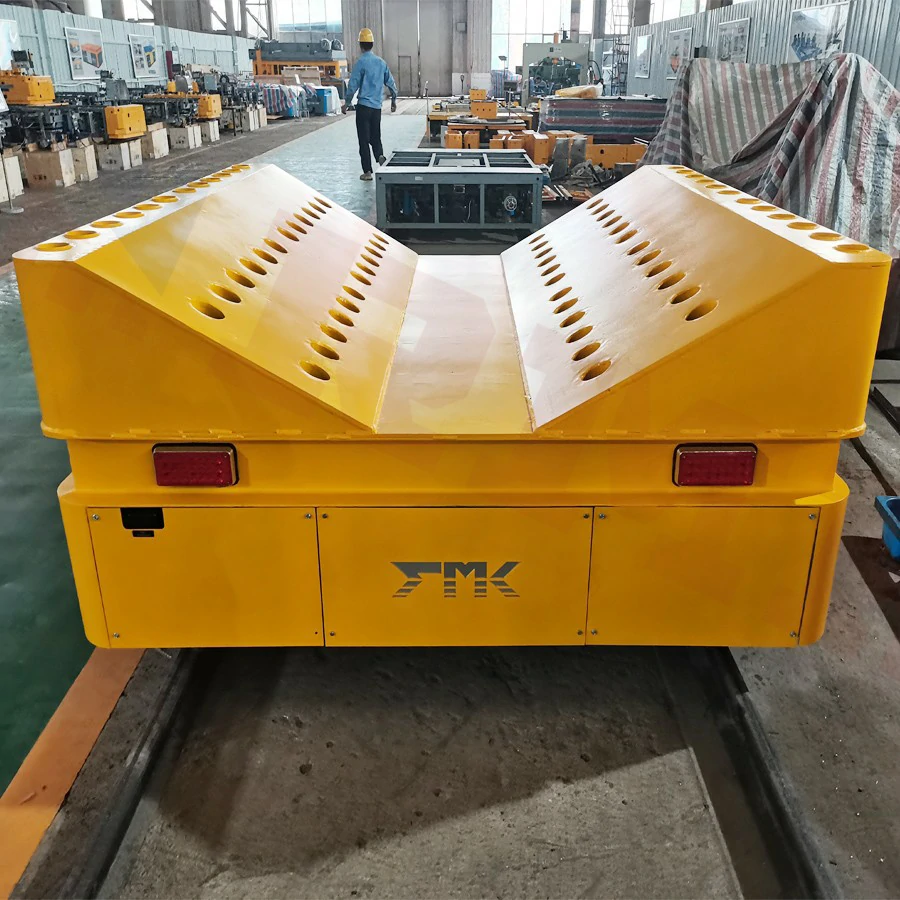
- Trackless Flexible Type: Uses polyurethane wheels to run directly on concrete or epoxy floors. It is free from the constraints of rails and supports 360° rotation, making it the top choice for modern flexible workshops.
- Rail-Guided Heavy-Duty Type: Runs on preset steel rails with extreme positioning accuracy and ultra-high load support, ideal for fixed-path, high-frequency cycles.
- Omnidirectional Type: Equipped with advanced steerable wheel systems, it can move sideways or diagonally, performing exceptionally well in tight workstations.
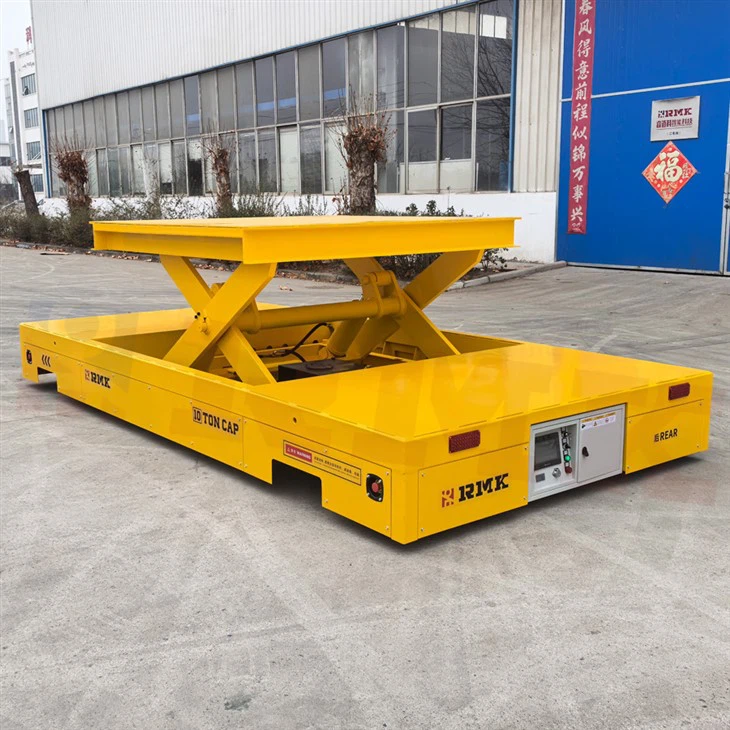
- Hydraulic Lifting Type: Combines horizontal transport with vertical lifting, often used to dive under pallets or bridge stations of different heights.
Against the backdrop of smart manufacturing and heavy industry upgrades, the electric transfer cart has become indispensable for plant logistics. It doesn’t just solve the problem of moving massive weights; it creates a seamless connection between production lines through flexible control systems. As a powered transfer cart integrating mechanics, electricity, and automation, its diverse configurations are redefining the boundaries of heavy handling efficiency.
优势
Compared to traditional crane hoisting or forklift handling, the motorized electric transfer cart offers superior industrial value:
- Peak Efficiency: Supports point-to-point direct transport, eliminating wait times for crane scheduling and significantly shortening production cycles.
- Heavy-Duty Stability: The high-strength box-beam chassis ensures zero structural deformation even when carrying dozens of tons, providing smooth, vibration-free travel.
- All-Around Safety: Standard features like LiDAR obstacle avoidance, mechanical safety edges, and electromagnetic self-locking brakes minimize human-machine risks.
- Extreme Customizability: Whether for explosion-proof environments, high-temperature zones, or cleanrooms, the frame size, load, and functions can be tailor-made.
The reason the electric transfer cart has become the workhorse is not simply because it offers an alternative power source, but because of the professional qualities it demonstrates under heavy-load conditions: stability, precision, and speed.
应用场景
As an all-around powered transfer cart, it is active in every key link of heavy industry:

Mold & Equipment Manufacturing: Rapid turnover of heavy stamping molds between presses and storage areas for “one-click” mold changes.

Energy & Power Industry: Carrying large transformers, wind turbine blades, or nacelles, acting as a mobile assembly platform.

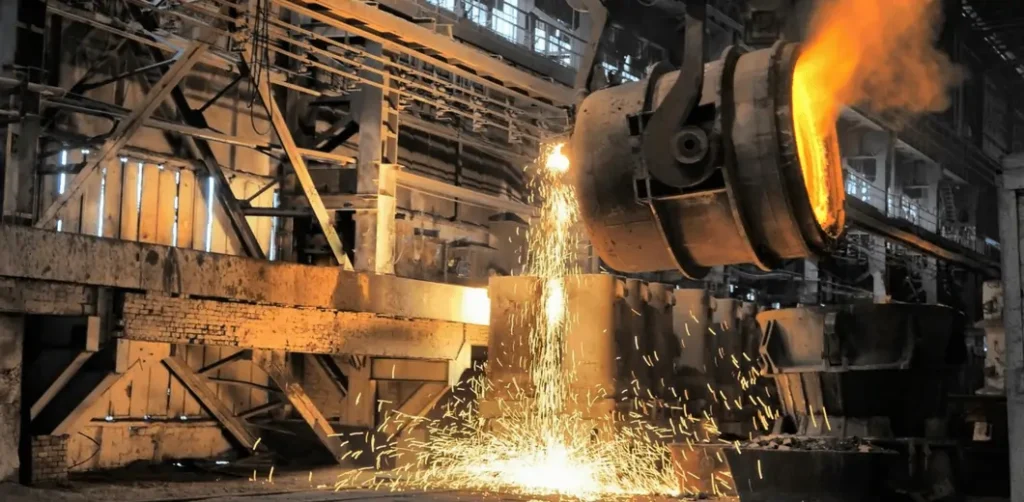
Steel Metallurgy: Continuous turnover of steel coils and castings between different processing zones.

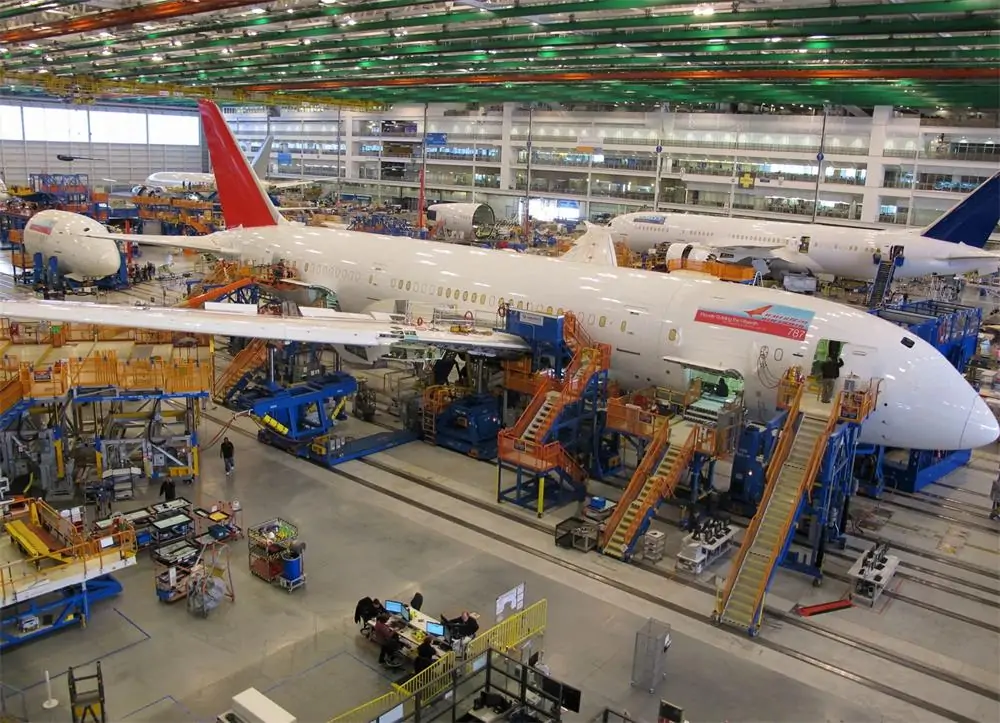
航空航天 Assisting in sub-millimeter repositioning and docking of fuselage parts or engine assemblies on precision lines.
How to Accurately Select a Model
When purchasing a motorized electric transfer cart, consider these four professional dimensions:
- Rated Load: Define the maximum handling weight and add a 10%-20% safety margin for unexpected impacts.
- Travel Environment: Are rails already laid? For trackless operation, is the floor concrete or steel? This determines the wheel material configuration.
- Distance & Frequency: For high-frequency continuous work, a fast-charging lithium battery is recommended. For longer intervals, maintenance-free lead-acid batteries are more cost-effective.
- Space Constraints: Measure the narrowest aisle width to decide if an omnidirectional drive system with on-the-spot rotation is required.
In summary, the electric transfer cart is the core link in the automated logistics chain. By choosing motorized transfer carts that match the working conditions, companies can significantly reduce material loss and labor costs while boosting production efficiency. Investing in a high-performance electric transfer cart is an investment in the digital and automated future of the factory.
结论
In the wave of heavy industrial transformation, the electric transfer cart is no longer just a tool, but a key component of workshop automation. As a global leader in transfer equipment solutions, Remarkable has specialized in heavy-duty transfer technology for years, providing customized solutions from 1 to 500 tons. Whether you need a motorized electric transfer cart for precision docking in narrow aisles or high-frequency turnover in complex environments, our R&D team can build a high-performance, safe, and reliable powered transfer cart for you. Choosing Remarkable means choosing a logistics optimization guarantee that significantly improves ROI.
电子邮件: transfercart@rmkzn.com
Phone: +86-18637369355
常见问题
What is the maximum capacity of an electric transfer cart? Electric transfer carts are highly customizable, with typical capacities between 1t and 100t. Professional manufacturers like Remarkable can provide ultra-heavy models of 500 tons or more based on specific needs.
Does this cart have special requirements for the factory floor? Trackless models use high-performance polyurethane wheels that run freely on hardened concrete, epoxy, or steel floors without damaging the ground.
How is safety guaranteed during operation? Professional equipment integrates multiple safety mechanisms: LiDAR for environment sensing, hydraulic locking for platform stability, and electromagnetic brakes for emergency stops.
What is the runtime of a battery-powered transfer cart? It depends on the battery. Maintenance-free batteries usually cover 6-8 hours of continuous work. Lithium batteries support fast charging for high-intensity, multi-shift production.
Can the cart rotate on the spot in tight spaces? Yes. Motorized transfer carts equipped with steerable wheel systems can achieve 360° rotation, side-shifting, and diagonal movement, perfect for areas inaccessible to forklifts.
Can we upgrade a manually controlled cart to an automated AGV? Yes. Remarkable’s equipment typically includes PLC interfaces. By adding sensors like SLAM or magnetic strip navigation later, the remote-controlled mode can be upgraded to a fully automated AGV.nt rarely fits perfectly.