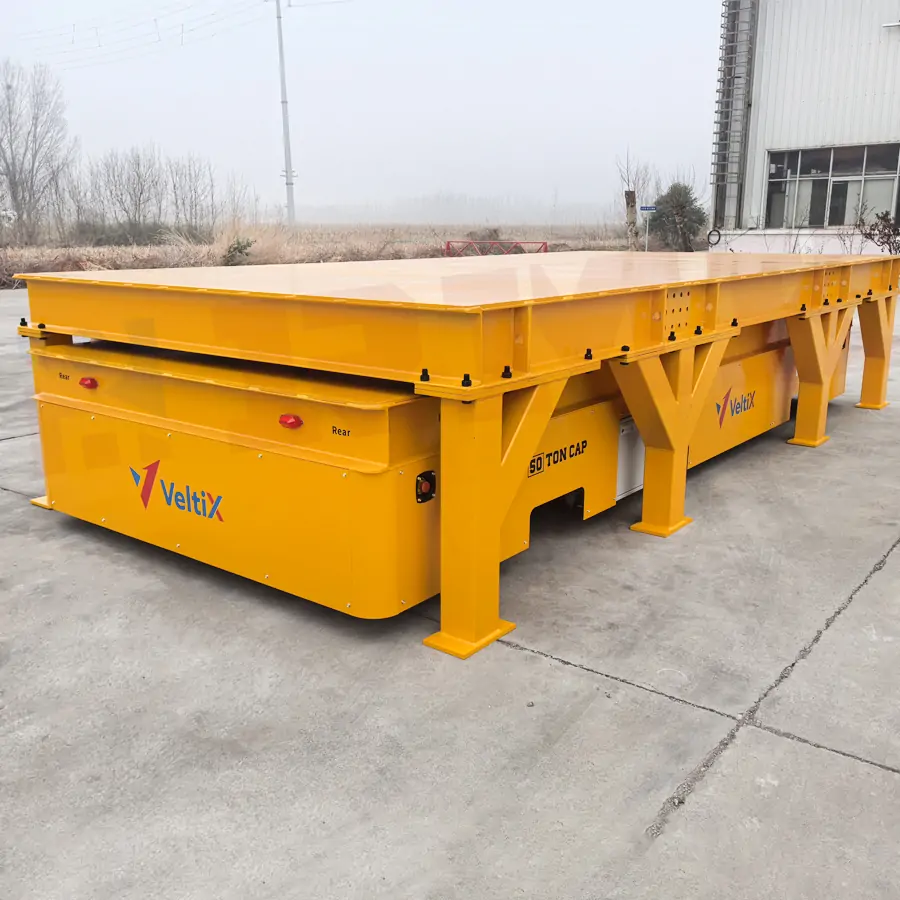
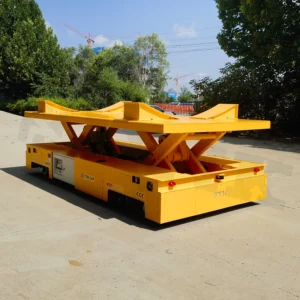
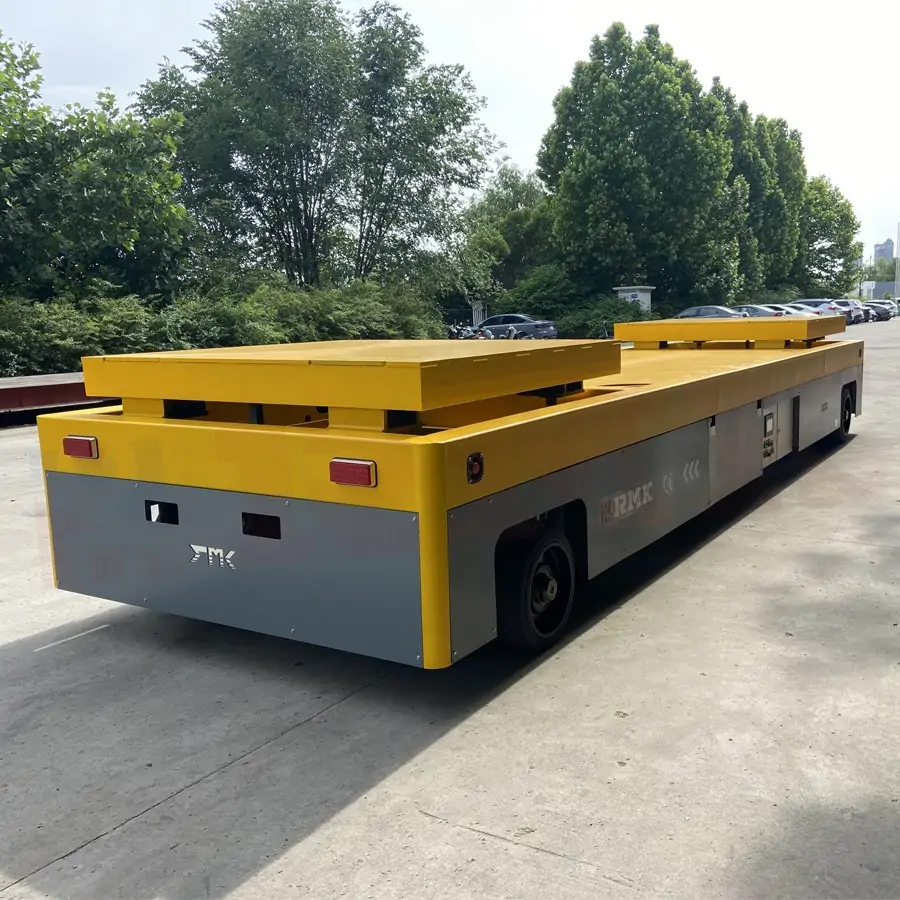
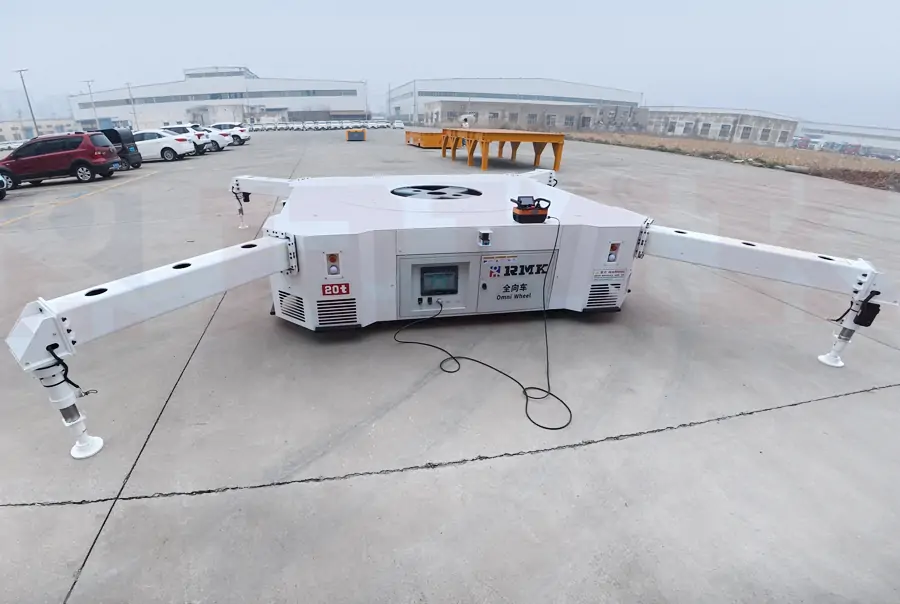
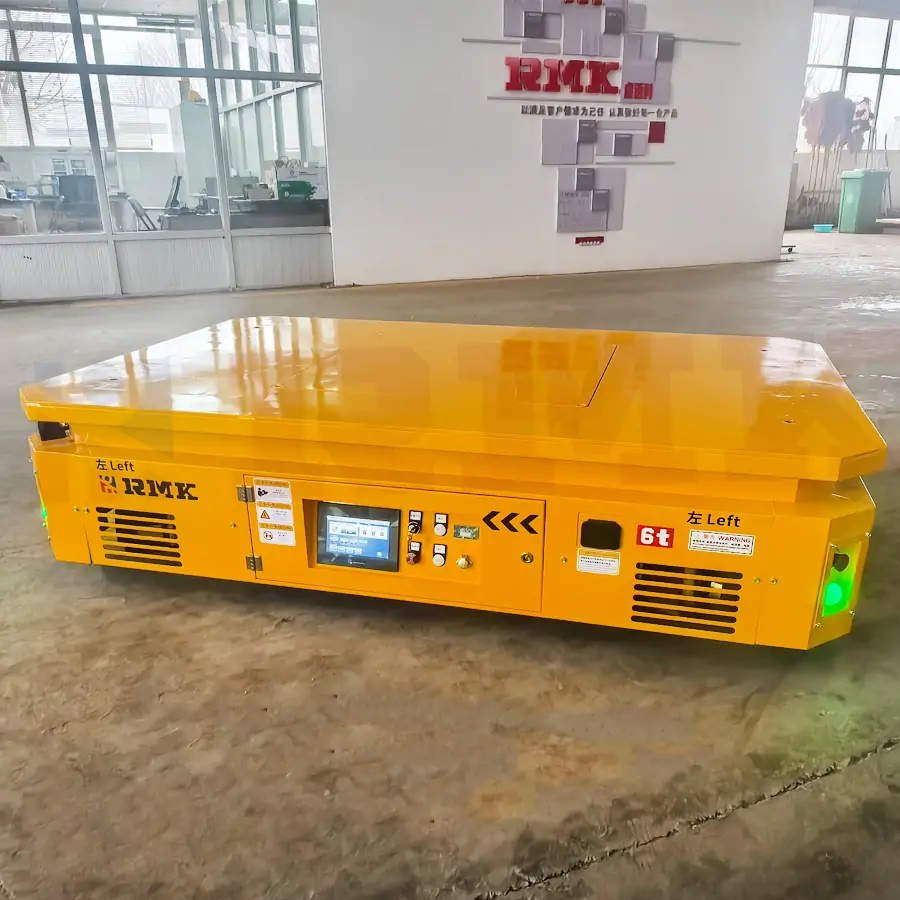
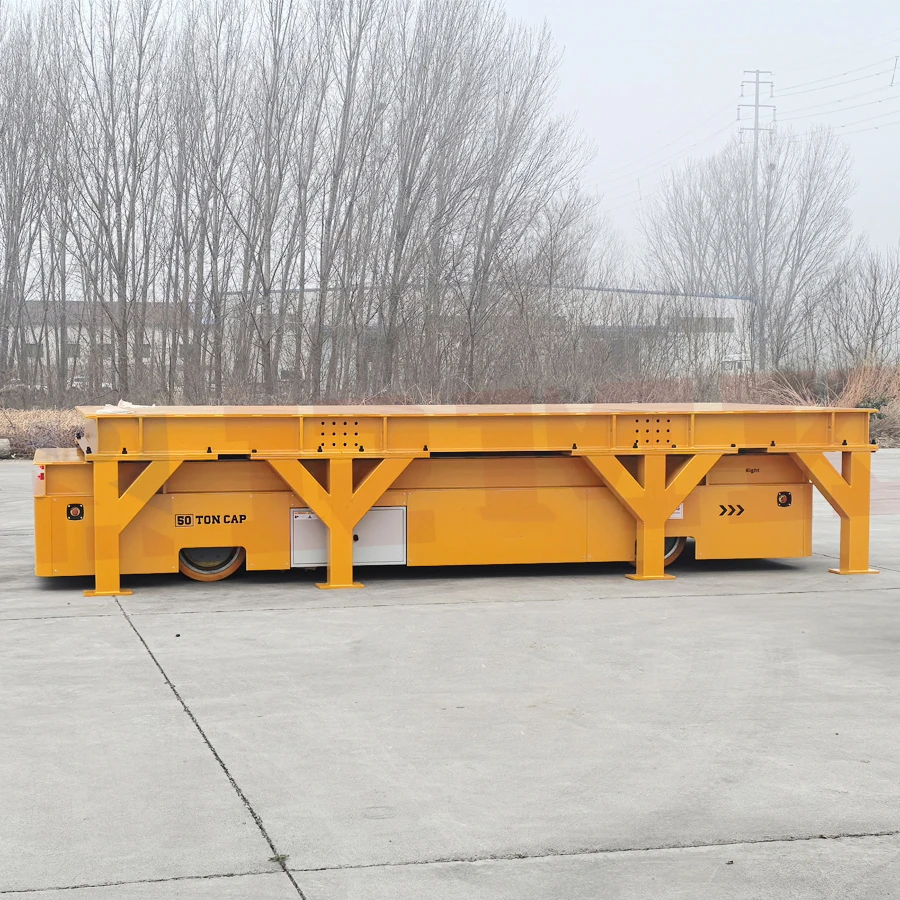
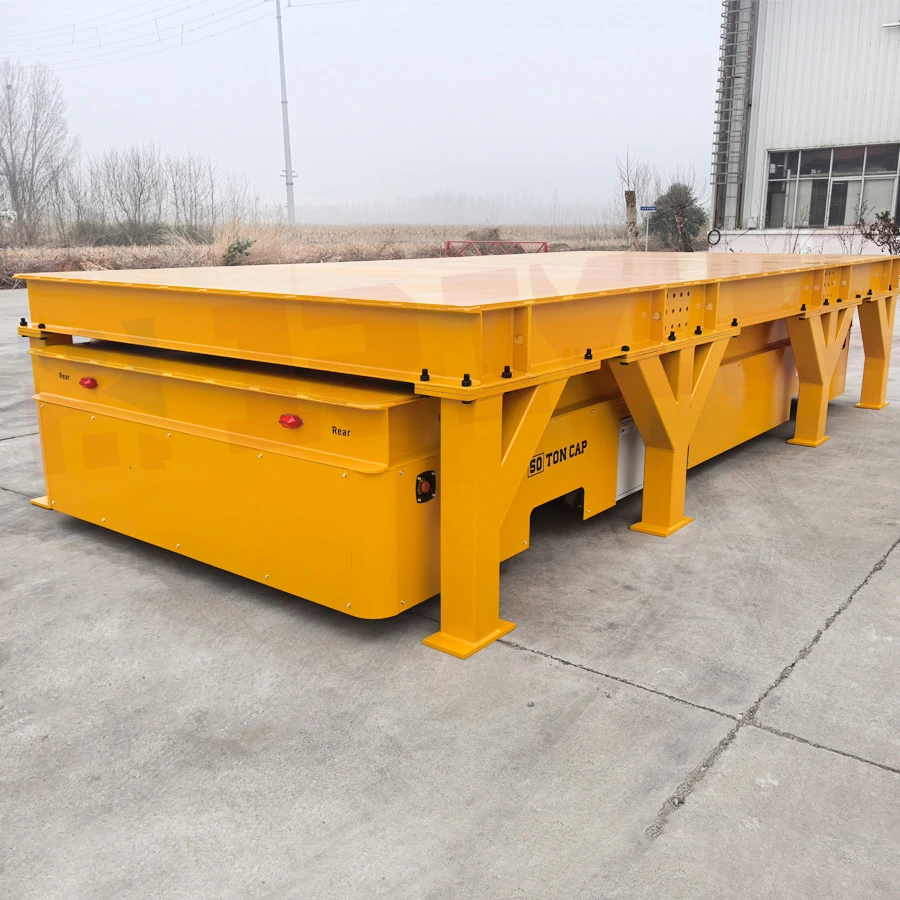
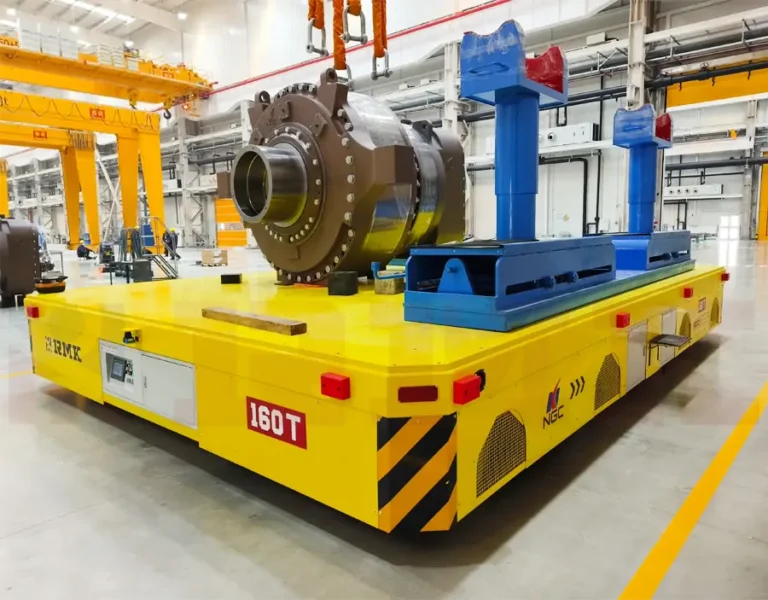
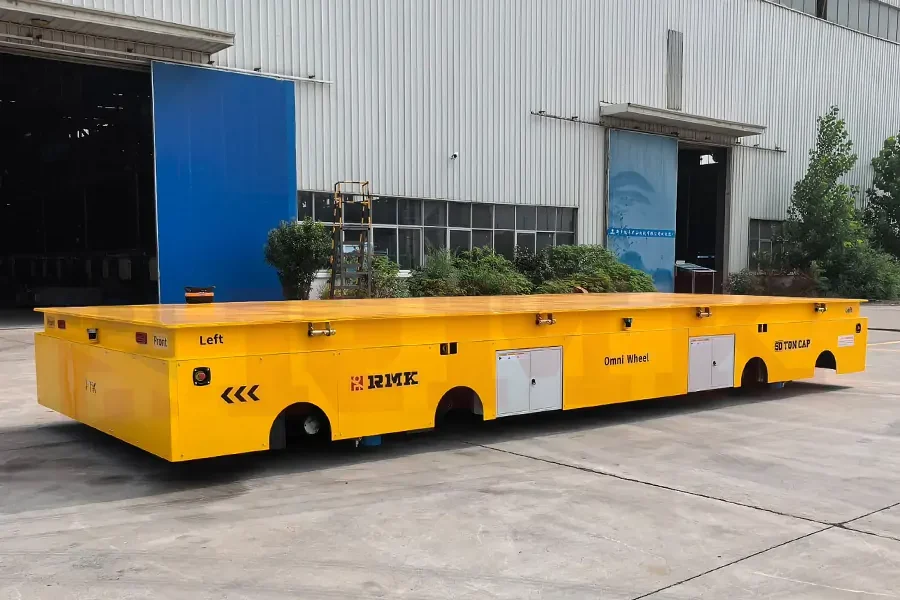
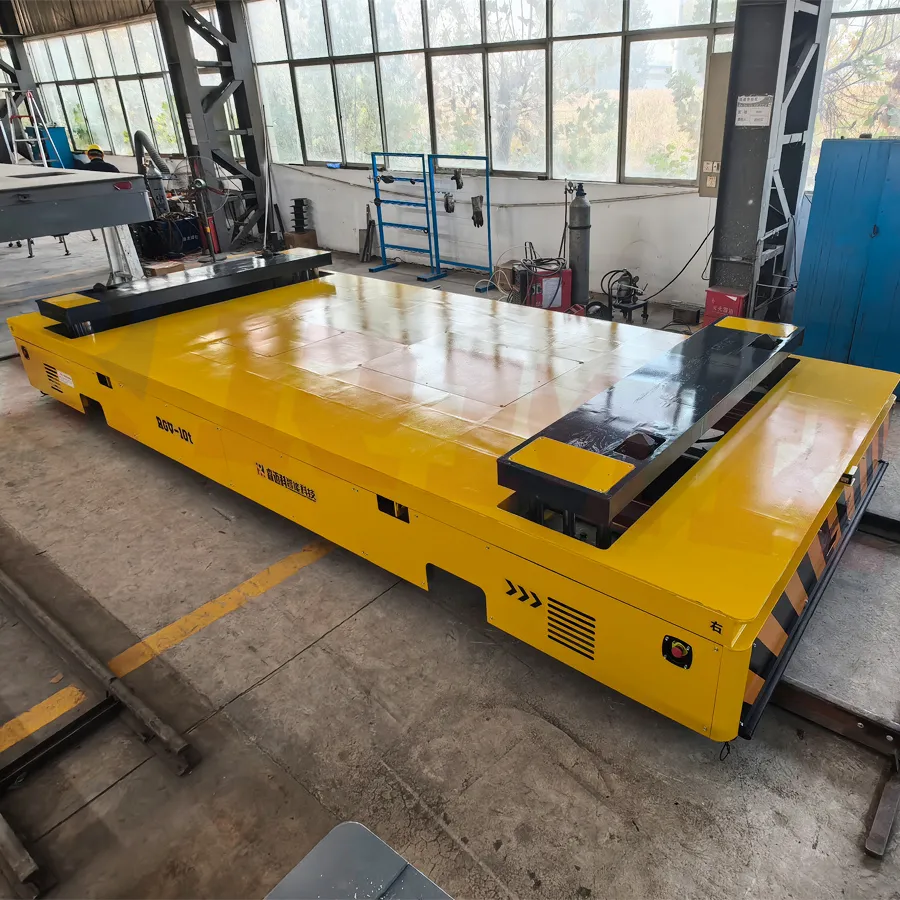
Hydraulic lifting transfer car is a common handling equipment in heavy industry. The common hydraulic lifting transfer cars we see are divided into rail and trackless types. Today, we focus on the hydraulic lifting trackless transfer cart, which uses a storage battery as the power source to drive the motor for walking, and a hydraulic pump station to drive the vertical lifting of the loading platform.
50 Tons Pallet Hydraulic Lifting Transfer Car
Hydraulic-Lifting-Transfer-Cart
液压升降搬运车
The equipment is mainly applied in industrial scenarios such as heavy mold manufacturing, heavy electrical appliance manufacturing, irregular precision components, aerospace final assembly, and iron and steel metallurgy. Below, we will gain a deeper understanding of this type of product from the aspects of the definition, advantages, application scenarios, cases, and product comparisons of the hydraulic lifting transfer car.
What Is Hydraulic Lifting Transfer Car
Hydraulic lifting transfer car is a multi-functional industrial handling equipment that integrates the functions of “horizontal transportation”and “vertical lifting”. Based on the electric trackless transfer cart, it adds a hydraulic jacking system used for the vertical lifting of the loading platform to solve the problem of material docking at different heights within the factory.
工作原理
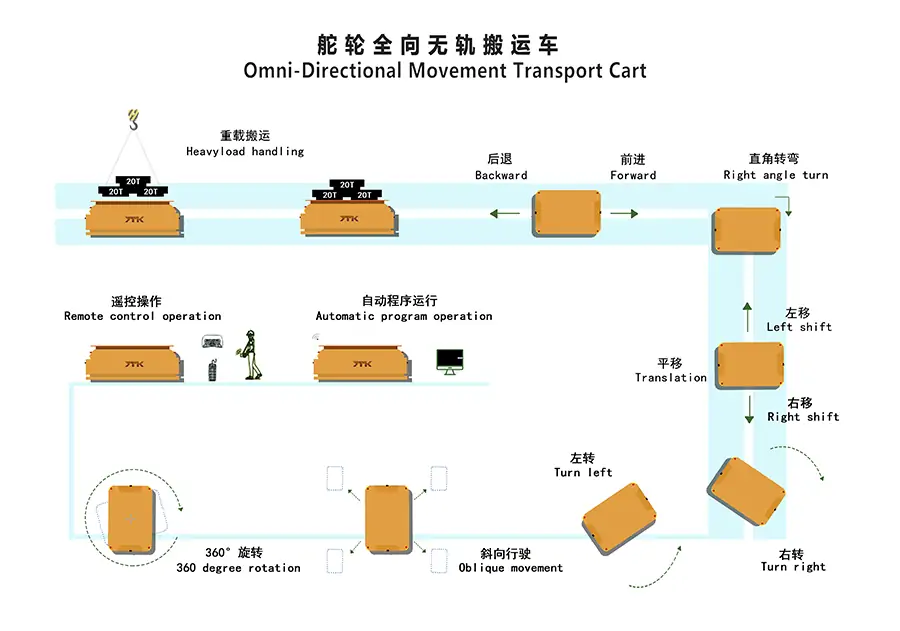
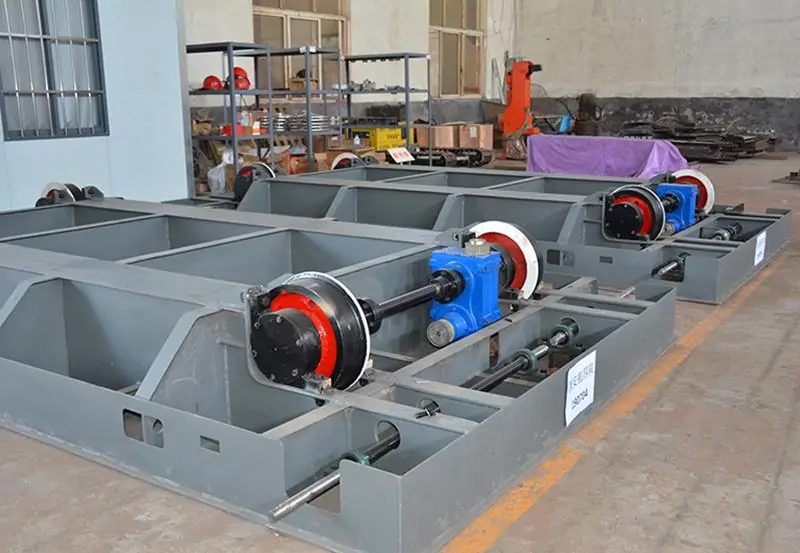
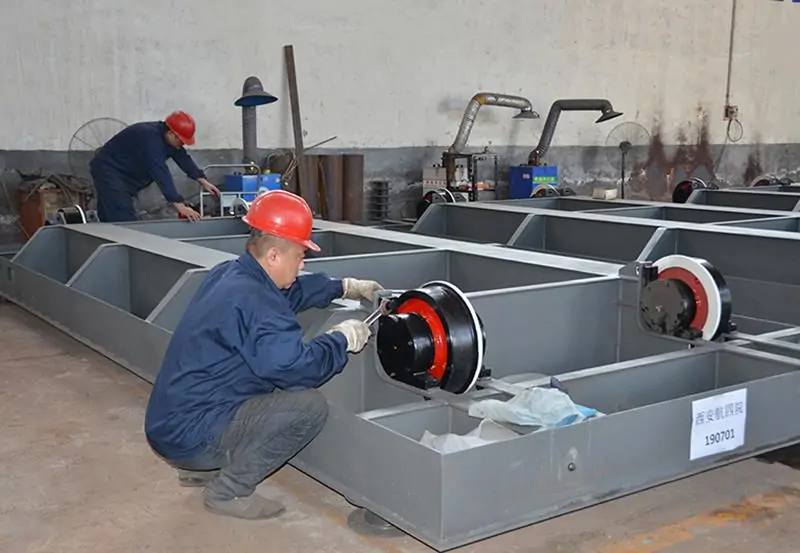
The equipment consists of a high-strength steel frame, a power drive system (battery and motor), a hydraulic scissor, pillar lifting , Hydraulic outriggers mechanism, and a control system. It uses the expansion and contraction of hydraulic oil cylinders to drive the smooth lifting of the bearing platform, adjusting the unloading height in real-time according to the shape and placement height of the materials. No rails are required during handling. The polyurethane coated wheels equipped on the device can turn 360° freely on hardened road surfaces. This hydraulic lifting trackless transfer cart breaks the limitation that traditional transfer carts can only move horizontally.
Why Choose Hydraulic Lifting Transfer Car
The advantages of the hydraulic lifting transfer car lie in improving handling efficiency, optimizing space utilization, and enhancing operational safety. It is an important tool to meet flexible production in factories.
| Autonomous Loading | Can drive under racks for jacking, enabling automatic storage and retrieval while reducing reliance on manual labor, forklifts, or cranes. |
| Stability | Utilizes a high-strength box-girder chassis with synchronous valves and safety locks to ensure no sliding or tilting during uneven loading or power failure. |
| Adjustable Height | The hydraulic system supports millimeter-level height adjustment, achieving seamless and precise docking with production line workstations. |
| Space Optimization | Polyurethane wheel supports 360° in-situ rotation and lateral movement; combined with lifting functions, it enables efficient operation in extremely narrow areas. |
| Multiple Protection | Equipped with pressure sensors, mechanical locking, and LiDAR obstacle avoidance systems to provide all-around safety for cargo and personnel. |
| High Adaptability | Suitable for various ground types and harsh environments; supports customization for explosion-proof, high-temperature, and cleanroom requirements. |
The “function-in-one” design of the hydraulic lifting transfer car significantly reduces manual labor intensity and markedly improves workshop handling efficiency, making it a favorite in heavy industry.
应用场景
The high load capacity and high flexibility of the hydraulic lifting transfer car have gained increasing recognition in heavy industry, especially in fields involving heavy component processing, precision part assembly, and high-frequency turnover.
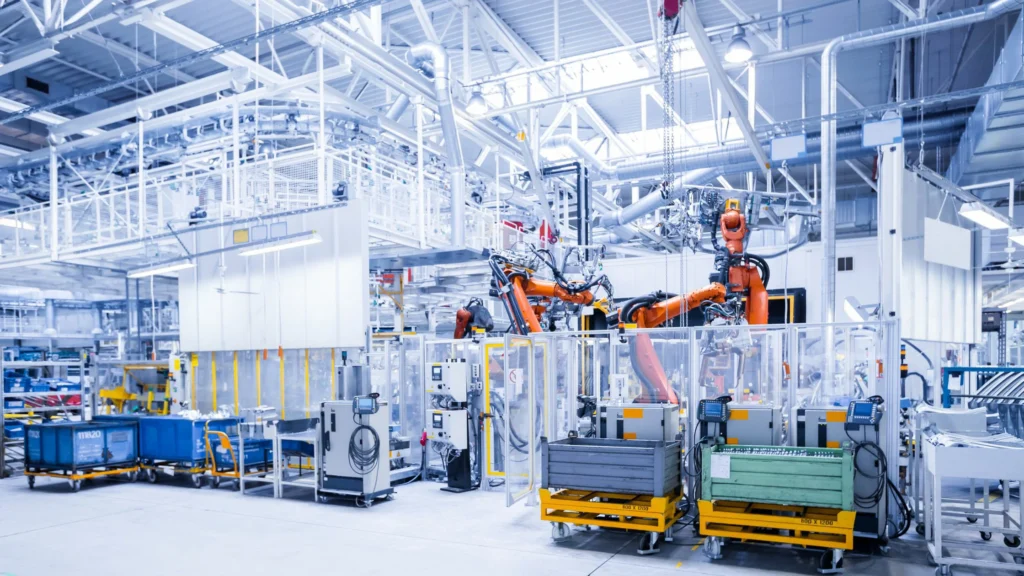
Mold and Equipment Manufacturing: In the automotive die-casting and injection molding industries, it is used for the rapid mold change of heavy molds between the warehouse and the press, using the lifting function to send the mold directly under the machine tool slide.
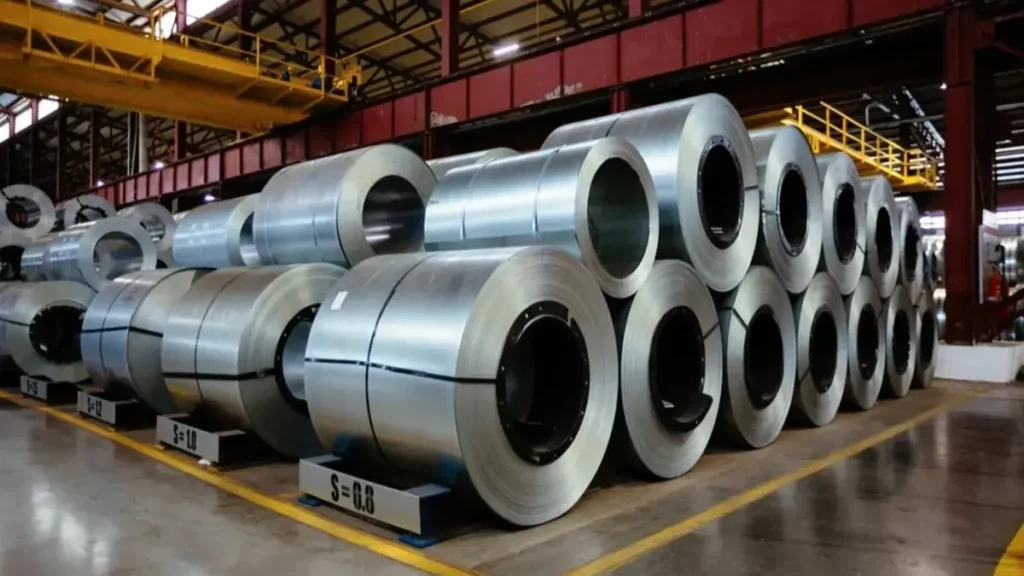
Steel Structure and Metallurgy Industry: Used to handle steel coils and large castings or forgings. The lifting function is used to place workpieces on specific racks to solve the needs of different process heights.
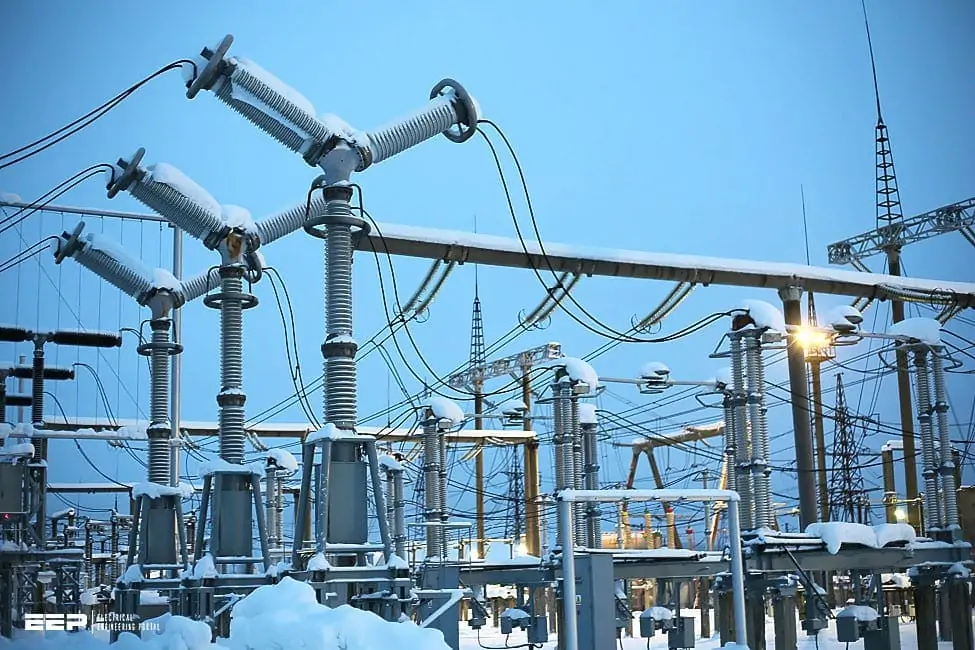
Transformer and Wind Power Energy: During the assembly of heavy electrical equipment, the transfer cart can act as a mobile hydraulic workstation, facilitating personnel to work at different heights.
Warehousing and Logistics Automation: Capable of automatically handling extra-long and extra-heavy goods. Discrete handling between production lines is also easily managed, replacing traditional expensive and inefficient conveyor systems.
In any industry involving heavy loads and height difference docking requirements, the hydraulic lifting transfer car is the optimal logistics solution.
案例
了不起 provides customized solutions for heavy industries in different scenarios. The following typical cases provide an intuitive sense of the effects brought to enterprises by customizing a suitable hydraulic lifting transfer car.
Industrial Background
An industrial manufacturing enterprise in Turkey needed to solve the problem of transferring its heavy molds and large mechanical parts within the plant. The difficulty faced by the customer was how to efficiently and safely transport materials weighing dozens of tons from the storage area to the processing station in a cramped workshop, while also achieving precise docking with workbenches of different heights and reducing reliance on traditional cranes.
解决方案 We customized a 30-ton heavy-duty trackless hydraulic lifting transfer car for the enterprise:
- 负载能力 Rated load of 30 tons;
- Lifting Mechanism: Integrated large-stroke hydraulic lifting platform (for workstation height docking);
- 电力系统: Large-capacity maintenance-free battery pack supporting long-term continuous operation;
- 转向系统: Trackless steer wheel drive, supporting 360° in-situ rotation and multi-directional movement;
- 控制模式: Dual modes of wireless remote control + manual control handle;
- Safety Protection: Equipped with LiDAR obstacle avoidance sensors, sound and light alarms, and emergency stop buttons.
Results: After the equipment was delivered and put into use, it met the “point-to-point” full automation transfer of heavy materials, solving the customer’s biggest current difficulty. The transfer of 30 tons of material, which originally required multiple workers and a crane, now only requires 1 operator. The hydraulic lifting system ensured stability during the material docking process, improved transfer efficiency by 30%, and reduced safety hazards brought by traditional lifting operations.
How To Choose A Suitable Hydraulic Lifting Transfer Car?
Choosing a hydraulic lifting transfer car is not a matter of “the larger the load capacity, the better”; it requires comprehensive matching based on working conditions, material attributes, and site constraints. A suitable transfer cart should maintain operational flexibility, lifting precision, and long-term stable maintenance costs while meeting the maximum load.
- Determine Rated Load Capacity: First, clarify the maximum weight of the material to be handled. Choose equipment with a rated load 10% – 20% higher than the actual maximum material weight to cope with possible impact loads, which can prolong the life of the mechanical structure.
- Verify Lifting Height and Stroke: Select an appropriate lifting system based on the height difference of docking stations. Determine whether your operating scenario requires a “fine-tuning docking type” (requiring only tens of millimeters of displacement) or a “high-level lifting type” (requiring several meters of lifting). The lifting height determines whether the equipment is customized with a single-cylinder direct-push or a scissor structure.
- Consider Ground Environment and Walking Mode: If the plant has already laid rails, choose a rail model; if free movement is required, choose a trackless model. For trackless hydraulic lifting transfer car, select the wheel material based on the ground material (cement, epoxy, or steel plate). Polyurethane coated wheels are the preferred choice for protecting the ground and reducing noise.
- Evaluate Maneuverability Requirements: Select the steering mode based on the workshop aisle width. When space is extremely tight, equip a steer wheel system or Mecanum wheels, which allow the transfer cart to rotate 360° in place or move laterally, avoiding frequent reversing.
- Match Power Supply and Endurance: Choose the battery through the frequency of operations. For high-frequency, continuous operations, choose lithium batteries (fast charging, long life); for lower operational frequency, a maintenance-free lead-acid battery is more cost-effective.
- Safety Configuration and Intelligence Needs: Equip the device with LiDAR obstacle avoidance radar, sound and light alarms, emergency stop buttons, and hydraulic self-locking devices as much as possible to ensure safety during handling. If integration into a smart factory system is required, consider whether a PLC interface is reserved.
Choosing a suitable hydraulic lifting transfer car is a process from parameter matching to safety considerations. Before purchasing, conduct in-depth technical docking with the manufacturer, providing site condition drawings if necessary. We can provide customized solutions for factories to help you achieve a higher return on investment.
结论
Hydraulic lifting transfer car is the evolution of logistics tools, enabling vertical lifting and horizontal movement to coexist, making heavy material handling both flexible and safe, and meeting increasingly demanding industrial production requirements.Our custom hydraulic lifting solutions include: 20-ton multidirectional transfer car, 6-ton omnidirectional AGV, 50 Tons Pallet Hydraulic Lifting Transfer Car, 自动无轨搬运车, 3 吨升降式 AGV 转运车, 重载 AGV /ARM.
了不起 has been deeply involved in heavy-duty transfer technology for many years and is a leading global handling solution expert. We provide customized hydraulic lifting transfer car from 1 ton to 500 tons, dedicated to creating exclusive automated logistics handling equipment for every customer. Whether your working condition involves narrow aisles, ultra-high precision docking, or harsh heavy industrial environments, 联系我们 to provide you with a customized solution with excellent performance, safety, and reliability.
电子邮件: transfercart@rmkzn.com
Phone: +86-18637369355
常见问题
What is the maximum lifting weight of a hydraulic lifting transfer car?
It has extreme customizability. In industrial applications, common load ranges are between 1t and 100t, but manufacturers like Remarkable can provide ultra-heavy-duty models of 500 tons and above based on special needs.
Does this transfer cart have special requirements for the factory floor?
For the trackless hydraulic lifting transfer car, due to the use of high-performance polyurethane coated wheels, it can drive freely on ordinary hardened cement floors, epoxy floors, or steel plate surfaces. It usually does not require special rail infrastructure and will not damage the floor.
How is safety guaranteed for the lifting platform during operation?
Professional equipment is equipped with multiple safety mechanisms, including: hydraulic self-locking devices (preventing falling due to pressure loss), synchronous control valves (ensuring the platform is stable and not tilted), LiDAR (automatic shutdown upon encountering obstacles), and sound and light alarm systems.
How long can a battery-powered transfer cart last on a single charge?
This depends on battery capacity and operation frequency. Usually, the large-capacity maintenance-free battery provided can meet 6-8 hours of full-load continuous operation. If lithium batteries are used, fast charging solutions are also supported to adapt to high-intensity shift production needs.
Can it achieve in-situ rotation?
Yes. Transfer carts equipped with steer wheel steering systems or omnidirectional movement technology can achieve 360° in-situ rotation, lateral movement, and diagonal movement. This makes them perform exceptionally well in narrow workshops where forklifts find it difficult to enter.
Can a hydraulic lifting transfer car replace traditional cranes or forklifts?
In many scenarios, it can. Especially through “pick-up” handling of racks or pallets, it eliminates the waiting time and high-altitude risks of crane hoisting, significantly improving the independence and efficiency of in-plant material flow.
How to maintain the hydraulic lifting system?
Maintenance is relatively simple, mainly including regular checking of hydraulic oil levels, cleaning hydraulic cylinder dust rings, checking the operation status of drive motors, and lubricating joint bearings. Remarkable provides a detailed maintenance manual and remote technical support for each piece of equipment.
Does this equipment support automation upgrades?
Absolutely. hydraulic lifting transfer car can reserve PLC interfaces. By integrating sensors and navigation systems (such as laser SLAM or magnetic navigation), it can be easily upgraded from remote control mode to a fully automated AGV handling robot.