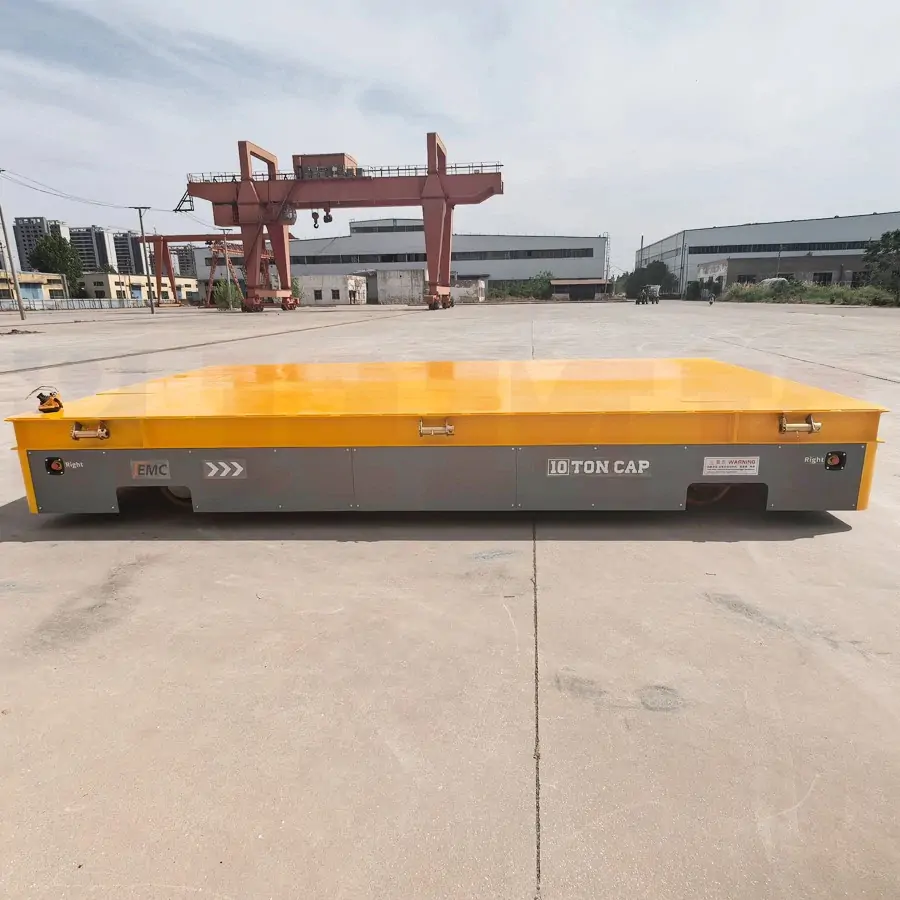
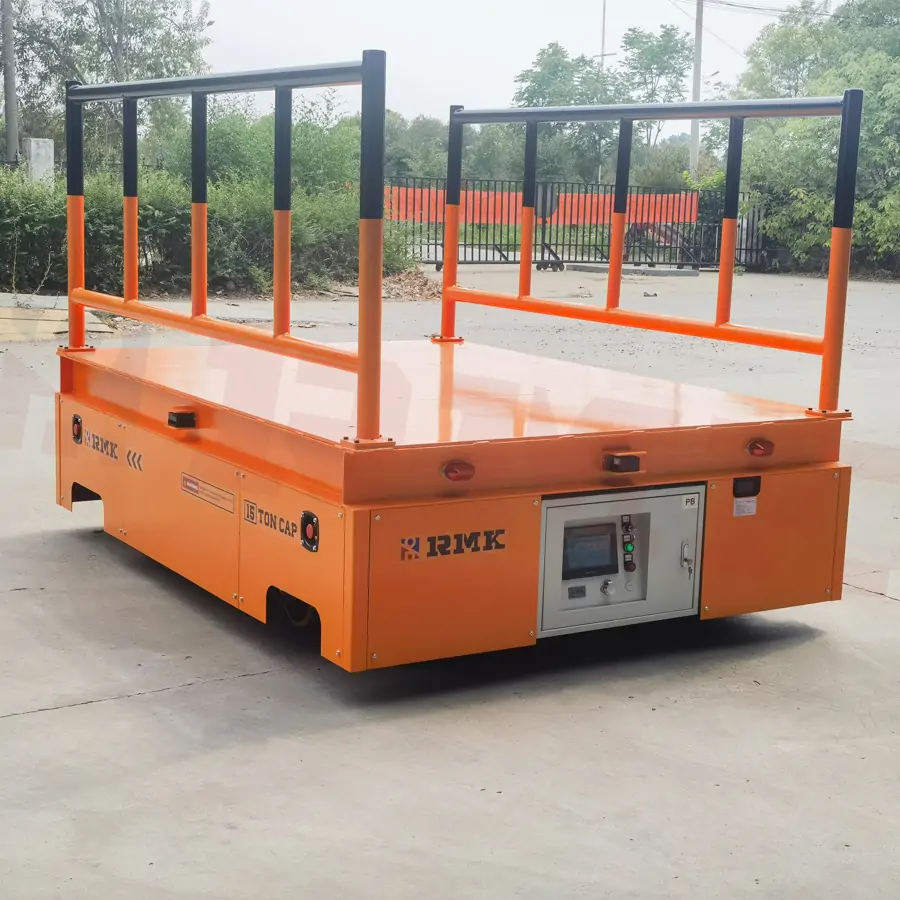
Temiz oda transfer arabası, tozsuz ortamlar için özel olarak tasarlanmış bir malzeme taşıma ekipmanıdır. Malzeme seçimi, hava akışı kontrolü ve yapısal optimizasyon yoluyla, yarı iletkenler, ilaçlar ve hassas imalat gibi son derece yüksek temizlik gereksinimleri olan senaryolarda hassas malzemeleri güvenli bir şekilde taşıyabilir. Bu makale, bir Temiz Oda Taşıma Arabasının ne olduğunu, türlerini, uygulama senaryolarını ve nasıl seçileceğini ayrıntılı olarak açıklayacaktır.
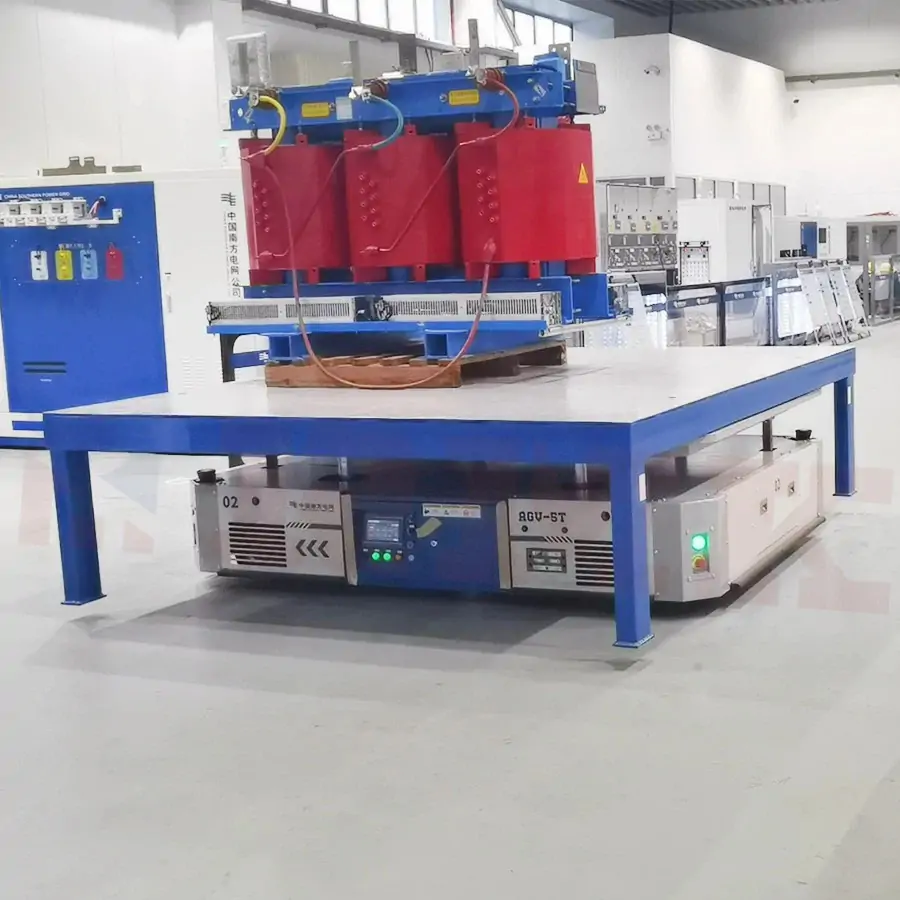
Temiz oda transfer arabası nedir?
Temiz oda malzeme transfer arabası, kontrollü ortamlar (yarı iletken tesisleri, ilaç atölyeleri ve hassas laboratuvarlar gibi) için tasarlanmış bir malzeme taşıma ekipmanıdır. Kirlilik kaynaklarını sıkı bir şekilde kontrol eden ve Sınıf 10.000 hatta Sınıf 100 temizlik gereksinimlerini karşılaması gereken hassas bir platformdur. Malzeme seçiminden güç sistemlerine kadar, bu tür transfer arabaları, çalışma sırasında toz parçacıkları, metal tozu veya gaz halindeki kirleticiler üretmemelerini sağlamak için özel işlemlerden geçmelidir. Yüksek temizlikte bir üretim ortamını sürdürmek için kilit bir bağlantıdır.
Türleri
Temiz Oda Transfer Arabası, steril bir ortamda malzemelerin güvenli transferi için bir ekipmandır. İşlevine, yapısına ve uygulama senaryolarına göre aşağıdaki ana tiplere ayrılabilir:
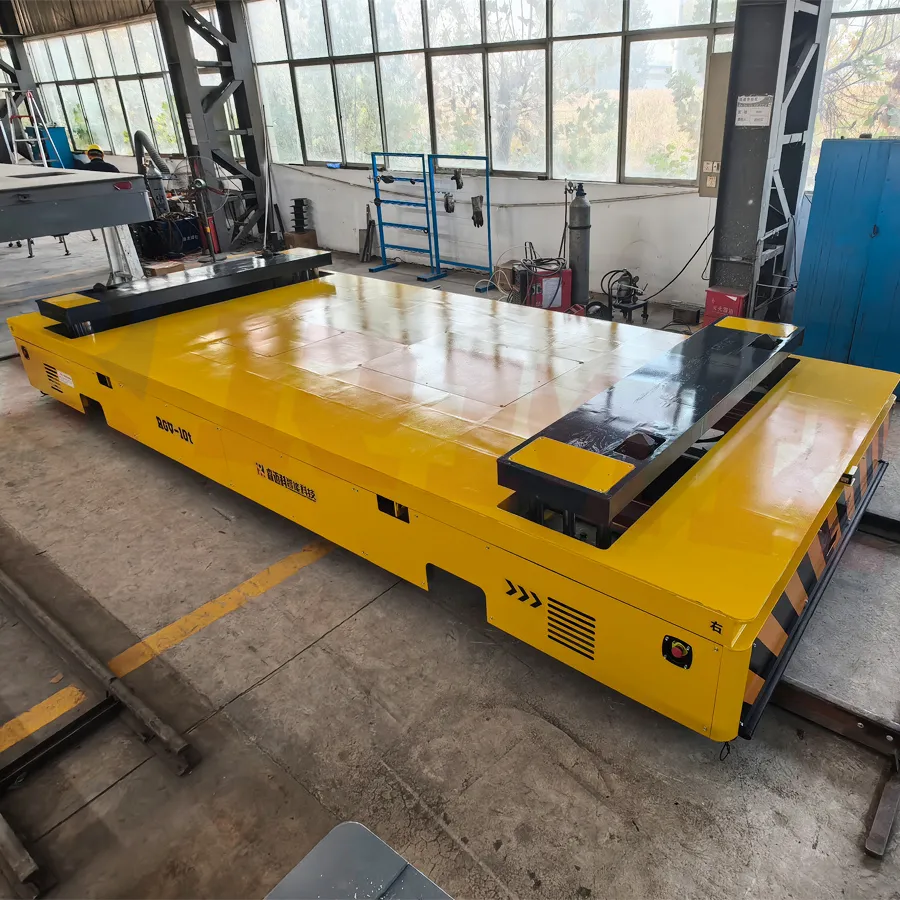
AGV Otomatik Yönlendirmeli Araba
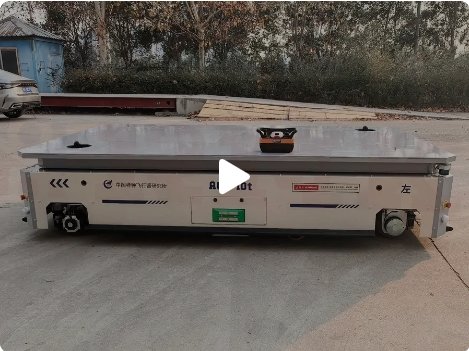
AGV (Otomatik Yönlendirmeli Araba), aynı zamanda AGV transfer arabası olarak da bilinir, otomatik navigasyon teknolojisi kullanan akıllı bir taşıma ekipmanıdır. Önceden belirlenmiş yollar veya dinamik olarak planlanan rotalar boyunca ağır malzemelerin taşınması, yüklenmesi, boşaltılması ve sınıflandırılmasını bağımsız olarak tamamlayabilir. Akıllı imalat, depo lojistiği, tıp, gıda işleme ve diğer endüstrilerde yaygın olarak kullanılır ve otomatik lojistik sistemlerinin temel ekipmanıdır.
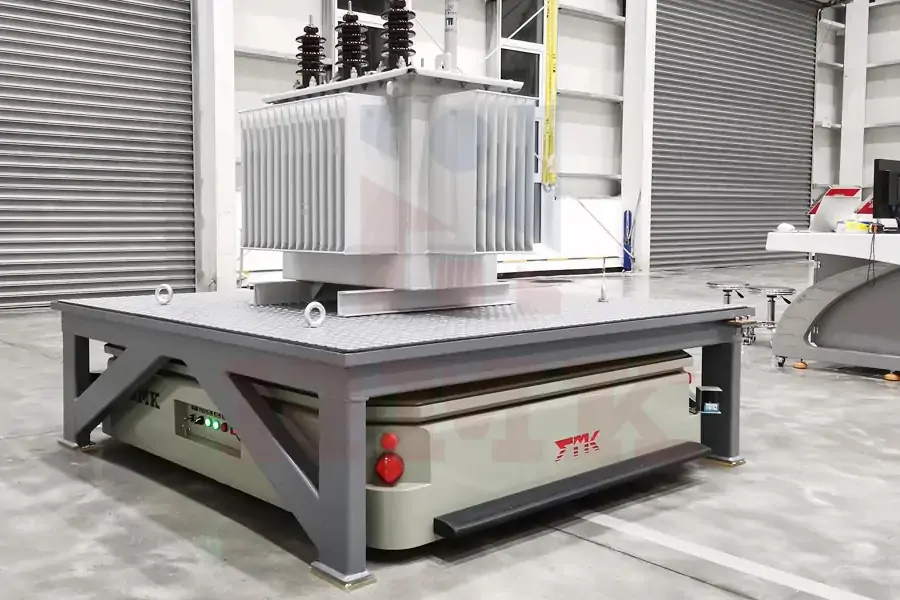
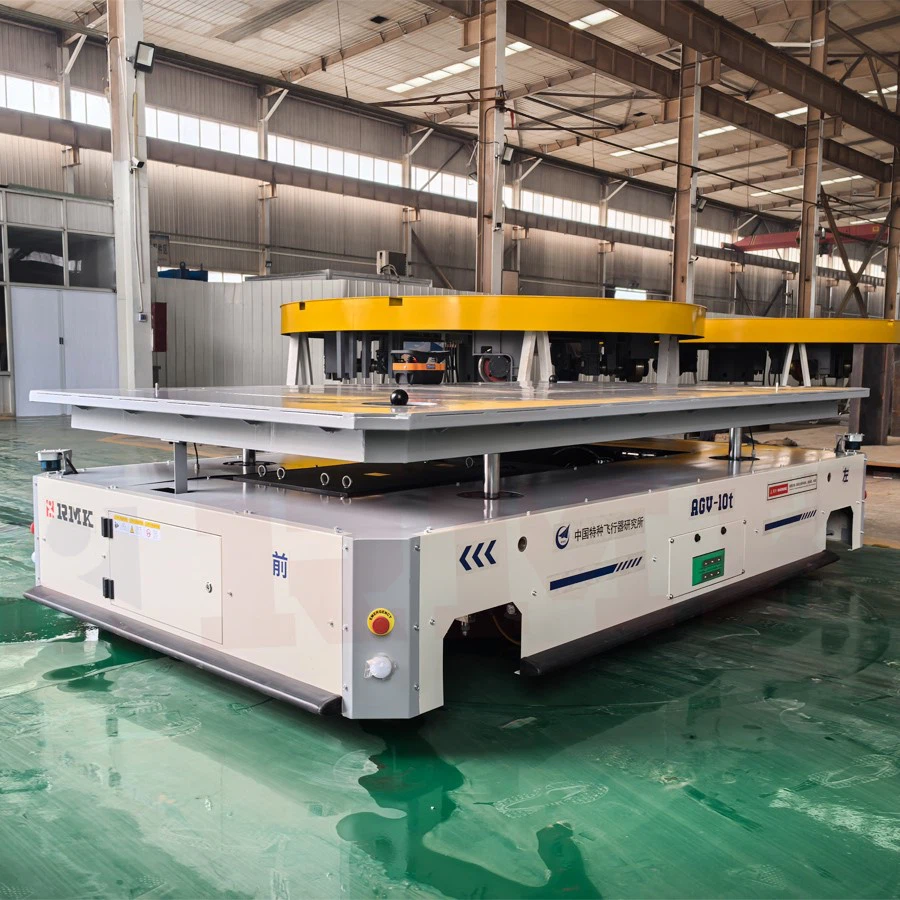
| Parametre Kategorisi | Belirli Parametreler |
|---|---|
| Yük Kapasitesi | 2 ton ~ 500 ton |
| Tabla Boyutu | Özelleştirilebilir |
| Çalışma Hızı | 0~25 metre/dakika |
| Kontrol Modu | Buton / Uzaktan kumanda |
| Temel Fonksiyonlar | Lazer SLAM / Manyetik navigasyon / Görsel navigasyon, yüksek hassasiyetli konumlandırma, akıllı çizelgeleme ve kontrol, çoklu makine işbirlikli çalışma |
Uygulama Senaryoları: İmalat, depo lojistiği, tıp, yiyecek ve içecek, havacılık.
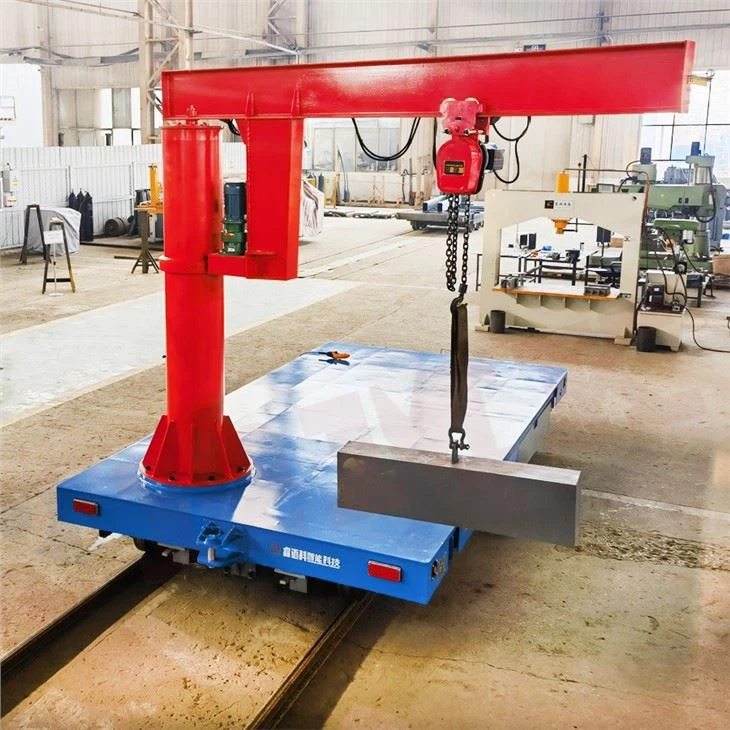
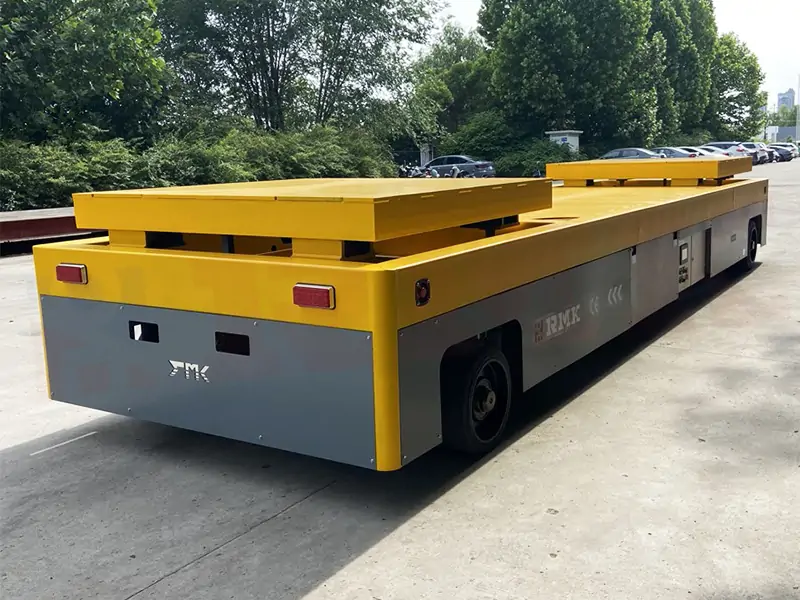
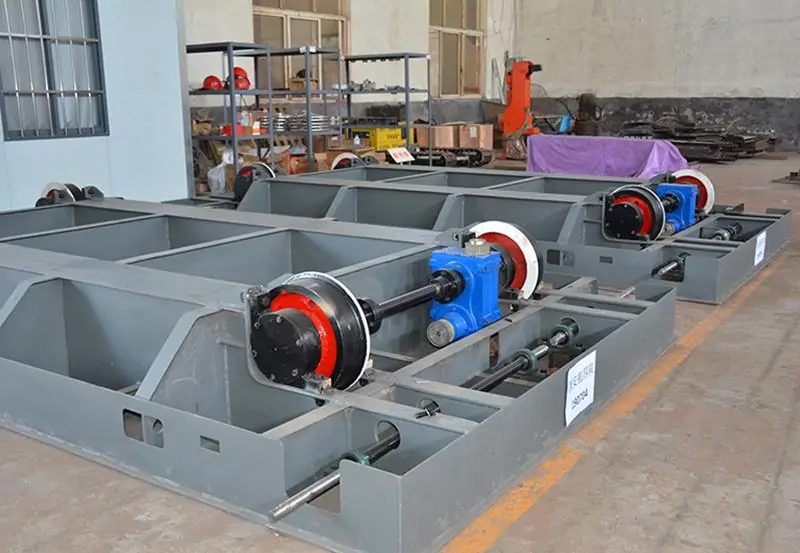
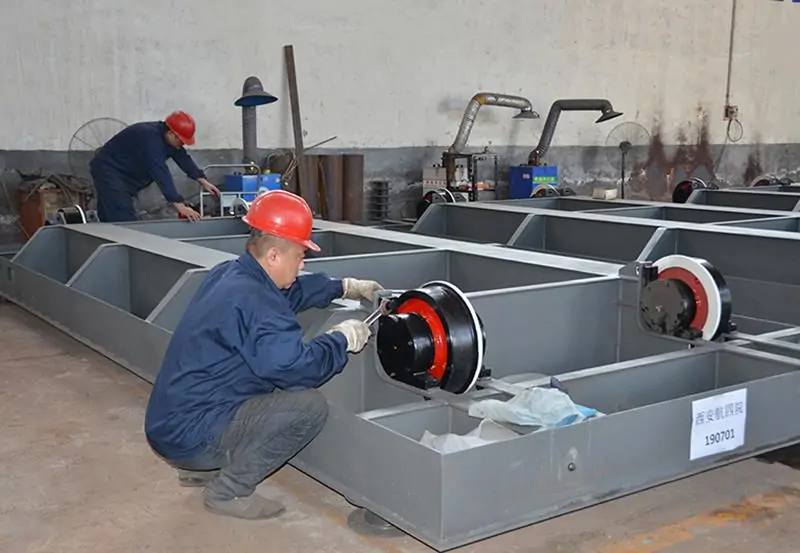
Kalıp Transfer Arabası
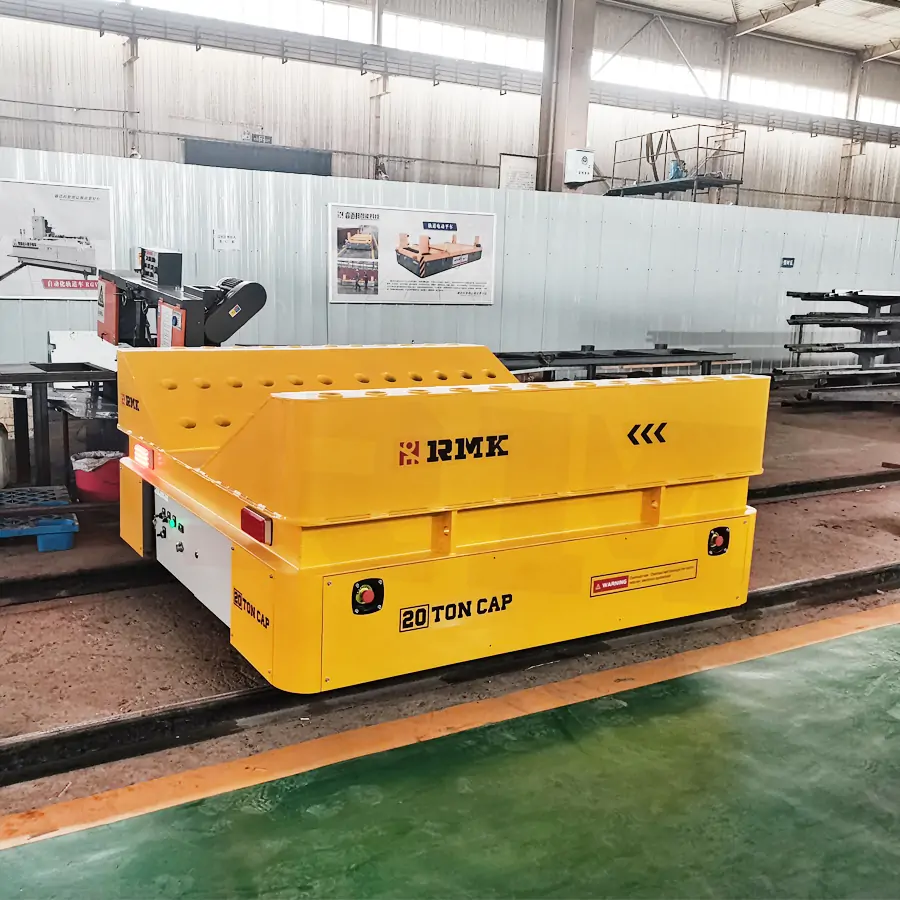
Elektrikli kalıp transfer arabası , özellikle fabrika atölyeleri için tasarlanmış, enjeksiyon kalıpları ve pres kalıpları gibi ağır kalıpların güvenli ve verimli bir şekilde taşınması için kullanılan endüstriyel bir taşıma ekipmanıdır. Kalıp kurulumu, değişimi ve bakımı için uygundur ve bir tür Temiz Oda transfer arabasıdır.
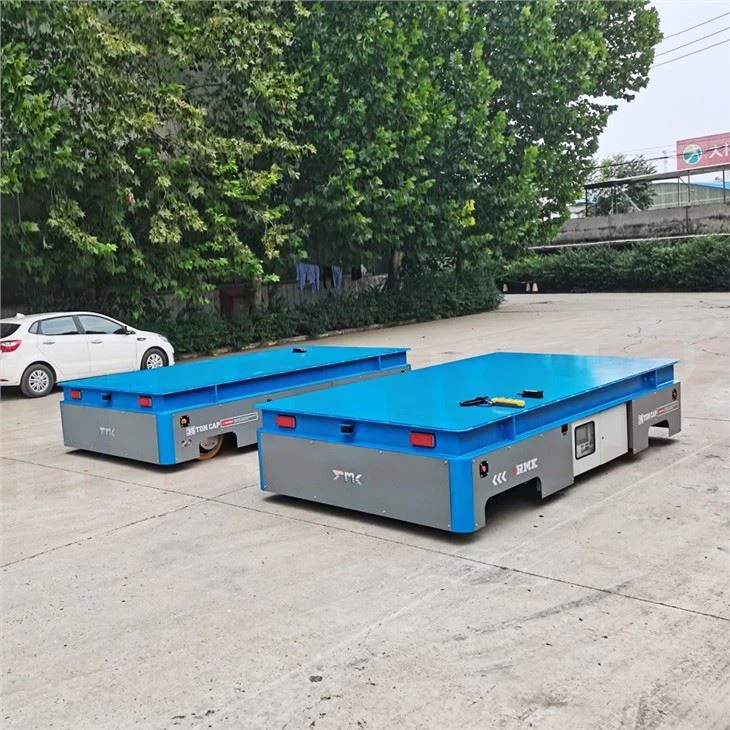

| Parametre Öğesi | Detaylı Parametreler |
|---|---|
| Yük Kapasitesi | 1~50 ton, ağır hizmet modelleri 100 tonun üzerine çıkabilir |
| Sürüş Modu | Manuel / Hidrolik / Elektrikli; Elektrikli model hızı 0,1~0,5 metre/saniye |
| Kaldırma Ayarı | Hidrolik veya mekanik kaldırma, strok 50~300mm, hassasiyet ±1mm |
| Hareket Modu | Hareket Modu |
| Tabla Boyutu | Üniversal tekerlekler (frenli) veya raylar, 360° dönüşü destekler |
| Özelleştirilebilir, kaymaz tasarımlı | Güvenlik Performansı |
Devrilme önleyici yapı; tamponlama cihazları, acil fren sistemi, engel algılama sistemi.
Uygulama Senaryoları: Otomotiv imalatı, ev aletleri imalatı, tüketici elektroniği endüstrisi, tıbbi cihaz endüstrisi, havacılık endüstrisi, günlük ihtiyaç ambalaj endüstrisi, inşaat malzemeleri endüstrisi.
Hidrolik Kaldırmalı Araba.
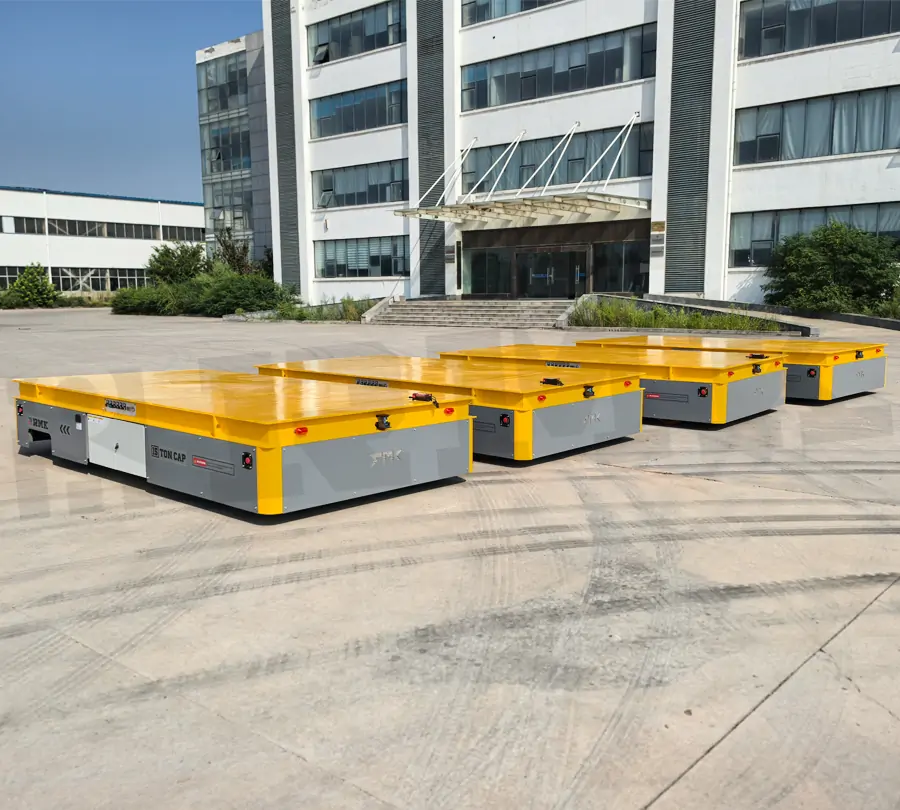
| Parametre Kategorisi | Tipik Aralık | Açıklama |
|---|---|---|
| Yük Kapasitesi | Hidrolik Kaldırmalı Araba, "ağır yük taşıma" ve "dikey kaldırma"yı birleştiren bir ekipmandır. Platformun düzgün bir şekilde yükselip alçalmasını sağlamak için yüksek hassasiyetli bir hidrolik sistem kullanır ve kalıp değişimi ve üretim hattı yükleme/boşaltma gibi farklı yükseklikler arasındaki bağlantı zorluklarını çözmek için tasarlanmıştır. | 1,5–10 ton |
| Yaygın: 1,5/2/2,5/3/5/10 ton | Çatal Boyutu | Uzunluk 1150–2000mm, Genişlik 550–685mm |
| Standart paletlere uyar, genişletme/uzatma özelleştirilebilir | Min. Dönüş Yarıçapı | 1520–2160mm |
| Seyahat Hızı | Üzerinde durulan tip, yürünen tipten biraz daha büyüktür | 3,6–6km/sa (Tam yük) |
| Akü Kapasitesi | AC tahrik, kademesiz hız regülasyonu | 24V/210Ah–48V/60Ah |
Esas olarak lityum pil, hızlı şarj 3–4s, dayanıklılık 4–8s Uygulama Senaryoları: Depolar, fabrikalar, limanlar, lojistik merkezleri, yangına ve, patlamaya dayanıklı yerler.
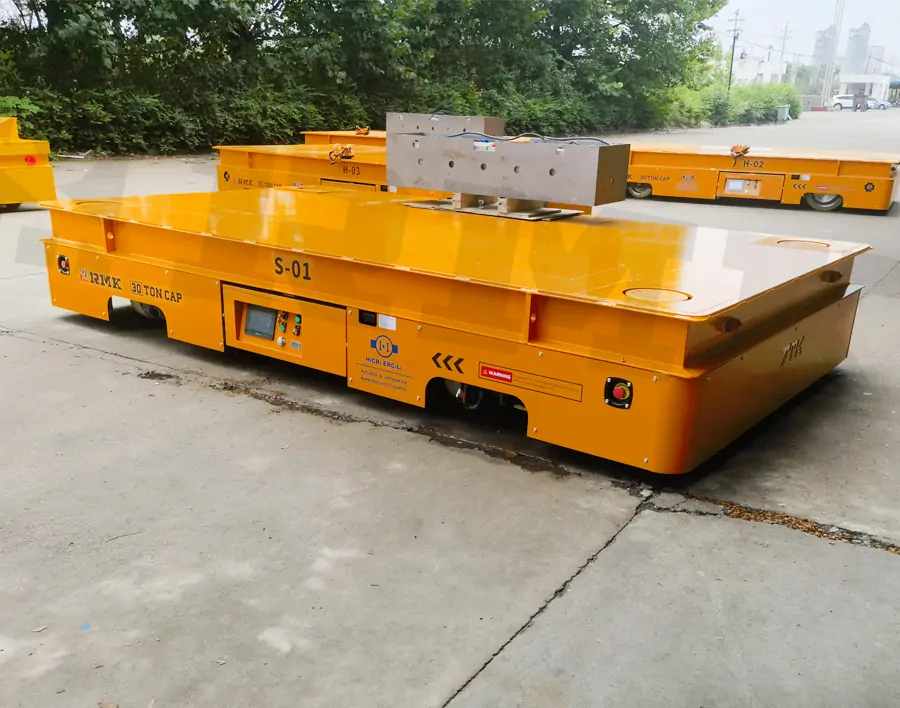
Motorlu Transfer Arabası
, iç mekan hassas alet taşıma.

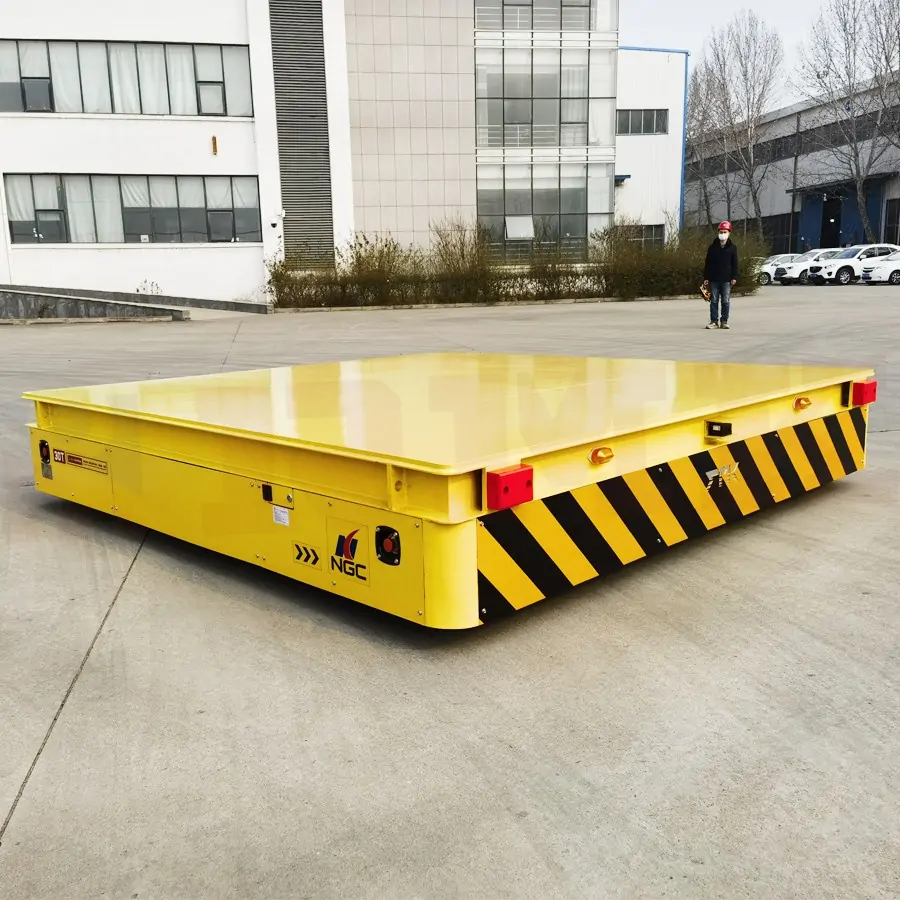
| Ürün | Bu Temiz Oda taşıma arabası mükemmel taşıma performansına sahiptir. Her tekerlek bağımsız olarak yeniden yönlendirilebilir ve boylamasına, yanal, yengeç benzeri, çapraz hareket ve sıfır yarıçaplı dönüş dahil olmak üzere çok yönlü hareket sağlar. |
|---|---|
| Yük Kapasitesi | Parametre / Açıklama |
| Çalışma Hızı | 5 ton ~ 400 ton |
| Tekerlek Tipi | Maks. 30 metre/dakika |
| Kontrol Modu | Kauçuk tekerlekler / Poliüretan tekerlekler |
| Güç Kaynağı | Akü / Dizel |
| Direksiyon Modu | Uzaktan kumanda / Otonom kontrol (AGV/AMR) |
| Hareket Modu | Çok yönlü direksiyon |
360° yerinde dönüş + Yengeç benzeri hareket (yanal/çapraz).
Uygulama Senaryoları: Havacılık bileşenleri, hassas alet taşıma, otomotiv üretimi, montaj hatları, depo lojistiği, gemi yapımı ve ağır ekipman, modüler inşaat.
Uygulama Senaryoları
İlaç/elektronik endüstrileri için temiz oda transfer arabası öncelikle yüksek temizlik sağlamalıdır. Her tipin, ISO 14644 temiz oda standartlarına uygun, kolay temizlenebilir, sıfır ölü köşe tasarımlarını karşılaması gerekir. Taşınan farklı malzemelere göre uyarlanmış taşıma ekipmanını seçin. Hangi senaryoların temiz oda transfer arabalarıyla donatılması gerektiğini görelim?
Temiz oda transfer arabası, çevresel partikül kontrolü için neredeyse katı gereksinimleri olan endüstrilerde uygulanır:Yarı iletken ve entegre devre imalatı 、Biyofarmasötik ve yaşam bilimleri (GMP uyumlu

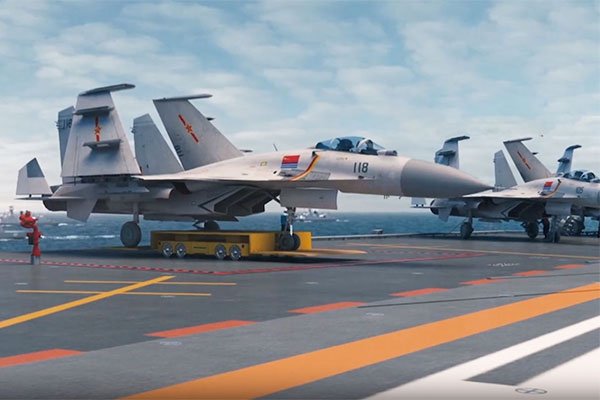
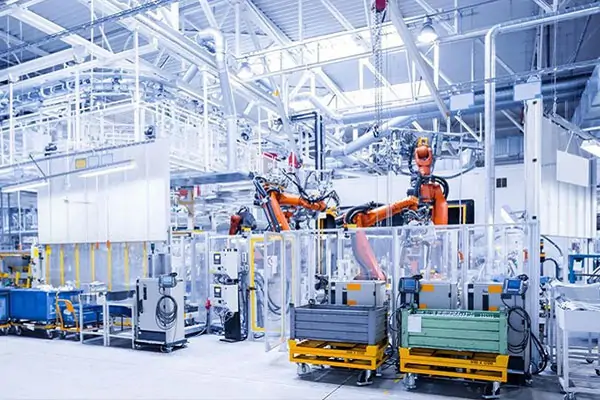
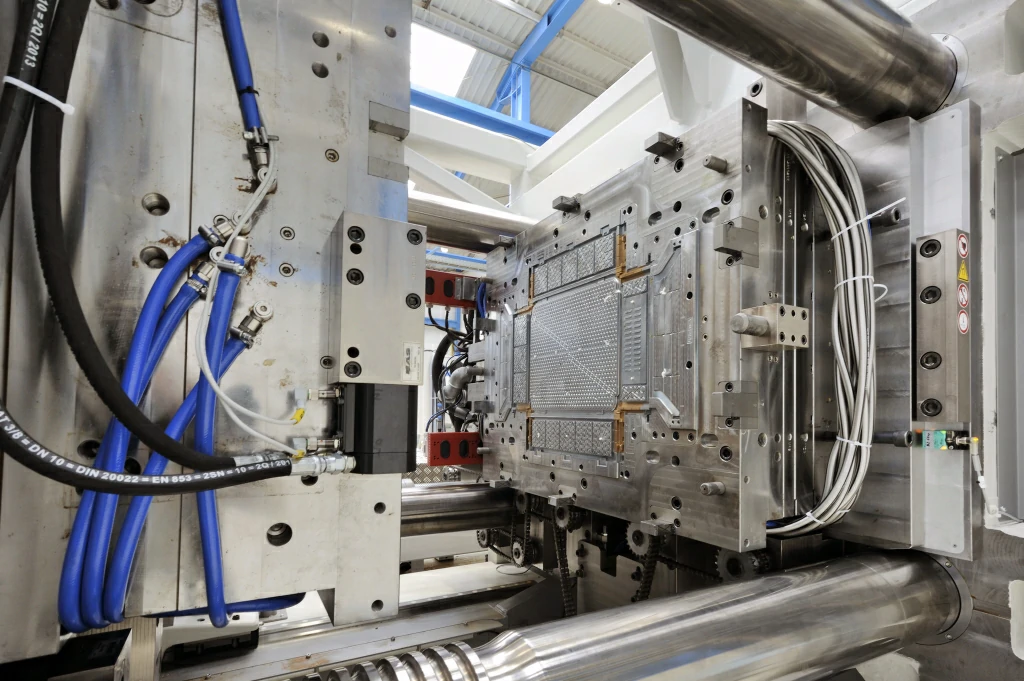
) 、Tıbbi cihaz üretimi 、Optik ve hassas aletler、Lityum pil ve yeni enerji.
Vaka Çalışması
Endüstriyel Arka Plan: Bu uygulama senaryolarını anladıktan sonra, bu cihazların karmaşık ve değişken gerçek atölyelerde nasıl performans gösterdiğini merak edebilirsiniz. Aşağıda, cevabı bulmak için gerçek müşteri vakalarına adım atalım.
Çözüm: Yarı iletken imalatının yüksek hassasiyetli ortamında bir Alman çip dökümhanesi, gofretlerin mikro toz kirliliğine ve mekanik titreşime karşı son derece hassas olduğu bir yerdir. Geleneksel manuel taşıma, çip kontaminasyonunu kolayca üretir; çip kontaminasyonu olmadan yüksek frekanslı, sabit senkron akışı iyileştirmek, fabrika için büyük bir sorun haline gelmiştir. DİKKAT ÇEKİCİ Tarafından sağlanan çözüm.
- , AMR/AGV mimarisine dayalı bir temiz oda otomatik yönlendirmeli araç sistemi benimsemektir. The solution provided by is to adopt a cleanroom automatic guided vehicle system based on AMR/AGV architecture. Hardware Configuration:.
- Adopt 316L stainless steel host, equipped with HEPA.
- self-circulating filtration system to eliminate micro-dust generated during operation; install a six-axis collaborative robot arm. Navigation and Power:.
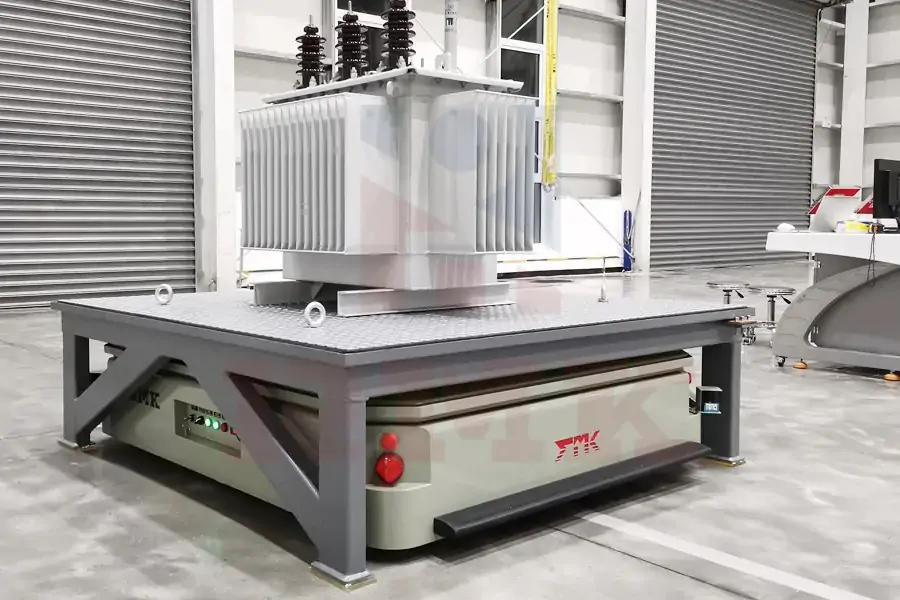
Utilize laser SLAM navigation, no need to damage the floor to simulate magnetic strips; the drive system achieves ultra-smooth start and stop at 0.1m/s. System Integration:.
Seçim Kılavuzu
AGV connects with the factory EAP (Equipment Automation Program) through MCS (Material Control System) to realize loading and unloading. Application Results: After the equipment was put into use, the total factory inventory cycle time (Cycle Time) reached 25%, a single device can replace 3 shift operators, and the ROI period is 18 months. More importantly, using the 0.1m/s smooth drive system and HEPA self-circulating system reduced wastewater in production by 12%.
- Selecting a Cleanroom transfer cart.
- requires a comprehensive evaluation of environmental adaptability, material characteristics, functional design, and compliance certification. Among them, cleanliness level matching, material anti-pollution capability, and operational stability are key decision factors. Cleanliness:.
- ISO 8 environments should choose fully enclosed stainless steel or hardware structures, plus polyurethane-coated wheels to eliminate metal; A/B core areas should adopt laminar flow transfer carts that support unidirectional flow and are recommended to be equipped with HEPA filtration systems; in dynamic environments, attention should be paid to the equipment’s ability to control airflow disturbance, with vibration values ≤0.5mm/s2. Space:.
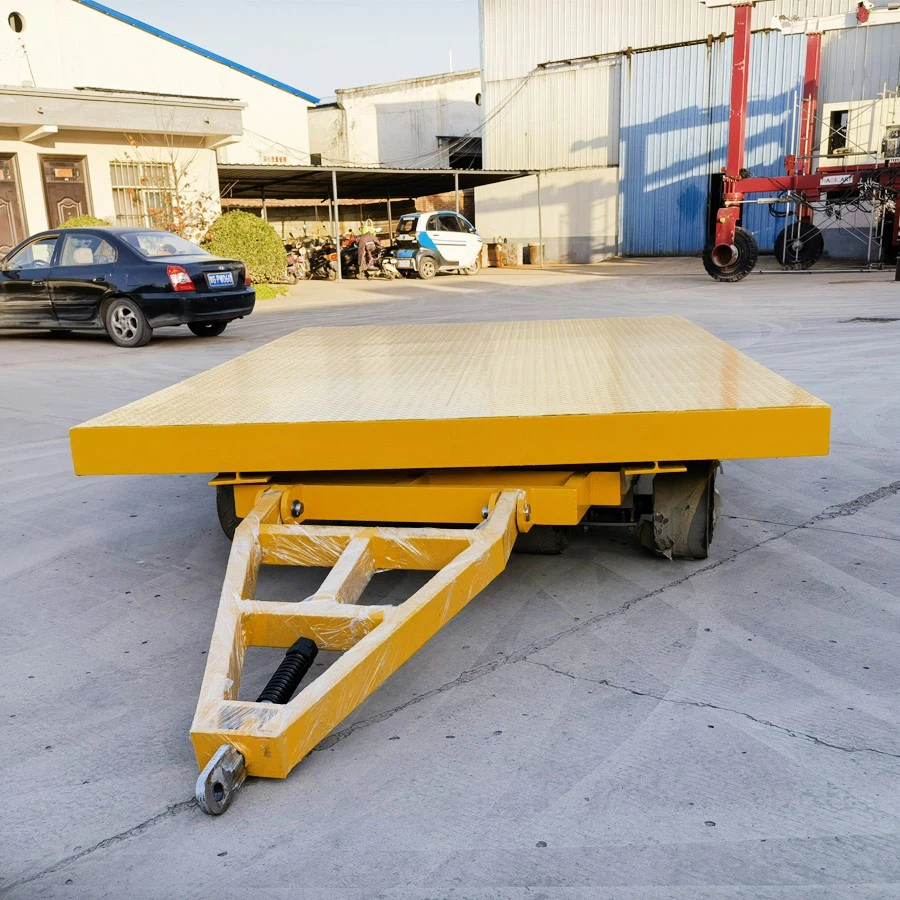
- Basit yapı ve düşük bakım maliyeti. Düz veya dairesel sabit rotalar için uygundur, yük kapasitesi 50 ila 500 ton arasında değişir ve tekrarlayan ağır malzeme transfer görevleri için idealdir. For narrow cleanrooms, prioritize suspended or trackless Cleanroom transfer cart. Turning radius and aisle width must be calculated; pharmaceutical workshops are suggested to reserve operating space ≥1.5 times the vehicle width.
- Material: Equipment prefers 304 or 316L stainless steel treated with electropolishing (Ra≤0.8μm), which is resistant to repeated disinfection and can withstand 120°C. Aluminum alloy or carbon fiber is recommended for moving parts to reduce self-weight and dust generation.
- Full-enclosed welding process, no exposed screws or gaps; moving parts require sealed design, motor protection level not lower than IP54, and bearings use non-contact seals; surfaces are treated with antibacterial coatings, which can inhibit 99.9% of Gram-positive bacteria growth. Function:.
- Select brushless motors or servo drive systems, enabling precise stepless speed regulation of 0.1-5m/min; automation levels are flexibly customized according to needs, including manual control, PLC positioning remote monitoring, and AGV autonomous navigation. Running noise in the production environment should be controlled within 65dB, and below 55dB in precision electronic workshops. Safety and Maintenance:.
Equipped with electromagnetic brakes, using food-grade lubricants, modular design with component replacement time ≤30 minutes.
- Compliance:.
- Pharmaceutical industry passes ISO 13485 certification and GMP validation documents (FAT/SAT/IQ/OQ); electronics industry provides anti-static test reports (surface resistance 106-109Ω).
- Special Industry Needs.
Pharmaceutical Industry: Must support hydrogen peroxide sterilization, equipped with RFID traceability systems.
Sonuç
Application Results:, Electronics Industry: Focus on anti-static and micro-vibration control, air-bearing guides or magnetic levitation technology recommended. DİKKAT ÇEKİCİ Food Industry: Materials must pass FDA certification, prioritize detachable designs for easy CIP cleaning. The comprehensive design of Cleanroom transfer cart achieves dust-free, cross-contamination-free, and efficient transfer of materials in high-end manufacturing scenarios such as electronics, medicine, and biology, and is the key equipment to ensure product yield and production environment stability.
E-posta: transfercart@rmkzn.com
Telefon: +86-18637369355
SSS
, as a tool for material flow, is an important extension of the cleanroom “diaphragm system,” perfectly integrating humanized operation with industrial clean standards.
is committed to creating more professional, more suitable, and more intelligent handling solutions. If you have any questions to consult, please.
contact us.
Q1: Why is 304/316L stainless steel preferred for Cleanroom transfer cart?.
A: These two materials have excellent corrosion and oxidation resistance, resisting repeated wiping by strong disinfectants such as VHP (Vaporized Hydrogen Peroxide). After electropolishing the surface, the Ra value is extremely low, making it difficult to accumulate dust and effectively preventing bacterial growth.
Q2: How to choose the transfer cart structure according to ISO level?.
A: ISO 8 (Class 100,000) usually adopts hollow enclosed structures; while ISO 5 (Grade A/B) must adopt hollow or streamlined designs, combined with HEPA filtration systems to ensure that the laminar flow (unidirectional flow) environment is not destroyed.
Q3: What are the special requirements for the casters of the transfer cart?.
A: Non-dusting, wear-resistant polyurethane (PU) or synthetic rubber materials must be used. For the precision electronics industry, casters should also have anti-static (ESD) functions and be equipped with fully sealed stainless steel bearings to prevent grease leakage.
Q4: How to effectively control vibration during handling?.
A: By configuring precise servo drive systems and high-elastic energy buffering mechanisms, the operating vibration value is controlled at ≤0.5mm/s2, which is key for transporting precision wafers or biological specimens.
C: AGV, en büyük kirlilik kaynağı olan “insanların” temel alana girişini en aza indirebilir. Görsel veya lazer navigasyon sayesinde hassas kenetlenme ve esnek çizelgeleme sağlayarak insansız üretim seviyesini önemli ölçüde artırır.
S7: Transfer arabası, hava duşundan veya transfer penceresinden doğrudan geçebilir mi?
C: Evet. Ancak transfer arabasının boyutlarının transfer penceresiyle uyumlu olması ve daha yüksek seviyeli bir temiz alana geçmeden önce standart bir yüzey dezenfeksiyon işleminin uygulanması sağlanmalıdır.
S8: Ekipman yüzey kaplamaları gerçekten antibakteriyel olabilir mi?
C: Evet. Profesyonel temiz oda ekipmanları genellikle gümüş iyonları gibi antibakteriyel faktörler içeren özel kaplamalar kullanır; bu kaplamalar bakteri zarlarını etkili bir şekilde yok edebilir ve E. coli ile Staphylococcus aureus için inhibisyon oranları genellikle ,9'un üzerine ulaşır.